

The DOI matches its Crossref record; 1 of the 1 references it cites were found in a registry or an index.
A hierarchical pathway for assembly of the distal appendages that organize primary cilia
Open accessPreprint — published as 10.7554/elife.85999
Abstract
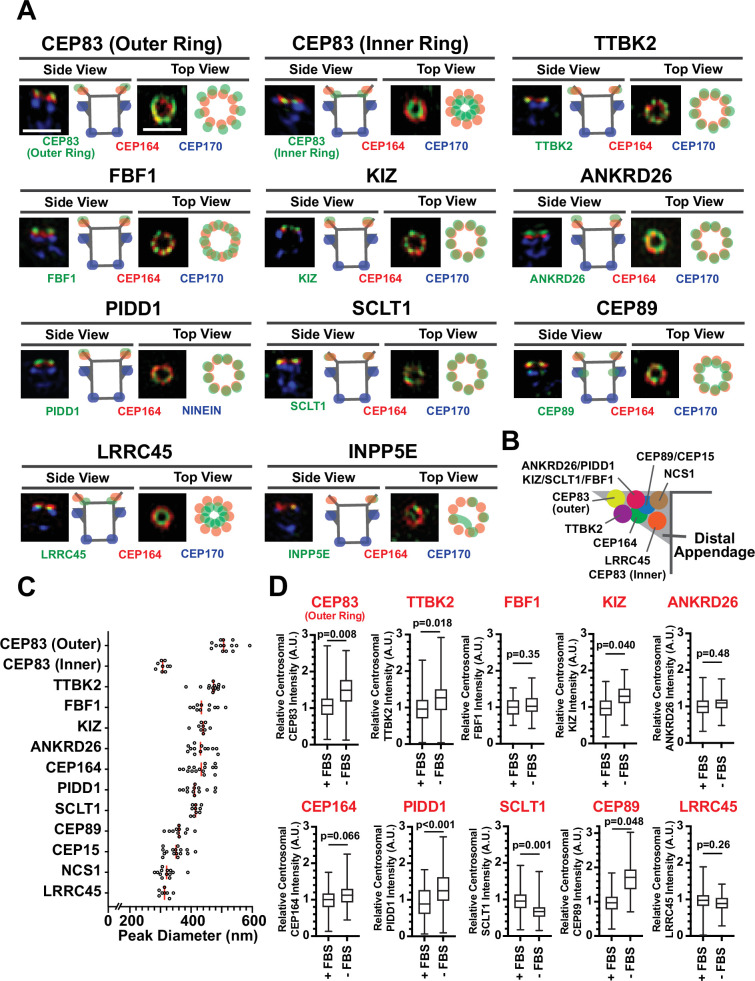
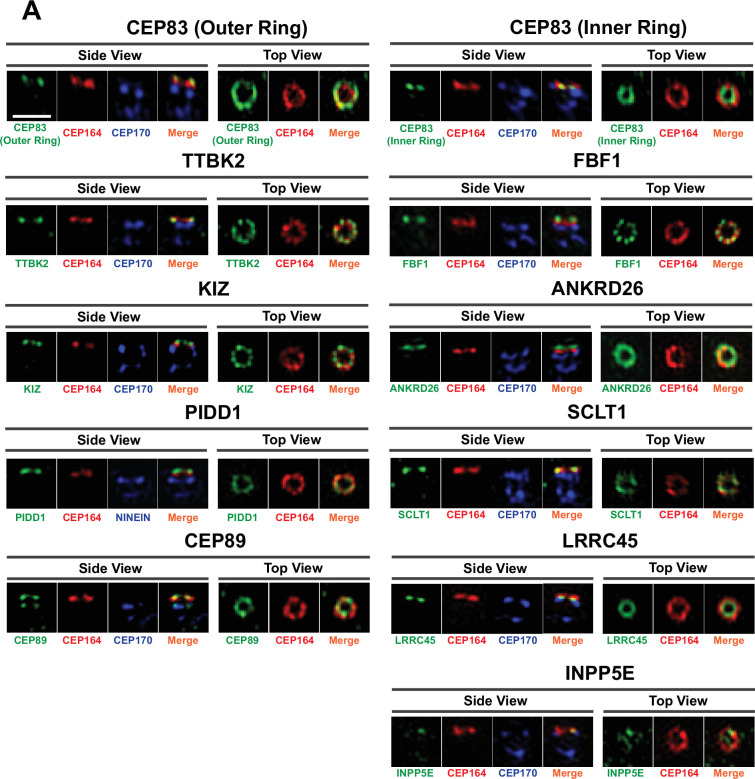
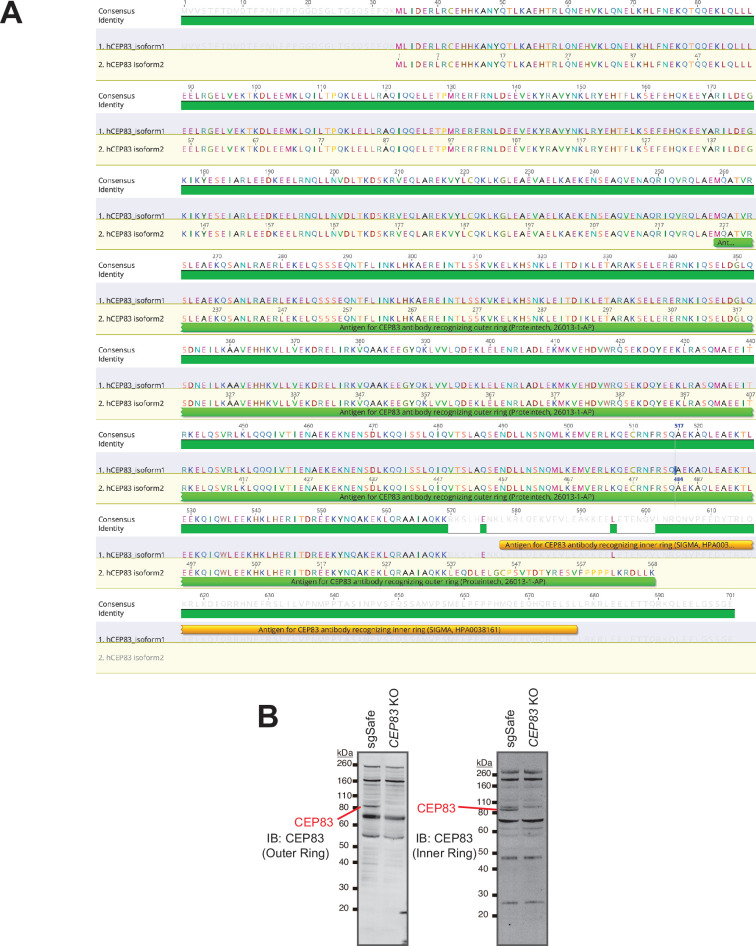
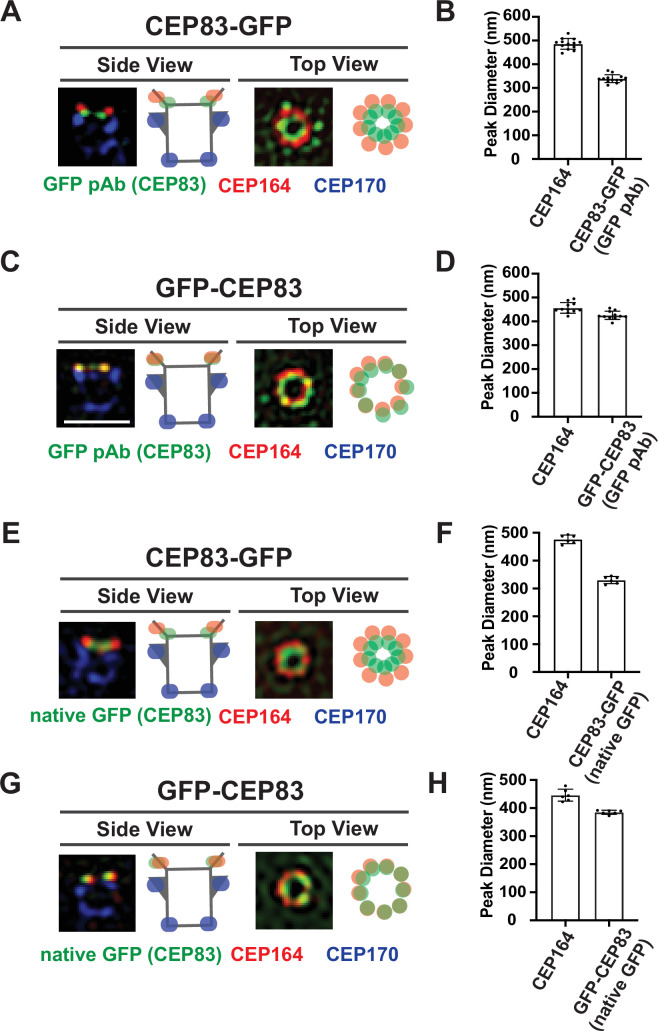
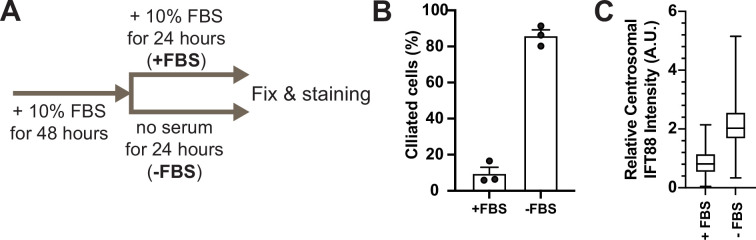
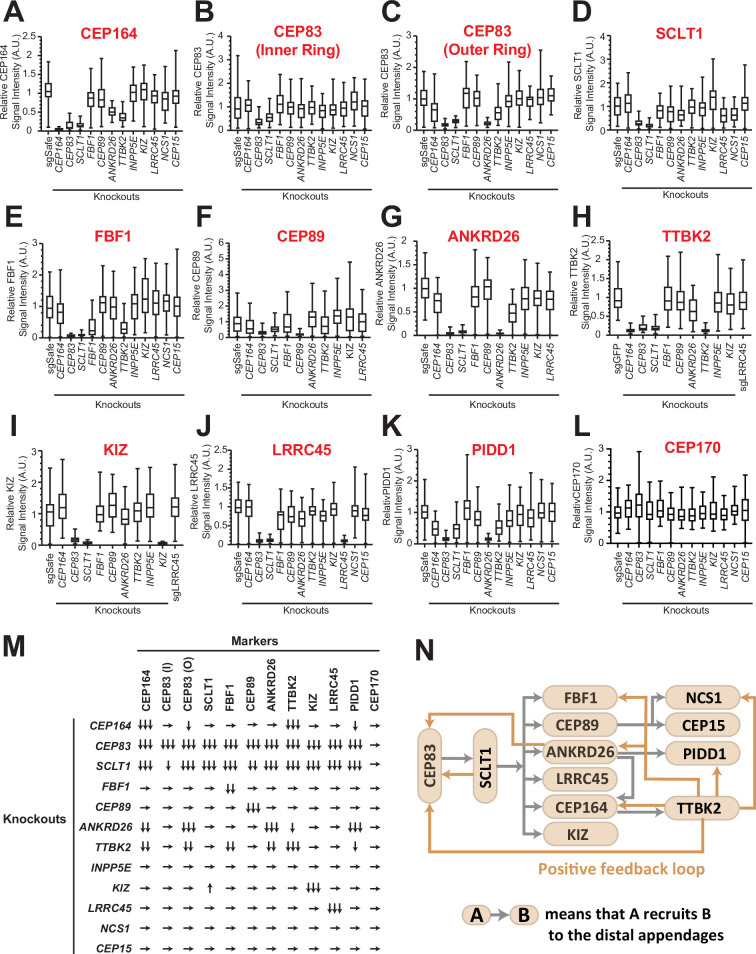
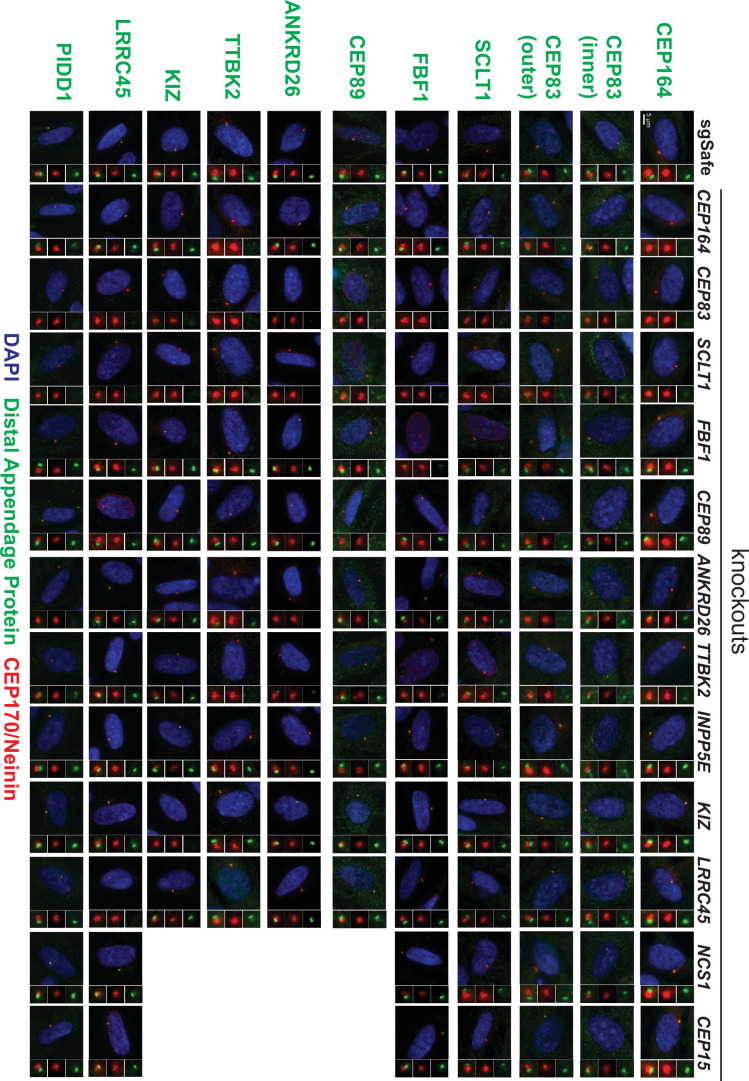
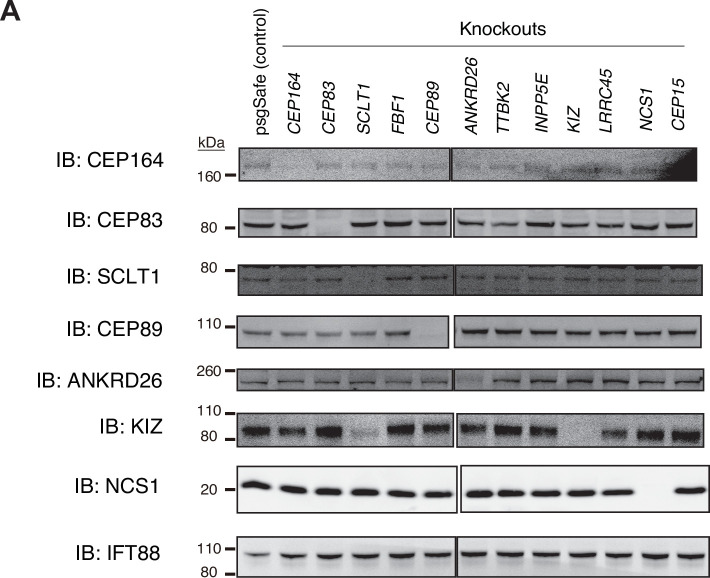
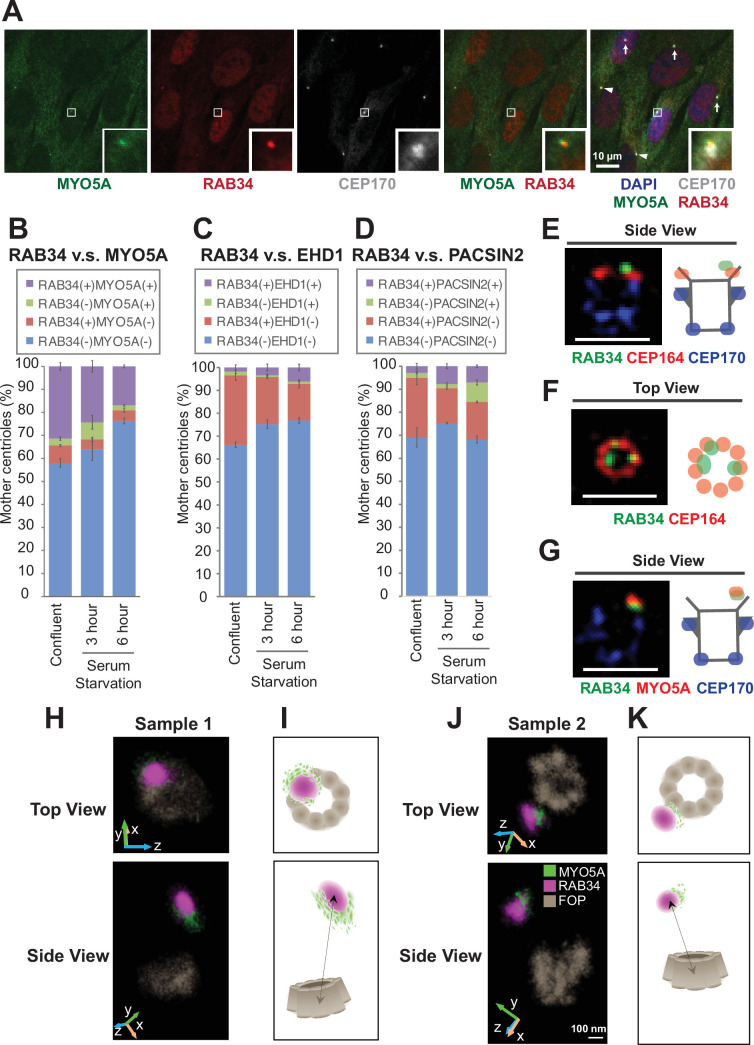
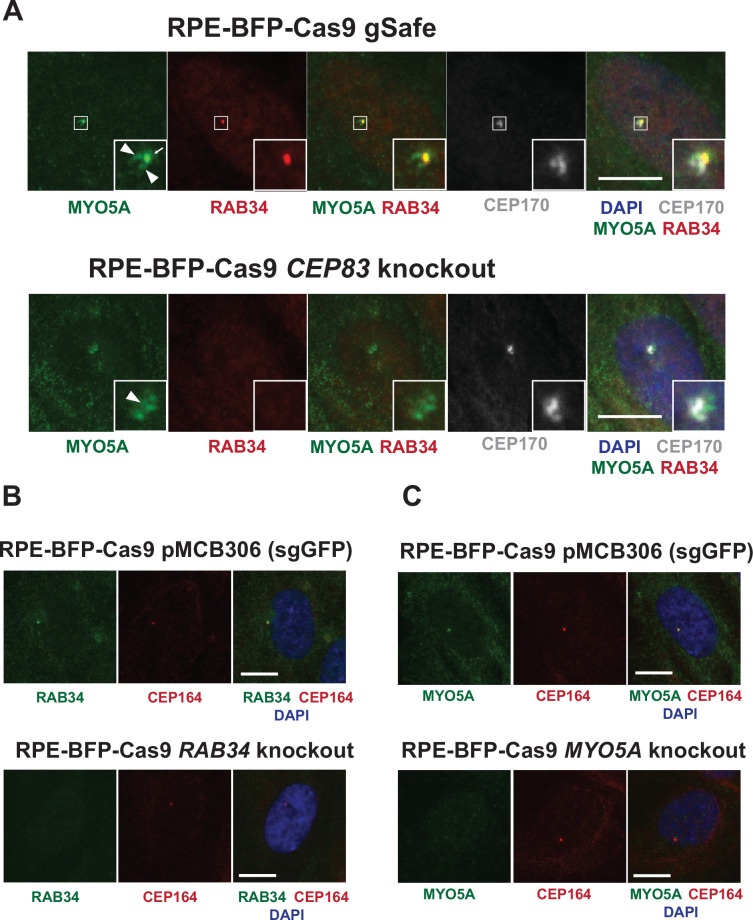
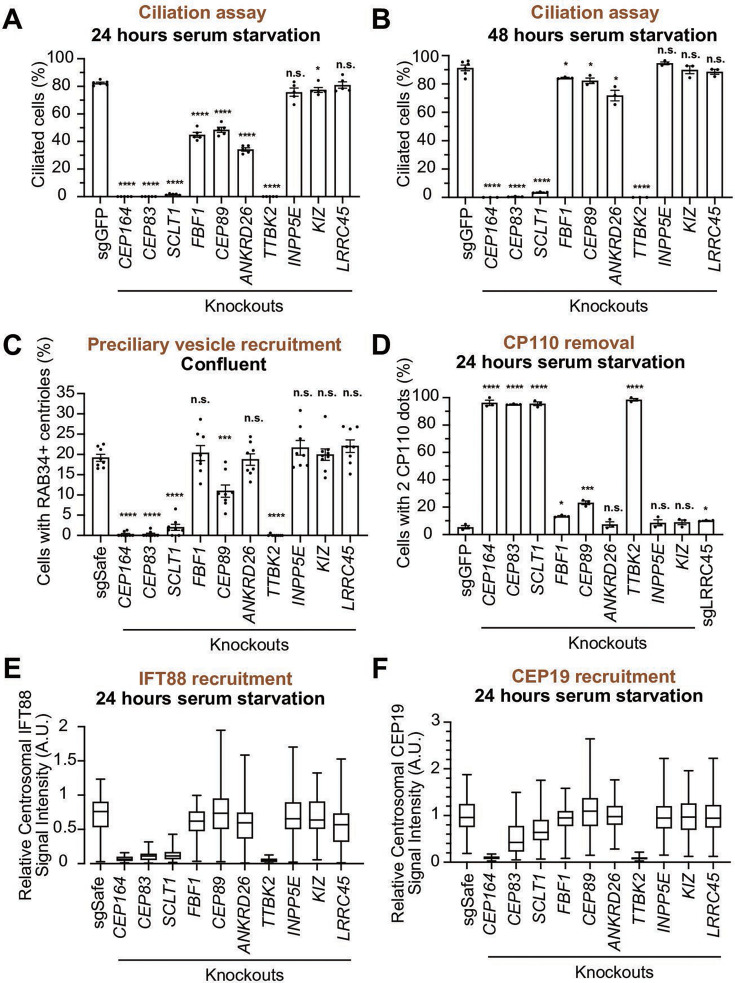
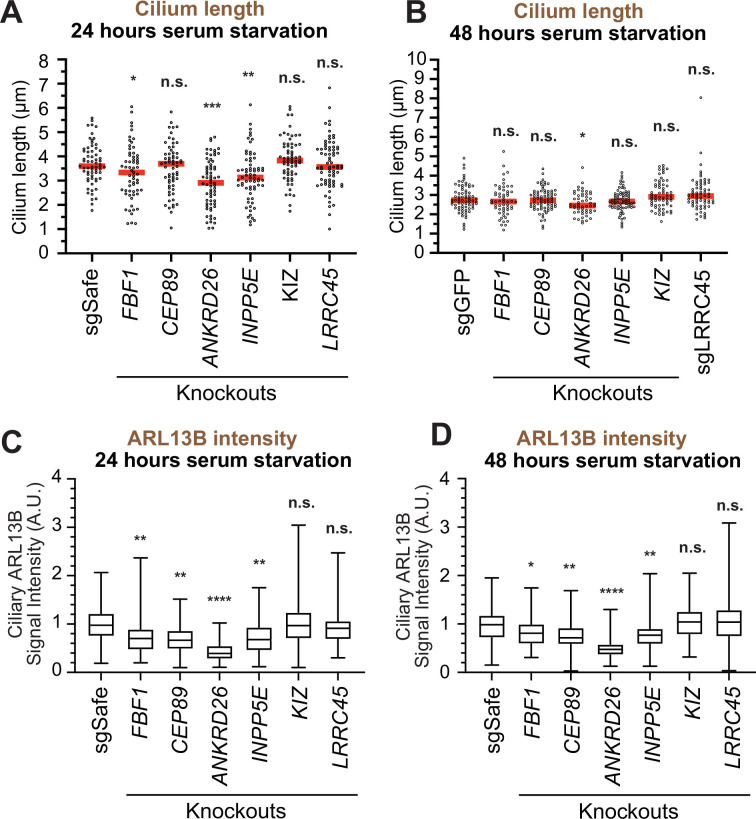
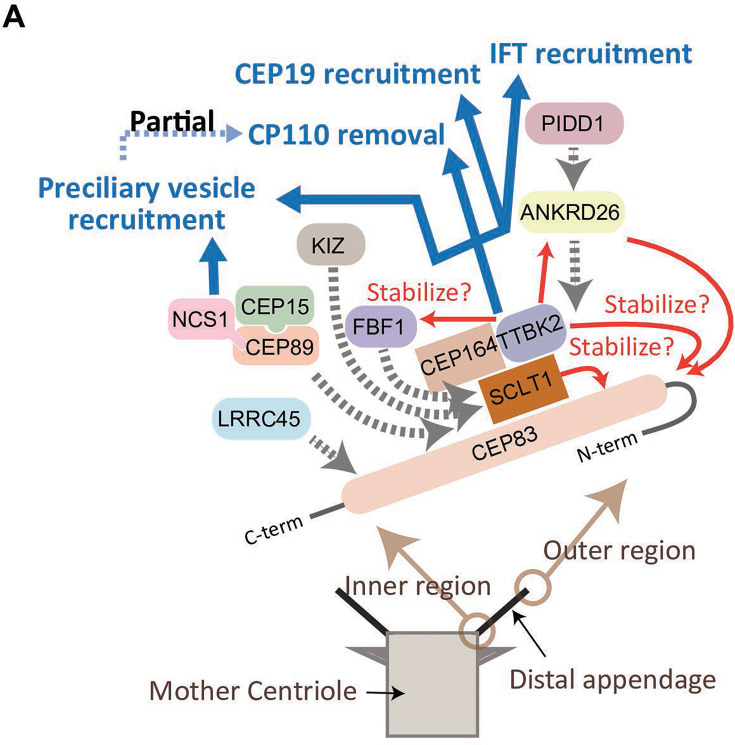
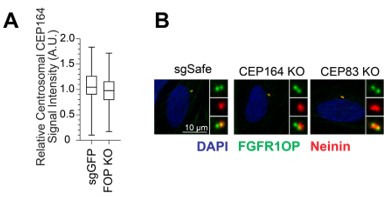
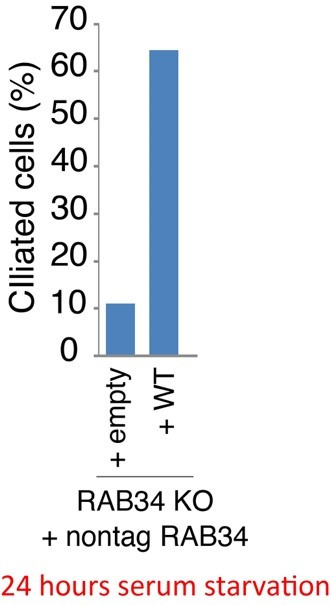
Summary: Distal appendages are nine-fold symmetric blade-like structures attached to the distal end of the mother centriole. These structures are critical for formation of the primary cilium, by regulating at least four critical steps: ciliary vesicle recruitment, recruitment and initiation of intraflagellar transport (IFT), and removal of CP110. While specific proteins that localize to the distal appendages have been identified, how exactly each protein functions to achieve the multiple roles of the distal appendages is poorly understood. Here we comprehensively analyze known and newly discovered distal appendage proteins (CEP83, SCLT1, CEP164, TTBK2, FBF1, CEP89, KIZ, ANKRD26, PIDD1, LRRC45, NCS1, C3ORF14) for their precise localization, order of recruitment, and their roles in each step of cilia formation. Using CRISPR-Cas9 knockouts, we show that the order of the recruitment of the distal appendage proteins is highly interconnected and a more complex hierarchy. Our analysis highlights two protein modules, CEP83-SCLT1 and CEP164-TTBK2, as critical for structural assembly of distal appendages. Functional assay revealed that CEP89 selectively functions in RAB34 + ciliary vesicle recruitment, while deletion of the integral components, CEP83-SCLT1-CEP164-TTBK2, severely compromised all four steps of cilium formation. Collectively, our analyses provide a more comprehensive view of the organization and the function of the distal appendage, paving the way for molecular understanding of ciliary assembly.
Overview
The claims and statistics of this paper haven’t been checked yet.
Run the check — free, no account needed. It reads the open-access text and checks the sources it cites.
Integrity signals
Registry
Cites
Statistics
Figures
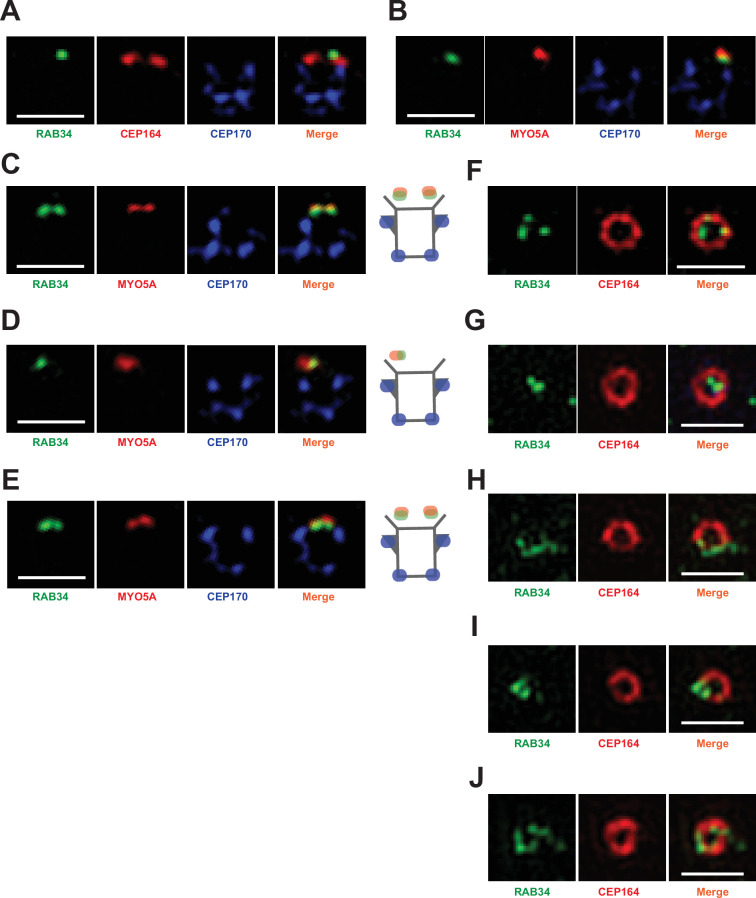
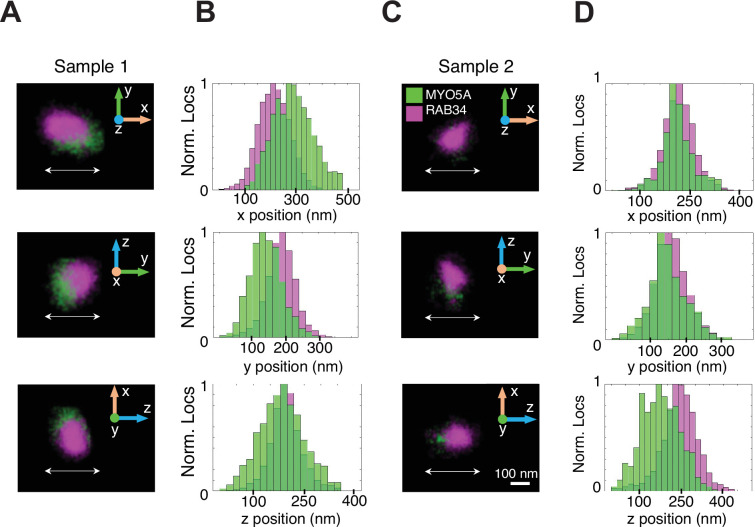
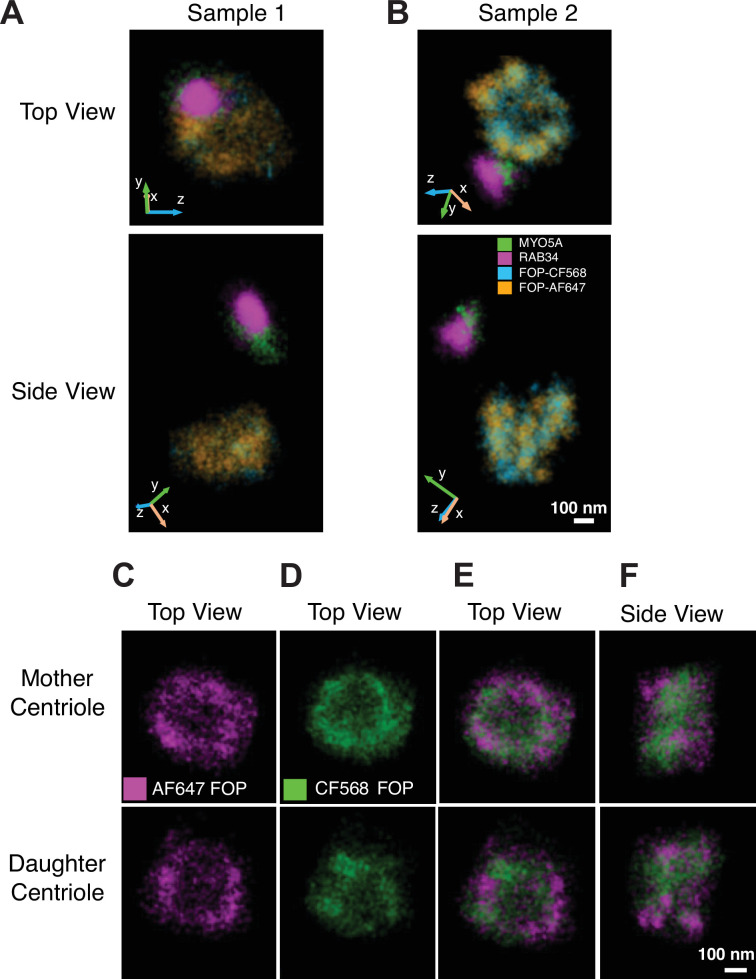
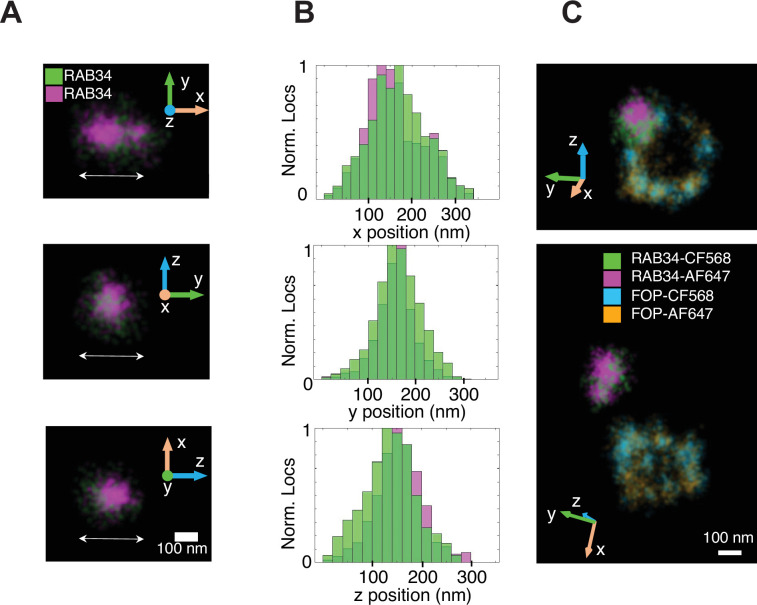
Verification
Claims the paper makes
The claims and statistics of this paper haven’t been checked yet.
Run the check — free, no account needed. It reads the open-access text and checks the sources it cites.
Self-check
Percentages, sums and reported differences re-computed from the paper’s own numbers.
The self-check needs the paper’s full text.
Citations
Cites
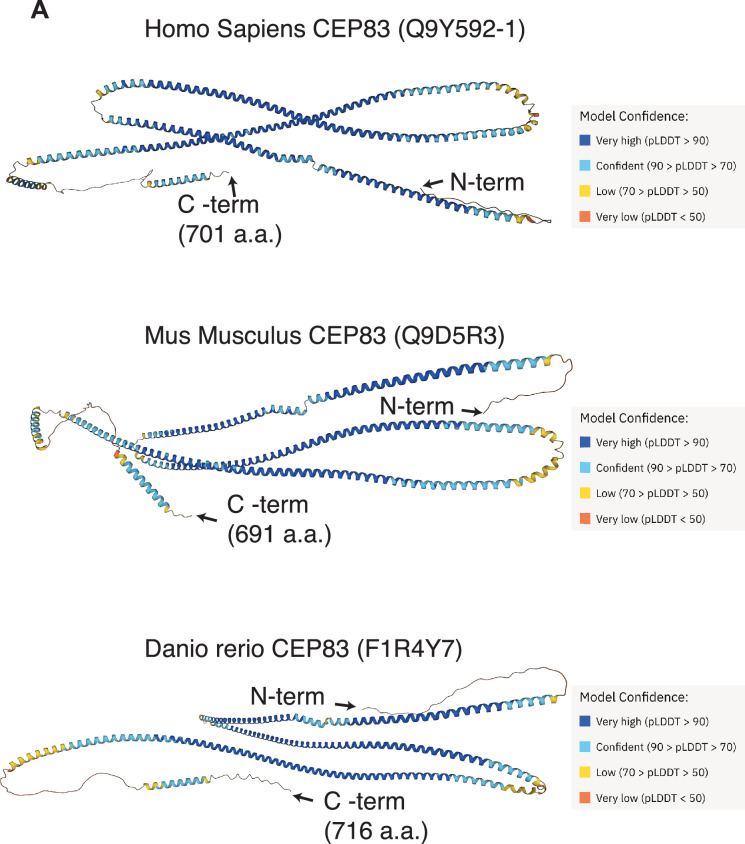
Highly accurate protein structure prediction with AlphaFold
Jumper, J., Evans, R., Pritzel, A., Green, T., Figurnov, M., Ronneberger, O., Tunyasuvunakool, K., Bates, R., Žídek, A., Potapenko, A., et al. (2021) · Nature · doi:10.1038/s41586-021-03819-2 · Cited by 43,764
Research works printed but not linked: 55
- 10.1007/s00429-014-0741-9 · DOI
- 10.1529/biophysj.106.091561 · DOI
- 10.1083/jcb.54.2.246 · DOI
- 10.1083/jcb.50.1.10 · DOI
- Bayas, C. , Diezmann, A. v. , Gustavsson, A.-K. , & Moerner, W. E. (2019). Easy-DHPSF 2.0: open-source software for three-dimensional localization and two-color registration of single molecules with nanoscale accuracy (Publication no. https://doi.org/10.21203/rs.2.9151/v2). · DOI
- 10.1091/mbc.E19-09-0499 · DOI
- 10.1091/mbc.E19-06-0334 · DOI
- 10.1038/s41467-018-08216-4 · DOI
- 10.1093/nar/gku936 · DOI · Paper page
- 10.15252/embj.2020104844 · DOI
- 10.1073/pnas.1401777111 · DOI
- 10.7554/eLife.53580 · DOI
- 10.1242/jcs.224428 · DOI
- 10.1016/j.ajhg.2014.03.005 · DOI
- 10.15252/embj.2020105106 · DOI
- 10.1016/j.cub.2021.04.075 · DOI
- 10.1101/cshperspect.a028134 · DOI · Paper page
- 10.1016/j.cell.2012.10.010 · DOI
- 10.1083/jcb.200707181 · DOI
- 10.1038/s41467-017-02563-4 · DOI
- 10.1364/OE.26.013122 · DOI
- 10.1002/9780470559277.ch140241 · DOI
- 10.1073/pnas.1210916109 · DOI
- 10.1038/s41467-018-08192-9 · DOI
- 10.1016/j.devcel.2017.05.016 · DOI
- 10.1101/2023.01.06.523037 · DOI
- 10.1242/jcs.223594 · DOI
- 10.1083/jcb.201811142 · DOI
- 10.1038/ncb3109 · DOI · Paper page
- 10.1016/j.devcel.2016.10.006 · DOI
- 10.1074/jbc.RA119.012233 · DOI
- 10.1016/1047-8477(92)90011-X · DOI
- 10.1038/ng0797-289 · DOI
- 10.1073/pnas.37.4.205 · DOI
- 10.1038/nrm.2017.60 · DOI · Paper page
- 10.1038/s41592-020-0938-1 · DOI
- 10.1083/jcb.201202126 · DOI
- 10.1073/pnas.1711314115 · DOI
- 10.1242/bio.20134457 · DOI
- 10.1002/cm.20536 · DOI
- 10.1242/bio.20122337 · DOI
- 10.1016/j.cell.2007.06.027 · DOI
- 10.1016/j.cub.2021.04.018 · DOI
- 10.1021/nn800508f · DOI
- 10.1101/gad.207043.112 · DOI
- 10.1083/jcb.201408002 · DOI
- 10.1016/j.jbc.2021.100791 · DOI · Paper page
- 10.1083/jcb.93.3.938 · DOI
- 10.1038/ncb2132 · DOI
- 10.1038/s41556-017-0018-7 · DOI
- 10.1083/jcb.143.7.1899 · DOI
- 10.1038/ncomms10777 · DOI
- 10.1242/jcs.213710 · DOI
- 10.1038/s41467-018-04469-1 · DOI
- 10.1083/jcb.201709041 · DOI · Paper page
Metadata
- Authors
- Kanie, T., Love, J. F., Fisher, S. D., Gustavsson, A.-K., & Jackson, P. K.
- Affiliations
- University of Oklahoma Health Sciences Center (US)
- Rice University (US)
- Stanford University (US)
- Corresponding author
- Kanie, Tomoharu
- Jackson, Peter K.
- Venue
- eLife
- Publisher
- openRxiv
- Published
- 2023-01-08
- Volume
- 14
- ISSN
- 2050-084X (ISSN-L)
- PMC
- PMC11984956
- OpenAlex
- W4406965228
- Cited by
- 32
- References
- 1
- Citations by year
- 2026: 9 · 2025: 15 · 2024: 5 · 2023: 3
- FWCI
- 14.04
- Type
- journal article
- Language
- en
- Open access
- gold
- doi.org
- Licence
- cc-by
- Locations
- eLife (publishedVersion, cc-by)
- bioRxiv (Cold Spring Harbor Laboratory) (acceptedVersion, cc-by-nc-nd)
- PubMed Central (publishedVersion, cc-by)
- PubMed (publishedVersion)
- PubMed Central (submittedVersion, cc-by-nc-nd)
- DOAJ (DOAJ: Directory of Open Access Journals) (submittedVersion, cc-by-sa)
- Funders
- Welch Foundation (C‐2064‐20210327)
- Presbyterian Health Foundation
- Cancer Prevention and Research Institute of Texas (RR200025)
- University of Oklahoma
- National Institutes of Health (1s10od012276-01, 1s10od028536-01, 5r35gm151013-02)
- University of Oklahoma Health Sciences Center
- National Cancer Institute (P30CA225520)
- National Institute of General Medical Sciences (R00GM134187, R01GM114276, P20GM103639, R35 GM151013, 1R35GM151013, R01GM121565, R35GM155365, P20GM103447)
- National Center for Research Resources (1S10OD01227601)
- Topics
- Life Sciences › Biochemistry, Genetics and Molecular Biology › Genetics › Genetic and Kidney Cyst Diseases
- Health Sciences › Medicine › Pulmonary and Respiratory Medicine › Cystic Fibrosis Research Advances
- Life Sciences › Biochemistry, Genetics and Molecular Biology › Cell Biology › Microtubule and mitosis dynamics
- Keywords
- primary cilium formation, mother centriole, CEP164, TTBK2, Rab34, intraflagellar transport, CP110, centriole assembly, CRISPR/Cas9 knockout
About these checks
Registry, retraction, Cites and statistics results are computed, not judged, with one exception: a printed reference that no index lists is read once by a model before it counts as a citation error. Claims are extracted by a model and kept only when their quote appears verbatim in the text; each cited source is then checked, with a model’s help, for whether it says what the claim relies on. Those verdicts can be wrong — read the claim’s quote and the cited source before relying on one.
Statistics and arithmetic are recomputed, not judged.
Confidence bands are shown only for fields calibrated on our annotated test set. None is calibrated yet, so no band is shown.
What counts as a claim ›How we measure confidence ›How we check this ›
Are you an author, or do you see a problem with this page? Request a review
