

Nanomaterials and nanoparticles: Sources and toxicity
Open accessThe DOI matches its Crossref record; 309 of the 310 references it cites were found in a registry or an index, and 1 are not checked yet.
Abstract
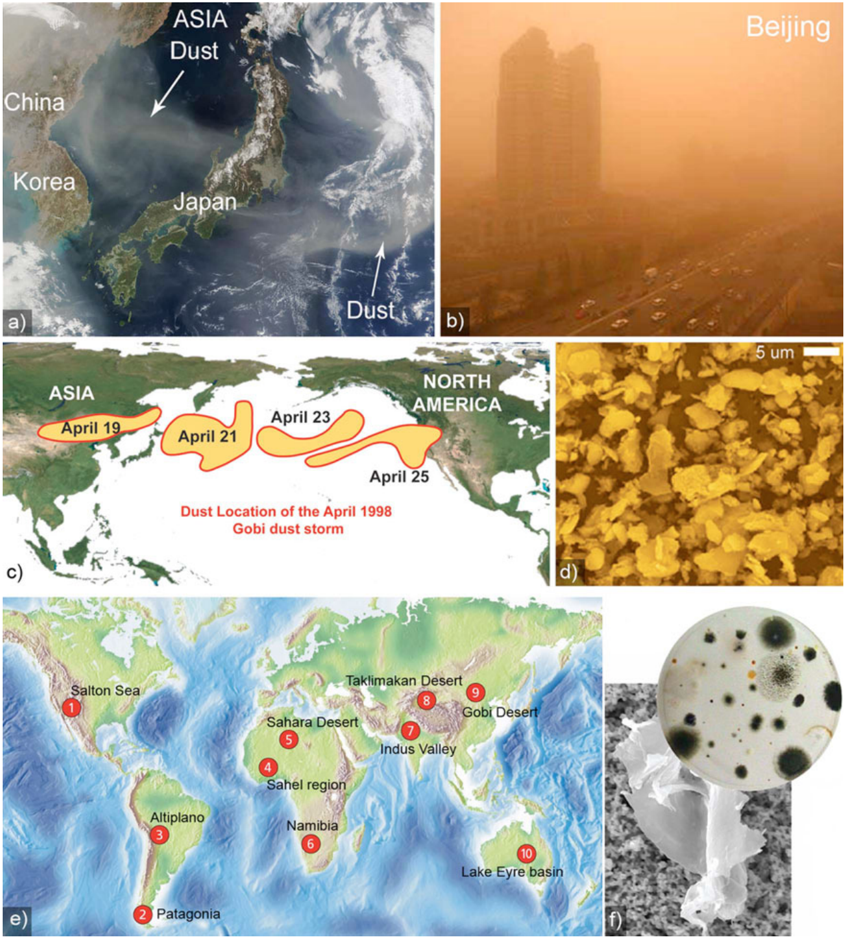
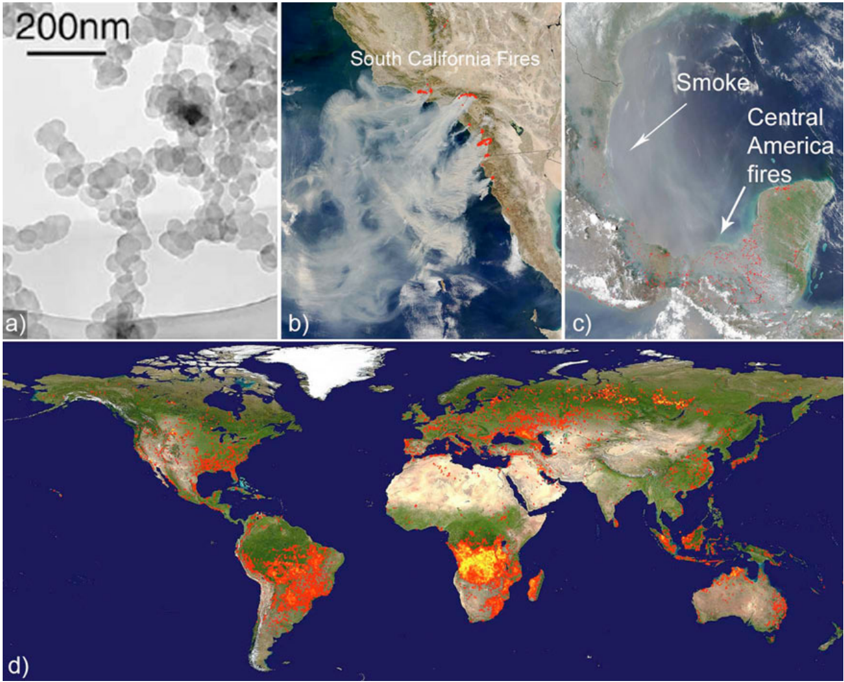
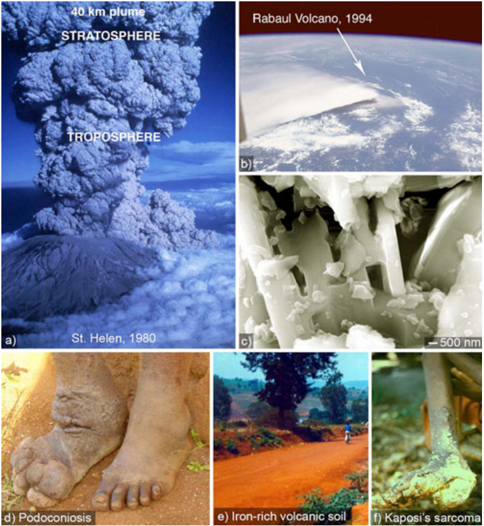
This review is presented as a common foundation for scientists interested in nanoparticles, their origin, activity, and biological toxicity. It is written with the goal of rationalizing and informing public health concerns related to this sometimes-strange new science of “nano,” while raising awareness of nanomaterials’ toxicity among scientists and manufacturers handling them. We show that humans have always been exposed to tiny particles via dust storms, volcanic ash, and other natural processes, and that our bodily systems are well adapted to protect us from these potentially harmful intruders. The reticuloendothelial system, in particular, actively neutralizes and eliminates foreign matter in the body, including viruses and nonbiological particles. Particles originating from human activities have existed for millennia, e.g., smoke from combustion and lint from garments, but the recent development of industry and combustion-based engine transportation has profoundly increased anthropogenic particulate pollution. Significantly, technological advancement has also changed the character of particulate pollution, increasing the proportion of nanometer-sized particles-“nanoparticles”-and expanding the variety of chemical compositions. Recent epidemiological studies have shown a strong correlation between particulate air pollution levels, respiratory and cardiovascular diseases, various cancers, and mortality. Adverse effects of nanoparticles on human health depend on individual factors such as genetics and existing disease, as well as exposure, and nanoparticle chemistry, size, shape, agglomeration state, and electromagnetic properties. Animal and human studies show that inhaled nanoparticles are less efficiently removed than larger particles by the macrophage clearance mechanisms in the lungs, causing lung damage, and that nanoparticles can translocate through the circulatory, lymphatic, and nervous systems to many tissues and organs, including the brain. The key to understanding the toxicity of nanoparticles is that their minute size, smaller than cells and cellular organelles, allows them to penetrate these basic biological structures, disrupting their normal function. Examples of toxic effects include tissue inflammation, and altered cellular redox balance toward oxidation, causing abnormal function or cell death. The manipulation of matter at the scale of atoms, “nanotechnology,” is creating many new materials with characteristics not always easily predicted from current knowledge. Within the nearly limitless diversity of these materials, some happen to be toxic to biological systems, others are relatively benign, while others confer health benefits. Some of these materials have desirable characteristics for industrial applications, as nanostructured materials often exhibit beneficial properties, from UV absorbance in sunscreen to oil-less lubrication of motors. A rational science-based approach is needed to minimize harm caused by these materials, while supporting continued study and appropriate industrial development. As current knowledge of the toxicology of “bulk” materials may not suffice in reliably predicting toxic forms of nanoparticles, ongoing and expanded study of “nanotoxicity” will be necessary. For nanotechnologies with clearly associated health risks, intelligent design of materials and devices is needed to derive the benefits of these new technologies while limiting adverse health impacts. Human exposure to toxic nanoparticles can be reduced through identifying creation-exposure pathways of toxins, a study that may someday soon unravel the mysteries of diseases such as Parkinson’s and Alzheimer’s. Reduction in fossil fuel combustion would have a large impact on global human exposure to nanoparticles, as would limiting deforestation and desertification. While nanotoxicity is a relatively new concept to science, this review reveals the result of life’s long history of evolution in the presence of nanoparticles, and how the human body, in particular, has adapted to defend itself against nanoparticulate intruders.
Overview
The claims and statistics of this paper haven’t been checked yet.
Free: it reads the open-access text and checks the first 5 claims that cite a source we can check. Create a free account to check every claim.
Integrity signals
Registry
Cites
Statistics
Figures

Verification
Claims the paper makes
The claims and statistics of this paper haven’t been checked yet.
Free: it reads the open-access text and checks the first 5 claims that cite a source we can check. Create a free account to check every claim.
Claims other papers make about this one
Each is checked against this paper’s own text: does it say what the citing paper says it does?
The source backs part of the claim, not all of it — or backs it for a different population, condition or comparison.
In the citing paper
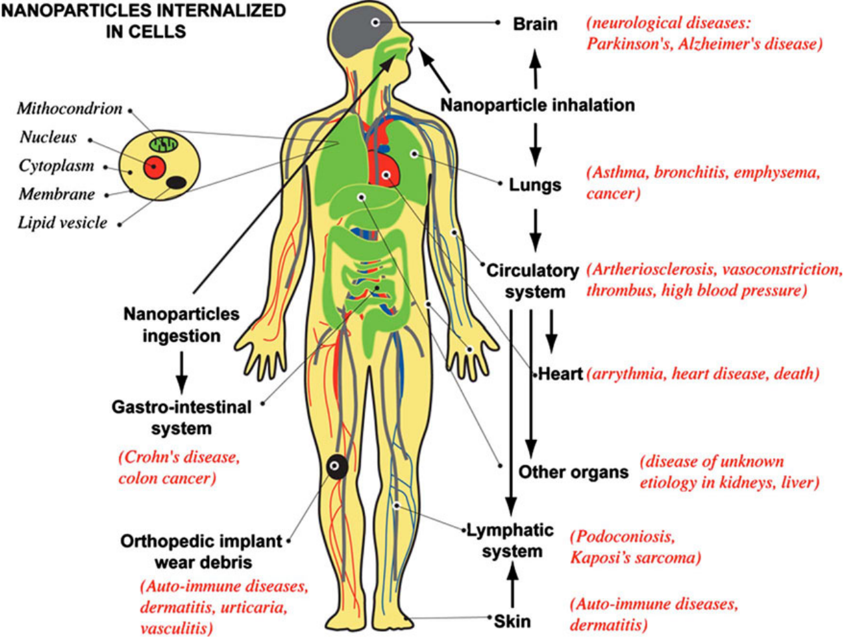
“Terrestrially, ingestion of nanoparticles and subsequent deposition of chemical components into the cellular cytoplasm has already been tied to the development of conditions such as Crohn’s disease and colon cancer51, though the precise mechanisms in play remain unclear.”
From Overview of lunar dust toxicity risk (2022) · cites this paper as [51]
Experimental — accuracy not yet measured
Self-check
Percentages, sums and reported differences re-computed from the paper’s own numbers.
The self-check needs the paper’s full text.
Citations
Cites
Items 201–310 of 310
Chen, J., Tan, M., Nemmar, A., Song, W., Dong, M., Zhang, G., & Li, Y. (2006) · Toxicology · doi:10.1016/j.tox.2006.02.016 · Cited by 132
Biocompatibility of micro- and nanoparticles. Part I: in liver and kidney
Gatti, A. M., & Rivasi, F. (2002) · Biomaterials · doi:10.1016/s0142-9612(01)00374-x · Cited by 132
Pulmonary Effects Induced by Ultrafine PTFE Particles
Johnston, C. J., Finkelstein, J. N., Mercer, P., Corson, N., Gelein, R., & Oberdörster, G. (2000) · Toxicology and Applied Pharmacology · doi:10.1006/taap.2000.9037 · Cited by 131
Nested Case–Control Study of Autoimmune Disease in an Asbestos-Exposed Population
Noonan, C. W., Pfau, J. C., Larson, T. C., III, & Spence, M. R. (2006) · Environmental Health Perspectives · doi:10.1289/ehp.9203 · Cited by 131
Lippmann, M., Frampton, M., Schwartz, J., Dockery, D., Schlesinger, R., Koutrakis, P., Froines, J., Nel, A., Finkelstein, J., Godleski, J., et al. (2003) · Environmental Health Perspectives · doi:10.1289/ehp.5750 · Cited by 131
Carlo, A. D. (2002) · Semiconductor Science and Technology · doi:10.1088/0268-1242/18/1/201 · Cited by 130
Thomas, T., Thomas, K., Sadrieh, N., Savage, N., Adair, P., & Bronaugh, R. (2006) · Toxicological Sciences · doi:10.1093/toxsci/kfj129 · Cited by 130
Negligible clearance of ultrafine particles retained in healthy and affected human lungs
Wiebert, P., Sanchez-Crespo, A., Seitz, J., Falk, R., Philipson, K., Kreyling, W. G., Möller, W., Sommerer, K., Larsson, S., & Svartengren, M. (2006) · European Respiratory Journal · doi:10.1183/09031936.06.00103805 · Cited by 128
Aluminum and Alzheimer's disease: A new look
Miu, A. C., & Bengà, O. (2006) · Journal of Alzheimer s Disease · doi:10.3233/jad-2006-102-306 · Cited by 127
No Significant Translocation of Inhaled 35-nm Carbon Particles to the Circulation in Humans
Wiebert, P., Sanchez-Crespo, A., Falk, R., Philipson, K., Lundin, A., Larsson, S., Möller, W., Kreyling, W. G., & Svartengren, M. (2006) · Inhalation Toxicology · doi:10.1080/08958370600748455 · Cited by 122
Influence of the Surfactant Concentration on the Body Distribution of Nanoparticles
Araujo, L., Löbenberg, R., & Kreuter, J. (1999) · Journal of Drug Targeting · doi:10.3109/10611869908996844 · Cited by 119
Combustion-Derived Ultrafine Particles Transport Organic Toxicants to Target Respiratory Cells
Penn, A., Murphy, G., Barker, S., Henk, W., & Penn, L. (2005) · Environmental Health Perspectives · doi:10.1289/ehp.7661 · Cited by 118
Taylor, D. A. (2002) · Environmental Health Perspectives · doi:10.1289/ehp.110-a80 · Cited by 115
Biocompatibility of micro- and nano-particles in the colon. Part II
Gatti, A. M. (2004) · Biomaterials · doi:10.1016/s0142-9612(03)00537-4 · Cited by 115
Phagocytosis induces superoxide formation and apoptosis in macrophages
Park, J.-B. (2003) · Experimental & Molecular Medicine · doi:10.1038/emm.2003.44 · Cited by 114
Visuri, T. I., Pukkala, E., Pulkkinen, P. O., & Paavolainen, P. (2006) · Proceedings of the Institution of Mechanical Engineers Part H Journal of Engineering in Medicine · doi:10.1243/095441105x63282 · Cited by 114
Kato, T., Yashiro, T., Murata, Y., Herbert, D. C., Oshikawa, K., Bando, M., Ohno, S., & Sugiyama, Y. (2003) · Cell and Tissue Research · doi:10.1007/s00441-002-0647-3 · Cited by 113
Godtfredsen, N. S., Osler, M., Vestbo, J., Andersen, I., & Prescott, E. (2003) · Journal of Epidemiology and Community Health · doi:10.1136/jech.57.6.412 · Cited by 112 · cited 1×
“It was noted that the risk of myocardial infarction decreases substantially within two years after smoking cessation, proving a reversibility of inhaled nanoparticles induced vulnerability [132].”
BackgroundAssessment of Autoimmune Responses Associated with Asbestos Exposure in Libby, Montana, USA
Pfau, J. C., Sentissi, J. J., Weller, G., & Putnam, E. A. (2005) · Environmental Health Perspectives · doi:10.1289/ehp.7431 · Cited by 111
Lunetta, P., Penttilä, A., & Hällfors, G. (1998) · International Journal of Legal Medicine · doi:10.1007/s004140050159 · Cited by 109
Iwai, K., Mizuno, S., Miyasaka, Y., & Mori, T. (2005) · Environmental Research · doi:10.1016/j.envres.2004.11.004 · Cited by 107
Seshan, K. (2002) · CRC Press eBooks · doi:10.1201/9781482269680 · Cited by 101
Mortality among workers in the diatomaceous earth industry.
Checkoway, H., Heyer, N. J., Demers, P. A., & Breslow, N. E. (1993) · Occupational and Environmental Medicine · doi:10.1136/oem.50.7.586 · Cited by 100
Podoconiosis: a tropical model for gene–environment interactions?
Davey, G., Gebrehanna, E., Adeyemo, A., Rotimi, C. N., Newport, M. J., & Desta, K. (2006) · Transactions of the Royal Society of Tropical Medicine and Hygiene · doi:10.1016/j.trstmh.2006.05.002 · Cited by 98
The emergence and policy implications of converging new technologies integrated from the nanoscale
Roco, M. C. (2005) · Journal of Nanoparticle Research · doi:10.1007/s11051-005-3733-0 · Cited by 97
Health Impact of Environmental Tobacco Smoke in the Horne
Rushton, L. (2004) · Reviews on Environmental Health · doi:10.1515/reveh-2004-19-3-408 · Cited by 93
Viruses and lymphoma/leukaemia
Jarrett, R. F. (2005) · The Journal of Pathology · doi:10.1002/path.1905 · Cited by 93
Kaiser, R., Romieu, I., Médina, S., Schwartz, J. D., Krzyżanowski, M., & Künzli, N. (2004) · Environmental Health · doi:10.1186/1476-069x-3-4 · Cited by 88
Correlation between particle size, in vivo particle persistence, and lung injury.
Oberdörster, G., Ferin, J., & Lehnert, B. E. (1994) · Environmental Health Perspectives · doi:10.1289/ehp.102-1567252 · Cited by 87
Hyperaluminemia in a woman using an aluminum-containing antiperspirant for 4 years
Guillard, O., Fauconneau, B., Olichon, D., Dedieu, G., & Deloncle, R. (2004) · The American Journal of Medicine · doi:10.1016/j.amjmed.2004.07.047 · Cited by 87
Nanobacteria - propagating calcifying nanoparticles
Kajander, E. O. (2006) · Letters in Applied Microbiology · doi:10.1111/j.1472-765x.2006.01945.x · Cited by 84
Sood, N., Bennett, W. D., Zeman, K. L., Brown, J. S., Foy, C., Boucher, R. C., & Knowles, M. R. (2003) · American Journal of Respiratory and Critical Care Medicine · doi:10.1164/rccm.200204-293oc · Cited by 82
Dasenbrock, C., Peters, L., Creutzenberg, O., & Heinrich, U. (1996) · Toxicology Letters · doi:10.1016/0378-4274(96)03712-5 · Cited by 82
Involvement of the Epstein–Barr Virus in the Nasopharyngeal Carcinoma Pathogenesis
Burgos, J. S. (2005) · Medical Oncology · doi:10.1385/mo:22:2:113 · Cited by 77
Buzea, C., Beydaghyan, G., Elliott, C., & Robbie, K. (2005) · Nanotechnology · doi:10.1088/0957-4484/16/10/002 · Cited by 75
Self-citationThe role of toll-like receptor 4 in airway inflammation induced by diesel exhaust particles
Inoue, K., Takano, H., Yanagisawa, R., Hirano, S., Ichinose, T., Shimada, A., & Yoshikawa, T. (2005) · Archives of Toxicology · doi:10.1007/s00204-005-0040-6 · Cited by 74
Comparison of the uptake of fine and ultrafine TiO2 in a tracheal explant system
Churg, A., Stevens, B., & Wright, J. L. (1998) · American Journal of Physiology-Lung Cellular and Molecular Physiology · doi:10.1152/ajplung.1998.274.1.l81 · Cited by 73
A methodology to study intracellular distribution of nanoparticles in brain endothelial cells
García-García, E., Andrieux, K., Gil, S., Kim, H. R., Ledoan, T., Desmaële, D., d’Angelo, J., Taran, F., Georgin, D., & Couvreur, P. (2005) · International Journal of Pharmaceutics · doi:10.1016/j.ijpharm.2005.03.030 · Cited by 72
Pulmonary retention and clearance of particles
Ferin, J. (1994) · Toxicology Letters · doi:10.1016/0378-4274(94)90018-3 · Cited by 72
Is Juvenile Diabetes a Viral Disease?
Fohlman, J., & Friman, G. (1993) · Annals of Medicine · doi:10.1080/07853890.1993.12088586 · Cited by 71
Effects of PM10 in human peripheral blood monocytes and J774 macrophages
Brown, D., Donaldson, K., & Stone, V (2004) · Respiratory Research · doi:10.1186/1465-9921-5-29 · Cited by 71
Tin-Tin-Win-Shwe, Yamamoto, S., Kakeyama, M., Kobayashi, T., & Fujimaki, H. (2005) · Toxicology and Applied Pharmacology · doi:10.1016/j.taap.2005.03.014 · Cited by 69
Real-Time Measurements of Jet Aircraft Engine Exhaust
Rogers, F., Arnott, P., Zielińska, B., Sagebiel, J. C., Kelly, K. E., Wagner, D., Lighty, J. S., & Sarofim, A. F. (2005) · Journal of the Air & Waste Management Association · doi:10.1080/10473289.2005.10464651 · Cited by 68
A Study of Fine Particulate Emissions from Combustion of Treated Pulverized Municipal Sewage Sludge
Seames, W., Fernandez, A., & WENDT, J. O. L. (2002) · Environmental Science & Technology · doi:10.1021/es0113091 · Cited by 67
Detection of micro- and nano-sized biocompatible particles in the blood
Gatti, A. M., Montanari, S., Monari, E., Gambarelli, A., Capitani, F., & Parisini, B. (2004) · Journal of Materials Science Materials in Medicine · doi:10.1023/b:jmsm.0000021122.49966.6d · Cited by 67
Human Papillomaviruses and Cervical Cancer
DiMaio, D., & Liao, J. B. (2006) · Advances in virus research · doi:10.1016/s0065-3527(06)66003-x · Cited by 66
Health Effects of Volcanic Ash: A Repeat Study
Yano, E., Yokoyama, Y., Higashi, H., Nishii, S., Maeda, K., & Koizumi, A. (1990) · Archives of Environmental Health: An International Journal · doi:10.1080/00039896.1990.10118757 · Cited by 65
Targeting colloidal particulates to thoracic lymph nodes
Liu, J., Wong, H. L., Moselhy, J., Bowen, B. M., Wu, X. Y., & Johnston, M. R. (2006) · Lung Cancer · doi:10.1016/j.lungcan.2005.11.006 · Cited by 64
Ballestri, M., Baraldi, A., Gatti, A., Furci, L., Bagni, A., Loria, P., Rapanà, R. M., Carulli, N., & Albertazzi, A. (2001) · Gastroenterology · doi:10.1053/gast.2001.29333 · Cited by 64
Economic implications of manganese neurotoxicity
Weiss, B. (2005) · NeuroToxicology · doi:10.1016/j.neuro.2005.03.011 · Cited by 62
ROS-mediated TNF-α and MIP-2 gene expression in alveolar macrophages exposed to pine dust
Long, H., Shi, T., Borm, P. J. A., Määttä, J. A. E., Husgafvel‐Pursiainen, K., Savolainen, K., & Krombach, F. (2004) · Particle and Fibre Toxicology · doi:10.1186/1743-8977-1-3 · Cited by 62
Çiftçioğlu, N., Haddad, R. S., Golden, D. C., Morrison, D. R., & McKay, D. S. (2005) · Kidney International · doi:10.1111/j.1523-1755.2005.67105.x · Cited by 60
Interactions of exogenous or evoked agents and particles: the role of reactive oxygen species
Churg, A. (2003) · Free Radical Biology and Medicine · doi:10.1016/s0891-5849(03)00175-8 · Cited by 59
Maier, L. A. (2002) · Journal of Thoracic Imaging · doi:10.1097/00005382-200210000-00004 · Cited by 59
Excess of cancer in Swedish chimney sweeps.
Gustavsson, P., Gustavsson, A., & Hogstedt, C. (1988) · Occupational and Environmental Medicine · doi:10.1136/oem.45.11.777 · Cited by 57
The role of nanobacteria in urologic disease
Wood, H. M., & Shoskes, D. A. (2006) · World Journal of Urology · doi:10.1007/s00345-005-0041-3 · Cited by 56
Soil particles in the tissues of the foot in endemic elephantiasis of the lower legs
Blundell, G., Henderson, W. J., & Price, E. W. (1989) · Annals of Tropical Medicine & Parasitology · doi:10.1080/00034983.1989.11812361 · Cited by 55
Birefringent omnidirectional reflector
Kaminska, K., & Robbie, K. (2004) · Applied Optics · doi:10.1364/ao.43.001570 · Cited by 55
Self-citationSerpone, N., Salinaro, A., & Emeline, A. (2001) · SPIE Proceedings · doi:10.1117/12.430765 · Cited by 53
Singh, M., Phuleria, H. C., Bowers, K., & Sioutas, C. (2005) · Journal of Exposure Science & Environmental Epidemiology · doi:10.1038/sj.jea.7500432 · Cited by 52
Epidemic of mesothelioma in Egypt
Gaafar, R. M., & El-Din, N. H. A. (2005) · Lung Cancer · doi:10.1016/j.lungcan.2005.03.025 · Cited by 50
Shakespeare, P. G. (2003) · Burns · doi:10.1016/j.burns.2003.10.002 · Cited by 49
Oil combustion and childhood cancers
Knox, E. G. (2005) · Journal of Epidemiology & Community Health · doi:10.1136/jech.2004.031674 · Cited by 49
The Implosion of the Calgary General Hospital: Ambient Air Quality Issues
Stefani, D., Wardman, D., & Lambert, T. W. (2005) · Journal of the Air & Waste Management Association · doi:10.1080/10473289.2005.10464605 · Cited by 48
Experimental study of environmental tobacco smoke particles under actual indoor environment
Ning, Z., Cheung, C. S., Fu, J., Liu, M. A., & Schnell, M. (2006) · The Science of The Total Environment · doi:10.1016/j.scitotenv.2006.02.017 · Cited by 48
Podoconiosis in Aequatorial Guinea. Report of two cases from different geological environments.
Corachan, M., Tura, J. M., Campo, E., Soley, M., & Travería, A. (1988) · PubMed · Cited by 48
Consumer products leap aboard the nano bandwagon
Brumfiel, G. (2006) · Nature · doi:10.1038/440262b · Cited by 47
Detection of Alkaline Ultrafine Atmospheric Particles at Bakersfield, California
Chung, A., Herner, J. D., & Kleeman, M. J. (2001) · Environmental Science & Technology · doi:10.1021/es001879l · Cited by 46
The widening scope of coronaviruses
Kahn, J. S. (2006) · Current Opinion in Pediatrics · doi:10.1097/01.mop.0001110940.57894.90 · Cited by 46
Thickness and density evaluation for nanostructured thin films by glancing angle deposition
Buzea, C., Kaminska, K., Beydaghyan, G., Brown, T., Elliott, C., Dean, C. R., & Robbie, K. (2005) · Journal of Vacuum Science & Technology B Microelectronics and Nanometer Structures Processing Measurement and Phenomena · doi:10.1116/1.2131079 · Cited by 43
Self-citationSafety Issues in Magnetic Resonance Imaging
Chung, S. M. (2002) · Journal of Neuro-Ophthalmology · doi:10.1097/00041327-200203000-00009 · Cited by 43
From Quartz Hazard to Quartz Risk: the Coal Mines Revisited
Borm, P. J. A., & Tran, L. (2002) · The Annals of Occupational Hygiene · doi:10.1093/annhyg/mef021 · Cited by 43
Miranda, H. C., Nunes, S. O. V., Calvo, É. S., Suzart, S., Itano, E. N., & Watanabe, M. A. E. (2005) · Journal of Affective Disorders · doi:10.1016/j.jad.2005.10.008 · Cited by 42
Simulating structure and optical response of vacuum evaporated porous rugate filters
Kaminska, K., Suzuki, M., Kimura, K., Taga, Y., & Robbie, K. (2004) · Journal of Applied Physics · doi:10.1063/1.1649804 · Cited by 37
Self-citationSmoking‐gene Interaction and Disease Development: Relevance to Pancreatic Cancer and Atherosclerosis
Wang, X. L., & Wang, J. (2005) · World Journal of Surgery · doi:10.1007/s00268-004-7819-0 · Cited by 37
Restoration of Mucociliary Transport in the Fluid-DepletedTrachea by Surface-Active Instillates
Ballard, S. T., Parker, J. C., & Hamm, C. R. (2006) · American Journal of Respiratory Cell and Molecular Biology · doi:10.1165/rcmb.2005-0214oc · Cited by 35
Engineering the next generation of large-area displays: prospects and pitfalls
Carey, J. D. (2003) · Philosophical Transactions of the Royal Society A Mathematical Physical and Engineering Sciences · doi:10.1098/rsta.2003.1283 · Cited by 35
Hopwood, D., Spiers, E. M., Ross, P. E., Anderson, J. T., McCullough, J. B., & Murray, F. E. (1995) · Gut · doi:10.1136/gut.37.5.598 · Cited by 35
Podoconiosis: endemic nonfilarial elephantiasis
Fuller, L. C. (2005) · Current Opinion in Infectious Diseases · doi:10.1097/01.qco.0000160899.64190.15 · Cited by 35
Iron and Aluminum Homeostasis in Neural Disorders
Joshi, J. G., Dhar, M. S., Clauberg, M., & Chauthaiwale, V. M. (1994) · Environmental Health Perspectives · doi:10.1289/ehp.94102s3207 · Cited by 34
Unusual Carbon-Based Nanofibers and Chains among Diesel-Emitted Particles
Evelyn, A., Mannick, S., & Sermon, P. A. (2002) · Nano Letters · doi:10.1021/nl025803u · Cited by 32
Nanosphere Induced Gene Expression in Human Dendritic Cells
Matsusaki, M., Larsson, K., Akagi, T., Lindstedt, M., Akashi, M., & Borrebaeck, C. A. K. (2005) · Nano Letters · doi:10.1021/nl050541s · Cited by 28
Alveolar Macrophage–Environmental Particle Interaction: Analysis by Flow Cytometry
Palecanda, A., & Kobzik, L. (2000) · Methods · doi:10.1006/meth.2000.1004 · Cited by 27
Scavenging Nanoparticles: An Emerging Treatment for Local Anesthetic Toxicity
Renehan, E. M., Enneking, F. K., Varshney, M., Partch, R. E., Dennis, D. M., & Morey, T. E. (2005) · Regional Anesthesia & Pain Medicine · doi:10.1016/j.rapm.2005.04.004 · Cited by 25
Air pollution and thrombosis: an experimental approach
Nemmar, A., Nemery, B., Hoylaerts, M., & Vermylen, J. (2002) · Pathophysiology of Haemostasis and Thrombosis · doi:10.1159/000073597 · Cited by 25
Diesel Particles Are Taken Up by Alveolar Type II Tumor Cells and Alter Cytokines Secretion
Juvin, P., Fournier, T., Boland, S., Soler, P., Marano, F., Desmonts, J.-M., & Aubier, M. (2002) · Archives of Environmental Health An International Journal · doi:10.1080/00039890209602917 · Cited by 25
JACOBY, M. (2002) · Chemical & Engineering News · doi:10.1021/cen-v080n039.p038 · Cited by 25
Deloncle, R., Guillard, O., Huguet, F., & Clanet, F. (1995) · Biological Trace Element Research · doi:10.1007/bf02790121 · Cited by 25
Quantitative trait analysis of the development of pulmonary tolerance to inhaled zinc oxide in mice
Wesselkamper, S. C., Chen, L., & Gordon, T. (2005) · Respiratory Research · doi:10.1186/1465-9921-6-73 · Cited by 24
In-vivo short- and long-term evaluation of the interaction material-blood
Gatti, A. M., Montanari, S., Gambarelli, A., Capitani, F., & Salvatori, R. (2005) · Journal of Materials Science Materials in Medicine · doi:10.1007/s10856-005-4731-6 · Cited by 21
Nanotechnology and Public Health: Contributions, Promises, and Premises
Matsuda, M., Goto, A., Ogino, T., & Tanaka, Y. (2013) · Wiley eBooks · doi:10.1002/9781118451915.ch3 · Cited by 20
Silica-Induced Oxygen Radical Generation in Alveolar Macrophage.
Young, L. I. M., Sun-Hyung, K. I. M., Young-Jin, C. H. O., Kim, K., Oh, M.-W., & Kweon-Haeng, L. E. E. (1997) · Industrial Health · doi:10.2486/indhealth.35.380 · Cited by 20
Deactivation of an implantable cardioverter defibrillator in a dying patient.
Lynch, N. E., Deiratany, S., Webb, D. W., & McMenamin, J. B. (2006) · PubMed · Cited by 20
Polymer degradation and ultrafine particles: Potential inhalation hazards for astronauts
Ferin, J., & Oberdörster, G. (1992) · Acta Astronautica · doi:10.1016/0094-5765(92)90206-x · Cited by 19
New nanotechnology solid lubricants for superior dry lubrication
Fleischer, N. A., Genut, M., Rapoport, L. S., & Tenne, R. (2003) · Cited by 18
Singal, M., & Finkelstein, J. N. (2005) · Experimental Lung Research · doi:10.1080/019021490951504 · Cited by 18
Functions and Possible Provenance of Primordial Proteins
Sommer, A. P., Miyake, N., Wickramasinghe, N. C., Narlikar, J. V., & Al-Mufti, S. (2004) · Journal of Proteome Research · doi:10.1021/pr049861n · Cited by 18
The Reactions of 1·0 Nanometre Diameter Plutonium-238 Dioxide Particles with Rat Lung Fluid
Cooper, J. R., Stradling, G. N., Smith, H., & Breadmore, S. E. (1979) · International Journal of Radiation Biology and Related Studies in Physics Chemistry and Medicine · doi:10.1080/09553007914551251 · Cited by 18
Shintani, H., Kurosu, S., Miki, A., Hayashi, F., & Kato, S. (2006) · Biocontrol Science · doi:10.4265/bio.11.17 · Cited by 17
Janka, J., & Maldarelli, F. M. (2004) · Current Infectious Disease Reports · doi:10.1007/s11908-004-0053-y · Cited by 17
[Classical Kaposi sarcoma and volcanic soil in southern Italy: a case-control study].
Montella, M., Franceschi, S., da Filicaia, M. G., Macro, M. D., Arniani, S., Balzi, D., Delfino, M., Iannuzzo, M., Buonanno, M., & Satriano, R. A. (1997) · PubMed · Cited by 16
Stimulation of Phagocytosis by Ultrafine Particles
Hoet, P., & Nemery, B. (2001) · Toxicology and Applied Pharmacology · doi:10.1006/taap.2001.9263 · Cited by 15
The Multiple Indicator Dilution Method and Its Utility in Risk Assessment
Schwab, A. J., & Pang, K. S. (2000) · Environmental Health Perspectives · doi:10.1289/ehp.00108s5861 · Cited by 14
Role of the alveolar macrophage in lung injury: studies with ultrafine particles.
Oberdörster, G., Ferin, J., Gelein, R., Soderholm, S. C., & Finkelstein, J. (1992) · Environmental Health Perspectives · doi:10.1289/ehp.97-1519541 · Cited by 12
Morphology of experimental pneumoconiosis following inhalation of lunar soil
Batsura, Y. D., Kruglikov, G., & Vd, A. (1981) · Bulletin of Experimental Biology and Medicine · doi:10.1007/bf00829564 · Cited by 11
Infectious agents and atherosclerosis: current perspectives and unsolved issues.
Kol, A., & Santini, M. (2004) · PubMed · Cited by 11
Rawal, B. D., & Pretorius, A.-M. (2005) · Medical Hypotheses · doi:10.1016/j.mehy.2005.06.024 · Cited by 9
Synthesis of nano WC/Co for tools and dies
Stiglich, J. J., Yu, C., & Sudarshan, T. S. (1996) · OSTI OAI (U.S. Department of Energy Office of Scientific and Technical Information) · Cited by 7
[Lung cancer and occupational exposures (asbestos not considered)].
Paris, C., Bertrand, O., & de Abreu, R. R. (2004) · PubMed · Cited by 6
Number, Mass and Volume Distributions of Mineral Aerosol and Soils of the Sahara
d’Almeida, G. A., & Schütz, L. (1983) · Journal of Climate and Applied Meteorology · doi:10.1175/1520-0450(1983)022<0233:nmavdo>2.0.co;2
Research works printed but not linked: 32
- 2006, Curr. Opin. Pediatr., 18, 42
- 2004, Ital. Heart J, 5, 350
- 2006, Ir Med. J., 100, 155
- 2005, Schweiz Med. Wochenschr, 135, 697
- 2003, Ann. Ist Super Sanita, 39, 405
- 1988, Med. Clin. (Barc), 91, 97
- 1988, Trop. Geogr Med., 40, 359
- 1997, Epidemiol. Prev., 21, 114
- 2003, Anatomy and Physiology
- 2006, Lett. Appl. Microbiol., 42, 549
- 1993, Br. J. Ind. Med., 50, 586
- 2004, J. Proteome Res., 3, 12996
- 2003, Epidemiology, 14, 333
- 2001, Environ. Health Perspect, 109, 547
- 1997, J. Vac. Sci. Technol., 15, 1460
- 2004, Rev. Prat, 54, 1660
- 1988, Br. J. Ind. Med., 45, 777
- 2006, Inhalation Toxicol, 222, 195
- 2005, Int. J. Tuberc. Lung Dis., 9, 362
- 1994, Environ. Health Perspect, 102, 85
- 2003, Anatomy & Physiology
- 1994, Environ. Health Perspect, 102, 173
- 2004, Eur. Cytokine Netw., 15, 339
- 1992, Environ. Health Perspect, 97, 193
- 2006, J. Bone Jt. Surg., Am., 88, 1173, 10.2106/jbjs.e.00604 · doi:10.2106/jbjs.e.00604 · Paper page
- 1998, Am. J. Physiol., 274, L81
- 2005, Semicond. Sci. Technol., 18, R1
- 2006, Nanotechnol, 6, 1
- 2005, Reg. Anesth. Pain Med., 30, 380
- 2003, Reg. Anesth. Pain Med., 28, 198, 10.1097/00115550-200305000-00005 · doi:10.1097/00115550-200305000-00005 · Paper page
- 2002, Mater. World, 10, 20
- Bose, 1996, Proceedings of the Third International Confernece on Tungsten Refractory Metals, 229
Cited by
Review on Zinc Oxide Nanoparticles: Antibacterial Activity and Toxicity Mechanism
Sirelkhatim, A., Mahmud, S., Seeni, A., Kaus, N. H. M., Ann, L. C., Bakhori, S. K. M., Hasan, H., & Mohamad, D. (2015) · Nano-Micro Letters · doi:10.1007/s40820-015-0040-x · Cited by 4,586
Covalent organic frameworks (COFs): from design to applications
Ding, S.-Y., & Wang, W. (2013) · Chem. Soc. Rev. · doi:10.1039/c2cs35072f · Cited by 4,020
Review on nanoparticles and nanostructured materials: history, sources, toxicity and regulations
Jeevanandam, J., Barhoum, A., Chan, Y. S., Dufresne, A., & Danquah, M. K. (2018) · Beilstein Journal of Nanotechnology · doi:10.3762/bjnano.9.98 · Cited by 3,297
Singh, J., Dutta, T., Kim, K.-H., Rawat, M., Samddar, P., & Kumar, P. (2018) · Journal of Nanobiotechnology · doi:10.1186/s12951-018-0408-4 · Cited by 2,700
Joudeh, N., & Linke, D. (2022) · Journal of Nanobiotechnology · doi:10.1186/s12951-022-01477-8 · Cited by 1,908
Metadata
- Authors
- Buzea, C., Pacheco, I. I., & Robbie, K.
- Affiliations
- Queen's University (CA)
- ORCID
- Buzea, Cristina
- Venue
- Biointerphases
- Publisher
- American Vacuum Society
- Published
- 2007-12-01
- Volume
- 2
- Issue
- 4
- Pages
- MR17-MR71
- ISSN
- 1559-4106 (ISSN-L)
- 1934-8630
- OpenAlex
- W1987202454
- Cited by
- 3,789
- References
- 310
- Citations by year
- 2026: 107 · 2025: 226 · 2024: 309 · 2023: 281 · 2022: 291 · 2021: 332 · 2020: 297 · 2019: 298 · 2018: 271 · 2017: 237 · 2016: 252 · 2015: 218 · 2014: 219 · 2013: 155 · 2012: 126
- FWCI
- 15.66
- Type
- journal article
- Language
- en
- Open access
- hybrid
- doi.org
- Licence
- cc-by
- creativecommons.org/licenses/by/3.0/ (vor, 27 d)
- creativecommons.org/licenses/by/3.0/ (tdm, 27 d)
- Locations
- Biointerphases (publishedVersion, cc-by)
- PubMed (publishedVersion)
- arXiv (Cornell University) (submittedVersion)
- arXiv (Cornell University)
- Funders
- Canada Research Chairs
- Natural Sciences and Engineering Research Council of Canada
- Topics
- Physical Sciences › Materials Science › Materials Chemistry › Nanoparticles: synthesis and applications
- Physical Sciences › Environmental Science › Health, Toxicology and Mutagenesis › Air Quality and Health Impacts
- Life Sciences › Immunology and Microbiology › Immunology › Immunotoxicology and immune responses
- Keywords
- nanoparticles, nanomaterial toxicity, oxidative stress, inflammation, respiratory and cardiovascular disease, cancer, nanotechnology, nanoparticle size and shape effects
About these checks
Registry, retraction, Cites and statistics results are computed, not judged, with one exception: a printed reference that no index lists is read once by a model before it counts as a citation error. Claims are extracted by a model and kept only when their quote appears verbatim in the text; each cited source is then checked, with a model’s help, for whether it says what the claim relies on. Those verdicts can be wrong — read the claim’s quote and the cited source before relying on one.
Statistics and arithmetic are recomputed, not judged.
Confidence bands are shown only for fields calibrated on our annotated test set. None is calibrated yet, so no band is shown.
What counts as a claim ›How we measure confidence ›How we check this ›
Are you an author, or do you see a problem with this page? Request a review
Data sources
Bibliographic data: Semantic Scholar, OpenAlex, Crossref.
Contains information from the Semantic Scholar Academic Graph Datasets, made available under the ODC Attribution License (ODC-BY 1.0).
Semantic Scholar’s data is described in: Kinney, R., et al. (2023). The Semantic Scholar Open Data Platform. arXiv:2301.10140.
