

Nanomaterials and nanoparticles: Sources and toxicity
Open accessThe DOI matches its Crossref record; 309 of the 310 references it cites were found in a registry or an index, and 1 are not checked yet.
Abstract
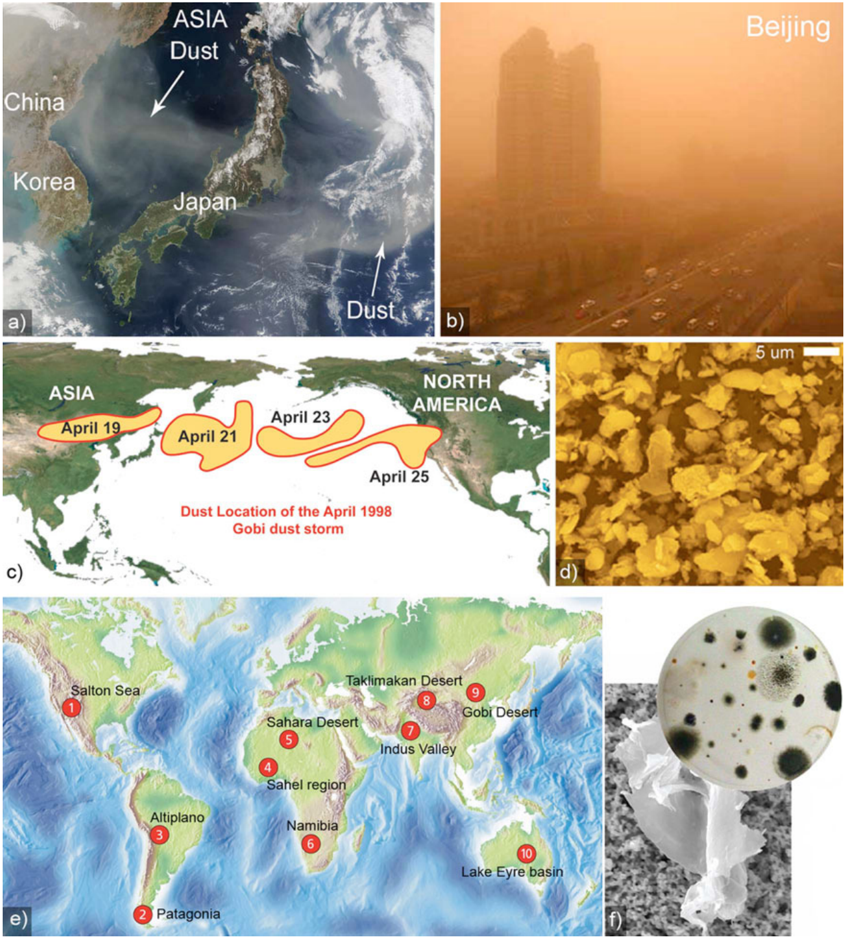
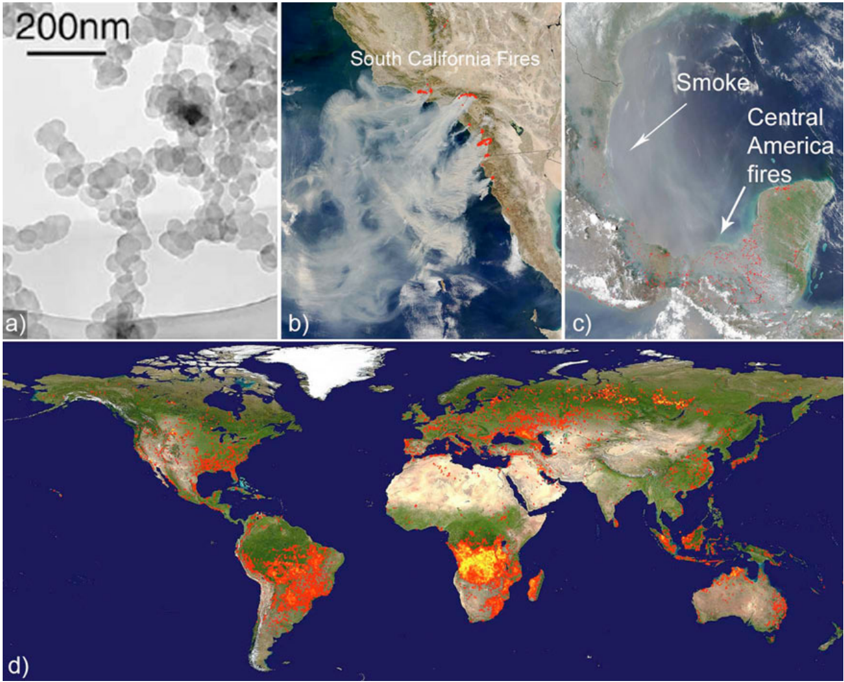
This review is presented as a common foundation for scientists interested in nanoparticles, their origin, activity, and biological toxicity. It is written with the goal of rationalizing and informing public health concerns related to this sometimes-strange new science of “nano,” while raising awareness of nanomaterials’ toxicity among scientists and manufacturers handling them. We show that humans have always been exposed to tiny particles via dust storms, volcanic ash, and other natural processes, and that our bodily systems are well adapted to protect us from these potentially harmful intruders. The reticuloendothelial system, in particular, actively neutralizes and eliminates foreign matter in the body, including viruses and nonbiological particles. Particles originating from human activities have existed for millennia, e.g., smoke from combustion and lint from garments, but the recent development of industry and combustion-based engine transportation has profoundly increased anthropogenic particulate pollution. Significantly, technological advancement has also changed the character of particulate pollution, increasing the proportion of nanometer-sized particles-“nanoparticles”-and expanding the variety of chemical compositions. Recent epidemiological studies have shown a strong correlation between particulate air pollution levels, respiratory and cardiovascular diseases, various cancers, and mortality. Adverse effects of nanoparticles on human health depend on individual factors such as genetics and existing disease, as well as exposure, and nanoparticle chemistry, size, shape, agglomeration state, and electromagnetic properties. Animal and human studies show that inhaled nanoparticles are less efficiently removed than larger particles by the macrophage clearance mechanisms in the lungs, causing lung damage, and that nanoparticles can translocate through the circulatory, lymphatic, and nervous systems to many tissues and organs, including the brain. The key to understanding the toxicity of nanoparticles is that their minute size, smaller than cells and cellular organelles, allows them to penetrate these basic biological structures, disrupting their normal function. Examples of toxic effects include tissue inflammation, and altered cellular redox balance toward oxidation, causing abnormal function or cell death. The manipulation of matter at the scale of atoms, “nanotechnology,” is creating many new materials with characteristics not always easily predicted from current knowledge. Within the nearly limitless diversity of these materials, some happen to be toxic to biological systems, others are relatively benign, while others confer health benefits. Some of these materials have desirable characteristics for industrial applications, as nanostructured materials often exhibit beneficial properties, from UV absorbance in sunscreen to oil-less lubrication of motors. A rational science-based approach is needed to minimize harm caused by these materials, while supporting continued study and appropriate industrial development. As current knowledge of the toxicology of “bulk” materials may not suffice in reliably predicting toxic forms of nanoparticles, ongoing and expanded study of “nanotoxicity” will be necessary. For nanotechnologies with clearly associated health risks, intelligent design of materials and devices is needed to derive the benefits of these new technologies while limiting adverse health impacts. Human exposure to toxic nanoparticles can be reduced through identifying creation-exposure pathways of toxins, a study that may someday soon unravel the mysteries of diseases such as Parkinson’s and Alzheimer’s. Reduction in fossil fuel combustion would have a large impact on global human exposure to nanoparticles, as would limiting deforestation and desertification. While nanotoxicity is a relatively new concept to science, this review reveals the result of life’s long history of evolution in the presence of nanoparticles, and how the human body, in particular, has adapted to defend itself against nanoparticulate intruders.
Overview
The claims and statistics of this paper haven’t been checked yet.
Free: it reads the open-access text and checks the first 5 claims that cite a source we can check. Create a free account to check every claim.
Integrity signals
Registry
Cites
Statistics
Figures

Verification
Claims the paper makes
The claims and statistics of this paper haven’t been checked yet.
Free: it reads the open-access text and checks the first 5 claims that cite a source we can check. Create a free account to check every claim.
Claims other papers make about this one
Each is checked against this paper’s own text: does it say what the citing paper says it does?
The source backs part of the claim, not all of it — or backs it for a different population, condition or comparison.
In the citing paper
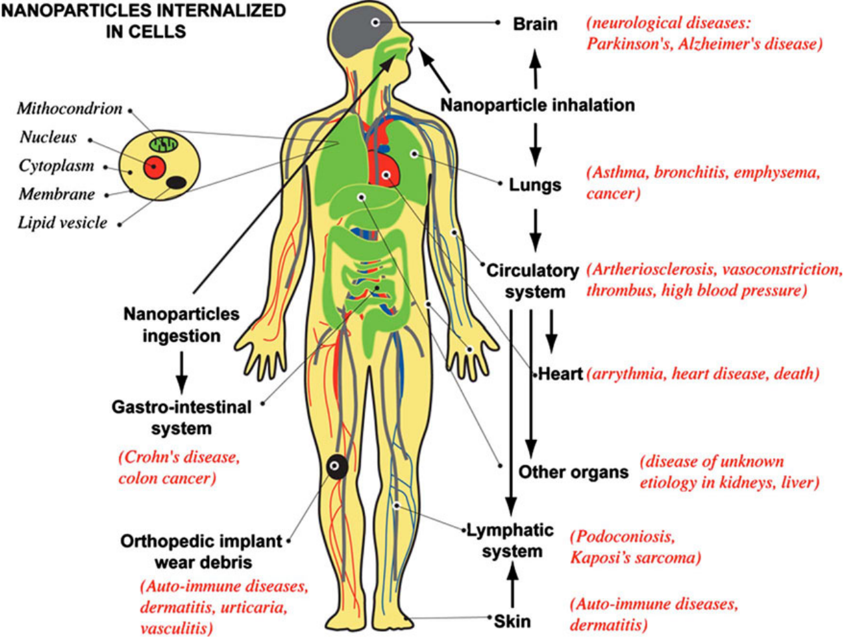
“Terrestrially, ingestion of nanoparticles and subsequent deposition of chemical components into the cellular cytoplasm has already been tied to the development of conditions such as Crohn’s disease and colon cancer51, though the precise mechanisms in play remain unclear.”
From Overview of lunar dust toxicity risk (2022) · cites this paper as [51]
Experimental — accuracy not yet measured
Self-check
Percentages, sums and reported differences re-computed from the paper’s own numbers.
The self-check needs the paper’s full text.
Citations
Cites
Toxic potential of materials at the nanolevel
Nel, A., Xia, T., Mädler, L., & Li, N. (2006) · Science · doi:10.1126/science.1114397 · Cited by 9,324 · cited 2×
“Several are comparatively general [18], [20], [30-32], while others address selected aspects of nanoparticles toxicology, such as: health effects of air pollution [33]; epidemiological reviews of exposure to particles [34]; epidemiological studies of cardiovascular effects of airborne particles [35]; occupational aspe…”
BackgroundLung cancer, cardiopulmonary mortality, and long-term exposure to fine particulate air pollution
Pope III, C. A. (2002) · JAMA · doi:10.1001/jama.287.9.1132 · Cited by 8,447
Nanotoxicology: An Emerging Discipline Evolving from Studies of Ultrafine Particles
Oberdörster, G., Oberdörster, E., & Oberdörster, J. (2005) · Environmental Health Perspectives · doi:10.1289/ehp.7339 · Cited by 7,891
Nanostructures in Biodiagnostics
Rosi, N. L., & Mirkin, C. A. (2005) · Chemical Reviews · doi:10.1021/cr030067f · Cited by 4,603
Probing the Cytotoxicity of Semiconductor Quantum Dots
Derfus, A. M., Chan, W. C. W., & Bhatia, S. N. (2004) · Nano Letters · doi:10.1021/nl0347334 · Cited by 3,391
Mechanisms of phagocytosis in macrophages
Aderem, A., & Underhill, D. M. (1999) · Annual Review of Immunology · doi:10.1146/annurev.immunol.17.1.593 · Cited by 2,854
Polymeric systems for controlled drug release
Uhrich, K. E., Cannizzaro, S. M., Langer, R. S., & Shakesheff, K. M. (1999) · Chemical Reviews · doi:10.1021/cr940351u · Cited by 2,633
Translocation of inhaled ultrafine particles to the brain
Oberdörster, G., Sharp, Z., Atudorei, V., Elder, A., Gelein, R., Kreyling, W., & Cox, C. (2004) · Inhalation Toxicology · doi:10.1080/08958370490439597 · Cited by 2,606
Pathogenesis of Helicobacter pylori Infection
Kusters, J. G., van Vliet, A. H. M., & Kuipers, E. J. (2006) · Clinical Microbiology Reviews · doi:10.1128/cmr.00054-05 · Cited by 2,526
Gold Nanoparticles Are Taken Up by Human Cells but Do Not Cause Acute Cytotoxicity
Connor, E. E., Mwamuka, J., Gole, A., Murphy, C. J., & Wyatt, M. D. (2005) · Small · doi:10.1002/smll.200400093 · Cited by 2,406
Size matters: why nanomaterials are different
Roduner, E. (2006) · Chemical Society Reviews · doi:10.1039/b502142c · Cited by 2,317
The potential environmental impact of engineered nanomaterials
Colvin, V. L. (2003) · Nature Biotechnology · doi:10.1038/nbt875 · Cited by 2,158
Oberdörster, G., Maynard, A., Donaldson, K., Castranova, V., Fitzpatrick, J., Ausman, K., Carter, J., Karn, B., Kreyling, W., Lai, D., et al. (2005) · Particle and Fibre Toxicology · doi:10.1186/1743-8977-2-8 · Cited by 2,134
Ultrafine particulate pollutants induce oxidative stress and mitochondrial damage
Li, N., Sioutas, C., Cho, A., Schmitz, D., Misra, C., Sempf, J., Wang, M., Oberley, T., Froines, J., & Nel, A. (2003) · Environmental Health Perspectives · doi:10.1289/ehp.6000 · Cited by 2,097
Nanomedicine: current status and future prospects
Moghimi, S. M., Hunter, A. C., & Murray, J. C. (2005) · The FASEB Journal · doi:10.1096/fj.04-2747rev · Cited by 2,029 · cited 1×
“Several are comparatively general [18], [20], [30-32], while others address selected aspects of nanoparticles toxicology, such as: health effects of air pollution [33]; epidemiological reviews of exposure to particles [34]; epidemiological studies of cardiovascular effects of airborne particles [35]; occupational aspe…”
BackgroundIn vitro toxicity of nanoparticles in BRL 3A rat liver cells
Hussain, S. M., Hess, K. L., Gearhart, J. M., Geiss, K. T., & Schlager, J. J. (2005) · Toxicology in Vitro · doi:10.1016/j.tiv.2005.06.034 · Cited by 2,025
Lam, C.-W. (2003) · Toxicological Sciences · doi:10.1093/toxsci/kfg243 · Cited by 1,991
Noninvasive detection of clinically occult lymph-node metastases in prostate cancer
Harisinghani, M. G., Barentsz, J., Hahn, P. F., Deserno, W. M., Tabatabaei, S., van de Kaa, C. H., de la Rosette, J., & Weissleder, R. (2003) · New England Journal of Medicine · doi:10.1056/nejmoa022749 · Cited by 1,971
Xia, T., Kovochich, M., Brant, J., Hotze, M., Sempf, J., Oberley, T., Sioutas, C., Yeh, J. I., Wiesner, M. R., & Nel, A. E. (2006) · Nano Letters · doi:10.1021/nl061025k · Cited by 1,918
Passage of inhaled particles into the blood circulation in humans
Nemmar, A., Hoet, P. H. M., Vanquickenborne, B., Dinsdale, D., Thomeer, M., Hoylaerts, M. F., Vanbilloen, H., Mortelmans, L., & Nemery, B. (2002) · Circulation · doi:10.1161/hc0402.104118 · Cited by 1,719
Lewin, M., Carlesso, N., Tung, C.-H., Tang, X.-W., Cory, D., Scadden, D. T., & Weissleder, R. (2000) · Nature Biotechnology · doi:10.1038/74464 · Cited by 1,716
Interaction of silver nanoparticles with HIV-1
Elechiguerra, J. L., Burt, J. L., Morones, J. R., Camacho-Bragado, A., Gao, X., Lara, H. H., & Yacaman, M. J. (2005) · Journal of Nanobiotechnology · doi:10.1186/1477-3155-3-6 · Cited by 1,709
Brayner, R., Ferrari-Iliou, R., Brivois, N., Djediat, S., Benedetti, M. F., & Fiévet, F. (2006) · Nano Letters · doi:10.1021/nl052326h · Cited by 1,685
The potential risks of nanomaterials: a review carried out for ECETOC.
Borm, P. J. A., Robbins, D. J., Haubold, S., Kuhlbusch, T. A. J., Fissan, H. J., Donaldson, K., Schins, R. P. F., Stone, V., Kreyling, W. G., Lademann, J. M., et al. (2006) · Particle and Fibre Toxicology · doi:10.1186/1743-8977-3-11 · Cited by 1,604
Toxicity of Gold Nanoparticles Functionalized with Cationic and Anionic Side Chains
Goodman, C. M., McCusker, C. D., Yilmaz, T., & Rotello, V. M. (2004) · Bioconjugate Chemistry · doi:10.1021/bc049951i · Cited by 1,601
Calculation of thermal noise in atomic force microscopy
Butt, H. J., & Jaschke, M. (1995) · Nanotechnology · doi:10.1088/0957-4484/6/1/001 · Cited by 1,589
Proteomic Analysis of the Mode of Antibacterial Action of Silver Nanoparticles
Lok, C.-N., Ho, C.-M., Chen, R., He, Q.-Y., Yu, W.-Y., Sun, H., Tam, P. K.-H., Chiu, J.-F., & Che, C.-M. (2006) · Journal of Proteome Research · doi:10.1021/pr0504079 · Cited by 1,581
Hoek, G., Brunekreef, B., Goldbohm, S., Fischer, P., & van den Brandt, P. A. (2002) · The Lancet · doi:10.1016/s0140-6736(02)11280-3 · Cited by 1,560
Comparative Pulmonary Toxicity Assessment of Single-wall Carbon Nanotubes in Rats
Warheit, D. B. (2003) · Toxicological Sciences · doi:10.1093/toxsci/kfg228 · Cited by 1,515
Increased Particulate Air Pollution and the Triggering of Myocardial Infarction
Peters, A., Dockery, D. W., Muller, J. E., & Mittleman, M. A. (2001) · Circulation · doi:10.1161/01.cir.103.23.2810 · Cited by 1,471
Geiser, M., Rothen-Rutishauser, B., Kapp, N., Schürch, S., Kreyling, W., Schulz, H., Semmler, M., Hof, V. I., Heyder, J., & Gehr, P. (2005) · Environmental Health Perspectives · doi:10.1289/ehp.8006 · Cited by 1,407
Cytotoxicity of Carbon Nanomaterials: Single-Wall Nanotube, Multi-Wall Nanotube, and Fullerene
Jia, G., Wang, H., Yan, L., Wang, X., Pei, R., Yan, T., Zhao, Y., & Guo, X. (2005) · Environmental Science & Technology · doi:10.1021/es048729l · Cited by 1,404
Oberdörster, E. (2004) · Environmental Health Perspectives · doi:10.1289/ehp.7021 · Cited by 1,393
Carbon nanotubes: opportunities and challenges
Dai, H. (2002) · Surface Science · doi:10.1016/s0039-6028(01)01558-8 · Cited by 1,385
Nanoparticles – known and unknown health risks
Hoet, P. H., Brüske-Hohlfeld, I., & Salata, O. V. (2004) · Journal of Nanobiotechnology · doi:10.1186/1477-3155-2-12 · Cited by 1,374
Pulmonary effects of inhaled ultrafine particles
Oberd�rster, G. (2000) · International Archives of Occupational and Environmental Health · doi:10.1007/s004200000185 · Cited by 1,335
Unusual inflammatory and fibrogenic pulmonary responses to single-walled carbon nanotubes in mice
Shvedova, A. A., Kisin, E. R., Mercer, R., Murray, A. R., Johnson, V. J., Potapovich, A. I., Tyurina, Y. Y., Gorelik, O., Arepalli, S., Schwegler-Berry, D., et al. (2005) · American Journal of Physiology-Lung Cellular and Molecular Physiology · doi:10.1152/ajplung.00084.2005 · Cited by 1,312
Respiratory effects are associated with the number of ultrafine particles.
Peters, A., Wichmann, H. E., Tuch, T., Heinrich, J., & Heyder, J. (1997) · American Journal of Respiratory and Critical Care Medicine · doi:10.1164/ajrccm.155.4.9105082 · Cited by 1,260
In Vitro Cytotoxicity of Nanoparticles in Mammalian Germline Stem Cells
Braydich-Stolle, L., Hussain, S., Schlager, J. J., & Hofmann, M.-C. (2005) · Toxicological Sciences · doi:10.1093/toxsci/kfi256 · Cited by 1,247
Translocation of Inhaled Ultrafine Manganese Oxide Particles to the CentralNervous System
Elder, A., Gelein, R., Silva, V., Feikert, T., Opanashuk, L., Carter, J., Potter, R., Maynard, A., Ito, Y., Finkelstein, J., et al. (2006) · Environmental Health Perspectives · doi:10.1289/ehp.9030 · Cited by 1,180
Respiratory toxicity of multi-wall carbon nanotubes
Muller, J., Huaux, F., Moreau, N., Misson, P., Heilier, J.-F., Delos, M., Arras, M., Fonseca, A., Nagy, J. B., & Lison, D. (2005) · Toxicology and Applied Pharmacology · doi:10.1016/j.taap.2005.01.008 · Cited by 1,123 · cited 7×
“For example, carbon nanotubes are not eliminated from the lungs or very slowly eliminated (81% found in rat lungs after 60 days) [159].”
BackgroundInfluentialKouwenhoven, L. P., Austing, D. G., & Tarucha, S. (2001) · Reports on Progress in Physics · doi:10.1088/0034-4885/64/6/201 · Cited by 1,118
The Differential Cytotoxicity of Water-Soluble Fullerenes
Sayes, C. M., Fortner, J. D., Guo, W., Lyon, D., Boyd, A. M., Ausman, K. D., Tao, Y. J., Sitharaman, B., Wilson, L. J., Hughes, J. B., et al. (2004) · Nano Letters · doi:10.1021/nl0489586 · Cited by 1,087
Gurr, J.-R., Wang, A. S. S., Chen, C.-H., & Jan, K.-Y. (2005) · Toxicology · doi:10.1016/j.tox.2005.05.007 · Cited by 1,022 · cited 33×
“Sun-illuminated titanium dioxide particles in sunscreen were observed to catalyze DNA damage both in vitro and in vivo [143], [278].”
BackgroundInfluentialSculptured thin films and glancing angle deposition: Growth mechanics and applications
Robbie, K., & Brett, M. J. (1997) · Journal of Vacuum Science & Technology A: Vacuum, Surfaces, and Films · doi:10.1116/1.580562 · Cited by 956
Self-citationIn vitro and in vivo two-photon luminescence imaging of single gold nanorods
Wang, H., Huff, T. B., Zweifel, D. A., He, W., Low, P. S., Wei, A., & Cheng, J.-X. (2005) · Proceedings of the National Academy of Sciences · doi:10.1073/pnas.0504892102 · Cited by 950
An X-ray computed tomography imaging agent based on long-circulating bismuth sulphide nanoparticles
Rabin, O., Manuel Perez, J., Grimm, J., Wojtkiewicz, G., & Weissleder, R. (2006) · Nature Materials · doi:10.1038/nmat1571 · Cited by 942
Fubini, B., & Hubbard, A. (2003) · Free Radical Biology and Medicine · doi:10.1016/s0891-5849(03)00149-7 · Cited by 935
Metal Sensitivity in Patients with Orthopaedic Implants
Hallab, N., Merritt, K., & Jacobs, J. J. (2001) · The Journal of Bone and Joint Surgery-American Volume · doi:10.2106/00004623-200103000-00017 · Cited by 935
Delfino, R. J., Sioutas, C., & Malik, S. (2005) · Environmental Health Perspectives · doi:10.1289/ehp.7938 · Cited by 931
Combustion-derived nanoparticles: A review of their toxicology following inhalation exposure
Donaldson, K., Tran, L., Jimenez, L. A., Duffin, R., Newby, D. E., Mills, N., MacNee, W., & Stone, V. (2005) · Particle and Fibre Toxicology · doi:10.1186/1743-8977-2-10 · Cited by 926
Nanoparticle Uptake by the Rat Gastrointestinal Mucosa: Quantitation and Particle Size Dependency
Jani, P., Halbert, G. W., Langridge, J., & Florence, A. T. (1990) · Journal of Pharmacy and Pharmacology · doi:10.1111/j.2042-7158.1990.tb07033.x · Cited by 920 · cited 2×
“e, surface chemistry and charge, length of administration, and dose [30]. The absorption of particles in the gastro-intestinal tract depends on their size, the uptake diminishing for larger particles [269]. A study of polystyrene particles with size between 50 nm and 3 µm indicated that the uptake decreases with incre…”
BackgroundInfluentialOxidative stress-induced DNA damage by particulate air pollution
Risom, L., Møller, P., & Loft, S. (2005) · Mutation Research - Fundamental and Molecular Mechanisms of Mutagenesis · doi:10.1016/j.mrfmmm.2005.06.012 · Cited by 913
Kukowska-Latallo, J. F., Candido, K. A., Cao, Z., Nigavekar, S. S., Majoros, I. J., Thomas, T. P., Balogh, L. P., Khan, M. K., & Baker, J. R. (2005) · Cancer Research · doi:10.1158/0008-5472.can-04-3921 · Cited by 912
Waalkes, M. P. (2003) · Mutation Research - Fundamental and Molecular Mechanisms of Mutagenesis · doi:10.1016/j.mrfmmm.2003.07.011 · Cited by 889
Asian dust events of April 1998
Husar, R. B., Tratt, D. M., Schichtel, B. A., Falke, S. R., Li, F., Jaffe, D., Gassó, S., Gill, T., Laulainen, N. S., Lu, F., et al. (2001) · Journal of Geophysical Research: Atmospheres · doi:10.1029/2000jd900788 · Cited by 851
Oberdörster, G., Sharp, Z., Atudorei, V., Elder, A., Gelein, R., Lunts, A., Kreyling, W., & Cox, C. (2002) · Journal of Toxicology and Environmental Health, Part A · doi:10.1080/00984100290071658 · Cited by 846
Plasmonics: the next chip-scale technology
Zia, R., Schuller, J. A., Chandran, A., & Brongersma, M. L. (2006) · Materials Today · doi:10.1016/s1369-7021(06)71572-3 · Cited by 846
Fullerene derivatives: an attractive tool for biological applications
Bosi, S., Da Ros, T., Spalluto, G., & Prato, M. (2003) · European Journal of Medicinal Chemistry · doi:10.1016/j.ejmech.2003.09.005 · Cited by 834
Effect of single wall carbon nanotubes on human HEK293 cells
Cui, D., Tian, F., Ozkan, C. S., Wang, M., & Gao, H. (2005) · Toxicology Letters · doi:10.1016/j.toxlet.2004.08.015 · Cited by 831
He, F., & Zhao, D. (2005) · Environmental Science & Technology · doi:10.1021/es048743y · Cited by 825
Near-Infrared Fluorescence Microscopy of Single-Walled Carbon Nanotubes in Phagocytic Cells
Cherukuri, P., Bachilo, S. M., Litovsky, S. H., & Weisman, R. B. (2004) · Journal of the American Chemical Society · doi:10.1021/ja0466311 · Cited by 817
Ellis-Behnke, R. G., Liang, Y.-X., You, S.-W., Tay, D. K. C., Zhang, S., So, K.-F., & Schneider, G. E. (2006) · Proceedings of the National Academy of Sciences · doi:10.1073/pnas.0600559103 · Cited by 796
The emerging field of nanotube biotechnology
Martin, C. R., & Kohli, P. (2003) · Nature Reviews Drug Discovery · doi:10.1038/nrd988 · Cited by 791
Kreyling, W. G., Semmler, M., Erbe, F., Mayer, P., Takenaka, S., Schulz, H., Oberdörster, G., & Ziesenis, A. (2002) · Journal of Toxicology and Environmental Health, Part A · doi:10.1080/00984100290071649 · Cited by 790
Maynard, A. D., Baron, P. A., Foley, M., Shvedova, A. A., Kisin, E. R., & Castranova, V. (2004) · Journal of Toxicology and Environmental Health, Part A · doi:10.1080/15287390490253688 · Cited by 763
Multi-walled carbon nanotube interactions with human epidermal keratinocytes
Monteiro-Riviere, N. A., Nemanich, R. J., Inman, A. O., Wang, Y. Y., & Riviere, J. E. (2005) · Toxicology Letters · doi:10.1016/j.toxlet.2004.11.004 · Cited by 757
Nanoparticle Surface Charges Alter Blood–Brain Barrier Integrity and Permeability
Lockman, P. R., Koziara, J. M., Mumper, R. J., & Allen, D. D. (2004) · Journal of Drug Targeting · doi:10.1080/10611860400015936 · Cited by 742
Pulmonary and systemic distribution of inhaled ultrafine silver particles in rats.
Takenaka, S., Karg, E., Roth, C., Schulz, H., Ziesenis, A., Heinzmann, U., Schramel, P., & Heyder, J. (2001) · Environmental Health Perspectives · doi:10.1289/ehp.01109s4547 · Cited by 730
Cerium and yttrium oxide nanoparticles are neuroprotective
Schubert, D., Dargusch, R., Raitano, J., & Chan, S.-W. (2006) · Biochemical and Biophysical Research Communications · doi:10.1016/j.bbrc.2006.01.129 · Cited by 727
Pulmonary Retention of Ultrafine and Fine Particles in Rats
Ferin, J., Oberdörster, G., & Penney, D. P. (1992) · American Journal of Respiratory Cell and Molecular Biology · doi:10.1165/ajrcmb/6.5.535 · Cited by 722
Donaldson, K., Stone, V, Tran, C. L., Kreyling, W., & Borm, P. J. A. (2004) · Occupational and Environmental Medicine · doi:10.1136/oem.2004.013243 · Cited by 699
Ambient Air Pollution and Pregnancy Outcomes: A Review of the Literature
Šrám, R. J., Binková, B., Dejmek, J., & Bobak, M. (2005) · Environmental Health Perspectives · doi:10.1289/ehp.6362 · Cited by 686
Translocation and potential neurological effects of fine and ultrafine particles a critical update
Peters, A., Veronesi, B., Calderón‐Garcidueñas, L., Gehr, P., Chen, L., Geiser, M., Reed, W. R., Rothen‐Rutishauser, B., Schürch, S., & Schulz, H. (2006) · Particle and Fibre Toxicology · doi:10.1186/1743-8977-3-13 · Cited by 683
Moore's law: the future of Si microelectronics
Thompson, S. E., & Parthasarathy, S. (2006) · Materials Today · doi:10.1016/s1369-7021(06)71539-5 · Cited by 681
Hussain, N. (2001) · Advanced Drug Delivery Reviews · doi:10.1016/s0169-409x(01)00152-1 · Cited by 680
Multi-walled carbon nanotubes induce T lymphocyte apoptosis
Bottini, M., Bruckner, S., Nika, K., Bottini, N., Bellucci, S., Magrini, A., Bergamaschi, A., & Mustelin, T. (2006) · Toxicology Letters · doi:10.1016/j.toxlet.2005.06.020 · Cited by 679
Fine particles and human health—a review of epidemiological studies
Englert, N. (2004) · Toxicology Letters · doi:10.1016/j.toxlet.2003.12.035 · Cited by 674
Grey Goo on the Skin? Nanotechnology, Cosmetic and Sunscreen Safety
Nohynek, G. J., Lademann, J., Ribaud, C., & Roberts, M. S. (2007) · Critical Reviews in Toxicology · doi:10.1080/10408440601177780 · Cited by 644
NEMMAR, A., VANBILLOEN, H., HOYLAERTS, M. F., HOET, P. H. M., VERBRUGGEN, A., & NEMERY, B. (2001) · American Journal of Respiratory and Critical Care Medicine · doi:10.1164/ajrccm.164.9.2101036 · Cited by 643
Sioutas, C., Delfino, R. J., & Singh, M. (2005) · Environmental Health Perspectives · doi:10.1289/ehp.7939 · Cited by 617
Inhaled particles and lung cancer. Part A: Mechanisms
Knaapen, A. M., Borm, P. J. A., Albrecht, C., & Schins, R. P. F. (2004) · International Journal of Cancer · doi:10.1002/ijc.11708 · Cited by 606
Powers, K. W., Brown, S. C., Krishna, V. B., Wasdo, S. C., Moudgil, B. M., & Roberts, S. M. (2006) · Toxicological Sciences · doi:10.1093/toxsci/kfj099 · Cited by 605
Evidence for self-cleaning in gecko setae
Hansen, W. R., & Autumn, K. (2005) · Proceedings of the National Academy of Sciences · doi:10.1073/pnas.0408304102 · Cited by 601 · cited 2×
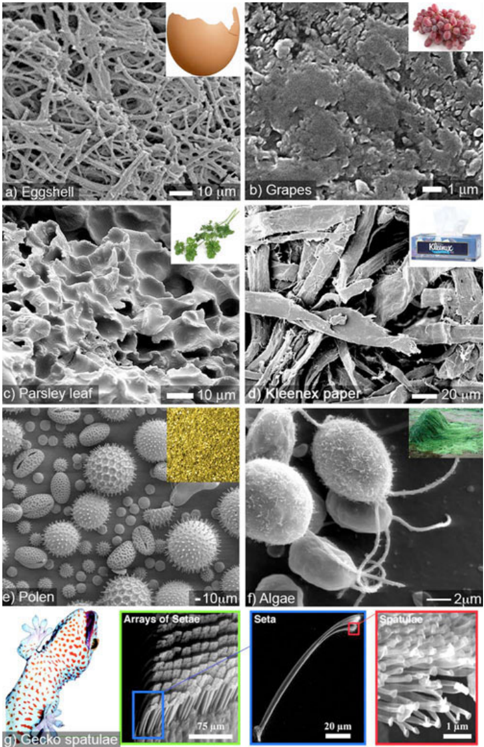
“vertical glass, adhesive surface microstructure, individual setae, nanostructure of spatular endings, courtesy of PNAS [23].”
Long-Term Inhalable Particles and Other Air Pollutants Related to Mortality in Nonsmokers
ABBEY, D. E., NISHINO, N., McDONNELL, W. F., BURCHETTE, R. J., KNUTSEN, S. F., LAWRENCE BEESON, W., & YANG, J. X. (1999) · American Journal of Respiratory and Critical Care Medicine · doi:10.1164/ajrccm.159.2.9806020 · Cited by 596
Nanotubule-Based Molecular-Filtration Membranes
Jirage, K. B., Hulteen, J. C., & Martin, C. R. (1997) · Science · doi:10.1126/science.278.5338.655 · Cited by 589
Cytotoxicity suppression and cellular uptake enhancement of surface modified magnetic nanoparticles
Gupta, A. K., & Gupta, M. (2005) · Biomaterials · doi:10.1016/j.biomaterials.2004.05.022 · Cited by 586
Antimicrobial effect of surgical masks coated with nanoparticles
Li, Y., Leung, P., Yao, L., Song, Q. W., & Newton, E. (2006) · Journal of Hospital Infection · doi:10.1016/j.jhin.2005.04.015 · Cited by 572 · cited 2×
“a species and viruses, over 90% are killed within a few minutes. Due to their antimicrobial effect, nanoparticle of silver and titanium dioxide (<100nm) are assessed as coatings for surgical masks [291]. Bioseparation. Nanotube membranes can act as channels for highly selective transport of molecules and ions betwe…”
BackgroundInfluentialAirborne Nanostructured Particles and Occupational Health
Maynard, A. D., & Kuempel, E. D. (2005) · Journal of Nanoparticle Research · doi:10.1007/s11051-005-6770-9 · Cited by 559
Li, J., Pósfai, M., Hobbs, P. V., & Buseck, P. R. (2003) · Journal of Geophysical Research: Atmospheres · doi:10.1029/2002jd002310 · Cited by 550
Chemical oxidation and DNA damage catalysed by inorganic sunscreen ingredients
Dunford, R., Salinaro, A., Cai, L., Serpone, N., Horikoshi, S., Hidaka, H., & Knowland, J. (1997) · FEBS Letters · doi:10.1016/s0014-5793(97)01356-2 · Cited by 540
Rothen-Rutishauser, B. M., Schürch, S., Haenni, B., Kapp, N., & Gehr, P. (2006) · Environmental Science & Technology · doi:10.1021/es0522635 · Cited by 534
Lademann, J., Weigmann, H.-J., Rickmeyer, C., Barthelmes, H., Schaefer, H., Mueller, G., & Sterry, W. (1999) · Skin Pharmacology and Physiology · doi:10.1159/000066249 · Cited by 527
In vitro cytotoxity of silver: implication for clinical wound care
Poon, V. K. M., & Burd, A. (2004) · Burns · doi:10.1016/j.burns.2003.09.030 · Cited by 527
Lipid emulsion infusion rescues dogs from bupivacaine-induced cardiac toxicity
Weinberg, G. (2003) · Regional Anesthesia and Pain Medicine · doi:10.1053/rapm.2003.50041 · Cited by 517
Neurodegenerative Diseases: An Overview of Environmental Risk Factors
Brown, R. C., Lockwood, A. H., & Sonawane, B. R. (2005) · Environmental Health Perspectives · doi:10.1289/ehp.7567 · Cited by 512
Warheit, D. B., Webb, T. R., Sayes, C. M., Colvin, V. L., & Reed, K. L. (2006) · Toxicological Sciences · doi:10.1093/toxsci/kfj140 · Cited by 508
Air Pollution and Hospital Admissions for Cardiovascular Disease in Detroit, Michigan
Schwartz, J., & Morris, R. (1995) · American Journal of Epidemiology · doi:10.1093/oxfordjournals.aje.a117541 · Cited by 506
Advanced techniques for glancing angle deposition
Robbie, K., Sit, J. C., & Brett, M. J. (1998) · Journal of Vacuum Science & Technology B: Microelectronics and Nanometer Structures Processing, Measurement, and Phenomena · doi:10.1116/1.590019 · Cited by 506
Self-citationLioy, P. J., Weisel, C. P., Millette, J. R., Eisenreich, S., Vallero, D., Offenberg, J., Buckley, B., Turpin, B., Zhong, M., Cohen, M. D., et al. (2002) · Environmental Health Perspectives · doi:10.1289/ehp.02110703 · Cited by 500
Kajander, E. O., & Çiftçioglu, N. (1998) · Proceedings of the National Academy of Sciences · doi:10.1073/pnas.95.14.8274 · Cited by 495
Stoeger, T., Reinhard, C., Takenaka, S., Schroeppel, A., Karg, E., Ritter, B., Heyder, J., & Schulz, H. (2006) · Environmental Health Perspectives · doi:10.1289/ehp.8266 · Cited by 486
Skin as a route of exposure and sensitization in chronic beryllium disease.
Tinkle, S. S., Antonini, J. M., Rich, B. A., Roberts, J. R., Salmen, R., DePree, K., & Adkins, E. J. (2003) · Environmental Health Perspectives · doi:10.1289/ehp.5999 · Cited by 484
Tsuji, J. S., Maynard, A. D., Howard, P. C., James, J. T., Lam, C.-W., Warheit, D. B., & Santamaria, A. B. (2006) · Toxicological Sciences · doi:10.1093/toxsci/kfi339 · Cited by 474
Airborne minerals and related aerosol particles: Effects on climate and the environment
Buseck, P. R., & Pósfai, M. (1999) · Proceedings of the National Academy of Sciences · doi:10.1073/pnas.96.7.3372 · Cited by 470
Water-driven structure transformation in nanoparticles at room temperature
Zhang, H., Gilbert, B., Huang, F., & Banfield, J. F. (2003) · Nature · doi:10.1038/nature01845 · Cited by 457
Ultrafine Particle Deposition and Clearance in the Healthy and Obstructed Lung
Brown, J. S., Zeman, K. L., & Bennett, W. D. (2002) · American Journal of Respiratory and Critical Care Medicine · doi:10.1164/rccm.200205-399oc · Cited by 449
Interactions between Ultrafine Particles and Transition Metals in Vivo and in Vitro
Wilson, M. (2002) · Toxicology and Applied Pharmacology · doi:10.1006/taap.2002.9501 · Cited by 440
MORTALITY AND AIR POLLUTION J LONDON: A TIME SERIES ANALYSIS
SCHWARTZ, J., & MARCUS, A. (1990) · American Journal of Epidemiology · doi:10.1093/oxfordjournals.aje.a115473 · Cited by 439
Oxidative stress and calcium signaling in the adverse effects of environmental particles (PM10)
Donaldson, K., Stone, V., Borm, P. J. A., Jimenez, L. A., Gilmour, P. S., Schins, R. P. F., Knaapen, A. M., Rahman, I., Faux, S. P., Brown, D. M., et al. (2003) · Free Radical Biology and Medicine · doi:10.1016/s0891-5849(03)00150-3 · Cited by 431
Westerdahl, D., Fruin, S., Sax, T., Fine, P. M., & Sioutas, C. (2005) · Atmospheric Environment · doi:10.1016/j.atmosenv.2005.02.034 · Cited by 429
Current hypotheses on the mechanisms of toxicity of ultrafine particles.
Donaldson, K., & Stone, V. (2003) · PubMed · Cited by 425
Particulate Matter in Polluted Air May Increase Biomarkers of Inflammation in Mouse Brain
Campbell, A., Oldham, M., Becaria, A., Bondy, S. C., Meacher, D., Sioutas, C., Misra, C., Mendez, L. B., & Kleinman, M. (2005) · NeuroToxicology · doi:10.1016/j.neuro.2004.08.003 · Cited by 421
Metal toxicity and the respiratory tract
Nemery, B. (1990) · European Respiratory Journal · doi:10.1183/09031936.93.03020202 · Cited by 417
Viral hepatitis and liver cancer: the case of hepatitis C
Levrero, M. (2006) · Oncogene · doi:10.1038/sj.onc.1209562 · Cited by 404
Brown, D. M., Donaldson, K., Borm, P. J., Schins, R. P., Dehnhardt, M., Gilmour, P., Jimenez, L. A., & Stone, V. (2004) · American Journal of Physiology-Lung Cellular and Molecular Physiology · doi:10.1152/ajplung.00139.2003 · Cited by 395
Reactive oxygen species in pulmonary inflammation by ambient particulates
Tao, F., Gonzalez-Flecha, B., & Kobzik, L. (2003) · Free Radical Biology and Medicine · doi:10.1016/s0891-5849(03)00280-6 · Cited by 392
Lomer, M. C. E., Thompson, R. P. H., & Powell, J. J. (2002) · Proceedings of the Nutrition Society · doi:10.1079/pns2001134 · Cited by 381
Houghton, J. (2005) · Reports on Progress in Physics · doi:10.1088/0034-4885/68/6/r02 · Cited by 361
Kneuer, C., Sameti, M., Bakowsky, U., Schiestel, T., Schirra, H., Schmidt, H., & Lehr, C.-M. (2000) · Bioconjugate Chemistry · doi:10.1021/bc0000637 · Cited by 359
Nanomedicines and nanotoxicology: some physiological principles
Garnett, M. C., & Kallinteri, P. (2006) · Occupational Medicine · doi:10.1093/occmed/kql052 · Cited by 352
The role of Acticoat™ with nanocrystalline silver in the management of burns
Dunn, K., & Edwards-Jones, V. (2004) · Burns · doi:10.1016/s0305-4179(04)90000-9 · Cited by 349
Calderon-Garciduenas, L., Maronpot, R. R., Torres-Jardon, R., Henriquez-Roldan, C., Schoonhoven, R., Acuna-Ayala, H., Villarreal-Calderon, A., Nakamura, J., Fernando, R., Reed, W., et al. (2003) · Toxicologic Pathology · doi:10.1080/01926230390226645 · Cited by 349
Ultrafine Particles Affect Experimental Thrombosis in an In Vivo Hamster Model
Nemmar, A., Hoylaerts, M. F., Hoet, P. H. M., Dinsdale, D., Smith, T., Xu, H., Vermylen, J., & Nemery, B. (2002) · American Journal of Respiratory and Critical Care Medicine · doi:10.1164/rccm.200110-026oc · Cited by 347
Penetration Profile of Microspheres in Follicular Targeting of Terminal Hair Follicles
Toll, R., Jacobi, U., Richter, H., Lademann, J., Schaefer, H., & Blume-Peytavi, U. (2004) · Journal of Investigative Dermatology · doi:10.1111/j.0022-202x.2004.22717.x · Cited by 344
Structural and functional imaging with carbon nanotube AFM probes
Hafner, J. H., Cheung, C.-L., Woolley, A. T., & Lieber, C. M. (2001) · Progress in Biophysics and Molecular Biology · doi:10.1016/s0079-6107(01)00011-6 · Cited by 344
Semmler, M., Seitz, J., Erbe, F., Mayer, P., Heyder, J., Oberdörster, G., & Kreyling, W. G. (2004) · Inhalation Toxicology · doi:10.1080/08958370490439650 · Cited by 340
Bourrinet, P., Bengele, H. H., Bonnemain, B., Dencausse, A., Idee, J.-M., Jacobs, P. M., & Lewis, J. M. (2006) · Investigative Radiology · doi:10.1097/01.rli.0000197669.80475.dd · Cited by 339
Peters, K., Unger, R. E., Kirkpatrick, C. J., Gatti, A. M., & Monari, E. (2004) · Journal of Materials Science: Materials in Medicine · doi:10.1023/b:jmsm.0000021095.36878.1b · Cited by 331
LOOMIS, D. P. (2006) · Occupational and Environmental Medicine · Cited by 331
Do Inhaled Carbon Nanoparticles Translocate Directly into the Circulation in Humans?
Mills, N. L., Amin, N., Robinson, S. D., Anand, A., Davies, J., Patel, D., de la Fuente, J. M., Cassee, F. R., Boon, N. A., MacNee, W., et al. (2006) · American Journal of Respiratory and Critical Care Medicine · doi:10.1164/rccm.200506-865oc · Cited by 323
Cardiovascular Effects of Fine and Ultrafine Particles
Schulz, H., Harder, V., Ibald-Mulli, A., Khandoga, A., Koenig, W., Krombach, F., Radykewicz, R., Stampfl, A., Thorand, B., & Peters, A. (2005) · Journal of Aerosol Medicine · doi:10.1089/jam.2005.18.1 · Cited by 320
Impairment of Alveolar Macrophage Phagocytosis by Ultrafine Particles
Renwick, L. C., Donaldson, K., & Clouter, A. (2001) · Toxicology and Applied Pharmacology · doi:10.1006/taap.2001.9128 · Cited by 320
Afshari, A., Matson, U., & Ekberg, L. E. (2005) · Indoor Air · doi:10.1111/j.1600-0668.2005.00332.x · Cited by 316
Ahmad, A., Senapati, S., Khan, M. I., Kumar, R., & Sastry, M. (2005) · Journal of Biomedical Nanotechnology · doi:10.1166/jbn.2005.012 · Cited by 315
Quintana, C., Bellefqih, S., Laval, J. Y., Guerquin-Kern, J. L., Wu, T. D., Avila, J., Ferrer, I., Arranz, R., & Patiño, C. (2006) · Journal of Structural Biology · doi:10.1016/j.jsb.2005.11.001 · Cited by 297
Nikula, K. (1995) · Fundamental and Applied Toxicology · doi:10.1006/faat.1995.1042 · Cited by 293
Air pollution and hospital admissions in Southern Ontario: The acid summer haze effect
Bates, D. V., & Sizto, R. (1987) · Environmental Research · doi:10.1016/s0013-9351(87)80032-4 · Cited by 289
Dust: a metric for use in residential and building exposure assessment and source characterization.
Lioy, P. J., Freeman, N. C. G., & Millette, J. R. (2002) · Environmental Health Perspectives · doi:10.1289/ehp.02110969 · Cited by 287
The effects of particle size and surface coating on the cytotoxicity of nickel ferrite
Yin, H., Too, H. P., & Chow, G. M. (2005) · Biomaterials · doi:10.1016/j.biomaterials.2005.02.036 · Cited by 285
Baibarac, M., & Gómez-Romero, P. (2006) · Journal of Nanoscience and Nanotechnology · doi:10.1166/jnn.2006.903 · Cited by 268
Dockery, D. W., Luttmann-Gibson, H., Rich, D. Q., Link, M. S., Mittleman, M. A., Gold, D. R., Koutrakis, P., Schwartz, J. D., & Verrier, R. L. (2005) · Environmental Health Perspectives · doi:10.1289/ehp.7767 · Cited by 268
Effects of aluminum on the nervous system and its possible link with neurodegenerative diseases
Kawahara, M. (2005) · Journal of Alzheimer's Disease · doi:10.3233/jad-2005-8210 · Cited by 266
Alzheimer disease: progress or profit?
Mount, C., & Downton, C. (2006) · Nature Medicine · doi:10.1038/nm0706-780 · Cited by 262
Nanomaterials for Lithium-ion Rechargeable Batteries
Liu, H. K., Wang, G. X., Guo, Z., Wang, J., & Konstantinov, K. (2006) · Journal of Nanoscience and Nanotechnology · doi:10.1166/jnn.2006.103 · Cited by 253
Inhaled particles and lung cancer, part B: Paradigms and risk assessment
Borm, P. J. A., Schins, R. P. F., & Albrecht, C. (2004) · International Journal of Cancer · doi:10.1002/ijc.20064 · Cited by 251
Impact of the 2002 Canadian Forest Fires on Particulate Matter Air Quality in Baltimore City
Sapkota, A., Symons, J. M., Kleissl, J., Wang, L., Parlange, M. B., Ondov, J., Breysse, P. N., Diette, G. B., Eggleston, P. A., & Buckley, T. J. (2005) · Environmental Science & Technology · doi:10.1021/es035311z · Cited by 249
Gilboa, S. M., Mendola, P., Olshan, A. F., Langlois, P. H., Savitz, D. A., Loomis, D., Herring, A. H., & Fixler, D. E. (2005) · American Journal of Epidemiology · doi:10.1093/aje/kwi189 · Cited by 240
Soto, K. F., Carrasco, A., Powell, T. G., Garza, K. M., & Murr, L. E. (2005) · Journal of Nanoparticle Research · doi:10.1007/s11051-005-3473-1 · Cited by 237
Oxidant mechanisms in response to ambient air particles
González-Flecha, B. (2004) · Molecular Aspects of Medicine · doi:10.1016/j.mam.2004.02.017 · Cited by 236
Chemical analysis of World Trade Center fine particulate matter for use in toxicologic assessment.
McGee, J. K., Chen, L. C., Cohen, M. D., Chee, G. R., Prophete, C. M., Haykal-Coates, N., Wasson, S. J., Conner, T. L., Costa, D. L., & Gavett, S. H. (2003) · Environmental Health Perspectives · doi:10.1289/ehp.5930 · Cited by 233
Risk assessment of exposure to indoor aerosols associated with Chinese cooking
See, S. W., & Balasubramanian, R. (2006) · Environmental Research · doi:10.1016/j.envres.2005.12.013 · Cited by 232
Driscoll, K. E., Carter, J. M., Howard, B. W., Hassenbein, D. G., Pepelko, W., Baggs, R. B., & Oberdörster, G. (1996) · Toxicology and Applied Pharmacology · doi:10.1006/taap.1996.0045 · Cited by 225
Local particle deposition patterns may play a key role in the development of lung cancer
Balásházy, I., Hofmann, W., & Heistracher, T. (2003) · Journal of Applied Physiology · doi:10.1152/japplphysiol.00527.2002 · Cited by 225
Schuegraf, K. K. (1988) · Noyes Publications eBooks · Cited by 223
TOXICOKINETICS AND EFFECTS OF FIBROUS AND NONFIBROUS PARTICLES
Oberdörster, G. (2002) · Inhalation Toxicology · doi:10.1080/089583701753338622 · Cited by 221 · cited 3×
“Several are comparatively general [18], [20], [30-32], while others address selected aspects of nanoparticles toxicology, such as: health effects of air pollution [33]; epidemiological reviews of exposure to particles [34]; epidemiological studies of cardiovascular effects of airborne particles [35]; occupational aspe…”
BackgroundStone, V., Shaw, J., Brown, D. M., MacNee, W., Faux, S. P., & Donaldson, K. (1998) · Toxicology in Vitro · doi:10.1016/s0887-2333(98)00050-2 · Cited by 218
Kocbach, A., Li, Y., Yttri, K. E., Cassee, F. R., Schwarze, P. E., & Namork, E. (2006) · Particle and Fibre Toxicology · doi:10.1186/1743-8977-3-1 · Cited by 213
Long‐range transport of Asian dust to the Lower Fraser Valley, British Columbia, Canada
McKendry, I. G., Hacker, J. P., Stull, R., Sakiyama, S., Mignacca, D., & Reid, K. (2001) · Journal of Geophysical Research: Atmospheres · doi:10.1029/2000jd900359 · Cited by 211
Innate defence functions of macrophages can be biased by nano-sized ceramic and metallic particles.
Lucarelli, M., Gatti, A. M., Savarino, G., Quattroni, P., Martinelli, L., Monari, E., & Boraschi, D. (2004) · PubMed · Cited by 208
Cleaner nanotechnology and hazard reduction of manufactured nanoparticles
Reijnders, L. (2006) · Journal of Cleaner Production · doi:10.1016/j.jclepro.2005.03.018 · Cited by 207
Photokilling of T-24 human bladder cancer cells with titanium dioxide
Kubota, Y., Shuin, T., Kawasaki, C., Hosaka, M., Kitamura, H., Cai, R., Sakai, H., Hashimoto, K., & Fujishima, A. (1994) · British Journal of Cancer · doi:10.1038/bjc.1994.456 · Cited by 203
Effects of fiber characteristics on lung deposition, retention, and disease.
Lippmann, M. (1990) · Environmental Health Perspectives · doi:10.1289/ehp.9088311 · Cited by 203
MILOŠEV, I., TREBŠE, R., KOVAČ, S., CÖR, A., & PIŠOT, V. (2006) · The Journal of Bone and Joint Surgery-American Volume · doi:10.2106/00004623-200606000-00002 · Cited by 197
Arterial Uptake of Biodegradable Nanoparticles: Effect of Surface Modifications
Labhasetwar, V., Song, C., Humphrey, W., Shebuski, R., & Levy, R. J. (1998) · Journal of Pharmaceutical Sciences · doi:10.1021/js980021f · Cited by 190
An introduction to the short-term toxicology of respirable industrial fibres
Donaldson, K., & Tran, C. L. (2004) · Mutation Research - Fundamental and Molecular Mechanisms of Mutagenesis · doi:10.1016/j.mrfmmm.2004.06.011 · Cited by 188
Robbie, K., Beydaghyan, G., Brown, T., Dean, C., Adams, J., & Buzea, C. (2004) · Review of Scientific Instruments · doi:10.1063/1.1667254 · Cited by 188
Self-citationInfiltration of the brain by pathogens causes Alzheimer’s disease
Itzhaki, R. F., Wozniak, M. A., Appelt, D. M., & Balin, B. J. (2004) · Neurobiology of Aging · doi:10.1016/j.neurobiolaging.2003.12.021 · Cited by 188
A Retrospective Cohort Study of Lung Cancer and Diesel Exhaust Exposure in Railroad Workers
Garshick, E., Schenker, M. B., Muñoz, A., Segal, M., Smith, T. J., Woskie, S. R., Hammond, S. K., & Speizer, F. E. (1988) · American Review of Respiratory Disease · doi:10.1164/ajrccm/137.4.820 · Cited by 187
Air pollution: from lung to heart
Tager, I. (2005) · Swiss Medical Weekly · doi:10.4414/smw.2005.11025 · Cited by 187
Genotoxicity of environmental tobacco smoke: a review
Husgafvel-Pursiainen, K. (2004) · Mutation Research/Reviews in Mutation Research · doi:10.1016/j.mrrev.2004.06.004 · Cited by 186
Lomer, M. C. E., Hutchinson, C., Volkert, S., Greenfield, S. M., Catterall, A., Thompson, R. P. H., & Powell, J. J. (2004) · British Journal of Nutrition · doi:10.1079/bjn20041276 · Cited by 184
Particulate matter and heart disease: Evidence from epidemiological studies
Peters, A. (2005) · Toxicology and Applied Pharmacology · doi:10.1016/j.taap.2005.04.030 · Cited by 183
Rehn, B., Seiler, F., Rehn, S., Bruch, J., & Maier, M. (2003) · Toxicology and Applied Pharmacology · doi:10.1016/s0041-008x(03)00092-9 · Cited by 181
Liu, G., Men, P., Harris, P. L. R., Rolston, R. K., Perry, G., & Smith, M. A. (2006) · Neuroscience Letters · doi:10.1016/j.neulet.2006.07.020 · Cited by 178
Myocardial Infarction Among Professional Drivers
Bigert, C., Gustavsson, P., Hallqvist, J., Hogstedt, C., Lewné, M., Plato, N., Reuterwall, C., & Schéele, P. (2003) · Epidemiology · doi:10.1097/01.ede.0000057141.91012.80 · Cited by 175
Systemic trafficking of plant virus nanoparticles in mice via the oral route
Rae, C. S., Wei Khor, I., Wang, Q., Destito, G., Gonzalez, M. J., Singh, P., Thomas, D. M., Estrada, M. N., Powell, E., Finn, M. G., et al. (2005) · Virology · doi:10.1016/j.virol.2005.08.017 · Cited by 171
Koper, O. B., Klabunde, J. S., Marchin, G. L., Klabunde, K. J., Stoimenov, P., & Bohra, L. (2002) · Current Microbiology · doi:10.1007/s00284-001-0073-x · Cited by 170
Lung macrophage uptake of unopsonized environmental particulates. Role of scavenger-type receptors
Kobzik, L. (1995) · The Journal of Immunology · doi:10.4049/jimmunol.155.1.367 · Cited by 169
Innate Host Defense of the Lung: Effects of Lung-lining Fluid pH
Ng, A. W., Bidani, A., & Heming, T. A. (2004) · Lung · doi:10.1007/s00408-004-2511-6 · Cited by 168
Shi, Z., Shao, L., Jones, T. P., & Lu, S.-L. (2005) · Journal of Geophysical Research Atmospheres · doi:10.1029/2004jd005073 · Cited by 168
Linak, W. P., Miller, C. A., & Wendt, J. O. L. (2000) · Journal of the Air & Waste Management Association · doi:10.1080/10473289.2000.10464171 · Cited by 167
Ambient air pollution and acute myocardial infarction
Vermylen, J., Nemmar, A., Nemery, B., & Hoylaerts, M. (2005) · Journal of Thrombosis and Haemostasis · doi:10.1111/j.1538-7836.2005.01471.x · Cited by 166
Thin aerogel films for optical, thermal, acoustic and electronic applications
Hrubesh, L. W., & Poco, J. F. (1995) · Journal of Non-Crystalline Solids · doi:10.1016/0022-3093(95)00028-3 · Cited by 160
McGrath, K. G. (2003) · European Journal of Cancer Prevention · doi:10.1097/00008469-200312000-00006 · Cited by 159
Riediker, M., Devlin, R. B., Griggs, T. R., Herbst, M. C., Bromberg, P. A., Williams, R. W., & Cascio, W. E. (2004) · Particle and Fibre Toxicology · doi:10.1186/1743-8977-1-2 · Cited by 158
Lung Clearance of Inhaled Insoluble and Soluble Particles
OBERDÖRSTER, G. (1988) · Journal of Aerosol Medicine · doi:10.1089/jam.1988.1.289 · Cited by 157 · cited 1×
“Larger nanoparticles (>100 nm) can be readily phagocytized by alveolar macrophages [145], [217].”
BackgroundFate of manganese associated with the inhalation of welding fumes: Potential neurological effects
Antonini, J. M., Santamaria, A. B., Jenkins, N. T., Albini, E., & Lucchini, R. G. (2005) · NeuroToxicology · doi:10.1016/j.neuro.2005.09.001 · Cited by 157
Wildland forest fire smoke: health effects and intervention evaluation, Hoopa, California, 1999
Mott, J. A. (2002) · Western Journal of Medicine · doi:10.1136/ewjm.176.3.157 · Cited by 155
Porter, A. E., Müller, K. H., Skepper, J. N., Midgley, P. A., & Welland, M. E. (2006) · Acta Biomaterialia · doi:10.1016/j.actbio.2006.02.006 · Cited by 151
Powell, J. J., Ainley, C. C., Harvey, R. S., Mason, I. M., Kendall, M. D., Sankey, E. A., Dhillon, A. P., & Thompson, R. P. (1996) · Gut · doi:10.1136/gut.38.3.390 · Cited by 151
Characteristics of degeneration in an unstable knee with a coronal surface step-off
Lovász, G., Park, S. H., Ebramzadeh, E., Benya, P. D., Llinás, A., Bellyei, A., Luck, J. V., & Sarmiento, A. (2001) · Journal of Bone and Joint Surgery - British Volume · doi:10.1302/0301-620x.83b3.9674 · Cited by 151
Xiao, L., Takada, H., Maeda, K., Haramoto, M., & Miwa, N. (2005) · Biomedicine & Pharmacotherapy · doi:10.1016/j.biopha.2005.02.004 · Cited by 150
An Analysis and Comparison of Five Water Droplet Measuring Instruments
Baumgardner, D. G. (1983) · Journal of Climate and Applied Meteorology · doi:10.1175/1520-0450(1983)022<0891:aaacof>2.0.co;2 · Cited by 149
Wang, M. L., Tuli, R., Manner, P. A., Sharkey, P. F., Hall, D. J., & Tuan, R. S. (2003) · Journal of Orthopaedic Research® · doi:10.1016/s0736-0266(02)00241-3 · Cited by 146
Tuch, T., Brand, P., Wichmann, H. ‐., & Heyder, J. (1997) · Atmospheric Environment · doi:10.1016/s1352-2310(97)00260-4 · Cited by 146
Interactions of Oxygen Radicals with Airway Epithelium
Wright, D. T., Cohn, L. A., Li, H., Fischer, B. M., Li, C. M., & Adler, K. B. (1994) · Environmental Health Perspectives · doi:10.1289/ehp.94102s1085 · Cited by 140
Romieu, I. (2005) · PubMed · Cited by 136
Induced Sputum Assessment in New York City Firefighters Exposed to World Trade Center Dust
Fireman, E. M., Lerman, Y., Ganor, E., Greif, J., Fireman-Shoresh, S., Lioy, P. J., Banauch, G. I., Weiden, M. D., Kelly, K. J., & Prezant, D. J. (2004) · Environmental Health Perspectives · doi:10.1289/ehp.7233 · Cited by 135
Iron: a target for the management of Kaposi's sarcoma?
Simonart, T. (2004) · BMC Cancer · doi:10.1186/1471-2407-4-1 · Cited by 134
Research works printed but not linked: 32
- 2006, Curr. Opin. Pediatr., 18, 42
- 2004, Ital. Heart J, 5, 350
- 2006, Ir Med. J., 100, 155
- 2005, Schweiz Med. Wochenschr, 135, 697
- 2003, Ann. Ist Super Sanita, 39, 405
- 1988, Med. Clin. (Barc), 91, 97
- 1988, Trop. Geogr Med., 40, 359
- 1997, Epidemiol. Prev., 21, 114
- 2003, Anatomy and Physiology
- 2006, Lett. Appl. Microbiol., 42, 549
- 1993, Br. J. Ind. Med., 50, 586
- 2004, J. Proteome Res., 3, 12996
- 2003, Epidemiology, 14, 333
- 2001, Environ. Health Perspect, 109, 547
- 1997, J. Vac. Sci. Technol., 15, 1460
- 2004, Rev. Prat, 54, 1660
- 1988, Br. J. Ind. Med., 45, 777
- 2006, Inhalation Toxicol, 222, 195
- 2005, Int. J. Tuberc. Lung Dis., 9, 362
- 1994, Environ. Health Perspect, 102, 85
- 2003, Anatomy & Physiology
- 1994, Environ. Health Perspect, 102, 173
- 2004, Eur. Cytokine Netw., 15, 339
- 1992, Environ. Health Perspect, 97, 193
- 2006, J. Bone Jt. Surg., Am., 88, 1173, 10.2106/jbjs.e.00604 · doi:10.2106/jbjs.e.00604 · Paper page
- 1998, Am. J. Physiol., 274, L81
- 2005, Semicond. Sci. Technol., 18, R1
- 2006, Nanotechnol, 6, 1
- 2005, Reg. Anesth. Pain Med., 30, 380
- 2003, Reg. Anesth. Pain Med., 28, 198, 10.1097/00115550-200305000-00005 · doi:10.1097/00115550-200305000-00005 · Paper page
- 2002, Mater. World, 10, 20
- Bose, 1996, Proceedings of the Third International Confernece on Tungsten Refractory Metals, 229
Cited by
Review on Zinc Oxide Nanoparticles: Antibacterial Activity and Toxicity Mechanism
Sirelkhatim, A., Mahmud, S., Seeni, A., Kaus, N. H. M., Ann, L. C., Bakhori, S. K. M., Hasan, H., & Mohamad, D. (2015) · Nano-Micro Letters · doi:10.1007/s40820-015-0040-x · Cited by 4,586
Covalent organic frameworks (COFs): from design to applications
Ding, S.-Y., & Wang, W. (2013) · Chem. Soc. Rev. · doi:10.1039/c2cs35072f · Cited by 4,020
Review on nanoparticles and nanostructured materials: history, sources, toxicity and regulations
Jeevanandam, J., Barhoum, A., Chan, Y. S., Dufresne, A., & Danquah, M. K. (2018) · Beilstein Journal of Nanotechnology · doi:10.3762/bjnano.9.98 · Cited by 3,297
Singh, J., Dutta, T., Kim, K.-H., Rawat, M., Samddar, P., & Kumar, P. (2018) · Journal of Nanobiotechnology · doi:10.1186/s12951-018-0408-4 · Cited by 2,700
Joudeh, N., & Linke, D. (2022) · Journal of Nanobiotechnology · doi:10.1186/s12951-022-01477-8 · Cited by 1,908
Metadata
- Authors
- Buzea, C., Pacheco, I. I., & Robbie, K.
- Affiliations
- Queen's University (CA)
- ORCID
- Buzea, Cristina
- Venue
- Biointerphases
- Publisher
- American Vacuum Society
- Published
- 2007-12-01
- Volume
- 2
- Issue
- 4
- Pages
- MR17-MR71
- ISSN
- 1559-4106 (ISSN-L)
- 1934-8630
- OpenAlex
- W1987202454
- Cited by
- 3,789
- References
- 310
- Citations by year
- 2026: 107 · 2025: 226 · 2024: 309 · 2023: 281 · 2022: 291 · 2021: 332 · 2020: 297 · 2019: 298 · 2018: 271 · 2017: 237 · 2016: 252 · 2015: 218 · 2014: 219 · 2013: 155 · 2012: 126
- FWCI
- 15.66
- Type
- journal article
- Language
- en
- Open access
- hybrid
- doi.org
- Licence
- cc-by
- creativecommons.org/licenses/by/3.0/ (vor, 27 d)
- creativecommons.org/licenses/by/3.0/ (tdm, 27 d)
- Locations
- Biointerphases (publishedVersion, cc-by)
- PubMed (publishedVersion)
- arXiv (Cornell University) (submittedVersion)
- arXiv (Cornell University)
- Funders
- Canada Research Chairs
- Natural Sciences and Engineering Research Council of Canada
- Topics
- Physical Sciences › Materials Science › Materials Chemistry › Nanoparticles: synthesis and applications
- Physical Sciences › Environmental Science › Health, Toxicology and Mutagenesis › Air Quality and Health Impacts
- Life Sciences › Immunology and Microbiology › Immunology › Immunotoxicology and immune responses
- Keywords
- nanoparticles, nanomaterial toxicity, oxidative stress, inflammation, respiratory and cardiovascular disease, cancer, nanotechnology, nanoparticle size and shape effects
About these checks
Registry, retraction, Cites and statistics results are computed, not judged, with one exception: a printed reference that no index lists is read once by a model before it counts as a citation error. Claims are extracted by a model and kept only when their quote appears verbatim in the text; each cited source is then checked, with a model’s help, for whether it says what the claim relies on. Those verdicts can be wrong — read the claim’s quote and the cited source before relying on one.
Statistics and arithmetic are recomputed, not judged.
Confidence bands are shown only for fields calibrated on our annotated test set. None is calibrated yet, so no band is shown.
What counts as a claim ›How we measure confidence ›How we check this ›
Are you an author, or do you see a problem with this page? Request a review
Data sources
Bibliographic data: Semantic Scholar, OpenAlex, Crossref.
Contains information from the Semantic Scholar Academic Graph Datasets, made available under the ODC Attribution License (ODC-BY 1.0).
Semantic Scholar’s data is described in: Kinney, R., et al. (2023). The Semantic Scholar Open Data Platform. arXiv:2301.10140.
