

Efficacy of Delayed Therapy with Fosmanogepix (APX001) in a Murine Model of Candida auris Invasive Candidiasis
Open accessThe DOI matches its Crossref record; 49 of the 49 references it cites were found in a registry or an index.
Abstract
The emerging pathogenic yeast Candida auris is associated with antifungal resistance and high mortality. The novel antifungal agent manogepix (APX001A) inhibits glycosylphosphatidylinositol-anchored protein maturation and has demonstrated activity against numerous pathogenic fungi, including C. auris .
Overview
The claims and statistics of this paper haven’t been checked yet.
Free: it reads the open-access text and checks the first 5 claims that cite a source we can check. Create a free account to check every claim.
Integrity signals
Registry
Cites
Statistics
Figures
Verification
Claims the paper makes
The claims and statistics of this paper haven’t been checked yet.
Free: it reads the open-access text and checks the first 5 claims that cite a source we can check. Create a free account to check every claim.
Claims other papers make about this one
Each is checked against this paper’s own text: does it say what the citing paper says it does?
The source backs part of the claim, not all of it — or backs it for a different population, condition or comparison.
In the citing paper
“The prodrug is metabolized by phosphatases and converted to manogepix (APX001A, formerly E1210) which inhibits the Gwt1 but not the human homolog Pig-W (Watanabe et al., 2012; Wiederhold et al., 2019).”
From Fungal Cell Wall: Emerging Antifungals and Drug Resistance. (2019) · cites this paper as Wiederhold et al., 2019
Experimental — accuracy not yet measured
Self-check
Percentages, sums and reported differences re-computed from the paper’s own numbers.
The self-check needs the paper’s full text.
Citations
Cites
Amplification and direct sequencing of fungal ribosomal RNA genes for phylogenetics
White, T. J., Bruns, T., Lee, S., & Taylor, J. (1990) · PCR Protocols · doi:10.1016/b978-0-12-372180-8.50042-1 · Cited by 36,648
PCR protocols — A guide to methods and applications
(1990) · Trends in Genetics · doi:10.1016/0168-9525(90)90186-a · Cited by 11,781
Lockhart, S. R., Etienne, K. A., Vallabhaneni, S., Farooqi, J., Chowdhary, A., Govender, N. P., Colombo, A. L., Calvo, B., Cuomo, C. A., Desjardins, C. A., et al. (2017) · Clinical Infectious Diseases · doi:10.1093/cid/ciw691 · Cited by 1,662 · cited 3×
“Given the rapid spread of this emerging infection, the high mortality rates associated with invasive disease (1), and limited treatment options in the face of antifungal resistance, new therapeutic agents and treatment strategies are needed.”
BackgroundReference method for broth dilution antifungal susceptibility testing of yeasts : Approved standard
Rex, J. H., & Clinical (2008) · Clinical and Laboratory Standards Institute eBooks · Cited by 1,052
Kurtzman, C. P., & Robnett, C. J. (1997) · Journal of Clinical Microbiology · doi:10.1128/jcm.35.5.1216-1223.1997 · Cited by 962
First hospital outbreak of the globally emerging Candida auris in a European hospital
Schelenz, S., Hagen, F., Rhodes, J. L., Abdolrasouli, A., Chowdhary, A., Hall, A., Ryan, L., Shackleton, J., Trimlett, R., Meis, J. F., et al. (2016) · Antimicrobial Resistance & Infection Control · doi:10.1186/s13756-016-0132-5 · Cited by 768 · cited 1×
“This emerging pathogen also poses challenges to infection control, as this species can be transmitted between persons in health care facilities (4, 5) and may persist on environmental surfaces for 1 to 2 weeks (6, 7), and quaternary ammonium compounds”
BackgroundChowdhary, A., Sharma, C., & Meis, J. F. (2017) · PLOS Pathogens · doi:10.1371/journal.ppat.1006290 · Cited by 750 · cited 3×
“This may be of clinical importance given the challenges associated with the diagnosis of infections caused by this species (3, 29), which may delay therapy.”
BackgroundCandida auris: a Review of the Literature
Jeffery-Smith, A., Taori, S. K., Schelenz, S., Jeffery, K., Johnson, E. M., Borman, A., Candida auris Incident Management Team, Manuel, R., & Brown, C. S. (2018) · Clinical Microbiology Reviews · doi:10.1128/cmr.00029-17 · Cited by 595 · cited 1×
“limited to high associated mortality rate, a high rate of antifungal resistance (1, 2), and reported resistance to multiple classes of clinically available antifungal agents (1, 3, 10,”
BackgroundKathuria, S., Singh, P. K., Sharma, C., Prakash, A., Masih, A., Kumar, A., Meis, J. F., & Chowdhary, A. (2015) · Journal of Clinical Microbiology · doi:10.1128/jcm.00367-15 · Cited by 532 · cited 1×
“This may be of clinical importance given the challenges associated with the diagnosis of infections caused by this species (3, 29), which may delay therapy.”
BackgroundWelsh, R. M., Bentz, M. L., Shams, A., Houston, H., Lyons, A., Rose, L. J., & Litvintseva, A. P. (2017) · Journal of Clinical Microbiology · doi:10.1128/jcm.00921-17 · Cited by 499 · cited 1×
“This emerging pathogen also poses challenges to infection control, as this species can be transmitted between persons in health care facilities (4, 5) and may persist on environmental surfaces for 1 to 2 weeks (6, 7), and quaternary ammonium compounds”
Background
Research works printed but not linked: 1
- Alkhazraji S, Gebremariam T, Alqarihi A, Lin L, Gu Y, Shaw K, Ibrahim A 2019 APX001 protects immunosuppressed mice from scedosporiosis, abstr. O0734. Abstr 29th European Congress on Clinical Microbiology and Infectious Diseases, Amsterdam, the Netherlands, 13 to 16 April 2019.
Cited by
The Antifungal Pipeline: Fosmanogepix, Ibrexafungerp, Olorofim, Opelconazole, and Rezafungin
Hoenigl, M., Sprute, R., Egger, M., Arastehfar, A., Cornely, O. A., Krause, R., Lass-Flörl, C., Prattes, J., Spec, A., Thompson, G. R., et al. (2021) · Drugs · doi:10.1007/s40265-021-01611-0 · Cited by 467
Self-citationShaw, K. J., & Ibrahim, A. S. (2020) · Journal of Fungi · doi:10.3390/jof6040239 · Cited by 229
“auris disseminated Survival; kidney, lung, brain CFU [43] C.”
BackgroundMethodInfluentialSelf-citationFungal Cell Wall: Emerging Antifungals and Drug Resistance.
Lima, S. L., Colombo, A. L., & de Almeida Junior, J. N. (2019) · Frontiers in Microbiology · doi:10.3389/fmicb.2019.02573 · Cited by 223
Bruno, M., Kersten, S., Bain, J. M., Jaeger, M., Rosati, D., Kruppa, M. D., Lowman, D. W., Rice, P. J., Graves, B., Ma, Z., et al. (2020) · Nature Microbiology · doi:10.1038/s41564-020-0780-3 · Cited by 145
Advancements and challenges in antifungal therapeutic development
Puumala, E., Fallah, S., Robbins, N., & Cowen, L. E. (2024) · Clinical Microbiology Reviews · doi:10.1128/cmr.00142-23 · Cited by 142
“…invasive candidiasis with azole-susceptible and -resistant C. albicans or C. auris demon strated decreases in fungal burden and improved survival when animals were given manogepix compared to untreated controls, with the benefits comparable or superior to established antifungal regimens (43, 44).”
BackgroundVazquez, J. A., Pappas, P. G., Boffard, K., Paruk, F., Bien, P. A., Tawadrous, M., Ople, E., Wedel, P., Oborska, I., & Hodges, M. R. (2023) · Antimicrobial Agents and Chemotherapy · doi:10.1128/aac.01419-22 · Cited by 92
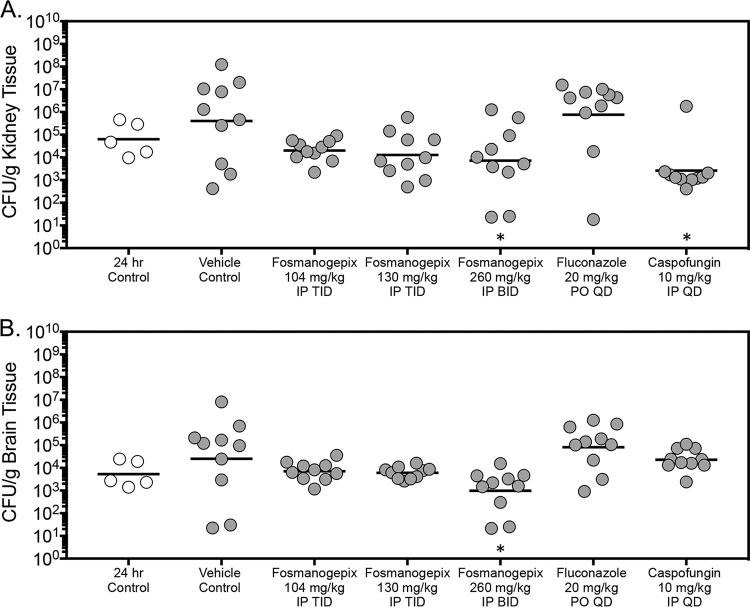
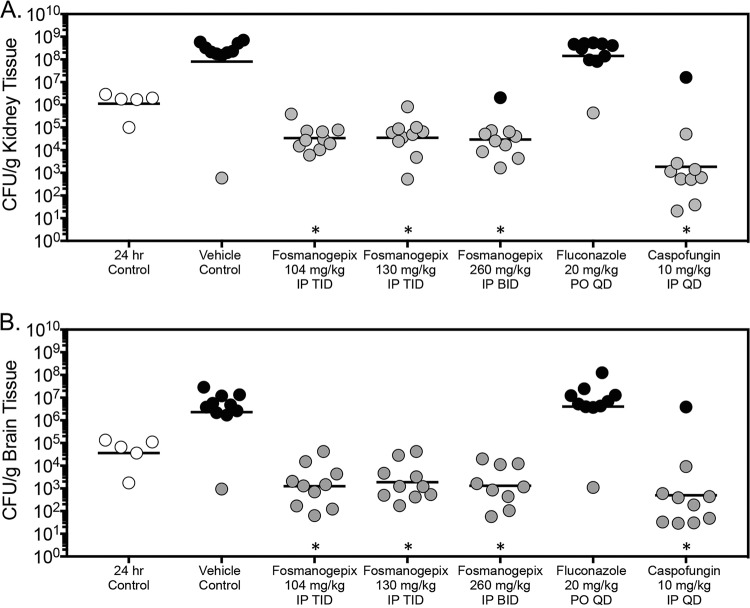
“auris invasive candidiasis, significant reductions in fungal burden were observed in both kidney and brain (consistent with a deep-seated infection) in all dosing cohorts of FMGX in the survival arm of the study (23).”
BackgroundRecent Progress in the Discovery of Antifungal Agents Targeting the Cell Wall
Liu, W., Yuan, L., & Wang, S. (2020) · Journal of Medicinal Chemistry · doi:10.1021/acs.jmedchem.0c00748 · Cited by 89
Wiederhold, N. P. (2022) · Journal of Fungi · doi:10.3390/jof8080857 · Cited by 67
“fumigatus, the pharmacokinetic/pharmacodynamic (PK/PD) parameters associated with manogepix efficacy were the AUC/MIC and AUC/MEC, respectively [20,23,35,37].”
BackgroundSelf-citationJaggi, T. K., Agarwal, R., Tiew, P. Y., Shah, A., Lydon, E., Hage, C. A., WATERER, G. W., Langelier, C., Delhaès, L., & Chotirmall, S. H. (2024) · European Respiratory Journal · doi:10.1183/13993003.00803-2024 · Cited by 64
Miltefosine as an alternative strategy in the treatment of the emerging fungus Candida auris
Barreto, T. L., Rossato, L. L., de Freitas, A. L. D., Meis, J. F. G. M., Lopes, L. B., Colombo, A. L., & Ishida, K. (2020) · International Journal of Antimicrobial Agents · doi:10.1016/j.ijantimicag.2020.106049 · Cited by 57
Billamboz, M., Fatima, Z., Hameed, S., & Jawhara, S. (2021) · Microorganisms · doi:10.3390/microorganisms9030634 · Cited by 56
Wiederhold, N. P., Najvar, L. K., Olivo, M., Morris, K. N., Patterson, H. P., Catano, G., & Patterson, T. F. (2021) · Antimicrobial Agents and Chemotherapy · doi:10.1128/aac.02694-20 · Cited by 53
“In addition, this isolate results in consistent infection in this experimental model (22, 25, 26).”
BackgroundResultSelf-citationAbrogation of pathogenic attributes in drug resistant Candida auris strains by farnesol
Srivastava, V., & Ahmad, A. (2020) · PLoS ONE · doi:10.1371/journal.pone.0233102 · Cited by 51
“auris; however, echinocandin resistance in patients have been reported recently [8].”
BackgroundZhu, Y., Kilburn, S., Kapoor, M., Chaturvedi, S., Shaw, K. J., & Chaturvedi, V. (2020) · Antimicrobial Agents and Chemotherapy · doi:10.1128/aac.01124-20 · Cited by 50
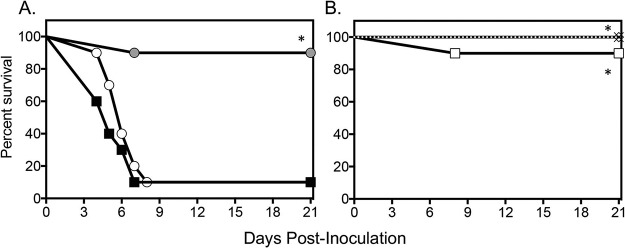
“Similarly, in a delayed treatment model utilizing a FLC-resistant strain, fosmanogepix-treated mice demonstrated significant improvements in survival at day 21 as well as reductions in kidney burden (19).”
BackgroundSelf-citationThe Novel Arylamidine T-2307 Demonstrates In Vitro and In Vivo Activity against Candida auris
Wiederhold, N. P., Najvar, L. K., Jaramillo, R., Olivo, M., Patterson, H., Connell, A., Fukuda, Y., Mitsuyama, J., Catano, G., & Patterson, T. F. (2020) · Antimicrobial Agents and Chemotherapy · doi:10.1128/aac.02198-19 · Cited by 50
“auris (DI 17-46) was used to infect mice via the lateral tail vein as previously described (13, 14).”
MethodResultSelf-citationOliva, A., Rosa, F. G. D., Mikulska, M., Pea, F., Sanguinetti, M., Tascini, C., & Venditti, M. (2023) · Expert Review of Anti-infective Therapy · doi:10.1080/14787210.2023.2240956 · Cited by 52
Almajid, A., Bazroon, A. A., Al-Awami, H., Albarbari, H., Alqahtani, I., Almutairi, R., Alsuwayj, A., Alahmadi, F., Aljawad, J., Alnimer, R., et al. (2024) · Cureus · doi:10.7759/cureus.59210 · Cited by 50
“…mice treated with fosmanogepix at clinically relevant doses (104 mg/kg and 130 mg/kg intraperitoneal three times daily or 260 mg/kg intraperitoneal twice daily) showed notably higher median survival and percent survival in fosmanogepix-treated groups compared to the control (P 0.0001) [36-38].”
BackgroundInfluentialArendrup, M. C., Chowdhary, A., Jørgensen, K. M., & Meletiadis, J. (2020) · Antimicrobial Agents and Chemotherapy · doi:10.1128/aac.00656-20 · Cited by 49
“03 mg/liter) in a study including 13 isolates (6), and finally, Pfaller et al.”
BackgroundHoenigl, M., Sprute, R., Arastehfar, A., Perfect, J. R., Lass-Flörl, C., Bellmann, R., Prattes, J., Thompson, G. R., Wiederhold, N. P., Al Obaidi, M. M., et al. (2022) · Expert Opinion on Investigational Drugs · doi:10.1080/13543784.2022.2086120 · Cited by 45
“031 mg/L[40] +[35] unk APEX trial NCT04148287 terminated due to COVID-19”
BackgroundSelf-citationBouchara, J., Govic, Y. L., Kabbara, S., Cimon, B., Zouhair, R., Hamzé, M., Papon, N., & Nevez, G. (2019) · Expert Review of Respiratory Medicine · doi:10.1080/17476348.2020.1705787 · Cited by 46
“now called manogepix (APX001A), also showed efficacy in murine models of candidiasis, aspergillosis, and fusariosis [141,142], and the N-phosphonooxymethyl prodrug fosmanogepix”
BackgroundPetraitienė, R., Petraitis, V., Maung, B. B. W., Mansbach, R. S., Hodges, M. R., Finkelman, M., Shaw, K. J., & Walsh, T. J. (2020) · Antimicrobial Agents and Chemotherapy · doi:10.1128/aac.01795-20 · Cited by 47
“infections (31, 32) as well as Fusarium and Scedosporium infections (30).”
BackgroundSelf-citationThe antifungal pipeline for invasive fungal diseases: what does the future hold?
Neoh, C. F., Jeong, W., Kong, D. C. M., & Slavin, M. A. (2023) · Expert Review of Anti-infective Therapy · doi:10.1080/14787210.2023.2203383 · Cited by 45
Novel Therapeutic Approaches to Invasive Candidiasis: Considerations for the Clinician
Lamoth, F. (2023) · Infection and Drug Resistance · doi:10.2147/idr.s375625 · Cited by 43
“auris IC.(73,75) In rabbits, the CNS tissue / plasma concentration ratio was 1 and fosmanogepix treatment achieved significant reduction in CNS fungal burden (C.”
BackgroundInfluentialFu, Y., Estoppey, D., Roggo, S. P., Pistorius, D., Fuchs, F., Studer, C., Ibrahim, A. S., Aust, T., Grandjean, F., MIHALIC, M., et al. (2020) · Nature Communications · doi:10.1038/s41467-020-17221-5 · Cited by 40
Current and promising pharmacotherapeutic options for candidiasis
Scorzoni, L., Fuchs, B. B., Junqueira, J. C., & Mylonakis, E. E. (2021) · Expert Opinion on Pharmacotherapy · doi:10.1080/14656566.2021.1873951 · Cited by 36
How urgent is the need for new antifungals?
Stewart, A. G., & Paterson, D. L. (2021) · Expert Opinion on Pharmacotherapy · doi:10.1080/14656566.2021.1935868 · Cited by 36
Novel Promising Antifungal Target Proteins for Conquering Invasive Fungal Infections
Zhen, C., Lu, H., & Jiang, Y. (2022) · Frontiers in Microbiology · doi:10.3389/fmicb.2022.911322 · Cited by 36
Antibodies targeting Candida albicans Als3 and Hyr1 antigens protect neonatal mice from candidiasis.
Singh, S., Nabeela, S., Barbarino, A., Ibrahim, A. S., & Uppuluri, P. (2022) · Frontiers in Immunology · doi:10.3389/fimmu.2022.925821 · Cited by 34
Review of treatment options for a multidrug-resistant fungus: Candida auris
Wang, S., Pan, J., Gu, L., Wang, W., Wei, B., Zhang, H., Chen, J., & Wang, H. (2023) · Medical Mycology · doi:10.1093/mmy/myad127 · Cited by 34
Investigational Agents for the Treatment of Resistant Yeasts and Molds
Seiler, G. T., & Ostrosky-Zeichner, L. (2021) · Current Fungal Infection Reports · doi:10.1007/s12281-021-00419-5 · Cited by 32
Uniqueness of Candida auris cell wall in morphogenesis, virulence, resistance, and immune evasion
Dakalbab, S., Hamdy, R., Holigová, P., Abuzaid, E. J., Abu-Qiyas, A., Lashine, Y., Mohammad, M. G., & Soliman, S. S. M. (2024) · Microbiological Research · doi:10.1016/j.micres.2024.127797 · Cited by 31
Espinel‐Ingroff, A., Cantón, E., & Pemán, J. (2021) · Journal of Fungi · doi:10.3390/jof7010024 · Cited by 31
Small molecules for combating multidrug-resistant superbug Candida auris infections
Tu, J., Liu, N., Huang, Y., Yang, W., & Sheng, C. (2022) · Acta Pharmaceutica Sinica B · doi:10.1016/j.apsb.2022.08.001 · Cited by 29
Recent Antifungal Pipeline Developments against Candida auris: A Systematic Review
Treviño‐Rangel, R. D. J., González, G. M., Montoya, A. M., Rojas, O. C., Elizondo-Zertuche, M., & Álvarez‐Villalobos, N. A. (2022) · Journal of Fungi · doi:10.3390/jof8111144 · Cited by 29
“untreated control with the highest dose in FB arm and in each group of survival arm [29]”
Ashkenazi‐Hoffnung, L., & Danziger, C. R. (2023) · Journal of Fungi · doi:10.3390/jof9020176 · Cited by 29
Emerging Diagnostics and Therapeutics for Invasive Fungal Infections
Friedman, D. Z. P., & Schwartz, I. S. (2023) · Infectious Disease Clinics of North America · doi:10.1016/j.idc.2023.05.001 · Cited by 26
Cornely, O. A., Ostermann, H., Koehler, P. A., Teschner, D., Limburg, E., Kramer, W. G., Barbat, S. H., Tawadrous, M., & Hodges, M. R. (2023) · Journal of Antimicrobial Chemotherapy · doi:10.1093/jac/dkad269 · Cited by 21
Lee, A., Wang, N., Carter, C. L., Zimmerman, M., Dartois, V. A., Shaw, K. J., Perlin, D. S., & Zhao, Y. (2021) · Antimicrobial Agents and Chemotherapy · doi:10.1128/aac.02476-20 · Cited by 21
Self-citationAdvances in anti-fungal therapies
WATERER, G. W. (2021) · Mycopathologia · doi:10.1007/s11046-021-00560-2 · Cited by 21
Espinel‐Ingroff, A., & Wiederhold, N. P. (2024) · Journal of Fungi · doi:10.3390/jof10050362 · Cited by 19
“The in vitro potency of manogepix has also translated into in vivo efficacy in murine models of invasive candidiasis caused by C. albicans , C. glabrata , and C. auris [15–17].”
BackgroundSelf-citationde Moraes, D. C. (2021) · Journal de Mycologie Médicale · doi:10.1016/j.mycmed.2021.101232 · Cited by 17
Discovery of a new chemical scaffold for the treatment of superbug Candida auris infections
Tu, J., Zhu, T., Wang, Q., Yang, W., Huang, Y., Xu, D., Liu, N., & Sheng, C. (2023) · Emerging Microbes & Infections · doi:10.1080/22221751.2023.2208687 · Cited by 13
Existing and emerging therapies for the treatment of invasive candidiasis and candidemia
Bels, D. D., Maillart, E., Bambeke, F. V., Redant, S., & Honoré, P. M. (2022) · Expert Opinion on Emerging Drugs · doi:10.1080/14728214.2022.2142207 · Cited by 12
Li, D. (2024) · Sub-cellular biochemistry/Subcellular biochemistry · doi:10.1007/978-3-031-58843-3_16 · Cited by 11
Konings, M., Eadie, K., Strepis, N., Nyuykonge, B., Fahal, A. H., Verbon, A., & van de Sande, W. W. J. (2023) · Medical Mycology · doi:10.1093/mmy/myad118 · Cited by 9
“42 , 43 44–46 Fosmanogepix alone was ineffective in a C. ne-oformans meningitis mice model, but in combination with fluconazole, the fungal burden in the brain was significantly reduced.”
BackgroundNew Targets for the Development of Antifungal Agents
Spadari, C. D. C., Vila, T. V. M., Barroso, V. D. M., & Ishida, K. (2020) · Elsevier eBooks · doi:10.1016/b978-0-12-809633-8.21026-1 · Cited by 7
New Perspectives on Antimicrobial Agents: Fosmanogepix
Lamoth, F. (2026) · Antimicrobial Agents and Chemotherapy · doi:10.1128/aac.00324-26 · Cited by 6
“In mice, FMGX was as effective as conventional antifungal therapies in treating IC and was also very effective against C. albicans azole-or echinocandin-resistant and C. auris infections (47–51).”
Infection caused by Candida auris: state of the art
Marena, G. D., Carvalho, G. C., Monazzi, L., Maschio-Lima, T., Almeida, M. D., Silva, J. D., Fortunato, G., Araújo, V., Venancio, D. C. V., Chang, M., et al. (2022) · Mycosphere · doi:10.5943/mycosphere/13/1/10 · Cited by 6
Host defense mechanisms against Candida auris
Pechacek, J., & Lionakis, M. S. (2023) · Expert Review of Anti-infective Therapy · doi:10.1080/14787210.2023.2264500 · Cited by 6
“…newer generation anti-fungal drugs in the clinic such as rezafungin, oteseconazole, fos-manogepix, and ibrexafungerp and the demonstrated in vitro efficacy of some of them against C. auris call for the clinical evaluation of these modalities in C. auris -colonized and/or infected patients [92–97].”
BackgroundCandidozyma auris Alert in South America: An Epidemiological and Therapeutic Update
Marena, G. D., Nosanchuk, J. D., & Taborda, C. P. (2025) · Current Tropical Medicine Reports · doi:10.1007/s40475-024-00338-8 · Cited by 5
“Wiederhold et al. [66 ] evaluated the profile of manogepix in an in vivo C. auris infection model using immunosup-pressed mice.”
New and emerging drugs for the treatment of invasive fungal infections
Maves, R. C., & Fowler, M. N. (2025) · Expert Opinion on Pharmacotherapy · doi:10.1080/14656566.2025.2568547 · Cited by 5
“Manogepix shows concentration-dependent and principally fungistatic activity against Candida and Aspergillus species, although high tissue concentrations at some sites may produce fungicidal effects in animal models [49,56,57].”
Seyedmousavi, S. (2021) · Wiley eBooks · doi:10.1002/0471266949.bmc295 · Cited by 4
The Upcoming Antifungal Drugs in Clinical Development for the Treatment of Invasive Candidiasis
Zubovskaia, A., & Vázquez, J. A. (2026) · Infection and Drug Resistance · doi:10.2147/idr.s547511 · Cited by 3
“91 92–94 Among Candida spp., manogepix demonstrated in vitro activity against C. albicans , C. glabrata , C. parapsilosis , and C. tropicalis .”
New Antimycotics in the Pipeline – For Ophthalmology Too? A Short Review
Behrens‐Baumann, W. (2021) · Klinische Monatsblätter für Augenheilkunde · doi:10.1055/a-1478-4248 · Cited by 3
“auris [15] as well as invasive pulmonary mucormycosis [16].”
BackgroundComprehensive strategies to defeat Candida auris – challenge and insight: A review
Zhang, J., Zhong, L., Chen, C., Ye, L., Cao, F., Xia, H., & Hong, Y. (2025) · Medicine · doi:10.1097/md.0000000000046610 · Cited by 2
“[42,43] Clinical data from a phase II trial further support its therapeutic potential, demonstrating an 80% treatment success rate at the end of therapy.”
Gowtham, L., Meghana, Y., Mannangatty, T., Vasavi, S., Nirmal, J., Bagga, B., Garg, P., Mishra, D., & Roy, S. (2026) · Investigative Ophthalmology & Visual Science · doi:10.1167/iovs.67.4.49 · Cited by 2
Wiederhold, N. P., Patterson, H. P., Sanders, C. J., & Cañete-Gibas, C. F. (2026) · Antimicrobial Agents and Chemotherapy · doi:10.1128/aac.00476-26 · Cited by 2
“This includes activity against most Candida species (31, 37–40), including azole and echinocandin resistant strains, and the emerging pathogen C. auris , and Cryptococcus neoformans and C. gattii (29).”
Self-citationAspergillus- Human Interactions: From the Environment to Clinical Significance
Thammahong, A. (2022) · IntechOpen eBooks · doi:10.5772/intechopen.98509 · Cited by 2
Ramos, L. S., Silva, L. N., de Mello, T. P., Frota, H. F., Branquinha, M. H., & dos Santos, A. L. S. (2022) · Current Topics in Medicinal Chemistry · doi:10.2174/1568026622666220520153748 · Cited by 3
Clinical Management of Fungal Biofilm Infections
Ramage, G., Short, B., McKloud, E., Alshanta, O. A., Butcher, M. C., McLean, W., & Brown, J. L. (2022) · Springer series on biofilms · doi:10.1007/978-3-031-10992-8_17 · Cited by 2
Saenz, V., Lizcano-Salas, A. F., Pape, P. L., & Ramírez, A. M. C. (2025) · Scientific Reports · doi:10.1038/s41598-025-32234-0 · Cited by 1
“Indeed, the newly antifungal drug, fosmanogepix (APX001) 81 , a fungal Gwt1 inhibitor, share the same mechanism of action as aminopyrine, a novel agrochemical fungicide 82 .”
Negi, P., Verma, N., Rishi, P., Multani, K., Sharma, M., Kumari, S., & Raj, K. (2026) · Archives of Microbiology · doi:10.1007/s00203-026-04864-z · Cited by 1
“It is imperative to continue fibrosis and higher survival (Wiederhold et al. 2019a; Hager et al. 2018a”
Morelo, M. J., Firacative, C., García‐Effrón, G., Gómez, B. L., & Ceballos-Garzón, A. (2026) · International Journal of Antimicrobial Agents · doi:10.1016/j.ijantimicag.2026.107870 · Cited by 1
Heng, Z., You, Q., Sun, B., Li, Z., Sun, X., Huang, J., Li, X., Wang, H., Xu, X., Li, Z., et al. (2023) · European Journal of Plant Pathology · doi:10.1007/s10658-023-02643-w · Cited by 1
“-) (Wiederhold et al., 2019) and PIG-N (Mann et al., 2015).”
Candida auris: A New, Threatening Yeast
Pemán, J., & Gaitán, A. C. R. (2019) · Elsevier eBooks · doi:10.1016/b978-0-12-809633-8.21000-5
Clinical status of anticandidal therapeutic agents
Kumar, A., & Jha, A. (2023) · Elsevier eBooks · doi:10.1016/b978-0-443-18744-5.00004-6
Novel Therapeutic Approaches to Control Fungal Biofilms
Guisso, L. P., Ribeiro, N. P., Carmona, W. R., Roseno, A. C. B., Pessan, J. P., & Monteiro, D. R. (2025) · Springer series on biofilms · doi:10.1007/978-3-031-93315-8_11
Sarkar, R., Banerjee, A., Ganguly, K., Sarkar, R., & Adhikary, K. (2024) · doi:10.58532/nbennurrapn4t1
Wang, Y. (2026) · Journal of Biomolecular Structure and Dynamics · doi:10.1080/07391102.2026.2613684
“The discovery of butyl-benzyl isoquinoline (BIQ) as a Gwt1 inhibitor paved the way for more potent agents such as manogepix (formerly E1210/APX001A), whose prodrug form is currently in clinical development (Hata et al., 2011; Petraitiene et al., 2021; Wiederhold et al., 2019).”
Lefranc, M. (2025) · theses.fr (ABES) · doi:10.70675/23b1df92zf097z44baza610z44d1400a6905
Emerging antifungal agents in human medicine: Mechanisms, clinical progress, and future perspectives
Al‐Zoubi, R. M., Farhan, A., Hanbali, B., Al-Zoubi, S. R., Al-Zoubi, Y. R., Shkoor, M., Alkharraz, L. M., Agouni, A., & Al-Jabiry, A. (2026) · European Journal of Medicinal Chemistry · doi:10.1016/j.ejmech.2026.119194
Bratosin, F., Bogdan, I. G., & Pescariu, S. A. (2026) · Journal of Fungi · doi:10.3390/jof12100733
Phan-Canh, T., Elbe‐Bürger, A., & Kuchler, K. (2026) · Trends in Microbiology · doi:10.1016/j.tim.2026.08.011
Zhu, G., Zheng, N., Zhai, P., & Mou, Y. (2026) · Biomedical Reports · doi:10.3892/br.2026.2204
“The highest dose (260 mg/kg twice daily) achieved reductions in renal and cerebral fungal burden (66,67).”
BindingDB (2022) · UC San Diego · doi:10.7270/q2348q30
Singh, S., Nabeela, S., Barbarino, A., Ibrahim, A. S., & Uppuluri, P. (2022) · doi:10.3389/fimmu.2022.925821.s001
Metadata
- Authors
- Wiederhold, N. P., Najvar, L. K., Shaw, K. J., Jaramillo, R., Patterson, H., Olivo, M., Catano, G., & Patterson, T. F.
- Affiliations
- The University of Texas at San Antonio Health Science Center (US)
- Amplyx Pharmaceuticals (United States) (US)
- Corresponding author
- Wiederhold, Nathan P.
- Venue
- Antimicrobial Agents and Chemotherapy
- Publisher
- American Society for Microbiology
- Published
- 2019-11
- Volume
- 63
- Issue
- 11
- ISSN
- 0066-4804 (ISSN-L)
- 1098-6596
- PMC
- PMC6811405
- OpenAlex
- W2969037002
- Cited by
- 71
- References
- 49
- Citations by year
- 2026: 10 · 2025: 5 · 2024: 6 · 2023: 13 · 2022: 10 · 2021: 13 · 2020: 10 · 2019: 4
- FWCI
- 7.28
- Type
- journal article
- Language
- en
- Open access
- hybrid
- doi.org
- Licence
- cc-by
- creativecommons.org/licenses/by/4.0/ (vor)
- journals.asm.org/non-commercial-tdm-license (tdm)
- Locations
- Antimicrobial Agents and Chemotherapy (publishedVersion, cc-by)
- PubMed Central (publishedVersion, cc-by)
- PubMed (publishedVersion)
- Funders
- HHS | NIH | National Institute of Allergy and Infectious Diseases (HHSN272201700039I, HHSN272201100018I)
- Topics
- Health Sciences › Medicine › Infectious Diseases › Antifungal resistance and susceptibility
- Health Sciences › Medicine › Infectious Diseases › Fungal Infections and Studies
- Life Sciences › Agricultural and Biological Sciences › Plant Science › Fungal Plant Pathogen Control
- Keywords
- Candida auris, invasive candidiasis, manogepix, fosmanogepix, delayed therapy, antifungal agents, GPI-anchored proteins, antifungal resistance, mouse model
- MeSH terms
- Caspofungin, Animals, Antifungal Agents, Candida, Disease Models, Animal, Microbial Sensitivity Tests, Fluconazole, Drug Resistance, Fungal, Mice, Candidiasis, Invasive
About these checks
Registry, retraction, Cites and statistics results are computed, not judged, with one exception: a printed reference that no index lists is read once by a model before it counts as a citation error. Claims are extracted by a model and kept only when their quote appears verbatim in the text; each cited source is then checked, with a model’s help, for whether it says what the claim relies on. Those verdicts can be wrong — read the claim’s quote and the cited source before relying on one.
Statistics and arithmetic are recomputed, not judged.
Confidence bands are shown only for fields calibrated on our annotated test set. None is calibrated yet, so no band is shown.
What counts as a claim ›How we measure confidence ›How we check this ›
Are you an author, or do you see a problem with this page? Request a review
Data sources
Bibliographic data: Semantic Scholar, OpenAlex, Crossref.
Contains information from the Semantic Scholar Academic Graph Datasets, made available under the ODC Attribution License (ODC-BY 1.0).
Semantic Scholar’s data is described in: Kinney, R., et al. (2023). The Semantic Scholar Open Data Platform. arXiv:2301.10140.
