

The DOI matches its Crossref record; 1 of the 1 references it cites were found in a registry or an index.
Mobile phone use and glioma risk: comparison of epidemiological study results with incidence trends in the United States
Overview
The claims and statistics of this paper haven’t been checked yet.
Run the check — free, no account needed. It reads the open-access text and checks the sources it cites.
Integrity signals
Registry
Cites
Statistics
Figures
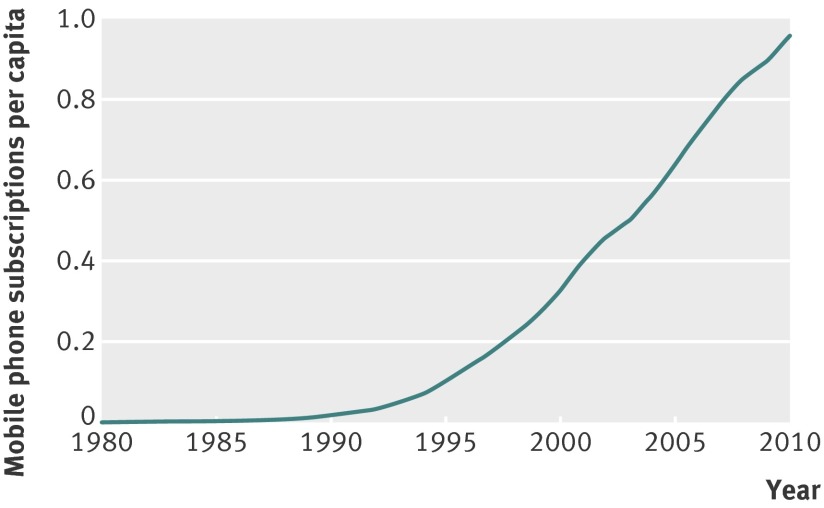
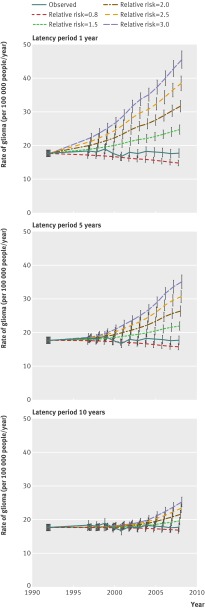
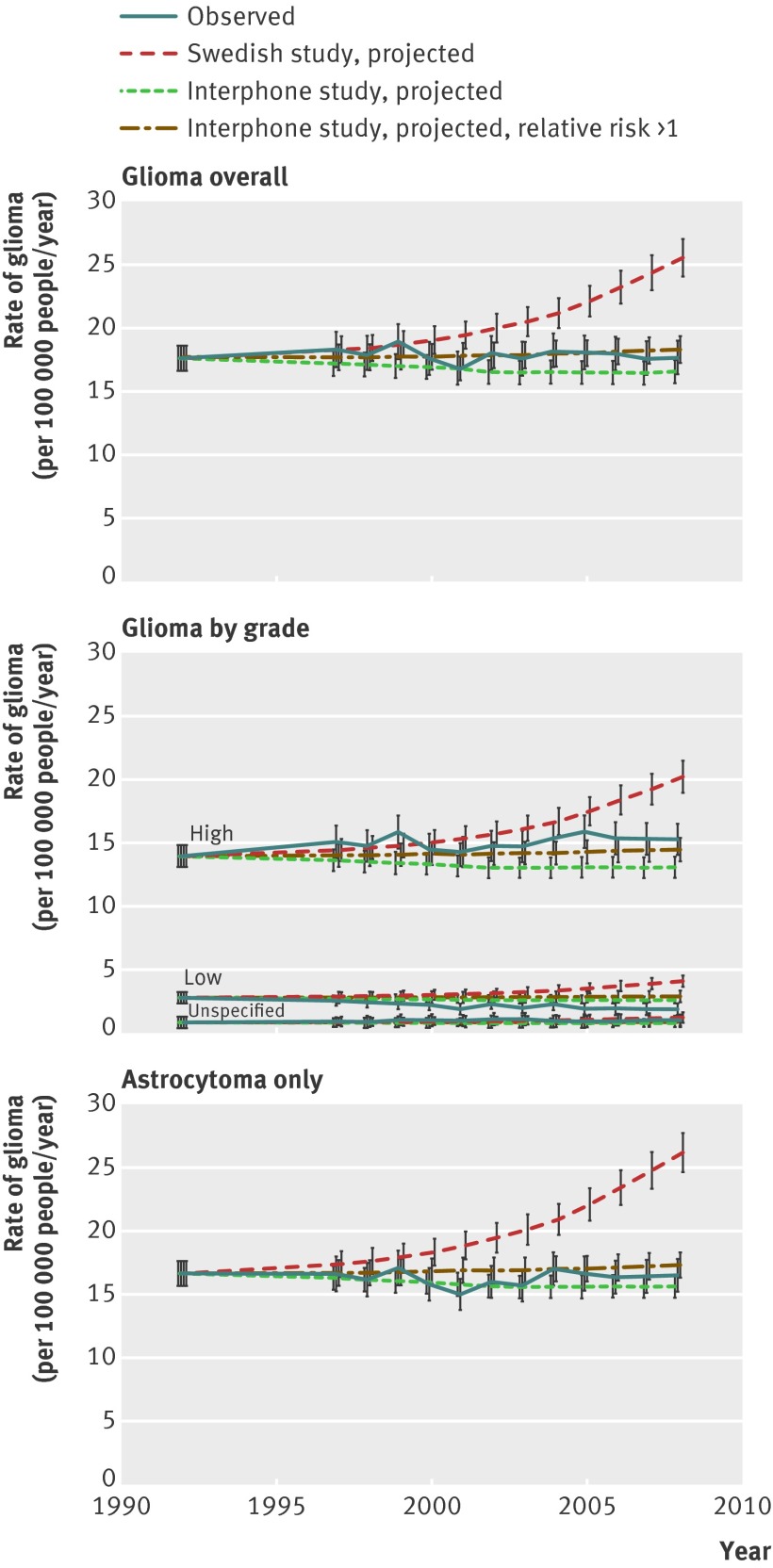
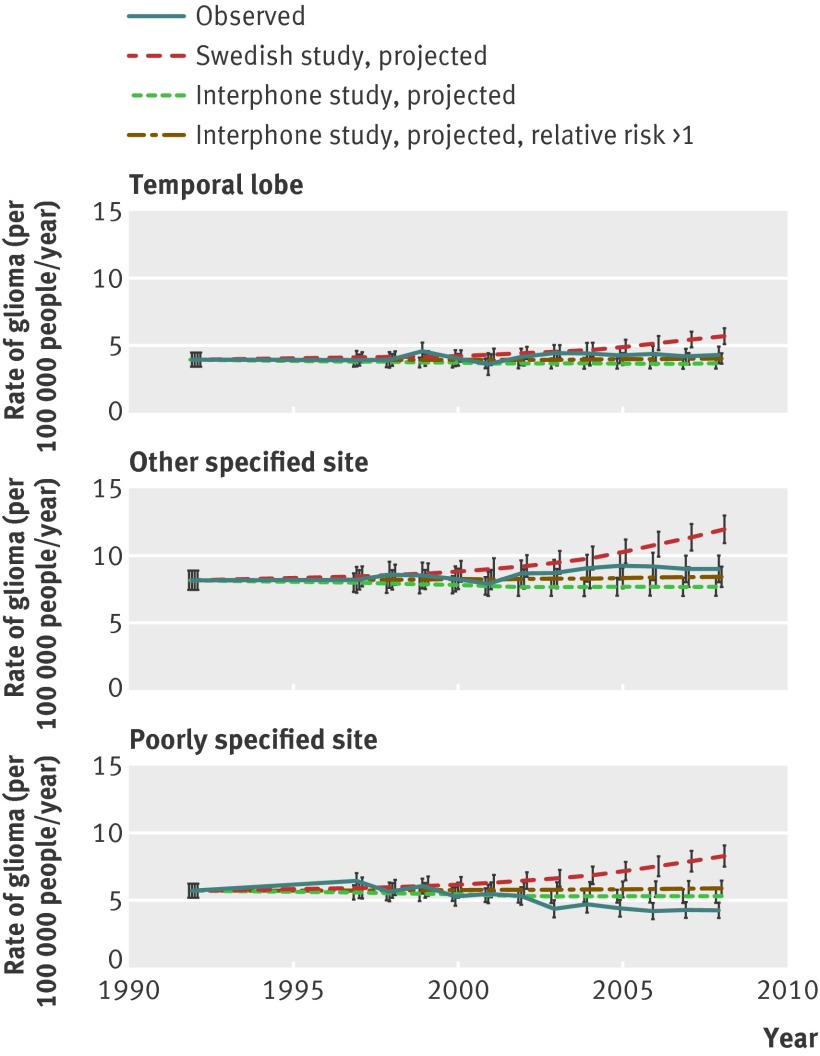
Verification
Claims the paper makes
The claims and statistics of this paper haven’t been checked yet.
Run the check — free, no account needed. It reads the open-access text and checks the sources it cites.
Claims other papers make about this one
Each is checked against this paper’s own text: does it say what the citing paper says it does?
In the citing paper
“Such effect sizes have been shown to be incompatible with the actual incidence time trends of glioma in three simulation studies (Deltour et al., 2012; Deltour et al., 2022; Little et al., 2012).”
From The effect of exposure to radiofrequency fields on cancer risk in the general and working population: A systematic review of human observational studies - Part I: Most researched outcomes. (2024) · cites this paper as Little et al., 2012
Self-check
Percentages, sums and reported differences re-computed from the paper’s own numbers.
The self-check needs the paper’s full text.
Citations
Cites
von Elm, E., Altman, D. G., Egger, M., Pocock, S. J., Gøtzsche, P. C., Vandenbroucke, J. P., & Initiative, F. T. S. (2007) · Bulletin of the World Health Organization · doi:10.2471/blt.07.045120 · Cited by 1,632
Research works printed but not linked: 28
- [1]Muscat JE, Malkin MG, Thompson S, Shore RE, Stellman SD, McRee D, et al. Handheld cellular telephone use and risk of brain cancer. JAMA 2000; 284: 3001-7. 11122586
- [2]Inskip PD, Tarone RE, Hatch EE, Wilcosky TC, Shapiro WR, Selker RG, et al. Cellular-telephone use and brain tumors. N Engl J Med 2001; 344: 79-86. 11150357
- [3]Schüz J, Jacobsen R, Olsen JH, Boice JD Jr, McLaughlin JK, Johansen C. Cellular telephone use and cancer risk: update of a nationwide Danish cohort. J Natl Cancer Inst 2006; 98: 1707-13. 17148772
- [4]INTERPHONE Study Group. Brain tumour risk in relation to mobile telephone use: results of the INTERPHONE international case-control study. Int J Epidemiol 2010; 39: 675-94. 20483835
- [5]Frei P, Poulsen AH, Johansen C, Olsen JH, Steding-Jessen M, Schüz J. Use of mobile phones and risk of brain tumours: update of Danish cohort study. BMJ 2011; 343: d6387. 22016439 PMC3197791
- [6]Auvinen A, Hietanen M, Luukkonen R, Koskela RS. Brain tumors and salivary gland cancers among cellular telephone users. Epidemiology 2002; 13: 356-9. 11964939
- [7]Hardell L, Mild KH, Carlberg M. Case-control study on the use of cellular and cordless phones and the risk for malignant brain tumours. Int J Radiat Biol 2002; 78: 931-6. 12465658
- [8]Hardell L, Carlberg M, Mild KH. Case-control study of the association between the use of cellular and cordless telephones and malignant brain tumors diagnosed during 2000-2003. Environ Res 2006; 100: 232-41. 16023098
- [9]Hardell L, Carlberg M. Mobile phones, cordless phones and the risk for brain tumours. Int J Oncol 2009; 35: 5-17. 19513546
- [10]Hardell L, Carlberg M, Hansson MK. Pooled analysis of case-control studies on malignant brain tumours and the use of mobile and cordless phones including living and deceased subjects. Int J Oncol 2011; 38: 1465-74. 21331446
- [11]Sato Y, Akiba S, Kubo O, Yamaguchi N. A case-case study of mobile phone use and acoustic neuroma risk in Japan. Bioelectromagnetics 2011; 32: 85-93. 21225885
- [12]Baan R, Grosse Y, Lauby-Secretan B, El Ghissassi F, Bouvard V, Benbrahim-Tallaa L et al. Carcinogenicity of radiofrequency electromagnetic fields. Lancet Oncol 2011; 12: 624-6. 21845765
- [13]Inskip PD, Hoover RN, Devesa SS. Brain cancer incidence trends in relation to cellular telephone use in the United States. Neuro Oncol 2010; 12: 1147-51. 20639214 PMC3098028
- [14]Deltour I, Johansen C, Auvinen A, Feychting M, Klaeboe L, Schüz J. Time trends in brain tumor incidence rates in Denmark, Finland, Norway, and Sweden, 1974-2003. J Natl Cancer Inst 2009; 101: 1721-4. 19959779
- [15]De Vocht F, Burstyn I, Cherrie JW. Time trends (1998-2007) in brain cancer incidence rates in relation to mobile phone use in England. Bioelectromagnetics 2011; 32: 334-9. 21280060
- [16]De Vocht F, Burstyn I, Cherrie JW. Authors’ reply to Kundi’s comments on de Vocht et al. “Time trends (1998-2007) in brain cancer incidence rates in relation to mobile phone use in England.” Bioelectromagnetics 2011; 32: 675-6. 21280060
- [17]Ahlbom A, Feychting M. Mobile telephones and brain tumours. BMJ 2011; 343: d6605. 22016440
- [18]Howlader N, Noone AM, Krapcho M, Neyman N, Aminou R, Waldron W et al. SEER cancer statistics review, 1975-2008. National Cancer Institute, 2011.
- [23]Claus EB, Black PM. Survival rates and patterns of care for patients diagnosed with supratentorial low-grade gliomas. Cancer 2006; 106: 1358-63. 16470608
- [31]United States National Research Council, Committee to Assess Health Risks from Exposure to Low Levels of Ionizing Radiation. Health risks from exposure to low levels of ionizing radiation: BEIR VII—phase 2. National Academy Press, 2006. 25077203
- [32]Little MP, Wakeford R, Tawn EJ, Bouffler SD, Berrington de Gonzalez A. Risks associated with low doses and low dose rates of ionizing radiation: why linearity may be (almost) the best we can do. Radiology 2009; 251: 6-12. 19332841 PMC2663578
- [33]Sidransky D, Mikkelsen T, Schwechheimer K, Rosenblum ML, Cavanee W, Vogelstein B. Clonal expansion of p53 mutant cells is associated with brain tumour progression. Nature 1992; 355: 846-7. 1311419
- [34]Zhu JJ, Maruyama T, Jacoby LB, Herman JG, Gusella JF, Black PM, et al. Clonal analysis of a case of multiple meningiomas using multiple molecular genetic approaches: pathology case report. Neurosurgery 1999; 45: 409-16. 10449091
- [35]Busque L, Zhu J, DeHart D, Griffith B, Willman C, Carroll R, et al. An expression based clonality assay at the human androgen receptor locus (HUMARA) on chromosome X. Nucleic Acids Res 1994; 22: 697-8. 8127721 PMC307864
- [36]Tada M, Iggo RD, Ishii N, Shinohe Y, Sakuma S, Estreicher A, et al. Clonality and stability of the p53 gene in human astrocytic tumor cells: quantitative analysis of p53 gene mutations by yeast functional assay. Int J Cancer 1996; 67: 447-50. 8707423
- [38]La Regina M, Moros EG, Pickard WF, Straube WL, Baty J, Roti Roti JL. The effect of chronic exposure to 835.62 MHz FDMA or 847.74 MHz CDMA radiofrequency radiation on the incidence of spontaneous tumors in rats. Radiat Res 2003; 160: 143-51. 12859224
- [39]Hardell L, Carlberg M, Hansson MK. Re-analysis of risk for glioma in relation to mobile telephone use: comparison with the results of the Interphone international case-control study. Int J Epidemiol 2011; 40: 1126-8. 21169317
- [40]Johansen C, Boice J Jr, McLaughlin J, Olsen J. Cellular telephones and cancer—a nationwide cohort study in Denmark. J Natl Cancer Inst 2001; 93: 203-7. 11158188
Cited by
Sorted by citations
Risk factors for childhood and adult primary brain tumors
Ostrom, Q. T., Fahmideh, M. A., Cote, D. J., Muskens, I. S., Schraw, J. M., Scheurer, M. E., & Bondy, M. L. (2019) · Neuro-Oncology · doi:10.1093/neuonc/noz123 · Cited by 314
Karipidis, K., Baaken, D., Loney, T., Blettner, M., Brzozek, C., Elwood, M., Narh, C., Orsini, N., Röösli, M., Paulo, M. S., et al. (2024) · Environment International · doi:10.1016/j.envint.2024.108983 · Cited by 58
Metadata
- Authors
- Little, M. P., Rajaraman, P., Curtis, R. E., Devesa, S. S., Inskip, P. D., Check, D. P., & Linet, M. S.
- Venue
- BMJ
- Publisher
- BMJ
- Published
- 2012-03-08
- Volume
- 344
- Issue
- mar08 1
- Pages
- e1147-e1147
- ISSN
- 0959-8138
- 1468-5833
- PMC
- PMC3297541
- Cited by
- 110
- References
- 1
- Language
- en
About these checks
Registry, retraction, Cites and statistics results are computed, not judged, with one exception: a printed reference that no index lists is read once by a model before it counts as a citation error. Claims are extracted by a model and kept only when their quote appears verbatim in the text; each cited source is then checked, with a model’s help, for whether it says what the claim relies on. Those verdicts can be wrong — read the claim’s quote and the cited source before relying on one.
Statistics and arithmetic are recomputed, not judged.
Confidence bands are shown only for fields calibrated on our annotated test set. None is calibrated yet, so no band is shown.
What counts as a claim ›How we measure confidence ›How we check this ›
Are you an author, or do you see a problem with this page? Request a review
