

Synthesising quantitative evidence in systematic reviews of complex health interventions
Open accessThe DOI matches its Crossref record; 105 of the 108 references it cites were found in a registry or an index.
Abstract
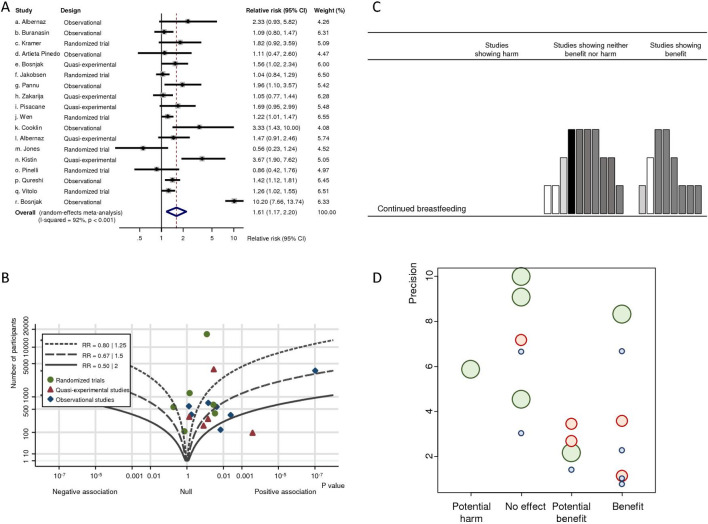
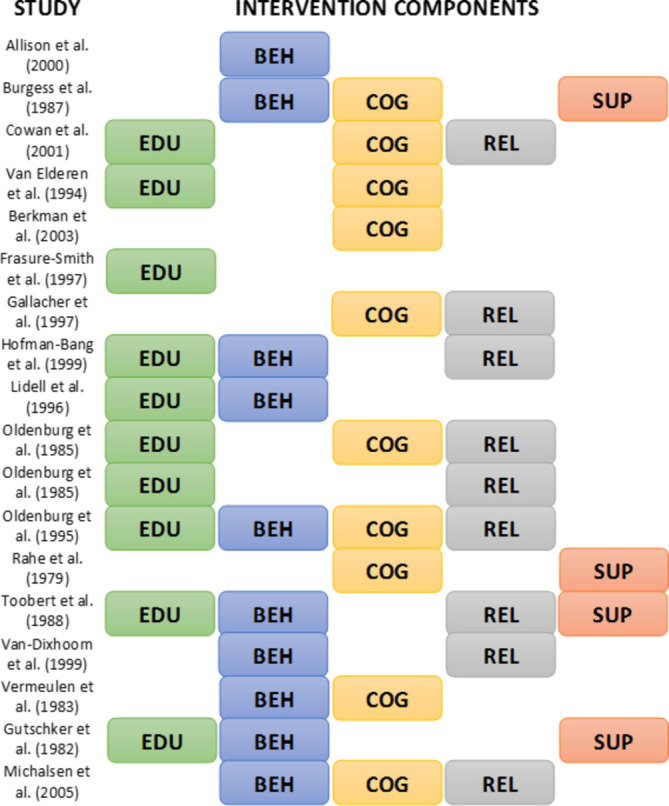
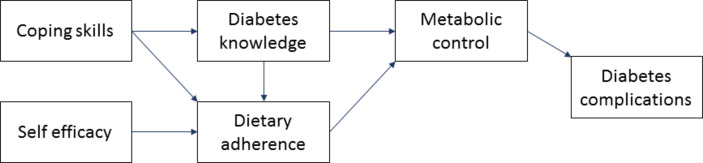
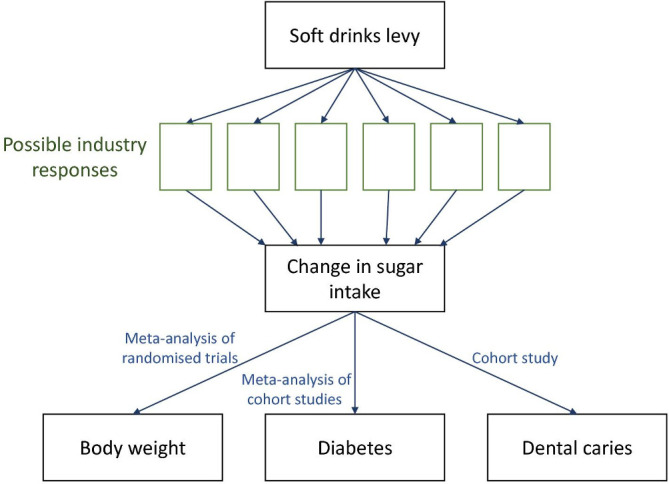
Public health and health service interventions are typically complex: they are multifaceted, with impacts at multiple levels and on multiple stakeholders. Systematic reviews evaluating the effects of complex health interventions can be challenging to conduct. This paper is part of a special series of papers considering these challenges particularly in the context of WHO guideline development. We outline established and innovative methods for synthesising quantitative evidence within a systematic review of a complex intervention, including considerations of the complexity of the system into which the intervention is introduced. We describe methods in three broad areas: non-quantitative approaches, including tabulation, narrative and graphical approaches; standard meta-analysis methods, including meta-regression to investigate study-level moderators of effect; and advanced synthesis methods, in which models allow exploration of intervention components, investigation of both moderators and mediators, examination of mechanisms, and exploration of complexities of the system. We offer guidance on the choice of approach that might be taken by people collating evidence in support of guideline development, and emphasise that the appropriate methods will depend on the purpose of the synthesis, the similarity of the studies included in the review, the level of detail available from the studies, the nature of the results reported in the studies, the expertise of the synthesis team and the resources available.
Overview
The claims and statistics of this paper haven’t been checked yet.
Free: it reads the open-access text and checks the first 5 claims that cite a source we can check. Create a free account to check every claim.
Integrity signals
Registry
Cites
Statistics
Figures
Verification
Claims the paper makes
The claims and statistics of this paper haven’t been checked yet.
Free: it reads the open-access text and checks the first 5 claims that cite a source we can check. Create a free account to check every claim.
Claims other papers make about this one
Each is checked against this paper’s own text: does it say what the citing paper says it does?
The source backs part of the claim, not all of it — or backs it for a different population, condition or comparison.
In the citing paper
“Presenting data from individual studies facilitates understanding of each study’s contribution to the findings and reuse of the data by others seeking to perform additional analyses or perform an update of the review.”
From PRISMA 2020 explanation and elaboration: updated guidance and exemplars for reporting systematic reviews (2021) · cites this paper as [115]
Experimental — accuracy not yet measuredThe cited source says what the claim attributes to it.
In the citing paper
“When study data are not amenable to meta-analysis of effect estimates, alternative statistical synthesis methods (such as calculating the median effect across studies, combining P values) or structured summaries might be used.28 115”
From PRISMA 2020 explanation and elaboration: updated guidance and exemplars for reporting systematic reviews (2021) · cites this paper as [115]
The cited source says what the claim attributes to it.
In the citing paper
“methods have been proposed to synthesise and present findings when meta-analysis is not possible or appropriate,[25–27]”
From The PRISMA 2020 statement: An updated guideline for reporting systematic reviews (2021) · cites this paper as [26]
Experimental — accuracy not yet measuredThe cited source says what the claim attributes to it.
In the citing paper
“methods have been proposed to synthesise and present findings when meta-analysis is not possible or appropriate [25–27]”
From The PRISMA 2020 statement: an updated guideline for reporting systematic reviews (2021) · cites this paper as [26]
In the citing paper
“se han propuesto me ´ todos para sintetizar y presentar los hallazgos cuando no es posible o apropiado realizar un metana ´lisis 24-26”
From Declaración PRISMA 2020: una guía actualizada para la publicación de revisiones sistemáticas (2021) · cites this paper as [25]
2 more claims about this paper
Create a free account to see every claim other papers make about this one.
Self-check
Percentages, sums and reported differences re-computed from the paper’s own numbers.
The self-check needs the paper’s full text.
Citations
Cites
Cochrane Handbook for Systematic Reviews of Interventions: Cochrane Book Series
(2008) · doi:10.1002/9780470712184 · Cited by 25,048
Self-citationGRADE: an emerging consensus on rating quality of evidence and strength of recommendations
Guyatt, G. H., Oxman, A. D., Vist, G. E., Kunz, R., Falck-Ytter, Y., Alonso-Coello, P., & Schünemann, H. J. (2008) · BMJ · doi:10.1136/bmj.39489.470347.ad · Cited by 23,305 · cited 1×
“83 At minimum, internal and external validity should be examined and reported, and the risk of publication bias assessed, and these can be achieved through the GRADE framework.”
BackgroundThe Handbook of Research Synthesis and Meta-Analysis
(2019) · doi:10.7758/9781610448864 · Cited by 4,553
Systematic reviews in the social sciences: a practical guide
(2006) · Choice Reviews Online · doi:10.5860/choice.43-5664 · Cited by 4,089
The Handbook of Research Synthesis.
Howel, D., Cooper, H., & Hedges, L. V. (1995) · Biometrics · doi:10.2307/2533295 · Cited by 3,642
Systematic Reviews in the Social Sciences: A Practical Guide
Petticrew, M., & Roberts, H. (2006) · doi:10.1002/9780470754887 · Cited by 3,586 · cited 1×
“26 They identify three stages in the initial narrative synthesis: (1) Organisation of studies into logical categories, the structure of which will depend on the purpose of the synthesis, possibly relating to study design, outcome or intervention types.”
BackgroundEffectiveness and efficiency of guideline dissemination and implementation strategies
Grimshaw, J., Thomas, R., MacLennan, G., Fraser, C., Ramsay, C., Vale, L., Whitty, P., Eccles, M., Matowe, L., Shirran, L., et al. (2004) · Health Technology Assessment · doi:10.3310/hta8060 · Cited by 3,044 · cited 1×
“41 exploring heterogeneity Diversity in the types of participants (and contexts), interventions and outcomes are key to understanding sources of complexity.”
BackgroundSelf-citationHow should meta‐regression analyses be undertaken and interpreted?
Thompson, S. G., & Higgins, J. P. T. (2002) · Statistics in Medicine · doi:10.1002/sim.1187 · Cited by 3,026
Self-citationThe well-built clinical question: A key to evidence-based decisions
(1995) · ACP Journal Club · doi:10.7326/acpjc-1995-123-3-a12 · Cited by 2,931
A Re-Evaluation of Random-Effects Meta-Analysis
Higgins, J. P. T., Thompson, S. G., & Spiegelhalter, D. J. (2009) · Journal of the Royal Statistical Society Series A: Statistics in Society · doi:10.1111/j.1467-985x.2008.00552.x · Cited by 2,569
Self-citation
Research works printed but not linked: 3
- Guise JM, Chang C, Viswanathan M, et al. Systematic reviews of complex multicomponent health care interventions (AHRQ publication no. 14-EHC003-EF). Rockville, MD: Agency for Healthcare Research and Quality, 2014. 24696890
- World Health Organization. Guideline: protecting, promoting and supporting breastfeeding in facilities providing maternity and newborn services. Geneva: World Health Organization, 2017. 29565522
- Ryan R, Cochrane Consumers and Communication Review Group. Cochrane consumers and communication review group: data synthesis and analysis. 2016. Available: http://cccrg.cochrane.org
Cited by
Items 101–200 of 320
Oral contraceptives and colorectal cancer risk - A meta-analysis and systematic review
Abusal, F., Aladwan, M., Alomari, Y., Obeidat, S., Abuwardeh, S., AlDahdouh, H., Al-Shami, Q., & Odat, Q. (2022) · Annals of Medicine and Surgery · doi:10.1016/j.amsu.2022.104254 · Cited by 23
“The systematic review and meta-analysis use the PRISMA extension published in the Cochrane Handbook for systematic reviews and interventions – Chapter 4 [34].”
MethodChen, K., Ho, M., Wang, C.-S., & Chen, I. (2023) · Archives of Gerontology and Geriatrics · doi:10.1016/j.archger.2023.104967 · Cited by 26
Huang, W., Chang, C., Stuart, E. A., Daumit, G. L., Wang, N., McGinty, E. E., Dickerson, F., & Igusa, T. (2021) · Implementation Research and Practice · doi:10.1177/26334895211010664 · Cited by 23
“Systems science methods have been suggested as an alternative approach to gain insight on the intervention effects in settings with complex features (Higgins et al., 2019).”
BackgroundMethodFactors Influencing the Adoption of Contact Tracing Applications: Protocol for a Systematic Review
Oyibo, K., Sahu, K. S., Oetomo, A., & Morita, P. P. (2021) · JMIR Research Protocols · doi:10.2196/28961 · Cited by 16
Goehring, L. S., Dorman, D. C., Osterrieder, N., Burgess, B. A., Dougherty, K. A., Gross, M., Neinast, C., Pusterla, N., Hussey, G. S., & Lunn, D. P. (2024) · Journal of Veterinary Internal Medicine · doi:10.1111/jvim.17016 · Cited by 18
“18 The protocol detailed the research question, outcomes of interest, outlined a search strategy and the process of data extraction and provided criteria for rating the quality of evidence (Supplementary Item 1).”
Clarke, A. T., Fineberg, N. A., Pellegrini, L., & Laws, K. R. (2024) · Comprehensive Psychiatry · doi:10.1016/j.comppsych.2024.152491 · Cited by 25
“For meta-regression and sub-group analyses, we followed recommendations of at least six to ten studies for a continuous variable and at least four studies per group for a categorical subgrouping variable [77,94].”
MethodMsafiri, M. M., & Kangwa, D. (2024) · European Journal of Education · doi:10.1111/ejed.12696 · Cited by 34
Recruiting Persons With Dementia: A Systematic Review of Facilitators, Barriers, and Strategies
Hirt, J., Beer, T., Cavalli, S., Cereghetti, S., Pusterla, E. R. G., & Zeller, A. (2024) · American Journal of Alzheimer s Disease & Other Dementias® · doi:10.1177/15333175241276443 · Cited by 23
“38,39 JH transferred results not reported in percentages (i.e., recruitment rates) or numbers (i.e., recruited participants or cost) into a low/moderate/high continuum and AZ veri fi ed it.”
Meta-Analysis Study: The Effect of Android-Based Learning Media on Student Learning Outcomes
Romadiah, H., Dayurni, P., & Fajari, L. E. W. (2022) · International Journal of Asian Education · doi:10.46966/ijae.v3i4.300 · Cited by 45
Elatfy, A., Vrahimis, S., Conti, A. A., & Baldacchino, A. (2024) · Frontiers in Psychiatry · doi:10.3389/fpsyt.2024.1384408 · Cited by 17
Cotterill, S., Tang, M. Y., Powell, R., Howarth, E., McGowan, L. J., Roberts, J., Brown, B. C., & Rhodes, S. (2020) · Health Services and Delivery Research · doi:10.3310/hsdr08410 · Cited by 20
Computer-based assessment of unilateral spatial neglect: A systematic review
Giannakou, I., Lin, D., & Punt, T. D. (2022) · Frontiers in Neuroscience · doi:10.3389/fnins.2022.912626 · Cited by 16
Yan, T., Liang, W., Chan, C. W. H., Shen, Y., Liu, S., & Li, M. (2024) · Disability and Rehabilitation · doi:10.1080/09638288.2024.2337091 · Cited by 14
“I 2 indicated low heterogeneity at 25%, moderate heterogeneity at 50% and substantial heterogeneity at 75% [47].”
Moderate-to-Vigorous Physical Activity in Physical Education: A Review of Reviews
Gallego, D. I., Fernández‐Río, J., & Saiz-González, P. (2022) · Journal of Teaching in Physical Education · doi:10.1123/jtpe.2022-0084 · Cited by 18
Adedeji, A., Witt, S., Innig, F., & Quitmann, J. (2024) · Endocrine · doi:10.1007/s12020-024-03938-6 · Cited by 17
“The inclusion criteria (IC) and exclusion criteria (EC) were established following the PICOS format [22], as outlined in Table 1.”
MethodHuang, H., Liao, D., He, B., Zhou, G., & Cui, Y. (2023) · Diabetes & Metabolic Syndrome Clinical Research & Reviews · doi:10.1016/j.dsx.2023.102909 · Cited by 14
Ndifon, E. M. (2022) · Research in Ecology · doi:10.30564/re.v4i2.4746 · Cited by 14
“essential knowledge for stakeholders in an efficient manner ([17-19]).”
BackgroundDeng, H., Kandt, J., Signorelli, V., & Shelton, N. J. (2025) · Landscape and Urban Planning · doi:10.1016/j.landurbplan.2025.105407 · Cited by 14
Cornelius, G., Hodgson, W., Maguire, R., & Egan, K. J. (2025) · Journal of Medical Internet Research · doi:10.2196/65385 · Cited by 19
“When analyzing multicomponent interventions, it is useful to separate the effects of individual components [30].”
Donaldson, S. R., Radley, A., & Dillon, J. F. (2022) · Addiction · doi:10.1111/add.16031 · Cited by 14
Vousden, N., Geddes‐Barton, D., Hanley, S. J., Roberts, N. W., & Knight, M. (2025) · BMC Public Health · doi:10.1186/s12889-025-22283-5 · Cited by 14
“However, inclusion of qualitative research is vital to understand which components of multifaceted interventions are effective, and how they work and interact in different settings [57, 58].”
Fernández‐Río, J., Rivera-Pérez, S., & Gallego, D. I. (2022) · Revista de Psicodidáctica · doi:10.1016/j.psicod.2022.04.002 · Cited by 21
Digital Health in Enhancing Antiretroviral Therapy Adherence: A Systematic Review and Meta-Analysis
Pa, M. F. C., Makmor‐Bakry, M., & Islahudin, F. H. (2023) · AIDS Patient Care and STDs · doi:10.1089/apc.2023.0170 · Cited by 19
Regenerative Strategies in Cleft Palate: An Umbrella Review
Francisco, I., Paula, A. B., Oliveiros, B., Fernandes, M. H., Carrilho, E., Marto, C. M., & Vale, F. (2021) · Bioengineering · doi:10.3390/bioengineering8060076 · Cited by 11
Causal chain analysis in systematic reviews of international development interventions
Kneale, D., Thomas, J., Bangpan, M., Waddington, H. S., & Gough, D. (2018) · doi:10.51744/cip4 · Cited by 12
Self-citationTiles-Sar, N., Neuser, J., de Sordi, D., Rücker, G., Baltes, A., Preiß, J., Moser, G., & Timmer, A. (2022) · BMJ Open · doi:10.1136/bmjopen-2021-056982 · Cited by 10
Ammous, O., Kampo, R. S., Wollsching-Strobel, M., Zimmermann, M., Andreas, S., Friede, T., Kroppen, D., Stanzel, S. B., Salem, S., Windisch, W., et al. (2024) · European Respiratory Review · doi:10.1183/16000617.0011-2024 · Cited by 11
Modeling Multicomponent Interventions in Network Meta-Analysis
Veroniki, A. A., Seitidis, G., Nikolakopoulos, S., Ballester, M., Beltran, J., Heijmans, M., & Mavridis, D. (2021) · Methods in molecular biology · doi:10.1007/978-1-0716-1566-9_15 · Cited by 9
Eze, U. A., Obasuyi, O. C., Salihu, D. V., Bature, M., Yeye-Agba, O. O., & Kanmodi, K. K. (2024) · Clinical ophthalmology · doi:10.2147/opth.s440744 · Cited by 19
Kelly, S., McGowan, J., Barnhardt, K., & Straus, S. E. (2022) · Systematic Reviews · doi:10.1186/s13643-022-01897-5 · Cited by 13
“The more hits from these sources, the higher the Altmetric score [57] 1.”
BackgroundRavelo, V., Olate, S. M., Bravo‐Soto, G., Zaror, C., & Mommaerts, M. Y. (2025) · International Journal of Oral and Maxillofacial Surgery · doi:10.1016/j.ijom.2025.02.008 · Cited by 11
Vásquez-Carrasco, E., Rojas, M., Larenas, L., Ferrada, A., Hernandez-Martinez, J., Ahumada-Méndez, F., Bianchi, M. L., Carmine, F., Sandoval, C., Branco, B. H. M., et al. (2025) · Medicina · doi:10.3390/medicina61040583 · Cited by 11
“This systematic review with meta-analysis followed the Cochrane Collaboration methodology [26] and adheres to the PRISMA checklist and flowchart standards for reporting [27].”
InfluentialHirt, J., Langer, G., Wilde, F., Bauernschmidt, D., Meyer, G., & Bieber, A. (2021) · BMJ Open · doi:10.1136/bmjopen-2021-054157 · Cited by 9
Benn, N., Jervis-Rademeyer, H., Silva, W. S., Pakosh, M. T., Inness, E. L., & Musselman, K. E. (2024) · Archives of Physical Medicine and Rehabilitation · doi:10.1016/j.apmr.2024.07.013 · Cited by 10
Hase, A., Nietschke, M., Kłoskowski, M., Szymański, K., Moore, L. J., Jamieson, J. P., & Behnke, M. (2025) · EXCLI journal · doi:10.17179/excli2024-7995 · Cited by 22
Motsamai, P. F. T., & Onyenankeya, K. (2025) · Social Sciences & Humanities Open · doi:10.1016/j.ssaho.2025.101589 · Cited by 23
Analysing complex interventions using component network meta-analysis
Veroniki, A. A., Wolfe, D. M., Hutton, B., Schwarzer, G., McIsaac, D. I., Straus, S. E., Jackson, D., & Tricco, A. C. (2026) · BMJ · doi:10.1136/bmj-2024-083075 · Cited by 11
“As reported in the original publication, no evidence of intransitivity was identified when mean age, female proportion, control group risk, year of publication, and surgery type were assessed as potential effect modifiers (see also supplementary file, appendix 14 of original publication).”
Emotion regulation in Premenstrual Dysphoric Disorder and Premenstrual Syndrome: a systematic review
Lambert, E. R., Hunter, M. S., Cocker, H., Gurvich, C., & Chalder, T. (2025) · BMC Psychology · doi:10.1186/s40359-025-03587-y · Cited by 13
“Eligibility was defined using the Population, Interventions, Comparators and Outcomes framework (PICOS) [25].”
Mindfulness and time perception: A systematic integrative review
Morin, A., & Grondin, S. (2024) · Neuroscience & Biobehavioral Reviews · doi:10.1016/j.neubiorev.2024.105657 · Cited by 12
Efficacy of Xiang-Sha-Liu-Jun-Zi on chemotherapy-induced nausea and vomiting
Xiao, H., Liu, L., Ke, S., Zhang, Y., Zhang, W., Xiong, S., Zhang, W., & Ouyang, J. (2021) · Medicine · doi:10.1097/md.0000000000025848 · Cited by 8
“Heterogeneity assessment is to determine whether there are differences between independent studies.([24]) Chi-square test and I(2) test are used to test the heterogeneity of the included literature.”
MethodRapid evidence synthesis to enable innovation and adoption in health and social care
Norman, G., Wilson, P. M., Dumville, J. C., Bower, P., & Cullum, N. A. (2022) · Systematic Reviews · doi:10.1186/s13643-022-02106-z · Cited by 10
Tang, M., Jia, Z., & Zhang, J. (2020) · European Archives of Oto-Rhino-Laryngology · doi:10.1007/s00405-020-06218-x · Cited by 8
“Given the limited number of included trials (< 10), publication bias was not examined with Begg’s and Egger’s tests [18, 21, 22].”
MethodZadeh, S. A. M., Caminiti, G., Aracri, M., Pieri, M., Mitterhofer, A. P., LORENZO, A. D., Bernardini, S., Farsetti, P., Volterrani, M., Barone, R., et al. (2025) · Diabetology · doi:10.3390/diabetology6050038 · Cited by 10
“The search identified 800 primary studies, which were systematically evaluated based on the inclusion and exclusion criteria [15].”
Apriadi, D., Pimolkatekul, S., Susanti, E., Chiu, H., & Huang, H. (2025) · International Journal of Older People Nursing · doi:10.1111/opn.70030 · Cited by 7
Piacenza, A., Zerilli, A., Viccari, I., & Castelli, G. (2024) · Musculoskeletal Science and Practice · doi:10.1016/j.msksp.2024.103194 · Cited by 7
Rombouts, S. A., Conigrave, J. H., Louie, E., Haber, P., & Morley, K. C. (2019) · Systematic Reviews · doi:10.1186/s13643-019-1157-7 · Cited by 8
Bates, G. (2022) · International Review of Sport and Exercise Psychology · doi:10.1080/1750984x.2021.2001838 · Cited by 12
“Recently however, there has been greater interest in incorporating complexity into reviewing, as illustrated by a series of articles on the topic on behalf of theWorld Health Organisation (Higgins et al., 2019; Petticrew et al., 2019) that discuss the implications on reviewmethods from taking a complexity or systems p…”
BackgroundMethodInfluentialPiekarz, H., Langran, C., Raza, A., & Donyai, P. (2022) · Open Heart · doi:10.1136/openhrt-2021-001939 · Cited by 12
Adesuyi, E. O., Olabode, O. O., Olarinde, O. C., Oyama, B. O., Aderemi, I. O., Alao, G. O., & Ogunlowo, B. C. (2025) · Public Health Challenges · doi:10.1002/puh2.70081 · Cited by 14
“This synthesis modality was selected because of the nature of the review question and in-line with the assertion of Higgins et al. [52], who asserted that reviews that have no intention of evaluating the overall effect of variables or interventions across studies are best analysed and presented…”
Rentzoulis, J., Gilmore, A., Saheb, R., & Reis, A. C. (2025) · PLoS ONE · doi:10.1371/journal.pone.0326738 · Cited by 7
“Public health related research and interventions are typically complex and multi-faceted, making synthesis and integration of findings challenging [31].”
Valle, C. D., Gatti, C., Bricca, A., Mancini, V., Qipo, O., Masiulis, N., Christensen, J. A., Ziaaldini, M. M., Yıldızer, G., Aminiaghdam, S., et al. (2025) · European Review of Aging and Physical Activity · doi:10.1186/s11556-025-00380-z · Cited by 6
“The modified version of Cochrane Collaboration data collection form for intervention reviews (RCTs only) [20] was used.”
Mazzoli, R., Filippini, T., Iamandii, I., Pasquale, L. D., Veneri, F., Birnbaum, L. S., Rothman, K. J., & Vinceti, M. (2025) · Environmental Health · doi:10.1186/s12940-025-01226-y · Cited by 6
Lutfian, L., Wardika, I. J., Mukminin, M. A., Hidayat, I. S., Wartakusumah, R., Melati, H. I. T., Perwitasari, D., Wildana, F., Widayati, N., Niyibitegeka, F., et al. (2025) · Journal of Primary Care & Community Health · doi:10.1177/21501319251391593 · Cited by 9
Akudjedu, T. N., Ago, J. L., Iweka, E., & Dushimirimana, S. (2025) · Radiography · doi:10.1016/j.radi.2025.103238 · Cited by 12
Systematic reviews should be at the heart of continuing medical education
Eisele‐Metzger, A., Bollig, C., & Meerpohl, J. J. (2021) · Journal of European CME · doi:10.1080/21614083.2021.2014096 · Cited by 7
“studies, the similarity of studies in terms of participants, interventions and outcome measures, as well as the nature of results [13].”
BackgroundWang, A., Jiang, J., Xie, Z., & Zhong, G. (2022) · The Anatolian Journal of Cardiology · doi:10.5152/anatoljcardiol.2021.766 · Cited by 6
Nascimento, C. A., dos Santos, A. C. M., da Silva, D. M., Barbosa, N. R., de Moura, E. L., Balliano, T. L., Figueiredo, E. V. M. D. S., de Farias, K. F., & Pitta, G. B. B. (2021) · Research Society and Development · doi:10.33448/rsd-v10i1.11350 · Cited by 6
Effect of peripheral field loss on gait performance: a systematic review and meta-analysis
Jia, S., Bello, U. M., Zhao, M., Lyu, A., Wong, G. H. T., Thompson, B. S., & Cheong, A. M. Y. (2025) · Frontiers in Neuroscience · doi:10.3389/fnins.2025.1612793 · Cited by 6
Raudasoja, A., Parpia, S., Mustonen, J. M. J., Vernooij, R. W. M., Falkenbach, P., Aoki, Y., Барчук, А. А., Blanker, M. H., Cartwright, R., Crowder, K., et al. (2025) · BMJ Medicine · doi:10.1136/bmjmed-2025-001343 · Cited by 9
Effectiveness of the Maudsley Model of Anorexia Nervosa Treatment for Adults: A systematic review
García, S. F., & Marcos, Y. Q. (2024) · European Eating Disorders Review · doi:10.1002/erv.3122 · Cited by 8
Prevalence of periodontitis in Saudi Arabia: A systematic review and meta-analysis
Hakeem, F. F., AlQobaly, L., Hamadallah, H. H., Aloufi, A. M., Tarawah, R. A., Aloufi, N. G., & Khaleefah, F. A. (2023) · The Saudi Dental Journal · doi:10.1016/j.sdentj.2023.11.022 · Cited by 12
“Heterogeneity was assessed using the I 2 index (p 0.1) along with the χ 2 test for overall homogeneity (Higgins et al., 2019).”
InfluentialHaddad, R. H., Alhusamiah, B. K., Haddad, R. H., Hamdan‐Mansour, A. M., Abuhashish, Y. H., & Alshraideh, J. A. (2024) · Mental Health and Social Inclusion · doi:10.1108/mhsi-04-2024-0057 · Cited by 4
Universal Health Coverage: A Catalyst for Achieving 2030 Sustainable Development Goals
Orjingene, O., Okoli, U., Adetunji-Hassan, A., & Ganama, M. (2022) · Archives of Current Research International · doi:10.9734/acri/2022/v22i530289 · Cited by 5
“Initial narrative synthesis and systematic tabulation of information were used to synthesize results from studies included in the review [16].”
MethodVásquez-Carrasco, E., Jamett-Oliva, P., Quijada, A., Hernández-Martínez, J., Branco, B. H. M., Carmine-Peña, E., Sepúlveda, P., Sandoval, C., & Valdés-Badilla, P. (2025) · Frontiers in Medicine · doi:10.3389/fmed.2025.1659208 · Cited by 4
Liu, Q., Xu, Z., Tai, P., Lian, Z., Cheng, W., & Zhang, J. (2026) · Frontiers in Psychology · doi:10.3389/fpsyg.2026.1825603 · Cited by 5
Shawa, K. C., Hollingsworth, B. P., & Zucchelli, E. (2024) · Systematic Reviews · doi:10.1186/s13643-024-02454-y · Cited by 8
Everaert, L., Emmers, E., Stevens, R., Agten, A., & Tops, W. (2024) · European Journal of Special Needs Education · doi:10.1080/08856257.2024.2382624 · Cited by 5
“…and creating codes to describe and classify the data), 2) axial coding (analysing the relationships and connections between the generated codes) and 3) selective coding (refining and integrating the categories identified during open and axial coding) (Higgins et al. 2019; Mohajan and Mohajan 2022).”
Oddo, L. E., McLeod, B. D., Sutherland, K. S., Chow, J. C., Ledford, J. R., & Li, G. W. (2025) · Prevention Science · doi:10.1007/s11121-025-01766-2 · Cited by 4
Davies, T. G., Halicka, M., Meléndez‐Torres, G. J., Welton, N. J., & Caldwell, D. M. (2025) · Journal of Clinical Epidemiology · doi:10.1016/j.jclinepi.2025.111856 · Cited by 8
Self-citationDonvito, G., Maltecca, C., Hofer, S. E., Meraner, D., Siebert, U., & Arvandi, M. (2025) · Diabetic Medicine · doi:10.1111/dme.70125 · Cited by 6
Meta-analytical insight on probiotic metabolites and inflammatory markers in diabetes
Xie, Y., Zheng, Y., Jiang, F., & Cai, X. (2025) · Frontiers in Cellular and Infection Microbiology · doi:10.3389/fcimb.2025.1677671 · Cited by 6
“Quantitative synthesis was performed using random-effects model (DerSimonian and Laird method) to account for variability in participant characteristics, intervention types, and the study methodologies (Higgins et al., 2019).”
Kelly, S., Clifford, T., Coyle, D., Martin, J. E., Welch, V. A., Skidmore, B., BIRNIE, D. H., Parkash, R., TANG, A. S. L., & Wells, G. A. (2020) · Systematic Reviews · doi:10.1186/s13643-020-01406-6 · Cited by 5
Global prevalence of metabolic syndrome in patients with gout: A systematic review and meta-analysis
Heidarian, P., Jalali, A., Shirzadi, A., Jalali, R., & Ezzati, E. (2025) · Nutrition and Health · doi:10.1177/02601060251323013 · Cited by 4
“These studies can offer a more comprehensive understanding of MetS among gout patients (Jha et al., 2023; Julian et al., 2019).”
Kelly, S., Clifford, T., Skidmore, B., BIRNIE, D. H., Parkash, R., & Wells, G. A. (2020) · Systematic Reviews · doi:10.1186/s13643-020-01410-w · Cited by 5
Cooperative learning interventions and associated outcomes in future teachers: A systematic review
Fernández‐Río, J., Rivera-Pérez, S., & Gallego, D. I. (2022) · Revista de Psicodidáctica (English ed ) · doi:10.1016/j.psicoe.2022.04.001 · Cited by 15
Becker, B. J., & Thompson, C. G. (2022) · Elsevier eBooks · doi:10.1016/b978-0-12-818630-5.10092-2 · Cited by 7
Self-citationClarke, A. T., Fineberg, N. A., Pellegrini, L., & Laws, K. R. (2023) · doi:10.31234/osf.io/2fg9j · Cited by 4
Battel, I., Arienti, C., Levack, W., Kiekens, C., & Négrini, S. (2024) · Cochrane Evidence Synthesis and Methods · doi:10.1002/cesm.70000 · Cited by 3
Huma, Z., García‐Meca, E., Martínez‐Ferrero, J., & Hussain, N. (2026) · Corporate Social Responsibility and Environmental Management · doi:10.1002/csr.70436 · Cited by 10
Dong, H., Gerdle, B. U. C., & Dragioti, E. (2022) · Journal of Pain Research · doi:10.2147/jpr.s362913 · Cited by 4
“72 Second, intercorrelations between reported outcomes for different RCTs should be considered.”
BackgroundMethodDehkordi, S. R., Pahlavani, N., Nikbaf‐Shandiz, M., Bagheri, R., Rasaei, N., Darzi, M., Rastgoo, S., Bahari, H., Shiraseb, F., & Asbaghi, O. (2023) · Journal of Diabetes & Metabolic Disorders · doi:10.1007/s40200-023-01336-9 · Cited by 5
“The risk of bias for each article was independently assessed by two researchers (SRD and OA) using the Cochrane criteria (Higgins et al., 2019).”
Vousden, N., Geddes‐Barton, D., Roberts, N. W., & Knight, M. (2024) · Systematic Reviews · doi:10.1186/s13643-024-02556-7 · Cited by 3
Gurgoglione, F. L., Donelli, D., Antonelli, M., Vignali, L., Benatti, G., Solinas, E., Tadonio, I., Magnani, G., Denegri, A., Lazzeroni, D., et al. (2024) · Future Cardiology · doi:10.1080/14796678.2024.2370688 · Cited by 3
Dunn, C., Halpern, M. T., Sapkaroski, D., & Gibbs, P. (2024) · JNCI Cancer Spectrum · doi:10.1093/jncics/pkae073 · Cited by 3
“Health services research is conducted across diverse settings, with variable contexts, funding sources, and stakeholders, making comparison and extrapolation challenging (25).”
BackgroundMurhandarwati, E. E. H., Probandari, A. N., Kusumasari, R. A., Ferdiana, A., Kustanti, C. Y., Dewi, K., Tarmizi, S. N., Wulandari, L. P. L., Schierhout, G., Romani, L., et al. (2024) · Tropical Medicine & International Health · doi:10.1111/tmi.14057 · Cited by 5
“Following the recommendations of the Cochrane Collaboration [19], the protocol for this systematic review and meta-analysis was established and registered in the international database of Prospective Registered Systematic Reviews (PROSPERO) (CRD42019122012).”
Khater, J., Frazzetto, M., Gurgoglione, F. L., Hasan, J., Donelli, D., Attizzani, G. F., & Cortese, B. (2025) · Journal of Clinical Medicine · doi:10.3390/jcm14103563 · Cited by 3
“I 2 values of 25%, 50%, and 75% were considered indicative of small, moderate, and high levels of heterogeneity, respectively [14].”
Revilla, R., Nelson, C. M., Heilman, M. E., Prothro, K., Cheever, A., Hersey, J., Dede, B., & Hudac, C. M. (2025) · Clinical Psychology & Psychotherapy · doi:10.1002/cpp.70116 · Cited by 5
Kurji, J., Hackett, K. M., Wild, K. J., & Lassi, Z. S. (2021) · BMC Research Notes · doi:10.1186/s13104-021-05501-2 · Cited by 4
“Alone, however, the estimated mean effect provides an incomplete picture [37] as how effect sizes vary under different conditions and populations is often of interest [38].”
BackgroundFajari, L. E. W., Dayurni, P., & Rahayu, A. (2023) · International Journal of Asian Education · doi:10.46966/ijae.v4i1.301 · Cited by 3
Martínez-Navarro, O., Climent‐Sanz, C., Lletja-Guijarro, A., Arab, R. A. E., Verdejo-Amengual, F. J., & Valenzuela‐Pascual, F. (2023) · BMJ Open · doi:10.1136/bmjopen-2022-070012 · Cited by 4
Ammous, O., Andreas, S., Friede, T., Kampo, R. S., Schwarz, S. B., Wollsching-Strobel, M., Salem, S., Windisch, W., & Mathes, T. (2023) · Systematic Reviews · doi:10.1186/s13643-023-02326-x · Cited by 3
“We will prepare harvest plots and forest plots (with or without pooled estimates) [50] and perform meta-analyses for studies with sufficient clinical and methodological homogeneity.”
MethodHenriques, S., Damásio, M. J., & Rosa, P. J. (2023) · Elsevier eBooks · doi:10.1016/b978-0-443-15248-1.00014-x · Cited by 8
Bonato, F. R. C., Mussi, A., Genez, L. F., Pellizzer, C. M. N., & Cardoso, N. D. O. (2024) · Trends in Psychology · doi:10.1007/s43076-024-00358-3 · Cited by 5
“This decision is in line with the recommendations of the Cochrane Handbook for Systematic Reviews of Interventions (Higgins et al., 2019), which states that meta-analysis results have limited relevance when the studies are diverse (e.g., many outcomes, measurement instruments and/or different study…”
InfluentialKaltabanis, D., Smye, V. L., Oudshoorn, A., & Jackson, K. T. (2024) · BMJ Open · doi:10.1136/bmjopen-2024-090112 · Cited by 3
The efficacy and safety of pharmacological treatment of desquamative gingivitis: a systematic review
Bandara, D. L., Padmakumari, K. M. C., Jayasinghe, Y. A., Peiris, P. M., Bandaranayake, C. A., Pradeepika, L. A. A., Jayasinghe, R. M., Jayasinghe, R. D., & Kanmodi, K. K. (2025) · BMC Oral Health · doi:10.1186/s12903-025-06369-5 · Cited by 3
“The reporting adhered to the Preferred Reporting Items for Systematic Reviews and Meta-Analyses (PRISMA) guidelines [19] and the Cochrane Handbook for Systematic Reviews of Interventions [20].”
Spiga, F., Davies, A. L., Palmer, J. C., Tomlinson, E., Coleman, M., Sheldrick, E., Condon, L., Moore, T. H., Caldwell, D. M., Gillison, F., et al. (2024) · medRxiv · doi:10.1101/2024.03.07.24303614 · Cited by 3
Self-citationEffectiveness of obesity interventions in sub-Saharan Africa: A systematic review and meta-analyses
Agyemang, K., Crankson, S., & Anokye, N. (2025) · PLoS ONE · doi:10.1371/journal.pone.0323717 · Cited by 2
“Reported significances, effect sizes, and direction of influence were also synthesised narratively and compared for the studies with similar interventions and outcomes [29].”
Coping and quality of life of parents of children with achondroplasia—a narrative review
Adedeji, A., Witt, S., Innig, F., Alves, I., Provasi, C., Sessa, M., Mohnike, K. L., & Quitmann, J. H. (2025) · Frontiers in Medicine · doi:10.3389/fmed.2025.1500389 · Cited by 5
Kök, A. Y., & Eyiler, E. (2025) · Journal of Cardiothoracic Surgery · doi:10.1186/s13019-025-03444-4 · Cited by 2
“This meta-analysis was conducted in accordance with the Cochrane Handbook for Systematic Reviews of Interventions and the Preferred Reporting Items for Systematic Reviews and Meta-analysis (PRISMA) statement [22].”
Lazzari, C. G., & Rabottini, M. (2025) · Frontiers in Health Services · doi:10.3389/frhs.2025.1380948 · Cited by 8
Metadata
- Authors
- Higgins, J. P. T., López-López, J. A., Becker, B. J., Davies, S. R., Dawson, S., Grimshaw, J. M., McGuinness, L. A., Moore, T. H. M., Rehfuess, E. A., Thomas, J., & Caldwell, D. M.
- Affiliations
- University of Bristol (GB)
- Florida State University (US)
- University of Ottawa (CA)
- University Hospitals Bristol NHS Foundation Trust (GB)
- Institut für Medizinische Informationsverarbeitung, Biometrie und Epidemiologie (DE)
- University College London (GB)
- Corresponding author
- Higgins, Julian P T
- ORCID
- Venue
- BMJ Global Health
- Publisher
- BMJ
- Published
- 2019-01
- Volume
- 4
- Issue
- Suppl 1
- Pages
- e000858
- ISSN
- 2059-7908 (ISSN-L)
- PMC
- PMC6350707
- OpenAlex
- W2914938986
- Cited by
- 322
- References
- 108
- Citations by year
- 2026: 44 · 2025: 53 · 2024: 58 · 2023: 29 · 2022: 42 · 2021: 50 · 2020: 30 · 2019: 14
- Type
- conference abstract
- Language
- en
- Open access
- gold
- doi.org
- Locations
- BMJ Global Health (publishedVersion, cc-by-nc)
- Europe PMC (PubMed Central) (publishedVersion, cc-by-nc)
- PubMed Central (publishedVersion, cc-by-nc)
- PubMed (publishedVersion)
- DOAJ (DOAJ: Directory of Open Access Journals) (submittedVersion)
- Open access LMU (Ludwid Maxmilian's Universitat Munchen) (submittedVersion, cc-by-nc)
- Bristol Research (University of Bristol) (submittedVersion, cc-by-nc)
- Funders
- World Health Organization
- Topics
- Social Sciences › Decision Sciences › Statistics, Probability and Uncertainty › Meta-analysis and systematic reviews
- Health Sciences › Health Professions › General Health Professions › Health Policy Implementation Science
- Health Sciences › Medicine › Public Health, Environmental and Occupational Health › Clinical practice guidelines implementation
- Keywords
- complex health interventions, meta-analysis, meta-regression, mediators, intervention mechanisms, tabulation, graphical synthesis, narrative synthesis, public health interventions, health service interventions
About these checks
Registry, retraction, Cites and statistics results are computed, not judged, with one exception: a printed reference that no index lists is read once by a model before it counts as a citation error. Claims are extracted by a model and kept only when their quote appears verbatim in the text; each cited source is then checked, with a model’s help, for whether it says what the claim relies on. Those verdicts can be wrong — read the claim’s quote and the cited source before relying on one.
Statistics and arithmetic are recomputed, not judged.
Confidence bands are shown only for fields calibrated on our annotated test set. None is calibrated yet, so no band is shown.
What counts as a claim ›How we measure confidence ›How we check this ›
Are you an author, or do you see a problem with this page? Request a review
Data sources
Bibliographic data: Semantic Scholar, OpenAlex, Crossref.
Contains information from the Semantic Scholar Academic Graph Datasets, made available under the ODC Attribution License (ODC-BY 1.0).
Semantic Scholar’s data is described in: Kinney, R., et al. (2023). The Semantic Scholar Open Data Platform. arXiv:2301.10140.
