

British Society of Gastroenterology guidelines on the diagnosis and management of patients at risk of gastric adenocarcinoma
Open accessThe DOI matches its Crossref record; 304 of the 304 references it cites were found in a registry or an index.
Abstract
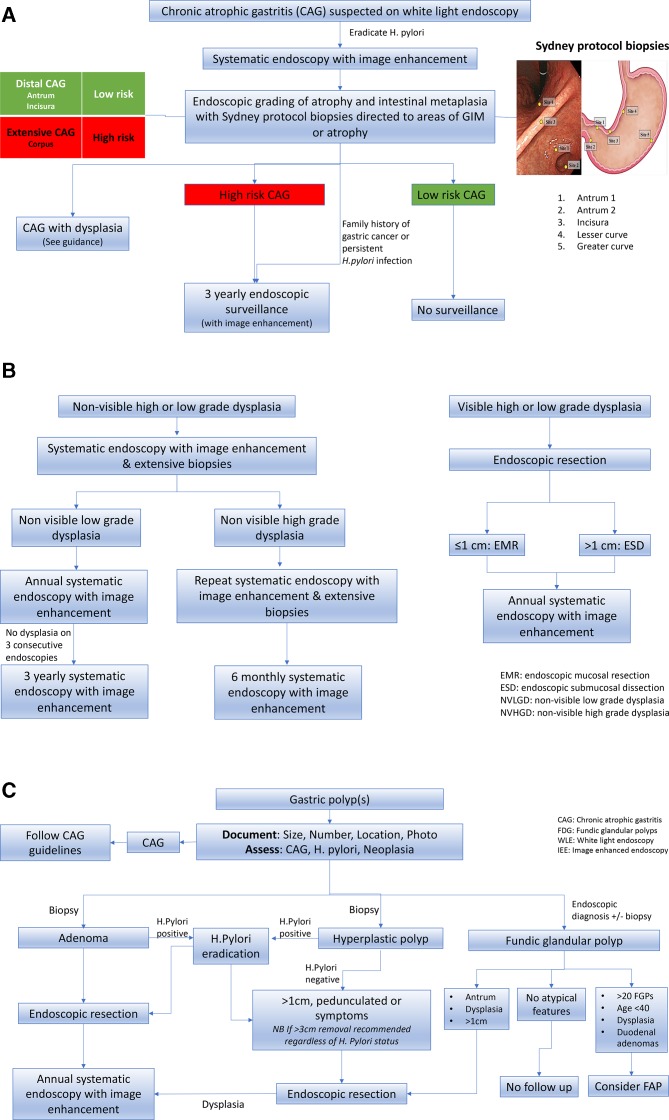
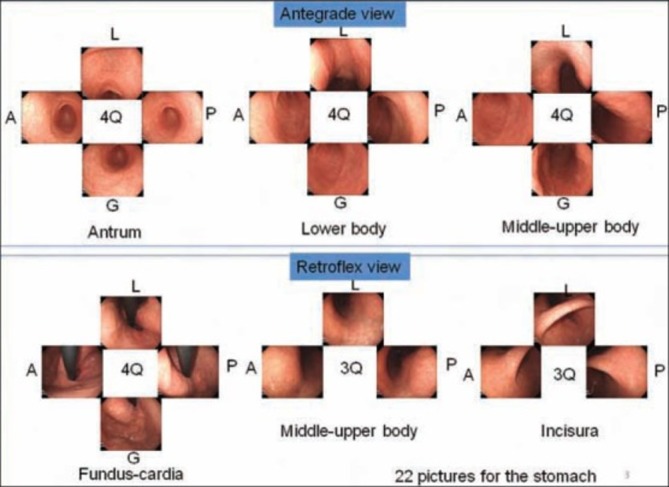
infection, family history of gastric cancer-in particular, hereditary diffuse gastric cancer and pernicious anaemia. The stages in the progression to cancer include chronic gastritis, gastric atrophy (GA), gastric intestinal metaplasia (GIM) and dysplasia. The key to early detection of cancer and improved survival is to non-invasively identify those at risk before endoscopy. However, although biomarkers may help in the detection of patients with chronic atrophic gastritis, there is insufficient evidence to support their use for population screening. High-quality endoscopy with full mucosal visualisation is an important part of improving early detection. Image-enhanced endoscopy combined with biopsy sampling for histopathology is the best approach to detect and accurately risk-stratify GA and GIM. Biopsies following the Sydney protocol from the antrum, incisura, lesser and greater curvature allow both diagnostic confirmation and risk stratification for progression to cancer. Ideally biopsies should be directed to areas of GA or GIM visualised by high-quality endoscopy. There is insufficient evidence to support screening in a low-risk population (undergoing routine diagnostic oesophagogastroduodenoscopy) such as the UK, but endoscopic surveillance every 3 years should be offered to patients with extensive GA or GIM. Endoscopic mucosal resection or endoscopic submucosal dissection of visible gastric dysplasia and early cancer has been shown to be efficacious with a high success rate and low rate of recurrence, providing that specific quality criteria are met.
Overview
The claims and statistics of this paper haven’t been checked yet.
Free: it reads the open-access text and checks the first 5 claims that cite a source we can check. Create a free account to check every claim.
Integrity signals
Registry
Cites
Statistics
Figures
Verification
Claims the paper makes
The claims and statistics of this paper haven’t been checked yet.
Free: it reads the open-access text and checks the first 5 claims that cite a source we can check. Create a free account to check every claim.
Claims other papers make about this one
Each is checked against this paper’s own text: does it say what the citing paper says it does?
The source backs part of the claim, not all of it — or backs it for a different population, condition or comparison.
In the citing paper
“Both OLGA and OLGIM are advocated by international guidelines for risk stratification of individuals diagnosed with precancerous gastric mucosal changes38,39”
From AGA Clinical Practice Update on the Diagnosis and Management of Atrophic Gastritis: Expert Review (2021) · cites this paper as [39]
Experimental — accuracy not yet measured
Self-check
Percentages, sums and reported differences re-computed from the paper’s own numbers.
The self-check needs the paper’s full text.
Citations
Cites
Cancer incidence and mortality worldwide: Sources, methods and major patterns in GLOBOCAN 2012
Ferlay, J., Soerjomataram, I., Dikshit, R., Eser, S., Mathers, C., Rebelo, M., Parkin, D. M., Forman, D., & Bray, F. (2015) · International Journal of Cancer · doi:10.1002/ijc.29210 · Cited by 28,766 · cited 1×
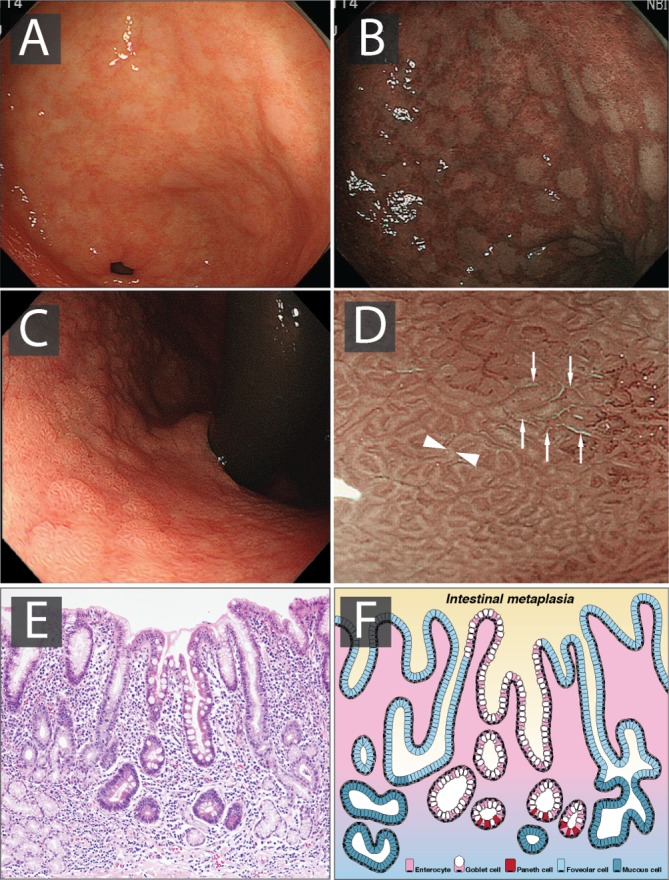
“The brown colour on NBI is due to the subepithelial vessels, which are obscured by lipid droplets accumulated above the subepi-thelial vessels.”
GRADE: an emerging consensus on rating quality of evidence and strength of recommendations
Guyatt, G. H., Oxman, A. D., Vist, G. E., Kunz, R., Falck-Ytter, Y., Alonso-Coello, P., & Schünemann, H. J. (2008) · BMJ · doi:10.1136/bmj.39489.470347.ad · Cited by 23,305 · cited 1×
“The quality of the evidence was assessed following The Grading of Recommendations, Assessment, Development, and Evaluation (GRADE) terminology using table 2 (14).”
LAURÉN, P. (1965) · Acta Pathologica Microbiologica Scandinavica · doi:10.1111/apm.1965.64.1.31 · Cited by 6,133 · cited 1×
“These recommendations apply to the intestinal type of gastric cancer as defined by the Lauren Classification(228,229).”
Jemal, A., Siegel, R., Ward, E., Murray, T., Xu, J., Smigal, C., & Thun, M. J. (2006) · CA: A Cancer Journal for Clinicians · doi:10.3322/canjclin.56.2.106 · Cited by 5,314 · cited 1×
“74 79 This does not apply to cases of gastric adenocarcinoma occurring before the age of 40 years, which are probably due to the domineering genetic background responsible for early-onset cancer.”
Helicobacter pylori Infection and the Development of Gastric Cancer
Uemura, N., Okamoto, S., Yamamoto, S., Matsumura, N., Yamaguchi, S., Yamakido, M., Taniyama, K., Sasaki, N., & Schlemper, R. J. (2001) · New England Journal of Medicine · doi:10.1056/nejmoa001999 · Cited by 4,465 · cited 2×
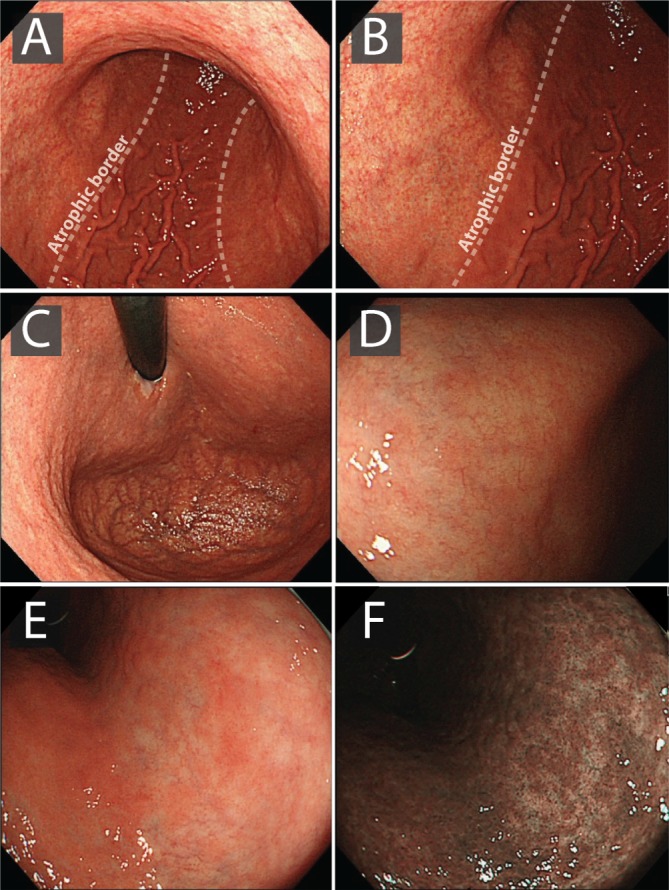
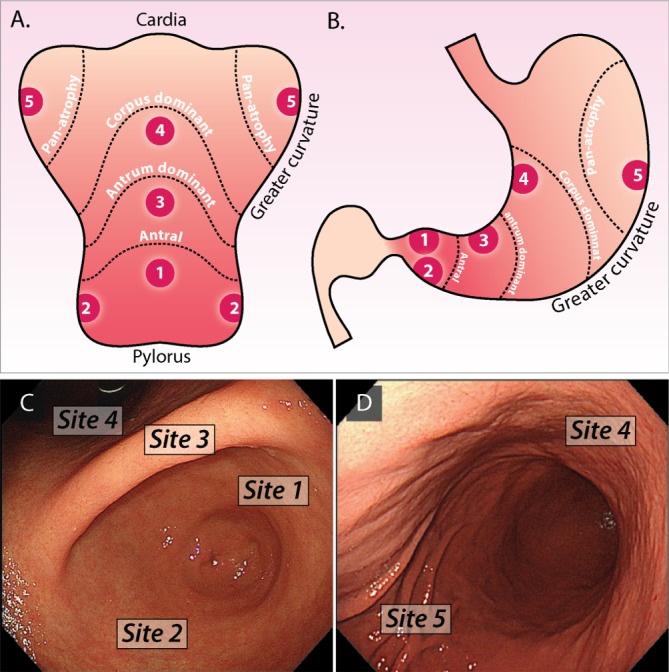
“26 31 156 Essentially this tool uses the extent of the atrophic border (the border between the pale atrophy and normal red-coloured stomach) to stage the extent of GA (Figure 4).”
Lichtenstein, P., Holm, N. V., Verkasalo, P. K., Iliadou, A., Kaprio, J., Koskenvuo, M., Pukkala, E., Skytthe, A., & Hemminki, K. (2000) · New England Journal of Medicine · doi:10.1056/nejm200007133430201 · Cited by 4,114 · cited 1×
“54 It is important to consider that familial aggregation occurs in approximately 10% of cases, which in low-incidence countries of gastric adenocarcinoma probably relates to heritable pathogenic mutations.”
Japanese gastric cancer treatment guidelines 2014 (ver. 4)
Japanese Gastric Cancer Association (2017) · Gastric Cancer · doi:10.1007/s10120-016-0622-4 · Cited by 2,429 · cited 1×
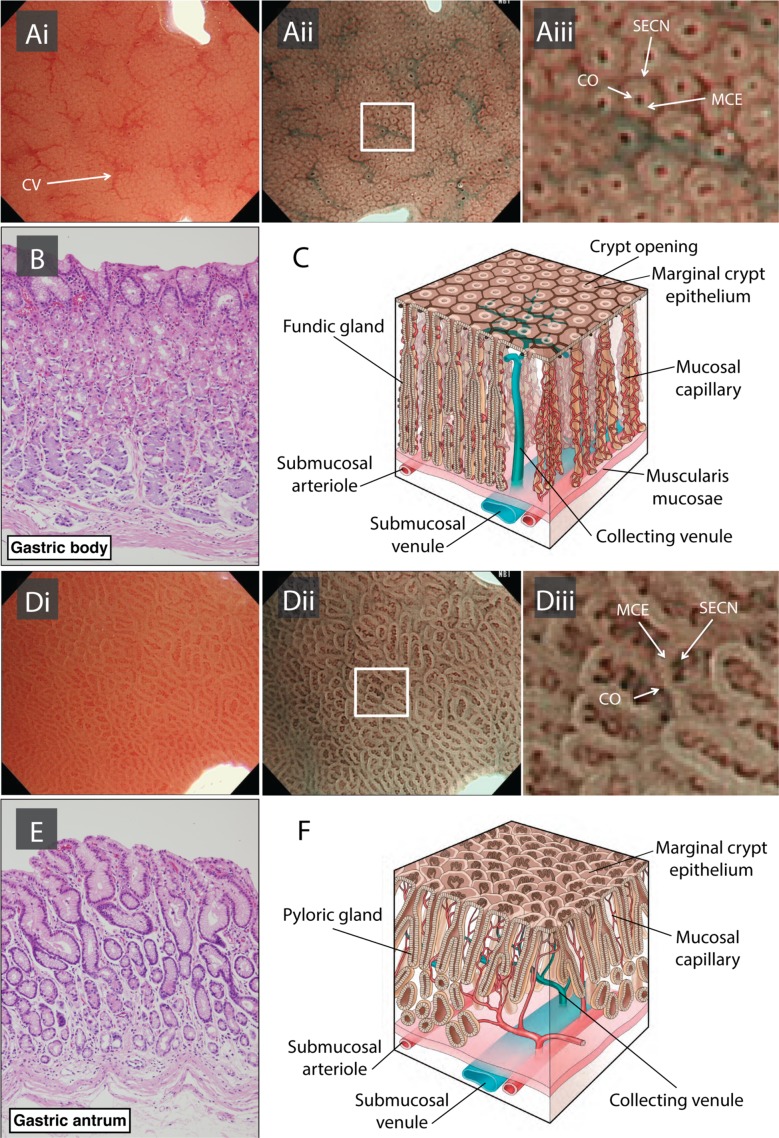
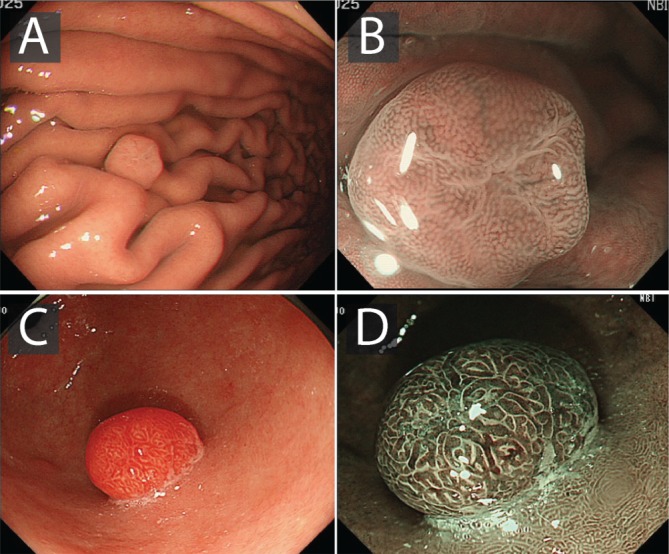
“On enhanced imaging such as NBI, FICE or i-Scan, the surface architecture becomes more prominent.”
Japanese gastric cancer treatment guidelines 2010 (ver. 3)
Japanese Gastric Cancer Association (2011) · Gastric Cancer · doi:10.1007/s10120-011-0042-4 · Cited by 2,168
Gotoda, T., Yanagisawa, A., Sasako, M., Ono, H., Nakanishi, Y., Shimoda, T., & Kato, Y. (2000) · Gastric Cancer · doi:10.1007/pl00011720 · Cited by 1,791
Self-citationSyngal, S., Brand, R. E., Church, J. M., Giardiello, F. M., Hampel, H. L., & Burt, R. W. (2015) · American Journal of Gastroenterology · doi:10.1038/ajg.2014.435 · Cited by 1,662 · cited 1×
“Outside the context of specialised genetic counselling clinic, where the three-generation comprehensive pedigree is recommended, in standard clinical practice it is recognised that it is sufficient to focus on first-degree (parents, children and siblings) and second degree relatives (grandparents, aunts/uncles, nieces…”
Research works printed but not linked: 2
- Hosokawa O, Hattori M, Takeda T, et al Accuracy of endoscopy in detecting gastric cancer. J Gastroenterol Mass Surv 2004; 14: 33– 9.
- Otsuji M, Kouno Y, Otsuji A, et al Assessment of small diameter panendoscopy for diagnosis of gastric cancer: comparative study with follow-up survey date. Stomach Intest 1989; 24: 1291– 7.
Cited by
Items 101–200 of 721
Gastric cancer screening in Western countries: A call to action
Farinati, F., & Pelizzaro, F. (2024) · Digestive and Liver Disease · doi:10.1016/j.dld.2024.02.008 · Cited by 32
Lahner, E., Lenti, M. V., Massironi, S., Zingone, F., Miceli, E., Bella, C. D., Facciotti, F., Pelizzaro, F., Annibale, B., D’Elios, M. M., et al. (2025) · Digestive and Liver Disease · doi:10.1016/j.dld.2025.10.015 · Cited by 30
Kakushima, N., Yoshida, N., Doyama, H., Yano, T., Horimatsu, T., Uedo, N., Yamamoto, Y., Kanzaki, H., Hori, S., Yao, K., et al. (2020) · Journal of Gastroenterology · doi:10.1007/s00535-020-01734-3 · Cited by 30
“modality for the accurate diagnosis of gastric dysplasia and early GC (EGC) according to several guidelines [3, 4].”
MethodSelf-citationLong-Term Follow-up of Gastric Precancerous Lesions in a Low GC Incidence Area
Chapelle, N., Péron, M., Quénéhervé, L., Bourget, A., Leroy, M., Touchefeu, Y., Cauchin, E., Coron, E., Mosnier, J.-F., & Matysiak‐Budnik, T. (2020) · Clinical and Translational Gastroenterology · doi:10.14309/ctg.0000000000000237 · Cited by 30
ACQUIRED REFRACTORY IRON DEFICIENCY
Amicis, M. M. D., Rimondi, A., Elli, L., & Motta, I. (2021) · Mediterranean Journal of Hematology and Infectious Diseases · doi:10.4084/mjhid.2021.028 · Cited by 32
“histological examination, whereas the serological test may help in corroborating the diagnosis.(13,17,18) Recent”
ResultReal-time semantic segmentation of gastric intestinal metaplasia using a deep learning approach
Siripoppohn, V., Pittayanon, R., Tiankanon, K., Faknak, N., Sanpavat, A., Klaikaew, N., Vateekul, P., & Rerknimitr, R. (2022) · Clinical Endoscopy · doi:10.5946/ce.2022.005 · Cited by 30
“For example, the British Society of Gastroenterology guidelines on the diagnosis and management of patients at risk of gastric adenocarcinoma recommend an interval of endoscopic surveillance according to the extension of GIM.”
BackgroundInfluentialZha, Z., Zhang, P., Li, D., Liu, G., & Lü, L. (2021) · Disease Markers · doi:10.1155/2021/8895723 · Cited by 29
“To date, due to the late stage of diagnosis and lack of effective treatment strategies, the prognosis of stomach adenocarcinoma is unsatisfactory [4, 5].”
BackgroundHow to Manage a Patient With Gastric Intestinal Metaplasia: An International Perspective
Dinis-Ribeiro, M. J., & Kuipers, E. J. (2020) · Gastroenterology · doi:10.1053/j.gastro.2020.01.008 · Cited by 28
Self-citationLINC01572 Regulates Cisplatin Resistance in Gastric Cancer Cells by Mediating miR-497-5p
Song, Z., Jia, N., Li, W., & Zhang, X. (2020) · OncoTargets and Therapy · doi:10.2147/ott.s267915 · Cited by 28
Early gastric cancer and Artificial Intelligence: Is it time for population screening?
Anta, J. A., & Dinis-Ribeiro, M. J. (2020) · Best Practice & Research Clinical Gastroenterology · doi:10.1016/j.bpg.2020.101710 · Cited by 28
Self-citationExarchou, K., Hu, H., Stephens, N. A., Moore, A. R., Kelly, M., Lamarca, Á., Mansoor, W., Hubner, R. A., McNamara, M. G., Smart, H. L., et al. (2022) · Endocrine · doi:10.1007/s12020-022-03143-3 · Cited by 29
“Although we did not detect any cases of gastric adenocarcinoma in this group, intermittent endoscopic surveillance, maybe every 2–3 years, to detect this outcome is still probably appropriate in view of these patients’ increased susceptibility to developing this disease [23, 24].”
Self-citationCheng, H., Yang, Y., Yang, H., Tsai, Y.-C., Chang, W., Wu, C., Kuo, H., Yu, Y., Yang, E., Cheng, W., et al. (2022) · Journal of the Formosan Medical Association · doi:10.1016/j.jfma.2022.11.008 · Cited by 28
Gastric Intestinal Metaplasia: Challenges and the Opportunity for Precision Prevention
Tjandra, D., Busuttil, R. A., & Boussioutas, A. (2023) · Cancers · doi:10.3390/cancers15153913 · Cited by 28
“he orth erican association guidelines do not recom end routine surveillance of non-dysplastic GIM [93]; in co trast, the British Guidelines recommend ither a thrice yearl surveillance for most cases, or no surveillance in ases with limited IM [92].”
BackgroundMommersteeg, M. C., Eikenboom, E. L., Nieuwenburg, S. A. V., Yu, B., den Hollander, W. J., Holster, I. L., den Hoed, C. M., Capelle, L. G., Tang, T. J., Anten, M.-P., et al. (2021) · Endoscopy International Open · doi:10.1055/a-1314-6626 · Cited by 27
Self-citationFischbach, W., Bornschein, J., Hoffmann, J., Koletzko, S., Link, A., Macke, L., Malfertheiner, P., Schütte, K., Selgrad, D.-M., Suerbaum, S., et al. (2024) · Zeitschrift für Gastroenterologie · doi:10.1055/a-2181-2225 · Cited by 28
Deciphering gastric inflammation-induced tumorigenesis through multi-omics data and AI methods
Zhang, Q., Yang, M., Zhang, P., Wu, B., Wei, X., & Li, S. (2023) · Cancer Biology and Medicine · doi:10.20892/j.issn.2095-3941.2023.0129 · Cited by 27
“These studies have indicated that, although HP eradication may be effective in interventions to prevent the progression of GPLs, additional interventions are required.”
BackgroundInfluentialLiu, J., Li, Z., Teng, W., & Ye, X. (2020) · Journal of Cellular Biochemistry · doi:10.1002/jcb.29673 · Cited by 27
“The 5‐year survival rate of patients with advanced gastric cancer was about 18%‐29%.(3) Early diagnosis and treatment is critical for improving the curative effect and reducing mortality.”
BackgroundNew Developments in Gastric Neuroendocrine Neoplasms
Exarchou, K., Stephens, N. A., Moore, A. R., Howes, N., & Pritchard, D. M. (2022) · Current Oncology Reports · doi:10.1007/s11912-021-01175-y · Cited by 27
Self-citationEndoscopic Imaging for the Diagnosis of Neoplastic and Pre-Neoplastic Conditions of the Stomach
Martins, B. D. C., Moura, R. N., Kum, A. S. T., Matsubayashi, C. O., Marques, S. B., & Safatle‐Ribeiro, A. V. (2023) · Cancers · doi:10.3390/cancers15092445 · Cited by 27
“The society advised a baseline endoscopy among individuals with laboratory evidence of pernicious anemia, such as vitamin B12 deficiency, and positive gastric parietal cell or intrinsic factor antibodies [22].”
BackgroundBhandari, P., Abdelrahim, M. E. A., Alkandari, A. A., Galtieri, P. A., Spadaccini, M., Groth, S., Pilonis, N., Subramaniam, S., Kandiah, K., Hossain, E., et al. (2023) · Endoscopy · doi:10.1055/a-2100-2258 · Cited by 26
“Recurrence is reported according to European Society of Gastrointestinal Endoscopy (ESGE) criteria [11], British Society of Gastroenterology criteria [12], and the Japanese eCura classification [3].”
BackgroundSelf-citationInterleukin-1β Suppresses Gastrin via Primary Cilia and Induces Antral Hyperplasia
Ding, L., Sontz, E. A., Saqui–Salces, M., & Merchant, J. L. (2021) · Cellular and Molecular Gastroenterology and Hepatology · doi:10.1016/j.jcmgh.2020.12.008 · Cited by 26
“ore than half of the world’s population is infected Mwith Helicobacter pylori and approximately 1% of H pylori–infected individuals progress to gastric cancer (GC), now the sixth most prevalent cancer worldwide.(1)”
BackgroundDiagnostic, Therapeutic, and Prognostic Value of the Thrombospondin Family in Gastric Cancer
Lü, Y., Kong, X., Zhong, W., Hu, M., & Li, C. (2021) · Frontiers in Molecular Biosciences · doi:10.3389/fmolb.2021.647095 · Cited by 25
Liu, X., Wang, S., Li, J., Zhang, J., & Liu, D. (2021) · Chinese Herbal Medicines · doi:10.1016/j.chmed.2021.10.008 · Cited by 25
“The histopathological cascade for the development of intestinal GC, also called Correa cascade of gastric carcinogenesis, is a stepped process: from normal gastric epithelium to chronic non-atrophic gastritis, CAG, IM, dysplasia and CG (Banks et al., 2019).”
BackgroundRisk of progression in patients with chronic atrophic gastritis: A retrospective study
Sun, L., Jin, X., Huang, L., Zhao, J., Jin, H., Chen, M., Zhang, C., & Lu, B. F. (2022) · Frontiers in Oncology · doi:10.3389/fonc.2022.942091 · Cited by 25
“This indicates that these cases may be underestimated as low-risk and lose the opportunity of regular endoscopic surveillance or even early detection of GC, if they follow the MAPS II and BSG guidelines.”
BackgroundInfluentialAumpan, N., Vilaichone, R., Nunanan, P., Chonprasertsuk, S., Siramolpiwat, S., Bhanthumkomol, P., Pornthisarn, B., Uchida, T., Vilaichone, V., Wongcha-um, A., et al. (2020) · PLoS ONE · doi:10.1371/journal.pone.0239434 · Cited by 25
“Upper gastrointestinal endoscopy was performed in each patient with adequate mucosal visualization enhanced by air insufflation, mucosal cleaning technique, and sufficient examination time at least 7 minutes from intubation to extubation [15].”
BackgroundMethodPotential role of mitochondria in gastric cancer detection: Fission and glycolysis (Review)
Yang, H., Li, Y., & Hu, B. (2021) · Oncology Letters · doi:10.3892/ol.2021.12700 · Cited by 25
Clinical Practice Guideline for Gastritis in Korea
Kang, S. J., Kim, J. G., Moon, H. S., Kook, M., Lee, J. Y., Bang, C. S., Tae, C. H., Gong, E. J., Nam, S. Y., & Kim, H. J. (2023) · Journal of Korean Medical Science · doi:10.3346/jkms.2023.38.e115 · Cited by 24
Pseudopyloric Metaplasia Is Not Associated With the Development of Gastric Cancer
Dilaghi, E., Baldaro, F., Pilozzi, E., Conti, L., Palumbo, A., Esposito, G., Annibale, B., & Lahner, E. (2021) · The American Journal of Gastroenterology · doi:10.14309/ajg.0000000000001390 · Cited by 24
“Our findings confirm that corpus IM can be considered as a cornerstone in gastric carcinogenesis as depicted in Correa cascade (8) and then supported by data (23,24,35).”
ResultDeep learning-assisted diagnosis of chronic atrophic gastritis in endoscopy
Shi, Y., Wei, N., Wang, K., Wu, J., Tao, T., Li, N., & Lv, B. (2023) · Frontiers in Oncology · doi:10.3389/fonc.2023.1122247 · Cited by 23
“Gastric mucosal atrophy is a critical stage in gastric cancer progression; the higher the degree of mucosal atrophy, the higher the risk of cancer (3).”
BackgroundMethodInfluentialLigato, I., Dottori, L., Sbarigia, C., Dilaghi, E., Annibale, B., Lahner, E., & Esposito, G. (2024) · Alimentary Pharmacology & Therapeutics · doi:10.1111/apt.17872 · Cited by 23
“This finding supports the British guidelines statement 7 underlining the importance of proactive endoscopic screening in this high-risk population. writing – review and editing.”
Mu, G., Zhu, Y., Niu, Z., Ding, S., Yu, H., Li, H., Wu, L., Wang, J., Luo, R., Hu, X., et al. (2021) · Endoscopy International Open · doi:10.1055/a-1372-2789 · Cited by 24
“Gastric cancer develops over a long period of progression [2].”
BackgroundLuu, M. N., Quach, D. T., & Hiyama, T. (2021) · Asia-Pacific Journal of Clinical Oncology · doi:10.1111/ajco.13704 · Cited by 23
Dong, Z., Wu, L., Du, H., Tao, X., Wang, J., Zeng, X., Zhu, Y., Tan, S., Wang, J., Deng, M., et al. (2026) · Gastroenterology · doi:10.1053/j.gastro.2025.12.020 · Cited by 22
Assessing the utility of pepsinogens and gastrin-17 in gastric cancer detection
Gašenko, E., Bogdanova, I., Sjomina, O., Aleksandraviča, I., Kiršners, A., Ancāns, G., Rudzīte, D., Vangravs, R., Sīviņš, A., Škapars, R., et al. (2023) · European Journal of Cancer Prevention · doi:10.1097/cej.0000000000000791 · Cited by 22
“Concluding that although GastroPanel trials have shown promise, there is little evidence to support its use, and research on its efficacy is contradictory (Banks et al., 2019).”
BackgroundA Systematic Review of Cost-Effectiveness Studies on Gastric Cancer Screening
Lewis, D., Jiménez, L., Mansour, M. H., Horton, S., & Wong, W. W. L. (2024) · Cancers · doi:10.3390/cancers16132353 · Cited by 22
Cho, J., Jeon, S. R., Jin, S., & Park, S. (2021) · World Journal of Gastroenterology · doi:10.3748/wjg.v27.i18.2238 · Cited by 23
Nutrient Deficiency Promotes the Entry of Helicobacter pylori Cells into Candida Yeast Cells
Sánchez-Alonzo, K., Silva-Mieres, F., Arellano-Arriagada, L., Parra-Sepúlveda, C., Bernasconi, H., Smith, C. T., Campos, V. L., & García, A. (2021) · Biology · doi:10.3390/biology10050426 · Cited by 21
JAG consensus statements for training and certification in oesophagogastroduodenoscopy
Siau, K., Beales, I., Haycock, A., Alzoubaidi, D., Follows, R., Haidry, R. J., Mannath, J., McConnell, S., Murugananthan, A., Ravindran, S., et al. (2022) · Frontline Gastroenterology · doi:10.1136/flgastro-2021-101907 · Cited by 21
Advances in the Aetiology & Endoscopic Detection and Management of Early Gastric Cancer
Kohoutová, D., Banks, M. R., & Bureš, J. (2021) · Cancers · doi:10.3390/cancers13246242 · Cited by 21
Self-citationBang, C. S., Kang, S. J., Lim, H., Kim, S. E., Lee, M. W., Nam, S. Y., Tae, C. H., Kim, S. E., Kim, S. E., Jung, H.-K., et al. (2026) · The Korean Journal of Helicobacter and Upper Gastrointestinal Research · doi:10.7704/kjhugr.2026.0029 · Cited by 21
“International guidelines, including those of the British Society of Gas-troenterology 51 and Maastricht VI, 15 also recommend H. pylori testing and eradication in patients with hyperplastic polyps.”
Manckoundia, P., Konaté, A., Hacquin, A., Nuss, V., Mihai, A., Vovelle, J., Dipanda, M., Putot, S., Barben, J., & Putot, A. (2020) · Clinical Interventions in Aging · doi:10.2147/cia.s269379 · Cited by 21
Wang, L., Jiang, W., & Li, H. (2025) · International Journal of Medical Sciences · doi:10.7150/ijms.109762 · Cited by 21
“Given the high mortality and poor prognosis associated with gastric cancer [7], particular attention should be paid to the prevalent trends and disease burden of gastritis and duodenitis, particularly chronic atrophic gastritis [8] and intestinal metaplasia [9].”
Tsukanov, V. V., Smirnova, O. V., Каспаров, Э. В., Sinyakov, A. A., Vasyutin, A. V., Tonkikh, Y. L., & Cherepnin, M. A. (2022) · Diagnostics · doi:10.3390/diagnostics12051203 · Cited by 20
“Regarding this, in 2019–2021, European [6], British [7], and American [8,9] recommendations for the management of patients with precancerous changes in the stomach were published.”
BackgroundYang, H., Kim, Y., Ahn, J. Y., Choi, K. D., Kim, S. G., Jeon, S. W., Kim, J., Shin, S. K., Lee, H., Lee, W., et al. (2023) · Gut and Liver · doi:10.5009/gnl220333 · Cited by 20
Gnanasekaran, T. S., Gollapalli, P., Kumar, S. H. S., & Ghate, S. D. (2023) · Journal of Genetic Engineering and Biotechnology · doi:10.1186/s43141-023-00539-0 · Cited by 21
“Normal stomach epithelium is the first step in the Correa cascade of gastric carcinogenesis, which progresses through chronic non-atrophic gastritis, CAG, intestinal metaplasia (IM), and dysplasia [3].”
BackgroundZacharakis, G., Almasoud, A., Arahmane, O., Alzahrani, J. M., & Al-Ghamdi, S. H. (2023) · Current Oncology · doi:10.3390/curroncol30090605 · Cited by 20
“The current understanding of the role of upper GI endoscopy in preventing GC is that it serves as a valuable screening tool for predefined high-risk individuals [6,23].”
BackgroundLatorre, G., da Silva, F. P., Montero, I., Bustamante, M., Dukes, E., Uribe, J., Corsi, Ó., Reyes, D., Fuentes–López, E., Pizarro, M., et al. (2023) · Gut · doi:10.1136/gutjnl-2023-331059 · Cited by 20
Li, J., Ren, M., Yang, J., Zhao, Y., Li, Y., Zhang, D., Wu, F., Zhang, Z., Lu, X., Ren, L. M., et al. (2020) · Journal of Gastroenterology and Hepatology · doi:10.1111/jgh.15282 · Cited by 20
Current status of probiotics for prevention and management of gastrointestinal cancers
Khan, A. A., Nema, V., & Khan, Z. (2020) · Expert Opinion on Biological Therapy · doi:10.1080/14712598.2021.1828858 · Cited by 20
Geographic and Socioeconomic Disparity of Gastric Cancer Patients in Canada
Cattelan, L., Ghazawi, F. M., Le, M., Lagacé, F., Rahme, E., Zubarev, A., Sasseville, D., Litvinov, I. V., Waschke, K. A., & Netchiporouk, E. (2021) · Current Oncology · doi:10.3390/curroncol28030190 · Cited by 20
“While it may not be feasible to adopt such a widespread screening guideline for all Canadians >40, it may be beneficial to consider earlier screening in high-risk communities who present with many of the aforementioned risk factors similar to the UK guidelines [76].”
BackgroundCD10 and Das1: a biomarker study using immunohistochemistry to subtype gastric intestinal metaplasia
Koulis, A., Costanzo, N. D., Mitchell, C., Lade, S., Goode, D. L., Busuttil, R. A., & Boussioutas, A. (2022) · BMC Gastroenterology · doi:10.1186/s12876-022-02268-z · Cited by 20
“Currently the BSG guidelines do not recommend reporting as subtyping IM is considered a subjective exercise and thus not consistently reproducible [18].”
BackgroundInfluentialIncreased Prevalence of Autoimmune Gastritis in Patients with a Gastric Precancerous Lesion
Guo, X., Schreurs, M. W. J., Marijnissen, F. E., Mommersteeg, M. C., Nieuwenburg, S. A. V., Doukas, M., Erler, N. S., Capelle, L. G., Bruno, M. J., Peppelenbosch, M. P., et al. (2023) · Journal of Clinical Medicine · doi:10.3390/jcm12196152 · Cited by 19
“Thus, international guidelines on the management of GPL recommend that patients with extensive AG and/or IM should undergo endoscopic surveillance every 3 years [6–9].”
Coelho, M. C., Ribeiro, H. G., Gomes, C. G. D. O., Marinho, F. P., Barbosa, A. J. A., & Coelho, L. G. V. (2021) · Arquivos de Gastroenterologia · doi:10.1590/s0004-2803.202100000-08 · Cited by 19
“However, it is undisputed to recognize the progressively increasing role of technological advances in endoscopic examinations as optical filters use (NBI®, narrow-band imaging) for image magnification of pre-malignant gastric lesions, with its use already recommended in recent guidelines in the area(49-51).”
Robles, C., Rudzīte, D., Poļaka, I., Sjomina, O., Tzivian, L., Ķikuste, I., Tolmanis, I., Vanags, A., Isajevs, S., Liepniece‐Karele, I., et al. (2022) · Diagnostics · doi:10.3390/diagnostics12071746 · Cited by 20
“However, the British Society of Gastroenterology guidelines on the diagnosis and management of patients at risk of gastric adenocarcinoma do not recommend the use of biomarkers as a screening tool in areas with a low incidence of gastric adenocarcinoma, such as the UK [28].”
BackgroundZheng, Y., Li, P., Ma, J., Yang, C., Dai, S., & Zhao, C. (2022) · Translational Oncology · doi:10.1016/j.tranon.2022.101479 · Cited by 18
FDX1 as a novel biomarker and treatment target for stomach adenocarcinoma
Xie, X.-Z., Zuo, L., Huang, W., Fan, Q.-M., Yayun, W., Yao, W.-D., Jiang, J., & Jin, J. (2024) · World Journal of Gastrointestinal Surgery · doi:10.4240/wjgs.v16.i6.1803 · Cited by 18
Early diagnosis of gastric cancer: Endoscopy and artificial intelligence
Gonçalves, N., Chaves, J., Sá, I. M., Dinis-Ribeiro, M. J., & Libânio, D. (2025) · Best Practice & Research Clinical Gastroenterology · doi:10.1016/j.bpg.2025.101979 · Cited by 18
Self-citationCommon occurrence of atrophic gastritis in an ageing non-hospitalised population: an autopsy study
Karhunen, P. J., Tuomisto, S., Goebeler, S., Martiskainen, M., & Kok, E. (2025) · Age and Ageing · doi:10.1093/ageing/afaf047 · Cited by 18
Identification of hsa_circ_0005654 as a new early biomarker of gastric cancer
Wang, Y., Xu, S., Chen, Y., Zheng, X., Li, T., & Guo, J. (2019) · Cancer Biomarkers · doi:10.3233/cbm-190561 · Cited by 18
“Early gastric cancer is gastric cancer limited to the mucosal or superficial submucosal layers regardless of lymph node metastasis, with 0-IIa, 0-IIb, 0-IIc, 0-IIa + IIc, or 0-IIc + IIa gastric cancer morphology [24,25].”
Incidence of Stomach and Esophageal Cancers in Mongolia: Data from 2009 to 2018
Sambuu, T., Tumurbat, N., Davaa, B., & Tudev, B.-E. (2020) · Euroasian Journal of Hepato-Gastroenterology · doi:10.5005/jp-journals-10018-1313 · Cited by 18
Kang, S., Lu, J. G., & Zhou, H. (2021) · Journal of Anesthesia · doi:10.1007/s00540-021-02951-7 · Cited by 18
Bornschein, J., Tran-Nguyen, T., Fernández‐Esparrach, G., Ash, S., Balaguer, F., Bird-Lieberman, E. L., Córdova, H., Dzērve, Z., Fassan, M., Leja, M., et al. (2020) · Digestive Diseases · doi:10.1159/000511867 · Cited by 17
Zhang, H., Yang, X., Zhang, X., & Huang, X. (2023) · Medicine · doi:10.1097/md.0000000000033942 · Cited by 17
“Consequently, precise evaluation of H pylori infection status is crucial.[9] In 2013, the Japanese Gastrointestinal Endoscopy Society proposed the “Kyoto Gastritis Classification”, a new classification system for the diagnosis of endoscopic gastritis, which listed the results of endoscopically related H pylori endosco…”
BackgroundJaroń, K., Pietrzak, A. M., Daniluk, J., Adrych, K., Gąsiorowska, A., Skrzydło-Radomańska, B., Małecka-Wojciesko, E., Zwolinska-Wcislo, M. M., Waluga, M., Reguła, J., et al. (2023) · Gastroenterology Review · doi:10.5114/pg.2023.131998 · Cited by 18
“In patients with dysplasia, repeat high-resolution endoscopy with chromoendoscopy should be performed at a reference centre, and if no endoscopic lesions are found, follow-up high-resolution gastroscopy with chromoendoscopy should be performed at 12 months (low-grade dysplasia) and 6 months (high-grade dysplasia), res…”
BackgroundMethodFirst regional consensus on the management of Helicobacter pylori infection in the Middle East
Sharara, A. I., Alsohaibani, F., Alsaegh, A., Ejji, K. A., Awadhi, S. A., Malfertheiner, P., Karam, S. A., & Al-Taweel, T. (2025) · World Journal of Gastroenterology · doi:10.3748/wjg.v31.i27.107138 · Cited by 18
Human Gut Microbiota–associated Gastrointestinal Malignancies: A Comprehensive Review
Bonde, A. A., Daly, S., Kirsten, J., Kondapaneni, S., Mellnick, V. M., Menias, C. O., & Katabathina, V. S. (2021) · Radiographics · doi:10.1148/rg.2021200168 · Cited by 17
Chemoprevention Against Gastric Cancer
Shah, S. C., & Peek, R. M. (2021) · Gastrointestinal Endoscopy Clinics of North America · doi:10.1016/j.giec.2021.03.006 · Cited by 17
Maric, L. V., Castañeda, D., Singh, H., Bejarano, P. A., Cantisano, B. G. J., & Castro, F. (2021) · Digestive Diseases and Sciences · doi:10.1007/s10620-021-07212-x · Cited by 17
Chen, S., Yu, Y., Li, T., Ruan, W., Wang, J., Peng, Q., Yu, Y., Cao, T., Xue, W., Liu, X., et al. (2022) · Clinical Epigenetics · doi:10.1186/s13148-021-01219-x · Cited by 17
“Lymph node metastasis (LNM) status is one of the most important clinical factors affecting the prognosis of gastric cancer; the incidence of LNM in EGC is about 8–25% [3, 4].”
BackgroundQian, M., Sheng, Y., Wu, M. H., Wang, S., & Zhang, K. (2022) · Cancers · doi:10.3390/cancers14153603 · Cited by 17
The effect of Helicobacter pylori eradication on C-reactive protein: Results from a meta-analysis
Watanabe, J., & Kotani, K. (2021) · Archives of Medical Science · doi:10.5114/aoms/130288 · Cited by 16
Laszkowska, M., Truong, H., Faye, A. S., Kim, J., Tan, S. X., Lim, F., Abrams, J. A., & Hur, C. (2021) · Digestive Diseases and Sciences · doi:10.1007/s10620-021-07276-9 · Cited by 16
Lerch, J. M., Pai, R. K., Brown, I., Gill, A. J., Jain, D., Kovari, B. P., Kushima, R., Sheahan, K. D., Slavík, T., Srivastava, A., et al. (2022) · Pathology · doi:10.1016/j.pathol.2021.12.288 · Cited by 16
Gong, Y. L., Jiao, Y., Qi, X., Fu, J., Qian, J., Zhu, J., Yang, H., & Tang, L. (2022) · World Journal of Surgical Oncology · doi:10.1186/s12957-022-02503-7 · Cited by 16
“The 5-year survival rate of patients with advanced gastric cancer is approximately 18–29% [5].”
BackgroundComprehensive analysis of disulfidptosis related genes and prognosis of gastric cancer
Li, Q., & Yin, L.-K. (2023) · World Journal of Clinical Oncology · doi:10.5306/wjco.v14.i10.373 · Cited by 16
Impact of anemia on clinical outcomes of patients with atrial fibrillation: The COOL‐AF registry
Krittayaphong, R., Pumprueg, S., Thongsri, T., Wiwatworapan, W., Choochunklin, T., Kaewkumdee, P., Yindeengam, A., & for the COOL‐AF Investigators (2021) · Clinical Cardiology · doi:10.1002/clc.23559 · Cited by 16
“Moreover, anemia may indicate a potential source of bleeding, such as gastrointestinal malignancy.(22) The importance of anemia relative to the increased risk of bleeding in patients with NVAF is even more important in Asian population because Asians were”
BackgroundMommersteeg, M. C., Nieuwenburg, S. A. V., den Hollander, W. J., Holster, I. L., den Hoed, C. M., Capelle, L. G., Tang, T. J., Anten, M. P., Berset, I. P., Witteman, E. M., et al. (2021) · Gastric Cancer · doi:10.1007/s10120-020-01149-2 · Cited by 16
Self-citationYang, Y., Chen, Z., Zhou, L., Wu, G., Ma, X., Zheng, Y., Liu, M., Wang, Y., Ji, R., Guo, Q., et al. (2022) · Translational Cancer Research · doi:10.21037/tcr-22-168 · Cited by 15
“The high recurrence and metastasis rate lead to shorter survival (4).”
BackgroundKawamura, M., Uedo, N., Yao, K., Koike, T., Kanesaka, T., Hatta, W., Ogata, Y., Iwai, W., Yokosawa, S., Honda, J., et al. (2024) · Journal of Gastroenterology and Hepatology · doi:10.1111/jgh.16617 · Cited by 15
“European and British endoscopy guidelines strongly recommend high-quality endoscopic surveillance for patients with extensive IM, 18,28 but patients with IM restricted to the antrum are not recommended to undergo surveillance unless they have a family history of GC, incomplete IM, or persistent H.…”
Self-citationPark, J. Y. (2024) · Clinical Endoscopy · doi:10.5946/ce.2024.159 · Cited by 15
“6-8, 29 However, due to various limitations associated with the pathological evaluation of TXI also demonstrated its advantage in another study by Sugimoto et al., 33 which investigated 60 individuals who underwent screening endoscopy as part of a health checkup using high-vision transnasal…”
A Guide to Screening for Autoimmune Diseases in Patients With Vulvar Lichen Sclerosus
Guttentag, A., Wijaya, M., Fischer, G. O., Lee, A. S., Liu, K., & Saunderson, R. B. (2025) · Australasian Journal of Dermatology · doi:10.1111/ajd.14434 · Cited by 15
Lahner, E., Annibale, B., Dilaghi, E., Luciano, C. M., Lenti, M. V., Sabatino, A. D., Miceli, E., Massironi, S., Zucchini, N., Cannizzaro, R., et al. (2025) · Clinical and Translational Gastroenterology · doi:10.14309/ctg.0000000000000862 · Cited by 16
Early-onset gastrointestinal cancers: comprehensive review and future directions
Char, S. K., O'Connor, C. A., & Ng, K. (2025) · British journal of surgery · doi:10.1093/bjs/znaf102 · Cited by 15
Wu, R., Cheng, Y., Ji, L., Fan, Z., Tao, Y., & Zhan, Q. (2020) · BMC Cancer · doi:10.1186/s12885-020-07612-8 · Cited by 15
Livzan, M. A., Mozgovoi, S. I., Gaus, O. V., Геннадьевна, Ш. А., & Кононов, А. В. (2023) · Diagnostics · doi:10.3390/diagnostics13152478 · Cited by 15
“A family history of gastric cancer seems to be one of the strongest risk factors [2,3].”
BackgroundPrecision endoscopy in the era of climate change and sustainability
Ueda, T., Li, J. W., Ho, S. H., Singh, R., & Uedo, N. (2023) · Journal of Gastroenterology and Hepatology · doi:10.1111/jgh.16383 · Cited by 16
“…with the OLGA/OLGIM classi fi cation system, which requires protocol 38 2019 guideline from the British Society of Gastroenterology (BSG), 55 and 2020 guideline from the American Gastroenterological Association, 56,57 high-risk patients of GC should be followed up with a high-quality…”
BackgroundSelf-citationNovel classification of gastric polyps: The good, the bad and the ugly
Costa, D., Ramai, D., & Tringali, A. (2024) · World Journal of Gastroenterology · doi:10.3748/wjg.v30.i31.3640 · Cited by 15
Thiruvengadam, N. R., Gupta, S., Buller, S., Awad, I., Gandhi, D., Ibarra, A. N., Latorre, G., Riquelme, A. J., Kochman, M. L., Coté, G. A., et al. (2023) · Clinical Gastroenterology and Hepatology · doi:10.1016/j.cgh.2023.05.028 · Cited by 14
Uncovering the Impact of Lymphadenectomy in Advanced Gastric Cancer: A Comprehensive Review
Dinescu, V.-C., Gheorman, V., Georgescu, E. F., Paitici, Ș., Bică, M., Pătrașcu, Ș., Bunescu, M. G., Popa, R., Berceanu, M. C., Pătraşcu, A. M., et al. (2023) · Life · doi:10.3390/life13081769 · Cited by 14
“A 2019 meta-analysis of 16 studies found that lymphadenectomy was associated with improved overall survival and disease-free survival, particularly in patients with more advanced stages of the disease [26].”
BackgroundLazebnik, L. B., Дехнич, Н. Н., Sitkin, S. I., Atrushevich, V. G., Avalueva, E. B., Бакулин, И. Г., Бакулина, Н. В., Baryshnikova, N. V., Belousova, L. N., Bordin, D. S., et al. (2024) · Экспериментальная и клиническая гастроэнтерология · doi:10.31146/1682-8658-ecg-232-12-49-145 · Cited by 14
Li, X., Tibenda, J. J., Nan, Y., Huang, S.-C., Ning, N., Chen, G., Du, Y., Yang, Y., Meng, F., & Yuan, L. (2023) · World Journal of Gastroenterology · doi:10.3748/wjg.v29.i29.4542 · Cited by 14
The indications for biopsy in routine upper gastrointestinal endoscopy
Loughrey, M. B., & Shepherd, N. A. (2020) · Histopathology · doi:10.1111/his.14213 · Cited by 14
“As associated neoplasia is rare, outside of the setting of familial adenomatous polyposis, complete removal of fundic gland polyps by polypectomy is considered to be unnecessary.(49,57,58) Fundic gland polyps are not associated with atrophic or Helicobacter gastritis, so biopsy of the intervening non-polypoid mucosa i…”
BackgroundInfluentialSelf-citationRoles of Plasmacytoid Dendritic Cells in Gastric Cancer
Yang, J., Liu, X., Cheng, Y., Zhang, J., Ji, F., & Ling, Z. (2022) · Frontiers in Oncology · doi:10.3389/fonc.2022.818314 · Cited by 14
“Furthermore, British Society of Gastroenterology guidelines 2019 does not recommend surveillance in patients with gastric atrophy or gastric intestinal metaplasia limited just to the gastric antrum unless other risk factors are present (12).”
BackgroundPark, J., Kim, M., Kim, B. J., & Kim, J. G. (2023) · Scientific Reports · doi:10.1038/s41598-023-34215-7 · Cited by 13
Honing, J., Tan, W. K., Dieninytė, E., O’Donovan, M., Brosens, L. A. A., Weusten, B. L. A. M., & di Pietro, M. (2023) · PLoS ONE · doi:10.1371/journal.pone.0287587 · Cited by 13
“In the last decade there has been an increased awareness of the importance of surveillance of GA and GIM, with several updated guidelines [10,16,27] recommending surveillance in individuals with high-risk conditions.”
BackgroundDong, Z., Tao, X., Du, H., Wang, J., Huang, L., He, C., Zhao, Z., Mao, X., Ai, Y., Zhang, B., et al. (2023) · Journal of Gastroenterology · doi:10.1007/s00535-023-02025-3 · Cited by 13
Latest Advances in Endoscopic Detection of Oesophageal and Gastric Neoplasia
Waddingham, W., Graham, D. G., & Banks, M. R. (2024) · Diagnostics · doi:10.3390/diagnostics14030301 · Cited by 14
“Three yearly surveillance visits should be offered to patients diagnosed with extensive CAG or gastric IM defined as that involving the gastric antrum and body [56,69].”
BackgroundSelf-citationNiu, W., Liu, L., Dong, Z., Bu, X., Yao, F., Wang, J., Wu, X., Chen, C., Mao, T., Wu, Y., et al. (2024) · Digestive and Liver Disease · doi:10.1016/j.dld.2024.02.001 · Cited by 13
Ren, J.-Y., Wang, D., Zhu, L., Liu, S., Yu, M., & Cai, H. (2024) · World Journal of Gastrointestinal Oncology · doi:10.4251/wjgo.v16.i3.732 · Cited by 13
“The Correa sequence, the canonical theory of cancer development in the stomach, indicated that the inflammatory response was an indispensable component of tumor progression[36].”
Hayek, M. A., Barberio, B., Hayek, O. A., Rugge, M., di Pietro, M., Nounou, M. V., Elhadi, M., & Savarino, E. V. (2026) · Gastrointestinal Endoscopy · doi:10.1016/j.gie.2026.02.005 · Cited by 15
Metadata
- Authors
- Banks, M., Graham, D., Jansen, M., Gotoda, T., Coda, S., di Pietro, M., Uedo, N., Bhandari, P., Pritchard, D. M., Kuipers, E. J., Rodriguez-Justo, M., Novelli, M. R., Ragunath, K., Shepherd, N., & Dinis-Ribeiro, M.
- Affiliations
- University College Hospital (GB)
- University College London (GB)
- Nihon University (JP)
- Endoscopy, Inhealth Group, London, UK
- MRC Cancer Unit, University of Cambridge, Cambridge, UK
- Osaka International Cancer Institute (JP)
- Gastroenterology, Portsmouth, Portsmouth, UK
- University of Liverpool (GB)
- Erasmus MC (NL)
- Department of Histopathology, University College London, London, UK
- Nottingham University Hospitals NHS Trust (GB)
- Cheltenham General Hospital (GB)
- Gastroenterology, IPO Porto, Porto, Portugal
- ORCID
- Venue
- Gut
- Publisher
- BMJ
- Published
- 2019-07-05
- Volume
- 68
- Issue
- 9
- Pages
- 1545-1575
- ISSN
- 0017-5749 (ISSN-L)
- 1468-3288
- PMC
- PMC6709778
- OpenAlex
- W2953923712
- Semantic Scholar
- 2d7fd1c1b0cd6027e315c4287a842ca9f6677d90
- Cited by
- 647
- References
- 303
- Citations by year
- 2026: 70 · 2025: 104 · 2024: 116 · 2023: 103 · 2022: 77 · 2021: 100 · 2020: 64 · 2019: 13
- FWCI
- 46.88
- Type
- journal article
- Language
- en
- Open access
- hybrid
- doi.org
- Licence
- other-oa
- Locations
- Gut (publishedVersion, other-oa)
- Europe PMC (PubMed Central) (publishedVersion, cc-by-nc)
- PubMed Central (publishedVersion, cc-by-nc)
- PubMed (publishedVersion)
- EUR Research Repository (Erasmus University Rotterdam) (publishedVersion, other-oa)
- EUR Research Repository (Erasmus University Rotterdam) (submittedVersion, other-oa)
- RePub (Erasmus University Rotterdam) (submittedVersion, other-oa)
- UCL Discovery (University College London) (submittedVersion)
- HighWire Press Open Archive (submittedVersion)
- Spiral (Imperial College London) (submittedVersion, cc-by-nc)
- Topics
- Health Sciences › Medicine › Oncology › Gastric Cancer Management and Outcomes
- Health Sciences › Medicine › Gastroenterology › Helicobacter pylori-related gastroenterology studies
- Health Sciences › Medicine › Gastroenterology › Gastrointestinal Bleeding Diagnosis and Treatment
- Keywords
- gastric adenocarcinoma, atrophic gastritis, intestinal metaplasia, gastric dysplasia, cancer risk stratification, early cancer detection, image-enhanced endoscopy, endoscopic biopsy, endoscopic surveillance, endoscopic mucosal resection, endoscopic submucosal dissection, biomarkers, hereditary diffuse gastric cancer, pernicious anemia, Helicobacter pylori infection, family history of gastric cancer
- MeSH terms
- Adenocarcinoma, Gastritis, Atrophic, Gastroscopy, Humans, Precancerous Conditions, Stomach Neoplasms, Biomarkers, Tumor, Helicobacter pylori, Helicobacter Infections, Disease Progression, Risk Assessment, Evidence-Based Medicine, Disease Management, Early Detection of Cancer
About these checks
Registry, retraction, Cites and statistics results are computed, not judged, with one exception: a printed reference that no index lists is read once by a model before it counts as a citation error. Claims are extracted by a model and kept only when their quote appears verbatim in the text; each cited source is then checked, with a model’s help, for whether it says what the claim relies on. Those verdicts can be wrong — read the claim’s quote and the cited source before relying on one.
Statistics and arithmetic are recomputed, not judged.
Confidence bands are shown only for fields calibrated on our annotated test set. None is calibrated yet, so no band is shown.
What counts as a claim ›How we measure confidence ›How we check this ›
Are you an author, or do you see a problem with this page? Request a review
Data sources
Bibliographic data: Semantic Scholar, OpenAlex, Crossref.
Contains information from the Semantic Scholar Academic Graph Datasets, made available under the ODC Attribution License (ODC-BY 1.0).
Semantic Scholar’s data is described in: Kinney, R., et al. (2023). The Semantic Scholar Open Data Platform. arXiv:2301.10140.
