

Liver organoids: from basic research to therapeutic applications
Open accessThe DOI matches its Crossref record; 115 of the 116 references it cites were found in a registry or an index.
Abstract
Organoid cultures have emerged as an alternative in vitro system to recapitulate tissues in a dish. While mouse models and cell lines have furthered our understanding of liver biology and associated diseases, they suffer in replicating key aspects of human liver tissue, in particular its complex architecture and metabolic functions. Liver organoids have now been established for multiple species from induced pluripotent stem cells, embryonic stem cells, hepatoblasts and adult tissue-derived cells. These represent a promising addition to our toolbox to gain a deeper understanding of this complex organ. In this perspective we will review the advances in the liver organoid field, its limitations and potential for biomedical applications.
Overview
The claims and statistics of this paper haven’t been checked yet.
Free: it reads the open-access text and checks the first 5 claims that cite a source we can check. Create a free account to check every claim.
Integrity signals
Registry
Cites
Statistics
Figures
Verification
Claims the paper makes
The claims and statistics of this paper haven’t been checked yet.
Free: it reads the open-access text and checks the first 5 claims that cite a source we can check. Create a free account to check every claim.
Claims other papers make about this one
Each is checked against this paper’s own text: does it say what the citing paper says it does?
The source backs part of the claim, not all of it — or backs it for a different population, condition or comparison.
In the citing paper
“the need for a 3D environment to maintain cellular maintaining polarity and plasticity”
From Decellularized liver scaffolds for constructing drug-metabolically functional ex vivo human liver models (2025) · cites this paper as [6]
Experimental — accuracy not yet measuredThe source backs part of the claim, not all of it — or backs it for a different population, condition or comparison.
In the citing paper
“the requirement for a complex extracellular matrix (ECM) that support molecular, tissue, and cellular characteristics, metabolic regulation, and signal transduction [5,6]”
From Decellularized liver scaffolds for constructing drug-metabolically functional ex vivo human liver models (2025) · cites this paper as [6]
Experimental — accuracy not yet measuredThe source backs part of the claim, not all of it — or backs it for a different population, condition or comparison.
In the citing paper
“the absence of lineage stage-specific paracrine signals from epithelial-mesenchymal cell-cell interactions”
From Decellularized liver scaffolds for constructing drug-metabolically functional ex vivo human liver models (2025) · cites this paper as [6]
Experimental — accuracy not yet measured
Self-check
Percentages, sums and reported differences re-computed from the paper’s own numbers.
The self-check needs the paper’s full text.
Citations
Cites
Sorafenib in advanced hepatocellular carcinoma
Llovet, J. M., Ricci, S., Mazzaferro, V., Hilgard, P., Gane, E., Blanc, J.-F., de Oliveira, A. C., Santoro, A., Raoul, J.-L., Forner, A., et al. (2008) · New England Journal of Medicine · doi:10.1056/nejmoa0708857 · Cited by 13,097
Establishment in culture of pluripotential cells from mouse embryos
Evans, M. J., & Kaufman, M. H. (1981) · Nature · doi:10.1038/292154a0 · Cited by 8,607
Single Lgr5 stem cells build crypt-villus structures in vitro without a mesenchymal niche
Sato, T., Vries, R. G., Snippert, H. J., van de Wetering, M., Barker, N., Stange, D. E., van Es, J. H., Abo, A., Kujala, P., Peters, P. J., et al. (2009) · Nature · doi:10.1038/nature07935 · Cited by 7,204
A New Era of Systemic Therapy for Hepatocellular Carcinoma with Regorafenib and Lenvatinib
Kudo, M. (2017) · Liver Cancer · doi:10.1159/000462153 · Cited by 5,936
Sorafenib in Advanced Hepatocellular Carcinoma
정, 재. (2008) · Cited by 5,586
Kudo, M., Finn, R. S., Qin, S., Han, K.-H., Ikeda, K., Piscaglia, F., Baron, A., Park, J.-W., Han, G., Jassem, J., et al. (2018) · The Lancet · doi:10.1016/s0140-6736(18)30207-1 · Cited by 5,497
Cerebral organoids model human brain development and microcephaly
Lancaster, M. A., Renner, M., Martin, C.-A., Wenzel, D., Bicknell, L. S., Hurles, M. E., Homfray, T., Penninger, J. M., Jackson, A. P., & Knoblich, J. A. (2013) · Nature · doi:10.1038/nature12517 · Cited by 5,372
Sato, T., Stange, D. E., Ferrante, M., Vries, R. G. J., van Es, J. H., van den Brink, S., van Houdt, W. J., Pronk, A., van Gorp, J., Siersema, P. D., et al. (2011) · Gastroenterology · doi:10.1053/j.gastro.2011.07.050 · Cited by 3,753
Organoid Models and Applications in Biomedical Research
Xinaris, C., Brizi, V., & Remuzzi, G. (2015) · Nephron · doi:10.1159/000433566 · Cited by 3,515
Organogenesis in a dish: Modeling development and disease using organoid technologies
Lancaster, M. A., & Knoblich, J. A. (2014) · Science · doi:10.1126/science.1247125 · Cited by 2,931
Cited by
Items 201–300 of 356
Recent progress on functional hydrogels as biomaterial for biomedicine
Yang, H., Zeng, T., Jiang, T., Wei, Q., Taherzade, S. D., Peng, X., Zhu, J., & Zhou, Z. (2025) · Results in Chemistry · doi:10.1016/j.rechem.2025.102464 · Cited by 18
Tunable Synthetic Hydrogel Modulates Hepatic Lineage Specification of Human Liver Organoid
Wang, L., Riediger, L., Rao, Q., Xu, X., Nie, Y., Zhou, Y., Zhang, J., Tang, P., Wang, W., Tacke, F., et al. (2025) · Advanced Functional Materials · doi:10.1002/adfm.202508430 · Cited by 14
Production of Functional Hepatobiliary Organoids from Human Pluripotent Stem Cells
Wu, D., Chen, X., Sheng, Q., Chen, W., Yuncheng, Z., & Wu, F. (2020) · International Journal of Stem Cells · doi:10.15283/ijsc20152 · Cited by 10
“…human PSCs into functional hepatocyte-like cells (2-5) or cholangiocyte-like cells (12-14), none are able to generate a hepatic organoid containing biliary structures, which is now considered as a critical hurdle to overcome for allowing the organoids being more refined and mature (15).”
A narrative review of organoids for investigating organ aging: opportunities and challenges
Sun, X., Sun, F., Zhang, Y., Qu, J. T., Zhang, W., & Liu, G. (2023) · Journal of Bio-X Research · doi:10.1097/jbr.0000000000000139 · Cited by 12
Supadmanaba, I. G. P., Comandatore, A., Morelli, L., Giovannetti, E., & Lagerweij, T. (2021) · Expert Opinion on Drug Metabolism & Toxicology · doi:10.1080/17425255.2021.1925646 · Cited by 8
Advance in Human Epithelial-Derived Organoids Research
Li, F., Zhang, P., Wu, S., Yuan, L., & Liu, Z. (2021) · Molecular Pharmaceutics · doi:10.1021/acs.molpharmaceut.1c00452 · Cited by 8
Ma, L., Yin, L., Zhu, H., Li, J., & Wang, D. (2024) · Journal of Tissue Engineering · doi:10.1177/20417314241268344 · Cited by 9
“10,11 Hepatic stellate cells can be cultured in three dimensions (3D) to form organoids.”
BackgroundInsights into Modeling Inflammatory Bowel Disease from Stem Cell Derived Intestinal Organoids
Zhao, Q., Shao, M., Ma, L., & Zhou, R. (2025) · Stem Cell Reviews and Reports · doi:10.1007/s12015-025-10887-8 · Cited by 10
“In recent years, 3D culture systems have enabled the generation of organoids from various tissues, such as the brain [31, 32], retina [33–35], kidney [ 36 –38], liver [11, 39], and intestine.”
Osteochondral organoid biofabrication: construction strategies, applications and perspectives
Fu, L., Wu, J., Zhang, Z., Zhang, Z., Zheng, Y., Li, P., Long, C., Sui, X., Liu, S., & Guo, Q. (2025) · Biofabrication · doi:10.1088/1758-5090/ade740 · Cited by 9
“Under appropriate culture conditions, ESCs can spontaneously organize into 3D structures, such as brain organoids, liver organoids, and kidney organoids, that mimic the microenvironments and functions of organs [139, 140].”
Yang, X., Nie, Y., Lu, C., Li, Y., Hayashi, Y., Plummer, R., Luo, N., Li, Q., Kasai, T., Okumura, T., et al. (2025) · Developmental Cell · doi:10.1016/j.devcel.2025.09.002 · Cited by 11
Kuboyama‐Sasaki, A., Takahashi, Y., Chen, X., Hiro, K., Kobayashi, T., Ohdan, H., Shimizu, M., Yamauchi, Y., Kiyono, H., & Sato, R. (2023) · Biotechnology Journal · doi:10.1002/biot.202300365 · Cited by 7
“[5] However, the expansion of HLOs requires expensive cytokines, such as R-spondin-1 (RSPO1), hepatocyte growth factor (HGF),fibroblastgrowthfactor(FGF) − 7,andFGF10,whichhindersthe extensive use of HLOs.”
BackgroundInfluentialBabboni, S., Vacca, P. G., Simonini, L., Pezzati, D., Martinelli, C., Frongillo, F., Bianco, G., Marciano, E., Basta, G., Ghinolfi, D., et al. (2024) · Journal of Clinical Medicine · doi:10.3390/jcm13061804 · Cited by 10
“For organoid generation from tissue-derived primary cells or bile (a schematic representation is shown in Figure 4A), the Scaffold technique that exploits the extracellular matrix (ECM)-based hydrogel or Matrigel is used [90,91].”
BackgroundMethodFeng, Z., Zhou, B., Shuai, Q., Wei, Y., Jin, N., Wang, X., Zhao, H., Liu, Z., Xu, J., Mu, J., et al. (2024) · Acta Biochimica et Biophysica Sinica · doi:10.3724/abbs.2024074 · Cited by 8
“…cells or pluripotent stem cells in a 3D invitroculture environment to form tissue analogues with 3D structures that accurately reflect the characteristics of the original tissue (derived from adult stem cells) or directed differentiated tissue (derived from induced pluripotent stem cells) [11].”
BackgroundLiver and bile duct organoids and tumoroids
Luo, X., Gong, Y., Gong, Z., Fan, K., Suo, T., Liu, H., Ni, X., Ni, X., Abudureyimu, M., & Liu, H. (2024) · Biomedicine & Pharmacotherapy · doi:10.1016/j.biopha.2024.117104 · Cited by 10
Pluta, K. D., Ciężkowska, M., Wisniewska, M. J., Wencel, A., & Pijanowska, D. G. (2021) · Journal of Applied Biomedicine · doi:10.1016/j.bbe.2021.06.005 · Cited by 7
Liver Organoid Potential Application for Hepatitis E Virus Infection
Xiang, K., & Zhuang, H. (2023) · Advances in experimental medicine and biology · doi:10.1007/978-981-99-1304-6_9 · Cited by 8
Liu, Q., Wang, C., Ye, C., Zhang, H., Li, T., Wei, W., Wang, S., & Zhang, H. (2026) · Frontiers in Immunology · doi:10.3389/fimmu.2026.1743439 · Cited by 7
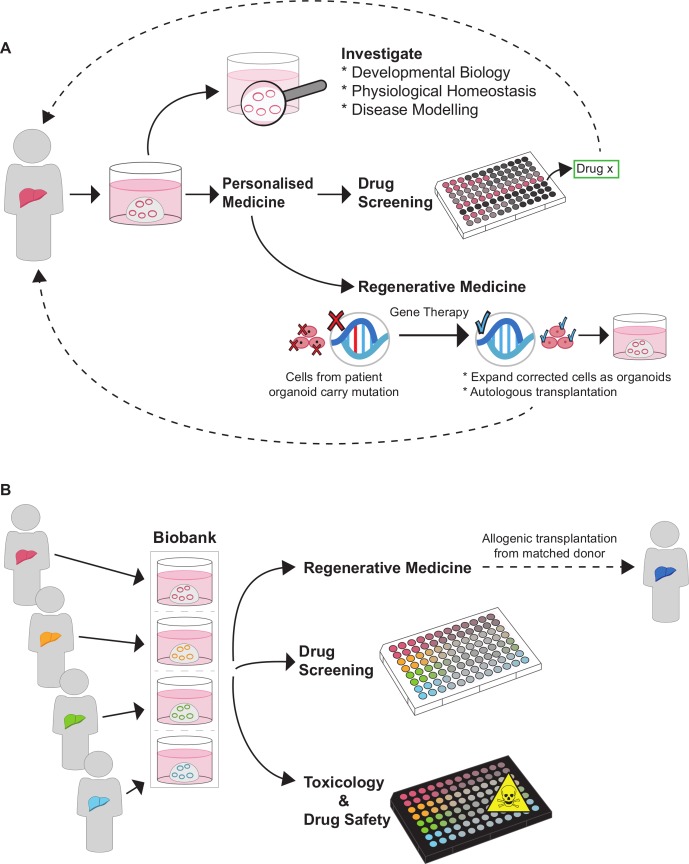
“Meanwhile, organoid models recapitulate human liver structure and pathology ex vivo, offering a versatile platform for mechanistic investigation and personalized drug testing under controlled conditions (5).”
The promise and potential of liver organoids: Development, classification and application
Wang, Y., Ye, Z., Lin, Y., Zhao, Y., Zhong, D., Chen, J., Yin, J., Yan, J., & Wang, Y. (2026) · TransMed · doi:10.1016/j.tmed.2026.100003 · Cited by 10
A Novel 3D Culture Scaffold to Shorten Development Time for Multicellular Tumor Spheroids
Yang, C.-R., Liang, C.-T., Tsai, S.-C., Wu, Y.-C., Liu, C.-W., Yang, H., Tu, T., Lee, Y., Hsiao, K., Chang, W., et al. (2022) · International Journal of Molecular Sciences · doi:10.3390/ijms232213962 · Cited by 6
“Organoids derived from healthy donors or patients can be used as research models to investigate healthy liver development and disease mechanisms [32].”
BackgroundInfluentialPromises and challenges of cardiac organoids
Li, J., Yang, J., Zhao, D., Lei, W., & Hu, S. (2023) · Mammalian Genome · doi:10.1007/s00335-023-09987-y · Cited by 7
Getting off tract: contributions of intraorgan microbiota to cancer in extraintestinal organs
Thomas, S. C., Miller, G., Li, X., & Saxena, D. (2023) · Gut · doi:10.1136/gutjnl-2022-328834 · Cited by 7
“87 Single-cell analysis of host–microbiome interactions based on filtering scRNA-seq data of host cells, 18 in addition to spatial transcriptomics, metabolomics and advanced microscopy with temporal and spatial resolution 11 88 all stand to advance our understanding of the contributions of the…”
MethodYoshimoto, K., Maki, K., ADACHI, T., & Kamei, K. (2023) · Tissue Engineering Part A · doi:10.1089/ten.tea.2023.0148 · Cited by 6
Cholangiocyte organoids for disease, cancer, and regenerative medicine
Nagao, M., Fukuda, A., Kashima, H., Matsuyama, S., Iimori, K., Nakayama, S., Mizukoshi, K., Kawai, M., Yamakawa, G., Omatsu, M., et al. (2024) · European Journal of Cell Biology · doi:10.1016/j.ejcb.2024.151472 · Cited by 7
Defamie, V., Aliar, K., Sarkar, S., Vyas, F., Shetty, R. K., Narala, S., Fang, H., Saw, S., Tharmapalan, P., Sanchez, O. H., et al. (2024) · Journal of Clinical Investigation · doi:10.1172/jci164997 · Cited by 9
“Our analyses thus far had exposed aberrations in the biliary cell compartment of T1 −⁄− T3 −⁄− mice; therefore we established biliary fragment–derived organoids (51).”
Culture of Mouse Liver Ductal Organoids
Yan, J., Tai, Y., & Zhou, H. (2022) · Methods in molecular biology · doi:10.1007/978-1-0716-2128-8_11 · Cited by 9
Huang, Y. G., Zhang, S., Weng, J., Huang, D., & Gu, W. (2022) · Open Medicine · doi:10.1515/med-2022-0481 · Cited by 7
Chi, K. Y., & Kim, J. (2022) · Organoid · doi:10.51335/organoid.2022.2.e6 · Cited by 6
“culture known as the organoid, which can be used as a disease model with similarities to the in vivo environment [14,16].”
BackgroundThe 3Rs in Experimental Liver Disease
Martínez‐López, S., Ángel‐Gomis, E., Sánchez, E., Pastor-Campos, A., Picó, J., & Gómez‐Hurtado, I. (2023) · Animals · doi:10.3390/ani13142357 · Cited by 11
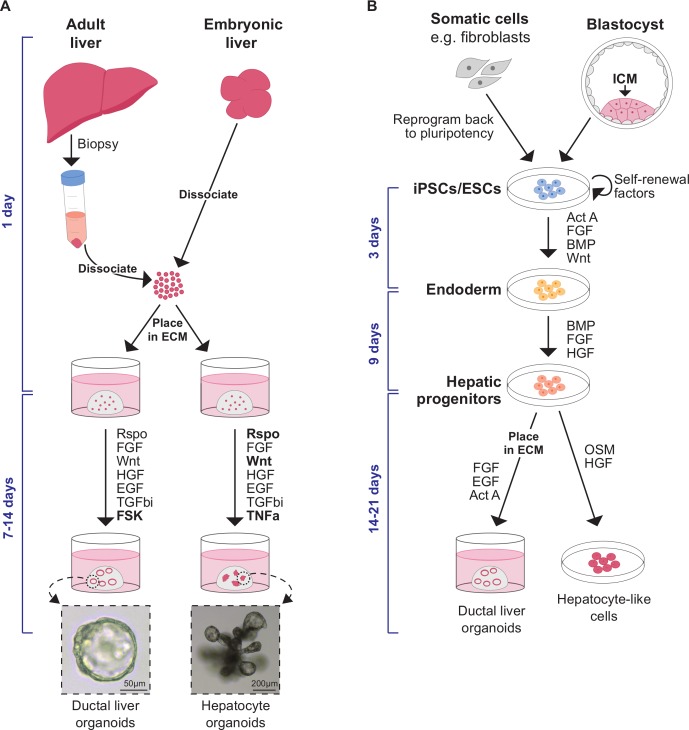
“The beginning of organoid culture starts with the isolation of the aforementioned stem/progenitor/pluripotent cells from embryonic or adult tissues, which then are cultured and stimulated in media with growth factors and support matrixes that imitate endogenous, physiological signals that give rise to liver tissue dur…”
BackgroundModeling Liver Development and Disease in a Dish
Iqbal, W., Wang, Y., Sun, P., & Zhou, X. (2023) · International Journal of Molecular Sciences · doi:10.3390/ijms242115921 · Cited by 6
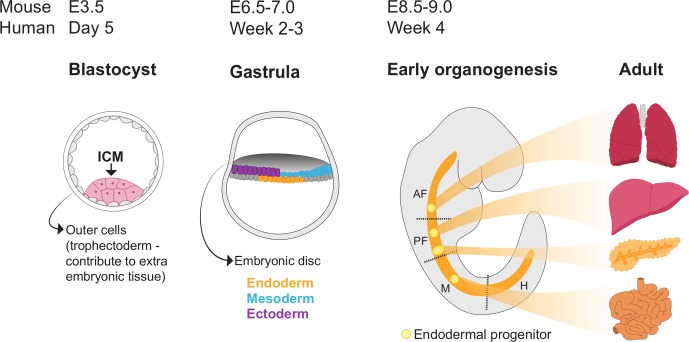
“Blastocyst is followed by gastrulation, where morphological rearrangements transform epiblast into the three germ layers: ectoderm, endoderm, and mesoderm [16,17].”
BackgroundSeptiana, W. L., Ayudyasari, W., Gunardi, H., Pawitan, J. A., Balachander, G. M., Yu, H., & Antarianto, R. D. (2023) · In Vitro Cellular & Developmental Biology - Animal · doi:10.1007/s11626-023-00817-8 · Cited by 9
Liver gene regulatory networks: Contributing factors to nonalcoholic fatty liver disease
Cebola, I. (2020) · WIREs Systems Biology and Medicine · doi:10.1002/wsbm.1480 · Cited by 5
He, B., Kang, S., Chen, Z., Liu, X., Wang, J., Li, X., Liu, X., Zheng, L., Luo, M., & Wang, Y. (2021) · Biochimica et Biophysica Acta (BBA) - Molecular and Cell Biology of Lipids · doi:10.1016/j.bbalip.2021.159006 · Cited by 9
Wu, H., Yang, A., Stelloo, S., Roos, F. J. M., Morsche, R. H. M. T., Verkerk, A. H., Velez, M. V. L., Wingens, L., de Wilt, J. H. W., Sauerwein, R. W., et al. (2025) · Disease Models & Mechanisms · doi:10.1242/dmm.050883 · Cited by 7
“Therefore, the past decades have seen numerous studies aiming to solve these challenges, and currently one of the most promising approaches is the use of 3D in vitro cultures, liver organoids (Prior et al., 2019).”
InfluentialGuo, L., Xia, Z., Wang, J., Xiao-ling, Y., Wu, C., Luo, Q., & Zhao, C. (2025) · View · doi:10.1002/viw.20240127 · Cited by 5
An Exploration of Organoid Technology: Present Advancements, Applications, and Obstacles
Mishra, I., Gupta, K., Mishra, R., Chaudhary, K., & Sharma, V. (2023) · Current Pharmaceutical Biotechnology · doi:10.2174/0113892010273024230925075231 · Cited by 7
Xiu, Z., Yang, Q., Xie, F., Han, F., He, W., & Liao, W. (2024) · Journal of Tissue Engineering · doi:10.1177/20417314241255470 · Cited by 6
He, Y., Zhang, L., Li, J., Wang, Z., Zhao, C.-Y., Zheng, L., & Huang, X. (2024) · World Journal of Gastrointestinal Oncology · doi:10.4251/wjgo.v16.i10.4274 · Cited by 5
Kumar, B., Jha, L. A., Pandey, P., Iqbal, S. F., Thaleshwari, S., Banerjee, K., Imran, M., Anwaar, S., Subedi, L., Dubey, V., et al. (2024) · Journal of Drug Delivery Science and Technology · doi:10.1016/j.jddst.2024.106264 · Cited by 5
Qin, S., Bo, X., Liu, H., Zhang, Z., Zhao, Z., & Xia, Q. (2025) · Hepatology · doi:10.1097/hep.0000000000001321 · Cited by 8
Application of Scaffold-Free 3D Models
Kreß, S., Almeria, C., Nebel, S., Faust, D., & Kasper, C. (2021) · Learning materials in biosciences · doi:10.1007/978-3-030-66749-8_7 · Cited by 7
Bálico, L. D. L. D. L., & Gaucher, E. A. (2021) · Molecular Therapy — Nucleic Acids · doi:10.1016/j.omtn.2021.08.002 · Cited by 8
Jeon, W., Jung, S. Y., Lee, C. Y., Kim, W., Kim, H., Jang, K. W., Lim, H., Lee, M., Jeong, D. H., Kim, S., et al. (2023) · Technology in Cancer Research & Treatment · doi:10.1177/15330338231165125 · Cited by 5
“The term “organoid” was previously used to refer to various three-dimensional culture systems similar to organs modeled to varying degrees.(12,13) Huch et al.”
MethodiPSCs for modeling hepatotropic pathogen infections
Bove, G., Mehnert, A.-K., & Thi, V. L. D. (2021) · Elsevier eBooks · doi:10.1016/b978-0-12-823808-0.00013-4 · Cited by 5
Kong, D., Yu, S., Heegsma, J., Blokzijl, T., Qin, T., Pan, Y., Blokzijl, H., de Meijer, V. E., Duan, Y., Faber, K. N., et al. (2026) · Journal of nanobiotechnology · doi:10.1186/s12951-026-04477-0 · Cited by 4
“Compared with 2D monolayer culture, 3D organoids more faithfully reproduce the cellular composition, spatial organization, and functional properties of native tissues [11, 12].”
Zhang, Y., Liu, K., He, H., Xiao, H., Fang, Z., Chen, X., & Li, H. (2024) · Environmental Science and Pollution Research · doi:10.1007/s11356-024-32256-7 · Cited by 6
“…duct cells and endothelial cells, along with mesothelial cells that envelop the liver, hepatic stellate cells around the capillaries that regulate blood flow, specialized macrophages (Küpffer cells), mesenchymal cells around the portal vein, and a large number of blood cells (Prior et al. 2019).”
Decoding Liver Fibrosis: How Omics Technologies and Innovative Modeling Can Guide Precision Medicine
Codotto, G., Blarasin, B., Tiribelli, C., Bellarosa, C., & Licastro, D. (2025) · International Journal of Molecular Sciences · doi:10.3390/ijms26062658 · Cited by 6
“Signaling factors, including Wnt family factors, BMP4, FGF, and retinoic acid, are responsible for progressive differentiation stages in which the foregut is further differentiated into hepatic progenitor stage (hepatoblast) and, eventually, into hepatic-like cells [25].”
Xiong, T., & Wang, K. (2025) · Discover Oncology · doi:10.1007/s12672-025-02290-z · Cited by 6
Bálico, L. D. L. D. L., & Gaucher, E. A. (2025) · Scientific Reports · doi:10.1038/s41598-025-10551-8 · Cited by 6
Zhang, H., Wan, Z., Li, X., Wang, B., Guan, J., Li, Y., Jin, X., Ma, X., & Liu, G. (2025) · Stem Cell Research & Therapy · doi:10.1186/s13287-025-04630-w · Cited by 4
Human Liver Organoids as an Experimental Tool to Investigate Lipocalin-2 in Hepatic Inflammation
Hardt, K., Pohlberger, R. F., Keller, D. T., Buhl, E. M., Vondran, F. W. R., Roeth, A. A., Weiskirchen, R., & Schröder, S. K. (2026) · Cells · doi:10.3390/cells15030216 · Cited by 5
“During the last decade, human liver organoids have been established as a reliable in vitro model, bridging the gap between conventional 2D cell culture and in vivo studies [31].”
Al-Mughalles, A. S., Ma, J., Ma, H., Zhang, C., Xiao, H., Ma, X., Zhang, Q., Jia, C., Han, H., Ding, B., et al. (2026) · Cell Communication and Signaling · doi:10.1186/s12964-026-02997-8 · Cited by 5
“However, they require further development to fully incorporate disease-specific ECM remodeling and mechanotransduction pathways [149, 151, 152].”
Yoshimoto, K., Minier, N., Yang, J., Imamura, S., Stocking, K. C., Patel, J., Terada, S., Hirai, Y., & Kamei, K. (2020) · Frontiers in Bioengineering and Biotechnology · doi:10.3389/fbioe.2020.568092 · Cited by 3
“In addition to the in vitro applications, since the hepatocytes generated from our device can be harvested, they may also prove applicable for cell transplantation and regenerative medicine (Prior et al., 2019).”
BackgroundMa, C. D., Horn, C. G. V., Wan, M., Bishop, C. E., & Bonkovsky, H. L. (2022) · Pharmacology Research & Perspectives · doi:10.1002/prp2.951 · Cited by 4
Bi, G., Li, S., Yu, Q., Liang, Y., Wang, P., Guo, J., Xiao, Y., Zhou, S., Fang, J.-H., Peng, Q., et al. (2025) · Drug Metabolism and Disposition · doi:10.1016/j.dmd.2025.100106 · Cited by 4
Applications and limitations of pluripotent stem cell-derived liver organoids
Feng, Z., Zhou, B., Shuai, Q., Mu, J., & Xie, J. (2025) · Chinese Medical Journal · doi:10.1097/cm9.0000000000003707 · Cited by 6
“[6] A significant milestone was achieved in 2009, when Hans Clevers’ lab established a mouse gut organoid system.”
Developing models of cholangiocarcinoma to close the translational gap in cancer research
Waddell, S. H., & Boulter, L. (2021) · Expert Opinion on Investigational Drugs · doi:10.1080/13543784.2021.1882993 · Cited by 4
Raggi, C. C., Selleri, S., M’Callum, M.-A., & Paganelli, M. (2022) · Current Protocols · doi:10.1002/cpz1.389 · Cited by 4
Organoids as a model to study the human endometrium
Li, J., Lin, L., Zhong, J., Li, X., Lee, C., & Chiu, P. C. N. (2022) · Reproductive and Developmental Medicine · doi:10.1097/rd9.0000000000000040 · Cited by 5
Liu, Y., Tan, J., Zhang, N., Li, W., & Fu, B. (2023) · International Journal of Molecular Sciences · doi:10.3390/ijms242115671 · Cited by 5
“For example, tissue biology research, disease modeling, and other aspects are very mature [9,11,38,39].”
BackgroundSingle organoid RNA-sequencing reveals high organoid-to-organoid variabilityPreprint
Gehling, K., Parekh, S., Schneider, F., Kirchner, M., Kondylis, V., Nikopoulou, C., & Tessarz, P. (2021) · bioRxiv (Cold Spring Harbor Laboratory) · doi:10.1101/2021.11.22.469588 · Cited by 4
“Organoids can be derived either from pluripotent cells, such as embryonic or induced pluripotent stem cells, but also from tissue-resident stem and progenitor cells (Prior et al. 2019).”
BackgroundKoch, D. T., Schirren, M., Jacobi, S. J., Nieß, H., Renz, B. W., Werner, J., Guba, M. O., & Koliogiannis, D. (2024) · Journal of Clinical Medicine · doi:10.3390/jcm14010127 · Cited by 3
Chusilp, S., Klanrit, P., Lee, C. M., Lee, D., Li, B., Balsamo, F., Thaiwatcharamas, K., Tanming, P., Aroonsaeng, D., Vejchapipat, P., et al. (2025) · Stem Cells Translational Medicine · doi:10.1093/stcltm/szaf052 · Cited by 4
Gao, C. C., Yang, K., She, J., Wang, R., Meng, X., Sun, R., Jin, Y., Qiao, W., Shi, J., Wang, J., et al. (2025) · Advanced Functional Materials · doi:10.1002/adfm.202523130 · Cited by 3
Organoids: generation strategies, applications, and future challenges
Yin, H., Zhu, G., Hai-zhan, W., Yang, B., Wang, Z., & Xie, H. (2026) · Stem Cell Research & Therapy · doi:10.1186/s13287-026-05045-x · Cited by 4
“They can also be differentiated from hPSCs [50].”
Advanced human liver models for the assessment of drug-induced liver injury
Mun, S. J., Lee, J., Shin, Y., & Son, M. J. (2022) · Organoid · doi:10.51335/organoid.2022.2.e17 · Cited by 4
“valuable platform that reflects human responses, and patient-derived liver organoids can also serve as personalized drug testing platforms [9,10].”
BackgroundNAFLD and AATD Are Two Diseases with Unbalanced Lipid Metabolism: Similarities and Differences
Pérez-Luz, S., Matamala, N., Gómez‐Mariano, G., Janciauskiene, S. M., & Martínez–Delgado, B. (2023) · Biomedicines · doi:10.3390/biomedicines11071961 · Cited by 3
Global landscape of hepatic organoid research: A bibliometric and visual study
Li, T., Bo, R., Yan, J., Johnson, N. L., Liao, M.-T., Li, Y., Chen, Y., Lin, J., Li, J., Chu, F., et al. (2025) · World Journal of Hepatology · doi:10.4254/wjh.v17.i2.95624 · Cited by 3
Cui, X., Liu, H., Liu, Y., Yu, Z., Wang, D., Wei, W., & Wang, S. (2025) · International Journal of Biological Macromolecules · doi:10.1016/j.ijbiomac.2025.144469 · Cited by 7
Song, D., Kim, E., & Lee, S. E. (2020) · Archives of Pharmacal Research · doi:10.1007/s12272-020-01291-6 · Cited by 3
Utility of in Vivo and Ex-vivo Models in Food Allergy Research: Lessons for Shrimp Allergy
Le, K., Luong, B. V. T., Tran, T., Nguyen, N. T., Truong, D. K. D., & Trinh, H. K. T. (2025) · Clinical Reviews in Allergy & Immunology · doi:10.1007/s12016-025-09117-3 · Cited by 3
Wani, S. I., Mir, T. A., Nakamura, M. M., Tsuchiya, T., Alzhrani, A., Iwanaga, S., Arai, K., Alshehri, E. A., Shamma, T., Obeid, D. A., et al. (2024) · Bioprinting · doi:10.1016/j.bprint.2024.e00355 · Cited by 3
Developing biotechnologies in organoids for liver cancer
Hu, Y., Peng, Z., Qiu, M., Xue, L., Ren, H., Wu, X., Zhu, X., & Ding, Y. (2024) · Biomedical Technology · doi:10.1016/j.bmt.2024.100067 · Cited by 2
Three-dimensional liver organoids as a novel platform for studying hepatitis B virus infection
Kim, G. (2024) · Organoid · doi:10.51335/organoid.2024.4.e11 · Cited by 2
“One of the main challenges for ASC-derived organoids is the heterogeneity of progenitor cell populations, leading to variability in organoid formation and function [81].”
Research Progress on Hepatitis E Virus Culture
Zhang, J., Liang, Z., Liu, F., Wang, Y., Huang, W., & Nie, J. (2025) · Pathogens · doi:10.3390/pathogens14050456 · Cited by 2
“Since several liver diseases progress in cats and dogs in a similar manner to humans, the use of organoids from these species may provide translatable therapeutic strategies for humans [119].”
Xu, X., Zhang, Y., Geng, Y., Luo, Y., & Sun, X. (2025) · Frontiers in Pharmacology · doi:10.3389/fphar.2025.1650200 · Cited by 5
“The liver primarily consists of epithelial, stromal, endothelial, and mesenchymal cells and is involved in body metabolism as well as exocrine and endocrine processes (Prior et al., 2019).”
Modeling hepatic fibrosis in TP53 knockout iPSC ‐derived human liver organoids
Karabicici, M., Akbari, S., Çalışkan, C., Celiker, C., Öz, Ö., Binokay, L., Karakülah, G., Şentürk, Ş., & Erdal, E. (2025) · Molecular Oncology · doi:10.1002/1878-0261.70119 · Cited by 4
“However, most of these studies are limited by 2D experimental cell-culture systems or nonphysiologically relevant mouse models [38].”
Prakash, A., Malviya, R., Sridhar, S. B., Othman, R. Q. A., Agarwal, A., Wadhwa, T., & SHAREEF, J. (2026) · Naunyn-Schmiedeberg s Archives of Pharmacology · doi:10.1007/s00210-025-04848-8 · Cited by 4
Taurine suppresses gastric intestinal metaplasia in patient-derived organoids and Atp4a -/- mice
Liu, K., Zhang, X., Li, F.-Z., Zheng, P.-Y., & Mi, Y. (2026) · World Journal of Gastrointestinal Oncology · doi:10.4251/wjgo.v18.i2.114161 · Cited by 3
Li, J., Zhou, Q., Xia, M., Li, Y., Wang, J., Buist‐Homan, M., de Meijer, V. E., Blokzijl, H., Faber, K. N., & Moshage, H. J. (2026) · Diabetes Obesity and Metabolism · doi:10.1111/dom.70561 · Cited by 3
“35 Both PA and FFA exposure induced lipid accumulation in these organoids, with FFA demonstrating higher potency.”
Organoid models: Regulations and prospects for the development of investigational new drugs
Li, H., Pan, Y., Zheng, Z., Lin, R., Pan, Y., Lin, L., Quan, M., Lu, H., Hu, Z., Zheng, M., et al. (2026) · Chinese Medical Journal · doi:10.1097/cm9.0000000000004067 · Cited by 4
Skin Organoids in Diabetic Chronic Wounds: Current Status and Future Perspectives
Wang, Z., Hou, M., Pei, J., Gao, F., & Li, Z. (2026) · Diabetes Metabolic Syndrome and Obesity · doi:10.2147/dmso.s598026 · Cited by 2
“43 In 2020, Shi et al created vascularized human cortical organoids (vOrganoids) that, upon transplantation into the mouse S1 cortex, established functional circulatory networks, indicating that vascularization enhances neuronal organoid maturation and long-term survival in vivo.”
L’émergence des modèles miniatures de foie gras humain en 3D générés en laboratoire
de l’Hortet, A. C., & Gilgenkrantz, H. (2020) · médecine/sciences · doi:10.1051/medsci/2020027 · Cited by 3
Les organoïdes hépatiques: Quels sont les enjeux ?
Luce, E., Messina, A., Caillaud, A., Si‐Tayeb, K., Cariou, B., Bur, E., Dubart‐Kupperschmitt, A., & Duclos‐Vallée, J. (2021) · médecine/sciences · doi:10.1051/medsci/2021119 · Cited by 6
Three-Dimensional Hepatocyte Spheroids: Model for Assessing Chemotherapy in Hepatocellular Carcinoma
Royo, F., Garcia‐Vallicrosa, C., Azparren‐Angulo, M., Bordanaba-Florit, G., López-Sarrio, S., & Falcón‐Pérez, J. M. (2024) · Biomedicines · doi:10.3390/biomedicines12061200 · Cited by 2
“While it is reported that providing a physical matrix could enhance hepatocellular function [37], spheroids also demonstrated good performance in recapitulating liver function [11].”
BackgroundFunctional Liver Cell–Based Platforms in Biomedical Research
Hashemian, Z., Taleahmad, S., Shokouhian, B., Najimi, M., & Vosough, M. (2025) · Pharmacology Research & Perspectives · doi:10.1002/prp2.70128 · Cited by 4
Wang, Z., Chen, T., Liu, W., Xu, N., Xu, Y.-Q., Li, N., Gao, P.-P., Wei, W., Wu, G., & Sun, W. (2025) · Biochemical Pharmacology · doi:10.1016/j.bcp.2025.117129 · Cited by 2
Amato, G., Saleh, T., Carpino, G., Gaudio, E., Alvaro, D., & Cardinale, V. (2021) · Current Transplantation Reports · doi:10.1007/s40472-021-00325-2 · Cited by 2
Novel Approaches to Studying SLC13A5 Disease
Beltrán, A. S. (2024) · Metabolites · doi:10.3390/metabo14020084 · Cited by 3
“Thus, the resulting liver organoids composed of multiple cell lineages are able to naturally self-organize into iPSC-liver buds, mimicking phases of organogenesis, including the formation of a functional vascular-like endothelial network [152].”
BackgroundBaptista, P. M., & Penning, L. C. (2020) · Current Transplantation Reports · doi:10.1007/s40472-020-00266-2 · Cited by 2
Optical plasticity of mammalian cells
Subramanian, K., Petzold, H., Seelbinder, B., Hersemann, L., Nüsslein, I., & Kreysing, M. (2020) · Journal of Biophotonics · doi:10.1002/jbio.202000457 · Cited by 4
Lu, H., Zhang, J., Chen, Y. E., & Garcia-Barrio, M. T. (2021) · Cardiovascular Drugs and Therapy · doi:10.1007/s10557-021-07175-1 · Cited by 3
“Thus, the liver organoid model is of unique value to study liver biology in relation to cardiovascular genetics [71].”
BackgroundAdvanced Online Monitoring of In Vitro Human 3D Full-Thickness Skin Equivalents
Schaller‐Ammann, R., Kreß, S., Feiel, J., Schwagerle, G., Priedl, J., Birngruber, T., Kasper, C., & Egger, D. (2022) · Pharmaceutics · doi:10.3390/pharmaceutics14071436 · Cited by 2
“, skin [4,5], liver [6], intestinal [7,8], cardiac [9], and lung tissue [10].”
BackgroundIn-Vitro 3-Dimensional Organoid Models – A Concise Review on Clinical Importance
Bairagi, R., & Patil, R. (2024) · International Journal of Pharmaceutical Sciences and Nanotechnology · doi:10.37285/ijpsn.2024.17.1.8 · Cited by 1
Liu, Y., Zhou, Y., Gao, P., Yu, Z., & Yin, D. (2025) · Journal of Environmental Sciences · doi:10.1016/j.jes.2025.06.045 · Cited by 2
Organoids for Drug Repurposing: A Literature Review
Okuyama, R. (2025) · Journal of Clinical Pharmacy and Therapeutics · doi:10.1155/jcpt/8827167 · Cited by 1
“Organoids have been developed for several organs, including the intestine, liver [11], pancreas [12], lung [13], female reproductive tract [14], kidney [15], retina [16], and brain [17].”
Advances in three-dimensional fish cell models for aquatic toxicology
Zhang, P.-P., Yao, C.-R., Shi, W. S., Xu, T., & Ying, G. (2026) · Aquatic Toxicology · doi:10.1016/j.aquatox.2026.107711 · Cited by 1
Kuang, B., Han, L., Tan, S., Tan, S., Bou, S., Zhao, Y., Li, Y., Yu, J., & Gong, N. (2026) · Redox Biology · doi:10.1016/j.redox.2026.104236 · Cited by 1
“Conventional 2D cell culture models and animal systems incompletely recapitulate human-specific redox regulation, stress sensitivity, and aging-related susceptibility, whereas human biopsy material offers only static snapshots of injury without experimental manipulability [120].”
Engineering extracellular matrix-based liver hydrogels as advanced bio-mimetic platforms
Wieland, J., Weinhart, M., Papke, B., Käs, J. A., Roth, K., Sack, I., Pratschke, J., Igor, S., Hillebrandt, K. H., & Daneshgar, A. (2026) · npj gut and liver. · doi:10.1038/s44355-026-00073-z · Cited by 1
“Inparticular Inparticular,readerswillgaininsightsintothe currentdecellularizationmethodsappliedtogatherliverextracellular matrices,servingasthefoundationalresourceforhydrogelproductionand subsequentmodi fi cations (Supplementary Tables 1, 2).”
Morini, S., Sánchez‐Romero, N., Plá-Palacín, I., Arnal, P., de Almeida, M. B., Verscheijden, L. F. M., Almeida, J. I., Luè, A., Llorente, S., Almeida, H., et al. (2018) · CRC Press eBooks · doi:10.1201/9780429453144-11 · Cited by 2
Organoids As a Tool to Fuel Basic Medical Research
Zhang, Y. (2023) · Journal of Complementary Medicine & Alternative Healthcare · doi:10.19080/jcmah.2023.11.555823 · Cited by 1
Metadata
- Authors
- Prior, N., Inacio, P., & Huch, M.
- Affiliations
- University of Cambridge (GB)
- Wellcome Trust-Cancer Research UK Gurdon Institute, University of Cambridge, Cambridge, UK
- Corresponding author
- Huch, Meritxell
- Venue
- Gut
- Publisher
- BMJ
- Published
- 2019-07-12
- Volume
- 68
- Issue
- 12
- Pages
- 2228-2237
- ISSN
- 0017-5749 (ISSN-L)
- 1468-3288
- PMC
- PMC6872443
- OpenAlex
- W2958872567
- Semantic Scholar
- 759f4e8e2dd837c38ecae5daf06e937fa18af646
- Cited by
- 356
- References
- 116
- Citations by year
- 2026: 30 · 2025: 60 · 2024: 52 · 2023: 51 · 2022: 60 · 2021: 55 · 2020: 47
- FWCI
- 5.31
- Type
- journal article
- Language
- en
- Open access
- hybrid
- doi.org
- Licence
- cc-by
- Locations
- Gut (publishedVersion, cc-by)
- PubMed Central (publishedVersion, cc-by)
- PubMed (publishedVersion)
- ePrints Soton (University of Southampton) (acceptedVersion)
- HighWire Press Open Archive (submittedVersion)
- MPG.PuRe (Max Planck Society) (submittedVersion)
- Apollo (University of Cambridge) (submittedVersion, cc-by)
- Apollo (cc-by)
- Funders
- H2020 European Research Council
- Wellcome
- Cancer Research UK
- National Centre for the Replacement, Refinement and Reduction of Animals in Research
- Wellcome Trust
- Topics
- Health Sciences › Medicine › Hepatology › Liver physiology and pathology
- Life Sciences › Biochemistry, Genetics and Molecular Biology › Molecular Biology › Pluripotent Stem Cells Research
- Health Sciences › Medicine › Surgery › Tissue Engineering and Regenerative Medicine
- Keywords
- liver organoids, organoid culture, in vitro liver models, induced pluripotent stem cells, embryonic stem cells, hepatoblasts, hepatic metabolism, liver disease, therapeutic applications
- MeSH terms
- Animals, Cell Line, Humans, Liver, Models, Biological, Organoids, Cell Culture Techniques, Biomedical Research, Regenerative Medicine
About these checks
Registry, retraction, Cites and statistics results are computed, not judged, with one exception: a printed reference that no index lists is read once by a model before it counts as a citation error. Claims are extracted by a model and kept only when their quote appears verbatim in the text; each cited source is then checked, with a model’s help, for whether it says what the claim relies on. Those verdicts can be wrong — read the claim’s quote and the cited source before relying on one.
Statistics and arithmetic are recomputed, not judged.
Confidence bands are shown only for fields calibrated on our annotated test set. None is calibrated yet, so no band is shown.
What counts as a claim ›How we measure confidence ›How we check this ›
Are you an author, or do you see a problem with this page? Request a review
Data sources
Bibliographic data: Semantic Scholar, OpenAlex, Crossref.
Contains information from the Semantic Scholar Academic Graph Datasets, made available under the ODC Attribution License (ODC-BY 1.0).
Semantic Scholar’s data is described in: Kinney, R., et al. (2023). The Semantic Scholar Open Data Platform. arXiv:2301.10140.
