

Gut microbiota and metabolites associate with outcomes of immune checkpoint inhibitor–treated unresectable hepatocellular carcinoma
Open accessThe DOI matches its Crossref record; 52 of the 53 references it cites were found in a registry or an index; 10 of the 14 sources its claims cite were checked for support.
Abstract
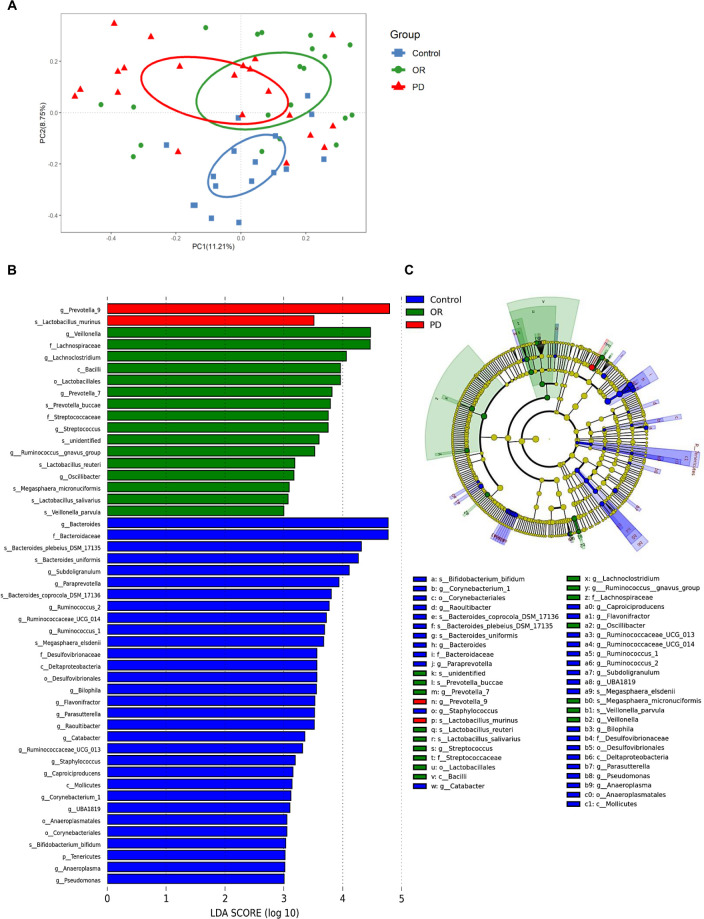
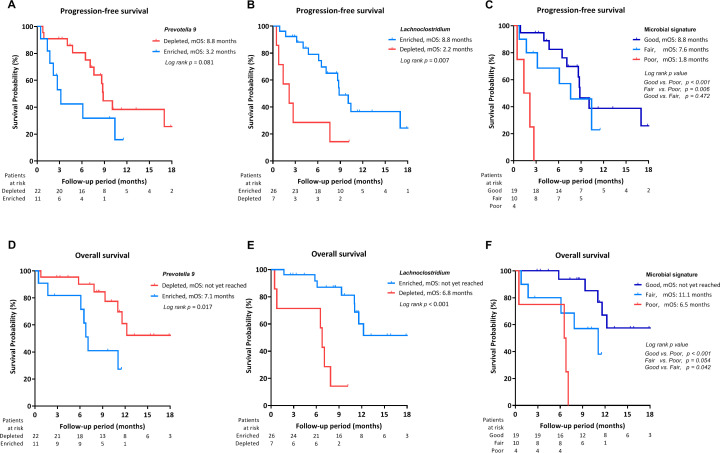
Background Immune checkpoint inhibitors (ICIs) are promising agents for unresectable hepatocellular carcinoma (uHCC), but lack effective biomarker to predict outcomes. The gut microbiome can modulate tumor response to immunotherapy, but its effect on HCC remains unclear. Methods From May 2018 to February 2020, patients receiving ICI treatment for uHCC were prospectively enrolled; their fecal samples were collected before treatment. The fecal microbiota and metabolites were analyzed from 20 patients with radiology-proven objective responses (OR) and 21 randomly selected patients with progressive disease (PD). After March 2020, 33 consecutive Child-Pugh-A patients were recruited as a validation cohort. Additionally, feces from 17 healthy volunteers were collected for comparison of background microbes. Results A significant dissimilarity was observed in fecal bacteria between patients with OR and patients with PD before immunotherapy. Prevotella 9 was enriched in patients with PD, whereas Lachnoclostridium, Lachnospiraceae, and Veillonella were predominant in patients with OR. Ursodeoxycholic acid and ursocholic acid were significantly enriched in the feces of patients with OR and strongly correlated with the abundance of Lachnoclostridium . The coexistence of Lachnoclostridium enrichment and Prevotella 9 depletion significantly predicted better overall survival (OS). In the validation cohort, better progression-free survival (PFS) and OS were noted in patients who had a preferable microbial signature in comparison with counter-group (PFS: 8.8 months vs 1.8 months; OS: not reached vs 6.5 months, both p<0.001). Conclusions Fecal microbiota and bile acids were associated with outcomes of immunotherapy for uHCC. These findings highlight the potential role of gut microbiota and metabolites as biomarkers to predict outcomes of ICI-treated HCC.
Overview
CoChat Summary
TL;DR
In a prospective biomarker study of immune checkpoint inhibitor (ICI)-treated unresectable hepatocellular carcinoma (uHCC), baseline fecal microbiota and bile acids differed between responders and progressors, and a microbial signature of Lachnoclostridium enrichment plus Prevotella 9 depletion predicted better survival. A validation cohort confirmed better progression-free and overall survival with this favorable signature.
Key findings
- Fecal bacteria differed significantly between objective responders (OR) and progressive disease (PD) before immunotherapy: Prevotella 9 was enriched in PD, whereas Lachnoclostridium, Lachnospiraceae, and Veillonella predominated in OR.
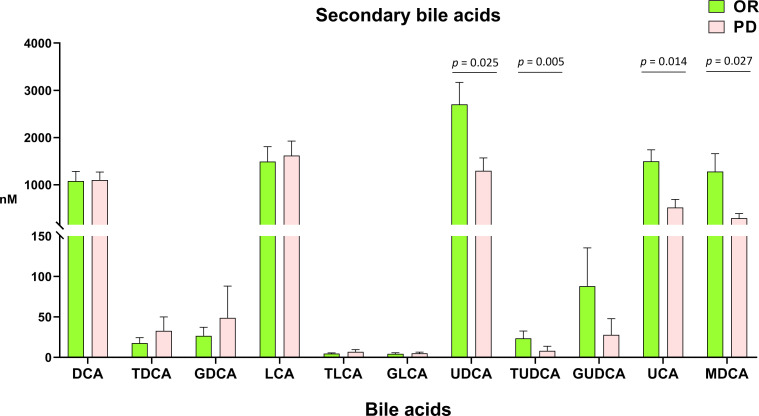
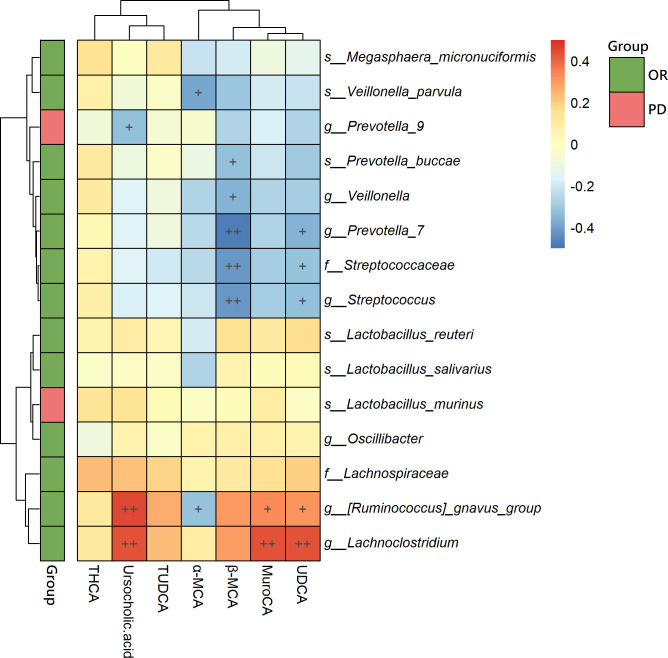
- Ursodeoxycholic acid (UDCA) and ursocholic acid (UCA) were significantly enriched in OR feces and strongly correlated with Lachnoclostridium abundance.
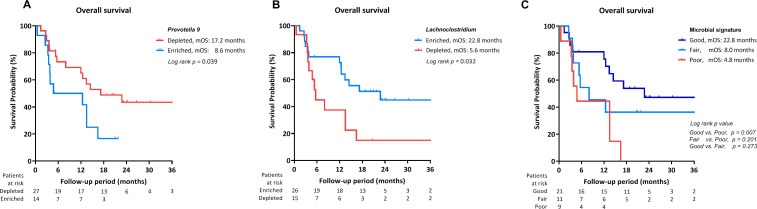
- Coexistence of Lachnoclostridium enrichment and Prevotella 9 depletion significantly predicted better overall survival (OS); in the validation cohort, this good microbial signature was associated with PFS of 8.8 months vs 1.8 months and OS not reached vs 6.5 months (both p<0.001).
- In the validation cohort, the best ORR was 52.6% and DCR was 94.7% in patients with the good microbial signature.
Methods
- Prospective enrollment from May 2018 to February 2020 of 94 ICI treatment-naïve patients with uHCC at Taipei Veterans General Hospital; fecal samples were collected before treatment. Discovery analysis compared 20 patients with radiology-proven OR (3 complete responses, 17 partial responses) and 21 randomly selected patients with PD; after March 2020, 33 consecutive Child-Pugh-A patients formed a validation cohort, and feces from 17 healthy volunteers were used for background comparison.
- Fecal microbiota was analyzed by 16S rRNA V3-V4 sequencing with QIIME/SILVA, PCoA of Bray-Curtis dissimilarity, PERMANOVA, LEfSe, and Spearman correlation; fecal bile acids were measured by UHPLC-MS/MS (39 BAs) and short-chain fatty acids by HPLC.
- Tumor response was assessed by RECIST V.1.1; OS and PFS were estimated by Kaplan-Meier and compared by log-rank test, with Cox proportional-hazard models for prognostic factors; p<0.05 was considered significant.
Limitations
- The paper states it could not determine causality between differential bacteria or metabolites and tumor outcomes; mechanistic associations between Lachnoclostridium and secondary bile acids need in vitro investigation; dynamic microbiota/metabolite sampling was not performed; findings may not apply to atezolizumab plus bevacizumab; not all patients had paired PBMC or biopsy samples; and most patients had viral-related HCC, so generalizability to non-viral HCC requires further study.
- Evident from the text: the discovery cohort was small (20 OR and 21 PD), and the validation cohort included 33 patients, limiting statistical power and broader generalizability.
- Evident from the text: more OR patients received ICI plus tyrosine kinase inhibitor combination therapy than PD patients (60.0% vs 23.8%, p=0.019), a potential baseline imbalance, although the authors report combination treatment was not a significant survival factor in their cohort.
Model-written summary. Check it against the paper before relying on it.
Integrity signals
Registry
Cites
Statistics
Figures
Verification
Claims the paper makes
9 Valid · 0 Not valid · 2 Not checked · 38 Own results and interpretations
Every source the paper cites for this claim was checked and supports it.
In the paper
“However, our previous study showed that the composition of gut microbiota remained unchanged between paired fecal samples of the same patient collected at baseline and 8 weeks post-ICI treatment, thus indicating that ICI treatment would not alter the features of gut microbiome, and the effects of microbial changes might be less prominent on the treatment outcomes.33”
§ Gut microbiota and metabolites associate with outcomes of immune checkpoint inhibitor–treated unresectable hepatocellular carcinoma > Discussion
What the sources say
- Supportedcites [33] Shen Y-C, Lee P-C, Kuo Y-L, et al. An exploratory study for the association of gut microbiome with efficacy of immune checkpoint inhibitor in patients with hepatocellular carcinoma. J Hepatocell Carcinoma 2021; 8: 809– 22. 10.2147/JHC.S315696 34336726 PMC8318216 source
The Results section (“Gut Microbiome Compositions Were Not Associated with Efficacy”) reports that compositions did not change significantly after ICI and were relatively stable over the first 8 weeks. The study evaluated baseline and week-8 fecal samples from 20 patients, matching the claim’s paired-sample comparison. (LLM, conf=0.91)
hedged- Asserted: passes — The authors put it forward as true.
- Checkable: passes — It can be checked against evidence.
- Load-bearing: passes — The paper’s conclusions depend on it.
- Based: passes — The paper gives a reason why it holds.
- Supported
The sources with a verdict support this claim; the rest weren’t checked yet, have no full text we could read, or their verdicts aren’t rated yet.
In the paper
“The gut microbiome can modulate tumor response to immunotherapy, but its effect on HCC remains unclear.”
- Also stated in: § Introduction · hedged
“Emerging studies also indicate that the gut microbiome has a role in response to cancer therapy across cancer types.11 12”
§ Gut microbiota and metabolites associate with outcomes of immune checkpoint inhibitor–treated unresectable hepatocellular carcinoma > Abstract > Background
What the sources say
- Supportedcites [11] Gopalakrishnan V, Spencer CN, Nezi L, et al. Gut microbiome modulates response to anti-PD-1 immunotherapy in melanoma patients. Science 2018; 359: 97– 103. 10.1126/science.aan4236 29097493 PMC5827966 source
The paper’s concluding passage states that the gut microbiome may modulate responses to anti-PD-1 immunotherapy in melanoma patients. Its fecal-transplant experiments also found improved responses to anti-PD-L1 therapy in mice receiving stool from responding patients. The citing sentence does not attribute a finding about HCC to this source. (LLM, conf=0.93)
- Not checked — no full text of the sourcecites [12] Routy B, Le Chatelier E, Derosa L, et al. Gut microbiome influences efficacy of PD-1-based immunotherapy against epithelial tumors. Science 2018; 359: 91– 7. 10.1126/science.aan3706 29097494 source
plainstates a cause- Asserted: passes — The authors put it forward as true.
- Checkable: passes — It can be checked against evidence.
- Load-bearing: passes — The paper’s conclusions depend on it.
- Based: passes — The paper gives a reason why it holds.
- Also stated in: § Introduction · hedged
A result the paper reports from its own data — it cites no other source for it, so there is none to check. The quote shows it is in the paper.
In the paper
“Of the 33 patients in the validation cohort (baseline characteristics in online supplemental table 2), fecal enrichment of Lachnoclostridium was significantly associated with a better ORR and DCR of HCC.”
§ Gut microbiota and metabolites associate with outcomes of immune checkpoint inhibitor–treated unresectable hepatocellular carcinoma > Results > Validation cohort
plainstates an associationn = 33- Asserted: passes — The authors put it forward as true.
- Checkable: passes — It can be checked against evidence.
- Load-bearing: passes — The paper’s conclusions depend on it.
- Based: passes — The paper gives a reason why it holds.
A result the paper reports from its own data — it cites no other source for it, so there is none to check. The quote shows it is in the paper.
In the paper
“Combination treatment was not a significant factor associated with survival in the studied cohort.”
§ Gut microbiota and metabolites associate with outcomes of immune checkpoint inhibitor–treated unresectable hepatocellular carcinoma > Discussion
plain- Asserted: passes — The authors put it forward as true.
- Checkable: passes — It can be checked against evidence.
- Load-bearing: passes — The paper’s conclusions depend on it.
- Based: passes — The paper gives a reason why it holds.
A result the paper reports from its own data — it cites no other source for it, so there is none to check. The quote shows it is in the paper.
In the paper
“Ursodeoxycholic acid and ursocholic acid were significantly enriched in the feces of patients with OR and strongly correlated with the abundance of Lachnoclostridium.”
- Also stated in: § Positive association of fecal metabolites with bacterial species · plain
“According to the Spearman correlation analysis (figure 3), the fecal concentrations of UDCA, UCA, and MDCA had significantly positive correlations with the relative abundance of Lachnoclostridium.”
§ Gut microbiota and metabolites associate with outcomes of immune checkpoint inhibitor–treated unresectable hepatocellular carcinoma > Abstract > Results
boostedstates an association- Asserted: passes — The authors put it forward as true.
- Checkable: passes — It can be checked against evidence.
- Load-bearing: passes — The paper’s conclusions depend on it.
- Based: passes — The paper gives a reason why it holds.
- Also stated in: § Positive association of fecal metabolites with bacterial species · plain
29 more claims
Create a free account to see all 49 claims and every source verdict.
- Probably not a substantial claim. 13
- It may state two separate claims as one. 6
Self-check
Percentages, sums and reported differences re-computed from the paper’s own numbers.
Self-check results appear here once an independent check has confirmed them.
Cited works that were retracted
Works this paper cites that were later retracted, from the retraction notices publishers deposit. Major when the notice came out before this paper was published.
A note, not an issue: for example, a cited work that was retracted only after this paper was published, which its authors could not have known.
In the paper
“10.1186/s13099-019-0304-y”
Cited work 10.1186/s13099-019-0304-y · retracted 2026-09-18 · notice 10.1186/s13099-026-00882-w · this paper published 2022-06
Citations
Cites
1 retracted
Morgan, R. N., Saleh, S. E., Farrag, H. A., & Aboulwafa, M. (2019) · Gut Pathogens · doi:10.1186/s13099-019-0304-y · Cited by 48
RetractedQIIME allows analysis of high-throughput community sequencing data
Caporaso, J. G., Kuczynski, J., Stombaugh, J., Bittinger, K., Bushman, F. D., Costello, E. K., Fierer, N., Peña, A. G., Goodrich, J. K., Gordon, J. I., et al. (2010) · Nature Methods · doi:10.1038/nmeth.f.303 · Cited by 34,887
The SILVA ribosomal RNA gene database project: improved data processing and web-based tools
Quast, C., Pruesse, E., Yilmaz, P., Gerken, J., Schweer, T., Yarza, P., Peplies, J., & Glöckner, F. O. (2012) · Nucleic Acids Research · doi:10.1093/nar/gks1219 · Cited by 33,055
New response evaluation criteria in solid tumours: revised RECIST guideline (version 1.1)
Eisenhauer, E. A., Therasse, P., Bogaerts, J., Schwartz, L. H., Sargent, D., Ford, R., Dancey, J., Arbuck, S., Gwyther, S., Mooney, M., et al. (2009) · European Journal of Cancer · doi:10.1016/j.ejca.2008.10.026 · Cited by 29,534
Erdogan, D., Heijnen, B. H. M., Bennink, R. J., Kok, M., Dinant, S., Straatsburg, I. H., Gouma, D. J., & van Gulik, T. M. (2004) · Liver International · doi:10.1111/j.1478-3231.2004.00901.x · Cited by 11,700
EASL Clinical Practice Guidelines: Management of hepatocellular carcinoma
Galle, P. R., Forner, A., Llovet, J. M., Mazzaferro, V., Piscaglia, F., Raoul, J.-L., Schirmacher, P., & Vilgrain, V. (2018) · Journal of Hepatology · doi:10.1016/j.jhep.2018.03.019 · Cited by 11,406
Klindworth, A., Pruesse, E., Schweer, T., Peplies, J., Quast, C., Horn, M., & Glöckner, F. O. (2013) · Nucleic Acids Research · doi:10.1093/nar/gks808 · Cited by 8,850
Estimating the global cancer incidence and mortality in 2018: GLOBOCAN sources and methods
Ferlay, J., Colombet, M., Soerjomataram, I., Mathers, C., Parkin, D. M., Piñeros, M., Znaor, A., & Bray, F. (2019) · International Journal of Cancer · doi:10.1002/ijc.31937 · Cited by 7,553
Atezolizumab plus bevacizumab in unresectable hepatocellular carcinoma
Finn, R. S., Qin, S., Ikeda, M., Galle, P. R., Ducreux, M., Kim, T.-Y., Kudo, M., Breder, V., Merle, P., Kaseb, A. O., et al. (2020) · New England Journal of Medicine · doi:10.1056/nejmoa1915745 · Cited by 7,470
Gut microbiome influences efficacy of PD-1-based immunotherapy against epithelial tumors
Routy, B., Le Chatelier, E., Derosa, L., Duong, C. P. M., Alou, M. T., Daillère, R., Fluckiger, A., Messaoudene, M., Rauber, C., Roberti, M. P., et al. (2018) · Science · doi:10.1126/science.aan3706 · Cited by 5,671
Cited by
Items 101–200 of 211
Gut microbiome, a novel precision medicine biomarker for hepatocellular carcinoma
Chen, P., Devkota, S., Shiao, S. L., Hendifar, A. E., & Yang, J. D. (2025) · Frontiers in Immunology · doi:10.3389/fimmu.2025.1568962 · Cited by 13
Impact of diet and gut microbiota changes in the development of hepatocellular carcinoma
Scarlata, G. G. M., Cicino, C., Spagnuolo, R., Marascio, N., Quirino, A., Matera, G., Dumitrascu, D. L., Luzza, F., & Abenavoli, L. (2024) · Hepatoma Research · doi:10.20517/2394-5079.2023.122 · Cited by 11
Pamungkas, K. M. N., Dewi, P. I. S. L., Alamsyah, A. Z., Dewi, N. L. P. Y., Dewi, N. N. G. K., Mariadi, I. K., & Sindhughosa, D. A. (2025) · World Journal of Hepatology · doi:10.4254/wjh.v17.i7.106810 · Cited by 11
Chen, J., Chen, X., & Ma, J. (2025) · Journal of Ovarian Research · doi:10.1186/s13048-025-01630-5 · Cited by 9
Yang, Z., Zhou, F., Zhan, D., Li, P., & Pan, J. (2024) · Molecular Carcinogenesis · doi:10.1002/mc.23869 · Cited by 8
Saleh, Y., Hejleh, T. A., Abdelrahim, M., Shamseddine, A. I., Chehade, L., Alawabdeh, T., Mohamad, I., Sammour, M., & Turfa, R. (2024) · Cancers · doi:10.3390/cancers16112081 · Cited by 11
Lin, H., Ma, Z. S., Li, J., Zhu, H., Huang, X., Chen, H., Tu, L., Lian, Y., & Su, Y. (2025) · Frontiers in Immunology · doi:10.3389/fimmu.2024.1500863 · Cited by 9
Sun, S., Wang, L., Cui, K., Ding, Y., Wei, Y., Zheng, Y., Shen, Z., Zhu, L., Yang, Y., Pu, Y., et al. (2025) · Journal for ImmunoTherapy of Cancer · doi:10.1136/jitc-2025-011831 · Cited by 9
Yang, J., Dai, Y., & Li, J. (2026) · Oncology Reviews · doi:10.3389/or.2025.1687901 · Cited by 10
Elsherbiny, N. M., El-Din, O. M. K., Hassan, E. A., Hetta, H. F., Alatawy, R., Ali, M. A. S., Alanazi, F. E., Abdel‐Maksoud, M. S., Aljohani, H. M., Badary, M. S., et al. (2025) · Frontiers in Microbiology · doi:10.3389/fmicb.2025.1664447 · Cited by 9
Zeng, B., Peng, X., Chen, L., Chen, L., Xia, L., & Xia, L. (2024) · Metabolites · doi:10.3390/metabo14080452 · Cited by 7
Huang, C., Mei, S., Zhang, X., & Tian, X. (2023) · Journal of Clinical Gastroenterology · doi:10.1097/mcg.0000000000001883 · Cited by 8
Lu, L., Johnson, C. H., Khan, S. A., & Irwin, M. (2026) · Cytokine & Growth Factor Reviews · doi:10.1016/j.cytogfr.2026.01.004 · Cited by 13
Inukai, Y., Yamamoto, K., Honda, T., Yokoyama, S., Ito, T., Imai, N., Ishizu, Y., Nakamura, M., Ishigami, M., & Kawashima, H. (2024) · Cancers · doi:10.3390/cancers16091675 · Cited by 10
Microbial-Derived Metabolites and Their Impact on Cancer Immunotherapy
Jeong, J., Baines, K. J., & Vareki, S. M. (2026) · Cancer Immunology Research · doi:10.1158/2326-6066.cir-25-1018 · Cited by 9
Lou, S., Li, W., Wang, G., Qian, H., & Zhou, J. (2026) · Critical Reviews in Oncology/Hematology · doi:10.1016/j.critrevonc.2026.105217 · Cited by 9
Zuo, S., Ma, J., Li, X., Fan, Z., Li, X., Luo, Y., & Su, L. (2025) · Microorganisms · doi:10.3390/microorganisms14010073 · Cited by 11
Jeng, L., Wang, J. C. K., & Teng, C. (2023) · Journal of Cancer · doi:10.7150/jca.90128 · Cited by 6
Li, Q., & Liu, Y. (2025) · Frontiers in Microbiology · doi:10.3389/fmicb.2025.1701101 · Cited by 7
Influence of gut microbiota on systemic immune responses and cancer immunotherapy
Murakonda, S. P., Balusu, S., Chava, H., Murakonda, A. B., Polneedi, R., Bodduluri, S., Gupta, S. C., & Challagundla, K. B. (2025) · International review of cytology · doi:10.1016/bs.ircmb.2024.12.005 · Cited by 6
Swidnicka-Siergiejko, A. K., Daniluk, J., Miniewska, K., Daniluk, U., Guzińska-Ustymowicz, K., Pryczynicz, A., Dąbrowska, M., Rusak, M., Ciborowski, M., & Dâbrowski, A. (2025) · Cells · doi:10.3390/cells14050361 · Cited by 10
Leveraging gut microbiota for enhanced immune checkpoint blockade in solid tumor therapy
Hu, J., Feng, T., Zhang, L., Zhou, Q., & Zhu, L. (2025) · Chinese Medical Journal · doi:10.1097/cm9.0000000000003687 · Cited by 8
Research progress on gut microbiota in colorectal cancer immunotherapy
Li, J., Yue, Y., Pan, J., & Liang, F. (2025) · Biochimica et Biophysica Acta (BBA) - Reviews on Cancer · doi:10.1016/j.bbcan.2025.189476 · Cited by 7
Regulatory role of gut microbiota in immunotherapy of hepatocellular carcinoma
Du, J., Guan, Y., & Zhang, E. (2025) · Hepatology International · doi:10.1007/s12072-025-10822-6 · Cited by 10
Local Delivery of Immunomodulatory Antibodies for Gastrointestinal Tumors
Silva-Pilipich, N., Covo-Vergara, Á., & Smerdou, C. (2023) · Cancers · doi:10.3390/cancers15082352 · Cited by 5
Protachevicz, A. P., Boldt, A. B. W., & Pileggi, M. (2026) · Biogerontology · doi:10.1007/s10522-025-10373-1 · Cited by 6
Li, P., Zhang, H., Gao, X., Chen, L., Chen, H., Yuan, S., Chen, W., & Dai, M. (2024) · BMC Microbiology · doi:10.1186/s12866-024-03687-6 · Cited by 8
The interplay between the microbiome and colonic immune system in checkpoint inhibitor therapy
Dehinsilu, J., Sergaki, C., Amos, G. C. A., Fontana, V., & Pirmohamed, M. (2023) · Frontiers in Microbiomes · doi:10.3389/frmbi.2023.1061193 · Cited by 6
Wang, N., Xu, Y., Yang, G., Chen, H., Wang, X., Fu, J., Li, L., & Pan, X. (2024) · Journal of Hepatocellular Carcinoma · doi:10.2147/jhc.s464033 · Cited by 5
Li, M., Wu, X. Q., & Lee, T. K. (2025) · Clinical and Molecular Hepatology · doi:10.3350/cmh.2025.0476 · Cited by 7
Gut Bacteria Provide Genetic and Molecular Reporter Systems to Identify Specific Diseases
Dicks, L. M. T. (2024) · International Journal of Molecular Sciences · doi:10.3390/ijms25084431 · Cited by 5
Microbiome-modulated immunotherapy in oncology: Current applications and future prospects
Liu, Y., Miao, K., & Yang, X. (2026) · Seminars in Cancer Biology · doi:10.1016/j.semcancer.2026.01.001 · Cited by 4
Lyu, Y., Wen, L., Zhong, Y., Yin, D., Yang, M., Wen, Y., Li, Y., & Hu, J. (2026) · Food Bioscience · doi:10.1016/j.fbio.2026.108291 · Cited by 5
Unravelling the role of obesity and lipids during tumor progression
Zhao, J., Lee, K., Toh, H. C., Lam, K., & Neo, S. (2023) · Frontiers in Pharmacology · doi:10.3389/fphar.2023.1163160 · Cited by 5
Wu, Q., Zhou, Y.-R., Chen, Z.-R., Liu, M.-X., Liu, M.-X., Liu, Y.-F., Li, Z., Zhao, Q.-R., Zhang, Y.-Q., Zhang, H., et al. (2026) · Critical Reviews in Oncology/Hematology · doi:10.1016/j.critrevonc.2026.105230 · Cited by 5
Antohi, A. L., Gheorghiță, A. D., Andronic, O., Pîrcălăbioru, G. G., & Treteanu, A. R. (2026) · International Journal of Molecular Sciences · doi:10.3390/ijms27062538 · Cited by 7
Yoshikawa, S., Taniguchi, K., Sawamura, H., Ikeda, Y., Asai, T. T., Tsuji, A., & Matsuda, S. (2023) · Exploration of Targeted Anti-tumor Therapy · doi:10.37349/etat.2023.00152 · Cited by 6
The role of the microbiome in immune checkpoint inhibitor colitis and hepatitis
Ryan, T., Ling, S., Trinh, A., & Segal, J. P. (2024) · Best Practice & Research Clinical Gastroenterology · doi:10.1016/j.bpg.2024.101945 · Cited by 4
Gut microbiota and metabolite profiles in HBV cirrhosis with persistent liver enzyme abnormalities
He, H., Zou, R., Liao, X., & Lan, Y. (2025) · Frontiers in Microbiology · doi:10.3389/fmicb.2025.1645023 · Cited by 5
Hot and Cold HCC: Uncoupling Viral Oncogenesis and Therapy
Sneller, L., Mathur, K., Kottilil, S., & Mathur, P. (2025) · Viruses · doi:10.3390/v17091255 · Cited by 4
Chan, N. S. L., Cross, C., Prestidge, C. A., Wardill, H. R., Bowen, J. M., & Joyce, P. M. (2026) · Critical Reviews in Microbiology · doi:10.1080/1040841x.2025.2610215 · Cited by 5
Zhang, C., Sui, Y., Liu, S., & Yang, M. J. (2023) · Exploration of Digestive Diseases · doi:10.37349/edd.2023.00029 · Cited by 4
Wang, X., & Zhu, Z. (2024) · Frontiers in Microbiology · doi:10.3389/fmicb.2024.1422132 · Cited by 5
Lee, P., Wu, C.-J., Lee, I., Lee, C.-J., Hou, M., & Huang, Y. (2025) · JHEP Reports · doi:10.1016/j.jhepr.2025.101491 · Cited by 4
Self-citationXu, Y., Wen, B., Gao, N., & Liu, S. (2025) · Frontiers in Oncology · doi:10.3389/fonc.2025.1629479 · Cited by 2
Influence of the gut microbiota on the response to immunotherapy in hepatocellular carcinoma
Wu, X., & Lee, T. K. (2025) · Hepatoma Research · doi:10.20517/2394-5079.2025.07 · Cited by 2
Shan, D., Yang, Y., Li, S., Fu, Y., Dong, Y., Li, F., Wu, P., He, X., Li, J., Lai, Y., et al. (2025) · EBioMedicine · doi:10.1016/j.ebiom.2025.106008 · Cited by 2
Revamping Hepatocellular Carcinoma Immunotherapy: The Advent of Microbial Neoantigen Vaccines
Liang, J., Liao, Y., Tu, Z., & Liu, J. (2024) · Vaccines · doi:10.3390/vaccines12080930 · Cited by 2
Chen, Q., Feng, X., Wang, J., Zhu, H., Bo, Z., Wang, B., & Zhao, Z. (2026) · European Journal of Cancer · doi:10.1016/j.ejca.2026.116581 · Cited by 7
Han, X., Sun, Q., Zang, D., & Chen, J. (2025) · Frontiers in Microbiology · doi:10.3389/fmicb.2025.1673983 · Cited by 5
Beyond the tumor: the gut microbiome as a key player in immunotherapy efficacy and resistance
Zhao, Y., Liu, W., & Hu, Y. (2025) · Naunyn-Schmiedeberg s Archives of Pharmacology · doi:10.1007/s00210-025-04315-4 · Cited by 3
The relationship between gut microbiota and cancer immune response and immunotherapy
Jia, Y., Liu, Y., & Liu, J. Q. (2026) · Frontiers in Immunology · doi:10.3389/fimmu.2026.1833138 · Cited by 3
Tanaka, Y., Miki, D., Hayes, C. N., Kawahara, M., Sueda, S., Emori, T., Hashimoto, K., Mitamura, Y., Tanaka, A., Hiraoka, K., et al. (2026) · Microorganisms · doi:10.3390/microorganisms14040867 · Cited by 3
Lu, L., Johnson, C. H., Khan, S. A., & Kluger, H. M. (2024) · European Journal of Cancer · doi:10.1016/j.ejca.2024.115084 · Cited by 2
Yi, X., Zhu, H., He, M., Zhong, L., Gao, S., & Li, M. (2024) · bioRxiv (Cold Spring Harbor Laboratory) · doi:10.1101/2024.08.05.606637 · Cited by 2
The interplay between bile acid metabolism and gut microbiome in biliary tract cancers
Ike, I., Teymouri, F., Crook, C. J., Guzman, S., Hazeltine, M. D., Castillo, D., Li, D., & Brar, G. (2026) · Frontiers in Microbiomes · doi:10.3389/frmbi.2026.1774429 · Cited by 2
Zhang, Z., Tao, H., Mao, K., Meng, F., Jiang, S., Chen, J. Q., He, X., & Tian, X. (2026) · Journal of Ethnopharmacology · doi:10.1016/j.jep.2025.121147 · Cited by 2
Zavareh, M. S. R., Karimi‐Sari, H., Roudsari, P. P., Khattab, O., Attia, A. M., Danpanichkul, P., Hwang, S. Y., Liu, J. S., Yalda, T., Chen, P., et al. (2026) · The American Journal of Gastroenterology · doi:10.14309/ajg.0000000000003956 · Cited by 2
Dai, M., Lui, R. N.-S., & Lau, L. H. S. (2023) · Hepatoma Research · doi:10.20517/2394-5079.2023.33 · Cited by 2
Mucosal microbiota signatures reveal diagnostic insights in chronic liver disease
Dinçer, S., Ülger, Y., & Delik, A. (2025) · BMC Gastroenterology · doi:10.1186/s12876-025-04204-3 · Cited by 1
Hu, S., He, C., Sun, K., Zhou, H., Liu, X., Wang, H., Li, S., Yu, H., Xu, K., & Li, W. (2026) · iScience · doi:10.1016/j.isci.2026.115623 · Cited by 1
Gut microbiota and metabolic control of immune checkpoint blockade in cancer
Gladstone, J. L., & Sonnenberg, G. F. (2026) · Cell Metabolism · doi:10.1016/j.cmet.2026.04.018 · Cited by 4
Gut microbiome‐derived metabolites show promise in cancer research and therapy
Yang, K., Wang, Y., Tang, D., Li, P., & Du, L. (2026) · Interdisciplinary medicine · doi:10.1002/inmd.70096 · Cited by 1
Wang, Z., Wu, J., Li, Q., & Wen, X. (2026) · Frontiers in Immunology · doi:10.3389/fimmu.2026.1804366 · Cited by 2
Zhu, C., Zhang, D., Wang, Y., Zhang, C., Wang, S., Xue, J., Lan, Z., Xun, Z., Zhang, L., Chao, J., et al. (2025) · Journal of Advanced Research · doi:10.1016/j.jare.2025.08.016 · Cited by 3
Chen, Y., Wang, Y., Jin, L., Chen, B., Zhang, X., Chang, L., Hu, Z., Wang, Y., & Lu, Y. (2024) · Frontiers in Pharmacology · doi:10.3389/fphar.2024.1364924 · Cited by 3
Doneparthi, P. S., Cao, H., Chen, W., Dou, W., Fang, H., & Smith, J. P. (2025) · Cancers · doi:10.3390/cancers17182998 · Cited by 1
Su, X., Li, A., Liu, J., Guo, Y., Yu, H., Yu, J., Wang, R., Garza, D. R., Qu, J., Wen, B., et al. (2026) · Microbiological Research · doi:10.1016/j.micres.2026.128539 · Cited by 3
Han, X., Zang, D., Lin, M., Yin, Y., Liu, D., Sun, Q., & Chen, J. (2026) · Frontiers in Immunology · doi:10.3389/fimmu.2026.1731931 · Cited by 1
Yao, S., Yang, L., Wang, S. K., Shen, J., Li, Y., Guo, S., Cui, X., Xiao, Z., & Wu, Z. (2026) · Critical Reviews in Oncology/Hematology · doi:10.1016/j.critrevonc.2026.105413 · Cited by 2
Microbiome‐urothelium crosstalk in bladder cancer: From dysbiosis to clinical translation
Xu, H., Li, Z., Yang, L., Zheng, J., Li, W., Liao, R., Huang, W., Sun, B., Li, Z., Ma, C., et al. (2026) · iMetaOmics. · doi:10.1002/imo2.70081 · Cited by 1
Zhang, Y., Li, M., Li, W., Chen, Y., & Cheng, D. (2023) · Research Square · doi:10.21203/rs.3.rs-3077360/v1 · Cited by 2
Wang, J., & Jiang, R. (2026) · Hepatoma Research · doi:10.20517/2394-5079.2026.03 · Cited by 1
Optimal treatment selection for hepatocellular carcinoma in the era of immunotherapy
Cw, C., & Huang, Y. (2026) · Journal of Gastroenterology · doi:10.1007/s00535-026-02411-7 · Cited by 1
Self-citationThe role of gut microbiota in the development, diagnosis, and treatment of gastric cancer
Hu, M., Xiao, Y., Zhang, X., Guo, J., Shen, T., Wang, Y., Deng, J., & Liu, D. Y. (2026) · Folia Microbiologica · doi:10.1007/s12223-026-01442-0
Vrana, E., Timmins, H., Osborne, A., Cox, R., Wasan, H. S., Ma, Y. T., Arora, A., Faluyi, O. O., Gillmore, R., Corrie, P. G., et al. (2025) · Future Oncology · doi:10.1080/14796694.2025.2539018 · Cited by 1
The Gut–Liver Axis in HCC Immunotherapy
Taliente, F., Rose, A. M. D., Maresca, P., Iacobelli, V., Campisi, A., Stella, L., Creta, E., Ponziani, F. R., & Giuliante, F. (2026) · Gastroenterology Insights · doi:10.3390/gastroent17020034
Ko, F.-Y., & Ho, S. (2025) · SSRN Electronic Journal · doi:10.2139/ssrn.5397010
Poschel, D. B., Klement, J. D., Merting, A. D., Lu, C.-W., Zhao, Y., Yang, D.-F., Xiao, W., Zhu, H., Rajeshwari, P., Toscano, M., et al. (2023) · bioRxiv · doi:10.1101/2023.10.12.562132
Microbiota targets in immune checkpoint therapy: How far are we from clinical application?
Zou, T., Tan, J., Chen, Y., & Jingyuan, F. (2025) · Chinese Medical Journal · doi:10.1097/cm9.0000000000003668
Qian, Z., Han, J., Lyu, B., Ainiwaer, A., Zhao, Q., Wang, S., Cheng, J., Li, Y., Sun, Y., Zhang, X., et al. (2026) · Gut · doi:10.1136/gutjnl-2026-339115 · Cited by 3
Guo, L., HUANG, B., Chen, S., Zheng, H., Huang, W., Hu, J., Zhou, L., & Chen, L. (2026) · Frontiers in Medicine · doi:10.3389/fmed.2026.1928103
Leveraging the Human Microbiome to Improve Immunotherapy Sensitivity
Gorji, L., Seldomridge, A. N., & Holder, A. M. (2026) · Surgical Oncology Clinics of North America · doi:10.1016/j.soc.2025.10.007 · Cited by 1
Huai, Q., Li, X., Wang, H., & Yin, S. (2026) · American Journal Of Pathology · doi:10.1016/j.ajpath.2026.09.004
Romeo, M., Basile, C., Martinelli, G., Nardo, F. D., Napolitano, C., Gregorio, A. D., Vaia, P., Puorto, L. D., Indipendente, M., Federico, A., et al. (2026) · Cancers · doi:10.3390/cancers18081316 · Cited by 1
Bacteroidetes promote hepatocellular carcinoma progression and resistance to immunotherapy
Bárcena‐Varela, M., Shang, J., Lozano, A., Mogno, I., Liebling, I., Mead, K., Li, Z., Grinspan, L. T., Lindblad, K. E., de Galarreta, M. R., et al. (2026) · Hepatology Communications · doi:10.64898/2025.12.09.693238 · Cited by 1
Astragalus polysaccharide ameliorates ischemic stroke via modulating the microbiota-gut-brain axis
Li, Y., Zhang, J., Li, S., Zhu, R., Ou, F., Xu, H., Wang, Y., Liu, Y., Tang, S., & Xu, J. (2026) · Chinese Journal of Natural Medicines · doi:10.1016/s1875-5364(26)61206-x · Cited by 1
Lee, P., Li, P.-Y., Lee, C.-Y., Lin, S., Wu, C.-J., Hung, Y., Chen, Y., Chan, J. K., Mon, H.-C., Lee, C.-J., et al. (2025) · BMC Cancer · doi:10.1186/s12885-025-14945-9 · Cited by 1
Self-citationGut Microbiota-Mediated Molecular Events in Hepatocellular Carcinoma: From Pathogenesis to Treatment
Sgamato, C., Marchitto, S. A., Compare, D., Coccoli, P., Colace, V., Minieri, S., Ambrosio, C., Nardone, G., & Rocco, A. (2026) · Livers · doi:10.3390/livers6010004 · Cited by 1
Fang, X., Yuan, S., & Mai, W. (2026) · Immunity Inflammation and Disease · doi:10.1002/iid3.70492 · Cited by 2
Guo, M., & Zhang, C.-Y. (2026) · Medical Oncology · doi:10.1007/s12032-026-03355-x
Chan, Y.-T., Lu, P., Zou, J., Jiang, Z., Xu, L., & Wang, N. (2026) · Cancer Biome and Targeted Therapy · doi:10.66505/cbtt.v1i3.42
Luo, D., Liao, S., Li, Y., Lai, H., Lin, Y., & Liao, X. (2022) · Research Square · doi:10.21203/rs.3.rs-1966858/v1 · Cited by 1
Xiang, X., Zhu, J., Jiang, J., Ding, P., Zhu, Y., Cheng, K., & Ying-zi, M. (2026) · Applied Microbiology and Biotechnology · doi:10.1007/s00253-026-13774-5 · Cited by 1
Biazzo, M., Soriani, M., Micallef, M. P., Zaky, E., & Podrini, C. (2026) · Microorganisms · doi:10.3390/microorganisms14102147
Gut microbiota as predictors of immunotherapy response in hepatocellular carcinoma
Xia, S., Yang, Q., Liu, Y., Yan, A., Li, S., Xu, L., Guan, H., Xie, Y., & Hu, S. (2026) · Hepatoma Research · doi:10.20517/2394-5079.2026.10
Metadata
- Authors
- Lee, P.-C., Wu, C.-J., Hung, Y.-W., Lee, C. J., Chi, C.-T., Lee, I.-C., Yu-Lun, K., Chou, S.-H., Luo, J.-C., Hou, M.-C., & Huang, Y.-H.
- Affiliations
- National Yang Ming Chiao Tung University (TW)
- Taipei Veterans General Hospital (TW)
- Biotools Co. Ltd, New Taipei City, Taiwan
- Corresponding author
- Huang, Yi-Hsiang
- Venue
- Journal for ImmunoTherapy of Cancer
- Publisher
- BMJ
- Published
- 2022-06
- Volume
- 10
- Issue
- 6
- Pages
- e004779
- ISSN
- 2051-1426 (ISSN-L)
- PMC
- PMC9226985
- OpenAlex
- W4283314687
- Semantic Scholar
- ba17ba65137d50666a0e60a34c2cfe287f8bc9a4
- Cited by
- 217
- References
- 53
- Citations by year
- 2026: 61 · 2025: 65 · 2024: 45 · 2023: 42 · 2022: 4
- FWCI
- 13.05
- Type
- journal article
- Language
- en
- Open access
- gold
- doi.org
- Licence
- Locations
- Journal for ImmunoTherapy of Cancer (publishedVersion, cc-by-nc)
- PubMed Central (publishedVersion, cc-by-nc)
- PubMed (publishedVersion)
- DOAJ (DOAJ: Directory of Open Access Journals) (submittedVersion)
- Funders
- Ministry of Science and Technology of Taiwan (MOST 108-2321-B-010 -017)
- Taipei Veterans General Hospital (V109C-048, V110C-144)
- Topics
- Life Sciences › Biochemistry, Genetics and Molecular Biology › Molecular Biology › Gut microbiota and health
- Health Sciences › Medicine › Hepatology › Hepatocellular Carcinoma Treatment and Prognosis
- Health Sciences › Medicine › Oncology › Cancer Immunotherapy and Biomarkers
- Keywords
- gut microbiota, immune checkpoint inhibitors, unresectable hepatocellular carcinoma, fecal metabolites, bile acids, ursodeoxycholic acid, Lachnoclostridium, Prevotella 9, immunotherapy response prediction, prognostic factors, overall survival, progression-free survival
- MeSH terms
- Gastrointestinal Microbiome, Immune Checkpoint Inhibitors, Carcinoma, Hepatocellular, Humans, Liver Neoplasms, Treatment Outcome
About these checks
Registry, retraction, Cites and statistics results are computed, not judged, with one exception: a printed reference that no index lists is read once by a model before it counts as a citation error. Claims are extracted by a model and kept only when their quote appears verbatim in the text; each cited source is then checked, with a model’s help, for whether it says what the claim relies on. Those verdicts can be wrong — read the claim’s quote and the cited source before relying on one.
The claim verdicts this report counts are experimental: their accuracy is not yet measured.
A language model drew the claims from the paper on 2026-10-10, under version 3 of the claim definition (model deepseek-v4.1-flash, prompt extract-v3).
A second model labelled each claim on 2026-10-10 (model jev-1.13-20260917, definition revision gold-guideline-v0.2).
Cited sources are checked with a language model’s help (gpt-6-sol).
Statistics and arithmetic are recomputed, not judged.
Confidence bands are shown only for fields calibrated on our annotated test set. None is calibrated yet, so no band is shown.
What counts as a claim ›How we measure confidence ›How we check this ›
Are you an author, or do you see a problem with this page? Request a review
Data sources
Bibliographic data: Semantic Scholar, OpenAlex, Crossref.
Contains information from the Semantic Scholar Academic Graph Datasets, made available under the ODC Attribution License (ODC-BY 1.0).
Semantic Scholar’s data is described in: Kinney, R., et al. (2023). The Semantic Scholar Open Data Platform. arXiv:2301.10140.
