

The DOI matches its Crossref record; 41 of the 41 references it cites were found in a registry or an index.
Research Progress on the Relationship between Obesity-Inflammation-Aromatase Axis and Male Infertility
Open accessAbstract
Aromatase is a key enzyme in the transformation of androgen into estrogen. Its high expression will destroy the hormonal balance in the male body, and the excessive transformation of androgen into estrogen in the body will further damage the spermatogenic function of the testis, affect the normal development of the sperm, and cause spermatogenic disturbance. Adipose tissue has a high expression of aromatase and shows high enzymatic activity and ability to convert estrogen. Adipose tissue is the most estrogen‐producing nongonadal tissue in the body because of its large size, accounting for about 20% of the body mass in healthy adults. PPAR γ is recognized as the key adipose differentiation in the transcriptional regulation of the transcription factor. In the process of adipocyte differentiation, PPAR γ regulate the expression of aromatase. The increase of aromatase is associated with the inflammatory response in adipose tissue caused by obesity. After obesity, the increase of proinflammatory factors in adipocytes will lead to enhanced transcription of the CYP19 gene encoding aromatase in adipocytes, which in turn will lead to increased expression of aromatase in adipocytes. This article reviews the regulation of male sterility from the angle of the “obesity‐inflammation‐aromatase” axis.
Overview
The claims and statistics of this paper haven’t been checked yet.
Run the check — free, no account needed. It reads the open-access text and checks the sources it cites.
Integrity signals
Registry
Cites
Statistics
Figures
Verification
Claims the paper makes
The claims and statistics of this paper haven’t been checked yet.
Run the check — free, no account needed. It reads the open-access text and checks the sources it cites.
Claims other papers make about this one
Each is checked against this paper’s own text: does it say what the citing paper says it does?
The source backs part of the claim, not all of it — or backs it for a different population, condition or comparison.
In the citing paper
“Chronic inflammation associated with obesity, and inflammatory factors (e.g., IL-6 and TNF-α) increase the expression of the Cyp19a1 gene encoding the aromatase enzyme in testicular tissues [43,44].”
From Prevention of Diet-Induced Obesity by Phytoecdysteroids 20-Hydroxyecdysone and Calonysterone—Unexpected Modulation of Androgen Balance in Normal and Obese Rats (2026) · cites this paper as [43]
Experimental — accuracy not yet measured
Self-check
Percentages, sums and reported differences re-computed from the paper’s own numbers.
The self-check needs the paper’s full text.
Citations
Cites
1 retracted
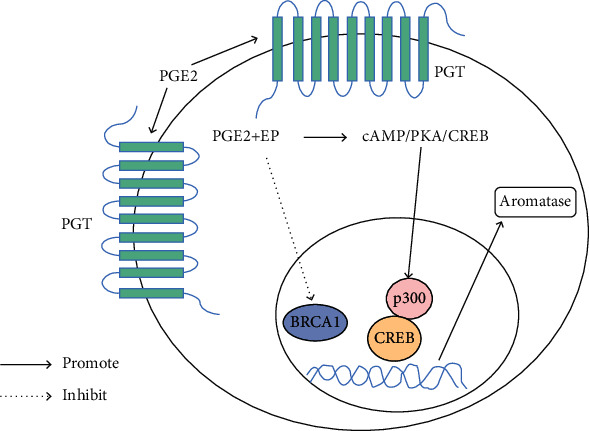
The Prostaglandin Transporter Regulates Adipogenesis and Aromatase Transcription
Subbaramaiah, K., Hudis, C. A., & Dannenberg, A. J. (2011) · Cancer Prevention Research · doi:10.1158/1940-6207.capr-10-0367 · Cited by 15
RetractedGrygiel-Górniak, B. (2014) · Nutrition Journal · doi:10.1186/1475-2891-13-17 · Cited by 1,079 · cited 1×
“PPARs are members of the nuclear receptor superfamily and have three subtypes, PPARα, PPARβ/δ, and PPARγ, which have the properties of anti-inflammation, anti-TLR4 inflammatory response pathway, and anti-NF-κB [35, 36].”
BackgroundHypoxia and Adipose Tissue Function and Dysfunction in Obesity
Trayhurn, P. (2013) · Physiological Reviews · doi:10.1152/physrev.00017.2012 · Cited by 932 · cited 1×
“It further recruits macrophages to infiltrate adipose tissue, leaving the body in a state of low-grade inflammatory response [16].”
BackgroundFrasor, J. M., Danes, J. M., Komm, B. S., Chang, K. C. N., Lyttle, C. R., & Katzenellenbogen, B. S. (2003) · Endocrinology · doi:10.1210/en.2003-0567 · Cited by 894 · cited 1×
“The former provides reductive equivalent NADPH+H and electron transfer for hydroxylation catalyzed by P450arom, while the latter provides steroid hormone binding sites for catalytic synthesis of estrogen [22].”
BackgroundLee, B.-C., & Lee, J. (2013) · Biochimica et Biophysica Acta (BBA) - Molecular Basis of Disease · doi:10.1016/j.bbadis.2013.05.017 · Cited by 714 · cited 1×
“Obesity is now accepted as a low-grade, chronic, and systemic inflammatory disease, which is predominantly characterized by an increase of M1 macrophages and the inflammatory mediators in adipose tissue [26, 27].”
BackgroundMirza, A. Z., Althagafi, I. I., & Shamshad, H. (2019) · European Journal of Medicinal Chemistry · doi:10.1016/j.ejmech.2019.01.067 · Cited by 563 · cited 1×
“PPARs are members of the nuclear receptor superfamily and have three subtypes, PPARα, PPARβ/δ, and PPARγ, which have the properties of anti-inflammation, anti-TLR4 inflammatory response pathway, and anti-NF-κB [35, 36].”
BackgroundThe Steroid Hormone Biosynthesis Pathway as a Target for Endocrine-Disrupting Chemicals
Sanderson, J. T. (2006) · Toxicological Sciences · doi:10.1093/toxsci/kfl051 · Cited by 518
Adipose Tissue Macrophages, Low Grade Inflammation and Insulin Resistance in Human Obesity
Heilbronn, L. K., & Campbell, L. V. (2008) · Current Pharmaceutical Design · doi:10.2174/138161208784246153 · Cited by 496 · cited 1×
“Senescent adipocytes recruit macrophages, release a variety of proinflammatory cytokines, and promote inflammation [18].”
BackgroundMacrophage polarization and meta-inflammation
Li, C., Xu, M. M., Wang, K., Adler, A. J., Vella, A. T., & Zhou, B. (2017) · Translational research · doi:10.1016/j.trsl.2017.10.004 · Cited by 376 · cited 1×
“Obesity is a “low-grade chronic inflammatory state” caused by multiple factors [8].”
BackgroundThe Epidemiology of Male Infertility
Winters, B. R., & Walsh, T. J. (2013) · Urologic Clinics of North America · doi:10.1016/j.ucl.2013.08.006 · Cited by 278
Obesity, a serious etiologic factor for male subfertility in modern society
Liu, Y., & Ding, Z. (2017) · Reproduction · doi:10.1530/rep-17-0161 · Cited by 250 · cited 1×
“In China, there are nearly 20 million couples suffering from fertility difficulties, among which the infertility caused by the male accounts for about 30%, while in the male infertility patients, the semen quality problem is as high as 90% [2, 3].”
BackgroundMetformin improves obesity-associated inflammation by altering macrophages polarization
Jing, Y., Wu, F., Li, D., Yang, L., Li, Q., & Li, R. (2017) · Molecular and Cellular Endocrinology · doi:10.1016/j.mce.2017.09.025 · Cited by 227 · cited 1×
“The proportion of macrophages in normal adipose tissue to total cells is only 10%, while in obese tissues, this proportion can be as high as 50%, and the increase is mainly M1 macrophages that secrete proinflammatory factors [11].”
BackgroundObesity, Neuroinflammation, and Reproductive Function
Lainez, N. M., & Coss, D. (2019) · Endocrinology · doi:10.1210/en.2019-00487 · Cited by 180
Macrophage Proliferation Sustains Adipose Tissue Inflammation in Formerly Obese Mice
Zamarron, B. F., Mergian, T. A., Cho, K. W., Martinez-Santibañez, G., Luan, D., Singer, K., DelProposto, J. L., Geletka, L. M., Muir, L. A., & Lumeng, C. N.-K. (2016) · Diabetes · doi:10.2337/db16-0500 · Cited by 159 · cited 1×
“So that the monocyte-macrophages proliferate andmigrate to the adipose tissue and have a unique structure, that is, CLSs gather around necrotic fat cells [9].”
BackgroundWu, R., Yao, Y., Jiang, Q. L., Cai, M., Liu, Q. L., Wang, Y., & Wang, X. (2018) · International Journal of Obesity · doi:10.1038/s41366-018-0082-5 · Cited by 135
Obesity and male hypogonadism: Tales of a vicious cycle
Carrageta, D. F., Oliveira, P. F., Alves, M. G., & Monteiro, M. P. (2019) · Obesity Reviews · doi:10.1111/obr.12863 · Cited by 130 · cited 1×
“Obesity is the main cause of hypogonadism at present, which associates with impaired gonadal function in males [4].”
BackgroundEngin, A. (2017) · Advances in experimental medicine and biology · doi:10.1007/978-3-319-48382-5_13 · Cited by 129 · cited 1×
“Local hypoxia in adipose tissue is also one of themechanisms of chronic inflammation, and this local hypoxia is caused by insufficient blood flow supply due to the rapid growth of adipose tissue [15].”
BackgroundAdipose tissue macrophages: Unique polarization and bioenergetics in obesity
Caslin, H. L., Bhanot, M., Bolus, W. R., & Hasty, A. H. (2020) · Immunological Reviews · doi:10.1111/imr.12853 · Cited by 127
Aromatase and Leiomyoma of the Uterus
Shozu, M., Murakami, K., & Inoue, M. (2004) · Seminars in Reproductive Medicine · doi:10.1055/s-2004-823027 · Cited by 97 · cited 1×
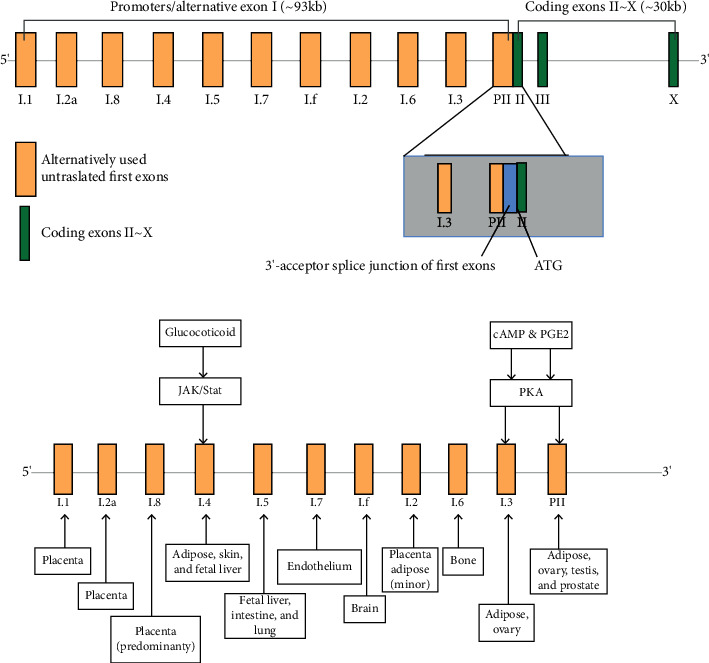
“The promoter selectively splices the nontranslational area (5-UTR) of its own exons I 5′ side onto the splice site (AG/GACT) at the 38kb upstream of the translation initiation site (ATG) on exon II (Figure 1) [20, 21].”
BackgroundObesity impairs male fertility through long-term effects on spermatogenesis
Jia, Y.-F., Feng, Q., Ge, Z., Guo, Y., Zhou, F., Zhang, K., Wang, X., Lu, W.-H., Liang, X., & Gu, Y. (2018) · BMC Urology · doi:10.1186/s12894-018-0360-5 · Cited by 96
Zhang, Z., Zhang, T., Feng, R., Huang, H., Xia, T., & Sun, C. (2018) · Molecular Therapy — Nucleic Acids · doi:10.1016/j.omtn.2018.11.014 · Cited by 82
The Effect of Aromatase on the Reproductive Function of Obese Males
Xu, X., Sun, M., Ye, J., Luo, D., Su, X., Zheng, D., Feng, L., Gao, L., Yu, C., & Guan, Q. (2017) · Hormone and Metabolic Research · doi:10.1055/s-0043-107835 · Cited by 68 · cited 1×
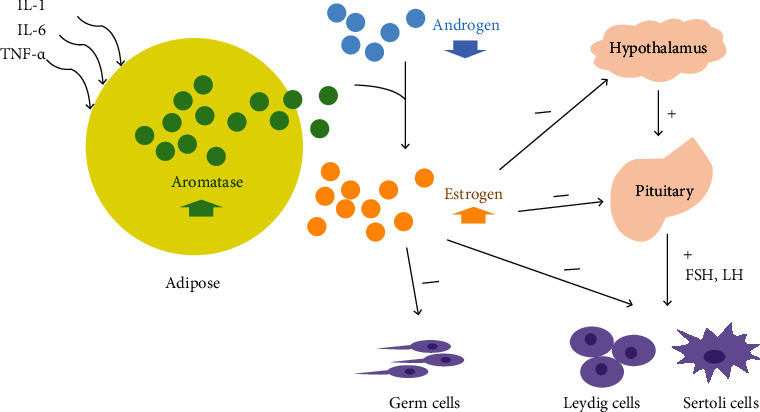
“It also relieves estrogen’s negative feedback inhibition of the HPG axis, which in turn promotes the release of FSH and LH from the pituitary gland (Figure 3) [25].”
BackgroundMao, L., Hochstetter, D., Yao, L., Zhao, Y., Zhou, J., Wang, Y., & Xu, P. (2019) · International Journal of Molecular Sciences · doi:10.3390/ijms20205081 · Cited by 63
Yang, Z., Zhu, M., Zhang, Y., Wen, B., An, H., Ou, X., Xiong, Y., Lin, H., Liu, Z., & Huang, J. (2019) · Phytotherapy Research · doi:10.1002/ptr.6295 · Cited by 60
Li, W., Jia, M., Peng, Y., Ding, R., Fan, L., & Liu, G. (2019) · Reproductive Biology and Endocrinology · doi:10.1186/s12958-019-0551-2 · Cited by 56 · cited 1×
“In China, there are nearly 20 million couples suffering from fertility difficulties, among which the infertility caused by the male accounts for about 30%, while in the male infertility patients, the semen quality problem is as high as 90% [2, 3].”
BackgroundHassan, E. M., Kahilo, K. A., Kamal, T., Hassan, M. M., & Elgawish, M. S. (2019) · Toxicology · doi:10.1016/j.tox.2019.04.015 · Cited by 52 · cited 1×
“showed that EGCG could improve the male infertility with the EGCG administration, suggesting that EGCG could improve the sterility of male rats by ameliorating inflammation, thereby affecting the expression of aromatase [34].”
BackgroundA Review of Adropin as the Medium of Dialogue between Energy Regulation and Immune Regulation
Zhang, S., Chen, Q., Lin, X.-C., Chen, M., & Liu, Q. (2020) · Oxidative Medicine and Cellular Longevity · doi:10.1155/2020/3947806 · Cited by 46 · cited 1×
“The promoter selectively splices the nontranslational area (5-UTR) of its own exons I 5′ side onto the splice site (AG/GACT) at the 38kb upstream of the translation initiation site (ATG) on exon II (Figure 1) [20, 21].”
BackgroundBao, S., Cao, Y., Fan, C., Fan, Y., Bai, S., Teng, W., & Shan, Z. (2013) · Molecular Nutrition & Food Research · doi:10.1002/mnfr.201300335 · Cited by 45
Baek, Y., Lee, M. N., Wu, D., & Pae, M. (2019) · The Journal of Nutritional Biochemistry · doi:10.1016/j.jnutbio.2019.06.002 · Cited by 45 · cited 1×
“This causes the obese people to gradually change from a “low-grade chronic inflammation state” locally to the whole body, thus forming a vicious circle [13, 14].”
BackgroundCardoso, A. M., Alves, M. G., Mathur, P. P., Oliveira, P. F., Cavaco, J. E. B., & Rato, L. (2016) · Obesity Reviews · doi:10.1111/obr.12469 · Cited by 41 · cited 1×
“Obesity is now accepted as a low-grade, chronic, and systemic inflammatory disease, which is predominantly characterized by an increase of M1 macrophages and the inflammatory mediators in adipose tissue [26, 27].”
BackgroundNovel Promoter I.8 and Promoter Usage in the CYP19 (Aromatase) Gene
Demura, M., Reierstad, S., Innes, J. E., & Bulun, S. E. (2008) · Reproductive Sciences · doi:10.1177/1933719108322441 · Cited by 36
Lardone, M. C., Argandoña, F., Flórez, M., Parada‐Bustamante, A., Ebensperger, M., Palma, C., Piottante, A., & Andrea Castro, G. (2016) · Andrology · doi:10.1111/andr.12289 · Cited by 34 · cited 1×
“Apparently, it will adversely affect spermatogenesis and storage, thereby impairing male fertility [39, 40].”
BackgroundXie, M., Li, M., Zhou, J., Ding, X., Shao, Y.-D., Jing, J., Liu, Y., & Yao, B. (2017) · Scientific Reports · doi:10.1038/s41598-017-00203-x · Cited by 32 · cited 1×
“The CYP19 gene contains several cis-regulatory elements [28, 29], of which the CRE is the major regulator.”
BackgroundWang, G., Cheng, S., Zhang, S., Zhu, Y., Xiao, Y., & Ju, L. (2019) · Molecular Biology Reports · doi:10.1007/s11033-019-05196-6 · Cited by 31 · cited 1×
“It has been found that the activation of PPARs may regulate the expression of aromatase directly or indirectly by regulating the transcription of NF-κB, ROS enzyme-relevant genes, and RNAmetabolism together with anti-inflammatory and antioxidative pathways [37].”
BackgroundOestrogen action and male fertility: experimental and clinical findings
Li, X., Li, H., Lina, J., Li, X., & Rahman, N. (2015) · Cellular and Molecular Life Sciences · doi:10.1007/s00018-015-1981-4 · Cited by 27 · cited 1×
“Apparently, it will adversely affect spermatogenesis and storage, thereby impairing male fertility [39, 40].”
BackgroundWon, Y.-J., Kim, B., Shin, Y.-K., Jung, S., Yoo, S.-K., Hwang, S., Sung, J.-H., & Kim, S. (2014) · Experimental Gerontology · doi:10.1016/j.exger.2014.02.012 · Cited by 27
Tanrıkulu-Küçük, S., Başaran‐Küçükgergin, C., Seyithanoğlu, M., Doğru‐Abbasoğlu, S., Koçak, H., Özdaş, Ş., & Öner-İyidoğan, Y. (2019) · Applied Physiology Nutrition and Metabolism · doi:10.1139/apnm-2018-0622 · Cited by 27
Chen, D., Zhao, H., Gao, X., Chen, S., Liu, H., Zhang, J., Zhang, J., & Meng, M. (2019) · International Immunopharmacology · doi:10.1016/j.intimp.2019.105948 · Cited by 17 · cited 1×
“This causes the obese people to gradually change from a “low-grade chronic inflammation state” locally to the whole body, thus forming a vicious circle [13, 14].”
BackgroundCare Delivery for Male Infertility
Strasser, M. O., & Dupree, J. M. (2020) · Urologic Clinics of North America · doi:10.1016/j.ucl.2019.12.006 · Cited by 17 · cited 1×
“The World Health Organization predicts that infertility will become the third chronic disease after tumors and cardiovascular and cerebrovascular diseases in the 21st century, with up to 15% of the world’s population suffering from infertility, about half of which is caused by male factors [1].”
BackgroundVerderame, M., Migliaccio, V., & Scudiero, R. (2018) · Comptes Rendus Biologies · doi:10.1016/j.crvi.2018.07.002 · Cited by 16 · cited 1×
“This suggests that with increased levels of estrogen, its sensitivity is also increased, which is also detrimental to spermatogenesis [38].”
BackgroundRole of RAB5A in FSHR-mediated signal transduction in human granulosa cells
Zhu, K., Li, S., Liu, J., Yan, H., Chen, Z., & Du, Y. (2018) · Reproduction · doi:10.1530/rep-18-0015 · Cited by 13 · cited 1×
“The CYP19 gene contains several cis-regulatory elements [28, 29], of which the CRE is the major regulator.”
Background
Cited by
Sorted by citations
Mancinelli, A. C., Mattioli, S., Twining, C. W., Bosco, A. D., Donoghue, A. M., Arsi, K., Angelucci, E., Chiattelli, D., & Castellini, C. (2022) · Nutrients · doi:10.3390/nu14091969 · Cited by 97
“Thus, the presence of oxidative stressors, such as obesity, sexually transmitted disease, alcohol, and tobacco use, could represent possible factors affecting male infertility [60,61].”
BackgroundSanti, D., Lotti, F., Sparano, C., Rastrelli, G., Isidori, A. M., Pivonello, R., Barbonetti, A., Salonia, A., Minhas, S., Krausz, C. G., et al. (2023) · Andrology · doi:10.1111/andr.13460 · Cited by 73
Pan, X., Yang, L., Wang, S., Liu, Y., Yue, L., & Chen, S. (2023) · Molecular and Cellular Biochemistry · doi:10.1007/s11010-023-04784-2 · Cited by 55
“Obesity has been linked to an increase in serum levels of inflammatory factors, which can lead to metabolic disorders and multi-organ damage [23, 24].”
The role of the thyroid in polycystic ovary syndrome
Fan, H., Ren, Q., Sheng, Z., Deng, G., & Li, L. (2023) · Frontiers in Endocrinology · doi:10.3389/fendo.2023.1242050 · Cited by 49
Impact of GLP-1 Agonists on Male Reproductive Health—A Narrative Review
Varnum, A. A., Pozzi, E., Deebel, N. A., Evans, A., Eid, N., Sadeghi‐Nejad, H., & Ramasamy, R. (2023) · Medicina · doi:10.3390/medicina60010050 · Cited by 41
“Excess adipose tissue leads to increased peripheral aromatization of testosterone, which results in higher levels of estradiol [15,21].”
Background
Metadata
- Authors
- Yuxin, L., Chen, L., Xiaoxia, L., Yue, L., Junjie, L., Youzhu, L., Huiliang, Z., & Qicai, L.
- Affiliations
- Fujian Medical University (CN)
- First Affiliated Hospital of Fujian Medical University (CN)
- Venue
- Oxidative Medicine and Cellular Longevity
- Publisher
- Wiley
- Published
- 2021-01
- Volume
- 2021
- Issue
- 1
- Pages
- 6612796-6612796
- ISSN
- 1942-0994 (ISSN-L)
- 1942-0900
- PMC
- PMC7884171
- OpenAlex
- W3126472018
- Cited by
- 51
- References
- 41
- Citations by year
- 2026: 11 · 2025: 10 · 2024: 8 · 2023: 11 · 2022: 11
- FWCI
- 1.23
- Type
- journal article
- Language
- en
- Open access
- hybrid
- doi.org
- Licence
- Locations
- Oxidative Medicine and Cellular Longevity (publishedVersion, cc-by)
- PubMed Central (publishedVersion, cc-by)
- PubMed (publishedVersion)
- DOAJ (DOAJ: Directory of Open Access Journals) (submittedVersion, cc-by-sa)
- Funders
- National Natural Science Foundation of China (81871293)
- Topics
- Health Sciences › Medicine › Reproductive Medicine › Sperm and Testicular Function
- Health Sciences › Medicine › Endocrinology, Diabetes and Metabolism › Adipokines, Inflammation, and Metabolic Diseases
- Life Sciences › Biochemistry, Genetics and Molecular Biology › Endocrinology › Estrogen and related hormone effects
- Keywords
- obesity, inflammation, aromatase, male infertility, adipose tissue, PPARγ, aromatase gene expression, adipogenesis, androgen to estrogen conversion, spermatogenesis, hormonal imbalance
- MeSH terms
- Animals, Aromatase, Humans, Infertility, Male, Inflammation, Male, Models, Biological, Obesity, Biomedical Research
About these checks
Registry, retraction, Cites and statistics results are computed, not judged, with one exception: a printed reference that no index lists is read once by a model before it counts as a citation error. Claims are extracted by a model and kept only when their quote appears verbatim in the text; each cited source is then checked, with a model’s help, for whether it says what the claim relies on. Those verdicts can be wrong — read the claim’s quote and the cited source before relying on one.
Statistics and arithmetic are recomputed, not judged.
Confidence bands are shown only for fields calibrated on our annotated test set. None is calibrated yet, so no band is shown.
What counts as a claim ›How we measure confidence ›How we check this ›
Are you an author, or do you see a problem with this page? Request a review
