

The PROactive instruments to measure physical activity in patients with chronic obstructive pulmonary disease
Open accessThe DOI matches its Crossref record; 36 of the 36 references it cites were found in a registry or an index.
Abstract
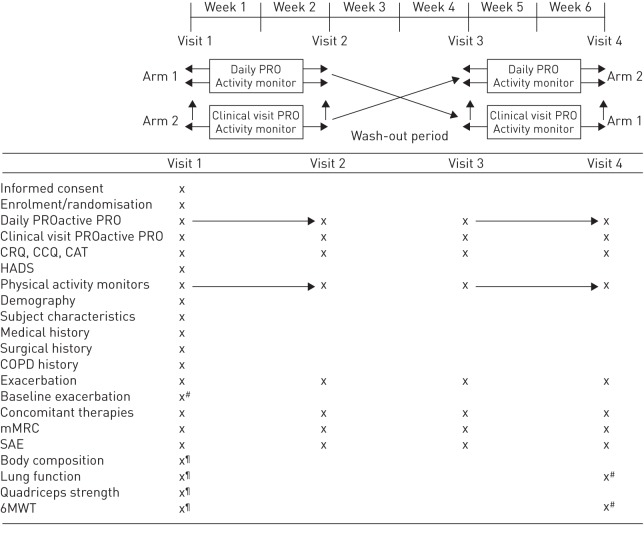
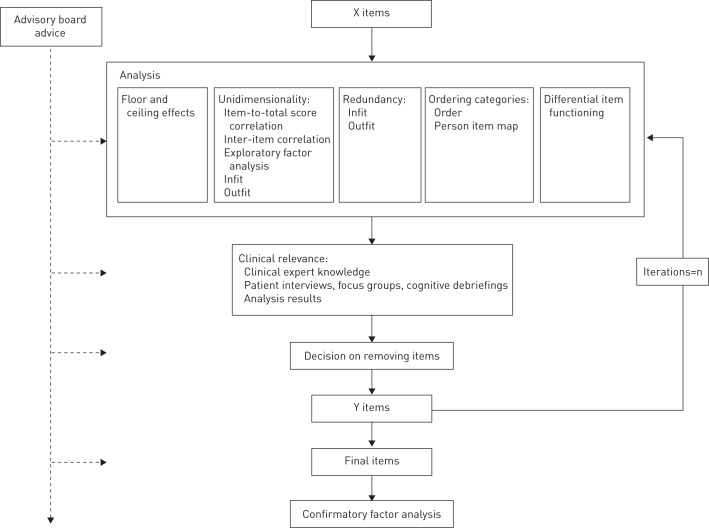
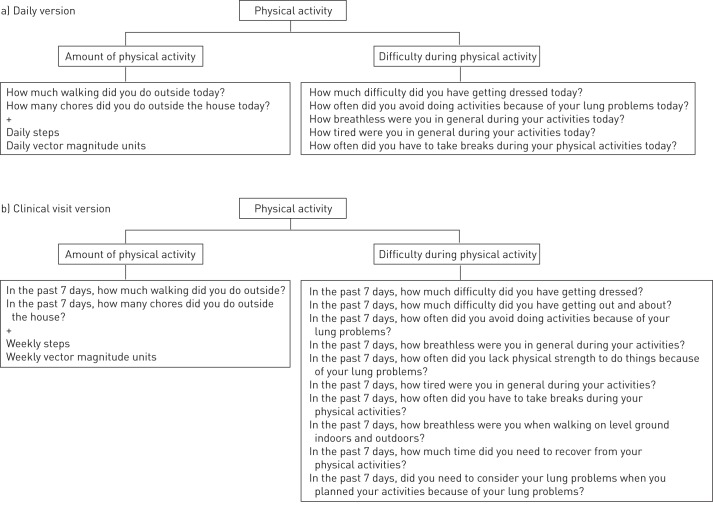
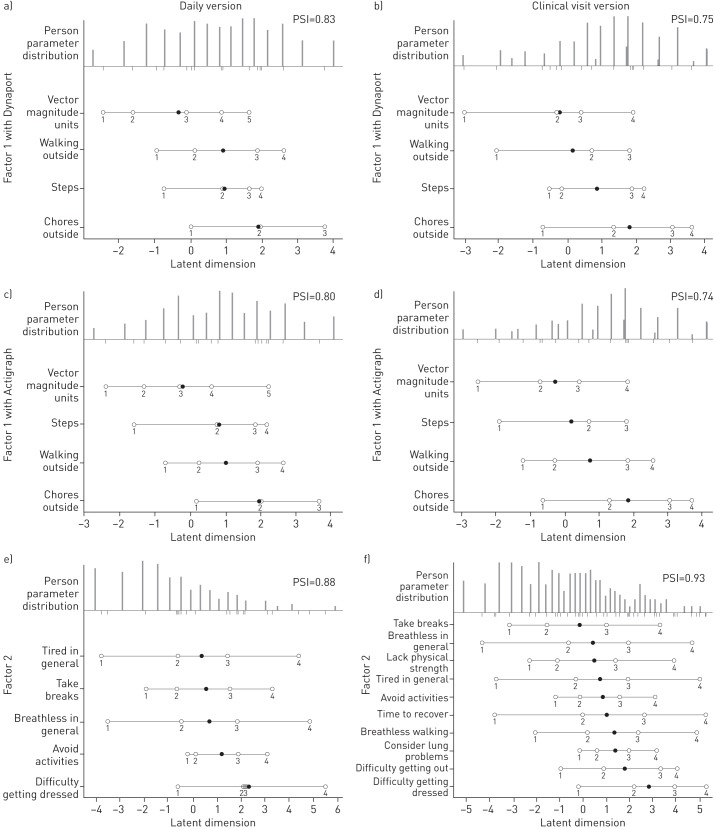
No current patient-centred instrument captures all dimensions of physical activity in chronic obstructive pulmonary disease (COPD). Our objective was item reduction and initial validation of two instruments to measure physical activity in COPD. Physical activity was assessed in a 6-week, randomised, two-way cross-over, multicentre study using PROactive draft questionnaires (daily and clinical visit versions) and two activity monitors. Item reduction followed an iterative process including classical and Rasch model analyses, and input from patients and clinical experts. 236 COPD patients from five European centres were included. Results indicated the concept of physical activity in COPD had two domains, labelled “amount” and “difficulty”. After item reduction, the daily PROactive instrument comprised nine items and the clinical visit contained 14. Both demonstrated good model fit (person separation index >0.7). Confirmatory factor analysis supported the bidimensional structure. Both instruments had good internal consistency (Cronbach's α>0.8), test–retest reliability (intraclass correlation coefficient ≥0.9) and exhibited moderate-to-high correlations (r>0.6) with related constructs and very low correlations (r<0.3) with unrelated constructs, providing evidence for construct validity. Daily and clinical visit “PROactive physical activity in COPD” instruments are hybrid tools combining a short patient-reported outcome questionnaire and two activity monitor variables which provide simple, valid and reliable measures of physical activity in COPD patients.
Overview
The claims and statistics of this paper haven’t been checked yet.
Free: it reads the open-access text and checks the first 5 claims that cite a source we can check. Create a free account to check every claim.
Integrity signals
Registry
Cites
Statistics
Figures
Verification
Claims the paper makes
The claims and statistics of this paper haven’t been checked yet.
Free: it reads the open-access text and checks the first 5 claims that cite a source we can check. Create a free account to check every claim.
Claims other papers make about this one
Each is checked against this paper’s own text: does it say what the citing paper says it does?
The source backs part of the claim, not all of it — or backs it for a different population, condition or comparison.
In the citing paper
“The instrument provides a comprehensive measure of patients' experiences of PA, merging subjective questions regarding the amount and difficulty of PA alongside objective measures of PA, encompassing average steps per day and vector magnitude units (VMU), which refers to intensity rather than quantity of PA [21].”
From Behavioural modification interventions alongside pulmonary rehabilitation improve COPD patients’ experiences of physical activity (2021) · cites this paper as [21]
Experimental — accuracy not yet measuredThe source backs part of the claim, not all of it — or backs it for a different population, condition or comparison.
In the citing paper
“However, implementing a PRO questionnaire alone removes the ability to assess the frequency, intensity and type of PA objectively [21].”
From Behavioural modification interventions alongside pulmonary rehabilitation improve COPD patients’ experiences of physical activity (2021) · cites this paper as [21]
Experimental — accuracy not yet measuredThe source backs part of the claim, not all of it — or backs it for a different population, condition or comparison.
In the citing paper
“The difficulty dimension has demonstrated a moderate-strong correlation with health status, chronic dyspnea and exercise capacity [21], which is not captured by the amount dimension.”
From Behavioural modification interventions alongside pulmonary rehabilitation improve COPD patients’ experiences of physical activity (2021) · cites this paper as [21]
Experimental — accuracy not yet measuredThe source backs part of the claim, not all of it — or backs it for a different population, condition or comparison.
In the citing paper
“With this in mind, it is plausible that the incorporation of PA behavioural modification interventions, in conjunction with improved functional capacity through PR exercise training, yielded clinically important improvements in all C-PPAC dimensions in patients with very low levels of PA at baseline (approximately 3000 steps/day) [21].”
From Behavioural modification interventions alongside pulmonary rehabilitation improve COPD patients’ experiences of physical activity (2021) · cites this paper as [21]
Experimental — accuracy not yet measuredThe cited source says what the claim attributes to it.
In the citing paper
“The Clinical PROactive C-PPAC instrument, which was previously validated for use in patients with COPD [22]”
From Behavioural modification interventions alongside pulmonary rehabilitation improve COPD patients’ experiences of physical activity (2021) · cites this paper as [21]
5 more claims about this paper
Create a free account to see every claim other papers make about this one.
Self-check
Percentages, sums and reported differences re-computed from the paper’s own numbers.
The self-check needs the paper’s full text.
Citations
Cites
Measurement in Medicine: The Analysis of Method Comparison Studies
Altman, D. G., & Bland, J. M. (1983) · The Statistician · doi:10.2307/2987937 · Cited by 4,300
Development and first validation of the COPD Assessment Test
Jones, P. W., Harding, G., Berry, P., Wiklund, I., Chen, W.-H., & Kline Leidy, N. (2009) · European Respiratory Journal · doi:10.1183/09031936.00102509 · Cited by 3,198
A Rating Formulation for Ordered Response Categories
Andrich, D. (1978) · Psychometrika · doi:10.1007/bf02293814 · Cited by 2,970
NELSON, M. E., REJESKI, W. J., BLAIR, S. N., DUNCAN, P. W., JUDGE, J. O., KING, A. C., MACERA, C. A., & CASTANEDA-SCEPPA, C. (2007) · Medicine & Science in Sports & Exercise · doi:10.1249/mss.0b013e3180616aa2 · Cited by 2,089
Reeve, B. B., Hays, R. D., Bjorner, J. B., Cook, K. F., Crane, P. K., Teresi, J. A., Thissen, D., Revicki, D. A., Weiss, D. J., Hambleton, R. K., et al. (2007) · Medical Care · doi:10.1097/01.mlr.0000250483.85507.04 · Cited by 1,491
Characteristics of physical activities in daily life in chronic obstructive pulmonary disease
Pitta, F., Troosters, T., Spruit, M. A., Probst, V. S., Decramer, M., & Gosselink, R. (2005) · American Journal of Respiratory and Critical Care Medicine · doi:10.1164/rccm.200407-855oc · Cited by 1,256
Self-citationGarcia-Aymerich, J., Lange, P., Benet, M., Schnohr, P., & Anto, J. M. (2006) · Thorax · doi:10.1136/thx.2006.060145 · Cited by 1,113
Choi, S. W., Gibbons, L. E., & Crane, P. K. (2011) · Journal of Statistical Software · doi:10.18637/jss.v039.i08 · Cited by 755
Patient-Reported Outcomes to Support Medical Product Labeling Claims: FDA Perspective
Patrick, D. L., Burke, L. B., Powers, J. H., Scott, J. A., Rock, E. P., Dawisha, S., O'Neill, R., & Kennedy, D. L. (2007) · Value in Health · doi:10.1111/j.1524-4733.2007.00275.x · Cited by 726
Cited by
The minimal important difference in physical activity in patients with COPD
Demeyer, H., Burtin, C., Hornikx, M., Camillo, C. A., Van Remoortel, H., Langer, D., Janssens, W., & Troosters, T. (2016) · PLOS ONE · doi:10.1371/journal.pone.0154587 · Cited by 282
“An additional and independent ‘test-retest sample’ of 37 patients was recruited from the multicenter PROactive trials [4,19], using patients included in our center.”
MethodSelf-citationThe prevalence of patient engagement in published trials: a systematic review
Fergusson, D., Monfaredi, Z., Pussegoda, K., Garritty, C., Lyddiatt, A., Shea, B., Duffett, L., Ghannad, M., Montroy, J., Murad, M. H., et al. (2018) · Research Involvement and Engagement · doi:10.1186/s40900-018-0099-x · Cited by 186
“, 2015 [45] Randomized Control Trial Not reported Not reported Yes Not reported”
BackgroundRochester, L., Mazzà, C., Mueller, A., Caulfield, B., McCarthy, M., Becker, C., Miller, R., Piraino, P., Viceconti, M., Dartee, W. P., et al. (2020) · Digital Biomarkers · doi:10.1159/000512513 · Cited by 140
Miller, B. E., Tal‐Singer, R., Rennard, S. I., Furtwaengler, A., Leidy, N. K., Lowings, M., Martin, U. J., Martin, T. R., Merrill, D. D., Snyder, J., et al. (2016) · American Journal of Respiratory and Critical Care Medicine · doi:10.1164/rccm.201509-1722pp · Cited by 148
Arbillaga-Etxarri, A., Gimeno-Santos, E., Barberan-Garcia, A., Balcells, E., Benet, M., Borrell, E., Celorrio, N., Delgado, A., Jané, C., Marin, A., et al. (2018) · European Respiratory Journal · doi:10.1183/13993003.00063-2018 · Cited by 124
Self-citationTroosters, T., Maltais, F., Leidy, N., Lavoie, K. L., Sedeno, M., Janssens, W., Garcia-Aymerich, J., Erzen, D., De Sousa, D., Korducki, L., et al. (2018) · American Journal of Respiratory and Critical Care Medicine · doi:10.1164/rccm.201706-1288oc · Cited by 99
Self-citationEkström, M., Ahmadi, Z., Bornefalk-Hermansson, A., Abernethy, A., & Currow, D. (2016) · Cochrane Database of Systematic Reviews · doi:10.1002/14651858.cd006429.pub3 · Cited by 98
Demeyer, H., Mohan, D., Burtin, C., Vaes, A. W., Heasley, M. G., Bowler, R. P., Casaburi, R. H., Cooper, C. B., Corriol‐Rohou, S., Frei, A. L., et al. (2021) · Chronic Obstructive Pulmonary Diseases Journal of the COPD Foundation · doi:10.15326/jcopdf.2021.0213 · Cited by 126
“Physical activity experience consists of two complementary domains: the experienced amount of PA and the experienced difficulty with PA [43], which match concepts recognised by patients [25].”
Self-citationAbdulai, R. M., Jensen, T. J., Patel, N. R., Polkey, M. I., Jansson, P., Celli, B. R., & Rennard, S. I. (2018) · American Journal of Respiratory and Critical Care Medicine · doi:10.1164/rccm.201703-0615ci · Cited by 91
Self-citationDepression symptoms reduce physical activity in COPD patients: a prospective multicenter study
Dueñas-Espín, I., Demeyer, H., Gimeno‐Santos, E., Polkey, M. I., Hopkinson, N. S., Rabinovich, R., Dobbels, F., Karlsson, N., Troosters, T., & García‐Aymerich, J. (2016) · International Journal of COPD · doi:10.2147/copd.s101459 · Cited by 93
“18 For the current study we additionally excluded patients who at baseline had a clinical diagnosis and/or active treatment for anxiety or depression (n = 16).”
Self-citationLung volume reduction surgery versus endobronchial valves: a randomised controlled trial
Buttery, S. C., BANYA, W. A. S., Bilancia, R., Boyd, E., Buckley, J., Greening, N. J., Housley, K., Jordan, S. J., Kemp, S. V., Kirk, A. J. B., et al. (2023) · European Respiratory Journal · doi:10.1183/13993003.02063-2022 · Cited by 76
“The c-PPAC score, a combination of activity monitor data and subjective questionnaire, is considered a better method of measuring physical activity than a subjective or objective measure in isolation [27].”
MethodSelf-citationButtery, S. C., Zysman, M., Vikjord, S. A. A., Hopkinson, N. S., Jenkins, C. R., & Vanfleteren, L. E. G. W. (2021) · Respirology · doi:10.1111/resp.14032 · Cited by 88
Self-citationThe role of physical activity in the context of pulmonary rehabilitation
Blondeel, A., Demeyer, H., Janssens, W., & Troosters, T. (2018) · COPD Journal of Chronic Obstructive Pulmonary Disease · doi:10.1080/15412555.2018.1563060 · Cited by 74
“Likewise, behavior interventions should assess the subjective patients’ perspective on physical activity to create an accurate insight in the broader perspective of physical activity (including both an objective and subjective outcome) (53).”
BackgroundSelf-citationArmstrong, M., Hume, E., McNeillie, L., Chambers, F., Wakenshaw, L., Burns, G., Marshall, K. H., & Vogiatzis, I. (2021) · Respiratory Medicine · doi:10.1016/j.rmed.2021.106353 · Cited by 58
Self-citationWatz, H., Troosters, T., Beeh, K. M., García‐Aymerich, J., Paggiaro, P., Molins, E., Notari, M., Zapata, A., Jarreta, D., & Gil, E. G. (2017) · International Journal of COPD · doi:10.2147/copd.s143488 · Cited by 66
“and difficulty.(27) The amount domain consists of two PRO items plus two activity monitor outputs (steps per day and vector magnitude units per minute); the difficulty domain consists of five PRO items.”
Self-citationO'Neill, B. M., McDonough, S., Wilson, J. J., Bradbury, I., Hayes, K., Kirk, A. F., Kent, L., Cosgrove, D., Bradley, J. M., & Tully, M. A. (2017) · Respiratory Research · doi:10.1186/s12931-016-0497-2 · Cited by 76
“Conceptual frameworks for physical activity measurement propose a combined approach of direct and self-report (questionnaire) to enable a comprehensive exploration of physical activity patterns and behaviour [7, 46, 47].”
Demeyer, H., Donaire-González, D., Gimeno‐Santos, E., Ramón, M. A., de Batlle, J., Benet, M., Serra, I., Guerra, S., Farrero, E., Rodríguez, E., et al. (2018) · Medicine & Science in Sports & Exercise · doi:10.1249/mss.0000000000001859 · Cited by 73
“’’ This lack of association may be therefore in line with previous studies showing that the amount of PA and experienced difficulties with PA are distinct concepts (31).”
ResultSelf-citationViceconti, M., Penna, S. H., Dartee, W., Mazzà, C., Caulfield, B., Becker, C., Maetzler, W., García‐Aymerich, J., Davico, G., & Rochester, L. (2020) · Sensors · doi:10.3390/s20205920 · Cited by 66
“The PROactive consortium achieved a positive Qualification Opinion from EMA [42], where DMO recordings were combined with PRO data in a ‘PROactive Physical Activity in COPD (PPAC)’ tool that assessed patients’ experience of physical activity [43].”
MethodPhilip, K. E. J., Lewis, A. P., Jeffery, E., Buttery, S. C., Cave, P., Cristiano, D., Lound, A., Taylor, K., Man, W. D., Fancourt, D. E., et al. (2020) · BMJ Open Respiratory Research · doi:10.1136/bmjresp-2020-000737 · Cited by 61
Self-citationGarcia-Gancedo, L., Kelly, M. L., Lavrov, A., Parr, J., Hart, R., Marsden, R., Turner, M. R., Talbot, K., Chiwera, T., Shaw, C. E., et al. (2019) · JMIR mHealth and uHealth · doi:10.2196/13433 · Cited by 55
Smid, D. E., Franssen, F. M. E., Gonik, M. M., Miravitlles, M., Casanova, C., Cosío, B. G., de Lucas‐Ramos, P., Marín, J. M., González, C. M., Mir, I., et al. (2017) · Journal of the American Medical Directors Association · doi:10.1016/j.jamda.2017.09.003 · Cited by 53
“Flow diagram of subject inclusion n=18 non-responding authors (21-38)”
BackgroundSelf-citationShah, A., Althobiani, M. A., Saigal, A., Ogbonnaya, C., Hurst, J. R., & Mandal, S. (2023) · npj Digital Medicine · doi:10.1038/s41746-023-00962-0 · Cited by 58
“Two studies 15,16 in this review incorporated the PROactive Physical Activity in COPD instrument (C-PPAC) 63 which assesses patients ’ experience of the amount of physical activity and the dif fi culty experienced with physical activity.”
Patient experience of COPD care: outcomes from the British Lung Foundation Patient Passport
Philip, K. E. J., Gaduzo, S., Rogers, J., Laffan, M., & Hopkinson, N. S. (2019) · BMJ Open Respiratory Research · doi:10.1136/bmjresp-2019-000478 · Cited by 48
Self-citationBoth moderate and severe exacerbations accelerate physical activity decline in COPD patients
Demeyer, H., Costilla-Frias, M., Louvaris, Z., Gimeno‐Santos, E., Tabberer, M. M., Rabinovich, R., de Jong, C., Polkey, M. I., Hopkinson, N. S., Karlsson, N., et al. (2018) · European Respiratory Journal · doi:10.1183/13993003.02110-2017 · Cited by 45
“Importantly, both the amount of activity and difficulties experienced during activity are integral to the concept of PA limitation [7].”
BackgroundMethodSelf-citationThe Innovative Medicines Initiative −10 Years of Public-Private Collaboration
Laverty, H., & Meulien, P. (2019) · Frontiers in Medicine · doi:10.3389/fmed.2019.00275 · Cited by 45
“PROACTIVE9 developed Patient Reported Outcome (PRO) tools that improve the capture of physical activity in relation to chronic obstructive pulmonary disease [COPD; (13)].”
BackgroundGarcia-Aymerich, J., Puhan, M. A., Corriol-Rohou, S., de Jong, C., Demeyer, H., Dobbels, F., Erzen, D., Frei, A., Gimeno-Santos, E., Hopkinson, N. S., et al. (2021) · Thorax · doi:10.1136/thoraxjnl-2020-214554 · Cited by 43
Self-citationTroosters, T., Bourbeau, J., Maltais, F., Leidy, N. K., Eržen, D., Sousa, D. D., Korducki, L., & Hamilton, A. L. (2016) · BMJ Open · doi:10.1136/bmjopen-2015-010106 · Cited by 44
“com).(39) The instrument consists of questionnaire items and information from activity monitors,”
BackgroundSelf-citationListening to the patients’ voice: a conceptual framework of the walking experience
Delgado‐Ortiz, L., Polhemus, A. M., Keogh, A., Sutton, N., Remmele, W., Hansen, C., Kluge, F., Sharrack, B., Becker, C., Troosters, T., et al. (2023) · Age and Ageing · doi:10.1093/ageing/afac233 · Cited by 48
“…recently developed and validated PROactive Physical Activity (PPAC) suite of instruments in COPD measure patients’ experience of physical activity [53, 54] and have provided both better characterisation of physical activity [55] and a deeper understanding of the effectiveness of drug interventions…”
Self-citationRodrigues, F. M. M., Demeyer, H., Hornikx, M., Camillo, C. A., Kutukcu, E. C., Burtin, C., Janssens, W., Troosters, T., & Osadnik, C. R. (2017) · Chronic Respiratory Disease · doi:10.1177/1479972316687210 · Cited by 40
Self-citationObjectively Measured Physical Activity as a COPD Clinical Trial Outcome
Burtin, C., Mohan, D., Troosters, T., Watz, H., Hopkinson, N. S., García‐Aymerich, J., Moy, M. L., Vogiatzis, I., Rossiter, H. B., Singh, S., et al. (2021) · CHEST Journal · doi:10.1016/j.chest.2021.06.044 · Cited by 42
Self-citationResponse to pulmonary rehabilitation: toward personalised programmes?
Ambrosino, N., & Clini, E. M. (2015) · European Respiratory Journal · doi:10.1183/13993003.01125-2015 · Cited by 48
Finch, D., Jones, P., Watz, H., Wouters, E. F. �., & Cazzola, M. (2016) · International Journal of COPD · doi:10.2147/copd.s85977 · Cited by 48
“This limitation might be overcome by a recently developed, more COPD-specific questionnaire.(32) Pedometers count the number of steps in a given time period, are widely used in public health campaigns, and have a role as a motivational tool aiming to increase daily activity.”
Boutou, A., Raste, Y., Demeyer, H., Troosters, T., Polkey, M. I., Vogiatzis, I., Louvaris, Z., Rabinovich, R., van der Molen, T., García‐Aymerich, J., et al. (2019) · International Journal of COPD · doi:10.2147/copd.s208826 · Cited by 36
Self-citationHolland, A. E., Harrison, S. L., & Brooks, D. (2016) · Chronic Respiratory Disease · doi:10.1177/1479972316670104 · Cited by 45
Physical Activity Characteristics across GOLD Quadrants Depend on the Questionnaire Used
Demeyer, H., Gimeno‐Santos, E., Rabinovich, R., Hornikx, M., Louvaris, Z., de Boer, W. I., Karlsson, N., de Jong, C., van der Molen, T., Vogiatzis, I., et al. (2016) · PLoS ONE · doi:10.1371/journal.pone.0151255 · Cited by 37
“A total of 191 patients with COPD completed the whole trial [14] and were considered for the present study (S1 Fig).”
BackgroundInfluentialSelf-citationDonner, C. F., Raskin, J. M., ZuWallack, R., Nici, L. L., Ambrosino, N., Balbi, B., Blackstock, F. C., Casaburi, R. H., Dreher, M., Effing, T., et al. (2018) · Respiratory Medicine · doi:10.1016/j.rmed.2018.09.003 · Cited by 47
van Haarst, A. D., McGarvey, L. P., & Paglialunga, S. (2019) · Clinical Pharmacology & Therapeutics · doi:10.1002/cpt.1540 · Cited by 41
“Two PROactive questionnaires were developed and tested in combination with physical activity monitors, one to examine daily activity and another for clinical visit use.(78) The PROactive tool has already been used in drug development as an exploratory end point in a phase IIb study on glycopyrrolate bromide (NCT021895…”
MethodPhysical activity in patients with COPD: the impact of comorbidities
Mantoani, L. C., Dell’Era, S., MacNee, W., & Rabinovich, R. (2017) · Expert Review of Respiratory Medicine · doi:10.1080/17476348.2017.1354699 · Cited by 35
“methods such as the PROactive assessment tools [100], combining information from activity monitors and questionnaires for a”
MethodSelf-citationMuscle Oxidative Capacity Is Reduced in Both Upper and Lower Limbs in COPD
Adami, A., Corvino, R. B., Calmelat, R., Pórszász, J., Casaburi, R. H., & Rossiter, H. B. (2020) · Medicine & Science in Sports & Exercise · doi:10.1249/mss.0000000000002364 · Cited by 42
“Daily PA measurements were accepted as valid if they met the criteria that the monitor was worn for at least 8 hours/day during waking hours (20) and for at least 5 days/week (not necessarily consecutive, without distinction between weekdays and weekends).”
MethodPhysical Inactivity in Pulmonary Sarcoidosis
Cho, P. S. P., Vasudevan, S., Maddocks, M. M., Spinou, A., Chamberlain, S. A. F., Wood, C., Jolley, C. J., & Birring, S. S. (2019) · Lung · doi:10.1007/s00408-019-00215-6 · Cited by 33
Valenza, M. C., Torres‐Sánchez, I., Martos, I. C., Rodríguez‐Torres, J., González‐Jiménez, E., & Casaubón, T. M. (2016) · Respiratory Care · doi:10.4187/respcare.04118 · Cited by 34
Patient reported outcome measures in chronic obstructive pulmonary disease: Which to use?
Ekström, M. P., Sundh, J., & Larsson, K. (2016) · Expert Review of Respiratory Medicine · doi:10.1586/17476348.2016.1146595 · Cited by 32
“Both versions have high reliability, construct validity, and discriminant properties [93], although data on responsiveness and MCID have not yet been reported.”
BackgroundMethodInfluentialActivity monitors in pulmonary disease
Sehgal, S., Small, B., & Highland, K. B. (2019) · Respiratory Medicine · doi:10.1016/j.rmed.2019.03.019 · Cited by 31
Buttery, S. C., Williams, P. J., Alghamdi, S. M., Philip, K. E. J., Perkins, A., Kallis, C., Quint, J. K., Polkey, M. I., Breuls, S., Buekers, J., et al. (2023) · European Respiratory Review · doi:10.1183/16000617.0134-2023 · Cited by 31
“There is still uncertainty around outcomes measured in daily life (physical activity/DMOs) linked to subjective experience of intensity or amount [26, 27], including which ones can be used to accurately predict events and overall prognosis in COPD [28] as well as whether they perform better than…”
BackgroundSelf-citationSievi, N. A., Brack, T., Brutsche, M. H., Frey, M., Irani, S., Leuppi, J. D., Thurnheer, R., Kohler, M., & Clarenbach, C. F. (2017) · International Journal of COPD · doi:10.2147/copd.s130195 · Cited by 34
“Thus, a combination of a questionnaire-and accelerometer-based assessment such as recently introduced by Gimeno-Santos et al 22 should be implemented in future trials on PA in COPD patients.”
Flora, S., Marques, A. S. P. D. D., Hipólito, N., Morais, N., Silva, C. G., Januário, F., Rodrigues, F., Carreira, B. P., & Cruz, J. (2022) · Respiratory Medicine · doi:10.1016/j.rmed.2022.107087 · Cited by 31
Impact of COVID-19 shielding on physical activity and quality of life in patients with COPD
Hume, E., Armstrong, M., Manifield, J., McNeillie, L., Chambers, F., Wakenshaw, L., Burns, G., Heslop-Marshall, K., & Vogiatzis, I. (2020) · Breathe · doi:10.1183/20734735.0231-2020 · Cited by 31
“The deterioration in daily steps was also accompanied by a significant and clinically meaningful (4 points [8]) worsening in the C-PPAC score from post-PR to shielding (figure 1b), demonstrating not only a reduction in the amount of activity undertaken, but also an increase in the perceived difficulty of conducting ph…”
Self-citationGulart, A. A., de Araújo, C. L. P., Munari, A. B., Schneider, B. F., Lago, P. D., & Mayer, A. F. (2019) · Physiotherapy · doi:10.1016/j.physio.2019.08.007 · Cited by 28
Yu, T., Frei, A. L., ter Riet, G., & Puhan, M. A. (2016) · Respiration · doi:10.1159/000447975 · Cited by 31
Self-citationBowler, R. P., Allinder, M., Jacobson, S. R., Miller, A., Miller, B. E., Tal‐Singer, R., & Locantore, N. (2019) · BMJ Open Respiratory Research · doi:10.1136/bmjresp-2018-000350 · Cited by 26
“SGRQ total score 2 (4) 21 (20) 13 (14) 24 (16) 35 (19) 40 (20) 51 (18) <0.”
Miravitlles, M., Rivero, J. L. G., Ribera, X., Galera, J., García, A., Palomino, R., & Pomares, X. (2022) · Respiratory Research · doi:10.1186/s12931-022-02268-3 · Cited by 23
“This seven-item PRO measure consists of two physical activity experience domains: amount and difficulty [10].”
BackgroundBlondeel, A., Demeyer, H., Janssens, W., & Troosters, T. (2020) · PLoS ONE · doi:10.1371/journal.pone.0236676 · Cited by 23
Self-citationButtery, S. C., Kemp, S. V., Shah, P. L., Waller, D. A., Jordan, S. J., Lee, J. T., BANYA, W. A. S., STEINER, M. C., & Hopkinson, N. S. (2018) · BMJ Open · doi:10.1136/bmjopen-2017-021368 · Cited by 18
Self-citationChanges in physical activity during hospital admission for chronic respiratory disease
Orme, M. W., Harvey‐Dunstan, T. C., Boral, I., Chaplin, E., Hussain, S., Morgan, M. D., STEINER, M. C., Singh, S., & Greening, N. J. (2019) · Respirology · doi:10.1111/resp.13513 · Cited by 22
Patterns of Physical Activity Progression in Patients With COPD
Koreny, M., Demeyer, H., Benet, M., Etxarri, A. A., Balcells, E., Barberán-García, A., Gimeno‐Santos, E., Hopkinson, N. S., de Jong, C., Karlsson, N., et al. (2020) · Archivos de Bronconeumología · doi:10.1016/j.arbres.2020.08.001 · Cited by 24
“…[center and shore areas], Mataró, Viladecans and Gavà); and (2) the clinically stable patients ( n = 207) from the PROactive validation study, 23 that recruited patients from primary care settings, rehabilitation centers and tertiary hospitals in five European cities (Athens/Greece,…”
Self-citationMoitra, S., Foraster, M., Etxarri, A. A., Marín, A., Barberán-García, A., Rodriguez, D. A., Balcells, E., Koreny, M., Torán‐Monserrat, P., Vall‐Casas, P., et al. (2021) · Environmental Research · doi:10.1016/j.envres.2021.111828 · Cited by 22
Mandal, S., Suh, E.-S., Thompson, A., Connolly, B. A., Ramsay, M., Harding, R., Puthucheary, Z., Moxham, J., & Hart, N. (2016) · BMJ Open Respiratory Research · doi:10.1136/bmjresp-2015-000103 · Cited by 21
Clinical Control Criteria to Determine Disease Control in Patients with Severe COPD: The CLAVE Study
Soler‐Cataluña, J. J., Almagro, P., Huerta, A. H., Alsina, D. G.-S., & Cosío, B. G. (2021) · International Journal of COPD · doi:10.2147/copd.s285385 · Cited by 18
Koreny, M., Etxarri, A. A., de Basea, M. B., Foraster, M., Carsin, A., Cirach, M., Gimeno‐Santos, E., Barberán-García, A., Nieuwenhuijsen, M. J., Vall‐Casas, P., et al. (2022) · Environmental Research · doi:10.1016/j.envres.2022.113956 · Cited by 21
Self-citationInterventions to modify physical activity in patients with COPD: where do we go from here?
Langer, D., & Demeyer, H. (2016) · European Respiratory Journal · doi:10.1183/13993003.00762-2016 · Cited by 19
Self-citationMekhuri, S., Quach, S., Barakat, C., Sun, W., & Nonoyama, M. L. (2023) · Canadian Journal of Respiratory Therapy · doi:10.29390/001c.90653 · Cited by 16
Prevalence and prognostic importance of exercise limitation and physical inactivity in COPD
Vaes, A. W., Burtin, C., Casaburi, R. H., Celli, B. R., Evans, R. A., Lareau, S. C., Nici, L. L., Rochester, C. L., & Troosters, T. (2024) · Breathe · doi:10.1183/20734735.0179-2023 · Cited by 24
“Finally, physical activity experience was introduced as a concept to capture both the amount and the difficulties experienced with physical activity [19].”
BackgroundSelf-citationConstruct validity of the brief physical activity assessment tool for clinical use in COPD
Cruz, J., Jácome, C. I. O., Oliveira, A., Paixão, C., Rebelo, P. F. S., Flora, S., Januário, F., Valente, C., Andrade, L., & Marques, A. S. P. D. D. (2021) · The Clinical Respiratory Journal · doi:10.1111/crj.13333 · Cited by 20
Real-world walking cadence in people with COPD
Delgado‐Ortiz, L., Ranciati, S., Etxarri, A. A., Balcells, E., Buekers, J., Demeyer, H., Frei, A. L., Gimeno‐Santos, E., Hopkinson, N. S., de Jong, C., et al. (2024) · ERJ Open Research · doi:10.1183/23120541.00673-2023 · Cited by 17
“…data from two prospective cohort studies with a 12-month follow-up period: 1) the PROactive validation study (ClinicalTrials.gov: NCT01388218) [18, 19], which recruited people with COPD from primary care settings, rehabilitation centres and tertiary hospitals in five European cities (Athens,…”
MethodInfluentialSelf-citationFunctional status measures for the COPD patient: A practical categorization
Lareau, S. C., & Blackstock, F. C. (2018) · Chronic Respiratory Disease · doi:10.1177/1479973118816464 · Cited by 16
“However, activity monitors have limitations in measuring small changes in daily life and patterns of activities in patients.(1) Compared to FSMs, activity monitors have the disadvantages of expense, limitation in detecting steps in those with slow walking speed, evaluation of predominantly lower extremity movement, an…”
BackgroundArmstrong, M., Hume, E., McNeillie, L., Chambers, F., Wakenshaw, L., Burns, G., Heslop-Marshall, K., & Vogiatzis, I. (2023) · ERJ Open Research · doi:10.1183/23120541.00074-2023 · Cited by 20
Self-citationCarthy, M. M., Burrows, K., Griffiths, P., Black, P. M., Demanuele, C., Karlsson, N., Buenconsejo, J., Patel, N., Chen, W.-H., & Cappelleri, J. C. (2023) · Therapeutic Innovation & Regulatory Science · doi:10.1007/s43441-023-00502-8 · Cited by 13
“This has resulted in the need to conduct specific research for a given therapeutic area and/or participation in consortia, such as the PROactive in COPD [53] and Mobilise-D [54] initiatives, to qualify DEs for a specific context of use.”
BackgroundSelf-citationFactors associated to physical activity in patients with COPD: An ecological approach
Blondeel, A., Hermans, F., Breuls, S., Wuyts, M., Everaerts, S., Gyselinck, I., Maeyer, N. D., Verniest, T., Derom, E., Janssens, W., et al. (2023) · Respiratory Medicine · doi:10.1016/j.rmed.2023.107424 · Cited by 13
Self-citationChronic obstructive pulmonary disease
Hopkinson, N. S. (2020) · doi:10.1093/med/9780198746690.003.0411 · Cited by 13
Self-citationCan health status questionnaires be used as a measure of physical activity in COPD patients?
Demeyer, H., Dueñas-Espín, I., de Jong, C., Louvaris, Z., Hornikx, M., Gimeno‐Santos, E., Loeckx, M., Vogiatzis, I., Janssens, W., Hopkinson, N. S., et al. (2016) · European Respiratory Journal · doi:10.1183/13993003.01815-2015 · Cited by 11
“Further study details are available in the paper reporting the primary analyses of the present study [9].”
BackgroundSelf-citationFrei, A. L., Radtke, T., Lana, K. D., Braun, J., Müller, R. M., & Puhan, M. A. (2019) · BMC Pulmonary Medicine · doi:10.1186/s12890-019-0817-7 · Cited by 11
Self-citationKoreny, M., Demeyer, H., Etxarri, A. A., Gimeno‐Santos, E., Barberán-García, A., Benet, M., Balcells, E., Borrell, E., Marín, A., Rodriguez, D. A., et al. (2019) · PLoS ONE · doi:10.1371/journal.pone.0217157 · Cited by 10
Self-citationLiu, I. A., Moy, M. L., Estrada, E. L., Rippberger, E. J., & Nguyen, H. Q. (2017) · Translational Journal of the American College of Sports Medicine · doi:10.1249/tjx.0000000000000049 · Cited by 9
“In addition, we acknowledge limitations to using the EVS, being a “noisy” unidimensional measure versus a more comprehensive measure like PRO-Active (19) or objective monitoring.”
MethodMachine Learning Efforts That Enhance Personalized Patient Care and Chronic Disease Management
Adeyinka, A. A., Lamina, Y., Tawo, O. E., Adeyeye, Y. I., & Minkah, A. Y. (2022) · International Journal of Scientific Research in Science and Technology · doi:10.32628/ijsrst2302551 · Cited by 13
La actividad física en la enfermedad pulmonar obstructiva crónica. Puesta al día
García‐Aymerich, J. (2016) · Archivos de Bronconeumología · doi:10.1016/j.arbres.2016.11.011 · Cited by 8
Jones, A., Evans, R. A., Esliger, D., Sherar, L. B., & Singh, S. J. (2019) · BMJ Open · doi:10.1136/bmjopen-2019-029387 · Cited by 8
Meys, R., Stoffels, A. A. F., Brandt, J. D., van Hees, H. W. H., Franssen, F. M. E., Sillen, M. J. H., Wouters, E. F. �., Burtin, C., Klijn, P. H. C., de Vaate, E. B., et al. (2020) · BMJ Open · doi:10.1136/bmjopen-2020-038836 · Cited by 7
Maddocks, M. M., & Granger, C. L. (2018) · Current Opinion in Supportive and Palliative Care · doi:10.1097/spc.0000000000000372 · Cited by 9
Vaidya, T., Thomas-Ollivier, V., Hug, F., Bernady, A., Blanc, C. L., de Bisschop, C., & Chambellan, A. (2020) · International Journal of COPD · doi:10.2147/copd.s214410 · Cited by 8
“These tools give a qualitative assessment via a patientreported outcome (PRO) questionnaire as well as a quantitative analysis via an activity monitor, giving two distinct scores, amount and difficulty.(10) Higher scores indicate higher engagement and tolerance in PA.”
MethodAssessment of frailty and its predictors in chronic obstructive pulmonary disease
Dutta, S., Goel, N., & Kumar, R. (2023) · Lung India · doi:10.4103/lungindia.lungindia_119_23 · Cited by 8
Soler‐Cataluña, J. J., Puente‐Maestu, L., Román-Rodríguez, M., Esteban, C., Gea, J., Mora, R., Pleguezuelos, E., Ancochea, J., Monteagudo, G., & Rio, F. G. (2018) · Archivos de Bronconeumología · doi:10.1016/j.arbr.2018.07.003 · Cited by 6
Derom, E., Brusselle, G., & Joos, G. (2019) · Therapeutic Advances in Respiratory Disease · doi:10.1177/1753466619843426 · Cited by 6
Blondeel, A., Hermans, F., Breuls, S., Wuyts, M., Everaerts, S., Maeyer, N. D., Derom, E., Janssens, W., Demeyer, H., & Troosters, T. (2025) · American Journal of Respiratory and Critical Care Medicine · doi:10.1164/rccm.202501-0170oc · Cited by 11
Self-citationDeutsche Übersetzung der COPD Self-Efficacy Scale: Entwicklung und Validierung einer Kurzform
Müller, K., Niermann, C. Y. N., Einhorn, N., Kotschy-Lang, N., & Wagner, P. (2017) · PPmP - Psychotherapie · Psychosomatik · Medizinische Psychologie · doi:10.1055/s-0042-121803 · Cited by 4
“[58] Gimeno-Santos E, Raste Y, Demeyer H et al.”
BackgroundSoler‐Cataluña, J. J., Puente‐Maestu, L., Román-Rodríguez, M., Esteban, C., Gea, J., Mora, R., Cobo, E. P., Ancochea, J., Monteagudo, G., & Rio, F. G. (2018) · Archivos de Bronconeumología · doi:10.1016/j.arbres.2018.01.016 · Cited by 6
Increasing Physical Activity in Chronic Obstructive Pulmonary Disease One Step at a Time
O’Donnell, D. E. (2018) · American Journal of Respiratory and Critical Care Medicine · doi:10.1164/rccm.201804-0755ed · Cited by 5
Targeting exertional breathlessness to improve physical activity: the role of primary care
Román-Rodríguez, M., & Kocks, J. W. H. (2021) · npj Primary Care Respiratory Medicine · doi:10.1038/s41533-021-00254-8 · Cited by 6
Koopman, M., Franssen, F. M. E., Gaffron, S., Watz, H., Troosters, T., Garcia-Aymerich, J., Paggiaro, P., Molins, E., Moya, M., van Burk, L., et al. (2022) · International Journal of COPD · doi:10.2147/copd.s308600 · Cited by 6
“30) • % improvement 8 (16) ++ 20 (12) + ++ 11 (11) ++ 12 (24) ++ 2 (11) 1 (13) • 4 (11) ++ −0.”
Self-citationBlondeel, A., Demeyer, H., Ceulemans, L. J., Coolen, J., Everaerts, S., Geysen, H., Verleden, G. M., Raemdonck, D. E. V., Dooms, C., Troosters, T., et al. (2022) · ERJ Open Research · doi:10.1183/23120541.00150-2022 · Cited by 6
“…clinical visit-PROactive Physical Activity in COPD (C-PPAC) instrument, which captures experienced amount of PA and experienced difficulty with PA [14, 15]; 2) exercise capacity by the best out of two 6-min walk tests (6MWT) according to European Respiratory Society (ERS) American Thoracic…”
Self-citationPatterns of Physical Activity Progression in Patients With COPD
Koreny, M., Demeyer, H., Benet, M., Etxarri, A. A., Balcells, E., Barberán-García, A., Gimeno‐Santos, E., Hopkinson, N. S., de Jong, C., Karlsson, N., et al. (2021) · Archivos de Bronconeumología · doi:10.1016/j.arbr.2020.08.014 · Cited by 10
Self-citationRabinovich, R. (2018) · Archivos de Bronconeumología · doi:10.1016/j.arbres.2018.01.011 · Cited by 4
Self-citationSantana, A. V., Fontana1, A. D., Almeida, R. C., Mantoani, L. C., Camillo, C. A., Furlanetto, K. C., Rodrigues, F., Cruz, J., Marques, A. S. P. D. D., Jácome, C. I. O., et al. (2023) · Jornal Brasileiro de Pneumologia · doi:10.36416/1806-3756/e20220372 · Cited by 5
“In the original C-PPAC validation studies, (12,13) strong internal consistency of the instrument was found (Cronbach’s alpha coefficient > 0.9), as well as excellent test-retest reliability (ICC > 0.8), which was corroborated by the present results.”
BackgroundMethodResultInfluentialSelf-citationTabberer, M. M., Williamson, N., Tatlock, S., Gater, A., Grimes, R., Akinseye, C., Neil, D., Mahon, A., & Nelsen, L. M. (2024) · Journal of Patient-Reported Outcomes · doi:10.1186/s41687-024-00712-0 · Cited by 4
“Participants’ physical activity was rated and measured using the daily PROactive Physical Activity in COPD instrument (D-PPAC) [31, 32], a hybrid tool comprising a daily questionnaire and measured outputs from a triaxial physical activity monitor (GT9X) with the device worn on the waist for 7 days…”
MethodSelf-citationTiller, N. B., Kinninger, A., Abbasi, A., Casaburi, R. H., Rossiter, H. B., Budoff, M. J., & Adami, A. (2022) · International Journal of COPD · doi:10.2147/copd.s385000 · Cited by 5
“Measures of PA experience were assessed via the Daily-PROactive Physical Activity instrument in COPD (D-PPAC version) questionnaire relating to PA performed on the days in which the accelerometer was worn.(24) The D-PPAC questionnaire consisted of seven questions: two relating to PA amount (viz.”
MethodSelf-reported task-oriented physical activity: A comparison with objective daily step count in COPD
Wan, E. S., Kantorowski, A., Homsy, D., Kadri, R., Richardson, C. R., Mori, D. L., & Moy, M. L. (2018) · Respiratory Medicine · doi:10.1016/j.rmed.2018.05.012 · Cited by 4
D’Urzo, A. D., Singh, D., Donohue, J. F., & Chapman, K. R. (2019) · Therapeutic Advances in Respiratory Disease · doi:10.1177/1753466619850725 · Cited by 4
Adami, A., Duan, F., Calmelat, R., Chen, Z., Casaburi, R. H., & Rossiter, H. B. (2026) · Journal of Cachexia Sarcopenia and Muscle · doi:10.1002/jcsm.70178 · Cited by 3
Blondeel, A., Demeyer, H., Alcaraz-Serrano, V., Buttery, S. C., Buekers, J., Chynkiamis, N., Josa-Culleré, A., Delgado‐Ortiz, L., Frei, A. L., Glorie, L., et al. (2025) · Annals of the American Thoracic Society · doi:10.1513/annalsats.202404-432oc · Cited by 6
Self-citationLewis, A., Jung, P., Williams, P. J., Steinmann, J., Ingram, K. A., Longley, N., Trivedi, P., Clarke, S. F., Lammin, H., Edwards, G. D., et al. (2026) · BMJ Open Respiratory Research · doi:10.1136/bmjresp-2025-003236 · Cited by 3
“23 The period of the activity monitoring was arranged so it preceded completion of the questionnaire (i.e so that the 1-week recall period of the questionnaire incorporated the period of monitoring).”
Self-citationAssessment of Physical Activity
Demeyer, H., & Watz, H. (2017) · Springer eBooks · doi:10.1007/978-3-319-65888-9_8 · Cited by 3
Self-citation
Metadata
- Authors
- Gimeno-Santos, E., Raste, Y., Demeyer, H., Louvaris, Z., de Jong, C., Rabinovich, R. A., Hopkinson, N. S., Polkey, M. I., Vogiatzis, I., Tabberer, M., Dobbels, F., Ivanoff, N., de Boer, W. I., van der Molen, T., Kulich, K., Serra, I., Basagaña, X., Troosters, T., Puhan, M. A., Karlsson, N., & Garcia-Aymerich, J.
- Affiliations
- Royal Brompton & Harefield NHS Foundation Trust (GB)
- Universitair Ziekenhuis Leuven (BE)
- Thorax Foundation (GR)
- Centre for Inflammation Research (GB)
- GlaxoSmithKline (United Kingdom) (GB)
- KU Leuven (BE)
- Almirall (Spain) (ES)
- Universitat Pompeu Fabra (ES)
- University of Zurich (CH)
- AstraZeneca (Sweden) (SE)
- ORCID
- Venue
- European Respiratory Journal
- Publisher
- European Respiratory Society (ERS)
- Published
- 2015-05-28
- Volume
- 46
- Issue
- 4
- Pages
- 988-1000
- ISSN
- 0903-1936 (ISSN-L)
- 1399-3003
- PMC
- PMC4589432
- OpenAlex
- W2117874175
- Cited by
- 151
- References
- 36
- Citations by year
- 2026: 6 · 2025: 4 · 2024: 10 · 2023: 12 · 2022: 17 · 2021: 12 · 2020: 13 · 2019: 19 · 2018: 19 · 2017: 16 · 2016: 16 · 2015: 7
- FWCI
- 15.27
- Type
- journal article
- Language
- en
- Open access
- hybrid
- doi.org
- Licence
- cc-by-nc
- Locations
- European Respiratory Journal (publishedVersion, cc-by-nc)
- Europe PMC (PubMed Central) (publishedVersion, cc-by-nc)
- PubMed Central (publishedVersion, cc-by-nc)
- PubMed (publishedVersion)
- RECERCAT (Consorci de Serveis Universitaris de Catalunya) (publishedVersion, other-oa)
- Northumbria Research Link (Northumbria University) (acceptedVersion)
- Zurich Open Repository and Archive (University of Zurich) (acceptedVersion, cc-by-nc)
- Ghent University Academic Bibliography (Ghent University) (submittedVersion, cc-by)
- Lirias (submittedVersion, other-oa)
- Edinburgh Research Explorer (University of Edinburgh) (submittedVersion, cc-by)
- University of Groningen research database (University of Groningen / Centre for Information Technology) (submittedVersion, cc-by-nc)
- Repositori digital de la UPF (Universitat Pompeu Fabra) (submittedVersion, cc-by-nc)
- Zurich Open Repository and Archive (University of Zurich) (submittedVersion, cc-by-nc)
- Zurich Open Repository and Archive (University of Zurich)
- Funders
- European Commission (IMI JU # 115011)
- Topics
- Health Sciences › Medicine › Pulmonary and Respiratory Medicine › Chronic Obstructive Pulmonary Disease (COPD) Research
- Social Sciences › Decision Sciences › Management Science and Operations Research › Psychometric Methodologies and Testing
- Health Sciences › Medicine › Public Health, Environmental and Occupational Health › Physical Activity and Health
- Keywords
- chronic obstructive pulmonary disease, physical activity, patient-reported outcome measures, wearable activity trackers, item reduction, Rasch model, construct validity, test-retest reliability
- MeSH terms
- Aged, Algorithms, Europe, Factor Analysis, Statistical, Female, Humans, Male, Middle Aged, Motor Activity, Psychometrics, Quality of Life, Surveys and Questionnaires, Severity of Illness Index, Reproducibility of Results, Cross-Over Studies, Pulmonary Disease, Chronic Obstructive
About these checks
Registry, retraction, Cites and statistics results are computed, not judged, with one exception: a printed reference that no index lists is read once by a model before it counts as a citation error. Claims are extracted by a model and kept only when their quote appears verbatim in the text; each cited source is then checked, with a model’s help, for whether it says what the claim relies on. Those verdicts can be wrong — read the claim’s quote and the cited source before relying on one.
Statistics and arithmetic are recomputed, not judged.
Confidence bands are shown only for fields calibrated on our annotated test set. None is calibrated yet, so no band is shown.
What counts as a claim ›How we measure confidence ›How we check this ›
Are you an author, or do you see a problem with this page? Request a review
Data sources
Bibliographic data: Semantic Scholar, OpenAlex, Crossref.
Contains information from the Semantic Scholar Academic Graph Datasets, made available under the ODC Attribution License (ODC-BY 1.0).
Semantic Scholar’s data is described in: Kinney, R., et al. (2023). The Semantic Scholar Open Data Platform. arXiv:2301.10140.
