

Pirfenidone safety and adverse event management in idiopathic pulmonary fibrosis
Open accessThe DOI matches its Crossref record; 51 of the 52 references it cites were found in a registry or an index.
Abstract
Pirfenidone is one of two approved therapies for the treatment of idiopathic pulmonary fibrosis (IPF). Randomised controlled clinical trials and subsequent post hoc analyses have demonstrated that pirfenidone reduces lung function decline, decreases mortality and improves progression-free survival. Long-term extension trials, registries and real-world studies have also shown similar treatment effects with pirfenidone. However, for patients with IPF to obtain the maximum benefits of pirfenidone treatment, the potential adverse events (AEs) associated with pirfenidone need to be managed. This review highlights the well-known and established safety profile of pirfenidone based on randomised controlled clinical trials and real-world data. Key strategies for preventing and managing the most common pirfenidone-related AEs are described, with the goal of maximising adherence to pirfenidone with minimal AEs.
Overview
The claims and statistics of this paper haven’t been checked yet.
Free: it reads the open-access text and checks the first 5 claims that cite a source we can check. Create a free account to check every claim.
Integrity signals
Registry
Cites
Statistics
Figures
Verification
Claims the paper makes
The claims and statistics of this paper haven’t been checked yet.
Free: it reads the open-access text and checks the first 5 claims that cite a source we can check. Create a free account to check every claim.
Claims other papers make about this one
Each is checked against this paper’s own text: does it say what the citing paper says it does?
The check wasn’t confident either way, so it gives no verdict — never disputed.
In the citing paper
“A phase 1 trial demonstrated that deupirfenidone reduced GI AEs by 50% [36].”
From Emerging pharmacological options in the treatment of idiopathic pulmonary fibrosis (IPF) (2024) · cites this paper as [36]
Experimental — accuracy not yet measured
Self-check
Percentages, sums and reported differences re-computed from the paper’s own numbers.
The self-check needs the paper’s full text.
Citations
Cites
Raghu, G., Collard, H. R., Egan, J. J., Martinez, F. J., Behr, J., Brown, K. K., Colby, T. V., Cordier, J.-F., Flaherty, K. R., Lasky, J. A., et al. (2011) · American Journal of Respiratory and Critical Care Medicine · doi:10.1164/rccm.2009-040gl · Cited by 7,186
Self-citationA phase 3 trial of pirfenidone in patients with idiopathic pulmonary fibrosis.
King, T. E., Bradford, W. Z., Castro-Bernardini, S., Fagan, E. A., Glaspole, I., Glassberg, M. K., Gorina, E., Hopkins, P. M., Kardatzke, D., Lancaster, L., et al. (2014) · New England Journal of Medicine · doi:10.1056/nejmoa1402582 · Cited by 3,975
Self-citationvan den Hoogen, F., Khanna, D., Fransen, J., Johnson, S. R., Baron, M., Tyndall, A., Matucci‐Cerinic, M., Naden, R. P., Medsger, T. A., Carreira, P. E., et al. (2013) · Arthritis & Rheumatism · doi:10.1002/art.38098 · Cited by 3,409
Pirfenidone in patients with idiopathic pulmonary fibrosis (CAPACITY): two randomised trials
Noble, P. W., Albera, C., Bradford, W. Z., Costabel, U., Glassberg, M. K., Kardatzke, D., King, T. E., Lancaster, L., Sahn, S. A., Szwarcberg, J., et al. (2011) · The Lancet · doi:10.1016/s0140-6736(11)60405-4 · Cited by 2,154
Self-citationRaghu, G., Rochwerg, B., Zhang, Y., Garcia, C. A. C., Azuma, A., Behr, J., Brozek, J. L., Collard, H. R., Cunningham, W., Homma, S., et al. (2015) · American Journal of Respiratory and Critical Care Medicine · doi:10.1164/rccm.201506-1063st · Cited by 1,916
Clinical course and prediction of survival in idiopathic pulmonary fibrosis
Ley, B., Collard, H. R., & King, T. E. (2011) · American Journal of Respiratory and Critical Care Medicine · doi:10.1164/rccm.201006-0894ci · Cited by 1,765
Global incidence and mortality of idiopathic pulmonary fibrosis: a systematic review
Hutchinson, J., Fogarty, A., Hubbard, R., & McKeever, T. (2015) · European Respiratory Journal · doi:10.1183/09031936.00185114 · Cited by 913
Raghu, G., Chen, S.-Y., Yeh, W.-S., Maroni, B., Li, Q., Lee, Y.-C., & Collard, H. R. (2014) · The Lancet Respiratory Medicine · doi:10.1016/s2213-2600(14)70101-8 · Cited by 716
Incidence, Prevalence, and Clinical Course of Idiopathic Pulmonary Fibrosis
Fernández Pérez, E. R., Daniels, C. E., St. Sauver, J., Hartman, T. E., Bartholmai, B. J., Yi, E. S., Ryu, J. H., & Schroeder, D. R. (2010) · Chest · doi:10.1378/chest.09-1002 · Cited by 509
Noble, P. W., Albera, C., Bradford, W. Z., Costabel, U., du Bois, R. M., Fagan, E. A., Fishman, R. S., Glaspole, I., Glassberg, M. K., Lancaster, L., et al. (2016) · European Respiratory Journal · doi:10.1183/13993003.00026-2015 · Cited by 468
Self-citation
Research works printed but not linked: 3
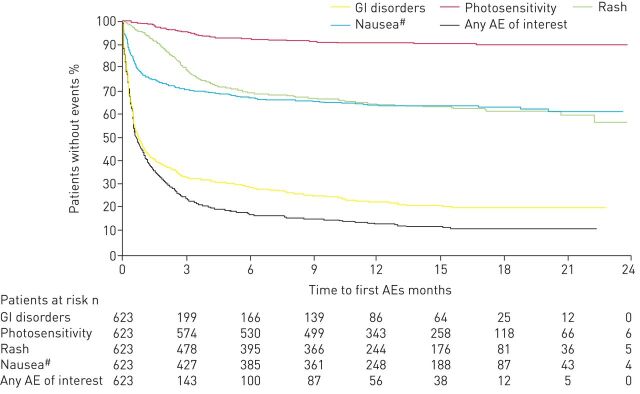
- Mason WR, Nathan SD, Zibrak JD, et al. Time-to-event analysis of common adverse events with pirfenidone in patients with IPF – a pooled analysis of three phase III clinical trials. Am J Respir Crit Care Med 2017; 195: A6798.
- Lancaster LH, Morrison LD, Auais A, et al. Pirfenidone in patients aged 80 years and older with idiopathic pulmonary fibrosis (IPF): safety findings from pooled trial databases. Am J Respir Crit Care Med 2017; 195: A5385.
- Glassberg MK, Nathan SD, Lin CY, et al. Cardiovascular events in phase 3 trials of pirfenidone in idiopathic pulmonary fibrosis (IPF). Am J Respir Crit Care Med 2016; 193: A4980.
Cited by
Items 101–200 of 322
An updated safety review of the drug treatments for idiopathic pulmonary fibrosis
Sgalla, G., Comes, A., & Richeldi, L. (2021) · Expert Opinion on Drug Safety · doi:10.1080/14740338.2021.1921143 · Cited by 18
“These results suggest that titration periods longer than 2 weeks may be associated with a better tolerability profile by preventing adverse events and further dose modifications [36].”
BackgroundEmerging pharmacological options in the treatment of idiopathic pulmonary fibrosis (IPF)
Aribindi, K., Liu, G. Y., & Albertson, T. E. (2024) · Expert Review of Clinical Pharmacology · doi:10.1080/17512433.2024.2396121 · Cited by 17
“Slow up-titration of the dose may help mitigate pirfenidone-related adverse events (AEs) [36].”
AbouSamra, M. M., Elgohary, R., & Mansy, S. S. (2022) · International Journal of Pharmaceutics · doi:10.1016/j.ijpharm.2022.122539 · Cited by 17
Glutaredoxin-1 alleviates acetaminophen-induced liver injury by decreasing its toxic metabolites
Xu, Y. X., Xia, Y., Liu, Q., Jing, X., Tang, Q., Zhang, J., Jia, Q., Zhang, Z., Li, J., Chen, J.-H., et al. (2023) · Journal of Pharmaceutical Analysis · doi:10.1016/j.jpha.2023.08.004 · Cited by 17
“PFD is an anti-fi brosis drug that is clinically used for idiopathic pulmonary fi brosis [47,48].”
BackgroundYang, Y., Xiao, Z., Yang, W., Sun, Y., Sui, X. Y., Lin, X., Yang, X., Bao, Z., Cui, Z., Ma, Y., et al. (2024) · Cellular and Molecular Life Sciences · doi:10.1007/s00018-024-05219-x · Cited by 17
Mitochondrial Transplantation Ameliorates Pulmonary Fibrosis by Suppressing Myofibroblast Activation
Lee, S.-E., Yu, S.-H., Kim, I.-H., Kang, Y. C., Kim, Y., Yeo, J. S., Lim, J., Kwon, I., Kim, J.-H., Park, S.-W., et al. (2024) · International Journal of Molecular Sciences · doi:10.3390/ijms252312783 · Cited by 18
“Additionally, they have limitations for treatment options due to adverse effects [57].”
Wang, T., Cui, Z., Ou, Y., Lou, S., Chen, H., Zhu, C., Zhou, L., & Zou, F. (2025) · Frontiers in Pharmacology · doi:10.3389/fphar.2025.1530697 · Cited by 17
Zheng, S., Zhou, Z., Ji, J., Liu, Y., Jiao, X., Li, X., Shen, Y., Hong, H., & Han, X. (2025) · Journal of Controlled Release · doi:10.1016/j.jconrel.2025.113862 · Cited by 17
Nasonov, E. L., Ananyeva, L. P., & Avdeev, S. N. (2022) · Rheumatology Science and Practice · doi:10.47360/1995-4484-2022-1 · Cited by 17
Zhang, X., Zhang, Z., Huang, M. N., Jin, Y., Huang, Y., Ji, P., & Ma, Z. (2025) · International Journal of Nanomedicine · doi:10.2147/ijn.s551477 · Cited by 17
“79”
Pulmonary Fibrosis and Diabetes Mellitus: Two coins with the same face
Mendoza‐Marí, Y., Fraix, M. P., & Agrawal, D. K. (2024) · Archives of Internal Medicine Research · doi:10.26502/aimr.0165 · Cited by 16
“For example, pirfenidone might provoke gastrointestinal symptoms, skin rashes, and photosensitivity [149] and can cause serious liver function abnormalities in 5% of patients, that is why regular monitoring is recommended [7].”
BackgroundPharmacological Activities of Ginkgolic Acids in Relation to Autophagy
Ding, Y. F., Ding, Z., Xu, J., Li, Y., & Chen, M. (2022) · Pharmaceuticals · doi:10.3390/ph15121469 · Cited by 16
Park, M. Y., Bae, S., Heo, J. A., Park, M., Kim, Y., Han, J., Jang, I., Yu, K., & Oh, J. (2023) · Clinical and Translational Science · doi:10.1111/cts.13518 · Cited by 15
Inhalable Hsa‐miR‐30a‐3p Liposomes Attenuate Pulmonary Fibrosis
Liu, S., Popowski, K. D., Eckhardt, C. M., Zhang, W., Li, J., Jing, Y., Silkstone, D., Belcher, E., Cislo, M., Hu, S., et al. (2025) · Advanced Science · doi:10.1002/advs.202405434 · Cited by 15
Perch, M., Corris, P. A., Lordan, J., Bessa, V., Magnusson, J. M., Verleden, G. M., Vos, R., Kneidinger, N., Leuckfeld, I., Verschuuren, E. A. M., et al. (2025) · European Respiratory Journal · doi:10.1183/13993003.02154-2024 · Cited by 16
“We would expect more gastrointestinal symptoms in this group, as has been reported previously with pirfenidone in IPF [28], but our findings might reflect the general burden of symptoms and side-effects caused by the standard-of-care lung transplant medication [29].”
Management of patients with fibrosing interstitial lung diseases
Morrow, L. E., Hilleman, D. E., & Malesker, M. A. (2021) · American Journal of Health-System Pharmacy · doi:10.1093/ajhp/zxab375 · Cited by 15
“tions or treatment interruptions may be needed to manage adverse events.(55,83,84)”
BackgroundTreating Pulmonary Fibrosis with Non-Viral Gene Therapy: From Bench to Bedside
Huang, T., Gao, J. L., Cai, L., Xie, H., Wang, Y., Wang, Y., & Zhou, Q. (2022) · Pharmaceutics · doi:10.3390/pharmaceutics14040813 · Cited by 15
“Pirfenidone plays an anti-inflammatory and anti-fibrotic effect by down-regulating TGF-β and tumor necrosis factor-α (TNF-α) pathways, which could reduce fibroblast proliferation and inhibit collagen synthesis [7,8].”
BackgroundXie, R., Chen, S., Li, F., Liu, Y., & Yu, B. (2022) · Journal of Biochemical and Molecular Toxicology · doi:10.1002/jbt.23251 · Cited by 15
A comprehensive and practical approach to the management of idiopathic pulmonary fibrosis
Moran‐Mendoza, O., Colman, R., Kalluri, M., Cabalteja, C., & Harle, I. A. (2019) · Expert Review of Respiratory Medicine · doi:10.1080/17476348.2019.1627204 · Cited by 15
“Eating full meals can also help in the management of gastrointestinal AEs associated with antifibrotic therapy, and dose reductions or interruptions should be considered in patients with nausea or reduced appetite, with the knowledge that pirfenidone and nintedanib can maintain their efficacy at doses less than recomm…”
BackgroundFang, Q., Liu, S., Cui, J., Zhao, R., Han, Q., Hou, P., Li, Y., Lv, J., Zhang, X., Luo, Q., et al. (2022) · Frontiers in Bioengineering and Biotechnology · doi:10.3389/fbioe.2022.920766 · Cited by 15
“PFD had finished the phase three trial, represented a good effect on patients with IPF, but often comes along with gastrointestinal (GI) adverse events (AE), which may be brought by the oral administration (King et al., 2014; Lancaster et al., 2017).”
BackgroundPharmacological treatment in Idiopathic Pulmonary Fibrosis: current issues and future perspectives
Vancheri, C., Sciacca, E., Muscato, G., Spicuzza, L., Fruciano, M., Gili, E., Sambataro, G., Palmucci, S., & Libra, A. (2024) · Multidisciplinary Respiratory Medicine · doi:10.5826/mrm.2024.982 · Cited by 14
Corral, M., Chang, E. Y., Broder, M. S., Gokhale, S., & Reddy, S. R. (2020) · Journal of Comparative Effectiveness Research · doi:10.2217/cer-2020-0084 · Cited by 14
Kim, T. H., Shin, Y.-Y., Kim, H., Song, M. J., Kim, Y. W., Lim, S. Y., Lee, Y. J., Park, J. S., Cho, Y., Lee, J. H., et al. (2022) · Scientific Reports · doi:10.1038/s41598-022-22449-w · Cited by 14
Liu, S., Ale, T., Kehinde, V. A., Ale, T., Wang, H.-C. H., & Lavik, E. (2023) · ACS Biomaterials Science & Engineering · doi:10.1021/acsbiomaterials.3c00087 · Cited by 14
Mecott, G. A., González-Cantú, I., Dorsey-Treviño, E. G., Matta-Yee-Chig, D., Cárdenas, O. S., Montes‐de‐Oca‐Luna, R., Porras, S. P., & García‐Pérez, M. M. (2020) · Advances in Skin & Wound Care · doi:10.1097/01.asw.0000655484.95155.f7 · Cited by 14
Cai, T., Jiang, J., Yao, W., Hu, Y., Kong, S., Fan, Q., Yan, X., Li, F., & Shi, Z. (2022) · Biomedicine & Pharmacotherapy · doi:10.1016/j.biopha.2022.114015 · Cited by 14
Behr, J., Bonella, F., Frye, B. C., Günther, A., Hagmeyer, L., Henes, J., Klemm, P., Koschel, D., Kreuter, M., Leuschner, G., et al. (2024) · Respiration · doi:10.1159/000540856 · Cited by 13
Self-citationUsefulness of Pirfenidone in Covid Lung: A Case Series
Momen, A., Khan, F., Saber, S., Sultana, A., Alam, R. F., Raihan, S. G., Hossain, M. M., & Alam, M. T. (2021) · European Journal of Medical and Health Sciences · doi:10.24018/ejmed.2021.3.1.670 · Cited by 13
“The reduction in the over expression of TGF-β, connective tissue growth factor (CTGF), plateletderived growth factors (PDGF), and tumour necrosis factor (TNF)- α in inflammatory diseases plays a key role in the anti-fibrotic activity of pirfenidone [6].”
BackgroundLi, G., Shen, C., Dong, W., Yang, X., Jiang, C., Yang, X., Mao, W., Zou, J. G., Tan, J., & Chen, J. (2023) · Lung · doi:10.1007/s00408-023-00608-8 · Cited by 14
“Despite advancements in pharmacological treatment, IPF remains incurable because its pathogenesis is unclear [8, 9].”
BackgroundIntroduction to Chronic Respiratory Diseases: A Pressing Need for Novel Therapeutic Approaches
Chan, Y., Ng, S. W., Liew, H. S., Pua, L. J. W., Soon, L., Lim, J. S., Dua, K., & Chellappan, D. K. (2021) · Springer eBooks · doi:10.1007/978-981-33-6850-7_2 · Cited by 13
Kim, J., Chung, C., Cho, H. S., & Kim, H. C. (2023) · PLoS ONE · doi:10.1371/journal.pone.0281295 · Cited by 13
“However, in previous studies, the median time to the first adverse event leading to dose modification was 62 days, which is relatively early [11, 29].”
BackgroundMethodSatsuma, Y., Ikesue, H., Kusuda, K., Maeda, M., Muroi, N., Mori, R., Kogo, M., Hirabayashi, R., Nagata, K., Nakagawa, A., et al. (2020) · Frontiers in Pharmacology · doi:10.3389/fphar.2020.529654 · Cited by 12
“The management of ADEs is essential because these symptoms can lead to discontinuation of pirfenidone treatment by patients (Ogura et al., 2015; Hughes et al., 2016; Lancaster et al., 2017; Cottin et al., 2018).”
BackgroundYang, F., Du, W., Tang, Z., Wei, Y., & Dong, J. (2023) · Chinese Medicine · doi:10.1186/s13020-023-00730-y · Cited by 12
Inhibition of TGF-β2–Induced Trabecular Meshwork Fibrosis by Pirfenidone
Zhu, X., Zeng, B., Wu, C., Chen, Z., Yu, M., & Yang, Y. (2023) · Translational Vision Science & Technology · doi:10.1167/tvst.12.11.21 · Cited by 12
“11 Pirfenidone (PFD) is a new broad-spectrum antifi-brotic agent approved for the treatment of idiopathic pulmonary fibrosis 12 that offers safety, efficacy, and low toxicity.”
BackgroundReccardini, N., Chernovsky, M., Salton, F., Confalonieri, P., Mondini, L., Barbieri, M., Romallo, A., Maggisano, M., Torregiani, C., Geri, P., et al. (2024) · Pharmaceuticals · doi:10.3390/ph17070930 · Cited by 12
“A FVC decline > 10% and/or a DLCO decline > 15% over a period of 12 months was considered a clinically significant disease progression [18,19,30].”
BackgroundOkano, T., Kobayashi, T., Yasuma, T., D’Alessandro‐Gabazza, C. N., Toda, M., Fujimoto, H., Nakahara, H., Okano, Y., Takeshita, A., Nishihama, K., et al. (2020) · Frontiers in Pharmacology · doi:10.3389/fphar.2020.593620 · Cited by 12
“Of particular clinical concern is gastrointestinal symptoms, which are frequent in Western patients (36%), and skin rash due to photosensitivity, which is more frequent in the Asian population (51%) (Taniguchi et al., 2010; King et al., 2014a; Costabel et al., 2017; Lancaster et al., 2017).”
BackgroundCardiovascular safety of the tyrosine kinase inhibitor nintedanib
Ameri, P., Tini, G., Spallarossa, P., Mercurio, V., Tocchetti, C. G., & Porto, I. (2021) · British Journal of Clinical Pharmacology · doi:10.1111/bcp.14793 · Cited by 12
“pirfenidone, despite the population being the same as that prescribed with nintedanib.(22)”
MethodXu, J., Zhou, L., Chen, H., He, Y., Zhao, G., Li, L., Efferth, T., Ding, Z., & Shan, L. (2024) · Phytomedicine · doi:10.1016/j.phymed.2024.155871 · Cited by 11
Cocconcelli, E., Bernardinello, N., Cameli, P., Liberti, R., Alhamad, E. H., Gregori, D., Pianigiani, T., Dartora, C., Messina, R., Leo, I. D., et al. (2025) · Lung · doi:10.1007/s00408-025-00789-4 · Cited by 11
Zhang, W., Li, L., Li, W., Wang, J., Gao, X.-F., Zhang, S., Zhang, M., Jiang, S., & Li, W. (2025) · Journal of Ethnopharmacology · doi:10.1016/j.jep.2025.120448 · Cited by 11
Kurosaki, T., Kanda, H., Hashizume, J., Sato, K., Harasawa, H., Nakamura, T., Sasaki, H., & Kodama, Y. (2021) · Pharmaceutics · doi:10.3390/pharmaceutics13111983 · Cited by 11
“Furthermore, they cause side effects, such as critical nausea and diarrhea [6,7], in many patients.”
BackgroundTottoli, E. M., Benedetti, L., Riva, F., Chiesa, E., Pisani, S., Bruni, G., Genta, I., Conti, B., Ceccarelli, G., & Dorati, R. (2023) · Polymers · doi:10.3390/polym15204045 · Cited by 11
“The action of these antifibrotic agents in the wound healing field is a source of interest within the scientific community [65–67].”
BackgroundBufotalin attenuates pulmonary fibrosis via inhibiting Akt/GSK-3β/β-catenin signaling pathway
Yin, J.-Z., Li, Z.-Q., Zhang, X., Wan, Z.-J., Qin, H.-R., Yao, L.-H., Li, B.-L., 高福, & Yang, Y.-Y. (2023) · European Journal of Pharmacology · doi:10.1016/j.ejphar.2023.176293 · Cited by 12
Rahaghi, F., Safdar, Z., Brown, A. W., de Andrade, J. A., Flaherty, K. R., Kaner, R. J., King, C. S., Padilla, M. L., Noth, I., Scholand, M. B., et al. (2020) · BMC Pulmonary Medicine · doi:10.1186/s12890-020-01209-4 · Cited by 11
“and further provide guidance on the most common AEs associated with pirfenidone as opposed to developing recommendations for groups of AEs as a whole [18, 19].”
BackgroundSelf-citationThe justification for the progressive fibrotic phenotype
Kolb, M. R. J., & Flaherty, K. R. (2021) · Current Opinion in Pulmonary Medicine · doi:10.1097/mcp.0000000000000803 · Cited by 11
Yin, Y.-Q., Peng, F., Situ, H.-J., Xie, J., Tan, L., Wei, J., Jiang, F., Zhang, S., & Liu, J. (2022) · Frontiers in Immunology · doi:10.3389/fimmu.2022.1010345 · Cited by 11
Dressed in Collagen: 2D and 3D Cardiac Fibrosis Models
Cardona-Timoner, M., Gomes, R. N., & Nascimento, D. S. (2025) · International Journal of Molecular Sciences · doi:10.3390/ijms26073038 · Cited by 9
Anti-fibrotic therapy for the treatment of pulmonary sequelae in patients healed by COVID-19
Vitiello, A., & Ferrara, F. (2021) · Lung India · doi:10.4103/lungindia.lungindia_803_20 · Cited by 9
Zambrzycki, S. C., Saberi, S., Biggs, R. M., Eskandari, N., Delisi, D., Taylor, H. B., Mehta, A. S., Drake, R. R., Gentile, S., Bradshaw, A. D., et al. (2024) · Matrix Biology Plus · doi:10.1016/j.mbplus.2024.100161 · Cited by 9
Hao, W., Yu, T., Li, W., Wang, G., Hu, H.-X., & Zhou, P.-P. (2024) · Korean Journal of Physiology and Pharmacology · doi:10.4196/kjpp.2024.28.6.559 · Cited by 9
Togami, K., Kanehira, Y., Nakamura, Y., Ishii, H., Abe, R., Yamamoto, A., Takehara, K., Yasuda, M., Tada, H., & Chono, S. (2025) · Journal of Pharmaceutical Sciences · doi:10.1016/j.xphs.2025.103819 · Cited by 9
Huang, S., Cui, H., Lyu, M., Huang, G., Hou, D., & Yu, M. (2022) · PLoS ONE · doi:10.1371/journal.pone.0272047 · Cited by 9
Bibliometric analysis of the pirfenidone and nintedanib in interstitial lung diseases
Liu, J., Wang, F., Hong, Y., & Luo, F. (2024) · Heliyon · doi:10.1016/j.heliyon.2024.e29266 · Cited by 8
“…PW, Azuma A, Nathan SD) contributed to this research field by conducting high-quality randomized controlled trials of pirfenidone in IPF, and their work facilitated the development and application of pirfenidone in the respiratory system, basically as the milestones of this field [7, 33 – 53 ].”
MethodKette, S., Reccardini, N., Salton, F., Confalonieri, P., Andrisano, A. G., Chianese, M. I., Nes, A. D., Maggisano, M., Galantino, A., Nicolosi, S., et al. (2025) · Pharmaceuticals · doi:10.3390/ph18030411 · Cited by 8
“These two drugs are also associated with several side effects, mainly gastrointestinal (GI) issues, including nausea, diarrhoea, and dyspepsia, as well as skin-related conditions, which may lead to treatment discontinuation or dose reduction [33].”
Soltani, F., Lewis, G. A., Rosala‐Hallas, A., Dodd, S. R., Schelbert, E. B., Williams, S. G., Cunnington, C., McDonagh, T. A., & Miller, C. (2023) · Journal of Cardiac Failure · doi:10.1016/j.cardfail.2023.02.010 · Cited by 8
Anti-Inflammatory and Antifibrotic Potential of Longidaze in Bleomycin-Induced Pulmonary Fibrosis
Pakhomova, A. V., Pershina, О. V., Бочков, П. О., Ermakova, N. N., Pan, E. S., Sandrikina, L. A., Dagil, Y. A., Kogai, L., Grimm, W., Zhukova, М. А., et al. (2023) · Life · doi:10.3390/life13091932 · Cited by 8
“Gastrointestinal and skin reactions are the most common adverse events caused by pirfenidone treatment [32].”
BackgroundChen, X.-L., Tang, C. W., Xiao, Q., Pang, Z., Zhou, D., Xu, J., Wang, Q., Zhao, Y.-X., & Zhu, Q. (2021) · Evidence-based Complementary and Alternative Medicine · doi:10.1155/2021/6658395 · Cited by 8
Oral Sub Mucous Fibrosis: Exploring Therapeutic Strategies Using -anti TGF β Drugs
Sheshaprasad, R., & Pai, A. (2018) · Asian Pacific Journal of Cancer Care · doi:10.31557/apjcc.2018.3.2.21 · Cited by 8
A network pharmacology approach-based decoding of Resveratrol's anti-fibrotic mechanisms
Wang, Y., Li, N., Hu, J., Zhao, Y., Zhou, W., Li, S., Yi, G., Bian, H., Cao, F., & Yao, S. (2024) · Phytomedicine · doi:10.1016/j.phymed.2024.156092 · Cited by 7
Sexual dimorphism of lung immune-regulatory units imprint biased pulmonary fibrosis
Peng, X. F., Wang, L., Xu, F., Guo, Q., Xie, G., Sheng, L., Chen, L., Teng, J., Yang, J., Wu, X., et al. (2025) · Cellular and Molecular Immunology · doi:10.1038/s41423-025-01293-8 · Cited by 7
miaomiao, D., Hu, S., xiaolong, W., Weiya, C., bing, L., haibo, J., fei, W., Yan, R., Xie, Z., zihao, X., et al. (2025) · International Immunopharmacology · doi:10.1016/j.intimp.2025.115020 · Cited by 7
Liu, X., Lu, F., Yang, H., Liao, G., Zhao, L., Zou, D., He, T., Hu, Y., Wang, L., Xia, J., et al. (2025) · BMC Cancer · doi:10.1186/s12885-025-14896-1 · Cited by 8
Anti-fibrotic strategies and pulmonary fibrosis
Gunatilaka, A., Zhang, S., Tan, W. S. D., & Stewart, A. G. (2023) · Advances in pharmacology · doi:10.1016/bs.apha.2023.04.002 · Cited by 7
Luo, W., Gu, Y., Fu, S., Wang, J., Zhang, J., & Wang, Y. (2023) · European Journal of Medicinal Chemistry · doi:10.1016/j.ejmech.2023.115762 · Cited by 7
Selcuk, Ö., & Uslu, B. (2024) · Journal of The Electrochemical Society · doi:10.1149/1945-7111/ad6a94 · Cited by 7
Petersen, A. G., Korntner, S. H., Bousamaki, J., Oró, D., Manresa-Arraut, A., Pors, S. E., Salinas, C. G., Andersen, M. W., Madsen, M. R., Nie, Y., et al. (2024) · Physiological Reports · doi:10.14814/phy2.70077 · Cited by 7
“In addition, both agents are associated with adverse gastrointestinal effects that may lead to treatment discontinuation (Corte et al., 2015; Lancaster et al., 2017).”
BackgroundWu, X., Xu, H., Zhang, Z., Ma, Z., Zhang, L., Wang, C., Lan, K., Li, R., & Chen, M. (2024) · Lung · doi:10.1007/s00408-024-00764-5 · Cited by 7
Effect of pirfenidone on gastric emptying in a rat model
Pan, L., Gelzleichter, T. R., Chen, Y., Burg, C., Limb, S. L., & Nguyen, L. A. B. (2018) · Pulmonary Pharmacology & Therapeutics · doi:10.1016/j.pupt.2018.06.001 · Cited by 7
Shen, L., Yan, Q., & Chen, X. (2019) · Archives of Rheumatology · doi:10.46497/archrheumatol.2020.7381 · Cited by 7
Pluchart, H., Chanoine, S., Briault, A., Claustre, J., & Bedouch, P. (2019) · Fundamental and Clinical Pharmacology · doi:10.1111/fcp.12522 · Cited by 7
Machine Learning and BMI Improve the Prognostic Value of GAP Index in Treated IPF Patients
Lacedonia, D., Pace, C. C. D., Rea, G., Capitelli, L., Gallo, C., Scioscia, G., Tondo, P., & Bocchino, M. (2023) · Bioengineering · doi:10.3390/bioengineering10020251 · Cited by 9
“In 2011, pirfenidone was the first treatment approved [4,5] for idiopathic pulmonary fibrosis for its favorable benefit-risk ratio due to trial results showing”
BackgroundAtkova, E. L., Aa, F., Af, A., Rein, D. A., & Krakhovetskiy, N. N. (2021) · Russian Annals of Ophthalmology · doi:10.17116/oftalma202113705131 · Cited by 7
Live-cell imaging of human liver fibrosis using hepatic micro-organoids
Guan, Y., Fang, Z., Hu, A., Roberts, S., Wang, M., Ren, W., Johansson, P. K., Heilshorn, S. C., Enejder, A., & Peltz, G. (2025) · JCI Insight · doi:10.1172/jci.insight.187099 · Cited by 6
Xiang, H., Wu, W., & Wang, S. (2023) · Tissue and Cell · doi:10.1016/j.tice.2023.102183 · Cited by 6
Sebastiani, M., Manfredi, A., Croci, S., Faverio, P., Cassone, G., Vacchi, C., Salvarani, C., & Luppi, F. (2024) · Expert Opinion on Investigational Drugs · doi:10.1080/13543784.2024.2376567 · Cited by 6
“Both drugs should be avoided in subjects with a liver impairment [123,124].”
Köse, S., Önen, S., Gizer, M., Boduroğlu, E. C., Gönüllü, U., & Korkusuz, P. (2024) · TURKISH JOURNAL OF BIOLOGY · doi:10.55730/1300-0152.2713 · Cited by 6
“In addition, nintedanib and prednisone have side effects such as gastrointestinal toxicity (Cottin, 2017; Lancaster et al., 2017), drug-induced liver injury (Verma et al., 2018), risk of bleeding (Corte et al., 2015), and arterial thromboembolism (Corte et al., 2015).”
Liu, Y., Zhao, X., Wang, X., & Zhou, Q. (2025) · Frontiers in Pharmacology · doi:10.3389/fphar.2025.1534628 · Cited by 6
Emerging Therapies in Pulmonary Fibrosis
Etchingham-Coll, H., Temizel, E., Okezie-Enyioma, N., Martin, N., Kaenmuang, P., Coghlan, S., Spagnolo, P., & Chaudhuri, N. (2026) · Pulmonary Therapy · doi:10.1007/s41030-026-00349-y · Cited by 6
Cheng, Z., Xu, S., Lei, Y., He, H., Sun, R., Jin, X., Huang, C., Zheng, Y., Peng, J., Tang, L., et al. (2025) · Advanced Functional Materials · doi:10.1002/adfm.202411665 · Cited by 6
Amirkhosravi, A., Heidari, M. R., Karami‐Mohajeri, S., Torshabi, M., Mandegary, A., & Mehrabani, M. (2023) · PubMed Central · doi:10.22038/ijbms.2023.68982.15035 · Cited by 6
“Up to now, the anti-fibrotic drug 5-methyl-1-phenyl2-(1H)-pyridone or pirfenidone (PFD) has been proven by the US Food and Drug Administration (FDA) to treat IPF patients (6).”
Chen, Z., Xie, W., Tang, S., Lin, M., Ren, L., Huang, X., Deng, L., Qian, R., Wang, Z., Xiong, D., et al. (2024) · Phytotherapy Research · doi:10.1002/ptr.8221 · Cited by 6
“However, their effectiveness is limited, and their safety remains a concern (Lancaster et al., 2017; Richeldi et al., 2017).”
Deng, Q., Wu, L., Zhang, C., & Dang, M. (2025) · Biomolecules · doi:10.3390/biom15091273 · Cited by 5
“This may not only affect the normal tumor suppression function, but also cause adverse reactions such as gastrointestinal discomfort, bronchitis, and liver dysfunction [20,21].”
Wang, H., Juan, C. D. H., Lee, Z.-Y., & Thai, T. (2025) · British Journal of Pharmacology · doi:10.1111/bph.70236 · Cited by 5
“…pirfenidone , which is associated with side effects such as gastrointestinal issues, skin reactions, liver function abnormalities and fatigue, and requires regular follow-ups with healthcare providers to manage and mitigate these side effects effectively (Kim et al., 2024; Lancaster et al., 2017).”
Wang, G., Zhang, N., Zhou, Y., Yan, J., Liu, Y., Liu, M., Xue, M., & Liang, H. W. (2025) · Journal of Food Science · doi:10.1111/1750-3841.70682 · Cited by 5
Wu, J., Huang, H., Tu, M., Yu, H., Wei, T., Huang, X., Jia, Y., Mo, T., Li, Y., & Zhang, H. (2022) · Journal of Food Biochemistry · doi:10.1111/jfbc.14483 · Cited by 5
Avdeev, S. N., Ilkovich, M. M., Terpigorev, S. A., Moiseev, S. V., & Tyurin, I. E. (2023) · Life · doi:10.3390/life13020483 · Cited by 5
“The preferred approach for managing the most frequent treatment-emergent gastrointestinal AEs is temporary dose reduction or interruption followed by a slow titration back to the full or previously prescribed dose [32].”
BackgroundZuo, B., Yuan, S., Luo, C., Du, X., Wu, Y., Shi, L., Chen, J., Chen, B.-T., Zhou, J., & Ren, Y. (2025) · Frontiers in Pharmacology · doi:10.3389/fphar.2025.1680998 · Cited by 4
Zhao, C., Xiao, A., Chen, C., Mu, W., Li, W.-Y., & Chang, L. (2025) · Nano Today · doi:10.1016/j.nantod.2025.102889 · Cited by 4
Zhang, W., Guo, Y. M., Wang, Q., Wang, K., Zhang, H., Chang, S., Yang, A., Liu, Z., & Sun, Y. (2025) · International Journal of Molecular Sciences · doi:10.3390/ijms27010249 · Cited by 4
Inhalable stealth liposomes improve peptide delivery for pulmonary fibrosis treatment
Lin, R., Li, Z., Sun, Y., Shen, J., Cao, X., Lin, Y., Fu, C. L., Zhu, Y., Wang, C., Tan, Z., et al. (2026) · Journal of Controlled Release · doi:10.1016/j.jconrel.2026.114655 · Cited by 4
Severe Photosensitivity Reaction After Pirfenidone Use
Choudhury, S., Taweesedt, P. T., Dadhwal, R., & Surani, S. (2021) · Cureus · doi:10.7759/cureus.16626 · Cited by 4
“Pirfenidone (Esbriet®) was the first medication that was developed to treat IPF [5].”
BackgroundMethodInfluentialTsyplakova, N., Ismailos, G., & Karalis, V. D. (2025) · Xenobiotica · doi:10.1080/00498254.2025.2450440 · Cited by 4
“Adverse effects, particularly gastrointestinal discomfort and dermatological reactions, pose significant challenges during IPF treatment with pirfenidone (Itoh et al. 2012; Lancaster et al. 2017; Pan et al. 2018; Faverio et al. 2020).”
Çelik, M., Koca, M., Halıcı, Z., Tavacı, T., Halıcı, H., Özkaraca, M., Karaköy, Z., & Bayraktutan, Z. (2025) · The Protein Journal · doi:10.1007/s10930-024-10247-4 · Cited by 4
“Pirfenidone and nintedanib are two FDA-approved drugs for the treatment of PF [ 56; 57].”
Wencel, M. L., Haselkorn, T., Limb, S. L., Stauffer, J. L., Morgenthien, E. A., Raimundo, K., & LaCamera, P. P. (2018) · Pulmonary Therapy · doi:10.1007/s41030-018-0056-8 · Cited by 4
“This strategy aligns with what is recommended in the prescribing information as well as what has been advised by leading experts in the field [6, 9, 12].”
BackgroundResultSelf-citationRural treatment of COVID-19 patients with pirfenidone, nitazoxanide and colchicine. Case series
Esquivel, B. I., Calderón, J. M., Concepción-Carrillo, L. E., & Zerón, H. M. (2022) · Monaldi Archives for Chest Disease · doi:10.4081/monaldi.2022.2143 · Cited by 4
Mandovra, N. P., Vaidya, P. J., Shah, R., Nighojkar, A., Chavhan, V. B., Lohiya, A., Leuppi, J. D., Taegtmeyer, A. B., & Chhajed, P. N. (2023) · Journal of Clinical Medicine · doi:10.3390/jcm12206513 · Cited by 4
“A stepwise management strategy was followed for preventing and alleviating gastrointestinal and skin-related side effects [23,24].”
BackgroundA Small Molecule That Promotes Cellular Senescence Prevents Fibrogenesis and Tumorigenesis
Meang, M. K., Kim, S., Kim, I. H., Kim, H.-S., & Youn, B. (2022) · International Journal of Molecular Sciences · doi:10.3390/ijms23126852 · Cited by 4
“Pirfenidone is hepatotoxic at high concentrations and indirectly modulates the function of immune cells, resulting in reduced activity of TGFβ [14,15].”
BackgroundInfluentialZhang, R., Song, Z., Guan, Y., Zhang, J., Zou, J., Sun, Y., & Shao, H. (2022) · PubMed Central · Cited by 4
Castelli, G., Cocconcelli, E., Bernardinello, N., Balestro, E., & Spagnolo, P. (2023) · Current Pulmonology Reports · doi:10.1007/s13665-023-00315-y · Cited by 4
Establishment of multicenter COVID-19 therapeutics preclinical test system in Republic of Korea
Noh, H., Yoon, S., Kim, S., Kim, J., Seo, J. S., Kim, J. J., Park, I. H., Oh, J., Bae, J., Lee, G. E., et al. (2023) · Pulmonary Pharmacology & Therapeutics · doi:10.1016/j.pupt.2023.102189 · Cited by 3
Metadata
- Authors
- Lancaster, L. H., de Andrade, J. A., Zibrak, J. D., Padilla, M. L., Albera, C., Nathan, S. D., Wijsenbeek, M. S., Stauffer, J. L., Kirchgaessler, K.-U., & Costabel, U.
- Affiliations
- Vanderbilt University Medical Center (US)
- Beth Israel Deaconess Medical Center (US)
- University of Turin (IT)
- Inova Fairfax Hospital (US)
- Erasmus MC (NL)
- Genentech (US)
- F. Hoffmann-La Roche AG (CH)
- Ruhrlandklinik (DE)
- Corresponding author
- Lancaster, Lisa H.
- Venue
- European Respiratory Review
- Publisher
- European Respiratory Society (ERS)
- Published
- 2017-12-06
- Volume
- 26
- Issue
- 146
- Pages
- 170057
- ISSN
- 0905-9180 (ISSN-L)
- 1600-0617
- PMC
- PMC9488585
- OpenAlex
- W2774138788
- Cited by
- 295
- References
- 52
- Citations by year
- 2026: 36 · 2025: 45 · 2024: 36 · 2023: 50 · 2022: 35 · 2021: 29 · 2020: 38 · 2019: 17 · 2018: 9
- FWCI
- 3.19
- Type
- journal article
- Language
- en
- Open access
- diamond
- doi.org
- Licence
- cc-by-nc
- Locations
- European Respiratory Review (publishedVersion, cc-by-nc)
- PubMed Central (publishedVersion, cc-by-nc)
- PubMed (publishedVersion)
- EUR Research Repository (Erasmus University Rotterdam) (submittedVersion, other-oa)
- RePub (Erasmus University Rotterdam) (submittedVersion, other-oa)
- DOAJ (DOAJ: Directory of Open Access Journals) (submittedVersion, cc-by-sa)
- Institutional Research Information System University of Turin (University of Turin) (submittedVersion)
- Funders
- GlaxoSmithKline
- Gilead Sciences
- Biogen
- Celgene
- FibroGen
- F. Hoffmann-La Roche
- Veracyte
- National Institutes of Health
- Genentech
- National Heart, Lung, and Blood Institute
- UCB Celltech
- Topics
- Health Sciences › Medicine › Pulmonary and Respiratory Medicine › Interstitial Lung Diseases and Idiopathic Pulmonary Fibrosis
- Health Sciences › Medicine › Pulmonary and Respiratory Medicine › Chronic Obstructive Pulmonary Disease (COPD) Research
- Health Sciences › Medicine › Pulmonary and Respiratory Medicine › Pulmonary Hypertension Research and Treatments
- Keywords
- pirfenidone, idiopathic pulmonary fibrosis, drug safety, adverse events, adverse event management, medication adherence, lung function decline, real-world data
- MeSH terms
- Anti-Inflammatory Agents, Non-Steroidal, Humans, Lung, Pyridones, Risk Factors, Time Factors, Treatment Outcome, Disease-Free Survival, Recovery of Function, Idiopathic Pulmonary Fibrosis, Medication Adherence
About these checks
Registry, retraction, Cites and statistics results are computed, not judged, with one exception: a printed reference that no index lists is read once by a model before it counts as a citation error. Claims are extracted by a model and kept only when their quote appears verbatim in the text; each cited source is then checked, with a model’s help, for whether it says what the claim relies on. Those verdicts can be wrong — read the claim’s quote and the cited source before relying on one.
Statistics and arithmetic are recomputed, not judged.
Confidence bands are shown only for fields calibrated on our annotated test set. None is calibrated yet, so no band is shown.
What counts as a claim ›How we measure confidence ›How we check this ›
Are you an author, or do you see a problem with this page? Request a review
Data sources
Bibliographic data: Semantic Scholar, OpenAlex, Crossref.
Contains information from the Semantic Scholar Academic Graph Datasets, made available under the ODC Attribution License (ODC-BY 1.0).
Semantic Scholar’s data is described in: Kinney, R., et al. (2023). The Semantic Scholar Open Data Platform. arXiv:2301.10140.
