

Lung glutathione adaptive responses to cigarette smoke exposure
Open accessThe DOI matches its Crossref record; 42 of the 42 references it cites were found in a registry or an index.
Abstract
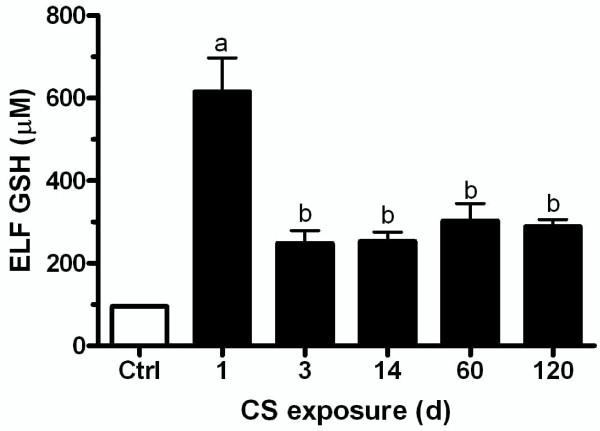
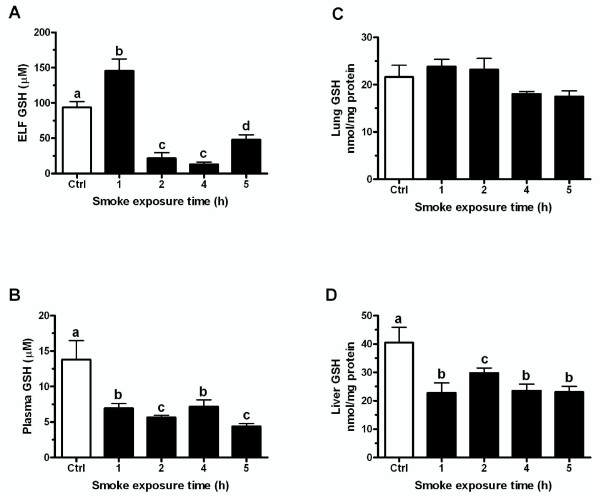
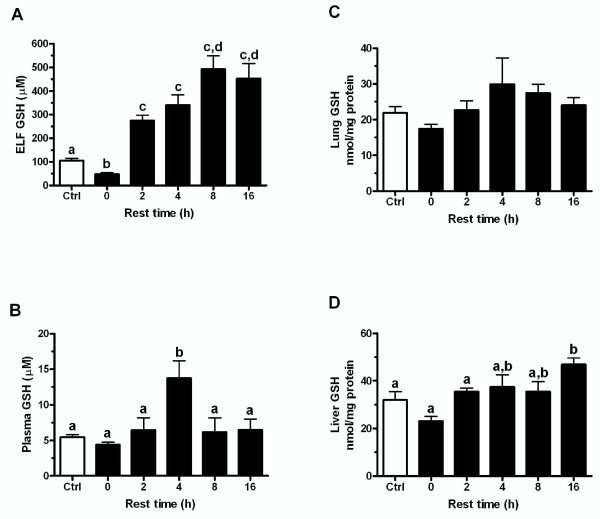
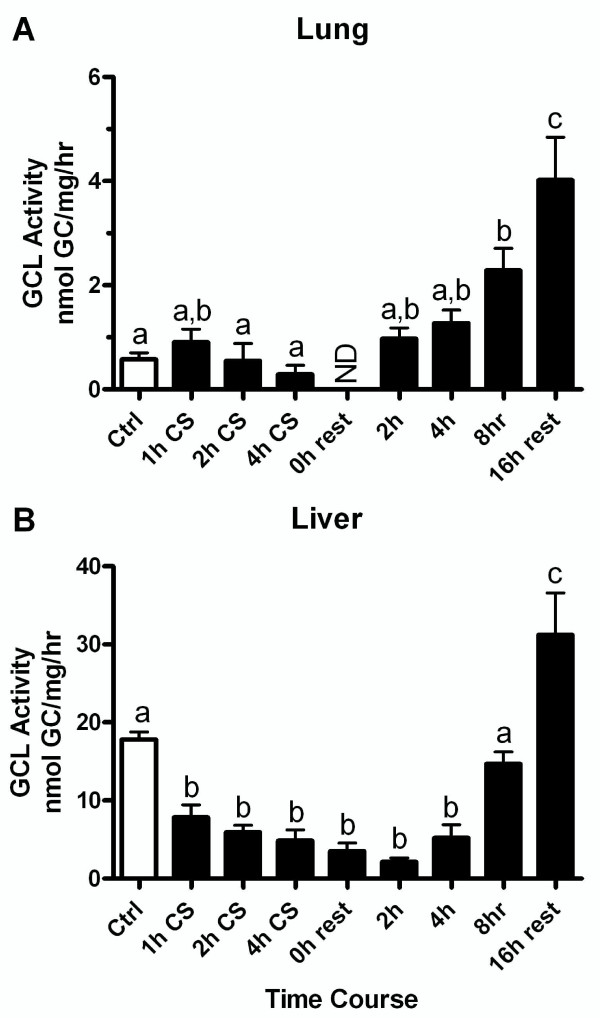
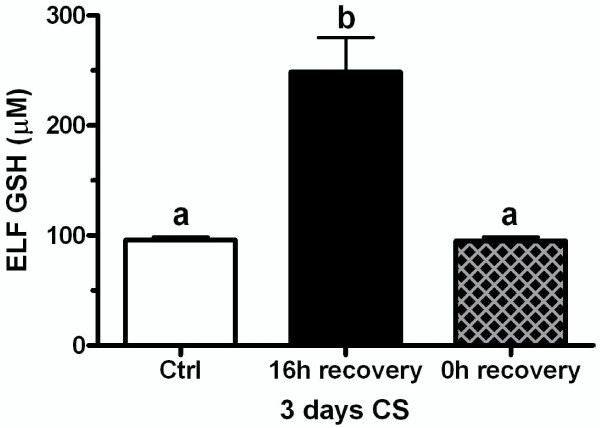
Background: Smoking tobacco is a leading cause of chronic obstructive pulmonary disease (COPD), but although the majority of COPD cases can be directly related to smoking, only a quarter of smokers actually develop the disease. A potential reason for the disparity between smoking and COPD may involve an individual's ability to mount a protective adaptive response to cigarette smoke (CS). Glutathione (GSH) is highly concentrated in the lung epithelial lining fluid (ELF) and protects against many inhaled oxidants. The changes in GSH that occur with CS are not well investigated; therefore the GSH adaptive response that occurs with a commonly utilized CS exposure was examined in mice. Methods: Mice were exposed to CS for 5 h after which they were rested in filtered air for up to 16 h. GSH levels were measured in the ELF, bronchoalveolar lavage cells, plasma, and tissues. GSH synthesis was assessed by measuring γ-glutamylcysteine ligase (GCL) activity in lung and liver tissue. Results: GSH levels in the ELF, plasma, and liver were decreased by as much as 50% during the 5 h CS exposure period whereas the lung GSH levels were unchanged. Next, the time course of rebound in GSH levels after the CS exposure was examined. CS exposure initially decreased ELF GSH levels by 50% but within 2 h GSH levels rebound to about 3 times basal levels and peaked at 16 h with a 6-fold increase and over repeat exposures were maintained at a 3-fold elevation for up to 2 months. Similar changes were observed in tissue GCL activity which is the rate limiting step in GSH synthesis. Furthermore, elevation in ELF GSH levels was not arbitrary since the CS induced GSH adaptive response after a 3d exposure period prevented GSH levels from dropping below basal levels. Conclusions: CS exposures evoke a powerful GSH adaptive response in the lung and systemically. These data suggests there may be a sensor that sets the ELF GSH adaptive response to prevent GSH levels from dipping below basal levels. Factors that disrupt GSH adaptive responses may contribute to the pathophysiology of COPD.
Overview
The claims and statistics of this paper haven’t been checked yet.
Free: it reads the open-access text and checks the first 5 claims that cite a source we can check. Create a free account to check every claim.
Integrity signals
Registry
Cites
Statistics
Figures
Verification
Claims the paper makes
The claims and statistics of this paper haven’t been checked yet.
Free: it reads the open-access text and checks the first 5 claims that cite a source we can check. Create a free account to check every claim.
Claims other papers make about this one
Each is checked against this paper’s own text: does it say what the citing paper says it does?
In the citing paper
“Moreover, NAC can improve some of the damage caused by tobacco smoke exposure, such as oxidative damage to the lung and other tissues.12”
From N-acetylcysteine for therapy-resistant tobacco use disorder: a pilot study (2015) · cites this paper as [12]
Self-check
Percentages, sums and reported differences re-computed from the paper’s own numbers.
The self-check needs the paper’s full text.
Citations
Cites
Rahman, I., Kode, A., & Biswas, S. K. (2006) · Nature Protocols · doi:10.1038/nprot.2006.378 · Cited by 2,262 · cited 1×
“Total glutathione (GSH) was measured spectrophotometrically in the BALF, plasma, and tissues as previously described [17].”
MethodOxidants in Cigarette Smoke Radicals, Hydrogen Peroxide, Peroxynitrate, and Peroxynitritea
PRYOR, W. A., & STONE, K. (1993) · Annals of the New York Academy of Sciences · doi:10.1111/j.1749-6632.1993.tb39148.x · Cited by 1,152 · cited 1×
“CS contains at least 4,800 different chemicals with over 10(14) radicals per puff that can cause DNA, protein, and lipid oxidation among many other effects [1-3].”
BackgroundEisner, M. D., Anthonisen, N., Coultas, D., Kuenzli, N., Perez-Padilla, R., Postma, D., Romieu, I., Silverman, E. K., & Balmes, J. R. (2010) · American Journal of Respiratory and Critical Care Medicine · doi:10.1164/rccm.200811-1757st · Cited by 978 · cited 1×
“It has been estimated that only about 25% of smokers develop COPD, typically later in life [7].”
BackgroundNormal alveolar epithelial lining fluid contains high levels of glutathione
Cantin, A. M., North, S. L., Hubbard, R. C., & Crystal, R. G. (1987) · Journal of Applied Physiology · doi:10.1152/jappl.1987.63.1.152 · Cited by 797
Fluorescence-based microtiter plate assay for glutamate–cysteine ligase activity
White, C. C., Viernes, H., Krejsa, C. M., Botta, D., & Kavanagh, T. J. (2003) · Analytical Biochemistry · doi:10.1016/s0003-2697(03)00143-x · Cited by 293 · cited 1×
“GCL activity was measured in lung and liver homogenates as previously described [18].”
MethodIncreased biliary glutathione disulfide release in chronically ethanol‐treated rats
Sies, H., Koch, O. R., Martino, E., & Boveris, A. (1979) · FEBS Letters · doi:10.1016/0014-5793(79)81346-0 · Cited by 268 · cited 1×
“GSH is one of the most ubiquitous low molecular weight antioxidants in the body, it is expressed at high levels within cells and is found at relatively high levels in some extracellular fluids such as the lung ELF [4] and bile [25].”
BackgroundSMOKING AND CHRONIC OBSTRUCTIVE PULMONARY DISEASE
Sethi, J. M., & Rochester, C. L. (2000) · Clinics in Chest Medicine · doi:10.1016/s0272-5231(05)70008-3 · Cited by 234 · cited 1×
“CS is the primary cause of chronic obstructive pulmonary disease (COPD), with as much as 90% of COPD patients having been smokers at one point in their lifetime [5,6].”
BackgroundHealth Effects of Cigarette Smoking
Sherman, C. B. (1991) · Clinics in Chest Medicine · doi:10.1016/s0272-5231(21)00814-5 · Cited by 216
Yao, H., Arunachalam, G., Hwang, J.-W., Chung, S., Sundar, I. K., Kinnula, V. L., Crapo, J. D., & Rahman, I. (2010) · Proceedings of the National Academy of Sciences · doi:10.1073/pnas.1007625107 · Cited by 201 · cited 1×
“Many acute studies utilize a completely different exposure pattern with very high CS concentrations, which is not necessarily comparable to the smoking regimen used for chronic studies [22,23].”
BackgroundSchlezinger, J. J., Struntz, W. D. J., Goldstone, J. V., & Stegeman, J. J. (2006) · Aquatic Toxicology · doi:10.1016/j.aquatox.2006.01.012 · Cited by 186 · cited 1×
“Some of the possible factors that are abundant in CS are polyaromatic hydrocarbons (PAHs) that are inducers of cytochrome P450s and are well known sources of reactive oxygen species [28].”
Background
Cited by
Nrf2 protects human alveolar epithelial cells against injury induced by influenza A virus
Kośmider, B., Messier, E. M., Janssen, W. J., Nahreini, P., Wang, J., Hartshorn, K. L., & Mason, R. J. (2012) · Respiratory Research · doi:10.1186/1465-9921-13-43 · Cited by 156
“Total glutathione (GSH) was analyzed as previously described [34,35].”
MethodGuan, S., Tee, W. S. N., Ng, D. S. W., Chan, T., Peh, H. Y., Ho, W. E., Cheng, C., Mak, J., & Wong, W. S. F. (2013) · British Journal of Pharmacology · doi:10.1111/bph.12054 · Cited by 143
“GPx and GR play a critical role in generating GSH, an endogenous non-protein thiol with potent free radical scavenging capacity (Biljak et al., 2010; Cantin, 2010; Gould et al., 2011).”
BackgroundInfluentialE-cigarette aerosols induce lower oxidative stress in vitro when compared to tobacco smoke
Taylor, M., Carr, T., Oke, O., Jaunky, T., Breheny, D., Lowe, F., & Gaça, M. (2016) · Toxicology Mechanisms and Methods · doi:10.1080/15376516.2016.1222473 · Cited by 111
“…both by way of oxidation by direct-acting free radicals in the cigarette smoke and also by way of indirect generation of intracellular oxidant species resulting from smoke-toxicantinduced disruptions to cellular processes such as aerobic respiration (Faux et al., 2009; Gould et al., 2011).”
BackgroundZhao, J., Zhang, Y., Sisler, J. D., Shaffer, J., Leonard, S. S., Morris, A. M., Qian, Y. R., Bello, D., & Demokritou, P. (2017) · Journal of Hazardous Materials · doi:10.1016/j.jhazmat.2017.10.057 · Cited by 120
SIRT1 protects against cigarette smoke-induced lung oxidative stress via a FOXO3-dependent mechanism
Yao, H., Sundar, I. K., Ahmad, T., Lerner, C., Gerloff, J., Friedman, A. E., Phipps, R. P., Sime, P. J., McBurney, M. W., Guarente, L., et al. (2014) · American Journal of Physiology-Lung Cellular and Molecular Physiology · doi:10.1152/ajplung.00323.2013 · Cited by 104
“This is supported by a study showing that no change of lung GSH was observed in C57BL/6J mice after 5 h of CS exposure (17).”
Lopert, P., Day, B. J., & Patel, M. (2012) · PLoS ONE · doi:10.1371/journal.pone.0050683 · Cited by 112
“Since H2O2 at low levels plays an important role in cell signaling, merely compromising all H2O2 detoxification may not serve a beneficial role [1,24,25].”
BackgroundSelf-citationAcute cigarette smoke exposure impairs proteasome function in the lung
van Rijt, S. H., Keller, I. E., John, G., Kohse, K., Yildirim, A. Ö., Eickelberg, O., & Meiners, S. (2012) · American Journal of Physiology-Lung Cellular and Molecular Physiology · doi:10.1152/ajplung.00128.2012 · Cited by 97
N-acetylcysteine for therapy-resistant tobacco use disorder: a pilot study
Prado, E., Maes, M., Piccoli, L. G., Baracat, M., Barbosa, D. S., Franco, O., Dodd, S., Berk, M., & Vargas Nunes, S. O. (2015) · Redox Report · doi:10.1179/1351000215y.0000000004 · Cited by 69
Checa, J., & Aran, J. M. (2020) · International Journal of Molecular Sciences · doi:10.3390/ijms21239317 · Cited by 61
Macrophage Polarization and Functions in Pathogenesis of Chronic Obstructive Pulmonary Disease
Kim, G.-D., Lim, E. Y., & Shin, H. S. (2024) · International Journal of Molecular Sciences · doi:10.3390/ijms25115631 · Cited by 62
“Chapman et al. demonstrated that early-onset emphysema and emphyse-matous diseases increased in α 1-antitrypsin-deficient patients, supporting the association between α 1-antitrypsin deficiency and the pathogenesis of COPD [67].”
BackgroundDysregulation of the glutaredoxin/S-glutathionylation redox axis in lung diseases
Chia, S. B., Elko, E. A., Aboushousha, R., Manuel, A. M., van de Wetering, C., Druso, J. E., van der Velden, J. L. J., Seward, D. J., Anathy, V., Irvin, C. G., et al. (2019) · American Journal of Physiology-Cell Physiology · doi:10.1152/ajpcell.00410.2019 · Cited by 57
Aslan, A. N., Hussein, Y. T., Gök, Ö., Beyaz, S., Erman, O., & Başpınar, S. (2019) · Environmental Science and Pollution Research · doi:10.1007/s11356-019-07352-8 · Cited by 58
“Animal study has shown that smoking evokes a strong response in the lung and can maintain at a high level for longer periods of time; this may reflect the potential value of GSH as an antioxidant that protects the lung tissue and refers to GSH adaptive response (Lomaestro and Malone 1995; Gould et al. 2011).”
BackgroundMessier, E. M., Day, B. J., Kleeberger, S. R., Tuder, R. M., Bowler, R. P., Chu, H. W., Mason, R. J., & Kośmider, B. (2013) · American Journal of Respiratory Cell and Molecular Biology · doi:10.1165/rcmb.2012-0295oc · Cited by 55
“These findings suggest that ROS were generated as a consequence of the initial depletion of GSH by CS, or as an adaptive response (43) that induced Nrf2 activation and triggered redox-sensitive signaling.”
BackgroundSelf-citationDas, A. K., Gopalakrishnan, B., Voss, O. H., Doseff, A. I., & Villamena, F. A. (2012) · Biochemical Pharmacology · doi:10.1016/j.bcp.2012.04.021 · Cited by 54
Lv, H., Ren, H. N., Wang, L., Chen, W., & Ci, X. (2015) · Oxidative Medicine and Cellular Longevity · doi:10.1155/2015/709845 · Cited by 51
Bazzini, C., Rossetti, V., Civello, D. A., Sassone, F., Vezzoli, V., Persani, L., Tiberio, L., Lanata, L., Bagnasco, M., Paulmichl, M., et al. (2013) · Cellular Physiology and Biochemistry · doi:10.1159/000356633 · Cited by 51
Zhang, X., Ding, M., Cheng, C., Zhang, Y., Xiang, S.-Y., Lu, J., & Liu, Z.-B. (2020) · International Immunopharmacology · doi:10.1016/j.intimp.2020.106230 · Cited by 44
Chuang, H., Cheng, Y.-L., Lei, Y.-C., Chang, H.-H., & Cheng, T. (2012) · Toxicology and Applied Pharmacology · doi:10.1016/j.taap.2012.12.004 · Cited by 47
Mons, U., Muscat, J. E., Modesto, J. L., Richie, J. P., & Brenner, H. (2015) · Free Radical Biology and Medicine · doi:10.1016/j.freeradbiomed.2015.12.018 · Cited by 46
“GSH in the epithelial lining fluid of the lung is depleted by both acute and chronic exposure to tobacco smoke [4].”
Astori, E., Garavaglia, M. L., Colombo, G., Landoni, L., Portinaro, N. M., Milzani, A., & Dalle‐Donne, I. (2021) · Nutrition Research Reviews · doi:10.1017/s0954422421000093 · Cited by 47
“boost of GSH levels)(68,69), which is lower in older”
BackgroundGlutathione Depletion Accelerates Cigarette Smoke-Induced Inflammation and Airspace Enlargement
Gould, N. S., Min, E., Huang, J., Chu, H. W., Good, J., Martin, R. J., & Day, B. J. (2015) · Toxicological Sciences · doi:10.1093/toxsci/kfv143 · Cited by 44
“Recently, decreased GSH levels have been shown to exaggerate the inflammatory cytokine response to CS, while increased GSH levels have been shown to mediate the suppression of the cytokine levels (Gould et al. 2011a; Gould et al. 2010).”
BackgroundResultSelf-citationPrange, R. D., Thiedmann, M., Bhandari, A., Mishra, N., Sinha, A. N., Häsler, R., Rosenstiel, P. C., Uliczka, K., Wagner, C., Yildirim, A. Ö., et al. (2018) · Aging · doi:10.18632/aging.101536 · Cited by 43
“Glutathione and especially its biologically active form, reduced glutathione, is depleted upon CS exposure [38, 39].”
BackgroundNo evidence of exogenous origin for the abnormal glutathione redox state in schizophrenia
Ballesteros, A., Jiang, P. H., Summerfelt, A. T., Du, X. M., Chiappelli, J., O’Donnell, P., Kochunov, P., & Hong, L. E. (2013) · Schizophrenia Research · doi:10.1016/j.schres.2013.02.001 · Cited by 36
“However, smoking also induces a potent antioxidant response and increases systemic production of glutathione (Gould et al., 2011).”
The Role of Oxidative Stress and Antioxidants in Cardiovascular Comorbidities in COPD
Miklós, Z., & Horváth, I. (2023) · Antioxidants · doi:10.3390/antiox12061196 · Cited by 41
Lin, Z., Xu, Y., Guan, L., Qin, L., Ding, J., Zhang, Q., & Zhou, L. (2022) · Annals of Translational Medicine · doi:10.21037/atm-22-1009 · Cited by 36
“Exposure to cigarette smoke increases cell lysis and epithelial permeability, effects that can be inhibited by antioxidants (16).”
BackgroundMoussa, S. B., Sfaxi, I., Tabka, Z., Saad, H. B., & Rouatbi, S. (2014) · Libyan Journal of Medicine · doi:10.3402/ljm.v9.23873 · Cited by 38
“This result is consistent with those of other studies (65, 72).”
MethodResultXiong, R., Wu, Y., Wu, Q., Muskhelishvili, L., Davis, K. J., Tripathi, P., Chen, Y., Chen, T., Bryant, M., Rosenfeldt, H. M., et al. (2021) · Archives of Toxicology · doi:10.1007/s00204-021-03008-0 · Cited by 34
“CS-mediated oxidative stress is believed to be the key molecular initiating event underlying the pathogenesis of smoking-associated respiratory diseases, such as COPD and lung cancer (Boukhenouna et al. 2018; Gould et al. 2011).”
BackgroundSotgia, S., Paliogiannis, P., Sotgiu, E., Mellino, S., Zinellu, E., Fois, A. G., Pirina, P., Carru, C., Mangoni, A. A., & Zinellu, A. (2020) · Antioxidants · doi:10.3390/antiox9111146 · Cited by 30
“GSH concentrations have been investigated in different biological matrices such as sputum [16], exhaled breath condensate [17], bronchoalveolar lavage [18], blood [19] and lung tissue [20].”
BackgroundSystemic effects of acute cigarette smoke exposure in mice
Itoh, M., Tsuji, T., Nakamura, H., Yamaguchi, K., Fuchikami, J., Takahashi, M., Morozumi, Y., & Aoshiba, K. (2014) · Inhalation Toxicology · doi:10.3109/08958378.2014.917346 · Cited by 27
“For example, a previous study showed that CS exposure initially decreased the lung GSH levels, which rebounded to about three times the basal levels by two months (Gould et al., 2011).”
ResultLian, H., Zhu, L., Li, M., Feng, S., Gao, F., Zhang, X., Zhang, F., Xi, Y., & Xiang, X.-L. (2024) · Journal of Hazardous Materials · doi:10.1016/j.jhazmat.2024.135534 · Cited by 24
Chełchowska, M., Gajewska, J., Ambroszkiewicz, J., Mazur, J., Ołtarzewski, M., & Maciejewski, T. (2021) · Antioxidants · doi:10.3390/antiox10121866 · Cited by 25
“[33] reported that short-term exposure decreased GSH levels whereas our study was carried out at the end of pregnancy in patients who smoked an average of 7.”
BackgroundApplication of CE–MS to A Metabonomics Study of Human Urine from Cigarette Smokers and Non-Smokers
García‐Pérez, I., Lindon, J. C., & Minet, E. (2014) · Bioanalysis · doi:10.4155/bio.14.136 · Cited by 25
Cigarette smoke and glutathione: Focus on in vitro cell models
Dalle‐Donne, I., Garavaglia, M. L., Colombo, G., Astori, E., Lionetti, M. C., Porta, C. A. M. L., Santucci, A., Rossi, R., Giustarini, D., & Milzani, A. (2020) · Toxicology in Vitro · doi:10.1016/j.tiv.2020.104818 · Cited by 24
Cigarette Smoke Modulates NOD1 Signal Pathway and Human ß Defensins Expression in Human Oral Mucosa
Qian, Y., Wang, X., Gao, Y., Duan, N., Huang, X., Sun, F., Han, X., & Wang, W. (2015) · Cellular Physiology and Biochemistry · doi:10.1159/000430112 · Cited by 23
Sapkota, M., Hottor, T., DeVasure, J. M., Wyatt, T. A., & McCaskill, M. L. (2014) · Alcoholism Clinical and Experimental Research · doi:10.1111/acer.12439 · Cited by 22
“ON A DAILY basis, the lung is exposed to a widerange of oxidants such as dust particles, diesel exhaust, smog, cigarette smoke, and alcohol (Gould et al., 2011).”
Gil, A., Hoag, G. E., Salerno, J. P., Hornig, M., Klimas, N. G., & Selin, L. K. (2023) · Brain Behavior & Immunity - Health · doi:10.1016/j.bbih.2023.100720 · Cited by 30
“Takemoto et al., 2021; Gould et al., 2010, 2011, 2015; Prousky, 2007; Rusznak et al., 2000; Buhl et al., 1990; Dekhuijzen, 2004; Straface et al., 2000; Bridgeman et al., 1991; Hagiwara et al., 2000; Paulin et al., 2017; Lima et al., 2013; Juergens et al., 2003, 2004, 2018, 2020; Rhoden et al.,…”
Gene Expression Alterations in the Bronchial Epithelium of e-Cigarette Users
Corbett, S. E., Nitzberg, M., Moses, E., Kleerup, E. A. C., Wang, T. W., Perdomo, C., Perdomo, C., Liu, G., Xiao, X., Liu, H., et al. (2019) · CHEST Journal · doi:10.1016/j.chest.2019.05.022 · Cited by 33
Lin, H., Yan, Y., Deng, C., & Sun, N. (2024) · Analytical Chemistry · doi:10.1021/acs.analchem.4c03681 · Cited by 17
Sotgia, S., Fois, A. G., Paliogiannis, P., Carru, C., Mangoni, A. A., & Zinellu, A. (2021) · Molecules · doi:10.3390/molecules26061572 · Cited by 16
“In vivo and in vitro studies have reported a negative correlation between ELF GSH concentrations and the release of proinflammatory cytokines [15,16].”
BackgroundSun, X., Shang, J., Wu, A., Xia, J., & Xu, F. (2019) · Journal of Cellular and Molecular Medicine · doi:10.1111/jcmm.14852 · Cited by 16
Inflammasome involvement in CS-induced damage in HaCaT keratinocytes
Prieux, R., Ferrara, F., Cervellati, F., Guiotto, A., Benedusi, M., & Valacchi, G. (2022) · In Vitro Cellular & Developmental Biology - Animal · doi:10.1007/s11626-022-00658-x · Cited by 14
“Of note, the ability to generate ROS and induce oxidative stress by CS has been well demonstrated in human tissues (Van Der Toorn et al. 2007; Faux et al. 2009; Gould et al. 2011).”
BackgroundArmstrong, S. K. (2015) · Microbiology Spectrum · doi:10.1128/microbiolspec.mbp-0007-2014 · Cited by 19
“Airway surface liquid is known to contain ascorbic acid (38) as well as high concentrations of glutathione that are critical for defense against oxidative damage (39); therefore, microbes may use these as carbon, nitrogen, and sulfur sources.”
BackgroundArancini, L., Bortolasci, C. C., Dodd, S., Dean, O. M., & Berk, M. (2019) · Trials · doi:10.1186/s13063-019-3628-5 · Cited by 13
Wispriyono, B., Jalaludin, J., Kusnoputranto, H., Pakpahan, S., Aryati, G. P., Pratama, S., Librianty, N., Rozaliyani, A., Taufik, F. F., & Novirsa, R. (2021) · Journal of Public Health Research · doi:10.4081/jphr.2021.2372 · Cited by 16
The role of sulfur compounds in chronic obstructive pulmonary disease
Jiang, S., & Chen, Y. (2022) · Frontiers in Molecular Biosciences · doi:10.3389/fmolb.2022.928287 · Cited by 15
“Smoke induced a rapid decline of GSH, but chronic exposure led to increasing GSH in the lung epithelial lining fluid to mount a protective response (Gould et al., 2011).”
BackgroundA Chemical Approach to Searching for Bioactive Ingredients in Cigarette Smoke
Takahashi, Y., Horiyama, S., Honda, C., Suwa, K., Nakamura, K., Kunitomo, M., Shimma, S., Toyoda, M., Sato, H., Shizuma, M., et al. (2013) · Chemical and Pharmaceutical Bulletin · doi:10.1248/cpb.c12-00539 · Cited by 12
Muthumalage, T., Pritsos, K. L., Hunter, K. W., & Pritsos, C. A. (2017) · Toxicology Mechanisms and Methods · doi:10.1080/15376516.2017.1320694 · Cited by 9
“…with the rationale that during increased exposure to oxidative stress, the antioxidants, such as GSH levels are expected to alter in order to defend against the potential oxidative injury resulting from free radical exposure (Gould et al., 2011; Nadeem et al., 2003; Rahman & MacNee, 1999).”
BackgroundPacello, F., D’Orazio, M., & Battistoni, A. (2016) · Scientific Reports · doi:10.1038/srep21140 · Cited by 10
Klusáčková, P., Lischková, L., Kolesnikova, V., Navrátil, T., Vlčková, Š., Fenclová, Z., Schwarz, J., Ondráček, J., Ondráčková, L., Koštejn, M., et al. (2024) · Nanomedicine · doi:10.2217/nnm-2023-0207 · Cited by 8
Gunda, V., Chhonker, Y. S., Natesh, N. S., Raut, P., Muniyan, S., Wyatt, T. A., Murry, D. J., Batra, S. K., & Rachagani, S. (2021) · Biomedicine & Pharmacotherapy · doi:10.1016/j.biopha.2021.112312 · Cited by 8
Heryanto, Y. D., Katayama, K., & Imoto, S. (2022) · Scientific Reports · doi:10.1038/s41598-022-20232-5 · Cited by 8
Ohashi, K., Hayashida, A., Nozawa, A., & Ito, S. (2024) · Current Research in Toxicology · doi:10.1016/j.crtox.2024.100163 · Cited by 6
“Various studies have shown that CS and its extract cause production of intracellular reactive oxygen species (ROS), glutathione depletion, and nuclear factor-erythroid 2-related factor 2 activation (Gould, 2011; Sekine, 2019).”
BackgroundArancini, L., Mohebbi, M., Berk, M., Dean, O. M., Bortolasci, C. C., Spolding, B., Zazula, R., & Dodd, S. (2021) · European Neuropsychopharmacology · doi:10.1016/j.euroneuro.2021.10.002 · Cited by 6
Kelly, T., Ward, M., Pratt, N. L., Ramsay, E. N., Gillam, M., & Roughead, E. E. (2022) · Respiratory Research · doi:10.1186/s12931-022-02010-z · Cited by 5
“These short-term and delayed effects of paracetamol are suggestive of an adaptive response of lung glutathione levels, which has been observed in previous studies with cigarette smoke exposure [27].”
BackgroundThe Relationship Between Airway Antioxidant Levels, Alcohol Use Disorders, and Cigarette Smoking
Burnham, E. L., McNally, A., Gaydos, J., & Brown, L. A. S. (2016) · Alcoholism Clinical and Experimental Research · doi:10.1111/acer.13201 · Cited by 7
“…pulmonary antioxidant that is oxidized to GSSG (Li et al., 1994) In comparison with other body compartments, the concentration of GSH in health is relatively high in pulmonary epithelial lining fluid (Gould et al., 2011), the thin layer of liquid that normally lines the alveolar space.”
BackgroundTran, P. T., Tawornchat, P., Kleuser, B., Lohan, S. B., Schleusener, J., Meinke, M. C., & Darvin, M. E. (2023) · Antioxidants · doi:10.3390/antiox12051011 · Cited by 6
Armstrong, S. K. (2015) · ASM Press eBooks · doi:10.1128/9781555818883.ch11 · Cited by 3
Solbakk, M., Smith, R. L., Wollmann, B. M., Bråten, L. S., Johansson, I., Ingelman‐Sundberg, M., Andreassen, O. A., & Molden, E. (2025) · Drug Metabolism and Disposition · doi:10.1016/j.dmd.2025.100100 · Cited by 2
“Combined with the higher oxidative stress generally observed in cigarette smokers, 33,34 one may hypothesize that smoking NFIB C carriers are at greater risk of toxic side effects, such as neutropenia/agranulocytosis and myocarditis.”
宋修丽, Xiu, M., Yao, J., Wu, F., Xiu, M. H., & Zhang, X. (2023) · Current Neuropharmacology · doi:10.2174/1570159x22666231019105328 · Cited by 1
“Gould et al. found that tobacco smoking causes an adaptive antioxidant response and increases systemic glutathione production [52].”
BackgroundLeach, T. S., Albertson, S. E., Clapp, P. W., Surendran, V., Simon, T., Donny, E. C., Walker, S. J., Atala, A., & Murphy, S. V. (2025) · Journal of Applied Toxicology · doi:10.1002/jat.4971 · Cited by 1
“This pattern is consistent with an adaptive antioxidant response to redox stress, as previously described with mice following cigarette smoke exposure (Gould et al. 2011).”
InfluentialPerpetual Smoking Compromise the Osmotic Fragility of RBC
Mushtaq, M. (2017) · Biomedical Sciences · doi:10.11648/j.bs.20170303.11 · Cited by 1
“However perpetual smoking may deplete the level of T-GSH thus over-riding of the oxidative stress which can prevails to the chronic inflammation in the lower respiratory-tract epithelium and contribute to the pathogenesis of obstructive lung diseases [14, 17].”
BackgroundResultРоль механізмів антиоксидантної системи в розвитку захворювань органів дихання
Абатуров, А. Е., Волосовец, А. П., & Borysovа, T. P. (2021) · CHILD`S HEALTH · doi:10.22141/2224-0551.12.4.2017.107637 · Cited by 1
Yoshizaki, A., Tomisawa, T., Osanai, T., Nanashima, N., Kitajima, M., Mikami, K., Fujita, T., Maeda, H., & Kato, Y. (2018) · Food and Nutrition Sciences · doi:10.4236/fns.2018.93014 · Cited by 2
“In response to cigarette smoking, γ-glutamyl cysteine ligase relating to GSH synthesis is upregulated in erythrocytes and results in increased production of GSH [17].”
BackgroundChen, P., Xiao, Z., Wu, H., Wang, Y., Su, W., & Li, P. (2020) · Natural Product Communications · doi:10.1177/1934578x20947233 · Cited by 1
“A previous study has reported that CS exposure led to the GSH level in the lung epithelial lining fluid of mice peaking at 16 hours, and over repeat exposures were maintained at a higher level for up to 120 days.(24) It has also been reported that the GSH level was increased in rats after being subjected to CS exposur…”
BackgroundEstrés Oxidativo y Esquizofrenia
Prados, A. (2014) · Gredos (University of Salamanca) · doi:10.14201/gredos.124073
Абатуров, А. Е., Волосовець, О. П., & Borysovа, T. P. (2017) · CHILD`S HEALTH · doi:10.22141/2224-0551.12.6.2017.112843
Effects of Occupational Inorganic Dust Exposure on Plasma Glutathione
Prakova, G., Gidikova, P. L., Sandeva, G. N., Haracherova, K. H., Tacheva, T., & Vlaykova, T. I. (2021) · Iranian Journal of Public Health · doi:10.18502/ijph.v50i7.6646
“Smoking caused a potent GSH adaptive response, both systemic and locally in the lungs (6).”
BackgroundNootkatone mitigates LPS-induced acute lung injury by modulating the NF-κB and Nrf2 pathways in mice
Hanuman, D. D. V., Banothu, A. K., Bharani, K. K., Yadala, R. K., Khurana, A., Gadige, A., & Gandham, N. (2025) · Frontiers in Veterinary Science · doi:10.3389/fvets.2025.1593919
Kelly, T.-L., Ward, M., Pratt, N. L., Ramsay, E. N., Gillam, M., & Roughead, E. E. (2022) · Figshare · doi:10.6084/m9.figshare.19522626
Waheed, S., Afzal, A., Ejaz, S., Zahra, S. E., Akhtar, B., Naz, M., Zia, S., Sulman, A., Naeem, M. S., o'g'li, C. A. C., et al. (2026) · Cytotechnology · doi:10.1007/s10616-026-01004-9
“In the lungs, exposure to smoking triggers a robust GSH adaptive response (Gould et al. 2011 ).”
Metadata
- Authors
- Gould, N. S., Min, E., Gauthier, S., Martin, R. J., & Day, B. J.
- Affiliations
- University of Colorado Denver (US)
- National Jewish Health (US)
- Corresponding author
- Day, Brian J
- Venue
- Respiratory Research
- Published
- 2011-12
- Volume
- 12
- Issue
- 1
- Pages
- 133-133
- ISSN
- 1465-9921 (ISSN-L)
- 1465-993X
- PMC
- PMC3215650
- OpenAlex
- W2061254029
- Semantic Scholar
- 9945ebd4d84d4641125c23f2d7922c1d41cb8a43
- Cited by
- 70
- References
- 42
- Citations by year
- 2026: 1 · 2025: 3 · 2024: 5 · 2023: 4 · 2022: 6 · 2021: 8 · 2020: 5 · 2019: 5 · 2018: 2 · 2017: 5 · 2016: 3 · 2015: 7 · 2014: 6 · 2013: 4 · 2012: 6
- FWCI
- 4.35
- Type
- journal article
- Language
- en
- Open access
- gold
- doi.org
- Licence
- Locations
- Respiratory Research (publishedVersion, cc-by)
- PubMed Central (publishedVersion, cc-by)
- PubMed (publishedVersion)
- DOAJ (DOAJ: Directory of Open Access Journals) (submittedVersion)
- Topics
- Health Sciences › Medicine › Pulmonary and Respiratory Medicine › Chronic Obstructive Pulmonary Disease (COPD) Research
- Life Sciences › Biochemistry, Genetics and Molecular Biology › Molecular Biology › Glutathione Transferases and Polymorphisms
- Life Sciences › Biochemistry, Genetics and Molecular Biology › Biochemistry › Sulfur Compounds in Biology
- Keywords
- glutathione, cigarette smoke, adaptive response, epithelial lining fluid, chronic obstructive pulmonary disease, gamma-glutamylcysteine synthetase, oxidative stress, lung epithelium, bronchoalveolar lavage, plasma glutathione
- MeSH terms
- Adaptation, Physiological, Animals, Cell Line, Glutathione, Humans, Lung, Male, Mice, Inbred C57BL, Smoking, Inhalation Exposure, Respiratory Mucosa, Pulmonary Disease, Chronic Obstructive, Mice
About these checks
Registry, retraction, Cites and statistics results are computed, not judged, with one exception: a printed reference that no index lists is read once by a model before it counts as a citation error. Claims are extracted by a model and kept only when their quote appears verbatim in the text; each cited source is then checked, with a model’s help, for whether it says what the claim relies on. Those verdicts can be wrong — read the claim’s quote and the cited source before relying on one.
Statistics and arithmetic are recomputed, not judged.
Confidence bands are shown only for fields calibrated on our annotated test set. None is calibrated yet, so no band is shown.
What counts as a claim ›How we measure confidence ›How we check this ›
Are you an author, or do you see a problem with this page? Request a review
Data sources
Bibliographic data: Semantic Scholar, OpenAlex, Crossref.
Contains information from the Semantic Scholar Academic Graph Datasets, made available under the ODC Attribution License (ODC-BY 1.0).
Semantic Scholar’s data is described in: Kinney, R., et al. (2023). The Semantic Scholar Open Data Platform. arXiv:2301.10140.
