

Lung glutathione adaptive responses to cigarette smoke exposure
Open accessThe DOI matches its Crossref record; 42 of the 42 references it cites were found in a registry or an index.
Abstract
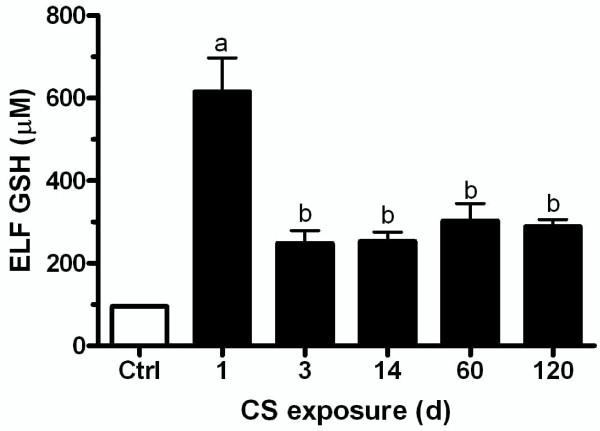
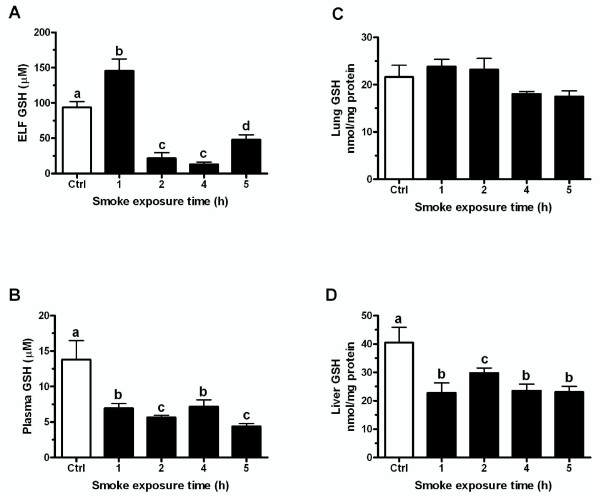
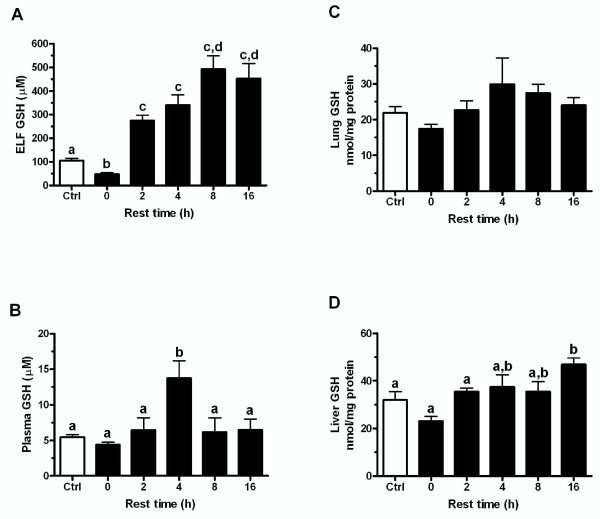
Background: Smoking tobacco is a leading cause of chronic obstructive pulmonary disease (COPD), but although the majority of COPD cases can be directly related to smoking, only a quarter of smokers actually develop the disease. A potential reason for the disparity between smoking and COPD may involve an individual's ability to mount a protective adaptive response to cigarette smoke (CS). Glutathione (GSH) is highly concentrated in the lung epithelial lining fluid (ELF) and protects against many inhaled oxidants. The changes in GSH that occur with CS are not well investigated; therefore the GSH adaptive response that occurs with a commonly utilized CS exposure was examined in mice. Methods: Mice were exposed to CS for 5 h after which they were rested in filtered air for up to 16 h. GSH levels were measured in the ELF, bronchoalveolar lavage cells, plasma, and tissues. GSH synthesis was assessed by measuring γ-glutamylcysteine ligase (GCL) activity in lung and liver tissue. Results: GSH levels in the ELF, plasma, and liver were decreased by as much as 50% during the 5 h CS exposure period whereas the lung GSH levels were unchanged. Next, the time course of rebound in GSH levels after the CS exposure was examined. CS exposure initially decreased ELF GSH levels by 50% but within 2 h GSH levels rebound to about 3 times basal levels and peaked at 16 h with a 6-fold increase and over repeat exposures were maintained at a 3-fold elevation for up to 2 months. Similar changes were observed in tissue GCL activity which is the rate limiting step in GSH synthesis. Furthermore, elevation in ELF GSH levels was not arbitrary since the CS induced GSH adaptive response after a 3d exposure period prevented GSH levels from dropping below basal levels. Conclusions: CS exposures evoke a powerful GSH adaptive response in the lung and systemically. These data suggests there may be a sensor that sets the ELF GSH adaptive response to prevent GSH levels from dipping below basal levels. Factors that disrupt GSH adaptive responses may contribute to the pathophysiology of COPD.
Overview
The claims and statistics of this paper haven’t been checked yet.
Free: it reads the open-access text and checks the first 5 claims that cite a source we can check. Create a free account to check every claim.
Integrity signals
Registry
Cites
Statistics
Figures
Verification
Claims the paper makes
The claims and statistics of this paper haven’t been checked yet.
Free: it reads the open-access text and checks the first 5 claims that cite a source we can check. Create a free account to check every claim.
Claims other papers make about this one
Each is checked against this paper’s own text: does it say what the citing paper says it does?
In the citing paper
“Moreover, NAC can improve some of the damage caused by tobacco smoke exposure, such as oxidative damage to the lung and other tissues.12”
From N-acetylcysteine for therapy-resistant tobacco use disorder: a pilot study (2015) · cites this paper as [12]
Self-check
Percentages, sums and reported differences re-computed from the paper’s own numbers.
The self-check needs the paper’s full text.
Citations
Cites
Rahman, I., Kode, A., & Biswas, S. K. (2006) · Nature Protocols · doi:10.1038/nprot.2006.378 · Cited by 2,262 · cited 1×
“Total glutathione (GSH) was measured spectrophotometrically in the BALF, plasma, and tissues as previously described [17].”
MethodOxidants in Cigarette Smoke Radicals, Hydrogen Peroxide, Peroxynitrate, and Peroxynitritea
PRYOR, W. A., & STONE, K. (1993) · Annals of the New York Academy of Sciences · doi:10.1111/j.1749-6632.1993.tb39148.x · Cited by 1,152 · cited 1×
“CS contains at least 4,800 different chemicals with over 10(14) radicals per puff that can cause DNA, protein, and lipid oxidation among many other effects [1-3].”
BackgroundEisner, M. D., Anthonisen, N., Coultas, D., Kuenzli, N., Perez-Padilla, R., Postma, D., Romieu, I., Silverman, E. K., & Balmes, J. R. (2010) · American Journal of Respiratory and Critical Care Medicine · doi:10.1164/rccm.200811-1757st · Cited by 978 · cited 1×
“It has been estimated that only about 25% of smokers develop COPD, typically later in life [7].”
BackgroundNormal alveolar epithelial lining fluid contains high levels of glutathione
Cantin, A. M., North, S. L., Hubbard, R. C., & Crystal, R. G. (1987) · Journal of Applied Physiology · doi:10.1152/jappl.1987.63.1.152 · Cited by 797
Fluorescence-based microtiter plate assay for glutamate–cysteine ligase activity
White, C. C., Viernes, H., Krejsa, C. M., Botta, D., & Kavanagh, T. J. (2003) · Analytical Biochemistry · doi:10.1016/s0003-2697(03)00143-x · Cited by 293 · cited 1×
“GCL activity was measured in lung and liver homogenates as previously described [18].”
MethodIncreased biliary glutathione disulfide release in chronically ethanol‐treated rats
Sies, H., Koch, O. R., Martino, E., & Boveris, A. (1979) · FEBS Letters · doi:10.1016/0014-5793(79)81346-0 · Cited by 268 · cited 1×
“GSH is one of the most ubiquitous low molecular weight antioxidants in the body, it is expressed at high levels within cells and is found at relatively high levels in some extracellular fluids such as the lung ELF [4] and bile [25].”
BackgroundSMOKING AND CHRONIC OBSTRUCTIVE PULMONARY DISEASE
Sethi, J. M., & Rochester, C. L. (2000) · Clinics in Chest Medicine · doi:10.1016/s0272-5231(05)70008-3 · Cited by 234 · cited 1×
“CS is the primary cause of chronic obstructive pulmonary disease (COPD), with as much as 90% of COPD patients having been smokers at one point in their lifetime [5,6].”
BackgroundHealth Effects of Cigarette Smoking
Sherman, C. B. (1991) · Clinics in Chest Medicine · doi:10.1016/s0272-5231(21)00814-5 · Cited by 216
Yao, H., Arunachalam, G., Hwang, J.-W., Chung, S., Sundar, I. K., Kinnula, V. L., Crapo, J. D., & Rahman, I. (2010) · Proceedings of the National Academy of Sciences · doi:10.1073/pnas.1007625107 · Cited by 201 · cited 1×
“Many acute studies utilize a completely different exposure pattern with very high CS concentrations, which is not necessarily comparable to the smoking regimen used for chronic studies [22,23].”
BackgroundSchlezinger, J. J., Struntz, W. D. J., Goldstone, J. V., & Stegeman, J. J. (2006) · Aquatic Toxicology · doi:10.1016/j.aquatox.2006.01.012 · Cited by 186 · cited 1×
“Some of the possible factors that are abundant in CS are polyaromatic hydrocarbons (PAHs) that are inducers of cytochrome P450s and are well known sources of reactive oxygen species [28].”
BackgroundChronic Obstructive Pulmonary Disease: Risk Factors, Pathophysiology and Pathogenesis
Snider, G. L. (1989) · Annual Review of Medicine · doi:10.1146/annurev.me.40.020189.002211 · Cited by 168 · cited 1×
“CS is the primary cause of chronic obstructive pulmonary disease (COPD), with as much as 90% of COPD patients having been smokers at one point in their lifetime [5,6].”
BackgroundHaddad, J. J., & Harb, H. L. (2005) · Molecular Immunology · doi:10.1016/j.molimm.2004.09.029 · Cited by 163 · cited 1×
“ELF GSH levels have been shown to be inversely correlated with proinflammatory cytokine release both in vitro and in vivo [16,34].”
BackgroundRahman, I., Smith, C. A. D., Lawson, M. F., Harrison, D. J., & MacNee, W. (1996) · FEBS Letters · doi:10.1016/0014-5793(96)01027-7 · Cited by 151 · cited 1×
“g-Glutamylcysteine ligase (GCL) is the rate limiting enzyme involved in GSH synthesis and its expression has been shown to be induced in response to CS [13].”
BackgroundCastaldi, P. J., Cho, M. H., Cohn, M., Langerman, F., Moran, S., Tarragona, N., Moukhachen, H., Venugopal, R., Hasimja, D., Kao, E., et al. (2010) · Human Molecular Genetics · doi:10.1093/hmg/ddp519 · Cited by 146
Interactions of Oxygen Radicals with Airway Epithelium
Wright, D. T., Cohn, L. A., Li, H., Fischer, B. M., Li, C. M., & Adler, K. B. (1994) · Environmental Health Perspectives · doi:10.1289/ehp.94102s1085 · Cited by 140 · cited 1×
“In addition to being able to act as a physical barrier, there are high concentrations of antioxidants within the ELF that act to detoxify exogenous or endogenous oxidants [4,10,11].”
BackgroundThe Aging Lung and Chronic Obstructive Pulmonary Disease: Similarity and Difference
Fukuchi, Y. (2009) · Proceedings of the American Thoracic Society · doi:10.1513/pats.200909-099rm · Cited by 126 · cited 1×
“Not all smokers develop COPD, but of those that do, the vast majority are over 60 years old [19].”
BackgroundRangasamy, T., Misra, V., Zhen, L., Tankersley, C. G., Tuder, R. M., & Biswal, S. (2009) · American Journal of Physiology-Lung Cellular and Molecular Physiology · doi:10.1152/ajplung.90369.2008 · Cited by 125 · cited 1×
“This regimen has been shown to be effective at causing airway enlargement in rodents after at least 6 full months of CS exposure [20,21].”
BackgroundReduction of protein radicals by GSH and ascorbate: potential biological significance
Gebicki, J. M., Nauser, T., Domazou, A. S., Steinmann, D., Bounds, P. L., & Koppenol, W. H. (2010) · Amino Acids · doi:10.1007/s00726-010-0610-7 · Cited by 110 · cited 1×
“Furthermore, the depletion of GSH has been widely shown to exacerbate oxidative stress and oxidative modifications of molecules [35-37].”
BackgroundCellular Response to Cigarette Smoke and Oxidants: Adapting to Survive
Cantin, A. M. (2010) · Proceedings of the American Thoracic Society · doi:10.1513/pats.201001-014aw · Cited by 110 · cited 1×
“CS has been shown to induce a number of different antioxidant defenses including the expression of enzymes and transcription factors that lead to increased synthesis of GSH [14].”
BackgroundConklin, D. J., Haberzettl, P., Prough, R. A., & Bhatnagar, A. (2009) · American Journal of Physiology-Heart and Circulatory Physiology · doi:10.1152/ajpheart.00867.2008 · Cited by 109 · cited 1×
“Some GSTs are actually protective against cigarette smoke induced damage [29].”
BackgroundLi, M.-H., Jang, J.-H., Na, H.-K., Cha, Y.-N., & Surh, Y.-J. (2007) · Journal of Biological Chemistry · doi:10.1074/jbc.m701916200 · Cited by 109 · cited 14×
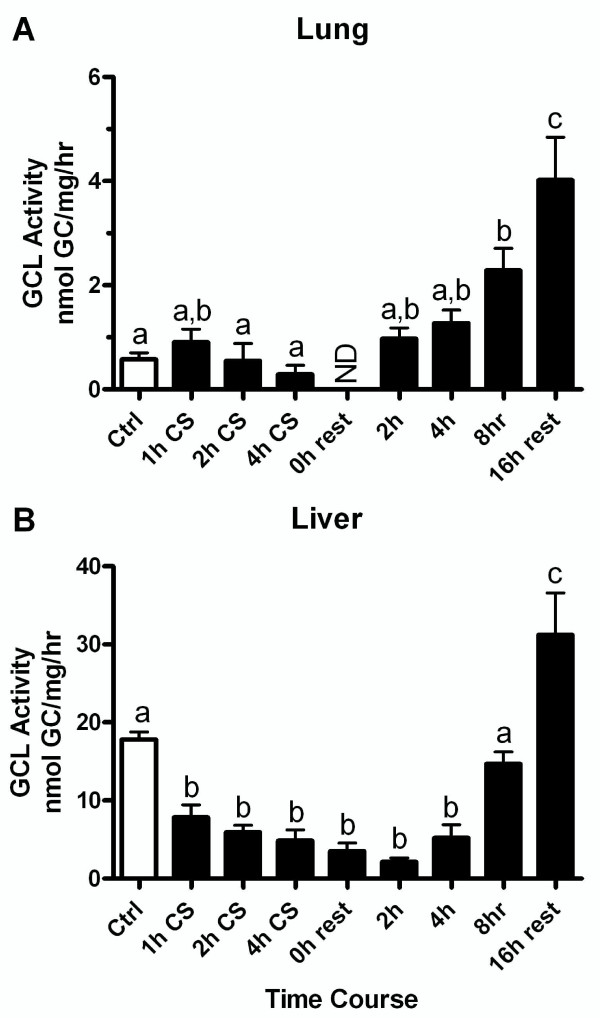
“Figure 5 GSH synthesis increases during the CS exposure recovery periods in both the lung and liver. g-Glutamylcysteine ligase (GCL) is the rating limiting step in GSH synthesis and it was measured in the lung (A) and liver (B) at multiple time points during the CS exposure and during the recovery period.”
BackgroundInfluentialOxidative stress and antioxidants at biosurfaces: plants, skin, and respiratory tract surfaces.
Cross, C. E., van der Vliet, A., Louie, S., Thiele, J. J., & Halliwell, B. (1998) · Environmental Health Perspectives · doi:10.1289/ehp.98106s51241 · Cited by 99 · cited 1×
“In addition to being able to act as a physical barrier, there are high concentrations of antioxidants within the ELF that act to detoxify exogenous or endogenous oxidants [4,10,11].”
BackgroundVelsor, L. W., van Heeckeren, A., & Day, B. J. (2001) · American Journal of Physiology-Lung Cellular and Molecular Physiology · doi:10.1152/ajplung.2001.281.1.l31 · Cited by 98 · cited 1×
“In addition, the only known transporter that places GSH in the ELF is CFTR, the gene defective in cystic fibrosis [42].”
BackgroundSelf-citationLeichtweis, S. B., & Ji, L. L. (2001) · Acta Physiologica Scandinavica · doi:10.1046/j.1365-201x.2001.00820.x · Cited by 87 · cited 1×
“Furthermore, the depletion of GSH has been widely shown to exacerbate oxidative stress and oxidative modifications of molecules [35-37].”
BackgroundBentley, A. R., Emrani, P., & Cassano, P. A. (2008) · Thorax · doi:10.1136/thx.2007.086199 · Cited by 75 · cited 1×
“For instance, a number of variants in the GCL gene have been associated with cystic fibrosis [39], and COPD [40].”
BackgroundAging Adversely Affects the Cigarette Smoke–induced Glutathione Adaptive Response in the Lung
Gould, N. S., Min, E., Gauthier, S., Chu, H. W., Martin, R., & Day, B. J. (2010) · American Journal of Respiratory and Critical Care Medicine · doi:10.1164/rccm.201003-0442oc · Cited by 71 · cited 5×
“reduction in available GSH in tissues and fluids [16].”
BackgroundMethodInfluentialSelf-citationMolecular and biochemical changes of the cardiovascular system due to smoking exposure
Armani, C., Landini Jr., L., & Leone, A. (2009) · Current Pharmaceutical Design · doi:10.2174/138161209787846973 · Cited by 68 · cited 1×
“CS has been implicated in several cardiovascular diseases, liver diseases as well cancer [8,9].”
BackgroundDistal Airways in Mice Exposed to Cigarette Smoke: Nrf2-Regulated Genes Are Increased in Clara Cells
Adair-Kirk, T. L., Atkinson, J. J., Griffin, G. L., Watson, M. A., Kelley, D. G., DeMello, D., Senior, R. M., & Betsuyaku, T. (2008) · American Journal of Respiratory Cell and Molecular Biology · doi:10.1165/rcmb.2007-0295oc · Cited by 66 · cited 1×
“This regimen has been shown to be effective at causing airway enlargement in rodents after at least 6 full months of CS exposure [20,21].”
BackgroundGebel, S., Diehl, S., Pype, J., Friedrichs, B., Weiler, H., Schüller, J., Xu, H., Taguchi, K., Yamamoto, M., & Müller, T. (2010) · Toxicological Sciences · doi:10.1093/toxsci/kfq039 · Cited by 62 · cited 1×
“Additionally, only modest effects on airspace enlargement occur in mice after 6 months of CS exposure [24].”
BackgroundKitteringham, N. R., Powell, H., Clement, Y. N., Dodd, C. C., Tettey, J. N. A., Pirmohamed, M., Smith, D. A., McLellan, L. I., & Park, K. B. (2000) · Hepatology · doi:10.1053/jhep.2000.9602 · Cited by 57 · cited 1×
“Similar responses in GSH adaptive responses have been observed in the liver with acetaminophen poisoning [26].”
BackgroundTargeting maladaptive glutathione responses in lung disease
Gould, N. S., & Day, B. J. (2010) · Biochemical Pharmacology · doi:10.1016/j.bcp.2010.10.001 · Cited by 49
Self-citationEffect of Smoking Cessation on Mitochondrial Respiratory Chain Function: ARTICLE
Cardellach, F., Alonso, J. R., López, S., Casademont, J., & Miró*, Ò. (2003) · Journal of Toxicology: Clinical Toxicology · doi:10.1081/clt-120021102 · Cited by 48 · cited 1×
“Carbon monoxide (CO) levels are high in CS and CO is a known inhibitor of heme-containing enzymes such as the cytochrome P450s [30] and mitochondrial complexes [31].”
BackgroundKariya, C. T., Chu, H. W., Huang, J., Leitner, H., Martin, R. J., & Day, B. J. (2008) · Infection and Immunity · doi:10.1128/iai.00136-08 · Cited by 45 · cited 1×
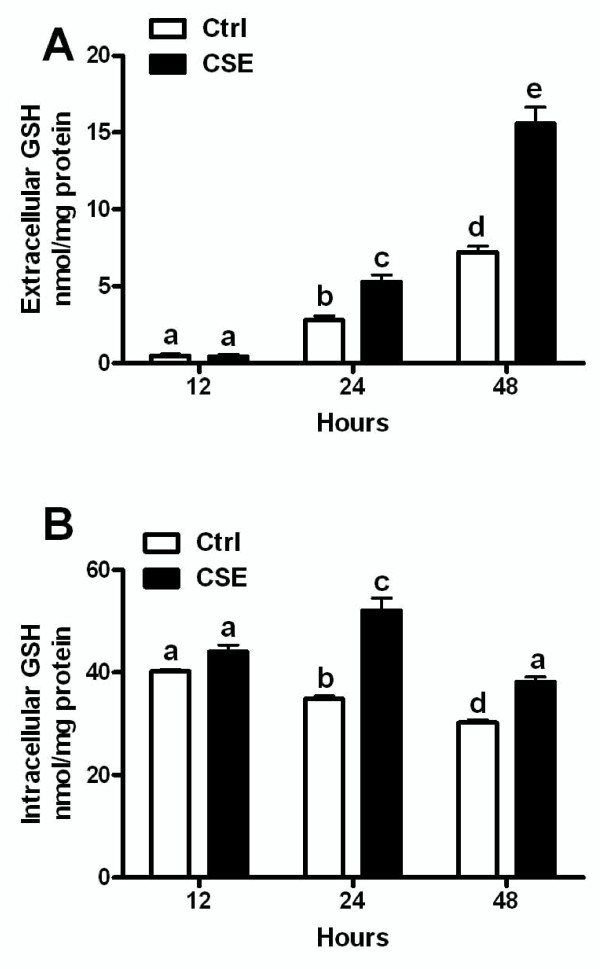
“Cytotoxicity was assessed by measuring lactate dehydrogenase release as previously described [15] and CSE treated cells under conditions tested did not have changes in cell viability that were statistically significantly different from controls and was greater than 85%.”
MethodSelf-citationIncreased toxicity of cocaine on human hepatocytes induced by ethanol: role of GSH
Ponsoda, X., Bort, R., Jover, R., Gómez-Lechón, M. J., & Castell, J. V. (1999) · Biochemical Pharmacology · doi:10.1016/s0006-2952(99)00249-x · Cited by 43 · cited 1×
“Furthermore, the depletion of GSH has been widely shown to exacerbate oxidative stress and oxidative modifications of molecules [35-37].”
BackgroundVariants in the Glutamate-Cysteine-Ligase Gene Are Associated with Cystic Fibrosis Lung Disease
McKone, E. F., Shao, J., Frangolias, D. D., Keener, C. L., Shephard, C. A., Farin, F. M., Tonelli, M. R., Pare, P. D., Sandford, A. J., Aitken, M. L., et al. (2006) · American Journal of Respiratory and Critical Care Medicine · doi:10.1164/rccm.200508-1281oc · Cited by 43 · cited 1×
“For instance, a number of variants in the GCL gene have been associated with cystic fibrosis [39], and COPD [40].”
Sundar, I. K., Chung, S., Hwang, J., Arunachalam, G., Cook, S., Yao, H., Mazur, W., Kinnula, V. L., Fisher, A. B., & Rahman, I. (2010) · Experimental Lung Research · doi:10.3109/01902141003754128 · Cited by 43 · cited 1×
“Many acute studies utilize a completely different exposure pattern with very high CS concentrations, which is not necessarily comparable to the smoking regimen used for chronic studies [22,23].”
BackgroundGlutathione transport by type II cells in perfused rat lung
Bai, C., Brown, L. A. S., & Jones, D. P. (1994) · American Journal of Physiology-Lung Cellular and Molecular Physiology · doi:10.1152/ajplung.1994.267.4.l447 · Cited by 36 · cited 1×
“Potentially the lung may be utilizing GSH from the plasma through an intact uptake mechanism shown to occur in the lung [27], which is then apically transported into the ELF, resulting in no net change in lung tissue GSH but a drastic increase in ELF GSH.”
BackgroundBrugger, J., Schick, M. A., Brock, R. W., Baumann, A., Muellenbach, R. M., Roewer, N., & Wunder, C. (2010) · Microcirculation · doi:10.1111/j.1549-8719.2010.00044.x · Cited by 31
Inhibition by CO of Hepatic Benzo[a]pyrene Hydroxylation and Its Reversal by Monochromatic Light
Cooper, D. Y., Schleyer, H., Rosenthal, O., Levin, W., Lu, A. Y. H., Kuntzman, R. G., & Conney, A. H. (1977) · European Journal of Biochemistry · doi:10.1111/j.1432-1033.1977.tb11367.x · Cited by 29 · cited 2×
“Some of the possible factors that are abundant in CS are polyaromatic hydrocarbons (PAHs) that are inducers of cytochrome P450s and are well known sources of reactive oxygen species [28].”
BackgroundTharappel, J. C., Cholewa, J., Espandiari, P., Spear, B. T., Gairola, C. G., & Glauert, H. P. (2010) · Journal of Toxicology and Environmental Health · doi:10.1080/15287394.2010.484708 · Cited by 26 · cited 1×
“CS contains at least 4,800 different chemicals with over 10(14) radicals per puff that can cause DNA, protein, and lipid oxidation among many other effects [1-3].”
BackgroundRainey, R. P., Gillman, I. G., Shi, X., Cheng, T., Stinson, A., Gietl, D., & Albino, A. P. (2009) · Toxicology Mechanisms and Methods · doi:10.1080/15376510903104224 · Cited by 7 · cited 1×
“CS contains at least 4,800 different chemicals with over 10(14) radicals per puff that can cause DNA, protein, and lipid oxidation among many other effects [1-3].”
BackgroundJedrychowski, W. A., & Law, J. A. A. (1983) · Archives of Gerontology and Geriatrics · doi:10.1016/0167-4943(83)90027-4 · Cited by 5 · cited 1×
“Interestingly, aging is an independent risk factor for COPD [38].”
Background
Cited by
Nrf2 protects human alveolar epithelial cells against injury induced by influenza A virus
Kośmider, B., Messier, E. M., Janssen, W. J., Nahreini, P., Wang, J., Hartshorn, K. L., & Mason, R. J. (2012) · Respiratory Research · doi:10.1186/1465-9921-13-43 · Cited by 156
“Total glutathione (GSH) was analyzed as previously described [34,35].”
MethodGuan, S., Tee, W. S. N., Ng, D. S. W., Chan, T., Peh, H. Y., Ho, W. E., Cheng, C., Mak, J., & Wong, W. S. F. (2013) · British Journal of Pharmacology · doi:10.1111/bph.12054 · Cited by 143
“GPx and GR play a critical role in generating GSH, an endogenous non-protein thiol with potent free radical scavenging capacity (Biljak et al., 2010; Cantin, 2010; Gould et al., 2011).”
BackgroundInfluentialE-cigarette aerosols induce lower oxidative stress in vitro when compared to tobacco smoke
Taylor, M., Carr, T., Oke, O., Jaunky, T., Breheny, D., Lowe, F., & Gaça, M. (2016) · Toxicology Mechanisms and Methods · doi:10.1080/15376516.2016.1222473 · Cited by 111
“…both by way of oxidation by direct-acting free radicals in the cigarette smoke and also by way of indirect generation of intracellular oxidant species resulting from smoke-toxicantinduced disruptions to cellular processes such as aerobic respiration (Faux et al., 2009; Gould et al., 2011).”
BackgroundZhao, J., Zhang, Y., Sisler, J. D., Shaffer, J., Leonard, S. S., Morris, A. M., Qian, Y. R., Bello, D., & Demokritou, P. (2017) · Journal of Hazardous Materials · doi:10.1016/j.jhazmat.2017.10.057 · Cited by 120
SIRT1 protects against cigarette smoke-induced lung oxidative stress via a FOXO3-dependent mechanism
Yao, H., Sundar, I. K., Ahmad, T., Lerner, C., Gerloff, J., Friedman, A. E., Phipps, R. P., Sime, P. J., McBurney, M. W., Guarente, L., et al. (2014) · American Journal of Physiology-Lung Cellular and Molecular Physiology · doi:10.1152/ajplung.00323.2013 · Cited by 104
“This is supported by a study showing that no change of lung GSH was observed in C57BL/6J mice after 5 h of CS exposure (17).”
Metadata
- Authors
- Gould, N. S., Min, E., Gauthier, S., Martin, R. J., & Day, B. J.
- Affiliations
- University of Colorado Denver (US)
- National Jewish Health (US)
- Corresponding author
- Day, Brian J
- Venue
- Respiratory Research
- Published
- 2011-12
- Volume
- 12
- Issue
- 1
- Pages
- 133-133
- ISSN
- 1465-9921 (ISSN-L)
- 1465-993X
- PMC
- PMC3215650
- OpenAlex
- W2061254029
- Cited by
- 70
- References
- 42
- Citations by year
- 2026: 1 · 2025: 3 · 2024: 5 · 2023: 4 · 2022: 6 · 2021: 8 · 2020: 5 · 2019: 5 · 2018: 2 · 2017: 5 · 2016: 3 · 2015: 7 · 2014: 6 · 2013: 4 · 2012: 6
- FWCI
- 4.35
- Type
- journal article
- Language
- en
- Open access
- gold
- doi.org
- Licence
- Locations
- Respiratory Research (publishedVersion, cc-by)
- PubMed Central (publishedVersion, cc-by)
- PubMed (publishedVersion)
- DOAJ (DOAJ: Directory of Open Access Journals) (submittedVersion)
- Topics
- Health Sciences › Medicine › Pulmonary and Respiratory Medicine › Chronic Obstructive Pulmonary Disease (COPD) Research
- Life Sciences › Biochemistry, Genetics and Molecular Biology › Molecular Biology › Glutathione Transferases and Polymorphisms
- Life Sciences › Biochemistry, Genetics and Molecular Biology › Biochemistry › Sulfur Compounds in Biology
- Keywords
- glutathione, cigarette smoke, adaptive response, epithelial lining fluid, chronic obstructive pulmonary disease, gamma-glutamylcysteine synthetase, oxidative stress, lung epithelium, bronchoalveolar lavage, plasma glutathione
- MeSH terms
- Adaptation, Physiological, Animals, Cell Line, Glutathione, Humans, Lung, Male, Mice, Inbred C57BL, Smoking, Inhalation Exposure, Respiratory Mucosa, Pulmonary Disease, Chronic Obstructive, Mice
About these checks
Registry, retraction, Cites and statistics results are computed, not judged, with one exception: a printed reference that no index lists is read once by a model before it counts as a citation error. Claims are extracted by a model and kept only when their quote appears verbatim in the text; each cited source is then checked, with a model’s help, for whether it says what the claim relies on. Those verdicts can be wrong — read the claim’s quote and the cited source before relying on one.
Statistics and arithmetic are recomputed, not judged.
Confidence bands are shown only for fields calibrated on our annotated test set. None is calibrated yet, so no band is shown.
What counts as a claim ›How we measure confidence ›How we check this ›
Are you an author, or do you see a problem with this page? Request a review
Data sources
Bibliographic data: Semantic Scholar, OpenAlex, Crossref.
Contains information from the Semantic Scholar Academic Graph Datasets, made available under the ODC Attribution License (ODC-BY 1.0).
Semantic Scholar’s data is described in: Kinney, R., et al. (2023). The Semantic Scholar Open Data Platform. arXiv:2301.10140.
