

The DOI matches its Crossref record; 72 of the 72 references it cites were found in a registry or an index.
Duodenal microbiota composition and mucosal homeostasis in pediatric celiac disease
Open accessAbstract
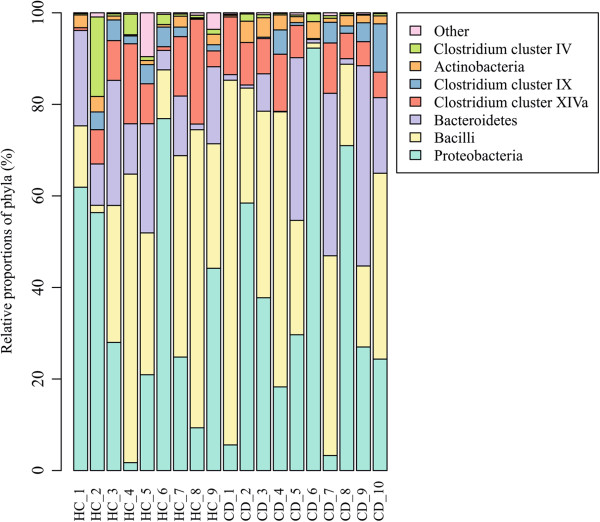
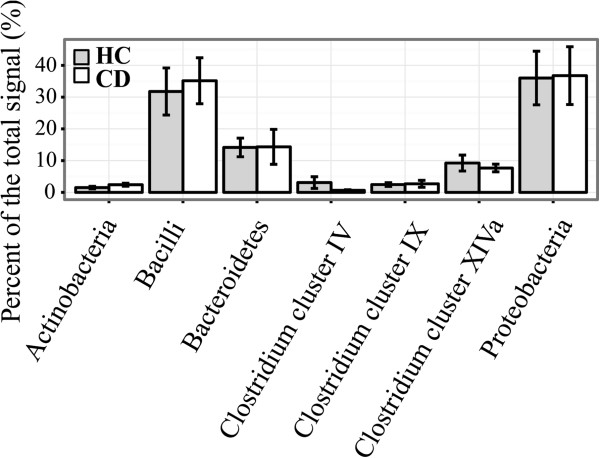
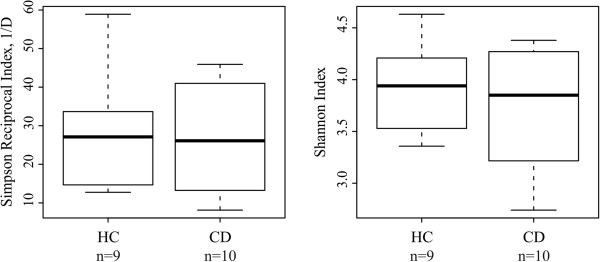
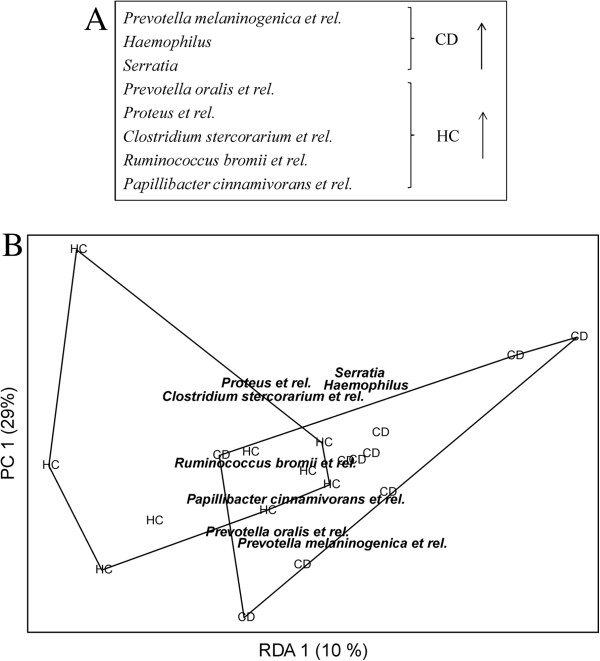
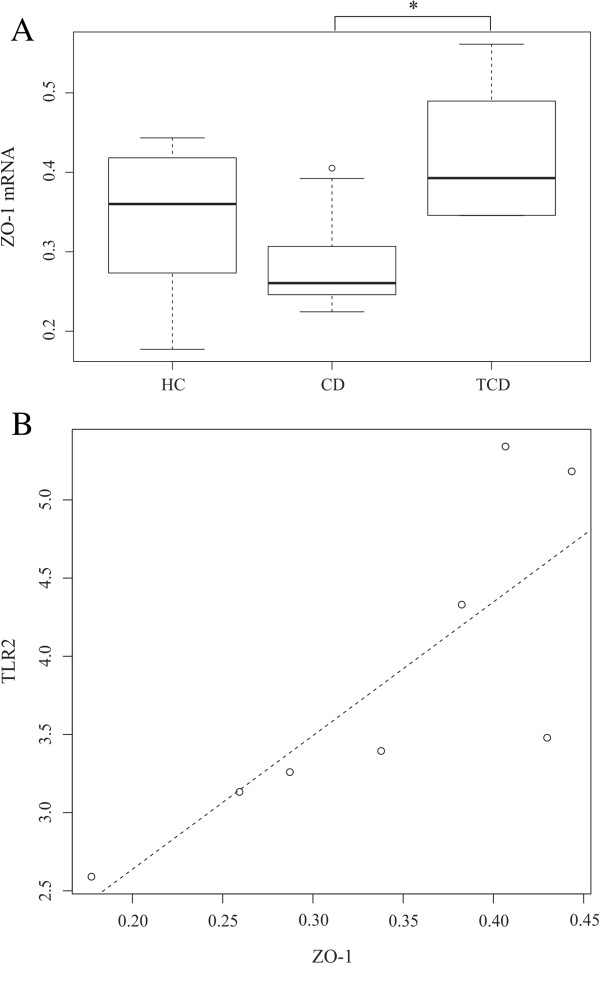
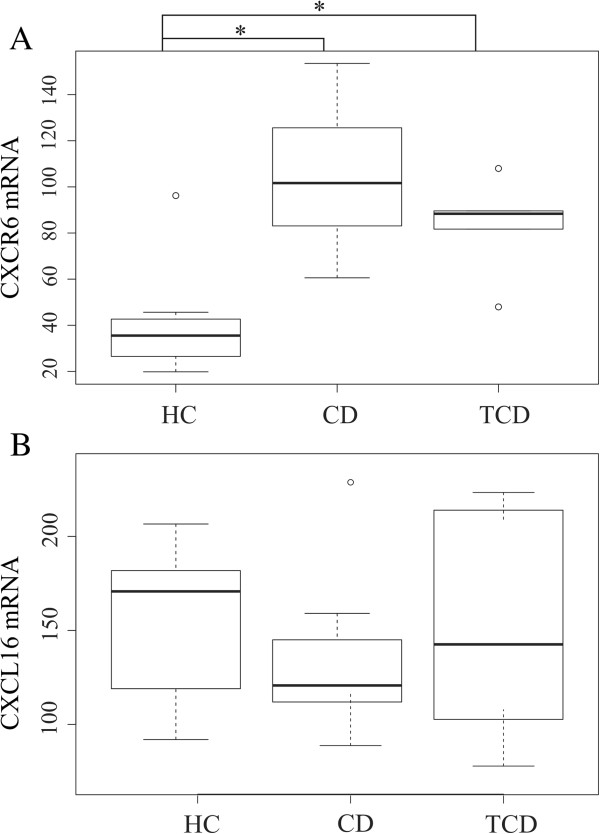
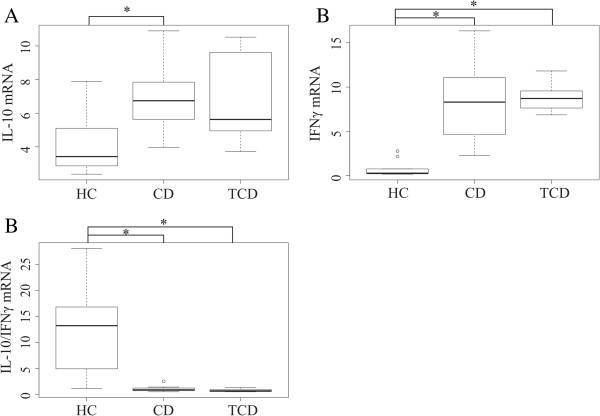
Background: Celiac disease (CD) is an autoimmune disorder of the small intestine which is triggered by dietary gluten in genetically predisposed (HLA-DQ2/DQ8 positive) individuals. Only a fraction of HLA-DQ2/DQ8 positive individuals develop CD indicating that other factors have a role in the disorder. Several studies have addressed intestinal microbiota aberrancies in pediatric CD, but the results are inconsistent. Previously, we demonstrated that pediatric CD patients have lower duodenal expression of TLR2 and higher expression of TLR9 as compared to healthy controls (HC) indicating that microbiota may have a role in CD. Methods: We used bacterial phylogenetic microarray to comprehensively profile the microbiota in duodenal biopsies of CD (n = 10) and HC (n = 9) children. The expression of selected mucosa-associated genes was assessed by qRT-PCR in CD and HC children and in treated CD adults (T-CD, n = 6) on gluten free diet. Results: The overall composition, diversity and the estimated microbe associated molecular pattern (MAMP) content of microbiota were comparable between CD and HC, but a sub-population profile comprising eight genus-like bacterial groups was found to differ significantly between HC and CD. In HC, increased TLR2 expression was positively correlated with the expression of tight junction protein ZO-1. In CD and T-CD, the expression of IL-10, IFN-g and CXCR6 were higher as co5mpared to HC. Conclusions: The results suggest that microbiota and altered expression of mucosal receptors have a role in CD. In CD subjects, the increased expression of IL-10 and IFN-g may have partly resulted from the increased TLR9 expression and signaling.
Overview
The claims and statistics of this paper haven’t been checked yet.
Run the check — free, no account needed. It reads the open-access text and checks the sources it cites.
Integrity signals
Registry
Cites
Statistics
Figures
Verification
Claims the paper makes
The claims and statistics of this paper haven’t been checked yet.
Run the check — free, no account needed. It reads the open-access text and checks the sources it cites.
Claims other papers make about this one
Each is checked against this paper’s own text: does it say what the citing paper says it does?
In the citing paper
“Most studies, but not all,48 have found significant differences between healthy children and children with CD in the duodenal49,50 and oral51 microbial populations.”
From The Gut Microbiome and the Brain (2014) · cites this paper as [50]
Self-check
Percentages, sums and reported differences re-computed from the paper’s own numbers.
The self-check needs the paper’s full text.
Citations
Cites
Breiman, L. (2001) · Machine Learning · doi:10.1023/a:1010933404324 · Cited by 133,538
Nonparametric Statistics for the Behavioral Sciences
Guitton, H., & Siegel, S. (1958) · Revue économique · doi:10.2307/3498751 · Cited by 35,279
Data mining: concepts and techniques
Sharma, R., Shah, K., Shirahatti, Y., Patel, S., Sharma, R., Shah, K., Patel, S., Sharma, R., & Han, J. (2012) · Choice Reviews Online · doi:10.5860/choice.49-3305 · Cited by 28,665
Modern Applied Statistics with S
Venables, W. N., & Ripley, B. D. (2002) · Statisctics and computing/Statistics and computing · doi:10.1007/978-0-387-21706-2 · Cited by 25,941
Simpson, E. (1949) · Nature · doi:10.1038/163688a0 · Cited by 14,809
Bolstad, B. M., Irizarry, R. A., Åstrand, M., & Speed, T. P. (2003) · Bioinformatics · doi:10.1093/bioinformatics/19.2.185 · Cited by 8,328
Human gut microbiome viewed across age and geography
Yatsunenko, T., Rey, F. E., Manary, M. J., Trehan, I., Dominguez-Bello, M. G., Contreras, M., Magris, M., Hidalgo, G., Baldassano, R. N., Anokhin, A. P., et al. (2012) · Nature · doi:10.1038/nature11053 · Cited by 7,815
A Toll-like receptor recognizes bacterial DNA
Hemmi, H., Takeuchi, O., Kawai, T., Kaisho, T., Sato, S., Sanjo, H., Matsumoto, M., Hoshino, K., Wagner, H., Takeda, K., et al. (2000) · Nature · doi:10.1038/35047123 · Cited by 6,491 · cited 1×
“In immune cells, TLR9 stimulation is known to trigger Th1 type immune responses [61-63].”
BackgroundDiversity and Evenness: A Unifying Notation and Its Consequences
Hill, M. (1973) · Ecology · doi:10.2307/1934352 · Cited by 6,486
Controlling the false discovery rate in behavior genetics research
Benjamini, Y., Drai, D., Elmer, G., Kafkafi, N., & Golani, I. (2001) · Behavioural Brain Research · doi:10.1016/s0166-4328(01)00297-2 · Cited by 4,146
Research works printed but not linked: 2
- Legendre PLL: Numerical Ecology. 1998, Amsterdam, NL: Elservier Science BV
- Siegel S, Castellan NJ: Non parametric statistics for the behavioural sciences. 1988, New York, NY: MacGraw-Hill
Cited by
Sorted by citations
The Gut Microbiome and the Brain
Galland, L. (2014) · Journal of Medicinal Food · doi:10.1089/jmf.2014.7000 · Cited by 648
Commensal bacteria make GPCR ligands that mimic human signalling molecules
Cohen, L. J., Esterhazy, D., Kim, S.-H., Lemetre, C., Aguilar, R. R., Gordon, E. A., Pickard, A. J., Cross, J. R., Emiliano, A. B., Han, S. M., et al. (2017) · Nature · doi:10.1038/nature23874 · Cited by 500
Mucosal Prevalence and Interactions with the Epithelium Indicate Commensalism of Sutterella spp.
Hiippala, K., Kainulainen, V., Kalliomäki, M., Arkkila, P., & Satokari, R. (2016) · Frontiers in Microbiology · doi:10.3389/fmicb.2016.01706 · Cited by 351
Self-citationWest, C. E., Renz, H. E., Jenmalm, M. C., Kozyrskyj, A. L., Allen, K. J., Vuillermin, P., Prescott, S. L., Mackay, C. R., Salminen, S., Wong, G., et al. (2015) · Journal of Allergy and Clinical Immunology · doi:10.1016/j.jaci.2014.11.012 · Cited by 288
De Filippo, C., Di Paola, M., Ramazzotti, M., Albanese, D., Pieraccini, G., Banci, E., Miglietta, F., Cavalieri, D., & Lionetti, P. (2017) · Frontiers in Microbiology · doi:10.3389/fmicb.2017.01979 · Cited by 270
Korpela, K., Flint, H. J., Johnstone, A. M., Lappi, J., Poutanen, K. S., Dewulf, E. M., Delzenne, N. M., de Vos, W. M., & Salonen, A. (2014) · PLoS ONE · doi:10.1371/journal.pone.0090702 · Cited by 237
The effect of psyllium husk on intestinal microbiota in constipated patients and healthy controls
Jalanka, J., Major, G., Murray, K., Singh, G., Nowak, A., Kurtz, C., Silos-Santiago, I., Johnston, J. M., de Vos, W. M., & Spiller, R. (2019) · International Journal of Molecular Sciences · doi:10.3390/ijms20020433 · Cited by 219
Does the microbiota play a role in the pathogenesis of autoimmune diseases?
McLean, M. H., Dieguez, D., Miller, L. M., & Young, H. A. (2014) · Gut · doi:10.1136/gutjnl-2014-308514 · Cited by 214
Vonaesch, P., Morien, E., Andrianonimiadana, L., Sanke‐Waîgana, H., Mbecko, J., Huus, K. E., Naharimanananirina, T., Gondje, B. P., Nigatoloum, S. N., Vondo, S. S., et al. (2018) · Proceedings of the National Academy of Sciences · doi:10.1073/pnas.1806573115 · Cited by 201
Intestinal Microbiota and Celiac Disease: Cause, Consequence or Co-Evolution?
Cénit, M. C., Olivares, M., Codoñer‐Franch, P., & Sanz, Y. (2015) · Nutrients · doi:10.3390/nu7085314 · Cited by 189
Gut Microbiota and Celiac Disease
Marasco, G., Biase, A. R. D., Schiumerini, R., Eusebi, L. H., Iughetti, L., Ravaioli, F., Scaioli, E., Colecchia, A., & Festi, D. (2016) · Digestive Diseases and Sciences · doi:10.1007/s10620-015-4020-2 · Cited by 176
Cheng, J., Ringel‐Kulka, T., Jong, I. H., Ringel, Y., Carroll, I. M., de Vos, W. M., Salojärvi, J., & Satokari, R. M. (2015) · The ISME Journal · doi:10.1038/ismej.2015.177 · Cited by 167
Self-citationCeliac Disease and the Microbiome
Valitutti, F., Cucchiara, S., & Fasano, A. (2019) · Nutrients · doi:10.3390/nu11102403 · Cited by 157
D’Argenio, V., Casaburi, G., Precone, V., Pagliuca, C., Colicchio, R., Sarnataro, D., Discepolo, V., Kim, S. M., Russo, I., Blanco, G. D. V., et al. (2016) · The American Journal of Gastroenterology · doi:10.1038/ajg.2016.95 · Cited by 154
Li, G., Yang, M. J., Zhou, K., Zhang, L., Tian, L., Lv, S., Jin, Y. T., Qian, W., Xiong, H., Lin, R., et al. (2015) · Journal of Microbiology and Biotechnology · doi:10.4014/jmb.1412.12047 · Cited by 146
Mechanisms by which gut microorganisms influence food sensitivities
Caminero, A., Meisel, M., Jabrì, B., & Verdu, E. F. (2018) · Nature Reviews Gastroenterology & Hepatology · doi:10.1038/s41575-018-0064-z · Cited by 132
Intestinal Microbiota and Probiotics in Celiac Disease
Moraes, L. F. D. S., Grześkowiak, Ł., Teixeira, T. F. S., & Pelúzio, M. D. C. G. (2014) · Clinical Microbiology Reviews · doi:10.1128/cmr.00106-13 · Cited by 116
Primec, M., Klemenak, M., Gioia, D. D., Aloisio, I., Cionci, N. B., Quagliariello, A., Gorenjak, M., Mičetić‐Turk, D., & Langerholc, T. (2018) · Clinical Nutrition · doi:10.1016/j.clnu.2018.06.931 · Cited by 116
A microbiota-centric view of diseases of the upper gastrointestinal tract
Nardone, G., Compare, D., & Rocco, A. (2017) · The Lancet. Gastroenterology & hepatology · doi:10.1016/s2468-1253(16)30108-x · Cited by 114
Cukrowská, B., Sowińska, A., Bierła, J. B., Czarnowska, E., Rybak, A., & Grzybowska‐Chlebowczyk, U. (2017) · World Journal of Gastroenterology · doi:10.3748/wjg.v23.i42.7505 · Cited by 111
Small intestinal microbiota: from taxonomic composition to metabolism
Yersin, S., & Vonaesch, P. (2024) · Trends in Microbiology · doi:10.1016/j.tim.2024.02.013 · Cited by 108
Type 1 Diabetes and Celiac Disease: Clinical Overlap and New Insights into Disease Pathogenesis
Cohn, A. H., Sofia, M. A., & Kupfer, S. S. (2014) · Current Diabetes Reports · doi:10.1007/s11892-014-0517-x · Cited by 99
Akobeng, A. K., Singh, P., Kumar, M., & Khodor, S. A. (2020) · European Journal of Nutrition · doi:10.1007/s00394-020-02324-y · Cited by 96
Shanahan, E. R., Zhong, L., Talley, N. J., Morrison, M., & Holtmann, G. (2016) · Alimentary Pharmacology & Therapeutics · doi:10.1111/apt.13622 · Cited by 94
Bacteria-Mediated Effects of Antibiotics on Daphnia Nutrition
Gorokhova, E., Rivetti, C., Furuhagen, S., Edlund, A., Ek, K., & Breitholtz, M. (2015) · Environmental Science & Technology · doi:10.1021/acs.est.5b00833 · Cited by 91
Clinical reviews in allergy and immunology
Leung, D. Y. M., Ledford, D. K., Wechsler, M. E., Fulkerson, P. C., Bochner, B. S., Gauvreau, G. M., Gleich, G. J., Henkel, T., Kolbeck, R., Mathur, S. K., et al. (2012) · Cited by 87
Brown, H. M., & Esterházy, D. (2021) · Mucosal Immunology · doi:10.1038/s41385-021-00420-8 · Cited by 88
Zafeiropoulou, K., Nichols, B., Mackinder, M., Biskou, O., Rizou, E., Karanikolou, A., Clark, C., Buchanan, E., Cardigan, T., Duncan, H., et al. (2020) · Gastroenterology · doi:10.1053/j.gastro.2020.08.007 · Cited by 81
Nistal, E., Caminero, A., Herrán, A. R., Pérez-Andrés, J., Vivas, S., Morales, J., de Miera, L. E. S., & Casqueiro, J. (2016) · Journal of Applied Microbiology · doi:10.1111/jam.13111 · Cited by 80
Cristofori, F., Indrio, F., Miniello, V. L., Angelis, M. D., & Francavilla, R. (2018) · Nutrients · doi:10.3390/nu10121824 · Cited by 82
Dietary Gluten as a Conditioning Factor of the Gut Microbiota in Celiac Disease
Bascuñán, K. A., Araya, M., Roncoroni, L., Doneda, L., & Elli, L. (2019) · Advances in Nutrition · doi:10.1093/advances/nmz080 · Cited by 79
Serena, G., Yan, S., Camhi, S. S., Patel, S., Lima, R. S., Sapone, A., Leonard, M. M., Mukherjee, R., Nath, B. J., Lammers, K. M., et al. (2016) · Clinical & Experimental Immunology · doi:10.1111/cei.12911 · Cited by 74
Chander, A. M., Yadav, H., Jain, S., Bhadada, S. K., & Dhawan, D. K. (2018) · Frontiers in Microbiology · doi:10.3389/fmicb.2018.02597 · Cited by 74
Videnska, P., Šmerková, K., Zwinsova, B., Popovici, V. C., Micenková, L., Sedlář, K., & Budínská, E. (2019) · Scientific Reports · doi:10.1038/s41598-019-49520-3 · Cited by 77
Verdu, E. F., & Schuppan, D. (2021) · Gastroenterology · doi:10.1053/j.gastro.2021.08.016 · Cited by 78
Biase, A. R. D., Marasco, G., Ravaioli, F., Dajti, E., Colecchia, L., Righi, B., D’Amico, V., Festi, D., Iughetti, L., & Colecchia, A. (2020) · Journal of Gastroenterology and Hepatology · doi:10.1111/jgh.15183 · Cited by 73
Kant, R., de Vos, W. M., Palva, A., & Satokari, R. M. (2013) · Journal of Medical Microbiology · doi:10.1099/jmm.0.064220-0 · Cited by 74
Self-citationDysbiosis a risk factor for celiac disease
Girbovan, A. H., Sur, G., Samaşcă, G., & Lupan, I. (2017) · Medical Microbiology and Immunology · doi:10.1007/s00430-017-0496-z · Cited by 71
Probiotics and the Microbiome in Celiac Disease: A Randomised Controlled Trial
Harnett, J., Myers, S. P., & Rolfe, M. I. (2016) · Evidence-based Complementary and Alternative Medicine · doi:10.1155/2016/9048574 · Cited by 70
Biogeographic Variation and Functional Pathways of the Gut Microbiota in Celiac Disease
Constante, M., Libertucci, J., Galipeau, H. J., Szamosi, J. C., Rueda, G. H., Miranda, P. M., Pinto-Sánchez, M. I., Southward, C. M., Rossi, L., Fontes, M. E., et al. (2022) · Gastroenterology · doi:10.1053/j.gastro.2022.06.088 · Cited by 65
Mohan, M., Chow, C. T., Ryan, C., Chan, L. S., Dufour, J., Aye, P. P., Blanchard, J., Moehs, C. P., & Sestak, K. (2016) · Nutrients · doi:10.3390/nu8110684 · Cited by 65
Sanz, Y. (2015) · Annals of Nutrition and Metabolism · doi:10.1159/000440991 · Cited by 62
Geirnaert, A., Wang, J., Tinck, M., Steyaert, A., den Abbeele, P. V., Eeckhaut, V., Vilchez‐Vargas, R., Falony, G., Laukens, D., Vos, M. D., et al. (2015) · FEMS Microbiology Ecology · doi:10.1093/femsec/fiv054 · Cited by 62
García-Mazcorro, J. F., Rivera-Gutiérrez, X., Cobos-Quevedo, O., Grube-Pagola, P., Meixueiro-Daza, A., Hernández-Flores, K. G., Cabrera-Jorge, F. J., Vivanco-Cid, H., Dowd, S. E., & Remes-Troche, J. M. (2018) · Nutrients · doi:10.3390/nu10111641 · Cited by 63
Intestinal microbiota during early life – impact on health and disease
Nylund, L., Satokari, R. M., Salminen, S., & de Vos, W. M. (2014) · Proceedings of The Nutrition Society · doi:10.1017/s0029665114000627 · Cited by 60
Self-citationCeliac disease: should we care about microbes?
Caminero, A., & Verdu, E. F. (2019) · American Journal of Physiology-Gastrointestinal and Liver Physiology · doi:10.1152/ajpgi.00099.2019 · Cited by 62
The Role of Environmental Factors in the Development of Celiac Disease: What Is New?
Lionetti, E., & Catassi, C. (2015) · Diseases · doi:10.3390/diseases3040282 · Cited by 53
Sarshar, M., Scribano, D., Ambrosi, C., Palamara, A. T., & Masotti, A. (2020) · Cancers · doi:10.3390/cancers12082174 · Cited by 54
Casado, M. Á. L., Lorite, P., de León, C. P., Palomeque, T., & Torres, M. I. (2018) · Archivum Immunologiae et Therapiae Experimentalis · doi:10.1007/s00005-018-0520-z · Cited by 49
Rintala, A., Riikonen, I., Toivonen, A., Pietilä, S., Munukka, E., Pursiheimo, J., Elo, L. L., Arikoski, P., Luopajärvi, K., Schwab, U., et al. (2018) · Scandinavian Journal of Gastroenterology · doi:10.1080/00365521.2018.1444788 · Cited by 52
Pagliari, D., Urgesi, R., Frosali, S., Riccioni, M. E., Newton, E. E., Landolfi, R., Pandolfi, F., & Cianci, R. (2015) · Journal of Immunology Research · doi:10.1155/2015/123653 · Cited by 46
The role of infectious mediators and gut microbiome in the pathogenesis of celiac disease.
Rostami‐Nejad, M., Ishaq, S., Dulaimi, D. A., Zali, M. R., & Rostami, K. (2015) · PubMed · Cited by 46
Responses of Intestinal Mucosal Barrier Functions of Rats to Simulated Weightlessness
Jin, M., Zhang, H., Zhao, K., Xu, C., Shao, D., Huang, Q., Shi, J., & Yang, H. (2018) · Frontiers in Physiology · doi:10.3389/fphys.2018.00729 · Cited by 46
Gut microbiome investigation in celiac disease: from methods to its pathogenetic role
Sacchetti, L., & Nardelli, C. (2019) · Clinical Chemistry and Laboratory Medicine (CCLM) · doi:10.1515/cclm-2019-0657 · Cited by 48
Gluten-degrading bacteria: availability and applications
Köiv, V., & Tenson, T. (2021) · Applied Microbiology and Biotechnology · doi:10.1007/s00253-021-11263-5 · Cited by 46
Pathophysiology and immunogenetics of celiac disease
Aboulaghras, S., Piancatelli, D., Oumhani, K., Balahbib, A., Bouyahya, A., & Taghzouti, K. (2022) · Clinica Chimica Acta · doi:10.1016/j.cca.2022.01.022 · Cited by 46
Girdhar, K., Dogru, Y. D., Huang, Q., Yang, Y., Tolstikov, V., Raisingani, A., Chrudinová, M., Oh, J., Kelley, K., Ludvigsson, J. F., et al. (2023) · Microbiome · doi:10.1186/s40168-022-01429-2 · Cited by 47
The Interaction Between Celiac Disease and Intestinal Microbiota
Losurdo, G., Principi, M., Iannone, A., Ierardi, E., & Leo, A. D. (2016) · Journal of Clinical Gastroenterology · doi:10.1097/mcg.0000000000000682 · Cited by 45
Gut microbiota in Celiac Disease: microbes, metabolites, pathways and therapeutics
Olshan, K. L., Leonard, M. M., Serena, G., Zomorrodi, A. R., & Fasano, A. (2020) · Expert Review of Clinical Immunology · doi:10.1080/1744666x.2021.1840354 · Cited by 45
Rothenberg, S. E., Chen, Q., Shen, J., Nong, Y., Nong, H., Trinh, E. P., Biasini, F. J., Liu, J., Zeng, X., Zou, Y., et al. (2021) · Scientific Reports · doi:10.1038/s41598-021-86761-7 · Cited by 46
Salivary and fecal microbiota and metabolome of celiac children under gluten-free diet
Angelis, M. D., Vannini, L., Cagno, R. D., Cavallo, N., Minervini, F., Francavilla, R., Ercolini, D., & Gobbetti, M. (2016) · International Journal of Food Microbiology · doi:10.1016/j.ijfoodmicro.2016.07.025 · Cited by 44
Fecal and Duodenal Microbiota in Pediatric Celiac Disease
Abdukhakimova, D., Dossybayeva, K., & Poddighe, D. (2021) · Frontiers in Pediatrics · doi:10.3389/fped.2021.652208 · Cited by 43
Wu-Woods, N. J., Barlow, J. T., Trigodet, F., Shaw, D. G., Romano, A. E., Jabrì, B., Eren, A. M., & Ismagilov, R. F. (2023) · Nature Methods · doi:10.1038/s41592-023-02025-4 · Cited by 42
The microbiota as a component of the celiac disease and non-celiac gluten sensitivity
Nylund, L., Kaukinen, K., & Lindfors, K. (2016) · Clinical Nutrition Experimental · doi:10.1016/j.yclnex.2016.01.002 · Cited by 41
Ercolini, D., Francavilla, R., Vannini, L., Filippis, F. D., Capriati, T., Cagno, R. D., Iacono, G., Angelis, M. D., & Gobbetti, M. (2015) · Scientific Reports · doi:10.1038/srep18571 · Cited by 38
Panelli, S., Capelli, E., Lupo, G. F. D., Schiepatti, A., Betti, E., Sauta, E., Marini, S., Bellazzi, R., Vanoli, A., Pasi, A., et al. (2020) · Journal of Clinical Medicine · doi:10.3390/jcm9041109 · Cited by 38
In vitro evaluation of intestinal epithelial TLR activation in preventing food allergic responses
de Kivit, S., Tobin, M. C., DeMeo, M. T., Fox, S., Garssen, J., Forsyth, C. B., Keshavarzian, A., & LANDAY, A. L. (2014) · Clinical Immunology · doi:10.1016/j.clim.2014.07.002 · Cited by 36
Low-complexity microbiota in the duodenum of children with newly diagnosed ulcerative colitis
Sjöberg, F., Barkman, C., Nookaew, I., Östman, S., Adlerberth, I., Saalman, R., & Wold, A. E. (2017) · PLoS ONE · doi:10.1371/journal.pone.0186178 · Cited by 35
Review article: exposure to microbes and risk of coeliac disease
Størdal, K., Kahrs, C. R., Tapia, G., Agardh, D., Kurppa, K., & Stene, L. C. (2020) · Alimentary Pharmacology & Therapeutics · doi:10.1111/apt.16161 · Cited by 33
A Metabolomic Perspective on Coeliac Disease
Calabrò, A., Gralka, E., Luchinat, C., Saccenti, E., & Tenori, L. (2014) · Autoimmune Diseases · doi:10.1155/2014/756138 · Cited by 32
Lionetti, E., Castellaneta, S. P., Francavilla, R., Pulvirenti, A., & Catassi, C. (2017) · The Journal of Pediatrics · doi:10.1016/j.jpeds.2017.01.023 · Cited by 32
Gastroduodenal “Dysbiosis”: a New Clinical Entity
Shah, A., Morrison, M., & Holtmann, G. (2018) · Current Treatment Options in Gastroenterology · doi:10.1007/s11938-018-0207-x · Cited by 32
The bacterial communities of the small intestine and stool in children with short bowel syndrome
Zeichner, S. L., Mongodin, E. F., Hittle, L., Huang, S.-H., & Torres, C. (2019) · PLOS ONE · doi:10.1371/journal.pone.0215351 · Cited by 31
Moran, C. P., Sheehan, D., & Shanahan, F. (2015) · Current Opinion in Gastroenterology · doi:10.1097/mog.0000000000000157 · Cited by 31
D’Avino, P., Serena, G., Kenyon, V., & Fasano, A. (2021) · Expert Review of Clinical Immunology · doi:10.1080/1744666x.2021.1880320 · Cited by 32
Non-Host Factors Influencing Onset and Severity of Celiac Disease
Galipeau, H. J., Hinterleitner, R., Leonard, M. M., & Caminero, A. (2024) · Gastroenterology · doi:10.1053/j.gastro.2024.01.030 · Cited by 29
The Microbiome in Early Life: Self‐Completion and Microbiota Protection as Health Priorities
Dietert, R. R. (2014) · Birth Defects Research Part B Developmental and Reproductive Toxicology · doi:10.1002/bdrb.21116 · Cited by 26
Christophersen, A. O., Zühlke, S., Lund, E. G., Snir, O., Dahal‐Koirala, S., Risnes, L. F., Jahnsen, J., Lundin, K. E. A., & Sollid, L. M. (2021) · Advanced Science · doi:10.1002/advs.202102778 · Cited by 26
Singh, P., Rawat, A., Al‐Jarrah, B., Saraswathi, S., Gad, H., Elawad, M., Hussain, K., Hendaus, M. A., Almasri, W., Malik, R. A., et al. (2021) · International Journal of Molecular Sciences · doi:10.3390/ijms22041511 · Cited by 26
Hyperglycemia is associated with duodenal dysbiosis and altered duodenal microenvironment
Darra, A., Singh, V., Jena, A., Popli, P., Nada, R., Gupta, P. C., Bhadada, S. K., Singh, A. K., Sharma, V., Bhattacharya, A., et al. (2023) · Scientific Reports · doi:10.1038/s41598-023-37720-x · Cited by 27
Cervantes, J., Michael, M., Hong, B.-Y., Springer, A., Guo, H., Mendoza, B., Zeng, M., Sundin, O. H., & McCallum, R. W. (2021) · Journal of Investigative Medicine · doi:10.1136/jim-2020-001642 · Cited by 25
Fungal Dysbiosis in Children with Celiac Disease
Mouzan, M. I. E., Al‐Hussaini, A. A., Fanelli, B. C., Assiri, A. A., Alsaleem, B., Mofarreh, M. A. A., Sarkhy, A. A. A., & Alasmi, M. (2021) · Digestive Diseases and Sciences · doi:10.1007/s10620-021-06823-8 · Cited by 25
Toll-like Receptors and Celiac Disease
Talipova, D., Smagulova, A., & Poddighe, D. (2022) · International Journal of Molecular Sciences · doi:10.3390/ijms24010265 · Cited by 23
Arcila-Galvis, J. E., Loria‐Kohen, V., de Molina, A. R., Pau, E. C. D. S., & Marcos-Zambrano, L. J. (2022) · Frontiers in Microbiology · doi:10.3389/fmicb.2022.956119 · Cited by 22
Khan, A., Li, S., Han, H., Jin, W.-L., Ling, Z., Ji, J., Iram, S., Liu, P., Xiao, S., Salama, E., et al. (2023) · Food Research International · doi:10.1016/j.foodres.2023.112960 · Cited by 22
Microbiota as key factors in inflammatory bowel disease
White, Z., Cabrera, I., Kapustka, I., & Sano, T. (2023) · Frontiers in Microbiology · doi:10.3389/fmicb.2023.1155388 · Cited by 21
Contribution of Infectious Agents to the Development of Celiac Disease
Sánchez, D., Hoffmanová, I., Szczepanková, A., Hábová, V., & Tlaskalová‐Hogenová, H. (2021) · Microorganisms · doi:10.3390/microorganisms9030547 · Cited by 20
Gluten-free diet and gut microbiome
Polo, A., Arora, K., Ameur, H., Cagno, R. D., Angelis, M. D., & Gobbetti, M. (2020) · Journal of Cereal Science · doi:10.1016/j.jcs.2020.103058 · Cited by 19
To Be or Not to Be a Pathogen: Candida albicans and Celiac Disease
Renga, G., Bellet, M. M., Stincardini, C., Pariano, M., Oikonomou, V., Villella, V. R., Brancorsini, S., Clerici, C., Romani, L. R., & Costantini, C. (2019) · Frontiers in Immunology · doi:10.3389/fimmu.2019.02844 · Cited by 19
Tran, T. M. T., Senger, S., Baldassarre, M., Brosnan, R. A., Cristofori, F., Crocco, M., Santis, S. D., Elli, L., Faherty, C. S., Francavilla, R., et al. (2024) · Pediatric Research · doi:10.1038/s41390-023-02960-0 · Cited by 18
Stress Responses of Bifidobacteria: Oxygen and Bile Acid as the Stressors
Kawasaki, S., Watanabe, M., Fukiya, S., & Yokota, A. (2017) · Elsevier eBooks · doi:10.1016/b978-0-12-805060-6.00007-7 · Cited by 18
Zevit, N., & Shamir, R. (2014) · Journal of Pediatric Gastroenterology and Nutrition · doi:10.1097/01.mpg.0000450396.76521.b0 · Cited by 16
Geng, Z.-H., Zhu, Y., Chen, W., Fu, P., Xu, J., Wang, T.-Y., Yao, L., Liu, Z., Li, X., Zhang, Z., et al. (2023) · Microbiological Research · doi:10.1016/j.micres.2023.127470 · Cited by 15
Jedwab, C. F., Roston, B. C. D. M. B., Toge, A. B. F. D. S., Echeverria, I. F., Tavares, G. O. G., Alvares, M. A., Rullo, V. E. V., & de Oliveira, M. R. M. (2021) · Revista Paulista de Pediatria · doi:10.1590/1984-0462/2022/40/2020447 · Cited by 15
Sample, D., Fouhse, J. M., King, S., Huynh, H. Q., Dieleman, L. A., Willing, B. P., & Turner, J. M. (2021) · JPGN Reports · doi:10.1097/pg9.0000000000000127 · Cited by 11
Ricci, F., Russo, E., Renzi, D., Baldi, S., Nannini, G., Lami, G., Menicatti, M., Pallecchi, M., Bartolucci, G., Niccolai, E., et al. (2022) · Frontiers in Microbiology · doi:10.3389/fmicb.2022.886008 · Cited by 11
Impact of Environmental and Pharmacologic Changes on the Upper Gastrointestinal Microbiome
Bilello, J. L., & Okereke, I. C. (2021) · Biomedicines · doi:10.3390/biomedicines9060617 · Cited by 11
Putative mobilized colistin resistance genes in the human gut microbiome
Andrade, B., Goris, T., Afli, H., Coutinho, F., Dávila, A., & Cuadrat, R. R. D. C. (2021) · bioRxiv · doi:10.1186/s12866-021-02281-4 · Cited by 9
Luz, V. C. C., & Pereira, S. G. (2024) · Frontiers in Medical Technology · doi:10.3389/fmedt.2024.1413637 · Cited by 9
Detection of Sutterella spp. in Broiler Liver and Breast
Derqaoui, S., Oukessou, M., Attrassi, K., El-Ftouhy, F. Z., & Nassik, S. (2022) · Frontiers in Veterinary Science · doi:10.3389/fvets.2022.859902 · Cited by 9
Metadata
- Authors
- Cheng, J., Kalliomäki, M., Heilig, H. G., Palva, A., Lähteenoja, H., de Vos, W. M., Salojärvi, J., & Satokari, R.
- Affiliations
- University of Helsinki (FI)
- University of Turku (FI)
- Wageningen University & Research (NL)
- Turku University Hospital (FI)
- Corresponding author
- Satokari, Reetta
- Venue
- BMC Gastroenterology
- Published
- 2013-07-11
- Volume
- 13
- Issue
- 1
- Pages
- 113-113
- ISSN
- 1471-230X (ISSN-L)
- PMC
- PMC3716955
- OpenAlex
- W1979395260
- Cited by
- 152
- References
- 72
- Citations by year
- 2026: 3 · 2025: 8 · 2024: 8 · 2023: 8 · 2022: 10 · 2021: 21 · 2020: 9 · 2019: 8 · 2018: 12 · 2017: 12 · 2016: 16 · 2015: 16 · 2014: 17 · 2013: 3
- FWCI
- 16.35
- Type
- journal article
- Language
- en
- Open access
- gold
- doi.org
- Licence
- Locations
- BMC Gastroenterology (publishedVersion, cc-by)
- Europe PMC (PubMed Central) (publishedVersion, cc-by)
- PubMed Central (publishedVersion, cc-by)
- PubMed (publishedVersion)
- Socio-Environmental Systems Modeling (acceptedVersion)
- Työväentutkimus Vuosikirja (submittedVersion)
- Data Archiving and Networked Services (DANS) (submittedVersion, other-oa)
- Funders
- Suomen Lääketieteen Säätiö
- Academy of Finland (138902)
- Keliakialiitto
- Varsinais-Suomen Sairaanhoitopiiri
- Topics
- Health Sciences › Medicine › Gastroenterology › Celiac Disease Research and Management
- Life Sciences › Biochemistry, Genetics and Molecular Biology › Molecular Biology › Gut microbiota and health
- Health Sciences › Medicine › Gastroenterology › Gastrointestinal motility and disorders
- Keywords
- pediatric celiac disease, duodenal microbiota, mucosal homeostasis, TLR2, TLR9, tight junctions, ZO-1, IL-10, interferon-gamma, CXCR6, gluten-free diet, HLA-DQ2/DQ8, microbial metabolites
- MeSH terms
- Pancreatitis-Associated Proteins, Chemokine CXCL16, Receptors, CXCR6, Adolescent, Adult, Celiac Disease, Child, Child, Preschool, Duodenum, Female, Homeostasis, Humans, Interferon-gamma, Intestinal Mucosa, Male, Middle Aged, Proteins, Receptors, Virus, Tumor Necrosis Factor-alpha, Signal Transduction, Gene Expression, Case-Control Studies, Interleukin-10, Connexin 43, Receptors, Chemokine, Chemokines, CXC, Receptors, Scavenger, Toll-Like Receptor 2, Toll-Like Receptor 9, Metagenome, Mucin-2, Zonula Occludens-1 Protein
About these checks
Registry, retraction, Cites and statistics results are computed, not judged, with one exception: a printed reference that no index lists is read once by a model before it counts as a citation error. Claims are extracted by a model and kept only when their quote appears verbatim in the text; each cited source is then checked, with a model’s help, for whether it says what the claim relies on. Those verdicts can be wrong — read the claim’s quote and the cited source before relying on one.
Statistics and arithmetic are recomputed, not judged.
Confidence bands are shown only for fields calibrated on our annotated test set. None is calibrated yet, so no band is shown.
What counts as a claim ›How we measure confidence ›How we check this ›
Are you an author, or do you see a problem with this page? Request a review
