

The DOI matches its Crossref record; 49 of the 50 references it cites were found in a registry or an index.
Induction of multiple pleiotropic drug resistance genes in yeast engineered to produce an increased level of anti-malarial drug precursor, artemisinic acid
Open accessAbstract
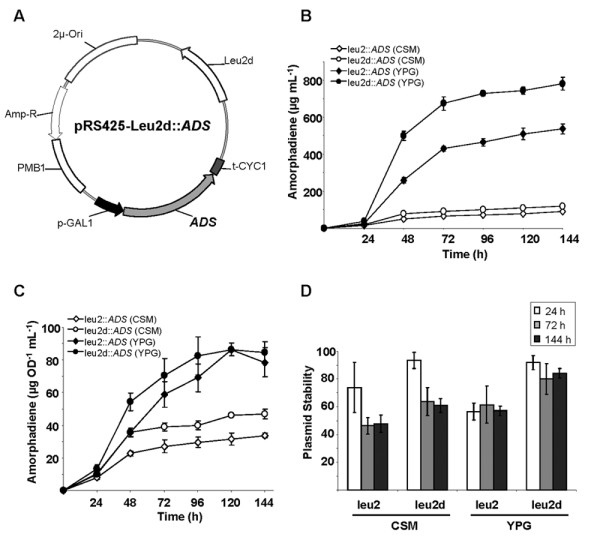
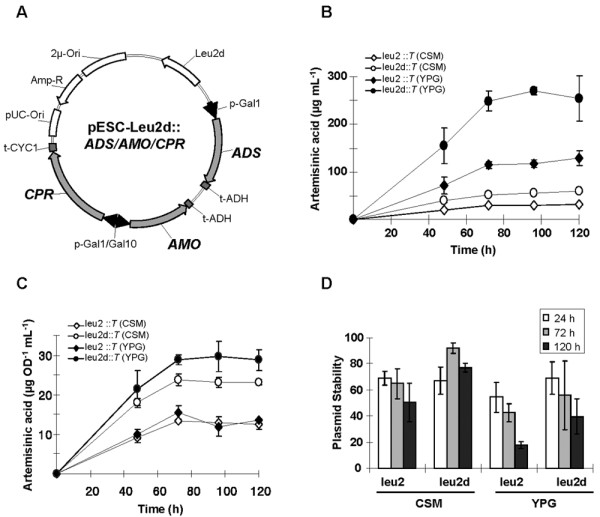
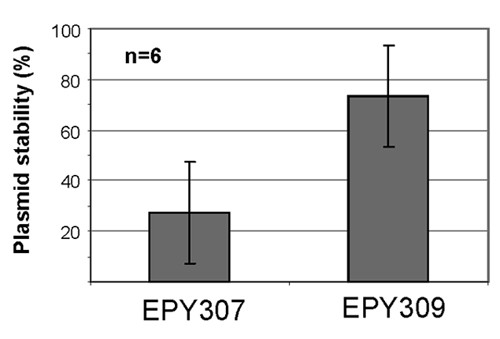
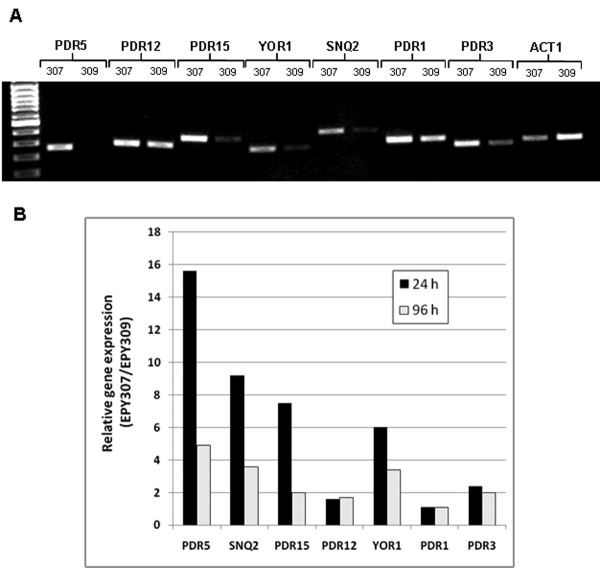
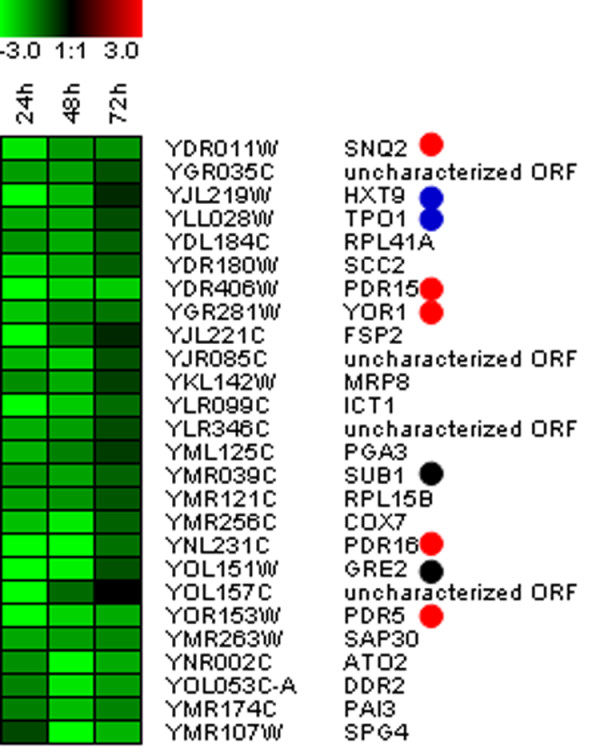
Background: Due to the global occurrence of multi-drug-resistant malarial parasites ( Plasmodium falciparum ), the anti-malarial drug most effective against malaria is artemisinin, a natural product (sesquiterpene lactone endoperoxide) extracted from sweet wormwood ( Artemisia annua ). However, artemisinin is in short supply and unaffordable to most malaria patients. Artemisinin can be semi-synthesized from its precursor artemisinic acid, which can be synthesized from simple sugars using microorganisms genetically engineered with genes from A. annua . In order to develop an industrially competent yeast strain, detailed analyses of microbial physiology and development of gene expression strategies are required. Results: Three plant genes coding for amorphadiene synthase, amorphadiene oxidase ( AMO or CYP71AV1 ), and cytochrome P450 reductase, which in concert divert carbon flux from farnesyl diphosphate to artemisinic acid, were expressed from a single plasmid. The artemisinic acid production in the engineered yeast reached 250 μg mL -1 in shake-flask cultures and 1 g L -1 in bio-reactors with the use of Leu2d selection marker and appropriate medium formulation. When plasmid stability was measured, the yeast strain synthesizing amorphadiene alone maintained the plasmid in 84% of the cells, whereas the yeast strain synthesizing artemisinic acid showed poor plasmid stability. Inactivation of AMO by a point-mutation restored the high plasmid stability, indicating that the low plasmid stability is not caused by production of the AMO protein but by artemisinic acid synthesis or accumulation. Semi-quantitative reverse-transcriptase (RT)-PCR and quantitative real time-PCR consistently showed that pleiotropic drug resistance ( PDR ) genes, belonging to the family of ATP-Binding Cassette (ABC) transporter, were massively induced in the yeast strain producing artemisinic acid, relative to the yeast strain producing the hydrocarbon amorphadiene alone. Global transcriptional analysis by yeast microarray further demonstrated that the induction of drug-resistant genes such as ABC transporters and major facilitator superfamily (MSF) genes is the primary cellular stress-response; in addition, oxidative and osmotic stress responses were observed in the engineered yeast. Conclusion: The data presented here suggest that the engineered yeast producing artemisinic acid suffers oxidative and drug-associated stresses. The use of plant-derived transporters and optimizing AMO activity may improve the yield of artemisinic acid production in the engineered yeast.
Overview
The claims and statistics of this paper haven’t been checked yet.
Run the check — free, no account needed. It reads the open-access text and checks the sources it cites.
Integrity signals
Registry
Cites
Statistics
Figures
Verification
Claims the paper makes
The claims and statistics of this paper haven’t been checked yet.
Run the check — free, no account needed. It reads the open-access text and checks the sources it cites.
Claims other papers make about this one
Each is checked against this paper’s own text: does it say what the citing paper says it does?
In the citing paper
“The approach outlined in Scheme 13 has succeded in producing high levels of amorpha-4,11-diene (451) from E. coli [384] and artemisinic acid (473) from S. cerevisiae in quantities which exceed those from A. annua itself (100 mg–1·g·L-1) [385,386].”
From The Biosynthesis of Artemisinin (Qinghaosu) and the Phytochemistry of Artemisia annua L. (Qinghao) (2010) · cites this paper as [385]
In the citing paper
“Previously, dodecane has been incorporated into the culture medium, in order to provide a separate hydrophobic layer in which volatile amorpha-4,11-diene (451) produced by microbial fermentation can be trapped [382, 385].”
From The Biosynthesis of Artemisinin (Qinghaosu) and the Phytochemistry of Artemisia annua L. (Qinghao) (2010) · cites this paper as [385]
Self-check
Percentages, sums and reported differences re-computed from the paper’s own numbers.
The self-check needs the paper’s full text.
Citations
Cites
Molecular Cloning: A Laboratory Manual
Sambrook, J., Fritsch, E., & Maniatis, T. (1989) · UCLA - Biblioteca de Ciencias de la Salud · Cited by 133,589
A new mathematical model for relative quantification in real-time RT-PCR
Pfaffl, M. W. (2001) · Nucleic Acids Research · doi:10.1093/nar/29.9.e45 · Cited by 34,610
In silico prediction of protein-protein interactions in human macrophages
Souiai, O., Guerfali, F. Z., Miled, S. B., Brun, C., & Benkahla, A. (2014) · BMC Research Notes · doi:10.1186/1756-0500-7-157 · Cited by 10,785
Significance analysis of microarrays applied to the ionizing radiation response
Tusher, V. G., Tibshirani, R., & Chu, G. (2001) · Proceedings of the National Academy of Sciences · doi:10.1073/pnas.091062498 · Cited by 10,568
Brachmann, C. B., Davies, A., Cost, G. J., Caputo, E. M., Li, J., Hieter, P., & Boeke, J. D. (1998) · Yeast · doi:10.1002/(sici)1097-0061(19980130)14:2 · Cited by 3,418
Production of the antimalarial drug precursor artemisinic acid in engineered yeast
Ro, D.-K., Paradise, E. M., Ouellet, M., Fisher, K. J., Newman, K. L., Ndungu, J. M., Ho, K. A., Eachus, R. A., Ham, T. S., Kirby, J., et al. (2006) · Nature · doi:10.1038/nature04640 · Cited by 2,805
Self-citationBlacklow, N. R., Gorbach, S. L., & Bartlett, J. G. (1992) · Cited by 2,753
The function of terpene natural products in the natural world
Gershenzon, J., & Dudareva, N. (2007) · Nature Chemical Biology · doi:10.1038/nchembio.2007.5 · Cited by 2,198
Genesis: cluster analysis of microarray data
Sturn, A., Quackenbush, J., & Trajanoski, Z. (2002) · Bioinformatics · doi:10.1093/bioinformatics/18.1.207 · Cited by 1,761
Engineering a mevalonate pathway in Escherichia coli for production of terpenoids
Martin, V. J. J., Pitera, D. J., Withers, S. T., Newman, J. D., & Keasling, J. D. (2003) · Nature Biotechnology · doi:10.1038/nbt833 · Cited by 1,720
Self-citation
Cited by
Sorted by citations
Items 101–197 of 197
Hu, F., Liu, J., Du, G., Hua, Z., Zhou, J., & Chen, J. (2012) · Biotechnology Letters · doi:10.1007/s10529-012-0931-6 · Cited by 27
Comparison of antimalarial activity of Artemisia turanica extract with current drugs in vivo
Taherkhani, M., Rustaiyan, A., Nahrevanian, H., Naeimi, S., & Taherkhani, T. (2013) · Journal of Vector Borne Diseases · doi:10.4103/0972-9062.112535 · Cited by 27
Multicopy plasmid integration in Komagataella phaffii mediated by a defective auxotrophic marker
Betancur, M. O., Reis, V. C. B., Nicola, A. M., Marco, J. L. D., de Moraes, L. M. P., & Torres, F. A. G. (2017) · Microbial Cell Factories · doi:10.1186/s12934-017-0715-8 · Cited by 27
Engineering Saccharomyces cerevisiae for medical applications
Maneira, C., Chamas, A., & Lackner, G. (2025) · Microbial Cell Factories · doi:10.1186/s12934-024-02625-5 · Cited by 26
Use of Nonionic Surfactants for Improvement of Terpene Production in Saccharomyces cerevisiae
Kirby, J., Nishimoto, M., Chow, R. W. N., Pasumarthi, V. N., Chan, R., Chan, L. J. G., Petzold, C. J., & Keasling, J. D. (2014) · Applied and Environmental Microbiology · doi:10.1128/aem.02155-14 · Cited by 26
Self-citationMuangphrom, P., Misaki, M., Suzuki, M., Shimomura, M., Suzuki, H., Seki, H., & Muranaka, T. (2019) · Phytochemistry · doi:10.1016/j.phytochem.2019.05.010 · Cited by 24
Amorpha-4,11-diene synthase: a key enzyme in artemisinin biosynthesis and engineering
Huang, J. Q., & Fang, X. (2021) · aBIOTECH · doi:10.1007/s42994-021-00058-x · Cited by 24
Artemisinic acid: A promising molecule potentially suitable for the semi-synthesis of artemisinin
Kong, J., Yang, Y., Wang, W., Cheng, K.-D., & Zhu, P. (2013) · RSC Advances · doi:10.1039/c3ra40525g · Cited by 25
Catalytic Plasticity of Germacrene A Oxidase Underlies Sesquiterpene Lactone Diversification
Nguyen, T., Kwon, M., Kim, S.-U., Fischer, C., & Ro, D. (2019) · PLANT PHYSIOLOGY · doi:10.1104/pp.19.00629 · Cited by 24
Self-citationIdentification and Functional Characterization of a new Sunflower Germacrene A Synthase (HaGAS3)
Göpfert, J. C., Bülow, A.-K., & Spring, O. (2010) · Natural Product Communications · doi:10.1177/1934578x1000500507 · Cited by 24
Muangphrom, P., Seki, H., Suzuki, M., Komori, A., Nishiwaki, M., Mikawa, R., Fukushima, E. O., & Muranaka, T. (2016) · Plant and Cell Physiology · doi:10.1093/pcp/pcw094 · Cited by 24
Improving lupeol production in yeast by recruiting pathway genes from different organisms
Qiao, W., Zhou, Z., Liang, Q., Mosongo, I., Li, C., & Zhang, Y. (2019) · Scientific Reports · doi:10.1038/s41598-019-39497-4 · Cited by 24
Engineered Saccharomyces cerevisiae for the de novo synthesis of the aroma compound longifolene
Hassan, J. U., Kaleem, I., Rasool, A., Xu, K., Tahir, R. A., Lv, B., & Li, C. (2020) · Chemical Engineering Science · doi:10.1016/j.ces.2020.115799 · Cited by 23
Microbial production of plant specialized metabolites
鈴木史朗, Koeduka, T., Sugiyama, A., Yazaki, K., & Umezawa, T. (2014) · Plant Biotechnology · doi:10.5511/plantbiotechnology.14.1003a · Cited by 24
Zhang, L., Lu, X., Shen, Q., Chen, Y., Wang, T., Zhang, F., Wu, S., Jiang, W., Liu, P., Zhang, L., et al. (2011) · Plant Molecular Biology Reporter · doi:10.1007/s11105-011-0400-8 · Cited by 22
López, C. E. R., Jiang, Y., Kamileen, M. O., Lichman, B. R., Hong, B., Vaillancourt, B., Buell, C. R., & O'Connor, S. E. (2022) · Molecular Biology and Evolution · doi:10.1093/molbev/msac057 · Cited by 22
Seresht, A. K., Nørgaard, P., Palmqvist, E. A., Andersen, A. S., & Lisbeth Olsson, A. (2012) · Applied Microbiology and Biotechnology · doi:10.1007/s00253-012-4263-1 · Cited by 21
Modular Metabolic Engineering of Saccharomyces cerevisiae for Enhanced Production of Ursolic Acid
Zhu, Y., Yan, X., Li, W., Qiao, J., & Zhao, G.-R. (2025) · Journal of Agricultural and Food Chemistry · doi:10.1021/acs.jafc.4c09840 · Cited by 20
Wang, C., Poborsky, M., Crocoll, C., Nødvig, C. S., Mortensen, U. H., & Halkier, B. A. (2022) · Applied and Environmental Microbiology · doi:10.1128/aem.00978-22 · Cited by 20
Gou, J., Hao, F., Huang, C., Kwon, M., Chen, F., Li, C., Liu, C., Ro, D., Tang, H., & Zhang, Y. (2017) · The Plant Journal · doi:10.1111/tpj.13760 · Cited by 20
Self-citationBiosynthesis, herbivore induction, and defensive role of phenylacetaldoxime glucoside
Müller, A. T., Nakamura, Y., Reichelt, M., Luck, K., Cosio, E. G., Lackus, N. D., Gershenzon, J., Mithöfer, A., & Köllner, T. G. (2023) · PLANT PHYSIOLOGY · doi:10.1093/plphys/kiad448 · Cited by 19
Functional Expression of Human Adenine Nucleotide Translocase 4 in Saccharomyces Cerevisiae
Hamazaki, T., Leung, W., Cain, B. D., Ostrov, D. A., Thorsness, P. E., & Terada, N. (2011) · PLoS ONE · doi:10.1371/journal.pone.0019250 · Cited by 19
Kant, G., Pandey, A., Hasan, A., Bux, F., Kumari, S., & Srivastava, S. (2024) · Process Biochemistry · doi:10.1016/j.procbio.2024.01.027 · Cited by 22
Enhanced vitamin A production by engineering transporters, ATP and precursor supply
Zhang, Y., Hu, Q., Yu, H., & Ye, L. (2025) · BioDesign Research · doi:10.1016/j.bidere.2025.100023 · Cited by 18
Aschenbrenner, A.-K., Kwon, M., Conrad, J., Ro, D., & Spring, O. (2016) · Phytochemistry · doi:10.1016/j.phytochem.2016.01.009 · Cited by 18
Self-citationUtomo, J. C., Barrell, H. B., Kumar, R., Smith, J. T., Brant, M. S., Siegler, H. D. L. H., & Ro, D. (2024) · Metabolic Engineering · doi:10.1016/j.ymben.2024.02.011 · Cited by 17
Self-citationNahrevanian, H., Esmaeili, B., Kazemi, M., Nazem, H., & Amini, M. (2010) · Europe PMC (PubMed Central) · Cited by 17
Recent advances in biocatalyst development in the pharmaceutical industry
Zhang, M. M., Su, X., Ang, E. L., & Zhao, H. (2013) · Pharmaceutical Bioprocessing · doi:10.4155/pbp.13.14 · Cited by 14
Fan, Z., Wang, Y., Yang, C., Zhou, Z., Wang, P., & Yan, X. (2022) · Synthetic and Systems Biotechnology · doi:10.1016/j.synbio.2022.08.004 · Cited by 14
Genetic chemistry: production of non-native compounds in yeast
Goldman, S. (2010) · Current Opinion in Chemical Biology · doi:10.1016/j.cbpa.2010.03.036 · Cited by 14
Production of Natural Products by Plant Cell and Organ Cultures
Alfermann, A. W. (2010) · Wiley-Blackwell eBooks · doi:10.1002/9781444318876.ch6 · Cited by 12
Nielsen, J., Archer, J. A. C., Essack, M., Bajić, V. B., Gojobori, T., & Mijakovic̀, I. (2017) · Applied Microbiology and Biotechnology · doi:10.1007/s00253-017-8310-9 · Cited by 11
Perassolo, M., Cardillo, A. B., Busto, V. D., Giulietti, A. M., & Talou, J. R. (2018) · Springer eBooks · doi:10.1007/978-3-319-78274-4_4 · Cited by 13
Sayyed, K., Vée, M. L., Chamieh, H., Fardel, O., & Abdel‐Razzak, Z. (2018) · Toxicology · doi:10.1016/j.tox.2018.08.005 · Cited by 11
Ro, D. (2011) · Wiley eBooks · doi:10.1002/9781119991311.ch8 · Cited by 11
Self-citationGenetic basis of phytoalexin-mediated chemical defense in plants
Wang, Z., Han, L., Gao, L., Zhang, L., Xie, Y. D., Liu, H., Fan, J., Wu, M., Yue, N., Wang, Y., et al. (2026) · Cell · doi:10.1016/j.cell.2026.04.021 · Cited by 10
Engineering novel terpene production platforms in the yeast Saccharomyces cerevisiae
Zhuang, X. (2013) · UKnowledge (University of Kentucky) · Cited by 10
Developing GDi-CRISPR System for Multi-copy Integration in Saccharomyces cerevisiae
Zhang, Z., Wang, Y., Xu, Y., Sun, X., & Huang, H. (2021) · Applied Biochemistry and Biotechnology · doi:10.1007/s12010-021-03532-w · Cited by 10
Joining Forces: Fermentation and Organic Synthesis for the Production of Complex Heterocycles
Gober, C. M., & Joullié, M. M. (2016) · The Journal of Organic Chemistry · doi:10.1021/acs.joc.6b01308 · Cited by 10
Endogenous 2μ Plasmid Editing for Pathway Engineering in Saccharomyces cerevisiae
Zeng, B., Yao, M., Xiao, W., Luo, Y., Wāng, Y., & Yuan, Y. (2021) · Frontiers in Microbiology · doi:10.3389/fmicb.2021.631462 · Cited by 9
Genome Mining for Fungal Secondary Metabolic Gene Clusters
Wawrzyn, G. T., Held, M., Bloch, S. E., & Schmidt‐Dannert, C. (2015) · Fungal biology · doi:10.1007/978-1-4939-2531-5_4 · Cited by 8
Metabolic regulation and engineering of artemisinin biosynthesis in A. annua
Tang, Y., Xiang, L., Zhang, F., Tang, K., & Liao, Z. (2023) · Medicinal Plant Biology · doi:10.48130/mpb-2023-0004 · Cited by 7
González‐Tobón, J., Childers, R. R., Rodríguez, A., Fry, W., Myers, K. L., Thompson, J. R., Restrepo, S., & Danies, G. (2021) · Phytopathology · doi:10.1094/phyto-07-21-0280-r · Cited by 7
Heterologous fermentation of a diterpene fromAlternaria brassisicola
Arens, J., Bergs, D., Mewes, M., Merz, J., Schembecker, G., & Schulz, F. (2014) · Mycology: An International Journal on Fungal Biology · doi:10.1080/21501203.2014.917735 · Cited by 7
Ngo, I., Kumar, R., Li, L., Kim, S.-W., Kwon, M., & Ro, D. (2024) · Physiologia Plantarum · doi:10.1111/ppl.14569 · Cited by 6
Self-citationVilla‐Ruano, N., & Lozoya‐Gloria, E. (2014) · Redalyc (Universidad Autónoma del Estado de México) · Cited by 6
Engineering strategies for enhanced 1′, 4′-trans-ABA diol production by Botrytis cinerea
Wang, Y., Shu, D., Li, Z., Luo, D., Yang, J., Chen, D., Li, T., Hou, X., Yang, Q., & Tan, H. K. (2024) · Microbial Cell Factories · doi:10.1186/s12934-024-02460-8 · Cited by 6
Lin, G., Li, P., Li, L., Wang, R., Zhao, W., Tian, M., Wu, J., Xu, S., Chen, Y., & Xu, F. (2024) · Plant Cell Reports · doi:10.1007/s00299-024-03361-1 · Cited by 5
Transcriptome of Saccharomyces cerevisiae during production of D-xylonate
Mojžita, D., Oja, M., Rintala, E., Wiebe, M. G., Penttilä, M. E., & Ruohonen, L. (2014) · BMC Genomics · doi:10.1186/1471-2164-15-763 · Cited by 5
Bridging Omics Technologies with Synthetic Biology in Yeast Industrial Biotechnology
Roldão, A., Kim, I., & Nielsen, J. (2012) · Springer eBooks · doi:10.1007/978-94-007-4534-6_9 · Cited by 5
Enhanced artemisinin production from engineered yeast precursors upon biotransformation
Zeng, Q.-P., Zeng, L.-X., Lu, W.-J., Feng, L.-L., Yang, R., & Qiu, F. (2012) · Biocatalysis and Biotransformation · doi:10.3109/10242422.2012.661723 · Cited by 5
Muangphrom, P., Seki, H., Matsumoto, S., Nishiwaki, M., Fukushima, E. O., & Muranaka, T. (2018) · Plant Biotechnology · doi:10.5511/plantbiotechnology.18.0324a · Cited by 5
Chen, A., & Yuan, J. (2024) · Elsevier eBooks · doi:10.1016/b978-0-443-15584-0.00006-9 · Cited by 4
Doxorubicin selects for fluconazole-resistant petite mutants in Candida glabrata isolates
Schulz, B., Knobloch, M., Weber, K., & Ruhnke, M. (2012) · International Journal of Medical Microbiology · doi:10.1016/j.ijmm.2012.04.002 · Cited by 4
Yeast Expression Systems: Current Status and Future Prospects
Adivitiya, Dagar, V. K., & Khasa, Y. P. (2017) · Springer eBooks · doi:10.1007/978-981-10-2621-8_9 · Cited by 4
Identification of a Unique Germacrene A Oxidase from Xanthium strumarium
Zheng, L., Chen, F., Li, Y., & Li, C. (2022) · Phyton · doi:10.32604/phyton.2022.019219 · Cited by 4
Gopalakrishnan, A. M., & López-Estraño, C. (2010) · Parasitology Research · doi:10.1007/s00436-010-1738-9 · Cited by 4
Growth and metabolism of sponges
Koopmans, M. (2009) · doi:10.18174/11402 · Cited by 4
Wang, C., Crocoll, C., Nødvig, C. S., Mortensen, U. H., Clemmensen, S. E., & Halkier, B. A. (2020) · bioRxiv (Cold Spring Harbor Laboratory) · doi:10.1101/2020.07.08.193391 · Cited by 4
Refining Metabolic Mass Transfer for Efficient Biosynthesis of Plant Natural Products in Yeast
Xue, H., Sun, W., Wang, Y., & Li, C. (2021) · Frontiers in Bioengineering and Biotechnology · doi:10.3389/fbioe.2021.633741 · Cited by 3
Wu, T., Shengming, W., Yin, Q. Q., Dai, H., Li, S., Dong, F., Chen, B., & Fang, H. (2011) · PubMed · Cited by 3
Nguyen, T. M., McConnachie, M., Nguyen, T., & Dang, T. T. (2022) · Methods in molecular biology · doi:10.1007/978-1-0716-2349-7_11 · Cited by 3
Combinatorial and Synthetic Biosynthesis in Actinomycetes
Luzhetska, M., Härle, J., & Bechthold, A. (2010) · Fortschritte der Chemie Organischer Naturstoffe/Fortschritte der Chemie organischer Naturstoffe/Progress in the chemistry of organic natural products · doi:10.1007/978-3-7091-0140-7_3 · Cited by 3
Synthetic Biology and Therapies for Infectious Diseases
Ando, H., Citorik, R. J., Cleto, S., Lemire, S., Mimee, M., & Lu, T. K. (2014) · Wiley eBooks · doi:10.1002/9783527676132.ch7 · Cited by 4
Use of Engineered Bacteria for the Production of Green Chemical and Pharmaceuticals
Chowdhury, C. R., Sabbisetti, V. S., & Ajay, A. K. (2022) · Springer eBooks · doi:10.1007/978-981-19-3979-2_12 · Cited by 2
A yeast ABC interactome primer
Monk, B. C. (2013) · Nature Chemical Biology · doi:10.1038/nchembio.1317 · Cited by 2
Biosynthesis and regulatory mechanisms of benzylisoquinoline alkaloids in medicinal plants
Qin, L., Liu, Y., Ming, Q., & Li, P. (2025) · Medicinal Plant Biology · doi:10.48130/mpb-0025-0025 · Cited by 1
Engineering Saccharomyces cerevisiae to improve heterologous abscisic acid production
Otto, M., Muñiz‐Calvo, S., Gossing, M., David, F., & Siewers, V. (2026) · Microbial Cell Factories · doi:10.1186/s12934-025-02913-8 · Cited by 1
Orthologue inference-based enzyme mining for diversification of the anti-cancer evodiamine scaffold
Kwan, B. D., Kim, T., Nguyen, H. H., Wang, J., Xia, Z., Franke, J., & Dang, T. T. (2026) · Communications Chemistry · doi:10.1038/s42004-025-01876-6 · Cited by 1
Pflanzliche Enzyme für die Synthetische Biologie
Schullehner, K., Welters, P., & Jach, G. (2013) · BIOspektrum · doi:10.1007/s12268-013-0293-1 · Cited by 1
Jordan, E. N., Zade, R. S. H., Pillay, S., van Lent, P., Abeel, T., & Kayser, O. (2024) · npj Systems Biology and Applications · doi:10.1038/s41540-024-00382-0 · Cited by 1
Biosynthesis and Production of Artemisinin: A Novel Class of Molecule
Ali, A., Khan, M. A., & Zainul, M. (2013) · Springer eBooks · doi:10.1007/978-3-642-22144-6_133 · Cited by 1
Dietrich, J. A., Fortman, J. L., Juminaga, D., & Keasling, J. D. (2011) · doi:10.1002/9781118028308.ch7 · Cited by 1
Self-citationEngineering Yeast to Improve Heterologous Abscisic Acid ProductionPreprint
Otto, M., Gossing, M., David, F., & Siewers, V. (2023) · bioRxiv (Cold Spring Harbor Laboratory) · doi:10.1101/2023.06.07.544016 · Cited by 1
Salim, V. (2013) · Brock University Digital Repository (Brock University)
Engineering Protocells: Prospects for Self-Assembly and
Miller, D. M., Gulbis, J. M., Stano, P., & Mavelli, F. (2015)
[Synergistic effect of amorpha-4,11-diene synthase gene in engineered Saccharomyces cerevisiae].
Kong, J., Zhi, X., Wang, W., Cheng, K.-D., & Zhu, P. (2011) · PubMed
Metabolic engineering and synthetic biology of plant secondary metabolism
Nielsen, L., Bjarnholt, N., Blomstedt, C. K., Gleadow, R. M., & Møller, B. L. (2016) · CRC Press eBooks · doi:10.1201/9781315370453-14
The mycobacteriophage Bxb1 integrase as a catalyst for DNA inversion in Saccharomyces cerevisiae
Timmermans, M. L. (2016) · Spectrum Research Repository (Concordia University)
Biotechnology of Commercial Microbial Products
Chityala, S., Nandana, V., Jayachandran, D., Prabhu, A. A., & Dasu, V. V. (2017) · Springer eBooks · doi:10.1007/978-981-10-6593-4_21
Yeast engineering for pharmaceutical and nutraceutical purposes
Kwak, S. (2017) · Illinois Digital Environment for Access to Learning and Scholarship (University of Illinois at Urbana-Champaign)
Varma, S. (2013)
Synthetic Biology: A Novel Approach for Pharmaceutically Important Compounds
Rashmi, Kumar, U., Maan, P., & Priyanka (2019) · Fungal biology · doi:10.1007/978-3-030-14846-1_16
Metabolic engineering and synthetic biology of plant secondary metabolism
Ro, D., Qu, Y., & Kwon, M. (2016) · doi:10.1201/9781315370453-20
Self-citationSchuyler, S. C., Wang, L.-I., Ding, Y.-S., Lee, Y., & Chen, H.-Y. (2020) · Microorganisms · doi:10.3390/microorganisms8101495
Faculty Opinions recommendation of Biosynthesis of medicinal tropane alkaloids in yeast.
Saito, K., & Shoji, T. (2020) · Faculty Opinions – Post-Publication Peer Review of the Biomedical Literature · doi:10.3410/f.738599006.793579999
Production of Natural Products by Plant Cell and Organ Cultures
Alfermann, A. W. (2017) · Annual Plant Reviews online · doi:10.1002/9781119312994.apr0422
Lee, B. H. (2021) · Wiley eBooks · doi:10.1002/9781119042792.part4
Wang, Y., Shu, D., Li, Z., Luo, D., Yang, J., Chen, D., Li, T., Hou, X., Yang, Q., & Tan, H. K. (2024) · Figshare · doi:10.6084/m9.figshare.26739576
Biosynthesis of new alpha-bisabolol derivatives through a synthetic biology approach
Sarrade-Loucheur, A. (2020) · theses.fr (ABES) · doi:10.70675/c9915f32zcbd5z4eebz84f3zf3ff5e0ffec3
Recent Advances in The Microbial Synthesis of (−)-α-Bisabolol: Pathway, Enzymes and Strategies
Xiao, J., Li, Z., Zhang, J., Zhu, Y., & Mu, W. (2026) · Journal of Agricultural and Food Chemistry · doi:10.1021/acs.jafc.6c05707
The floral illusion: A parasitic beetle mimics the scent of flowers to attract bees
Alam, R. M., Kessler, D., Vogel, H., Luck, K., David, A., Kunert, M., Brehm, G., Kaltenpoth, M., O'Connor, S. E., & Köllner, T. G. (2026) · Proceedings of the National Academy of Sciences · doi:10.1073/pnas.2602521123
Convergent biosynthesis of insect molting hormones in plantsPreprint
Park, J. J., Orozco, J. A., Tiong, G. J. L., Kim, C. Y., & Nett, R. S. (2026) · bioRxiv (Cold Spring Harbor Laboratory) · doi:10.64898/2026.08.07.743582
Molecular cloning and characterization of sesquiterpene synthases from valeriana officinalis
Pyle, B. W. (2012) · Libraries and Cultural Resources (University of Calgary) · doi:10.11575/prism/26983
Metadata
- Authors
- Ro, D.-K., Ouellet, M., Paradise, E. M., Burd, H., Eng, D., Paddon, C. J., Newman, J. D., & Keasling, J. D.
- Affiliations
- University of Calgary (CA)
- University of California, Berkeley (US)
- Amyris (United States) (US)
- Lawrence Berkeley National Laboratory (US)
- Corresponding author
- Keasling, Jay D
- Venue
- BMC Biotechnology
- Published
- 2008-11-04
- Volume
- 8
- Issue
- 1
- Pages
- 83-83
- ISSN
- 1472-6750 (ISSN-L)
- PMC
- PMC2588579
- OpenAlex
- W2112762465
- Cited by
- 197
- References
- 50
- Citations by year
- 2026: 6 · 2025: 4 · 2024: 8 · 2023: 8 · 2022: 10 · 2021: 12 · 2020: 11 · 2019: 10 · 2018: 7 · 2017: 12 · 2016: 15 · 2015: 6 · 2014: 18 · 2013: 19 · 2012: 18
- FWCI
- 4.53
- Type
- journal article
- Language
- en
- Open access
- gold
- doi.org
- Licence
- cc-by
- Locations
- BMC Biotechnology (publishedVersion, cc-by)
- Europe PMC (PubMed Central) (publishedVersion, cc-by)
- PubMed Central (publishedVersion, cc-by)
- PubMed (publishedVersion)
- DOAJ (DOAJ: Directory of Open Access Journals) (submittedVersion, cc-by-sa)
- eScholarship (California Digital Library) (submittedVersion)
- eScholarship (California Digital Library) (submittedVersion, cc-by)
- OSTI OAI (U.S. Department of Energy Office of Scientific and Technical Information) (submittedVersion)
- Funders
- Bill and Melinda Gates Foundation
- Topics
- Life Sciences › Biochemistry, Genetics and Molecular Biology › Molecular Biology › Plant biochemistry and biosynthesis
- Life Sciences › Biochemistry, Genetics and Molecular Biology › Molecular Biology › Microbial Metabolic Engineering and Bioproduction
- Life Sciences › Biochemistry, Genetics and Molecular Biology › Molecular Biology › Fungal and yeast genetics research
- Keywords
- pleiotropic drug resistance, ABC transporters, NADPH-cytochrome P450 reductase, plasmid stability, oxidative stress response, osmotic stress response, gene expression regulation
- MeSH terms
- Polycyclic Sesquiterpenes, Animals, Antimalarials, Fermentation, Genetic Engineering, Plasmids, Prodrugs, RNA, Fungal, Saccharomyces cerevisiae, Sesquiterpenes, Gene Expression Regulation, Fungal, Genes, Plant, Point Mutation, Oxidative Stress, Oligonucleotide Array Sequence Analysis, Gene Expression Profiling, Drug Resistance, Multiple, Fungal, Artemisia annua, Artemisinins
About these checks
Registry, retraction, Cites and statistics results are computed, not judged, with one exception: a printed reference that no index lists is read once by a model before it counts as a citation error. Claims are extracted by a model and kept only when their quote appears verbatim in the text; each cited source is then checked, with a model’s help, for whether it says what the claim relies on. Those verdicts can be wrong — read the claim’s quote and the cited source before relying on one.
Statistics and arithmetic are recomputed, not judged.
Confidence bands are shown only for fields calibrated on our annotated test set. None is calibrated yet, so no band is shown.
What counts as a claim ›How we measure confidence ›How we check this ›
Are you an author, or do you see a problem with this page? Request a review
