

Knowns and unknowns on burden of disease due to chemicals: a systematic review
Open accessThe DOI matches its Crossref record; 86 of the 87 references it cites were found in a registry or an index, and 1 are not checked yet.
Abstract
Background: Continuous exposure to many chemicals, including through air, water, food, or other media and products results in health impacts which have been well assessed, however little is known about the total disease burden related to chemicals. This is important to know for overall policy actions and priorities. In this article the known burden related to selected chemicals or their mixtures, main data gaps, and the link to public health policy are reviewed. Methods: A systematic review of the literature for global burden of disease estimates from chemicals was conducted. Global disease due to chemicals was estimated using standard methodology of the Global Burden of Disease. Results: In total, 4.9 million deaths (8.3% of total) and 86 million Disability-Adjusted Life Years (DALYs) (5.7% of total) were attributable to environmental exposure and management of selected chemicals in 2004. The largest contributors include indoor smoke from solid fuel use, outdoor air pollution and second-hand smoke, with 2.0, 1.2 and 0.6 million deaths annually. These are followed by occupational particulates, chemicals involved in acute poisonings, and pesticides involved in self-poisonings, with 375,000, 240,000 and 186,000 annual deaths, respectively. Conclusions: The known burden due to chemicals is considerable. This information supports decision-making in programmes having a role to play in reducing human exposure to toxic chemicals. These figures present only a number of chemicals for which data are available, therefore, they are more likely an underestimate of the actual burden. Chemicals with known health effects, such as dioxins, cadmium, mercury or chronic exposure to pesticides could not be included in this article due to incomplete data and information. Effective public health interventions are known to manage chemicals and limit their public health impacts and should be implemented at national and international levels.
Overview
The claims and statistics of this paper haven’t been checked yet.
Free: it reads the open-access text and checks the first 5 claims that cite a source we can check. Create a free account to check every claim.
Integrity signals
Registry
Cites
Statistics
Figures
Verification
Claims the paper makes
The claims and statistics of this paper haven’t been checked yet.
Free: it reads the open-access text and checks the first 5 claims that cite a source we can check. Create a free account to check every claim.
Claims other papers make about this one
Each is checked against this paper’s own text: does it say what the citing paper says it does?
The source backs part of the claim, not all of it — or backs it for a different population, condition or comparison.
In the citing paper
“In LMICs, there is no credible, comprehensive, quantified evidence on the overall impact of chemicals in food on human health [48] but there is solid evidence that some health impacts occur, and there is suspicion that impacts could be substantial.”
From Food Safety in Low and Middle Income Countries (2015) · cites this paper as [48]
Experimental — accuracy not yet measuredThe source backs part of the claim, not all of it — or backs it for a different population, condition or comparison.
In the citing paper
“No credible, comprehensive, quantified evidence on the impact of agricultural chemicals in food on human health in LMIC currently exists (Käferstein, 1997;Prüss-Ustün et al., 2011)”
From Burden of foodborne disease in low-income and middle-income countries and opportunities for scaling food safety interventions (2023) · cites this paper as Prüss-Ustün et al., 2011
Experimental — accuracy not yet measured
Self-check
Percentages, sums and reported differences re-computed from the paper’s own numbers.
The self-check needs the paper’s full text.
Citations
Cites
Lung cancer, cardiopulmonary mortality, and long-term exposure to fine particulate air pollution
Pope III, C. A. (2002) · JAMA · doi:10.1001/jama.287.9.1132 · Cited by 8,447 · cited 1×
“Examples include lead and hypertension or cardiovascular effects [49,50]; lead and children’s intellectual function [51,52]; outdoor air pollution and cardiopulmonary disease [53]; second-hand smoke and related outcomes [27,28,54]; arsenic in drinking-water and related outcomes [55]; occupational exposure and lung can…”
BackgroundThe World Health Report 2002 - Reducing Risks, Promoting Healthy Life
Not Available, N. A. (2003) · Education for Health: Change in Learning & Practice · doi:10.1080/1357628031000116808 · Cited by 6,046
Higgins, S. M. F., Macken, A. P., Cullen, W., Saunders, J., Dunne, C. P., & O’Gorman, C. S. (2013) · PubMed · doi:10.34961/9953 · Cited by 4,808
Kay, H. (1980) · Journal of Clinical Pathology · doi:10.1136/jcp.33.6.608-c · Cited by 3,809
Selected major risk factors and global and regional burden of disease
Ezzati, M., Lopez, A. D., Rodgers, A., Vander Hoorn, S., & Murray, C. J. (2002) · The Lancet · doi:10.1016/s0140-6736(02)11403-6 · Cited by 3,594
Lanphear, B. P., Hornung, R., Khoury, J., Yolton, K., Baghurst, P., Bellinger, D. C., Canfield, R. L., Dietrich, K. N., Bornschein, R., Greene, T., et al. (2005) · Environmental Health Perspectives · doi:10.1289/ehp.7688 · Cited by 2,205 · cited 2×
“Examples include lead and hypertension or cardiovascular effects [49,50]; lead and children’s intellectual function [51,52]; outdoor air pollution and cardiopulmonary disease [53]; second-hand smoke and related outcomes [27,28,54]; arsenic in drinking-water and related outcomes [55]; occupational exposure and lung can…”
BackgroundDevelopmental neurotoxicity of industrial chemicals
Grandjean, P., & Landrigan, P. (2006) · The Lancet · doi:10.1016/s0140-6736(06)69665-7 · Cited by 1,984
Öberg, M., Jaakkola, M. S., Woodward, A., Peruga, A., & Prüss-Ustün, A. (2011) · The Lancet · doi:10.1016/s0140-6736(10)61388-8 · Cited by 1,939 · cited 3×
“arsenic [11,37] (b) international databases or systematic reviews of survey data, such as for indoor air pollution [46] and second-hand smoke [29] (c) systematic reviews of bio-monitoring data, such as blood lead levels [31,47], or (d) international databases or systematic reviews of occupational exposures by sector o…”
Background(2006) · PsycEXTRA Dataset · doi:10.1037/e601432007-001 · Cited by 1,880
Who Regional Office for Europe (2006) · Cited by 1,526
Research works printed but not linked: 9
- International Programme on Chemical Safety Human exposure assessment Environmental Health Criteria, No. 214 2000 Geneva: World Health Organization http://www.inchem.org/documents/ehc/ehc/ehc214.htm
- Murray C Lopez AD The global burden of disease 1996 Geneva: World Health Organization, Harvard School of Public Health, World Bank
- Concha-Barrientos M Imel Nelson D Driscoll T Steenland NK Punnett L Fingerhut MA Prüss-Üstün A Leigh J Tak SW Corvalàn C Ezzati M, Lopez AD, Rodgers A, Murray CJL Selected occupational risk factors Comparative quantification of health risks 2004 World Health Organization
- Smith KR Mehta S Maeusezahl-Feuz M Ezzati M, Lopez AD, Rodgers A, Murray CJL Indoor air pollution from solid household fuels Comparative quantification of health risks 2004 World Health Organization
- Prüss-Ustün A Fewtrell L Landrigan P Ayuso-Mateos JL Ezzati M, Lopez AD, Rodgers A, Murray CJL Lead exposure Comparative quantification of health risks 2004 World Health Organization
- Cohen J Bellinger DC Shaywitz B A quantitative analysis of prenatal methyl mercury exposure and cognitive development Am J Prev Med 2005 29 353 65 10.1016/j.amepre.2005.06.007 16242602 · DOI
- McCartor A Becker D Blacksmith Institute's world's worst pollution problems report 2010 2010 New York: Blacksmith Institute http://www.worstpolluted.org/2010-report.html Accessed November 16, 2010
- Commission of the European Communities Commission staff working paper "Regulation of the European Parliament and of the Council concerning the Registration, Evaluation, Authorisation and Restrictions of Chemicals (REACH), establishing a European Chemicals Agency and amending Directive 1999/45/EC and Regulation (EC) on Persistent Organic Pollutants "1 Extended impact assessment" 2003 Brussels COM(2003)644 final
- Klaassen C Casarett Doull's Toxicology The Basic Science of Poisons 2008 7 USA: McGraw Hill http://www.mcgraw-hill.co.uk/html/0071470514.html
Cited by
Items 101–200 of 397
Ernstoff, A. S., Niero, M., Muncke, J., Trier, X., Rosenbaum, R. K., Hauschild, M. Z., & Fantke, P. (2018) · The International Journal of Life Cycle Assessment · doi:10.1007/s11367-018-1569-y · Cited by 38
Alam, N., Chowdhury, M. A. Z., Hossain, M., Rahman, M. M., Rahman, M. A., Gan, S. H., & Khalil, M. I. (2015) · Journal of Chemistry · doi:10.1155/2015/243574 · Cited by 36
“The contamination of food by chemicals is a public health concern worldwide, and pesticides are a chemical hazard associatedwith food contamination [1].”
BackgroundClima, S., Ravsher, T., Garbin, D., Degraeve, R., Fantini, A., Delhougne, R., Kar, G. S., & Pourtois, G. (2022) · ACS Applied Electronic Materials · doi:10.1021/acsaelm.2c01458 · Cited by 34
Removal of Inorganic Pollutants from Wastewater: Innovative Technologies and Toxicity Assessment
Kumar, V., Sharma, M., Sondhi, S., Kaur, K., Sharma, D., Sharma, S., & Utreja, D. (2023) · Sustainability · doi:10.3390/su152316376 · Cited by 45
Papa, M., Pedrazzani, R., & Bertanza, G. (2013) · Water Research · doi:10.1016/j.watres.2013.04.015 · Cited by 37
Kaserzon, S., Heffernan, A. L., Thompson, K., Mueller, J. F., & Gómez, M. J. (2017) · Chemosphere · doi:10.1016/j.chemosphere.2017.05.071 · Cited by 33
Facets Of Public Health In Europe
Rechel, B., & McKee, M. (2014) · Cited by 52
Exposure to a Low Lead Concentration Impairs Contractile Machinery in Rat Cardiac Muscle
Silva, M. A. S. C., de Oliveira, T. F., Almenara, C. C. P., Broseghini-Filho, G. B., Vassallo, D. V., Padilha, A. S., & Silveira, E. A. (2015) · Biological Trace Element Research · doi:10.1007/s12011-015-0300-0 · Cited by 33
Khan, N. U., Pérez‐Núñez, R., Shamim, N., Khan, U. R., Naseer, N., Feroze, A., Razzak, J., & Hyder, A. A. (2015) · BMC Emergency Medicine · doi:10.1186/1471-227x-15-s2-s2 · Cited by 41
The temporalities of asbestos mining and community activism
Mazzeo, A. (2018) · The Extractive Industries and Society · doi:10.1016/j.exis.2018.02.004 · Cited by 47
Nowicki, S., Birhanu, B., Tanui, F., Sule, M. N., Charles, K., Olago, D. O., & Kebede, S. (2023) · The Science of The Total Environment · doi:10.1016/j.scitotenv.2023.166929 · Cited by 31
“These chronic health conditions include cancers, heart disease, congenital anomalies, blood diseases, musculoskeletal disorders, and neurological damage (Prüss-Ustün et al., 2011; Supplementary Table 1).”
The global health dimensions of asbestos and asbestos‐related diseases
Ramazzini, C. (2016) · Journal of Occupational Health · doi:10.1539/joh.16-2002-st · Cited by 31
Cavone, D., Caputi, A., Maria, L. D., Cannone, E. S. S., Mansi, F., Birtolo, F., Delfino, M. C., & Vimercati, L. (2019) · Environments · doi:10.3390/environments6070076 · Cited by 39
“Estimates of the global annual number of cases of MM based on mortality data report about 14,000 cases in 89 countries according to Park (2011) (which still considers this an underestimate) and about 59,000 for Prüss Ustün (2011) [11,58].”
BackgroundA Critical Review of the Status of Pesticide Exposure Management in Malawi
Kosamu, I. B. M., Kaonga, C. C., & Utembe, W. (2020) · International Journal of Environmental Research and Public Health · doi:10.3390/ijerph17186727 · Cited by 37
“Pesticide poisoning is a major contributor to the global burden of disease, especially in developing countries [24].”
BackgroundLu, Z., Ma, Y., Gao, L., Li, Y., Li, Q., & Qiang, M. (2018) · PLoS ONE · doi:10.1371/journal.pone.0196314 · Cited by 35
Pedroni, M., Vassallo, E., Aloisio, M., Brasca, M., Chen, H., Donnini, R., Firpo, G., Morandi, S., Pietralunga, S. M., Silvetti, T., et al. (2023) · Surface and Coatings Technology · doi:10.1016/j.surfcoat.2023.129828 · Cited by 30
Trasande, L., Massey, R. I., DiGangi, J., Geiser, K., Olanipekun, A. I., & Gallagher, L. (2011) · Health Affairs · doi:10.1377/hlthaff.2010.1217 · Cited by 32
A call for a Human Exposome Project
Härtung, T. (2023) · ALTEX · doi:10.14573/altex.2301061 · Cited by 45
Giri, S., & Singh, A. K. (2016) · International Journal of Environmental & Analytical Chemistry · doi:10.1080/03067319.2016.1255735 · Cited by 30
Mind the gaps: how can food safety gaps be addressed in developing nations?
Vipham, J., Chaves, B. D., & Trinetta, V. (2018) · Animal Frontiers · doi:10.1093/af/vfy020 · Cited by 37
Who cares?—Stakeholder relevance for voluntary environmental management in hospitals
Seifert, C., & Guenther, E. (2020) · Corporate Social Responsibility and Environmental Management · doi:10.1002/csr.1925 · Cited by 33
Analyzing Healthcare Facility Resilience: Scientometric Review and Knowledge Map
Li, L., Liao, S., Yuan, J., Wang, E., & She, J. (2021) · Frontiers in Public Health · doi:10.3389/fpubh.2021.764069 · Cited by 36
Scholz, S., Brack, W., Escher, B. I., Hackermüller, J., Liess, M., von Bergen�, M., Wick, L. Y., Zenclussen, A. C., & Altenburger, R. (2022) · Archives of Toxicology · doi:10.1007/s00204-022-03313-2 · Cited by 33
Abtahi, M., Dobaradaran, S., Koolivand, A., Jorfi, S., & Saeedi, R. (2022) · The Science of The Total Environment · doi:10.1016/j.scitotenv.2022.159118 · Cited by 27
Imprinted Genes and the Environment: Links to the Toxic Metals Arsenic, Cadmium and Lead
Smeester, L., Yosim, A. E., Nye, M. D., Hoyo, C., Murphy, S. K., & Fry, R. C. (2014) · Genes · doi:10.3390/genes5020477 · Cited by 33
“Environmental contaminants are currently estimated to be responsible for almost five million deaths and over eighty million Disability-Adjusted Life Years (DALYs) globally [49], and are thought to be involved in 13% to 37% of the global disease burden [50].”
BackgroundPriority Environmental Contaminants
Tilley, S. K., & Fry, R. C. (2015) · Elsevier eBooks · doi:10.1016/b978-0-12-801564-3.00006-7 · Cited by 33
Environment and Human Health: The Challenge of Uncertainty in Risk Assessment
Stewart, A., & Hursthouse, A. S. (2018) · Geosciences · doi:10.3390/geosciences8010024 · Cited by 30
“A review of the burden f disease from ch mi al exposures as been published [79], most likely a serious underestimat .”
BackgroundOccurrence of Chemical Contaminants in Peruvian Produce: A Food-Safety Perspective
Galagarza, Ó. A., Ramírez-Hernández, A., Oliver, H. F., Rodríguez, M. V. Á., Ortiz, M. D. C. V., Vera, E. P., Cereceda, Y., Diaz-Valencia, Y. K., & Deering, A. J. (2021) · Foods · doi:10.3390/foods10071461 · Cited by 34
“9 million deaths and 86 million disability-adjusted life years per annual basis around the world [100].”
BackgroundNkomo, P., Mathee, A., Naicker, N., Galpin, J. S., Richter, L., & Norris, S. A. (2017) · Environment International · doi:10.1016/j.envint.2017.09.004 · Cited by 28
“Approximately 600,000 new cases of children with intellectual disability are attributed to childhood lead exposure annually (Prüss-Ustün et al., 2011).”
BackgroundFood Safety Implications of Transitions Toward Sustainable Healthy Diets
Pires, S. M., Thomsen, S. T., Nauta, M. J., Poulsen, M., & Jakobsen, L. S. (2020) · Food and Nutrition Bulletin · doi:10.1177/0379572120953047 · Cited by 31
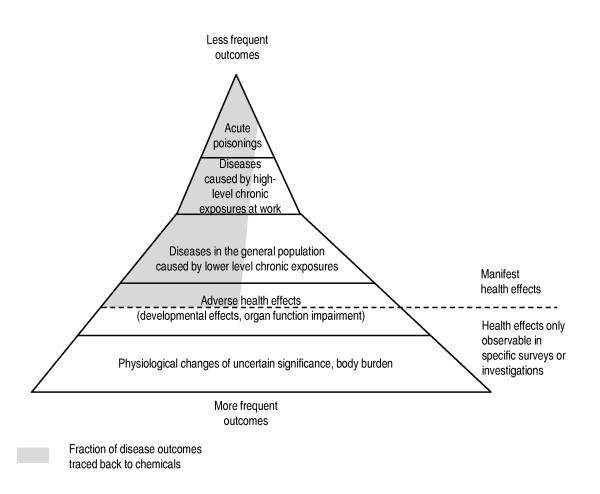
“The degree to which it is possible to trace a foodborne illness back to its causative chemical contaminant depends on the nature of the adverse health effect, its disease epidemiology, and exposure pattern.(10) First, a usually long lag-time between exposure to a harmful chemical and the manifestation of Figure 2.”
BackgroundExposure Load: Using biomonitoring data to quantify multi-chemical exposure burden in a population
Willey, J. B., Pollock, T., Thomson, E. M., Liang, C. L., Maquiling, A., Walker, M., & St-Amand, A. (2021) · International Journal of Hygiene and Environmental Health · doi:10.1016/j.ijheh.2021.113704 · Cited by 26
Alizadeh, M., Sheikhigarjan, A., Ma’mani, L., Salekdeh, G. H., & Bandehagh, A. (2022) · Chemical and Biological Technologies in Agriculture · doi:10.1186/s40538-022-00296-1 · Cited by 26
“4 million years of life annually are lost due to diseases caused by chemicals, such as pesticides [59].”
BackgroundWee, S. Y., Aris, A. Z., Yusoff, F. M., Praveena, S. M., & Harun, R. (2022) · npj Clean Water · doi:10.1038/s41545-022-00176-z · Cited by 26
Abtahi, M., Koolivand, A., Dobaradaran, S., Yaghmaeian, K., Khaloo, S. S., Jorfi, S., Keshmiri, S., Nafez, A. H., & Saeedi, R. (2018) · Environmental Research · doi:10.1016/j.envres.2018.04.023 · Cited by 27
Yamada, D., Hiwatari, M., Hangoma, P., Narita, D., Mphuka, C., Chitah, B. M., Yabe, J., Nakayama, S. M. M., Nakata, H., Choongo, K., et al. (2020) · Scientific Reports · doi:10.1038/s41598-020-71998-5 · Cited by 33
Ghosh, A., & Adhikary, A. (2024) · Journal of Molecular Structure · doi:10.1016/j.molstruc.2024.139086 · Cited by 26
Characterization of age-based trends to identify chemical biomarkers of higher levels in children
Nguyen, V. K., Colacino, J. A., Arnot, J. A., Kvasnicka, J., & Jolliet, O. (2018) · Environment International · doi:10.1016/j.envint.2018.10.042 · Cited by 28
Mendes, V., Ribeiro, C., Delgado, I., Peleteiro, B., Aggerbeck, Μ., Distel, E., Annesi‐Maesano, I., Sarigiannis, D., & Ramos, E. (2021) · Scientific Reports · doi:10.1038/s41598-021-93868-4 · Cited by 31
Upadhyay, T. K., Goel, H., Goyal, K., Pandey, A. K., Benjamin, M., Khan, F., Pandey, P., Mittan, S., Iqbal, D., Alsaweed, M., et al. (2022) · CNS & Neurological Disorders - Drug Targets · doi:10.2174/1871527321666220329103610 · Cited by 33
Sheehan, M. C., & Lam, J. (2015) · Current Environmental Health Reports · doi:10.1007/s40572-015-0062-z · Cited by 31
Tilley, S. K., Reif, D. M., & Fry, R. C. (2017) · Environment International · doi:10.1016/j.envint.2016.10.006 · Cited by 24
Ramazzini, C. (2015) · Scandinavian Journal of Work Environment & Health · doi:10.5271/sjweh.3541 · Cited by 23
Communicating pesticide neurotoxicity research findings and risks to decision-makers and the public
Rother, H. (2014) · NeuroToxicology · doi:10.1016/j.neuro.2014.03.001 · Cited by 23
“toxicity data (Prüss-Ustün et al., 2011)”
Perfil das intoxicações exógenas notificadas em hospitais públicos
Moraes, J. V. C., Martins, L. S., Coelho, L. M. M., Lima, M. T. D. D., Moura, S. V. L. E., Prieto, V. C., Araújo, I., Silva, R. B. V., & Santos, G. B. (2021) · Revista Eletrônica Acervo Saúde · doi:10.25248/reas.e7122.2021 · Cited by 22
Human contamination by environmental chemical pollutants: Can we assess it more properly?
Porta, M. S. (2012) · Preventive Medicine · doi:10.1016/j.ypmed.2012.09.020 · Cited by 26
Kim, D., Shin, Y., Kim, E.-H., Lee, Y., Kim, S., Kim, H. S., Kim, H., Leem, J., Kim, H. R., & Bae, O. (2022) · Toxicology Letters · doi:10.1016/j.toxlet.2022.06.010 · Cited by 26
Anthroposophic lifestyle influences the concentration of metals in placenta and cord blood
Fagerstedt, S., Kippler, M. J., Scheynius, A., Gutzeit, C., Mie, A., Alm, J. S., & Vahter, M. (2014) · Environmental Research · doi:10.1016/j.envres.2014.08.044 · Cited by 23
Microbial Interactions and Perspectives for Bioremediation of Pesticides in the Soils
Prabha, R., Singh, D. P., & Verma, M. K. (2017) · Springer eBooks · doi:10.1007/978-981-10-6593-4_27 · Cited by 21
Indicators for national consumption-based accounting of chemicals
Persson, L. M., Arvidsson, R., Berglund, M., Cederberg, C., Finnveden, G., Palm, V., Sörme, L., Schmidt, S., & Wood, R. A. (2018) · Journal of Cleaner Production · doi:10.1016/j.jclepro.2018.12.294 · Cited by 26
Quinot, C., Amsellem-Dubourget, S., Temam, S., Sevin, E., Barreto, C., Tackin, A., Félicité, J., Lyon-Caen, S., Siroux, V., Girard, R., et al. (2018) · Occupational and Environmental Medicine · doi:10.1136/oemed-2017-104793 · Cited by 26
Chacón, L., Reyes, L., Rivera-Montero, L., & Barrantes, K. (2022) · Elsevier eBooks · doi:10.1016/b978-0-323-85160-2.00020-2 · Cited by 26
Redox responsive albumin autogenic nanoparticles for the delivery of cancer drugs
Raja, S. T. K., Prakash, T., & Gnanamani, A. (2017) · Colloids and Surfaces B Biointerfaces · doi:10.1016/j.colsurfb.2017.01.044 · Cited by 20
Nano drug delivery systems: a new paradigm for treating metal toxicity
Yadav, A., & Flora, S. J. S. (2016) · Expert Opinion on Drug Delivery · doi:10.1517/17425247.2016.1160890 · Cited by 23
“[2] The standard treatment involves the use of organic compounds that form complexes with the toxic metal”
BackgroundEpidemiological surveillance of mesothelioma mortality in Italy.
Fazzo, L., Minelli, G., Santis, M. D., Bruno, C., Zona, A., Conti, S., & Comba, P. (2018) · Cancer Epidemiology · doi:10.1016/j.canep.2018.06.010 · Cited by 25
Policy Monitor—The Economics of Toxic Substance Control and the REACH Directive
Coria, J. (2018) · Review of Environmental Economics and Policy · doi:10.1093/reep/rey003 · Cited by 20
“For example, some common chemicals can disrupt the endocrine or immune system in humans (Prüss-Ustün et al. 2011).”
BackgroundRahimpoor, R., Sarvi, F., Rahimnejad, S., & Ebrahimi, S. M. (2022) · Archives of Industrial Hygiene and Toxicology · doi:10.2478/aiht-2022-73-3634 · Cited by 19
“Chronic occupational exposure to these compounds can lead to various adverse health effects and place considerable pressure on already high global burden of diseases (3).”
BackgroundFlora, S. J. S. (2014) · Elsevier eBooks · doi:10.1016/b978-0-12-404630-6.00029-4 · Cited by 28
Proteobacteria response to heavy metal pollution stress and their bioremediation potential
Nyoyoko, V. F. (2022) · Elsevier eBooks · doi:10.1016/b978-0-12-822933-0.00010-3 · Cited by 18
Santini, S., Fortini, M., Martellini, T., Marinelli, C., & Cincinelli, A. (2024) · Journal of Food Composition and Analysis · doi:10.1016/j.jfca.2024.106049 · Cited by 25
Perrone, P., Notariale, R., Lettieri, G., Mele, L. L., Pietra, V. L., Piscopo, M., & Manna, C. (2024) · Free Radical Biology and Medicine · doi:10.1016/j.freeradbiomed.2024.11.047 · Cited by 23
Fatalities and hospitalisations due to acute poisoning among N ew Z ealand adults
Peiris-John, R. J., Kool, B., & Ameratunga, S. N. (2013) · Internal Medicine Journal · doi:10.1111/imj.12364 · Cited by 19
O’Flynn, B. G., Lewandowski, E. M., Prins, K. C., Suarez, G., McCaskey, A. N., Rios-Guzman, N. M., Anderson, R. L., Shepherd, B. A., Gelis, I., Leahy, J. W., et al. (2020) · ACS Chemical Biology · doi:10.1021/acschembio.9b00973 · Cited by 19
Estimating the Spread in Future Fine Dust Concentrations in the Southwest United States
Brey, S. J., Pierce, J. R., Barnes, E. A., & Fischer, E. V. (2020) · Journal of Geophysical Research Atmospheres · doi:10.1029/2019jd031735 · Cited by 18
Lingeswaran, M., Mitra, P., Goyal, T., Abhilasha, Sharma, S., Purohit, P., & Sharma, P. (2021) · Toxicology Reports · doi:10.1016/j.toxrep.2021.05.002 · Cited by 19
“Pb causes nearly 6 lakh (600,000) new cases of childhood intellectual disability every year with substantial proportion residing in developing countries [11].”
BackgroundBarde, B. G., Adeleye, A. O., Oladeji, A. A., & Duhu, Y. B. (2024) · Environmental Analysis Health and Toxicology · doi:10.5620/eaht.2024016 · Cited by 23
“Non-essential heavy metals of interest include cadmium, mercury, arsenic and lead, they are part of the ten chemicals that constitute major public health concerns according to the World Health Organization [10, 11].”
BackgroundWang, D., Zheng, Y., Xu, L., Fan, X., Wei, N., Jin, N., Huang, S., Xiao, Q., & Wu, Z. (2019) · Biochemical Engineering Journal · doi:10.1016/j.bej.2019.107289 · Cited by 19
Зайцева, Н. В., Kiryanov, D. A., Tsinker, M. Y., & Kostarev, V. G. (2019) · Hygiene and Sanitation · doi:10.18821/0016-9900-2019-98-2-125-134 · Cited by 16
Global Impact of Chemicals and Toxic Substances on Human Health and the Environment
Adeola, F. O. (2021) · Springer eBooks · doi:10.1007/978-3-030-45009-0_96 · Cited by 19
Pomázi, I. (2010) · OECD environmental outlook · doi:10.1787/1999155x · Cited by 17
Ferro-Falla, J., Rowles, L. S., Diaz, F. A., & Plazas‐Tuttle, J. (2025) · Water Cycle · doi:10.1016/j.watcyc.2025.05.003 · Cited by 18
Wee, S. Y., Aris, A. Z., Yusoff, F. M., & Praveena, S. M. (2023) · Ecotoxicology and Environmental Safety · doi:10.1016/j.ecoenv.2023.115830 · Cited by 15
Unintentional and self-poisoning mortalities in Mexico, 2000–2012
González-Santiago, O., Claudio, P. D. C. M. S., Cantú-Cárdenas, L. G., & Favela-Hernández, J. M. (2017) · PLoS ONE · doi:10.1371/journal.pone.0181708 · Cited by 15
Poursafa, P., Kelishadi, R., Ghasemian, A., Sharifi, F., Djalalinia, S., Khajavi, A., Nejatifar, M., Asayesh, H., Mansourian, M., Qorbani, M., et al. (2015) · Environmental Science and Pollution Research · doi:10.1007/s11356-015-5545-9 · Cited by 14
Norlén, H., Worth, A. P., & Gabbert, S. (2014) · Alternatives to Laboratory Animals · doi:10.1177/026119291404200204 · Cited by 14
Environmental Impacts on Infectious Disease: A Literature View of Epidemiological Evidence
Sly, P. D., Trottier, B. A., Araki, A., & Vilcins, D. (2022) · Annals of Global Health · doi:10.5334/aogh.3670 · Cited by 18
New Insights on Non-B non-C Hepatocellular Carcinoma in Mid Delta Region, Egypt
Azm, A. R. A. E., Yousef, M., Mansour, N., Awad, A., El-Dardiry, S. A., & Aziz, I. A. (2014) · Journal of Gastrointestinal Cancer · doi:10.1007/s12029-013-9573-8 · Cited by 14
“Continuous exposure to chemicals through air, water, food, or other media and their products resulting in health impacts [42], mutagenic effects by causing DNA damage, oxidative stress, lipid peroxidation, and pro-inflammatory cytokine activation are expected [43].”
BackgroundTerwoert, J., Verbist, K., & Heussen, H. (2015) · Safety and Health at Work · doi:10.1016/j.shaw.2015.12.002 · Cited by 16
“Worldwide,w632,500 deaths and> 7million lost healthy life years can be attributed to occupational exposure to hazardous substances each year [2].”
Darwish, E. R., Kalil, H., Alqahtani, W., Moalla, S. M. N., Hosny, N. M., Amin, A. S., Martin, H. B., & Bayachou, M. (2021) · Nanotechnology Science and Applications · doi:10.2147/nsa.s296722 · Cited by 14
“3% of total mortality) were linked to environmental exposure from chemical mismanagement.(4,5) Many developing countries are facing a growing crisis of heavy metal contamination in waterways exceeding limits permitted by the World Health Organization (WHO), due to increased discharges of heavily polluted industrial an…”
BackgroundMughal, A., Sultan, K., Ashraf, K., Hassan, A., Zaman, Q. U., Haider, F. U., & Shahzad, B. (2022) · Water · doi:10.3390/w14213551 · Cited by 13
Phytoremediation of Indoor Air
Thomas, C. K., Kim, K. J., & Kays, S. J. (2015) · HortScience · doi:10.21273/hortsci.50.5.765 · Cited by 13
Hungaro, A. A., Correia, L. M., Silvino, M. C. S., Rocha, S. M., Martins, B. F., & de Oliveira, M. L. F. (2015) · Ciência Cuidado e Saúde · doi:10.4025/cienccuidsaude.v14i3.25119 · Cited by 12
Ismail, M., Alam, S., Khan, M. S., Shah, L. A., Shah, S. M. M., Wahab, M., Rukh, G., Rahman, N. U., Rehman, N., Amin, N.-U., et al. (2021) · Water · doi:10.3390/w13182468 · Cited by 12
“More recent statistics and WHO data since 2008 show that, annually, 346,000 people die worldwide due to unintentional pesticide poisonings, two-thirds of them in developing countries [30,31].”
BackgroundLu, Z., Zhao, C., Yang, J. H., Ma, Y., & Qiang, M. (2022) · Environmental Geochemistry and Health · doi:10.1007/s10653-022-01394-7 · Cited by 13
“Prenatal exposure to environmental arsenic disturbs embryonic development In terms of disability-adjusted life years, environmental pollutants account for 8.3% of global deaths and 5.7% of global disease burden (Pruss-Ustun et al., 2011).”
BackgroundInfluentialMetallic mercury use by South African traditional health practitioners: perceptions and practices
Street, R. A., Kabera, G. M., & Connolly, C. A. (2015) · Environmental Health · doi:10.1186/s12940-015-0053-4 · Cited by 19
“Hence identification of key exposed populations is imperative in order to estimate the disease burden of harmful metals [19].”
BackgroundSetting the Research Agenda on the Health Effects of Chemicals
Fulcher, K. G., & Gibb, H. J. (2014) · International Journal of Environmental Research and Public Health · doi:10.3390/ijerph110101049 · Cited by 12
“7% of DALYs worldwide) could be attributed to selected chemicals [1].”
BackgroundInfluentialImpact of Solute Properties and Water Matrix on Nanofiltration of Pesticides
Tan, L. S., Ahmad, A. L., Shukor, S. R. A., & Yeap, S. P. (2019) · Chemical Engineering & Technology · doi:10.1002/ceat.201800475 · Cited by 13
Besselink, H. T., Brouwer, B. A., & van der Burg, B. (2016) · Industrial Crops and Products · doi:10.1016/j.indcrop.2016.11.026 · Cited by 16
Ravindra, K., Sareen, A., Dogra, S., & Mor, S. (2023) · Journal of Environmental Biology · doi:10.22438/jeb/44/4/mrn-5071 · Cited by 11
Middleton, L. Y. M., Nguyen, V. K., Dou, J., Wang, H., Patel, C. J., Park, S. K., Colacino, J. A., & Bakulski, K. M. (2024) · Environmental Research · doi:10.1016/j.envres.2024.118956 · Cited by 15
Begueria, A., Larrea-Killinger, C., García, A. M., Aparici, E. Z., Pons, J. M., & Porta, M. S. (2014) · Dipòsit Digital de la Universitat de Barcelona (Universitat de Barcelona) · doi:10.2436/cs.v10i1.136947 · Cited by 11
“cat toxic substances is a public health issue that raises important concerns within the scien fi c community, both in Spain [41– 43] and interna onally [37,44,45].”
BackgroundYang, F., Zhang, J., Lin, T., Ke, L., Huang, L., Deng, S., Zhang, J., Tan, S., Xiong, Y., & Lü, M. (2022) · Journal of the Iranian Chemical Society · doi:10.1007/s13738-022-02714-5 · Cited by 11
Mbendana, D., Mamabolo, K. N., Truter, M., Kritzinger, Q., & Ndhlala, A. R. (2019) · South African Journal of Botany · doi:10.1016/j.sajb.2019.05.004 · Cited by 11
Monitoring and Evaluation of Pesticide Residues in Aquatic Systems
Mondal, R., & Kole, R. K. (2020) · Sustainable agriculture reviews · doi:10.1007/978-3-030-54712-7_3 · Cited by 14
Steckling, N., Plaß, D., Böse‐O’Reilly, S., Kobal, A. B., Krämer, A., & Hornberg, C. (2015) · Health and Quality of Life Outcomes · doi:10.1186/s12955-015-0388-0 · Cited by 13
“although previous BoD analyses were limited by data scarcity [9–13].”
MethodState of Children Environmental Health Research in Latin America
López‐Carrillo, L., González, L., Piña‐Pozas, M., Mérida-Ortega, Á., Gamboa-Loira, B., Muñoz, J. B., Torres‐Sánchez, L., Diaz, M. H., Cortez‐Lugo, M., Guerra, G., et al. (2018) · Annals of Global Health · doi:10.29024/aogh.908 · Cited by 13
Hurtado, D., Quintero, J., Rodríguez, Y. A., Pérez, D. E., Figueroa-Paz, R., & Díez-Sepúlveda, J. (2024) · Scientific Reports · doi:10.1038/s41598-024-54159-w · Cited by 15
Plaß, D., Beloconi, A., Bessems, J. G. M., Buekers, J., Kienzler, S., Martínez, G. S., Purece, A., & Vounatsou, P. (2025) · Environmental Research · doi:10.1016/j.envres.2025.120828 · Cited by 12
Caravanos, J., Gutierrez, L. H., Ericson, B., & Fuller, R. (2014) · Journal of Health and Pollution · doi:10.5696/2156-9614-4-7.2 · Cited by 10
Sripada, K. (2017) · Neuron · doi:10.1016/j.neuron.2017.08.009 · Cited by 10
Subacute exposure to lead promotes disruption in the thyroid gland function in male and female rats
Lima-Junior, N. C., Camilo, J. F., do Carmo, P. R., Andrade, M. N., Braz, B. F., Santelli, R. E., de Brito‐Gitirana, L., Ferreira, A. C. F., de Carvalho, D. P., Miranda‐Alves, L., et al. (2020) · Environmental Pollution · doi:10.1016/j.envpol.2020.115889 · Cited by 14
Metadata
- Authors
- Prüss-Ustün, A., Vickers, C., Haefliger, P., & Bertollini, R.
- Affiliations
- World Health Organization (CH)
- World Health Organization Regional Office for Europe (DK)
- ORCID
- Bertollini, Roberto
- Venue
- Environmental Health
- Published
- 2011-01-21
- Volume
- 10
- Issue
- 1
- Pages
- 9-9
- ISSN
- 1476-069X (ISSN-L)
- PMC
- PMC3037292
- OpenAlex
- W2145280832
- Cited by
- 397
- References
- 87
- Citations by year
- 2026: 14 · 2025: 14 · 2024: 34 · 2023: 17 · 2022: 43 · 2021: 31 · 2020: 30 · 2019: 24 · 2018: 38 · 2017: 24 · 2016: 26 · 2015: 40 · 2014: 25 · 2013: 16 · 2012: 12
- FWCI
- 3.53
- Type
- journal article
- Language
- en
- Open access
- gold
- doi.org
- Licence
- cc-by
- creativecommons.org/licenses/by/2.0 (tdm)
- creativecommons.org/licenses/by/2.0 (vor)
- Locations
- Environmental Health (publishedVersion, cc-by)
- PubMed Central (publishedVersion, cc-by)
- PubMed (publishedVersion)
- DOAJ (DOAJ: Directory of Open Access Journals) (submittedVersion)
- Funders
- Astellas Pharma US
- Topics
- Social Sciences › Health › Occupational Health and Global Justice
- Physical Sciences › Environmental Science › Health, Toxicology and Mutagenesis › Toxic Organic Pollutants Impact
- Physical Sciences › Environmental Science › Health, Toxicology and Mutagenesis › Public Health and Environmental Issues
- Keywords
- disease burden, toxic chemicals, environmental exposure, global burden of disease, disability-adjusted life years, solid fuel use, outdoor air pollution, passive smoking, acute poisoning, pesticide self-poisoning, chemical mixtures, public health policy, data gaps
- MeSH terms
- Disease, Environmental Pollutants, Environmental Pollution, Epidemiology, Humans, Mortality, Public Health, Public Policy, Occupational Exposure, Risk Assessment
About these checks
Registry, retraction, Cites and statistics results are computed, not judged, with one exception: a printed reference that no index lists is read once by a model before it counts as a citation error. Claims are extracted by a model and kept only when their quote appears verbatim in the text; each cited source is then checked, with a model’s help, for whether it says what the claim relies on. Those verdicts can be wrong — read the claim’s quote and the cited source before relying on one.
Statistics and arithmetic are recomputed, not judged.
Confidence bands are shown only for fields calibrated on our annotated test set. None is calibrated yet, so no band is shown.
What counts as a claim ›How we measure confidence ›How we check this ›
Are you an author, or do you see a problem with this page? Request a review
Data sources
Bibliographic data: Semantic Scholar, OpenAlex, Crossref.
Contains information from the Semantic Scholar Academic Graph Datasets, made available under the ODC Attribution License (ODC-BY 1.0).
Semantic Scholar’s data is described in: Kinney, R., et al. (2023). The Semantic Scholar Open Data Platform. arXiv:2301.10140.
