

A review on radiation-induced nucleation and growth of colloidal metallic nanoparticles
Open accessThe DOI matches its Crossref record; 65 of the 65 references it cites were found in a registry or an index.
Abstract
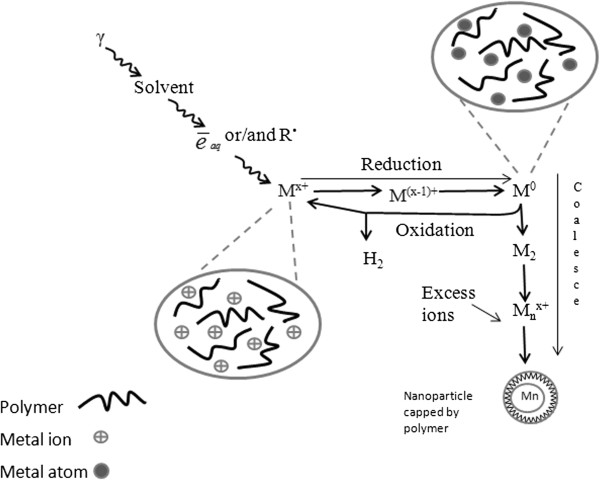
This review presents an introduction to the synthesis of metallic nanoparticles by radiation-induced method, especially gamma irradiation. This method offers some benefits over the conventional methods because it provides fully reduced and highly pure nanoparticles free from by-products or chemical reducing agents, and is capable of controlling the particle size and structure. The nucleation and growth mechanism of metallic nanoparticles are also discussed. The competition between nucleation and growth process in the formation of nanoparticles can determine the size of nanoparticles which is influenced by certain parameters such as the choice of solvents and stabilizer, the precursor to stabilizer ratio, pH during synthesis, and absorbed dose.
Overview
The claims and statistics of this paper haven’t been checked yet.
Free: it reads the open-access text and checks the first 5 claims that cite a source we can check. Create a free account to check every claim.
Integrity signals
Registry
Cites
Statistics
Figures
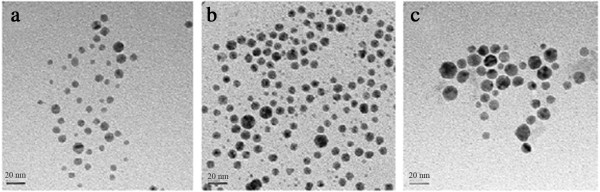
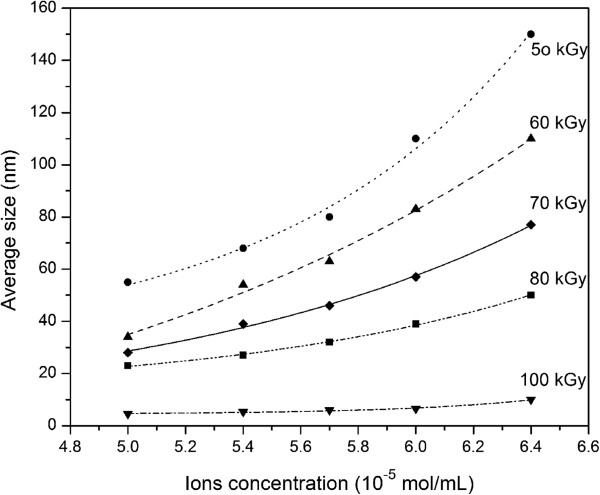
Verification
Claims the paper makes
The claims and statistics of this paper haven’t been checked yet.
Free: it reads the open-access text and checks the first 5 claims that cite a source we can check. Create a free account to check every claim.
Claims other papers make about this one
Each is checked against this paper’s own text: does it say what the citing paper says it does?
The source backs part of the claim, not all of it — or backs it for a different population, condition or comparison.
In the citing paper
“In addition to the use of protecting agents, pH control is another strategy that can help to control particle size in the synthesis of Pt-based nanoparticle catalysts.”
From Carbon-Supported Pt-Based Alloy Electrocatalysts for the Oxygen Reduction Reaction in Polymer Electrolyte Membrane Fuel Cells: Particle Size, Shape, and Composition Manipulation and Their Impact to Activity (2015) · cites this paper as [224]
Experimental — accuracy not yet measured
Self-check
Percentages, sums and reported differences re-computed from the paper’s own numbers.
The self-check needs the paper’s full text.
Citations
Cites
Chemistry and Properties of Nanocrystals of Different Shapes
Burda, C., Chen, X., Narayanan, R., & El-Sayed, M. A. (2005) · Chemical Reviews · doi:10.1021/cr030063a · Cited by 7,230 · cited 1×
“Second, the high surface-to-volume ratio alters the thermal, mechanical, and chemical properties of materials [6].”
BackgroundSynthesis of thiol-derivatised gold nanoparticles in a two-phase Liquid–Liquid system
Brust, M., Walker, M., Bethell, D., Schiffrin, D. J., & Whyman, R. (1994) · J. Chem. Soc., Chem. Commun. · doi:10.1039/c39940000801 · Cited by 6,707 · cited 1×
“or in any medium, provided the original work is p a colloidal solution containing precursors, a reducing agent, a particle capping agent, and a solvent [11,12].”
BackgroundNanomaterials and nanoparticles: Sources and toxicity
Buzea, C., Pacheco, I. I., & Robbie, K. (2007) · Biointerphases · doi:10.1116/1.2815690 · Cited by 3,789 · cited 1×
“In the past few decades, revolutionary developments of science and engineering have moved at a very fast pace towards synthesis of materials in the nanosize region in order to achieve unique properties that are significantly different from those of the individual atoms and their bulk counterparts [1-3].”
BackgroundNanoalloys: From Theory to Applications of Alloy Clusters and Nanoparticles
Ferrando, R., Jellinek, J., & Johnston, R. L. (2008) · Chemical Reviews · doi:10.1021/cr040090g · Cited by 3,690 · cited 1×
“be identified: intermetallic or alloyed structures, core/ shell, and heterostructure [45,46].”
BackgroundRecent Advances in the Liquid-Phase Syntheses of Inorganic Nanoparticles
Cushing, B. L., Kolesnichenko, V. L., & O'Connor, C. J. (2004) · Chemical Reviews · doi:10.1021/cr030027b · Cited by 2,913 · cited 1×
“The most widely used techniques are thermolysis [15], chemical reduction [16], sonochemical route [17,18], and irradiation methods [19,20].”
MethodHenglein, A. (1993) · The Journal of Physical Chemistry · doi:10.1021/j100123a004 · Cited by 1,726 · cited 1×
“precursors [14,22,23].”
Bimetallic nanoparticles—novel materials for chemical and physical applications
Toshima, N., & Yonezawa, T. (1998) · New Journal of Chemistry · doi:10.1039/a805753b · Cited by 1,690 · cited 1×
“Various nanoparticle synthesis approaches are available, which can be broadly classified into top-down and bottom-up approaches [7].”
BackgroundMaterials Research Society Symposium Proceedings
Saiani, A. (2007) · Research Explorer (The University of Manchester) · Cited by 1,495
Clusters and Colloids: From Theory to Applications
(1994) · Wiley eBooks · doi:10.1002/9783527616077 · Cited by 1,018
NANOSTRUCTURES AND NANOMATERIALS - Synthesis, Properties and Applications
Cao, G. (2004) · IMPERIAL COLLEGE PRESS eBooks · doi:10.1142/9781860945960 · Cited by 1,008
Research works printed but not linked: 3
- Belloni J Metal nanocolloids. Curr Opin Colloid Interface Sci 1996 8 184 196
- Mukherjee T Synthesis and characterization of silver nanoparticles in viscous solvents: A γ-radiolytic study Int J Chem 2012 8 10 15
- Linfeng ZXZRHE Lihui R Influence of PVA and PEG on Fe3O4nano-particles prepared by EB irradiation J Radiat Res Radiat Proces 2005 8 325 328
Cited by
Chitosan: An Overview of Its Properties and Applications
Aranaz, I., Alcántara, A. R., Civera, M. C., Arias, C., Elorza, B., Heras Caballero, A., & Acosta, N. (2021) · Polymers · doi:10.3390/polym13193256 · Cited by 1,752
“Other authors have proposed the use of sonochemical reduc ‐ tion [104], radiation [105], electrochemical reduction [106] or heat evaporation [107].”
BackgroundWang, Y.-J., Zhao, N., Fang, B., Li, H., Bi, X. T., & Wang, H. (2015) · Chemical Reviews · doi:10.1021/cr500519c · Cited by 1,267
Dhand, C., Dwivedi, N., Loh, X. J., Jie Ying, A. N., Verma, N. K., Beuerman, R. W., Lakshminarayanan, R., & Ramakrishna, S. (2015) · RSC Advances · doi:10.1039/c5ra19388e · Cited by 795
Nanoparticle synthesis assisted by machine learning
Tao, H., Wu, T., Aldeghi, M., Wu, T. C., Aspuru-Guzik, A., & Kumacheva, E. (2021) · Nature Reviews Materials · doi:10.1038/s41578-021-00337-5 · Cited by 545
Nanotechnology in Plant Science: To Make a Long Story Short
Sanzari, I., Leone, A., & Ambrosone, A. (2019) · Frontiers in Bioengineering and Biotechnology · doi:10.3389/fbioe.2019.00120 · Cited by 381
“However, greener approaches based on the use of plant extract as well as ionizing radiation chemistry in aqueous solutions have been developed (Abedini et al., 2013).”
BackgroundBiosynthesis of nanoparticles and silver nanoparticles
Keat, C. L., Aziz, A., Eid, A. M., & Elmarzugi, N. A. (2015) · Bioresources and Bioprocessing · doi:10.1186/s40643-015-0076-2 · Cited by 356
Current Strategies for Noble Metal Nanoparticle Synthesis
Habibullah, G., Viktorova, J., & Ruml, T. (2021) · Nanoscale Research Letters · doi:10.1186/s11671-021-03480-8 · Cited by 248
Anisotropic nanomaterials for shape-dependent physicochemical and biomedical applications
Yang, L., Zhou, Z., Song, J., & Chen, X. (2019) · Chemical Society Reviews · doi:10.1039/c9cs00011a · Cited by 240
An Overview of the Synthesis of Gold Nanoparticles Using Radiation Technologies
Freitas de Freitas, L., Varca, G. H. C., Dos Santos Batista, J. G., & Benévolo Lugão, A. (2018) · Nanomaterials · doi:10.3390/nano8110939 · Cited by 235
“Therefore, several strategies have been developed hitherto aiming the passivation of the nanoparticles, in other words, to overcome the large surface energy and to prevent aggregation, based either on electrostatic or on steric stabilization [3].”
BackgroundMethodInfluentialMetal nanoparticles in dermatology and cosmetology: Interactions with human skin cells
Niska, K., Zielinska, E., Radomski, M. W., & Inkielewicz-Stepniak, I. (2018) · Chemico-Biological Interactions · doi:10.1016/j.cbi.2017.06.018 · Cited by 215
“They are characterized by good electrical conductivity due to a small distance between particles and a large active surface [42].”
BackgroundWang, C., Gao, X., Chen, Z., Chen, Y., & Chen, H. (2017) · Polymers · doi:10.3390/polym9120689 · Cited by 183
“Radiolytic reduction was also proven to be helpful in the nucleation, growth and aggregation of PMNPs during the synthesis process [45].”
Noble metal-based nanomaterials as antibacterial agents
Ye, L., Cao, Z., Liu, X., Cui, Z., Li, Z., Liang, Y., Zhu, S., & Wu, S. (2022) · Journal of Alloys and Compounds · doi:10.1016/j.jallcom.2022.164091 · Cited by 161
Photochemical Synthesis of Gold and Silver Nanoparticles—A Review
Jara, N., Cucuri, N. S. M., Rahman, A., Mouheb, L., Boffito, D. C., Jeffryes, C. S., & Dahoumane, S. A. (2021) · Molecules · doi:10.3390/molecules26154585 · Cited by 168
“The fabrication of metallic NPs in solution uses several initial reagents, such as the metal precursor (salt or complex), reducing agent, and sometimes, stabilizing agent [85,86].”
BackgroundNoble metal nanoparticles embedding into polymeric materials: From fundamentals to applications
Prakash, J., Pivin, J. C., & Swart, H. C. (2015) · Advances in Colloid and Interface Science · doi:10.1016/j.cis.2015.10.010 · Cited by 109
“This method offers some benefits over the conventional methods because it provides fully reduced and highly pure NPs free from byproducts or chemical reducing agents, and is capable of controlling the particle size and structure [134].”
MethodNasef, S. M., Khozemy, E. E., Kamoun, E. A., & El‐Gendi, H. (2019) · International Journal of Biological Macromolecules · doi:10.1016/j.ijbiomac.2019.07.033 · Cited by 101
Diodati, S., Dolcet, P., Casarin, M., & Gross, S. (2015) · Chemical Reviews · doi:10.1021/acs.chemrev.5b00275 · Cited by 95
Bimetallic nanoparticles: Green synthesis, applications, and future perspectives
Behera, A., Mittu, B., Padhi, S., Patra, N., & Singh, J. (2020) · Elsevier eBooks · doi:10.1016/b978-0-12-821354-4.00025-x · Cited by 107
The formation of cerium( iii ) hydroxide nanoparticles by a radiation mediated increase in local pH
Abellán, P., Moser, T. H., Lucas, I. T., Grate, J. W., Evans, J. E., & Browning, N. D. (2017) · RSC Advances · doi:10.1039/c6ra27066b · Cited by 77
Carbon-Supported Noble-Metal Nanoparticles for Catalytic Applications—A Review
Karczmarska, A., Adamek, M., Houbbadi, S. E., Kowalczyk, P., & Laskowska, M. (2022) · Crystals · doi:10.3390/cryst12050584 · Cited by 80
“The physical methods comprise of pyrolysis [47,48], nanolithography [49,50], thermolysis [51] and radiation-induced methods [52,53].”
MethodSynthesis of inorganic nanoparticles by ionizing radiation – a review
Čubová, K., & Čuba, V. (2020) · Radiation Physics and Chemistry · doi:10.1016/j.radphyschem.2020.108774 · Cited by 79
Shitu, I. G., Katibi, K. K., Taura, L. S., Muhammad, A., Chiromawa, I. M., Adamu, S. B., & Garba, S. (2022) · Ceramics International · doi:10.1016/j.ceramint.2022.12.086 · Cited by 74
Recent Advances in Shape-Controlled Synthesis of Noble Metal Nanoparticles by Radiolysis Route
Abedini, A., Bakar, A. A. A., Larki, F., Menon, P. S., Islam, M. S., & Shaari, S. B. (2016) · Nanoscale Research Letters · doi:10.1186/s11671-016-1500-z · Cited by 80
Self-citationKhan, M. F., & Khan, M. A. (2023) · Future Pharmacology · doi:10.3390/futurepharmacol3010018 · Cited by 84
Aqueous Eucalyptus globulus leaf extract-mediated biosynthesis of MgO nanorods
Jeevanandam, J., Chan, Y. S., & Ku, Y. H. (2018) · Applied Biological Chemistry · doi:10.1007/s13765-018-0347-7 · Cited by 62
“[57] showed that the increase in precursor concentration will increase the number of ions which further leads to the increment in the collision probability of particle.”
BackgroundDruzian, D. M., Oviedo, L. R., Loureiro, S. N., Wouters, R. D., Vizzotto, B. S., Pinto, E. D. O., de Vasconcellos, N. J. S., Ruiz, Y. P. M., Galembeck, A., Pavoski, G., et al. (2023) · Journal of Photochemistry and Photobiology A Chemistry · doi:10.1016/j.jphotochem.2023.114773 · Cited by 64
Ghoreishian, S. M., Kang, S., Raju, G. S. R., Norouzi, M., Jang, S.-C., Yun, H. J., Lim, S. T., Han, Y., Roh, C., & Huh, Y. S. (2018) · Chemical Engineering Journal · doi:10.1016/j.cej.2018.10.164 · Cited by 59
Synthesis of inorganic nanoparticles by ionizing radiation – a review
Čubová, K., & Čuba, V. (2019) · Radiation Physics and Chemistry · doi:10.1016/j.radphyschem.2019.02.022 · Cited by 52
Kianfar, S., Golikand, A. N., & ZareNezhad, B. (2020) · Journal of nanostructure in chemistry · doi:10.1007/s40097-020-00366-6 · Cited by 52
Condensed Matter Systems Exposed to Radiation: Multiscale Theory, Simulations, and Experiment
Solov’yov, A. V., Verkhovtsev, A. V., Mason, N. J., Amos, R. A., Bald, I., Baldacchino, G., Dromey, B., Falk, M., Fedor, J., Gerhards, L., et al. (2024) · Chemical Reviews · doi:10.1021/acs.chemrev.3c00902 · Cited by 86
Nasef, S. M., Khozemy, E. E., & Mahmoud, G. A. (2023) · Scientific Reports · doi:10.1038/s41598-023-34870-w · Cited by 48
RetractedElectroconductive Green Metal‐polyaniline Nanocomposites: Synthesis and Application in Sensors
Kyomuhimbo, H. D., & Feleni, U. (2022) · Electroanalysis · doi:10.1002/elan.202100636 · Cited by 46
A Colorimetric Plasmonic Nanosensor for Dosimetry of Therapeutic Levels of Ionizing Radiation
Pushpavanam, K., Narayanan, E., Chang, J. I.-C., Sapareto, S. A., & Rege, K. (2015) · ACS Nano · doi:10.1021/acsnano.5b05113 · Cited by 45
Ali, Z. I., Ghazy, O. A., Meligi, G. A., Saleh, H. H., & Bekhit, M. (2018) · Journal of Inorganic and Organometallic Polymers and Materials · doi:10.1007/s10904-018-0780-4 · Cited by 46
Bekhit, M., el-naga, M. N. A., Sokary, R., Fahim, R. A., & El‐Sawy, N. M. (2020) · Journal of Environmental Science and Health Part A · doi:10.1080/10934529.2020.1784656 · Cited by 44
Maamoun, I., Eljamal, R., Sugihara, Y., & Eljamal, O. (2022) · Chemosphere · doi:10.1016/j.chemosphere.2022.137176 · Cited by 58
Size‐Controlled and Optical Properties of Platinum Nanoparticles by Gamma Radiolytic Synthesis
Gharibshahi, E., Saion, E. B., Ashraf, A., & Gharibshahi, L. (2017) · Applied Radiation and Isotopes · doi:10.1016/j.apradiso.2017.09.012 · Cited by 44
Self-citationRetrogradation property of starch nanoparticles prepared by pullulanase and recrystallization
Gong, M., Li, X., Xiong, L., & Sun, Q. (2015) · Starch - Stärke · doi:10.1002/star.201500115 · Cited by 43
Silva, F. A. E., Salim, V. M. M., & Rodrigues, T. S. (2024) · AppliedChem · doi:10.3390/appliedchem4010007 · Cited by 52
“Self-aggregation can be enhanced by van der Waals forces and magnetic dipole–dipole interactions, particularly in magnetic materials [78–80].”
BackgroundPhytosynthesis and radiation-assisted methods for obtaining metal nanoparticles
Fierăscu, R. C., Fierăscu, I., Lungulescu, E.-M., Nicula, N., Şomoghi, R., Diţu, L.-M., Ungureanu, C., Şuţan, N. A., Drăghiceanu, O. A., Paunescu, A., et al. (2019) · Journal of Materials Science · doi:10.1007/s10853-019-03713-3 · Cited by 41
Monochromatic X-Ray Induced Novel Synthesis of Plasmonic Nanostructure for Photovoltaic Application
Bharti, A., Bhardwaj, R., Agrawal, A. K., Goyal, N., & Gautam, S. (2016) · Scientific Reports · doi:10.1038/srep22394 · Cited by 40
Jiang, X., Zhu, X., Liu, X., Xiao, L., Ai, X., Yang, H., & Cao, Y. (2016) · Electrochimica Acta · doi:10.1016/j.electacta.2016.02.164 · Cited by 38
Shi, X., Wang, W., Miao, X., Tian, F., Xu, Z., Li, N., & Jing, M. (2020) · ACS Applied Materials & Interfaces · doi:10.1021/acsami.0c12838 · Cited by 40
Yunhao, Y., Zhou, B., Shi, J., Chen, C., Li, N., Xu, Z., Liu, L., Kuang, L., Ma, M., & Fu, H. (2017) · Applied Surface Science · doi:10.1016/j.apsusc.2017.01.159 · Cited by 35
Bekhit, M., Naga, A. O. A. E., Saied, M. E., & Maksoud, M. I. A. A. (2021) · Environmental Science and Pollution Research · doi:10.1007/s11356-021-13482-9 · Cited by 35
“This method has the distinct merits of being a simple, cost-effective, and easily scalable strategy that enables the synthesis of diverse nanomaterials in a single step at ambient temperature and pressure with excellent reproducibility (Abedini et al. 2013; Ali et al. 2018; Clifford et al. 2017; Ghoreishian et al. 201…”
BackgroundInfluentialGreen synthesis of polysaccharide-based inorganic nanoparticles and biomedical aspects
Shavandi, A., Saeedi, P., Ali, M. A., & Jalalvandi, E. (2019) · Elsevier eBooks · doi:10.1016/b978-0-08-102555-0.00008-x · Cited by 35
“In this regard, methods such as microwave-assisted heating [20], radiolytic reduction [21], electrochemical synthetic techniques, microemulsion, and photo-induced reduction have also been introduced to the field to improve the properties of NPs [22].”
MethodSafdar, M., Özaslan, M., Khailany, R. A., Latif, S., Junejo, Y., Saeed, M., Al-Attar, M. S., & Kanabe, B. O. (2019) · Journal of Inorganic and Organometallic Polymers and Materials · doi:10.1007/s10904-019-01387-7 · Cited by 33
Detection of Therapeutic Levels of Ionizing Radiation Using Plasmonic Nanosensor Gels
Pushpavanam, K., Inamdar, S., Chang, J. I.-C., Bista, T., Sapareto, S. A., & Rege, K. (2017) · Advanced Functional Materials · doi:10.1002/adfm.201606724 · Cited by 32
Suriya, M., Reddy, C. K., Haripriya, S., & Harsha, N. (2018) · International Journal of Biological Macromolecules · doi:10.1016/j.ijbiomac.2018.08.059 · Cited by 32
Sokary, R., el-naga, M. N. A., Bekhit, M., & Atta, S. A. (2021) · Materials Technology · doi:10.1080/10667857.2020.1863555 · Cited by 31
Molnár, F., Oduro, H., Cook, N., Pohjolainen, E., Takács, Á., O'Brien, H. E., Pakkanen, L., Johanson, B., & Wirth, R. (2016) · Mineralium Deposita · doi:10.1007/s00126-015-0636-6 · Cited by 30
“by ionised irradiation of gold-bearing solutions is a wellknown procedure (Li et al. 2007; Abedini et al. 2013).”
BackgroundPhotocatalytic deposition of noble metals on 0D, 1D, and 2D TiO 2 structures: a review
Veziroğlu, S., Shondo, J. N., Tjardts, T., Sarwar, T. B., Sünbül, A., Mishra, Y. K., Faupel, F., & Aktas, O. C. (2024) · Nanoscale Advances · doi:10.1039/d4na00623b · Cited by 31
Korolkov, I., Mashentseva, A., Güven, O., Gorin, Y. G., Kozlovskiy, A., Zdorovets, M., Zhidkov, I., & Cholach, S. O. (2018) · Materials Chemistry and Physics · doi:10.1016/j.matchemphys.2018.06.039 · Cited by 24
Amin, R. M., Mahmoud, R., GadelHak, Y., & El‐Ela, F. I. A. (2021) · Environmental Nanotechnology Monitoring & Management · doi:10.1016/j.enmm.2021.100461 · Cited by 34
Sharma, K., Kaushal, S., Jain, A., Sami, M. H., Kumar, S., Tariq, H., Bano, K., Aggarwal, S., Kumar, R., & Singh, P. P. (2024) · Chemical Papers · doi:10.1007/s11696-024-03323-7 · Cited by 34
“Radiolysis of aqueous solution is a proficient approach to reduce transition metal ions to form homo and hetero-nuclear clusters (Klein et al. 2016; Abedini et al. 2013; Remita et al. 1997).”
Tijani, N. A., Hokello, J., Eilu, E., Akinola, S. A., Afolabi, A. O., Makeri, D., Lukwago, T. W., Mutuku, I. M., Mwesigwa, A., Baguma, A., et al. (2024) · BioMetals · doi:10.1007/s10534-024-00647-5 · Cited by 35
“Also, the clusters of particles is formed when small particles collides in solution (Abedini et al. 2013).”
Biosurfactant assisted silver nanoparticle synthesis: a critical analysis of its drug design aspects
Eswari, S., Dhagat, S., & Mishra, P. (2018) · Advances in Natural Sciences Nanoscience and Nanotechnology · doi:10.1088/2043-6254/aaec0e · Cited by 28
“Doses and dose rates of radiation also control the morphology of formed nanoparticles [16].”
BackgroundExamining the Economic and Energy Aspects of Manganese Oxide in Li-Ion Batteries
Rajagopalan, K., Ramasubramanian, B., Velusamy, S., Ramakrishna, S., Kannan, A. M., Manojkumar, K., & Saminathan, K. (2022) · Materials Circular Economy · doi:10.1007/s42824-022-00064-4 · Cited by 28
Ritthichai, T., & Pimpan, V. (2017) · Journal of King Saud University - Science · doi:10.1016/j.jksus.2017.10.003 · Cited by 28
Taşdemir, A., Akman, N., Akkaya, A., Aydın, R., & Şahin, B. (2021) · Ceramics International · doi:10.1016/j.ceramint.2021.12.228 · Cited by 26
Nasef, S. M., Khozemy, E. E., & Mahmoud, G. A. (2018) · International Journal of Polymeric Materials · doi:10.1080/00914037.2018.1493685 · Cited by 27
“Reduction by this radical is slower than that by hydrated electron which is suitable for achieving narrower size distribution.([30])”
BackgroundAlrehaily, L. M., Joseph, J. M., & Wren, J. C. (2015) · Physical Chemistry Chemical Physics · doi:10.1039/c5cp02828k · Cited by 31
Ali, Z. I., Bekhit, M., Sokary, R., & Afify, T. A. (2019) · International Journal of Environmental & Analytical Chemistry · doi:10.1080/03067319.2019.1619717 · Cited by 25
Au@TiO2 nanocomposites synthesized by X-ray radiolysis as potential radiosensitizers
Molina-Higgins, M. M., Clifford, D., & Rojas, J. (2018) · Applied Surface Science · doi:10.1016/j.apsusc.2017.08.094 · Cited by 24
“There are several ways to stabilize nanoparticles, which depend on the surface chemistry of metal, the charge of the nanomaterial, and the application of the assynthesized nanoparticles [53].”
BackgroundInfluentialAmiri, A., Yurkiv, V., Phakatkar, A. H., Shokuhfar, T., & Shahbazian‐Yassar, R. (2024) · Advanced Functional Materials · doi:10.1002/adfm.202304685 · Cited by 25
Bekhit, M., El‐Sabbagh, S. H., Mohamed, R. M., El-Sayyad, G. S., & Sokary, R. (2021) · Journal of Inorganic and Organometallic Polymers and Materials · doi:10.1007/s10904-021-02137-4 · Cited by 23
An Introduction to Different Methods of Nanoparticles Synthesis
Das, R. P., & Pradhan, A. K. (2021) · Springer eBooks · doi:10.1007/978-981-16-2516-9_2 · Cited by 23
Hareesh, K., Sunitha, D. V., Dhole, S. D., Bhoraskar, V. N., Phase, D. M., & Williams, J. (2019) · Radiation Physics and Chemistry · doi:10.1016/j.radphyschem.2019.04.059 · Cited by 22
Pan, Y., Paschoalino, W. J., Bayram, S. S., Blum, A. S., & Mauzeroll, J. (2019) · Nanoscale · doi:10.1039/c9nr04464g · Cited by 21
Ajib, R., Shanmugaraj, K., Yadav, R. M., Brito, T. P., & Singh, D. P. (2026) · Nanoscale Advances · doi:10.1039/d4na01054j · Cited by 23
Research and development on composite nanofluids as next-generation heat transfer medium
Kumar, V., & Sarkar, J. (2019) · Journal of Thermal Analysis and Calorimetry · doi:10.1007/s10973-019-08025-x · Cited by 20
Radiation synthesis of ZnS/chitosan nanocomposites and its anti-bacterial activity
Ali, Z. I., Mosallam, F. M., Sokary, R., Afify, T. A., & Bekhit, M. (2019) · International Journal of Environmental & Analytical Chemistry · doi:10.1080/03067319.2019.1667986 · Cited by 20
Glutathione-Functionalized Organosilicon Oxide Nanoparticles for Bioimaging and Forensics
Guleria, A., Chavan, A. P., Neogy, S., Gandhi, V. V., Kunwar, A., Debnath, A. K., & Adhikari, S. (2020) · ACS Applied Nano Materials · doi:10.1021/acsanm.0c00420 · Cited by 20
Theory and experiment of optical absorption of platinum nanoparticles synthesized by gamma radiation
Gharibshahi, E., Saion, E. B., Johnston, R. L., & Ashraf, A. (2019) · Applied Radiation and Isotopes · doi:10.1016/j.apradiso.2019.02.015 · Cited by 22
Self-citationRadiation damage of liquid electrolyte during focused X-ray beam photoelectron spectroscopy
Arble, C., Guo, H., Strelcov, E., Hoskins, B. D., Zeller, P., Amati, M., Gregoratti, L., & Kolmakov, A. (2020) · Surface Science · doi:10.1016/j.susc.2020.121608 · Cited by 19
Guleria, A., Chavan, A. P., Tomy, A., Baby, C. M., Neogy, S., Debnath, A. K., & Adhikari, S. (2020) · Ceramics International · doi:10.1016/j.ceramint.2020.09.113 · Cited by 19
Dietrich, J., Enke, A., Wilharm, N., Konieczny, R., Lotnyk, A., Anders, A., & Mayr, S. G. (2023) · Nanomaterials · doi:10.3390/nano13050786 · Cited by 19
“Compared to other publications which use gamma irradiation, a size difference of the nanoparticles with increasing doses could not be observed [15,17,48,65].”
ResultNanotechnologies for environmental remediation and their ecotoxicological impacts
Ejaz, M., Gul, A., Öztürk, M., Hafeez, A., Ünal, B. T., Jan, S. U., & Siddique, M. T. (2023) · Environmental Monitoring and Assessment · doi:10.1007/s10661-023-11661-4 · Cited by 21
“However, certain greener methods have been developed that minimize the risks associated with the synthesis of metallic involving the use of ionizing radiations and green plants (Abedini et al., 2013).”
BackgroundMechanisms for Imparting Conductivity to Nonconductive Polymeric Biomaterials
Patton, A. J., Poole-Warren, L. A., & Green, R. A. (2016) · Macromolecular Bioscience · doi:10.1002/mabi.201600057 · Cited by 20
Synthesis of Platinum nanoparticles by Gamma Radiolysis
Cele, T., Mâaza, M., & Gibaud, A. (2018) · MRS Advances · doi:10.1557/adv.2018.233 · Cited by 18
Detecting and Visualizing Reaction Intermediates of Anisotropic Nanoparticle Growth
Chandra, K., Rugg, B. K., Ratner, M. A., Wasielewski, M. R., & Odom, T. W. (2018) · Journal of the American Chemical Society · doi:10.1021/jacs.8b00124 · Cited by 18
Akkaya, A., Kahveci, O., Aydın, R., & Şahin, B. (2021) · Applied Physics A · doi:10.1007/s00339-021-05078-4 · Cited by 18
“The reducing potential of the reducing agents may cause a change in the growth kinetics and nucleation of nanoparticles [41, 42].”
BackgroundSharma, M., Singh, R., Dutt, S., Tomar, P., Trivedi, G., & Robert, N. (2021) · Radiation Physics and Chemistry · doi:10.1016/j.radphyschem.2021.109569 · Cited by 17
Alrehaily, L. M., Joseph, J. M., & Wren, J. C. (2015) · The Journal of Physical Chemistry C · doi:10.1021/acs.jpcc.5b02540 · Cited by 17
Green One-Step Synthesis of Medical Nanoagents for Advanced Radiation Therapy
Leza, D. S., Porcel, E., Yang, X., Štefančíková, L., Bolsa-Ferruz, M., Savina, F., Dragoé, D., Guerquin‐Kern, J., Wu, T., Hirayama, R., et al. (2020) · Nanotechnology Science and Applications · doi:10.2147/nsa.s257392 · Cited by 21
Formation of a Colloidal CdSe and ZnSe Quantum Dots via a Gamma Radiolytic Technique
Salem, A., Saion, E. B., Al‐Hada, N. M., Shaari, A. H., Kamari, H. M., Soltani, N., & Radiman, S. (2016) · Applied Sciences · doi:10.3390/app6100278 · Cited by 17
“This observation was explained by the competition between the nucleation and aggregation processes, where higher-dose nucleation dominates over aggregation, which allows for particle growth in which smaller particles are likely to be produce [30].”
BackgroundSelf-citationGamma radiation synthesis of colloidal AgNPs for its potential application in antimicrobial fabrics
Bera, A., Garai, P., Singh, R., Gupta, P., Malav, S., Singh, D., Kumar, D., Tiwari, B. L., & Vaijapurkar, S. G. (2015) · Radiation Physics and Chemistry · doi:10.1016/j.radphyschem.2015.05.041 · Cited by 16
Wang, Y., Chen, J., Wang, L., Weng, H., Wu, Z., Jiao, L., Muroya, Y., Yamashita, S., Cheng, S., Li, F., et al. (2021) · Ceramics International · doi:10.1016/j.ceramint.2021.05.327 · Cited by 15
Nanoring formation via in situ photoreduction of silver on a virus scaffold
Bayram, S. S., Zahr, O., Re, J. D., & Blum, A. S. (2016) · Nanotechnology · doi:10.1088/0957-4484/27/48/485603 · Cited by 15
Sodium citrate stabilized Ag NPs under thermal treatment, electron-beam and laser irradiations
Filipczak, P., Borkowski, M., Chudobinski, P., Breś, S., Matusiak, M., Nowaczyk, G., & Kozanecki, M. (2018) · Radiation Physics and Chemistry · doi:10.1016/j.radphyschem.2018.07.020 · Cited by 15
Piroonpan, T., Katemake, P., & Pasanphan, W. (2019) · Radiation Physics and Chemistry · doi:10.1016/j.radphyschem.2019.03.054 · Cited by 15
Kepić, D., Kleut, D. N., Marković, Z. M., Bajuk‐Bogdanović, D., Pavlović, V. B., Krmpot, A. J., Lekić, M. M., Jovanović, D. J., & Marković, B. M. T. (2021) · Materials Characterization · doi:10.1016/j.matchar.2021.110944 · Cited by 15
Synthesis of silver nanoclusters by irradiation reduction and detection of Cr 3+ ions
Han, F., Li, J., Wang, W., Wang, M., & Li, L. (2022) · RSC Advances · doi:10.1039/d2ra06536c · Cited by 17
Svoboda, L., Bednář, J., Dvorský, R., Rybková, Z., Malachová, K., Henych, J., Matýsek, D., & Němečková, Z. (2020) · Applied Surface Science · doi:10.1016/j.apsusc.2020.147098 · Cited by 16
Yu, J., Yang, Y., Sun, F., & Chen, J. (2023) · Environmental Science and Pollution Research · doi:10.1007/s11356-023-31166-4 · Cited by 14
“At the same time, the photogenerated holes also oxidized the H 2 O on the surface to form ·OH and ·OOH, and these radicals could oxidize the methyl red (MR) solution (Abedini et al. 2013).”
Barsbay, M., Özgür, T. Ç., Sütekin, S. D., & Güven, O. (2020) · European Polymer Journal · doi:10.1016/j.eurpolymj.2020.109811 · Cited by 14
Silveira, P. C. L., Rodrigues, M. S., Gelain, D. P., & de Oliveira, J. (2022) · Metabolic Brain Disease · doi:10.1007/s11011-022-00929-2 · Cited by 18
“Examples of this method include gold processing by ionizing radiation (Abedini et al. 2013), microwave radiation (Gangapuram et al. 2018), and photochemical process (Wang et al. 2008).”
MethodPhysicochemical Aspects of Metal Nanoparticle Preparation
Kvítek, L., Prucek, R., Panáček, A., & Soukupová, J. (2020) · IntechOpen eBooks · doi:10.5772/intechopen.89954 · Cited by 17
“[114] Abedini A, Daud AR, Hamid MAA, Othman NK, Saion E.”
BackgroundYu, F. W. S., Ameen, M., Aqsha, A., Izham, M., Azizan, M. T., & Sher, F. (2021) · Case Studies in Chemical and Environmental Engineering · doi:10.1016/j.cscee.2021.100096 · Cited by 13
Aththanayaka, S., Thiripuranathar, G., & Ekanayake, S. (2023) · Surfaces and Interfaces · doi:10.1016/j.surfin.2023.103547 · Cited by 13
Kong, X., Cao, H., Li, C., & Chen, X. (2016) · Journal of Colloid and Interface Science · doi:10.1016/j.jcis.2016.10.005 · Cited by 13
Metadata
- Authors
- Abedini, A., Daud, A. R., Abdul Hamid, M. A., Kamil Othman, N., & Saion, E.
- Affiliations
- National University of Malaysia (MY)
- Universiti Putra Malaysia (MY)
- Corresponding author
- Abedini, Alam
- Venue
- Nanoscale Research Letters
- Published
- 2013-11-13
- Volume
- 8
- Issue
- 1
- Pages
- 474-474
- ISSN
- 1556-276X (ISSN-L)
- PMC
- PMC3831587
- OpenAlex
- W2133643418
- Cited by
- 240
- References
- 65
- Citations by year
- 2026: 16 · 2025: 9 · 2024: 17 · 2023: 20 · 2022: 24 · 2021: 35 · 2020: 25 · 2019: 23 · 2018: 19 · 2017: 19 · 2016: 12 · 2015: 19 · 2014: 2
- FWCI
- 7.95
- Type
- journal article
- Language
- en
- Open access
- gold
- doi.org
- Licence
- cc-by
- creativecommons.org/licenses/by/2.0 (tdm)
- Locations
- Nanoscale Research Letters (publishedVersion, cc-by)
- Europe PMC (PubMed Central) (publishedVersion, cc-by)
- PubMed Central (publishedVersion, cc-by)
- PubMed (publishedVersion)
- Universiti Putra Malaysia Institutional Repository (Universiti Putra Malaysia) (acceptedVersion)
- Funders
- Universiti Kebangsaan Malaysia (DIP-2012-14)
- Topics
- Physical Sciences › Materials Science › Polymers and Plastics › Polymer Nanocomposite Synthesis and Irradiation
- Physical Sciences › Materials Science › Electronic, Optical and Magnetic Materials › Gold and Silver Nanoparticles Synthesis and Applications
- Physical Sciences › Materials Science › Materials Chemistry › Chemical and Physical Properties of Materials
- Keywords
- radiation-induced synthesis, gamma irradiation, metal nanoparticles, colloidal nanoparticles, nucleation and growth, nanoparticle size control, absorbed dose, radiation chemistry
About these checks
Registry, retraction, Cites and statistics results are computed, not judged, with one exception: a printed reference that no index lists is read once by a model before it counts as a citation error. Claims are extracted by a model and kept only when their quote appears verbatim in the text; each cited source is then checked, with a model’s help, for whether it says what the claim relies on. Those verdicts can be wrong — read the claim’s quote and the cited source before relying on one.
Statistics and arithmetic are recomputed, not judged.
Confidence bands are shown only for fields calibrated on our annotated test set. None is calibrated yet, so no band is shown.
What counts as a claim ›How we measure confidence ›How we check this ›
Are you an author, or do you see a problem with this page? Request a review
Data sources
Bibliographic data: Semantic Scholar, OpenAlex, Crossref.
Contains information from the Semantic Scholar Academic Graph Datasets, made available under the ODC Attribution License (ODC-BY 1.0).
Semantic Scholar’s data is described in: Kinney, R., et al. (2023). The Semantic Scholar Open Data Platform. arXiv:2301.10140.
