

A review on radiation-induced nucleation and growth of colloidal metallic nanoparticles
Open accessThe DOI matches its Crossref record; 65 of the 65 references it cites were found in a registry or an index.
Abstract
This review presents an introduction to the synthesis of metallic nanoparticles by radiation-induced method, especially gamma irradiation. This method offers some benefits over the conventional methods because it provides fully reduced and highly pure nanoparticles free from by-products or chemical reducing agents, and is capable of controlling the particle size and structure. The nucleation and growth mechanism of metallic nanoparticles are also discussed. The competition between nucleation and growth process in the formation of nanoparticles can determine the size of nanoparticles which is influenced by certain parameters such as the choice of solvents and stabilizer, the precursor to stabilizer ratio, pH during synthesis, and absorbed dose.
Overview
The claims and statistics of this paper haven’t been checked yet.
Free: it reads the open-access text and checks the first 5 claims that cite a source we can check. Create a free account to check every claim.
Integrity signals
Registry
Cites
Statistics
Figures
Verification
Claims the paper makes
The claims and statistics of this paper haven’t been checked yet.
Free: it reads the open-access text and checks the first 5 claims that cite a source we can check. Create a free account to check every claim.
Claims other papers make about this one
Each is checked against this paper’s own text: does it say what the citing paper says it does?
The source backs part of the claim, not all of it — or backs it for a different population, condition or comparison.
In the citing paper
“In addition to the use of protecting agents, pH control is another strategy that can help to control particle size in the synthesis of Pt-based nanoparticle catalysts.”
From Carbon-Supported Pt-Based Alloy Electrocatalysts for the Oxygen Reduction Reaction in Polymer Electrolyte Membrane Fuel Cells: Particle Size, Shape, and Composition Manipulation and Their Impact to Activity (2015) · cites this paper as [224]
Experimental — accuracy not yet measured
Self-check
Percentages, sums and reported differences re-computed from the paper’s own numbers.
The self-check needs the paper’s full text.
Citations
Cites
Chemistry and Properties of Nanocrystals of Different Shapes
Burda, C., Chen, X., Narayanan, R., & El-Sayed, M. A. (2005) · Chemical Reviews · doi:10.1021/cr030063a · Cited by 7,230 · cited 1×
“Second, the high surface-to-volume ratio alters the thermal, mechanical, and chemical properties of materials [6].”
BackgroundSynthesis of thiol-derivatised gold nanoparticles in a two-phase Liquid–Liquid system
Brust, M., Walker, M., Bethell, D., Schiffrin, D. J., & Whyman, R. (1994) · J. Chem. Soc., Chem. Commun. · doi:10.1039/c39940000801 · Cited by 6,707 · cited 1×
“or in any medium, provided the original work is p a colloidal solution containing precursors, a reducing agent, a particle capping agent, and a solvent [11,12].”
BackgroundNanomaterials and nanoparticles: Sources and toxicity
Buzea, C., Pacheco, I. I., & Robbie, K. (2007) · Biointerphases · doi:10.1116/1.2815690 · Cited by 3,789 · cited 1×
“In the past few decades, revolutionary developments of science and engineering have moved at a very fast pace towards synthesis of materials in the nanosize region in order to achieve unique properties that are significantly different from those of the individual atoms and their bulk counterparts [1-3].”
BackgroundNanoalloys: From Theory to Applications of Alloy Clusters and Nanoparticles
Ferrando, R., Jellinek, J., & Johnston, R. L. (2008) · Chemical Reviews · doi:10.1021/cr040090g · Cited by 3,690 · cited 1×
“be identified: intermetallic or alloyed structures, core/ shell, and heterostructure [45,46].”
BackgroundRecent Advances in the Liquid-Phase Syntheses of Inorganic Nanoparticles
Cushing, B. L., Kolesnichenko, V. L., & O'Connor, C. J. (2004) · Chemical Reviews · doi:10.1021/cr030027b · Cited by 2,913 · cited 1×
“The most widely used techniques are thermolysis [15], chemical reduction [16], sonochemical route [17,18], and irradiation methods [19,20].”
MethodHenglein, A. (1993) · The Journal of Physical Chemistry · doi:10.1021/j100123a004 · Cited by 1,726 · cited 1×
“precursors [14,22,23].”
Bimetallic nanoparticles—novel materials for chemical and physical applications
Toshima, N., & Yonezawa, T. (1998) · New Journal of Chemistry · doi:10.1039/a805753b · Cited by 1,690 · cited 1×
“Various nanoparticle synthesis approaches are available, which can be broadly classified into top-down and bottom-up approaches [7].”
BackgroundMaterials Research Society Symposium Proceedings
Saiani, A. (2007) · Research Explorer (The University of Manchester) · Cited by 1,495
Clusters and Colloids: From Theory to Applications
(1994) · Wiley eBooks · doi:10.1002/9783527616077 · Cited by 1,018
NANOSTRUCTURES AND NANOMATERIALS - Synthesis, Properties and Applications
Cao, G. (2004) · IMPERIAL COLLEGE PRESS eBooks · doi:10.1142/9781860945960 · Cited by 1,008
Research works printed but not linked: 3
- Belloni J Metal nanocolloids. Curr Opin Colloid Interface Sci 1996 8 184 196
- Mukherjee T Synthesis and characterization of silver nanoparticles in viscous solvents: A γ-radiolytic study Int J Chem 2012 8 10 15
- Linfeng ZXZRHE Lihui R Influence of PVA and PEG on Fe3O4nano-particles prepared by EB irradiation J Radiat Res Radiat Proces 2005 8 325 328
Cited by
Items 101–200 of 240
Abedini, A., Rajabi, A., Larki, F., Saraji, M., & Islam, M. S. (2017) · Journal of Alloys and Compounds · doi:10.1016/j.jallcom.2017.03.356 · Cited by 13
Self-citationElucidating synthesis of noble metal nanoparticles/graphene oxide in free-scavenger γ-irradiation
Shi, J., Jiang, W., Liu, L., Jing, M., Li, F., Xu, Z., & Zhang, X. (2019) · Current Applied Physics · doi:10.1016/j.cap.2019.03.022 · Cited by 13
Deghiedy, N. M., Elkenawy, N. M., & El‐Rehim, H. A. A. (2021) · Journal of Food Engineering · doi:10.1016/j.jfoodeng.2021.110600 · Cited by 14
Bondesgaard, M., Mamakhel, A. H., Becker, J., Kasai, H., Philippot, G., Bremholm, M., & Iversen, B. B. (2017) · Chemistry of Materials · doi:10.1021/acs.chemmater.7b00586 · Cited by 12
Ferrite Nanostructures Consolidated by Spark Plasma Sintering (SPS)
Breitwieser, R., Acevedo-Salas, U., Ammar, S., & Valenzuela, R. (2017) · InTech eBooks · doi:10.5772/68017 · Cited by 12
“The synthesis can be achieved under high intensity ultrasounds (sonochemical technique [28]) or under energetic radiation (radiolysis method [29, 30]).”
BackgroundWelearegay, T. G., Çindemir, U., Österlund, L., & Ionescu, R. (2017) · Nanotechnology · doi:10.1088/1361-6528/aa9f65 · Cited by 12
“chemical reduction of metal salts [7, 8], sonochemical reduction [9], chemical vapour deposition [10], microemulsions [11], supercritical fluids [12, 13], electrochemical synthesis [14]) and physical methods (physical vapour deposition [10, 15], microwave irradiation [16], pulsed laser deposition [17], thermal evapora…”
MethodCheng, H., Yan, S., Li, J., Wang, J., Wang, L., Skeete, Z. R., Shan, S., & Zhong, C. (2018) · ACS Applied Materials & Interfaces · doi:10.1021/acsami.8b17941 · Cited by 12
Green synthesized silver nanoparticles and their therapeutic applications
Alayande, S. O., Akinsiku, A. A., Akinsipo, O. B., Ogunjinmi, O. E., & Dare, E. O. (2021) · Comprehensive analytical chemistry · doi:10.1016/bs.coac.2021.01.009 · Cited by 18
Direct Synthesis of Radioactive Gold Nanoparticles Using a Research Nuclear Reactor
Toro, M. C. G., Schlegel, J. P., & Giraldo, C. H. C. (2018) · Journal of Nuclear Medicine Technology · doi:10.2967/jnmt.117.206367 · Cited by 11
“This argument is supported by previous studies (24,31).”
BackgroundResultGemeda, G. F., Hwang, W.-J., Imae, T., & Yen, Y. (2022) · Journal of Colloid and Interface Science · doi:10.1016/j.jcis.2022.01.085 · Cited by 11
High-Efficiency Biocidal Solution Based on Radiochemically Synthesized Cu-Au Alloy Nanoparticles
Lungulescu, E.-M., Setnescu, R., Patroi, E., Lungu, M. V., Pătroi, D., Ion, I., Fierăscu, R. C., Şomoghi, R., Stan, M. S., & Nicula, N.-O. (2021) · Nanomaterials · doi:10.3390/nano11123388 · Cited by 11
“The biocide activity of metal NPs is well known and occurs with different intensities depending on the synthesis procedure, concentration, dimensions, and the shape of the NPs, but their action mechanism is not fully understood [24,36,37].”
BackgroundMethodMameneh, R., Ghaffari‐Moghaddam, M., Solouki, M., Samzadeh‐Kermani, A., & Sharifmoghadam, M. R. (2015) · Russian Journal of Applied Chemistry · doi:10.1134/s1070427215030271 · Cited by 11
Parmanbek, N., Aimanova, N. A., Mashentseva, A. A., Barsbay, M., Abuova, F. U., Nurpeisova, D. T., Jakupova, Z. Y., & Zdorovets, M. V. (2023) · Membranes · doi:10.3390/membranes13070659 · Cited by 12
“Among the many techniques proposed for the synthesis of NPs, radiation-induced synthesis occupies a special place [40,41].”
BackgroundRole of Catalysis in Biofuels Production Process – A Review
Rehman, A., Nооr, T., Hussain, A., Iqbal, N., & Jahan, Z. (2021) · ChemBioEng Reviews · doi:10.1002/cben.202000040 · Cited by 12
Hạnh, T. T., Lan, N. T., & Duy, N. N. (2022) · Aquaculture Reports · doi:10.1016/j.aqrep.2022.101342 · Cited by 11
Chawla, M., Kumari, A., & Siril, P. F. (2018) · ChemistrySelect · doi:10.1002/slct.201801426 · Cited by 10
Yang, W., Ge, Z., Xu, G., Zhao, C., Wang, M., Zhuo, S., & Ge, X. (2020) · Applied Surface Science · doi:10.1016/j.apsusc.2020.147333 · Cited by 10
Bharti, A., Chae, K. H., & Goyal, N. (2020) · Scientific Reports · doi:10.1038/s41598-020-77853-x · Cited by 10
Radiolytic formation of highly luminescent triangular Ag nanocolloids
Abedini, A., Menon, P. S., Daud, A. R., Hamid, M. A. A., & Shaari, S. B. (2015) · Journal of Radioanalytical and Nuclear Chemistry · doi:10.1007/s10967-015-4223-1 · Cited by 10
“(5)] [18].”
Self-citationBharti, A., Agrawal, A. K., Singh, B., Gautam, S., & Goyal, N. (2017) · Journal of Synchrotron Radiation · doi:10.1107/s1600577517013169 · Cited by 10
“During the last two decades, radiation physicists and chemists have indulged in the formation of plasmonic nanostructures by means of radiolysis through ionizing radiation (Abedini et al., 2013; Remita et al., 2005; Belloni et al., 1998) (i.e. electron, proton, gamma and X-ray beams).”
BackgroundKepić, D., Milović, M. D., Sredojević, D., Stefanović, A., Gajić, B., Mead, J. L., Nardin, B., Likozar, B., Teržan, J., Yasir, M., et al. (2025) · Scientific Reports · doi:10.1038/s41598-025-12655-7 · Cited by 9
“The reducing species formed during radiolysis, primarily hydrated electrons and hydrogen radicals (H • ), reduce PtCl 62-ions to metallic platinum (Pt 0 ), resulting in the nucleation and growth of PtNPs 29 .”
Mawarnis, E. R., El‐Bahy, S. M., Al-She’irey, A. Y. A., Roza, L., Azab, I. H. E., Mersal, G. A. M., El-Bahy, Z. M., Ibrahim, M. M., & Umar, A. A. (2022) · Inorganic Chemistry Communications · doi:10.1016/j.inoche.2022.109737 · Cited by 9
Abedini, A., Daud, A. R., Hamid, M. A. A., & Othman, N. K. (2014) · Journal of Radioanalytical and Nuclear Chemistry · doi:10.1007/s10967-014-3148-4 · Cited by 9
“Some of these parameters are type of solvents and stabilizers, type of precursors, pH value during synthesis, and absorbed dose [13].”
BackgroundMethodSelf-citationPreparation of Cadmium Sulfide/Polystyrene Nanocomposites Films Using Gamma Irradiation
Youssef, H. A., Ali, Z. I., Afify, T. A., & Bekhit, M. (2017) · Journal of Inorganic and Organometallic Polymers and Materials · doi:10.1007/s10904-017-0773-8 · Cited by 9
Ullah, N., Song, Z., Liu, W., Kuo, C., Ramière, A., & Cai, X. (2021) · Journal of Colloid and Interface Science · doi:10.1016/j.jcis.2021.08.184 · Cited by 9
Misra, N., Kumar, V., Goel, N. K., & Varshney, L. (2015) · Journal of Nanoparticle Research · doi:10.1007/s11051-015-3081-7 · Cited by 9
“The reaction conditions can, however, be easily altered to manipulate or modify the stability and hence, sensing capability of the nanoparticle systems (Misra et al. 2013a, b; Choi et al. 2003; Choi and Park 2005; Abedini et al. 2013).”
BackgroundBhavitha, K. B., Nair, A. K., Mariya, H. J., Jose, J., Mayeen, A., Kala, M. S., Saha, A., Thomas, S., Oluwafemi, O. S., & Kalarikkal, N. (2018) · New Journal of Chemistry · doi:10.1039/c8nj02684j · Cited by 9
Alkali metals (Na, K) doped ZnO/CuO composite films for real-time tracking of sweat loss
Şahin, B., Ozyilmaz, G., & Kaya, T. (2023) · Materials Today Chemistry · doi:10.1016/j.mtchem.2023.101448 · Cited by 9
Optimization of Biogenic Synthesis of Colloidal Metal Nanoparticles
Moholkar, D. N., Havaldar, D. V., Potadar, R. S., & Pawar, K. D. (2021) · IntechOpen eBooks · doi:10.5772/intechopen.94853 · Cited by 9
Assessment of irradiated TiO2 nanoparticles on the growth and nutritional components of broccoli
Aly, A. A., Maraei, R. W., LOUIS, Y. A., & Safwat, G. (2021) · Notulae Botanicae Horti Agrobotanici Cluj-Napoca · doi:10.15835/nbha49312397 · Cited by 8
“…a number of advantages over others, including the ability to produce completely reduced and highly pure nanoparticles free of by-products or chemical reducing agents, as well as the ability to control particle size and shape (Abedini et al., 2013; Gharibshahi et al., 2017; Čubová and Čuba, 2020).”
BackgroundFemtosecond laser-induced photochemical synthesis of gold nanoparticles in nitrate solution
Putri, K. Y., Fadli, A. L., Umaroh, F. A., Herbani, Y., Imawan, C., & Djuhana, D. (2022) · Radiation Physics and Chemistry · doi:10.1016/j.radphyschem.2022.110269 · Cited by 8
Yeo, W. W. Y., Maran, S., Kong, A. S.-Y., Cheng, W.-H., Lim, S. E., Loh, J., & Lai, K. (2022) · Materials · doi:10.3390/ma15175802 · Cited by 11
“Physical synthesis involves Pyrolysis [49,50], nanolithography [51,52], thermolysis [53], and radiation-induced procedures [54,55].”
BackgroundBekhit, M., Orabi, A. S., mohamad, F., & El-Nour, K. M. A. (2025) · RSC Advances · doi:10.1039/d5ra00651a · Cited by 7
Nanocomposite of silver nanoparticles/diatomite against pathogenous bacteria for catfish
Hạnh, T. T., Nguyen, T. D., & Nguyen, H. Q. (2020) · Aquaculture Reports · doi:10.1016/j.aqrep.2020.100286 · Cited by 7
Antimicrobial activities of biosynthesized nanomaterials
Sathishkumar, M., Geethalakshmi, S., Saroja, M., Venkatachalam, M., & Gowthaman, P. (2021) · Comprehensive analytical chemistry · doi:10.1016/bs.coac.2020.12.007 · Cited by 8
Vo, N. T. T., & Dinh, K. D. (2021) · Journal of the Australian Ceramic Society · doi:10.1007/s41779-021-00648-4 · Cited by 7
Gracien, E. B., Muswema, J. L., Joseph, L. K.-K., Omer, M. M., Nicole, N. K., Fabrice, N. M., Musengele, D. B., NDONGANZADI, T., Mukiatom, P., & Gérard, M. N. (2019) · Advances in Materials · doi:10.11648/j.am.20190803.13 · Cited by 7
Osman, M., Eid, M. M., Khattab, O.-K. H., El-hallouty, S. M., El-Marakby, S. M., & Mahmoud, D. A. (2015) · Materials Research Express · doi:10.1088/2053-1591/2/9/095023 · Cited by 7
Kalwar, N. H., Nafady, A., Soomro, R. A., Uddin, S., Sherazi, S. T. H., Khaskheli, A. R., & Hallam, K. (2015) · Rare Metals · doi:10.1007/s12598-015-0475-8 · Cited by 7
“Several methods, such as radiation [2], micro-emulsion [3], thermal decomposition [4, 5], laser ablation [6, 7] and aqueous chemical reduction [8], are used for preparation of Ni NPs.”
MethodChae, S., Bae, H.-I., Park, J. M. S., Kim, J.-G., & Khil, M. (2026) · Composites Part B Engineering · doi:10.1016/j.compositesb.2026.113641 · Cited by 6
Changez, M., Anwar, M. F., Ghenaimi, S. A., Kapoor, S., Al-Balushi, R. A., & Chaudhuri, A. (2022) · RSC Advances · doi:10.1039/d1ra08098a · Cited by 5
Potential of Silver Nanocomposites from Seaweeds for Plant Protection: An Overview
Roseline, T. A., & Arunkumar, K. (2022) · Springer eBooks · doi:10.1007/978-3-030-91955-9_30 · Cited by 6
Kumari, M., Pandey, S., Giri, V. P., Nautiyal, C. S., & Mishra, A. (2023) · Environmental Nanotechnology Monitoring & Management · doi:10.1016/j.enmm.2023.100895 · Cited by 11
Ng, S. A., Razak, K. A., Cheong, K. Y., & Aw, K. C. (2016) · Thin Solid Films · doi:10.1016/j.tsf.2016.05.003 · Cited by 6
Mikac, L., Jurkin, T., Štefanić, G., Ivanda, M., & Gotić, M. (2017) · Journal of Nanoparticle Research · doi:10.1007/s11051-017-3989-1 · Cited by 6
“Apart from the conventional synthesis routes, the AgNPs can be synthesized radiolytically using γ-irradiation (Rao et al. 2010; Abedini et al. 2013; Afify et al. 2015).”
BackgroundMethodMartínez-Vieyra, C., Olguín, M. T., Gutiérrez-Segura, E. E., & López‐Téllez, G. (2020) · Journal of Applied Research and Technology · doi:10.22201/icat.24486736e.2020.18.5.1284 · Cited by 8
Methods for detection and measurement of calcium in plants
Dixit, S., Shukla, A., & Singh, D. K. (2021) · Elsevier eBooks · doi:10.1016/b978-0-12-821792-4.00007-2 · Cited by 6
Synthesis of Functionalized Noble Metal Nanoparticles
Das, A., & Maiti, N. (2022) · Indian Institute of Metals series · doi:10.1007/978-981-16-1803-1_13 · Cited by 6
Banerjee, S., Gautam, R. K., Gautam, P. K., Jaiswal, A., & Chattopadhyaya, M. C. (2017) · IGI Global eBooks · doi:10.4018/978-1-5225-1798-6.ch072 · Cited by 11
Applications of Nanobiotechnology in Overcoming Temperature Stress
Sonkar, S., Pandey, B., Rathore, S. S., Sharma, L., & Singh, A. K. (2021) · Springer eBooks · doi:10.1007/978-3-030-73606-4_18 · Cited by 6
Bakary, N. M. E., Salem, F. A. M., Mohammed, F. F., & Mesalam, N. M. (2026) · Cancer Nanotechnology · doi:10.1186/s12645-025-00360-z · Cited by 5
“…of hydrated electrons (eaq−) and hydrogen radicals (H•) were created during the radiolysis of water and these species existing strong negative potentials of −2.87 VNHE and − 2.3 VNHE, respectively (Abedini et al. 2013; Flores-Rojas et al. 2020; Bekhit et al. 2020, 2021; Abdel Maksoud et al. 2023).”
InfluentialAnsari, Z., Dhara, S., Bandyopadhyay, B., Saha, A., & Sen, K. (2015) · Spectrochimica Acta Part A Molecular and Biomolecular Spectroscopy · doi:10.1016/j.saa.2015.11.029 · Cited by 5
Structural phase transformations in radiolytically synthesized Al–Cu bimetallic nanoparticles
Larki, F., Abedini, A., Islam, M. S., Shaari, S. B., Ali, S. H. M., Menon, P. S., Jalar, A., Saion, E. B., Sampe, J., & Majlis, B. Y. (2015) · Journal of Materials Science · doi:10.1007/s10853-015-8988-y · Cited by 5
Self-citationЕршов, Б. Г., & Bykov, G. L. (2022) · Radiation Physics and Chemistry · doi:10.1016/j.radphyschem.2022.110460 · Cited by 5
Ladjouzi, S., & Guerbous, L. (2023) · Radiation Physics and Chemistry · doi:10.1016/j.radphyschem.2023.111349 · Cited by 5
Migulin, D. A., Rozanova, J. V., Zharikov, A. A., Feldman, V. I., Emelyanova, O. V., & Zezin, A. A. (2024) · Journal of Photochemistry and Photobiology A Chemistry · doi:10.1016/j.jphotochem.2024.115980 · Cited by 4
Synthesis of Nickel Nanoparticles using Electron Beam Irradiation
Lee, S. J., Kim, H. B., Oh, S. H., & Kang, P. H. (2015) · Journal of Magnetics · doi:10.4283/jmag.2015.20.3.241 · Cited by 4
Lopez, G. E. P., Madrid, J. F., & Camacho, D. H. (2020) · New Journal of Chemistry · doi:10.1039/d0nj03501g · Cited by 4
Malathy, D., Revathi, M., & Letticia, M. (2018) · Asian Journal of Pharmaceutical and Clinical Research · doi:10.22159/ajpcr.2018.v11i10.27174 · Cited by 4
“A number of methods have been developed for the preparation of nanoparticles including citrate method [2], radiolytic reduction [3], sonochemical method [4], microemulsion route [5], polyol process [6], alcohol reduction [7], microwave (MW) [8], and green synthesis [9].”
MethodKianfar, S., Golikand, A. N., & ZareNezhad, B. (2020) · Chemical Papers · doi:10.1007/s11696-020-01430-9 · Cited by 4
Metallic Nanostructures: Fundamentals
Niu, W., & Lu, X. (2014) · Springer eBooks · doi:10.1007/978-3-319-11304-3_1 · Cited by 8
Review of gold nanoparticles: synthesis, properties and applications
Rahman, M. A., Vishala, D., Hasnain, S. M. M., Paramasivam, P., & Ayanie, A. G. (2026) · Discover Metals · doi:10.1007/s13404-026-00370-8 · Cited by 5
“The production of metallic NPs in solution involves reagents, including a metal precursor (e.g., a complex or salt), a stabilizing agent, and, occasionally, a reducing agent [63, 64].”
Marzouk, N. M., Soliman, M. A., El-Tanahy, A. M. M., & Mounir, A. M. (2022) · Egyptian Journal of Chemistry · doi:10.21608/ejchem.2022.115665.5267 · Cited by 3
Nanomaterial Synthesis and Mechanism for Enzyme Immobilization: Part II
Singh, A. K., & Tiwari, I. (2020) · Clean Energy Production Technologies · doi:10.1007/978-981-13-9333-4_8 · Cited by 4
Hydrazine Radiolysis by Gamma-Ray in the N2H4–Cu+–HNO3 System
Chang, N.-O., Won, H., Park, S., Eun, H., Kim, S., Seo, B., & Kim, Y. (2021) · International Journal of Molecular Sciences · doi:10.3390/ijms22147376 · Cited by 3
Fidelis, C. L., Cipreste, M. F., Gastelois, P. L., Macedo, W. A., & de Sousa, E. M. B. (2022) · Química Nova · doi:10.21577/0100-4042.20170969 · Cited by 3
Nunes, L. H., & Guidelli, É. J. (2023) · Nanotechnology · doi:10.1088/1361-6528/acd387 · Cited by 3
Decoding the Nano-bio effects on the cellular expressions in plants
Rawal, S., Singh, P., & Ali, S. A. (2023) · Elsevier eBooks · doi:10.1016/b978-0-323-91703-2.00008-7 · Cited by 3
X-ray-induced synthesis of Au nanoparticles on ZnO nanowire arrays
Lee, M. S., Lee, S. Y., Noh, D. Y., & Kang, H. C. (2019) · Materials Chemistry and Physics · doi:10.1016/j.matchemphys.2019.03.022 · Cited by 3
In-situ generation of Au nanoparticles in poly(methyl methacrylate) films via MeV proton irradiation
Romanenko, O. V., Slepička, P., Kvítek, O., Šlouf, M., Němeček, P., Havránek, V., Macková, A., & Švorčı́k, V. (2021) · Materials Chemistry and Physics · doi:10.1016/j.matchemphys.2021.125205 · Cited by 3
Banerjee, S., Gautam, R. K., Gautam, P. K., Jaiswal, A., & Chattopadhyaya, M. C. (2016) · Advances in civil and industrial engineering book series · doi:10.4018/978-1-5225-0344-6.ch007 · Cited by 3
X-ray synthesis of noble metal nanoparticles onto 2D and 3D graphene oxide supports
Higgins, M. C. M., Ghobadi, S., Rojas, J. V., & Castano, C. E. (2020) · Applied Surface Science · doi:10.1016/j.apsusc.2020.146313 · Cited by 3
Aggregation and Charging of Mineral Cloud Particles under High-energy Irradiation
Bach-Møller, N., Helling, C., Jørgensen, U. G., & Enghoff, M. B. (2024) · The Astrophysical Journal · doi:10.3847/1538-4357/ad13ef · Cited by 2
Plasmonic Ag nanocomposite phosphate glasses produced via γ-ray irradiation as reduction route
Jiménez, J. A., Kinyon, J. S., & Crawford, C. (2025) · Optical Materials · doi:10.1016/j.optmat.2025.116928 · Cited by 2
Viet, H. L., Miyamaru, H., & Quang, H. N. (2025) · Radiation Physics and Chemistry · doi:10.1016/j.radphyschem.2025.112797 · Cited by 2
Truong, N. T., Tran, T. P., Le, T. N. A., Doan, G. N., Tran, C. H., & Du, B. D. (2025) · Radiation Physics and Chemistry · doi:10.1016/j.radphyschem.2025.113430 · Cited by 2
Chen, G., Du, Y., An, P., Zheng, L., Chu, S., & Zhang, J. (2019) · Journal of Synchrotron Radiation · doi:10.1107/s1600577519011111 · Cited by 2
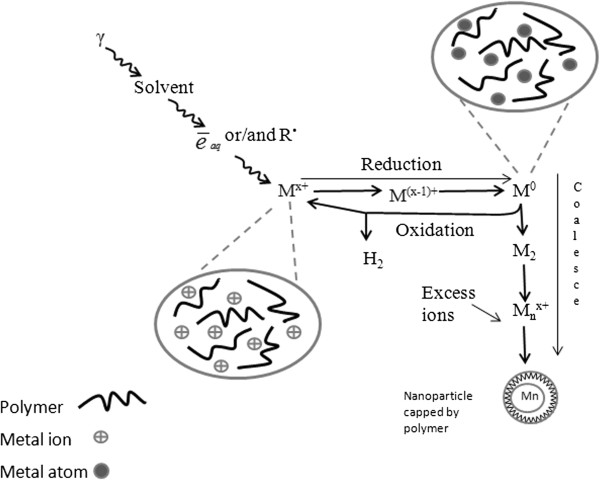
“As the Au atoms are formed, they act as individual centers of nucleation and further coalescence (Abedini et al., 2013).”
BackgroundKundu, P., Liu, S.-Y., Tseng, F., & Chen, F. (2021) · Materials Chemistry and Physics · doi:10.1016/j.matchemphys.2021.125562 · Cited by 2
Ferreira, S. R., Lopes, J. M. S., Paterno, L. G., Magalhães, P. O., Filho, M. C., Gelfuso, G. M., & Gratieri, T. (2023) · Future Microbiology · doi:10.2217/fmb-2022-0250 · Cited by 3
Synthesis and characterization of perovskite-based QDs, 1D, 2D, and hierarchical nanomaterials
Naik, K. K. (2023) · Elsevier eBooks · doi:10.1016/b978-0-323-99529-0.00003-5 · Cited by 2
Dietrich, J., Wolfer, V., Konieczny, R., Lotnyk, A., Kahnt, A., & Mayr, S. G. (2024) · The Journal of Physical Chemistry C · doi:10.1021/acs.jpcc.4c03146 · Cited by 2
Fathy, R. M., Daigham, G. E., & Mahfouz, A. Y. (2025) · Process Biochemistry · doi:10.1016/j.procbio.2025.02.014 · Cited by 2
Radiolytically Synthesized Noble Metal Nanoparticles: Sensor Applications
Misra, N., Goel, N. K., Varshney, L., & Kumar, V. (2016) · Reviews in plasmonics · doi:10.1007/978-3-319-24606-2_3 · Cited by 2
Viet, H. L., Miyamaru, H., Tanigami, K., & Kojima, T. (2021) · Radiation Physics and Chemistry · doi:10.1016/j.radphyschem.2021.109870 · Cited by 2
Skobeeva, V. M., Smyntyna, V. A., & Lepikh, Y. I. (2023) · Sensor Electronics and Microsystem Technologies · doi:10.18524/1815-7459.2022.4.271204 · Cited by 1
Radiolytic reduction of silver nanoparticles probed in situ via Cherenkov spectroscopy
Morrison, A. H., Landry, C., & Ghandi, K. (2024) · Canadian Journal of Chemistry · doi:10.1139/cjc-2024-0050 · Cited by 2
Nanosensors: From Chemical to Green Synthesis for Wastewater Remediation
Joshi, P., & Kumar, D. (2018) · Wiley eBooks · doi:10.1002/9781119323655.ch10 · Cited by 2
Dziarabina, K., Pinaeva, U. V., Kadłubowski, S., Ulański, P., & Coqueret, X. (2021) · Nukleonika · doi:10.2478/nuka-2021-0025 · Cited by 1
“Despite many successful studies on the radiolytic formation of AuNPs in aqueous media with [9, 21] and without [22] stabilizing agents such as, for instance, natural polysaccharide chitosan, there are much fewer reports on radiation-mediated metal nanoparticle formation within a hydrogel matrix available.”
BackgroundNano-Engineered Gold Particles for Pesticide Mineralization in Contaminated Water
Goel, P., & Arora, M. (2022) · Water science and technology library · doi:10.1007/978-3-031-00812-2_10 · Cited by 1
Green Synthesis of Metal Oxide Nanoparticles and Gamma Rays for Water Remediation
León-Condés, C. A. D., Martínez‐Barrera, G., Roa‐Morales, G., Balderas‐Hernández, P., & Ureña‐Núñez, F. (2023) · Springer eBooks · doi:10.1007/978-3-031-16101-8_54 · Cited by 1
Further Sustainable and/or Unconventional Low-temperature Wet-chemical Synthetic Methods
Barbon, F., Tajoli, F., Spolaore, F., & Gross, S. (2024) · Royal Society of Chemistry eBooks · doi:10.1039/9781839165757-00315 · Cited by 1
Nasef, S. M., Mohamed, H. E., & Mansour, S. Z. (2024) · ChemistrySelect · doi:10.1002/slct.202400356 · Cited by 3
Cross-talk of nanoparticles with plant signaling molecules
Shafreen, M., Kumar, N., Shukla, S., & Vishwakarma, K. (2024) · Elsevier eBooks · doi:10.1016/b978-0-443-18822-0.00003-7 · Cited by 2
Na'es, M., Lühl, L., & Kanngießer, B. (2024) · Nanoscale Advances · doi:10.1039/d4na00877d · Cited by 1
“30,31,36,37 Charge transfer phenomena between nanoparticles and their support are also known to a ff ect the XANES region.”
InfluentialRadiolytically molecularly imprinted polymer@Au nanocomposites for morphine sensing
Abedini, A., Larki, F., Dehzangi, A., Sarajia, M., & Shirani, A. (2025) · Reporters, Contrast Agents, and Molecular Probes for Biomedical Applications · doi:10.1117/12.3057874 · Cited by 1
“Au ions can be reduced into zero-valent metal particles directly by large number of hydrated electrons (e aq-) or indirectly by H • atoms, which produced during radiolysis of aqueous solutions by e-beam irradiation [18].”
Self-citationErshov, V. A., & Ершов, Б. Г. (2025) · Radiation Physics and Chemistry · doi:10.1016/j.radphyschem.2025.113412 · Cited by 1
Wenbo, L. I. U., Sibille, C., Fourmy, D., Dragoé, D., Rémita, S., Remita, H., & Gref, R. (2026) · International Journal of Pharmaceutics · doi:10.1016/j.ijpharm.2026.126767 · Cited by 2
Yamaguchi, A., Sekiguchi, H., Roshaizan, A. W. B., Hanada, K., Okada, I., & Sakurai, I. (2026) · IEEJ Transactions on Sensors and Micromachines · doi:10.1541/ieejsmas.146.103 · Cited by 1
Laksee, S., Tongdang, I., Ngamkham, R., Punthama, P., Nurlidar, F., Chainok, K., Trakulmututa, J., Tangthong, T., Lertsarawut, P., Rattanawongwiboon, T., et al. (2026) · Carbohydrate Polymer Technologies and Applications · doi:10.1016/j.carpta.2026.101210 · Cited by 1
Ke, K., Liu, H. L., Chen, X., Wang, L., Fang, J., Wu, Y., Wang, C. G., Li, C., & Yang, X. (2020) · Current Chinese Science · doi:10.2174/2210298101999201223091354 · Cited by 1
Metadata
- Authors
- Abedini, A., Daud, A. R., Abdul Hamid, M. A., Kamil Othman, N., & Saion, E.
- Affiliations
- National University of Malaysia (MY)
- Universiti Putra Malaysia (MY)
- Corresponding author
- Abedini, Alam
- Venue
- Nanoscale Research Letters
- Published
- 2013-11-13
- Volume
- 8
- Issue
- 1
- Pages
- 474-474
- ISSN
- 1556-276X (ISSN-L)
- PMC
- PMC3831587
- OpenAlex
- W2133643418
- Semantic Scholar
- 90a9f160a86b60f7491183b7611b6a80fba8bd45
- Cited by
- 240
- References
- 65
- Citations by year
- 2026: 16 · 2025: 9 · 2024: 17 · 2023: 20 · 2022: 24 · 2021: 35 · 2020: 25 · 2019: 23 · 2018: 19 · 2017: 19 · 2016: 12 · 2015: 19 · 2014: 2
- FWCI
- 7.95
- Type
- journal article
- Language
- en
- Open access
- gold
- doi.org
- Licence
- cc-by
- creativecommons.org/licenses/by/2.0 (tdm)
- Locations
- Nanoscale Research Letters (publishedVersion, cc-by)
- Europe PMC (PubMed Central) (publishedVersion, cc-by)
- PubMed Central (publishedVersion, cc-by)
- PubMed (publishedVersion)
- Universiti Putra Malaysia Institutional Repository (Universiti Putra Malaysia) (acceptedVersion)
- Funders
- Universiti Kebangsaan Malaysia (DIP-2012-14)
- Topics
- Physical Sciences › Materials Science › Polymers and Plastics › Polymer Nanocomposite Synthesis and Irradiation
- Physical Sciences › Materials Science › Electronic, Optical and Magnetic Materials › Gold and Silver Nanoparticles Synthesis and Applications
- Physical Sciences › Materials Science › Materials Chemistry › Chemical and Physical Properties of Materials
- Keywords
- radiation-induced synthesis, gamma irradiation, metal nanoparticles, colloidal nanoparticles, nucleation and growth, nanoparticle size control, absorbed dose, radiation chemistry
About these checks
Registry, retraction, Cites and statistics results are computed, not judged, with one exception: a printed reference that no index lists is read once by a model before it counts as a citation error. Claims are extracted by a model and kept only when their quote appears verbatim in the text; each cited source is then checked, with a model’s help, for whether it says what the claim relies on. Those verdicts can be wrong — read the claim’s quote and the cited source before relying on one.
Statistics and arithmetic are recomputed, not judged.
Confidence bands are shown only for fields calibrated on our annotated test set. None is calibrated yet, so no band is shown.
What counts as a claim ›How we measure confidence ›How we check this ›
Are you an author, or do you see a problem with this page? Request a review
Data sources
Bibliographic data: Semantic Scholar, OpenAlex, Crossref.
Contains information from the Semantic Scholar Academic Graph Datasets, made available under the ODC Attribution License (ODC-BY 1.0).
Semantic Scholar’s data is described in: Kinney, R., et al. (2023). The Semantic Scholar Open Data Platform. arXiv:2301.10140.
