

The DOI matches its Crossref record; 1 of the 1 references it cites were found in a registry or an index.
Panallergens and their impact on the allergic patient
Abstract
The panallergen concept encompasses families of related proteins, which are involved in general vital processes and thus, widely distributed throughout nature. Plant panallergens share highly conserved sequence regions, structure, and function. They are responsible for many IgE cross-reactions even between unrelated pollen and plant food allergen sources. Although usually considered as minor allergens, sensitization to panallergens might be problematic as it bears the risk of developing multiple sensitizations. Clinical manifestations seem to be tightly connected with geographical and exposure factors. Future population- and disease-based screenings should provide new insights on panallergens and their contribution to disease manifestations. Such information requires molecule-based diagnostics and will be valuable for developing patient-tailored prophylactic and therapeutic approaches. In this article, we focus on profilins, non-specific lipid transfer proteins, polcalcins, and Bet v 1-related proteins and discuss possible consequences of panallergen sensitization for the allergic patient. Based on their pattern of IgE cross-reactivity, which is reflected by their distribution in the plant kingdom, we propose a novel classification of panallergens into ubiquitously spread "real panallergens" (e.g. profilins) and widespread "eurallergens" (e.g. polcalcins). "Stenallergens" display more limited distribution and cross-reactivity patterns, and "monallergens" are restricted to a single allergen source.
Overview
The claims and statistics of this paper haven’t been checked yet.
Run the check — free, no account needed. It reads the open-access text and checks the sources it cites.
Integrity signals
Registry
Cites
Statistics
Figures
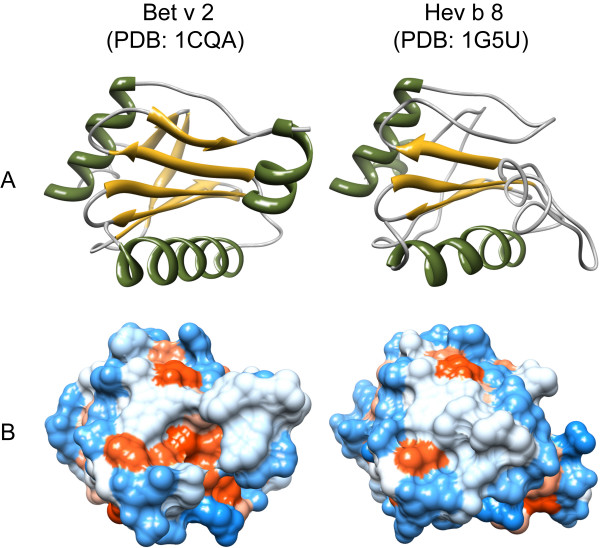
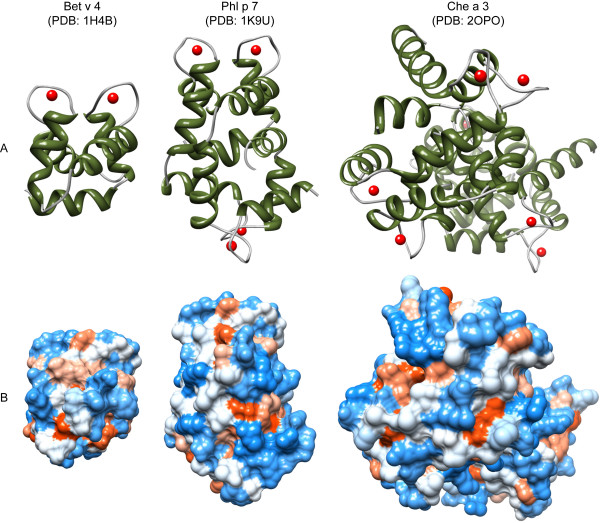
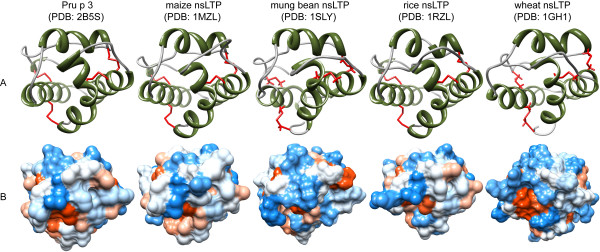
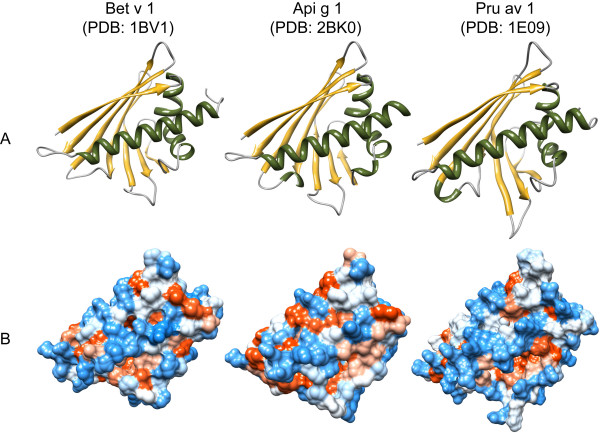
Verification
Claims the paper makes
The claims and statistics of this paper haven’t been checked yet.
Run the check — free, no account needed. It reads the open-access text and checks the sources it cites.
Claims other papers make about this one
Each is checked against this paper’s own text: does it say what the citing paper says it does?
In the citing paper
“Their ubiquity and high degree of conservation make them key contributors to PFAS [133].”
From Pollen–Food Allergy Syndrome: Allergens, Clinical Insights, Diagnostic and Therapeutic Challenges (2024) · cites this paper as [133]
In the citing paper
“Approaches to food avoidance in PFAS involve tailoring strategies to the nature of the allergens and the patient's specific sensitivities [44,96,133,188].”
From Pollen–Food Allergy Syndrome: Allergens, Clinical Insights, Diagnostic and Therapeutic Challenges (2024) · cites this paper as [133]
In the citing paper
“The causative allergen is Bet v1, a main allergen component of birch pollen, which belongs to the pathogenesis-related protein 10 (PR-10) family of pan-allergens.7”
From Epidemiological study of oral allergy syndrome in birch pollen dispersal-free regions (2020) · cites this paper as [7]
Self-check
Percentages, sums and reported differences re-computed from the paper’s own numbers.
The self-check needs the paper’s full text.
Citations
Cites
The Role of Protein Glycosylation in Allergy
Altmann, F. (2007) · International Archives of Allergy and Immunology · doi:10.1159/000096114 · Cited by 393 · cited 1×
“Compiled evidence suggests that CCDs do not cause clinical symptoms in most, if not all, allergic individuals [72].”
Research works printed but not linked: 80
- Mothes N, Horak F, Valenta R: Transition from a botanical to a molecular classification in tree pollen allergy: implications for diagnosis and therapy. Int Arch Allergy Immunol. 2004, 135: 357-373. 10.1159/000082332. · DOI
- Burastero SE: Pollen-cross allergenicity mediated by panallergens: a clue to the patho-genesis of multiple sensitizations. Inflamm Allergy Drug Targets. 2006, 5: 203-209. 10.2174/187152806779010918. · DOI
- Ballmer-Weber BK, Vieths S: Soy allergy in perspective. Curr Opin Allergy Clin Immunol. 2008, 8: 270-275. 10.1097/ACI.0b013e3282ffb157. · DOI
- Hauser M, Egger M, Wallner M, Wopfner N, Schmidt G, Ferreira F: Molecular properties of plant food allergens: a current classification into protein families. The Open Immunology Journal. 2008, 1: 1-12. · DOI
- Mittag D, Akkerdaas J, Ballmer-Weber BK, Vogel L, Wensing M, Becker WM, Koppelman SJ, Knulst AC, Helbling A, Hefle SL, Van Ree R, Vieths S: Ara h 8, a Bet v 1-homologous allergen from peanut, is a major allergen in patients with combined birch pollen and peanut allergy. J Allergy Clin Immunol. 2004, 114: 1410-1417. 10.1016/j.jaci.2004.09.014. · DOI
- Mari A: Multiple pollen sensitization: a molecular approach to the diagnosis. Int Arch Allergy Immunol. 2001, 125: 57-65. 10.1159/000053797. · DOI
- Asero R, Monsalve R, Barber D: Profilin sensitization detected in the office by skin prick test: a study of prevalence and clinical relevance of profilin as a plant food allergen. Clin Exp Allergy. 2008, 38: 1033-1037. 10.1111/j.1365-2222.2008.02980.x. · DOI
- Dubost R, Ruet N, Deviller P: [Incidence of sensitization to profilin in a population allergic to pollen: responsibility of profilin in pollen polysensitizations in patients with a normal level of total IgE]. Allerg Immunol (Paris). 2000, 32: 199-206.
- Wopfner N, Willeroidee M, Hebenstreit D, van Ree R, Aalbers M, Briza P, Thalhamer J, Ebner C, Richter K, Ferreira F: Molecular and immunological characterization of profilin from mugwort pollen. Biol Chem. 2002, 383: 1779-1789. 10.1515/BC.2002.199. · DOI
- Burastero SE, Paolucci C, Breda D, Longhi R, Silvestri M, Hammer J, Protti MP, Rossi GA: T-cell receptor-mediated cross-allergenicity. Int Arch Allergy Immunol. 2004, 135: 296-305. 10.1159/000082323. · DOI
- Gould HJ, Sutton BJ: IgE in allergy and asthma today. Nat Rev Immunol. 2008, 8: 205-217. 10.1038/nri2273. · DOI
- Egger M, Mutschlechner S, Wopfner N, Gadermaier G, Briza P, Ferreira F: Pollen-food syndromes associated with weed pollinosis: an update from the molecular point of view. Allergy. 2006, 61: 461-476. 10.1111/j.1398-9995.2006.00994.x. · DOI
- Vieths S, Scheurer S, Ballmer-Weber B: Current understanding of cross-reactivity of food allergens and pollen. Ann N Y Acad Sci. 2002, 964: 47-68. · DOI
- Valenta R, Duchene M, Ebner C, Valent P, Sillaber C, Deviller P, Ferreira F, Tejkl M, Edelmann H, Kraft D: Profilins constitute a novel family of functional plant pan-allergens. J Exp Med. 1992, 175: 377-385. 10.1084/jem.175.2.377. · DOI
- Ramachandran S, Christensen HE, Ishimaru Y, Dong CH, Chao-Ming W, Cleary AL, Chua NH: Profilin plays a role in cell elongation cell shape maintenance, and flowering in Arabidopsis. Plant Physiol. 2000, 124: 1637-1647. 10.1104/pp.124.4.1637. · DOI
- Valster AH, Pierson ES, Valenta R, Hepler PK, Emons A: Probing the Plant Actin Cytoskeleton during Cytokinesis and Interphase by Profilin Microinjection. Plant Cell. 1997, 9: 1815-1824. 10.1105/tpc.9.10.1815. · DOI
- Witke W: The role of profilin complexes in cell motility and other cellular processes. Trends Cell Biol. 2004, 14: 461-469. 10.1016/j.tcb.2004.07.003. · DOI
- Gibbon BC, Zonia LE, Kovar DR, Hussey PJ, Staiger CJ: Pollen profilin function depends on interaction with proline-rich motifs. Plant Cell. 1998, 10: 981-993. 10.1105/tpc.10.6.981. · DOI
- Valenta R, Duchene M, Pettenburger K, Sillaber C, Valent P, Bettelheim P, Breitenbach M, Rumpold H, Kraft D, Scheiner O: Identification of profilin as a novel pollen allergen; IgE autoreactivity in sensitized individuals. Science. 1991, 253: 557-560. 10.1126/science.1857985. · DOI
- Asero R, Mistrello G, Roncarolo D, Amato S, Zanoni D, Barocci F, Caldironi G: Detection of clinical markers of sensitization to profilin in patients allergic to plant-derived foods. J Allergy Clin Immunol. 2003, 112: 427-432. 10.1067/mai.2003.1611. · DOI
- Asero R, Wopfner N, Gruber P, Gadermaier G, Ferreira F: Artemisia and Ambrosia hypersensitivity: co-sensitization or co-recognition?. Clin Exp Allergy. 2006, 36: 658-665. 10.1111/j.1365-2222.2006.02477.x. · DOI
- van Ree R, Fernandez-Rivas M, Cuevas M, van Wijngaarden M, Aalberse RC: Pollen-related allergy to peach and apple: an important role for profilin. J Allergy Clin Immunol. 1995, 95: 726-734. 10.1016/S0091-6749(95)70178-8. · DOI
- Breiteneder H, Radauer C: A classification of plant food allergens. J Allergy Clin Immunol. 2004, 113: 821-830. 10.1016/j.jaci.2004.01.779. quiz 831 · DOI
- Rodriguez-Perez R, Crespo JF, Rodriguez J, Salcedo G: Profilin is a relevant melon allergen susceptible to pepsin digestion in patients with oral allergy syndrome. J Allergy Clin Immunol. 2003, 111: 634-639. 10.1067/mai.2003.74. · DOI
- Breiteneder H, Ebner C: Molecular and biochemical classification of plant-derived food allergens. J Allergy Clin Immunol. 2000, 106: 27-36. 10.1067/mai.2000.106929. · DOI
- Ballmer-Weber BK, Vieths S, Luttkopf D, Heuschmann P, Wuthrich B: Celery allergy confirmed by double-blind, placebo-controlled food challenge: a clinical study in 32 subjects with a history of adverse reactions to celery root. J Allergy Clin Immunol. 2000, 106: 373-378. 10.1067/mai.2000.107196. · DOI
- Jankiewicz A, Aulepp H, Baltes W, Bogl KW, Dehne LI, Zuberbier T, Vieths S: Allergic sensitization to native and heated celery root in pollen-sensitive patients investigated by skin test and IgE binding. Int Arch Allergy Immunol. 1996, 111: 268-278. 10.1159/000237377. · DOI
- Elfman L, Svensson M, Lidholm J, Pauli G, Valenta R: Different profiles in specific IgE to rBet v 1 and rBet v 2 in patients allergic to birch pollen from six countries. Int Arch Allergy Immunol. 1997, 113: 249-251. 10.1159/000237561. · DOI
- Wopfner N, Gruber P, Wallner M, Briza P, Ebner C, Mari A, Richter K, Vogel L, Ferreira F: Molecular and immunological characterization of novel weed pollen pan-allergens. Allergy. 2008, 63: 872-881. 10.1111/j.1398-9995.2008.01635.x. · DOI
- Wensing M, Akkerdaas JH, van Leeuwen WA, Stapel SO, Bruijnzeel-Koomen CA, Aalberse RC, Bast BJ, Knulst AC, van Ree R: IgE to Bet v 1 and profilin: cross-reactivity patterns and clinical relevance. J Allergy Clin Immunol. 2002, 110: 435-442. 10.1067/mai.2002.126380. · DOI
- Ledesma A, Rodriguez R, Villalba M: Olive-pollen profilin. Molecular and immunologic properties. Allergy. 1998, 53: 520-526. 10.1111/j.1398-9995.1998.tb04090.x. · DOI
- Quiralte J, Palacios L, Rodriguez R, Cardaba B, Arias de Saavedra JM, Villalba M, Florido JF, Lahoz C: Modelling diseases: the allergens of Olea europaea pollen. J Investig Allergol Clin Immunol. 2007, 17 (Suppl 1): 24-30.
- Quiralte J, Llanes E, Barral P, Arias de Saavedra JM, Saenz de San Pedro B, Villalba M, Florido JF, Rodriguez R, Lahoz C, Cardaba B: Ole e 2 and Ole e 10: new clinical aspects and genetic restrictions in olive pollen allergy. Allergy. 2005, 60: 360-365. 10.1111/j.1398-9995.2005.00698.x. · DOI
- Wopfner N, Dissertori O, Ferreira F, Lackner P: Calcium-binding proteins and their role in allergic diseases. Immunol Allergy Clin North Am. 2007, 27: 29-44. 10.1016/j.iac.2006.10.003. · DOI
- Bugajska-Schretter A, Grote M, Vangelista L, Valent P, Sperr WR, Rumpold H, Pastore A, Reichelt R, Valenta R, Spitzauer S: Purification, biochemical, and immunological characterisation of a major food allergen: different immunoglobulin E recognition of the apo- and calcium-bound forms of carp parvalbumin. Gut. 2000, 46: 661-669. 10.1136/gut.46.5.661. · DOI
- Engel E, Richter K, Obermeyer G, Briza P, Kungl AJ, Simon B, Auer M, Ebner C, Rheinberger HJ, Breitenbach M, Ferreira F: Immunological and biological properties of Bet v 4, a novel birch pollen allergen with two EF-hand calcium-binding domains. J Biol Chem. 1997, 272: 28630-28637. 10.1074/jbc.272.45.28630. · DOI
- Ledesma A, Gonzalez E, Pascual CY, Quiralte J, Villalba M, Rodriguez R: Are Ca2+-binding motifs involved in the immunoglobin E-binding of allergens? Olive pollen allergens as model of study. Clin Exp Allergy. 2002, 32: 1476-1483. 10.1046/j.1365-2745.2002.01493.x. · DOI
- Neudecker P, Nerkamp J, Eisenmann A, Nourse A, Lauber T, Schweimer K, Lehmann K, Schwarzinger S, Ferreira F, Rosch P: Solution structure, dynamics, and hydrodynamics of the calcium-bound cross-reactive birch pollen allergen Bet v 4 reveal a canonical monomeric two EF-hand assembly with a regulatory function. J Mol Biol. 2004, 336: 1141-1157. 10.1016/j.jmb.2003.12.070. · DOI
- Valenta R, Hayek B, Seiberler S, Bugajska-Schretter A, Niederberger V, Twardosz A, Natter S, Vangelista L, Pastore A, Spitzauer S, Kraft D: Calcium-binding allergens: from plants to man. Int Arch Allergy Immunol. 1998, 117: 160-166. 10.1159/000024005. · DOI
- Westritschnig K, Focke M, Verdino P, Goessler W, Keller W, Twardosz A, Mari A, Horak F, Wiedermann U, Hartl A, Thalhamer J, Sperr WR, Valent P, Valenta R: Generation of an allergy vaccine by disruption of the three-dimensional structure of the cross-reactive calcium-binding allergen, Phl p 7. J Immunol. 2004, 172: 5684-5692. · DOI
- Tinghino R, Twardosz A, Barletta B, Puggioni EM, Iacovacci P, Butteroni C, Afferni C, Mari A, Hayek B, Di Felice G, Focke M, Westritschnig K, Valenta R, Pini C: Molecular, structural, and immunologic relationships between different families of recombinant calcium-binding pollen allergens. J Allergy Clin Immunol. 2002, 109: 314-320. 10.1067/mai.2002.121528. · DOI
- Niederberger V, Hayek B, Vrtala S, Laffer S, Twardosz A, Vangelista L, Sperr WR, Valent P, Rumpold H, Kraft D, Ehrenberger K, Valenta R, Spitzauer S: Calcium-dependent immunoglobulin E recognition of the apo- and calcium-bound form of a cross-reactive two EF-hand timothy grass pollen allergen, Phl p 7. Faseb J. 1999, 13: 843-856. · DOI
- Verdino P, Westritschnig K, Valenta R, Keller W: The cross-reactive calcium-binding pollen allergen, Phl p 7, reveals a novel dimer assembly. Embo J. 2002, 21: 5007-5016. 10.1093/emboj/cdf526. · DOI
- Douliez J, Michon T, Elmorjani K, Marion D: Structure, biological and technological functions of lipid transfer proteins and indolines, the major lipid binding proteins from cereal kernels. Journal of Cereal Science. 2000, 32: 1-20. 10.1006/jcrs.2000.0315. · DOI
- Fernandez-Rivas M, Cuevas M: Peels of Rosaceae fruits have a higher allergenicity than pulps. Clin Exp Allergy. 1999, 29: 1239-1247. 10.1046/j.1365-2222.1999.00628.x. · DOI · Paper page
- Marzban G, Puehringer H, Dey R: Localisation and distribution of the major allergens in apple fruits. Plant Science. 2005, 169: 387-394. 10.1016/j.plantsci.2005.03.027. · DOI
- Salcedo G, Sanchez-Monge R, Barber D, Diaz-Perales A: Plant non-specific lipid transfer proteins: an interface between plant defence and human allergy. Biochim Biophys Acta. 2007, 1771: 781-791. · DOI
- Silverstein KA, Moskal WA, Wu HC, Underwood BA, Graham MA, Town CD, VandenBosch KA: Small cysteine-rich peptides resembling antimicrobial peptides have been under-predicted in plants. Plant J. 2007, 51: 262-280. 10.1111/j.1365-313X.2007.03136.x. · DOI
- Borges JP, Jauneau A, Brule C, Culerrier R, Barre A, Didier A, Rouge P: The lipid transfer proteins (LTP) essentially concentrate in the skin of Rosaceae fruits as cell surface exposed allergens. Plant Physiol Biochem. 2006, 44: 535-542. 10.1016/j.plaphy.2006.09.018. · DOI
- Fernandez-Rivas M, Gonzalez-Mancebo E, Rodriguez-Perez R, Benito C, Sanchez-Monge R, Salcedo G, Alonso MD, Rosado A, Tejedor MA, Vila C, Casas ML: Clinically relevant peach allergy is related to peach lipid transfer protein, Pru p 3, in the Spanish population. J Allergy Clin Immunol. 2003, 112: 789-795. 10.1016/S0091-6749(03)02016-5. · DOI
- Zuidmeer L, van Ree R: Lipid transfer protein allergy: primary food allergy or pollen/food syndrome in some cases. Curr Opin Allergy Clin Immunol. 2007, 7: 269-273. 10.1097/ACI.0b013e32814a5401. · DOI
- Diaz-Perales A, Lombardero M, Sanchez-Monge R, Garcia-Selles FJ, Pernas M, Fernandez-Rivas M, Barber D, Salcedo G: Lipid-transfer proteins as potential plant panallergens: cross-reactivity among proteins of Artemisia pollen, Castanea nut and Rosaceae fruits, with different IgE-binding capacities. Clin Exp Allergy. 2000, 30: 1403-1410. 10.1046/j.1365-2222.2000.00909.x. · DOI
- Ghunaim N, Gronlund H, Kronqvist M, Gronneberg R, Soderstrom L, Ahlstedt S, van Hage-Hamsten M: Antibody profiles and self-reported symptoms to pollen-related food allergens in grass pollen-allergic patients from northern Europe. Allergy. 2005, 60: 185-191. 10.1111/j.1398-9995.2005.00662.x. · DOI
- Asero R, Mistrello G, Roncarolo D, Amato S: Detection of some safe plant-derived foods for LTP-allergic patients. Int Arch Allergy Immunol. 2007, 144: 57-63. 10.1159/000102615. · DOI
- Asero R, Mistrello G, Roncarolo D, Amato S, Caldironi G, Barocci F, van Ree R: Immunological cross-reactivity between lipid transfer proteins from botanically unrelated plant-derived foods: a clinical study. Allergy. 2002, 57: 900-906. 10.1034/j.1398-9995.2002.t01-1-23541.x. · DOI
- Sanchez-Monge R, Blanco C, Lopez-Torrejon G, Cumplido J, Recas M, Figueroa J, Carrillo T, Salcedo G: Differential allergen sensitization patterns in chestnut allergy with or without associated latex-fruit syndrome. J Allergy Clin Immunol. 2006, 118: 705-710. 10.1016/j.jaci.2006.04.058. · DOI
- Egger M, Hauser M, Himly M, Wopfner N, Wallner M, Ferreira F: Development of recombinant allergens for diagnosis and therapy. Frontiers in Bioscience. 2009, 1: 77-90.
- Moreno-Aguilar C: Improving pollen immunotherapy: minor allergens and panallergens. Allergol Immunopathol (Madr). 2008, 36: 26-30. 10.1157/13115668. · DOI
- Barber D, Moreno C, Ledesma A, Serrano P, Galan A, Villalba M, Guerra F, Lombardero M, Rodriguez R: Degree of olive pollen exposure and sensitization patterns. Clinical implications. J Investig Allergol Clin Immunol. 2007, 17 (Suppl 1): 11-16.
- Valenta R, Lidholm J, Niederberger V, Hayek B, Kraft D, Gronlund H: The recombinant allergen-based concept of component-resolved diagnostics and immunotherapy (CRD and CRIT). Clin Exp Allergy. 1999, 29: 896-904. 10.1046/j.1365-2222.1999.00653.x. · DOI · Paper page
- Kazemi-Shirazi L, Niederberger V, Linhart B, Lidholm J, Kraft D, Valenta R: Recombinant marker allergens: diagnostic gatekeepers for the treatment of allergy. Int Arch Allergy Immunol. 2002, 127: 259-268. 10.1159/000057742. · DOI
- Radauer C, Willerroider M, Fuchs H, Hoffmann-Sommergruber K, Thalhamer J, Ferreira F, Scheiner O, Breiteneder H: Cross-reactive and species-specific immunoglobulin E epitopes of plant profilins: an experimental and structure-based analysis. Clin Exp Allergy. 2006, 36: 920-929. 10.1111/j.1365-2222.2006.02521.x. · DOI
- Valenta R, Twaroch T, Swoboda I: Component-resolved diagnosis to optimize allergen-specific immunotherapy in the Mediterranean area. J Investig Allergol Clin Immunol. 2007, 17 (Suppl 1): 36-40.
- James LC, Roversi P, Tawfik DS: Antibody multispecificity mediated by conformational diversity. Science. 2003, 299: 1362-1367. 10.1126/science.1079731. · DOI
- Bohle B: The impact of pollen-related food allergens on pollen allergy. Allergy. 2007, 62: 3-10. 10.1111/j.1398-9995.2006.01258.x. · DOI
- Bonds RS, Midoro-Horiuti T, Goldblum R: A structural basis for food allergy: the role of cross-reactivity. Curr Opin Allergy Clin Immunol. 2008, 8: 82-86. 10.1097/ACI.0b013e3282f4177e. · DOI
- Gubesch M, Theler B, Dutta M, Baumer B, Mathis A, Holzhauser T, Vieths S, Ballmer-Weber BK: Strategy for allergenicity assessment of 'natural novel foods': clinical and molecular investigation of exotic vegetables (water spinach, hyacinth bean and Ethiopian eggplant). Allergy. 2007, 62: 1243-1250. 10.1111/j.1398-9995.2007.01474.x. · DOI
- Andersen MB, Hall S, Dragsted LO: Identification of European Allergy Patterns to the Allergen Families PR-10, LTP, and Profilin from Rosaceae Fruits. Clin Rev Allergy Immunol. 2009, Epub
- Asero R, Antonicelli L, Arena A, Bommarito L, Caruso B, Crivellaro M, De Carli M, Della Torre E, Della Torre F, Heffler E, Lodi Rizzini F, Longo R, Manzotti G, Marcotulli M, Melchiorre A, Minale P, Morandi P, Moreni B, Moschella A, Murzilli F, Nebiolo F, Poppa M, Randazzo S, Rossi G, Senna GE: EpidemAAITO: features of food allergy in Italian adults attending allergy clinics: a multi-centre study. Clin Exp Allergy. 2009, 39: 547-555. 10.1111/j.1365-2222.2008.03167.x. · DOI
- Bishop JR, Gagneux P: Evolution of carbohydrate antigens--microbial forces shaping host glycomes?. Glycobiology. 2007, 17: 23R-34R. 10.1093/glycob/cwm005. · DOI
- Macher BA, Galili U: The Galalpha1,3Galbeta1,4GlcNAc-R (alpha-Gal) epitope: a carbohydrate of unique evolution and clinical relevance. Biochim Biophys Acta. 2008, 1780: 75-88. · DOI · Paper page
- Cudowska B, Kaczmarski M: Diagnostic value of birch recombinant allergens (rBet v 1, profilin rBet v 2) in children with pollen-related food allergy. Rocz Akad Med Bialymst. 2004, 49: 111-115.
- Fernandez-Rivas M, Bolhaar S, Gonzalez-Mancebo E, Asero R, van Leeuwen A, Bohle B, Ma Y, Ebner C, Rigby N, Sancho AI, Miles S, Zuidmeer L, Knulst A, Breiteneder H, Mills C, Hoffmann-Sommergruber K, van Ree R: Apple allergy across Europe: how allergen sensitization profiles determine the clinical expression of allergies to plant foods. J Allergy Clin Immunol. 2006, 118: 481-488. 10.1016/j.jaci.2006.05.012. · DOI
- Pauli G, Oster JP, Deviller P, Heiss S, Bessot JC, Susani M, Ferreira F, Kraft D, Valenta R: Skin testing with recombinant allergens rBet v 1 and birch profilin rBet v 2: diagnostic value for birch pollen and associated allergies. J Allergy Clin Immunol. 1996, 97: 1100-1109. 10.1016/S0091-6749(96)70264-6. · DOI
- Mittag D, Vieths S, Vogel L, Becker WM, Rihs HP, Helbling A, Wuthrich B, Ballmer-Weber BK: Soybean allergy in patients allergic to birch pollen: clinical investigation and molecular characterization of allergens. J Allergy Clin Immunol. 2004, 113: 148-154. 10.1016/j.jaci.2003.09.030. · DOI
- Czarnecka-Operacz M, Jenerowicz D, Silny W: Oral allergy syndrome in patients with airborne pollen allergy treated with specific immunotherapy. Acta Dermatovenerol Croat. 2008, 16: 19-24.
- Breiteneder H, Mills C: Nonspecific lipid-transfer proteins in plant foods and pollens: an important allergen class. Curr Opin Allergy Clin Immunol. 2005, 5: 275-279. 10.1097/01.all.0000168794.35571.a5. · DOI
- Sanchez-Monge R, Blanco C, Perales AD, Collada C, Carrillo T, Aragoncillo C, Salcedo G: Class I chitinases, the panallergens responsible for the latex-fruit syndrome, are induced by ethylene treatment and inactivated by heating. J Allergy Clin Immunol. 2000, 106: 190-195. 10.1067/mai.2000.107599. · DOI
- Barre A, Culerrier R, Granier C, Selman L, Peumans WJ, Van Damme EJ, Bienvenu F, Bienvenu J, Rouge P: Mapping of IgE-binding epitopes on the major latex allergen Hev b 2 and the cross-reacting 1,3beta-glucanase fruit allergens as a molecular basis for the latex-fruit syndrome. Mol Immunol. 2009, 46: 1595-1604. 10.1016/j.molimm.2008.12.007. · DOI
- Radauer C, Bublin M, Wagner S, Mari A, Breiteneder H: Allergens are distributed into few protein families and possess a restricted number of biochemical functions. J Allergy Clin Immunol. 2008, 121: 847-852. 10.1016/j.jaci.2008.01.025. · DOI · Paper page
Cited by
Sorted by citations
EAACI Molecular Allergology User's Guide
Matricardi, P. M., Kleine‐Tebbe, J., Hoffmann, H. J., Valenta, R., Hilger, C., Hofmaier, S., Aalberse, R. C., Agache, I., Asero, R., Ballmer‐Weber, B., et al. (2016) · Pediatric Allergy and Immunology · doi:10.1111/pai.12563 · Cited by 932
Self-citationA WAO - ARIA - GA²LEN consensus document on molecular-based allergy diagnostics
Canonica, G. W., Ansotegui, I. J., Pawankar, R., Schmid-Grendelmeier, P., van Hage, M., Baena-Cagnani, C. E., Melioli, G., Nunes, C., Passalacqua, G., Rosenwasser, L., et al. (2013) · World Allergy Organization Journal · doi:10.1186/1939-4551-6-17 · Cited by 432
Kato, Y., Morikawa, T., & Fujieda, S. (2025) · Allergology International · doi:10.1016/j.alit.2024.08.007 · Cited by 45
Epidemiological study of oral allergy syndrome in birch pollen dispersal-free regions
Osawa, Y., Ito, Y., Takahashi, N., Sugimoto, C., Kohno, Y., Mori, S., Morikawa, T., Kato, Y., Okamoto, M., Kanno, M., et al. (2020) · Allergology International · doi:10.1016/j.alit.2019.09.008 · Cited by 31
Pollen–Food Allergy Syndrome: Allergens, Clinical Insights, Diagnostic and Therapeutic Challenges
Haidar, L., Bănărescu, C. F., Uța, C., Moldovan, S. I., Zimbru, E.-L., Zimbru, R.-I., Ciurariu, E., Georgescu, M., & Panaitescu, C. (2024) · Applied Sciences · doi:10.3390/app15010066 · Cited by 21
Metadata
- Authors
- Hauser, M., Roulias, A., Ferreira, F., & Egger, M.
- Venue
- Allergy, Asthma & Clinical Immunology
- Published
- 2010-01-18
- Volume
- 6
- Issue
- 1
- ISSN
- 1710-1492
- PMC
- PMC2830198
- Cited by
- 243
- References
- 1
- Language
- en
About these checks
Registry, retraction, Cites and statistics results are computed, not judged, with one exception: a printed reference that no index lists is read once by a model before it counts as a citation error. Claims are extracted by a model and kept only when their quote appears verbatim in the text; each cited source is then checked, with a model’s help, for whether it says what the claim relies on. Those verdicts can be wrong — read the claim’s quote and the cited source before relying on one.
Statistics and arithmetic are recomputed, not judged.
Confidence bands are shown only for fields calibrated on our annotated test set. None is calibrated yet, so no band is shown.
What counts as a claim ›How we measure confidence ›How we check this ›
Are you an author, or do you see a problem with this page? Request a review
How to cite
Cite CoChat for the checks on this page, and the paper for its own findings.
- This page
- CoChat. (2026). Citation check: Panallergens and their impact on the allergic patient. https://app.cochat.ai/papers/10.1186/1710-1492-6-1
- The paper
- Hauser, M., Roulias, A., Ferreira, F., & Egger, M. (2010). Panallergens and their impact on the allergic patient. Allergy, Asthma & Clinical Immunology. https://doi.org/10.1186/1710-1492-6-1
