

Tissue-derived mesenchymal stromal cells used as vehicles for anti-tumor therapy exert different in vivoeffects on migration capacity and tumor growth
Open accessThe DOI matches its Crossref record; 65 of the 65 references it cites were found in a registry or an index.
Abstract
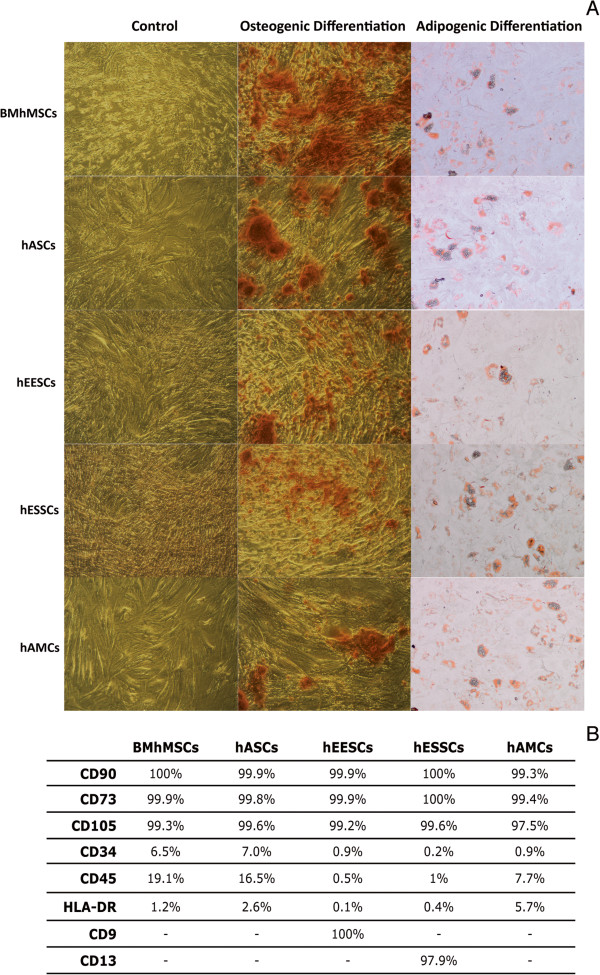
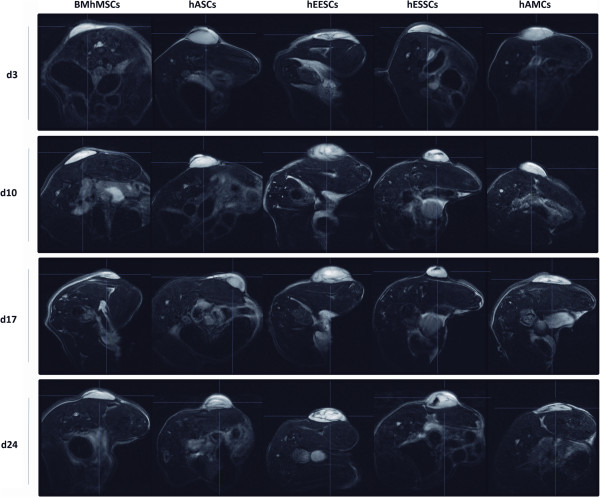
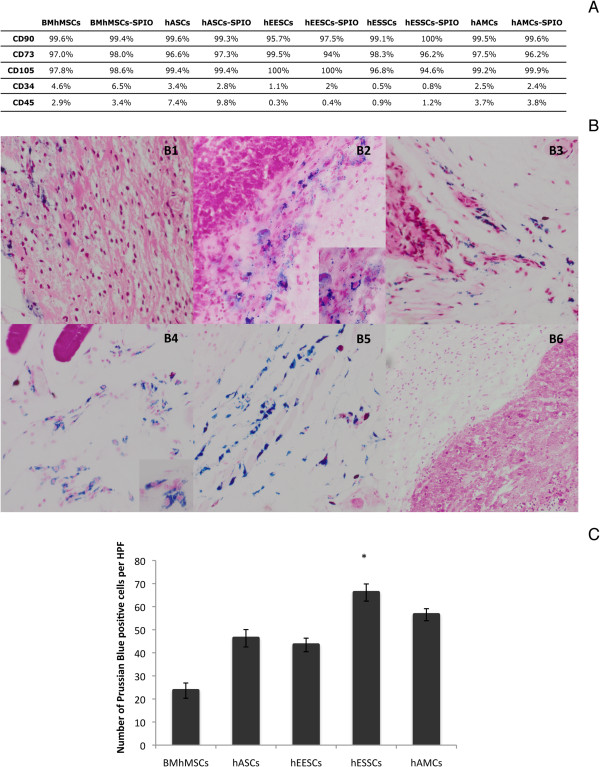
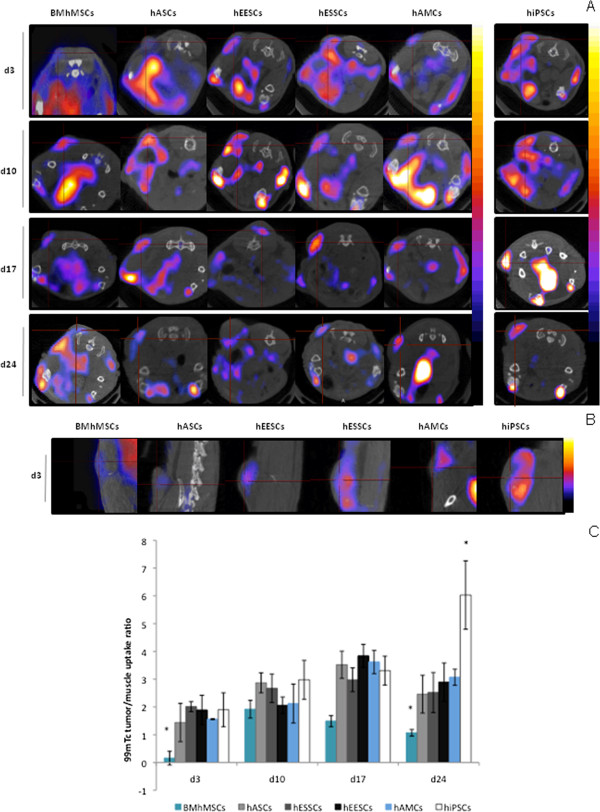
Background: Mesenchymal stem cells (MSCs) have been promoted as an attractive option to use as cellular delivery vehicles to carry anti-tumor agents, owing to their ability to home into tumor sites and secrete cytokines. Multiple isolated populations have been described as MSCs, but despite extensive in vitro characterization, little is known about their in vivo behavior. The aim of this study was to investigate the efficacy and efficiency of different MSC lineages derived from five different sources (bone marrow, adipose tissue, epithelial endometrium, stroma endometrium, and amniotic membrane), in order to assess their adequacy for cell-based anti-tumor therapies. Our study shows the crucial importance of understanding the interaction between MSCs and tumor cells, and provides both information and a methodological approach, which could be used to develop safer and more accurate targeted therapeutic applications. Methods: We first measured the in vivo migration capacity and effect on tumor growth of the different MSCs using two imaging techniques: (i) single-photon emission computed tomography combined with computed tomography (SPECT-CT), using the human sodium iodine symporter gene (hNIS) and (ii) magnetic resonance imaging using superparamagnetic iron oxide. We then sought correlations between these parameters and expression of pluripotency-related or migration-related genes. Results: Our results show that migration of human bone marrow-derived MSCs was significantly reduced and slower than that obtained with the other MSCs assayed and also with human induced pluripotent stem cells (hiPSCs). The qPCR data clearly show that MSCs and hiPSCs exert a very different pluripotency pattern, which correlates with the differences observed in their engraftment capacity and with their effects on tumor growth. Conclusion: This study reveals differences in MSC recruitment/migration toward the tumor site and the corresponding effects on tumor growth. Three observations stand out: 1) tracking of the stem cell is essential to check the safety and efficacy of cell therapies; 2) the MSC lineage to be used in the cell therapy needs to be carefully chosen to balance efficacy and safety for a particular tumor type; and 3) different pluripotency and mobility patterns can be linked to the engraftment capacity of the MSCs, and should be checked as part of the clinical characterization of the lineage.
Overview
The claims and statistics of this paper haven’t been checked yet.
Free: it reads the open-access text and checks the first 5 claims that cite a source we can check. Create a free account to check every claim.
Integrity signals
Registry
Cites
Statistics
Figures
Verification
Claims the paper makes
The claims and statistics of this paper haven’t been checked yet.
Free: it reads the open-access text and checks the first 5 claims that cite a source we can check. Create a free account to check every claim.
Claims other papers make about this one
Each is checked against this paper’s own text: does it say what the citing paper says it does?
The cited source says what the claim attributes to it.
In the citing paper
“However, according to a study published by Belmar-Lopez et al., the MSC lineage to be used in a cell therapy should be carefully chosen as its safety and efficacy could vary between tumour types [160].”
From Mesenchymal stromal cells for bone sarcoma treatment: Roadmap to clinical practice (2019) · cites this paper as [160]
Self-check
Percentages, sums and reported differences re-computed from the paper’s own numbers.
The self-check needs the paper’s full text.
Citations
Cites
Multilineage potential of adult human mesenchymal stem cells
Pittenger, M. F., Mackay, A. M., Beck, S. C., Jaiswal, R. K., Douglas, R., Mosca, J. D., Moorman, M. A., Simonetti, D. W., Craig, S., & Marshak, D. R. (1999) · Science · doi:10.1126/science.284.5411.143 · Cited by 21,052 · cited 1×
“MSCs were first identified in the 1960s in the stromal compartment of bone marrow [10,11], and since then, they have been isolated from a wide variety of adult [12-20] and fetal (both first and second trimester) tissues, including blood, liver, bone marrow, placenta, and umbilical cord [21-25], using similar technique…”
MethodDominici, M., Le Blanc, K., Mueller, I., Slaper-Cortenbach, I., Marini, F. C., Krause, D. S., Deans, R. J., Keating, A., Prockop, D. J., & Horwitz, E. M. (2006) · Cytotherapy · doi:10.1080/14653240600855905 · Cited by 17,766 · cited 1×
“The other tissue-derived MSCs share a number of important characteristics with BM-hMSCs, including expression of cell surface marker, ability to adhere to plastic, and capacity to differentiate into cells of mesenchymal lineage under appropriate conditions [27].”
BackgroundMultilineage Cells from Human Adipose Tissue: Implications for Cell-Based Therapies
Zuk, P. A., Zhu, M., Mizuno, H., Huang, J., Futrell, J. W., Katz, A. J., Benhaim, P., Lorenz, H. P., & Hedrick, M. H. (2001) · Tissue Engineering · doi:10.1089/107632701300062859 · Cited by 7,956 · cited 1×
“MSCs were first identified in the 1960s in the stromal compartment of bone marrow [10,11], and since then, they have been isolated from a wide variety of adult [12-20] and fetal (both first and second trimester) tissues, including blood, liver, bone marrow, placenta, and umbilical cord [21-25], using similar technique…”
MethodOrimo, A., Gupta, P. B., Sgroi, D. C., Arenzana-Seisdedos, F., Delaunay, T., Naeem, R., Carey, V. J., Richardson, A. L., & Weinberg, R. A. (2005) · Cell · doi:10.1016/j.cell.2005.02.034 · Cited by 3,759
Melanoma exosomes educate bone marrow progenitor cells toward a pro-metastatic phenotype through MET
Peinado, H., Alečković, M., Lavotshkin, S., Matei, I., Costa-Silva, B., Moreno-Bueno, G., Hergueta-Redondo, M., Williams, C., García-Santos, G., Ghajar, C. M., et al. (2012) · Nature Medicine · doi:10.1038/nm.2753 · Cited by 3,715 · cited 1×
“Finally, a recent dialogue mediated by exosomes between MSCs from the bone marrow and tumoral cells in patients with melanoma [64] has been shown.”
BackgroundHeterotopic of bone marrow. Analysis of precursor cells for osteogenic and hematopoietic tissues.
Friedenstein, A. J., Kv, P., KUROLESOVA, A. I., & Frolova, G. P. (1968) · PubMed · Cited by 1,921
Heissig, B., Hattori, K., Dias, S., Friedrich, M., Ferris, B., Hackett, N. R., Crystal, R. G., Besmer, P., Lyden, D., Moore, M. A. S., et al. (2002) · Cell · doi:10.1016/s0092-8674(02)00754-7 · Cited by 1,751 · cited 1×
“This has been studied in numerous works, both in vitro and in vivo, and using different tumor models or MSCs sources [35,49-51,54-59].”
BackgroundHETEROTOPIC TRANSPLANTS OF BONE MARROW
FRIEDENSTEIN, A. J., PETRAKOVA, K. V., KUROLESOVA, A. I., & FROLOVA, G. P. (1968) · Transplantation · doi:10.1097/00007890-196803000-00009 · Cited by 1,699 · cited 1×
“Owing to these properties and their ability to modulate the activity of immune cells, MSCs could function as cellular delivery vehicles for anti-tumor agents [7-9].”
BackgroundOsteogenesis in transplants of bone marrow cells
Friedenstein, A. J., Piatetzky-Shapiro, I. I., & Petrakova, K. V. (1966) · Development · doi:10.1242/dev.16.3.381 · Cited by 1,671
Selectins and their ligands: Current concepts and controversies
Kansas, G. (1996) · Blood · doi:10.1182/blood.v88.9.3259.bloodjournal8893259 · Cited by 1,415 · cited 1×
“Background Human mesenchymal stem cells or mesenchymal stromal cells (MSCs) are multipotent progenitor cells or adult stem cells that exhibit the ability to migrate and engraft into tumor sites when delivered systemically [1].”
Background
Cited by
Pascucci, L., Coccè, V., Bonomi, A., Ami, D., Ceccarelli, P., Ciusani, E., Viganò, L., Locatelli, A., Sisto, F., Doglia, S. M., et al. (2014) · Journal of Controlled Release · doi:10.1016/j.jconrel.2014.07.042 · Cited by 846
Stromal cells and stem cells in clinical bone regeneration
Grayson, W. L., Bunnell, B. A., Martin, E., Frazier, T., Hung, B. P., & Gimble, J. M. (2015) · Nature Reviews Endocrinology · doi:10.1038/nrendo.2014.234 · Cited by 423
Adult Stem Cells for Bone Regeneration and Repair
Iaquinta, M. R., Mazzoni, E., Bononi, I., Rotondo, J. C., Mazziotta, C., Montesi, M., Sprio, S., Tampieri, A., Tognon, M., & Martini, F. (2019) · Frontiers in Cell and Developmental Biology · doi:10.3389/fcell.2019.00268 · Cited by 259
“However, some limitations exist relating to the formation of microemboli (Boltze et al., 2015).”
BackgroundPodoplanin in Inflammation and Cancer
Quintanilla, M., Montero-Montero, L., Renart, J., & Martín-Villar, E. (2019) · International Journal of Molecular Sciences · doi:10.3390/ijms20030707 · Cited by 234
“Since mesenchymal stem cells are thought to be ideal vehicles for delivery of therapeutic tools for cancer treatment [242], this study identified that some mesenchymal stem cells with particular adhesive properties may be thrombotic.”
BackgroundSelf-citationEngineered Tumor-Derived Extracellular Vesicles: Potentials in Cancer Immunotherapy
Taghikhani, A., Farzaneh, F., Sharifzad, F., Mardpour, S., Ebrahimi, M., & Hassan, Z. M. (2020) · Frontiers in Immunology · doi:10.3389/fimmu.2020.00221 · Cited by 125
Metadata
- Authors
- Belmar-Lopez, C., Mendoza, G., Oberg, D., Burnet, J., Simon, C., Cervello, I., Iglesias, M., Ramirez, J. C., Lopez-Larrubia, P., Quintanilla, M., & Martin-Duque, P.
- Affiliations
- Instituto de Investigación Sanitaria Aragón (ES)
- Queen Mary University of London (GB)
- Universidad Francisco de Vitoria (ES)
- Spanish National Centre for Cardiovascular Research (ES)
- Instituto de Investigaciones Biomédicas Sols-Morreale (ES)
- Venue
- BMC Medicine
- Published
- 2013-05-28
- Volume
- 11
- Issue
- 1
- Pages
- 139-139
- ISSN
- 1741-7015 (ISSN-L)
- PMC
- PMC3670996
- OpenAlex
- W2171794027
- Cited by
- 71
- References
- 65
- Citations by year
- 2026: 2 · 2025: 3 · 2024: 4 · 2023: 5 · 2022: 8 · 2021: 3 · 2020: 6 · 2019: 5 · 2018: 4 · 2017: 5 · 2016: 11 · 2015: 9 · 2014: 6
- FWCI
- 4.27
- Type
- journal article
- Language
- en
- Open access
- gold
- doi.org
- Licence
- Locations
- BMC Medicine (publishedVersion, cc-by)
- Europe PMC (PubMed Central) (publishedVersion, cc-by)
- PubMed Central (publishedVersion, cc-by)
- PubMed (publishedVersion)
- LA Referencia (Red Federada de Repositorios Institucionales de Publicaciones Científicas) (publishedVersion, other-oa)
- Tesis Doctorals en Xarxa (Consorci de Serveis Universitaris de Catalunya) (publishedVersion)
- Uppsala University Publications (Uppsala University) (submittedVersion, other-oa)
- DIGITAL.CSIC (Spanish National Research Council (CSIC)) (submittedVersion, cc-by)
- LA Referencia (Red Federada de Repositorios Institucionales de Publicaciones Científicas) (submittedVersion, cc-by-nc-sa)
- Hispana (submittedVersion)
- Biblos-e Archivo (Universidad Autónoma de Madrid) (submittedVersion, public-domain)
- Topics
- Life Sciences › Biochemistry, Genetics and Molecular Biology › Cell Biology › Mesenchymal stem cell research
- Health Sciences › Medicine › Oncology › Cancer Cells and Metastasis
- Life Sciences › Biochemistry, Genetics and Molecular Biology › Biotechnology › Bacterial Cancer Therapy
- Keywords
- mesenchymal stem cells, anti-tumor therapy, cell-based drug delivery, tumor cell migration, tumor growth, bone marrow-derived MSCs, adipose-derived MSCs, endometrial stromal cells, induced pluripotent stem cells, pluripotency genes, stem cell tracking, SPECT/CT imaging
- MeSH terms
- Animals, Cell Differentiation, Cell Movement, Cells, Cultured, Female, HeLa Cells, Humans, Magnetic Resonance Imaging, Mice, Inbred BALB C, Mice, Nude, Neoplasms, Tomography, Emission-Computed, Single-Photon, Treatment Outcome, Xenograft Model Antitumor Assays, Mesenchymal Stem Cell Transplantation, Mice, Induced Pluripotent Stem Cells, Mesenchymal Stem Cells
About these checks
Registry, retraction, Cites and statistics results are computed, not judged, with one exception: a printed reference that no index lists is read once by a model before it counts as a citation error. Claims are extracted by a model and kept only when their quote appears verbatim in the text; each cited source is then checked, with a model’s help, for whether it says what the claim relies on. Those verdicts can be wrong — read the claim’s quote and the cited source before relying on one.
Statistics and arithmetic are recomputed, not judged.
Confidence bands are shown only for fields calibrated on our annotated test set. None is calibrated yet, so no band is shown.
What counts as a claim ›How we measure confidence ›How we check this ›
Are you an author, or do you see a problem with this page? Request a review
How to cite
Cite CoChat for the checks on this page, and the paper for its own findings.
- This page
- CoChat. (2026). Citation check: Tissue-derived mesenchymal stromal cells used as vehicles for anti-tumor therapy exert different in vivoeffects on migration capacity and tumor growth. https://app.cochat.ai/papers/10.1186/1741-7015-11-139
- The paper
- Belmar-Lopez, C., Mendoza, G., Oberg, D., Burnet, J., Simon, C., Cervello, I., Iglesias, M., Ramirez, J. C., Lopez-Larrubia, P., Quintanilla, M., & Martin-Duque, P. (2013). Tissue-derived mesenchymal stromal cells used as vehicles for anti-tumor therapy exert different in vivoeffects on migration capacity and tumor growth. BMC Medicine. https://doi.org/10.1186/1741-7015-11-139
Data sources
Bibliographic data: Semantic Scholar, OpenAlex, Crossref.
Contains information from the Semantic Scholar Academic Graph Datasets, made available under the ODC Attribution License (ODC-BY 1.0).
Semantic Scholar’s data is described in: Kinney, R., et al. (2023). The Semantic Scholar Open Data Platform. arXiv:2301.10140.
