

Measuring patient-reported outcomes: moving beyond misplaced common sense to hard science
Open accessThe DOI matches its Crossref record; 44 of the 44 references it cites were found in a registry or an index.
Abstract
Interest in the patient's views of his or her illness and treatment has increased dramatically. However, our ability to appropriately measure such issues lags far behind the level of interest and need. Too often such measurement is considered to be a simple and trivial activity that merely requires the application of common sense. However, good quality measurement of patient-reported outcomes is a complex activity requiring considerable expertise and experience. This review considers the most important issues related to such measurement in the context of chronic disease and details how instruments should be developed, validated and adapted for use in additional languages. While there is often consensus on how best to undertake these activities, there is generally little evidence to support such accord. The present article questions these orthodox views and suggests alternative approaches that have been shown to be effective.
Overview
The claims and statistics of this paper haven’t been checked yet.
Free: it reads the open-access text and checks the first 5 claims that cite a source we can check. Create a free account to check every claim.
Integrity signals
Registry
Cites
Statistics
Figures
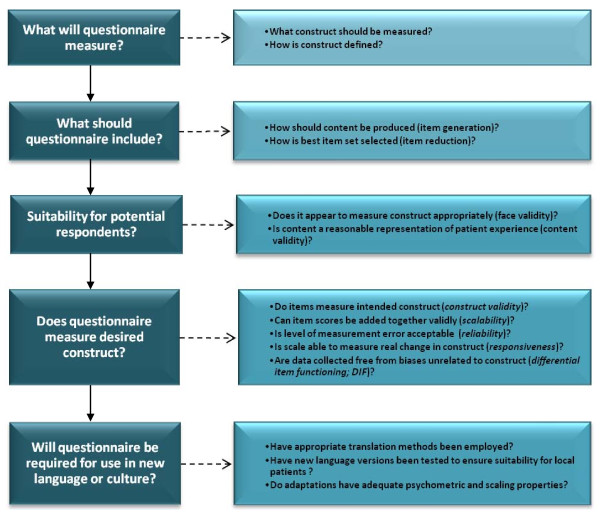
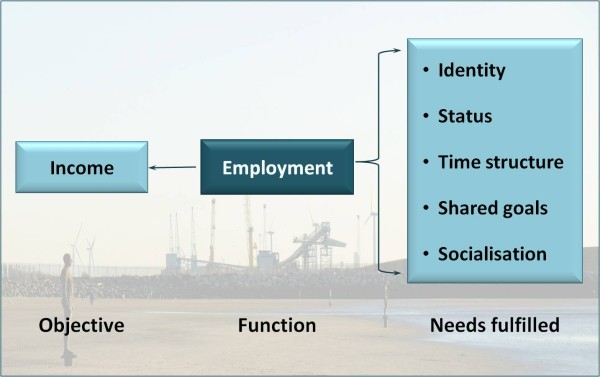
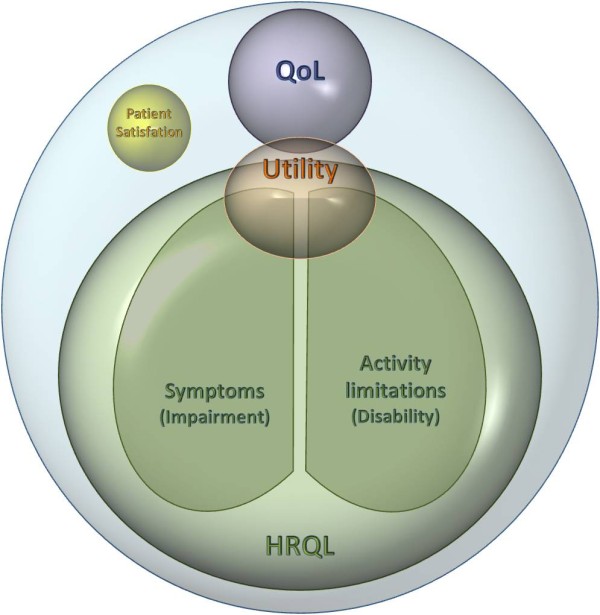
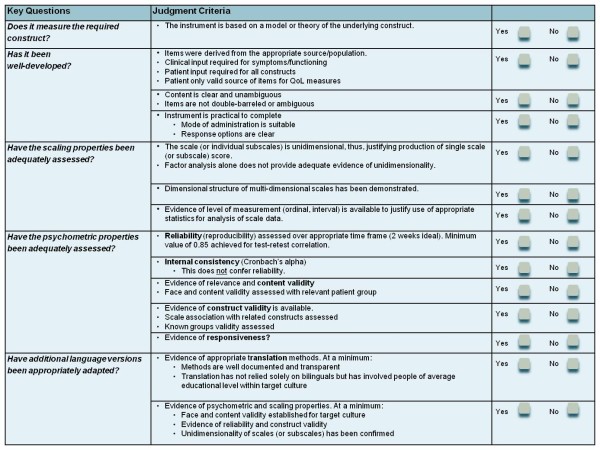
Verification
Claims the paper makes
The claims and statistics of this paper haven’t been checked yet.
Free: it reads the open-access text and checks the first 5 claims that cite a source we can check. Create a free account to check every claim.
Claims other papers make about this one
Each is checked against this paper’s own text: does it say what the citing paper says it does?
The source backs part of the claim, not all of it — or backs it for a different population, condition or comparison.
In the citing paper
“This is especially surprising because patient involvement is not only recommended by many researchers,5, 6, 7, 8, 9 a few years ago it has also become a requirement if the PROM is used in medical product development.26”
From Patient involvement in the development of patient‐reported outcome measures: a scoping review (2017) · cites this paper as [5]
Experimental — accuracy not yet measuredThe cited source says what the claim attributes to it.
In the citing paper
“To capture the patient's perspective, it is essential that patients are involved in PROM development”
From Patient involvement in the development of patient‐reported outcome measures: a scoping review (2017) · cites this paper as [5]
Self-check
Percentages, sums and reported differences re-computed from the paper’s own numbers.
The self-check needs the paper’s full text.
Citations
Cites
(1992) · PubMed · Cited by 33,716
The MOS 36-ltem Short-Form Health Survey (SF-36): I. Conceptual Framework and Item Selection
Ware, J. E., & Sherbourne, C. D. (1992) · Medical Care · doi:10.1097/00005650-199206000-00002 · Cited by 30,033
EQ-SD: a measure of health status from the EuroQol Group
Rabin, R., & Charro, F. D. (2001) · Annals of Medicine · doi:10.3109/07853890109002087 · Cited by 5,613 · cited 5×
“For too long, outdated generic HRQL measures such as the SF36, NHP and EQ-5D have been relied on in clinical studies.”
MethodInfluentialWild, D., Grove, A., Martin, M., Eremenco, S., McElroy, S., Verjee-Lorenz, A., & Erikson, P. (2005) · Value in Health · doi:10.1111/j.1524-4733.2005.04054.x · Cited by 5,521 · cited 1×
“backward translation is the gold standard in translation methodology [47].”
MethodInternational Classification of Functioning, Disability and Health
World Health Organization (2021) · PsycTESTS Dataset · doi:10.1037/t76403-000 · Cited by 3,751
International Classification of Functioning, Disability and Health
Chard, G. (2004) · British Journal of Occupational Therapy · doi:10.1177/030802260406700101 · Cited by 3,688
Tennant, A., & Conaghan, P. G. (2007) · Arthritis Care & Research · doi:10.1002/art.23108 · Cited by 1,638
Employment and unemployment: a social-psychological analysis
Furnham, A. (1983) · Journal of Economic Psychology · doi:10.1016/0167-4870(83)90032-6 · Cited by 1,227
Employment and Unemployment: A Social-Psychological Analysis
Jahoda, M. (1982) · Cited by 1,097
Doyal, L., & Gough, I. (1991) · Bloomsbury Publishing Plc eBooks · doi:10.1007/978-1-349-21500-3 · Cited by 1,067
Research works printed but not linked: 8
- World Health Organization: International Classification of Impairments, Disabilities and Handicaps: A Manual of Classification Relating to Consequences of Disease Geneva: World Health Organization; 1980.
- Burke L: Acceptable evidence for pharmaceutical advertising and labeling. DIA Workshop on Pharmacoeconomics and Quality of Life Labeling and Marketing Claims, October 3, 2000, New Orleans, LA Horsham, PA: Drug Information Association; 2000.
- Doward LC, McKenna SP: Evolution of quality of life assessment. In Care Management of Skin Diseases: Life Quality and Economic Impact. Edited by: Rajagopalan R, Sheretz EF, Anderson RT. New York: Marcel Dekker; 1997:9-33.
- Hunt SM, McEwen J, McKenna SP: Measuring Health Status London: Croom Helm; 1986.
- US Department of Health and Human Services, US Food and Drug Administration: Guidance for Industry: Patient-Reported Outcome Measures. Use in Medical Product Development to Support Labeling Claims Washington, DC: US Food and Drug Administration; 2009.
- European Medicines Agency, Committee for Medicinal Products for Human Use (CMHP): Reflection Paper on the Regulatory Guidance for the Use of Health-Related Quality of Life (HRQL) Measures in the Evaluation of Medicinal Products London: European Medicines Agency; 2005.
- Dixon P, Heaton J, Long A, Warburton A: Reviewing and applying the SF- 36. Outcomes Briefing 1994, 4:3-25.
- European Medicines Agency, Committee for Medicinal Products for Human Use (CMHP): Draft Biomarkers Qualification: Guidance to Applicants London: European Medicines Agency; 2008.
Cited by
Items 301–319 of 319
Uddin, J., Alam, S. I., Zangger, G., Thygesen, L. C., Karim, M. R., Rashid, M. A., Malik, F., Ishraquzzaman, M., Sobhan, S. M. M., Choudhury, S. R., et al. (2025) · Value in Health Regional Issues · doi:10.1016/j.vhri.2025.101126
TREATMENT SATISFACTION ASSESSMENT IN PATIENTS FOLLOWING ENDOVENOUS ABLATION
Shirinbek, О., Mnatsakanyan, G. V., & Наилевна, О. С. (2025) · Bulletin of Pirogov National Medical & Surgical Center · doi:10.25881/20728255_2025_20_2_89
Patient-Reported Outcome Measures in Surgery: Development, Selection, and Evaluation
Kaur, M. N., Gallo, L., Klassen, A. F., & Pusic, A. L. (2025) · Springer eBooks · doi:10.1007/978-3-031-87083-5_8
A Concise Overview of Outcome Measures in Clinical Practice
Abimbola, A. L. (2025) · Journal of Evaluation in Clinical Practice · doi:10.1111/jep.70173
Psychometric validation of the CARe Burn Scale—Adult Form Finnish version
Lahdenperä, N.-I., Repo, J. P., Kautiainen, H., Vuola, J., & Lindford, A. J. (2025) · Burns · doi:10.1016/j.burns.2025.107738
Additional file 2 of Mapping the evidence on dementia care pathways – A scoping review
Saragosa, M., MacEachern, E., Chiu, M., Weylie, S., Schneider, K., Maloney, E. R., Holland, J., Kuluski, K., Orchanian‐Cheff, A., & Nelson, M. L. (2024) · Figshare · doi:10.6084/m9.figshare.26771747
Additional file 1 of Mapping the evidence on dementia care pathways – A scoping review
Saragosa, M., MacEachern, E., Chiu, M., Weylie, S., Schneider, K., Maloney, E. R., Holland, J., Kuluski, K., Orchanian‐Cheff, A., & Nelson, M. L. (2024) · Figshare · doi:10.6084/m9.figshare.26771733
Kumar, P., Srivastava, S., Banerjee, A., & Banerjee, S. (2022) · Figshare · doi:10.6084/m9.figshare.19785514
Additional file 1 of Population norms for the EQ-5D-3L and EQ-5D-5L in Romania
Olariu, E., Caplescu, R., Vale, L., Niculescu-Aron, I. G., Oluboyede, Y., & Paveliu, M. S. (2023) · Figshare · doi:10.6084/m9.figshare.23803178
Additional file 1 of Patient-reported outcome measures for retinoblastoma: a scoping review
Janić, A., Bowden, S., Levy, S., Stinson, J., & Dimaras, H. (2020) · Figshare · doi:10.6084/m9.figshare.12781656
van Silfhout, N. Y., van Muilekom, M. M., van Karnebeek, C., Haverman, L., & van Eeghen, A. M. (2024) · Figshare · doi:10.6084/m9.figshare.27123776
Niu, E. F., Talwar, A. A., & Percec, I. (2026) · Elsevier eBooks · doi:10.1016/b978-0-323-91168-9.00028-4
IVF in endometriosis: emerging evidence of exacerbation of pelvic pain and potential predictors
Vibert, J. J. M., Maalouf, E., Wenger, J., Mercorio, A., Benagiano, G., & Pluchino, N. (2026) · Human Reproduction Open · doi:10.1093/hropen/hoag027
“…clinically important difference (MCID) is defined as the smallest change in an outcome that patients perceive as meaningful and that would justify a change in clinical management (McKenna, 2011; Kluzek et al. , 2022), rather than reliance on absolute changes in VAS scores alone (Huskisson, 1974).”
Ayurvedic Management of Psoriasis – A Case Study
Solankar, R. M., Lovnish, Sharma, R., Upadhyay, D., & Sharma, R. (2025) · International Journal of Research in AYUSH · doi:10.4103/ijra.ijra_20_25
Lizano-Barrantes, C., Amat-Fernández, C., Garín, O., Pardo, Y., Périz-Colón, Ó., Saint-Jean, P. N., Rojas-Concha, L., Thong, M. S. Y., Apolone, G., Brunelli, C., et al. (2026) · Quality of Life Research · doi:10.1007/s11136-026-04201-3
“It is an umbrella term that covers different types of outcomes, such as symptoms, activity limitations, health status, health-related quality of life (HRQoL) and quality of life [3].”
Kharroubi, G., Said, A. B., Cherif, H., Elloumi, B., Cherif, I., Baatout, A., Kabtni, W., Dhif, S., Kefi, H. E., Oumaya, A., et al. (2026) · BMC Psychiatry · doi:10.1186/s12888-026-08236-1
“Most guidelines recommend pretests to adapt instruments to the target culture, evaluating item comprehension, detecting ambiguous phrasing, checking relevance, completeness, acceptability, and emotional impact [4, 33, 40–46, 48–54, 56–66, 68–71].”
Optimizing the Bariatric Surgery Patient’s Quality of Life
Anteby, R., Chhabra, K. R., & Hutter, M. (2026) · Springer eBooks · doi:10.1007/978-3-032-24278-5_54
Powell, P. A., Keetharuth, A. D., Frances, S. M., Carlton, J., Makarounas‐Kirchmann, K., Brandão, A. A. G. S., Ramasamy, K., Shupo, F., Dacus, K. C., Casper, C., et al. (2026) · JMIR Research Protocols · doi:10.2196/96022
“Separately, at a higher level, symptom burden can be conceptualized as a determinant of patients’ HRQoL via its relationship with core domains, such as physical, psychological, and social functioning, recognized as integral to common HRQoL models [27].”
Murtagh, S., Jenkinson, D., Jordan, K. P., Burgess, R., Braybrooke, A., & Hill, J. C. (2026) · Physiotherapy · doi:10.1016/j.physio.2026.102405
Metadata
- Authors
- McKenna, S. P.
- Affiliations
- Galen Research (United Kingdom) (GB)
- Corresponding author
- McKenna, Stephen P
- ORCID
- McKenna, Stephen P
- Venue
- BMC Medicine
- Published
- 2011-07-14
- Volume
- 9
- Issue
- 1
- Pages
- 86-86
- ISSN
- 1741-7015 (ISSN-L)
- PMC
- PMC3170214
- OpenAlex
- W2111629627
- Cited by
- 319
- References
- 44
- Citations by year
- 2026: 10 · 2025: 19 · 2024: 26 · 2023: 30 · 2022: 30 · 2021: 25 · 2020: 28 · 2019: 26 · 2018: 17 · 2017: 33 · 2016: 28 · 2015: 14 · 2014: 8 · 2013: 16 · 2012: 5
- FWCI
- 50.31
- Type
- journal article
- Language
- en
- Open access
- gold
- doi.org
- Licence
- Locations
- BMC Medicine (publishedVersion, cc-by)
- PubMed Central (publishedVersion, cc-by)
- PubMed (publishedVersion)
- DOAJ (DOAJ: Directory of Open Access Journals) (submittedVersion)
- Topics
- Health Sciences › Nursing › Research and Theory › Health Education and Validation
- Social Sciences › Economics, Econometrics and Finance › Economics and Econometrics › Health Systems, Economic Evaluations, Quality of Life
- Social Sciences › Decision Sciences › Management Science and Operations Research › Psychometric Methodologies and Testing
- Keywords
- patient-reported outcomes, outcome measurement, chronic disease, instrument development, instrument validation, cross-cultural adaptation, patient perspectives
- MeSH terms
- Chronic Disease, Humans, Quality of Life, Surveys and Questionnaires, Outcome Assessment, Health Care
About these checks
Registry, retraction, Cites and statistics results are computed, not judged, with one exception: a printed reference that no index lists is read once by a model before it counts as a citation error. Claims are extracted by a model and kept only when their quote appears verbatim in the text; each cited source is then checked, with a model’s help, for whether it says what the claim relies on. Those verdicts can be wrong — read the claim’s quote and the cited source before relying on one.
Statistics and arithmetic are recomputed, not judged.
Confidence bands are shown only for fields calibrated on our annotated test set. None is calibrated yet, so no band is shown.
What counts as a claim ›How we measure confidence ›How we check this ›
Are you an author, or do you see a problem with this page? Request a review
Data sources
Bibliographic data: Semantic Scholar, OpenAlex, Crossref.
Contains information from the Semantic Scholar Academic Graph Datasets, made available under the ODC Attribution License (ODC-BY 1.0).
Semantic Scholar’s data is described in: Kinney, R., et al. (2023). The Semantic Scholar Open Data Platform. arXiv:2301.10140.
