

The structure of volcanic cristobalite in relation to its toxicity; relevance for the variable crystalline silica hazard
Open accessThe DOI matches its Crossref record; 62 of the 62 references it cites were found in a registry or an index.
Abstract
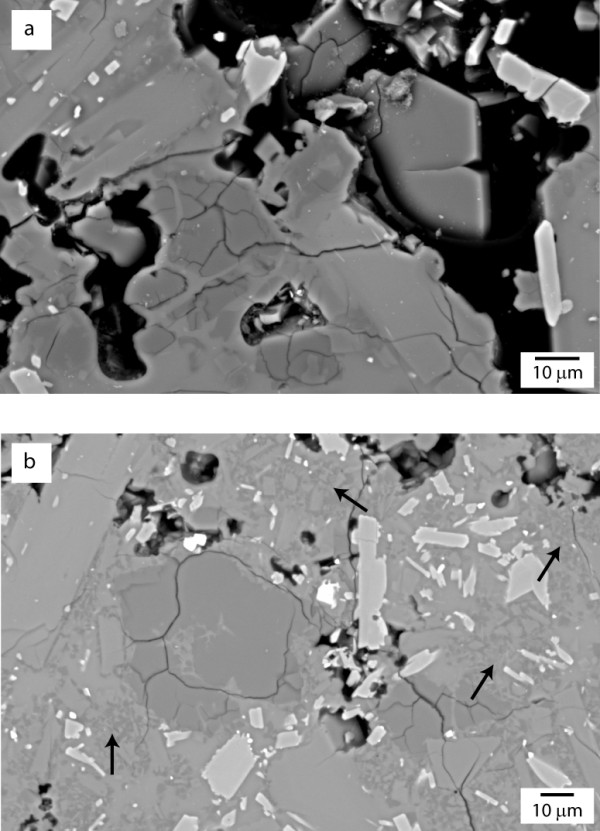
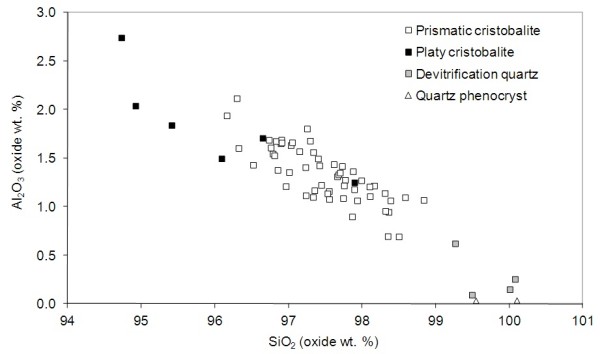
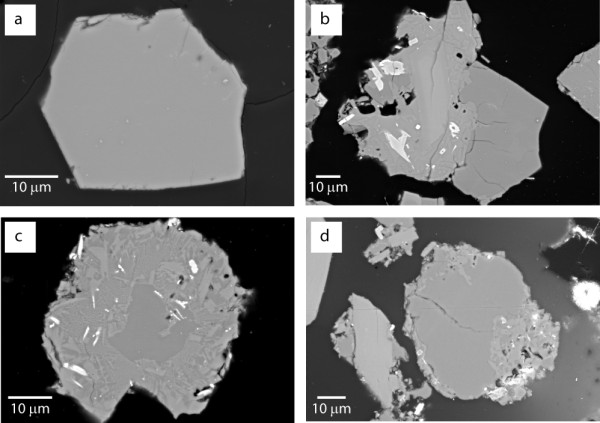
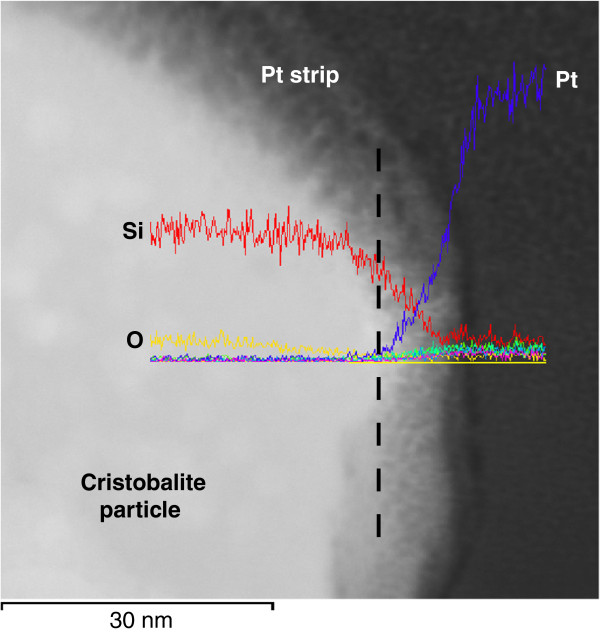
BACKGROUND: Respirable crystalline silica (RCS) continues to pose a risk to human health worldwide. Its variable toxicity depends on inherent characteristics and external factors which influence surface chemistry. Significant population exposure to RCS occurs during volcanic eruptions, where ashfall may cover hundreds of square km and exposure may last years. Occupational exposure also occurs through mining of volcanic deposits. The primary source of RCS from volcanoes is through collapse and fragmentation of lava domes within which cristobalite is mass produced. After 30 years of research, it is still not clear if volcanic ash is a chronic respiratory health hazard. Toxicological assays have shown that cristobalite-rich ash is less toxic than expected. We investigate the reasons for this by determining the physicochemical/structural characteristics which may modify the pathogenicity of volcanic RCS. Four theories are considered: 1) the reactivity of particle surfaces is reduced due to co-substitutions of Al and Na for Si in the cristobalite structure; 2) particles consist of aggregates of cristobalite and other phases, restricting the surface area of cristobalite available for reactions in the lung; 3) the cristobalite surface is occluded by an annealed rim; 4) dissolution of other volcanic particles affects the surfaces of RCS in the lung. METHODS: The composition of volcanic cristobalite crystals was quantified by electron microprobe and differences in composition assessed by Welch's two sample t-test. Sections of dome-rock and ash particles were imaged by scanning and transmission electron microscopy, and elemental compositions of rims determined by energy dispersive X-ray spectroscopy. RESULTS: Volcanic cristobalite contains up to 4 wt. % combined Al(2)O(3) and Na(2)O. Most cristobalite-bearing ash particles contain adhered materials such as feldspar and glass. No annealed rims were observed. CONCLUSIONS: The composition of volcanic cristobalite particles gives insight into previously-unconsidered inherent characteristics of silica mineralogy which may affect toxicity. The structural features identified may also influence the hazard of other environmentally and occupationally produced silica dusts. Current exposure regulations do not take into account the characteristics that might render the silica surface less harmful. Further research would facilitate refinement of the existing simple, mass-based silica standard by taking into account composition, allowing higher standards to be set in industries where the silica surface is modified.
Overview
The claims and statistics of this paper haven’t been checked yet.
Free: it reads the open-access text and checks the first 5 claims that cite a source we can check. Create a free account to check every claim.
Integrity signals
Registry
Cites
Statistics
Figures
Verification
Claims the paper makes
The claims and statistics of this paper haven’t been checked yet.
Free: it reads the open-access text and checks the first 5 claims that cite a source we can check. Create a free account to check every claim.
Claims other papers make about this one
Each is checked against this paper’s own text: does it say what the citing paper says it does?
The source backs part of the claim, not all of it — or backs it for a different population, condition or comparison.
In the citing paper
“In particular, all volcanic cristobalite is chemically impure, containing up to 3 wt.% aluminum (7, 8);”
From Volcanic Ash Activates the NLRP3 Inflammasome in Murine and Human Macrophages (2018) · cites this paper as [8]
Experimental — accuracy not yet measuredThe source backs part of the claim, not all of it — or backs it for a different population, condition or comparison.
In the citing paper
“The observations presented herein confirm adherence to the “variable entity” description of crystalline silica, as defined for quartz by Donaldson and Borm (13) and considered for volcanic cristobalite by Horwell et al. (8), whereby the reactive-silica burden for volcanic cristobalite is insufficient to initiate the more immediate and robust response observed with pure crystalline silica.”
From Volcanic Ash Activates the NLRP3 Inflammasome in Murine and Human Macrophages (2018) · cites this paper as [8]
Experimental — accuracy not yet measuredThe cited source says what the claim attributes to it.
In the citing paper
“These discoveries have defined the environmental side of the hazard; however, the capacity of volcanic cristobalite to incite disease remains enigmatic (7, 8).”
From Volcanic Ash Activates the NLRP3 Inflammasome in Murine and Human Macrophages (2018) · cites this paper as [8]
The cited source says what the claim attributes to it.
In the citing paper
“Nano-scale chemical and structural investigations of surface-exposed cristobalite crystals reveal no evidence for occlusion (8), and the presence of a reactive cristobalite surface has been implicated in the binding of similar proteins by cristobalite-rich volcanic ash and a crystalline silica standard (61).”
From Volcanic Ash Activates the NLRP3 Inflammasome in Murine and Human Macrophages (2018) · cites this paper as [8]
In the citing paper
“indeed, structural and chemical defects of volcanic cristobalite (which contains up to 3 wt.% aluminum) together with its presence in a heterogeneous dust have all been previously implicated in its reduced potency (8, 14, 15).”
From Volcanic Ash Activates the NLRP3 Inflammasome in Murine and Human Macrophages (2018) · cites this paper as [8]
1 more claim about this paper
Create a free account to see every claim other papers make about this one.
Self-check
Percentages, sums and reported differences re-computed from the paper’s own numbers.
The self-check needs the paper’s full text.
Citations
Cites
An Introduction to the Rock-Forming Minerals
Deer, W. A., Howie, R. A., & Zussman, J. (2013) · Mineralogical Society of Great Britain and Ireland eBooks · doi:10.1180/dhz · Cited by 6,557 · cited 2×
“The toxicological effects of cristobalite surface modification have not been previously studied, but it is known that the structure of cristobalite allows substitutions of Al for Si [42].”
BackgroundThe surface properties of silicas
Legrand, A. P. (1998) · Medical Entomology and Zoology · Cited by 762
The respiratory health hazards of volcanic ash: a review for volcanic risk mitigation
Horwell, C. J., & Baxter, P. J. (2006) · Bulletin of Volcanology · doi:10.1007/s00445-006-0052-y · Cited by 587 · cited 1×
“At both SHV and Mt St Helens, in vivo (inhalation and instillation) and in vitro toxicological studies were carried out to determine the likely outcomes of inhaling cristobalite-laden ash reviewed by [26,27].”
BackgroundSelf-citationRaju, B., & Rom, W. N. (1998) · Cancer Causes & Control · doi:10.1023/a:1011242002145 · Cited by 330
Vallyathan, V., Shi, X., Dalal, N. S., Irr, W., & Castranova, V. (1988) · American Review of Respiratory Disease · doi:10.1164/ajrccm/138.5.1213 · Cited by 327 · cited 1×
“In occupational settings, RCS surfaces may be exposed and activated by grinding or milling [20,61,62], modified by the environment in which they are ground [18] and altered by heating (e.”
BackgroundThe global distribution of human population and recent volcanism
SMALL, C., & NAUMANN, T. (2001) · Global Environmental Change Part B: Environmental Hazards · doi:10.1016/s1464-2867(02)00002-5 · Cited by 247
The quartz hazard: a variable entity
Donaldson, K. (1998) · The Annals of Occupational Hygiene · doi:10.1016/s0003-4878(98)00044-1 · Cited by 222 · cited 6×
“Duffin R, Gilmour PS, Schins RPF, Clouter A, Guy K, Brown DM, Macnee W, Borm PJ, Donaldson K, Stone V: Aluminium lactate treatment of DQ12 quartz inhibits its ability to cause inflammation, chemokine expression, and nuclear factor-κB activation.”
BackgroundInfluentialSelf-citationDavies, C. N. (1972) · Journal of Aerosol Science · doi:10.1016/0021-8502(72)90161-9 · Cited by 195
Cristobalite in volcanic ash of the Soufriere Hills Volcano, Montserrat, British West Indies
Baxter, P. J., Bonadonna, C., Dupree, R., Hards, V. L., Kohn, S. C., Murphy, M. D., Nichols, A., Nicholson, R. A., Norton, G., Searl, A., et al. (1999) · Science · doi:10.1126/science.283.5405.1142 · Cited by 194 · cited 3×
“Volcanic glass in the lava may also devitrify, again forming cristobalite, or quartz if devitrification is influenced by hydrothermal fluids [10,12].”
BackgroundHydrophilic and hydrophobic sites on dehydrated crystalline and amorphous silicas
Bolis, V., Fubini, B., Marchese, L., Martra, G., & Costa, D. (1991) · Journal of the Chemical Society, Faraday Transactions · doi:10.1039/ft9918700497 · Cited by 192 · cited 1×
“Other authors have suggested that transient piezoelectric charges on freshly-fractured surfaces or the hydrophilicity of the surface may play a role in reactivity [57,58].”
BackgroundSurface Chemistry and Quartz Hazard
Fubini, B. (1998) · The Annals of Occupational Hygiene · doi:10.1016/s0003-4878(98)00066-0 · Cited by 181 · cited 16×
“The mechanism by which Al interacts with quartz is not well understood though (it does not have the open lattice structure of cristobalite or tridymite); however, in acidic conditions, Al is thought to insert into the quartz crystal lattice [37] at discrete points where defects enable this bonding to occur [47].”
BackgroundInfluentialVallyathan, V, Castranova, V, Pack, D., Leonard, S., Shumaker, J., Hubbs, A. F., Shoemaker, D. A., Ramsey, D. M., Pretty, J. R., & McLaurin, J. L. (1995) · American Journal of Respiratory and Critical Care Medicine · doi:10.1164/ajrccm.152.3.7663775 · Cited by 167
Grain size analysis of volcanic ash for the rapid assessment of respiratory health hazard
Horwell, C. J. (2007) · Journal of Environmental Monitoring · doi:10.1039/b710583p · Cited by 145 · cited 1×
“A ‘co-PDC’ ash plume lofts from the PDC, which is enriched in fine particulate and, in particular, RCS [13] and may travel hundreds of kilometres, depositing ash of which ~20-40% is composed of the ‘thoracic’ fraction (< 10 μm) and ~10-20% is ‘respirable’ (< 4 μm) [14].”
BackgroundSelf-citationClouter, A. (2001) · Toxicological Sciences · doi:10.1093/toxsci/63.1.90 · Cited by 131 · cited 1×
“The release of reactive oxygen species, capable of causing mutations in the cells of the lung, a likely mechanism for the development of cancer [48], would also be affected if the silica surface were affected by Al.”
BackgroundMannetje, A. ’., Steenland, K., Attfield, M. D., Boffetta, P., Checkoway, H., de Klerk, N. H., & Rs, K. (2002) · Occupational and Environmental Medicine · doi:10.1136/oem.59.11.723 · Cited by 124 · cited 1×
“[32], and one must be cautious in interpretation of these data as there is a mean latency period for chronic silicosis of around three decades, depending on exposure [33].”
BackgroundRice, F. L., Park, R., Stayner, L., Smith, R., Gilbert, S., & Checkoway, H. (2001) · Occupational and Environmental Medicine · doi:10.1136/oem.58.1.38 · Cited by 123 · cited 1×
“[22-25].”
Horwell, C. J., Williamson, B. J., Llewellin, E. W., Damby, D. E., & Le Blond, J. S. (2013) · Bulletin of Volcanology · doi:10.1007/s00445-013-0696-3 · Cited by 105
Self-citationHorwell, C. J., Fenoglio, I., Vala Ragnarsdottir, K., Sparks, R. S. J., & Fubini, B. (2003) · Environmental Research · doi:10.1016/s0013-9351(03)00044-6 · Cited by 101
Self-citationDuffin, R., Gilmour, P. S., Schins, R. P. F., Clouter, A., Guy, K., Brown, D. M., MacNee, W., Borm, P. J., Donaldson, K., & Stone, V. (2001) · Toxicology and Applied Pharmacology · doi:10.1006/taap.2001.9268 · Cited by 92 · cited 2×
“In particular, treatment with Al salts, such as Al lactate, has been shown to lower quartz toxicity [38-40].”
BackgroundSelf-citationHorwell, C. J., Sparks, R. S. J., Brewer, T. S., Llewellin, E. W., & Williamson, B. J. (2003) · Bulletin of Volcanology · doi:10.1007/s00445-002-0266-6 · Cited by 91 · cited 2×
“by [41] would contain a crystalline silica component.”
BackgroundSelf-citationTransformation of Quartz to Cristobalite
Chaklader, A. C. D., & Roberts, A. (1961) · Journal of the American Ceramic Society · doi:10.1111/j.1151-2916.1961.tb15344.x · Cited by 87 · cited 1×
“Occupational exposure to the other polymorphs is more unusual but cristobalite exposure occurs in the ceramics industry through conversion of quartz in industrial furnaces [3], and through crystallization from amorphous diatomaceous earth during calcination [4].”
BackgroundPark, R., Rice, F., Stayner, L. T., Smith, R., Gilbert, S., & Checkoway, H. (2002) · Occupational and Environmental Medicine · doi:10.1136/oem.59.1.36 · Cited by 84
Eliáš, Z., Poirot, O., Danière, M. C., Terzetti, F., Marande, A. M., Dźwigaj, S., Pezerat, H., Fenoglio, I., & Fubini, B. (2000) · Toxicology in Vitro · doi:10.1016/s0887-2333(00)00039-4 · Cited by 80 · cited 1×
“inflammation and DNA damage) involve different properties of the silica particle [59,60].”
BackgroundLee, M. R., Brown, D. J., Smith, C. L., Hodson, M. E., MacKenzie, M., & Hellmann, R. (2007) · American Mineralogist · doi:10.2138/am.2007.2453 · Cited by 77 · cited 1×
“1) Individual cristobalite crystals were thinned by focussed ion beam in a dual beam FIB-SEM (FEI Helios Nanolab at Durham University) to make them electron transparent [65].”
MethodVariation of biological responses to different respirable quartz flours determined by a vector model
Bruch, J., Rehn, S., Rehn, B., Borm, P. J. A., & Fubini, B. (2004) · International Journal of Hygiene and Environmental Health · doi:10.1078/1438-4639-00278 · Cited by 74 · cited 1×
“[48,55].”
The surface chemistry of crushed quartz dust in relation to its pathogenicity
Fubini, B., Bolis, V., & Giamello, E. (1987) · Inorganica Chimica Acta · doi:10.1016/s0020-1693(00)81222-0 · Cited by 73 · cited 1×
“Fragmentation of the lava produces freshly-fractured mineral surfaces, a factor which is known to increase the surface reactivity and pathogenicity of quartz [16-20] but the effects of which are less well characterised for cristobalite.”
BackgroundIron-induced hydroxyl radical generation from basaltic volcanic ash
Horwell, C. J., Fenoglio, I., & Fubini, B. (2007) · Earth and Planetary Science Letters · doi:10.1016/j.epsl.2007.07.032 · Cited by 71 · cited 1×
“[21,54] have shown that deleterious, iron-catalysed hydroxyl radicals can be generated by these minerals in Soufrière Hills ash, providing a possible separate mechanism for toxicity.”
BackgroundSelf-citationRadiographic Evidence of Silicosis Risk in the Diatomaceous Earth Industry
HUGHES, J. M., WEILL, H., CHECKOWAY, H., JONES, R. N., HENRY, M. M., HEYER, N. J., SEIXAS, N. S., & DEMERS, P. A. (1998) · American Journal of Respiratory and Critical Care Medicine · doi:10.1164/ajrccm.158.3.9709103 · Cited by 70 · cited 1×
“[22-25].”
QUARTZ AND PNEUMOCONIOSIS IN COALMINERS
Seaton, A., Dodgson, J., Dick, J. A., & Jacobsen, M. (1981) · The Lancet · doi:10.1016/s0140-6736(81)91503-8 · Cited by 60 · cited 1×
“%, silicosis and rapid progression of CWP may occur [53].”
BackgroundIn vitro toxicology of respirable Montserrat volcanic ash
Wilson, M. R., Stone, V., Cullen, R. T., Searl, A., Maynard, R. L., & Donaldson, K. (2000) · Occupational and Environmental Medicine · doi:10.1136/oem.57.11.727 · Cited by 58 · cited 1×
“[28,29] and also why SHV ash does not generate silica surface radicals (e.”
BackgroundSelf-citationCheckoway, H., Hughes, J. M., Weill, H., Seixas, N. S., & Demers, P. A. (1999) · Thorax · doi:10.1136/thx.54.1.56 · Cited by 58 · cited 1×
“[22-25].”
Brown, G. M., Donaldson, K., & Brown, D. M. (1989) · Toxicology and Applied Pharmacology · doi:10.1016/0041-008x(89)90215-9 · Cited by 57
Self-citationCastranova, V., Pailes, W. H., Dalai, N. S., Miles, P. R., Bowman, L., Vallyathan, V., Pack, D., Weber, K. C., Hubbs, A., Schwegler-Berry, D., et al. (1996) · Applied Occupational and Environmental Hygiene · doi:10.1080/1047322x.1996.10389993 · Cited by 56 · cited 1×
“Fragmentation of the lava produces freshly-fractured mineral surfaces, a factor which is known to increase the surface reactivity and pathogenicity of quartz [16-20] but the effects of which are less well characterised for cristobalite.”
BackgroundDaniel, L. N., Mao, Y., Wang, T. C. L., Markey, C. J., Markey, S. P., Shi, X. L., & Saffiotti, U. (1995) · Environmental Research · doi:10.1006/enrs.1995.1068 · Cited by 52 · cited 1×
“inflammation and DNA damage) involve different properties of the silica particle [59,60].”
BackgroundAluminum Lactate Treatment Alters the Lung Biological Activity of Quartz
Bégin, R., Massé, S., Rola-Pleszczynski, M., Martel, M., Desmarais, Y., Geoffroy, M., LeBouffant, L., Daniel, H., & Martin, J. (1986) · Experimental Lung Research · doi:10.3109/01902148609058289 · Cited by 48
Horwell, C. J., Braña, L. P., Sparks, R. S. J., Murphy, M. D., & Hards, V. L. (2001) · Journal of Volcanology and Geothermal Research · doi:10.1016/s0377-0273(00)00319-x · Cited by 47 · cited 1×
“A ‘co-PDC’ ash plume lofts from the PDC, which is enriched in fine particulate and, in particular, RCS [13] and may travel hundreds of kilometres, depositing ash of which ~20-40% is composed of the ‘thoracic’ fraction (< 10 μm) and ~10-20% is ‘respirable’ (< 4 μm) [14].”
BackgroundSelf-citationPorter, D. W., Barger, M., Robinson, V. A., Leonard, S. S., Landsittel, D., & Castranova, V. (2002) · Toxicology · doi:10.1016/s0300-483x(02)00061-6 · Cited by 46 · cited 1×
“In occupational settings, RCS surfaces may be exposed and activated by grinding or milling [20,61,62], modified by the environment in which they are ground [18] and altered by heating (e.”
BackgroundComparative Effects of Inhaled Volcanic Ash and Quartz in Rats 1– 4
Martin, T. R., Chi, E. Y., Covert, D. S., Hodson, W. A., Kessler, D. E., Moore, W. E., Altman, L. C., & Butler, J. (1983) · American Review of Respiratory Disease · doi:10.1164/arrd.1983.128.1.144 · Cited by 45 · cited 1×
“Of the 19 studies on Mt St Helens ash (9 in vitro; 6 instillation and 4 inhalation studies), the exceptions were inhalation studies where very high doses of ash (50-100 mg m) were administered over long durations (up to 24 months), causing fibrosis and lesions [30,31].”
BackgroundMechanically induced defects in quartz and their impact on pathogenicity
Fubini, B., Giamello, E., Pugliese, L., & Volante, M. (1989) · Solid State Ionics · doi:10.1016/0167-2738(89)90238-5 · Cited by 45 · cited 3×
“Fragmentation of the lava produces freshly-fractured mineral surfaces, a factor which is known to increase the surface reactivity and pathogenicity of quartz [16-20] but the effects of which are less well characterised for cristobalite.”
BackgroundComparative Clearance of Quartz and Cristobalite from the Lung
HEMENWAY, D. R., ABSHER, M. P., TROMBLEY, L., & VACEK, P. M. (1990) · American Industrial Hygiene Association Journal · doi:10.1080/15298669091369790 · Cited by 44
Walton, W. H., Dodgson, J., Hadden, G. G., & Jacobsen, M. (1975) · PubMed · Cited by 43
Long term exposure to respirable volcanic ash on Montserrat: a time series simulation
Hincks, T. K., Aspinall, W. P., Baxter, P. J., Searl, A., Sparks, R. S. J., & Woo, G. (2006) · Bulletin of Volcanology · doi:10.1007/s00445-005-0006-9 · Cited by 42 · cited 1×
“A risk assessment of the long-term, cumulative exposure to cristobalite at SHV concluded that, assuming continuing volcanic activity, the risk of silicosis for gardeners (highest occupational exposure) after 20 years of continuous exposure is 2 – 4% [34], based partly on the toxicology data.”
BackgroundMontserrat volcanic ash induces lymph node granuloma and delayed lung inflammation
Lee, S. H., & Richards, R. J. (2004) · Toxicology · doi:10.1016/j.tox.2003.09.013 · Cited by 41 · cited 1×
“[32], and one must be cautious in interpretation of these data as there is a mean latency period for chronic silicosis of around three decades, depending on exposure [33].”
BackgroundFinch, G. I., Quarrell, A. G., & Roebuck, J. S. (1934) · Proceedings of the Royal Society of London Series A Containing Papers of a Mathematical and Physical Character · doi:10.1098/rspa.1934.0129 · Cited by 41
Wallace, W. E., Harrison, J. C., Grayson, R. L., Keane, M. P., Bolsaitis, P., Kennedy, R. D., Wearden, A. Q., & Attfield, M. D. (1994) · The Annals of Occupational Hygiene · doi:10.1093/annhyg/38.inhaled_particles_vii.439 · Cited by 38
Lung changes in rats following inhalation exposure to volcanic ash for two years
Wehner, A. P., Dagle, G. E., Clark, M. L., & Buschbom, R. L. (1986) · Environmental Research · doi:10.1016/s0013-9351(86)80125-6 · Cited by 34 · cited 1×
“Of the 19 studies on Mt St Helens ash (9 in vitro; 6 instillation and 4 inhalation studies), the exceptions were inhalation studies where very high doses of ash (50-100 mg m) were administered over long durations (up to 24 months), causing fibrosis and lesions [30,31].”
BackgroundEffect of coal mine dust and clay extracts on the biological activity of the quartz surface
Stone, V. (2004) · Toxicology Letters · doi:10.1016/j.toxlet.2003.12.036 · Cited by 30 · cited 2×
“When DQ12 quartz is preincubated with an extract of coal-mine dust, haemolysis drops from 90% in non-incubated DQ12 quartz to virtually zero in incubated samples, demonstrating that there is an external control, such as diffusion of ions to the quartz surface [50].”
BackgroundMartin, T. R., Wehner, A. P., & Butler, J. (1986) · American Journal of Public Health · doi:10.2105/ajph.76.suppl.59 · Cited by 28 · cited 1×
“At both SHV and Mt St Helens, in vivo (inhalation and instillation) and in vitro toxicological studies were carried out to determine the likely outcomes of inhaling cristobalite-laden ash reviewed by [26,27].”
BackgroundInjection of vesicular magma into an andesitic dome at the effusive–explosive transition
Williamson, B. J., Di Muro, A., Horwell, C. J., Spieler, O., & Llewellin, E. W. (2010) · Earth and Planetary Science Letters · doi:10.1016/j.epsl.2010.03.027 · Cited by 27 · cited 1×
“[44]) or during fragmentation, cristobalite particles may become coated in a nano-scale layer of amorphous volcanic glass.”
BackgroundSelf-citationDollberg, D. D., Bolyard, M. L., & Smith, D. L. (1986) · American Journal of Public Health · doi:10.2105/ajph.76.suppl.53 · Cited by 25 · cited 1×
“The discovery of substantial quantities of RCS in volcanic ash from both the 1980 eruption of Mt St Helens, USA and the eruption of Soufrière Hills volcano (SHV), Montserrat, West Indies (1995 onwards), resulted in widespread concern regarding exposure to volcanic ash over prolonged durations [10,11].”
BackgroundCrystalline Silica: Variability in Fibrogenic Potency
Meldrum, M., & Howden, P. J. (2002) · The Annals of Occupational Hygiene · doi:10.1093/annhyg/46.suppl_1.27 · Cited by 22 · cited 1×
“In vitro experiments have suggested that cristobalite and quartz are comparably cytotoxic, inflammogenic and fibrogenic [5-8].”
BackgroundWilliamson, B. J., Pastiroff, S., & Cressey, G. (2001) · Atmospheric Environment · doi:10.1016/s1352-2310(01)00121-2 · Cited by 21 · cited 1×
“Other authors have suggested that transient piezoelectric charges on freshly-fractured surfaces or the hydrophilicity of the surface may play a role in reactivity [57,58].”
BackgroundSelf-citationFinely Ground Quartz : Evidence against a ‘Disturbed’ Layer
Talbot, J. H., & KEMPIS, E. B. (1960) · Nature · doi:10.1038/188927b0 · Cited by 20
The Toxicology of Crystalline Silica Studied In Vitro
Driscoll, K. E. (1995) · Applied Occupational and Environmental Hygiene · doi:10.1080/1047322x.1995.10389105 · Cited by 20
Modulation of Silica Pathogenicity by Surface Processes
(2000) · Adsorption on Silica Surfaces · doi:10.1201/9781482269703-46 · Cited by 19 · cited 1×
“mineral surfaces, a factor which is known to increase the surface reactivity and pathogenicity of quartz [16-20] but the effects of which are less well characterised for cristobalite.”
BackgroundGhiazza, M., Gazzano, E., Bonelli, B., Fenoglio, I., Polimeni, M., Ghigo, D., Garrone, E., & Fubini, B. (2008) · Chemical Research in Toxicology · doi:10.1021/tx800270g · Cited by 15 · cited 1×
“Occupational exposure to the other polymorphs is more unusual but cristobalite exposure occurs in the ceramics industry through conversion of quartz in industrial furnaces [3], and through crystallization from amorphous diatomaceous earth during calcination [4].”
BackgroundThe Quartz Hazard: Effects of Surface and Matrix on Inflammogenic Activity
Donaldson, K., Stone, V., Duffin, R., Clouter, A., Schins, R., & Borm, P. (2001) · Journal of Environmental Pathology, Toxicology and Oncology · doi:10.1615/jenvironpatholtoxicoloncol.v20.isuppl.1.100 · Cited by 14 · cited 1×
“In particular, treatment with Al salts, such as Al lactate, has been shown to lower quartz toxicity [38-40].”
BackgroundSelf-citationWhich Surface Functionalities are implied in Dust Toxicity?
Fubini, B. (1994) · Springer eBooks · doi:10.1007/978-3-642-79041-6_35 · Cited by 9
Surface chemistry and cytotoxic properties of silica.
Quinot, E., Cavelier, C., & Merceron, M. O. (1979) · PubMed · Cited by 6
The optical determination of a surface layer on polished quartz plates
Šolc, I. (1966) · Czechoslovak Journal of Physics · doi:10.1007/bf01689820 · Cited by 2
(1995) · PubMed
(1970) · PubMed
Research works printed but not linked: 1
- Cullen RT Jones AD Miller BG Donaldson K Davis JMG Wilson M Tran CL Toxicity of volcanic ash from Montserrat. pp. 55 2002 Edinburgh: Institute of Occupational Medicine 55
Cited by
Global Volcanic Hazards and Risk
(2015) · Cambridge University Press eBooks · doi:10.1017/cbo9781316276273 · Cited by 237
Volcanic air pollution and human health: recent advances and future directions
Stewart, C., Damby, D. E., Horwell, C. J., Elias, T., Ilyinskaya, E., Tomašek, I., Longo, B. M., Schmidt, A., Carlsen, H. K., Mason, E., et al. (2021) · Bulletin of Volcanology · doi:10.1007/s00445-021-01513-9 · Cited by 155
“aluminum) impurities in the crystal structure or the presence of the crystalline silica within an occluding complex mineral matrix (Horwell et al. 2012; Damby et al. 2014; Nattrass et al. 2017).”
BackgroundSelf-citationThe α–β phase transition in volcanic cristobalite
Damby, D. E., Llewellin, E. W., Horwell, C. J., Williamson, B. J., Najorka, J., Cressey, G., & Carpenter, M. (2014) · Journal of Applied Crystallography · doi:10.1107/s160057671401070x · Cited by 113
“The to transition in the closely analogous quartz system can also be suppressed by incorporation of other elements into the SiO2 structure: Xu et al. (2001) found that the high-temperature form of quartz can be preserved down to room temperature through the substitution of Al3+ and Li+ for Si4+.”
BackgroundMethodSelf-citationPavan, C., Piane, M. D., Gullo, M., Filippi, F., Fubini, B., Hoet, P., Horwell, C. J., Huaux, F., Lison, D., Giudice, C. L., et al. (2019) · Particle and Fibre Toxicology · doi:10.1186/s12989-019-0315-3 · Cited by 123
Self-citationHorwell, C. J., Williamson, B. J., Llewellin, E. W., Damby, D. E., & Le Blond, J. S. (2013) · Bulletin of Volcanology · doi:10.1007/s00445-013-0696-3 · Cited by 105
“If the cristobalite is 98 wt.% SiO2 (consistent with the range observed by Horwell et al. 2012), this mineralisation adds 10.9 g of SiO2 to the sample so that 67.9 g of the 111 g sample is now SiO2.”
InfluentialSelf-citation
Metadata
- Authors
- Horwell, C. J., Williamson, B. J., Donaldson, K., Le Blond, J. S., Damby, D. E., & Bowen, L.
- Affiliations
- Durham University (GB)
- Centre for Inflammation Research (GB)
- Corresponding author
- Horwell, Claire J
- Venue
- Particle and Fibre Toxicology
- Published
- 2012
- Volume
- 9
- Issue
- 1
- Pages
- 44
- ISSN
- 1743-8977 (ISSN-L)
- PMC
- PMC3574026
- OpenAlex
- W2123706721
- Cited by
- 57
- References
- 62
- Citations by year
- 2026: 3 · 2025: 4 · 2024: 1 · 2023: 5 · 2022: 4 · 2021: 4 · 2020: 6 · 2019: 3 · 2018: 3 · 2017: 3 · 2016: 4 · 2015: 8 · 2014: 4 · 2013: 4 · 2012: 1
- FWCI
- 4.39
- Type
- journal article
- Language
- en
- Open access
- gold
- doi.org
- Licence
- cc-by
- Locations
- Particle and Fibre Toxicology (publishedVersion, cc-by)
- Europe PMC (PubMed Central) (publishedVersion, cc-by)
- PubMed Central (publishedVersion, cc-by)
- PubMed (publishedVersion)
- Durham Research Online (Durham University) (acceptedVersion, other-oa)
- Durham Research Online (Durham University) (submittedVersion, cc-by)
- Edinburgh Research Explorer (University of Edinburgh) (submittedVersion, other-oa)
- DOAJ (DOAJ: Directory of Open Access Journals) (submittedVersion, cc-by-sa)
- Figshare (submittedVersion)
- Open Research Exeter (University of Exeter) (submittedVersion, other-oa)
- Funders
- University of Cambridge
- Durham University
- Natural Environment Research Council (NE/C518081/1, NE/C518081/2)
- Topics
- Health Sciences › Medicine › Pulmonary and Respiratory Medicine › Occupational and environmental lung diseases
- Physical Sciences › Environmental Science › Health, Toxicology and Mutagenesis › Air Quality and Health Impacts
- Social Sciences › Health › Occupational Health and Global Justice
- Keywords
- cristobalite, volcanic ash, respirable crystalline silica, silica toxicity, lava dome collapse, particle surface chemistry, particle aggregation, silica exposure, occupational exposure
- MeSH terms
- Humans, Microscopy, Electron, Scanning, Quartz, Silicon Dioxide, Volcanic Eruptions
About these checks
Registry, retraction, Cites and statistics results are computed, not judged, with one exception: a printed reference that no index lists is read once by a model before it counts as a citation error. Claims are extracted by a model and kept only when their quote appears verbatim in the text; each cited source is then checked, with a model’s help, for whether it says what the claim relies on. Those verdicts can be wrong — read the claim’s quote and the cited source before relying on one.
Statistics and arithmetic are recomputed, not judged.
Confidence bands are shown only for fields calibrated on our annotated test set. None is calibrated yet, so no band is shown.
What counts as a claim ›How we measure confidence ›How we check this ›
Are you an author, or do you see a problem with this page? Request a review
Data sources
Bibliographic data: Semantic Scholar, OpenAlex, Crossref.
Contains information from the Semantic Scholar Academic Graph Datasets, made available under the ODC Attribution License (ODC-BY 1.0).
Semantic Scholar’s data is described in: Kinney, R., et al. (2023). The Semantic Scholar Open Data Platform. arXiv:2301.10140.
