

Randomized trials published in some Chinese journals: how many are randomized?
Open accessThe DOI matches its Crossref record; 25 of the 25 references it cites were found in a registry or an index.
Abstract
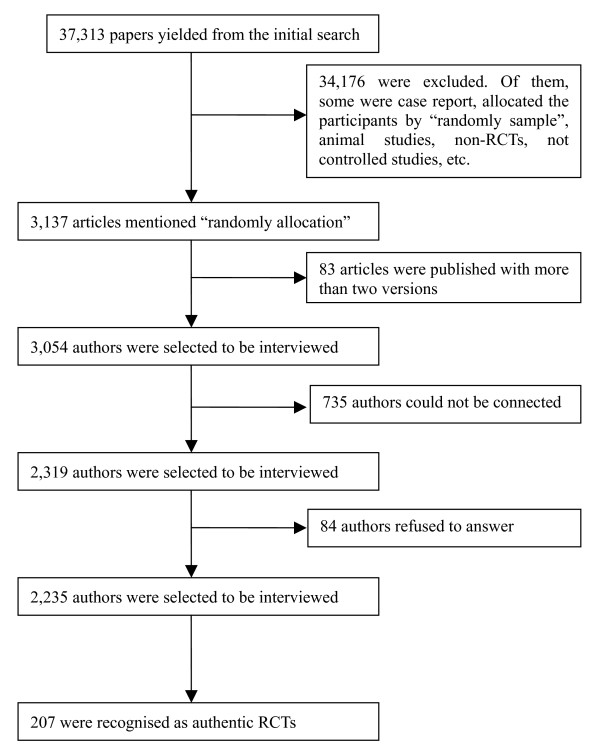
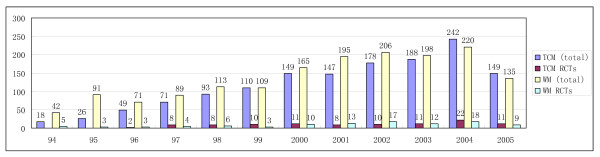
BACKGROUND: The approximately 1100 medical journals now active in China are publishing a rapidly increasing number of research reports, including many studies identified by their authors as randomized controlled trials. It has been noticed that these reports mostly present positive results, and their quality and authenticity have consequently been called into question. We investigated the adequacy of randomization of clinical trials published in recent years in China to determine how many of them met acceptable standards for allocating participants to treatment groups. METHODS: The China National Knowledge Infrastructure electronic database was searched for reports of randomized controlled trials on 20 common diseases published from January 1994 to June 2005. From this sample, a subset of trials that appeared to have used randomization methods was selected. Twenty-one investigators trained in the relevant knowledge, communication skills and quality control issues interviewed the original authors of these trials about the participant randomization methods and related quality-control features of their trials. RESULTS: From an initial sample of 37,313 articles identified in the China National Knowledge Infrastructure database, we found 3137 apparent randomized controlled trials. Of these, 1452 were studies of conventional medicine (published in 411 journals) and 1685 were studies of traditional Chinese medicine (published in 352 journals). Interviews with the authors of 2235 of these reports revealed that only 207 studies adhered to accepted methodology for randomization and could on those grounds be deemed authentic randomized controlled trials (6.8%, 95% confidence interval 5.9-7.7). There was no statistically significant difference in the rate of authenticity between randomized controlled trials of traditional interventions and those of conventional interventions. Randomized controlled trials conducted at hospitals affiliated to medical universities were more likely to be authentic than trials conducted at level 3 and level 2 hospitals (relative risk 1.58, 95% confidence interval 1.18-2.13, and relative risk 14.42, 95% confidence interval 9.40-22.10, respectively). The likelihood of authenticity was higher in level 3 hospitals than in level 2 hospitals (relative risk 9.32, 95% confidence interval 5.83-14.89). All randomized controlled trials of pre-market drug clinical trial were authentic by our criteria. Of the trials conducted at university-affiliated hospitals, 56.3% were authentic (95% confidence interval 32.0-81.0). CONCLUSION: Most reports of randomized controlled trials published in some Chinese journals lacked an adequate description of randomization. Similarly, most so called 'randomized controlled trials' were not real randomized controlled trials owing to a lack of adequate understanding on the part of the authors of rigorous clinical trial design. All randomized controlled trials of pre-market drug clinical trial included in this research were authentic. Randomized controlled trials conducted by authors in high level hospitals, especially in hospitals affiliated to medical universities had a higher rate of authenticity. That so many non-randomized controlled trials were published as randomized controlled trials reflected the fact that peer review needs to be improved and a good practice guide for peer review including how to identify the authenticity of the study urgently needs to be developed.
Overview
The claims and statistics of this paper haven’t been checked yet.
Free: it reads the open-access text and checks the first 5 claims that cite a source we can check. Create a free account to check every claim.
Integrity signals
Registry
Cites
Statistics
Figures
Verification
Claims the paper makes
The claims and statistics of this paper haven’t been checked yet.
Free: it reads the open-access text and checks the first 5 claims that cite a source we can check. Create a free account to check every claim.
Claims other papers make about this one
Each is checked against this paper’s own text: does it say what the citing paper says it does?
The cited source says what the claim attributes to it.
In the citing paper
“Our estimate for the proportion of RCTs at low risk of bias in random allocation is similar to that of the previous study, which examined trials published between 1994 and 2005 and found 6.8% (95% CI: 5.9% to 7.7%) to be such RCTs [9].”
The cited source says what the claim attributes to it.
In the citing paper
“This investigation is the only study to conduct telephone interviews of authors to investigate the quality of RCTs recently published in China since the previous study conducted more than 10 years ago [9].”
The cited source says what the claim attributes to it.
In the citing paper
“The main difference was the refusal rate of 37.0% versus the previous study’s 2.8%.”
In the citing paper
“A survey of authors of 2,235 reports of RCTs published in Chinese medical journals showed that only about 7% met the methodological criteria for authentic randomization; 93% were falsely reported as RCTs (15).”
From Misrepresentation and distortion of research in biomedical literature (2018) · cites this paper as [15]
In the citing paper
“Use of terms such as randomisation without further elaboration in the protocol is not sufficient to describe the allocation process, as these terms have been used inappropriately to describe non-random, deterministic allocation methods such as alternation or allocation by date of birth.322”
From SPIRIT 2025 explanation and elaboration: updated guideline for protocols of randomised trials (2025) · cites this paper as [322]
4 more claims about this paper
Create a free account to see every claim other papers make about this one.
Self-check
Percentages, sums and reported differences re-computed from the paper’s own numbers.
The self-check needs the paper’s full text.
Citations
Cites
Schulz (1995) · doi:10.1001/jama.1995.03520290060030 · Cited by 5,634 · cited 1×
“It has been shown that inadequate randomization approaches result in estimates of treatment effects that are more favorable than those derived from properly randomized trials [2,3].”
BackgroundMoher, D. (2001) · JAMA · doi:10.1001/jama.285.15.1987 · Cited by 2,545
Self-citationDo Certain Countries Produce Only Positive Results? A Systematic Review of Controlled Trials
Vickers, A., Goyal, N., Harland, R., & Rees, R. (1998) · Controlled Clinical Trials · doi:10.1016/s0197-2456(97)00150-5 · Cited by 683 · cited 1×
“Background A systematic review has found that some countries, including China, report unusually high proportions of positive results in published randomized controlled trials (RCTs) [1].”
BackgroundSchulz, K. F. (1994) · JAMA: The Journal of the American Medical Association · doi:10.1001/jama.1994.03520020051014 · Cited by 512 · cited 1×
“Discussion Unethical incomplete reporting of research methods and process providing a misleading explanation of randomization by referring to a non-randomized study as an RCT is a worldwide problem [6-12].”
BackgroundPeto, R. (1987) · Statistics in Medicine · doi:10.1002/sim.4780060306 · Cited by 409 · cited 1×
“It has been shown that inadequate randomization approaches result in estimates of treatment effects that are more favorable than those derived from properly randomized trials [2,3].”
BackgroundReview of randomised controlled trials of traditional Chinese medicine
Tang, J.-L., Zhan, S.-Y., & Ernst, E. (1999) · BMJ · doi:10.1136/bmj.319.7203.160 · Cited by 249
Reporting standards and research strategies for controlled trials
Mosteller, F., Gilbert, J. P., & McPeek, B. (1980) · Controlled Clinical Trials · doi:10.1016/s0197-2456(80)80006-7 · Cited by 206
Collins, R., Gray, R., Godwin, J., & Peto, R. (1987) · Statistics in Medicine · doi:10.1002/sim.4780060308 · Cited by 178
R2: a useful measure of model performance when predicting a dichotomous outcome
Ash, A. S., & Shwartz, M. (1999) · Statistics in Medicine · doi:10.1002/(sici)1097-0258(19990228)18:4<397::aid-sim24>3.0.co;2-# · Cited by 138
Chalmers, I. (2001) · International Journal of Epidemiology · doi:10.1093/ije/30.5.1156 · Cited by 114 · cited 1×
“Discussion Unethical incomplete reporting of research methods and process providing a misleading explanation of randomization by referring to a non-randomized study as an RCT is a worldwide problem [6-12].”
Background
Research works printed but not linked: 11
- Xu L Chen J Wang J Liao X Kang D Discussion for problems of randomisation methods in treatment and preventing trials published in some of Chinese national level journals Nat J China 1999 79 97 98
- Li T Mao B Chang J Yang X Wang L Zhang Y An evaluation of clinical research literatures in core journals of traditional Chinese medicine integrated with conventional medicine or traditional Chinese medicine West China Med J 2000 15 266 269
- Mao B Li T Chang J Wang G Yang X Wang L Evaluation for diseases variety in clinical trials published in traditional Chinese medicine and integrated TCM and CM key journals Chinese Journal of Evidence-Based Medicine 2001 1 174 176
- Wang G Wang L L Ti Methodological evaluation for clinical research literatures for regulating the immune function of GOPD Chinese Journal of Evidence-Based Medicine 2001 1 95 98
- Duan X Zhou L Wu T Liu G Quality analysis of literatures on clinical controlled trial of coronary heart diseases treated with TCM Chinese Journal of Integrated Traditional Chinese and Conventional Medicine 2003 23 164 167
- Wang Q Wu T Liu G Quality assessment for articles of the traditional Chinese medicine in the treatment of unstable angina pectoris Journal of Chengdu University of Traditional Chinese Medicine 2003 26 52 55
- Ni J Chen X Zheng J Wu T Liu G Quality assessment for clinical trials of traditional Chinese medicine in the treatment of acute myocardial infarction published in China Journal of Guangzhou Traditional Chinese Medicine 2003 20 82 85
- Wen Z Lai S Liang W Guo X Wang Q Advance to improve report quality of traditional Chinese medicine clinical trials Chinese Journal of Integrated Traditional Chinese and Conventional Medicine 2004 24 1022 1025 15609607
- Duan N Wang W Evaluating for Chinese traditional medicine in the treatment of recurrent aphthous ulcer (RAU) based on the evidence-based medicine methods Jiangsu Journal of Chinese Traditional Medicine 2005 25 50 52
- Liu X Lai S Liu P Quality analysis of literature of traditional Chinese medicine or integrated traditional and conventional medicines on breast cancer Chinese Journal of Evidence-Based Medicine 2005 5 26 29
- Han L Huang X Evaluation for literatures quality of traditional Chinese medicine in the treatment of depression diseases Journal of Yunnan College of Traditional Chinese Medicine 2005 28 8 11
Cited by
Items 101–200 of 231
Zao Ren An Shen for insomnia: a systematic review with meta-analysis
Birling, Y., Jia, M., Li, G., Sarris, J. J., Bensoussan, A., & Zhu, X. (2020) · Sleep Medicine · doi:10.1016/j.sleep.2019.12.023 · Cited by 20
Clinical and Preclinical Systematic Review of Astragalus Membranaceus for Viral Myocarditis
Zheng, Q., Zhuang, Z., Wang, Z.-H., Deng, L.-H., Jin, W.-J., Huang, Z., Zheng, G., & Wang, Y. (2020) · Oxidative Medicine and Cellular Longevity · doi:10.1155/2020/1560353 · Cited by 21
“A systematic literature search for the true randomized and controlled studies (RCTs) [14] and animal experimental studies of AM for VM was carried out using PUBMED, EMBASE, Web of Science, Cochrane library, China National Knowledge Infrastructure, Wanfang, and VIP database.”
MethodWang, P., Qin, X., Sun, Q., Fan, F.-F., Guo, X.-R., & Guo, F. (2013) · PLoS ONE · doi:10.1371/journal.pone.0070586 · Cited by 19
Aminophylline for bradyasystolic cardiac arrest in adults
Hurley, K. F., Magee, K., & Green, R. (2015) · Cochrane Database of Systematic Reviews · doi:10.1002/14651858.cd006781.pub3 · Cited by 18
Qi, X., Ren, W., Liu, L., Yang, Z., Yang, M. G., Fan, D., & Han, G. (2013) · The American Journal of Medicine · doi:10.1016/j.amjmed.2012.12.021 · Cited by 18
Yu, C., Ji, K., Cao, H., Wang, Y., Jin, H. H., Zhang, Z., & Yang, G. (2015) · BMC Complementary and Alternative Medicine · doi:10.1186/s12906-015-0586-7 · Cited by 18
“Due to insufficient information in the reports, twenty-three authors were contacted following Wu’s outline for telephone interviews [40], but only 9 responded and provided us with further information about the methodological evaluation.”
BackgroundLi, H., Guo, F., Luo, Y.-C., Zhu, J., & Wang, J. (2015) · Clinical Rheumatology · doi:10.1007/s10067-015-3043-6 · Cited by 18
Jia, Y., Zhang, S., Huang, F.-Y., & Leung, S.-W. (2012) · Complementary Therapies in Medicine · doi:10.1016/j.ctim.2011.12.002 · Cited by 18
Lee, S. H., Chang, G. T., Zhang, X., & Lee, H. (2016) · Medicine · doi:10.1097/md.0000000000002439 · Cited by 19
“Articles with no response to multiple e-mails or phone calls were excluded since recent research indicated that a large proportion of Chinese RCTs were not truly randomized.(18) Studies involving adults and/or children were considered for inclusion in analyses if participants were diagnosed with asthma based on clinic…”
Deng, J., Zhou, F., Wong, C. Y., Huang, E., & Zheng, E. (2020) · Journal of Clinical Apheresis · doi:10.1002/jca.21790 · Cited by 20
“Chinese RCTs are often reported with poor descriptions of their methodologies (including blinding, randomization and allocation concealment techniques) due to the format constraints of Chinese journals and Chinese physicians' inadequate understanding of RCT reporting guidelines.(60,61) As a result, we rated a majority…”
BackgroundClinical outcomes of radiation-induced carotid stenosis: A systematic review and meta-analysis
Zhang, X., Yu, Y., Yang, K. Y., Bai, X., Wang, T., Feng, Y., Xu, R., Yang, B., Wang, X., Jiao, L., et al. (2020) · Journal of Stroke and Cerebrovascular Diseases · doi:10.1016/j.jstrokecerebrovasdis.2020.104929 · Cited by 17
Systematic reviews of TCM trials: how does inclusion of Chinese trials affect outcome?
Adams, D., Wu, T., Yasui, Y., Aung, S., & Vohra, S. (2012) · Journal of Evidence-Based Medicine · doi:10.1111/j.1756-5391.2012.01173.x · Cited by 17
Self-citationInteractions of commonly used dietary supplements with cardiovascular drugs: a systematic review
Kanji, S., Seely, D., Yazdi, F., Tetzlaff, J., Singh, K., Tsertsvadze, A., Tricco, A. C., Sears, M., Ooi, T. C., Turek, M. A., et al. (2012) · Systematic Reviews · doi:10.1186/2046-4053-1-26 · Cited by 18
Deng, J., Silver, Z. A., Huang, E., Zheng, E., Kavanagh, K., & Panicker, J. (2020) · Clinical Rheumatology · doi:10.1007/s10067-020-05294-y · Cited by 17
“The lack of reporting for randomization, allocation, and blinding is especially prevalent for Chinese RCTs—likely due to a lack of Chinese RCT reporting guidelines and journal format constraints—as well as for older, English RCTs [36, 37].”
BackgroundAbout the issue of including or excluding studies from China in systematic reviews
Leucht, S., Li, C., Davis, J. M., Bighelli, I., Zhu, Y., & Furukawa, T. A. (2022) · Schizophrenia Research · doi:10.1016/j.schres.2022.01.001 · Cited by 16
Schneider‐Thoma, J., Zhu, Y., Qin, M., Dong, Y., Guan, S., Wang, J., Tian, J., Lin, X., Rodolico, A., Siafis, S., et al. (2026) · The Lancet · doi:10.1016/s0140-6736(25)02365-7 · Cited by 22
Mosquito repellents for malaria prevention
Maia, M. F., Kliner, M., Richardson, M., Lengeler, C., & Moore, S. (2015) · Cochrane Database of Systematic Reviews · doi:10.1002/14651858.cd011595 · Cited by 20
Jia, Y., Chen, C., Ng, C.-S., & Leung, S.-W. (2012) · Evidence-based Complementary and Alternative Medicine · doi:10.1155/2012/904147 · Cited by 16
“8% RCTs on 20 common diseases published from January 1994 to June 2005 are authentic RCTs conducted in China National Knowledge Infrastructure electronic database [40].”
BackgroundCochrane: the unfinished symphony of research synthesis
Roberts, I., & Ker, K. (2016) · Systematic Reviews · doi:10.1186/s13643-016-0290-9 · Cited by 19
Graft interposition for preventing Frey's syndrome in patients undergoing parotidectomy
Li, Y., Cao, Y., Yang, W., Wu, F., Lin, J., Li, L., & Li, C. (2019) · Cochrane Database of Systematic Reviews · doi:10.1002/14651858.cd012323.pub2 · Cited by 15
“As Wu 2009 has shown, studies carried out in China o!en use the terminology of randomisation more broadly than in other countries.”
BackgroundResultInfluentialSelf-citationWang, S., & Qiu, X. (2019) · Complementary Therapies in Medicine · doi:10.1016/j.ctim.2019.02.008 · Cited by 15
Xiangyong, Y., Zhongsheng, Y., Liu, W., Hui, D., Shuzhou, Q., Chen, G., Xiaohui, W., & Zhang, L. (2015) · Supportive Care in Cancer · doi:10.1007/s00520-015-2737-2 · Cited by 15
“found that there were many studies labeled as RCTs with Chinese journals [21], and randomization is necessary to avoid selection bias.”
BackgroundTraditional Tibetan medicine in China: A systematic overview of randomized clinical trials
Luo, H., Zhong, G.-J., Yue, L., Wang, Q., Ma, L., & Luobu, Z. (2015) · European Journal of Integrative Medicine · doi:10.1016/j.eujim.2015.05.001 · Cited by 14
Chinese herbal medicine for the treatment of pre-eclampsia
Jing, Z., Taixiang, W., & Lili, G. (2005) · Cochrane Database of Systematic Reviews · doi:10.1002/14651858.cd005126 · Cited by 14
Kim, S., Sagong, H.-S., Kong, J. C., Choi, J., Lee, M. S., Wieland, L. S., Manheimer, E. W., & Shin, B. (2013) · Acupuncture in Medicine · doi:10.1136/acupmed-2013-010470 · Cited by 13
Zou, C., Lu, F., Mao, W., & Liu, X. (2012) · The Journal of Alternative and Complementary Medicine · doi:10.1089/acm.2011.0041 · Cited by 13
“The study authors of RCTs were telephoned to identify their authenticity using the methods of Wu et al.(24)”
Jia, Y., Bao, F., Huang, F.-Y., & Leung, S.-W. (2011) · The Journal of Alternative and Complementary Medicine · doi:10.1089/acm.2010.0788 · Cited by 14
Yu, J.-S., Lee, D.-N., Hyun, D.-S., & Chang, S. J. (2018) · The Journal of Alternative and Complementary Medicine · doi:10.1089/acm.2018.0009 · Cited by 13
Liu, W., Wang, C. C., Lee, K. H., Ma, X., & Kang, T. L. (2022) · Complementary Therapies in Medicine · doi:10.1016/j.ctim.2022.102874 · Cited by 14
Ma, B., Ke, F., Chen, Z., Qi, G.-Q., Li, H.-M., Liu, W., Zhang, Y., Hu, Q., & Yang, K. (2012) · Contemporary Clinical Trials · doi:10.1016/j.cct.2012.06.008 · Cited by 12
Randomized Trials of Chinese Herbal Medicine: A New Extension of the CONSORT Statement
Linde, K., & Brinkhaus, B. (2017) · Annals of Internal Medicine · doi:10.7326/m17-1067 · Cited by 12
Deng, J., Abbas, U., Chang, O., Dhivagaran, T., Sanger, S., & Bozzo, A. (2020) · BMJ Open · doi:10.1136/bmjopen-2019-034741 · Cited by 11
Acupuncture and related techniques for type 2 diabetes mellitus: A systematic review protocol
Liu, M., Chen, J., Ren, Q., Zhu, W., Yan, D., Nie, H., Chen, X., & Zhou, X. (2019) · Medicine · doi:10.1097/md.0000000000014059 · Cited by 12
“Nevertheless, some methodologists have deemed those Chinese RCTs extremely unreliable, as most of them only describe “random grouping” without further information about randomization and lack of trial registration and monitoring.([47,48]) Therefore, the exclusion would be helpful to reduce the overall risk of bias rat…”
Zhan, T., Xing, W. E. I., Chen, Z., Wang, D., & Dai, X. (2011) · 中医杂志:英文版 · doi:10.1016/s0254-6272(12)60006-5 · Cited by 13
Volinn, E., Yang, B., He, J., Sheng, X., Ying, J., & Zuo, Y. (2012) · The Journal of Alternative and Complementary Medicine · doi:10.1089/acm.2010.0786 · Cited by 12
Lu, L., Zeng, J., & Chen, Y. (2011) · Expert Review of Anticancer Therapy · doi:10.1586/era.10.236 · Cited by 11
Mao, C., & Li, M. (2020) · JAMA Network Open · doi:10.1001/jamanetworkopen.2020.6370 · Cited by 10
Zhou, X., Wu, Q., Liu, M., Zhu, W., Ren, Q., Wang, Y., Sun, X., & Chen, J. (2021) · Complementary Medicine Research · doi:10.1159/000513701 · Cited by 12
Feng, M., Lu, J., May, B. H., Liu, S., Guo, X., Zhang, A. L., Xue, C. C., & Lu, C. (2016) · BMJ Open · doi:10.1136/bmjopen-2015-010295 · Cited by 10
He, M., Lv, Z., Yang, Z., Huang, J.-L., & Fu, L. (2016) · Complementary Therapies in Medicine · doi:10.1016/j.ctim.2016.10.007 · Cited by 12
Jin, Y., Wang, G.-H., Sun, Y., Li, Q., Zhao, C., Li, G., Si, J., Li, Y., Lu, C., & Shang, H. (2016) · BMJ Open · doi:10.1136/bmjopen-2016-011514 · Cited by 11
“They indicated that risk of bias was the most common factor for downgrading evidence in Chinese meta-analyses and emphasised that the inferior quality of evidence in meta-analyses related to TCM studies might be caused by the poor-quality reporting in RCTs.34 Wu found that more than 90% of RCTs published in core Chine…”
BackgroundSelf-citationChinese herbal medicines for treating pre-eclampsia
Li, W., Tang, L., Wu, T., Zhang, J., Liu, G. J., & Zhou, L. (2006) · Cochrane Database of Systematic Reviews · doi:10.1002/14651858.cd005126.pub2 · Cited by 18
Self-citationHunger, ethics and the right to food
Mishra, S. (2012) · Indian Journal of Medical Ethics · doi:10.20529/ijme.2012.008 · Cited by 14
Jia, Y., & Leung, S.-W. (2015) · The Journal of Alternative and Complementary Medicine · doi:10.1089/acm.2014.0290 · Cited by 10
Methodological Reporting of Randomized Trials in Five Leading Chinese Nursing Journals
Shi, C., Tian, J., Ren, D., Wei, H., Zhang, L., Wang, Q., & Yang, K. (2014) · PLoS ONE · doi:10.1371/journal.pone.0113002 · Cited by 10
Charan, J., Reljic, T., & Kumar, A. (2016) · Indian Journal of Pharmacology · doi:10.4103/0253-7613.178839 · Cited by 10
He, S., Wu, S., Zeng, Q., Zhang, S., Lin, S., Zhang, C., Cui, X., & Liu, M. (2012) · Journal of Evidence-Based Medicine · doi:10.1111/j.1756-5391.2012.01190.x · Cited by 9
Impacts of acupuncture and moxibustion on outcome indices of depression patients' subjective reports
Fan, L., Fu, W., Xu, N., Liu, J., Li, Z., & Ou, A. (2013) · 世界针灸杂志:英文版 · doi:10.1016/s1003-5257(13)60039-2 · Cited by 8
Chen, M., Cui, J., Zhang, A. L., Sze, D., Xue, C. C., & May, B. H. (2017) · The Journal of Alternative and Complementary Medicine · doi:10.1089/acm.2017.0065 · Cited by 9
Wei, Y., Lorenz, C., Siafis, S., Schneider‐Thoma, J., Kim, D. D., Wu, H., Nomura, N., Dong, S., Furukawa, Y., Zhu, Y., et al. (2025) · EClinicalMedicine · doi:10.1016/j.eclinm.2025.103583 · Cited by 9
Tedesco, D., Farid‐Kapadia, M., Offringa, M., Bhutta, Z. A., Maldonado, Y., Ioannidis, J. P. A., & Contopoulos‐Ioannidis, D. G. (2017) · Journal of Clinical Epidemiology · doi:10.1016/j.jclinepi.2017.11.016 · Cited by 7
Jia, Y., & Leung, S.-W. (2024) · Journal of Ethnopharmacology · doi:10.1016/j.jep.2024.117925 · Cited by 7
Yang, C., Zhang, L., Zeng, L., Liang, Y., Han, L., & Lin, Y. (2013) · BMC Pediatrics · doi:10.1186/1471-2431-13-113 · Cited by 8
Fabrizi, F., Donato, F. M., & Messa, P. (2017) · Hepatitis Monthly · doi:10.5812/hepatmon.44179 · Cited by 7
“Among the 11 studies included in this analysis, some did not describe methods of randomization and double-blinding was uncommon; it is possible that some so called ‘randomized controlled trials’ were not real randomized controlled trials owing to a lack of rigorous clinical trial design (43).”
BackgroundMills (2010) · Lung Cancer Targets and Therapy · doi:10.2147/lctt.s7780 · Cited by 7
“A recent evaluation, by Wu et al, found that many studies labelled as RCTs with Chinese journals were, in fact, not randomized.(96) In our own experience, we recognize many Chinese clinical trialists have not been exposed to appropriate clinical epidemiology training.”
Lelgemann, M., & Sauerland, S. (2010) · Zeitschrift für Evidenz Fortbildung und Qualität im Gesundheitswesen · doi:10.1016/j.zefq.2010.03.035 · Cited by 9
Chinese herbal medicines for hypertriglyceridemia
Liu, Z. L., Wu, Q., Liu, J., Li, G. Q., Bensoussan, A., & Kiat, H. (2012) · Cochrane Database of Systematic Reviews · doi:10.1002/14651858.cd009560 · Cited by 7
Can you believe what you read in the papers?
Clarke, M. J. (2009) · Trials · doi:10.1186/1745-6215-10-55 · Cited by 7
Current Issues on Research Conducted to Improve Women’s Health
Siristatidis, C. S., Karageorgiou, V., & Vogiatzi, P. (2021) · Healthcare · doi:10.3390/healthcare9010092 · Cited by 7
“National Library of Medicine [55], while their quality remains controversial [56]; the authors of the above studies stated that peer review processes need to be improved through guidelines aiming to identify the authenticity of the studies.”
BackgroundGuo, S., He, W., Zhao, T., Liu, X., & Zhang, T. (2010) · Expert Review of Obstetrics & Gynecology · doi:10.1586/eog.10.40 · Cited by 6
Zhang, X., Liu, X., Xia, R., Li, N., Liao, X., & Chen, Z. (2020) · Medicine · doi:10.1097/md.0000000000022455 · Cited by 7
Chung, V. C., Wu, X. Y., Ziea, E. T., Ng, B. F. L., Wong, S. Y. S., & Wu, J. C. (2015) · European Journal of Integrative Medicine · doi:10.1016/j.eujim.2015.06.007 · Cited by 9
Traditional Chinese herbal medicine for vascular dementia
Chan, E. S., Bautista, D., You, Y., Long, J. T., Ling, L., Li, W., & Chen, C. (2013) · Cochrane Database of Systematic Reviews · doi:10.1002/14651858.cd010284 · Cited by 6
Can you trust systematic reviews of complementary and alternative therapies?
Linde, K. (2009) · European Journal of Integrative Medicine · doi:10.1016/j.eujim.2009.09.002 · Cited by 8
Aminophylline for bradyasystolic cardiac arrest in adults
Hurley, K. F., Magee, K. D., & Green, R. (2013) · Cochrane Database of Systematic Reviews · doi:10.1002/14651858.cd006781.pub2 · Cited by 6
Kwon, C., Lee, B., & Lee, J.-Y. (2024) · Frontiers in Pharmacology · doi:10.3389/fphar.2024.1414700 · Cited by 5
“In other words, referring to existing studies that cautioned against the lack of appropriate description of randomization in some RCTs (Wu et al., 2009), this review included studies that described speci fi c randomization methods, such as random number table generation.”
BackgroundInfluentialIbragimov, K., Keane, G., Glaría, C. C., Cheng, J. J., & Llosa, A. E. (2024) · Cochrane Database of Systematic Reviews · doi:10.1002/14651858.cd013425.pub2 · Cited by 8
Pengfei, L., Xing, L., Yanming, X., & Zhiguo, W. (2013) · The Journal of Alternative and Complementary Medicine · doi:10.1089/acm.2013.0353 · Cited by 5
Radix Sophorae flavescentis versus no intervention or placebo for chronic hepatitis B
Liang, N., Kong, D. Z., Ma, S. S., Lu, C.-L., Yang, M., Feng, L., Shen, C., Diao, R. H., Cui, L. J., Lu, X. Y., et al. (2019) · Cochrane Database of Systematic Reviews · doi:10.1002/14651858.cd013089.pub2 · Cited by 5
A critical review to grading systems and recommendations of traditional Chinese medicine guidelines
Li, J., Li, B., Zhao, X., Tu, J.-Y., & Li, Y. (2020) · Health and Quality of Life Outcomes · doi:10.1186/s12955-020-01432-x · Cited by 5
Self-citationDeng, J., Zhou, F., Wong, C. Y., Zheng, E., & Huang, E. (2021) · Future Rare Diseases · doi:10.2217/frd-2020-0006 · Cited by 6
Ways out of the crisis behind Bribegate for Chinese doctors
Zhang, H., & Wu, J. (2012) · The Lancet · doi:10.1016/s0140-6736(12)60104-4 · Cited by 5
Zhang, M., Wang, C. C., & Lo, J. (2022) · Holistic Nursing Practice · doi:10.1097/hnp.0000000000000530 · Cited by 6
Chan, K., Poon, J., Poon, S. K.-S., Jiang, M., & Lü, A. (2014) · Springer eBooks · doi:10.1007/978-3-319-03801-8_13 · Cited by 4
Oral care measures for preventing nursing home-acquired pneumonia
Li, C., Zhang, Q., Ng, L., Needleman, I. G., Lin, J., & Walsh, T. (2016) · Cochrane Database of Systematic Reviews · doi:10.1002/14651858.cd012416 · Cited by 4
Reports of randomized trials: ensure they are transparent, accurate, and complete
Moher, D. (2010) · Journal of Chinese Integrative Medicine · doi:10.3736/jcim20100701 · Cited by 4
Self-citationAcupuncture for acute hordeolum
Cheng, K., Wang, X., Guo, M., Wieland, L. S., Shen, X., & Lao, L. (2014) · Cochrane Database of Systematic Reviews · doi:10.1002/14651858.cd011075 · Cited by 4
Acupuncture for the pain of postherpetic neuralgia: A scoping review
Yang, J., Hu, X.-Y., Xiu, W.-C., Tian, Z., Gang, W.-J., & Jing, X. (2022) · 世界针灸杂志:英文版 · doi:10.1016/j.wjam.2022.04.001 · Cited by 3
Treatment of cholecystitis with Chinese herbal medicines: A systematic review of the literature
Dong, Z. (2012) · World Journal of Gastroenterology · doi:10.3748/wjg.v18.i14.1689 · Cited by 3
A citation analysis of systematic review and meta‐analysis published in Chinese journals
Du, L., Chen, Y., Huang, J., & Li, Y. (2012) · Journal of Evidence-Based Medicine · doi:10.1111/j.1756-5391.2012.01175.x · Cited by 3
Self-citationThe quality of reporting of randomized controlled trials of HuatuoZaizao pill for stroke
Zhang, X., Wang, Y.-J., Xiao, L., Ying, P.-J., Qian, S.-Y., Liang, J., & Zheng, G. (2023) · Frontiers in Pharmacology · doi:10.3389/fphar.2022.1106957 · Cited by 4
“Two meta-analyses have shown that HZP can effectively restore impaired function in patients with ischemic stroke (Cai et al., 2007; Xia et al., 2012).”
BackgroundSun, Y., Luo, J., Gong, H., Xu, R., Zhang, X., Yang, B., Ma, Y., Wang, T., & Jiao, L. (2023) · BMJ Open · doi:10.1136/bmjopen-2023-078040 · Cited by 3
“45 Two investigators will independently retrieve relevant studies published from 1 January 2011 to the date of the searches, with no restrictions on language or country.”
BackgroundLuo (2011) · Journal of Chinese Integrative Medicine · doi:10.3736/jcim20110701 · Cited by 3
Wieland, L. S., Brassington, R., & Macdonald, G. M. (2019) · European Journal of Integrative Medicine · doi:10.1016/j.eujim.2019.101008 · Cited by 3
“In the short term, authors of TEAM reviews can mitigate the influence of poor-quality trials by implementing procedures to check included trials for key methodological aspects, such as randomization, when these are incompletely reported [16].”
BackgroundChinese Neurosurgical Randomized Controlled Trials: Dynamics in Trial Implementation and Completion
Liu, T., Liu, M., Sha, Z., Wu, C., Zhao, Z., Yuan, J., Feng, D., Nie, M., & Jiang, R. (2023) · Neurosurgery · doi:10.1227/neu.0000000000002702 · Cited by 3
“Wu et al 29 reported that only approximately 7% of self-described RCTs published in China met the methodological criteria for true randomization.”
BackgroundChinese medicinal herbs for treating diabetic kidney disease
Fei, Y., Yang, H., Wang, C., Xia, T., Wang, Y., Zheng, L., Guo, X., Ai, Y., & Liu, J. (2007) · Cochrane Database of Systematic Reviews · doi:10.1002/14651858.cd006336 · Cited by 4
Yu, X., Chen, Y., & Podolsky, S. H. (2025) · Journal of the Royal Society of Medicine · doi:10.1177/01410768251347259 · Cited by 2
“35 38,c Likewise, Jia He et al. proposed in the Lancet that the most common design errors in Chinese biomedical research pertained to sample size estimation and randomisation, such as the absence of formal estimation or the use of an incorrect formula for sample size calculation, as well as the…”
Zhang, M., Shen, Y., Gao, Y., Jiang, X., Yue, J., & Hao, Q. (2026) · Journal of the American Medical Directors Association · doi:10.1016/j.jamda.2025.106038 · Cited by 4
Endometrial injury in women undergoing in vitro fertilisation (IVF)
Perera, A. K., Gan, J., Afroz, A., Armstrong, S., Raine-Fenning, N., Martins, W. P., & Lensen, S. F. (2026) · Cochrane Database of Systematic Reviews · doi:10.1002/14651858.cd009517.pub5 · Cited by 3
Systematic Review of Volume and Methodological Quality of Randomized Trials in Acute Pancreatitis
Joseph, N., Liu, G. X. H., Varghese, C., Lim, W. B., Xu, W., Wells, C. I., Tobias, S., Capurso, G., de‐Madaria, E., Drewes, A. M., et al. (2024) · Pancreas · doi:10.1097/mpa.0000000000002397 · Cited by 2
“23 These are consistent with evidence mapping showing an overrepresentation of trials burdened by concerning risk of bias within Asia.”
Self-citationXu, J., Deng, W., Zhu, X., Han, D., Zheng, Y., & Zheng, Q. (2025) · Frontiers in Pharmacology · doi:10.3389/fphar.2025.1508971 · Cited by 3
“Drawing straws or coin-tossing in front of the participant to decide grouping were also considered ineligible randomization techniques (Wu et al., 2009).”
Cho, K., Kim, T., Kwon, S., Jung, W., Moon, S., Ko, C., Cho, S., Jeon, C., Lee, S.-H., Choi, T., et al. (2017) · European Journal of Integrative Medicine · doi:10.1016/j.eujim.2017.07.001 · Cited by 1
Searching for non-English literature may be unnecessary for German HTA Reports
Hausner, E., Sturtz, S., Molnar, S., Schell, L. K., Sieben, W., & Sauerland, S. (2024) · F1000Research · doi:10.12688/f1000research.151365.1 · Cited by 2
“Reply: This is a misunderstanding, as Wu 2009 was cited primarily to show that the common assumption that foreign-language articles primarily produce negative/neutral results should be questioned.”
Intraperitoneal chemotherapy for gastric cancer
Mu, M., Cai, Z., Hu, J., Liu, X., Zhang, B., Chen, Z., Hu, J.-K., & Yang, K. (2025) · Cochrane Database of Systematic Reviews · doi:10.1002/14651858.cd015698.pub2 · Cited by 1
Dong, Y., Wang, J., Guan, S., Zhu, Y., Qin, M., Rodolico, A., Siafis, S., Bighelli, I., Davis, J. M., Priller, J., et al. (2026) · Schizophrenia Research · doi:10.1016/j.schres.2026.06.022 · Cited by 1
Translating evidence into policy in China: opportunities and challenges
Wang, J., & Jin, X. (2011) · Frontiers of Medicine · doi:10.1007/s11684-011-0146-6 · Cited by 1
Ernährungstherapie bei Adipositas aus Sicht der westlichen und der chinesischen Medizin
Krinninger, P. (2014) · Chinesische Medizin / Chinese Medicine · doi:10.1007/s00052-014-0027-6 · Cited by 1
Liang, N., Kong, D., Ma, S.-S., Lu, C.-L., Yang, M., Feng, L., Liu, X., Gluud, C. N., & Liu, J. (2019) · The Journal of Alternative and Complementary Medicine · doi:10.1089/acm.2018.0484 · Cited by 1
“72 Future trials must report the random sequential generation and allocation concealment methods clearly.”
Graft interposition for preventing Frey's syndrome in patients undergoing parotidectomy
Li, C., Yang, W., Wu, F., Men, Y., Lin, J., & Li, L. (2016) · Cochrane Database of Systematic Reviews · doi:10.1002/14651858.cd012323 · Cited by 1
Describing randomization in trials included in systematic reviews in orthopaedic surgery
Tang, M., Lun, K. K., Lewin, A. M., & Harris, I. A. (2024) · Bone & Joint Open · doi:10.1302/2633-1462.512.bjo-2024-0042.r1 · Cited by 1
“19 This difference may be due to different criteria to define adequate randomization or differences between studies published in Chinese from those published in English.”
Metadata
- Authors
- Wu, T., Li, Y., Bian, Z., Liu, G., & Moher, D.
- Affiliations
- Sichuan University (CN)
- Hong Kong Baptist University (HK)
- Ottawa Hospital (CA)
- Corresponding author
- Wu, Taixiang
- Venue
- Trials
- Published
- 2009-07-02
- Volume
- 10
- Issue
- 1
- Pages
- 46-46
- ISSN
- 1745-6215 (ISSN-L)
- PMC
- PMC2716312
- OpenAlex
- W2086972635
- Semantic Scholar
- 0cad565d38f798da06845ca9c07153c6e546af15
- Cited by
- 229
- References
- 22
- Citations by year
- 2026: 6 · 2025: 9 · 2024: 8 · 2023: 14 · 2022: 9 · 2021: 8 · 2020: 15 · 2019: 16 · 2018: 13 · 2017: 10 · 2016: 12 · 2015: 13 · 2014: 13 · 2013: 17 · 2012: 29
- FWCI
- 23.89
- Type
- journal article
- Language
- en
- Open access
- gold
- doi.org
- Licence
- cc-by
- creativecommons.org/licenses/by/2.0 (tdm)
- Locations
- Trials (publishedVersion, cc-by)
- PubMed Central (publishedVersion, cc-by)
- PubMed (publishedVersion)
- HKBU Institutional Repository (Hong Kong Baptist University) (submittedVersion)
- DOAJ (DOAJ: Directory of Open Access Journals) (submittedVersion, cc-by-sa)
- Funders
- University of Ottawa
- Bond University
- Topics
- Social Sciences › Decision Sciences › Statistics, Probability and Uncertainty › Meta-analysis and systematic reviews
- Physical Sciences › Mathematics › Statistics and Probability › Statistical Methods in Clinical Trials
- Health Sciences › Nursing › Issues, ethics and legal aspects › Pharmaceutical industry and healthcare
- Keywords
- randomized controlled trials, publication bias, Chinese medical journals, traditional Chinese medicine, Western medicine, hospital affiliation, CNKI, university-affiliated hospitals
- MeSH terms
- Academic Medical Centers, China, Hospitals, Community, Humans, Medicine, Chinese Traditional, Peer Review, Periodicals as Topic, Quality Control, Randomized Controlled Trials as Topic, Databases, Factual
About these checks
Registry, retraction, Cites and statistics results are computed, not judged, with one exception: a printed reference that no index lists is read once by a model before it counts as a citation error. Claims are extracted by a model and kept only when their quote appears verbatim in the text; each cited source is then checked, with a model’s help, for whether it says what the claim relies on. Those verdicts can be wrong — read the claim’s quote and the cited source before relying on one.
Statistics and arithmetic are recomputed, not judged.
Confidence bands are shown only for fields calibrated on our annotated test set. None is calibrated yet, so no band is shown.
What counts as a claim ›How we measure confidence ›How we check this ›
Are you an author, or do you see a problem with this page? Request a review
Data sources
Bibliographic data: Semantic Scholar, OpenAlex, Crossref.
Contains information from the Semantic Scholar Academic Graph Datasets, made available under the ODC Attribution License (ODC-BY 1.0).
Semantic Scholar’s data is described in: Kinney, R., et al. (2023). The Semantic Scholar Open Data Platform. arXiv:2301.10140.
