

The DOI matches its Crossref record; 43 of the 43 references it cites were found in a registry or an index.
Tetralogy of Fallot
Open accessAbstract
Tetralogy of Fallot is a congenital cardiac malformation that consists of an interventricular communication, also known as a ventricular septal defect, obstruction of the right ventricular outflow tract, override of the ventricular septum by the aortic root, and right ventricular hypertrophy. This combination of lesions occurs in 3 of every 10,000 live births, and accounts for 7-10% of all congenital cardiac malformations. Patients nowadays usually present as neonates, with cyanosis of varying intensity based on the degree of obstruction to flow of blood to the lungs. The aetiology is multifactorial, but reported associations include untreated maternal diabetes, phenylketonuria, and intake of retinoic acid. Associated chromosomal anomalies can include trisomies 21, 18, and 13, but recent experience points to the much more frequent association of microdeletions of chromosome 22. The risk of recurrence in families is 3%. Useful diagnostic tests are the chest radiograph, electrocardiogram, and echocardiogram. The echocardiogram establishes the definitive diagnosis, and usually provides sufficient information for planning of treatment, which is surgical. Approximately half of patients are now diagnosed antenatally. Differential diagnosis includes primary pulmonary causes of cyanosis, along with other cyanotic heart lesions, such as critical pulmonary stenosis and transposed arterial trunks. Neonates who present with ductal-dependent flow to the lungs will receive prostaglandins to maintain ductal patency until surgical intervention is performed. Initial intervention may be palliative, such as surgical creation of a systemic-to-pulmonary arterial shunt, but the trend in centres of excellence is increasingly towards neonatal complete repair. Centres that undertake neonatal palliation will perform the complete repair at the age of 4 to 6 months. Follow-up in patients born 30 years ago shows a rate of survival greater than 85%. Chronic issues that now face such adults include pulmonary regurgitation, recurrence of pulmonary stenosis, and ventricular arrhythmias. As the strategies for surgical and medical management have progressed, the morbidity and mortality of those born with tetralogy of Fallot in the current era is expected to be significantly improved.
Overview
The claims and statistics of this paper haven’t been checked yet.
Run the check — free, no account needed. It reads the open-access text and checks the sources it cites.
Integrity signals
Registry
Cites
Statistics
Figures
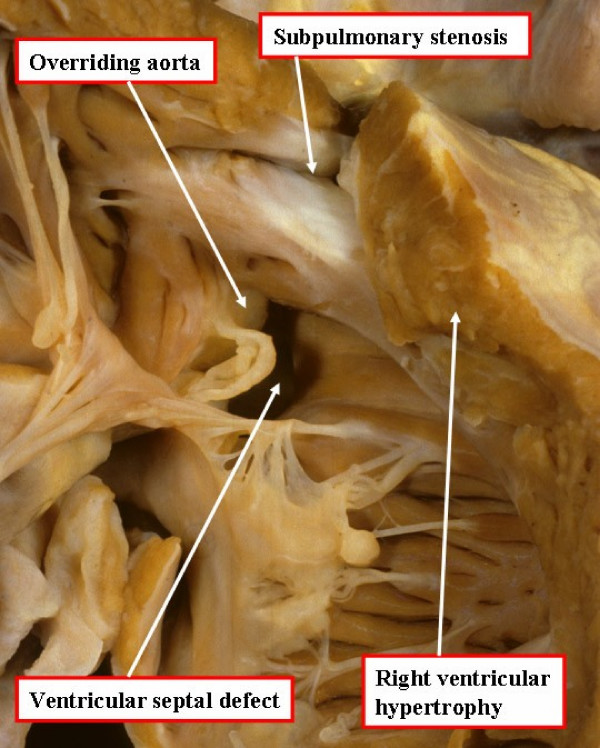
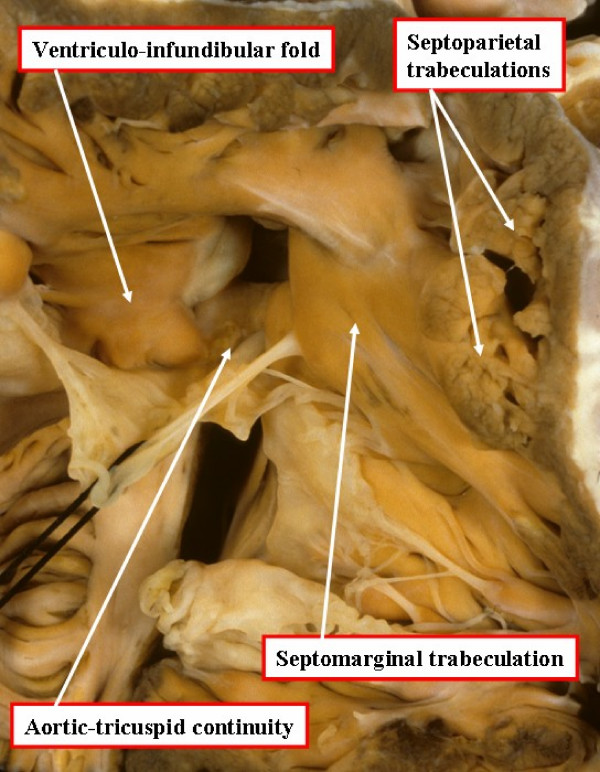
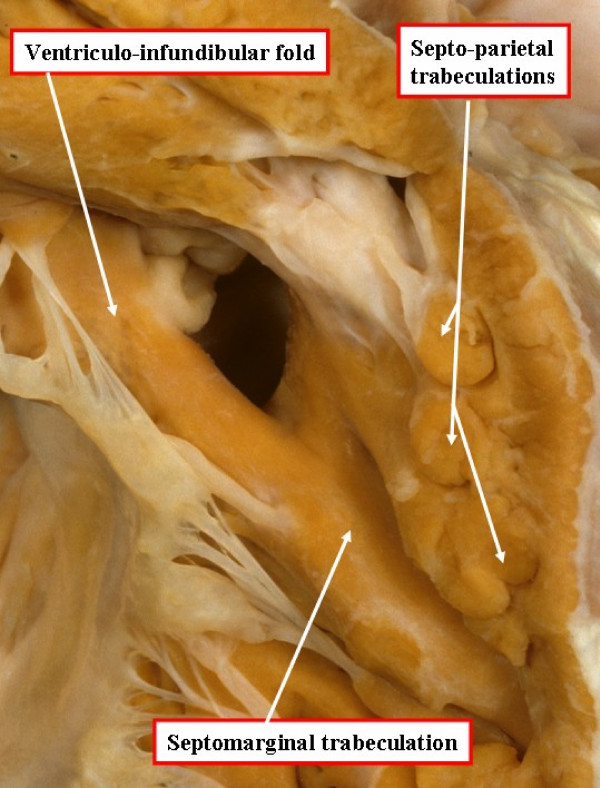
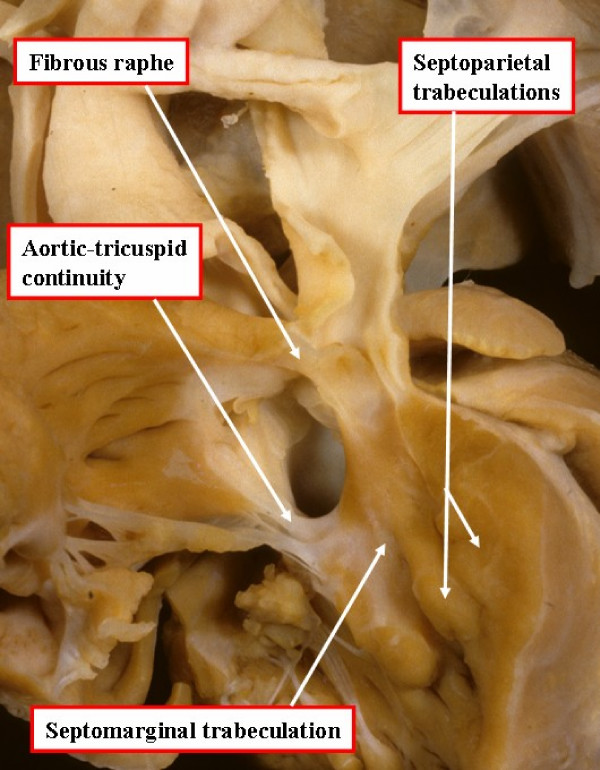
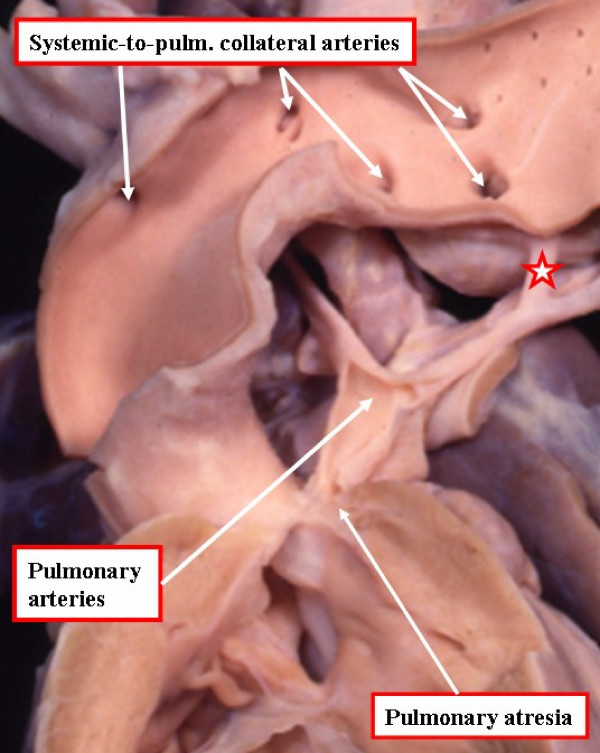
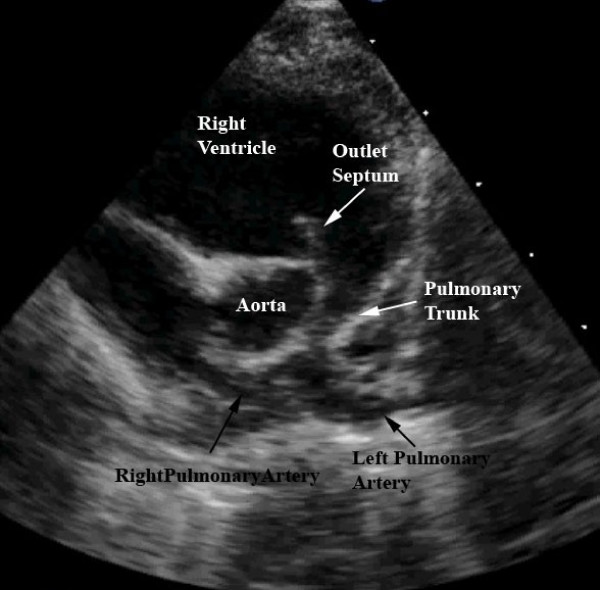
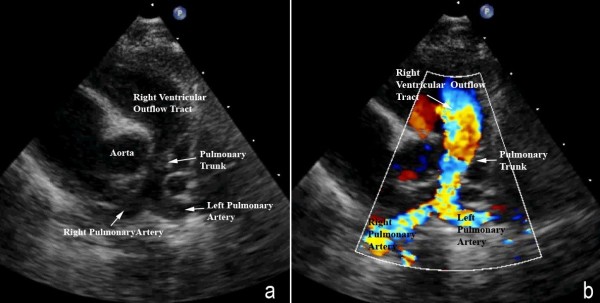
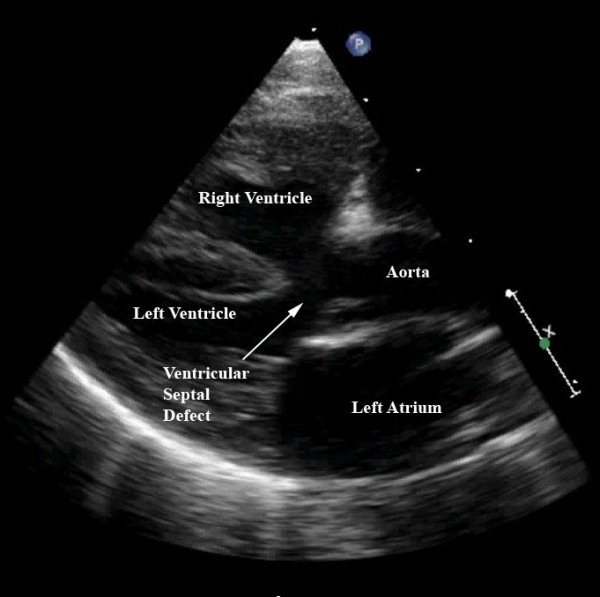
Verification
Claims the paper makes
The claims and statistics of this paper haven’t been checked yet.
Run the check — free, no account needed. It reads the open-access text and checks the sources it cites.
Claims other papers make about this one
Each is checked against this paper’s own text: does it say what the citing paper says it does?
The source backs part of the claim, not all of it — or backs it for a different population, condition or comparison.
In the citing paper
“This single lesion is responsible for all the main components of the disease: a <50% override of the aorta over the muscular ventricular septum, muscular obstruction of the RVOT, and right ventricle hypertrophy (RVH) [6].”
From Multimodality imaging assessment of tetralogy of Fallot: From diagnosis to long-term follow-up (2023) · cites this paper as [6]
Experimental — accuracy not yet measuredThe source backs part of the claim, not all of it — or backs it for a different population, condition or comparison.
In the citing paper
“Developed countries like the United States (US) reported a birth prevalence of 3.9 per 10,000 live births, with an estimated 1,660 babies born with TOF each year [2, 11]. In the US, TOF also represents approximately 6.7% of all CHDs [2].”
From Pooled prevalence and subgroup variations of Tetralogy of Fallot among children and adolescents with congenital heart defect in Sub-Saharan Africa: A systematic review and meta-analysis (2025) · cites this paper as [11]
Experimental — accuracy not yet measuredThe cited source says what the claim attributes to it.
In the citing paper
“Even though several anatomical types of VSD have been described, the typical VSD in TOF is an anterior malalignment type of outlet VSD, with the conal septum anteriorly diverging from the muscular septum.”
From Multimodality imaging assessment of tetralogy of Fallot: From diagnosis to long-term follow-up (2023) · cites this paper as [6]
Self-check
Percentages, sums and reported differences re-computed from the paper’s own numbers.
The self-check needs the paper’s full text.
Citations
Cites
Long-term outcome in patients undergoing surgical repair of tetralogy of Fallot
Murphy, J. G., Gersh, B. J., Mair, D. D., Fuster, V., McGoon, M. D., Ilstrup, D. M., McGoon, D. C., Kirklin, J. W., & Danielson, G. K. (1993) · New England Journal of Medicine · doi:10.1056/nejm199308263290901 · Cited by 998
Mechanoelectrical Interaction in Tetralogy of Fallot
Gatzoulis, M. Α., Till, J. A., Somerville, J., & Redington, A. N. (1995) · Circulation · doi:10.1161/01.cir.92.2.231 · Cited by 781
Nollert, G., Fischlein, T., Bouterwek, S., Böhmer, C., Klinner, W., & Reichart, B. (1997) · Journal of the American College of Cardiology · doi:10.1016/s0735-1097(97)00318-5 · Cited by 761
Heart Disease in Infants, Children and Adolescents
(1969) · Archives of Disease in Childhood · doi:10.1136/adc.44.234.287-a · Cited by 629
Oosterhof, T. H., van Straten, A., Vliegen, H. W., Meijboom, F. J., van Dijk, A. P. J., Spijkerboer, A. M., Bouma, B. J., Zwinderman, A. H., Hazekamp, M. G., Roos, A., et al. (2007) · Circulation · doi:10.1161/circulationaha.106.659664 · Cited by 610
Percutaneous Pulmonary Valve Implantation
Lurz, P. C., Coats, L., Khambadkone, S., Nordmeyer, J., Boudjemline, Y., Schievano, S., Muthurangu, V., Lee, T. Y., Parenzan, G., Derrick, G. P., et al. (2008) · Circulation · doi:10.1161/circulationaha.107.735779 · Cited by 481
The Effect of Chronic or Intermittent Hypoxia on Cognition in Childhood: A Review of the Evidence
Bass, J. L., Corwin, M. J., Gozal, D., Moore, C., Nishida, H., Parker, S. J., Schonwald, A., Wilker, R. E., Stehle, S., & Kinane, T. B. (2004) · PEDIATRICS · doi:10.1542/peds.2004-0227 · Cited by 452
Limperopoulos, C., Majnemer, A., Shevell, M. I., Rohlicek, C., Rosenblatt, B., Tchervenkov, C., & Darwish, H. Z. (2002) · The Journal of Pediatrics · doi:10.1067/mpd.2002.125227 · Cited by 323
Schievano, S., Coats, L., Migliavacca, F., Norman, W., Frigiola, A., Deanfield, J. E., Bonhoeffer, P., & Taylor, A. M. (2007) · Journal of Cardiovascular Magnetic Resonance · doi:10.1080/10976640601187596 · Cited by 243
Long-term results after early primary repair of tetralogy of Fallot.
Bacha, E. A., Scheule, A. M., Zurakowski, D., Erickson, L. C., Hung, J., Lang, P., Mayer, J. E., del Nido, P. J., & Jonas, R. A. (2001) · The Journal of Thoracic and Cardiovascular Surgery · doi:10.1067/mtc.2001.115156 · Cited by 240
Research works printed but not linked: 3
- Perry LW, Neill CA, Ferencz C, EUROCAT Working Party on. Congenital Heart Disease: Perspective in Pediatric Cardiology. Epidemiology of congenital heart disease, the Baltimore-Washington Infant Study 1981–89 Armonk, NY: Futura; 1993:33-62.
- Paediatric Cardiology 2nd edition. Edited by: Anderson RH, Baker EJ, Macartney FJ. London: Churchill Livingstone; 2002:1213-1280.
- Pediatric ECG Interpretation. Edited by: Deal BJ, Johnsrude CL, Buck SH. Malden, Massachussetts: Blackwell Publishing; 2004:88-122.
Cited by
Sorted by citations
Hot Topics in Tetralogy of Fallot
Villafañe, J., Feinstein, J. A., Jenkins, K. J., Vincent, R. N., Walsh, E. P., Dubin, A. M., Geva, T., Towbin, J. A., Cohen, M. S., Fraser, C. D., et al. (2013) · Journal of the American College of Cardiology · doi:10.1016/j.jacc.2013.07.100 · Cited by 232
Whole exome sequencing reveals the major genetic contributors to nonsyndromic tetralogy of Fallot
Page, D. J., Miossec, M. J., Williams, S. G., Monaghan, R. M., Fotiou, E., Cordell, H. J., Sutcliffe, L., Topf, A., Bourgey, M., Bourque, G., et al. (2019) · Circulation Research · doi:10.1161/circresaha.118.313250 · Cited by 189
Tetralogy of Fallot: Yesterday and Today
Starr, J. P. (2009) · World Journal of Surgery · doi:10.1007/s00268-009-0296-8 · Cited by 155
Notch Signaling in Cardiac Development and Disease
MacGrogan, D., Nus, M., & de la Pompa, J. L. (2010) · Current topics in developmental biology/Current Topics in Developmental Biology · doi:10.1016/s0070-2153(10)92011-5 · Cited by 96
Fetal MRI detects early alterations of brain development in tetralogy of fallot
Schellen, C., Ernst, S., Gruber, G. M., Mlczoch, E., Weber, M., Brugger, P. C., Ulm, B., Langs, G., Salzer-Muhar, U., Prayer, D., et al. (2015) · American Journal of Obstetrics and Gynecology · doi:10.1016/j.ajog.2015.05.046 · Cited by 79
Metadata
- Authors
- Bailliard, F., & Anderson, R. H.
- Affiliations
- University of North Carolina at Chapel Hill (US)
- ORCID
- Anderson, Robert H
- Venue
- Orphanet Journal of Rare Diseases
- Published
- 2009-01-13
- Volume
- 4
- Issue
- 1
- Pages
- 2-2
- ISSN
- 1750-1172 (ISSN-L)
- PMC
- PMC2651859
- OpenAlex
- W3204567248
- Cited by
- 345
- References
- 42
- Citations by year
- 2026: 27 · 2025: 31 · 2024: 31 · 2023: 44 · 2022: 26 · 2021: 22 · 2020: 24 · 2019: 25 · 2018: 16 · 2017: 13 · 2016: 19 · 2015: 16 · 2014: 10 · 2013: 11 · 2012: 12
- FWCI
- 1.22
- Type
- journal article
- Language
- en
- Open access
- gold
- doi.org
- Licence
- Locations
- Orphanet Journal of Rare Diseases (publishedVersion, cc-by)
- PubMed Central (publishedVersion, cc-by)
- PubMed (publishedVersion)
- Carolina Digital Repository (University of North Carolina at Chapel Hill) (submittedVersion)
- DOAJ (DOAJ: Directory of Open Access Journals) (submittedVersion, cc-by-sa)
- Topics
- Health Sciences › Medicine › Cardiology and Cardiovascular Medicine › Congenital Heart Disease Studies
- Life Sciences › Biochemistry, Genetics and Molecular Biology › Molecular Biology › Congenital heart defects research
- Health Sciences › Medicine › Pediatrics, Perinatology and Child Health › Cardiovascular Conditions and Treatments
- Keywords
- tetralogy of Fallot, congenital heart disease, ventricular septal defect, right ventricular outflow tract obstruction, cyanosis, prenatal diagnosis, echocardiography, neonatal palliation, prostaglandin E2, systemic-to-pulmonary shunt, pulmonary regurgitation, ventricular arrhythmias, adult congenital heart disease, Down syndrome, trisomy 18, trisomy 13, phenylketonuria, maternal diabetes, retinoic acid
- MeSH terms
- Adult, Genetic Counseling, Heart Defects, Congenital, Humans, Infant, Infant, Newborn, Prognosis, Tetralogy of Fallot, Ultrasonography
About these checks
Registry, retraction, Cites and statistics results are computed, not judged, with one exception: a printed reference that no index lists is read once by a model before it counts as a citation error. Claims are extracted by a model and kept only when their quote appears verbatim in the text; each cited source is then checked, with a model’s help, for whether it says what the claim relies on. Those verdicts can be wrong — read the claim’s quote and the cited source before relying on one.
Statistics and arithmetic are recomputed, not judged.
Confidence bands are shown only for fields calibrated on our annotated test set. None is calibrated yet, so no band is shown.
What counts as a claim ›How we measure confidence ›How we check this ›
Are you an author, or do you see a problem with this page? Request a review
