

Evaluation of a surgical service in the chronic phase of a refugee camp: an example from the Thai-Myanmar border
Open accessThe DOI matches its Crossref record; 21 of the 22 references it cites were found in a registry or an index.
Abstract
Background: Published literature on surgical care in refugees tends to focus on the acute (‘emergent’) phase of crisis situations. Here we posit that there is a substantial burden of non-acute morbidity amenable to surgical intervention among refugees in the ‘chronic’ phase of crisis situations. We describe surgery for non-acute conditions undertaken at Mae La Refugee Camp, Thailand over a two year period. Methods: Surgery was performed by a general surgeon in a dedicated room of Mae La Refugee Camp over May 2005 to April 2007 with minimal instruments and staff. We obtained the equivalent costs for these procedures if they were done at the local Thai District General Hospital. We also acquired the list (and costs) of acute surgical referrals to the District General Hospital over September 2006 to December 2007. Results: 855 operations were performed on 847 patients in Mae La Refugee Camp (60.1% sterilizations, 13.3% ‘general surgery’, 5.6% ‘gynaecological surgery’, 17.4% ‘mass excisions’, 3.5% ‘other’). These procedures were worth 2,207,500 THB (75,683.33 USD) at costs quoted by the District General Hospital. Total cost encountered for these operations (including staff costs, consumables, anaesthesia and capital costs such as construction) equaled 1,280,000 THB (42,666 USD). Pertaining to acute surgical referrals to District General hospital: we estimate that 356,411.96 THB (11,880.40 USD) worth of operations over 14 months were potentially preventable if these cases had been operated at an earlier, non-acute state in Mae La Refugee Camp. Conclusions: A considerable burden of non-acute surgical morbidity exists in ‘chronic’ refugee situations. An in-house general surgical service is found to be cost-effective in relieving some of this burden and should be considered by policy makers as a viable intervention.
Overview
The claims and statistics of this paper haven’t been checked yet.
Free: it reads the open-access text and checks the first 5 claims that cite a source we can check. Create a free account to check every claim.
Integrity signals
Registry
Cites
Statistics
Figures
Verification
Claims the paper makes
The claims and statistics of this paper haven’t been checked yet.
Free: it reads the open-access text and checks the first 5 claims that cite a source we can check. Create a free account to check every claim.
Claims other papers make about this one
Each is checked against this paper’s own text: does it say what the citing paper says it does?
The cited source says what the claim attributes to it.
In the citing paper
“which at the time was indicative of a significant unmet need for the procedure [12].”
In the citing paper
“Uptake was high because the doctor lived in the camp full time and could fluently speak the local camp languages (both S’gaw Karen and Burmese) allowing adequate explanation and strong doctor-patient relationships [39].”
From Empirical lessons regarding contraception in a protracted refugee setting: A descriptive study from Maela camp on the Thai-Myanmar border 1996 – 2015 (2017) · cites this paper as [39]
In the citing paper
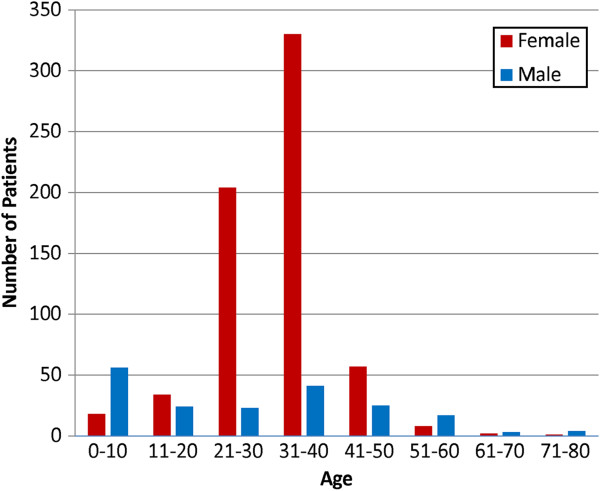
“An older report from 2005–07 evaluating surgical services (2005–07) in the same camp confirmed 477 sterilizations were provided for women with a median age of 33 years and a median parity of 5”
Self-check
Percentages, sums and reported differences re-computed from the paper’s own numbers.
The self-check needs the paper’s full text.
Citations
Cites
Disease control priorities in developing countries
(2006) · Choice Reviews Online · doi:10.5860/choice.44-0343 · Cited by 3,628
Disease Control Priorities in Developing Countries
Mosley, W. H. (1993) · World Bank, Washington, DC eBooks · doi:10.1596/0-1952-0990-7 · Cited by 1,400
Nosten, F., van Vugt, M., Price, R., Luxemburger, C., Thway, K., Brockman, A., McGready, R., ter Kuile, F., Looareesuwan, S., & White, N. (2000) · The Lancet · doi:10.1016/s0140-6736(00)02505-8 · Cited by 500
Self-citationGosselin, R. A., Thind, A., & Bellardinelli, A. (2006) · World Journal of Surgery · doi:10.1007/s00268-005-0609-5 · Cited by 196
A cost effective small hospital in Bangladesh: what it can mean for emergency obstetric care
McCord, C., & Chowdhury, Q. (2003) · International Journal of Gynecology & Obstetrics · doi:10.1016/s0020-7292(03)00072-9 · Cited by 177 · cited 1×
“Years (DALYs) [15,16].”
Surgical Task Shifting in Sub-Saharan Africa
Chu, K., Rosseel, P., Gielis, P., & Ford, N. (2009) · PLoS Medicine · doi:10.1371/journal.pmed.1000078 · Cited by 176 · cited 1×
“Moreover, while some of the conditions managed in-house in our context are presumed to be beyond the capacity of a non-surgeon physician, surgical task shifting has been deployed safely and cost-effectively elsewhere [18,19]; further study is required as to what extent such strategies can be employed in chronic refuge…”
BackgroundThe “Other” Neglected Diseases in Global Public Health: Surgical Conditions in Sub-Saharan Africa
Ozgediz, D., & Riviello, R. (2008) · PLoS Medicine · doi:10.1371/journal.pmed.0050121 · Cited by 162 · cited 2×
“The median [range] age and parity of women who had sterilization by mini-laparotomy was 33 [23–50] years and 5 [2-13] children.”
BackgroundProviding surgical care in Somalia: A model of task shifting
Chu, K. M., Ford, N. P., & Trelles, M. (2011) · Conflict and Health · doi:10.1186/1752-1505-5-12 · Cited by 94
Rethinking surgical care in conflict
Chu, K., Trelles, M., & Ford, N. P. (2010) · The Lancet · doi:10.1016/s0140-6736(10)60107-9 · Cited by 75 · cited 1×
“Similarly, while evidence is mounting that the surgical needs of civilians in conflict situations are not primarily warinjury related, and that a substantial proportion is attributable to accidental injury and infection [17], this evidence is still confined to the “Emergent” phase of crisis.”
BackgroundFemale genital mutilation in developed countries
Bosch, X. (2001) · The Lancet · doi:10.1016/s0140-6736(01)06262-6 · Cited by 41 · cited 2×
“The median [range] age and parity of women who had sterilization by mini-laparotomy was 33 [23–50] years and 5 [2-13] children.”
Background
Cited by
Humanitarian supply chain management responding to refugees: a literature review
Seifert, L., Kunz, N., & Gold, S. (2018) · Journal of Humanitarian Logistics and Supply Chain Management · doi:10.1108/jhlscm-07-2017-0029 · Cited by 78
“…et al. (2015) Kovács et al. (2010) Perry (2007) Van der Laan (2009) Whybark (2007) Van Wassenhave (2006) Del Valle (2016) Salehin et al. (2011) Weerasuriya et al. (2012) Ali et al. (2015) Agblorti (2011) Bjorgo (2000) Burnham et al. (2003) Chkam (2016) Cronin et al. (2008) Gifford et al.…”
BackgroundSalisbury, P., Hall, L., Kulkus, S., Paw, M. K., Tun, N. W., Min, A. M., Chotivanich, K., Srikanok, S., Ontuwong, P., Sirinonthachai, S., et al. (2016) · Reproductive Health · doi:10.1186/s12978-016-0212-2 · Cited by 59
“An older report from 2005–07 evaluating surgical services (2005–07) in the same camp confirmed 477 sterilizations were provided for women with a median age of 33 years and a median parity of 5 which at the time was indicative of a significant unmet need for the procedure [12].”
BackgroundSelf-citationConflict and Health: seven years of advancing science in humanitarian crises
Ratnayake, R., Degomme, O., Roberts, B., & Spiegel, P. B. (2014) · Conflict and Health · doi:10.1186/1752-1505-8-7 · Cited by 57
“Similarly, four observational studi es of surgery and occupational health following trauma have set the stage for furthe r inv stigation of this important topic [21,59-61].”
BackgroundOrthopedic trauma surgery and hospital cost analysis in refugees; the effect of the Syrian civil War
Duramaz, A., Bilgili, M. G., Bayram, B., Ziroğlu, N., Bayrak, A., & Avkan, M. C. (2017) · International Orthopaedics · doi:10.1007/s00264-016-3378-x · Cited by 25
Global Estimation of Surgical Procedures Needed for Forcibly Displaced Persons
Zha, Y., Stewart, B. T., Lee, E., Remick, K. N., Rothstein, D. H., Groen, R. S., Burnham, G. M., Imagawa, D. K., & Kushner, A. L. (2016) · World Journal of Surgery · doi:10.1007/s00268-016-3579-x · Cited by 23
“By contrast, a report from Mae La refugee camp in Thailand in 2006 described the surgical epidemiology during the chronic phase of a humanitarian crisis [17].”
ResultSrikanok, S., Parker, D. M., Parker, A. L., Lee, T., Min, A. M., Ontuwong, P., Oo Tan, S., Sirinonthachai, S., & McGready, R. (2017) · PLOS ONE · doi:10.1371/journal.pone.0172007 · Cited by 19
“Uptake was high because the doctor lived in the camp full time and could fluently speak the local camp languages (both S’gaw Karen and Burmese) allowing adequate explanation and strong doctor-patient relationships [39].”
BackgroundSelf-citationGilder, M. E., Tun, N. W., Carter, A., Tan, F. F. S. L., Min, A. M., Eh, H., Aye, P., Carrara, V. I., Angkurawaranon, C., & McGready, R. M. (2021) · BMC Pregnancy and Childbirth · doi:10.1186/s12884-021-03610-1 · Cited by 14
“The acceptability and costeffectiveness of locally available tubal ligation in this area has been published previously [26].”
BackgroundSelf-citationThe unmet surgical needs of global refugee populations: A perspective review
Awuah, W. A., Adebusoye, F. T., Ferreira, T., Azeem, S., Bharadwaj, H. R., Akpan, A. A., Wellington, J., Zia, M. R., Kumar, H., Khalid, A., et al. (2023) · SAGE Open Medicine · doi:10.1177/20503121231204492 · Cited by 13
“11,37 The lack of surgical resources perpetuates a cycle of vulnerability, with refugees enduring the devastating impacts of infectious diseases such as septic shock, poor wound healing, prolonged hospital admission and higher rates of morbidity and mortality.”
InfluentialRapaport, S. F., Ngude, H., Lekey, A., Abbas, M., WINCH, P. J., Stevens, K. A., & Enumah, Z. O. (2021) · BMC Surgery · doi:10.1186/s12893-021-01365-2 · Cited by 9
Şahin, A., Agar, A., Hançerli, C. Ö., Kılıç, B., Gülabi, D., & Ertürk, C. (2021) · Cureus · doi:10.7759/cureus.13323 · Cited by 8
Patterns of referral for refugees in western Tanzania: a retrospective review
Abrahim, O., Rapaport, S. F., Ngude, H., Abbas, M., WINCH, P. J., Stevens, K. A., & Enumah, Z. O. (2022) · Pan African Medical Journal · doi:10.11604/pamj.2022.41.76.32559 · Cited by 7
“In Mae La Refugee Camp, it was found that more than 11,000 USD worth of operations referred to the district hospital could have been prevented if cases were operated on in the camp while nonacute [29].”
BackgroundWight, L., Oo, N. N., Mhote, N. P. P., Trongsakul, S., Purkey, E., Bartels, S. A., Aldersey, H. M., & Davison, C. (2021) · Women · doi:10.3390/women1040024 · Cited by 6
“There are approximately 140,000 UN recognized refugees living in nine Thai camps along the Thai–Myanmar border [7], yet they are only a small fraction of the total number of migrants from Myanmar living in Thailand, which is estimated to be between 1.”
BackgroundSarabu, S., Bognini, M. S., Kebede, M. A., Ifeanyichi, M., Hargest, R., & Friebel, R. (2025) · Social Science & Medicine · doi:10.1016/j.socscimed.2025.118705 · Cited by 5
Rapaport, S. F., Enumah, Z. O., Ngude, H., Rhee, D. S., Abbas, M., Lekey, A., WINCH, P. J., Sakran, J. V., & Stevens, K. A. (2023) · World Journal of Pediatric Surgery · doi:10.1136/wjps-2022-000528 · Cited by 3
Enumah, Z. O., Rapaport, S. F., Ngude, H., Yenokyan, G., Lekey, A., WINCH, P. J., & Stevens, K. A. (2021) · Conflict and Health · doi:10.1186/s13031-021-00423-z · Cited by 3
“Thirdly, this study supports the findings of several others that in conflict zones, a significant proportion of surgical output is not necessarily for trauma or violence related injuries but rather mirrors the surgical burden of non-conflict settings [4, 5, 28].”
ResultSurgical Needs of Refugee Populations in the European Union
Broer, P. N., & Juran, S. (2016) · Annals of Plastic Surgery · doi:10.1097/sap.0000000000000815 · Cited by 3
“Estimating surgical needs up front upon arrival at refugee camps or reception centers can act as a cost-effective way to relieve some of this burden.(8) Plastic surgeons have the unique opportunity to make a difference in the lives of refugees because they play a pivotal role in the assessment, screening, and referral…”
BackgroundCohort Profile: the SMRU Refugee and Migrant Pregnancy Study in Western Thailand and Eastern Myanmar
McGready, R., J White, N., Nosten, F. H., & Collaborators, S. R. A. M. P. S. (2026) · Wellcome Open Research · doi:10.12688/wellcomeopenres.25582.2 · Cited by 2
Self-citationBroer, P. N., & Juran, S. (2016) · PubMed Central · Cited by 2
Sang, L. T. P. (2013) · NORA - Norwegian Open Research Archives · Cited by 2
Weerasuriya, C. K., Tan, S. O., Alexakis, L. C., Set, A. K., Rijken, M. J., Martyn, P., Nosten, F. H., & McGready, R. M. (2016) · Conflict and Health · doi:10.1186/s13031-016-0092-7 · Cited by 1
“Erratum Unfortunately, the original version of this article [1] contained an error.”
BackgroundSelf-citationLong, K. L., Viana, S. W., Ismail, A., Dominguez, L. B., Kushner, A. L., Lane, C. H., & Pfeiffer-Mundt, K. (2024) · Journal of Global Surgery (ONE) · doi:10.52648/jogs.1162
Wang, D. T., Reddy, A., Anant, S. A., Rafiq, M. Y., Juma, O. A., Ngude, H., Manyama, F., Blum, A. B., Sakran, J. V., Stevens, K. A., et al. (2025) · International Journal of Ophthalmology & Visual Science · doi:10.11648/j.ijovs.20251001.11
Demir, D., Abanoz, M., & Akif, M. (2014) · Case Study and Case Report
Face, head, and neck (FHN) problems and surgical need assessment among refugees living in Tanzania
Reddy, A. R., Blum, A. B., Ngude, H., Manyama, F., Juma, O. A., Rafiq, M. Y., Sakran, J. V., Stevens, K. A., & Enumah, Z. O. (2026) · PLOS Global Public Health · doi:10.1371/journal.pgph.0004170
“Our study adds to existing literature to show that surgical needs in protracted refugee camp settings are predominantly non-trauma-related and more elective in nature [19,20].”
Apriyanto, D., Kalis, M. C. I., & Hendri, M. I. (2026) · Formosa Journal of Multidisciplinary Research · doi:10.55927/fjmr.v5i6.95
Metadata
- Authors
- Weerasuriya, C. K., Tan, S. O., Alexakis, L. C., Set, A. K., Rijken, M. J., Martyn, P., Nosten, F., & McGready, R.
- Affiliations
- Shoklo Malaria Research Unit (TH)
- Mahidol University (TH)
- Corresponding author
- McGready, Rose
- ORCID
- Venue
- Conflict and Health
- Published
- 2012-08-06
- Volume
- 6
- Issue
- 1
- Pages
- 24-24
- ISSN
- 1752-1505 (ISSN-L)
- PMC
- PMC3493322
- OpenAlex
- W2168002910
- Cited by
- 24
- References
- 22
- Citations by year
- 2026: 2 · 2025: 2 · 2024: 1 · 2023: 2 · 2022: 1 · 2021: 5 · 2018: 1 · 2017: 2 · 2016: 5 · 2014: 2 · 2013: 1
- FWCI
- 0.93
- Type
- journal article
- Language
- en
- Update notices
- correction (2016-08-01)
- Open access
- gold
- doi.org
- Locations
- Conflict and Health (publishedVersion, cc-by)
- PubMed Central (publishedVersion, cc-by)
- PubMed (publishedVersion)
- LSHTM Research Online (London School of Hygiene and Tropical Medicine) (acceptedVersion)
- Apollo (University of Cambridge) (submittedVersion, cc-by)
- DOAJ (DOAJ: Directory of Open Access Journals) (submittedVersion)
- Greater South Information System
- Funders
- Wellcome Trust (089275)
- Topics
- Health Sciences › Medicine › Public Health, Environmental and Occupational Health › Global Health and Surgery
- Health Sciences › Health Professions › General Health Professions › Health and Conflict Studies
- Social Sciences › Psychology › Clinical Psychology › Migration, Health and Trauma
- Keywords
- cost-effectiveness, sterilization, gynecologic surgery, Thai-Myanmar border, humanitarian surgery
About these checks
Registry, retraction, Cites and statistics results are computed, not judged, with one exception: a printed reference that no index lists is read once by a model before it counts as a citation error. Claims are extracted by a model and kept only when their quote appears verbatim in the text; each cited source is then checked, with a model’s help, for whether it says what the claim relies on. Those verdicts can be wrong — read the claim’s quote and the cited source before relying on one.
Statistics and arithmetic are recomputed, not judged.
Confidence bands are shown only for fields calibrated on our annotated test set. None is calibrated yet, so no band is shown.
What counts as a claim ›How we measure confidence ›How we check this ›
Are you an author, or do you see a problem with this page? Request a review
Data sources
Bibliographic data: Semantic Scholar, OpenAlex, Crossref.
Contains information from the Semantic Scholar Academic Graph Datasets, made available under the ODC Attribution License (ODC-BY 1.0).
Semantic Scholar’s data is described in: Kinney, R., et al. (2023). The Semantic Scholar Open Data Platform. arXiv:2301.10140.
