

Topochemical distribution of lignin and hydroxycinnamic acids in sugar-cane cell walls and its correlation with the enzymatic hydrolysis of polysaccharides
Open accessThe DOI matches its Crossref record; 36 of the 36 references it cites were found in a registry or an index.
Abstract
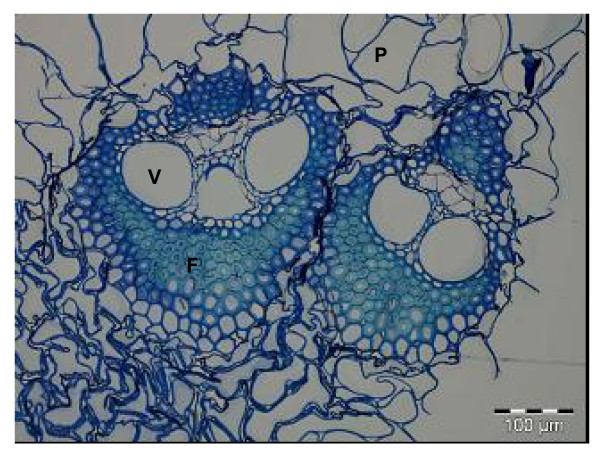
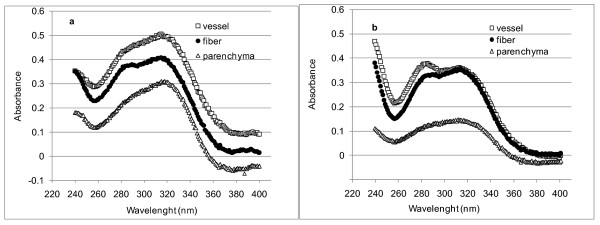
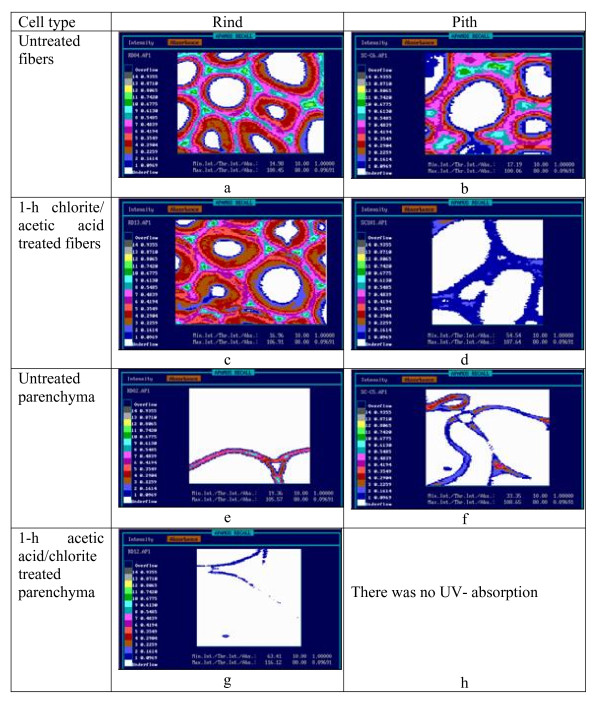
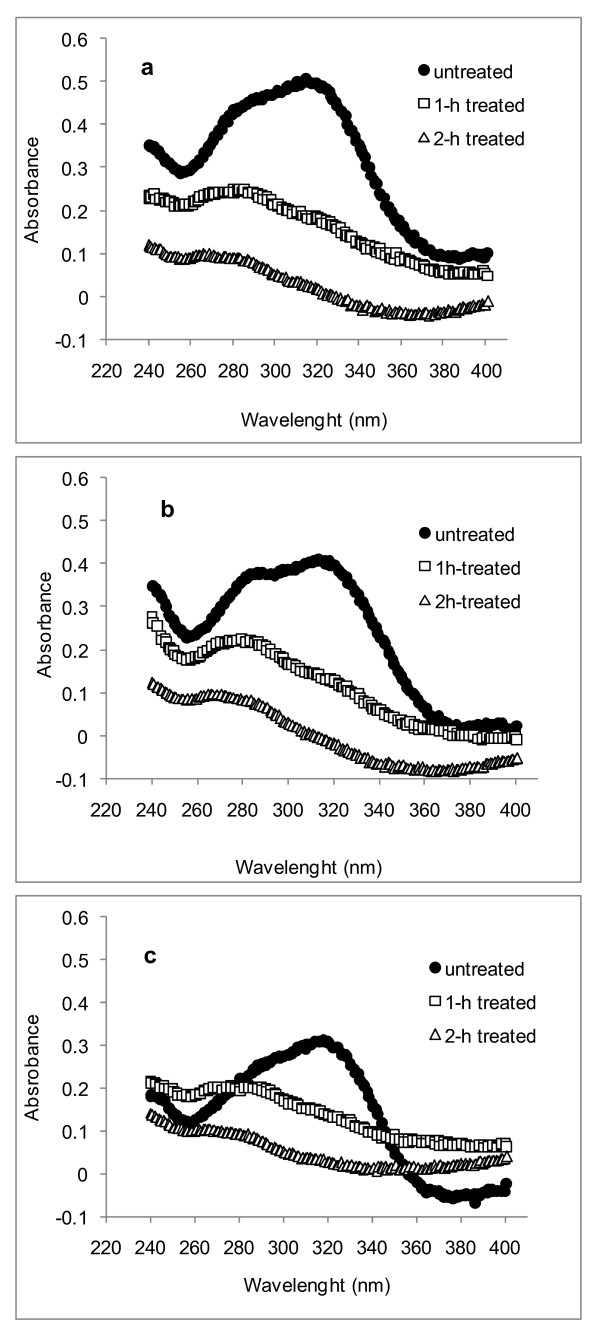
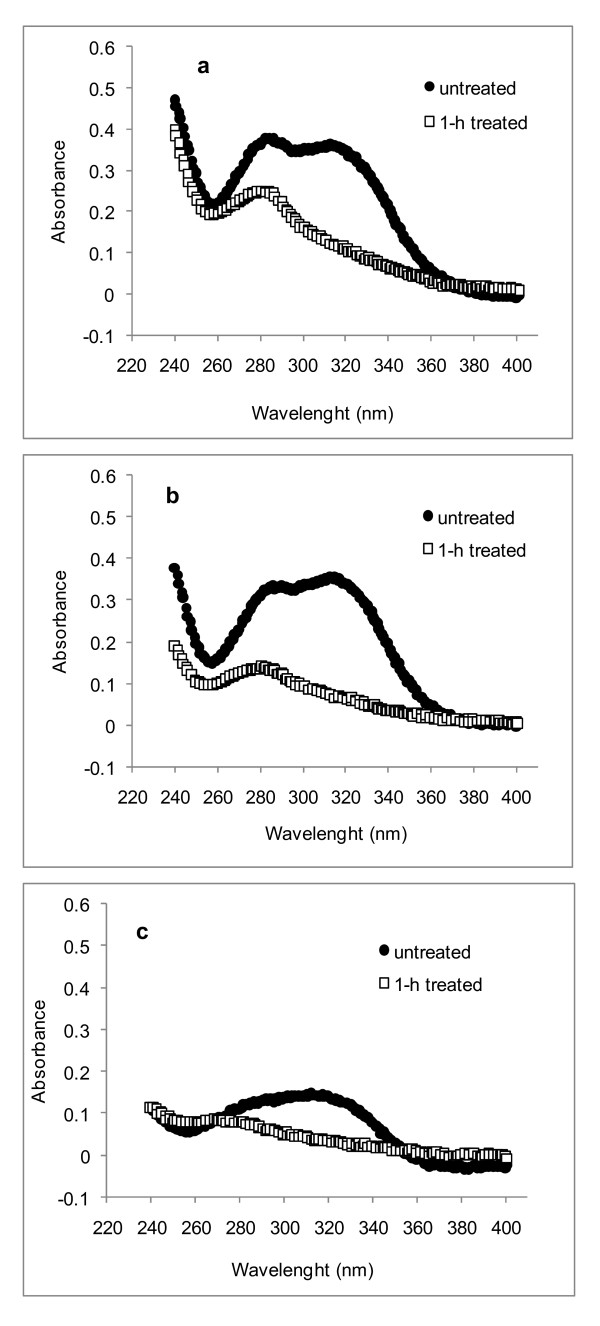
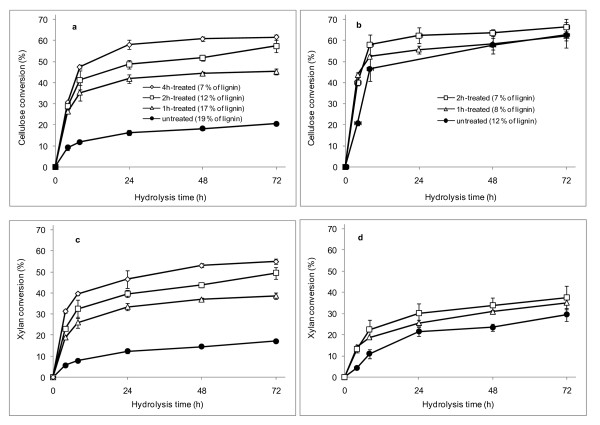
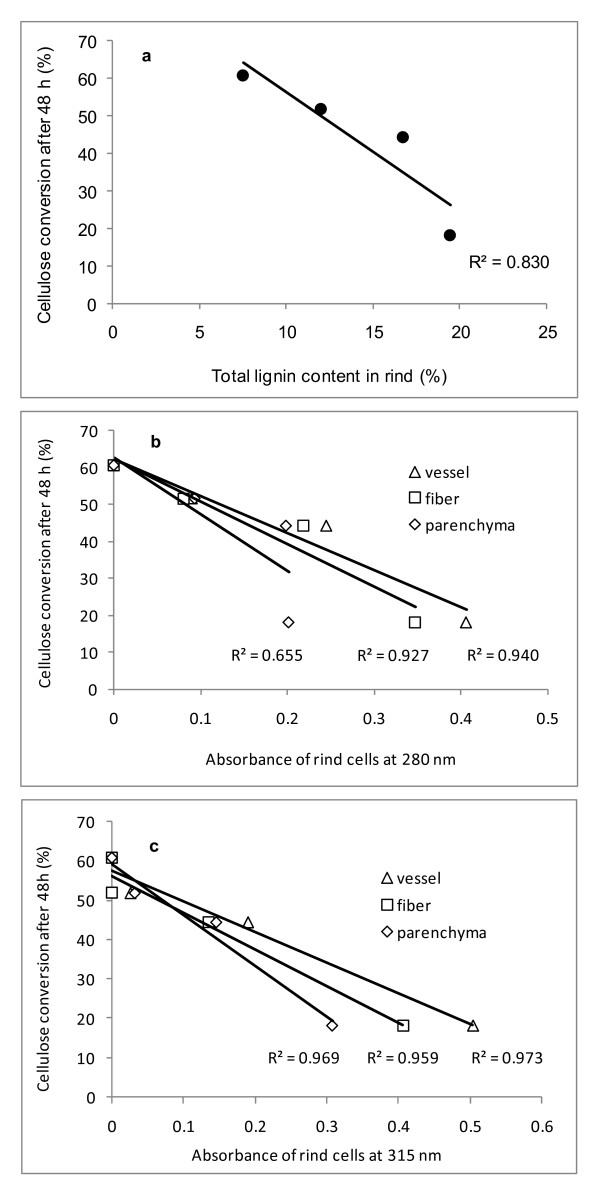
Background: Lignin and hemicelluloses are the major components limiting enzyme infiltration into cell walls. Determination of the topochemical distribution of lignin and aromatics in sugar cane might provide important data on the recalcitrance of specific cells. We used cellular ultraviolet (UV) microspectrophotometry (UMSP) to topochemically detect lignin and hydroxycinnamic acids in individual fiber, vessel and parenchyma cell walls of untreated and chlorite-treated sugar cane. Internodes, presenting typical vascular bundles and sucrose-storing parenchyma cells, were divided into rind and pith fractions. Results: Vascular bundles were more abundant in the rind, whereas parenchyma cells predominated in the pith region. UV measurements of untreated fiber cell walls gave absorbance spectra typical of grass lignin, with a band at 278 nm and a pronounced shoulder at 315 nm, assigned to the presence of hydroxycinnamic acids linked to lignin and/or to arabino-methylglucurono-xylans. The cell walls of vessels had the highest level of lignification, followed by those of fibers and parenchyma. Pith parenchyma cell walls were characterized by very low absorbance values at 278 nm; however, a distinct peak at 315 nm indicated that pith parenchyma cells are not extensively lignified, but contain significant amounts of hydroxycinnamic acids. Cellular UV image profiles scanned with an absorbance intensity maximum of 278 nm identified the pattern of lignin distribution in the individual cell walls, with the highest concentration occurring in the middle lamella and cell corners. Chlorite treatment caused a rapid removal of hydroxycinnamic acids from parenchyma cell walls, whereas the thicker fiber cell walls were delignified only after a long treatment duration (4 hours). Untreated pith samples were promptly hydrolyzed by cellulases, reaching 63% of cellulose conversion after 72 hours of hydrolysis, whereas untreated rind samples achieved only 20% hydrolyzation. Conclusion: The low recalcitrance of pith cells correlated with the low UV-absorbance values seen in parenchyma cells. Chlorite treatment of pith cells did not enhance cellulose conversion. By contrast, application of the same treatment to rind cells led to significant removal of hydroxycinnamic acids and lignin, resulting in marked enhancement of cellulose conversion by cellulases.
Overview
The claims and statistics of this paper haven’t been checked yet.
Free: it reads the open-access text and checks the first 5 claims that cite a source we can check. Create a free account to check every claim.
Integrity signals
Registry
Cites
Statistics
Figures
Verification
Claims the paper makes
The claims and statistics of this paper haven’t been checked yet.
Free: it reads the open-access text and checks the first 5 claims that cite a source we can check. Create a free account to check every claim.
Claims other papers make about this one
Each is checked against this paper’s own text: does it say what the citing paper says it does?
The check wasn’t confident either way, so it gives no verdict — never disputed.
In the citing paper
“phenolic compounds (about > 3.0%) [99]”
From Exploration of the Potential Application of Banana Peel for Its Effective Valorization: A Review (2023) · cites this paper as [99]
Experimental — accuracy not yet measured
Self-check
Percentages, sums and reported differences re-computed from the paper’s own numbers.
The self-check needs the paper’s full text.
Citations
Cites
A low-viscosity epoxy resin embedding medium for electron microscopy
Spurr, A. R. (1969) · Journal of Ultrastructure Research · doi:10.1016/s0022-5320(69)90033-1 · Cited by 12,865 · cited 1×
“The specimens were dehydrated in a graded series of acetone and embedded in Spurr’s epoxy resin [32].”
MethodBiomass Recalcitrance: Engineering Plants and Enzymes for Biofuels Production
Himmel, M. E., Ding, S.-Y., Johnson, D. K., Adney, W. S., Nimlos, M. R., Brady, J. W., & Foust, T. D. (2007) · Science · doi:10.1126/science.1137016 · Cited by 4,533 · cited 3×
“It is likely that the limited hydrolysis of xylan to xylose also reflects the hindrance to cellulase action, as the hemicelluloses are known to encapsulate cellulose fibrils in the cell walls [ 3 ].”
Lignin modification improves fermentable sugar yields for biofuel production
Chen, F., & Dixon, R. A. (2007) · Nature Biotechnology · doi:10.1038/nbt1316 · Cited by 1,330 · cited 3×
“Chen F, Dixon RA: Lignin modification improves fermentable sugar yields for biofuel production.”
BackgroundBrowning, B. L. (1967) · Medical Entomology and Zoology · Cited by 1,139
Lee, S. H., Doherty, T. V., Linhardt, R. J., & Dordick, J. S. (2009) · Biotechnology and Bioengineering · doi:10.1002/bit.22179 · Cited by 945 · cited 1×
“[31] for selectively delignified 0 10 20 30 40 50 60 70”
Yang, B., & Wyman, C. E. (2004) · Biotechnology and Bioengineering · doi:10.1002/bit.20043 · Cited by 683 · cited 1×
“These components also encapsulate cellulose microfibrils, preventing the access of cellulases to the cellulose chains [6,7].”
BackgroundThe Effect of Pore Size Distribution on the Rate of Enzymatic Hydrolysis of Cellulosic Substrates
Grethlein, H. E. (1985) · Bio/Technology · doi:10.1038/nbt0285-155 · Cited by 532 · cited 1×
“This limited porosity hinders enzyme infiltration into non-pretreated lignocellulosic materials [1-5].”
BackgroundCell wall structural changes in wheat straw pretreated for bioethanol production
Kristensen, J. B., Thygesen, L. G., Felby, C., Jorgensen, H., & Elder, T. (2008) · Biotechnology for Biofuels · doi:10.1186/1754-6834-1-5 · Cited by 482 · cited 1×
“These components also encapsulate cellulose microfibrils, preventing the access of cellulases to the cellulose chains [6,7].”
Background(1987) · Developments in Crop Science · doi:10.1016/b978-0-444-42769-4.50008-4 · Cited by 341
Ferraz, A. (2000) · Bioresource Technology · doi:10.1016/s0960-8524(00)00024-9 · Cited by 281
Self-citation
Cited by
Recent innovations in analytical methods for the qualitative and quantitative assessment of lignin
Lupoi, J. S., Singh, S., Parthasarathi, R., Simmons, B. A., & Henry, R. J. (2015) · Renewable and Sustainable Energy Reviews · doi:10.1016/j.rser.2015.04.091 · Cited by 390
“UV microspectrophotometry was used to topochemically measure sugarcane lignin in a variety of cell wall structures [175].”
Methodde Souza, A. P., Leite, D. C. C., Pattathil, S., Hahn, M. G., & Buckeridge, M. S. (2013) · BioEnergy Research · doi:10.1007/s12155-012-9268-1 · Cited by 284
Siqueira, G., Várnai, A., Ferraz, A., & Milagres, A. M. F. (2012) · Applied Energy · doi:10.1016/j.apenergy.2012.07.029 · Cited by 197
“This substantial lignin removal in the first hours of the reaction may be explained by two reasons: (a) in the beginning of the reaction, there is more lignin in the material that can be promptly degraded and solubilized; (b) delignification reagents penetrate the cell wall through the lumen, degrading the most access…”
BackgroundSelf-citationMasarin, F., Gurpilhares, D. B., Baffa, D. C., Barbosa, M. H., Carvalho, W., Ferraz, A., & Milagres, A. M. (2011) · Biotechnology for Biofuels · doi:10.1186/1754-6834-4-55 · Cited by 176
“This finding is relevant because in grasses, part of the recalcitrance is associated not only with the occurrence of lignin in cell walls but also with the presence of hydroxycinnamic acids linked primarily to the hemicelluloses [8,14,15].”
InfluentialSelf-citationShimizu, F. L., Monteiro, P. Q., Ghiraldi, P. H. C., Melati, R. B., Pagnocca, F. C., de Souza, W., Sant’Anna, C., & Brienzo, M. (2018) · Industrial Crops and Products · doi:10.1016/j.indcrop.2018.02.024 · Cited by 156
“While lignin removal increases the glucose yield from enzymatic hydrolysis (Siqueira et al., 2011), the magnitude of this effect may vary depending on the initial lignin content in the raw material (Benjamin et al., 2013), on the distribution of lignin in different biomass fractions (Brienzo et…”
BackgroundSiqueira, G., Arantes, V., Saddler, J. N., Ferraz, A., & Milagres, A. M. F. (2017) · Biotechnology for Biofuels · doi:10.1186/s13068-017-0860-7 · Cited by 151
Self-citationShade effect on carbohydrates dynamics and stem strength of soybean genotypes
Hussain, S., Iqbal, N., Rahman, T., Liu, T., Brestič, M., Safdar, M. E., Asghar, M. A., Farooq, M. U., Shafiq, I., Ali, A., et al. (2019) · Environmental and Experimental Botany · doi:10.1016/j.envexpbot.2019.03.011 · Cited by 135
Bottcher, A., Cesarino, I., dos Santos, A. B., Vicentini, R., Mayer, J. L. S., Vanholme, R., Morreel, K., Goeminne, G., Moura, J. C. M. S., Nóbile, P. M., et al. (2013) · PLANT PHYSIOLOGY · doi:10.1104/pp.113.225250 · Cited by 132
“Similarly, Siqueira et al. (2011) observed that sugarcane pith samples were promptly hydrolyzed by cellulases, while the conversion of cellulose in rind samples was dependent on chlorite pretreatments.”
BackgroundBrienzo, M., Fikizolo, S., Benjamin, Y. L., Tyhoda, L., & Görgens, J. F. (2016) · Renewable Energy · doi:10.1016/j.renene.2016.12.037 · Cited by 127
Zeng, M., Ximenes, E. D. A., Ladisch, M. R., Mosier, N. S., Vermerris, W., Huang, C., & Sherman, D. M. (2011) · Biotechnology and Bioengineering · doi:10.1002/bit.23337 · Cited by 94
“In a related material, bagasse, Siqueira et al. (2011) observed that chlorite treatment of pith cells did not enhance cellulose (from sugar cane) conversion, whereas in rind cells it led to significant removal of hydroxycinnamic acids and lignin, resulting in a marked enhancement of the cellulose…”
BackgroundAn efficient enzymatic-based process for the extraction of high-mechanical properties alfa fibres
Hanana, S., Elloumi, A., Placet, V., Tounsi, H., Belghith, H., & Bradaï, C. (2015) · Industrial Crops and Products · doi:10.1016/j.indcrop.2015.03.018 · Cited by 86
“The band at 278 nm is produced by the aromatic rings in guaiacyl lignin, whereas the strong band at 315 nm is typical of hydroxycinnamic acids linked to the lignin and/or the arabinomethylglucurono- xylan backbones often found in grasses (Siqueira et al, 2011).”
BackgroundLiu, Z., Qin, L., Li, B., & Yuan, Y. (2014) · ACS Sustainable Chemistry & Engineering · doi:10.1021/sc500637c · Cited by 85
Lignin relocation contributed to the alkaline pretreatment efficiency of sweet sorghum bagasse
Yan, Z., Li, J., Chang, S., Cui, T., Jiang, Y. P., Yu, M., Zhang, L., Zhao, G., Qi, P., & Li, S. (2015) · Fuel · doi:10.1016/j.fuel.2015.05.029 · Cited by 84
Chandel, A. K., Antunes, F. A. F., dos Anjos, V. D. C., Bell, M. J. V., Rodrigues, L. N., Singh, O. V., Rosa, C. A., Pagnocca, F. C., & da Silva, S. S. (2013) · Biotechnology for Biofuels · doi:10.1186/1754-6834-6-4 · Cited by 78
“Cell wall anatomy of SB and macroscopic/microscopic barriers for cellulase-mediated saccharification reveal that cell wall hydrolysis encompasses several orders of magnitude (10-10 meters [9,10].”
BackgroundLignins and Abiotic Stress: An Overview
Bhardwaj, R., Handa, N., Sharma, R., Kaur, H., Kohli, S. K., Kumar, V., & Kaur, P. (2013) · Springer eBooks · doi:10.1007/978-1-4614-8591-9_10 · Cited by 69
The enzymatic recalcitrance of internodes of sugar cane hybrids with contrasting lignin contents
Costa, T. H. F., Masarin, F., Bonifácio, T. O., Milagres, A. M. F., & Ferraz, A. (2013) · Industrial Crops and Products · doi:10.1016/j.indcrop.2013.08.078 · Cited by 67
“UV-microspectrophotometry corroborated the typical distribution patterns for lignin and hydroxycinnamic acids in the cell walls of sugar cane (Siqueira et al., 2011).”
BackgroundMethodResultInfluentialSelf-citationSant’Anna, C., Costa, L. T., Abud, Y., Biancatto, L., Miguens, F. C., & de Souza, W. (2013) · Microscopy Research and Technique · doi:10.1002/jemt.22235 · Cited by 62
“Siqueira et al. (2011) determined the lignin, hemicellulose, and cellulose concentrations in the sugarcane rind and pith by chemical analysis.”
MethodSugarcane biomass conversion influenced by lignin
Schmatz, A. A., Tyhoda, L., & Brienzo, M. (2019) · Biofuels Bioproducts and Biorefining · doi:10.1002/bbb.2070 · Cited by 62
Comparison Study on the Biomass Recalcitrance of Different Tissue Fractions of Sugarcane Culm
Brienzo, M., Ferreira, S., Vicentim, M. P., de Souza, W., & Sant’Anna, C. (2014) · BioEnergy Research · doi:10.1007/s12155-014-9487-8 · Cited by 61
Brienzo, M., Abud, Y., Ferreira, S., Corrales, R. C. N. R., Ferreira-Leitão, V. S., de Souza, W., & Sant’Anna, C. (2016) · Industrial Crops and Products · doi:10.1016/j.indcrop.2016.01.039 · Cited by 61
Costa, T. H. F., Vega‐Sánchez, M. E., Milagres, A. M. F., Scheller, H. V., & Ferraz, A. (2016) · Biotechnology for Biofuels · doi:10.1186/s13068-016-0513-2 · Cited by 61
“On the other hand, the outermost regions of the stem are very recalcitrant, requiring lignin and/or hemicellulose removal prior to efficient enzymatic hydrolysis of the polysaccharides [8, 27].”
BackgroundSelf-citationSanti, C., Milagres, A. M. F., Ferraz, A., & Carvalho, W. (2013) · Cellulose · doi:10.1007/s10570-013-0032-2 · Cited by 59
“The structures observed are the vascular bundles formed by vessels surrounded by fibers and parenchyma cells, easily identified when cross sections are imaged (Siqueira et al. 2011).”
BackgroundSelf-citationWater Stress Alters Lignin Content and Related Gene Expression in Two Sugarcane Genotypes
dos Santos, A. B., Bottcher, A., Kiyota, E., Mayer, J. L. S., Vicentini, R., Brito, M. D. S., Creste, S., Landell, M. G. D. A., & Mazzafera, P. (2015) · Journal of Agricultural and Food Chemistry · doi:10.1021/jf5061858 · Cited by 56
Theoretical study of pneumatic separation of sugarcane bagasse particles
de Almeida, E., Spogis, N., Taranto, O. P., & da Silva, M. A. A. P. (2019) · Biomass and Bioenergy · doi:10.1016/j.biombioe.2019.105256 · Cited by 56
Minimum Lignin and Xylan Removal to Improve Cellulose Accessibility
Shimizu, F. L., de Azevedo, G. O., Coelho, L. F., Pagnocca, F. C., & Brienzo, M. (2020) · BioEnergy Research · doi:10.1007/s12155-020-10120-z · Cited by 54
“The sugarcane was washed and then manually fractionated in external fraction (2 to 3 mm of the end, containing epidermis), node, internode [11, 12], and leaves.”
Structural and mechanical properties of the wood from coconut palms, oil palms and date palms
Fathi, L. (2014) · Cited by 53
Rocha, G. J. M., Silva, V. F. N., Martín, C., Gonçalves, A. R., Nascimento, V. M., & Souto-Maior, A. M. (2013) · Sugar Tech · doi:10.1007/s12355-013-0218-9 · Cited by 53
“The effect of lignin and hemicellulose, which encapsulate cellulose microfibrils, preventing the access of cellulases to the cellulose chains, has been noted in a number of research papers (Palonen 2004; Siqueira et al. 2011; Yang and Wyman 2004; Masarin et al. 2011).”
BackgroundReinoso, F. A. M., Rencoret, J., Gutiérrez, A., Milagres, A. M. F., del Río, J. C., & Ferraz, A. (2018) · Biotechnology for Biofuels · doi:10.1186/s13068-018-1155-3 · Cited by 50
Self-citationDevaux, M.-F., Jamme, F., André, W., Bouchet, B., Alvarado, C., Durand, S., Robert, P., Saulnier, L., Bonnin, E., & Guillon, F. (2018) · Frontiers in Plant Science · doi:10.3389/fpls.2018.00200 · Cited by 48
“Variation in the cell wall composition according to the domain of the cell walls has been reported that could explain this behavior (Siqueira et al., 2011).”
BackgroundMa, J., Zhou, X., Ma, J., Ji, Z., Zhang, X., & Xu, F. (2014) · Microscopy and Microanalysis · doi:10.1017/s1431927614000658 · Cited by 47
“Results showed that the less lignified Par cells were significantly less recalcitrant than the perivascular sclerenchyma (Siqueira et al., 2011).”
BackgroundWen, P., Zhang, T., Xu, Y. Q., & Zhang, J. (2020) · Industrial Crops and Products · doi:10.1016/j.indcrop.2020.112500 · Cited by 46
Exploration of the Potential Application of Banana Peel for Its Effective Valorization: A Review
Bishnoi, S., Sharma, S., & Agrawal, H. (2023) · Indian Journal of Microbiology · doi:10.1007/s12088-023-01100-w · Cited by 45
“[99].”
Tareen, A. K., Sultan, I. N., Songprom, K., Laemsak, N., Sirisansaneeyakul, S., Vanichsriratana, W., & Parakulsuksatid, P. (2020) · Bioresource Technology · doi:10.1016/j.biortech.2020.124298 · Cited by 45
Sun, S., Wen, J., Sun, S., & Sun, R. (2015) · Biotechnology for Biofuels · doi:10.1186/s13068-015-0223-1 · Cited by 42
“Lignin is considered the most persistent component of the plant cell wall biopolymers [27].”
BackgroundOng, R. G., Chundawat, S. P. S., Hodge, D. B., Keskar, S. S., & Dale, B. E. (2013) · Springer eBooks · doi:10.1007/978-1-4614-9329-7_14 · Cited by 40
Roldán, I. U. M., Mitsuhara, A. T., Desajacomo, J. P. M., de Oliveira, L. E., Gelli, V. C., Monti, R., do Sacramento, L. V. S., & Masarin, F. (2017) · Biomass and Bioenergy · doi:10.1016/j.biombioe.2017.10.008 · Cited by 40
“7Af) shows a characteristic band of lignin at 230 nm and a characteristic band of phenolic acid at 315 nm [59,60] in line with ATR and chemical composition analyses (Table 3 and Fig.”
Friend, D. F. L., Mendes, F. M., Reinoso, F. M., Ferraz, A., & Milagres, A. M. F. (2015) · Biomass and Bioenergy · doi:10.1016/j.biombioe.2015.02.015 · Cited by 39
Self-citationSantiago, R., Alarcón, B., Urquiza, R. D. A., Vicente, C., & Legaz, M. E. (2012) · Physiologia Plantarum · doi:10.1111/j.1399-3054.2012.01577.x · Cited by 39
Driemeier, C., dos Santos, W. D., & Buckeridge, M. S. (2012) · Cellulose · doi:10.1007/s10570-012-9743-z · Cited by 38
“Analysis of circular cells, like those of bamboo or sugarcane (Van Dillewijn 1951; Triana et al. 1990; Siqueira et al. 2011), is different from squared cells, like those of most woods.”
BackgroundPadilha, C. E. D. A., Nogueira, C. D. C., Alencar, B. R. A., de Abreu, Í. B. S., Dutra, E. D., Ruiz, J. A. C., Souza, D. F. D. S., & dos Santos, E. S. (2021) · Waste and Biomass Valorization · doi:10.1007/s12649-021-01455-5 · Cited by 37
Action of lytic polysaccharide monooxygenase on plant tissue is governed by cellular type
Chabbert, B., Habrant, A., Herbaut, M., Foulon, L., Aguié‐Béghin, V., Garajová, S., Grisel, S., Bennati-Granier, C., Herpoël‐Gimbert, I., Jamme, F., et al. (2017) · Scientific Reports · doi:10.1038/s41598-017-17938-2 · Cited by 36
Belmokhtar, N., Habrant, A., Ferreira, N. L., & Chabbert, B. (2012) · BioEnergy Research · doi:10.1007/s12155-012-9275-2 · Cited by 36
“Recently, UVabsorbance on sugar cane secondary cell walls was recorded in relation to delignification and enzymatic hydrolysis [34].”
BackgroundMethodTopochemical characterization of sugar cane pretreated with alkaline sulfite
Mendes, F. M., Heikkilä, E., Fonseca, M. B., Milagres, A. M. F., Ferraz, A., & Fardim, P. (2015) · Industrial Crops and Products · doi:10.1016/j.indcrop.2015.01.081 · Cited by 36
Self-citationLignin biosynthesis in sugarcane is affected by low temperature
dos Santos, A. B., Bottcher, A., Vicentini, R., Mayer, J. L. S., Kiyota, E., Landell, M. G. D. A., Creste, S., & Mazzafera, P. (2015) · Environmental and Experimental Botany · doi:10.1016/j.envexpbot.2015.08.001 · Cited by 34
Li, M., Yan, G., Bhalla, A., Maldonado‐Pereira, L., Russell, P. R., Ding, S., Mullet, J. E., & Hodge, D. B. (2018) · Industrial Crops and Products · doi:10.1016/j.indcrop.2018.07.002 · Cited by 32
Leroy, A., Falourd, X., Foucat, L., Mechin, V., Guillon, F., & Paës, G. (2021) · Biotechnology for Biofuels · doi:10.1186/s13068-021-02015-8 · Cited by 29
“In the present study, the loss of DiFA, which binds GAX together, was strongly correlated with saccharification yield (R2 = 0.96), in agreement with results reported in the literature on grass species, such as sugarcane [90], Phalaris aquatica and Lolium [91].”
ResultInfluentialTissue-Specific Cell Wall Hydration in Sugarcane Stalks
Maziero, P., Jong, J., Mendes, F. M., Gonçalves, A. R., Eder, M., & Driemeier, C. (2013) · Journal of Agricultural and Food Chemistry · doi:10.1021/jf401243c · Cited by 29
Daniel, J. L. P., Jacovaci, F. A., Junges, D., dos Santos, M. C., Lima, J. R. L., dos Anjos, I. A., Landell, M. G. D. A., Huhtanen, P. J., & Nussio, L. G. (2016) · Grass and Forage Science · doi:10.1111/gfs.12254 · Cited by 24
Seo, D.-J., & Sakoda, A. (2014) · Biomass and Bioenergy · doi:10.1016/j.biombioe.2014.10.027 · Cited by 21
Cedeno, F. R. P., Carceller, J. M., Iborra, S., Donato, R. K., Rodriguez, A. F. R., Morales, M. A., Chavez, E. G. S., Roldán, I. U. M., de Paula, A. V., & Masarin, F. (2022) · Industrial Crops and Products · doi:10.1016/j.indcrop.2022.114972 · Cited by 21
Anatomic influence of sugarcane biomass on xylan solubilization
Melati, R. B., Sass, D. C., Pagnocca, F. C., & Brienzo, M. (2021) · Industrial Crops and Products · doi:10.1016/j.indcrop.2021.113357 · Cited by 20
Schütt, F., Haas, N., Dehne, L., Koch, G., Janzon, R., & Saake, B. (2012) · Holzforschung · doi:10.1515/hf-2012-0076 · Cited by 20
“Siqueira et al. (2011) correlated the topochemical distribution of lignin and hydroxycinnamic acids in sugar cane cell walls with the enzymatic hydrolysis of polysaccharides by using scanning UV spectroscopy.”
MethodSelf-citationBiomass Production and Nutrient Removal of Energy Cane Genotypes in Northeastern Brazil
Boschiero, B. N., de Castro, S. G. Q., da Rocha, A. E. Q., Franco, H. C. J., Carvalho, J. L. N., Soriano, H. L., dos Santos, J. A., Bressiani, J. A., & Kölln, O. T. (2019) · Crop Science · doi:10.2135/cropsci2018.07.0458 · Cited by 20
Wen, P., Xu, Y. Q., & Zhang, J. (2021) · Renewable Energy · doi:10.1016/j.renene.2021.01.142 · Cited by 20
Fanelli, A., Rancour, D. M., Sullivan, M. L., Karlen, S. D., Ralph, J., Riaño‐Pachón, D. M., Vicentini, R., Silva, T. D. F., Ferraz, A., Hatfield, R. D., et al. (2021) · Frontiers in Plant Science · doi:10.3389/fpls.2021.626168 · Cited by 19
“The vessels and fibers present a higher content of hydroxycinnamates and lignin (Siqueira et al., 2011).”
BackgroundSelf-citationCedeno, F. R. P., Henares, L. R., Chavez, E. G. S., Scontri, M., Picheli, F. P., Roldán, I. U. M., Monti, R., de Oliveira, S. C., & Masarin, F. (2020) · Renewable Energy · doi:10.1016/j.renene.2020.10.092 · Cited by 18
Soares, L. A., Silva, E. L., & Varesche, M. B. A. (2020) · Industrial Crops and Products · doi:10.1016/j.indcrop.2020.113120 · Cited by 18
Mapping of Cell Wall Components in Lignified Biomass as a Tool to Understand Recalcitrance
Ferraz, A., Costa, T. H. F., Siqueira, G., & Milagres, A. M. F. (2014) · Springer eBooks · doi:10.1007/978-3-319-05020-1_9 · Cited by 17
“In the case of sugarcane, a detailed UV microspectrophotometric evaluation of the lignin removal from fiber cell walls corroborated that the highly lignified fibers from the rind region of the internode become less recalcitrant as a function of the lignin and hydroxycinnamic acids removal (Siqueira et al. 2011).”
BackgroundSelf-citationEfficient degradation of lignin by chlorine dioxide and preparation of high purity pulp fiber
Liu, B., Zeng, H., Wang, S., Pang, Y., Qin, C., Liang, C., Huang, C., & Yao, S. (2024) · International Journal of Biological Macromolecules · doi:10.1016/j.ijbiomac.2024.131003 · Cited by 16
Masarin, F., Neves, A. S., Milagres, A. M. F., & Ferraz, A. (2013) · Industrial Crops and Products · doi:10.1016/j.indcrop.2013.09.033 · Cited by 16
Self-citation3D imaging of sugarcane bagasse using X-ray microtomography
Isaac, A. C., Sket, F., Driemeier, C., & Rocha, G. J. M. (2013) · Industrial Crops and Products · doi:10.1016/j.indcrop.2013.07.005 · Cited by 16
Herring, C. D., Thorne, P. G., & Lynd, L. R. (2016) · Applied Microbiology and Biotechnology · doi:10.1007/s00253-016-7294-1 · Cited by 14
Yang, Q., Liu, S., Han, X., Ma, J., Deng, W., Wang, X., Guo, H., & Xia, X. (2019) · BMC Genomics · doi:10.1186/s12864-019-6250-8 · Cited by 14
“Lignin is mainly present in sclerenchymatous cells, such as vessel and fiber, whose lignification level is much higher than that in parenchyma cells, such as pith cells [33].”
BackgroundBaffa, D. C. F., Costa, P. M. D. A., da Silveira, G., Lopes, F. J. F., Barbosa, M. H. P., Loureiro, M., Cruz, C. D., & Peternelli, L. A. (2014) · Agronomy Journal · doi:10.2134/agronj13.0576 · Cited by 14
Untapped potential: Sugarcane bagasse to biocompatible graphene oxide as biomedicine
Mohamed, K. M., Vijaya, J. J., Winston, A. J. P. P., Akash, K., Sagayaraj, P., Rajeshkumar, S., & Al-Sadoon, M. K. (2024) · Diamond and Related Materials · doi:10.1016/j.diamond.2024.111479 · Cited by 13
Lignin surface area influenced by biomass heterogeneity and pretreatment process
de Azevedo, G. O., Shimizu, F. L., Coelho, L. F., Contiero, J., & Brienzo, M. (2022) · Biomass Conversion and Biorefinery · doi:10.1007/s13399-021-02264-5 · Cited by 13
“The external fraction (containing epidermis), node, and internode were manually separated and ground (milled) to extract the juice (sucrose) [19, 20].”
García, J. M., Molina, C., Simister, R., Taibo, C. B., Setten, L. M., Erazzú, L. E., Gomez, L. D., & Acevedo, A. (2023) · Industrial Crops and Products · doi:10.1016/j.indcrop.2023.116739 · Cited by 13
da Silva, G. G. D. (2011) · theses.fr (ABES) · doi:10.70675/538700acz0a6dz4ea0zae35z5db5fc4af757 · Cited by 13
Troncoso, E., Castillo, R. D. P., Valenzuela, R., Reyes, P. R. S. A., Freer, J., Norambuena, M., Rodríguez, J., & Parra, C. (2017) · Journal of the Chilean Chemical Society · doi:10.4067/s0717-97072017000200005 · Cited by 12
Melati, R. B., Sass, D. C., Contiero, J., & Brienzo, M. (2023) · Polysaccharides · doi:10.3390/polysaccharides4020013 · Cited by 12
“The sodium chlorite was compared to delignification processes [9], the peroxide to whitening the cellulosic pulp [22], and the sulfite to biomass pretreatment [23].”
Ma, R., Fu, B., Yang, P., Teng, X., Zhao, D., Jiang, R., & Sun, L. (2022) · Journal of soil science and plant nutrition · doi:10.1007/s42729-022-00806-y · Cited by 11
Monte, J. R., Friend, D. F. L., Mussatto, S. I., Ferraz, A., & Milagres, A. M. F. (2018) · Biotechnology Progress · doi:10.1002/btpr.2647 · Cited by 11
Self-citationLeroy, A., Devaux, M., Fanuel, M., Chauvet, H., Durand, S., Alvarado, C., Habrant, A., Sandt, C., Rogniaux, H., Paës, G., et al. (2022) · Bioresource Technology · doi:10.1016/j.biortech.2022.127140 · Cited by 11
Chandrasekar, M., Collins, J. L., Habibi, S., & Ong, R. G. (2023) · Bioresource Technology · doi:10.1016/j.biortech.2023.129989 · Cited by 10
de Sousa, A. O., Camillo, L., Assis, E. T. C. D. M., Lima, N. S., Silva, G. O., Kirch, R. P., Silva, D. C., Ferraz, A., Pasquali, G., & Costa, M. G. C. (2020) · Planta · doi:10.1007/s00425-020-03450-x · Cited by 10
Self-citationChong, B. F., Bonnett, G. D., & O’Shea, M. G. (2016) · Biomass and Bioenergy · doi:10.1016/j.biombioe.2016.05.038 · Cited by 10
Mendes, F. M., Fonseca, M. B., Ferraz, A., & Milagres, A. M. F. (2016) · Energy & Fuels · doi:10.1021/acs.energyfuels.5b02569 · Cited by 10
Self-citationSelection of energy cane clones
Ramos, R. S., Brasileiro, B. P., Kist, V., Assis, C., Gasparini, K., Silva, L. A., Teofilo, R. F., Peternelli, L. A., & Barbosa, M. H. P. (2017) · Crop Breeding and Applied Biotechnology · doi:10.1590/1984-70332017v17n4a50 · Cited by 9
“Fiber is a complex material, containing 32 to 48% cellulose, 19 to 24% hemicellulose, 23 to 32% lignin and small amounts of ash and extractives (Siqueira et al. 2011, Rocha et al. 2012, Souza et al. 2013).”
BackgroundBiomass biorefinery for biopolymers isolation, fermentable sugars, and briquettes production
Ndumbo, M., de Freitas, C., Conti, A. C. D., & Brienzo, M. (2022) · Biomass Conversion and Biorefinery · doi:10.1007/s13399-022-03250-1 · Cited by 9
“The fractions (bagasse, stem, and external fraction) were ground in a knife mill and selected in a 20-mesh sieve for reduction of particle size [16, 17].”
Bioenergy research in Brazil: A bibliometric evaluation of the BIOEN research program
Souza, R. F., Miranda, J. C. D. C., da Silva, J. J., & da Silveira, J. M. F. J. (2022) · Biofuels Bioproducts and Biorefining · doi:10.1002/bbb.2441 · Cited by 8
Andersons, B., Noldt, G., Koch, G., Andersone, I., Meija-Feldmane, A., Biziks, V., Irbe, I., & Grīniņš, J. (2015) · Holzforschung · doi:10.1515/hf-2015-0027 · Cited by 8
Self-citationGarcía, J. M., Silva, M. P., Simister, R., McQueen‐Mason, S. J., Erazzú, L. E., Gomez, L. D., & Acevedo, A. (2022) · Journal of Crop Improvement · doi:10.1080/15427528.2021.2011521 · Cited by 8
“Lignin content is widely considered to be one of the critical factors restricting the activity of hydrolytic enzymes during the 2 G ethanol-production process, leading to a reduction in the biomass saccharification levels (Siqueira et al. 2011; Li, Pu, and Ragauskas 2016; Ding et al. 2018).”
BackgroundCaracterização de lacase de Peniophora cinerea e estudo do potencial de aplicação biotecnológica
Neto, S. L. M. (2012) · Digital Library of Theses and Dissertations (Universidade de São Paulo) · doi:10.11606/t.97.2012.tde-29082013-091001 · Cited by 9
Shakeel, U., Zhang, Y., Wang, W., Liang, C., Xing, S., Gao, J., Liu, W., Huang, K., Qi, W., & Song, J. (2025) · International Journal of Biological Macromolecules · doi:10.1016/j.ijbiomac.2025.142004 · Cited by 6
Enhancing enzymatic digestibility of bamboo by fungal pretreatment.
Qin, D., Hong-ling, R., Zhang, L., & Li, Z. (2015) · Wood Research · Cited by 6
Jin, Z. Q., Cui, W., Ma, J., Chen, Q., & Fu, Y. (2023) · Journal of Agricultural and Food Chemistry · doi:10.1021/acs.jafc.3c01592 · Cited by 6
Valadares, F. L. (2013) · Digital Library of Theses and Dissertations (Universidade de São Paulo) · doi:10.11606/d.97.2013.tde-02122013-170850 · Cited by 6
Effect of lignin structure on enzymatic hydrolysis of plant residues
Sipponen, M. H. (2015) · Aaltodoc (Aalto University) · Cited by 6
Maziero, P. (2013) · Digital Library of Theses and Dissertations (Universidade de São Paulo) · doi:10.11606/t.97.2013.tde-10092014-150019 · Cited by 6
SacEXP32 sugarcane expansin gene expression increases cell size and improves biomass digestibility
Mira, W. V. D. M., Heinz, O., Gonçalvez, A., Crema, L., Vicentini, R., Cardoso, S., Berto, G. L., Dias, I. K. R., Arantes, V., Romanel, E. A. D. C., et al. (2024) · Journal of Plant Biochemistry and Biotechnology · doi:10.1007/s13562-024-00891-3 · Cited by 5
“The pith is dominated by parenchyma cells that are high in glucan but low in lignin, whereas the rind contains vessels and sclerenchyma fibers that are high in lignin (Siqueira et al. 2011; Costa et al. 2013, 2016).”
Self-citationEfeito da lignina de bagaços de cana-de-açúcar pré-tratados na hidrólise enzimática da celulose
Siqueira, G. (2015) · Digital Library of Theses and Dissertations (Universidade de São Paulo) · doi:10.11606/t.97.2015.tde-05082015-152627 · Cited by 5
Self-citationCorcel, M. (2017) · theses.fr (ABES) · doi:10.70675/87dbb772z5739z45faz9f67z8093ba9772a4 · Cited by 5
Santi, C. (2012) · Digital Library of Theses and Dissertations (Universidade de São Paulo) · doi:10.11606/d.97.2012.tde-22082013-162558 · Cited by 4
Friend, D. F. L. (2016) · Digital Library of Theses and Dissertations (Universidade de São Paulo) · doi:10.11606/d.97.2016.tde-16102013-153631 · Cited by 4
Reinoso, F. A. M. (2018) · Digital Library of Theses and Dissertations (Universidade de São Paulo) · doi:10.11606/t.97.2018.tde-07082018-154628 · Cited by 4
Estudo da separação pneumática de frações de bagaço de cana e sua influência na hidrólise enzimática
de Almeida, E. (2012) · doi:10.47749/t/unicamp.2012.866267 · Cited by 4
INFLUENCED FACTORS IN THE DELIGNIFICATION PROCESS OF RED MERANTI WOOD SAWDUST
Rahman, S. N. A., & Munaim, M. S. A. (2018) · Journal of Chemical Engineering and Industrial Biotechnology · doi:10.15282/jceib.v3i1.3873 · Cited by 3
Costa, T. H. F. (2012) · Digital Library of Theses and Dissertations (Universidade de São Paulo) · doi:10.11606/d.97.2012.tde-28082013-094005 · Cited by 3
Santucci, B. S. (2018) · Digital Library of Theses and Dissertations (Universidade de São Paulo) · doi:10.11606/t.75.2018.tde-10102018-170920 · Cited by 3
Gomes, M. G. (2019) · doi:10.14393/ufu.te.2019.2409 · Cited by 3
Metadata
- Authors
- Siqueira, G., Milagres, A. M., Carvalho, W., Koch, G., & Ferraz, A.
- Affiliations
- Universidade de São Paulo (BR)
- Johann Heinrich von Thünen-Institut (DE)
- Corresponding author
- Ferraz, André
- Venue
- Biotechnology for Biofuels
- Published
- 2011-03-16
- Volume
- 4
- Issue
- 1
- Pages
- 7-7
- ISSN
- 1754-6834 (ISSN-L)
- PMC
- PMC3068087
- OpenAlex
- W2118641221
- Cited by
- 130
- References
- 36
- Citations by year
- 2026: 1 · 2025: 3 · 2024: 4 · 2023: 7 · 2022: 8 · 2021: 7 · 2020: 7 · 2019: 13 · 2018: 13 · 2017: 7 · 2016: 9 · 2015: 14 · 2014: 10 · 2013: 13 · 2012: 11
- FWCI
- 14.27
- Type
- journal article
- Language
- en
- Open access
- gold
- doi.org
- Licence
- cc-by
- Locations
- Biotechnology for Biofuels (publishedVersion, cc-by)
- Europe PMC (PubMed Central) (publishedVersion, cc-by)
- PubMed Central (publishedVersion, cc-by)
- PubMed (publishedVersion)
- Portuguese National Funding Agency for Science, Research and Technology (RCAAP Project by FCT) (publishedVersion)
- DOAJ (DOAJ: Directory of Open Access Journals) (submittedVersion, cc-by-sa)
- OpenAgrar (submittedVersion)
- Funders
- Fundação de Amparo à Pesquisa do Estado de São Paulo (08/56256-5)
- Coordenação de Aperfeiçoamento de Pessoal de Nível Superior
- Conselho Nacional de Desenvolvimento Científico e Tecnológico
- Topics
- Life Sciences › Agricultural and Biological Sciences › Plant Science › Sugarcane Cultivation and Processing
- Physical Sciences › Engineering › Biomedical Engineering › Biofuel production and bioconversion
- Physical Sciences › Chemical Engineering › Process Chemistry and Technology › Lignin and Wood Chemistry
- Keywords
- sugarcane, lignin distribution, hydroxycinnamic acids, cell wall recalcitrance, enzymatic hydrolysis, UV microspectrophotometry, fiber cell wall, parenchyma cells, cellulose conversion, hemicellulose, cellulase, lignification, middle lamella
About these checks
Registry, retraction, Cites and statistics results are computed, not judged, with one exception: a printed reference that no index lists is read once by a model before it counts as a citation error. Claims are extracted by a model and kept only when their quote appears verbatim in the text; each cited source is then checked, with a model’s help, for whether it says what the claim relies on. Those verdicts can be wrong — read the claim’s quote and the cited source before relying on one.
Statistics and arithmetic are recomputed, not judged.
Confidence bands are shown only for fields calibrated on our annotated test set. None is calibrated yet, so no band is shown.
What counts as a claim ›How we measure confidence ›How we check this ›
Are you an author, or do you see a problem with this page? Request a review
Data sources
Bibliographic data: Semantic Scholar, OpenAlex, Crossref.
Contains information from the Semantic Scholar Academic Graph Datasets, made available under the ODC Attribution License (ODC-BY 1.0).
Semantic Scholar’s data is described in: Kinney, R., et al. (2023). The Semantic Scholar Open Data Platform. arXiv:2301.10140.
