

The Mu story: how a maverick phage moved the field forward
Open accessThe DOI matches its Crossref record; 78 of the 78 references it cites were found in a registry or an index.
Abstract
This article traces the pioneering contributions of phage Mu to our current knowledge of how movable elements move/transpose. Mu provided the first molecular evidence of insertion elements in E. coli, postulated by McClintock to control gene activity in maize in the pre-DNA era. An early Mu-based model successfully explained all the DNA rearrangements associated with transposition, providing a blueprint for navigating the deluge of accumulating reports on transposable element activity. Amplification of the Mu genome via transposition meant that its transposition frequencies were orders of magnitude greater than any rival, so it was only natural that the first in vitro system for transposition was established for Mu. These experiments unraveled the chemistry of the phosphoryl transfer reaction of transposition, and shed light on the nucleoprotein complexes within which they occur. They hastened a similar analysis of other transposons and ushered in the structural era where many transpososomes were crystallized. While it was a lucky break that the mechanism of HIV DNA integration turned out to be similar to that of Mu, it is no accident that current drugs for HIV integrase inhibitors owe their discovery to trailblazing experiments done with Mu. Shining the light on how movable elements restructure genomes, Mu has also given of itself generously to understanding the genome.
Overview
The claims and statistics of this paper haven’t been checked yet.
Free: it reads the open-access text and checks the first 5 claims that cite a source we can check. Create a free account to check every claim.
Integrity signals
Registry
Cites
Statistics
Figures
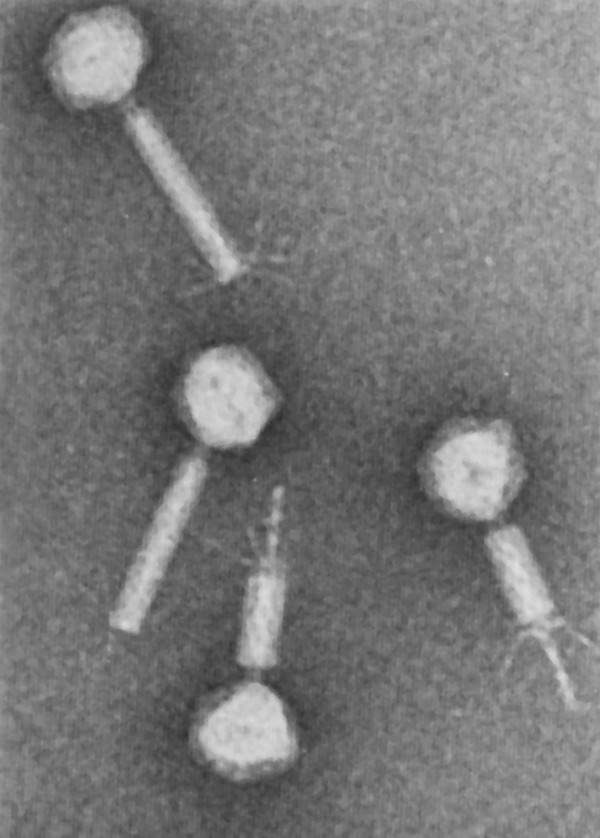
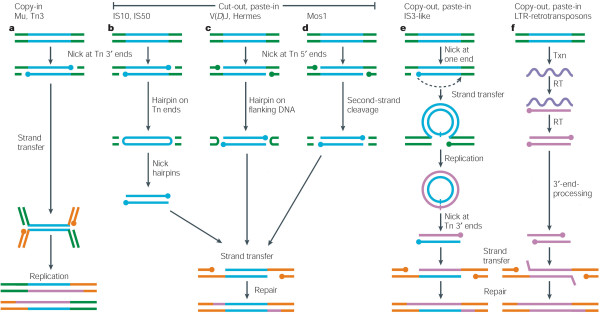
Verification
Claims the paper makes
The claims and statistics of this paper haven’t been checked yet.
Free: it reads the open-access text and checks the first 5 claims that cite a source we can check. Create a free account to check every claim.
Self-check
Percentages, sums and reported differences re-computed from the paper’s own numbers.
The self-check needs the paper’s full text.
Citations
Cites
The origin and behavior of mutable loci in maize
McClintock, B. (1950) · Proceedings of the National Academy of Sciences · doi:10.1073/pnas.36.6.344 · Cited by 1,747 · cited 1×
“At Cold Spring Harbor, Bukhari also came face to face with Barbara McClintock, whose work was vital to his thinking [6].”
(2007) · Wiley eBooks · doi:10.1128/9781555817954 · Cited by 1,291
Dyda, F., Hickman, A. B., Jenkins, T. M., Engelman, A., Craigie, R., & Davies, D. R. (1994) · Science · doi:10.1126/science.7801124 · Cited by 810 · cited 1×
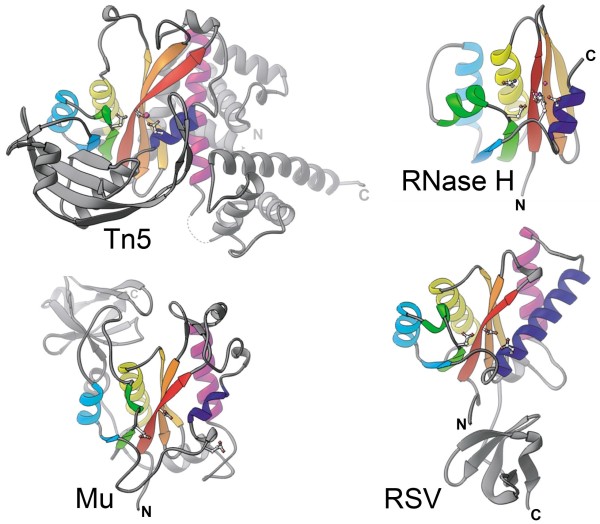
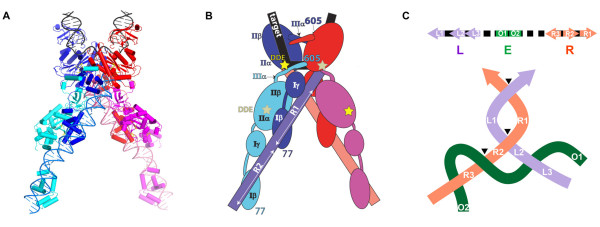
“The catalytic core domains of both MuA and retroviral integrases were the first to be crystallized and showed a striking similarity in their active sites and overall RNase H structural fold [30-33] (Figure 4).”
Retroviral intasome assembly and inhibition of DNA strand transfer
Hare, S., Gupta, S. S., Valkov, E., Engelman, A., & Cherepanov, P. (2010) · Nature · doi:10.1038/nature08784 · Cited by 678 · cited 3×
“Structures of intasomes captured at various stages of the integration of the retrovirus PFV (prototype foamy virus), also show a trans arrangement of catalytic subunits, with target DNA accommodated in a severely bent conformation in the strand transfer complex [27,34].”
HIV-1 DNA integration: Mechanism of viral DNA cleavage and DNA strand transfer
Engelman, A., Mizuuchi, K., & Craigie, R. (1991) · Cell · doi:10.1016/0092-8674(91)90297-c · Cited by 655 · cited 1×
“The similarities between the phosphoryl transfer steps of Mu and HIV integration are remarkable, both occurring by a one-step mechanism without involvement of a covalent protein-DNA intermediate [29].”
Summa, V., Petrocchi, A., Bonelli, F., Crescenzi, B., Donghi, M., Ferrara, M., Fiore, F., Gardelli, C., Gonzalez Paz, O., Hazuda, D. J., et al. (2008) · Journal of Medicinal Chemistry · doi:10.1021/jm800245z · Cited by 633 · cited 1×
“Over the years, a plethora of HIV integrase inhibitors have been discovered, but raltegravir is the first drug developed by Merck targeted to the integrase to be approved by the FDA (Federal Drug Administration) [41].”
Kulkosky, J., Jones, K. S., Katz, R. A., Mack, J. P., & Skalka, A. M. (1992) · Molecular and Cellular Biology · doi:10.1128/mcb.12.5.2331 · Cited by 571 · cited 1×
“A comparison of a large number of retroviral INs, prokaryotic and eukaryotic transposases as well as the RAG recombinase involved in immunoglobulin VDJ rearrangements, led to identification of conserved D,D (35)E motifs that were shown to be important for integration; these residues coordinate the metal ions required…”
DNA: Insertion Elements, Plasmids, and Episomes.
Bukhari, A. I., Shapiro, J. A., & Adhya, S. L. (1977) · Medical Entomology and Zoology · Cited by 562
Shapiro, J. A. (1979) · Proceedings of the National Academy of Sciences · doi:10.1073/pnas.76.4.1933 · Cited by 510 · cited 1×
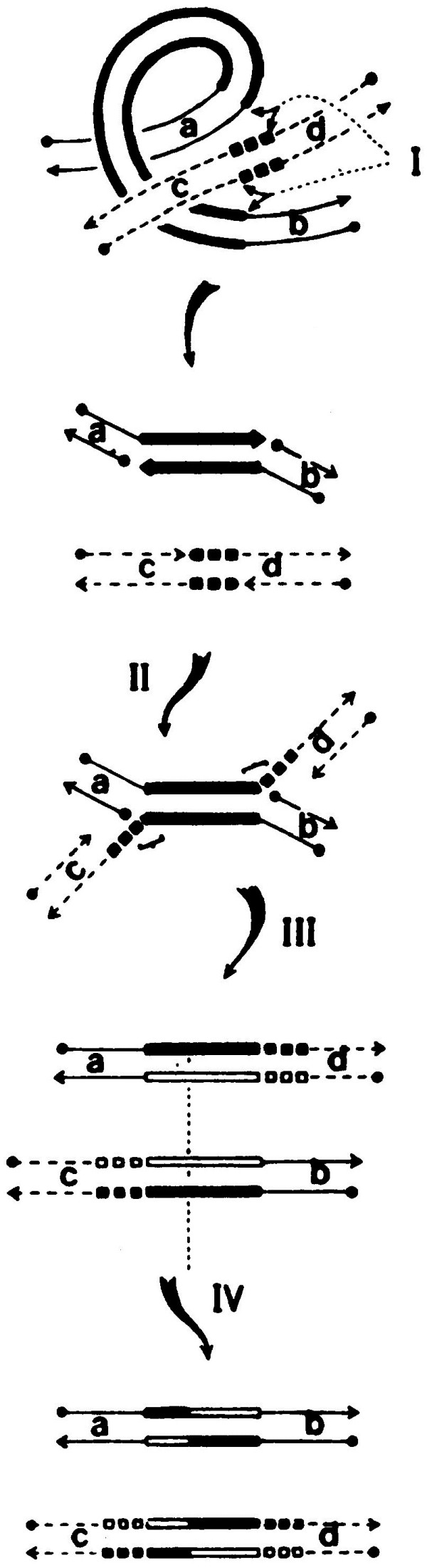
“In 1979, Jim Shapiro proposed an elegant and parsimonious model for transposition [12] (Figure 2).”
Three-Dimensional Structure of the Tn 5 Synaptic Complex Transposition Intermediate
Davies, D. R., Goryshin, I. Y., Reznikoff, W. S., & Rayment, I. (2000) · Science · doi:10.1126/science.289.5476.77 · Cited by 427 · cited 4×
“Davies DR, Goryshin IY, Reznikoff WS, Rayment I: Three-dimensional structure of the Tn5 synaptic complex transposition intermediate.”
Influential
Research works printed but not linked: 2
- 40. DNA supercoiling. J Biol Chem 2005, 280:6149-6156.
- 77. Berg CM, Berg DE, Groisman EA: Transposable elements and genetic engineering of bacteria. In Mobile DNA. Edited by Berg DE, Howe MM. Washington, DC: American Society for Microbiology; 1989:879-925.
Cited by
A new perspective on lysogeny: prophages as active regulatory switches of bacteria
Feiner, R., Argov, T., Rabinovich, L., Sigal, N., Borovok, I., & Herskovits, A. A. (2015) · Nature Reviews Microbiology · doi:10.1038/nrmicro3527 · Cited by 488
Lesbats, P., Engelman, A. N., & Cherepanov, P. (2016) · Chemical Reviews · doi:10.1021/acs.chemrev.6b00125 · Cited by 233
Landscape of mobile genetic elements and their antibiotic resistance cargo in prokaryotic genomes
Khedkar, S., Smyshlyaev, G., Letunic, I., Maistrenko, O. M., Coelho, L. P., Orakov, A., Forslund, S. K., Hildebrand, F., Luetge, M., Schmidt, T. S. B., et al. (2022) · Nucleic Acids Research · doi:10.1093/nar/gkac163 · Cited by 181
Transposons: the agents of antibiotic resistance in bacteria
Babakhani, S., & Oloomi, M. (2018) · Journal of Basic Microbiology · doi:10.1002/jobm.201800204 · Cited by 175
“After the bacteriophages’ discovery, the complexity and role of phages has more been determined in the gene transmission [122].”
BackgroundThe Tn 3 -family of Replicative Transposons
Nicolas, E., Lambin, M., Dandoy, D., Galloy, C., Nguyen, N., Oger, C. A., & Hallet, B. (2015) · Microbiology Spectrum · doi:10.1128/microbiolspec.mdna3-0060-2014 · Cited by 140
“…between the transposase (MuA and TnsAB, respectively) and an additional element-encoded protein (MuB and TnsC) that function as a molecular “ match-maker ” between the transpososome and the target (117, 118, 204 – 206) (see also the chapters by R. M. Harshey and J.E. Peters in this volume).”
BackgroundMechanisms of DNA Transposition
Hickman, A. B., & Dyda, F. (2015) · Microbiology Spectrum · doi:10.1128/microbiolspec.mdna3-0034-2014 · Cited by 162
“One of the best studied of these elements is bacteriophage Mu which uses replicative transposition to increase its copy number in infected cells (reviewed in (65) and Harshey, this volume).”
BackgroundHickman, A. B., & Dyda, F. (2016) · Chemical Reviews · doi:10.1021/acs.chemrev.6b00003 · Cited by 125
Structure and function of retroviral integrase
Maertens, G. N., Engelman, A. N., & Cherepanov, P. (2022) · Nature Reviews Microbiology · doi:10.1038/s41579-021-00586-9 · Cited by 124
Software-based analysis of bacteriophage genomes, physical ends, and packaging strategies
Merrill, B. D., Ward, A. T., Grose, J. H., & Hope, S. I. (2016) · BMC Genomics · doi:10.1186/s12864-016-3018-2 · Cited by 115
“chromosome via replicative transposition [36].”
Harshey, R. M. (2014) · Microbiology Spectrum · doi:10.1128/microbiolspec.mdna3-0007-2014 · Cited by 108
“Transposable phage Mu has played a historic role in the development of the mobile DNA element field (1).”
BackgroundSelf-citationGe, X. Z., Jiang, J., Pan, Z., Hu, L., Wang, S., Wang, H., Leung, F. C.-C., Dai, J., & Fan, H. (2014) · PLoS ONE · doi:10.1371/journal.pone.0112048 · Cited by 93
“It was also likely that the GI-18 phage could produce two types of tail fibers by DNA inversion like phage Mu and several other phages [59,60].”
BackgroundBacteriophage-Mediated Horizontal Gene Transfer: Transduction
Schneider, C. L. (2021) · Springer eBooks · doi:10.1007/978-3-319-41986-2_4 · Cited by 58
A widespread family of polymorphic toxins encoded by temperate phages
Jamet, A., Touchon, M., Ribeiro-Gonçalves, B., Carriço, J. A., Charbit, A., Nassif, X., Ramirez, M., & Rocha, E. P. C. (2017) · BMC Biology · doi:10.1186/s12915-017-0415-1 · Cited by 52
“coli which was first discovered due to its striking ability to transpose into the host genome [29].”
BackgroundBacteriophage Technology and Modern Medicine
Azam, A. H., Tan, X.-E., Veeranarayanan, S., Kiga, K., & Cui, L. (2021) · Antibiotics · doi:10.3390/antibiotics10080999 · Cited by 44
Bacteriophage-Mediated Horizontal Gene Transfer: Transduction
Schneider, C. L. (2017) · Springer eBooks · doi:10.1007/978-3-319-40598-8_4-1 · Cited by 47
Hulo, C., Masson, P., Mercier, P. L., & Toussaint, A. (2014) · Virology · doi:10.1016/j.virol.2014.10.009 · Cited by 39
“…Taylor, when he readily recognized the phage mutagenic properties and demonstrated that this resulted from the phage capacity to integrate and block expression of many if not any gene in the chromosome of its bacterial host (Taylor (1963), reviewed in Symonds et al. (1987) and Harshey (2012)).”
Natural and Engineered Guide RNA–Directed Transposition with CRISPR-Associated Tn7-Like Transposons
Hsieh, S.-C., & Peters, J. E. (2024) · Annual Review of Biochemistry · doi:10.1146/annurev-biochem-030122-041908 · Cited by 27
“For example, bacteriophage Mu integrates and replicates using a transposition mechanism that involves a transposase, MuA, that is guided for transposition by a AAA+ protein, MuB, and this process shows many similarities with the Tn7-like systems (47).”
A Moveable Feast: An Introduction to Mobile DNA
(2015) · doi:10.1128/microbiolspec.mdna3-0062-2014 · Cited by 26
Target DNA bending by the Mu transpososome promotes careful transposition and prevents its reversal
Fuller, J. R., & Rice, P. A. (2017) · eLife · doi:10.7554/elife.21777 · Cited by 25
“Among transposons whose behavior has been examined in vitro, the transposable Escherichia coli bacteriophage Mu is one of the most active (Harshey and Bukhari, 1981; Mizuuchi, 1983) and well-studied (reviewed in Harshey, 2012).”
BackgroundAlessa, O., Aiba, Y., Arbaah, M., Hidaka, Y., Watanabe, S., Miyanaga, K., Wannigama, D. L., & Cui, L. (2025) · Molecules · doi:10.3390/molecules30153132 · Cited by 21
“…potential for genetic recombination between closely related DNA molecules (phage crossing) [11], the discovery of transposable elements (phage Mu) [12], the identification of restriction enzymes [13], DNA ligation enzymes (T4 DNA ligase) [14], and notably, the sequencing of the first complete…”
Transposable Mu-like phages in Firmicutes: new instances of divergence generating retroelements
Toussaint, A. (2013) · Research in Microbiology · doi:10.1016/j.resmic.2013.01.008 · Cited by 21
The Tn 3 -family of Replicative Transposons
Nicolas, É., Lambin, M., Dandoy, D., Galloy, C., Nguyen, N., Oger, C. A., & Hallet, B. (2015) · ASM Press eBooks · doi:10.1128/9781555819217.ch32 · Cited by 21
Wangchuk, J., Chatterjee, A., Patil, S. D., Madugula, S. K., & Kondabagil, K. R. (2021) · Virology · doi:10.1016/j.virol.2021.09.004 · Cited by 19
A Moveable Feast: An Introduction to Mobile DNA
Craig, N. L. (2015) · ASM Press eBooks · doi:10.1128/9781555819217.ch1 · Cited by 18
Unexplored diversity and ecological functions of transposable phages
Zhang, M., Hao, Y., Yi, Y., Liu, S., Sun, Q., Tan, X., Tang, S., Xiao, X., & Jian, H. (2023) · The ISME Journal · doi:10.1038/s41396-023-01414-z · Cited by 17
Mu transpososome and RecBCD nuclease collaborate in the repair of simple Mu insertions
Choi, W., Jang, S., & Harshey, R. M. (2014) · Proceedings of the National Academy of Sciences · doi:10.1073/pnas.1407562111 · Cited by 16
Self-citationJang, S., & Harshey, R. M. (2015) · Molecular Microbiology · doi:10.1111/mmi.13061 · Cited by 15
“Mu has played a central role in the development of the mobile DNA element field (Harshey, 2012).”
BackgroundSelf-citationMechanisms of DNA Transposition
Hickman, A. B., & Dyda, F. (2015) · ASM Press eBooks · doi:10.1128/9781555819217.ch25 · Cited by 15
Rethinking Phage Ecology by Rooting it Within an Established Plant Framework
Clokie, M. R. J., Blasdel, B. G., Demars, B. O. L., & Sicheritz‐Pontén, T. (2020) · PHAGE · doi:10.1089/phage.2020.0015 · Cited by 14
“T7, in contrast, has a much smaller genome,(33) and Mu, which also has a small genome, can also function as a transposon and has a further interesting strategy.(34) These phages were chosen for in-depth study by virtue of being among the first of their ‘‘types’’ to be isolated and the fact that they were easy to propa…”
BackgroundCui, Z., Xu, Z., Wei, Y., Zhang, Q., Qin, K., & Ji, X. (2020) · Current Microbiology · doi:10.1007/s00284-020-02277-9 · Cited by 10
Mu-driven transposition of recombinant mini-Mu unit DNA in the Corynebacterium glutamicum chromosome
Gorshkova, N. V., Lobanova, J. S., Tokmakova, I. L., Smirnov, S. V., Akhverdyan, V. Z., Krylov, A. A., & Mashko, S. V. (2018) · Applied Microbiology and Biotechnology · doi:10.1007/s00253-018-8767-1 · Cited by 9
“…spaced 5 bp apart in the bacterial chromosome during Mu phage infection; and (ii) nick-join-replicative transposition, which occurs through the formation of a cointegrate structure that is obligatory for replication during phage lytic growth (Au et al. 2006; Choi et al. 2014; Harshey 2012, 2014).”
BackgroundHarshey, R. M. (2015) · ASM Press eBooks · doi:10.1128/9781555819217.ch31 · Cited by 8
Self-citationProphage-Derived Regions in Curtobacterium Genomes: Good Things, Small Packages
Evseev, P. V., Lukianova, A. A., Tarakanov, R. I., Tokmakova, A. D., Popova, A. V., Kulikov, E. E., Shneider, M. M., Ignatov, A. N., & Анатольевич, М. К. (2023) · International Journal of Molecular Sciences · doi:10.3390/ijms24021586 · Cited by 8
Rasila, T. S., Pulkkinen, E., Kiljunen, S., Haapa-Paananen, S. M., Pajunen, M. I., Salminen, A., Paulin, L. G., Vihinen, M., Rice, P. A., & Savilahti, H. (2017) · Nucleic Acids Research · doi:10.1093/nar/gkx1281 · Cited by 7
The bacteriophage mu lysis system–A new mechanism of host lysis?
Samanta, S., Sharma, A. R., Saha, A., Singh, M. K., Das, A., Bhattacharya, M., Saha, R. P., LEE, S.-S., & Chakraborty, C. (2021) · Biocell · doi:10.32604/biocell.2021.015537 · Cited by 6
“However, the host-lysis mechanism of phage Mu is still unknown despite knowing the phage for more than 50 years by the scientific community (Taylor, 1963; Harshey, 2012; Saha et al., 2013).”
BackgroundElucidating the Architectural dynamics of MuB filaments in bacteriophage Mu DNA transposition
Zhao, X., Gao, Y., Gong, Q., Zhang, K., & Li, S. (2024) · Nature Communications · doi:10.1038/s41467-024-50722-1 · Cited by 6
Transposable Bacteriophages as Genetic Tools
Toussaint, A. (2017) · Methods in molecular biology · doi:10.1007/978-1-4939-7343-9_19 · Cited by 6
Viruses Are Part of the Holobiont’s Fitness and Evolution
ROSENBERG, E. B. (2021) · The microbiomes of humans, animals, plants, and the environment · doi:10.1007/978-3-030-65317-0_7 · Cited by 5
Vergnaud, G., Midoux, C., Blouin, Y., Bourkaltseva, M., Krylov, V. N., & Pourcel, C. (2018) · Viruses · doi:10.3390/v10050245 · Cited by 5
MuA-based Molecular Indexing for Rare Mutation Detection by Next-Generation Sequencing
Mielinis, P., Sukackaitė, R., Serapinaitė, A., Samoilovas, F., Alzbutas, G., Matjošaitis, K., & Lubys, A. (2021) · Journal of Molecular Biology · doi:10.1016/j.jmb.2021.167209 · Cited by 5
A novel transposable Mu-like prophage in Bacillus alcalophilus CGMCC 1.3604 (ATCC 27647)
Yang, J., Kong, Y., Li, X., & Yang, S. (2015) · Virologica Sinica · doi:10.1007/s12250-014-3497-8 · Cited by 5
“Both copies of BalMu-1 contain conserved terminal CA-TGs sequences as Mu and many other transposable prophages (Harshey, 2012).”
BackgroundToussaint, A. (2015) · Bacteriophage · doi:10.1080/21597081.2015.1034336 · Cited by 4
“Mu became a paradigm system for recombination catalyzed by DDE transposases and serine based site-specific recombinases (of which MuA and Mu Gin are representatives, very nicely summarized by Rasika Harshey in a recent review.(16) Mini-Mu (Mu reduced to its ends with transposase and sometimes B being provided in cis o…”
MethodTransposition of insertion sequence IS256Bsu1 in Bacillus subtilis 168 is strictly dependent on recA
Akashi, M., Harada, S., Moki, S., Okouji, Y., Takahashi, K., Kada, S., Yamagami, K., Sekine, Y., Watanabe, S., Chibazakura, T., et al. (2017) · Genes & Genetic Systems · doi:10.1266/ggs.16-00071 · Cited by 4
Howe, M. M., & Pato, M. L. (2017) · Elsevier eBooks · doi:10.1016/b978-0-12-809633-8.06883-7 · Cited by 3
Dramićanin, M., Mendez, B. L., Boskovic, J., Campos‐Olivas, R., & Ramón‐Maiques, S. (2015) · Journal of Structural Biology · doi:10.1016/j.jsb.2015.07.004 · Cited by 3
“Phage Mu is among the most complex and efficient DNA transposons, and its study set the bases for our current understanding of transposition mechanisms, retroviral integration and early steps of V(D)J recombination (reviewed in (Chaconas and Harshey, 2002; Harshey, 2012; Mizuuchi, 1992)).”
BackgroundEliza, M. (2023) · White Rose eTheses Online (University of Leeds, The University of Sheffield, University of York) · Cited by 3
Stevens, R. H., Zhang, H., & Fouts, D. E. (2025) · Scientific Reports · doi:10.1038/s41598-025-20531-7 · Cited by 2
Virus Origins and the Origin of Life
Pan, D. (2021) · Advances in astrobiology and biogeophysics · doi:10.1007/978-3-030-81039-9_8 · Cited by 2
Prophages in marine Citromicrobium: diversity, activity, and interaction with the host
Ma, R., Xu, B., Chen, X., Sun, Q., Li, Y., Zheng, Q., Jiao, N., & Zhang, R. (2025) · ISME Communications · doi:10.1093/ismeco/ycaf148 · Cited by 1
“During replicative transpositions (or induction), flanking host sequences (5’fla ps) adjacent to both genomic ends of Mu-like prophages were encapsulated due to “head-full” packaging [55].”
Information processing and disturbance of the quorum sensing cascade of Vibrio harveyi
Lorenz, N. (2016) · Elektronische Hochschulschriften der LMU München (Ludwig-Maximilians-Universität München) · doi:10.5282/edoc.21464 · Cited by 1
Wiesmann, C. L. (2017) · cIRcle (University of British Columbia) · doi:10.14288/1.0340536 · Cited by 1
“, 2014), integrons (Gillings, 2014), transposable phages (Harshey et al., 2012), and gene transfer agents (GTAs) (Lang et al.”
BackgroundZongo, P. D. (2024) · theses.fr (ABES) · doi:10.70675/d7cfa389zfa07z4547z91b4z15b9767dd3c4 · Cited by 1
Viruses are Part of the Holobiont’s Fitness and Evolution
ROSENBERG, E. B., & Zilber‐Rosenberg, I. (2013) · Springer eBooks · doi:10.1007/978-3-319-04241-1_7
Rasila, T. S. (2013) · Helda - University of Helsinki Institutional Repository
Pulkkinen, E. (2016) · UTUPub (University of Turku)
Characterization of a Group II Intron and its Intron-Encoded Protein
Semper, C. (2016) · Libraries and Cultural Resources (University of Calgary) · doi:10.11575/prism/25267
Variation in Campylobacter phage and prophage
Liang, L. (2017) · Nottingham ePrints (University of Nottingham)
Investigation of the Tail Fibres and Tail Fibre Assembly Proteins of Contractile-tailed Phages
Ivantsiv, O. (2019) · TSpace (University of Toronto)
Ndela, É. O. (2023) · theses.fr (ABES) · doi:10.70675/17b72026z076az4622za540z38bfb251dd02
Phage Biology and Classifications
(2026) · Royal Society of Chemistry eBooks · doi:10.1039/9781837072026-00033
Mu-seq reveals previously undetected long-range contact patterns in the Escherichia coli nucleoidPreprint
Royzenblat, S. K., Ho, K., Diao, R., Harshey, R. M., & Freddolino, L. (2026) · bioRxiv (Cold Spring Harbor Laboratory) · doi:10.64898/2026.07.26.740832
Self-citationKalenderski, K. (2022) · Nottingham ePrints (University of Nottingham)
Metadata
- Authors
- Harshey, R. M.
- Affiliations
- The University of Texas at Austin (US)
- Corresponding author
- Harshey, Rasika M
- ORCID
- Harshey, Rasika M
- Venue
- Mobile DNA
- Published
- 2012
- Volume
- 3
- Issue
- 1
- Pages
- 21
- ISSN
- 1759-8753 (ISSN-L)
- PMC
- PMC3562280
- OpenAlex
- W2119450302
- Cited by
- 52
- References
- 78
- Citations by year
- 2026: 1 · 2025: 3 · 2024: 2 · 2023: 3 · 2022: 1 · 2021: 8 · 2020: 2 · 2019: 1 · 2018: 3 · 2017: 7 · 2016: 3 · 2015: 12 · 2014: 4 · 2013: 2
- FWCI
- 3.46
- Type
- journal article
- Language
- en
- Open access
- gold
- doi.org
- Licence
- cc-by
- Locations
- Mobile DNA (publishedVersion, cc-by)
- Europe PMC (PubMed Central) (publishedVersion, cc-by)
- PubMed Central (publishedVersion, cc-by)
- PubMed (publishedVersion)
- DOAJ (DOAJ: Directory of Open Access Journals) (submittedVersion, cc-by-sa)
- Texas ScholarWorks (Texas Digital Library) (submittedVersion, cc-by)
- Funders
- National Institutes of Health
- National Institute of General Medical Sciences (R01GM033247)
- Topics
- Life Sciences › Biochemistry, Genetics and Molecular Biology › Genetics › Bacterial Genetics and Biotechnology
- Life Sciences › Immunology and Microbiology › Virology › Bacteriophages and microbial interactions
- Life Sciences › Biochemistry, Genetics and Molecular Biology › Genetics › Chromosomal and Genetic Variations
- Keywords
- bacteriophage Mu, transposable elements, insertion elements, Escherichia coli, transposition mechanism, phosphoryl transfer, transpososome, transposon amplification, HIV integrase, integrase inhibitors, genome rearrangement
About these checks
Registry, retraction, Cites and statistics results are computed, not judged, with one exception: a printed reference that no index lists is read once by a model before it counts as a citation error. Claims are extracted by a model and kept only when their quote appears verbatim in the text; each cited source is then checked, with a model’s help, for whether it says what the claim relies on. Those verdicts can be wrong — read the claim’s quote and the cited source before relying on one.
Statistics and arithmetic are recomputed, not judged.
Confidence bands are shown only for fields calibrated on our annotated test set. None is calibrated yet, so no band is shown.
What counts as a claim ›How we measure confidence ›How we check this ›
Are you an author, or do you see a problem with this page? Request a review
Data sources
Bibliographic data: Semantic Scholar, OpenAlex, Crossref.
Contains information from the Semantic Scholar Academic Graph Datasets, made available under the ODC Attribution License (ODC-BY 1.0).
Semantic Scholar’s data is described in: Kinney, R., et al. (2023). The Semantic Scholar Open Data Platform. arXiv:2301.10140.
