

The DOI matches its Crossref record; 33 of the 33 references it cites were found in a registry or an index.
The multiple roles of microRNA-155 in oncogenesis
Open accessAbstract
The microRNA miR-155 is prominent in cancer biology. Among microRNAs that have been linked to cancer, it is the most commonly overexpressed in malignancies (PNAS 109:20047-20052, 2012). Since its discovery, miR-155 has been implicated in promoting cancers of the breast, lung, liver, and lymphatic system. As such, targeted therapies may prove beneficial to cancer treatment. This review discusses the important role of miR-155 in oncogenesis. It synthesizes information from ten recent papers on miR-155, and includes an analysis and discussion of its association with cancer, interactions with other miRNAs, mechanisms of action, and the most promising available treatment options.Current debates in the field include the importance of miRNAs in general and their utility as targets in preventing tumorigenesis (Blood 119:513-520, 2012). Most of the papers being reviewed here confirm the role of miR-155 in oncogenesis (EMBO Mol Med 1:288-295, 2009). While there is some controversy surrounding recent research that claims that miR-155 may display anti-oncogenic or pro-immunological benefits (Cell Rep 2:1697-1709, 2012), most research seems to point to the importance of anti-miRs, with anti-miR-155 in particular, for cancer therapy.
Overview
The claims and statistics of this paper haven’t been checked yet.
Run the check — free, no account needed. It reads the open-access text and checks the sources it cites.
Integrity signals
Registry
Cites
Statistics
Figures
Verification
Claims the paper makes
The claims and statistics of this paper haven’t been checked yet.
Run the check — free, no account needed. It reads the open-access text and checks the sources it cites.
Self-check
Percentages, sums and reported differences re-computed from the paper’s own numbers.
The self-check needs the paper’s full text.
Citations
Cites
Hallmarks of Cancer: The Next Generation
Hanahan, D., & Weinberg, R. A. (2011) · Cell · doi:10.1016/j.cell.2011.02.013 · Cited by 66,590
MicroRNAs: Target Recognition and Regulatory Functions
Bartel, D. P. (2009) · Cell · doi:10.1016/j.cell.2009.01.002 · Cited by 20,068
(2008) · doi:10.1038/nrg2290 · Cited by 5,199
Regulation of the Germinal Center Response by MicroRNA-155
Thai, T., Calado, D. P., Casola, S. S., Ansel, K. M., Xiao, C., Xue, Y., Murphy, A. J., Frendewey, D. A., Valenzuela, D. M., Kutok, J. L., et al. (2007) · Science · doi:10.1126/science.1141229 · Cited by 1,477
Inflammation and cancer: An ancient link with novel potentials
Hussain, S. P., & Harris, C. C. (2007) · International Journal of Cancer · doi:10.1002/ijc.23173 · Cited by 1,113
miR-155 gene: A typical multifunctional microRNA
Faraoni, I., Antonetti, F. R., Cardone, J., & Bonmassar, E. (2009) · Biochimica et Biophysica Acta (BBA) - Molecular Basis of Disease · doi:10.1016/j.bbadis.2009.02.013 · Cited by 815
Inflammation and cancer: interweaving microRNA, free radical, cytokine and p53 pathways
Schetter, A. J., Heegaard, N. H. H., & Harris, C. C. (2009) · Carcinogenesis · doi:10.1093/carcin/bgp272 · Cited by 671
Nanoparticle-based therapy in an in vivo microRNA-155 (miR-155)-dependent mouse model of lymphoma
Babar, I., Cheng, C. J., Booth, C. J., Liang, X., Weidhaas, J. B., Saltzman, W. M., & Slack, F. J. (2012) · Proceedings of the National Academy of Sciences · doi:10.1073/pnas.1201516109 · Cited by 506
Epigenetic diet: impact on the epigenome and cancer
Hardy, T. M., & Tollefsbol, T. O. (2011) · Epigenomics · doi:10.2217/epi.11.71 · Cited by 416
Jiang, S., Zhang, L.-F., Zhang, H.-W., Hu, S. N., Lu, M.-H., Liang, S., Li, B., Li, Y., Li, D., Wang, E.-D., et al. (2012) · The EMBO Journal · doi:10.1038/emboj.2012.45 · Cited by 358
Cited by
Sorted by citations
Cornel, A. M., Mimpen, I. L., & Nierkens, S. (2020) · Cancers · doi:10.3390/cancers12071760 · Cited by 501
miR-155: An Important Role in Inflammation Response
Hu, J., Huang, S., Liu, X., Zhang, Y., Wei, S., & Hu, X. (2022) · Journal of Immunology Research · doi:10.1155/2022/7437281 · Cited by 171
“Additionally, Higgs et al. [70] reviewed that miR-155 was a noncoding transcript expressed in activated B cells, T cells, monocytes, and macrophages.”
Anastasiadou, E., Seto, A. G., Beatty, X., Hermreck, M., Gilles, M.-E., Stroopinsky, D., Pinter‐Brown, L. C., Pestano, L. A., Marchese, C., Avigan, D., et al. (2020) · Clinical Cancer Research · doi:10.1158/1078-0432.ccr-20-3139 · Cited by 163
Mitochondria-associated microRNAs in rat hippocampus following traumatic brain injury
Wang, W.-X., Visavadiya, N. P., Pandya, J. D., Nelson, P. T., Sullivan, P. G., & Springer, J. E. (2015) · Experimental Neurology · doi:10.1016/j.expneurol.2014.12.018 · Cited by 134
“The levels of miR-155 and miR-223, both of which play a role in several biological/ pathological processes including immunity, cancer, and inflammatory responses (Sonkoly et al., 2008; Quinn and O’Neill, 2011; Higgs and Slack, 2013; Vigorito et al., 2013; Seddiki et al., 2014; Taibi et al., 2014), were significantly e…”
Backgroundde la Parra, C., Castillo‐Pichardo, L., Cruz‐Collazo, A., Cubano, L. A., Redis, R. S., Călin, G. A., & Dharmawardhane, S. (2016) · Nutrition and Cancer · doi:10.1080/01635581.2016.1115104 · Cited by 133
microRNAs as cancer therapeutics: A step closer to clinical application
Ivković, T. C., Voss, G., Cornellà, H., & Ceder, Y. (2017) · Cancer Letters · doi:10.1016/j.canlet.2017.04.007 · Cited by 134
Mir-155 promotes cervical cancer cell proliferation through suppression of its target gene LKB1
Lao, G., Liu, P., Wu, Q., Zhang, W., Liu, Y., Yang, L., & Ma, C. (2014) · Tumor Biology · doi:10.1007/s13277-014-2479-7 · Cited by 126
“It has been demonstrated that miR-155 downregulation could induce cell apoptosis and cell cycle arrest by targeting many anti-apoptotic factors [20].”
BackgroundLiu, L., Yi, H., He, H., Pan, H., Cai, L., & Ma, Y. (2017) · Biomaterials · doi:10.1016/j.biomaterials.2017.04.043 · Cited by 124
Li, Y., Duo, Y., Bi, J., Zeng, X., Mei, L., Bao, S., He, L., Shan, A., Zhang, Y., & Yu, X. (2018) · International Journal of Nanomedicine · doi:10.2147/ijn.s158290 · Cited by 128
“MiR-155, functioning as an OncomiR, has multiple targets in human cancers.(39) Previous studies show that miR-155 can enhance NF-κB activity by targeting its negative regulators.”
Micro-RNA-155 is induced by K-Ras oncogenic signal and promotes ROS stress in pancreatic cancer
Wang, P., Zhu, C.-F., Ma, M.-Z., Chen, G., Song, M., Zeng, Z.-L., Lu, W.-H., Yang, J., Wen, S., Chiao, P. J., et al. (2015) · Oncotarget · doi:10.18632/oncotarget.4125 · Cited by 126
“Dysregulation of miR-155 levels has been associated with various types of cancers, including lung cancer, breast cancer, colon cancer and lymphatic system [24, 25], indicating the prominent role of miR-155 in cancer biology.”
Shao, C., Yang, F., Qin, Z., Jing, X., Shu, Y., & Shen, H. (2019) · BMC Cancer · doi:10.1186/s12885-019-6297-6 · Cited by 114
The anticancer mechanism of action of selected polyphenols in triple-negative breast cancer (TNBC)
Farghadani, R., & Naidu, R. (2023) · Biomedicine & Pharmacotherapy · doi:10.1016/j.biopha.2023.115170 · Cited by 102
“Furthermore, miR-155 play a crucial role in the regulation of more than 100 cancer-related pathway and cell cycle regulatory molecules and has been correlated with TNBC [75,76].”
BackgroundAnh, N. H., Mai, Q. D., Dinh, N. X., Huy, T. Q., Tri, D. Q., Loan, L. T. N., Bui, H. V., & Le, A.-T. (2022) · RSC Advances · doi:10.1039/d1ra08311b · Cited by 100
MicroRNAs mediated regulation of MAPK signaling pathways in chronic myeloid leukemia
Chakraborty, C., Sharma, A. R., Patra, B. C., Bhattacharya, M., Sharma, G., & Lee, S. (2016) · Oncotarget · doi:10.18632/oncotarget.7977 · Cited by 100
“BIC shows robust sequence homology amongst human, mouse and chicken and is highly, although not exclusively, expressed in lymphoid organs suggesting an evolutionary conserved function [96, 104, 105].”
BackgroundMiR-155-5p accelerates the metastasis of cervical cancer cell via targeting TP53INP1
Li, N., Cui, T., Guo, W., Wang, D., & Mao, L. (2019) · OncoTargets and Therapy · doi:10.2147/ott.s193097 · Cited by 93
“It has been demonstrated that downregulation of miR-155 induces cell cycle arrest and apoptosis through regulating many anti-apoptotic genes.(33) Consistently, our study revealed that downexpression of miR-155 raised SiHa cervical cancer cell apoptosis.”
BackgroundRetractedTargeting tumor‐associated macrophages: A potential treatment for solid tumors
Chen, Y., Jin, H., Song, Y., Huang, T., Cao, J., Tang, Q., & Zou, Z. (2020) · Journal of Cellular Physiology · doi:10.1002/jcp.30139 · Cited by 92
“MicroRNA‐155 (miR‐155) has been implicated in promoting the development of breast, lung, liver, and lymphatic system cancers (Higgs & Slack, 2013; M. Li et al., 2018).”
BackgroundAftab, M., Poojary, S. S., Seshan, V., Kumar, S., Agarwal, P., Tandon, S., Zutshi, V., & Das, B. C. (2021) · Scientific Reports · doi:10.1038/s41598-021-89388-w · Cited by 83
MicroRNAs and Cancer: A Long Story for Short RNAs
Drusco, A., & Croce, C. M. (2017) · Advances in cancer research · doi:10.1016/bs.acr.2017.06.005 · Cited by 83
Non-Coding RNAs in Cancer Diagnosis and Therapy: Focus on Lung Cancer
Le, P., Romano, G., Nana-Sinkam, P. S., & Acunzo, M. (2021) · Cancers · doi:10.3390/cancers13061372 · Cited by 87
Amanat, M., Nemeth, C. L., Fine, A. S., Leung, D. G., & Fatemi, A. S. (2022) · Pharmaceutics · doi:10.3390/pharmaceutics14112389 · Cited by 78
Epigenetic Regulation by Sulforaphane: Opportunities for Breast and Prostate Cancer Chemoprevention
Atwell, L. L., Beaver, L. M., Shannon, J., Williams, D. E., Dashwood, R. H., & Ho, E. (2015) · Current Pharmacology Reports · doi:10.1007/s40495-014-0002-x · Cited by 73
Zadeh, M. M., Motamed, N., Ranji, N., Majidi, M., & Falahi, F. (2016) · Journal of Breast Cancer · doi:10.4048/jbc.2016.19.1.45 · Cited by 70
“In breast cancer cells, inhibition of miR-21 induced the expression of several genes regulated by p53 such as APAF-1, Fas cell surface death receptor (FAS) and cyclin-dependent kinase inhibitor 1A (CDKN1A or P21) [23].”
BackgroundMicroRNA-155-3p promotes hepatocellular carcinoma formation by suppressing FBXW7 expression
Tang, B., Lei, B., Qi, G., Liang, X., Tang, F., Yuan, S., Wang, Z., Yu, S., & He, S. (2016) · Journal of Experimental & Clinical Cancer Research · doi:10.1186/s13046-016-0371-6 · Cited by 68
“It is one of the most commonly upregulated miRNAs in tumors [16].”
Gyoba, J., Shan, S., Roa, W., & Bédard, E. L. R. (2016) · International Journal of Molecular Sciences · doi:10.3390/ijms17040494 · Cited by 67
“[9] and subsequent studies have explored and solidified the diverse role that miRNAs play in the process of oncogenesis ranging from cell cycle regulation, apoptotic pathways, tumorigenesis and metastasis [2–5,8–10].”
BackgroundChen, G., Wang, D., Zhao, X., Cao, J., Zhao, Y., Wang, F., Bai, J., Luo, D., & Li, L. (2017) · Cancer Cell International · doi:10.1186/s12935-017-0469-8 · Cited by 65
“miR-155, produced from the processing of the B cell integration cluster (BIC), exerts an important role in various physiological and pathological processes, especially in tumorigenesis [18].”
BackgroundmicroRNA-155 promotes the proliferation of prostate cancer cells by targeting annexin 7
Cai, Z., Chen, Q., Chen, Y., Gu, M., Zheng, D., Zhou, J., & Wang, Z. (2014) · Molecular Medicine Reports · doi:10.3892/mmr.2014.2744 · Cited by 61
“Another study demonstrated that miR-155 downregulation induced cell apoptosis by targeting many anti-apoptotic factors, leading to cell cycle arrest (20).”
Segal, M., Biscans, A., Gilles, M.-E., Anastasiadou, E., Luca, R. D., Lim, J., Khvorova, A., & Slack, F. J. (2019) · Molecular Therapy — Nucleic Acids · doi:10.1016/j.omtn.2019.11.008 · Cited by 58
“Molecular Th This is an open access article under the CC BY-NCpromote carcinogenesis by attenuating tumor suppressor genes and are known as oncomiRs (oncogenic miRNAs).(13) Alternatively, miRNAs with low expression levels in cancer cells that typically halt cancer progression by suppression of the expression of oncoge…”
BackgroundA functional variant in miR-155 regulation region contributes to lung cancer risk and survival
Xie, K., Ma, H., Liang, C., Wang, C., Qin, N., Shen, W., Gu, Y., Yan, C., Zhang, K., Dai, N., et al. (2015) · Oncotarget · doi:10.18632/oncotarget.5840 · Cited by 58
“The oncogenic activity of miR-155 has been recently reported in multiply cancers including lung cancer [32].”
RNA therapeutics: Identification of novel targets leading to drug discovery
Qadir, M. I., Bukhat, S., Rasul, S., Manzoor, H., & Manzoor, M. (2019) · Journal of Cellular Biochemistry · doi:10.1002/jcb.29364 · Cited by 57
“miR‐155‐ mediated pathogenesis has been associated with diffuse large B‐cell lymphoma (DLBCL).(139) BCL6 and HDAC4 are two proteins involved in pathogenesis of DLBCL.”
A Mirror Image Fluorogenic Aptamer Sensor for Live-Cell Imaging of MicroRNAs
Zhong, W., & Sczepanski, J. T. (2019) · ACS Sensors · doi:10.1021/acssensors.9b00252 · Cited by 55
MicroRNA in Metabolic Re-Programming and Their Role in Tumorigenesis
Tomasetti, M., Amati, M., Santarelli, L., & Neužil, J. (2016) · International Journal of Molecular Sciences · doi:10.3390/ijms17050754 · Cited by 57
The role of mi RNA s in cutaneous squamous cell carcinoma
Yu, X., & Li, Z. (2015) · Journal of Cellular and Molecular Medicine · doi:10.1111/jcmm.12649 · Cited by 54
The extensive role of miR-155 in malignant and non-malignant diseases
Gulei, D., Ráduly, L., Broseghini, E., Ferracin, M., & Berindan‐Neagoe, I. (2019) · Molecular Aspects of Medicine · doi:10.1016/j.mam.2019.09.004 · Cited by 55
MicroRNAs miR-7 and miR-340 predict response to neoadjuvant chemotherapy in breast cancer
Raychaudhuri, M., Bronger, H., Buchner, T., Kiechle, M. B., Weichert, W., & Avril, S. (2017) · Breast Cancer Research and Treatment · doi:10.1007/s10549-017-4132-9 · Cited by 53
“While miR-155 has a well-known oncogenic role in solid cancers including breast cancer (reviewed in [22, 32]) and its downregulation could conceivably be associated with good prognosis, the prognostic value of miR-200c in breast cancer is less well established.”
BackgroundMicroRNAs in cancer metastasis: biological and therapeutic implications
Sell, M. C., Ramlogan‐Steel, C. A., Steel, J. C., & Dhungel, B. P. (2023) · Expert Reviews in Molecular Medicine · doi:10.1017/erm.2023.7 · Cited by 53
Differential expression of microRNAs in preneoplastic gastric mucosa
Link, A., Schirrmeister, W., Langner, C., Varbanova, M., Bornschein, J., Wex, T., & Malfertheiner, P. (2015) · Scientific Reports · doi:10.1038/srep08270 · Cited by 52
MicroRNAs in pancreatic malignancy: Progress and promises
Srivastava, S. K., Arora, S., Singh, S., Bhardwaj, A., Averett, C., & Singh, A. P. (2014) · Cancer Letters · doi:10.1016/j.canlet.2014.02.015 · Cited by 52
“The role of miR-155 as an oncogenic miRNA is very well known [55].”
BackgroundCong, J., Liu, R., Wang, X., Jiang, H., & Zhang, Y. (2015) · Artificial Cells Nanomedicine and Biotechnology · doi:10.3109/21691401.2015.1080171 · Cited by 50
“E-mail: youzhongzhangsci@163.com (Received 7 July 2015; revised 2 August 2015; accepted 3 August 2015) 1694 (Huang et al. 2013, Higgs and Slack 2013, Martin and St Johnston 2003).”
BackgroundGirardi, C., Pittà, C. D., Casara, S., Calura, E., Romualdi, C., Celotti, L., & Mognato, M. (2014) · BioMed Research International · doi:10.1155/2014/296747 · Cited by 53
“…miR-155 is commonly upregulated in hematological malignancies [65, 66] and has been linked to the development of breast, lung, and stomach tumors [67–70]. miR-150 is significantly downregulated in most cases of acute myeloid leukemia [71] and colorectal cancer [72]; in addition, miR-150 has an…”
Chi, J.-Q., Teng, M., Yu, Z., Xu, H. M., Su, J.-W., Zhao, P., Xing, G., Liang, H.-D., Deng, R., Qu, L., et al. (2014) · Virology · doi:10.1016/j.virol.2014.11.027 · Cited by 50
“Since miR-155 is a host-encoded multifunctional miRNA associated with several cancers and regarded as an oncogene (Tam and Dahlberg, 2006; Faraoni et al., 2009; Tili et al., 2009; Higgs and Slack, 2013; Kong et al., 2014), mdv1-miR-M4-5p was hypothesized to play a potential role in MDV oncogenesis.”
BackgroundLiu, Q., Wang, D., Yuan, M., He, B., Li, J., Mao, C., Wang, G., & Qian, H. (2018) · Chemical Science · doi:10.1039/c8sc03039a · Cited by 50
Kim, J. O., Gazala, S., Razzak, R., Guo, L., Ghosh, S., Roa, W., & Bédard, E. L. R. (2015) · PubMed · Cited by 48
Hepatocellular Carcinoma: The Role of MicroRNAs
Khare, S., Khare, T., Ramanathan, R., & Ibdah, J. A. (2022) · Biomolecules · doi:10.3390/biom12050645 · Cited by 45
Interplay Between Metabolism and Oncogenic Process: Role of microRNAs
Arora, A., Singh, S. P., Bhatt, A. N., Pandey, S., Sandhir, R., & Dwarakanath, B. S. R. (2015) · Translational Oncogenomics · doi:10.4137/tog.s29652 · Cited by 43
Identification of host miRNAs that may limit human rhinovirus replication
Bondanese, V. P. (2014) · World Journal of Biological Chemistry · doi:10.4331/wjbc.v5.i4.437 · Cited by 44
An update on the role of miRNA-155 in pathogenic microbial infections
Zeng, F., Tang, L., He, Y., & Garcia, R. C. (2015) · Microbes and Infection · doi:10.1016/j.micinf.2015.05.007 · Cited by 43
“The connection between miR-155 and the prognosis of tumors is attributed to its targeting a variety of signaling pathway molecules as well as its implication in regulating apoptosis by targeting key genes such as SOCS1 and BACH1 [21].”
BackgroundRobertson, E. D., Wasylyk, C., Ye, T., Jung, A. C., & Wasylyk, B. (2014) · PLoS ONE · doi:10.1371/journal.pone.0113050 · Cited by 44
“Hsa-miR-155-5p can act as an oncogene, but there are also reports of it having tumour suppressor functions [for reviews see [43,44,45,46]].”
BackgroundHe, X.-H., Zhu, W., Yuan, P., Jiang, S., Li, D., Zhang, H.-W., & Liu, M.-F. (2016) · Oncogene · doi:10.1038/onc.2016.132 · Cited by 43
Myeloid-Derived microRNAs, miR-223, miR27a, and miR-652, Are Dominant Players in Myeloid Regulation
Gilicze, A., Wiener, Z., Tóth, S., Buzás, E. I., Pállinger, É., Falcone, F. H., & Falus, A. (2014) · BioMed Research International · doi:10.1155/2014/870267 · Cited by 41
“It is related to cancers of breast, lung, liver, and the lymphatic system; therefore agents that effectively block miR-155 may have an outstanding importance in cancer therapy [46].”
BackgroundMicroRNA-155 expression is independently predictive of outcome in chordoma
Osaka, E., Kelly, A. D., Spentzos, D., Choy, E., Yang, X., Shen, J. K., Yang, P., Mankin, H. J., Hornicek, F. J., & Duan, Z. (2015) · Oncotarget · doi:10.18632/oncotarget.3273 · Cited by 40
“microRNA-155 (miR-155) can act as a multifunctional miR, with roles in hematopoiesis, inflammation, immunity, viral infection, cardiovascular disease, and neoplastic diseases [9, 14].”
BackgroundResultMicroRNA-155 increases colon cancer chemoresistance to cisplatin by targeting forkhead box O3
Gao, Y., Liu, Z., Ding, Z., Hou, S., Li, J., & Jiang, K. (2018) · Oncology Letters · doi:10.3892/ol.2018.7976 · Cited by 39
“The functions of miR-155 in various types of cancer are different: It has been suggested that miR-155 is associated with the development of liver, leukemia, breast, lung and stomach tumors (51-53).”
BackgroundMicroRNA Dysregulation in Early Breast Cancer Diagnosis: A Systematic Review and Meta-Analysis
Garrido-Palacios, A., Carvajal, A. M. R., Núñez-Negrillo, A. M., Cortés‐Martín, J., Sánchez-García, J. C., & Cordero, M. J. A. (2023) · International Journal of Molecular Sciences · doi:10.3390/ijms24098270 · Cited by 38
Non-coding RNAs in lung cancer
Ricciuti, B., Mecca, C., Crinò, L., Baglivo, S., Cenci, M., & Metro, G. (2014) · Oncoscience · doi:10.18632/oncoscience.98 · Cited by 38
“Recently, the possible prognostic role of miR155 has been also explored, and several studies confirm its value in lung cancer diagnosis, prognosis and therapy [79].”
BackgroundMiRNA-155 regulates lymphangiogenesis in natural killer/T-cell lymphoma by targeting BRG1
Chang, Y., Cui, M., Fu, X., Zhang, L., Li, X., Li, L., Wu, J., Sun, Z., Zhang, X., Li, Z., et al. (2018) · Cancer Biology & Therapy · doi:10.1080/15384047.2018.1504721 · Cited by 36
“effect of miR-155 inhibitor was mediated through BRG1, but may also be through other downstream targets of miR-155, as revealed by cumulative evidence in the cancer field.(58) Future studies should be carried out to address the significance of BRG1 in multiple phenotypes of miR-155 in NKTCL.”
BackgroundActivity of MCPIP1 RNase in tumor associated processes
Miękus, K., Kotlinowski, J., Lichawska-Cieślar, A., Ryś, J., & Jura, J. (2019) · Journal of Experimental & Clinical Cancer Research · doi:10.1186/s13046-019-1430-6 · Cited by 38
Amerikanou, C., Papada, E., Gioxari, A., Smyrnioudis, I., Kleftaki, S.-A., Valsamidou, E., Bruns, V., Banerjee, R., Trivella, M. G., Milić, N., et al. (2021) · Pharmacological Research · doi:10.1016/j.phrs.2021.105753 · Cited by 36
“miR-155 participates in regulation and differentiation of cells of haematopoietic origin, as well as in type 1 Angiotensin II receptor regulation, maintains the oxygen homeostasis [28, 29] controls B cell differentiation, antibody production, T helper (Th) 1, Th2 and Th17 differentiation, enhances aryl hydrocarbon rec…”
BackgroundMicroRNA-185 inhibits proliferation by targeting c-Met in human breast cancer cells
Fu, P., Du, F., Yao, M., Lv, K., & Liu, Y. (2014) · Experimental and Therapeutic Medicine · doi:10.3892/etm.2014.1999 · Cited by 35
“A recent study revealed that downregulation of miR-155 induced cell apoptosis by targeting a number of antiapoptotic factors and causing cell cycle arrest (19).”
Dahri, M., Rezaeian, M., Sadeghzadeh, H., Beheshtizadeh, N., Sadeghi, M. M., Zakerhamidi, D., Faraji, S. N., Pakdel, H., Dahri, B., Maleki, R., et al. (2025) · Biomedicine & Pharmacotherapy · doi:10.1016/j.biopha.2025.118360 · Cited by 37
In vitro selection of l-DNA aptamers that bind a structured d-RNA molecule
Dey, S., & Sczepanski, J. T. (2020) · Nucleic Acids Research · doi:10.1093/nar/gkz1236 · Cited by 34
“The mature form of pre-miR-155, microRNA-155 (miR-155), is a prototypical oncogenic miR whose overexpression has been linked with the development and invasiveness of several human cancers, making it an attractive therapeutic target (29).”
BackgroundDhuri, K., Gaddam, R. R., Vikram, A., Slack, F. J., & Bahal, R. (2021) · Cancer Research · doi:10.1158/0008-5472.can-21-0736 · Cited by 33
“DLBCL U2932 cells were selected for implants as they show maximum miR155 gene expression levels (33).”
BackgroundMicroRNA biosensors in lung cancer
Shaterabadi, D., Sani, M. Z., Rahdan, F., Taghizadeh, M., Rafiee, M., Dorosti, N., Dianatinasab, A., Taheri‐Anganeh, M., Asadi, P., Khatami, S. H., et al. (2023) · Clinica Chimica Acta · doi:10.1016/j.cca.2023.117676 · Cited by 31
MicroRNAs and gene regulation in breast cancer
Abdalla, F., Singh, B. P., & Bhat, H. K. (2020) · Journal of Biochemical and Molecular Toxicology · doi:10.1002/jbt.22567 · Cited by 31
Tang, L., Peng, Y., Li, C., Jiang, H., Mei, H., & Hu, Y. (2019) · Journal of Cancer · doi:10.7150/jca.28537 · Cited by 30
“One of these proposed pathogenic mechanisms, especially for lymphomas such as DLBCL, is the down-regulation of B-cell lymphoma 6 protein (BCL6) and histone deacetylase 4 (HDAC4) by miR-155 [36].”
BackgroundmiR-155-3p: processing by-product or rising star in immunity and cancer?
Dawson, O., & Piccinini, A. M. (2022) · Open Biology · doi:10.1098/rsob.220070 · Cited by 31
“The latter regulates the immune system and is implicated in a range of pathologies such as rheumatoid arthritis, multiple sclerosis, infection and cancer [85,86,98].”
BackgroundWang, L., Wang, T., Gu, J.-Q., & Su, H. (2018) · OncoTargets and Therapy · doi:10.2147/ott.s171672 · Cited by 28
“14 Jeon et al 15 observed that the rs2910164CNG in pre-miR-146a may contribute to genetic susceptibility to lung cancer.”
Borghei, Y., & Hosseini, M. (2019) · Scientific Reports · doi:10.1038/s41598-019-41898-4 · Cited by 28
Forzati, F., Martino, M. D., Esposito, F., Sepe, R., Pellecchia, S., Malapelle, U., Pellino, G., Arra, C., & Fusco, A. (2017) · BMC Cancer · doi:10.1186/s12885-017-3158-z · Cited by 27
“Bcl6, HDAC4, msh2, msh6, mlh1 have been already identified as targets of miR-155 [26].”
Thomopoulou, K., Papadaki, C., Monastirioti, A. A., Koronakis, G., Μαλά, Α., Kalapanida, D., Mavroudis, D., & Agelaki, S. (2021) · Frontiers in Molecular Biosciences · doi:10.3389/fmolb.2021.668534 · Cited by 26
“Mir-155 is a well know oncomir, however the results regarding its role in carcinogenesis and tumor progression are controversial (Jiang et al., 2010; Higgs and Slack, 2013).”
BackgroundMicroRNA-155 is a potential molecular marker of natural killer/T-cell lymphoma
Zhang, X., Ji, W., Huang, R., Li, L., Wang, X., Li, L., Fu, X., Sun, Z., Li, Z., Chen, Q., et al. (2016) · Oncotarget · doi:10.18632/oncotarget.10780 · Cited by 26
“The miRNA-155 mediates and regulates inflammation, controls the growth of immune cells, and is also closely associated with the differentiation and maturation of tumor cells [12].”
l-DNA-Based Catalytic Hairpin Assembly Circuit
Kabza, A. M., & Sczepanski, J. T. (2020) · Molecules · doi:10.3390/molecules25040947 · Cited by 26
MicroRNA biosensors for detection of gastrointestinal cancer
Dorosti, N., Khatami, S. H., Karami, N., Taheri‐Anganeh, M., Mahhengam, N., Rajabvand, N., Asadi, P., Movahedpour, A., & Ghasemi, H. (2023) · Clinica Chimica Acta · doi:10.1016/j.cca.2023.117245 · Cited by 25
MicroRNA-155 and Its Role in Malignant Hematopoiesis
Ranganath, P. (2015) · Biomarker Insights · doi:10.4137/bmi.s27676 · Cited by 26
Velázquez, K. T., Enos, R. T., McClellan, J. L., Cranford, T. L., Chatzistamou, I., Singh, U. P., Nagarkatti, M., Nagarkatti, P. S., Fan, D., & Murphy, E. A. (2016) · American Journal of Physiology-Gastrointestinal and Liver Physiology · doi:10.1152/ajpgi.00326.2015 · Cited by 24
“This may not be entirely surprising, as miR-155 has been reported to play a role in apoptosis by targeting antiapoptotic factors such as RPS6KA3, SGK3, RHEB, and KRAS (13).”
BackgroundKunz, M., Göttlich, C., Walles, T., Nietzer, S., Dandekar, G., & Dandekar, T. (2017) · Tumor Biology · doi:10.1177/1010428317706430 · Cited by 23
MicroRNA-155 contributes to plexiform neurofibroma growth downstream of MEK
Na, Y., Hall, A., Choi, K., Hu, L., Rose, J., Coover, R. A., Miller, A., Hennigan, R. F., Dombi, E., Kim, M., et al. (2020) · Oncogene · doi:10.1038/s41388-020-01581-9 · Cited by 23
Zadeh, M. M., Ranji, N., & Motamed, N. (2015) · PubMed Central · Cited by 23
Roles of microRNA in liver cancer
Tao, J., Jiang, L., & Chen, X. (2018) · Liver Research · doi:10.1016/j.livres.2018.06.002 · Cited by 22
Nagarajan, M. B., Tentori, A. M., Zhang, W. C., Slack, F. J., & Doyle, P. S. (2018) · Analytical Chemistry · doi:10.1021/acs.analchem.8b02010 · Cited by 22
Non-coding RNAs in Natural Killer/T-Cell Lymphoma
Mei, M., & Zhang, M. (2019) · Frontiers in Oncology · doi:10.3389/fonc.2019.00515 · Cited by 21
“MiRNA-155 regulates inflammation, immune cells, and the differentiation and maturation of tumor cells (31).”
BackgroundSeed targeting with tiny anti-miR-155 inhibits malignant progression of multiple myeloma cells
Feng, M., Luo, X., Gu, C., & Fei, J. (2014) · Journal of drug targeting · doi:10.3109/1061186x.2014.951653 · Cited by 22
“As BCL6 modulates signal transducer and activator of transcription (STAT)-dependent interleukin 4 (IL-4) responses of B cells, miR-155 acts to increase B-cell functions [19].”
BackgroundOxidative Stress: Noxious but Also Vital
Bagatini, M. D., Jaques, J. A. D. S., de Oliveira, C. S., de Oliveira, G. A., Pillat, M. M., Mânica, A., Moser, C. D. S., dos Santos, L. D., & Ulrich, H. (2018) · InTech eBooks · doi:10.5772/intechopen.73394 · Cited by 19
“The miR155 also has opposite actions, it can be oncogenic (the targets are BCL2, FOXO3a, RhoA) or tumor suppressor (the targets are TGF-beta/SMAD) [158].”
BackgroundInfluentialBorghei, Y. S., & Hosseini, M. (2018) · RSC Advances · doi:10.1039/c8ra04257h · Cited by 20
Pax-5 Inhibits NF-κB Activity in Breast Cancer Cells Through IKKε and miRNA-155 Effectors
Harquail, J., LeBlanc, N., Landry, C., Crapoulet, N., & Robichaud, G. A. (2018) · Journal of Mammary Gland Biology and Neoplasia · doi:10.1007/s10911-018-9404-4 · Cited by 17
Extracellular vesicles mediated exocytosis of antisense peptide nucleic acids
Malik, S., Saltzman, W. M., & Bahal, R. (2021) · Molecular Therapy — Nucleic Acids · doi:10.1016/j.omtn.2021.07.018 · Cited by 15
“We designed antimiR PNAs to target miR-155 and miR-21, which are upregulated in several lymphomas, leukemias, and breast cancer among others.(40,41) We performed a comprehensive study of the collection, and inclusive physicobiochemical characterizations of PNA containing TEVs from the treated HeLa cells.”
BackgroundKRAS-associated microRNAs in colorectal cancer
Ibrahim, H., & Lim, Y. C. (2020) · Oncology Reviews · doi:10.4081/oncol.2020.454 · Cited by 14
Prognostic role of microRNA-155 in patients with leukemia: A meta-analysis
Zhang, X., Wang, Y., Guo, Q., Diao, Y., Liu, H., Song, G., Wang, W., Zhang, Z., Yin, H., & Li, L. (2018) · Clinica Chimica Acta · doi:10.1016/j.cca.2018.04.015 · Cited by 15
MiRNAs in cancer therapy: focusing on their bi-directional roles
He, W., Xu, J., Huang, Z. D., Zhang, J., & Dong, L. (2019) · ExRNA · doi:10.1186/s41544-019-0005-1 · Cited by 14
Aamri, M. E., Mohammadi, H., & Amine, A. (2023) · Microchimica Acta · doi:10.1007/s00604-023-06087-1 · Cited by 13
Hussen, B. M., Rasul, M. F., Faraj, G. S. H., Abdullah, S. R., Sulaiman, S. H., Pourmoshtagh, H., & Taheri, M. N. (2024) · Molecular and Cellular Probes · doi:10.1016/j.mcp.2024.101986 · Cited by 14
Lee, S., Yun, I., Ham, O., Lee, S.-Y., Lee, C. Y., Park, J.-H., Lee, J., Seo, H., Choi, E., & Hwang, K. (2015) · Biological Research · doi:10.1186/s40659-015-0036-5 · Cited by 14
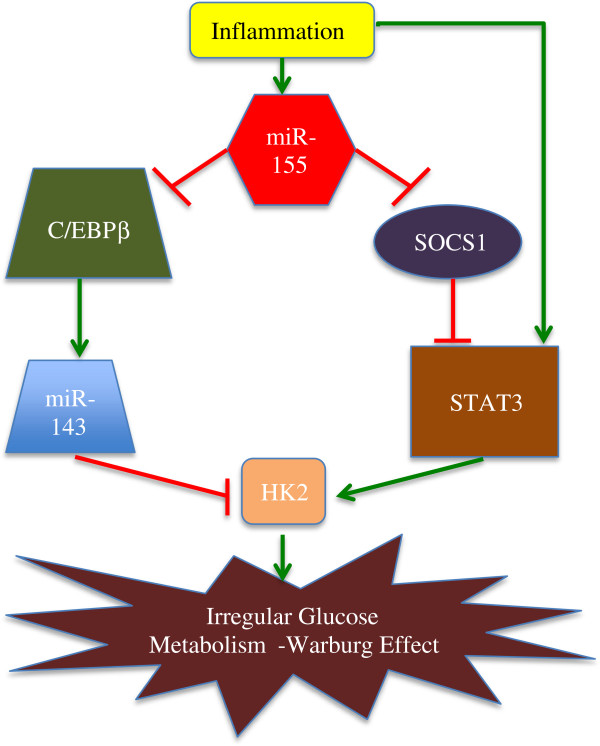
“On the other hand, miR-143 repressive miR-155 led to upregulation of HKII and promoted breast cancer cell proliferation [23].”
BackgroundGhafary, Z., Salimi, A., & Hallaj, R. (2022) · ACS Biomaterials Science & Engineering · doi:10.1021/acsbiomaterials.2c00607 · Cited by 12
The Role of microRNA-155 as a Biomarker in Diffuse Large B-Cell Lymphoma
Koumpis, E., Georgoulis, V., Papathanasiou, K., Papoudou‐Bai, A., Kanavaros, P., Kolettas, E., & Hatzimichael, E. C. (2024) · Biomedicines · doi:10.3390/biomedicines12122658 · Cited by 12
Relationship Between Serum microRNA155 and Telomerase Expression in Hepatocellular Carcinoma
Ezzat, W. M., Amr, K. S., Raouf, H. A., Elhosary, Y. A., Hegazy, A. E., Fahim, H. H., & Kamel, R. (2016) · Archives of Medical Research · doi:10.1016/j.arcmed.2016.08.003 · Cited by 11
Wu, C., Liu, Q., & Liu, B. (2015) · Disease Markers · doi:10.1155/2015/327287 · Cited by 10
“In recent years, aberrant expression of miRNAs has been widely reported in various carcinomas [2, 8–31].”
BackgroundXue-lin, Z., Chen, J. I.-H., & Qin, C. (2015) · PubMed Central · Cited by 10
MicroRNA-155 expression in exhaled breath condensate of patients with lung cancer
Ibrahim, F. K., Ali‐Labib, R., Galal, I., & Mahmoud, H. (2017) · Egyptian Journal of Chest Diseases and Tuberculosis · doi:10.1016/j.ejcdt.2017.10.003 · Cited by 10
Yin, L., Cai, W., Liang, Y., Yao, J., Wang, X., & Shen, J. (2020) · Aging · doi:10.18632/aging.103799 · Cited by 10
“Studies have shown that miR-155 is one of the most commonly upregulated miRNAs in tumors [9].”
BackgroundLi, N., & Wang, Z. (2022) · Disease Markers · doi:10.1155/2022/1498525 · Cited by 10
Chimeric Peptide-Based Biomolecular Constructs for Versatile Nucleic Acid Biosensing
Lee, R. V., Zareie, H. M., & Sarıkaya, M. (2022) · ACS Applied Materials & Interfaces · doi:10.1021/acsami.2c03341 · Cited by 10
Kim, K. W., Kim, S. W., Lim, S., Yoo, K., Hwang, K., & Lee, S. (2021) · Clinical Hemorheology and Microcirculation · doi:10.3233/ch-200924 · Cited by 10
“Since miR-143 is also reported to increase apoptosis of cancer cells [48, 49], while miR-155 that suppresses miR-143 expression increased HK2 expression and promoted breast cancer cell proliferation [50], it is reasonable to assume that down-regulation of HK2 contributes to cellular apoptosis.”
Metadata
- Authors
- Higgs, G., & Slack, F.
- Affiliations
- Yale University (US)
- Corresponding author
- Higgs, Gadareth
- ORCID
- Slack, Frank
- Venue
- Journal of Clinical Bioinformatics
- Publisher
- ClinTransMed, AB
- Published
- 2013
- Volume
- 3
- Issue
- 1
- Pages
- 17
- ISSN
- 2043-9113 (ISSN-L)
- PMC
- PMC3849775
- OpenAlex
- W2128733367
- Cited by
- 137
- References
- 33
- Citations by year
- 2026: 5 · 2025: 6 · 2024: 7 · 2023: 11 · 2022: 10 · 2021: 12 · 2020: 10 · 2019: 16 · 2018: 12 · 2017: 9 · 2016: 10 · 2015: 17 · 2014: 12
- FWCI
- 4.57
- Type
- journal article
- Language
- en
- Open access
- hybrid
- doi.org
- Licence
- cc-by
- Locations
- Journal of Clinical Bioinformatics (publishedVersion, cc-by)
- Europe PMC (PubMed Central) (publishedVersion, cc-by)
- PubMed Central (publishedVersion, cc-by)
- PubMed (publishedVersion)
- Funders
- Yale University
- Yale Cancer Center
- Topics
- Life Sciences › Biochemistry, Genetics and Molecular Biology › Cancer Research › MicroRNA in disease regulation
- Life Sciences › Biochemistry, Genetics and Molecular Biology › Cancer Research › Cancer-related molecular mechanisms research
- Health Sciences › Medicine › Oncology › Cancer-related Molecular Pathways
- Keywords
- miR-155, microRNA, carcinogenesis, cancer, anti-miR therapy, microRNA interactions, breast cancer, lung cancer, liver cancer, lymphoma, tumor immunology
About these checks
Registry, retraction, Cites and statistics results are computed, not judged, with one exception: a printed reference that no index lists is read once by a model before it counts as a citation error. Claims are extracted by a model and kept only when their quote appears verbatim in the text; each cited source is then checked, with a model’s help, for whether it says what the claim relies on. Those verdicts can be wrong — read the claim’s quote and the cited source before relying on one.
Statistics and arithmetic are recomputed, not judged.
Confidence bands are shown only for fields calibrated on our annotated test set. None is calibrated yet, so no band is shown.
What counts as a claim ›How we measure confidence ›How we check this ›
Are you an author, or do you see a problem with this page? Request a review
