

The DOI matches its Crossref record; 24 of the 24 references it cites were found in a registry or an index.
Metaprop: a Stata command to perform meta-analysis of binomial data
Open accessAbstract
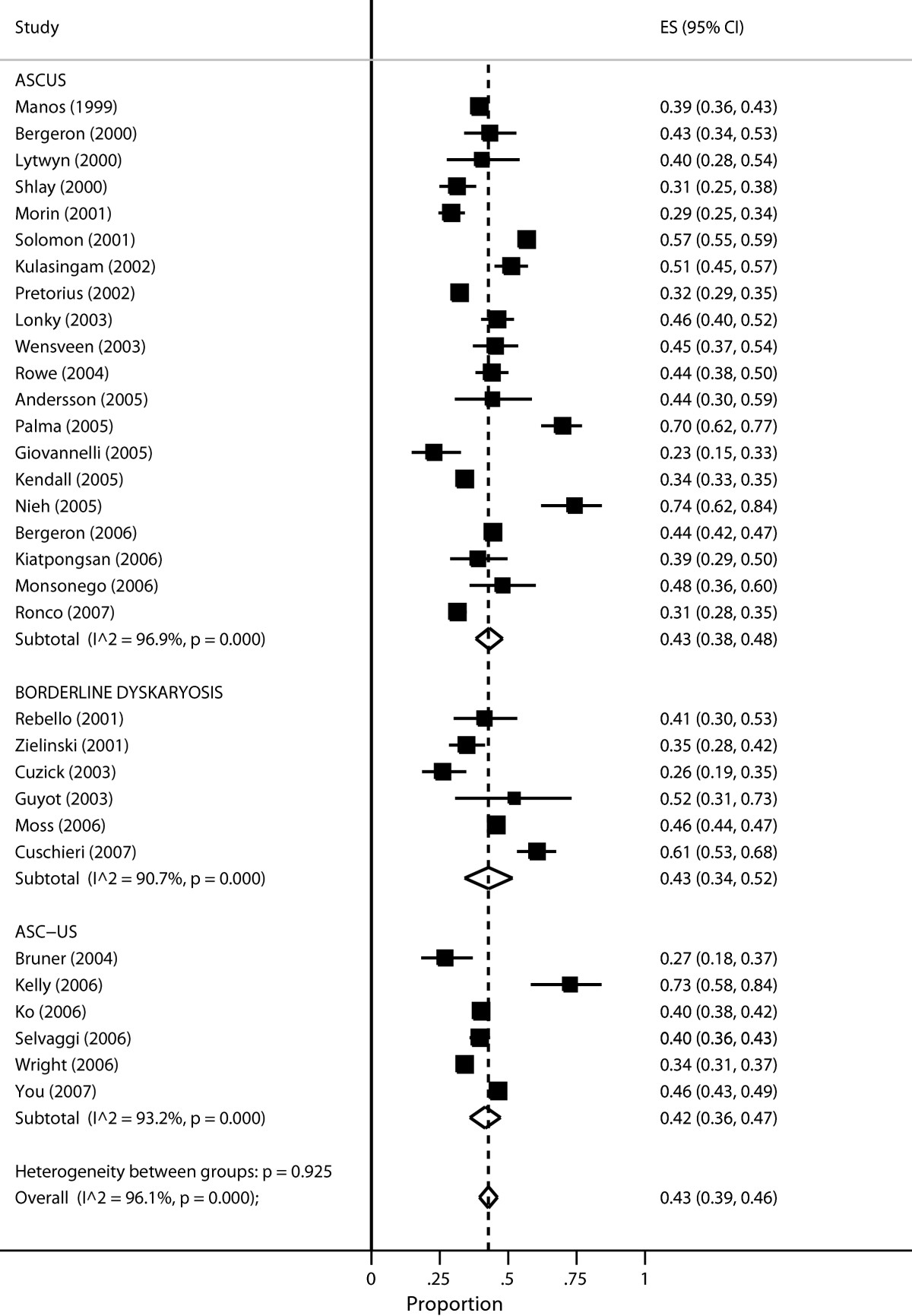
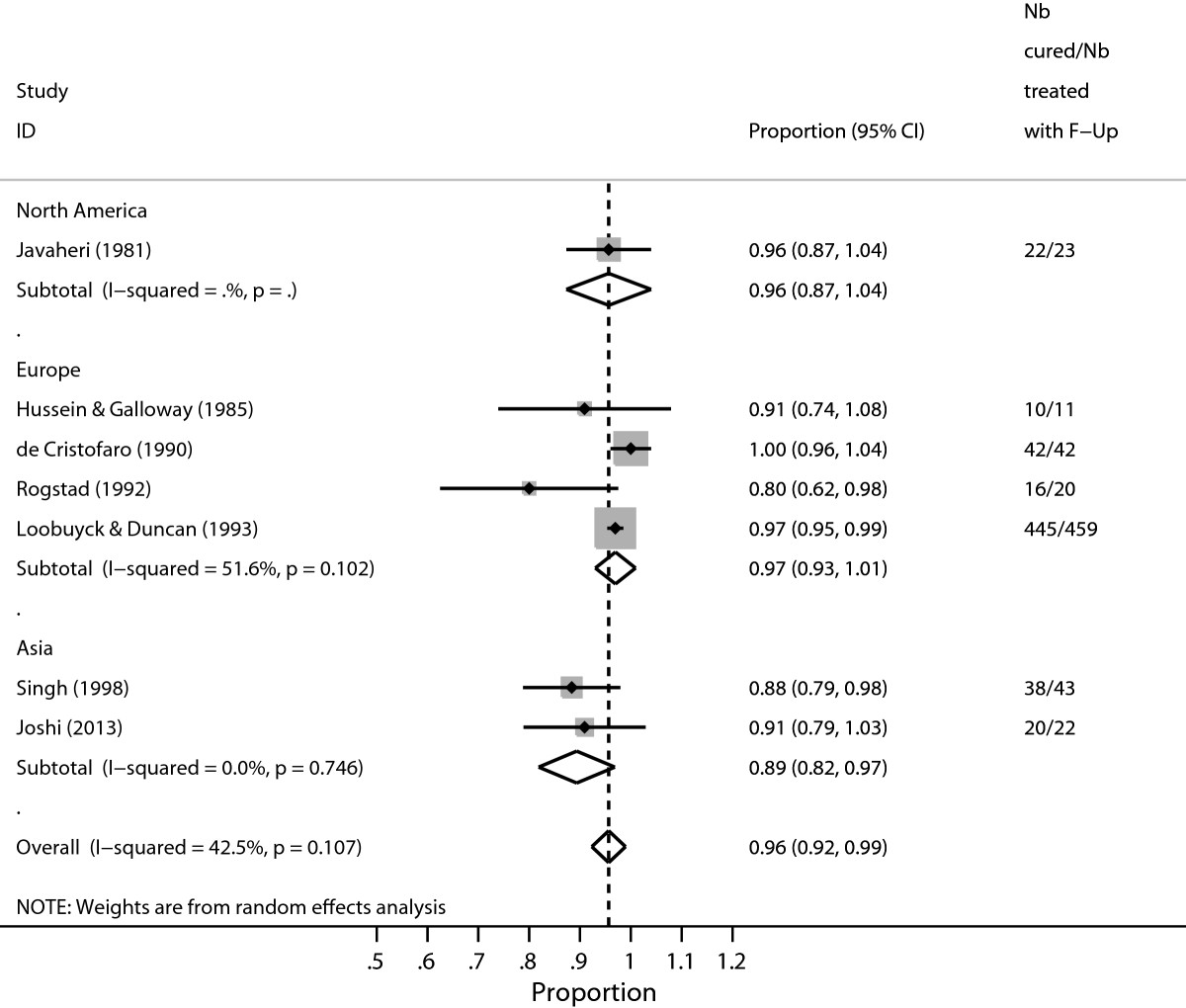
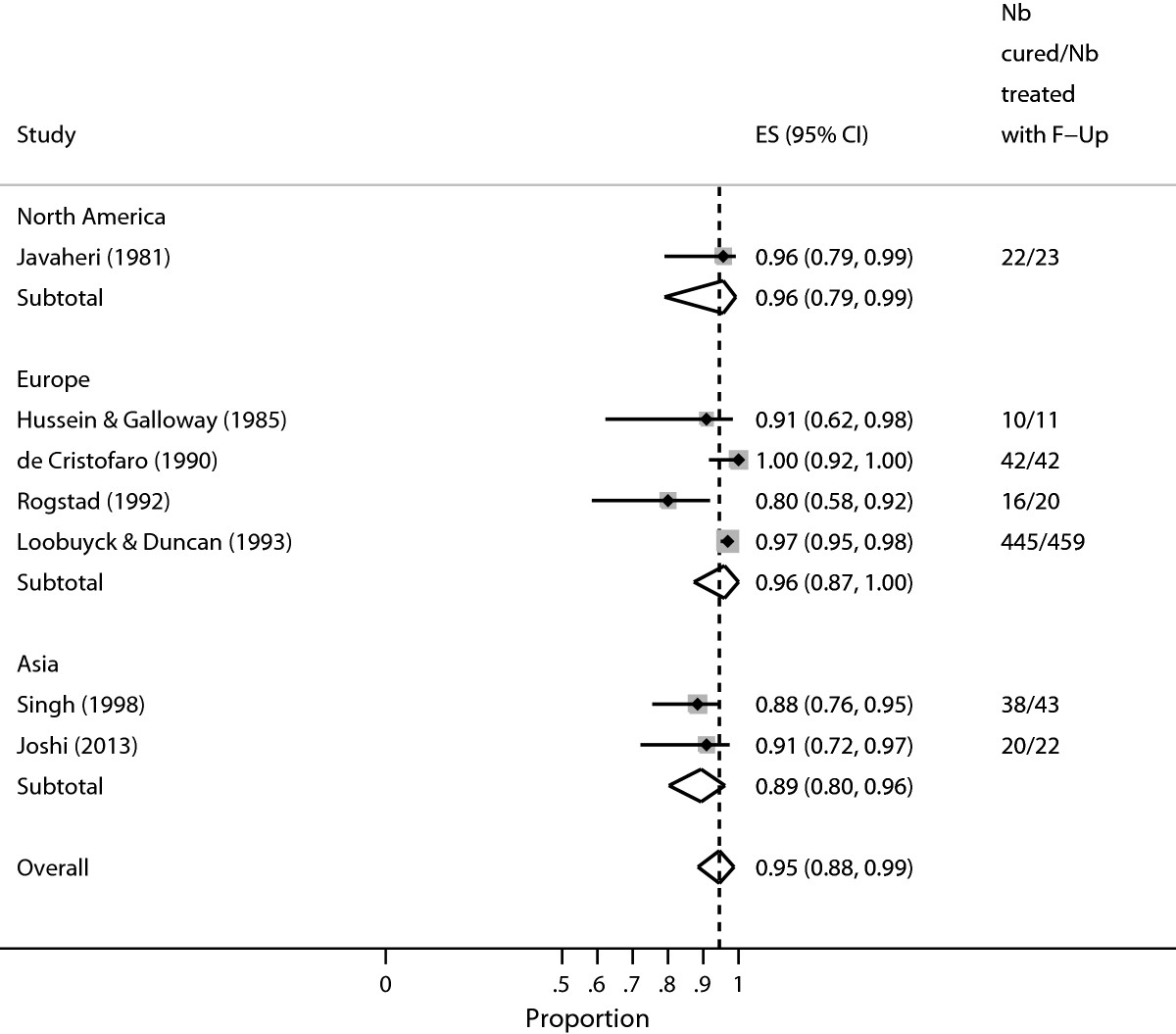
BACKGROUND: Meta-analyses have become an essential tool in synthesizing evidence on clinical and epidemiological questions derived from a multitude of similar studies assessing the particular issue. Appropriate and accessible statistical software is needed to produce the summary statistic of interest. METHODS: Metaprop is a statistical program implemented to perform meta-analyses of proportions in Stata. It builds further on the existing Stata procedure metan which is typically used to pool effects (risk ratios, odds ratios, differences of risks or means) but which is also used to pool proportions. Metaprop implements procedures which are specific to binomial data and allows computation of exact binomial and score test-based confidence intervals. It provides appropriate methods for dealing with proportions close to or at the margins where the normal approximation procedures often break down, by use of the binomial distribution to model the within-study variability or by allowing Freeman-Tukey double arcsine transformation to stabilize the variances. Metaprop was applied on two published meta-analyses: 1) prevalence of HPV-infection in women with a Pap smear showing ASC-US; 2) cure rate after treatment for cervical precancer using cold coagulation. RESULTS: The first meta-analysis showed a pooled HPV-prevalence of 43% (95% CI: 38%-48%). In the second meta-analysis, the pooled percentage of cured women was 94% (95% CI: 86%-97%). CONCLUSION: By using metaprop, no studies with 0% or 100% proportions were excluded from the meta-analysis. Furthermore, study specific and pooled confidence intervals always were within admissible values, contrary to the original publication, where metan was used.
Overview
The claims and statistics of this paper haven’t been checked yet.
Run the check — free, no account needed. It reads the open-access text and checks the sources it cites.
Integrity signals
Registry
Cites
Statistics
Figures
Verification
Claims the paper makes
The claims and statistics of this paper haven’t been checked yet.
Run the check — free, no account needed. It reads the open-access text and checks the sources it cites.
Claims other papers make about this one
Each is checked against this paper’s own text: does it say what the citing paper says it does?
The source backs part of the claim, not all of it — or backs it for a different population, condition or comparison.
In the citing paper
“To ensure proportionate weight distribution to studies presenting extreme prevalence (near 0 or 1), the Freeman-Tukey arcsine methodology was applied (Nyaga et al., 2014).”
From Maternal colonization or infection with extended-spectrum beta-lactamase-producing Enterobacteriaceae in Africa: A systematic review and meta-analysis (2017) · cites this paper as Nyaga et al., 2014
Experimental — accuracy not yet measured
Self-check
Percentages, sums and reported differences re-computed from the paper’s own numbers.
The self-check needs the paper’s full text.
Citations
Cites
Meta-analysis in clinical trials
DerSimonian, R., & Laird, N. (1986) · Controlled Clinical Trials · doi:10.1016/0197-2456(86)90046-2 · Cited by 39,552
Addelman, S., Box, G. E. P., Hunter, W. G., & Hunter, J. S. (1979) · Technometrics · doi:10.2307/1267766 · Cited by 6,753
THE USE OF CONFIDENCE OR FIDUCIAL LIMITS ILLUSTRATED IN THE CASE OF THE BINOMIAL
Clopper, C. J., & Pearson, E. S. (1934) · Biometrika · doi:10.1093/biomet/26.4.404 · Cited by 5,327
Approximate Inference in Generalized Linear Mixed Models
Breslow, N. E., & Clayton, D. G. (1993) · Journal of the American Statistical Association · doi:10.1080/01621459.1993.10594284 · Cited by 4,662
Probable Inference, the Law of Succession, and Statistical Inference
Wilson, E. B. (1927) · Journal of the American Statistical Association · doi:10.1080/01621459.1927.10502953 · Cited by 4,476
Interval Estimation for a Binomial Proportion
Brown, L. D., Cai, T., & Dasgupta, A. (2001) · Statistical Science · doi:10.1214/ss/1009213286 · Cited by 3,746
Approximate is Better than “Exact” for Interval Estimation of Binomial Proportions
Agresti, A., & Coull, B. A. (1998) · The American Statistician · doi:10.1080/00031305.1998.10480550 · Cited by 3,223
Transformations Related to the Angular and the Square Root
Freeman, M. F., & Tukey, J. W. (1950) · The Annals of Mathematical Statistics · doi:10.1214/aoms/1177729756 · Cited by 2,634
Resampling-Based Multiple Testing: Examples and Methods for p-Value Adjustment.
Martin, M. A., Westfall, P. H., & Young, S. S. (1994) · Biometrics · doi:10.2307/2533464 · Cited by 1,713
Metan: fixed- and random-effects meta-analysis
Harris, R. J., Deeks, J. J., Altman, D. G., Bradburn, M. J., Harbord, R. M., & Sterne, J. A. C. (2008) · The Stata Journal: Promoting communications on statistics and Stata · doi:10.1177/1536867x0800800102 · Cited by 1,027
Cited by
Sorted by citations
Items 201–300 of 1,005
Yang, W., Wong, M. C. M., Thomson, P. J., Li, K. Y., & Su, Y. (2018) · Oral Oncology · doi:10.1016/j.oraloncology.2018.09.016 · Cited by 136
Clarke, M. A., Deshmukh, A. A., Suk, R., Roberts, J. M., Gilson, R. J. C., Jay, N., Stier, E. A., & Wentzensen, N. (2022) · International Journal of Cancer · doi:10.1002/ijc.34199 · Cited by 140
Song, W.-X., Wu, W., Zhao, Y., Xu, H.-L., Chen, G.-C., Jin, S.-Y., Chen, J., Xian, S., & Liang, J. (2023) · Frontiers in Aging Neuroscience · doi:10.3389/fnagi.2023.1227112 · Cited by 145
Sivan-Hoffmann, R., Gory, B., Armoiry, X., Goyal, M., Riva, R., Labeyrie, P.-E., Lukaszewicz, A., Lehot, J.-J., Derex, L., & Turjman, F. (2016) · European Radiology · doi:10.1007/s00330-016-4338-y · Cited by 135
Lee, J. H., Yim, J., & Park, J. (2022) · Respiratory Research · doi:10.1186/s12931-022-02163-x · Cited by 142
Kaiser, R., Waldauf, P., Ullas, G., & Krajcová, A. (2018) · Neurosurgical Review · doi:10.1007/s10143-018-1009-2 · Cited by 134
Bezabih, Y. M., Bezabih, A., Dion, M., Batard, É., Teka, S., Obole, A., Dessalegn, N., Enyew, A., Roujeinikova, A., Alamneh, E. A., et al. (2022) · JAC-Antimicrobial Resistance · doi:10.1093/jacamr/dlac048 · Cited by 134
Alshaikh, F. S., Sindi, O. N., Godman, B., Seaton, R. A., & Kurdi, A. B. (2022) · PLoS ONE · doi:10.1371/journal.pone.0272375 · Cited by 142
Catastrophic health expenditure in sub-Saharan Africa: systematic review and meta-analysis
Eze, P., Osaheni Lawani, L., Justina Agu, U., & Acharya, Y. (2022) · Bulletin of the World Health Organization · doi:10.2471/blt.21.287673 · Cited by 133
Dougherty, M., Runge, T. M., Eluri, S., & Dellon, E. S. (2017) · Gastrointestinal Endoscopy · doi:10.1016/j.gie.2017.04.028 · Cited by 133
Shi, H. Y., Levy, A. N., Trivedi, H. D., Chan, F. K. L., Ng, S. C., & Ananthakrishnan, A. N. (2017) · Clinical Gastroenterology and Hepatology · doi:10.1016/j.cgh.2017.05.047 · Cited by 132
Issaka, A. I., Agho, K., & Renzaho, A. M. N. (2017) · BMJ Open · doi:10.1136/bmjopen-2016-014145 · Cited by 132
Flokas, M. E., Detsis, M., Alevizakos, M., & Mylonakis, E. E. (2016) · Journal of Infection · doi:10.1016/j.jinf.2016.07.014 · Cited by 131
Rate and risk factors for rehospitalisation in sepsis survivors: systematic review and meta-analysis
Shankar‐Hari, M., Saha, R., Wilson, J., Prescott, H. C., Harrison, D. A., Rowan, K., Rubenfeld, G. D., & Adhikari, N. K. J. (2020) · Intensive Care Medicine · doi:10.1007/s00134-019-05908-3 · Cited by 142
Ahmed, I., Hazell, C. M., Edwards, B., Glazebrook, C., & Davies, E. B. (2023) · BMC Psychiatry · doi:10.1186/s12888-023-04645-8 · Cited by 130
Okuyama, J. H. H., Galvão, T. F., & Silva, M. T. (2018) · The Scientific World JOURNAL · doi:10.1155/2018/9156301 · Cited by 147
Desai, A., Gupta, R., Advani, S., Ouellette, L., Kuderer, N., Lyman, G., & Li, A. (2020) · Cancer · doi:10.1002/cncr.33386 · Cited by 119
Rostami, A., Riahi, S. M., Fakhri, Y., Saber, V., Hanifehpour, H., Valizadeh, S., Gholizadeh, M., Pouya, R. H., & Gamble, H. R. (2017) · Veterinary Parasitology · doi:10.1016/j.vetpar.2017.07.013 · Cited by 127
Ng, L. C., Stevenson, A., Kalapurakkel, S. S., Hanlon, C., Seedat, S., Harerimana, B., Chiliza, B., & Koenen, K. C. (2020) · PLoS Medicine · doi:10.1371/journal.pmed.1003090 · Cited by 137
Kouri, A., Yamada, J., Cheung, J. L. S., de Velde, S. V., & Gupta, S. (2022) · Implementation Science · doi:10.1186/s13012-022-01199-3 · Cited by 135
Nji, E., Kazibwe, J., Hambridge, T., Joko, C. A., Larbi, A. A., Damptey, L., Nkansa-Gyamfi, N. A., Lundborg, C. S., & Lien, L. T. Q. (2021) · Scientific Reports · doi:10.1038/s41598-021-82693-4 · Cited by 122
Gallone, G., Bellettini, M., Gatti, M., Tore, D., Bruno, F., Scudeler, L., Cusenza, V., Lanfranchi, A. K., Angelini, A., FILIPPO, O. D., et al. (2023) · JACC. Cardiovascular imaging · doi:10.1016/j.jcmg.2023.08.006 · Cited by 122
Incidence and management of seizures after ischemic stroke
Wang, J. Z., Vyas, M. V., Saposnik, G., & Burneo, J. G. (2017) · Neurology · doi:10.1212/wnl.0000000000004407 · Cited by 121
Suicide rates among people with serious mental illness: a systematic review and meta-analysis
Fu, X., Qian, Y., Jin, X., Yu, H., Wu, H., Du, L., Chen, H., & Shi, Y.-Q. (2021) · Psychological Medicine · doi:10.1017/s0033291721001549 · Cited by 132
Folic acid supplementation during the preconception period: A systematic review and meta-analysis
Toivonen, K., Lacroix, E., Flynn, M. J., Ronksley, P. E., Oinonen, K. A., Metcalfe, A., & Campbell, T. S. (2018) · Preventive Medicine · doi:10.1016/j.ypmed.2018.05.023 · Cited by 120
Tseng, C., Hsu, Y., Chen, T., Ji, F., Chen, I., Tsai, Y., Hai, H., Thủy, L. T. T., Hosaka, T., Sezaki, H., et al. (2020) · The Lancet. Gastroenterology & hepatology · doi:10.1016/s2468-1253(20)30249-1 · Cited by 120
Alene, K. A., Clements, A. C. A., McBryde, E. S., Jaramillo, E., Lönnroth, K., Shaweno, D., Gulliver, A., & Viney, K. (2018) · Journal of Infection · doi:10.1016/j.jinf.2018.07.007 · Cited by 119
Sainz, P. V., Vakil, E., Molina, S., Bassett, R. L., & Ost, D. E. (2019) · CHEST Journal · doi:10.1016/j.chest.2019.10.042 · Cited by 120
Zhāng, T., Cao, L., Xie, J., Shi, N., Zhang, Z., Luo, Z., Yue, D., Zhang, Z., Wang, L., Han, W., et al. (2015) · Oncotarget · doi:10.18632/oncotarget.5582 · Cited by 120
Tam, S. H., Fu, S., Xu, L., Krause, K. J., Lairson, D. R., Miao, H., Sturgis, E. M., & Dahlstrom, K. R. (2018) · Oral Oncology · doi:10.1016/j.oraloncology.2018.04.005 · Cited by 118
The global seroprevalence of Toxoplasma gondii in pigs: A systematic review and meta-analysis
Foroutan, M., Fakhri, Y., Riahi, S. M., Ebrahimpour, S., Namroodi, S., Taghipour, A., Spotin, A., Gamble, H. R., & Rostami, A. (2019) · Veterinary Parasitology · doi:10.1016/j.vetpar.2019.04.012 · Cited by 118
Owen, V. S., Rosgen, B. K., Cherak, S. J., Ferland, A., Stelfox, H. T., Fiest, K. M., & Niven, D. J. (2021) · Critical Care · doi:10.1186/s13054-021-03553-1 · Cited by 121
Johns, G., Samuel, V. M., Freemantle, L., Lewis, J., & Waddington, L. (2021) · Journal of Affective Disorders · doi:10.1016/j.jad.2021.11.026 · Cited by 121
Gunderson, C. G., Bilan, V. P., Holleck, J. L., Nickerson, P., Cherry, B. M., Chui, P., Bastian, L. A., Grimshaw, A. A., & Rodwin, B. A. (2020) · BMJ Quality & Safety · doi:10.1136/bmjqs-2019-010822 · Cited by 130
Munk‐Olsen, T., Liu, X., Viktorin, A., Brown, H. K., Florio, A. D., D'Onofrio, B. M., Gomes, T., Howard, L. M., Khalifeh, H., Krohn, H., et al. (2018) · The Lancet Psychiatry · doi:10.1016/s2215-0366(18)30180-9 · Cited by 118
Prognosis of idiopathic pulmonary fibrosis without anti-fibrotic therapy: a systematic review
Khor, Y. H., Ng, Y., Barnes, H., Goh, N. S. L., McDonald, C. F., & Holland, A. E. (2020) · European Respiratory Review · doi:10.1183/16000617.0158-2019 · Cited by 119
Prevalence of Left Atrial Thrombus in Anticoagulated Patients With Atrial Fibrillation
Lurie, A., Wang, J., Hinnegan, K. J., McIntyre, W. F., Belley‐Côté, E. P., Amit, G., Healey, J. S., Connolly, S. J., & Wong, J. A. (2021) · Journal of the American College of Cardiology · doi:10.1016/j.jacc.2021.04.036 · Cited by 117
Brunckhorst, O., Hashemi, S., Martin, A., George, G., Van Hemelrijck, M., Dasgupta, P., Stewart, R., & Ahmed, K. (2021) · Prostate Cancer and Prostatic Diseases · doi:10.1038/s41391-020-00286-0 · Cited by 116
Siow, I., Lee, K. S., Zhang, J. J. Y., Saffari, S. E., Ng, A., & Young, B. (2021) · Journal of Stroke and Cerebrovascular Diseases · doi:10.1016/j.jstrokecerebrovasdis.2020.105549 · Cited by 116
Fakhri, Y., Rahmani, J., de Oliveira, C. A. F., Franco, L. T., Corassin, C. H., Saba, S., Rafique, J., & Khaneghah, A. M. (2019) · Trends in Food Science & Technology · doi:10.1016/j.tifs.2019.03.013 · Cited by 121
Yu, Y., Xue, J., Lin, F., Liu, D., Zhang, W., Ru, S., & Jiang, F. (2024) · Helicobacter · doi:10.1111/hel.13103 · Cited by 120
van Velzen, C. L., Ket, J. C. F., van de Ven, P. M., Blom, N. A., & Haak, M. C. (2018) · International Journal of Gynecology & Obstetrics · doi:10.1002/ijgo.12373 · Cited by 115
Timing of maternal mortality and severe morbidity during the postpartum period: a systematic review
Dol, J., Hughes, B., Bonet, M., Dorey, R., Dorling, J. S., Grant, A. K., Langlois, É. V., Monaghan, J., Ollivier, R., Parker, R. M. N., et al. (2022) · JBI Evidence Synthesis · doi:10.11124/jbies-20-00578 · Cited by 114
Prevalence of undiagnosed hypothyroidism in Europe: a systematic review and meta-analysis.
Mendes, D., Alves, C., Silverio, N., & Batel Marques, F. (2019) · European Thyroid Journal · doi:10.1159/000499751 · Cited by 113
Saerens, M., Brusselaers, N., Rottey, S., Decruyenaere, A., Creytens, D., & Lapeire, L. (2021) · European Journal of Cancer · doi:10.1016/j.ejca.2021.04.034 · Cited by 118
Flokas, M. E., Andreatos, N., Alevizakos, M., Kalbasi, A., Onur, P., & Mylonakis, E. E. (2017) · Open Forum Infectious Diseases · doi:10.1093/ofid/ofx207 · Cited by 112
Todowede, O. O., Mianda, S., & Sartorius, B. K. D. (2019) · Systematic Reviews · doi:10.1186/s13643-018-0927-y · Cited by 112
Incidence of thromboembolism in patients with COVID-19: a systematic review and meta-analysis
Boonyawat, K., Chantrathammachart, P., Numthavaj, P., Nanthatanti, N., Phusanti, S., Phuphuakrat, A., Niparuck, P., & Angchaisuksiri, P. (2020) · Thrombosis Journal · doi:10.1186/s12959-020-00248-5 · Cited by 112
Ayubi, E., Bashirian, S., & Khazaei, S. (2021) · Journal of Gastrointestinal Cancer · doi:10.1007/s12029-021-00643-9 · Cited by 114
Meta-analysis of the current prevalence of screen-detected abdominal aortic aneurysm in women
Ulug, P., Powell, J. T., Sweeting, M. J., Bown, M. J., Thompson, S. G., Thompson, S. G., Sweeting, M. J., Jones, E., Powell, J. T., Ulug, P., et al. (2016) · British journal of surgery · doi:10.1002/bjs.10225 · Cited by 111
Meta-analysis of risk factors for racehorse catastrophic musculoskeletal injury in flat racing
Hitchens, P. L., Morrice‐West, A. V., Stevenson, M. A., & Whitton, R. C. (2018) · The Veterinary Journal · doi:10.1016/j.tvjl.2018.11.014 · Cited by 111
da Costa, V. G., Saivish, M. V., Rodrigues, R. L., Silva, R. F. D. L., Moreli, M. L., & Krüger, R. H. (2019) · PLoS ONE · doi:10.1371/journal.pone.0217594 · Cited by 111
Temfack, E., Bigna, J. J., Spijker, R., Loyse, A., Chiller, T. M., Pappas, P. G., Perfect, J. R., Sorell, T. C., Harrison, T. S., Cohen, J. F., et al. (2020) · Clinical Infectious Diseases · doi:10.1093/cid/ciaa1243 · Cited by 118
Kwon, C., & Lee, B. (2021) · Frontiers in Psychiatry · doi:10.3389/fpsyt.2021.741059 · Cited by 111
A Systematic Review and Pooled Prevalence of Delirium in Critically Ill Children*
Semple, D., Howlett, M. M., Strawbridge, J. D., Breatnach, C. V., & Hayden, J. C. (2021) · Critical Care Medicine · doi:10.1097/ccm.0000000000005260 · Cited by 110
Jarhyan, P., Hutchinson, A., Khaw, D., Prabhakaran, D., & Mohan, S. (2022) · Bulletin of the World Health Organization · doi:10.2471/blt.21.286870 · Cited by 110
Flokas, M. E., Karanika, S., Alevizakos, M., & Mylonakis, E. E. (2017) · PLoS ONE · doi:10.1371/journal.pone.0171216 · Cited by 109
Lochlainn, L. N., de Gier, B., van der Maas, N., Strebel, P. M., Goodman, T., van Binnendijk, R. S., de Melker, H. E., & Hahné, S. J. M. (2019) · The Lancet Infectious Diseases · doi:10.1016/s1473-3099(19)30395-0 · Cited by 109
Filippatou, A. G., Mukharesh, L., Saidha, S., Calabresi, P. A., & Sotirchos, E. S. (2020) · Frontiers in Neurology · doi:10.3389/fneur.2020.540156 · Cited by 109
Marincowitz, C., Lecky, F. E., Townend, W. K., Borakati, A., Fabbri, A., & Sheldon, T. (2018) · Journal of Neurotrauma · doi:10.1089/neu.2017.5259 · Cited by 111
Arbyn, M., Castle, P. E., SCHIFFMAN, M. H., Wentzensen, N., Heckman‐Stoddard, B. M., & Sahasrabuddhe, V. V. (2022) · International Journal of Cancer · doi:10.1002/ijc.33967 · Cited by 108
Self-citationPrimary Care Screening and Treatment for Latent Tuberculosis Infection in Adults
Kahwati, L. C., Feltner, C., Halpern, M. T., Woodell, C., Boland, E., Amick, H. R., Weber, R. P., & Jonas, D. E. (2016) · JAMA · doi:10.1001/jama.2016.10357 · Cited by 107
Hamilton, T. W., Rizkalla, J., Kontochristos, L., Marks, B. E., Mellon, S., Dodd, C. A. F., Pandit, H. G., & Murray, D. W. (2017) · The Journal of Arthroplasty · doi:10.1016/j.arth.2017.04.063 · Cited by 107
Siddiquea, B. N., Shetty, A. N., Bhattacharya, O., Afroz, A., & Billah, B. (2021) · BMJ Open · doi:10.1136/bmjopen-2021-051447 · Cited by 115
Samiei, S., de Mooij, C. M., Lobbes, M. B. I., Keymeulen, K., van Nijnatten, T. J. A., & Smidt, M. L. (2020) · Annals of Surgery · doi:10.1097/sla.0000000000004356 · Cited by 108
Magnetic resonance imaging in pediatric appendicitis: a systematic review
Moore, M. M., Kulaylat, A. N., Hollenbeak, C. S., Engbrecht, B. W., Dillman, J. R., & Methratta, S. T. (2016) · Pediatric Radiology · doi:10.1007/s00247-016-3557-3 · Cited by 105
Patel, H. D., Druskin, S. C., Rowe, S. P., Pierorazio, P. M., Gorin, M. A., & Allaf, M. E. (2017) · British Journal of Urology · doi:10.1111/bju.13763 · Cited by 105
The traumatic experience of first-episode psychosis: A systematic review and meta-analysis
Rodrigues, R., & Anderson, K. K. (2017) · Schizophrenia Research · doi:10.1016/j.schres.2017.01.045 · Cited by 104
Leonhard, S. E., Bresani-Salvi, C. C., Batista, J. D. L., da Cunha, S. S., Jacobs, B. C., Ferreira, M. L. B., & de Albuquerque, M. D. F. P. M. (2020) · PLoS neglected tropical diseases · doi:10.1371/journal.pntd.0008264 · Cited by 106
Global Comparison of Readmission Rates for Patients With Heart Failure
Foroutan, F., Rayner, D. G., Ross, H. J., Ehler, T., Srivastava, A., Shin, S., Malik, A., Benipal, H., Yu, C. C., Lau, T. H. A., et al. (2023) · Journal of the American College of Cardiology · doi:10.1016/j.jacc.2023.05.040 · Cited by 107
Prevalence of endocrine disorders in obese patients: systematic review and meta-analysis
van Hulsteijn, L. T., Pasquali, R., Casanueva, F., Haluzik, M., Ledoux, S., Monteiro, M. P., Salvador, J., Santini, F., Toplak, H., & Dekkers, O. M. (2020) · European Journal of Endocrinology · doi:10.1530/eje-19-0666 · Cited by 103
Salazar de Pablo, G., Catalan, A., & Fusar-Poli, P. (2020) · JAMA Psychiatry · doi:10.1001/jamapsychiatry.2019.3561 · Cited by 103
Ng, C. Y., Huang, Y.-H., Chu, C. F., Wu, T.-I., & Liu, S. (2017) · British Journal of Dermatology · doi:10.1111/bjd.15366 · Cited by 104
Performance of ultrasonography screening for breast cancer: a systematic review and meta-analysis
Yang, L., Wang, S., Zhang, L., Sheng, C., Song, F., Wang, P., & Huang, Y. (2020) · BMC Cancer · doi:10.1186/s12885-020-06992-1 · Cited by 102
Detection of SARS-CoV-2 RNA in fecal specimens of patients with confirmed COVID-19: A meta-analysis
Wong, M. C. S., Huang, J., Lai, C. K. C., Ng, R. W. Y., Chan, F. K. L., & Chan, P. K. S. (2020) · Journal of Infection · doi:10.1016/j.jinf.2020.06.012 · Cited by 102
Wade, R. G., Burr, N. E., McCauley, G., Bourke, G., & Efthimiou, O. (2020) · Annals of Surgery · doi:10.1097/sla.0000000000004076 · Cited by 108
Safety and Efficacy of Leadless Pacemakers: A Systematic Review and Meta‐Analysis
Ngo, L., Nour, D., Denman, R. A., Walters, T. E., Haqqani, H. M., Woodman, R. J., & Ranasinghe, I. (2021) · Journal of the American Heart Association · doi:10.1161/jaha.120.019212 · Cited by 102
Freeman, K., Mistry, H., Tsertsvadze, A., Royle, P., McCarthy, N. D., Taylor‐Phillips, S., Manuel, R. J., & Mason, J. M. (2017) · Health Technology Assessment · doi:10.3310/hta21230 · Cited by 102
Takahashi, T., Samuels, B. A., Li, W., Parikh, M. A., Wei, J., Moses, J. W., Fearon, W. F., Henry, T. D., Tremmel, J. A., & Kobayashi, Y. (2022) · Journal of the American College of Cardiology · doi:10.1016/j.jacc.2022.03.385 · Cited by 101
Ruan, H., Zhang, H., Wang, J., Zhao, H., Han, W., & Li, J. (2022) · Respiratory Medicine · doi:10.1016/j.rmed.2022.107090 · Cited by 101
Natamba, B. K., Namara, A. A., & Nyirenda, M. J. (2019) · BMC Pregnancy and Childbirth · doi:10.1186/s12884-019-2593-z · Cited by 100
Ng-Kamstra, J. S., Arya, S., Greenberg, S. L. M., Kotagal, M., Arsenault, C., Ljungman, D., Yorlets, R. R., Agarwal, A., Frankfurter, C., Nikouline, A., et al. (2018) · BMJ Global Health · doi:10.1136/bmjgh-2018-000810 · Cited by 100
Meningococcal serogroups and surveillance: a systematic review and survey
Peterson, M. E., Li, Y., Bita, A., Moureau, A., Nair, H., Kyaw, M. H., Abad, R., Bailey, F., Garcia, I. D. L. F., Decheva, A., et al. (2018) · Journal of Global Health · doi:10.7189/jogh.09.010409 · Cited by 100
Ji, F., Yeo, Y. H., Wei, M. T., Ogawa, E., Enomoto, M., Lee, D. H., Iio, E., Lubel, J. S., Wang, W., Wei, B., et al. (2019) · Journal of Hepatology · doi:10.1016/j.jhep.2019.04.017 · Cited by 100
Kjeldbjerg, M. L., & Clausen, L. (2021) · European Child & Adolescent Psychiatry · doi:10.1007/s00787-021-01850-2 · Cited by 100
Malignant transformation of oral leukoplakia: Systematic review and comprehensive meta‐analysis
de Barros, L. A. P., Ramos‐García, P., González‐Moles, M. Á., Urízar, J. M. A., & Warnakulasuriya, S. (2024) · Oral Diseases · doi:10.1111/odi.15140 · Cited by 100
Lewkowitz, A. K., Gupta, A., Simon, L. E., Sabol, B., Stoll, C., Cooke, E., Rampersad, R. M., & Tuuli, M. G. (2019) · Journal of Perinatology · doi:10.1038/s41372-019-0320-2 · Cited by 99
Yahaya, I., Wright, T., Babatunde, O. O., Helliwell, T., Dikomitis, L., & Mallen, C. D. (2021) · Rheumatology International · doi:10.1007/s00296-021-04838-y · Cited by 99
Asiimwe, J. B., Nagendrappa, P. B., Atukunda, E. C., Kamatenesi, M. M., Nambozi, G., Tolo, C. U., Ogwang, P. E., & Sarki, A. M. (2021) · Evidence-based Complementary and Alternative Medicine · doi:10.1155/2021/9963038 · Cited by 99
Bais, B., Molenaar, N. M., Bijma, H. H., Hoogendijk, W. J. G., Mulder, C. L., Luik, A. I., den Berg, M. P. L., & Kamperman, A. M. (2020) · Journal of Affective Disorders · doi:10.1016/j.jad.2020.03.014 · Cited by 101
Alabousi, M., Wadera, A., Al-Ghita, M. K., Al-Ghetaa, R. K., Salameh, J., Pozdnyakov, A., Zha, N., Samoilov, L., Sharifabadi, A. D., Sadeghirad, B., et al. (2020) · JNCI Journal of the National Cancer Institute · doi:10.1093/jnci/djaa205 · Cited by 103
Prevalence of drug-resistant tuberculosis in Nigeria: A systematic review and meta-analysis
Onyedum, C. C., Alobu, I., & Ukwaja, K. N. (2017) · PLoS ONE · doi:10.1371/journal.pone.0180996 · Cited by 97
Wang, J., He, Y., Zhao, J., Yuan, D., Xu, H. Y., Ma, Y., Huang, B., Yang, Y., Bian, H., & Wang, Z. (2018) · Journal of Vascular Surgery · doi:10.1016/j.jvs.2018.05.014 · Cited by 97
Behzadifar, M., Saki, M., Behzadifar, M., Mardani, M., Yari, F., Ebrahimzadeh, F., Mehr, H. M., Bastami, S. A., & Bragazzi, N. L. (2019) · BMC Pediatrics · doi:10.1186/s12887-019-1776-0 · Cited by 103
Prevalence of Type 2 Diabetes in South Africa: A Systematic Review and Meta-Analysis
Pheiffer, C., Wyk, V. P., Turawa, E. B., Levitt, N. S., Kengne, A. P., & Bradshaw, D. (2021) · International Journal of Environmental Research and Public Health · doi:10.3390/ijerph18115868 · Cited by 97
Zenebe, Y., Necho, M., Yimam, W., & Akele, B. (2022) · Frontiers in Psychiatry · doi:10.3389/fpsyt.2022.814362 · Cited by 105
Don't change my towels please: Factors influencing participation in towel reuse programs
Dimara, E., Manganari, E. E., & Skuras, D. (2016) · Tourism Management · doi:10.1016/j.tourman.2016.09.003 · Cited by 97
Alevizakos, M., Gaitanidis, A., Nasioudis, D., Tori, K., Flokas, M. E., & Mylonakis, E. E. (2016) · Open Forum Infectious Diseases · doi:10.1093/ofid/ofw246 · Cited by 103
Zhang, C., McMahon, J. M., Fiscella, K. A., Przybyla, S., Braksmajer, A., Leblanc, N. M., & Liu, Y. (2019) · AIDS Patient Care and STDs · doi:10.1089/apc.2019.0119 · Cited by 96
Li, J., Zhou, P., Wang, J., Li, H., Xu, H., Meng, Y., Ye, F., Tan, Y., Gong, Y., & Yin, X. (2023) · The Lancet Infectious Diseases · doi:10.1016/s1473-3099(23)00130-5 · Cited by 96
Metadata
- Authors
- Nyaga, V. N., Arbyn, M., & Aerts, M.
- Affiliations
- Institut Scientifique de Santé Publique (BE)
- Hasselt University (BE)
- Corresponding author
- Arbyn, Marc
- Venue
- Archives of Public Health
- Published
- 2014-11-10
- Volume
- 72
- Issue
- 1
- Pages
- 39-39
- ISSN
- 0778-7367 (ISSN-L)
- 2049-3258
- PMC
- PMC4373114
- OpenAlex
- W2133564174
- Cited by
- 2,139
- References
- 24
- Citations by year
- 2026: 88 · 2025: 157 · 2024: 249 · 2023: 272 · 2022: 286 · 2021: 321 · 2020: 296 · 2019: 166 · 2018: 133 · 2017: 91 · 2016: 61 · 2015: 16 · 2014: 1
- FWCI
- 15.42
- Type
- journal article
- Language
- en
- Open access
- gold
- doi.org
- Licence
- Locations
- Archives of Public Health (publishedVersion, cc-by)
- Europe PMC (PubMed Central) (publishedVersion, cc-by)
- PubMed Central (publishedVersion, cc-by)
- PubMed (publishedVersion)
- Document Server@UHasselt (UHasselt) (submittedVersion, cc-by)
- Funders
- European Commission (282562, 603019, FP7‐HEALTH‐2011)
- Vrije Universiteit Amsterdam
- FP7 Health (FP7-HEALTH-2011-282562, 603019)
- Topics
- Social Sciences › Decision Sciences › Statistics, Probability and Uncertainty › Meta-analysis and systematic reviews
- Physical Sciences › Mathematics › Statistics and Probability › Statistical Methods in Epidemiology
- Physical Sciences › Mathematics › Statistics and Probability › Probability and Statistical Research
- Keywords
- Stata command, binomial data, HPV prevalence, ASCUS, cold coagulation
About these checks
Registry, retraction, Cites and statistics results are computed, not judged, with one exception: a printed reference that no index lists is read once by a model before it counts as a citation error. Claims are extracted by a model and kept only when their quote appears verbatim in the text; each cited source is then checked, with a model’s help, for whether it says what the claim relies on. Those verdicts can be wrong — read the claim’s quote and the cited source before relying on one.
Statistics and arithmetic are recomputed, not judged.
Confidence bands are shown only for fields calibrated on our annotated test set. None is calibrated yet, so no band is shown.
What counts as a claim ›How we measure confidence ›How we check this ›
Are you an author, or do you see a problem with this page? Request a review
