

Transcriptional regulatory network for sexual differentiation in fission yeast
Open accessThe DOI matches its Crossref record; 36 of the 36 references it cites were found in a registry or an index.
Abstract
Background: Changes in gene expression are hallmarks of cellular differentiation. Sexual differentiation in fission yeast (Schizosaccharomyces pombe) provides a model system for gene expression programs accompanying and driving cellular specialization. The expression of hundreds of genes is modulated in successive waves during meiosis and sporulation in S. pombe, and several known transcription factors are critical for these processes. Results: We used DNA microarrays to investigate meiotic gene regulation by examining transcriptomes after genetic perturbations (gene deletion and/or overexpression) of rep1, mei4, atf21 and atf31, which encode known transcription factors controlling sexual differentiation. This analysis reveals target genes at a genome-wide scale and uncovers combinatorial control by Atf21p and Atf31p. We also studied two transcription factors not previously implicated in sexual differentiation whose meiotic induction depended on Mei4p: Rsv2p induces stress-related genes during spore formation, while Rsv1p represses glucose-metabolism genes. Our data further reveal negative feedback interactions: both Rep1p and Mei4p not only activate specific gene expression waves (early and middle genes, respectively) but are also required for repression of genes induced in the previous waves (Ste11p-dependent and early genes, respectively). Conclusion: These data give insight into regulatory principles controlling the extensive gene expression program driving sexual differentiation and highlight sophisticated interactions and combinatorial control among transcription factors. Besides triggering simultaneous expression of gene waves, transcription factors also repress genes in the previous wave and induce other factors that in turn regulate a subsequent wave. These dependencies ensure an ordered and timely succession of transcriptional waves during cellular differentiation.
Overview
The claims and statistics of this paper haven’t been checked yet.
Free: it reads the open-access text and checks the first 5 claims that cite a source we can check. Create a free account to check every claim.
Integrity signals
Registry
Cites
Statistics
Figures
Verification
Claims the paper makes
The claims and statistics of this paper haven’t been checked yet.
Free: it reads the open-access text and checks the first 5 claims that cite a source we can check. Create a free account to check every claim.
Claims other papers make about this one
Each is checked against this paper’s own text: does it say what the citing paper says it does?
In the citing paper
“TFs controlling meiotic differentiation (Mei4, Atf21, Atf31, Rep1; Mata et al., 2007) were not detected as proteins and showed low mRNA abundance in zone 1”
From Quantitative Analysis of Fission Yeast Transcriptomes and Proteomes in Proliferating and Quiescent Cells (2012) · cites this paper as Mata et al., 2007
Self-check
Percentages, sums and reported differences re-computed from the paper’s own numbers.
The self-check needs the paper’s full text.
Citations
Cites
Longtine, M. S., Mckenzie III, A., Demarini, D. J., Shah, N. G., Wach, A., Brachat, A., Philippsen, P., & Pringle, J. R. (1998) · Yeast · doi:10.1002/(sici)1097-0061(199807)14:10<953::aid-yea293>3.0.co;2-u · Cited by 5,345
Self-citationBähler, J., Wu, J.-Q., Longtine, M. S., Shah, N. G., Mckenzie III, A., Steever, A. B., Wach, A., Philippsen, P., & Pringle, J. R. (1998) · Yeast · doi:10.1002/(sici)1097-0061(199807)14:10<943::aid-yea292>3.0.co;2-y · Cited by 2,244
Self-citationThiamine-repressible expression vectors pREP and pRIP for fission yeast
Maundrell, K. (1993) · Gene · doi:10.1016/0378-1119(93)90551-d · Cited by 1,008 · cited 1×
“We cloned the mei4 gene under the control of the regulatable nmt1 promoter [19] and overexpressed mei4 in vegetative cells, in which endogenous mei4 mRNA is almost absent [15].”
BackgroundGlobal transcriptional responses of fission yeast to environmental stress
Chen, D., Toone, W. M., Mata, J., Lyne, R., Burns, G., Kivinen, K., Brazma, A., Jones, N., & Bähler, J. (2003) · Molecular Biology of the Cell · doi:10.1091/mbc.e02-08-0499 · Cited by 796 · cited 3×
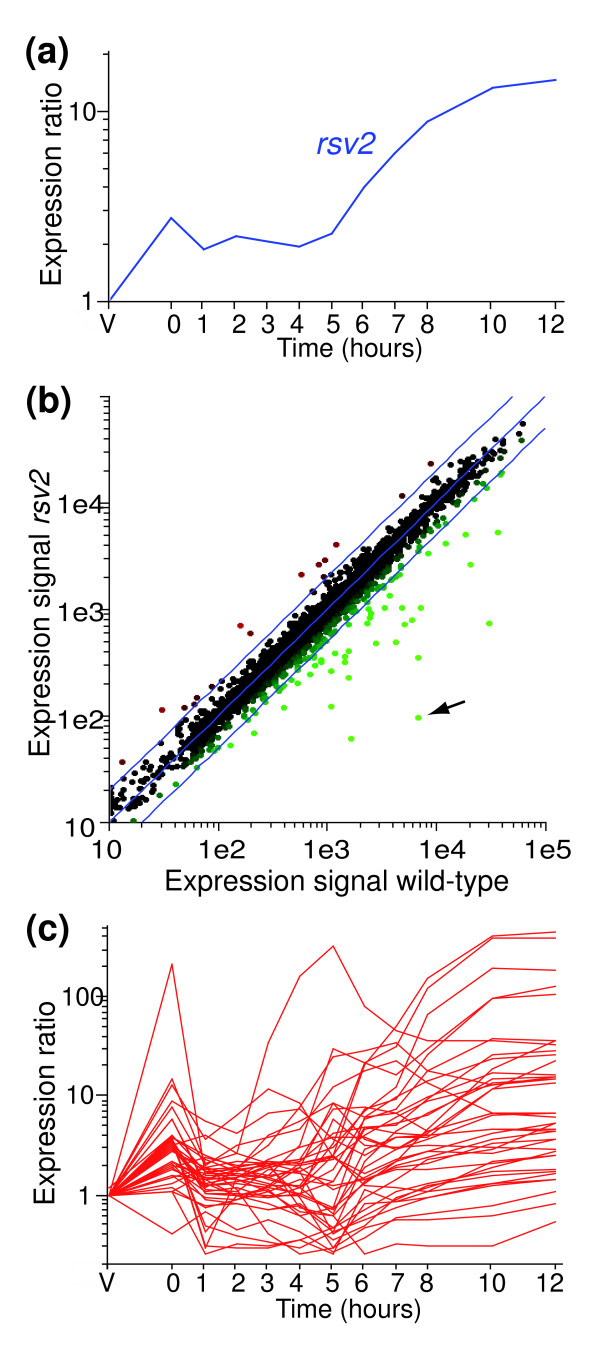
“A large fraction of the potential Rsv2p targets (17/39) are also induced in several different stress conditions [23].”
BackgroundSelf-citationPeriodic gene expression program of the fission yeast cell cycle
Rustici, G., Mata, J., Kivinen, K., Lió, P., Penkett, C. J., Burns, G., Hayles, J., Brazma, A., Nurse, P., & Bähler, J. (2004) · Nature Genetics · doi:10.1038/ng1377 · Cited by 486 · cited 1×
“We looked at whether the expression of periodic genes in cluster 1 (which is enriched in Sep1p targets and forkhead-binding sequences) [21] was increased in Mei4p-overproducing cells.”
BackgroundSelf-citationThe transcriptional program of meiosis and sporulation in fission yeast
Mata, J., Lyne, R., Burns, G., & Bähler, J. (2002) · Nature Genetics · doi:10.1038/ng951 · Cited by 480 · cited 10×
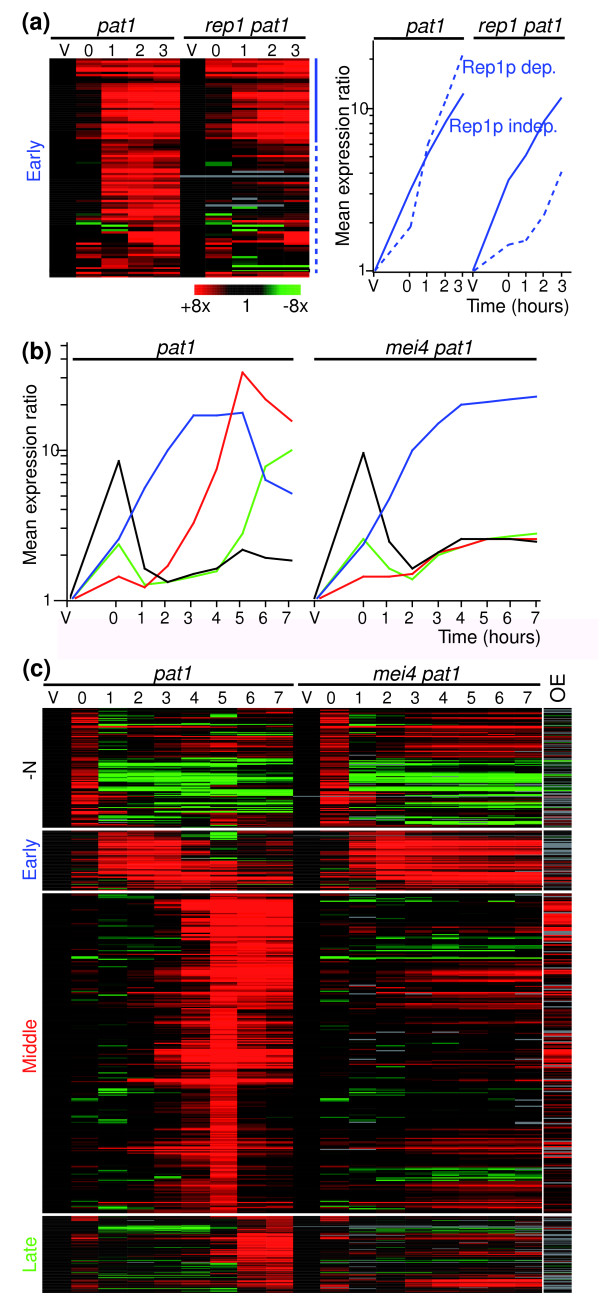
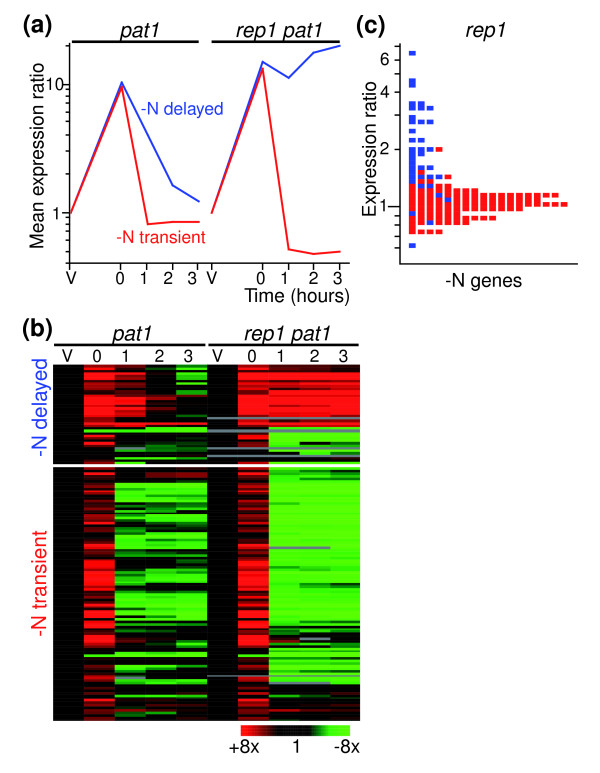
“Graphs from left to right: pat1 cells (from [4]) and mei4Δ pat1 cells.”
BackgroundSelf-citationComprehensive Identification of Human bZIP Interactions with Coiled-Coil Arrays
Newman, J. R. S., & Keating, A. E. (2003) · Science · doi:10.1126/science.1084648 · Cited by 449 · cited 1×
“Combinatorial control by bZIP transcription factors is well known from studies in other organisms (for example, [27,28]).”
BackgroundSugimoto, A., Iino, Y., Maeda, T., Watanabe, Y., & Yamamoto, M. (1991) · Genes & Development · doi:10.1101/gad.5.11.1990 · Cited by 359 · cited 5×
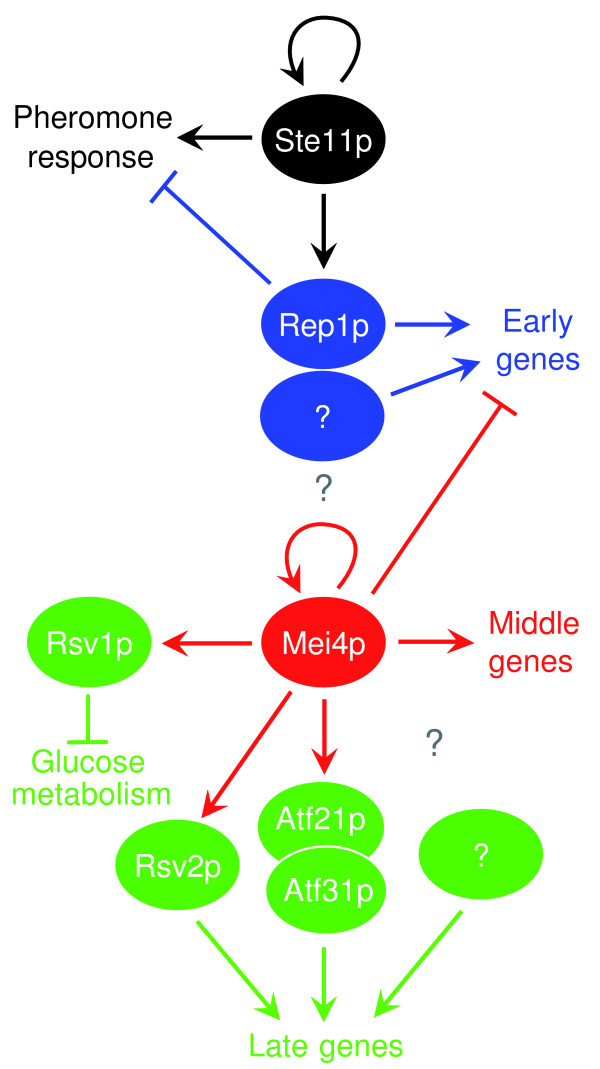
“Rep1p, which is transcriptionally induced by the master regulator for the pheromone response Ste11p [3,12], activates the expression of early genes but is also essential for the repression of pheromone-response genes.”
BackgroundInfluentialSelective elimination of messenger RNA prevents an incidence of untimely meiosis
Harigaya, Y., Tanaka, H., Yamanaka, S., Tanaka, K., Watanabe, Y., Tsutsumi, C., Chikashige, Y., Hiraoka, Y., Yamashita, A., & Yamamoto, M. (2006) · Nature · doi:10.1038/nature04881 · Cited by 313 · cited 3×
“Posttranscriptional control is involved in regulating mRNA levels during meiosis [6-8].”
BackgroundPost-transcriptional control of gene expression: a genome-wide perspective
Mata, J., Marguerat, S., & Bähler, J. (2005) · Trends in Biochemical Sciences · doi:10.1016/j.tibs.2005.07.005 · Cited by 288 · cited 1×
“The strong induction of at least some middle genes, however, may be supported by posttranscriptional mechanisms [7,22].”
BackgroundSelf-citation
Cited by
Dynamic repertoire of a eukaryotic transcriptome surveyed at single-nucleotide resolution
Wilhelm, B. T., Marguerat, S., Watt, S., Schubert, F., Wood, V., Goodhead, I., Penkett, C. J., Rogers, J., & Bähler, J. (2008) · Nature · doi:10.1038/nature07002 · Cited by 974
Self-citationMarguerat, S., Schmidt, A., Codlin, S., Chen, W., Aebersold, R., & Bähler, J. (2012) · Cell · doi:10.1016/j.cell.2012.09.019 · Cited by 571
“Genes induced during meiosis are tightly repressed during proliferation, and their expression is regulated at multiple levels including chromatin (Zofall et al., 2012), transcription (Mata et al., 2007), and mRNA turnover (Harigaya and Yamamoto, 2007; McPheeters et al., 2009).”
BackgroundSelf-citationOrigins of Eukaryotic Sexual Reproduction
Goodenough, U., & Heitman, J. (2014) · Cold Spring Harbor Perspectives in Biology · doi:10.1101/cshperspect.a016154 · Cited by 203
“Modern microbial gamete-differentiation programs have expanded well beyond our minimalist model—many plus/a-specific genes are induced in addition to the H1 equivalent, and many minus/a-specific genes are induced in addition to the H2 equivalent (Mata et al. 2007; Snell and Goodenough 2008; van Werven et al. 2012)—but…”
BackgroundReverberi, M., Zjalic, S., Ricelli, A., Punelli, F., Camera, E., Fabbri, C., Picardo, M., Fanelli, C., & Fabbri, A. A. (2008) · Eukaryotic Cell · doi:10.1128/ec.00228-07 · Cited by 190
Pluskal, T., Ueno, M., & Yanagida, M. (2014) · PLoS ONE · doi:10.1371/journal.pone.0097774 · Cited by 126
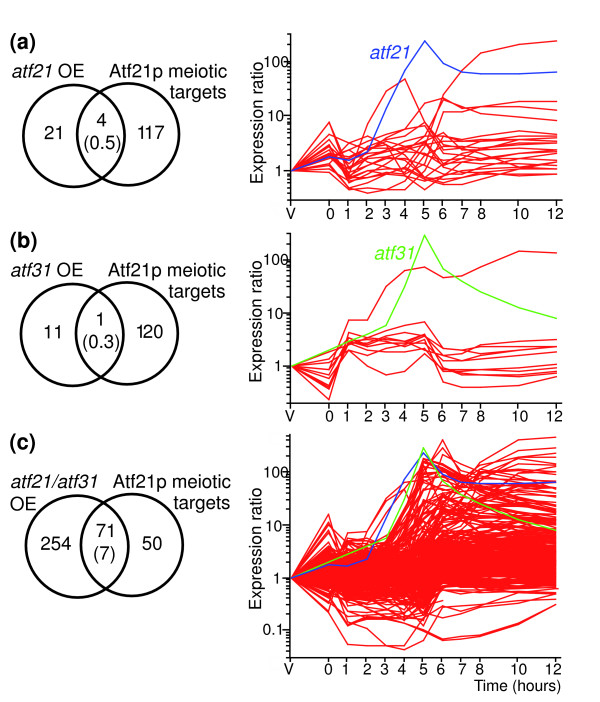
“Also, egt1 was up-regulated in a strain overexpressing both basic leucine zipper (bZIP) transcription factors atf21 and atf31 [36].”
BackgroundHexanucleotide motifs mediate recruitment of the RNA elimination machinery to silent meiotic genes
Yamashita, A., Shichino, Y., Tanaka, H., Hiriart, E., Touat‐Todeschini, L., Vavasseur, A., Ding, D., Hiraoka, Y., Verdel, A., & Yamamoto, M. P. (2012) · Open Biology · doi:10.1098/rsob.120014 · Cited by 114
Helmlinger, D., Marguerat, S., Villén, J., Gygi, S. P., Bähler, J., & Winston, F. (2008) · Genes & Development · doi:10.1101/gad.1719908 · Cited by 113
“The switch from proliferation to differentiation is driven by an extensive gene expression program, controlled by the master regulator Ste11, a high-mobilitygroup box-containing transcription factor (Sugimoto et al. 1991; Mata and Bähler 2006; Mata et al. 2007).”
BackgroundSelf-citationMmi1 RNA surveillance machinery directs RNAi complex RITS to specific meiotic genes in fission yeast
Hiriart, E., Vavasseur, A., Touat‐Todeschini, L., Yamashita, A., Gilquin, B., Lambert, E., Perot, J., Shichino, Y., Nazaret, N., Boyault, C., et al. (2012) · The EMBO Journal · doi:10.1038/emboj.2012.105 · Cited by 106
“Proper silencing of mei4 is critical to avoid untimely and deleterious expression of these meiotic genes (Harigaya et al , 2006; Mata et al , 2007; Nakase et al , 2009).”
AnGeLi: A Tool for the Analysis of Gene Lists from Fission Yeast
Bitton, D. A., Schubert, F., Dey, S., Okoniewski, M., Smith, G. C., Khadayate, S., Pancaldi, V., Wood, V., & Bähler, J. (2015) · Frontiers in Genetics · doi:10.3389/fgene.2015.00330 · Cited by 85
“…defined ‘housekeeping’ genes (Pancaldi et al., 2010), stress-response genes (Chen et al., 2003, 2008; Tanay et al., 2005), meiotic differentiation genes (Mata et al., 2002, 2007; Tanay et al., 2005; Mata and Bähler, 2006), and cell cycle-regulated genes (Rustici et al., 2004; Marguerat et al.,…”
BackgroundSelf-citationBennett, R. J., & Turgeon, B. G. (2016) · Microbiology Spectrum · doi:10.1128/microbiolspec.funk-0005-2016 · Cited by 119
“As in S. cerevisiae , waves of meiotic gene expression regulate progression through this developmental program (83).”
BackgroundPromoter-driven splicing regulation in fission yeast
Moldón, A., Malapeira, J., Gabrielli, N., Gogol, M., Gómez‐Escoda, B., Ivanova, T., Seidel, C. W., & Ayté, J. (2008) · Nature · doi:10.1038/nature07325 · Cited by 97
“, 2002) and it is also a repressor of the previous transcriptional wave in meiosis (Mata et al., 2007).”
BackgroundThe translational landscape of fission-yeast meiosis and sporulation
Duncan, C. D. S., & Mata, J. (2014) · Nature Structural & Molecular Biology · doi:10.1038/nsmb.2843 · Cited by 81
Self-citationFunctional and regulatory profiling of energy metabolism in fission yeast
Malecki, M., Bitton, D. A., Rodríguez-López, M., Rallis, C., Calavia, N. G., Smith, G. C., & Bähler, J. (2016) · Genome Biology · doi:10.1186/s13059-016-1101-2 · Cited by 68
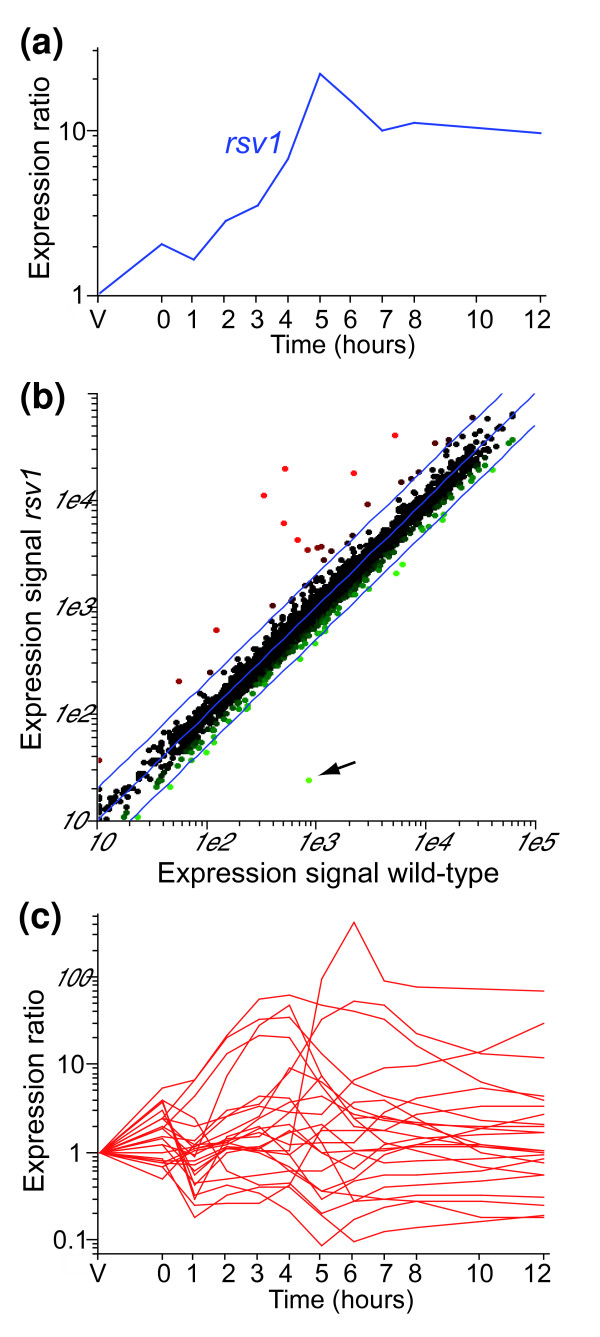
“Rsv2 has been shown to induce stressrelated genes during spore formation, while Rsv1 represses glucose metabolism genes [64].”
Self-citationQuantitative Control of Protein S-Palmitoylation Regulates Meiotic Entry in Fission Yeast
Zhang, M. M., Wu, P.-Y. J., Kelly, F. D., Nurse, P., & Hang, H. C. (2013) · PLoS Biology · doi:10.1371/journal.pbio.1001597 · Cited by 79
“(A) Of the thousands of genes that significantly regulated during meiosis [37,49], the listed gene products are demonstrated to induce meiosis in haploid cells, highlighting their regulatory roles in the important cellular transition.”
BackgroundGlobal coordination of transcriptional control and mRNA decay during cellular differentiation
Amorim, M. J., Cotobal, C., Duncan, C. D. S., & Mata, J. (2010) · Molecular Systems Biology · doi:10.1038/msb.2010.38 · Cited by 74
“Although transcriptional control is critical for the regulation of a large part of the program (Mata and Bähler, 2006; Xue-Franzen et al, 2006; Mata et al, 2002, 2007), the control of mRNA stability also has a function (Harigaya et al, 2006; McPheeters et al, 2009).”
BackgroundMethodInfluentialSelf-citationKume, K., Cantwell, H., Neumann, F. R., Jones, A. W., Snijders, A. P., & Nurse, P. (2017) · PLoS Genetics · doi:10.1371/journal.pgen.1006767 · Cited by 77
Saitoh, S., Mori, A., Uehara, L., Masuda, F., Soejima, S., & Yanagida, M. (2014) · Molecular Biology of the Cell · doi:10.1091/mbc.e14-11-1503 · Cited by 68
“Its expression is extremely low, and it is virtually absent except during meiotic sporulation (Mata et al., 2007).”
BackgroundSchwer, B., Bitton, D. A., Sánchez, A. M., Bähler, J., & Shuman, S. (2014) · Proceedings of the National Academy of Sciences · doi:10.1073/pnas.1321842111 · Cited by 64
Self-citationA complex gene regulatory mechanism that operates at the nexus of multiple RNA processing decisions
McPheeters, D. S., Cremona, N., Sunder, S., Chen, H.-M., Averbeck, N., Leatherwood, J., & Wise, J. A. (2009) · Nature Structural & Molecular Biology · doi:10.1038/nsmb.1556 · Cited by 71
“This inference is at odds with the central conclusion from genome-wide microarray and deep-sequencing analyses, which attributed changes in RNA levels between mitotic and meiotic fission yeast cells to transcriptional regulatio”
ResultWatt, S., Mata, J., López‐Maury, L., Marguerat, S., Burns, G., & Bähler, J. (2008) · PLoS ONE · doi:10.1371/journal.pone.0001428 · Cited by 68
“100-fold [22–24], which is similar to the response in uracil described above.”
MethodSelf-citationAndreuzza, S., Nishal, B., Singh, A., & Siddiqi, I. (2015) · PLoS Genetics · doi:10.1371/journal.pgen.1005396 · Cited by 60
“pombe, meiotic genes performing key functions during meiosis I division, meiosis II, and meiotic exit are called “middle genes”, and constitute a group of co-expressed genes under the control of the transcription factors Ndt80 and Mei4 respectively [39,40].”
BackgroundCotobal, C., Rodríguez‐López, M., Duncan, C. D. S., Hasan, A., Yamashita, A., Yamamoto, M. P., Bähler, J., & Mata, J. (2015) · Epigenetics & Chromatin · doi:10.1186/s13072-015-0018-4 · Cited by 54
“This developmental process is accompanied by a complex gene expression program [25], involving both transcriptional and posttranscriptional mechanisms [25–32].”
BackgroundSelf-citationJoh, R. I., Khanduja, J. S., Calvo, I. A., Mistry, M., Palmieri, C. M., Savol, A. J., Sui, S. J. H., Sadreyev, R. I., Aryee, M. J., & Motamedi, M. (2016) · Molecular Cell · doi:10.1016/j.molcel.2016.11.020 · Cited by 57
Corral-Ramos, C., Barrios, R., Ayté, J., & Hidalgo, E. (2021) · Autophagy · doi:10.1080/15548627.2021.1935522 · Cited by 54
Murakami, H., Aiba, H., Nakanishi, M., & Murakami‐Tonami, Y. (2010) · Cell Cycle · doi:10.4161/cc.9.16.12599 · Cited by 46
“As mentioned above, expression of about half of the middle genes required for recombination and nuclear division is regulated by Mei4 during meiosis.(17,19) In mei4 null cells, the first meiotic division does not occur at all.”
BackgroundFungal meiosis and parasexual reproduction—lessons from pathogenic yeast
Sherwood, R. K., & Bennett, R. J. (2009) · Current Opinion in Microbiology · doi:10.1016/j.mib.2009.09.005 · Cited by 48
Mfc1 Is a Novel Forespore Membrane Copper Transporter in Meiotic and Sporulating Cells
Beaudoin, J., Ioannoni, R., López‐Maury, L., Bähler, J., Aït-Mohand, S., Guérin, B., Dodani, S. C., Chang, C. J., & Labbé, S. (2011) · Journal of Biological Chemistry · doi:10.1074/jbc.m111.280396 · Cited by 48
Self-citationBitton, D. A., Grallert, Á., Scutt, P. J., Yates, T., Li, Y., Bradford, J. R., Hey, Y., Pepper, S. D. V., Hagan, I., & Miller, C. J. (2011) · Molecular Systems Biology · doi:10.1038/msb.2011.90 · Cited by 47
“The overlap in differentially expressed loci in each of the deletion strains supports the documented synergy between atf21 þ and atf31 þ (Mata et al, 2007).”
Tarr, S. J., Díaz‐Ingelmo, O., Stewart, L. B., Hocking, S. E., Murray, L., Duffy, C. W., Otto, T. D., Chappell, L., Rayner, J. C., Awandare, G. A., et al. (2018) · BMC Genomics · doi:10.1186/s12864-018-5257-x · Cited by 42
“reproduction of microbes, affecting diverse phenotypes such as sexual differentiation [1], adaptation to different growth conditions [2] and evasion of host immunity [3].”
BackgroundA Novel Histone Deacetylase Complex in the Control of Transcription and Genome Stability
Zilio, N., Codlin, S., Vashisht, A. A., Bitton, D. A., Head, S. R., Wohlschlegel, J. A., Bähler, J., & Boddy, M. N. (2014) · Molecular and Cellular Biology · doi:10.1128/mcb.00519-14 · Cited by 39
Self-citationSporulation: A response to starvation in the fission yeast Schizosaccharomyces pombe
Ohtsuka, H., Imada, K., Shimasaki, T., & Aiba, H. (2022) · MicrobiologyOpen · doi:10.1002/mbo3.1303 · Cited by 44
Young, E., Zheng, Z.-Y., Wilkins, A. D., Jeong, H., Li, M., Lichtarge, O., & Chang, E. C. (2014) · Molecular and Cellular Biology · doi:10.1128/mcb.01248-13 · Cited by 41
“To induce sexual differentiation, cells were shifted to MM lacking NH4Cl and containing low glucose (18).”
MethodA scaffold lncRNA shapes the mitosis to meiosis switch
Andrić, V., Nevers, A., Hazra, D., Auxilien, S., Menant, A., Graille, M., Palancade, B., & Rougemaille, M. (2021) · Nature Communications · doi:10.1038/s41467-021-21032-7 · Cited by 42
The wtf meiotic driver gene family has unexpectedly persisted for over 100 million years
Carvalho, M. D., Jia, G., Srinivasa, A. N., Billmyre, R. B., Xu, Y.-H., Lange, J. J., Sabbarini, I. M., Du, L., & Zanders, S. E. (2022) · eLife · doi:10.7554/elife.81149 · Cited by 39
“…functionally critical period for Mei4 during meiosis (3 hr and 4 hr into meiosis; Alves-Rodrigues et al., 2016 ); and (2) they are among the genes expressed in the the middle of meiosis whose transcript levels were reduced in mei4Δ and increased when Mei4p was overexpressed ( Mata et al., 2007 ).”
Chemical genetic induction of meiosis inSchizosaccharomyces pombe
Guerra-Moreno, Á., Alves‐Rodrigues, I., Hidalgo, E., & Ayté, J. (2012) · Cell Cycle · doi:10.4161/cc.20051 · Cited by 35
“It is described that an extensive program of transcription is initiated during meiosis in fission yeast.(16,17) This regulation of transcription, combined with a highly specific meiotic program of splicing,(23) is part of a safe-lock mechanism that ensures the absence of some gene products during mitotic growth.”
BackgroundNitric oxide as a signaling molecule in the fission yeast Schizosaccharomyces pombe
Kig, C., & Temizkan, G. (2009) · Protoplasma · doi:10.1007/s00709-009-0074-3 · Cited by 34
“pombe cells initiate a sporulation program which requires transcriptional regulation of hundreds of genes (Mata et al. 2007) and activation of different signal transduction pathways (i.”
BackgroundInfluentialGenes affecting the extension of chronological lifespan in Schizosaccharomyces pombe (fission yeast)
Ohtsuka, H., Shimasaki, T., & Aiba, H. (2020) · Molecular Microbiology · doi:10.1111/mmi.14627 · Cited by 34
“Spk1, a MAPK involved in pheromone response, physically interacts with Ste11 and phosphorylates it in vitro (Kjaerulff et al., 2005). rsv2+ encodes a zinc finger transcription factor that induces stress-related genes during spore formation (Mata et al., 2007).”
BackgroundImportant Characteristics of Sequence-Specific Recombination Hotspots in Schizosaccharomyces pombe
Steiner, W. W., Davidow, P. A., & Bagshaw, A. (2011) · Genetics · doi:10.1534/genetics.110.124636 · Cited by 33
Extensive Mass Spectrometry-based Analysis of the Fission Yeast Proteome
Gunaratne, J., Schmidt, A., Quandt, A., Neo, S. P., Saraç, Ö. S., Gracia, T., Loguercio, S., Ahrné, E., Xia, R. L. H., Tan, K. H., et al. (2013) · Molecular & Cellular Proteomics · doi:10.1074/mcp.m112.023754 · Cited by 32
Self-citationChen, H.-M., Rosebrock, A. P., Khan, S., Futcher, B., & Leatherwood, J. (2012) · PLoS ONE · doi:10.1371/journal.pone.0029917 · Cited by 30
“Mei4 induces genes that are expressed at meiotic M phase [27].”
BackgroundSoriano, I., Quintales, L. A. M., & Antequera, F. (2013) · BMC Genomics · doi:10.1186/1471-2164-14-813 · Cited by 37
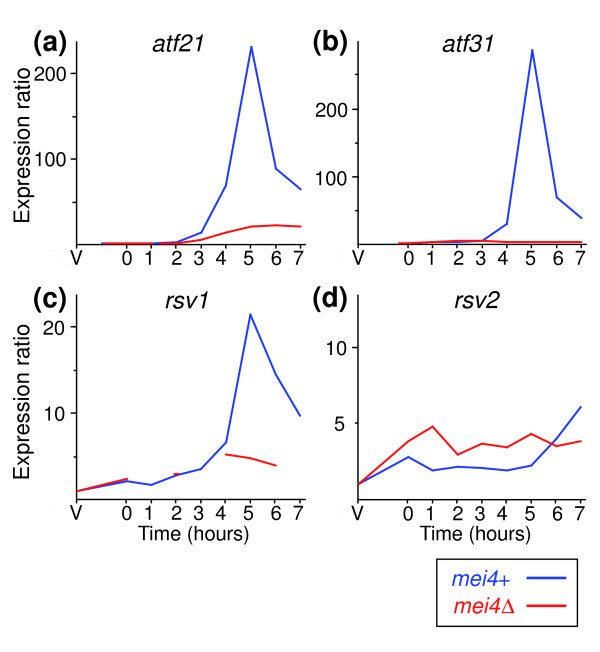
“Mei4 regulates the induction of middle genes during meiosis [38-40], and it is also essential for the repression of early genes and for the activation of genes encoding transcription factors that, in turn, activate the expression of late genes [39].”
del Dedo, J. E., Dueñas, E., Arnáiz‐Pita, Y., del Rey, F., & de Aldana, C. R. V. (2009) · Eukaryotic Cell · doi:10.1128/ec.00148-09 · Cited by 29
“Expression of agn2 and eng2 during sporulation is also dependent on the Mei4 transcription factor (28).”
BackgroundA genome-wide analysis of carbon catabolite repression in Schizosaccharomyces pombe
Vassiliadis, D., Wong, K. H., Andrianopoulos, A., & Monahan, B. J. (2019) · BMC Genomics · doi:10.1186/s12864-019-5602-8 · Cited by 29
Gamete fusion triggers bipartite transcription factor assembly to block re-fertilization
Vještica, A., Merlini, L., Nkosi, P. J., & Martin, S. G. (2018) · Nature · doi:10.1038/s41586-018-0407-5 · Cited by 31
Analysis of Schizosaccharomyces pombe MeiosisPreprint
Yamashita, A., Sakuno, T., Watanabe, Y., & Yamamoto, M. P. (2017) · Cold Spring Harbor Protocols · doi:10.1101/pdb.top079855 · Cited by 28
Bioinformatic identification of Ustilago maydis meiosis genes
Donaldson, M. E., & Saville, B. J. (2008) · Fungal Genetics and Biology · doi:10.1016/j.fgb.2008.04.012 · Cited by 25
Long noncoding RNA-based chromatin control of germ cell differentiation: a yeast perspective
Hiriart, E., & Verdel, A. (2013) · Chromosome Research · doi:10.1007/s10577-013-9393-5 · Cited by 27
“2012), which encodes a master transcription factor that activates, directly or indirectly, more than five hundred meiotic genes during sporulation (Mata et al. 2007).”
BackgroundFunctional Characterization of Fission Yeast Transcription Factors by Overexpression Analysis
Vachon, L., Wood, J., Kwon, E.-J. G., Laderoute, A., Chatfield‐Reed, K., Karagiannis, J., & Chua, G. (2013) · Genetics · doi:10.1534/genetics.113.150870 · Cited by 24
“…1999; Ohmiya et al. 1999, 2000; Abe and Shimoda 2000; Mata et al. 2002; Buck et al. 2004; Cunliffe et al. 2004; Alonso-Nunez et al. 2005; Mata and Bahler 2006; Mercier et al. 2006, 2008; Mata et al. 2007; Rustici et al. 2007; Aligianni et al. 2009; Prevorovsky et al. 2009; Ioannoni et al. 2012;…”
BackgroundPlante, S., Normant, V., Ramos‐Torres, K. M., & Labbé, S. (2017) · Journal of Biological Chemistry · doi:10.1074/jbc.m117.794677 · Cited by 27
“meiosis-specific regulator that is required for expression of several middle-phase genes (44), it is unlikely that Mei4 co-regulates the timely expression of ctr6 during spore germination.”
BackgroundUbiquitination-dependent control of sexual differentiation in fission yeast
Simonetti, F., Candelli, T., Léon, S., Libri, D., & Rougemaille, M. (2017) · eLife · doi:10.7554/elife.28046 · Cited by 25
“A strict control on the inhibition of Mmi1 appears to be essential given the important role of this factor in suppressing mRNAs encoding meiosis-specific transcription factors that, in turn, control the expression of other transcription factors (Mata et al., 2007).”
BackgroundOhtsuka, H., Azuma, K., Kubota, S., Murakami, H., Giga‐Hama, Y., Tohda, H., & Aiba, H. (2011) · Genes to Cells · doi:10.1111/j.1365-2443.2011.01571.x · Cited by 23
“rsv2 encodes zinc finger transcription factor that induces stress-related genes during spore formation (Mata et al. 2007).”
BackgroundRegulation of entry into gametogenesis by Ste11: the endless game
Anandhakumar, J., Fauquenoy, S., Materne, P., Migeot, V., & Hermand, D. (2013) · Biochemical Society Transactions · doi:10.1042/bst20130225 · Cited by 21
A meiotic gene regulatory cascade driven by alternative fates for newly synthesized transcripts
Cremona, N., Potter, K., & Wise, J. A. (2010) · Molecular Biology of the Cell · doi:10.1091/mbc.e10-05-0448 · Cited by 22
“Our survey included 18 other meiotic genes that contain upstream Mei4p recognition motifs and are bona fi de targets of this transcription factor based on their failure to show increased RNA accumulation during meiosis in a mei4Δ strain (Mata et al ., 2007 ).”
BackgroundInfluentialKristell, C., Westholm, J. O., Olsson, I., Ronne, H., Komorowski, J., & Bjerling, P. (2010) · Genome Research · doi:10.1101/gr.098558.109 · Cited by 21
“The sexual cycle in fission yeast is induced by nitrogen starvation and is driven by a complex transcriptional program (Mata et al. 2002, 2007).”
BackgroundLe, A.-H., Mastro, T. L., & Forsburg, S. L. (2013) · Biology Open · doi:10.1242/bio.20135173 · Cited by 18
“Early meiotic gene expression depends in part on the meiosis-specific DNA synthesis control-like transcription factor complex (DSC1) (Cunliffe et al., 2004; Mata et al., 2007), which regulates rec12, dfp1, and numerous other genes.”
BackgroundResultInfluentialCuf2 Is a Novel Meiosis-Specific Regulatory Factor of Meiosis Maturation
Ioannoni, R., Beaudoin, J., López‐Maury, L., Codlin, S., Bähler, J., & Labbé, S. (2012) · PLoS ONE · doi:10.1371/journal.pone.0036338 · Cited by 18
“Transcriptional profiles have defined four successive waves of gene expression that are mainly controlled by key meiosis-specific regulators [15].”
BackgroundInfluentialSelf-citationMukherjee, K., Futcher, B., & Leatherwood, J. (2018) · Open Biology · doi:10.1098/rsob.180110 · Cited by 18
Nuckolls, N. L., Srinivasa, A. N., Mok, A. C., Helston, R. M., Núñez, M. A. B., Lange, J. J., Gallagher, T. J., Seidel, C. W., & Zanders, S. E. (2022) · PLoS Genetics · doi:10.1371/journal.pgen.1009847 · Cited by 17
“These data, combined with the previous genetic and biochemical data of others [50,61] support that Mei4 controls expression of the Wtf4 and likely the poison proteins produced by other wtf drivers.”
A yeast pheromone-based inter-species communication system
Hennig, S., Clemens, A., Rödel, G., & Ostermann, K. (2014) · Applied Microbiology and Biotechnology · doi:10.1007/s00253-014-6133-5 · Cited by 17
“Among the promoters tested, only the 5′ upstream regions of rep1 (transcription factor for early meiotic genes; Mata et al. 2007) and sxa2 (carboxypeptidase for P-factor degradation; Ladds et al. 1996) proved to be specifically and strongly activated upon transferring S. pombe PN1707 into the…”
BackgroundFission yeast ATF/CREB family protein Atf21 plays important roles in production of normal spores
Morita, T., Yamada, T., Yamada, S., Matsumoto, K., & Ohta, K. (2010) · Genes to Cells · doi:10.1111/j.1365-2443.2010.01480.x · Cited by 16
“In this regard, Mata et al. (2007) reported that atf21+ (and atf31+) transcription is severely compromised in the absence of the transcription factor Mei4, which itself is expressed as a part of the meiotic program.”
BackgroundResultInfluentialKashiwazaki, J., Yamasaki, Y., Itadani, A., Teraguchi, E., Maeda, Y., Shimoda, C., & Nakamura, T. (2011) · Molecular Biology of the Cell · doi:10.1091/mbc.e11-03-0255 · Cited by 17
“Many genes are known to be up-regulated from meiosis I to meiosis II dependent on Mei4, a forkhead transcription factor required for the progression of meiosis and sporulation (Horie et al., 1998; Mata et al., 2007).”
Investigating Host Induced Meiosis in a Fungal Plant Pathogen
J., B., E., M., & E., C. (2012) · InTech eBooks · doi:10.5772/30032 · Cited by 22
“Many of the ncRNAs appear to be expressed in waves similar to meiosisspecific gene expression in S. pombe (Mata et al., 2002, 2007).”
BackgroundPlante, S., Ioannoni, R., Beaudoin, J., & Labbé, S. (2014) · Journal of Biological Chemistry · doi:10.1074/jbc.m113.543678 · Cited by 17
“On the basis of this observation, ctr6 expression was analyzed in a mei4 /mei4 mutant strain, which lacks the transcription regulator Mei4 that is required for the induction of several middle meiosis-specific genes (25).”
BackgroundMethodKim, J., Kim, E.-J., López‐Maury, L., Bähler, J., & Roe, J. (2014) · Aging · doi:10.18632/aging.100682 · Cited by 16
Self-citationPenney, M., Samejima, I., Wilkinson, C. R. M., McInerny, C., Mathiassen, S. G., Wallace, M., Toda, T., Hartmann‐Petersen, R., & Gordon, C. (2012) · PLoS ONE · doi:10.1371/journal.pone.0050796 · Cited by 14
“pombe genome does not encode any obvious orthologue of budding yeast Rpn4, the closest relative being Rsv2 that induces stress-related genes during spore formation [35].”
BackgroundSpatiotemporal Control of Forkhead Binding to DNA Regulates the Meiotic Gene Expression Program
Alves‐Rodrigues, I., Ferreira, P. G., Moldón, A., Vivancos, A. P., Hidalgo, E., Guigó, R., & Ayté, J. (2016) · Cell Reports · doi:10.1016/j.celrep.2015.12.074 · Cited by 12
Pataki, E., Weisman, R., Sipiczki, M., & Miklós, I. G. (2016) · Current Genetics · doi:10.1007/s00294-016-0607-1 · Cited by 13
“These genes are the targets of ste11+ (Sugimoto et al. 1991; Kjaerulff et al. 1994; Mata and Bahler 2007), which was also upregulated both on rich and minimal media in the fhl1 mutant cells (Table 3) (Tables S1, S2).”
BackgroundTwo separable functions of Ctp1 in the early steps of meiotic DNA double-strand break repair
Ma, L., Milman, N., Nambiar, M., & Smith, G. R. (2015) · Nucleic Acids Research · doi:10.1093/nar/gkv644 · Cited by 16
“pombe Mei4 is a meiotic transcription factor that regulates the induction of many meiotic middle genes, including exo1 but not ctp1 (39).”
Nakamura-Kubo, M., Hirata, A., Shimoda, C., & Nakamura, T. (2011) · Molecular Biology of the Cell · doi:10.1091/mbc.e11-02-0125 · Cited by 12
“Because the mei4+ gene encodes a forkhead transcription factor that regulates many genes required for meiosis and sporulation (Horie et al., 1998; Abe and Shimoda, 2000; Mata et al., 2007), we determined whether Mei4 governs spo7+ transcription by examining the induction of spo7+ in the mei4Δ mutant.”
BackgroundKim, E., Cho, Y., Chung, W., & Roe, J. (2019) · FEBS Journal · doi:10.1111/febs.15052 · Cited by 12
Membrane and organelle rearrangement during ascospore formation in budding yeast
Neiman, A. M. (2024) · Microbiology and Molecular Biology Reviews · doi:10.1128/mmbr.00013-24 · Cited by 13
“Mei4 activates transcrip tion of genes required for the meiotic divisions and for ascospore assembly (207–210).”
BackgroundKrapp, A., Hamelin, R., Armand, F., Chiappe, D., Krapp, L. F., Cano, E., Moniatte, M., & Simanis, V. (2019) · Cell Reports · doi:10.1016/j.celrep.2018.12.075 · Cited by 11
Kakui, Y., Sato, M., Tanaka, K., & Yamamoto, M. P. (2011) · Yeast · doi:10.1002/yea.1851 · Cited by 11
“Mei4 is also regarded as an important repressor of early meiotic genes in a negative feedback system (Mata et al., 2007).”
BackgroundKim, J., Kwon, E., & Roe, J. (2012) · BMC Microbiology · doi:10.1186/1471-2180-12-86 · Cited by 13
“All of these sexual development processes are controlled by an extensive gene expression program [28,29].”
BackgroundLong Non-Coding RNAs in the Control of Gametogenesis: Lessons from Fission Yeast
Andrić, V., & Rougemaille, M. (2021) · Non-Coding RNA · doi:10.3390/ncrna7020034 · Cited by 11
“The transition from mitosis to meiosis is accompanied by profound changes in gene expression profiles, whereby sequential transcriptional waves controlled by dedicated transcription factors orchestrate the correct timing of the meiotic program [15,16].”
BackgroundTranscriptional Regulation of the Copper Transporter Mfc1 in Meiotic Cells
Beaudoin, J., Ioannoni, R., Mailloux, S., Plante, S., & Labbé, S. (2013) · Eukaryotic Cell · doi:10.1128/ec.00019-13 · Cited by 10
“Among transcription factors that are known to be required for successful meiosis and sporulation, global transcriptome and deletome profile analyses have shown that the mfc1 gene is not regulated by Rep1, Mei4, Cuf2, Rsv1, Rsv2, Atf21, and Atf31 (14, 21).”
BackgroundStructural duality enables a single protein to act as a toxin–antidote pair for meiotic drive
Hua, Y., Zhang, J., Yang, M.-Y., Ren, J.-Y., Suo, F., Liang, L., Dong, M., Ye, K., & Du, L. (2024) · Proceedings of the National Academy of Sciences · doi:10.1073/pnas.2408618121 · Cited by 9
“Previous large - scale analyses have shown that deleting the gene encoding the meiosis - specific transcription factor Mei4 reduces tdk1 transcript levels, while its overexpression increases tdk1 transcription (60).”
Bérard, M., Merlini, L., & Martin, S. G. (2024) · PLoS Biology · doi:10.1371/journal.pbio.3002963 · Cited by 12
“Cluster 2 includes for instance Rep1/Rec16, which both promotes early meiotic gene expression and represses pheromone signaling genes [69], Spo5, Mis4, Rec10, and Rec8, which is further phosphorylated on multiple Casein kinase I and Polo kinase target sites [65,70,71]”
Mfc1 is a novel copper transporter during meiosis
Beaudoin, J., Ioannoni, R., & Labbé, S. (2012) · Communicative & Integrative Biology · doi:10.4161/cib.18716 · Cited by 7
“Global transcriptome and deletome profiles of seven meiosis-specific transcription factors that are known to be essential for successful meiotic differentiation and sporulation have consistently shown that the mfc1 gene was not regulated by Rep1, Mei4, Cuf2, Atf21, Atf31, Rsv1 and Rsv2 (unpublished data).(12) Again, t…”
Leroy, E., Challal, D., Pelletier, S., Goncalves, C., Menant, A., Marchand, V., Jaszczyszyn, Y., van Dijk, E., Naquin, D., Andréani, J., et al. (2025) · Nature Communications · doi:10.1038/s41467-025-58664-y · Cited by 9
Togashi, N., Yamashita, A., Sato, M., & Yamamoto, M. P. (2014) · BMC Microbiology · doi:10.1186/1471-2180-14-188 · Cited by 7
“It has been shown in the fission yeast Schizosaccharomyces pombe [5-8] and the budding yeast Saccharomyces cerevisiae [1,9-12] that a number of transcription factors”
Nakase, Y., Hirata, A., Shimoda, C., & Nakamura, T. (2009) · Genetics · doi:10.1534/genetics.109.106906 · Cited by 6
Takaine, M., Imada, K., Numata, O., Nakamura, T., & Nakano, K. (2014) · Journal of Cell Science · doi:10.1242/jcs.151738 · Cited by 6
“Correspondingly, the expression levels of psy1, spo7, spo3, and npg1 were previously shown to be reduced in mei4D cells and increased in Mei4-overexpressing cells (Mata et al., 2007).”
BackgroundChua, G. (2013) · Biochemical Society Transactions · doi:10.1042/bst20130224 · Cited by 6
Pheromone-inducible expression vectors for fission yeast Schizosaccharomyces pombe
Hennig, S., Hornauer, N., Rödel, G., & Ostermann, K. (2017) · Plasmid · doi:10.1016/j.plasmid.2017.11.002 · Cited by 6
“…P-factor pheromone degradation in the course of signal adaptation (see below), whereas the zinc finger transcription factor Rep1 stimulates the transcription of a subset of early meiotic genes and is involved in the initiation of premeiotic DNA synthesis (Mata et al., 2007; Sugiyama et al., 1994).”
BackgroundThe RHEB–mTOR axis regulates expression of Tf2 transposons in fission yeast
Nakase, Y., & Matsumoto, T. (2018) · Journal of Cell Science · doi:10.1242/jcs.221457 · Cited by 7
“The level of Tf2s in Δpka1 Δtsc2 was lower than that in Δatf1 Δtsc2, suggesting that Pka1 might also control other transcription factors, such as Atf21 and Atf31 (Mata et al., 2007), to mediate transactivation of Tf2s.”
BackgroundBennett, R. J., & Turgeon, B. G. (2017) · ASM Press eBooks · doi:10.1128/9781555819583.ch6 · Cited by 9
Pataki, E., Sipiczki, M., & Miklós, I. (2017) · Current Microbiology · doi:10.1007/s00284-017-1227-9 · Cited by 5
“albicans Cas5, as typical stress genes were not regulated by them [5, 23].”
BackgroundInfluentialNormant, V., Beaudoin, J., & Labbé, S. (2015) · Journal of Biological Chemistry · doi:10.1074/jbc.m115.674556 · Cited by 5
“spindles, centrosomes, and kinetochores) as the mitotic program, several genes encode proteins that are unique to meiosis (2, 3).”
BackgroundRibosome Profiling for the Analysis of Translation During Yeast Meiosis
Duncan, C. D. S., & Mata, J. (2017) · Methods in molecular biology · doi:10.1007/978-1-4939-6340-9_4 · Cited by 5
Self-citationLiu, J., Jia, Y., Li, J., & Chu, Z. (2014) · Molecular Genetics and Genomics · doi:10.1007/s00438-014-0966-6 · Cited by 5
“2002) and their dependence on various transcription factors (Mata et al. 2007).”
BackgroundKarpov, D. S., Grineva, E. N., Лейнсоо, А. Т., Nadolinskaia, N. I., Danilenko, N., Tutyaeva, V. V., Spasskaya, D. S., Preobrazhenskaya, O. V., Lysov, Y. P., & Карпов, В. Л. (2016) · FEMS Yeast Research · doi:10.1093/femsyr/fow098 · Cited by 10
Mizuki, F., Tanaka, A., Hirose, Y., & Ohkuma, Y. (2011) · PLoS ONE · doi:10.1371/journal.pone.0019442 · Cited by 4
“pombe), more than one hundred genes are activated under starvation conditions [11,12].”
BackgroundPotter, K., Cremona, N., Sunder, S., & Wise, J. A. (2012) · RNA · doi:10.1261/rna.033423.112 · Cited by 4
“…factor Fkh2p, expressed in both mitotic and meiotic cells, has been implicated in negative regulation, while a meiosis-specific member of this protein family, Mei4p, functions in positive control during meiosis (Malapeira et al. 2005; Mata et al. 2007; Moldon et al. 2008; Chen et al. 2012).”
BackgroundIoannoni, R., Brault, A., & Labbé, S. (2016) · PLoS ONE · doi:10.1371/journal.pone.0151914 · Cited by 4
“Given the fact that Mei4 induces the vast majority of middle-phase genes [11] and that the FLEX motif is found in the promoters of almost all of Mei4 target genes [12], we envision that additional Mei4-dependent targets may also be positively regulated by Cuf2 during meiotic divisions.”
BackgroundMethodInfluentialVassiliadis, D., Wong, K. H., Blinco, J., Dumsday, G. J., Andrianopoulos, A., & Monahan, B. J. (2020) · G3 Genes Genomes Genetics · doi:10.1534/g3.119.400986 · Cited by 3
Nuckolls, N. L., Srinivasa, A. N., Mok, A. C., Núñez, M. A. B., Lange, J. J., Gallagher, T. J., Seidel, C. W., & Zanders, S. E. (2021) · bioRxiv (Cold Spring Harbor Laboratory) · doi:10.1101/2021.09.30.462505 · Cited by 3
Kina, U. Y., & Palabıyık, B. (2019) · Cellular and Molecular Biology · doi:10.14715/cmb/2019.65.1.7 · Cited by 2
“In addition, while Ght2 and Ght8 have moderate glucose affinity (17, 18), Ght7 has no signal peptide and almost exclusively does not exist outside the process of meiotic sprouting (19).”
BackgroundA novel transcription factor Sdr1 involving sulfur depletion response in fission yeast
Ohtsuka, H., Ohara, K., Shimasaki, T., Hatta, Y., Maekawa, Y., & Aiba, H. (2024) · Genes to Cells · doi:10.1111/gtc.13136 · Cited by 2
“These include atf21 + , which encodes an ATF/CREB family protein that plays a role in sporulation (Mata et al., 2007; Morita et al., 2011); cta3 + , which encodes a K + exporting P-type ATPase (Benito et al., 2002; Moro et al., 2021); dal51 + , which encodes an ortholog of two S. cerevisiae…”
Iron regulates hexose transporters in Schizosaccharomyces pombe
Özkan, E., Kartal, B., Yılmazer, M., & Palabıyık, B. (2019) · Journal of Basic Microbiology · doi:10.1002/jobm.201800618 · Cited by 2
“In addition, while Ght2 and Ght8 have moderate affinity glucose [18,19], Ght7 has no signal peptide and almost exclusively does not exist outside the process of meiotic sprouting [20].”
Background
Metadata
- Authors
- Mata, J., Wilbrey, A., & Bähler, J.
- Affiliations
- University of Cambridge (GB)
- Babraham Institute (GB)
- Cancer Research UK (GB)
- Corresponding author
- Mata, Juan
- Venue
- Genome Biology
- Published
- 2007-10-10
- Volume
- 8
- Issue
- 10
- Pages
- R217-R217
- ISSN
- 1465-6906 (ISSN-L)
- 1474-760X
- PMC
- PMC2246291
- OpenAlex
- W2142714550
- Semantic Scholar
- 7b0dd727592c2966e7eba1846d7f43d93c765eac
- Cited by
- 127
- References
- 35
- Citations by year
- 2026: 6 · 2025: 4 · 2024: 5 · 2022: 3 · 2021: 5 · 2020: 5 · 2019: 5 · 2018: 7 · 2017: 9 · 2016: 8 · 2015: 5 · 2014: 12 · 2013: 11 · 2012: 13
- FWCI
- 2.78
- Type
- journal article
- Language
- en
- Open access
- gold
- doi.org
- Licence
- cc-by
- creativecommons.org/licenses/by/2.0/ (tdm)
- creativecommons.org/licenses/by/2.0/ (vor)
- Locations
- Genome biology (publishedVersion, cc-by)
- PubMed Central (publishedVersion, cc-by)
- PubMed (publishedVersion)
- UCL Discovery (University College London) (submittedVersion)
- Apollo (University of Cambridge) (submittedVersion, cc-by)
- Funders
- Wellcome Trust (077118)
- Cancer Research UK (A6517)
- Topics
- Life Sciences › Biochemistry, Genetics and Molecular Biology › Molecular Biology › Fungal and yeast genetics research
- Life Sciences › Biochemistry, Genetics and Molecular Biology › Molecular Biology › Gene Regulatory Network Analysis
- Life Sciences › Biochemistry, Genetics and Molecular Biology › Molecular Biology › Genomics and Chromatin Dynamics
- Keywords
- sexual differentiation, Schizosaccharomyces pombe, transcriptional regulatory networks, meiosis, sporulation, transcription factors, REP1, MEI4, Ste11, gene expression waves, negative feedback regulation, gene repression
- MeSH terms
- Meiosis, Schizosaccharomyces, Sex Differentiation, Transcription Factors, Trans-Activators, Gene Expression Regulation, Fungal, Oligonucleotide Array Sequence Analysis, Gene Expression Profiling, Schizosaccharomyces pombe Proteins, Activating Transcription Factors
About these checks
Registry, retraction, Cites and statistics results are computed, not judged, with one exception: a printed reference that no index lists is read once by a model before it counts as a citation error. Claims are extracted by a model and kept only when their quote appears verbatim in the text; each cited source is then checked, with a model’s help, for whether it says what the claim relies on. Those verdicts can be wrong — read the claim’s quote and the cited source before relying on one.
Statistics and arithmetic are recomputed, not judged.
Confidence bands are shown only for fields calibrated on our annotated test set. None is calibrated yet, so no band is shown.
What counts as a claim ›How we measure confidence ›How we check this ›
Are you an author, or do you see a problem with this page? Request a review
Data sources
Bibliographic data: Semantic Scholar, OpenAlex, Crossref.
Contains information from the Semantic Scholar Academic Graph Datasets, made available under the ODC Attribution License (ODC-BY 1.0).
Semantic Scholar’s data is described in: Kinney, R., et al. (2023). The Semantic Scholar Open Data Platform. arXiv:2301.10140.
