

Transcriptional regulatory network for sexual differentiation in fission yeast
Open accessThe DOI matches its Crossref record; 36 of the 36 references it cites were found in a registry or an index.
Abstract
Background: Changes in gene expression are hallmarks of cellular differentiation. Sexual differentiation in fission yeast (Schizosaccharomyces pombe) provides a model system for gene expression programs accompanying and driving cellular specialization. The expression of hundreds of genes is modulated in successive waves during meiosis and sporulation in S. pombe, and several known transcription factors are critical for these processes. Results: We used DNA microarrays to investigate meiotic gene regulation by examining transcriptomes after genetic perturbations (gene deletion and/or overexpression) of rep1, mei4, atf21 and atf31, which encode known transcription factors controlling sexual differentiation. This analysis reveals target genes at a genome-wide scale and uncovers combinatorial control by Atf21p and Atf31p. We also studied two transcription factors not previously implicated in sexual differentiation whose meiotic induction depended on Mei4p: Rsv2p induces stress-related genes during spore formation, while Rsv1p represses glucose-metabolism genes. Our data further reveal negative feedback interactions: both Rep1p and Mei4p not only activate specific gene expression waves (early and middle genes, respectively) but are also required for repression of genes induced in the previous waves (Ste11p-dependent and early genes, respectively). Conclusion: These data give insight into regulatory principles controlling the extensive gene expression program driving sexual differentiation and highlight sophisticated interactions and combinatorial control among transcription factors. Besides triggering simultaneous expression of gene waves, transcription factors also repress genes in the previous wave and induce other factors that in turn regulate a subsequent wave. These dependencies ensure an ordered and timely succession of transcriptional waves during cellular differentiation.
Overview
The claims and statistics of this paper haven’t been checked yet.
Free: it reads the open-access text and checks the first 5 claims that cite a source we can check. Create a free account to check every claim.
Integrity signals
Registry
Cites
Statistics
Figures
Verification
Claims the paper makes
The claims and statistics of this paper haven’t been checked yet.
Free: it reads the open-access text and checks the first 5 claims that cite a source we can check. Create a free account to check every claim.
Claims other papers make about this one
Each is checked against this paper’s own text: does it say what the citing paper says it does?
In the citing paper
“TFs controlling meiotic differentiation (Mei4, Atf21, Atf31, Rep1; Mata et al., 2007) were not detected as proteins and showed low mRNA abundance in zone 1”
From Quantitative Analysis of Fission Yeast Transcriptomes and Proteomes in Proliferating and Quiescent Cells (2012) · cites this paper as Mata et al., 2007
Self-check
Percentages, sums and reported differences re-computed from the paper’s own numbers.
The self-check needs the paper’s full text.
Citations
Cites
Longtine, M. S., Mckenzie III, A., Demarini, D. J., Shah, N. G., Wach, A., Brachat, A., Philippsen, P., & Pringle, J. R. (1998) · Yeast · doi:10.1002/(sici)1097-0061(199807)14:10<953::aid-yea293>3.0.co;2-u · Cited by 5,345
Self-citationBähler, J., Wu, J.-Q., Longtine, M. S., Shah, N. G., Mckenzie III, A., Steever, A. B., Wach, A., Philippsen, P., & Pringle, J. R. (1998) · Yeast · doi:10.1002/(sici)1097-0061(199807)14:10<943::aid-yea292>3.0.co;2-y · Cited by 2,244
Self-citationThiamine-repressible expression vectors pREP and pRIP for fission yeast
Maundrell, K. (1993) · Gene · doi:10.1016/0378-1119(93)90551-d · Cited by 1,008 · cited 1×
“We cloned the mei4 gene under the control of the regulatable nmt1 promoter [19] and overexpressed mei4 in vegetative cells, in which endogenous mei4 mRNA is almost absent [15].”
BackgroundGlobal transcriptional responses of fission yeast to environmental stress
Chen, D., Toone, W. M., Mata, J., Lyne, R., Burns, G., Kivinen, K., Brazma, A., Jones, N., & Bähler, J. (2003) · Molecular Biology of the Cell · doi:10.1091/mbc.e02-08-0499 · Cited by 796 · cited 3×
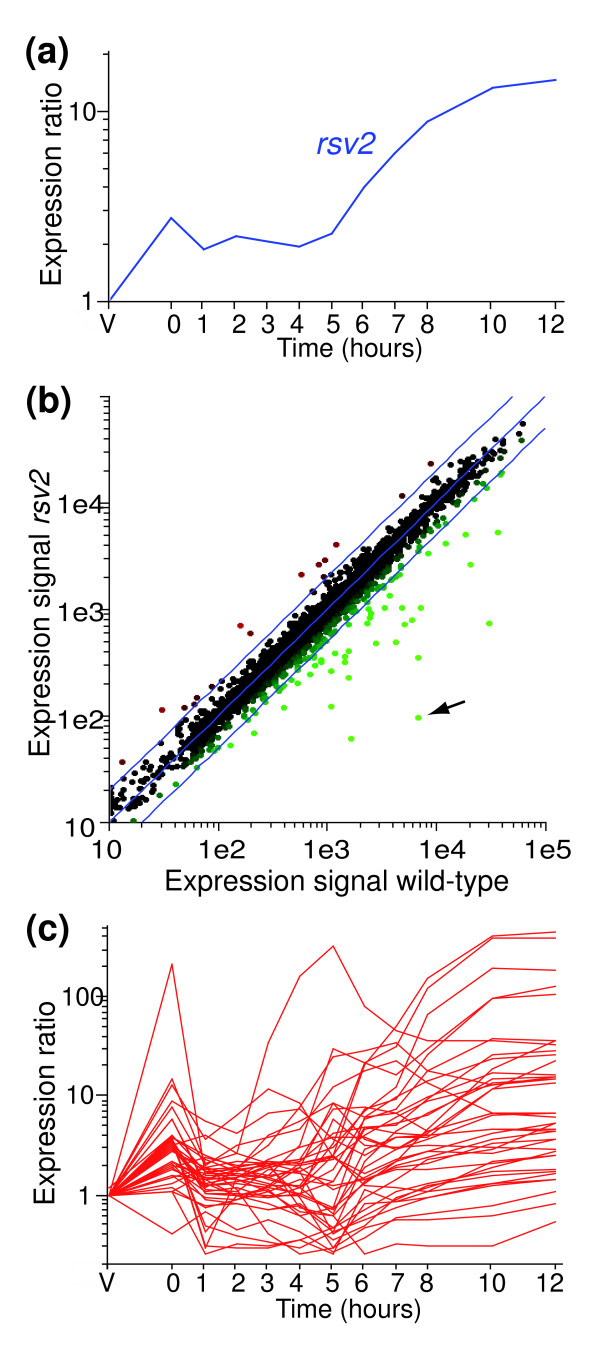
“A large fraction of the potential Rsv2p targets (17/39) are also induced in several different stress conditions [23].”
BackgroundSelf-citationPeriodic gene expression program of the fission yeast cell cycle
Rustici, G., Mata, J., Kivinen, K., Lió, P., Penkett, C. J., Burns, G., Hayles, J., Brazma, A., Nurse, P., & Bähler, J. (2004) · Nature Genetics · doi:10.1038/ng1377 · Cited by 486 · cited 1×
“We looked at whether the expression of periodic genes in cluster 1 (which is enriched in Sep1p targets and forkhead-binding sequences) [21] was increased in Mei4p-overproducing cells.”
BackgroundSelf-citationThe transcriptional program of meiosis and sporulation in fission yeast
Mata, J., Lyne, R., Burns, G., & Bähler, J. (2002) · Nature Genetics · doi:10.1038/ng951 · Cited by 480 · cited 10×
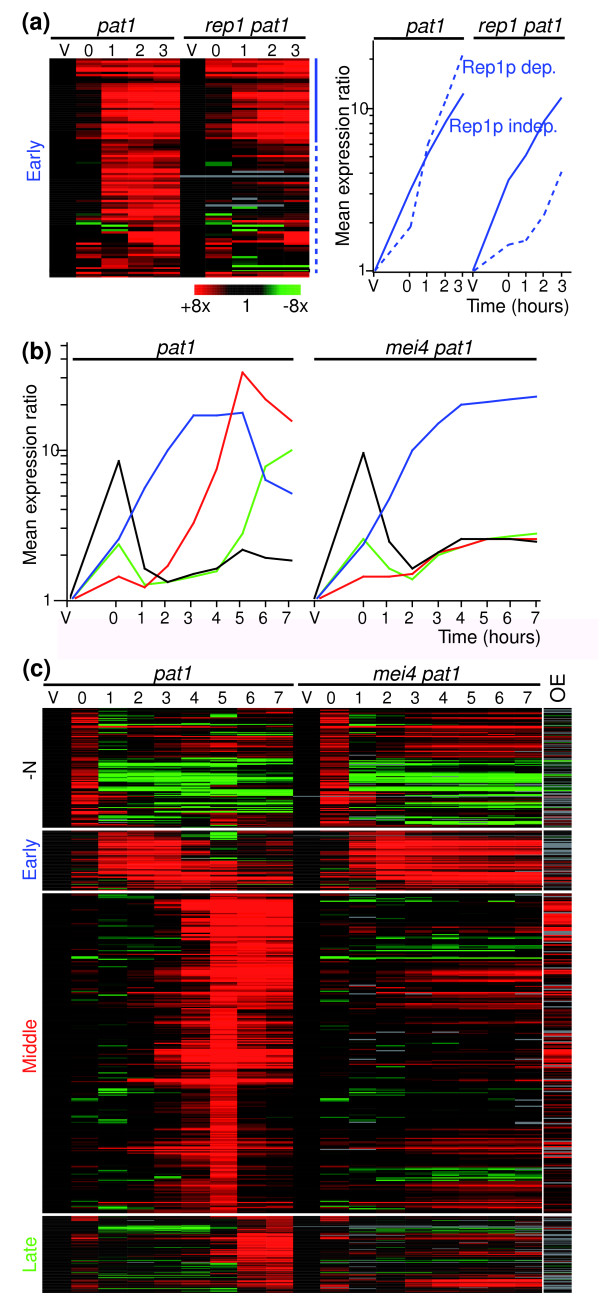
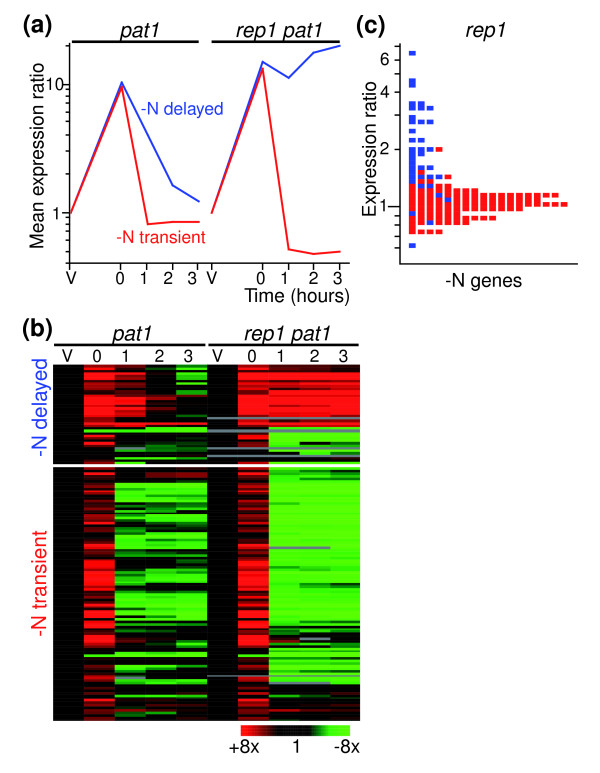
“Graphs from left to right: pat1 cells (from [4]) and mei4Δ pat1 cells.”
BackgroundSelf-citationComprehensive Identification of Human bZIP Interactions with Coiled-Coil Arrays
Newman, J. R. S., & Keating, A. E. (2003) · Science · doi:10.1126/science.1084648 · Cited by 449 · cited 1×
“Combinatorial control by bZIP transcription factors is well known from studies in other organisms (for example, [27,28]).”
BackgroundSugimoto, A., Iino, Y., Maeda, T., Watanabe, Y., & Yamamoto, M. (1991) · Genes & Development · doi:10.1101/gad.5.11.1990 · Cited by 359 · cited 5×
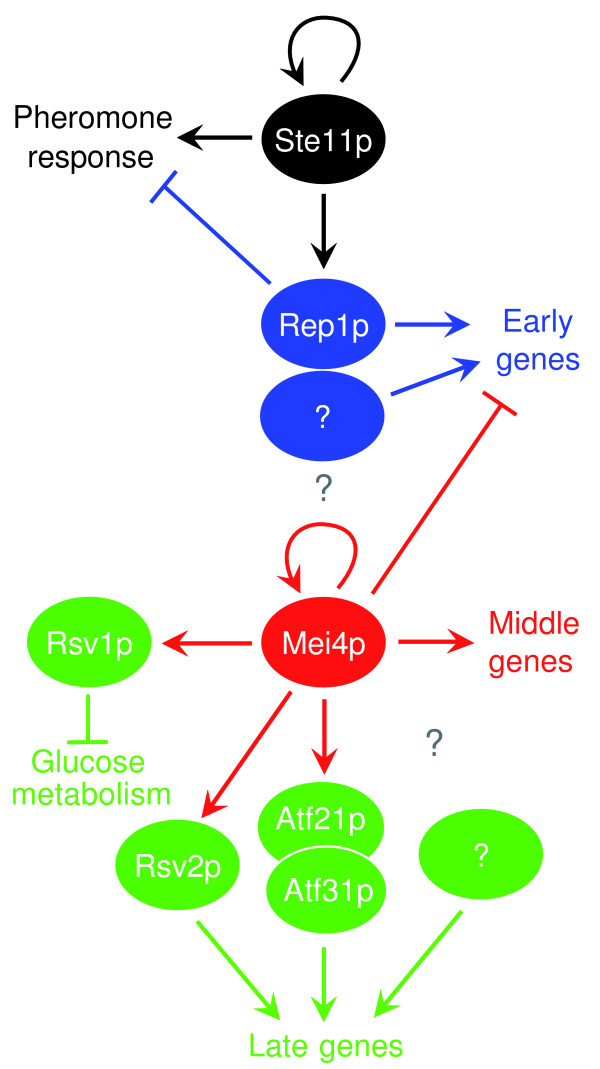
“Rep1p, which is transcriptionally induced by the master regulator for the pheromone response Ste11p [3,12], activates the expression of early genes but is also essential for the repression of pheromone-response genes.”
BackgroundInfluentialSelective elimination of messenger RNA prevents an incidence of untimely meiosis
Harigaya, Y., Tanaka, H., Yamanaka, S., Tanaka, K., Watanabe, Y., Tsutsumi, C., Chikashige, Y., Hiraoka, Y., Yamashita, A., & Yamamoto, M. (2006) · Nature · doi:10.1038/nature04881 · Cited by 313 · cited 3×
“Posttranscriptional control is involved in regulating mRNA levels during meiosis [6-8].”
BackgroundPost-transcriptional control of gene expression: a genome-wide perspective
Mata, J., Marguerat, S., & Bähler, J. (2005) · Trends in Biochemical Sciences · doi:10.1016/j.tibs.2005.07.005 · Cited by 288 · cited 1×
“The strong induction of at least some middle genes, however, may be supported by posttranscriptional mechanisms [7,22].”
BackgroundSelf-citationTakeda, T., Toda, T., Kominami, K., Kohnosu, A., Yanagida, M., & Jones, N. (1995) · The EMBO Journal · doi:10.1002/j.1460-2075.1995.tb00310.x · Cited by 257 · cited 9×
“The fission yeast genome encodes three additional bZIP family transcription factors besides Atf21p and Atf31p [24-26].”
BackgroundInfluentialWatanabe, Y., & Yamamoto, M. (1994) · Cell · doi:10.1016/0092-8674(94)90426-x · Cited by 251
Weltmeier, F., Ehlert, A., Mayer, C. S., Dietrich, K., Wang, X., Schütze, K., Alonso, R., Harter, K., Vicente‐Carbajosa, J., & Dröge‐Laser, W. (2006) · The EMBO Journal · doi:10.1038/sj.emboj.7601206 · Cited by 236 · cited 1×
“Combinatorial control by bZIP transcription factors is well known from studies in other organisms (for example, [27,28]).”
BackgroundCell-Cycle Control of Gene Expression in Budding and Fission Yeast
Bähler, J. (2005) · Annual Review of Genetics · doi:10.1146/annurev.genet.39.110304.095808 · Cited by 234 · cited 1×
“It is also possible that Mei4p overproduction leads to the artifactual induction of targets of other forkhead transcription factors (Sep1p and Fkh2p) that normally control the periodic expression of a subset of cell cycle-regulated genes [20].”
BackgroundSelf-citationLyne, R., Burns, G., Mata, J., Penkett, C. J., Rustici, G., Chen, D., Langford, C., Vetrie, D., & Bähler, J. (2003) · BMC Genomics · doi:10.1186/1471-2164-4-27 · Cited by 210 · cited 1×
“Microarray experiments RNA preparation, labeling, microarray production, and data processing were performed as described [34].”
MethodSelf-citationLutfiyya, L. L., Iyer, V. R., DeRisi, J., DeVit, M. J., Brown, P. O., & Johnston, M. (1998) · Genetics · doi:10.1093/genetics/150.4.1377 · Cited by 181
General purpose tagging vectors for fission yeast
Forsburg, S. L., & Sherman, D. A. (1997) · Gene · doi:10.1016/s0378-1119(97)00058-9 · Cited by 171 · cited 1×
“For overexpression experiments, the coding sequences of the mei4, atf21 and atf31 genes were amplified by PCR and cloned in the pREP3X vector [33], which contains the inducible nmt1 promoter and a Rep1p is required to down-regulate a subset of nitrogen starvationinduced genes Fig re 6 Rep1p is required to down-regulat…”
MethodNegative control for the initiation of meiosis in Schizosaccharomyces pombe
Iino, Y., & Yamamoto, M. (1985) · Proceedings of the National Academy of Sciences · doi:10.1073/pnas.82.8.2447 · Cited by 148 · cited 1×
“Because good synchrony is important to obtain gene expression profiles of high temporal resolution, we used cells carrying a temperature-sensitive mutation in the meiotic inhibitor Pat1p [16,17].”
MethodMata, J., & Bähler, J. (2006) · Proceedings of the National Academy of Sciences · doi:10.1073/pnas.0603403103 · Cited by 144 · cited 7×
“Rep1p, which is transcriptionally induced by the master regulator for the pheromone response Ste11p [3,12], activates the expression of early genes but is also essential for the repression of pheromone-response genes.”
BackgroundSelf-citationWatanabe, Y., & Yamamoto, M. P. (1996) · Molecular and Cellular Biology · doi:10.1128/mcb.16.2.704 · Cited by 135 · cited 9×
“The fission yeast genome encodes three additional bZIP family transcription factors besides Atf21p and Atf31p [24-26].”
BackgroundInfluentialHorie, S., Watanabe, Y., Tanaka, K., Nishiwaki, S., Fujioka, H., Abe, H., Yamamoto, M. P., & Shimoda, C. (1998) · Molecular and Cellular Biology · doi:10.1128/mcb.18.4.2118 · Cited by 129 · cited 4×
“To distinguish between direct and indirect effects, we took advantage of the finding that overproduction of Mei4p leads to induction of its targets even in vegetative cells [14,15].”
BackgroundInfluentialYamamoto, A., & Hiraoka, Y. (2003) · The EMBO Journal · doi:10.1093/emboj/cdg222 · Cited by 127 · cited 1×
“Although pat1induced meiosis is not identical to wild-type meiosis in some respects [18], we have previously shown that the gene expression of early, middle, and late genes is similar in both types of”
ResultThe Molecular Biology of Schizosaccharomyces pombe: Genetics, Genomics and Beyond
(2004) · Springer eBooks · doi:10.1007/978-3-662-10360-9 · Cited by 124
Abe, H., & Shimoda, C. (2000) · Genetics · doi:10.1093/genetics/154.4.1497 · Cited by 106
Watanabe, T., Miyashita, K., Saito, T. T., Yoneki, T., Kakihara, Y., Nabeshima, K., Kishi, Y. A., Shimoda, C., & Nojima, H. (2001) · Nucleic Acids Research · doi:10.1093/nar/29.11.2327 · Cited by 84 · cited 1×
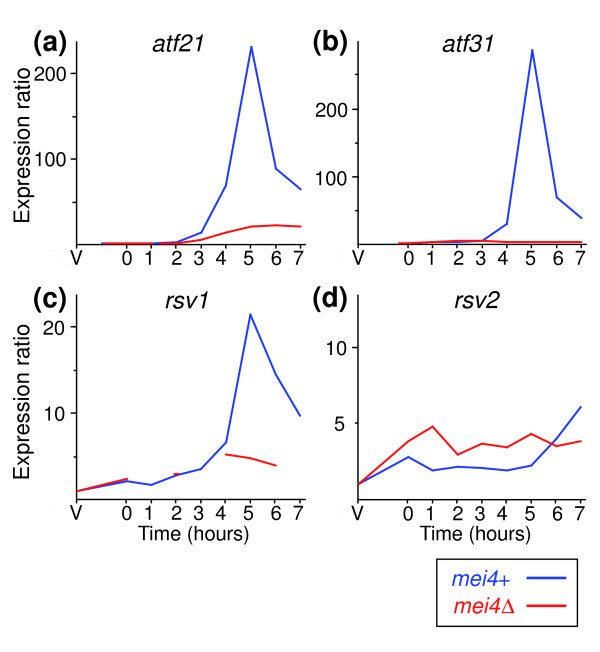
“The forkhead-family protein Mei4p controls the expression of several middle genes [13-15], and the basic leucine zipper (bZIP) transcription factors Atf21p and Atf31p control a subset of late genes [4].”
BackgroundHomology between the ran1+ gene of fission yeast and protein kinases.
McLeod, M., & Beach, D. (1986) · The EMBO Journal · doi:10.1002/j.1460-2075.1986.tb04697.x · Cited by 83 · cited 1×
“Because good synchrony is important to obtain gene expression profiles of high temporal resolution, we used cells carrying a temperature-sensitive mutation in the meiotic inhibitor Pat1p [16,17].”
MethodSCFPof1‐ubiquitin and its target Zip1 transcription factor mediate cadmium response in fission yeast
Harrison, C., Katayama, S., Dhut, S., Chen, D., Jones, N., Bähler, J., & Toda, T. (2005) · The EMBO Journal · doi:10.1038/sj.emboj.7600536 · Cited by 69 · cited 9×
“The fission yeast genome encodes three additional bZIP family transcription factors besides Atf21p and Atf31p [24-26].”
BackgroundSelf-citationShimanuki, M., Chung, S., Chikashige, Y., Kawasaki, Y., Uehara, L., Tsutsumi, C., Hatanaka, M., Hiraoka, Y., Nagao, K., & Yanagida, M. (2007) · Genes to Cells · doi:10.1111/j.1365-2443.2007.01079.x · Cited by 62 · cited 1×
“Rsv2p has a similar function during stationary phase (L López-Maury, personal communication) and during nitrogen depletion [30].”
BackgroundSugiyama, A., Tanaka, K., Okazaki, K., Nojima, H., & Okayama, H. (1994) · The EMBO Journal · doi:10.1002/j.1460-2075.1994.tb06457.x · Cited by 61 · cited 6×
“Rep1p, which is transcriptionally induced by the master regulator for the pheromone response Ste11p [3,12], activates the expression of early genes but is also essential for the repression of pheromone-response genes.”
BackgroundInfluentialGenomewide identification of pheromone-targeted transcription in fission yeast
Xue‐Franzén, Y., Kjærulff, S., Holmberg, C., Wright, A. P. H., & Nielsen, O. (2006) · BMC Genomics · doi:10.1186/1471-2164-7-303 · Cited by 59 · cited 1×
“genes are either induced or repressed [3-5].”
Negative Control Contributes to an Extensive Program of Meiotic Splicing in Fission Yeast
Averbeck, N., Sunder, S., Sample, N., Wise, J. A., & Leatherwood, J. (2005) · Molecular Cell · doi:10.1016/j.molcel.2005.04.007 · Cited by 55 · cited 1×
“Posttranscriptional control is involved in regulating mRNA levels during meiosis [6-8].”
BackgroundYamamoto, M. P. (2004) · Springer eBooks · doi:10.1007/978-3-662-10360-9_19 · Cited by 45 · cited 1×
“Diploid cells of the fission yeast Schizosaccharomyces pombe undergo two meiotic nuclear divisions to produce four stress-resistant spores in response to environmental stimuli [1,2].”
BackgroundControl of Late Meiosis and Ascospore Formation
Shimoda, C., & Nakamura, T. (2004) · Springer eBooks · doi:10.1007/978-3-662-10360-9_20 · Cited by 31 · cited 1×
“Diploid cells of the fission yeast Schizosaccharomyces pombe undergo two meiotic nuclear divisions to produce four stress-resistant spores in response to environmental stimuli [1,2].”
BackgroundA zinc finger protein required for stationary phase viability in fission yeast
Hao, Z., Furunobu, A., Nagata, A., & Okayama, H. (1997) · Journal of Cell Science · doi:10.1242/jcs.110.20.2557 · Cited by 25
DSC1-MCB regulation of meiotic transcription in Schizosaccharomyces pombe
Cunliffe, L., White, S., & McInerny, C. (2003) · Molecular Genetics and Genomics · doi:10.1007/s00438-003-0956-6 · Cited by 23 · cited 3×
“Results and discussion Rep1p activates a subset of the early genes The Rep1p transcription factor is involved in the regulation of several early genes required for premeiotic S phase and meiotic recombination [10-12].”
BackgroundGlobal control of meiotic recombination genes by Schizosaccharomyces pombe rec16 (rep1 )
Ding, R., & Smith, G. R. (1998) · Molecular and General Genetics MGG · doi:10.1007/s004380050780 · Cited by 19 · cited 3×
“Results and discussion Rep1p activates a subset of the early genes The Rep1p transcription factor is involved in the regulation of several early genes required for premeiotic S phase and meiotic recombination [10-12].”
Background
Cited by
Dynamic repertoire of a eukaryotic transcriptome surveyed at single-nucleotide resolution
Wilhelm, B. T., Marguerat, S., Watt, S., Schubert, F., Wood, V., Goodhead, I., Penkett, C. J., Rogers, J., & Bähler, J. (2008) · Nature · doi:10.1038/nature07002 · Cited by 974
Self-citationMarguerat, S., Schmidt, A., Codlin, S., Chen, W., Aebersold, R., & Bähler, J. (2012) · Cell · doi:10.1016/j.cell.2012.09.019 · Cited by 571
“Genes induced during meiosis are tightly repressed during proliferation, and their expression is regulated at multiple levels including chromatin (Zofall et al., 2012), transcription (Mata et al., 2007), and mRNA turnover (Harigaya and Yamamoto, 2007; McPheeters et al., 2009).”
BackgroundSelf-citationOrigins of Eukaryotic Sexual Reproduction
Goodenough, U., & Heitman, J. (2014) · Cold Spring Harbor Perspectives in Biology · doi:10.1101/cshperspect.a016154 · Cited by 203
“Modern microbial gamete-differentiation programs have expanded well beyond our minimalist model—many plus/a-specific genes are induced in addition to the H1 equivalent, and many minus/a-specific genes are induced in addition to the H2 equivalent (Mata et al. 2007; Snell and Goodenough 2008; van Werven et al. 2012)—but…”
BackgroundReverberi, M., Zjalic, S., Ricelli, A., Punelli, F., Camera, E., Fabbri, C., Picardo, M., Fanelli, C., & Fabbri, A. A. (2008) · Eukaryotic Cell · doi:10.1128/ec.00228-07 · Cited by 190
Pluskal, T., Ueno, M., & Yanagida, M. (2014) · PLoS ONE · doi:10.1371/journal.pone.0097774 · Cited by 126
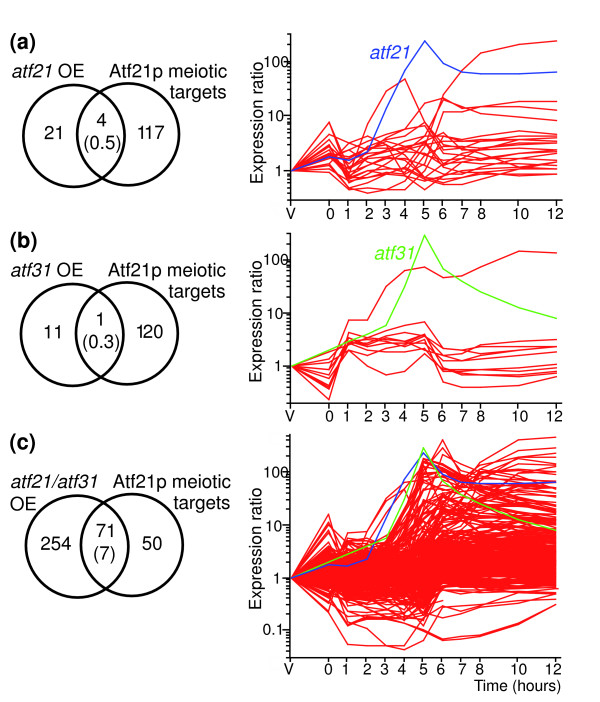
“Also, egt1 was up-regulated in a strain overexpressing both basic leucine zipper (bZIP) transcription factors atf21 and atf31 [36].”
Background
Metadata
- Authors
- Mata, J., Wilbrey, A., & Bähler, J.
- Affiliations
- University of Cambridge (GB)
- Babraham Institute (GB)
- Cancer Research UK (GB)
- Corresponding author
- Mata, Juan
- Venue
- Genome Biology
- Published
- 2007-10-10
- Volume
- 8
- Issue
- 10
- Pages
- R217-R217
- ISSN
- 1465-6906 (ISSN-L)
- 1474-760X
- PMC
- PMC2246291
- OpenAlex
- W2142714550
- Cited by
- 127
- References
- 35
- Citations by year
- 2026: 6 · 2025: 4 · 2024: 5 · 2022: 3 · 2021: 5 · 2020: 5 · 2019: 5 · 2018: 7 · 2017: 9 · 2016: 8 · 2015: 5 · 2014: 12 · 2013: 11 · 2012: 13
- FWCI
- 2.78
- Type
- journal article
- Language
- en
- Open access
- gold
- doi.org
- Licence
- cc-by
- creativecommons.org/licenses/by/2.0/ (tdm)
- creativecommons.org/licenses/by/2.0/ (vor)
- Locations
- Genome biology (publishedVersion, cc-by)
- PubMed Central (publishedVersion, cc-by)
- PubMed (publishedVersion)
- UCL Discovery (University College London) (submittedVersion)
- Apollo (University of Cambridge) (submittedVersion, cc-by)
- Funders
- Wellcome Trust (077118)
- Cancer Research UK (A6517)
- Topics
- Life Sciences › Biochemistry, Genetics and Molecular Biology › Molecular Biology › Fungal and yeast genetics research
- Life Sciences › Biochemistry, Genetics and Molecular Biology › Molecular Biology › Gene Regulatory Network Analysis
- Life Sciences › Biochemistry, Genetics and Molecular Biology › Molecular Biology › Genomics and Chromatin Dynamics
- Keywords
- sexual differentiation, Schizosaccharomyces pombe, transcriptional regulatory networks, meiosis, sporulation, transcription factors, REP1, MEI4, Ste11, gene expression waves, negative feedback regulation, gene repression
- MeSH terms
- Meiosis, Schizosaccharomyces, Sex Differentiation, Transcription Factors, Trans-Activators, Gene Expression Regulation, Fungal, Oligonucleotide Array Sequence Analysis, Gene Expression Profiling, Schizosaccharomyces pombe Proteins, Activating Transcription Factors
About these checks
Registry, retraction, Cites and statistics results are computed, not judged, with one exception: a printed reference that no index lists is read once by a model before it counts as a citation error. Claims are extracted by a model and kept only when their quote appears verbatim in the text; each cited source is then checked, with a model’s help, for whether it says what the claim relies on. Those verdicts can be wrong — read the claim’s quote and the cited source before relying on one.
Statistics and arithmetic are recomputed, not judged.
Confidence bands are shown only for fields calibrated on our annotated test set. None is calibrated yet, so no band is shown.
What counts as a claim ›How we measure confidence ›How we check this ›
Are you an author, or do you see a problem with this page? Request a review
Data sources
Bibliographic data: Semantic Scholar, OpenAlex, Crossref.
Contains information from the Semantic Scholar Academic Graph Datasets, made available under the ODC Attribution License (ODC-BY 1.0).
Semantic Scholar’s data is described in: Kinney, R., et al. (2023). The Semantic Scholar Open Data Platform. arXiv:2301.10140.
