

The DOI matches its Crossref record; 35 of the 35 references it cites were found in a registry or an index.
Cytosine methylation changes in enhancer regions of core pro-fibrotic genes characterize kidney fibrosis development
Open accessAbstract
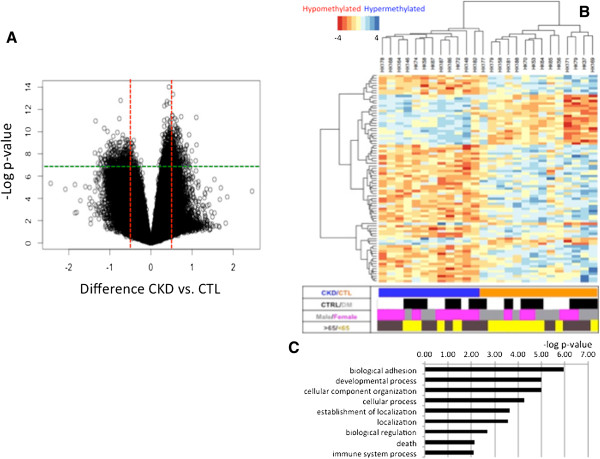
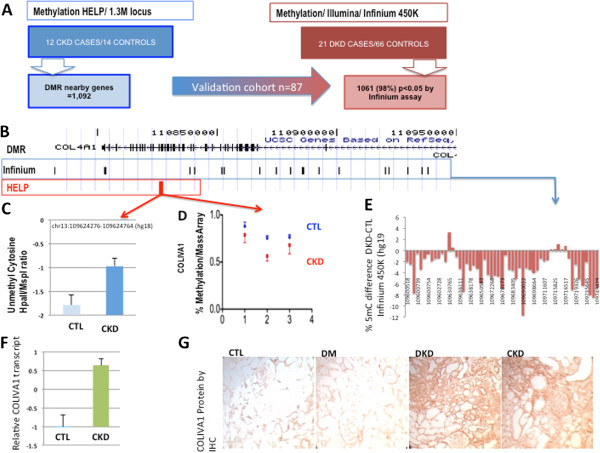
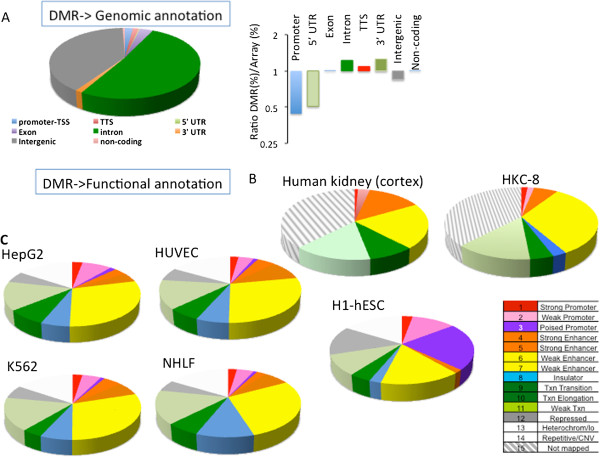
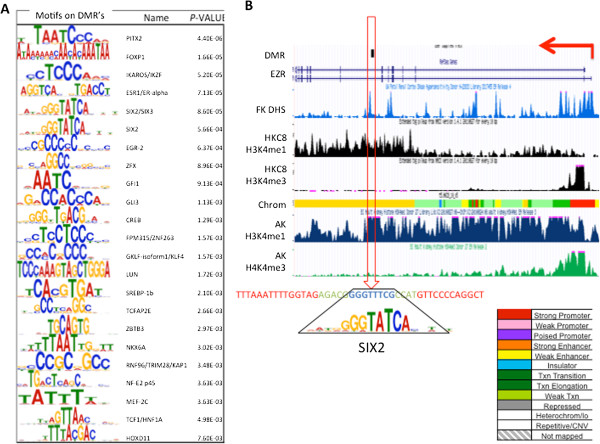
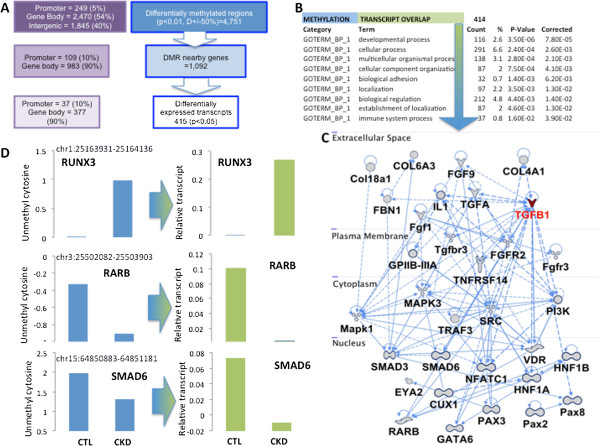
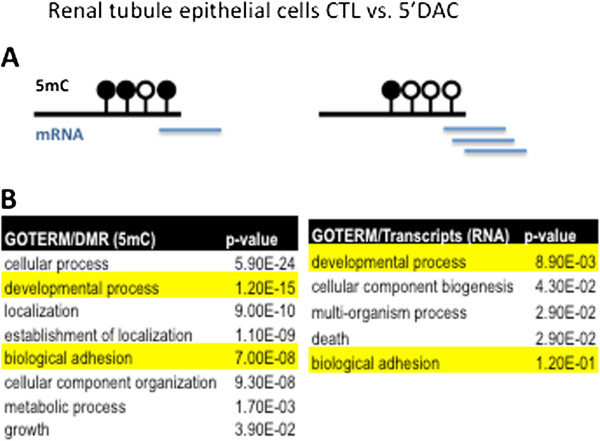
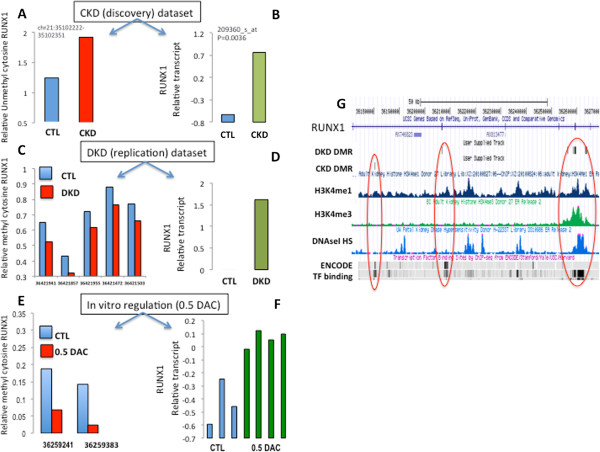
Background: One in eleven people is affected by chronic kidney disease, a condition characterized by kidney fibrosis and progressive loss of kidney function. Epidemiological studies indicate that adverse intrauterine and postnatal environments have a long-lasting role in chronic kidney disease development. Epigenetic information represents a plausible carrier for mediating this programming effect. Here we demonstrate that genome-wide cytosine methylation patterns of healthy and chronic kidney disease tubule samples obtained from patients show significant differences. Results: We identify differentially methylated regions and validate these in a large replication dataset. The differentially methylated regions are rarely observed on promoters, but mostly overlap with putative enhancer regions, and they are enriched in consensus binding sequences for important renal transcription factors. This indicates their importance in gene expression regulation. A core set of genes that are known to be related to kidney fibrosis, including genes encoding collagens, show cytosine methylation changes correlating with downstream transcript levels. Conclusions: Our report raises the possibility that epigenetic dysregulation plays a role in chronic kidney disease development via influencing core pro-fibrotic pathways and can aid the development of novel biomarkers and future therapeutics.
Overview
The claims and statistics of this paper haven’t been checked yet.
Run the check — free, no account needed. It reads the open-access text and checks the sources it cites.
Integrity signals
Registry
Cites
Statistics
Figures
Verification
Claims the paper makes
The claims and statistics of this paper haven’t been checked yet.
Run the check — free, no account needed. It reads the open-access text and checks the sources it cites.
Claims other papers make about this one
Each is checked against this paper’s own text: does it say what the citing paper says it does?
In the citing paper
“In a genome-wide DNA methylation study of human kidney tubules, several genes that are associated with kidney fibrosis were characterized by methylation changes and alterations of downstream transcript levels in CKD samples compared with controls197.”
From The gut microbiota and the brain–gut–kidney axis in hypertension and chronic kidney disease (2018) · cites this paper as [197]
Self-check
Percentages, sums and reported differences re-computed from the paper’s own numbers.
The self-check needs the paper’s full text.
Citations
Cites
The accessible chromatin landscape of the human genome
Thurman, R. E., Rynes, E., Humbert, R., Vierstra, J., Maurano, M. T., Haugen, E., Sheffield, N. C., Stergachis, A. B., Wang, H., Vernot, B., et al. (2012) · Nature · doi:10.1038/nature11232 · Cited by 2,679
ChromHMM: automating chromatin-state discovery and characterization
Ernst, J., & Kellis, M. (2012) · Nature Methods · doi:10.1038/nmeth.1906 · Cited by 2,482
Cancer-epigenetics comes of age
Jones, P. A., & Laird, P. W. (1999) · Nature Genetics · doi:10.1038/5947 · Cited by 2,358
Identifying ChIP-seq enrichment using MACS
Feng, J., Liu, T., Qin, B., Zhang, Y., & Liu, X. S. (2012) · Nature Protocols · doi:10.1038/nprot.2012.101 · Cited by 1,848
Principles and challenges of genome-wide DNA methylation analysis
Laird, P. W. (2010) · Nature Reviews Genetics · doi:10.1038/nrg2732 · Cited by 1,611
Cancer Genetics and Epigenetics: Two Sides of the Same Coin?
You, J. S., & Jones, P. A. (2012) · Cancer Cell · doi:10.1016/j.ccr.2012.06.008 · Cited by 1,206
Transcriptome Analysis of Human Diabetic Kidney Disease
Woroniecka, K. I., Park, A. S. D., Mohtat, D., Thomas, D. B., Pullman, J. M., & Suszták, K. (2011) · Diabetes · doi:10.2337/db10-1181 · Cited by 651
Self-citationEmerging Biomarkers for Evaluating Cardiovascular Risk in the Chronic Kidney Disease Patient
Stenvinkel, P., Carrero, J. J., Axelsson, J., Lindholm, B., Heimbürger, O., & Massy, Z. A. (2008) · Clinical Journal of the American Society of Nephrology · doi:10.2215/cjn.03670807 · Cited by 577
Regulatory Sequence Analysis Tools
van Helden, J. (2003) · Nucleic Acids Research · doi:10.1093/nar/gkg567 · Cited by 545
Comparative isoschizomer profiling of cytosine methylation: The HELP assayPreprint
Khulan, B., Thompson, R. F., Ye, K. Q., Fazzari, M. J., Suzuki, M., Stasiek, E., Figueroa, M. E., Glass, J. L., Chen, Q., Montagna, C., et al. (2006) · Genome Research · doi:10.1101/gr.5273806 · Cited by 400
Self-citation
Cited by
Sorted by citations
Items 101–200 of 226
The metabolic-epigenetic nexus in type 2 diabetes mellitus
Davison, G. W., Irwin, R. E., & Walsh, C. P. (2021) · Free Radical Biology and Medicine · doi:10.1016/j.freeradbiomed.2020.12.025 · Cited by 35
Recent advances in understanding of chronic kidney disease
Yamaguchi, J., Tanaka, T., & Nangaku, M. (2015) · F1000Research · doi:10.12688/f1000research.6970.1 · Cited by 37
Stangenberg, S., Chen, H., Wong, M. G., Pollock, C. A., & Saad, S. (2015) · American Journal of Physiology-Renal Physiology · doi:10.1152/ajprenal.00638.2014 · Cited by 34
“Thus it would provide a possible mechanistic link between fetal programming and CKD development in later life (43).”
InfluentialDust induces lung fibrosis through dysregulated DNA methylation
Zhang, N., Liu, K., Wang, K., Zhou, C., Wang, H., Che, S., Liu, Z., & Yang, H. (2019) · Environmental Toxicology · doi:10.1002/tox.22739 · Cited by 34
Epigenetic Alterations in Podocytes in Diabetic Nephropathy
Sugita, E., Hayashi, K., Hishikawa, A., & Itoh, H. (2021) · Frontiers in Pharmacology · doi:10.3389/fphar.2021.759299 · Cited by 34
“…studies (EWAS) have suggested that the DNA methylation status associated with kidney function can be analyzed using kidney specimens or noninvasive procedures, such as saliva and whole-blood analysis (Sapienza et al., 2011; Ko et al., 2013; Smyth et al., 2014; Wing et al., 2014; Chu et al., 2017).”
The AKI-to-CKD Transition: The Role of Uremic Toxins
André, C., Bodeau, S., Kamel, S., Bennis, Y., & Caillard, P. (2023) · International Journal of Molecular Sciences · doi:10.3390/ijms242216152 · Cited by 36
“A number of clinical studies have confirmed these data: methylation-enriched areas in renal biopsies [187], hypermethylation of the kallikrein gene [188], and overexpression of circulating RNAs [189,190].”
Transgenerational programming of nephron deficits and hypertension
Briffa, J. F., Wlodek, M. E., & Moritz, K. M. (2018) · Seminars in Cell and Developmental Biology · doi:10.1016/j.semcdb.2018.05.025 · Cited by 33
Precision Medicine Approaches to Diabetic Kidney Disease: Tissue as an Issue
Gluck, C. A., Ko, Y.-A., & Suszták, K. (2017) · Current Diabetes Reports · doi:10.1007/s11892-017-0854-7 · Cited by 32
Self-citationGenetics and Epigenetics of Diabetic Nephropathy
Liu, R., Lee, K., & He, C. (2015) · Kidney Diseases · doi:10.1159/000381796 · Cited by 31
Sharifian, R., Okamura, D. M., Denisenko, O. N., Zager, R. A., Johnson, A. C. M., Gharib, S. A., & Bomsztyk, K. (2018) · Scientific Reports · doi:10.1038/s41598-018-35943-x · Cited by 31
Emerging strategies to disrupt the central TGF-β axis in kidney fibrosis
Rauchman, M. I., & Griggs, D. W. (2019) · Translational research · doi:10.1016/j.trsl.2019.04.003 · Cited by 31
Epigenetic regulation of RCAN1 expression in kidney disease and its role in podocyte injury
Li, H., Zhang, W., Zhong, F., Das, G. C., Xie, Y., Li, Z., Cai, W., Jiang, G., Choi, J. W., Sidani, M. A., et al. (2018) · Kidney International · doi:10.1016/j.kint.2018.07.023 · Cited by 32
Genetic and Epigenetic Risk Factors for Diabetic Kidney Disease
McKnight, A. J., McKay, G. J., & Maxwell, A. P. (2014) · Advances in Chronic Kidney Disease · doi:10.1053/j.ackd.2014.03.010 · Cited by 30
DNA Methylation Associated With Diabetic Kidney Disease in Blood-Derived DNA
Smyth, L. J., Patterson, C., Swan, E. J., Maxwell, A. P., & McKnight, A. J. (2020) · Frontiers in Cell and Developmental Biology · doi:10.3389/fcell.2020.561907 · Cited by 30
SGLT2 Inhibitors in the Treatment of Diabetic Kidney Disease: More than Just Glucose Regulation
Klen, J., & Dolžan, V. (2023) · Pharmaceutics · doi:10.3390/pharmaceutics15071995 · Cited by 30
Defining nephrotic syndrome from an integrative genomics perspective
Sampson, M. G., Hodgin, J. B., & Kretzler, M. (2014) · Pediatric Nephrology · doi:10.1007/s00467-014-2857-9 · Cited by 28
“Replication in an independent cohort with controls and CKD revealed a sensitivity of 86 % and specificity of 100 %.”
InfluentialEpigenetics: a potential key mechanism involved in the pathogenesis of cardiorenal syndromes
Virzì, G. M., Clementi, A., Brocca, A., de Cal, M., & Ronco, C. (2017) · Journal of Nephrology · doi:10.1007/s40620-017-0425-7 · Cited by 28
The Emerging Role of DNA Methylation in Kidney Transplantation: A Perspective
Heylen, L., Thienpont, B., Naesens, M., Lambrechts, D., & Sprangers, B. (2016) · American Journal of Transplantation · doi:10.1111/ajt.13585 · Cited by 27
Impacts of Chromatin States and Long-Range Genomic Segments on Aging and DNA Methylation
Sun, D., & Yi, S. V. (2015) · PLoS ONE · doi:10.1371/journal.pone.0128517 · Cited by 30
Aberrant DNA methylation of Tgfb1 in diabetic kidney mesangial cells
Oba, S., Ayuzawa, N., Nishimoto, M., Kawarazaki, W., Ueda, K., Hirohama, D., Kawakami-Mori, F., Shimosawa, T., Marumo, T., & Fujita, T. (2018) · Scientific Reports · doi:10.1038/s41598-018-34612-3 · Cited by 29
Are Alterations in DNA Methylation Related to CKD Development?
Rysz, J., Franczyk, B., Rysz-Górzyńska, M., & Gluba-Brzózka, A. (2022) · International Journal of Molecular Sciences · doi:10.3390/ijms23137108 · Cited by 27
Antifragility and antiinflammaging: Can they play a role for a healthy longevity?
Olivieri, F., Prattichizzo, F., Lattanzio, F., Bonfigli, A. R., & Spazzafumo, L. (2022) · Ageing Research Reviews · doi:10.1016/j.arr.2022.101836 · Cited by 28
Su, W., Hu, Z., Zhong, X., Cong, A., Zhang, Y., Zhou, Z., Li, J., Su, C., Huang, Y., & Cao, W. (2023) · Theranostics · doi:10.7150/thno.84921 · Cited by 24
“We further attribute the intracellular TGF-β1 signaling underlying the downregulation of CPT1A in mesothelial cells to the activation of SMAD3, which reduces the expression of PGC1α that is known to regulate CPT1A gene transcription [12,21,22].”
InfluentialTampe, B., Tampe, D., Nyamsuren, G., Klöpper, F., Rapp, G., Kauffels, A., Lorf, T., Zeisberg, E. M., Müller, G. A., Kalluri, R., et al. (2018) · Journal of Clinical Investigation · doi:10.1172/jci89632 · Cited by 24
Modeling epigenetic modifications in renal development and disease with organoids and genome editing
del Pozo, C. H., Garreta, E., Belmonte, J. C. I., & Montserrat, N. (2018) · Disease Models & Mechanisms · doi:10.1242/dmm.035048 · Cited by 23
“These findings have led some authors to speculate that the epigenetic differences established during development might mimic the changes observed in diabetic patients with kidney damage (Ko et al., 2013).”
InfluentialSharma, K., Hansen, J., Suszták, K., Eberlin, L. S., Anderton, C., Alexandrov, T., & Iyengar, R. (2025) · Nature Reviews Nephrology · doi:10.1038/s41581-025-01007-3 · Cited by 23
“The first study 105,106 , which performed genome-wide cytosine methylation analysis on 26 samples from healthy people and patients with kidney disease using restriction enzymes that were specific for methylated sequences (isoschizomer-based methylation analysis), identified cytosine methylation…”
Longitudinal genome-wide DNA methylation changes in response to kidney failure replacement therapy
Witasp, A., Luttropp, K., Qureshi, A. R., Barany, P. F., Heimbürger, O., Wennberg, L. M., Ekström, T. J., Shiels, P. G., Stenvinkel, P., & Nordfors, L. (2022) · Scientific Reports · doi:10.1038/s41598-021-04321-5 · Cited by 20
Wang, D., Bao, S., Song, N., Chen, W., Ding, X., Walker, R. J., & Fang, Y. (2024) · The FASEB Journal · doi:10.1096/fj.202302041r · Cited by 20
“9 Moreover, histone acetylation has been implicated in several pathophysiological processes of renal fibrosis, such as myofibroblast activation 10 and epithelial–mesenchymal transition (EMT).”
Genome editing and kidney health
Tavakolidakhrabadi, N., Aulicino, F., May, C., Saleem, M. A., Berger, I., & Welsh, G. I. (2024) · Clinical Kidney Journal · doi:10.1093/ckj/sfae119 · Cited by 20
“Changes in the epigenome have been known to influence the development and progression of kidney diseases; for example, Ko et al. [54 ] showed that epigenetic dysregulation, in particular cytosine methylation changes, is associated with changes in the transcript level of pro-fibrotic genes and CKD…”
Hakimi, A. A., Ostrovnaya, I., Skanderup, A. J., Suszták, K., Coleman, J., Russo, P., Winer, A., Mano, R., Sankin, A. I., Motzer, R. J., et al. (2015) · Cancer · doi:10.1002/cncr.29765 · Cited by 19
DNA methylation dynamics: identification and functional annotation
Liu, H., Li, S., Wang, X., Zhu, J., Wei, Y., Wang, Y., Wen, Y., Wang, L., Huang, Y., Zhang, B., et al. (2016) · Briefings in Functional Genomics · doi:10.1093/bfgp/elw029 · Cited by 19
Boer, K., de Wit, L. E. A., Peters, F. S., Hesselink, D. A., Hofland, L. J., Betjes, M. G. H., Looman, C. W. N., & Baan, C. C. (2016) · Clinical Epigenetics · doi:10.1186/s13148-016-0288-0 · Cited by 19
Li, N., Cui, Y., Yin, M., & Liu, F. (2019) · Brazilian Journal of Medical and Biological Research · doi:10.1590/1414-431x20198333 · Cited by 19
Sex-specific epigenetic programming in renal fibrosis and inflammation
Kumar, P., & Brooks, H. L. (2023) · American Journal of Physiology-Renal Physiology · doi:10.1152/ajprenal.00091.2023 · Cited by 19
Zhu, C., Xiang, W., Li, B., Wang, Y., Feng, S., Wang, C., Chen, Y., Xie, W., Qu, L., Huang, H., et al. (2020) · American Journal of Transplantation · doi:10.1111/ajt.16183 · Cited by 18
Larkin, B. P., Saad, S., Glastras, S. J., Nguyen, L. T., Hou, M., Chen, H., Wang, R., & Pollock, C. A. (2021) · PLoS ONE · doi:10.1371/journal.pone.0248854 · Cited by 18
Nowak, N. (2020) · Journal of Diabetes Investigation · doi:10.1111/jdi.13257 · Cited by 18
Cytosine Methylation Studies in Patients with Diabetic Kidney Disease
Arányi, T., & Suszták, K. (2019) · Current Diabetes Reports · doi:10.1007/s11892-019-1214-6 · Cited by 17
Copy number polymorphisms near SLC2A9 are associated with serum uric acid concentrations
Scharpf, R. B., Mireles, L., Yang, Q., Köttgen, A., Ruczinski, I., Suszták, K., Halper‐Stromberg, E., Tin, A., Cristiano, S., Chakravarti, A., et al. (2014) · BMC Genetics · doi:10.1186/1471-2156-15-81 · Cited by 17
Personalized Epigenetic Management of Diabetes
Fodor, A., Cozma, A., & Karnieli, E. (2015) · Personalized Medicine · doi:10.2217/pme.15.17 · Cited by 16
The Promise of Systems Biology for Diabetic Kidney Disease
Brosius, F. C., & Ju, W. (2018) · Advances in Chronic Kidney Disease · doi:10.1053/j.ackd.2017.10.012 · Cited by 16
Agodi, A., Barchitta, M., Maugeri, A., Basile, G., Zamboni, M., Bernardini, G., Corona, D., & Veroux, M. (2019) · BioMed Research International · doi:10.1155/2019/1602539 · Cited by 16
Dietary restriction regimens for fighting kidney disease: Insights from rodent studies
Singh, G., & Krishan, P. (2019) · Experimental Gerontology · doi:10.1016/j.exger.2019.110738 · Cited by 16
The applications of DNA methylation as a biomarker in kidney transplantation: a systematic review
Cristoferi, I., Giacon, T. A., Boer, K., van Baardwijk, M., Neri, F., Campisi, M., Kimenai, H. J. A. N., Groningen, M. C. C., Pavanello, S., Furian, L., et al. (2022) · Clinical Epigenetics · doi:10.1186/s13148-022-01241-7 · Cited by 16
Chen, Z., Satake, E., Pezzolesi, M. G., Dom, Z. I. M., STUCKI, D., Kobayashi, H. H., Syreeni, A., Johnson, A. T., Wu, X., Dahlström, E. H., et al. (2024) · Science Translational Medicine · doi:10.1126/scitranslmed.adj3385 · Cited by 18
Maternal obesity and offspring risk of chronic kidney disease
Wong, M. G., Nguyen, L. T., & Glastras, S. J. (2018) · Nephrology · doi:10.1111/nep.13462 · Cited by 15
The epigenetic regulation of podocyte function in diabetes
Majumder, S., & Advani, A. (2015) · Journal of Diabetes and its Complications · doi:10.1016/j.jdiacomp.2015.07.015 · Cited by 15
Sagy, N., Meyrom, N., Beckerman, P., Pleniceanu, O., & Bar, D. Z. (2024) · Clinical Epigenetics · doi:10.1186/s13148-024-01642-w · Cited by 15
“Several studies have analyzed the methylation of DNA in kidney tissue and identified CpGs whose methylation levels correlate with these markers of kidney disease progression [21, 22, 34].”
InfluentialLi, Z., Chen, H., Zhong, F., Zhang, W., Lee, K., & He, C. (2018) · Kidney Diseases · doi:10.1159/000492933 · Cited by 14
Dritsoula, A., Kislikova, M., Oomatia, A., Webster, A. P., Beck, S., Ponticos, M., Lindsey, B., Norman, J. T., Wheeler, D. C., Oates, T. M., et al. (2020) · Epigenetics · doi:10.1080/15592294.2020.1819666 · Cited by 14
RG108 attenuates acute kidney injury by inhibiting P38 MAPK/FOS and JNK/JUN pathways
Kong, F., Liu, H., Xu, T., Li, S.-J., Li, W., Lu, H., Ma, N., Wang, Y., Shi, J., Yang, Y., et al. (2024) · International Immunopharmacology · doi:10.1016/j.intimp.2024.113077 · Cited by 13
Precision Nephrology in Patients with Diabetes and Chronic Kidney Disease
Provenzano, M., Maritati, F., Abenavoli, C., Bini, C., Corradetti, V., Manna, G. L., & Comai, G. (2022) · International Journal of Molecular Sciences · doi:10.3390/ijms23105719 · Cited by 14
Bernardor, J., Flammier, S., Ranchin, B., Gaillard, S., Platel, D., Peyruchaud, O., Machuca‐Gayet, I., & Bacchetta, J. (2020) · Journal of Bone and Mineral Research · doi:10.1002/jbmr.4122 · Cited by 13
Zhang, Y., Gu, L., Zhu, N., Wang, X., Cai, M., Jia, J., Rong, S., & Yuan, W. (2021) · International Journal of Molecular Medicine · doi:10.3892/ijmm.2021.5027 · Cited by 12
Genetic Considerations in Pediatric Chronic Kidney Disease
Harshman, L. A., & Zepeda‐Orozco, D. (2015) · Journal of Pediatric Genetics · doi:10.1055/s-0035-1557111 · Cited by 12
Genetic study of immunoglobulin A nephropathy: From research to clinical application
Li, M., & Yu, X. (2018) · Nephrology · doi:10.1111/nep.13470 · Cited by 12
Investigation of epigenetics in kidney cell biology
Li, X., Agborbesong, E., Zhang, L., & Li, X. (2019) · Methods in cell biology · doi:10.1016/bs.mcb.2019.04.015 · Cited by 12
Marumo, T., Yoshida, N., Inoue, N., Yamanouchi, M., Ubara, Y., Urakami, S., Fujii, T., Takazawa, Y., Ohashi, K., Kawarazaki, W., et al. (2024) · American Journal of Physiology-Renal Physiology · doi:10.1152/ajprenal.00124.2024 · Cited by 13
Current epigenetic aspects the clinical kidney researcher should embrace
Witasp, A., Craenenbroeck, A. H. V., Shiels, P. G., Ekström, T. J., Stenvinkel, P., & Nordfors, L. (2017) · Clinical Science · doi:10.1042/cs20160596 · Cited by 13
Genetic epidemiology in kidney disease
Ainsworth, H. C., Langefeld, C. D., & Freedman, B. I. (2017) · Nephrology Dialysis Transplantation · doi:10.1093/ndt/gfw270 · Cited by 11
“[53] leveraged the tissue specificity of methylation by evaluating differences in tubule epithelial samples between CKD patients and healthy controls.”
InfluentialDNA methylation yields epigenetic clues into the diabetic nephropathy of Pima Indians
Bomsztyk, K., Denisenko, O. N., & Wang, Y. (2018) · Kidney International · doi:10.1016/j.kint.2018.02.015 · Cited by 11
Coşkun, Z. M., Ersöz, M., Adaş, M., Hançer, V. S., Boysan, Ş. N., Gönen, M. S., & Acar, A. (2019) · Archives of Medical Research · doi:10.1016/j.arcmed.2019.05.012 · Cited by 11
Targeting chromatin dysregulation in organ fibrosis
Rani, A., Chin, C.-H., Bremner, R. M., Mohanakumar, T., & Sureshbabu, A. (2020) · Cytokine & Growth Factor Reviews · doi:10.1016/j.cytogfr.2020.08.004 · Cited by 12
Jiang, Y., Deng, G., Liu, C., Tang, H., Zheng, J. J., Kong, X., Zhao, M., Liu, Y., Gao, P., Li, T., et al. (2024) · Clinical Epigenetics · doi:10.1186/s13148-023-01620-8 · Cited by 10
“…identified notable disparities in the methylation levels of fibrosis-related genes in the whole genome DNA of renal tubular cells between patients with DN and chronic renal failure and normal individuals, indicating that DNA methylation is related to the development of renal tissue fibrosis [8].”
Genome-Wide Analysis of the Distinct Types of Chromatin Interactions inArabidopsis thaliana
Wang, J., Zhou, Y., Li, X., Meng, X., Fan, M., Chen, H., Xue, J., & Chen, M. (2016) · Plant and Cell Physiology · doi:10.1093/pcp/pcw194 · Cited by 10
“The absolute methylation levels (Ko et al. 2013) of each region (10 kb)”
Thompson, M. J., Chen, Z. J., Rahmani, E., & Halperin, E. (2019) · Genome biology · doi:10.1186/s13059-019-1743-y · Cited by 11
“[70] were processed using Illumina GenomeStudio Software 2011.”
On the Relationship between Diabetes and Obstructive Sleep Apnea: Evolution and Epigenetics
Wilson, N. R. C., Veatch, O. J., & Johnson, S. (2022) · Biomedicines · doi:10.3390/biomedicines10030668 · Cited by 11
Genetic and epigenetic regulation of intestinal fibrosis
Li, C., & Kuemmerle, J. F. (2016) · United European Gastroenterology Journal · doi:10.1177/2050640616659023 · Cited by 11
Han, S. H., & Suszták, K. (2013) · American Journal of Physiology-Cell Physiology · doi:10.1152/ajpcell.00371.2013 · Cited by 10
Self-citationWu, F. G. H., Yao, D., Lan, T.-Y., Wang, C., Gao, J., Li-qun, H., & Huang, D. (2017) · International Journal of Molecular Medicine · doi:10.3892/ijmm.2017.3236 · Cited by 9
Integrative Biology of Diabetic Kidney Disease
Harder, J. L., Hodgin, J. B., & Kretzler, M. (2015) · Kidney Diseases · doi:10.1159/000439196 · Cited by 9
Epigenetic histone modifications in kidney disease and epigenetic memory
Sasaki, K., & Masaki, T. (2025) · Clinical and Experimental Nephrology · doi:10.1007/s10157-025-02668-x · Cited by 8
“…the progression of DKD. DNA methylation profiling of kidney biopsy samples from DKD patients has shown that methylated regions are localized within enhancer regions of transcription factors critical for renal function and are enriched with binding motifs for these transcription factors [37].”
DNA methylation in chronic kidney disease
Cheng, Y., Liu, P., Xie, G., Li, W., Jing, H., Chen, Y., Chen, H., Fan, Y., & Zhou, J. (2025) · BMC Nephrology · doi:10.1186/s12882-024-03916-0 · Cited by 8
“To date, it is still unclear whether changes in DNA methylation during CKD directly cause ESRD [129] or whether they reflect environmental factors that alter DNA methylation in the kidney [128].”
Whole Exome Sequencing in a Population With Severe Congenital Anomalies of Kidney and Urinary Tract
Harris, M., Schuh, M. P., McKinney, D. N., Kaufman, K. M., & Erkan, E. (2022) · Frontiers in Pediatrics · doi:10.3389/fped.2022.898773 · Cited by 9
Personalized Epigenetic Management of Diabetes
Fodor, A., Cozma, A., & Karnieli, E. (2017) · Personalized Medicine · doi:10.2217/pme-2017-0043 · Cited by 9
α‐Lipoic Acid Increases Collagen Synthesis and Deposition in Nondiabetic and Diabetic Rat Kidneys
Grdović, N., Rajić, J., Јovanović, J. A., Dinić, S., Tolić, A., Đorđević, M., Đorđević, M., Trifunović, S. L., Vidaković, M., Uskoković, A. S., et al. (2021) · Oxidative Medicine and Cellular Longevity · doi:10.1155/2021/6669352 · Cited by 8
Larkin, B. P., Nguyen, L. T., Hou, M., Glastras, S. J., Chen, H., Faiz, A., Chen, J., Wang, R., Pollock, C. A., & Saad, S. (2022) · Diabetes Obesity and Metabolism · doi:10.1111/dom.14778 · Cited by 7
Chen, J., Hui, Q., Wang, Z., Wilson, F. P., So‐Armah, K., Freiberg, M. S., Justice, A. C., Xu, K., Zhao, W., Ammous, F., et al. (2023) · Kidney International Reports · doi:10.1016/j.ekir.2023.02.1085 · Cited by 7
Chromatin dynamics at the core of kidney fibrosis
Tampe, B., & Zeisberg, M. (2018) · Matrix Biology · doi:10.1016/j.matbio.2018.02.015 · Cited by 7
Ren, L., Pushpakumar, S. B., Almarshood, H., Das, S. K., & Sen, U. (2024) · International Journal of Molecular Sciences · doi:10.3390/ijms252111599 · Cited by 5
“The result showed that 4751 differentially methylated regions (DMRs) were identified in 26 diabetic and hypertensive CKD samples based on the comparison with control samples [97].”
Yang, Y., Wang, Y., Fan, X., Xu, X., Wang, H., Wang, X., Shi, T., Tang, J., Guan, Y., Song, L., et al. (2024) · International Journal of Molecular Medicine · doi:10.3892/ijmm.2024.5460 · Cited by 5
Epigenetic Unsilencing Reverses Renal Fibrosis
Higgins, D. F., & Murphy, M. (2014) · Journal of the American Society of Nephrology · doi:10.1681/asn.2014010006 · Cited by 5
Lecamwasam, A., Ekinci, E. I., Saffery, R., & Dwyer, K. M. (2020) · Biomedicines · doi:10.3390/biomedicines8090341 · Cited by 4
Diabetic Kidney Disease: From Pathophysiology to Treatment Perspectives
Varda, L., Vreča, N., Ekart, R., Bevc, S., & Piko, N. (2026) · Kidney & Blood Pressure Research · doi:10.1159/000550085 · Cited by 9
Identification of a foetal epigenetic compartment in adult human kidney
Wiencke, J. K., Zhang, Z., Koestler, D. C., Salas, L. A., Molinaro, A. M., Christensen, B. C., & Kelsey, K. T. (2021) · Epigenetics · doi:10.1080/15592294.2021.1900027 · Cited by 3
Rossi, M. N., Ciolfi, A., Matteo, V., Pedace, L., Nardini, C., Loricchio, E., Caiello, I., Bellomo, F., Taranta, A., Leo, E. D., et al. (2025) · Frontiers in Cell and Developmental Biology · doi:10.3389/fcell.2025.1638123 · Cited by 3
Mukherjee, A. K., Debbarman, T., Banerjee, B. D., & Siddiqi, S. S. (2024) · Indian Journal of Endocrinology and Metabolism · doi:10.4103/ijem.ijem_43_24 · Cited by 2
DNA methylation predicts infection risk in kidney transplant recipients
Hsu, F., Pickering, H. C., Rubbi, L., Thompson, M. J., Reed, E. F., Pellegrini, M. A., & Schaenman, J. M. D. (2025) · Life Science Alliance · doi:10.26508/lsa.202403124 · Cited by 2
“…of evidence suggest that DNA methylation is associated with post-renal transplant (post-Tx) complications such as ischemia – reperfusion injury (Zhao et al, 2017), graft fi brosis (Ko et al, 2013; Sagy et al, 2024), and alloimmune response (Braza et al, 2015; Hu et al, 2016; Cristoferi et al, 2022).”
From GWAS Signals to Causal Genes in Chronic Kidney Disease
Delrue, C., Speeckaert, R., & Speeckaert, M. M. (2026) · Current Issues in Molecular Biology · doi:10.3390/cimb48020148 · Cited by 2
“Importantly, most variants associated with accelerated CKD progression reside in non-coding regulatory regions, particularly enhancers, and exert their effects by modulating gene expression rather than through protein-altering mutations [2,24].”
Murray, D. H., Boulter, N. R., Ranjit, S., Rogers, N. M., Kummerfeld, S., Ross, J. P., & Scott, R. (2026) · Journal of Clinical Laboratory Analysis · doi:10.1002/jcla.70210 · Cited by 2
Diving into the abyss of undiscovered kidney function–related factors
Limou, S., & Parsa, A. (2016) · Kidney International · doi:10.1016/j.kint.2016.05.034 · Cited by 2
Epigenetic regulation of chronic kidney disease development following prenatal maternal stress
Sharma, V., Singh, S., Maini, J., & Srivastava, V. K. (2023) · Elsevier eBooks · doi:10.1016/b978-0-12-823931-5.00019-0 · Cited by 2
Ho, W., Lind, Å. J., Dupuis‐Smith, R., Dwyer-Samuel, F., Pilgrim, S., Gear, G., Laing, R., Tomy, G. T., Mallory, M. L., Enook, J., et al. (2025) · Evolutionary Applications · doi:10.1111/eva.70125 · Cited by 2
“Site-specific methylation data can help to identify differentially methylated CpG sites within specific gene regions, such as promoter regions or enhancers, which may be particularly important for regulating gene expression (Hu et al. 2014; Ko et al. 2013).”
Mitochondria and Chronic Kidney Disease: A Molecular Update
Skelly, R., Maxwell, A. P., & McKnight, A. J. (2019) · doi:10.32392/biomed.36 · Cited by 2
Epigenetics: Future prospective in human disorders and therapeutics
Rajpathak, S. N., Biradar, V. S., & Deobagkar, D. D. (2021) · Elsevier eBooks · doi:10.1016/b978-0-12-823928-5.00010-4 · Cited by 3
Zhang, Y., Han, H., Yu, Q., Wang, Q., & Jiang, M. (2023) · Amino Acids · doi:10.1007/s00726-023-03282-5 · Cited by 2
Epigenetic Regulation of Intestinal Fibrosis
Li, C., & Kuemmerle, J. F. (2018) · Springer eBooks · doi:10.1007/978-3-319-90578-5_4 · Cited by 3
Khurana, I., Zaki, R. A., Kaipananickal, H., Njeim, R., Dia, B., Kassouf, H. K., Eid, A. A., & El‐Osta, A. (2025) · Epigenetics Reports · doi:10.1080/28361512.2025.2578477 · Cited by 1
Moreno, V. (2020) · Elsevier eBooks · doi:10.1016/b978-0-12-815923-1.00002-x · Cited by 1
The role of epigenetic mechanisms in the pathogenesis of diabetic nephropathy
Айтбаев, К. А., Murkamilov, I. T., Fomin, V. V., Абдилалимовна, М. Ж., & Yusupov, F. A. (2021) · Nephrology (Saint-Petersburg) · doi:10.36485/1561-6274-2021-25-2-35-42 · Cited by 1
Metadata
- Authors
- Ko, Y.-A., Mohtat, D., Suzuki, M., Park, A. S. D., Izquierdo, M. C., Han, S. Y., Kang, H. M., Si, H., Hostetter, T., Pullman, J. M., Fazzari, M., Verma, A., Zheng, D., Greally, J. M., & Susztak, K.
- Affiliations
- University of Pennsylvania (US)
- Albert Einstein College of Medicine (US)
- Case Western Reserve University (US)
- Montefiore Medical Center (US)
- Corresponding author
- Greally, John M
- ORCID
- Venue
- Genome Biology
- Published
- 2013-12-10
- Volume
- 14
- Issue
- 10
- Pages
- R108-R108
- ISSN
- 1465-6906 (ISSN-L)
- 1474-760X
- PMC
- PMC4053753
- OpenAlex
- W2130816592
- Cited by
- 225
- References
- 35
- Citations by year
- 2026: 9 · 2025: 10 · 2024: 19 · 2023: 9 · 2022: 10 · 2021: 14 · 2020: 16 · 2019: 24 · 2018: 29 · 2017: 20 · 2016: 16 · 2015: 30 · 2014: 16 · 2013: 3
- FWCI
- 9.71
- Type
- journal article
- Language
- en
- Open access
- gold
- doi.org
- Locations
- Genome biology (publishedVersion, cc-by)
- Europe PMC (PubMed Central) (publishedVersion, cc-by)
- PubMed Central (publishedVersion, cc-by)
- PubMed (publishedVersion)
- Funders
- National Institutes of Health
- National Institute of Diabetes and Digestive and Kidney Diseases (R01DK087635)
- Topics
- Life Sciences › Biochemistry, Genetics and Molecular Biology › Molecular Biology › Epigenetics and DNA Methylation
- Health Sciences › Medicine › Nephrology › Chronic Kidney Disease and Diabetes
- Life Sciences › Biochemistry, Genetics and Molecular Biology › Molecular Biology › Genomics and Chromatin Dynamics
- Keywords
- cytosine methylation, renal fibrosis, chronic kidney disease, differentially methylated regions, enhancers, epigenetic dysregulation, collagen genes, gene expression regulation, developmental programming, biomarkers
- MeSH terms
- Aged, Base Sequence, Binding Sites, Cytosine, Enhancer Elements, Genetic, Fibrosis, Gene Expression Regulation, Humans, Kidney, Middle Aged, Transcription Factors, Transcription, Genetic, Reproducibility of Results, Cluster Analysis, Case-Control Studies, DNA Methylation, Gene Expression Profiling, Renal Insufficiency, Chronic, Gene Regulatory Networks, Position-Specific Scoring Matrices, Nucleotide Motifs
About these checks
Registry, retraction, Cites and statistics results are computed, not judged, with one exception: a printed reference that no index lists is read once by a model before it counts as a citation error. Claims are extracted by a model and kept only when their quote appears verbatim in the text; each cited source is then checked, with a model’s help, for whether it says what the claim relies on. Those verdicts can be wrong — read the claim’s quote and the cited source before relying on one.
Statistics and arithmetic are recomputed, not judged.
Confidence bands are shown only for fields calibrated on our annotated test set. None is calibrated yet, so no band is shown.
What counts as a claim ›How we measure confidence ›How we check this ›
Are you an author, or do you see a problem with this page? Request a review
