

CGRP monoclonal antibodies in migraine: an efficacy and tolerability comparison with standard prophylactic drugs
Open accessThe DOI matches its Crossref record; 94 of the 94 references it cites were found in a registry or an index.
Abstract
Background: Several drugs are available for the preventive treatment of both episodic and chronic migraine. The choice of which therapy to initiate first, second, or third is not straightforward and is based on multiple factors, including general efficacy, tolerability, potential for serious adverse events, comorbid conditions, and costs. Recently, a new class of migraine preventive drugs was introduced, i.e. monoclonal antibodies against calcitonin gene-related peptide (CGRP) or its receptor. Methods: The present article summarizes the evidence gathered with this new migraine preventive drug class from randomized placebo-controlled clinical trials. It further puts this into perspective next to the evidence gained by the most widely used agents for the prevention of episodic and chronic migraine with an emphasis on efficacy and the robustness with which this efficacy signal was obtained. Results: Although being a relatively new class of migraine preventive drugs, monoclonal antibodies blocking the CGRP pathway have an efficacy which is at least comparable if not higher than those of the currently used preventive drugs. Moreover, the robustness of this efficacy signal is substantiated by several randomized clinical trials each including large numbers of patients. In addition, because of their excellent tolerability and with long-term safety data emerging, they seem to have an unprecedented efficacy over adverse effect profile, clearly resulting in an added value for migraine prevention. Conclusions: Balancing the data presented in the current manuscript with additional data concerning long term safety on the one hand and cost issues on the other hand, can be of particular use to health policy makers to implement this new drug class in the prevention of migraine.
Overview
The claims and statistics of this paper haven’t been checked yet.
Free: it reads the open-access text and checks the first 5 claims that cite a source we can check. Create a free account to check every claim.
Integrity signals
Registry
Cites
Statistics
Figures
Verification
Claims the paper makes
The claims and statistics of this paper haven’t been checked yet.
Free: it reads the open-access text and checks the first 5 claims that cite a source we can check. Create a free account to check every claim.
Claims other papers make about this one
Each is checked against this paper’s own text: does it say what the citing paper says it does?
The cited source says what the claim attributes to it.
In the citing paper
“Although many well-evidenced medications exist, including newer targeted biologics, not all patients experience symptom relief, highlighting the need for additional treatment approaches.3”
From Acceptance-Commitment Therapy for Women with Episodic Migraine: A Pilot Randomized Trial (2024) · cites this paper as [3]
Self-check
Percentages, sums and reported differences re-computed from the paper’s own numbers.
The self-check needs the paper’s full text.
Citations
Cites
Murray, D. D., Suzuki, K., Law, M., Trebicka, J., Neuhaus, J., Wentworth, D., Johnson, M., Vjecha, M. J., Kelleher, A. D., Emery, S., et al. (2015) · PLOS ONE · doi:10.1371/journal.pone.0139981 · Cited by 2,740
Aurora, S., Dodick, D., Turkel, C., DeGryse, R., Silberstein, S., Lipton, R., Diener, H., & Brin, M. (2010) · Cephalalgia · doi:10.1177/0333102410364676 · Cited by 1,047
CGRP as the target of new migraine therapies — successful translation from bench to clinic
Edvinsson, L., Haanes, K. A., Warfvinge, K., & Krause, D. N. (2018) · Nature Reviews Neurology · doi:10.1038/s41582-018-0003-1 · Cited by 999
Dodick, D. W., Turkel, C. C., DeGryse, R. E., Aurora, S. K., Silberstein, S. D., Lipton, R. B., Diener, H., & Brin, M. F. (2010) · Headache: The Journal of Head and Face Pain · doi:10.1111/j.1526-4610.2010.01678.x · Cited by 994
Diener, H., Dodick, D., Aurora, S., Turkel, C., DeGryse, R., Lipton, R., Silberstein, S., & Brin, M. (2010) · Cephalalgia · doi:10.1177/0333102410364677 · Cited by 960
A Controlled Trial of Erenumab for Episodic Migraine
Goadsby, P. J., Reuter, U., Hallström, Y., Broessner, G., Bonner, J. H., Zhang, F., Sapra, S., Picard, H., Mikol, D. D., & Lenz, R. A. (2017) · New England Journal of Medicine · doi:10.1056/nejmoa1705848 · Cited by 928
Self-citationSilberstein, S. D., Holland, S., Freitag, F., Dodick, D. W., Argoff, C., & Ashman, E. (2012) · Neurology · doi:10.1212/wnl.0b013e3182535d20 · Cited by 897
EFNS guideline on the drug treatment of migraine—revised report of an EFNS task force
Evers, S., Áfra, J., Frese, A., Goadsby, P. J., Linde, M., May, A., & Sándor, P. S. (2009) · European Journal of Neurology · doi:10.1111/j.1468-1331.2009.02748.x · Cited by 892
Fremanezumab for the Preventive Treatment of Chronic Migraine
Silberstein, S. D., Dodick, D. W., Bigal, M. E., Yeung, P. P., Goadsby, P. J., Blankenbiller, T., Grozinski-Wolff, M., Yang, R., Ma, Y., & Aycardi, E. (2017) · New England Journal of Medicine · doi:10.1056/nejmoa1709038 · Cited by 792
Tepper, S., Ashina, M., Reuter, U., Brandes, J. L., Doležil, D., Silberstein, S., Winner, P., Leonardi, D., Mikol, D., & Lenz, R. (2017) · The Lancet Neurology · doi:10.1016/s1474-4422(17)30083-2 · Cited by 722
Self-citation
Research works printed but not linked: 2
- Mulleners WM Haan J Dekker F Jko T Wbo H Tqfdjgjfl B Preventieve behandeling van migraine Ned Tijdschr Geneeskd 2010 154 1 9 20699036
- Solomon GDSA Verapamil and propranolol in migraine prophylaxis: a double-blind, cross over study Headache. 1986 26 325
Cited by
Sacco, S., Amin, F. M., Ashina, M., Bendtsen, L., Deligianni, C. I., Gil-Gouveia, R., Katsarava, Z., MaassenVanDenBrink, A., Martelletti, P., Mitsikostas, D.-D., et al. (2022) · The Journal of Headache and Pain · doi:10.1186/s10194-022-01431-x · Cited by 410
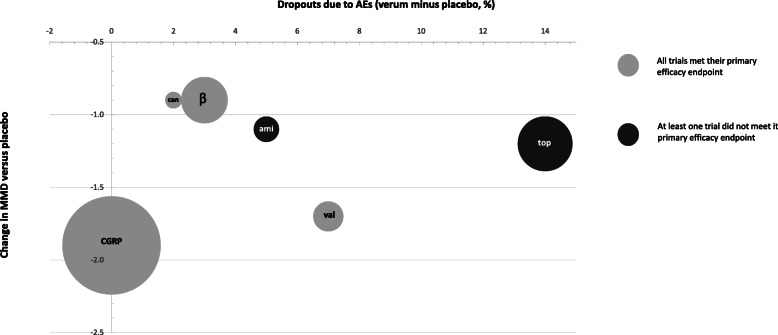
“Among the oral prophylactics, high dropout rates were reported especially for amitriptyline, valproate or topiramate [37].”
BackgroundSelf-citationYang, D., Jacobson, A., Meerschaert, K. A., Sifakis, J. J., Wu, M., Chen, X., Yang, T., Zhou, Y., Anekal, P. V., Rucker, R. A., et al. (2022) · Cell · doi:10.1016/j.cell.2022.09.024 · Cited by 224
Lampl, C., MaassenVanDenBrink, A., Amin, F. M., Deligianni, C. I., Gil-Gouveia, R., Jassal, T., Sanchez-Del-Rio, M., Reuter, U., Uluduz, D., Versijpt, J., et al. (2023) · The Journal of Headache and Pain · doi:10.1186/s10194-023-01594-1 · Cited by 183
Self-citationBarbanti, P., Egeo, G., Aurilia, C., Altamura, C., d’Onofrio, F., Finocchi, C., Albanese, M., Aguggia, M., Rao, R., Zucco, M., et al. (2022) · The Journal of Headache and Pain · doi:10.1186/s10194-022-01498-6 · Cited by 111
“Their distinguishing feature is the considerable proportions of responders (≥ 50% reduction in monthly migraine days) and super-responders (≥ 75% reduction in monthly migraine days), and the excellent efficacy and tolerability ratio which represents a substantial step forward compared to the usual standard of care [3,…”
BackgroundCalcitonin gene-related peptide-targeted therapy in migraine: current role and future perspectives
Versijpt, J. J., Paemeleire, K., Reuter, U., & MaassenVanDenBrink, A. (2025) · The Lancet · doi:10.1016/s0140-6736(25)00109-6 · Cited by 94
Self-citationFila, M., Chojnacki, C. J., Chojnacki, J., & Błasiak, J. (2021) · Nutrients · doi:10.3390/nu13124433 · Cited by 105
A Scoping Review and Meta-Analysis of Anti-CGRP Monoclonal Antibodies: Predicting Response
Hong, J. B., Lange, K. S., Overeem, L. H., Triller, P., Raffaelli, B., & Reuter, U. (2023) · Pharmaceuticals · doi:10.3390/ph16070934 · Cited by 99
Self-citationDomitrz, I., & Cegielska, J. (2022) · Nutrients · doi:10.3390/nu14051089 · Cited by 84
Tepper, S. J., Rabany, L., Cowan, R. P., Smith, T. R., Grosberg, B. M., Torphy, B. D., Harris, D., Vizel, M., Ironi, A., Stark‐Inbar, A., et al. (2023) · Headache The Journal of Head and Face Pain · doi:10.1111/head.14469 · Cited by 52
Russo, C. V., Saccà, F., Braca, S., Sansone, M., Miele, A., Stornaiuolo, A., & Simone, R. D. (2023) · Cephalalgia · doi:10.1177/03331024231161809 · Cited by 59
“Erenumab, fremanezumab, and galcanezumab, are suitable and safe in preventing episodic migraine and chronic migraine (12).”
BackgroundGreco, R., Demartini, C., Francavilla, M., Zanaboni, A. M., & Tassorelli, C. (2022) · Cells · doi:10.3390/cells11193092 · Cited by 57
Spekker, E., Körtési, T., & Vécsei, L. (2022) · International Journal of Molecular Sciences · doi:10.3390/ijms24010700 · Cited by 58
Combining treatments for migraine prophylaxis: the state-of-the-art
Pellesi, L., García‐Azorín, D., Rubio‐Beltrán, E., Ha, W., Messina, R., Ornello, R., Petrušić, I., Raffaelli, B., Labastida‐Ramírez, A., Ruscheweyh, R., et al. (2024) · The Journal of Headache and Pain · doi:10.1186/s10194-024-01925-w · Cited by 63
“Multiple indirect comparisons have shown that CGRP(-receptor) mAbs are superior to traditional oral preventives for migraine, such as topiramate, beta-blockers, valproate, or amitriptyline [71–73].”
Treatment of resistant chronic migraine with anti-CGRP monoclonal antibodies: a systematic review
Sevivas, H., & Fresco, P. (2022) · European journal of medical research · doi:10.1186/s40001-022-00716-w · Cited by 70
Epigenetic Connection of the Calcitonin Gene-Related Peptide and Its Potential in Migraine
Fila, M., Sobczuk, A., Pawłowska, E., & Błasiak, J. (2022) · International Journal of Molecular Sciences · doi:10.3390/ijms23116151 · Cited by 47
Silvestro, M., Tessitore, A., Orologio, I., Micco, R. D., Tartaglione, L., Trojsi, F., Tedeschi, G., & Russo, A. (2022) · The Journal of Headache and Pain · doi:10.1186/s10194-022-01436-6 · Cited by 41
“Background The last years represented a breakthrough in migraine preventive treatments due to the approval of specific monoclonal antibodies targeting the trigeminal sensory calcitonin gene-related peptide (CGRP) or its receptor [1].”
BackgroundYu, S., Kim, B., Wang, H., Zhou, J., Wan, Q., Yu, T., Lian, Y., Arkuszewski, M., Ecochard, L., Wen, S., et al. (2022) · The Journal of Headache and Pain · doi:10.1186/s10194-022-01514-9 · Cited by 46
“The monoclonal antibodies targeting the calcitonin gene-related peptide (CGRP) pathway (ligand or its receptor) represent a new class of targeted mechanismspecific preventive treatment for migraine [22, 23].”
BackgroundSchoenen, J. E., Dycke, A. V., Versijpt, J. J., & Paemeleire, K. (2023) · The Journal of Headache and Pain · doi:10.1186/s10194-023-01637-7 · Cited by 35
“With a few exceptions [25, 26], CM patients with continuous pain have been excluded from most RCTs with anti-CGRP mAbs [27].”
BackgroundSelf-citationUnderstanding the efficacy and tolerability of migraine treatment: a deep dive into CGRP antagonists
Waliszewska‐Prosół, M., Raffaelli, B., Straburzyński, M., & Martelletti, P. (2024) · Expert Review of Clinical Pharmacology · doi:10.1080/17512433.2024.2417655 · Cited by 27
Migraine Pharmacological Treatment and Cognitive Impairment: Risks and Benefits
Russo, M., Rosa, M. A. D., Calisi, D., Consoli, S., Evangelista, G., Dono, F., Santilli, M., Granzotto, A., ONOFRJ, M. C., & Sensi, S. L. (2022) · International Journal of Molecular Sciences · doi:10.3390/ijms231911418 · Cited by 33
Monoclonal Antibodies Targeting CGRP: A Novel Treatment in Vestibular Migraine
Lovato, A., Disco, C., Frosolini, A., Monzani, D., & Perini, F. (2023) · Medicina · doi:10.3390/medicina59091560 · Cited by 30
Versijpt, J. J., Deligianni, C. I., Hussain, M., Amin, F. M., Reuter, U., del Río, M. S., Uludüz, D., Boucherie, D. M., Zeraatkar, D., MaassenVanDenBrink, A., et al. (2024) · The Journal of Headache and Pain · doi:10.1186/s10194-024-01826-y · Cited by 27
“The magnitude of this effect seems small however, certainly when compared to other oral drugs used in migraine prevention like topiramate, amitriptyline and valproate [58, 59].”
ResultSelf-citationUddin, J., Yano, H., Parkhurst, C. N., Zhang, W., Ahmed, A., de Godoy, V. R., Wei, Q., Panchakshari, R. A., Henninot, A., Dasgupta, S., et al. (2025) · Nature Immunology · doi:10.1038/s41590-025-02243-2 · Cited by 24
“CGRP-targeted therapies, especially the bio-logics that target the neuropeptide or the CALCRL–RAMP1 receptor, have been clinically effective with minimal side effects 49 .”
Nutrition and Calcitonin Gene Related Peptide (CGRP) in Migraine
Fila, M., Chojnacki, J., Sobczuk, P., Chojnacki, C. J., & Błasiak, J. (2023) · Nutrients · doi:10.3390/nu15020289 · Cited by 24
Erenumab versus topiramate: post hoc efficacy analysis from the HER-MES study
Ehrlich, M., Hentschke, C., Sieder, C., Maier‐Peuschel, M., & Reuter, U. (2022) · The Journal of Headache and Pain · doi:10.1186/s10194-022-01511-y · Cited by 21
Self-citationVernieri, F., Brunelli, N., Guérzoni, S., Iannone, L. F., Baraldi, C., Rao, R., di Cola, F. S., Ornello, R., Cevoli, S., Lovati, C., et al. (2023) · Journal of Neurology · doi:10.1007/s00415-023-11872-2 · Cited by 19
“Anti-CGRP pathway mAbs have a more favorable benefit − risk ratio and dropout rates for adverse events than oral preventive treatments [5, 6].”
BackgroundMuddam, M. R., Obajeun, O. A., Abaza, A., Jaramillo, A. P., Idris, F. S., Shaikh, H. A., Vahora, I., Moparthi, K. P., Rushaidi, M. T. A., & Nath, T. S. (2023) · Cureus · doi:10.7759/cureus.45560 · Cited by 21
“Calcitonin gene-related peptide (CGRP) is a neuropeptide that is produced by both peripheral and central neurons [5,6].”
BackgroundResultWaliszewska‐Prosół, M., Vurallı, D., & Martelletti, P. (2023) · The Journal of Headache and Pain · doi:10.1186/s10194-023-01698-8 · Cited by 19
“They have proven effective in resistant migraine patients with previous failures of prophylactic therapies and onabotulinum toxin A [7–9].”
BackgroundVikelis, M., Dermitzakis, E. V., Xiromerisiou, G., Rallis, D., Soldatos, P., Litsardopoulos, P., Rikos, D., & Argyriou, A. A. (2023) · Journal of Clinical Medicine · doi:10.3390/jcm12134526 · Cited by 18
Wells-Gatnik, W. D., Pellesi, L., & Martelletti, P. (2024) · Expert Review of Neurotherapeutics · doi:10.1080/14737175.2024.2401558 · Cited by 17
“The first CGRP targeting therapy to gain United States Food and Drug Administration (FDA) approval were the CGRP monoclonal antibodies (mAbs), which represent a highly effective group of medications utilized strictly for the preventative treatment of EM and CM [20].”
Kopruszinski, C. M., Linley, J. E., Thornton, P., Walker, A. S., Newton, P., Podichetty, S., Ruparel, R. H., de Souza, L. H. M., Navratilova, E., Meno‐Tetang, G. M. L., et al. (2025) · Brain · doi:10.1093/brain/awae344 · Cited by 17
Kang, M., Sohn, J., Cha, M.-J., Kim, Y. H., Hong, Y., Im, H., & Cho, S. (2025) · Journal of Clinical Medicine · doi:10.3390/jcm14030734 · Cited by 14
CGRP Targeting Therapy for Chronic Migraine—Evidence from Clinical Trials and Real-world Studies
Wang, Y.-F., & Wang, S. (2022) · Current Pain and Headache Reports · doi:10.1007/s11916-022-01056-4 · Cited by 14
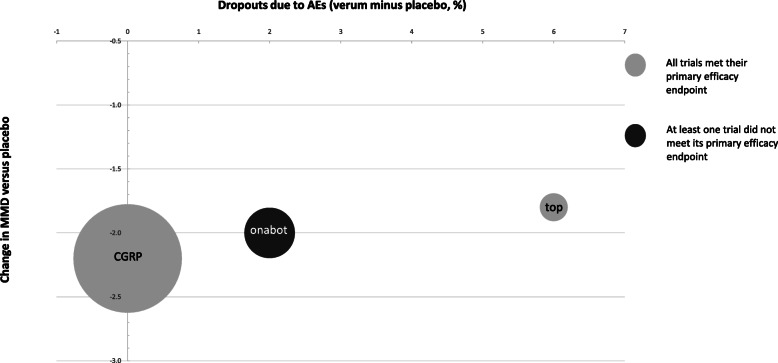
“The dropout rates in clinical trials of CGRP monoclonal antibodies are lower than those of topiramate trials, and were probably comparable to or possibly slightly lower than those of onabotulinumtoxinA trials [72].”
ResultWang, Y.-F., Wang, S., Huang, Y. H., Chen, Y., Yen, Y.-C., Shia, B., Tsai, C., Chan, H.-F., Panni, T., & Dell’Agnello, G. (2023) · Frontiers in Neurology · doi:10.3389/fneur.2023.1222912 · Cited by 15
Wang, Y.-F., Yang, F., Chen, L., Chang, T., Su, H., Yang, C., Tu, Y., Tzeng, Y., Chen, S., Fuh, J., et al. (2024) · European Journal of Neurology · doi:10.1111/ene.16372 · Cited by 12
“In comparison, prior meta-analyses comparing the efficacies of CGRP mAbs and onabotulinumtoxinA were based on indirect comparisons derived from data in clinical trials of individual injectables, including those using non-standard doses [30–32 , 39 ].”
ResultArgyriou, A. A., Dermitzakis, E. V., Xiromerisiou, G., Rallis, D., Soldatos, P., Litsardopoulos, P., & Vikelis, M. (2023) · Journal of Clinical Medicine · doi:10.3390/jcm12093218 · Cited by 11
Alsaadi, T. M., Kayed, D. M., Almadani, A., Hassan, A. M., Terruzzi, A., Krieger, D. W., Riachi, N. J., Sarathchandran, P., & Alrukn, S. (2023) · Neurology and Therapy · doi:10.1007/s40120-023-00550-0 · Cited by 11
“As these represent a relatively new class of migraine preventive medication, several studies and randomized clinical trials have shown that monoclonal antibodies targeting the CGRP pathway exhibit comparable, and probably superior, efficacy to current drugs [22].”
BackgroundAltamura, C., Brunelli, N., Marcosano, M., Alesina, A., Fofi, L., & Vernieri, F. (2023) · Therapeutics and Clinical Risk Management · doi:10.2147/tcrm.s263824 · Cited by 10
“14,70 Only erenumab was directly compared to topiramate in a double-blind, double-dummy multicenter study.”
BackgroundMethodChase, B. A., Semenov, I. A., Rubin, S., Meyers, S. L., Mark, A., Makhlouf, T., Chirayil, T. T., Maraganore, D. M., Wei, J., Zheng, S. L., et al. (2023) · Headache The Journal of Head and Face Pain · doi:10.1111/head.14655 · Cited by 11
“…30–35 and real-world studies 36–38 have demonstrated that these medications are well tolerated, have a high efficacy over adverse effect profile, and are effective in some patients who did not respond to other preventives 39–45 ; however, approximately one third of patients do not respond.”
BackgroundJohnston, K. J. A., Cote, A. C., Hicks, E. M., Johnson, J., & Huckins, L. M. (2023) · Biological Psychiatry · doi:10.1016/j.biopsych.2023.08.023 · Cited by 14
“ILRUN has also been linked to the renin-angiotensin-aldosterone system (involved in blood volume, sodium reabsorption, and vascular tone among other processes) in a study of SARS-CoV-2 infection (48).”
Pozo‐Rosich, P., Poveda, J. L., Crespo, C., Martínez, M., Rodríguez, J. M., & Irimia, P. (2024) · The Journal of Headache and Pain · doi:10.1186/s10194-024-01747-w · Cited by 13
“In addition to greater efficacy, erenumab exhibits an improved adherence profile, possibly associated with a monthly self-administration pattern [74], a faster onset of response [75], and higher tolerability than oral preven-tives [76].”
BackgroundImai, S., Ihara, K., Takahashi, N., Ohtani, S., Watanabe, N., Iba, C., Ishizuchi, K., Takemura, R., Nakahara, J., Hori, S., et al. (2026) · Journal of the Neurological Sciences · doi:10.1016/j.jns.2026.125751 · Cited by 9
Novel Migraine Therapies May Reduce Public and Personal Disadvantages for People with Migraine
Ambat, F. D. F., Bentivegna, E., & Martelletti, P. (2022) · BioDrugs · doi:10.1007/s40259-022-00532-y · Cited by 8
Situational prevention in migraine: are we doing the right thing?
Pellesi, L., & Martelletti, P. (2024) · The Journal of Headache and Pain · doi:10.1186/s10194-024-01841-z · Cited by 8
Varnado, O. J., Hoyt, M., Ye, W., & Nicholson, R. A. (2022) · Current Medical Research and Opinion · doi:10.1080/03007995.2022.2091333 · Cited by 8
Cady, R. K., Lipton, R. B., Buse, D. C., Josiassen, M. K., Lindstén, A., & Ettrup, A. (2022) · The Journal of Headache and Pain · doi:10.1186/s10194-022-01463-3 · Cited by 9
“Despite advances in preventive treatment, including the development of the calcitonin gene-related peptide (CGRP)targeted monoclonal antibodies and gepants, acute medications continue to be needed by most patients to manage breakthrough attacks of migraine [11].”
BackgroundVarnado, O. J., Brady, B. L., Zagar, A. J., Robles, Y., & Hoyt, M. L. (2024) · Patient Preference and Adherence · doi:10.2147/ppa.s437396 · Cited by 8
Moskatel, L. S., & Slusky, D. (2025) · Headache The Journal of Head and Face Pain · doi:10.1111/head.15027 · Cited by 8
“23,24 Conversely, adherence to CGRP-targeted medications may be much higher, leading to overall decrease in health-care utilization and potential savings to insurers in the long-term for patients on the CGRP-targeted medications relative to non-specific oral therapies—a potential incentive for…”
Serological Biomarkers of Chronic Migraine
Cho, S., & Chu, M. K. (2023) · Current Pain and Headache Reports · doi:10.1007/s11916-023-01154-x · Cited by 8
Vecchia, A. D., Luca, C. D., Becattini, L., Curto, L., Ferrari, E., Siciliano, G., Gori, S., & Baldacci, F. (2024) · Biomedicines · doi:10.3390/biomedicines12030677 · Cited by 9
“However, real-world trials showed non-responders more numerous in CM [43,44], probably because CM patients with continuous pain and medication overuse headache (MOH) have been excluded from most clinical trials [45].”
BackgroundA role of NLRP3 and MMP9 in migraine progression: a systematic review of translational study
Rushendran, R., Singh, A., Singh, S. A., Chitra, V., & Ilango, K. (2024) · Frontiers in Neurology · doi:10.3389/fneur.2024.1307319 · Cited by 8
Fernández‐Bravo‐Rodrigo, J., Pascual‐Morena, C., Flor‐García, A., Saz‐Lara, A., Sequí‐Domínguez, I., Álvarez‐Bueno, C., Barreda-Hernández, D., & Cavero‐Redondo, I. (2022) · International Journal of Environmental Research and Public Health · doi:10.3390/ijerph19031753 · Cited by 7
“Monoclonal antibodies against CGRP are, indeed, of added value for migraine prevention [17].”
BackgroundKrymchantowski, A. V., Silva‐Néto, R. P., Jevoux, C., & Krymchantowski, A. G. (2022) · Postgraduate Medicine · doi:10.1080/00325481.2022.2080381 · Cited by 7
Zecca, C., Terrazzino, S., Para, D., Campagna, G., Viana, M., Schankin, C. J., & Gobbi, C. (2023) · European Journal of Neurology · doi:10.1111/ene.15678 · Cited by 8
“ERE reduces migraine attacks at least comparably to previous migraine- preventive drugs, with a generally more favorable tolerability profile [3, 4].”
BackgroundOnabotulinumtoxinA for Pediatric Migraine
Karian, V. E., Morton, H., Schefter, Z. J., Smith, A., Rogan, H., Morse, B. L., & Lebel, A. (2023) · Pain Management Nursing · doi:10.1016/j.pmn.2023.04.006 · Cited by 7
Goßrau, G., Förderreuther, S., Ruscheweyh, R., Ruschil, V., Sprenger, T., Lewis, D., Kamm, K., Freilinger, T. M., Neeb, L., Malzacher, V., et al. (2022) · Der Nervenarzt · doi:10.1007/s00115-022-01403-1 · Cited by 7
“DiemigräneprophylaktischeWirkung der neuen spezifischen Substanzen ist ebenfalls durch zahlreiche RCTs sowohl für Patienten mit eM als auch mit cM belegt [8].”
BackgroundRaggi, A., Leonardi, M., Sacco, S., & Martelletti, P. (2022) · Pain and Therapy · doi:10.1007/s40122-022-00375-z · Cited by 6
“However, the high cost of such therapies (which exceed US $8000 per year [42]) might limit their widespread applicability to patients [43], and an indirect comparison between CGRP(r)-MAb and ‘‘traditional’’ therapies does not seem to support the possibility for a complete paradigm shift in treatment, as shown in a rec…”
ResultLipton, R. B., Láinez, M. J. A., Ahmed, Z. A., Vallarino, C. R., Novick, D., Vincent, M. B., Viktrup, L., & Robinson, R. L. (2025) · Headache The Journal of Head and Face Pain · doi:10.1111/head.15045 · Cited by 7
“6 11 Targeting the calcitonin gene-related peptide (CGRP), which plays a crucial role in migraine pathophysiology, 12 has emerged as a strategy for migraine management.”
Dopamine and prolactin in migraine: Mechanisms and potential therapeutic targets
Hjelholt, A. J., Tei, R., Diener, H. C., & Jørgensen, J. O. L. (2025) · Journal of Neuroendocrinology · doi:10.1111/jne.70098 · Cited by 11
“66 Although the reduction in migraine days was not significant among the 13 participants with chronic migraine, the overall patient-reported improvement (Patients' Global Impression of Change, PGIC) was significantly greater following cabergoline treatment in the full study population 28 (Figure 3).”
Terruzzi, A., Almadani, A., Alrukn, S., Farghaly, M., Dallal, S. A., Zayed, M., Vainstein, N. E., Fathy, M., Uboweja, A., Natarajan, A., et al. (2024) · Pain and Therapy · doi:10.1007/s40122-024-00634-1 · Cited by 5
“While the use of first‑generation CGRP antagonists—i.e., gepants—were limited due to hepatotoxicity, the newer‑generation gepants (rimegepant, ubroge‑ pant, and atogepant) were found to be toler‑ able, safe, and effective [23, 24].”
A Review of Calcitonin Gene-Related Peptide and Its Implications for Vestibular Disorders
Baron, R., & Steenerson, K. K. (2024) · Current Treatment Options in Neurology · doi:10.1007/s11940-024-00792-9 · Cited by 5
“These all have similar efficacy to erenumab and each other, even in patients with complicated and severe chronic migraine [56, 57], and they may also enjoy a more favorable side effect profile [58].”
Migraine and Current Pharmacologic Management
Okobi, O. E., Boms, M. G., Ijeh, J. C., Stephen, E., Alex, K. B., Adejola, A., Udo, U. A., Athem, D., Oboh, D., Olamilehin, E., et al. (2022) · Cureus · doi:10.7759/cureus.29833 · Cited by 5
“Following roughly two decades of well-controlled studies, the FDA approved these cloned anti-CGRP IgG mAbs like fremanezumab, erenumab, and galcanezumab for chronic migraine prophylaxis [36-42], and in 2019, ubrogepant, a selective CGRP receptor blocker for the acute treatment of migraine with or without aura [36-42].”
BackgroundInfluentialLate response to anti-CGRP therapy for migraine
Marsico, O., Lioi, M., & Trimboli, M. (2025) · Pain Management · doi:10.1080/17581869.2025.2550931 · Cited by 4
Roongrojwittayakul, S., Anukoolwittaya, P., Hiransuthikul, A., Pongpitakmetha, T., Thanprasertsuk, S., & Rattanawong, W. (2025) · The Journal of Headache and Pain · doi:10.1186/s10194-025-02160-7 · Cited by 4
“The introduction of CGRP mAbs may help address the discontinuation of preventive therapy, as these agents are associated with fewer side effects and improved efficacy compared to OMPMs [22, 23].”
Ashina, M., Tassorelli, C., Kokturk, P., Akcicek, H., & Pozo‐Rosich, P. (2025) · Cephalalgia · doi:10.1177/03331024251395029 · Cited by 5
“Randomized controlled trials (RCTs) of monoclonal antibodies (mAbs) targeting the calcitonin gene-related peptide (CGRP) pathway, such as fremanezumab, have demonstrated better tolerability pro fi les and lower discontinuation rates than non-migraine-speci fi c oral preventive treatments (8).”
Transdermal delivery systems for migraine treatment: A gap to explore
Sueiro, A. C., dos Santos, É. M., Tundisi, L. L., Fava, A. L. M., Silvério, L. A. L., Coco, J. C., Ataide, J. A., Paiva‐Santos, A. C., & Mazzola, P. G. (2022) · Journal of Drug Delivery Science and Technology · doi:10.1016/j.jddst.2022.103919 · Cited by 5
Gel-forming antagonist provides a lasting effect on CGRP-induced vasodilation
Chang, C. L., Cai, Z. P., & Hsu, S. Y. (2022) · Frontiers in Pharmacology · doi:10.3389/fphar.2022.1040951 · Cited by 3
“, in patients who on average have 8–14 migraine headache days per month) (Deen et al., 2017; Tso and Goadsby, 2017; Tepper, 2018; Deng et al., 2020; Vandervorst et al., 2021).”
BackgroundAtogepant, the first oral preventive treatment for chronic migraine
Haanes, K. A., & Edvinsson, L. I. (2023) · The Lancet · doi:10.1016/s0140-6736(23)01462-9 · Cited by 3
Comisar, C. M., Francis, J., Hughes, J. H., Bhardwaj, R., Bertz, R., & Liu, J. (2024) · CPT Pharmacometrics & Systems Pharmacology · doi:10.1002/psp4.13257 · Cited by 3
Cabergoline as a preventive migraine treatment: A randomized clinical pilot trial
Hjelholt, A. J., Bach, F. W., Kasch, H., Støvring, H., Jensen, T. S., & Jørgensen, J. O. L. (2025) · PLoS ONE · doi:10.1371/journal.pone.0320937 · Cited by 3
“When comparing the outcome of this study to contemporary migraine trials, the efficacy of cabergoline in episodic migraine in terms of a MMD reduction of 3.6 days appears clinically meaningful [26].”
InfluentialLi, C., Zhang, Y., Yang, C., Fang, J., Ma, M., Li, Y., Chen, N., Lui, S., & He, L. (2025) · European Journal of Pain · doi:10.1002/ejp.70028 · Cited by 3
“At the time of withdrawal, these patients were provided with preventive treatments, which included topiramate at a dosage of 50 mg per day or flunarizine at a dosage of 5 mg per day (Evers et al. 2009; Vandervorst et al. 2021).”
Advances in pharmacotherapy for the prophylactic treatment of resistant and refractory migraine
Fitzek, M. P., Raffaelli, B., & Reuter, U. (2022) · Expert Opinion on Pharmacotherapy · doi:10.1080/14656566.2022.2088281 · Cited by 3
“So far further head-to-head comparisons are lacking but are expected to follow in the next few years and meta-analyses [94,95] have already demonstrated equivalence, if not superiority, of CGRP-AK compared to currently used preventive drugs.”
Self-citationMartelletti, P., & Bentivegna, E. (2022) · Expert Review of Neurotherapeutics · doi:10.1080/14737175.2022.2038135 · Cited by 3
“Among them, the first is the access to care for patients eligible for treatment with monoclonal antibodies, being this the cornerstone in the control of this disabling and chronic painful pathology [7].”
BackgroundGiraldo, J. P., & Zarifkar, P. (2022) · Elsevier eBooks · doi:10.1016/b978-0-12-818872-9.00149-7 · Cited by 6
Lampl, C., MaassenVanDenBrink, A., Amin, F. M., Deligianni, C. I., Gil‐Gouveia, R., Jassal, T., del Río, M. S., Reuter, U., Uludüz, D., Versijpt, J. J., et al. (2023) · Research Square · doi:10.21203/rs.3.rs-2789503/v1 · Cited by 3
Self-citationGalcanezumab-Induced Myasthenia Gravis-Like Symptoms
Mubaraki, A. A. (2023) · Cureus · doi:10.7759/cureus.40127 · Cited by 2
“Several monoclonal antibodies targeting calcitonin gene-related peptides (CGRP) have been recently approved to treat episodic and chronic migraine [2].”
BackgroundAltamura, C., Iannone, L. F., Fofi, L., & Vernieri, F. (2024) · Elsevier eBooks · doi:10.1016/b978-0-443-24705-7.00024-7 · Cited by 2
Kaltseis, K., Eller, M. T., Gufler, L., Broessner, G., & Frank, F. (2025) · Biomedicines · doi:10.3390/biomedicines13051027 · Cited by 2
“So far, real-world data seem to confirm the favorable side effect profile of anti-CGRP (receptor) antibodies [4,5].”
Fofi, L., Altamura, C., Marcosano, M., Brunelli, N., Iannone, L. F., Doretti, A., Viticchi, G., Cesaris, F. D., Alesina, A., Silvestrini, M., et al. (2025) · Cephalalgia · doi:10.1177/03331024251378776 · Cited by 2
Goßrau, G., Förderreuther, S., Ruscheweyh, R., Ruschil, V., Sprenger, T., Lewis, D., Kamm, K., Freilinger, T. M., Neeb, L., Malzacher, V., et al. (2022) · Der Schmerz · doi:10.1007/s00482-022-00671-9 · Cited by 2
Acceptance-Commitment Therapy for Women with Episodic Migraine: A Pilot Randomized Trial
Bernstein, C., Lazaridou, A., Paschali, M., Vilsmark, E. S., & Rist, P. M. (2024) · Journal of Integrative and Complementary Medicine · doi:10.1089/jicm.2023.0085 · Cited by 1
Kopfschmerzen in der Hausarztpraxis
Freischmidt, S. (2023) · Allgemeinmedizin up2date · doi:10.1055/a-1773-7696 · Cited by 1
The Role of Step Therapy in the Treatment of Migraine
Moskatel, L. S., & Zhang, N. (2023) · Current Pain and Headache Reports · doi:10.1007/s11916-023-01155-w · Cited by 1
Migliore, S., Altamura, C., Brunelli, N., Marcosano, M., Curcio, G., & Vernieri, F. (2024) · Neurological Sciences · doi:10.1007/s10072-024-07769-1 · Cited by 1
“More specifically, BoNT-A was proved to be more effective and tolerated compared to oral preventives [41].”
Influence of triptans use on anti-CGRP mAbs response: a prospective, cohort study
Vollono, C., Romozzi, M., Munafò, A., Vigani, G., Cesaris, F. D., Calabresi, P., & Iannone, L. F. (2025) · Journal of Neurology · doi:10.1007/s00415-025-13202-0 · Cited by 1
“Monoclonal antibodies (mAbs) that target and inhibit calcitonin gene-related peptide (CGRP) or its receptor have opened a new scenario in the treatment of migraine and have demonstrated their effectiveness and safety across randomized-controlled trials (RCTs) and real-world studies [1, 2].”
Alfahmi, A. S., Alqarni, L. A., Alkhatabi, L. A., & Alshehri, F. S. (2025) · Healthcare · doi:10.3390/healthcare13172231 · Cited by 1
“In comparison to traditional prophylactic medications such as beta-blockers, antiepileptics, calcium channel blockers, or 5-HT receptor antagonists, CGRP inhibitors offer better tolerability due to their selective mechanisms of action [17].”
Systematic review and meta-analysis on the efficacy and safety of rimegepant for migraine
An, T., Duan, X., Liu, Y., Chuang, J., Liu, J., Shi, W., & Liu, Z. (2026) · Frontiers in Neurology · doi:10.3389/fneur.2026.1828779 · Cited by 2
“CGRP-targeted drugs exhibit favorable efficacy and safety profiles compared with conventional preventive medications, and they have no cardiovascular contra-indications, enabling a broader applicable population (22).”
Argyriou, A. A., Dermitzakis, E. V., Rikos, D., Chondrogianni, M. E., Foska, A., Soldatos, P., Mavraki, E., Xiromerisiou, G., Litsardopoulos, P., Tsivgoulis, G. K., et al. (2026) · Cephalalgia · doi:10.1177/03331024261456247 · Cited by 1
“8,9 Particularly, fremanezumab, a monoclonal antibody targeting the CGRP ligand, has shown remarkable ef fi cacy in reducing the frequency and severity of migraine attacks in numerous real-world studies, 10 – 12 including those previously conducted by our group, 13 – 15 in treatment-resistant…”
Hjelholt, A. J., Laugesen, K., Tei, R., Kasch, H., Diener, H., & Jørgensen, J. O. L. (2026) · Cephalalgia Reports · doi:10.1177/25158163261464939 · Cited by 1
It is time anti-CGRP monoclonal antibodies be considered first-line prophylaxis for migraine
Kubota, G. T. (2022) · Arquivos de Neuro-Psiquiatria · doi:10.1590/0004-282x-anp-2022-s112 · Cited by 3
Varnado, O. J., Vu, M., Buysman, E. K., Kim, G., Allenback, G. L., Hoyt, M. L., Trenz, H., Cao, F., & Viktrup, L. (2024) · Journal of Managed Care & Specialty Pharmacy · doi:10.18553/jmcp.2024.30.8.792 · Cited by 1
Chronic pain gene expression changes in the brain and relationships with clinical traitsPreprint
Johnston, K. J. A., Cote, A. C., Hicks, E. M., Johnson, J., & Huckins, L. M. (2022) · medRxiv · doi:10.1101/2022.12.28.22283994 · Cited by 1
Hjelholt, A. J., Bach, F. W., Kasch, H., Støvring, H., Jensen, T. S., & Jørgensen, J. O. L. (2023) · medRxiv · doi:10.1101/2023.12.27.23300273 · Cited by 1
Would your patient benefit from a monoclonal antibody?
Campbell, L. S. (2022) · The Journal of Family Practice · doi:10.12788/jfp.0481
“At the very least, all of the CGRP MAbs have efficacy comparable to conventional preventive migraine medications such as propranolol, amitriptyline, and topiramate.(40)”
BackgroundSIGN updates its guideline on the management of migraine
Chaplin, S. (2023) · Prescriber · doi:10.1002/psb.2048
Tkachenko, E. A., Elkanov, R. A., Raevskaya, A. I., Андреевна, В. И., & Karpov, S. M. (2023) · Russian Journal of Pain · doi:10.17116/pain20232101173
Anwendung monoklonaler Antikörper zur Migräneprophylaxe in der Praxis
Ruscheweyh, R., & Diener, H. (2023) · InFo Neurologie + Psychiatrie · doi:10.1007/s15005-023-3201-3
Monoclonal CGRP- (R) antibodies for the prevention of migraine
Charité Universitätsmedizin Berlin, G., & Reuter, U. (2023) · Advances in Clinical Neuroscience & Rehabilitation · doi:10.47795/vkej7377
Self-citationRushendran, R., Vellapandian, C., & Ilango, K. (2023) · Research Square · doi:10.21203/rs.3.rs-3074728/v1
Zidan, A., Anindita, R., Gary, B. R., & Medrea, I. (2023) · International Journal of Neurology and Neurotherapy · doi:10.23937/2378-3001/1410122
Metadata
- Authors
- Vandervorst, F., Van Deun, L., Van Dycke, A., Paemeleire, K., Reuter, U., Schoenen, J., & Versijpt, J.
- Affiliations
- Vrije Universiteit Brussel (BE)
- Ghent University Hospital (BE)
- Berlin Institute of Health at Charité - Universitätsmedizin Berlin (DE)
- University of Liège (BE)
- Corresponding author
- Versijpt, Jan
- Venue
- The Journal of Headache and Pain
- Published
- 2021-10-25
- Volume
- 22
- Issue
- 1
- Pages
- 128-128
- ISSN
- 1129-2369 (ISSN-L)
- 1129-2377
- PMC
- PMC8547103
- OpenAlex
- W3208701883
- Cited by
- 121
- References
- 94
- Citations by year
- 2026: 12 · 2025: 19 · 2024: 19 · 2023: 36 · 2022: 34 · 2021: 1
- FWCI
- 16.14
- Type
- journal article
- Language
- en
- Open access
- gold
- doi.org
- Licence
- cc-by
- creativecommons.org/licenses/by/4.0 (tdm)
- creativecommons.org/licenses/by/4.0 (vor)
- Locations
- The Journal of Headache and Pain (publishedVersion, cc-by)
- Europe PMC (PubMed Central) (publishedVersion, other-oa)
- PubMed Central (publishedVersion, cc-by)
- PubMed (publishedVersion)
- Ghent University Academic Bibliography (Ghent University) (submittedVersion, cc-by)
- DOAJ (DOAJ: Directory of Open Access Journals) (submittedVersion, cc-by-sa)
- VUBIR (Vrije Universiteit Brussel) (submittedVersion)
- Topics
- Health Sciences › Medicine › Clinical Neurology › Migraine and Headache Studies
- Health Sciences › Medicine › Physiology (medical) › Pain Mechanisms and Treatments
- Health Sciences › Dentistry › Oral Surgery › Temporomandibular Joint Disorders
- Keywords
- migraine prophylaxis, CGRP monoclonal antibodies, calcitonin gene-related peptide, CGRP receptor antagonists, episodic migraine, chronic migraine, drug efficacy, tolerability, adverse events, long-term safety, cost-effectiveness, health policy
- MeSH terms
- Antibodies, Monoclonal, Calcitonin, Pharmaceutical Preparations, Humans, Migraine Disorders, Calcitonin Gene-Related Peptide
About these checks
Registry, retraction, Cites and statistics results are computed, not judged, with one exception: a printed reference that no index lists is read once by a model before it counts as a citation error. Claims are extracted by a model and kept only when their quote appears verbatim in the text; each cited source is then checked, with a model’s help, for whether it says what the claim relies on. Those verdicts can be wrong — read the claim’s quote and the cited source before relying on one.
Statistics and arithmetic are recomputed, not judged.
Confidence bands are shown only for fields calibrated on our annotated test set. None is calibrated yet, so no band is shown.
What counts as a claim ›How we measure confidence ›How we check this ›
Are you an author, or do you see a problem with this page? Request a review
Data sources
Bibliographic data: Semantic Scholar, OpenAlex, Crossref.
Contains information from the Semantic Scholar Academic Graph Datasets, made available under the ODC Attribution License (ODC-BY 1.0).
Semantic Scholar’s data is described in: Kinney, R., et al. (2023). The Semantic Scholar Open Data Platform. arXiv:2301.10140.
