

Enrichment dynamics of Listeria monocytogenes and the associated microbiome from naturally contaminated ice cream linked to a listeriosis outbreak
Open accessThe DOI matches its Crossref record; 38 of the 39 references it cites were found in a registry or an index.
Abstract
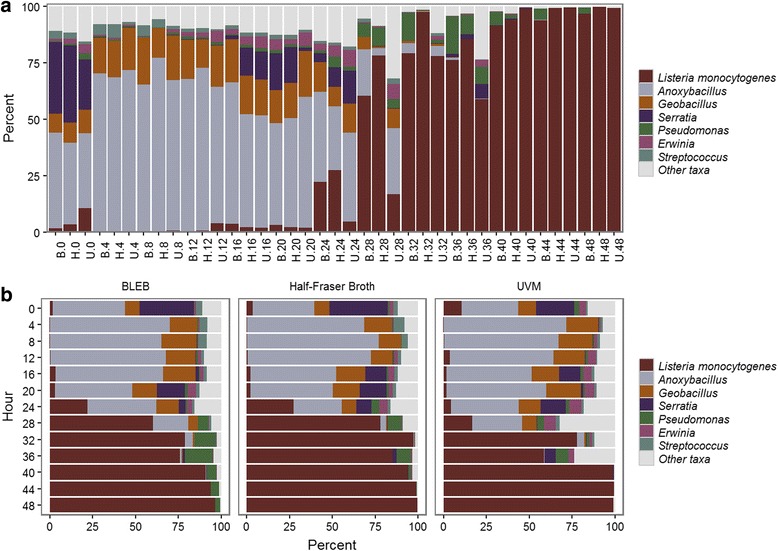
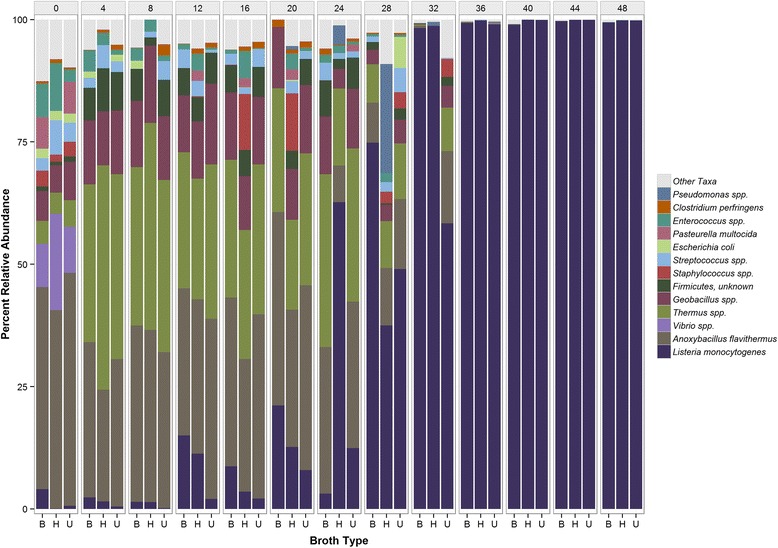
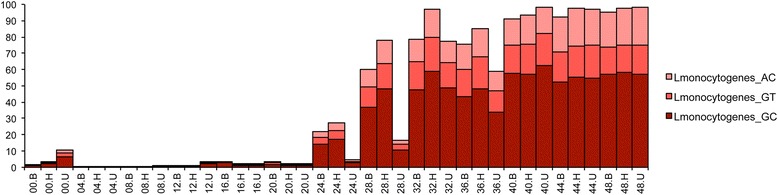
BACKGROUND: Microbiota that co-enrich during efforts to recover pathogens from foodborne outbreaks interfere with efficient detection and recovery. Here, dynamics of co-enriching microbiota during recovery of Listeria monocytogenes from naturally contaminated ice cream samples linked to an outbreak are described for three different initial enrichment formulations used by the Food and Drug Administration (FDA), the International Organization of Standardization (ISO), and the United States Department of Agriculture (USDA). Enrichment cultures were analyzed using DNA extraction and sequencing from samples taken every 4 h throughout 48 h of enrichment. Resphera Insight and CosmosID analysis tools were employed for high-resolution profiling of 16S rRNA amplicons and whole genome shotgun data, respectively. RESULTS: During enrichment, other bacterial taxa were identified, including Anoxybacillus, Geobacillus, Serratia, Pseudomonas, Erwinia, and Streptococcus spp. Surprisingly, incidence of L. monocytogenes was proportionally greater at hour 0 than when tested 4, 8, and 12 h later with all three enrichment schemes. The corresponding increase in Anoxybacillus and Geobacillus spp.indicated these taxa co-enriched in competition with L. monocytogenes during early enrichment hours. L. monocytogenes became dominant after 24 h in all three enrichments. DNA sequences obtained from shotgun metagenomic data of Listeria monocytogenes at 48 h were assembled to produce a consensus draft genome which appeared to have a similar tracking utility to pure culture isolates of L. monocytogenes. CONCLUSIONS: All three methods performed equally well for enrichment of Listeria monocytogenes. The observation of potential competitive exclusion of L. mono by Anoxybacillus and Geobacillus in early enrichment hours provided novel information that may be used to further optimize enrichment formulations. Application of Resphera Insight for high-resolution analysis of 16S amplicon sequences accurately identified L. monocytogenes. Both shotgun and 16S rRNA data supported the presence of three slightly variable genomes of L. monocytogenes. Moreover, the draft assembly of a consensus genome of L. monocytogenes from shotgun metagenomic data demonstrated the potential utility of this approach to expedite trace-back of outbreak-associated strains, although further validation will be needed to confirm this utility.
Overview
The claims and statistics of this paper haven’t been checked yet.
Free: it reads the open-access text and checks the first 5 claims that cite a source we can check. Create a free account to check every claim.
Integrity signals
Registry
Cites
Statistics
Figures
Verification
Claims the paper makes
The claims and statistics of this paper haven’t been checked yet.
Free: it reads the open-access text and checks the first 5 claims that cite a source we can check. Create a free account to check every claim.
Claims other papers make about this one
Each is checked against this paper’s own text: does it say what the citing paper says it does?
In the citing paper
“Further Resphera Insight has been validated as largely highly accurate for detection of Bacterioides and Fusobacterium spp. (13) and is also used by the FDA to enhance species identification contaminating the food chain (16,17).”
From A Uniform Computational Approach Improved on Existing Pipelines to Reveal Microbiome Biomarkers of Nonresponse to Immune Checkpoint Inhibitors (2021) · cites this paper as [16]
Self-check
Percentages, sums and reported differences re-computed from the paper’s own numbers.
The self-check needs the paper’s full text.
Citations
Cites
Trimmomatic: a flexible trimmer for Illumina sequence data
Bolger, A. M., Lohse, M., & Usadel, B. (2014) · Bioinformatics · doi:10.1093/bioinformatics/btu170 · Cited by 65,548 · cited 3×
“%) and length (minimum 300 bp) using Trimmomatic [34] and QIIME [35, 36].”
MethodFast gapped-read alignment with Bowtie 2
Langmead, B., & Salzberg, S. L. (2012) · Nature Methods · doi:10.1038/nmeth.1923 · Cited by 56,400 · cited 2×
“Merged reads were screened for 16S rRNA fragments using Bowtie2 [42] against a broad database of 16S rRNA gene sequences, with additional BLAST-based filtering to confirm location specific query matches to a reference L.”
MethodMUSCLE: multiple sequence alignment with high accuracy and high throughput
Edgar, R. C. (2004) · Nucleic Acids Research · doi:10.1093/nar/gkh340 · Cited by 44,662
QIIME allows analysis of high-throughput community sequencing data
Caporaso, J. G., Kuczynski, J., Stombaugh, J., Bittinger, K., Bushman, F. D., Costello, E. K., Fierer, N., Peña, A. G., Goodrich, J. K., Gordon, J. I., et al. (2010) · Nature Methods · doi:10.1038/nmeth.f.303 · Cited by 34,887 · cited 7×
“QIIME allows analysis of high-throughput community sequencing data.”
MethodInfluentialFLASH: fast length adjustment of short reads to improve genome assemblies
Magoč, T., & Salzberg, S. L. (2011) · Bioinformatics · doi:10.1093/bioinformatics/btr507 · Cited by 15,366 · cited 4×
“Raw paired-end reads from the MiSeq platform were merged into consensus fragments by FLASH [33] and subsequently filtered for quality (max error rate 1”
MethodInfluentialUCHIME improves sensitivity and speed of chimera detection
Edgar, R. C., Haas, B. J., Clemente, J. C., Quince, C., & Knight, R. (2011) · Bioinformatics · doi:10.1093/bioinformatics/btr381 · Cited by 15,114
McDonald, D., Price, M. N., Goodrich, J., Nawrocki, E. P., DeSantis, T. Z., Probst, A., Andersen, G. L., Knight, R., & Hugenholtz, P. (2012) · The ISME Journal · doi:10.1038/ismej.2011.139 · Cited by 5,064 · cited 1×
“Sequences were further evaluated for unknown contaminants using a sensitive BLASTN search against the GreenGenes 16S database [39].”
MethodA Metagenomic Survey of Microbes in Honey Bee Colony Collapse Disorder
Cox-Foster, D. L., Conlan, S., Holmes, E. C., Palacios, G., Evans, J. D., Moran, N. A., Quan, P.-L., Briese, T., Hornig, M., Geiser, D. M., et al. (2007) · Science · doi:10.1126/science.1146498 · Cited by 1,759 · cited 1×
“Passing sequences were trimmed of primers, evaluated for chimeras with UCLUST (de novo mode) [37], and screened for chloroplast and mitochondrial contaminants using the RDP classifier [38] with a threshold of 0.”
MethodEpidemic Listeriosis — Evidence for Transmission by Food
Schlech, W. F., Lavigne, P. M., Bortolussi, R. A., Allen, A. C., Haldane, E. V., Wort, A. J., Hightower, A. W., Johnson, S. E., King, S. H., Nicholls, E. S., et al. (1983) · New England Journal of Medicine · doi:10.1056/nejm198301273080407 · Cited by 1,501
Longitudinal analysis of microbial interaction between humans and the indoor environment
Lax, S., Smith, D. P., Hampton-Marcell, J., Owens, S. M., Handley, K. M., Scott, N. M., Gibbons, S. M., Larsen, P., Shogan, B. D., Weiss, S., et al. (2014) · Science · doi:10.1126/science.1254529 · Cited by 917 · cited 1×
“, Rockville, MD), described elsewhere [43, 44] to achieve identification at the species, subspecies, and/or strain level and quantification of relative abundance.”
BackgroundSelf-citation
Research works printed but not linked: 1
- Standardisation IOf ISO 11290–1 Microbiology of Food and Animal Feeding Stuffs - Horizontal Method for Detection and Enumeration of Listeria Monocytogenes - Part 1: Detection Method 1996
Cited by
Fecal microbiota transplant promotes response in immunotherapy-refractory melanoma patients
Baruch, E. N., Youngster, I., Ben-Betzalel, G., Ortenberg, R., Lahat, A., Katz, L., Adler, K., Dick-Necula, D., Raskin, S., Bloch, N., et al. (2021) · Science · doi:10.1126/science.abb5920 · Cited by 1,757
Next-generation sequencing: insights to advance clinical investigations of the microbiome
Wensel, C. R., Pluznick, J. L., Salzberg, S. L., & Sears, C. L. (2022) · Journal of Clinical Investigation · doi:10.1172/jci154944 · Cited by 437
The use of next generation sequencing for improving food safety: Translation into practice
Jagadeesan, B., Gerner-Smidt, P., Allard, M. W., Leuillet, S., Winkler, A., Xiao, Y., Chaffron, S., Van Der Vossen, J., Tang, S., Katase, M., et al. (2019) · Food Microbiology · doi:10.1016/j.fm.2018.11.005 · Cited by 364
“Future metagenomic and metabarcoding bioinformatic developments are likely to make this, and the ability to investigate phylogeny, possible (Ottesen et al., 2016; Truong et al., 2017).”
BackgroundSelf-citationDrewes, J. L., White, J. R., Dejea, C. M., Fathi, P., Iyadorai, T., Vadivelu, J., Roslani, A. C., Wick, E. C., Mongodin, E. F., Loke, M. F., et al. (2017) · npj Biofilms and Microbiomes · doi:10.1038/s41522-017-0040-3 · Cited by 335
Self-citationMetagenomics: The Next Culture-Independent Game Changer
Forbes, J. D., Knox, N. C., Ronholm, J., Pagotto, F., & Reimer, A. (2017) · Frontiers in Microbiology · doi:10.3389/fmicb.2017.01069 · Cited by 330
“…and shotgun metagenomics have also both been used to improve culture-based enrichment techniques by allowing for detailed characterization of population dynamics of the background microbiota during enrichment (Gorski, 2012; Ottesen et al., 2013, 2016; Jarvis et al., 2015; Zilelidou et al., 2016).”
BackgroundMethodCao, Y., Fanning, S., Proos, S., Jordan, K., & Srikumar, S. (2017) · Frontiers in Microbiology · doi:10.3389/fmicb.2017.01829 · Cited by 298
“Themost recent example is the determination of the draft genome of Listeria monocytogenes from an ice-cream microbiome using metagenomics (Ottesen et al., 2016).”
BackgroundCollections‐based science in the 21st Century
Funk, V. A. (2018) · Journal of Systematics and Evolution · doi:10.1111/jse.12315 · Cited by 215
“monocytogenes (maroon) and co-enriching bacterial genera at four hour intervals (Ottesen et al., 2016).”
MethodMetabolic Biosynthesis Pathways Identified from Fecal Microbiome Associated with Prostate Cancer
Liss, M. A., White, J. R., Goros, M., Gelfond, J., Leach, R., Johnson-Pais, T., Lai, Z., Rourke, E., Basler, J., Ankerst, D., et al. (2018) · European Urology · doi:10.1016/j.eururo.2018.06.033 · Cited by 208
“High-quality 16S rRNA sequences were assigned to a high-resolution taxonomic lineage using Resphera Insight [17-21].”
MethodSelf-citationUse of Whole-Genome Sequencing for Food Safety and Public Health in the United States
Brown, E., Dessai, U., McGarry, S., & Gerner-Smidt, P. (2019) · Foodborne Pathogens and Disease · doi:10.1089/fpd.2019.2662 · Cited by 201
“monocytogenes, and papayas contaminated with multiple Salmonella serovars (Bell et al., 2016; Ottesen et al., 2016).”
BackgroundSelf-citationOniciuc, E. A., Likotrafiti, E., Alvarez-Molina, A., Prieto, M., Santos, J. A., & Alvarez-Ordóñez, A. (2018) · Genes · doi:10.3390/genes9050268 · Cited by 184
Genomics of foodborne pathogens for microbial food safety
Allard, M. W., Bell, R., Ferreira, C. M., Gonzalez-Escalona, N., Hoffmann, M., Muruvanda, T., Ottesen, A., Ramachandran, P., Reed, E., Sharma, S., et al. (2018) · Current Opinion in Biotechnology · doi:10.1016/j.copbio.2017.11.002 · Cited by 179
Self-citationPanel), E. P. O. B. H. (. B., Koutsoumanis, K., Allende, A., Alvarez‐Ordóñez, A., Bolton, D., Bover‐Cid, S., Chemaly, M., Davies, R., De Cesare, A., Hilbert, F., et al. (2019) · EFSA Journal · doi:10.2903/j.efsa.2019.5898 · Cited by 172
“monocytogenes in ice cream samples linked to a listeriosis outbreak (Ottesen et al., 2016).”
BackgroundMostafa, H. H., Fissel, J. A., Fanelli, B., Bergman, Y., Gniazdowski, V., Dadlani, M., Carroll, K. C., Colwell, R. R., & Simner, P. J. (2020) · mBio · doi:10.1128/mbio.01969-20 · Cited by 164
Self-citationListeria monocytogenes in Foods
JORDAN, K. N., & McAuliffe, O. E. (2018) · Advances in food and nutrition research · doi:10.1016/bs.afnr.2018.02.006 · Cited by 148
Godoy‐Vitorino, F., Romaguera, J., Zhao, C., Vargas-Robles, D., Ortiz-Morales, G., Vazquez-Sanchez, F. E., Sánchez-Vázquez, M. M., de la Garza-Casillas, M., Martínez‐Ferrer, M., White, J. R., et al. (2018) · Frontiers in Microbiology · doi:10.3389/fmicb.2018.02533 · Cited by 128
“9:2533. doi: 10.3389/fmicb.2018.02533 Cervicovaginal Fungi and Bacteria Associated With Cervical Intraepithelial Neoplasia and High-Risk Human Papillomavirus Infections in a Hispanic Population Filipa Godoy-Vitorino1,2* , Josefina Romaguera3, Chunyu Zhao4, Daniela Vargas-Robles5,6, Gilmary Ortiz-Morales2, Frances Vázq…”
MethodInfluentialSelf-citationNewman, T. M., Shively, C. A., Register, T. C., Appt, S. E., Yadav, H., Colwell, R. R., Fanelli, B. C., Dadlani, M., Graubics, K., Nguyen, U. T., et al. (2021) · Microbiome · doi:10.1186/s40168-021-01069-y · Cited by 126
Self-citationDectin-1 signaling on colonic γδ T cells promotes psychosocial stress responses
Zhu, X., Sakamoto, S., Ishii, C., Smith, M. D., Ito, K., Obayashi, M., Unger, L., Hasegawa, Y., Kurokawa, S., Kishimoto, T., et al. (2023) · Nature Immunology · doi:10.1038/s41590-023-01447-8 · Cited by 99
Residential urban stormwater runoff: a comprehensive profile of microbiome and antibiotic resistance
Lee, S., Suits, M., Wituszynski, D., Winston, R., Martin, J., & Lee, J. (2020) · Science of The Total Environment · doi:10.1016/j.scitotenv.2020.138033 · Cited by 99
High Throughput Sequencing for Detection of Foodborne Pathogens
Sekse, C., Holst-Jensen, A., Dobrindt, U., Johannessen, G. S., Li, W., Spilsberg, B., & Shi, J. (2017) · Frontiers in Microbiology · doi:10.3389/fmicb.2017.02029 · Cited by 98
“Similarly, predominance of other species than L. monocytogenes was observed until the end of the enrichment procedure (after 40 h) in a study on L. monocytogenes and associated microbiota in naturally contaminated ice cream (Ottesen et al., 2016; Table 3).”
BackgroundMethodGuerrero-Preston, R., White, J. R., Godoy-Vitorino, F., Rodríguez-Hilario, A., Navarro, K., González, H., Michailidi, C., Jedlicka, A., Canapp, S., Bondy, J., et al. (2017) · Oncotarget · doi:10.18632/oncotarget.20677 · Cited by 97
Self-citationStevens, E. L., Carleton, H. A., Beal, J., Tillman, G. E., Lindsey, R. L., Lauer, A. C., Pightling, A., Jarvis, K. G., Ottesen, A., Ramachandran, P., et al. (2022) · Journal of Food Protection · doi:10.4315/jfp-21-437 · Cited by 108
Self-citationMetagenomics Approaches for Improving Food Safety: A Review
Billington, C., Kingsbury, J. M., & Rivas, L. (2021) · Journal of Food Protection · doi:10.4315/jfp-21-301 · Cited by 124
Metagenomics of pasteurized and unpasteurized gouda cheese using targeted 16S rDNA sequencing
Salazar, J. K., Carstens, C. K., Ramachandran, P., Shazer, A. G., Narula, S. S., Reed, E., Ottesen, A., & Schill, K. M. (2018) · BMC Microbiology · doi:10.1186/s12866-018-1323-4 · Cited by 81
Self-citationSalmonella Genomics in Public Health and Food Safety
Brown, E. W., Bell, R., Zhang, G., Timme, R., Zheng, J., Hammack, T. S., & Allard, M. W. (2021) · EcoSal Plus · doi:10.1128/ecosalplus.esp-0008-2020 · Cited by 99
Self-citationThe Persistence of Bacterial Pathogens in Surface Water and Its Impact on Global Food Safety
Bell, R. L., Kase, J. A., Harrison, L. M., Balan, K. V., Babu, U. S., Chen, Y., Macarisin, D., Kwon, H. J., Zheng, J., Stevens, E. L., et al. (2021) · Pathogens · doi:10.3390/pathogens10111391 · Cited by 99
“Once sufficient enrichment incubation duration was achieved, the selection of enrichment broths appeared to be not critical as long as an extensively validated enrichment broth was chosen [215,217].”
BackgroundSelf-citationListeriosis in mainland China: A systematic review
Fan, Z., Xie, J., Li, Y., & Wang, H. (2019) · International Journal of Infectious Diseases · doi:10.1016/j.ijid.2019.01.007 · Cited by 73
High-resolution profiling of the gut microbiome reveals the extent of Clostridium difficile burden
Daquigan, N., Seekatz, A. M., Greathouse, K. L., Young, V. B., & White, J. R. (2017) · npj Biofilms and Microbiomes · doi:10.1038/s41522-017-0043-0 · Cited by 69
Self-citationBotulinum Neurotoxin Detection Methods for Public Health Response and Surveillance
Thirunavukkarasu, N., Johnson, E. A., Pillai, S. P., Hodge, D. R., Stanker, L. H., Wentz, T. G., Singh, B., Venkateswaran, K. S., McNutt, P. M., Adler, M., et al. (2018) · Frontiers in Bioengineering and Biotechnology · doi:10.3389/fbioe.2018.00080 · Cited by 68
“Use of target-specific metagenomic approaches, and use of partial microbial coenrichment combined with shotgun metagenomic sequencing can provide detection and trace-back capabilities in substantially shorter amount of time (Ottesen et al., 2016).”
Self-citationHyeon, J., Li, S., Mann, D. A., Zhang, S., Li, Z., Chen, Y., & Deng, X. (2017) · Applied and Environmental Microbiology · doi:10.1128/aem.02340-17 · Cited by 66
“as the food microbiome composition, the type of food matrix, the length of the lag phase, and the growth dynamics of the target pathogen (10).”
BackgroundSelf-citationMicrobiomes Associated With Foods From Plant and Animal Sources
Jarvis, K. G., Daquigan, N., White, J. R., Morin, P. M., Howard, L. M., Manetas, J., Ottesen, A., Ramachandran, P., & Grim, C. J. (2018) · Frontiers in Microbiology · doi:10.3389/fmicb.2018.02540 · Cited by 56
Self-citationGuest, C., Harris, R., Sfanos, K. S., Shrestha, E., Partin, A. W., Trock, B. J., Mangold, L. A., Bader, R., Kozak, A., Mclean, S., et al. (2021) · PLoS ONE · doi:10.1371/journal.pone.0245530 · Cited by 60
“High-quality clean 16S sequences (80,000 sequences per sample) 335 were then subjected to high-resolution taxonomic assessment using Resphera Insight [32-34].”
MethodSequino, G., Valentino, V., Villani, F., & Filippis, F. D. (2022) · Food Research International · doi:10.1016/j.foodres.2022.111242 · Cited by 55
Quasimetagenomic source tracking of Listeria monocytogenes from naturally contaminated ice cream
Ottesen, A., Ramachandran, P., Chen, Y., Brown, E. W., Reed, E. A., & Strain, E. A. (2020) · BMC Infectious Diseases · doi:10.1186/s12879-019-4747-z · Cited by 51
Self-citationDevelopment of a novel biological control agent targeting the phytopathogen Erwinia amylovora
Dagher, F., Olishevska, S., Philion, V., Zheng, J., & Déziel, É. (2020) · Heliyon · doi:10.1016/j.heliyon.2020.e05222 · Cited by 58
“2 (Resphera Biosciences, Baltimore, MD, USA), which provides ultra-high-resolution taxonomic assignment of 16S rRNA sequences down to the species level, was used as illustrated by the manufacturer [35] to predict an accurate consensus lineage of the active isolates.”
MethodDo, S., Phungviwatnikul, T., de Godoy, M. R. C., & Swanson, K. S. (2021) · Journal of Animal Science · doi:10.1093/jas/skab028 · Cited by 61
Li, Z., Pérez-Osorio, A. C., Wang, Y., Eckmann, K., Glover, W. A., Allard, M. W., Brown, E. W., & Chen, Y. (2017) · BMC Microbiology · doi:10.1186/s12866-017-1043-1 · Cited by 46
“[36] and/or the variety and levels of competing microflora present in the ice cream samples [37].”
BackgroundSelf-citationShaikh, F. Y., White, J. R., Gills, J. J., Hakozaki, T., Richard, C., Routy, B., Okuma, Y., Usyk, M., Pandey, A., Weber, J. S., et al. (2021) · Clinical Cancer Research · doi:10.1158/1078-0432.ccr-20-4834 · Cited by 44
“(13) and is also used by the FDA to enhance species identification contaminating the food chain (16, 17).”
BackgroundSelf-citationDistinct lung microbial community states in patients with pulmonary tuberculosis
Hu, Y., Kang, Y., Liu, X., Cheng, M., Dong, J., Sun, L., Zhu, Y., Ren, X., Yang, Q., Chen, X., et al. (2020) · Science China Life Sciences · doi:10.1007/s11427-019-1614-0 · Cited by 46
NATIONAL ADVISORY COMMITTEE ON MICROBIOLOGICAL CRITERIA FOR FOODS (2019) · Journal of Food Protection · doi:10.4315/0362-028x.jfp-18-479 · Cited by 41
“This has been demonstrated in other foods as well (228).”
BackgroundAnalysis of the Ability of Capsaicin to Modulate the Human Gut Microbiota In Vitro
Mahalak, K. K., Tolehmurodovich, B. J., Firrman, J., Williams, R. B., Evans, B. S., Fanelli, B. C., Soares, J. W., Kobori, M., & Liu, L. (2022) · Nutrients · doi:10.3390/nu14061283 · Cited by 41
Bray, A. S., Broberg, C. A., Hudson, A. W., Wu, W.-S., Nagpal, R., Islam, M., Valencia‐Bacca, J. D., Shahid, F., Hernandez, G. E., Nutter, N. A., et al. (2025) · Nature Communications · doi:10.1038/s41467-025-56309-8 · Cited by 55
Connelly, S., Bristol, J. A., Hubert, S., Subramanian, P., Hasan, N. A., Colwell, R. R., & Kaleko, M. (2017) · Journal of Applied Microbiology · doi:10.1111/jam.13432 · Cited by 47
“(Rockville, MD) bioinformatics software package, as described (Hasan et al. 2014; Lax et al. 2014; Ottesen et al. 2016; Ponnusamy et al. 2016), to achieve bacterial identification to species, subspecies and/or strain level and quantification of micro-organism relative abundance.”
MethodSelf-citationBasson, A. R., Gomez-Nguyen, A., LaSalla, A., Buttó, L. F., Kulpins, D., Warner, A. N., Martino, L. D., Ponzani, G., Ösme, A., Rodriguez‐Palacios, A., et al. (2020) · Journal of Nutrition · doi:10.1093/jn/nxaa386 · Cited by 41
Distinct consequences of amoxicillin and ertapenem exposure in the porcine gut microbiome
Connelly, S., Subramanian, P., Hasan, N. A., Colwell, R. R., & Kaleko, M. (2018) · Anaerobe · doi:10.1016/j.anaerobe.2018.04.012 · Cited by 41
Self-citationHigh-resolution microbiome profiling for detection and tracking of Salmonella enterica
Grim, C. J., Daquigan, N., Lusk Pfefer, T. S., Ottesen, A. R., White, J. R., & Jarvis, K. G. (2017) · Frontiers in Microbiology · doi:10.3389/fmicb.2017.01587 · Cited by 36
“16S rRNA community profile sequencing of chili powder microbiome samples was performed as described by Ottesen et al. (2016).”
BackgroundMethodResultInfluentialSelf-citationGaber, M. K., Wilson, A. S., Millen, A. E., Hovey, K. M., LaMonte, M. J., Wactawski‐Wende, J., Ochs‐Balcom, H. M., & Cook, K. L. (2024) · Microbiome · doi:10.1186/s40168-024-01901-1 · Cited by 41
“M read depth; see Supplemental Figure S3 for individual sample read statistics) were analyzed using the CosmosID bioinformatics platform described elsewhere [27–30] for multi-kingdom microbiome analysis, profiling of virulence genes, and quantification of microbial relative abundance.”
MethodRecent foodborne outbreaks in the United States linked to atypical vehicles — lessons learned
Kase, J. A., Zhang, G., & Chen, Y. (2017) · Current Opinion in Food Science · doi:10.1016/j.cofs.2017.10.014 · Cited by 41
Self-citationIlieva, N. M., Wallen, Z. D., & De Miranda, B. R. (2022) · Toxicology and Applied Pharmacology · doi:10.1016/j.taap.2022.116176 · Cited by 31
Chakkalakal, M., Nadora, D., Gahoonia, N., Dumont, A., Burney, W. A., Pan, A., Chambers, C. J., & Sivamani, R. K. (2022) · Journal of Clinical Medicine · doi:10.3390/jcm11226724 · Cited by 33
Verma, S., Dutta, S., Firnberg, E., Phillips, L. E., Vinayek, R., & Nair, P. P. (2021) · PLoS ONE · doi:10.1371/journal.pone.0251590 · Cited by 32
Bannenberg, J. W., Abee, T., Zwietering, M. H., & den Besten, H. M. W. (2020) · International Journal of Food Microbiology · doi:10.1016/j.ijfoodmicro.2020.108914 · Cited by 28
“…level on the lag duration has been studied before for L. monocytogenes, where the lag duration has been shown to be unaffected by inoculum size in enrichment broth (Duffy et al., 1994) and under optimal conditions in media containing non-inhibitory salt concentrations (Robinson et al., 2001).”
BackgroundEwida, R. M., HASAN, W. S., Elfaruk, M. S., Alayouni, R. R., Hammam, A. R. A., & Kamel, D. G. (2022) · Foods · doi:10.3390/foods11213443 · Cited by 25
Welman-Purchase, M. D., Castillo, J., Gómez-Árias, A., Matu, A., & Hansen, R. N. (2023) · The Science of The Total Environment · doi:10.1016/j.scitotenv.2023.167174 · Cited by 32
Saha, P., Bose, D., Stebliankin, V., Cickovski, T., Seth, R. K., Porter, D. E., Brooks, B. W., Mathee, K., Narasimhan, G., Colwell, R. R., et al. (2022) · Scientific Reports · doi:10.1038/s41598-022-15708-3 · Cited by 28
Self-citationForghani, F., Li, S., Zhang, S., Mann, D. A., Deng, X., den Bakker, H. C., & Diez‐Gonzalez, F. (2020) · Applied and Environmental Microbiology · doi:10.1128/aem.00097-20 · Cited by 32
Evaluation of Six Weekly Oral Fecal Microbiota Transplants in People with HIV
Utay, N. S., Monczor, A. N., Somasunderam, A., Lupo, S., Jiang, Z., Alexander, A. S., Finkelman, M., Vigil, K. J., Lake, J. E., Hanson, B., et al. (2020) · Pathogens and Immunity · doi:10.20411/pai.v5i1.388 · Cited by 25
Fungal Dysbiosis in Children with Celiac Disease
Mouzan, M. I. E., Al‐Hussaini, A. A., Fanelli, B. C., Assiri, A. A., Alsaleem, B., Mofarreh, M. A. A., Sarkhy, A. A. A., & Alasmi, M. (2021) · Digestive Diseases and Sciences · doi:10.1007/s10620-021-06823-8 · Cited by 25
Kocurek, B., Ramachandran, P., Grim, C. J., Morin, P. M., Howard, L., Ottesen, A., Timme, R., Leonard, S. R., Rand, H. A., Strain, E. A., et al. (2023) · Microbiology Spectrum · doi:10.1128/spectrum.01482-23 · Cited by 24
“It is well documented that culture enrichment tends to reduce diversity of sample populations as culture conditions, even in non-selective media, tend to favor those organisms that are not fastidious (16, 22, 35, 36).”
BackgroundSelf-citationWeaver, A. A., Hasan, N. A., Klaassen, M. A., Karathia, H., Colwell, R. R., & Shrout, J. D. (2019) · Journal of Medical Microbiology · doi:10.1099/jmm.0.001068 · Cited by 22
Self-citationWagner, E., Fagerlund, A., Langsrud, S., Møretrø, T., Jensen, M. R., & Moen, B. (2021) · Applied and Environmental Microbiology · doi:10.1128/aem.01774-21 · Cited by 35
“monocytogenes would have had a higher relative value in the presence of other background microbiota is not known, but our results and those of others (26, 55) clearly show that in the presence of certain background microbiota strains, L.”
BackgroundResultLei, V., Handfield, C., Kwock, J. T., Kirchner, S. J., Lee, M. J., Coates, M., Wang, K., Han, Q., Wang, Z., Powers, J. G., et al. (2020) · Journal of Investigative Dermatology · doi:10.1016/j.jid.2021.11.041 · Cited by 19
Ottesen, A., Kocurek, B., Ramachandran, P., Reed, E. A., Commichaux, S., Engelbach, G., Mammel, M. K., Fleurant, S. S., Zhao, S., Kabera, C., et al. (2022) · PLOS Water · doi:10.1371/journal.pwat.0000067 · Cited by 23
Self-citationSivamani, R. K., Chakkalakal, M., Pan, A., Nadora, D., Min, M., Dumont, A., Burney, W. A., & Chambers, C. J. (2023) · Foods · doi:10.3390/foods13010015 · Cited by 27
“…of approximately 6M were directly analyzed by CosmosID-HUB Micro-biome Platform (CosmosID Inc., Germantown, MD, USA) as described elsewhere for multi-kingdom microbiome analysis, the profiling of antibiotic resistance and virulence genes, and quantification of organisms’ relative abundance [7–10].”
MethodCommichaux, S., Javkar, K. G., Ramachandran, P., Nagarajan, N., Bertrand, D., Chen, Y., Reed, E. A., González‐Escalona, N., Strain, E. A., Rand, H. A., et al. (2021) · BMC Genomics · doi:10.1186/s12864-021-07702-2 · Cited by 24
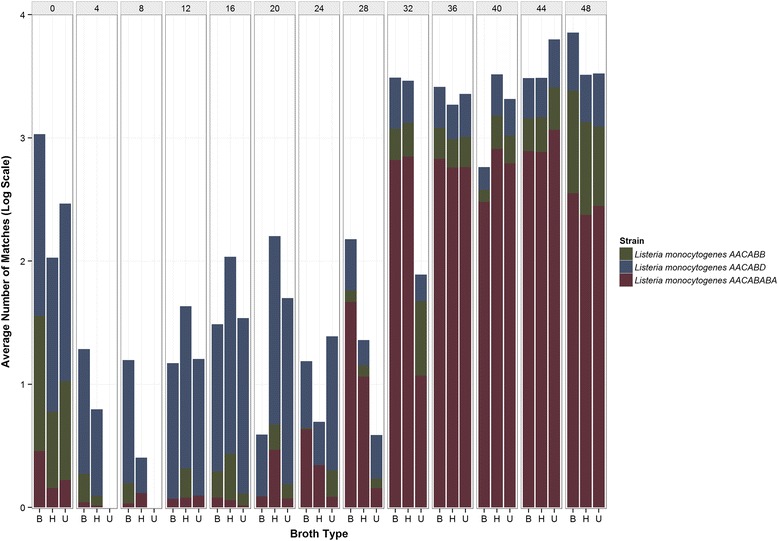
“A prior analysis of the ice cream samples [20] had identified three putative co-occurring L. monocytogenes strains based upon the detection of three 16S rRNA gene variants.”
BackgroundResultInfluentialSelf-citationMalayil, L., Ramachandran, P., Chattopadhyay, S., Cagle, R., Hittle, L. E., Ottesen, A., Mongodin, E. F., & Sapkota, A. R. (2020) · Water Research · doi:10.1016/j.watres.2020.116185 · Cited by 21
Self-citationViral dysbiosis in children with new-onset celiac disease
Mouzan, M. I. E., Assiri, A. A., Sarkhy, A. A. A., Alasmi, M., Saeed, A., Al‐Hussaini, A. A., Alsaleem, B., & Mofarreh, M. A. A. (2022) · PLoS ONE · doi:10.1371/journal.pone.0262108 · Cited by 24
Perreau, C., Thabuis, C., Verstrepen, L., Ghyselinck, J., & Marzorati, M. (2023) · Nutrients · doi:10.3390/nu15194229 · Cited by 20
Microbiota profile of new-onset celiac disease in children in Saudi Arabia
Mouzan, M. I. E., Al‐Hussaini, A. A., Serena, G., Assiri, A. A., Sarkhy, A. A. A., Mofarreh, M. A. A., Alasmi, M., & Fasano, A. (2022) · Gut Pathogens · doi:10.1186/s13099-022-00493-1 · Cited by 21
Saltykova, A., Buytaers, F. E., Denayer, S., Verhaegen, B., Piérard, D., Roosens, N. H. C., Marchal, K., & Keersmaecker, S. C. J. D. (2020) · International Journal of Molecular Sciences · doi:10.3390/ijms21165688 · Cited by 22
“the fact that during an enrichment, the different strains grow at different rates, and to a different final abundance [12,15,49].”
BackgroundWellman, A., Bazaco, M. C., Blessington, T., Pightling, A., Dwarka, A., Hintz, L., Wise, M. E., Gieraltowski, L. B., Conrad, A. R., Nguyen, T.-A., et al. (2023) · Journal of Food Protection · doi:10.1016/j.jfp.2023.100089 · Cited by 16
Jagadeesan, B., Schmid, V. B., Kupski, B., McMahon, W. A., & Klijn, A. (2018) · International Journal of Food Microbiology · doi:10.1016/j.ijfoodmicro.2018.08.017 · Cited by 17
Malaria disrupts the rhesus macaque gut microbiome
Farinella, D. N., Kaur, S., Tran, V., Cabrera-Mora, M., Joyner, C. J., Lapp, S. A., Pakala, S., Nural, M. V., DeBarry, J. D., Kissinger, J. C., et al. (2023) · Frontiers in Cellular and Infection Microbiology · doi:10.3389/fcimb.2022.1058926 · Cited by 16
Tayeb, B. A., Mohamed-Sharif, Y. H., Choli, F. R., Haji, S. S., Ibrahim, M. M., Haji, S. K., Rasheed, M. J., & Mustafa, N. A. (2023) · Foodborne Pathogens and Disease · doi:10.1089/fpd.2023.0004 · Cited by 16
“Notably, the analysis of the findings revealed that, apart from LM, other Listeria strains were not detected in the ice cream samples (Ottesen et al., 2016).”
LaGamma, E. F., Hu, F., Cruz, F. P., Bouchev, P., & Nankova, B. B. (2021) · Neurobiology of Stress · doi:10.1016/j.ynstr.2021.100376 · Cited by 17
Oral microbiota populations of adult dogs consuming wet or dry foods
Oba, P. M., Sieja, K. M., Keating, S. C. J., Hristova, T., Somrak, A. J., & Swanson, K. S. (2022) · Journal of Animal Science · doi:10.1093/jas/skac200 · Cited by 27
Sheth, I., Li, F., Hur, M., Laasri, A., de Jesús, A., Kwon, H. J., Macarisin, D., Hammack, T. S., Jinneman, K. C., & Chen, Y. (2017) · Food Control · doi:10.1016/j.foodcont.2017.08.022 · Cited by 16
Self-citationGorski, L., Shariat, N. W., Richards, A. K., Siceloff, A. T., Aviles-Noriega, A., & Harhay, D. M. (2023) · Food Microbiology · doi:10.1016/j.fm.2023.104431 · Cited by 19
The Plant Microbiome: Diversity, Dynamics, and Role in Food Safety
Allard, S. M., & Micallef, S. A. (2019) · Elsevier eBooks · doi:10.1016/b978-0-12-812060-6.00011-8 · Cited by 18
Manenzhe, R. I., Dube, F. S., Wright, M. S., Lennard, K. S., Mounaud, S. H., Lo, S. W., Zar, H. J., Nierman, W. C., Nicol, M. P., & Moodley, C. (2020) · Frontiers in Public Health · doi:10.3389/fpubh.2020.543898 · Cited by 15
“Whole-genome sequencing of cultured pneumococcal isolates produces reliable serotyping results and can generate additional genetic information, but is typically performed on single isolates, and may thus fail to detect co-colonization, or exclude samples with non-viable bacteria (45).”
BackgroundMethodBornbusch, S. L., & Drea, C. M. (2021) · Frontiers in Ecology and Evolution · doi:10.3389/fevo.2021.704070 · Cited by 17
Wang, H., Shankar, V., & Jiang, X. (2022) · Microbiology Spectrum · doi:10.1128/spectrum.01845-21 · Cited by 14
Marzorati, M., Ghyselinck, J., den Abbeele, P. V., Maruszak, A., & Harthoorn, L. F. (2023) · Applied Microbiology · doi:10.3390/applmicrobiol3010008 · Cited by 15
Applications of Genomics in Regulatory Food Safety Testing in Canada
Carrillo, C. D., Koziol, A., Vary, N., & Blais, B. W. (2020) · IntechOpen eBooks · doi:10.5772/intechopen.86063 · Cited by 17
Salazar, J. K., Stewart, D. S., Shazer, A. G., & Tortorello, M. L. (2019) · Journal of Dairy Science · doi:10.3168/jds.2019-16774 · Cited by 13
Je, H. J., Singh, S., Kim, D. W., Hur, H. S., Kim, A. L., Seo, E. J., & Koo, O. K. (2023) · Microorganisms · doi:10.3390/microorganisms11112722 · Cited by 12
Niu, Y., Li, W., Xu, B., Chen, W., Qi, X., Zhou, Y., Fu, P., Ma, X., & Guo, Y. (2024) · Emerging Microbes & Infections · doi:10.1080/22221751.2024.2307520 · Cited by 12
“Sub-sequent outbreaks have been linked to contaminants present in milk, soft cheese, ready-to-eat meat, and other food sources [12 – 16].”
BackgroundMetagenomics-Based Proficiency Test of Smoked Salmon Spiked with a Mock Community
Sala, C., Mordhorst, H., Grützke, J., Brinkmann, A., Petersen, T. N., Poulsen, C. S., Cotter, P. D., Crispie, F., Ellis, R. J., Castellani, G., et al. (2020) · Microorganisms · doi:10.3390/microorganisms8121861 · Cited by 14
“Hence, it is unlikely that shotgun metagenomic sequencing will replace the culture methods for foodborne pathogen investigation in the near future, although its great potential was demonstrated [5,36,37].”
BackgroundZhao, N., Khamash, D. F., Koh, H., Voskertchian, A., Egbert, E. R., Mongodin, E. F., White, J. R., Hittle, L. E., Colantuoni, E., & Milstone, A. M. (2021) · Open Forum Infectious Diseases · doi:10.1093/ofid/ofab475 · Cited by 13
Self-citationGut microbial dysbiosis correlates with stroke severity markers in aged rats
Hammond, T. C., Messmer, S. J., Frank, J. A., Lukins, D. E., Colwell, R. R., Lin, A., & Pennypacker, K. R. (2022) · Frontiers in Stroke · doi:10.3389/fstro.2022.1026066 · Cited by 14
“Gut microbial dysbiosis correlates with stroke severity markers in aged rats Tyler C. Hammond1, Sarah Messmer2, Jacqueline A. Frank2, Doug Lukins3, Rita Colwell4, Ai-Ling Lin5*† and Keith R. Pennypacker2*† 1Lin Brain Lab, Department of Neuroscience, Sanders-Brown Center on Aging, University of Kentucky, Lexington, KY,…”
Self-citationChristman, L. M., Benedetto, A. D., Johnson, E. J., Khoo, C., & Gu, L. (2024) · Nutrients · doi:10.3390/nu16183126 · Cited by 12
“Metagenomic sequencing reads were analyzed by the Genius bioinformatics software package (https://www.cosmosid.com/, accessed on 22 September 2022) (CosmoID Inc., Rockville, MD, USA) as described elsewhere [22,23].”
MethodMollenkopf, D. F., Lee, S., Ballash, G. A., Sullivan, S. M. P., Lee, J., & Wittum, T. E. (2025) · The Science of The Total Environment · doi:10.1016/j.scitotenv.2025.179241 · Cited by 13
Microbial rewilding in the gut microbiomes of captive ring-tailed lemurs (Lemur catta) in Madagascar
Bornbusch, S. L., Clarke, T. A., Hobilalaina, S., Reseva, H. S., LaFleur, M., & Drea, C. M. (2022) · Scientific Reports · doi:10.1038/s41598-022-26861-0 · Cited by 14
Marzorati, M., Bubeck, S. S., Bayne, T., Krishnan, K., & Giusto, M. (2022) · Future Microbiology · doi:10.2217/fmb-2022-0066 · Cited by 13
Janes, V. A., Matamoros, S., Willemse, N., Visser, C. E., de Wever, B., Jakobs, M. E., Subramanian, P., Hasan, N. A., Colwell, R. R., de Jong, M. D., et al. (2017) · bioRxiv (Cold Spring Harbor Laboratory) · doi:10.1101/178178 · Cited by 11
Self-citationTuppia, C. M., Rezaei, M. N., Machuron, F., Duysburgh, C., Ghyselinck, J., Marzorati, M., Koper, J. E. B., Monnet, C., & Bosco, N. (2024) · Foods · doi:10.3390/foods13183014 · Cited by 12
“All other analyses were performed using R version 4.2.2 (The R Foundation for Statistical Computing, Vienna, Austria).”
MethodInfluentialMisic, A. M., Miedel, E. L., Brice, A. K., Cole, S. D., Zhang, G. F., Dyer, C., Secreto, A. J., Smith, A. L., Danet-Desnoyers, G. A., & Beiting, D. P. (2018) · Comparative Medicine · doi:10.30802/aalas-cm-17-000084 · Cited by 11
Jansma, J., Thome, N. U., Schwalbe, M., Chatziioannou, A. C., Elsayed, S. S., van Wezel, G. P., den Abbeele, P. V., van Hemert, S., & Aidy, S. E. (2023) · Gut Microbes · doi:10.1080/19490976.2023.2232506 · Cited by 13
Bridier, A. (2018) · Methods in molecular biology · doi:10.1007/978-1-4939-9000-9_19 · Cited by 15
Kulkarni, P., Olson, N. D., Bui, A. Q., Bradshaw, R. N., Collo, L. P. D., Hittle, L. E., Handy, E. T., Paulson, J. N., Ghurye, J., Nasko, D. J., et al. (2020) · Frontiers in Environmental Science · doi:10.3389/fenvs.2020.541921 · Cited by 10
“, Rockville, MD) was used to analyze unassembled metagenomic sequencing reads for identification at the species, subspecies, and/or strain level as well as for the quantification of relative abundance using previously described methods (Hasan et al., 2014; Lax et al., 2014; Ottesen et al., 2016; Ponnusamy et al., 2016…”
MethodPre-packaged cold-chain ready-to-eat food as a source of sporadic listeriosis in Beijing, China
Niu, Y., Wang, C., Liu, Y., Zhang, P., Wu, Y., Li, M., Zhao, J., Zhang, X., & Ma, X. (2024) · Journal of Infection · doi:10.1016/j.jinf.2024.106254 · Cited by 9
Metadata
- Authors
- Ottesen, A., Ramachandran, P., Reed, E., White, J. R., Hasan, N., Subramanian, P., Ryan, G., Jarvis, K., Grim, C., Daquiqan, N., Hanes, D., Allard, M., Colwell, R., Brown, E., & Chen, Y.
- Affiliations
- Center for Food Safety and Applied Nutrition (US)
- Resphera Biosciences (US)
- Corresponding author
- Ottesen, Andrea
- ORCID
- Venue
- BMC Microbiology
- Published
- 2016-11-16
- Volume
- 16
- Issue
- 1
- Pages
- 275-275
- ISSN
- 1471-2180 (ISSN-L)
- PMC
- PMC5112668
- OpenAlex
- W2550479615
- Cited by
- 160
- References
- 39
- Citations by year
- 2026: 3 · 2025: 10 · 2024: 9 · 2023: 27 · 2022: 23 · 2021: 28 · 2020: 18 · 2019: 14 · 2018: 14 · 2017: 14
- FWCI
- 12.19
- Type
- journal article
- Language
- en
- Open access
- gold
- doi.org
- Licence
- cc-by
- creativecommons.org/licenses/by/4.0/ (tdm)
- creativecommons.org/licenses/by/4.0/ (vor)
- Locations
- BMC Microbiology (publishedVersion, cc-by)
- Europe PMC (PubMed Central) (publishedVersion, cc-by)
- PubMed Central (publishedVersion, cc-by)
- PubMed (publishedVersion)
- Funders
- U.S. Food and Drug Administration
- Topics
- Life Sciences › Agricultural and Biological Sciences › Food Science › Listeria monocytogenes in Food Safety
- Life Sciences › Agricultural and Biological Sciences › Food Science › Salmonella and Campylobacter epidemiology
- Life Sciences › Agricultural and Biological Sciences › Food Science › Probiotics and Fermented Foods
- Keywords
- Listeria monocytogenes, listeriosis outbreak, ice cream, enrichment culture, microbiome dynamics, Anoxybacillus, Geobacillus, competitive exclusion, draft genome assembly, foodborne pathogens, 16S rRNA gene profiling, metagenomics
- MeSH terms
- Bacteriological Techniques, Disease Outbreaks, DNA, Bacterial, Food Microbiology, Foodborne Diseases, Humans, Ice Cream, Listeriosis, Listeria monocytogenes, United States, United States Food and Drug Administration, United States Department of Agriculture, Microbiota
About these checks
Registry, retraction, Cites and statistics results are computed, not judged, with one exception: a printed reference that no index lists is read once by a model before it counts as a citation error. Claims are extracted by a model and kept only when their quote appears verbatim in the text; each cited source is then checked, with a model’s help, for whether it says what the claim relies on. Those verdicts can be wrong — read the claim’s quote and the cited source before relying on one.
Statistics and arithmetic are recomputed, not judged.
Confidence bands are shown only for fields calibrated on our annotated test set. None is calibrated yet, so no band is shown.
What counts as a claim ›How we measure confidence ›How we check this ›
Are you an author, or do you see a problem with this page? Request a review
Data sources
Bibliographic data: Semantic Scholar, OpenAlex, Crossref.
Contains information from the Semantic Scholar Academic Graph Datasets, made available under the ODC Attribution License (ODC-BY 1.0).
Semantic Scholar’s data is described in: Kinney, R., et al. (2023). The Semantic Scholar Open Data Platform. arXiv:2301.10140.
