

Global prevalence of depression, anxiety, and stress in the elderly population: a systematic review and meta-analysis
Open accessThe DOI matches its Crossref record; 94 of the 94 references it cites were found in a registry or an index.
Abstract
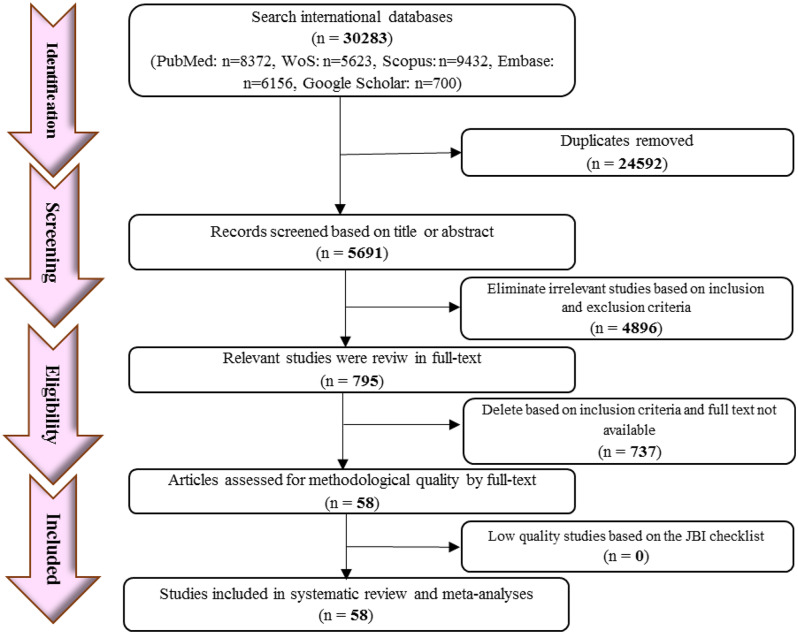
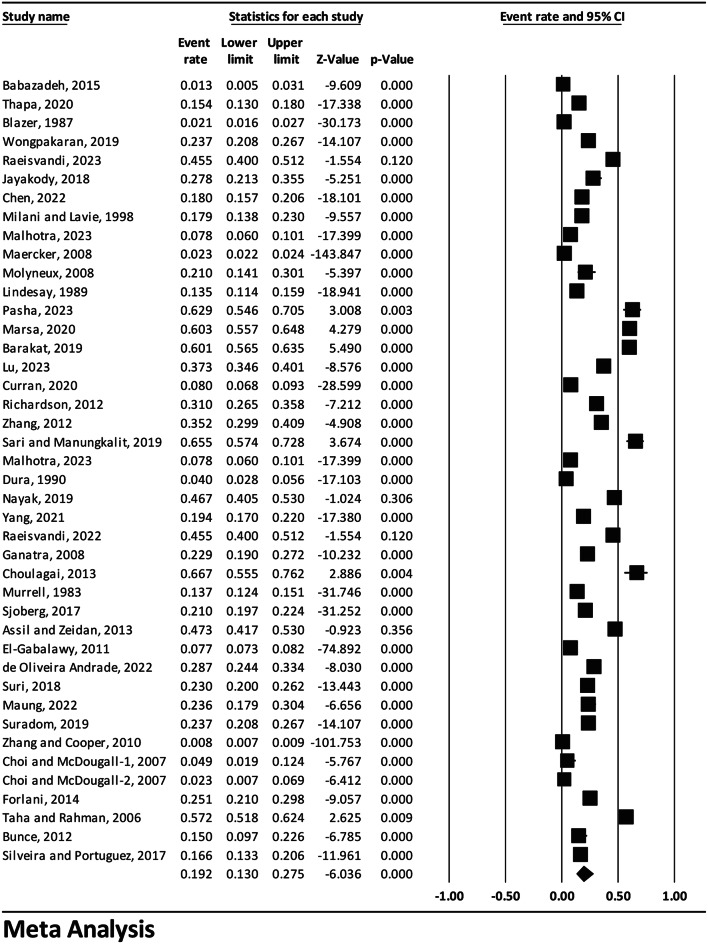
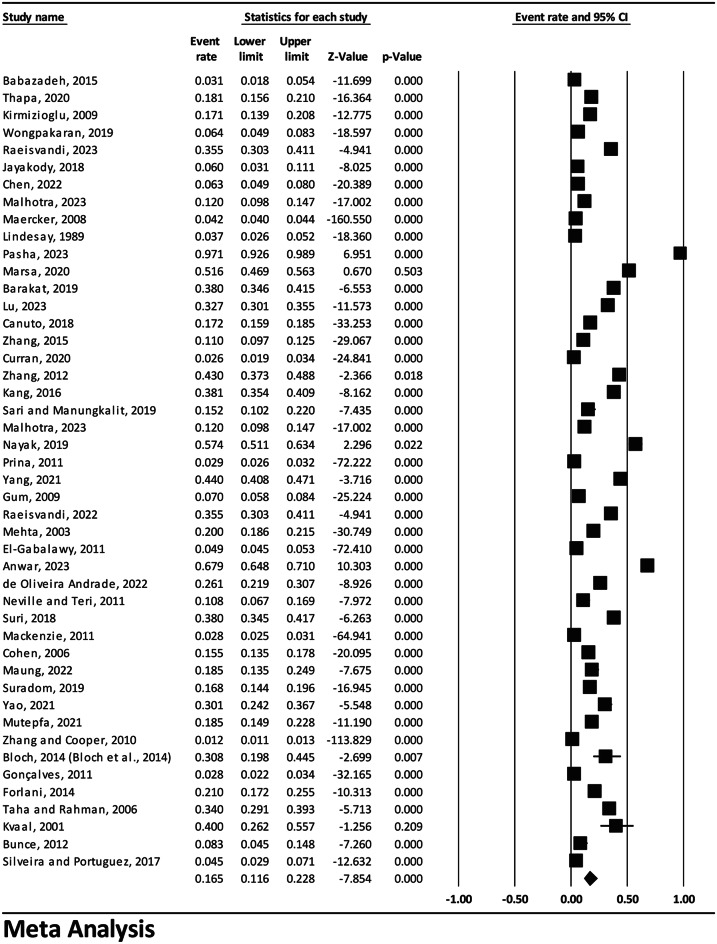
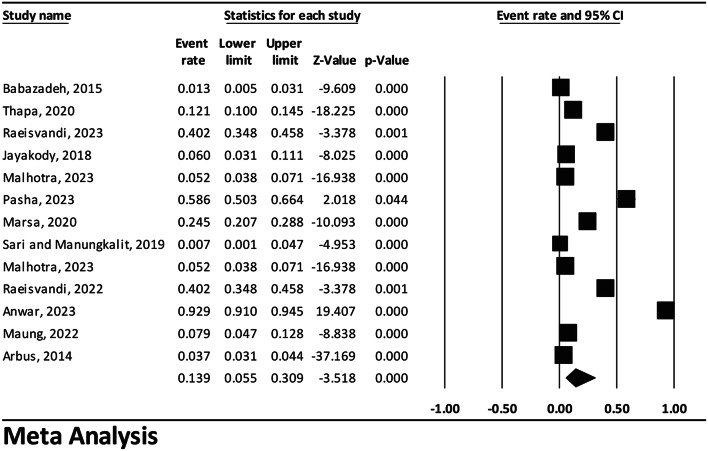
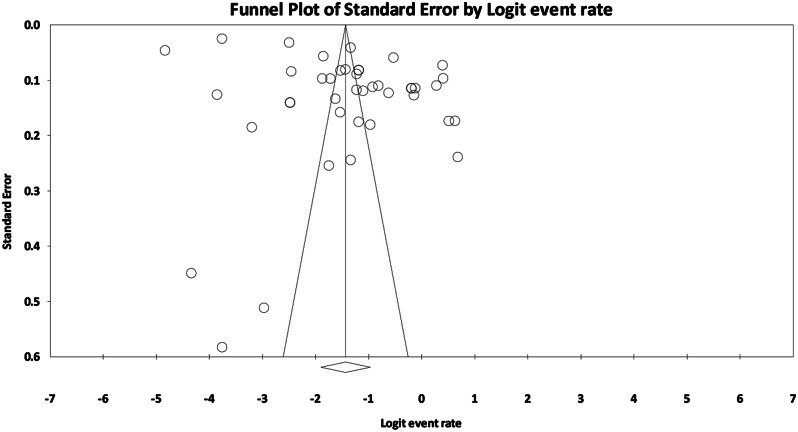
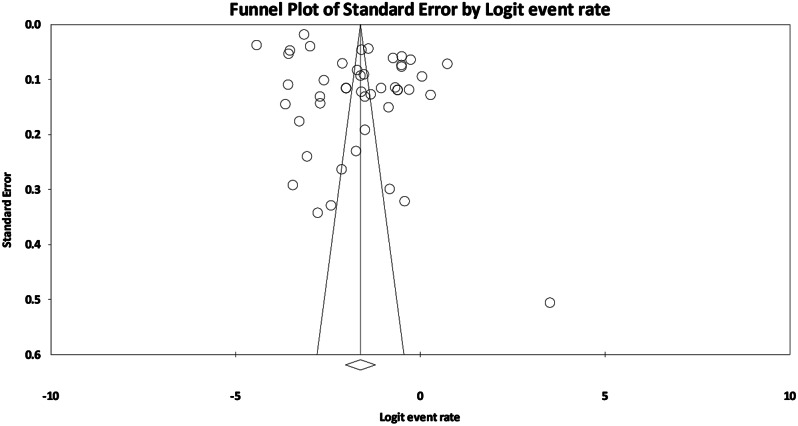
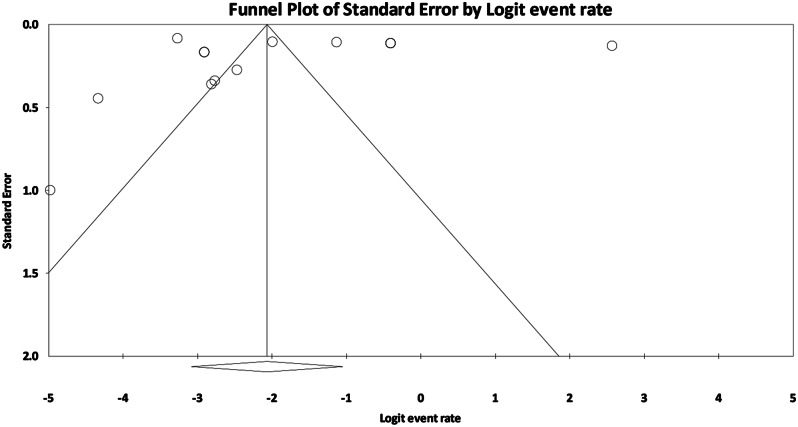
BACKGROUND: Several preliminary studies have been conducted in the field of the prevalence of depression, anxiety, and stress in the elderly population. These studies have examined the prevalence in limited geographic areas with small sample sizes. Also, there are many limitations in the meta-analysis studies. The objective of the present study was to synthesize the global prevalence statistics of depression, anxiety, and stress in the elderly population through a systematic review and meta-analysis. METHODS: The present systematic review included retrieval of primary studies from the oldest relevant study up to 2023. To find the relevant studies, international databases such as Scopus, Embase, PubMed, and Web of Science (WoS) were systematically searched. Also, a manual search was performed through the Google Scholar search engine and a review of the sources of related articles. The qualitative assessment of the studies was conducted using the Joanna Briggs Institute (JBI) checklist. Due to a high heterogeneity among the study results, a Random Effects model was chosen. RESULTS: A total of 42 articles on depression, 47 articles on anxiety and 13 articles on stress were included in the meta-analysis. The overall estimates for prevalence based on a random-effects model were as follows: depression, 19.2% (95% CI: 13.0 - 27.5%); anxiety, 16.5% (95% CI: 11.1 - 22.8%); and stress, 13.9% (95% CI: 5.5 - 30.9%). The highest prevalence of depression and anxiety was recorded in Africa. The prevalence of depression was higher in nursing homes, and stress was more prevalent in individuals with COVID-19 compared to other populations. CONCLUSION: The findings revealed a high prevalence of depression, anxiety, and stress in the elderly population. Therefore, it is recommended that healthcare professionals and policymakers pay more attention to the prevention and management of these disorders in the elderly population.
Overview
The claims and statistics of this paper haven’t been checked yet.
Free: it reads the open-access text and checks the first 5 claims that cite a source we can check. Create a free account to check every claim.
Integrity signals
Registry
Cites
Statistics
Figures
Verification
Claims the paper makes
The claims and statistics of this paper haven’t been checked yet.
Free: it reads the open-access text and checks the first 5 claims that cite a source we can check. Create a free account to check every claim.
Claims other papers make about this one
Each is checked against this paper’s own text: does it say what the citing paper says it does?
The source backs part of the claim, not all of it — or backs it for a different population, condition or comparison.
In the citing paper
“older adults are particularly susceptible to the underdiagnosis and undertreatment of mental health conditions, with depression, anxiety, and stress among the most prevalent challenges in later life [17].”
From Toward Holistic Aging in Lebanon: A Mapping of Gerontology and Geriatrics Research Trends, Gaps, and Future Directions (2026) · cites this paper as [17]
Experimental — accuracy not yet measured
Self-check
Percentages, sums and reported differences re-computed from the paper’s own numbers.
The self-check needs the paper’s full text.
Citations
Cites
The PRISMA 2020 statement: An updated guideline for reporting systematic reviews
Page, M. J., McKenzie, J. E., Bossuyt, P. M., Boutron, I., Hoffmann, T. C., Mulrow, C. D., Shamseer, L., Tetzlaff, J. M., Akl, E. A., Brennan, S. E., et al. (2021) · BMJ · doi:10.1136/bmj.n71 · Cited by 108,283
The PRISMA 2020 statement: an updated guideline for reporting systematic reviews
Page, M. J., McKenzie, J., Bossuyt, P., Boutron, I., Hoffmann, T., mulrow, C., Shamseer, L., Tetzlaff, J., Akl, E., Brennan, S. E., et al. (2020) · doi:10.31222/osf.io/v7gm2_v1 · Cited by 8,090
The PRISMA 2020 statement: an updated guideline for reporting systematic reviews
Page, M. J., McKenzie, J., Bossuyt, P., Boutron, I., Hoffmann, T., mulrow, C., Shamseer, L., Tetzlaff, J., Akl, E., Brennan, S. E., et al. (2020) · doi:10.31222/osf.io/v7gm2 · Cited by 5,177
Salari, N., Hosseinian-Far, A., Jalali, R., Vaisi-Raygani, A., Rasoulpoor, S., Mohammadi, M., Rasoulpoor, S., & Khaledi-Paveh, B. (2020) · Globalization and Health · doi:10.1186/s12992-020-00589-w · Cited by 3,560
Munn, Z., Moola, S., Lisy, K., Riitano, D., & Tufanaru, C. (2015) · International Journal of Evidence-Based Healthcare · doi:10.1097/xeb.0000000000000054 · Cited by 3,131 · cited 1×
“The qualitative assessment of the studies was conducted using the Joanna Briggs Institute (JBI) checklist, a standard and widely recognized tool for evaluating the quality of prevalence studies [31].”
MethodSocioeconomic Status and Access to Healthcare: Interrelated Drivers for Healthy Aging
McMaughan, D. J., Oloruntoba, O., & Smith, M. L. (2020) · Frontiers in Public Health · doi:10.3389/fpubh.2020.00231 · Cited by 895 · cited 1×
“Today, advancements in technology, increased life expectancy, and declining fertility rates have led to a global rise in the elderly population, making aging a paramount public health challenge [3, 4].”
BackgroundThe Epidemiology of Depression in an Elderly Community Population
Blazer, D., Hughes, D. C., & George, L. K. (1987) · The Gerontologist · doi:10.1093/geront/27.3.281 · Cited by 684 · cited 1×
“Several preliminary studies have been conducted in recent years in the field of the prevalence of depression, anxiety, and stress in the elderly population in different regions of the world [26–29].”
BackgroundPrevalence and determinants of depression among old age: a systematic review and meta-analysis
Zenebe, Y., Akele, B., W/Selassie, M., & Necho, M. (2021) · Annals of General Psychiatry · doi:10.1186/s12991-021-00375-x · Cited by 607 · cited 1×
“The meta-analysis study by Zenebe et al. found the prevalence of depression in the elderly to be 31.74% [22], Sarokhani et al. prevalence of depression and meta-analysis in Iranian elderly is 43% [23], Abdoli et al. prevalence of major depression (MDD) among the elderly was 13.3% [24], and Yan et…”
InfluentialAl Maqbali, M., Al Sinani, M., & Al-Lenjawi, B. (2021) · Journal of Psychosomatic Research · doi:10.1016/j.jpsychores.2020.110343 · Cited by 501
The influence of age, gender, and race on the prevalence of depression in heart failure patients
Gottlieb, S. S., Khatta, M., Friedmann, E., Einbinder, L., Katzen, S., Baker, B., Marshall, J., Minshall, S., Robinson, S., Fisher, M. L., et al. (2004) · Journal of the American College of Cardiology · doi:10.1016/j.jacc.2003.10.064 · Cited by 467 · cited 1×
“Limited access to mental health outgoing services, lack of trust in medical services, stigma, and social barriers, along with concerns about antidepressant and anti-anxiety medications, may contribute to the increased risk of depression and anxiety in the African population [94, 95].”
Background
Research works printed but not linked: 9
- Whittington FJ, Kunkel SR, de Medeiros K. Global aging–comparative perspectives on aging and the life course. Culture. 2019;3:4.
- Hurjui I, Hurjui CM. Population aging and the influence on healthcare spending. ROMANIAN J Legal Med. 2018;26(4):453–6.
- Mar L. Population Aging in Canada: examining the caregiving needs of the elderly. Sociol Imagination: Undergrad J. 2020;6(1):67–78.
- Valieiny N, Poorcheraghi H, Pashaeypoor S. Nursing interventions in prevention of fall in older adults; an Integrated review study. J Gerontol. 2022;6(4):14–27.
- Nazari B, Bakhshi S, Kaboudi M, Dehghan F, Ziapour A, Montazeri N. A comparison of quality of life, anxiety and depression in children with cancer and healthy children, Kermanshah-Iran. Int J Pediatr. 2017;5(7):5305–14.
- Issalillah F, Aisyah N. The Elderly and the determinants of stress. J Soc Sci Stud. 2022;2(1):9–12.
- Marsa R, Younesi SJ, Barekati S, Ramshini M, Ghyasi H. A comparative study on stress, anxiety and depression between nursing-home elderly residents and home-dwelling elderly people. Iran J Agein. 2020;15(2):176–87.
- Sari N, Manungkalit M. The best predictor of anxiety, stress, and depression among institutionalized elderly. Int J Public Health Sci. 2019;8(4):419–26.
- Suri M. A pilot study on prevalence of malnutrition, pain, depression and anxiety in elderly population in Delhi. J Clin Gerontol Geriatr. 2018;9(3):91–8.
Cited by
Bueno, H., Deaton, C., Farrero, M., Forsyth, F., Braunschweig, F., Buccheri, S., Dragan, S., Gevaert, S., Held, C., Kurpas, D., et al. (2025) · European Heart Journal · doi:10.1093/eurheartj/ehaf191 · Cited by 178
Wang, S., Chong, Z. Y., Zhang, C., & Xu, W. (2024) · Depression and Anxiety · doi:10.1155/da/6205475 · Cited by 27
Associations between light at night and mental health: A systematic review and meta-analysis
Deprato, A., Haldar, P., Navarro, J. F., Harding, B. N., Lacy, P., Maidstone, R. J., Moitra, S., Cros, A. P., Durrington, H. J., Kogevinas, M., et al. (2025) · The Science of The Total Environment · doi:10.1016/j.scitotenv.2025.179188 · Cited by 29
Qiu, Y., Wu, M., Liu, J., Li, C., Yu, Y., Zeng, L., Yang, F., Zhang, X., & Chen, G. (2024) · General Hospital Psychiatry · doi:10.1016/j.genhosppsych.2024.12.022 · Cited by 18
Li, Z., Qin, S., Zhu, Y., Zhou, Q., Yi, A., Mo, C., Gao, J., Chen, J., Wang, T., Feng, Z., et al. (2025) · PLoS ONE · doi:10.1371/journal.pone.0325029 · Cited by 27
“Multiple meta-analyses have demonstrated that the prevalence of depressive symptoms among the global elderly population ranges from 19.2% to 31.74%[33–35].”
InfluentialDas, D., Khasnobis, M., Dutta, S., Hoda, S., Pal, A., Dahiya, N., Saha, A., Kandasamy, A., Bagepally, B. S., Kraepelien, M., et al. (2025) · The Indian Journal of Medical Research · doi:10.25259/ijmr_153_2025 · Cited by 17
Rethinking Work in Industry 5.0: Leveraging Technology for an Ageing Workforce
Vitrano, G., & Micheli, G. J. L. (2025) · Public Health Challenges · doi:10.1002/puh2.70130 · Cited by 19
“Additionally, stress, depression, anxiety, headaches, and MSDs are more commonly reported among older workers [11].”
Beniušienė, A., Kontautienė, V., Strukčinskienė, B., Grigolienė, R., Martišauskienė, D., & Jurgaitis, J. (2024) · Healthcare · doi:10.3390/healthcare13010007 · Cited by 19
“Depression, anxiety, and stress symptoms are the most common mental health problems in older age [7].”
InfluentialZhao, X., Yuan, X., Meng, D., Liang, H., Xiong, Y., Li, Y., Li, S., He, M., & Cai, P. (2025) · Frontiers in Psychology · doi:10.3389/fpsyg.2025.1560650 · Cited by 11
CT of acute abdomen in the elderly
Coutureau, J., Millet, I., & Taourel, P. (2025) · Insights into Imaging · doi:10.1186/s13244-025-01955-1 · Cited by 17
Mechanisms of Virtual Reality-Based Relaxation in Older Adults: A Scoping Review
Cieślik, B. (2025) · Journal of Clinical Medicine · doi:10.3390/jcm14176126 · Cited by 15
“Recent epidemiological data indicate that depression, anxiety, and stress affect 19.2%, 16.5%, and 13.9% of older adults, respectively [1].”
InfluentialWen, H., Mao, Q., Jiang, Z., Liang, H., Zhang, Y., Yang, S., Li, Y., Xiong, Y., & Yuan, X. (2025) · BMC Geriatrics · doi:10.1186/s12877-025-06610-4 · Cited by 9
“Anxiety and depression are common among them [7, 8], and can severely affect their quality of life, even leading to suicide [9].”
Zeng, H., Zhao, W., Wang, R., Li, H., Wang, L., & Zeng, X. (2025) · Journal of Affective Disorders · doi:10.1016/j.jad.2025.03.113 · Cited by 9
Ike, O. O., Kwarteng, M. A., Ogbonna, G. O., dos Santos, I. I. D. B., Ogiemudia, O. M., Anyasodor, A. E., Antwi-Adjei, E. K., Amaechi, O. U., Ebele, E., Ezinne, N. E., et al. (2025) · PLoS ONE · doi:10.1371/journal.pone.0322163 · Cited by 15
Wang, X., Wang, Z., Wu, Z., Li, B., & Yao, L. (2025) · Urban forestry & urban greening · doi:10.1016/j.ufug.2025.129009 · Cited by 10
Chen, Y., Dong, X., Xu, W., Long, Y., & Liu, K. (2025) · Frontiers in Public Health · doi:10.3389/fpubh.2025.1644610 · Cited by 10
The prevalence of stress during the COVID-19 pandemic: an umbrella review
Rarani, M. A., Rezaei, S., Aghdash, S. A., Bashzar, S., Allahverdi, S., & Mohseni, M. (2025) · BMC Public Health · doi:10.1186/s12889-025-24922-3 · Cited by 10
Yao, Y., Xiao, Y., Li, Y., Hou, W., Peng, R., Li, L., Zhou, Q., Wang, Y., Liao, K., Zhang, N., et al. (2025) · BMC Public Health · doi:10.1186/s12889-025-25661-1 · Cited by 6
“Previous studies have revealed that loneliness may serve as a mediator in the relationship between elderly abuse and depressive symptoms among older adults [14].”
Worldwide prevalence of anxiety in transgender persons: Systematic review with meta-analysis
Teles, D. O., de Oliveira, R. A., Filho, M. D. M. F., Pinheiro, A. K. B., & Fernandes, F. L. (2025) · International Journal of Transgender Health · doi:10.1080/26895269.2025.2498753 · Cited by 9
Sotelo-Ojeda, J. E., Quiroz, C. O. A., Flores, R. G., Rangel, A. L. G.-C., & Medina-Jiménez, E. A. (2025) · Geriatrics · doi:10.3390/geriatrics10040083 · Cited by 7
“A meta-analysis of 35 studies conducted in Europe, America, Asia, Africa, and Australia found an anxiety symptom prevalence of 44.6% [7].”
InfluentialAdipoRon as a Novel Therapeutic Agent for Depression: A Comprehensive Review of Preclinical Evidence
Laurindo, L. F., Rodrigues, V. D., Mellem, R. H., Haber, R. S. D. A., Valenti, V. E., Laurindo, L. F., Chagas, E. F. B., de Oliveira, C. M., Direito, R., Miglino, M. A., et al. (2025) · Biomedicines · doi:10.3390/biomedicines13081867 · Cited by 6
“Its overall estimates for prevalence were 19.2% for depression, 16.5% for anxiety, and 13.9% for stress, and this is because depression, anxiety, and stress are often indissociable [8].”
InfluentialJanjani, P., Nosrati, P., Ziapour, A., Khezeli, M., Geravand, S., Moghadam, R. H., & Yıldırım, M. (2025) · Discover Mental Health · doi:10.1007/s44192-025-00133-5 · Cited by 5
“…industrialization and urbanization, the pattern of diseases has changed and as a result, chronic diseases are considered to be the most important health and psychological problems of societies, which are considered the main source of stress and impose a lot of economic costs on the society [1, 2].”
Self-citationAhuja, A. K., Mishra, B. P., Shankar, C., & Dubey, T. P. (2025) · doi:10.3390/engproc2024081012 · Cited by 6
“For example, the work carried out in [22] shows the vulnerability of this population to being stressed and also discusses its impact along with relevant discussions for tackling this issue [22].”
Tudorancea, I.-M., Stanciu, G. D., Torrent, C., Madero, S., Hriţcu, L., & Tamba, B.-I. (2025) · Dialogues in Clinical Neuroscience · doi:10.1080/19585969.2025.2499458 · Cited by 4
“…pressures related to basic survival— such as safety and access to food—often exacerbate the risk of depression among older adults (cai et al. 2023; Jalali et al. 2024). cultural factors and attitudes towards mental health, including the stigma associated with mental illnesses, also play a key…”
Supervisors as the beacons of hope in the “new normal”: the opportunities and lessons learned
Rankine, M., Beddoe, L., Weld, N., & Davys, A. M. (2025) · The Clinical Supervisor · doi:10.1080/07325223.2025.2531101 · Cited by 3
“…increased anxiety across every sector in society, particularly those with serious mental illness (Druss, 2020), children and adolescents (Madigan et al., 2023), elderly populations (Jalali et al., 2024), and people experiencing residential instability or homelessness (Tsai & Wilson, 2020).”
Alexatou, O., Voulgaridou, G., Papadopoulou, S. K., Jacovides, C., Serdari, A., Deligiannidou, G.-E., Tsourouflis, G. S., Pappa, M. H., Vorvolakos, T., & Giaginis, C. (2026) · Diseases · doi:10.3390/diseases14010019 · Cited by 5
“The Global Burden of Diseases, Injuries, and Risk Factors (GBD) study showed that anxiety and depression constitute the two most disabling disorders, with a global prevalence rate of 19.2% for depression and 16.5% for anxiety [1].”
InfluentialGeriatric Psychodermatology: Current Concepts and Therapeutic Strategies
Kiser, A., Korkomaz, T., Ong, B., Kumar, A. B., & França, K. (2026) · Dermatology and Therapy · doi:10.1007/s13555-025-01638-1 · Cited by 7
“Prevalence of depression and anxiety in the geriatric population has been reported as 10–20% and 15–20%, respectively [67].”
Jastrząb, R., Małecki, A., Kmiecik-Małecka, E., Gorzkowska, A., Krzystyniak, B., Kubas, K., Widłak-Kargul, J., Wolman, D., Matkiewicz, K., Nowacka-Chmielewska, M. M., et al. (2026) · npj Aging · doi:10.1038/s41514-026-00338-0 · Cited by 3
de Albuquerque, N. S., Klain, I. S., Machado, L. S., Machado, W. D. L., Moret‐Tatay, C., & Irigaray, T. Q. (2026) · JMIR Formative Research · doi:10.2196/76289 · Cited by 5
“Considering that symptoms of anxiety and depression are common among older adults [5] and that preventing cognitive decline is essential for healthy aging [27], it is plausible that pet ownership during this stage of life may contribute to successful aging.”
Advancing clinical trials for anxiety disorders in older adults
Johnco, C. J. (2025) · The Lancet Psychiatry · doi:10.1016/s2215-0366(25)00128-2 · Cited by 3
Hösl, B., Niedermeier, M., Burtscher, J., & Kopp, M. (2025) · Gerontology · doi:10.1159/000546367 · Cited by 8
Geriatric Psychiatry in Pakistan
Khan, O., Sheikh, S., & Farooq, S. (2025) · Springer eBooks · doi:10.1007/978-981-96-7469-5_5 · Cited by 4
Ruiz-Sancho, E. M., Román, F. J., Callejo, L. T., Escamilla, F. S., Aguirre, A., Rubio, E., Cañada, P., Rodríguez, N., León, L., Nieto, M. Á. P., et al. (2025) · Frontiers in Psychiatry · doi:10.3389/fpsyt.2025.1591296 · Cited by 2
Qiu, Y., Liu, J., Yu, Y., Zeng, L., Yue, Y., Gu, J., Tong, M., & Yang, F. (2025) · Psychiatry Research · doi:10.1016/j.psychres.2025.116589 · Cited by 2
Haverkamp, E., Olsman, E., Ćurĉić‐Blake, B., Ramírez, V. V., Aleman, A., Ket, J. C. F., & Schaap‐Jonker, H. (2025) · Frontiers in Psychology · doi:10.3389/fpsyg.2025.1569514 · Cited by 7
Jia, M., Liu, X., & Da, X. (2025) · Frontiers in Public Health · doi:10.3389/fpubh.2025.1576629 · Cited by 2
Food Insecurity and Anxiety Symptoms Among Older Adults in Low- and Middle-Income Countries
Selvamani, Y., Fong, J. H. Y., & Khanal, G. (2025) · Clinical Gerontologist · doi:10.1080/07317115.2025.2552739 · Cited by 2
“…in low-, middle-and high-income countries face a greater risk of depression and anxiety, and this is largely driven by age-related challenges such as deteriorating health, social isolation, inadequate living arrangements, and economic insecurity (Arokiasamy et al., 2015; Jalali et al., 2024).”
Sun, H. F., Chai, R., Huang, S., Xue, W., Wang, Z., Yu, X., & Zhu, Z. (2025) · Frontiers in Public Health · doi:10.3389/fpubh.2025.1633806 · Cited by 2
Kudar, K., Gopinath, G., Ross, A., Balshaw, R. F., Chau, E., Christianson, I., Koven, L., Mackenzie, C. S., Miller, S. A., Newall, N. E. G., et al. (2025) · PLoS ONE · doi:10.1371/journal.pone.0336031 · Cited by 2
“A recent meta-analysis [16] estimated that 16.5% of older adults globally experience anxiety.”
InfluentialZhang, X., Li, Z., Yu, Q., Shi, Y. T., Dong, P., Li, H., Xu, M., Zhuge, X., Lou, P., Yin, W., et al. (2025) · BMC Geriatrics · doi:10.1186/s12877-025-06860-2 · Cited by 3
“Approximately 19.2% of older adults experience depressive symptoms [17], which significantly reduce quality of life and heighten health risks [18].”
InfluentialLiu, X., Song, Y., Li, C., Liu, X., Han, M., Wang, G., Wu, Y., & Miao, F. (2025) · Journal of Affective Disorders · doi:10.1016/j.jad.2025.120935 · Cited by 2
Wu, Z., Moor, K., Wijsenbeek, M. S., Schlecker, C., Weimann, G., Maher, T. M., & Molyneaux, P. L. (2026) · CHEST Journal · doi:10.1016/j.chest.2026.03.016 · Cited by 2
Wong, G. W. W., Hock, M., Tan, Y. Y., Ho, A. F. W., & Chan, J. S.-E. (2026) · Singapore Medical Journal · doi:10.4103/singaporemedj.smj-2025-232 · Cited by 2
“[49,50] Depression is linked to increased healthcare utilisation; [51‑53] thus, opportunistic detection as part of CGA may help to reduce ED reattendances.”
Ponzel, N., Larrondo, I. G., Ilkov, O., Blumfelds, J., Adler, L., Latorre, A. A., Cohen, A. G., Bensemmane, S., Chacón-Docampo, M., Domeyer, P., et al. (2026) · BMC Public Health · doi:10.1186/s12889-026-27853-9 · Cited by 2
“In our study, the odds for both anxiety and depressive symptoms were higher in those aged ≤ 60, a finding echoed by previous work [44].”
Younes, R. S., Ziade, C., Rajha, F., & Abboud Mzawak, M. (2026) · Healthcare · doi:10.3390/healthcare14172857 · Cited by 1
“Finally, mental health problems constitute another important concern, as older adults are particularly susceptible to the underdiagnosis and undertreatment of mental health conditions, with depression, anxiety, and stress among the most prevalent challenges in later life [17].”
Tripathi, R., Sengupta, P., Karishiddimath, A., Khatri, K., Sharma, P., Sriram, H., Srikanth, T. K., & Mehrotra, S. (2025) · Discover Mental Health · doi:10.1007/s44192-025-00277-4 · Cited by 5
“Global literature highlights a high prevalence of depression, anxiety, and stress among older adults [4].”
Chen, Y., Lin, X. J., & Ye, X. (2025) · Frontiers in Psychology · doi:10.3389/fpsyg.2025.1696674 · Cited by 1
“…of integrative interventions, including multidisciplinary collaboration, cognitive behavioral therapy (CBT) combined with social support, though systematic empirical research specifically evaluating biopsychosocial trinity interventions for elderly populations remains scarce (Jalali et al., 2024).”
Manju, L., Sasidharan, N., Olickal, J. J., Ravi, R., Sarma, P. S., & Thankappan, K. R. (2025) · Cureus · doi:10.7759/cureus.95472 · Cited by 1
“In Thiruvananthapuram district, urban environments may contribute additional psychosocial stress and caregiving burdens that intensify depression, without contradicting the evidence of substantial rural burden elsewhere in Kerala [18,22].”
Alobaid, A. M., Alqahtani, N., Bashatah, A., Alharbi, K. N., & Syed, W. (2025) · Medicine · doi:10.1097/md.0000000000045268 · Cited by 1
“[8] [9–11] Furthermore, most employment involves constant sitting, either in front of the computer or engaging in physically demanding work.”
Islam, M. S., Patel, J. V., Ahmed, H. U., Naheed, A., & Gill, P. S. (2025) · BMJ Open · doi:10.1136/bmjopen-2025-106812 · Cited by 2
Darlami, L., Poudel, S., Khatri, D., Paudel, S., Marasine, N. R., & Paudel, S. (2025) · BMC Geriatrics · doi:10.1186/s12877-025-06775-y · Cited by 1
“[8].”
Enhanced CYP2C19-mediated drug-drug interaction risk with escitalopram in geriatric populations
Byoun, S., Heo, D.-G., Lee, M., Lee, R., Li, Y. J., Lee, J.-Y., Hong, E., & Lee, W. (2026) · Frontiers in Pharmacology · doi:10.3389/fphar.2025.1711196 · Cited by 2
Yuan, X., He, Y., Cao, Q. J., Hu, Y., Li, X., Ran, Z., Li, Y., He, J., Yan, C., & Xiong, J. (2026) · European Archives of Psychiatry and Clinical Neuroscience · doi:10.1007/s00406-025-02182-x · Cited by 2
Mohammed, I. N., Sharif, H. A., Hasin, B., Kizilhan, J. I., Nariman, H., Ahmed, S., Qader, A. A., Papiol, S., Ruebekeil, M., Schulze, T. G., et al. (2026) · Frontiers in Psychiatry · doi:10.3389/fpsyt.2025.1693072 · Cited by 2
Peng, Y., & Liu, Z. (2026) · BMC Public Health · doi:10.1186/s12889-026-26580-5 · Cited by 2
“For the dimension of mental health, we measured the levels of depression, anxiety, and stress among older adults, as these factors directly reflect an individual’s emotional and psychological states [54, 55].”
Cao, L., Dong, X., Qi, K., Zhou, C., & Chen, A. (2026) · Frontiers in Psychology · doi:10.3389/fpsyg.2026.1760046 · Cited by 1
Working Beyond 65: Factors Associated with Mental Health Among Older Canadians
Chireh, B., Essien, S. K., Afful, A. A., & D'Arcy, C. (2026) · Clinical Gerontologist · doi:10.1080/07317115.2026.2629563 · Cited by 1
“%) among older adults, as reported in a recent systematic review (Jalali et al., 2024).”
InfluentialXian, X., Shen, K., Pan, Z., Chen, Z., Fan, H., Tang, W., Wu, O., & Yuan, M. (2026) · Journal of Affective Disorders · doi:10.1016/j.jad.2026.121551 · Cited by 1
Judith, I. I., David, E., Osiri, E. J., & Ikenna, U. C. (2026) · BMC Public Health · doi:10.1186/s12889-026-26779-6 · Cited by 1
Chen, S., Kuang, X., Tian, L., Ding, P., Fang, J., Li, J., Wang, L., & Shi, H. (2026) · BMC Psychology · doi:10.1186/s40359-026-04480-y · Cited by 1
“[4], with considerable regional variation—lower in the Americas and Europe but higher in Asia and Africa [4, 5].”
EFFECTIVENESS OF THRESHOLD-LEVEL VAGUS NERVE STIMULATION IN MODULATING PSYCHOEMOTIONAL STATES
Gachshenko, Y., Zhadigerova, A., Vysokov, N. V., Kuzembayeva, Y., Ferreira, J. M. A., Palamar, B. I., & Тукаєв, С. (2026) · Clinical and Preventive Medicine · doi:10.31612/2616-4868.2.2026.04 · Cited by 1
The Emerging Roles of AI in Self-Directed Stress Management: Systematic Review
Reyes, M. K. G., Min, S. T. S., & Hartanto, A. (2026) · Journal of Medical Internet Research · doi:10.2196/90709 · Cited by 4
Gou, W., Lefebvre, F., Yang, T., Recours, R., & Yang, J. (2026) · BMC Geriatrics · doi:10.1186/s12877-026-07418-6 · Cited by 4
“With the rapid aging of the global population, however, older adults are facing increasingly pronounced mental health challenges [1].”
Saldivia, S., Aslan, J., Castillo-Carreño, A., Petkari, E., & Pietschnig, J. (2026) · Psychological Medicine · doi:10.1017/s0033291726104607 · Cited by 1
“Depression and anxiety – referred to as common mental disorders (CMDs) – are the most prevalent mental health conditions among older adults (Curran, Rosato, Ferry, & Leavey, 2020; Jalali et al., 2024), with a significant impact on health (Chen, Lee, Su, Mullan, & Chiu, 2017).”
Pilatti, F., Philippsen, M., Bertollo, A. G., WEBLER, C. P., Bordignon, A. K., & Ignácio, Z. M. (2026) · Frontiers in Pharmacology · doi:10.3389/fphar.2026.1801474 · Cited by 1
Current Clinical Trials to Treat Anxiety Disorders in the Elderly: A Registry-Based Review
Dietz, G. P. H., & Riepe, M. W. (2026) · Pharmaceuticals · doi:10.3390/ph19060891 · Cited by 1
Jorgensen, E. J., Werner, M., Modahl, L., & Misurelli, S. M. (2026) · Journal of Speech Language and Hearing Research · doi:10.1044/2026_jslhr-25-00615 · Cited by 1
“Hearing loss, loneliness, and depression are major health epidemics among older adults (Haile et al., 2024; Jalali et al., 2024).”
Xie, C., Zhang, X., Xu, Y., Yu, T., He, J., Huang, J., & Qiu, B. (2026) · Psychiatry Research · doi:10.1016/j.psychres.2026.117323 · Cited by 2
Liu, W., Wang, B., Cosco, T. D., Cai, Z., Tang, X., Zhou, Z., & Ren, Z. (2026) · Aging & Mental Health · doi:10.1080/13607863.2026.2690401 · Cited by 2
Pérez-Rojo, G., López-Frutos, P., Noriega, C., & López, J. (2026) · International Psychogeriatrics · doi:10.1016/j.inpsyc.2026.100236 · Cited by 1
Ortiz, H. A. D. L. B., Chamorro-Lange, C., Parizotto, N. A., & Liebano, R. E. (2026) · International Journal of Environmental Research and Public Health · doi:10.3390/ijerph23070919 · Cited by 1
“Lifetime prevalence estimates may reach 33– 34% in the general population, while prevalence in older adults has been estimated at 16.5% [1–3].”
InfluentialJivraj, A. P., Heimer, K. A., Wukovits, C. J., Itteera, J. B., & Itteera, A. (2024) · Cureus · doi:10.7759/cureus.76090 · Cited by 1
Xu, Q., Yao, Z., Zhou, J., & Zou, W. (2025) · Medicine · doi:10.1097/md.0000000000042514 · Cited by 1
“[6] Elderly people commonly have illnesses including high blood pressure, diabetes, cardiovascular disease, etc, which may increase the accumulation of depression, so the elderly may suffer more from MDD. [7] Patients with depression need to be treated seriously.”
Predictors of mood disturbance in older adults: a longitudinal cohort study
Wang, F.-Y., Fan, L., Huo, L., Lin, Y., Zhang, R.-G., Yang, Y., & Wei, Q. (2025) · European Geriatric Medicine · doi:10.1007/s41999-025-01178-z
Llorens-Ortega, R. (2025) · Research Square · doi:10.21203/rs.3.rs-6252801/v1
Ageing and anxiety: Prevalence of anxiety in older adults with psychotic illnesses
Hagn, M., Bauer, A., & Byrne, G. J. (2025) · Australian & New Zealand Journal of Psychiatry · doi:10.1177/00048674251346680
Mack, M., Badache, A. C., Erden, A., Giannaki, C. D., Haider, S., Καλτσάτου, Α., Akik, B. K., Netz, Y., Павлова, Ю., Stavrinou, P. S., et al. (2025) · Research Square · doi:10.21203/rs.3.rs-6795147/v1
Paquet, J., Hibbard, K., & Brett-MacLean, P. (2025) · Social Psychiatry and Psychiatric Epidemiology · doi:10.1007/s00127-025-02969-2
Sinporn, N., Wongkongkam, K., Danaidutsadeekul, S., & Chinsakchai, K. (2025) · Journal of Vascular Nursing · doi:10.1016/j.jvn.2025.08.002
Cho, W.-J., & Lee, S. Y. (2025) · Korean Journal of Human Ecology · doi:10.5934/kjhe.2025.34.4.625
Khumkom, S., Phuengnam, K., Khaobunmasiri, S., Jai‐ai, R., & Leesri, T. (2025) · Jundishapur Journal of Chronic Disease Care · doi:10.5812/jjcdc-166056
FATORES DE RISCO PARA TRANSTORNOS MENTAIS EM PESSOAS IDOSAS: REVISÃO INTEGRATIVA
França, L. L., Viana, B. H. D. S., Carreira, L., & Inoue, L. H. (2025) · LUMEN ET VIRTUS · doi:10.56238/levv16n53-012
Phytochemicals in Neurological Disorders Management: A Comprehensive Review
Bandaru, N., Ekghara, S. D., Ashok, T. A., Khan, N. I., & Gambhire, M. S. (2025) · Journal of Natural Remedies · doi:10.18311/jnr/2025/50060
EFEITOS DO EXERCÍCIO FÍSICO SOBRE AS PRINCIPAIS PSICOPATOLOGIAS EM IDOSOS: Uma revisão integrativa
Souza, D. B., Regis, J. D. F., & Gil, A. W. D. O. (2025) · Psicologia e Saúde em Debate · doi:10.22289/2446-922x.v11a2a47
Aljaffer, M. A., Almadani, A. H., Alassiri, A. N., Almane, S. N., Basfar, A. A., Hakamei, Z. M., AlAhmari, Y. F., Alharbi, M. B., & Alghamdi, A. H. (2025) · Medicine · doi:10.1097/md.0000000000045607
“…evidence from Singapore primary care populations indicates that younger adults report higher levels of anxiety and depression, [34] whereas a global meta-analysis demonstrates a significant burden among elderly populations, [35] highlighting age as an important consideration for clinicians.”
Brito, H. D. J. P., Méndez, K. D. S. C., Quiroz-Gómez, S., & Hernández, J. A. C. (2025) · Sciencevolution · doi:10.61325/ser.v4i4.220
Machine Learning in Mental Health Promotion for Older Adult: A Scoping ReviewPreprint
Ruan, Y., & Liang, H. (2025) · SSRN Electronic Journal · doi:10.2139/ssrn.5822242
Frappa, N. M., Villa, M., Tamweber, Z., & Lutnick, E. (2025) · Journal of Orthopaedics · doi:10.1016/j.jor.2025.12.032
Tanuwijaya, G., Lukmannulhakim, B., & Farapti, F. (2025) · Mediterranean Journal of Nutrition and Metabolism · doi:10.1177/1973798x251397887
Galushin, A. N., Poskotinova, L. V., Кригер, Е. А., Kharkova, O. A., Вячеславовна, К. Е., Krivonogova, O., Николаевич, З. Р., Moiseeva, A. A., Novikova, I. A., & Kudryavtsev, A. V. (2025) · Успехи геронтологии · doi:10.34922/ae.2025.38.4.009
He, T., Huang, G.-M., Li, H.-L., Zhong, R., Liu, H.-M., Zhong, W.-B., & Liu, X.-C. (2025) · BMC Public Health · doi:10.1186/s12889-025-26038-0
“Systematic reviews report a wide prevalence range for cognitive impairment in older adults (5.1%–41%), with a median around 19% [2], and an overall incidence of late-life depression of 19.2% [3].”
InfluentialPoverty, Precarity, and the Fracturing of Care Toward a New Model of Healthcare Inequity
(2025) · Journal of Psychology and Neuroscience · doi:10.47485/2693-2490.1142
Paquet, J., Hibbard, K., & Brett-MacLean, P. (2025) · Journal of Geriatric Mental Health · doi:10.4103/jgmh.jgmh_15_25
The Emerging Roles of AI in Self-Directed Stress-Management: a Systematic Review (Preprint)Preprint
Reyes, M. K. G., Min, S. T. S., & Hartanto, A. (2026) · doi:10.2196/preprints.90709
Sakyi, A. K., Ofori, R., & Alhassan, J. (2026) · Discover Mental Health · doi:10.1007/s44192-025-00321-3
“Similar results were reported among school-going adolescents in Kolkata, India [54], but these results are lower than those reported in (57”
Samaniego, I. N. M., Merchán, E. J. R., Pallasco, T. M. A., Cevallos, M., & Naranjo, D. E. G. (2026) · Arandu-UTIC. · doi:10.69639/arandu.v12i4.1809
Turan, N., Aydaş, S. B., & Canbulat, Ş. (2026) · BMC Geriatrics · doi:10.1186/s12877-025-06909-2
“Systematic reviews and meta-analyses further confirm a high prevalence of depression, anxiety, and stress in this age group [5].”
Zhang, R. H., Liu, L., Tian, J., Huai, Q., Sun, H., Jiang, T., Yang, L., & Leng, M. (2026) · Frontiers in Public Health · doi:10.3389/fpubh.2025.1713474 · Cited by 1
Miranda‐Castillo, C., Paddick, S., León-Campos, M. O., Molleda, P., Rosell, J., & Valenzuela, M. (2026) · Healthcare · doi:10.3390/healthcare14020265 · Cited by 1
Anxiety and other affective disorders in the elderly
Vasenina, E. E. (2026) · Meditsinskiy sovet = Medical Council · doi:10.21518/ms2025-518
Metadata
- Authors
- Jalali, A., Ziapour, A., Karimi, Z., Rezaei, M., Emami, B., Kalhori, R. P., Khosravi, F., Sameni, J. S., & Kazeminia, M.
- Affiliations
- Kermanshah University of Medical Sciences (IR)
- Corresponding author
- Ziapour, Arash
- Venue
- BMC Geriatrics
- Published
- 2024-10-04
- Volume
- 24
- Issue
- 1
- Pages
- 809-809
- ISSN
- 1471-2318 (ISSN-L)
- PMC
- PMC11451041
- OpenAlex
- W4403136332
- Cited by
- 171
- References
- 89
- Citations by year
- 2026: 103 · 2025: 64 · 2024: 4
- FWCI
- 14.86
- Type
- journal article
- Language
- en
- Open access
- gold
- doi.org
- Licence
- cc-by-nc-nd
- creativecommons.org/licenses/by-nc-nd/4.0 (tdm)
- creativecommons.org/licenses/by-nc-nd/4.0 (vor)
- Locations
- BMC Geriatrics (publishedVersion, cc-by-nc-nd)
- PubMed Central (publishedVersion, cc-by-nc-nd)
- PubMed (publishedVersion)
- DOAJ (DOAJ: Directory of Open Access Journals) (submittedVersion, cc-by-sa)
- Funders
- Kermanshah University of Medical Sciences
- Student Research Committee, Tabriz University of Medical Sciences
- Topics
- Health Sciences › Medicine › Psychiatry and Mental health › Mental Health Treatment and Access
- Health Sciences › Medicine › Public Health, Environmental and Occupational Health › Aging, Health, and Disability
- Social Sciences › Psychology › Clinical Psychology › Health and Well-being Studies
- Keywords
- depression, anxiety, stress, older adults, prevalence, geriatric mental health, nursing homes, COVID-19 pandemic
- MeSH terms
- COVID-19, Aged, Aged, 80 and over, Anxiety, Depression, Humans, Stress, Psychological, Global Health, Prevalence
About these checks
Registry, retraction, Cites and statistics results are computed, not judged, with one exception: a printed reference that no index lists is read once by a model before it counts as a citation error. Claims are extracted by a model and kept only when their quote appears verbatim in the text; each cited source is then checked, with a model’s help, for whether it says what the claim relies on. Those verdicts can be wrong — read the claim’s quote and the cited source before relying on one.
Statistics and arithmetic are recomputed, not judged.
Confidence bands are shown only for fields calibrated on our annotated test set. None is calibrated yet, so no band is shown.
What counts as a claim ›How we measure confidence ›How we check this ›
Are you an author, or do you see a problem with this page? Request a review
Data sources
Bibliographic data: Semantic Scholar, OpenAlex, Crossref.
Contains information from the Semantic Scholar Academic Graph Datasets, made available under the ODC Attribution License (ODC-BY 1.0).
Semantic Scholar’s data is described in: Kinney, R., et al. (2023). The Semantic Scholar Open Data Platform. arXiv:2301.10140.
