

Highly selective SGLT2 inhibitor dapagliflozin reduces seizure activity in pentylenetetrazol-induced murine model of epilepsy
Open accessThe DOI matches its Crossref record; 31 of the 31 references it cites were found in a registry or an index.
Abstract
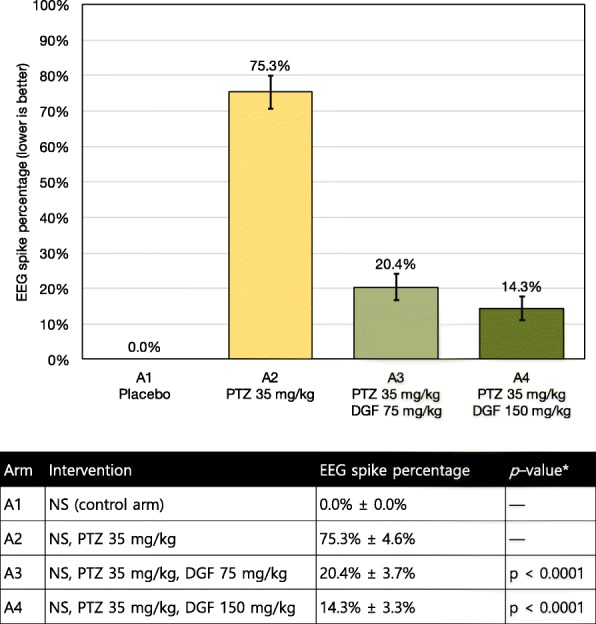
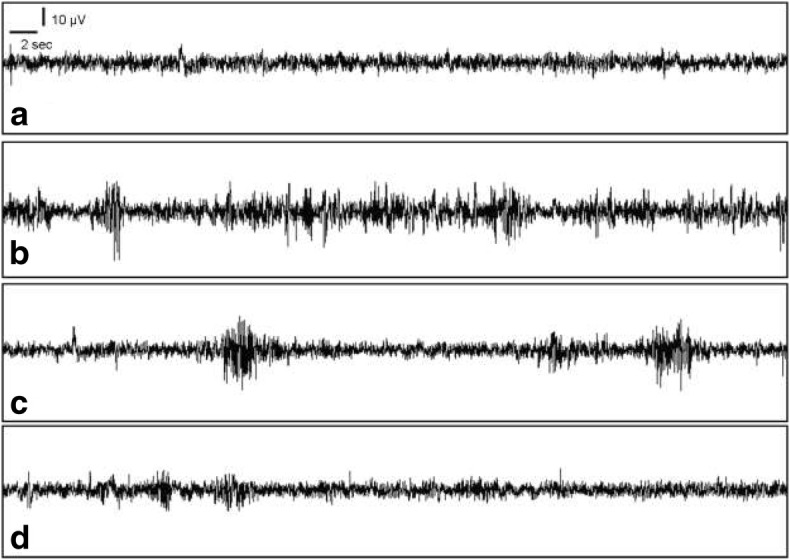
BACKGROUND: Worldwide, over 10 million individuals suffer from drug-resistant epilepsy. New therapeutic strategies are needed to address this debilitating disease. Inhibition of sodium-glucose linked transporters (SGLTs), which are variably expressed in the brain, has been demonstrated to reduce seizure activity in murine models of epilepsy. Here we investigated the effects of dapagliflozin, a highly competitive SGLT2 inhibitor currently used as a drug for diabetes mellitus, on seizure activity in rats with pentylenetetrazol (PTZ) induced seizures. METHODS: Laboratory rats (n = 48) were evenly randomized into two experiments, each with four study arms: (1) a vehicle-treated (placebo) arm infused with saline; (2) a control arm infused with PTZ; (3) a treatment arm with PTZ and dapagliflozin at 75 mg/kg, and (4) another treatment arm with PTZ and dapagliflozin at 150 mg/kg. Study subjects were assessed for seizures either via EEG as measured by spike wave percentage (SWP), or clinically via Racine's scales scores (RSS) and time to first myoclonic jerk (TFMJ). RESULTS: Rats treated with dapagliflozin had lower mean SWP on EEG (20.4% versus 75.3% for untreated rats). Behaviorally, treatment with dapagliflozin improved means RSS (2.33 versus 5.5) and mean TFMJ (68.3 versus 196.7 s). All of these findings were statistically significant with p-values of < 0.0001. There was a trend towards even better seizure control with the higher dose of dapagliflozin at 150 mg/kg, however this was not consistently statistically significant. CONCLUSIONS: Dapagliflozin decreased seizure activity in rats with PTZ-induced seizures. This may be explained by the anti-seizure effects of decreased glucose availability and a reduction in sodium transport across neuronal membranes which can confer a stabilizing effect against excitability and unwanted depolarization. The potential clinical role of dapagliflozin and other SGLT2 inhibitors as anti-seizure medications should be further explored.
Overview
The claims and statistics of this paper haven’t been checked yet.
Free: it reads the open-access text and checks the first 5 claims that cite a source we can check. Create a free account to check every claim.
Integrity signals
Registry
Cites
Statistics
Figures
Verification
Claims the paper makes
The claims and statistics of this paper haven’t been checked yet.
Free: it reads the open-access text and checks the first 5 claims that cite a source we can check. Create a free account to check every claim.
Claims other papers make about this one
Each is checked against this paper’s own text: does it say what the citing paper says it does?
In the citing paper
“based on the results obtained by Erdogan MA. et al., Dapagliflozin significantly reduces seizure activity, both at the electrophysiological and clinical level, in a rat model of epilepsy [32].”
From Neuroprotective effect of SGLT2 inhibitors. (2021) · cites this paper as [32]
In the citing paper
“However, SGLT-2 plays a role in other functions in CNS besides glucose transport.”
From Dapagliflozin Activates Neurons in the Central Nervous System and Regulates Cardiovascular Activity by Inhibiting SGLT-2 in Mice (2020) · cites this paper as [28]
Self-check
Percentages, sums and reported differences re-computed from the paper’s own numbers.
The self-check needs the paper’s full text.
Citations
Cites
AChE-stained horizontal sections of the rat brain in stereotaxic coordinates
Paxinos, G., Watson, C. R. R., & Emson, P. C. (1980) · Journal of Neuroscience Methods · doi:10.1016/0165-0270(80)90021-7 · Cited by 4,497 · cited 1×
“5 mm posterior to the lambda, along the midline [13, 14].”
BackgroundThe ketogenic diet for the treatment of childhood epilepsy: a randomised controlled trial
Neal, E. G., Chaffe, H., Schwartz, R. H., Lawson, M. S., Edwards, N., Fitzsimmons, G., Whitney, A., & Cross, J. H. (2008) · The Lancet Neurology · doi:10.1016/s1474-4422(08)70092-9 · Cited by 1,224 · cited 3×
“The augmentation of glucose transport and metabolism, typically by limiting its availability and encouraging the brain to rely on other substrates for energy such as ketones, is a strategy that has been proven to control certain seizure disorders, including treatment-intractable epilepsy in children [24].”
BackgroundMethodInfluentialMoshé, S. L., Perucca, E., Ryvlin, P., & Tomson, T. (2015) · The Lancet · doi:10.1016/s0140-6736(14)60456-6 · Cited by 905 · cited 2×
“It is estimated that approximately 2 million people in the United States have epilepsy [1].”
BackgroundRenal Na+-glucose cotransporters
Wright, E. M. (2001) · American Journal of Physiology-Renal Physiology · doi:10.1152/ajprenal.2001.280.1.f10 · Cited by 583 · cited 3×
“Sodium–glucose linked transporters (SGLTs) are transcribed from genes that belong to the solute carrier 5A (SLC5A) family of genes, which harness the gradient of sodium ions across the plasma membrane to drive glucose and galactose into cells [6, 20, 21].”
BackgroundThe sodium/glucose cotransport family SLC5
Wright, E. M., & Turk, E. (2004) · Pfl�gers Archiv European Journal of Physiology · doi:10.1007/s00424-003-1202-0 · Cited by 537 · cited 2×
“With regards to the SGLTs, these transporters were first identified in the intestine and kidney [6, 7].”
BackgroundFunctional expression of sodium-glucose transporters in cancer
Scafoglio, C., Hirayama, B. A., Kepe, V., Liu, J., Ghezzi, C., Satyamurthy, N., Moatamed, N. A., Huang, J., Koepsell, H., Barrio, J. R., et al. (2015) · Proceedings of the National Academy of Sciences · doi:10.1073/pnas.1511698112 · Cited by 329 · cited 1×
“Sodium–glucose linked transporters (SGLTs) are transcribed from genes that belong to the solute carrier 5A (SLC5A) family of genes, which harness the gradient of sodium ions across the plasma membrane to drive glucose and galactose into cells [6, 20, 21].”
BackgroundFacilitated Hexose Transporters: New Perspectives on Form and Function
Manolescu, A. R., Witkowska, K., Kinnaird, A., Cessford, T., & Cheeseman, C. (2007) · Physiology · doi:10.1152/physiol.00011.2007 · Cited by 235 · cited 1×
“Glucose transporters (GLUTs) exist in two major groups: [1] the GLUT energy-independent facilitated transporters [4]; and [2] the SGLT sodium-glucose linked transporters.”
BackgroundRovet, J. F., & Ehrlich, R. M. (1999) · The Journal of Pediatrics · doi:10.1016/s0022-3476(99)70211-8 · Cited by 220 · cited 1×
“This is an often-feared adverse effect of antidiabetic drugs such as insulin and sulfonylureas [27].”
BackgroundAeby, A., Poznanski, N., Verheulpen, D., Wetzburger, C., & Van Bogaert, P. (2005) · Epilepsia · doi:10.1111/j.1528-1167.2005.00337.x · Cited by 158
Cellular localization and characterization of Glut 3 glucose transporter isoform in human brain
Mantych, G. J. (1992) · Endocrinology · doi:10.1210/en.131.3.1270 · Cited by 146 · cited 1×
“While glucose transporter 1 (GLUT1) is the predominant isoform expressed in the BBB and glial cells [18], glucose transporter 3 (GLUT3) is the dominant isoform expressed in neurons [19].”
Background
Cited by
Neuroprotective effect of SGLT2 inhibitors.
Pawlos, A., Broncel, M., Woźniak, E., & Gorzelak-Pabiś, P. (2021) · Molecules · doi:10.3390/molecules26237213 · Cited by 304
“Anti-epileptic Potential n/a n/a Yes [32] n/a /”
BackgroundInfluentialCognitive impairment and type 2 diabetes mellitus: Focus of SGLT2 inhibitors treatment
Rizzo, M. R., Di Meo, I., Polito, R., Auriemma, M. C., Gambardella, A., di Mauro, G., Capuano, A., & Paolisso, G. (2022) · Pharmacological Research · doi:10.1016/j.phrs.2022.106062 · Cited by 178
Arab, H. H., Safar, M. M., & Shahin, N. N. (2021) · ACS Chemical Neuroscience · doi:10.1021/acschemneuro.0c00722 · Cited by 178
Arab, H. H., Al‐Shorbagy, M. Y., & Saad, M. A. (2021) · Chemico-Biological Interactions · doi:10.1016/j.cbi.2021.109368 · Cited by 152
Emergence of SGLT2 Inhibitors as Powerful Antioxidants in Human Diseases
Tsai, K., Chen, Y., Chiou, T. T., Chu, T., Li, L., Ng, H., Lee, W., & Lee, C. (2021) · Antioxidants · doi:10.3390/antiox10081166 · Cited by 149
Nguyen, T., Wen, S., Gong, M., Yuan, X., Xu, D., Wang, C., Jin, J., & Zhou, L. (2020) · Diabetes, Metabolic Syndrome and Obesity: Targets and Therapy · doi:10.2147/dmso.s258593 · Cited by 97
“ing SGLT-2 implying that SGLT-2 regulates neural electrophysiology.(28) Elsewhere, it was reported that SGLT-2i can induce remission of inflammation in CNS which is a new landmark of metabolic syndrome In”
BackgroundAbdel-latif, R. G., Rifaai, R. A., & Amin, E. F. (2020) · Archives of Pharmacal Research · doi:10.1007/s12272-020-01237-y · Cited by 92
Armillotta, M., Angeli, F., Paolisso, P., Belmonte, M., Raschi, E., Dalmazi, G. D., Amicone, S., Canton, L., Fedele, D., Suma, N., et al. (2025) · Pharmacology & Therapeutics · doi:10.1016/j.pharmthera.2025.108861 · Cited by 84
Unlocking the Full Potential of SGLT2 Inhibitors: Expanding Applications beyond Glycemic Control
Youssef, M. E., Yahya, G., Popoviciu, M. S., Cavalu, S. D., Abdel-Dayem, M. A., & Saber, S. (2023) · International Journal of Molecular Sciences · doi:10.3390/ijms24076039 · Cited by 84
Neuromodulatory effects of anti-diabetes medications: A mechanistic review
Yaribeygi, H., Ashrafizadeh, M., Henney, N. C., Sathyapalan, T., Jamialahmadi, T., & Sahebkar, A. (2020) · Pharmacological Research · doi:10.1016/j.phrs.2019.104611 · Cited by 69
Lin, K.-J., Wang, T., Chen, S., Lin, K.-L., Liou, C., Lan, M., Chuang, Y., Chuang, J., Wang, P., Lee, J., et al. (2021) · Antioxidants · doi:10.3390/antiox10121935 · Cited by 66
Sodium-Glucose Cotransporter 2 (SGLT2) Inhibitors: Benefits Versus Risk
Jasleen, B., Vishal, G. K., Sameera, M., Fahad, M., Brendan, O., Deion, S., & Pemminati, S. (2023) · Cureus · doi:10.7759/cureus.33939 · Cited by 67
“, 2018 [9] Turkey 48 laboratory rat models Dapagliflozin showed its neuroprotective effects by decreasing Spike wave percentage (SWP), reducing mortality rates, lowering the Racine Scales Scores (RSS), and drastically increased the time to first myoclonic jerk (TFMJ) in mice with induced seizures.”
BackgroundInfluentialPotential Therapeutic Effects of Sodium Glucose-linked Cotransporter 2 Inhibitors in Stroke
Hamed, F. A. A., & Elewa, H. F. (2020) · Clinical Therapeutics · doi:10.1016/j.clinthera.2020.09.008 · Cited by 64
Samman, W. A., Selim, S., Fayoumi, H. M. E., El-Sayed, N. M., Mehanna, E. T., & Hazem, R. M. (2023) · Pharmaceuticals · doi:10.3390/ph16050753 · Cited by 57
“Glucose transporter 1 is present in the BBB and glial cells, while GLUT-3 is present in neurons [80,81].”
BackgroundSodium-glucose cotransporter 2 inhibitors and neurological disorders: a scoping review
Tharmaraja, T., Ho, J. S. Y., Sia, C., Lim, N.-A., Chong, Y. F. V., Lim, A. Y. L., Rathakrishnan, R., Yeo, L. L. L., Sharma, V. K., & Tan, B. Y. (2022) · Therapeutic Advances in Chronic Disease · doi:10.1177/20406223221086996 · Cited by 42
Newer glucose‐lowering drugs reduce the risk of late‐onset seizure and epilepsy: A meta‐analysis
Sindhu, U., Sharma, A., Zawar, I., & Punia, V. (2024) · Epilepsia Open · doi:10.1002/epi4.13091 · Cited by 36
Wen, S., Nguyen, T., Gong, M., Yuan, X., Wang, C., Jin, J., & Zhou, L. (2021) · Diabetes, Metabolic Syndrome and Obesity: Targets and Therapy · doi:10.2147/dmso.s312527 · Cited by 30
Glucose, Fructose, and Urate Transporters in the Choroid Plexus Epithelium
Chiba, Y., Murakami, R., Matsumoto, K., Wakamatsu, K., Nonaka, W., Uemura, N., Yanase, K., Kamada, M., & Ueno, M. (2020) · International Journal of Molecular Sciences · doi:10.3390/ijms21197230 · Cited by 35
“SGLT2 in the br in may also affect e path physi logy of epilepsy; how ver, the effects of SGLT2 inhibitors on murine epilepsy models are o flicting [65,66].”
BackgroundRepurposing SGLT2 Inhibitors for Neurological Disorders: A Focus on the Autism Spectrum Disorder
Nakhal, M. M., Aburuz, S., Sadek, B. S., & Akour, A. A. (2022) · Molecules · doi:10.3390/molecules27217174 · Cited by 33
“Erdogan et al. 2018 illustrated that the activity of a pentylenetetrazol-induced seizure in a rat model was decreased significantly, following exposure to the SGLT2 inhibitor dapagliflozin in a dose-dependent manner (75–150 mg/kg, i.p.), which has been attributed to the reduction in the sodium…”
BackgroundHanke, J., Romejko, K., & Niemczyk, S. (2025) · Molecules · doi:10.3390/molecules30204125 · Cited by 35
“They decrease neuronal glucose utilization and stabilize membrane excitability and depolarization, and thus reduce the clinical and electroencephalographic signs of epileptic seizures [151].”
Arab, H. H., Eid, A. H., Alsufyani, S. E., Ashour, A. M., El‐Sheikh, A. A. K., Darwish, H. W., & Sabry, F. M. (2023) · Biomedicines · doi:10.3390/biomedicines11113000 · Cited by 31
“…the dose of dapagliflozin as an effective dose for the attenuation of the behavioral deficits in Huntington-like manifestations [17], chronic stress-triggered depression-like behavior [19], rotenone-induced Parkinson’s disease [16], PTZ-induced epilepsy [27], and high-fat diet-fed rats [18].”
BackgroundHamaoka, T., Murai, H., Hirai, T., Sugimoto, H., Mukai, Y., Inoue, O., Takashima, S., Kato, T., Takata, S., Usui, S., et al. (2021) · Journal of the American Heart Association · doi:10.1161/jaha.121.022637 · Cited by 31
SGLT2 and SGLT1 inhibitors suppress the activities of the RVLM neurons in newborn Wistar rats
Oshima, N., Onimaru, H., Yamashiro, A., Goto, H., Tanoue, K., Fukunaga, T., Sato, H., Uto, A., Matsubara, H., Imakiire, T., et al. (2023) · Hypertension Research · doi:10.1038/s41440-023-01417-5 · Cited by 25
“Recently, SGLT2s have been detected in the brain [3 – 5], although their roles in the brain are still not clear.”
Erdoğan, M. A., Erdoğan, A., & Erbaş, O. (2022) · Neurochemical Research · doi:10.1007/s11064-022-03736-4 · Cited by 28
“Two clinical neurophysiologists evaluated the electroencephalography data for spike percentage (a reliable method of assessing epileptiform activity that quantifies the percentage of 1-s bins with at least one spike wave, referred to as “spike-wave percentage”) [30].”
BackgroundMethodKamel, A. S. E. D., Wahid, A. M., Abdelkader, N. F., & Ibrahim, W. W. (2022) · Life Sciences · doi:10.1016/j.lfs.2022.121002 · Cited by 24
Arab, H. H., Fikry, E. M., Alsufyani, S. E., Ashour, A. M., El‐Sheikh, A. A. K., Darwish, H. W., Al‐Hossaini, A. M., Saad, M. A., Al‐Shorbagy, M. Y., & Eid, A. H. (2023) · Pharmaceuticals · doi:10.3390/ph16071006 · Cited by 24
“In fact, the approach of using normoglycemic animals for investigating DPG actions has already been previously characterized in the literature, as described in experimental models of coronary ligation-induced myocardial infarction [32], cardiac ischemia/reperfusion injury [34], gentamicin-induced nephrotoxicity [33],…”
BackgroundMethodLiu, Y., Yu, Y., Chen, C., Wu, X., Zheng, Q., Zhang, X., Ye, L., Zhang, C., & Feng, Z. (2025) · International Immunopharmacology · doi:10.1016/j.intimp.2025.114117 · Cited by 24
Nesci, V., Russo, E., Arcidiacono, B., Citraro, R., Tallarico, M., Constanti, A., Brunetti, A., Sarro, G. D., & Leo, A. (2020) · Molecular Neurobiology · doi:10.1007/s12035-020-02062-6 · Cited by 20
“Interestingly, other antidiabetic drugs, with different mechanisms of action, have demonstrated beneficial effects in several animal models of epilepsy and epileptogenesis [21, 22, 78], suggesting a link between these two disorders.”
BackgroundZeng, J., Hu, K., Wang, Z., Huang, Y.-C., Zhang, Y., Peng, H., & Ma, S. (2025) · ACS Pharmacology & Translational Science · doi:10.1021/acsptsci.5c00086 · Cited by 20
Abdelaziz, H. A., Hamed, M. F., Ghoniem, H. A., Nader, M. A., & Suddek, G. M. (2025) · Journal of Neuroimmune Pharmacology · doi:10.1007/s11481-024-10162-6 · Cited by 18
Sodium-Glucose Cotransporter 2 (SGLT2) Inhibitors: Harms or Unexpected Benefits?
Andreea, M. M., Surabhi, S., Popescu, R.-I., Ciobotaru, L. M., Nicolae, C., Emil, T., & Tiberiu, N. I. (2023) · Medicina · doi:10.3390/medicina59040742 · Cited by 19
“, Dapagliflozin lowers seizure activity at both the electrophysiological and clinical levels in a rat model of epilepsy [37].”
BackgroundHuang, Q., Liu, L., Tan, X., Wang, S., Wang, S., Luo, J., Chen, J., Yang, N., Jiang, J., Liu, Y., et al. (2024) · Journal of Affective Disorders · doi:10.1016/j.jad.2024.05.150 · Cited by 16
Aygün, H., Akın, A. T., Kızılaslan, N., Sümbül, O., & Karabulut, D. (2022) · European Journal of Neurology · doi:10.1111/ene.15359 · Cited by 17
“The respiratory arrest risk for rats increases at higher PTZ doses [ 55,56 ].”
BackgroundErdoğan, M. A., Nesil, P., Altuntas, I., Şirin, C., Uyanıkgil, Y., & Erbaş, O. (2024) · Neuroscience · doi:10.1016/j.neuroscience.2024.07.013 · Cited by 15
Refaie, M. M. M., Bayoumi, A. M. A., Mokhemer, S. A., Shehata, S., & El-Hameed, N. M. A. (2023) · Human & Experimental Toxicology · doi:10.1177/09603271231193392 · Cited by 14
“13,14 Recently, a highlighted link is reported between SGLT2 inhibitors, including DAP, and their cardioprotective effects with the ability to ameliorate acute myocardial infarction and decrease the rate of hospitalization in patients of heart failure.”
BackgroundNguyen, T., Gong, M., Wen, S., Yuan, X., Wang, C., Jin, J., & Zhou, L. (2020) · Journal of Diabetes Research · doi:10.1155/2020/4727390 · Cited by 15
“Although the current study did not investigate the effect of SGLT-2i in the CNS, a few studies have shown that it could have antiseizure properties because of its low molecular weight and liposolubility [65], and antidegenerative brain diseases [66].”
BackgroundRamakrishan, P., Rajangam, J., Mahinoor, S. S., Bisht, S., Mekala, S., Upadhyay, D. K., Solomon, V. R., Sabarees, G., & Pelluri, R. (2025) · Metabolic Brain Disease · doi:10.1007/s11011-025-01555-4 · Cited by 11
“Additionally, it dra - matically lowers the risk of heart disease, which may delay cognitive aging (Erdogan et al. 2018 ).”
Kamel, A. S. E. D., Farrag, S. M., Mansour, H. M., Nassar, N. N., & Saad, M. A. (2023) · Expert Opinion on Therapeutic Targets · doi:10.1080/14728222.2023.2206955 · Cited by 12
“Several recent studies have utilized sodium glucoselinked co-transporter 2 (SGLT2) inhibitors in prevention of stroke [14], Huntington’s [15], epilepsy [16], and Alzheimer’s [17].”
BackgroundResultİmeci, O. B., Asci, H., Aşcı, S., Sevük, M. A., Sarikaya, H. S., & Ozmen, O. (2025) · European Journal of Pharmacology · doi:10.1016/j.ejphar.2025.177913 · Cited by 9
Borikar, S. P., Chitode, G. V., Tapre, D. N., Lokwani, D. K., & Jain, S. P. (2024) · International Journal of Neuroscience · doi:10.1080/00207454.2024.2414270 · Cited by 10
“…by numerous investigations, highlighting the therapeutic benefits of sGlt2i in the management of neurological disorders includes epilepsy [11], alzheimer’s [12], anxiety, movement disorders like Parkinson’s and huntington’s Disease [13,14], and stroke etc. [15] the utility and potential…”
Xu, B., Yang, M., Li, S., Kang, B., & Zhou, J. (2025) · Annals of Pharmacotherapy · doi:10.1177/10600280251317495 · Cited by 9
“35 Heart failure is the third leading cause of death in patients with Parkinson’s disease.”
Tsyvunin, V., Shtrygol’, S., Mishchenko, M., & Shtrygol, D. V. (2022) · Česká a slovenská farmacie · doi:10.5817/csf2022-2-76 · Cited by 13
Cognitive Benefits of Sodium-Glucose Co-Transporters-2 Inhibitors in the Diabetic Milieu
Yaribeygi, H., Maleki, M., Sathyapalan, T., Rizzo, M., & Sahebkar, A. (2023) · Current Medicinal Chemistry · doi:10.2174/0929867330666230202163513 · Cited by 10
Effects of Diclofenac Sodium on Seizure Activity in Rats with Pentylenetetrazole-Induced Convulsions
Erdoğan, A., Erdoğan, M. A., Gürgül, S., & Erbaş, O. (2022) · Neurochemical Research · doi:10.1007/s11064-022-03838-z · Cited by 7
Ma, J., Wang, H., Jia, J., Tao, T., Shan, L., Sun, S., & Wang, M. (2025) · Molecular Neurobiology · doi:10.1007/s12035-025-04800-0 · Cited by 7
“SGLT2 can attenuate cognitive decline in obese rats [25], behavioral disorders in Huntington’s disease rats [23], and enhance recognition memory in diabetic mice [26].”
Refaie, M. M. M., Rifaai, R. A., Fawzy, M. A., & Shehata, S. (2022) · Cardiovascular Toxicology · doi:10.1007/s12012-022-09768-0 · Cited by 7
RetractedSo, E. C., Liu, P., & Wu, S. (2020) · European Journal of Pharmacology · doi:10.1016/j.ejphar.2020.173141 · Cited by 7
Liu, Y., Fang, C., Chen, C., Yu, Y., Wang, J., Ye, L., Zhang, C., & Feng, Z. (2026) · Free Radical Biology and Medicine · doi:10.1016/j.freeradbiomed.2025.12.059 · Cited by 6
Reducing Alzheimer’s disease risk with SGLT2 inhibitors: From glycemic control to neuroprotection
Alami, M., Morvaridzadeh, M., Khayari, A. E., Boumezough, K., Fatimy, R. E., Khalil, A., Fülöp, T., & Berrougui, H. (2025) · Ageing Research Reviews · doi:10.1016/j.arr.2025.102751 · Cited by 6
Sodium-glucose cotransporter-2 inhibitors: A potential novel treatment for Lafora disease?
Imbrici, P., d’Orsi, G., Carella, M., Nicolotti, O., Luca, A. D., Altomare, C., & Liantonio, A. (2023) · Pharmacological Research · doi:10.1016/j.phrs.2023.107012 · Cited by 6
Tsyvunin, V., Shtrygol’, S., Havrylov, I., Shtrygol, D. V., & Reus, A. (2022) · ScienceRise Pharmaceutical Science · doi:10.15587/2519-4852.2022.266065 · Cited by 6
“When choosing the dose of dapagliflozin, we were guided by the data [25]; however, seeing that the dose in the cited study was extremely high, it was considered appropriate to reduce it by 1/3.”
InfluentialЦивунін, В. В., Штриголь, С. Ю., & Горбач, Т. В. (2023) · Pharmacology and Drug Toxicology · doi:10.33250/17.04.227 · Cited by 5
“The presence of anticonvulsant action in selective phosphodiesterase-5 inhibitors – erectile dysfunction correctors sildenafil and tadalafil [12, 13], as well as antidiabetic medicine – inhibitor of sodium-glucose cotransporter (SGLT2) dapagliflozin [14] has been experimentally proven.”
BackgroundAbouzaid, H. H., El-Yamany, M. F., Mosaad, Y. O., Sayed‐Ahmed, M. M., Karkeet, R. M., & El-Sahar, A. E. (2025) · Metabolic Brain Disease · doi:10.1007/s11011-025-01681-z · Cited by 5
“Also, DAPA was proved to build-up in the seizing focus and stop seizures via regulation of neural electrophys - iology (Erdogan et al. 2018; El-Safty et al. 2022 ; Donoiu et al. 2023).”
Adverse Drug Reactions to SGLT2i Reported by Type 2 Diabetes New Users: An Active Surveillance Study
Bucșa, C., Frenț, I., Ştefan, R., Fodor, A., Inceu, G., Farcas, A. M., Rusu, A., Negovan, M., & Mogoșan, C. (2025) · Pharmaceuticals · doi:10.3390/ph18060904 · Cited by 5
“SGLT2 receptors have been identified in the central nervous system, and a positive effect of SGLT2 inhibitors in neurological disorders has been hypothesized based on the effects of these drugs on neuron membrane potential through the modulation of sodium transport [28,29].”
Scoping review of disease-modifying effect of drugs in experimental epilepsy
Ots, H. D., Anderson, T., Sherrerd-Smith, W., DelBianco, J., Rasic, G., Chuprin, A., Toor, Z., Fitch, E., Ahuja, K. R., Reid, F., et al. (2023) · Frontiers in Neurology · doi:10.3389/fneur.2023.1097473 · Cited by 4
“Twelve compounds across 10 different studies were examined for their effect on seizure severity; dapagliflozin was measured at 75 and 150 mg/kg (50).”
BackgroundArab, H. H., Althobaiti, M. M., Alharthi, A. K. Z., Almalki, E. O., Alsoubie, S. S., Qattan, J. M., Almalki, S. A., Ashour, A. M., & Eid, A. H. (2024) · Pharmaceuticals · doi:10.3390/ph17121690 · Cited by 4
Genetic Variation in Targets of Antidiabetic Drugs and Amyotrophic Lateral Sclerosis Risk
Wan, M., Zhang, L., Huo, J., Fu, Y., Huang, T., & Fan, D. (2024) · Biomedicines · doi:10.3390/biomedicines12122733 · Cited by 3
“In mouse models of epilepsy, SGLT2 inhibitors may decrease glucose consumption in neurons, thereby reducingcell membrane excitability and depolarization [36].”
Valenzuela-Schejtman, Y., Soriano-Ursua, M. A., Estevez-Fregoso, E., García-López, D., Córdova-Chávez, R. I., Rodríguez, M. H., Biţă, A., Contreras‐Ramos, A., Hernández‐Zamora, M., & Farfán‐García, E. D. (2025) · Pharmaceuticals · doi:10.3390/ph18101470 · Cited by 3
“Similarly, it is well established that certain carbohydrate-derived compounds—such as topiramate and dapagliflozin—affect the central nervous system, specifically by reducing seizures induced by pentylenetetrazol, likely via interactions with neuronal membrane channels [10,11].”
Lin, B.-H., Huang, H., Lin, H., & Lin, S. (2026) · Epilepsia · doi:10.1002/epi.70239 · Cited by 3
“15,36,37 These methodological and biological factors may underlie the stronger protective effect against LOE in our study.”
Dapagliflozin Ameliorate Type-2 Diabetes Associated Neuropathy via Regulation of IGF-1R Signaling
Kaur, P., Singh, T., Jena, L., Gupta, T., Rana, M. K., Singh, S., Singh, R., Kumar, P., & Munshi, A. (2025) · Journal of Neuroimmune Pharmacology · doi:10.1007/s11481-025-10200-x · Cited by 3
“…of DAPA in other neurological disorders including dementia, Huntington’s disease, Alzheimer’s disease, and Parkinson’s disease, or in alleviating cognitive function (Millar et al. 2017; Erdogan et al. 2018; El-Sahar et al. 2020; Ayoub et al. 2021; Mantik et al. 2023; Piątkowska-Chmiel et al. 2023).”
Abdel-Lah, E. S., Hamad, N., Taha, A. F., Mohamed, W. H., Fawy, M. A., Attaai, A., Abbas, F. Y. A., Sherkawy, H. S., Abdelwarith, A. M., & Gamea, M. G. (2025) · Drug Development Research · doi:10.1002/ddr.70180 · Cited by 3
“As previously mentioned, GLUT is downregulated in AD (Erdogan et al. 2018).”
Dhureja, M., Munshi, A., & Kumar, P. (2025) · Inflammopharmacology · doi:10.1007/s10787-025-02034-z · Cited by 2
“SGLTs generate inward currents for glucose and sodium ions, leading to depolarisa - tion and neuronal excitability and precipitate seizures (Yu et al. 2013 ; Erdogan et al. 2018).”
SGLT2 Inhibitors in Alzheimer’s Disease: Biochemical Insights and Therapeutic Potential
Mazzeo, P., Vietri, M., Tecce, N., Delizia, A., Remondelli, V., Ciaglia, T., Dio, A. D., Corletti, L., Pizzuti, C. G., Pepe, G., et al. (2026) · International Journal of Molecular Sciences · doi:10.3390/ijms27115051 · Cited by 2
“In addition, SGLT2 expression in choroid plexus epithelial and ependymal cells suggests a potential role in cerebrospinal fluid homeostasis and brain metabolic regulation [129–131].”
Blagojevic-Stokic, N., Whiteley, P., Marlow, B. P., & Wills, J. (2026) · Brain Network Disorders · doi:10.1016/j.bnd.2026.04.002 · Cited by 2
Shokr, M. M., Abu-Elsaoud, A. M., & Raish, S. M. A. (2026) · Molecular Neurobiology · doi:10.1007/s12035-026-06065-7 · Cited by 3
Tsyvunin, V., Shtrygol, S. Y., SHTRYGOL, D., & Kavraiskyi, D. (2021) · Acta Medica Leopoliensia · doi:10.25040/aml2021.01-02.063 · Cited by 2
Therapeutic Effect of LEV in a Propionic Acid‐Induced Autism Model via AMPK/SIRT1 Pathway
MECİT, T., Altuntaş, İ., Erdoğan, M. A., Uyanıkgil, Y., & Erbaş, O. (2025) · International Journal of Developmental Neuroscience · doi:10.1002/jdn.70055 · Cited by 1
Li, S., Wang, Y., & Gong, Q. (2025) · Frontiers in Endocrinology · doi:10.3389/fendo.2025.1641699 · Cited by 5
Agrawal, N. K., & Phirke, Y. H. (2025) · Elsevier eBooks · doi:10.1016/b978-0-443-33355-2.00037-2 · Cited by 1
Anti-diabetic medications to fight Parkinson's disease and dementia with Lewy bodies: a pilot study
Chmiela, T., Dulski, J., Heckman, M. G., Fang, Z. J., Wszołek, Z. K., & Wilson, J. R. (2026) · Frontiers in Neurology · doi:10.3389/fneur.2026.1825229 · Cited by 1
Yen, F., Yen, Y., Hung, Y., Wei, J. C., Sung, C., Huang, Y., Tsai, F., Hwu, C., & Hsu, C. (2026) · Epilepsia · doi:10.1002/epi.70369 · Cited by 1
“2,14,29 Moreover, SGLT2is promote a shift in energy metabolism from glucose to fatty acid oxidation, resulting in enhanced ketone body production.”
Al-Nimer, M. S. M., & Al-Zuhairy, S. A. S. (2023) · Hacettepe University Journal of the Faculty of Pharmacy · doi:10.52794/hujpharm.1198613 · Cited by 2
Bogowska, M., Berner, A., MARCZYK, K., MATYJA, K., OLSZEWSKA, A., PĘKAŁA, M., Polak, P., POLASZEK, M., Stelmaszak, K., & Stencel, K. (2023) · Journal of Education Health and Sport · doi:10.12775/jehs.2023.38.01.013 · Cited by 1
“[79] Blockade of SGLT1 have positive impact on brain lesions, edema, volume of damaged tissue and motoric disability.”
BackgroundFrom a Glycocentric Approach to Prevention of Multi-Organ Damage in Type 2 Diabetes
Grover‐Páez, F., Gómez, A. M., Suárez, A., & Echauri, A. M. (2023) · IntechOpen eBooks · doi:10.5772/intechopen.1002363 · Cited by 2
Цивунін, В. В., Штриголь, С. Ю., Настека, М. В., & Нехороша, Є. O. (2022) · Pharmacology and Drug Toxicology · doi:10.33250/16.03.147
Цивунін, В. В., Штриголь, С. Ю., Штриголь, Д. В., Шпортюк, Д. В., & Демченко, Н. О. (2024) · Pharmacology and Drug Toxicology · doi:10.33250/18.02.098
Enoxaparin pretreatment alleviates pentylenetetrazol–induced epileptic seizures in Wistar rats
Güngör, H., & Turgut, N. H. (2024) · Revista Científica de la Facultad de Ciencias Veterinarias · doi:10.52973/rcfcv-e34399
Empagliflozin modulates seizure activity and oxidative stress in rats with epilepsy
Holla, N., Adiga, S., Kumari, M., Gadahad, M. R. K., & Naik, P. (2024) · Journal of Cellular Neuroscience and Oxidative Stress · doi:10.37212/jcnos.1479756
The Effect of Dapagliflozin on Absence Epilepsy in WAG/Rij Rats
Aygün, H. (2025) · Archives of Epilepsy · doi:10.4274/archepilepsy.2025.25179
Цивунін, В. В., Штриголь, С. Ю., & Штриголь, Д. В. (2025) · Pharmacology and Drug Toxicology · doi:10.33250/19.03.267
Elfaki, E. M., Al-Kuraishy, H. M., Al-Gareeb, A. I., Albuhadily, A. K., Eliwa, D., Alexiou, A. T., Papadakis, M., & Batiha, G. E. (2025) · Neuroscience · doi:10.1016/j.neuroscience.2025.10.045
Targeting insulin resistance to treat cognitive impairment
Miraj, S. S., Benson, R., Malakapogu, P., Shyma, Z., Kurian, S. J., Baral, T., & Shetty, S. (2025) · Elsevier eBooks · doi:10.1016/b978-0-443-33355-2.00018-9
Malakapogu, P., Shyma, Z., Shetty, S., Bagchi, D., & Miraj, S. S. (2025) · Elsevier eBooks · doi:10.1016/b978-0-443-33355-2.00032-3
Doege, C., Sedighi, J., Luedde, M., Sossalla, S. T., & Kostev, K. (2026) · Diabetology · doi:10.3390/diabetology7060104
SGLT-2 inhibitors and risk of 59 long-term health conditions, hospitalization, and mortality
Wang, J., Cooper, J. M., Hathaway, E., Singh, M., Su, L., Gokhale, K., Wambua, S., Crowe, F. L., Adderley, N. J., Thomas, G. N., et al. (2026) · European Journal of Endocrinology · doi:10.1093/ejendo/lvag156
SGLT2i NEUROPROTECTIVE PROPERTIES IN DEPRESSION, AUTISM SPECTRUM DISORDER AND EPILEPSY
Zając, D., Darasz, D., Jucha, J., Ochońska, I., Dziewięcka, O., Ziębka, W., Żołyński, M., Kaczorek, M., Machnik, K., & Łobaziewicz, M. (2026) · International Journal of Innovative Technologies in Social Science · doi:10.31435/ijitss.3(51).2026.6321
Madkour, A. H., Elshal, M., Abdelaziz, R. R., & Nader, M. A. (2026) · NeuroToxicology · doi:10.1016/j.neuro.2026.103579
El-Domiaty, H. F., El-Dessouky, A., & Salem, H. R. (2026) · Naunyn-Schmiedeberg s Archives of Pharmacology · doi:10.1007/s00210-026-05915-4
Chang, M., Li, J., Gu, F., Wu, X., Song, B., Chen, Z., & Wang, Z. (2026) · Biomedicines · doi:10.3390/biomedicines14102406
“Two mechanisms have been proposed for this anti-convulsant action: restricting glucose availability and decreasing sodium transport across neuronal membranes [12].”
Vinogradova, A. V., Saykina, E. N., & Maksimov, M. L. (2026) · doi:10.33920/med-13-2605-06
Metadata
- Authors
- Erdogan, M. A., Yusuf, D., Christy, J., Solmaz, V., Erdogan, A., Taskiran, E., & Erbas, O.
- Affiliations
- University of Alberta (CA)
- Simon Fraser University (CA)
- Trakya University (TR)
- Corresponding author
- Christy, Joanna
- Venue
- BMC Neurology
- Published
- 2018-06-07
- Volume
- 18
- Issue
- 1
- Pages
- 81-81
- ISSN
- 1471-2377 (ISSN-L)
- PMC
- PMC5991447
- OpenAlex
- W2805363895
- Cited by
- 87
- References
- 31
- Citations by year
- 2026: 12 · 2025: 23 · 2024: 9 · 2023: 16 · 2022: 11 · 2021: 8 · 2020: 7 · 2019: 1
- FWCI
- 3.15
- Type
- journal article
- Language
- en
- Open access
- gold
- doi.org
- Licence
- cc-by
- creativecommons.org/licenses/by/4.0/ (tdm)
- Locations
- BMC Neurology (publishedVersion, cc-by)
- Europe PMC (PubMed Central) (publishedVersion, cc-by)
- PubMed Central (publishedVersion, cc-by)
- PubMed (publishedVersion)
- Istanbul Science University (Istanbul Bilim University) (submittedVersion, other-oa)
- Trakya University's Institutional Open Access System (Trakya University) (submittedVersion, cc-by-nc-nd)
- DOAJ (DOAJ: Directory of Open Access Journals) (submittedVersion, cc-by-sa)
- Summit (Simon Fraser University) (submittedVersion, cc-by)
- Topics
- Health Sciences › Medicine › Clinical Neurology › Epilepsy research and treatment
- Health Sciences › Medicine › Pediatrics, Perinatology and Child Health › Pharmacological Effects and Toxicity Studies
- Health Sciences › Medicine › Physiology (medical) › Diet and metabolism studies
- Keywords
- dapagliflozin, SGLT2 inhibitors, drug-resistant epilepsy, pentylenetetrazole-induced seizures, antiseizure effects, glucose availability, sodium transport, myoclonic jerks
- MeSH terms
- Sodium-Glucose Transporter 2 Inhibitors, Animals, Benzhydryl Compounds, Disease Models, Animal, Epilepsy, Glucosides, Random Allocation, Rats
About these checks
Registry, retraction, Cites and statistics results are computed, not judged, with one exception: a printed reference that no index lists is read once by a model before it counts as a citation error. Claims are extracted by a model and kept only when their quote appears verbatim in the text; each cited source is then checked, with a model’s help, for whether it says what the claim relies on. Those verdicts can be wrong — read the claim’s quote and the cited source before relying on one.
Statistics and arithmetic are recomputed, not judged.
Confidence bands are shown only for fields calibrated on our annotated test set. None is calibrated yet, so no band is shown.
What counts as a claim ›How we measure confidence ›How we check this ›
Are you an author, or do you see a problem with this page? Request a review
Data sources
Bibliographic data: Semantic Scholar, OpenAlex, Crossref.
Contains information from the Semantic Scholar Academic Graph Datasets, made available under the ODC Attribution License (ODC-BY 1.0).
Semantic Scholar’s data is described in: Kinney, R., et al. (2023). The Semantic Scholar Open Data Platform. arXiv:2301.10140.
