

Association between maternal sleep duration and quality, and the risk of preterm birth: a systematic review and meta-analysis of observational studies
Open accessPublished version of a preprint
The DOI matches its Crossref record; 63 of the 63 references it cites were found in a registry or an index; 1 of the 12 sources its claims cite were checked for support.
Abstract
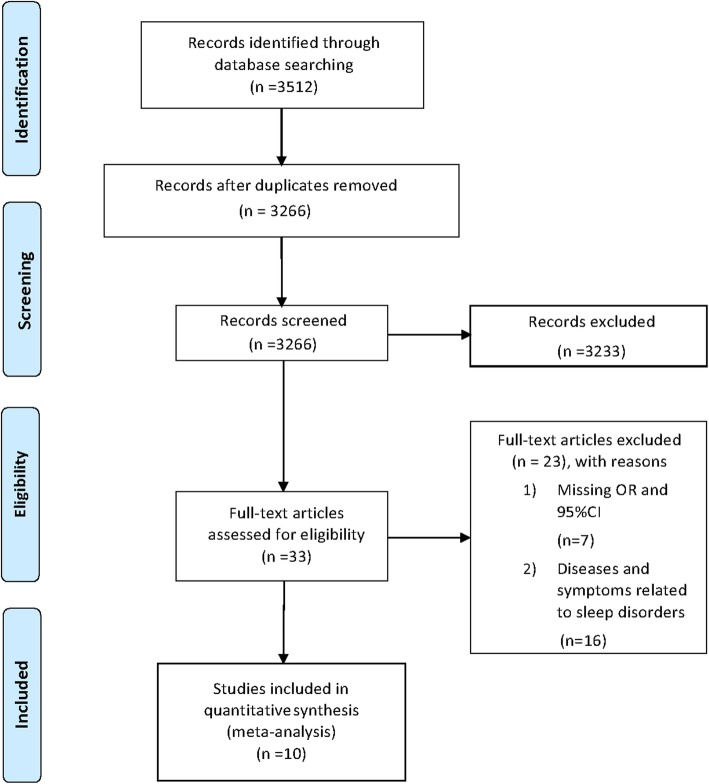
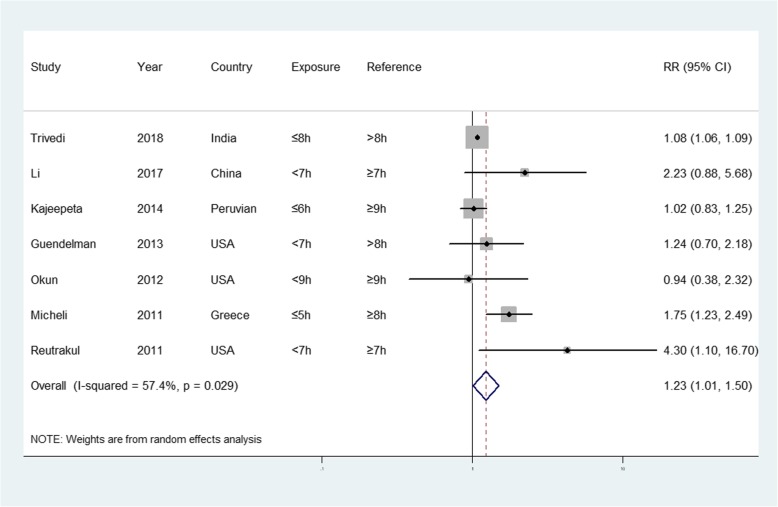
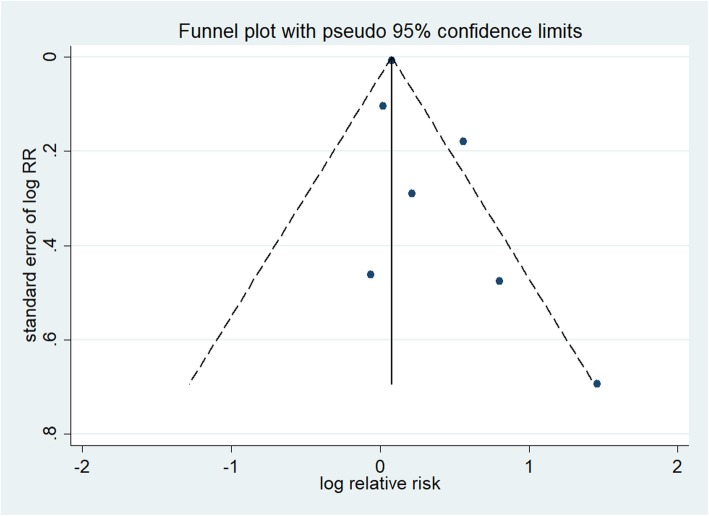
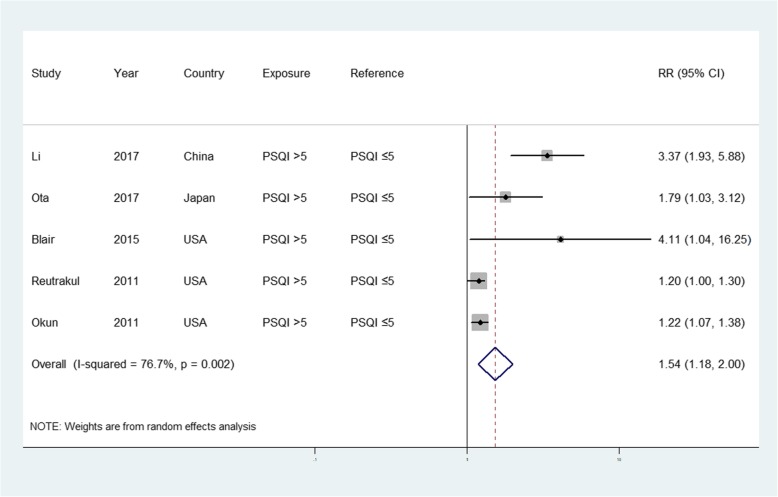
Background: To assess the association of sleep duration and quality with the risk of preterm birth. Methods: Relevant studies were retrieved from the PubMed and Web of Science databases up to September 30, 2018. The reference lists of the retrieved articles were reviewed. Random effects models were applied to estimate summarized relative risks (RRs) and 95% confidence intervals (CIs). Results: Ten identified studies (nine cohort studies and one case-controlled study) examined the associations of sleep duration and quality with the risk of preterm birth. As compared with women with the longest sleep duration, the summary RR was 1.23 (95% CI = 1.01–1.50) for women with the shortest sleep duration, with moderate between-study heterogeneity ( I 2 = 57.4%). Additionally, as compared with women with good sleep quality, the summary RR was 1.54 (95% CI = 1.18–2.01) for women with poor sleep quality (Pittsburgh Sleep Quality Index > 5), with high between-study heterogeneity ( I 2 = 76.7%). Funnel plots as well as the Egger’s and Begg’s tests revealed no evidence of publication bias. Conclusions: This systematic review and meta-analysis revealed that short sleep duration and poor sleep quality may be associated with an increased risk of preterm birth. Further subgroup analyses are warranted to test the robustness of these findings as well as to identify potential sources of heterogeneity.
Overview
CoChat Summary
TL;DR
This systematic review and meta-analysis of 10 observational studies found that short maternal sleep duration and poor sleep quality were associated with a higher risk of preterm birth. The pooled estimates were RR 1.23 for the shortest vs longest sleep duration and RR 1.54 for poor vs good sleep quality.
Key findings
- Across 10 studies (9 cohort, 1 case-control), short sleep duration was associated with preterm birth: RR 1.23, 95% CI 1.01–1.50; heterogeneity was I² = 57.4%.
- In 7 studies of sleep duration, there were 1248 preterm birth cases among 5267 participants.
- Poor sleep quality (defined as PSQI > 5) was associated with preterm birth: RR 1.54, 95% CI 1.18–2.01; heterogeneity was I² = 76.7%.
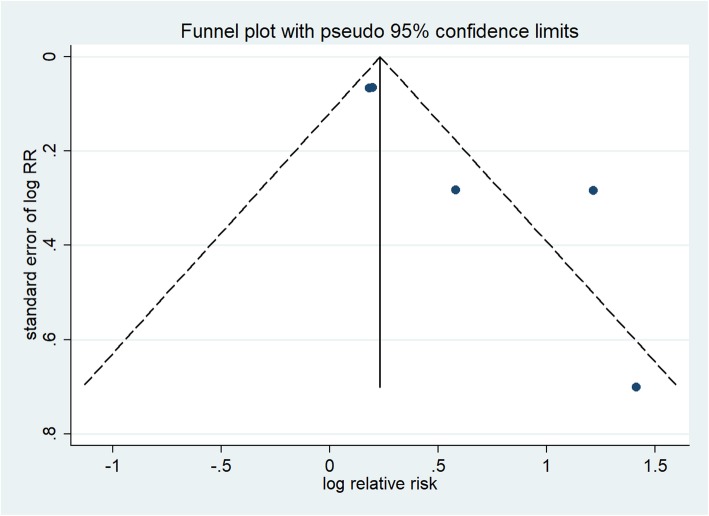
- In 5 studies of sleep quality, there were 156 preterm birth cases among 1230 participants; funnel plots and Egger’s/Begg’s tests showed no evidence of publication bias.
Methods
- Systematic review and meta-analysis conducted according to PRISMA; searched PubMed and Web of Science up to September 30, 2018, plus reference lists.
- Included observational studies of pregnant women that measured sleep duration/quality during pregnancy and reported preterm birth outcomes with extractable risk estimates.
- Used random-effects models to pool relative risks; assessed heterogeneity with I², publication bias with funnel plots, Egger’s, and Begg’s tests, and study quality with the Newcastle–Ottawa scale.
Limitations
- The paper states the evidence is limited by inherent recall and selection bias from observational studies, residual confounding, and the fact that sleep duration/quality were self-reported by questionnaires rather than objectively measured.
- The authors note that dose–response analysis was not conducted because sleep-duration comparisons varied too much across studies, and subgroup analyses were limited by small sample sizes.
- Evident from the text: the pooled estimates showed substantial heterogeneity, especially for sleep quality (I² = 76.7%), which the authors say may relate to differences in populations and geography.
Model-written summary. Check it against the paper before relying on it.
Integrity signals
Registry
Cites
Statistics
Figures
Verification
Claims the paper makes
1 Valid · 0 Not valid · 7 Not checked · 24 Own results and interpretations
A result the paper reports from its own data — it cites no other source for it, so there is none to check. The quote shows it is in the paper.
In the paper
“Moderate heterogeneity was observed (I2 = 57.4%, p = 0.029).”
- Also stated in: § Results · plain
“As compared with women with the longest sleep duration, the summary RR was 1.23 (95% CI = 1.01–1.50) for women with the shortest sleep duration, with moderate between-study heterogeneity (I2 = 57.4%).”
§ Association between maternal sleep duration and quality, and the risk of preterm birth: a systematic review and meta-analysis of observational studies > Results > Sleep duration and risk of preterm birth
plainstates an associationn = 1,248 ·- Asserted: passes — The authors put it forward as true.
- Checkable: passes — It can be checked against evidence.
- Load-bearing: unclear — It is unclear whether the paper’s conclusions depend on it.
- Based: passes — The paper gives a reason why it holds.
- Also stated in: § Results · plain
A result the paper reports from its own data — it cites no other source for it, so there is none to check. The quote shows it is in the paper.
In the paper
“Women with poor sleep quality (Pittsburgh Sleep Quality Index [PSQI] > 5) were 1.54 times more likely to have a preterm birth than those with good sleep quality (summarized RR = 1.54; 95% CI = 1.18–2.01).”
- Also stated in: § Results · plain
“Additionally, as compared with women with good sleep quality, the summary RR was 1.54 (95% CI = 1.18–2.01) for women with poor sleep quality (Pittsburgh Sleep Quality Index > 5)”
§ Association between maternal sleep duration and quality, and the risk of preterm birth: a systematic review and meta-analysis of observational studies > Results > Sleep quality and preterm birth risk
plainstates an associationn = 156- Asserted: passes — The authors put it forward as true.
- Checkable: passes — It can be checked against evidence.
- Load-bearing: passes — The paper’s conclusions depend on it.
- Based: passes — The paper gives a reason why it holds.
- Also stated in: § Results · plain
A result the paper reports from its own data — it cites no other source for it, so there is none to check. The quote shows it is in the paper.
In the paper
“Consistently, the pooled effect size for poor sleep quality (RR = 1.54) was similar to that for a shorter duration (RR = 1.32), as determined by the meta-analysis.”
§ Association between maternal sleep duration and quality, and the risk of preterm birth: a systematic review and meta-analysis of observational studies > Discussion
plain- Asserted: passes — The authors put it forward as true.
- Checkable: passes — It can be checked against evidence.
- Load-bearing: unclear — It is unclear whether the paper’s conclusions depend on it.
- Based: passes — The paper gives a reason why it holds.
A result the paper reports from its own data — it cites no other source for it, so there is none to check. The quote shows it is in the paper.
In the paper
“After excluding studies that failed to adjust for potential confounders, the results were robust (RR = 1.31, 95% CI = 0.95–1.79) without heterogeneity (I2 = 54.5%).”
§ Association between maternal sleep duration and quality, and the risk of preterm birth: a systematic review and meta-analysis of observational studies > Results > Sleep duration and risk of preterm birth
plainstates an association- Asserted: passes — The authors put it forward as true.
- Checkable: passes — It can be checked against evidence.
- Load-bearing: passes — The paper’s conclusions depend on it.
- Based: passes — The paper gives a reason why it holds.
A result the paper reports from its own data — it cites no other source for it, so there is none to check. The quote shows it is in the paper.
In the paper
“High heterogeneity was observed (I2 = 76.7%, p < 0.001).”
- Also stated in: § Results · plain
“Additionally, as compared with women with good sleep quality, the summary RR was 1.54 (95% CI = 1.18–2.01) for women with poor sleep quality (Pittsburgh Sleep Quality Index > 5), with high between-study heterogeneity (I2 = 76.7%).”
§ Association between maternal sleep duration and quality, and the risk of preterm birth: a systematic review and meta-analysis of observational studies > Results > Sleep quality and preterm birth risk
plainn = 156- Asserted: passes — The authors put it forward as true.
- Checkable: passes — It can be checked against evidence.
- Load-bearing: unclear — It is unclear whether the paper’s conclusions depend on it.
- Based: passes — The paper gives a reason why it holds.
- Also stated in: § Results · plain
11 more claims
Create a free account to see all 32 claims and to verify the 11 references still open.
- Probably not a substantial claim. 13
- It may state two separate claims as one. 6
- The quote only partly states this claim. 1
Claims other papers make about this one
Each is checked against this paper’s own text: does it say what the citing paper says it does?
The cited source says what the claim attributes to it.
In the citing paper
“Compared with the general population, pregnant women are more likely to suffer from sleep disturbances due to endocrine and physical changes during pregnancy.16,17”
From Sleep Quality is an Independent Predictor of Blood Glucose and Gestational Diabetes Mellitus: A Longitudinal Study of 4550 Chinese Women (2022) · cites this paper as [16]
Citations
Cites
Liu, L., Oza, S., Hogan, D., Perin, J., Rudan, I., Lawn, J. E., Cousens, S., Mathers, C., & Black, R. E. (2015) · The Lancet · doi:10.1016/s0140-6736(14)61698-6 · Cited by 3,167
Born too soon : the Global action report on preterm birth
Howson, C. P., Kinney, M., & Lawn, J. E. (2012) · Cited by 1,928
Patsopoulos, N. A., Evangelou, E., & Ioannidis, J. P. (2008) · International Journal of Epidemiology · doi:10.1093/ije/dyn065 · Cited by 1,138
The global epidemiology of preterm birth
Vogel, J. P., Chawanpaiboon, S., Moller, A.-B., Watananirun, K., Bonet, M., & Lumbiganon, P. (2018) · Best Practice & Research Clinical Obstetrics & Gynaecology · doi:10.1016/j.bpobgyn.2018.04.003 · Cited by 1,005
Odutayo, A., Wong, C. X., Hsiao, A. J., Hopewell, S., Altman, D. G., & Emdin, C. A. (2016) · BMJ · doi:10.1136/bmj.i4482 · Cited by 867 · cited 1×
“Subsequently, the studies that achieved a full rating in at least two categories of selection, comparability, or outcome assessment were considered at a low risk of bias [19, 20].”
BackgroundSleep Deprivation and Activation of Morning Levels of Cellular and Genomic Markers of Inflammation
Irwin, M. R. (2006) · Archives of Internal Medicine · doi:10.1001/archinte.166.16.1756 · Cited by 850
Knobloch, K., Yoon, U., & Vogt, P. M. (2011) · Journal of Cranio-Maxillofacial Surgery · doi:10.1016/j.jcms.2010.11.001 · Cited by 802 · cited 1×
“Material and methods Search strategy After formulating the study questions, a systematic review and meta-analysis were performed in accordance with the Preferred Reporting Items for Systematic Reviews and Meta-Analyses guidelines [16].”
Insomnia with Objective Short Sleep Duration is Associated with a High Risk for Hypertension
Vgontzas, A. N., Liao, D., Bixler, E. O., Chrousos, G. P., & Vela-Bueno, A. (2009) · Sleep · doi:10.1093/sleep/32.4.491 · Cited by 748
Hamling, J., Lee, P., Weitkunat, R., & Ambühl, M. (2008) · Statistics in Medicine · doi:10.1002/sim.3013 · Cited by 651
Iranian Red Crescent Medical Journal
(2020) · Iranian Red Crescent Medical Journal · doi:10.5812/ircmj · Cited by 639
Cited by
Beroukhim, G., Esencan, E., & Seifer, D. B. (2022) · Reproductive Biology and Endocrinology · doi:10.1186/s12958-022-00889-3 · Cited by 152
Gao, C., Guo, J., Gong, T.-T., Lv, J.-L., Li, X.-Y., Liu, F.-H., Zhang, M., Shan, Y.-T., Zhao, Y.-H., & Wu, Q.-J. (2022) · Frontiers in Medicine · doi:10.3389/fmed.2021.813943 · Cited by 88
Wang, R., Xu, M., Yang, W., Xie, G., Yang, L., Shang, L., Zhang, B., Guo, L., Yue, J., Zeng, L., et al. (2022) · Journal of Diabetes Investigation · doi:10.1111/jdi.13770 · Cited by 72
Elevated depression and anxiety among pregnant individuals during the COVID-19 pandemicPreprint
Lebel, C. A., MacKinnon, A., Bagshawe, M., Tomfohr‐Madsen, L. M., & Giesbrecht, G. F. (2020) · PsyArXiv (OSF Preprints) · doi:10.31234/osf.io/gdhkt · Cited by 70
Yang, Q., Magnus, M. C., Kilpi, F., Santorelli, G., Soares, A. G., West, J., Magnus, P. M., Wright, J., Håberg, S. E., Sanderson, E. C. M., et al. (2022) · BMC Medicine · doi:10.1186/s12916-022-02494-y · Cited by 36
“associations of both short and long duration with GD, short duration with pre-eclampsia and PTB, and long duration with stillbirth [7-12].”
BackgroundThe impact of sleep on in vitro fertilization embryo transfer outcomes: a prospective study
Liu, Z., Zheng, Y., Wang, B., Li, J., Qin, L., Li, X., Liu, X., Bian, Y., Chen, Z., Zhao, H., et al. (2022) · Fertility and Sterility · doi:10.1016/j.fertnstert.2022.10.015 · Cited by 31
Sleep behavior and chronotype before and throughout pregnancy
Zhao, P., Bedrick, B. S., Brown, K. E., McCarthy, R., Chubiz, J. E. C., Ju, Y. S., Raghuraman, N., Fay, J. C., Jungheim, E. S., Herzog, E. D., et al. (2022) · Sleep Medicine · doi:10.1016/j.sleep.2022.04.002 · Cited by 31
Zhang, H., Li, P., Fan, D., Wu, S., Rao, J., Lin, D., Huang, Q., & Liu, Z. (2021) · Nature and Science of Sleep · doi:10.2147/nss.s303763 · Cited by 32
Liu, M., Tang, Q., Wáng, Q., Xie, W., Fan, J., Tang, S., Liu, W., Zhou, Y., & Deng, X. (2022) · Journal of integrative nursing and palliative care · doi:10.51847/k1puwsj24h · Cited by 22
Legas, G., Beyene, G. M., Asnakew, S., Belete, A., & Emiru, T. D. (2022) · BMC Psychiatry · doi:10.1186/s12888-022-04209-2 · Cited by 18
A Scoping Review of Preterm Birth Risk Factors
Tang, I., Mallia, D., Yan, Q. J., Pe’er, I., Raja, A., Salleb-Aouissi, A., & Wapner, R. J. (2023) · American Journal of Perinatology · doi:10.1055/s-0043-1775564 · Cited by 21
Bais, B., Zarchev, M. G., Luik, A. I., van Rossem, L., & Steegers‐Theunissen, R. P. M. (2022) · Clocks & Sleep · doi:10.3390/clockssleep4040052 · Cited by 16
“01) [4], being small for gestational age (OR 1.”
BackgroundZhu, J., Zheng, T., Jin, H. L., Wei, M., Yu, J., Ni, J., Sun, K., Zhang, J., & for the Early Life Plan Project (2023) · American Journal of Epidemiology · doi:10.1093/aje/kwad223 · Cited by 14
Bublitz, M. H., Sharp, M., Freeburg, T., Sanapo, L., Nugent, N. R., Sharkey, K. M., & Bourjeily, G. R. (2021) · Diagnostics · doi:10.3390/diagnostics11050858 · Cited by 15
“Sleep quality worsens during pregnancy [1,2], and poor sleep in pregnancy is associated with adverse outcomes of pre-term birth [3], longer labor and delivery time [4,5], and postpartum depressive symptoms [1].”
BackgroundNulty, A. K., Chen, E. S., & Thompson, A. L. (2022) · Digital Health · doi:10.1177/20552076221084461 · Cited by 18
Adherence to digital pregnancy care – lessons learned from the SMART start feasibility study
Jaeger, K. M., Nissen, M., Leutheuser, H., Danzberger, N., Titzmann, A., Pontones, C. A., Goossens, C., Ziegler, P., Uhrig, S., Haeberle, L., et al. (2025) · npj Digital Medicine · doi:10.1038/s41746-025-01966-8 · Cited by 15
Association between sleep duration during pregnancy and preterm birth: a dose-response meta-analysis
Shi, F., Ji, C., Wu, Q., & Zhao, Y. (2021) · The Journal of Maternal-Fetal & Neonatal Medicine · doi:10.1080/14767058.2021.1957821 · Cited by 11
“Compared with previous meta-analyses [22,23],”
BackgroundMethodInfluentialChen, H., He, Y., Zeng, X., Chen, Q., Zhou, N., Yang, H., Zhou, W., Zhang, L., Yang, R., Huang, Q., et al. (2022) · Nature and Science of Sleep · doi:10.2147/nss.s353742 · Cited by 10
Lamichhane, D. K., Ha, E., Bakian, A. V., Hong, Y.-C., Lee, D., Park, M., Song, S., Kim, S., Park, H., Kim, W., et al. (2024) · Environmental Epidemiology · doi:10.1097/ee9.0000000000000329 · Cited by 10
Circadian Regulation of Lipid Metabolism during Pregnancy
Luo, Y., Meng, X., Cui, L., & Wang, S. (2024) · International Journal of Molecular Sciences · doi:10.3390/ijms252111491 · Cited by 12
Yang, Y., Li, W., Yang, W., Wang, L., Liu, J., Leng, J., Li, W., Wang, S., Li, J., Hu, G., et al. (2021) · BMC Pregnancy and Childbirth · doi:10.1186/s12884-021-03788-4 · Cited by 13
“Excessive sleep duration increased risk of a number of pregnancy complications such as GDM [34], preeclampsia and hypertension [17], late stillbirth [43], and preterm birth [44].”
BackgroundSelf-citationShort sleep duration and risk of gestational diabetes
Nicolì, F., Prete, A., Citro, F., Bertolotto, A., Battini, L., Gennaro, G., Prato, S. D., & Bianchi, C. (2022) · Gynecological Endocrinology · doi:10.1080/09513590.2022.2089105 · Cited by 9
“Poor sleep quality has been linked to preterm birth [3], increased frequency of cesarean section, longer labor [4], and depression during both prenatal and postpartum period [5,6].”
BackgroundEffects of sleep quality in early pregnancy on pregnancy outcomes and mood state
Cai, Y., Ma, G., & Fan, J. (2023) · Sleep And Breathing · doi:10.1007/s11325-023-02968-0 · Cited by 12
“Some scholars have proposed that prematurity may result from activation of the proinflammatory system and impairment of the hypothalamus-pituitary-adrenal axis [41].”
Tsega, S. S., Kiflu, M., Wubante, S. M., Mekonnen, B. D., & Tarekegn, Y. A. (2024) · BMC Psychiatry · doi:10.1186/s12888-023-05456-7 · Cited by 10
Kriengtuntiwong, T., Zaw, Y. H., & Taneepanichskul, N. (2021) · Journal of Multidisciplinary Healthcare · doi:10.2147/jmdh.s322355 · Cited by 14
Lamichhane, D. K., Ha, E., Hong, Y., Lee, D., Park, M., Song, S., Kim, S., Kim, W., Bae, J., & Kim, H. (2024) · Heliyon · doi:10.1016/j.heliyon.2024.e26742 · Cited by 9
“Moreover, poor sleep quality is associated with adverse outcomes in mothers and fetuses, such as prolonged labor [3], gestational diabetes [4], preterm birth [5], and low birth weight [3].”
BackgroundAssociation between sleep during pregnancy and birth outcomes: a prospective cohort study
Chen, H., Lv, C., Yan, S., Caihong, Z., Hao, W., Lai, Y., Sun, Z., Lu, Q., Wang, R., Pan, X.-F., et al. (2025) · Reproductive Biology and Endocrinology · doi:10.1186/s12958-025-01350-x · Cited by 12
Abdurahman, A., Dagnew, B., Gela, Y. Y., Akalu, Y., Yibeyine, B. A., Diress, M., Beko, Z. W., & Kebal, A. H. (2023) · Behavioral Sleep Medicine · doi:10.1080/15402002.2023.2232499 · Cited by 8
“…quality during pregnancy could also increase the risk of adverse neonatal outcomes such as preterm delivery (Lee et al., 2020; Li et al., 2021; Wang & Jin, 2020), intrauterine growth retardation, and low birth weight (Abbott et al., 2014; Felder et al., 2017; Liu et al., 2021; Nodine &…”
Davidsen, A. S., Birkmose, A. R., Kragstrup, J., Siersma, V., & Ertmann, R. K. (2022) · Midwifery · doi:10.1016/j.midw.2022.103406 · Cited by 8
Kuok, C.-M., Liu, J., Liang, J., Chang, S., & Yang, M. (2022) · Frontiers in Pediatrics · doi:10.3389/fped.2022.949161 · Cited by 10
Prenatal drivers of microglia vulnerability in the adult
Tagliatti, E., Bizzotto, M., Morini, R., Filipello, F., Rasile, M., & Matteoli, M. (2024) · Immunological Reviews · doi:10.1111/imr.13418 · Cited by 7
Sleep and midwifery approach in the stages of women’s life
Santur, S. G., & Özşahin, Z. (2021) · The Journal of Turkish Family Physician · doi:10.15511/tjtfp.21.00494 · Cited by 6
“Menarş yaşı ve uyku süresi arasındaki ilişkiyi inceleyen randomize kontrollü bir çalışmada; menarş yaşının yetişkin uyku süresi üzerinde nedensel bir etkisi olduğu, aynı zamanda obezitenin menarş yaşına olan etkisinden dolayı, uyku süresinin obezite ve kötü sağlık belirtileri ile ilişkisi olabileceği bildirilmiştir.(2…”
The Effect of Sleep Disturbance on Quality of Life in Pregnant Women
Dilek, C., & Pınar, G. (2021) · Journal of Nursing and Practice · doi:10.36959/545/397 · Cited by 4
Al-Musharaf, S., Al-Ajllan, L., Aljuraiban, G. S., Alsuhaibani, M. N., Alafif, N., & Hussain, S. D. (2022) · Nutrients · doi:10.3390/nu14142898 · Cited by 8
“Thus, taking into consideration nutritional biomarkers can help in preventing poor sleep and its health complications [11].”
BackgroundAssociation between sleep disturbances during pregnancy and adverse perinatal outcomes
Chang, Y., Sun, Z., Ning, F., Dang, X., Zhang, G., & Tang, J. (2024) · American Journal of Translational Research · doi:10.62347/yxbm9408 · Cited by 5
How Are You Sleeping? Why Nutrition Professionals Should Ask Their Patients About Sleep Habits
Du, C., Tucker, R. M., & Yang, C. (2022) · Journal of the American Nutrition Association · doi:10.1080/07315724.2022.2025547 · Cited by 4
Freeman, J. R., Whitcomb, B. W., Bertone‐Johnson, E. R., O'Brien, L. M., Dunietz, G. L., Purdue‐Smithe, A., Kim, K., Silver, R. M., Schisterman, E. F., & Mumford, S. L. (2025) · Human Reproduction · doi:10.1093/humrep/deaf074 · Cited by 3
Arslanca, Ş. B., & Çağlar, A. T. (2023) · Journal of Perinatal Medicine · doi:10.1515/jpm-2023-0199 · Cited by 3
Zong, X., & Xi, B. (2022) · Integrated science · doi:10.1007/978-3-030-85357-0_1 · Cited by 5
Yang, Q., Magnus, M. C., Kilpi, F., Santorelli, G., Soares, A. G., West, J., Magnus, P. M., Håberg, S. E., Tilling, K. M., Lawlor, D. A., et al. (2024) · BMC Pregnancy and Childbirth · doi:10.1186/s12884-024-07023-8 · Cited by 6
Pregnancy Concerns as Predictors of Sleep Quality in Primigravid Women: A Cross-Sectional Study
Monirian, F., Soltani, F., Samavati, S., Aghababaei, S., & Tapak, L. (2024) · Cureus · doi:10.7759/cureus.55442 · Cited by 7
“In addition, they identified a significant association between sleep disorders and perinatal depression [8].”
BackgroundValidation of sleep-based actigraphy machine learning models for prediction of preterm birth
Warner, B. C., Zhao, P., Herzog, E. D., Frolova, A. I., England, S. K., & Lu, C. (2025) · npj Women s Health · doi:10.1038/s44294-025-00082-y · Cited by 2
Sutcliffe, S., Zhao, P., Pilz, L. K., Oakes, M. C., Frolova, A. I., Herzog, E. D., & England, S. K. (2023) · SLEEP Advances · doi:10.1093/sleepadvances/zpad043 · Cited by 4
“Findings for short sleep duration are consistent with several (but not all) previous studies of sleep duration [9, 10, 24–26]; however, no previous studies, to our knowledge, have examined other PSQI components in relation to PTB or explored reasons for low sleep opportunity.”
ResultArabain, S.-A. (2025) · SOCIAL PSYCHOLOGY AND HUMAN EXPERIENCE · doi:10.62596/qdhd1q07 · Cited by 1
Ledari, F. M., Delavar, M. A., Nikpour, M., Esmaeilzadeh, S., & Khafri, S. (2025) · Journal of Diabetes & Metabolic Disorders · doi:10.1007/s40200-025-01678-6 · Cited by 1
“Previous research has established connections between sleep disorders and adverse pregnancy outcomes, including pre-eclampsia, preterm labor, and intrauterine growth restriction [21, 25, 26].”
Klumper, J., van Gils, L., van Doornik, R., Emmelkamp, E., Isabelle, D., Janiaud, P., Gosling, C., Oudijk, M. A., Jacobsson, B., Mol, B. W., et al. (2026) · European Journal of Obstetrics & Gynecology and Reproductive Biology · doi:10.1016/j.ejogrb.2026.115037 · Cited by 1
O'Brien, L. M. (2022) · Respiratory medicine · doi:10.1007/978-3-030-93739-3_21 · Cited by 1
El-Malkey, N. F., Aref, M. A., Goda, N. I. A., Hussien, M., Samy, W. M., & Hadhod, S. (2023) · Canadian Journal of Physiology and Pharmacology · doi:10.1139/cjpp-2023-0120 · Cited by 1
Rosyada, S. F. S., Ardiyanti, A., & Arisdiani, D. R. (2023) · Jurnal Ilmiah Kedokteran dan Kesehatan · doi:10.55606/klinik.v2i3.1894 · Cited by 1
Current Resources for Evidence-Based Practice, May 2021
Bovbjerg, M. L., & Pillai, S. (2021) · Journal of Obstetric, Gynecologic & Neonatal Nursing · doi:10.1016/j.jogn.2021.03.002 · Cited by 1
Relación de las alteraciones del sueño con el desarrollo de diabetes mellitus gestacional.
Valencia‐Ortega, J., Acosta-Bustos, J., Guzmán-Medina, D. G., & Saucedo, R. (2022) · REVISTA BIOMÉDICA · doi:10.32776/revbiomed.v33i3.969 · Cited by 2
Comparison of avian MC29 and MC31 viral onc proteins.
Sovová, V., Todorov, T., Ivanov, I., Dimitrov, T. V., Sulová, A., Cerná, H., Dostalova, V., Hložánek, I., & Mladenov, Z. (1985) · PubMed
The influence of maternal sleep disorders on fetal and neonatal outcome
O'Brien, L. M. (2022) · Elsevier eBooks · doi:10.1016/b978-0-12-822963-7.00370-4
Health Risk Behaviors among Pregnant Women at Sohag City
Abdelhameed, H. (2022) · Assiut Scientific Nursing Journal · doi:10.21608/asnj.2022.158448.1422
Hashemipour, S., Lalooha, F., & Elmizadeh, K. (2022) · Journal of Inflammatory Diseases · doi:10.32598/jid.26.1.9
Could sleep quality in pregnant women be related to developmental defects of enamel in children?
Maia, G. A., Belém, F. V., Lisboa, S. O., Assunção, C. M., Serra‐Negra, J. M., & Paschoal, M. A. B. (2023) · Medical Hypotheses · doi:10.1016/j.mehy.2023.111249
Sleep disturbances in late pregnancy: associations with induction of labor
Lähde, H., Karlsson, H., Karlsson, L., Perasto, L., Varis, V., Rinne, K., Paavonen, E. J., & Polo‐Kantola, P. (2024) · Archives of Gynecology and Obstetrics · doi:10.1007/s00404-024-07492-4 · Cited by 2
“Short sleep duration, usually referred to sleep under 7 h per night [25], increases risk for preterm birth [18, 19] and cesarean section (CS) [23].”
BackgroundGolyanovskiy, O. V., Frolov, S. V., Voloshyn, O. A., Kononets, O. P., & Hubar, I. (2024) · Reproductive health of woman · doi:10.30841/2708-8731.2.2024.304666 · Cited by 2
Zarchev, M. G., Bais, B., Meijer, J. S., Bijma, H. H., van der Zande, B. M. I., Luik, A. I., den Berg, M. P. L., & Kamperman, A. M. (2025) · Archives of Women s Mental Health · doi:10.1007/s00737-025-01573-2
“These problems do not only affect the health of the mother, but also that of their (unborn) child (Lyu et al. 2020; Hoyniak et al. 2024; Jiang et al. 2024; Zhong et al. 2018 ; Wang and Jin 2020 ; Warland et al. 2018).”
Lv, D., Chen, S.-Y., Li, X., Praseth, L., Han, J., Xian, J.-R., Li, F., He, M., Fan, Y., Xu, H.-Z., et al. (2025) · Current Medical Science · doi:10.1007/s11596-025-00073-9
“Many studies have examined the associations of maternal sleep disturbances with adverse pregnancy outcomes, mainly gestational diabetes mellitus (GDM) [5–7], gestational hypertension disorders [8, 9], and cesarean section for medical reasons [10].”
Samsinar, S., Warlinda, W., & Dahman, R. (2025) · Jurnal Konseling dan Pendidikan · doi:10.29210/1152800
Sleep Health During Pregnancy: A Focus on Prevention
Meneo, D., Baldi, E., Cascone, R., & Baglioni, C. (2025) · Springer eBooks · doi:10.1007/978-3-031-95948-6_11
Sun, B., Ma, M., Li, H., Gao, H., Liu, W., Li, W., Wu, Z., Zhu, Y., & Miao, C. (2025) · Journal of Sleep Research · doi:10.1111/jsr.70228 · Cited by 1
“Thus, there is growing research that has investigated the relationship between maternal sleep quality during pregnancy and adverse obstetric and foetal outcomes (Lu et al. 2021; Wang and Jin 2020).”
Rodríguez-Cano, A. M., Medel-Canchola, B., González-Ludlow, I., Pizano-Zárate, M. L., Estrada‐Gutiérrez, G., & Perichart‐Perera, O. (2025) · Frontiers in Nutrition · doi:10.3389/fnut.2025.1699405 · Cited by 3
“(38).”
Yang, Q., Magnus, M. C., Kilpi, F., Santorelli, G., Soares, A. G., West, J., Magnus, P. M., Wright, J., Håberg, S. E., Sanderson, E. C. M., et al. (2022) · Figshare · doi:10.6084/m9.figshare.21078739
Yang, Y., Li, W., Yang, W., Wang, L., Liu, J., Leng, J., Li, W., Wang, S., Li, J., Hu, G., et al. (2021) · Figshare · doi:10.6084/m9.figshare.14700489
Self-citationZhang, H., Luo, R., Fang, Y., Wang, H., & Li, Y. (2026) · International Journal of Women s Health · doi:10.2147/ijwh.s571454 · Cited by 2
“58 Long sleep duration is correlated with reduced leukocyte telomere length (LTL), 59 a factor closely associated with reproductive aging, primary ovarian insufficiency, and PCOS.”
Wang, F., Zeng, W., Zhou, T., Yun, F., Li, X., Li, Y., Li, H., Huang, Y., Yu, D., Guo, S., et al. (2026) · BMC Pregnancy and Childbirth · doi:10.1186/s12884-026-08714-0 · Cited by 1
INOSHITA, S., TAKIMOTO, A., Shiraishi, M., HARUNA, M., & MATSUZAKI, M. (2026) · Journal of Japan Academy of Midwifery · doi:10.3418/jjam.jjam-2025-0043
Gebelerin Yaşadıkları Uyku Sorunlarının ve Baş Etme Yöntemlerinin Belirlenmesi
Çetinkaya, E., Yamaç, S. U., Göçmez, S., & Uğuryol, G. (2026) · Bandırma Onyedi Eylül Üniversitesi Sağlık Bilimleri ve Araştırmaları Dergisi · doi:10.46413/boneyusbad.1711171
Cognitive and emotional correlates of sleep in the peripartum period: a systematic review
Baldi, E., Meneo, D., Rizzuti, M., Cerolini, S., Benz, F., Riemann, D. W., Gelfo, F., & Baglioni, C. (2026) · Behaviour Research and Therapy · doi:10.1016/j.brat.2026.105055 · Cited by 1
Dereje, D., Birhanu, T. E., & Desisa, A. E. (2026) · Frontiers in Psychiatry · doi:10.3389/fpsyt.2026.1550300
“This fi nding is supported by a study conducted in Cameroon (25) and China (26).”
Kamrani, F., Jafari, S., Karbasi, S., & Khorasanchi, Z. (2026) · Health Science Reports · doi:10.1002/hsr2.73067
Metadata
- Authors
- Wang, L., & Jin, F.
- Affiliations
- China Medical University (CN)
- Sheng Jing Hospital (CN)
- Corresponding author
- Jin, Feng
- ORCID
- Venue
- BMC Pregnancy and Childbirth
- Published
- 2020-02-24
- Volume
- 20
- Issue
- 1
- Pages
- 125-125
- ISSN
- 1471-2393 (ISSN-L)
- PMC
- PMC7041242
- OpenAlex
- W3006910719
- Semantic Scholar
- c7ada309c75d2e0d7a821df941ed708f9aaf8aa3
- Cited by
- 73
- References
- 63
- Citations by year
- 2026: 8 · 2025: 12 · 2024: 10 · 2023: 9 · 2022: 23 · 2021: 9 · 2020: 1
- FWCI
- 1.53
- Type
- journal article
- Language
- en
- Open access
- gold
- doi.org
- Licence
- cc-by
- creativecommons.org/licenses/by/4.0/ (tdm)
- creativecommons.org/licenses/by/4.0/ (vor)
- Locations
- BMC Pregnancy and Childbirth (publishedVersion, cc-by)
- Research Square (acceptedVersion, cc-by)
- PubMed Central (publishedVersion, cc-by)
- PubMed (publishedVersion)
- DOAJ (DOAJ: Directory of Open Access Journals) (submittedVersion, cc-by-sa)
- Funders
- Natural Science Foundation of Liaoning Province (2019JH3/10300448)
- Topics
- Social Sciences › Psychology › Experimental and Cognitive Psychology › Sleep and related disorders
- Health Sciences › Medicine › Public Health, Environmental and Occupational Health › Maternal Mental Health During Pregnancy and Postpartum
- Health Sciences › Medicine › Obstetrics and Gynecology › Preterm Birth and Chorioamnionitis
- Keywords
- maternal sleep duration, sleep quality, preterm birth, pregnancy, short sleep duration, poor sleep quality, preterm birth risk factors
- MeSH terms
- Female, Humans, Infant, Newborn, Pregnancy, Pregnancy Complications, Risk Factors, Sleep, Sleep Wake Disorders, Premature Birth, Observational Studies as Topic
About these checks
Registry, retraction, Cites and statistics results are computed, not judged, with one exception: a printed reference that no index lists is read once by a model before it counts as a citation error. Claims are extracted by a model and kept only when their quote appears verbatim in the text; each cited source is then checked, with a model’s help, for whether it says what the claim relies on. Those verdicts can be wrong — read the claim’s quote and the cited source before relying on one.
The claim verdicts this report counts are experimental: their accuracy is not yet measured.
A language model drew the claims from the paper on 2026-10-11, under version 3 of the claim definition (model deepseek-v4.1-flash, prompt extract-v3).
A second model labelled each claim on 2026-10-11 (model jev-1.13-20260917, definition revision gold-guideline-v0.2).
Statistics and arithmetic are recomputed, not judged.
Confidence bands are shown only for fields calibrated on our annotated test set. None is calibrated yet, so no band is shown.
What counts as a claim ›How we measure confidence ›How we check this ›
Are you an author, or do you see a problem with this page? Request a review
Data sources
Bibliographic data: Semantic Scholar, OpenAlex, Crossref.
Contains information from the Semantic Scholar Academic Graph Datasets, made available under the ODC Attribution License (ODC-BY 1.0).
Semantic Scholar’s data is described in: Kinney, R., et al. (2023). The Semantic Scholar Open Data Platform. arXiv:2301.10140.
