

B7-H3 targeted CAR-T cells show highly efficient anti-tumor function against osteosarcoma both in vitro and in vivo
Open accessThe DOI matches its Crossref record; 36 of the 36 references it cites were found in a registry or an index.
Abstract
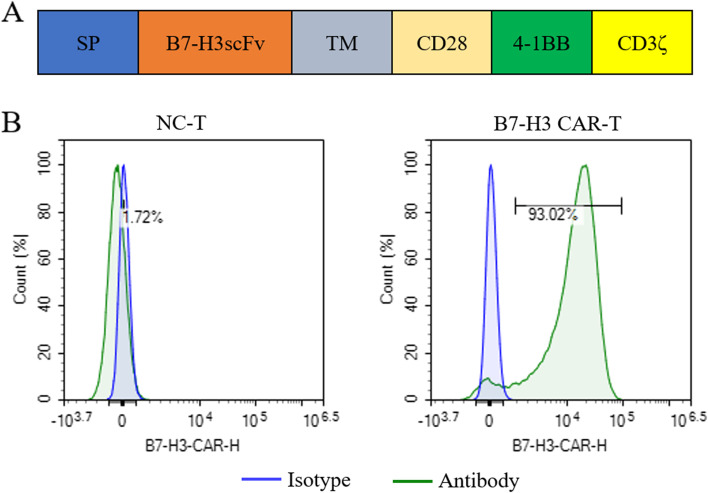
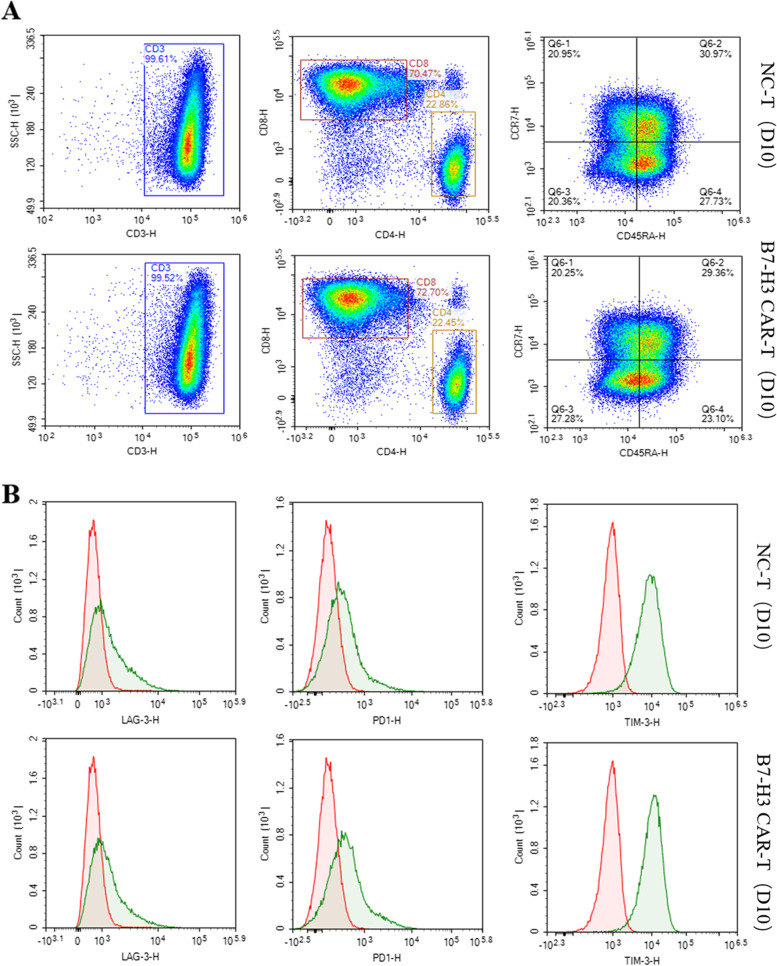
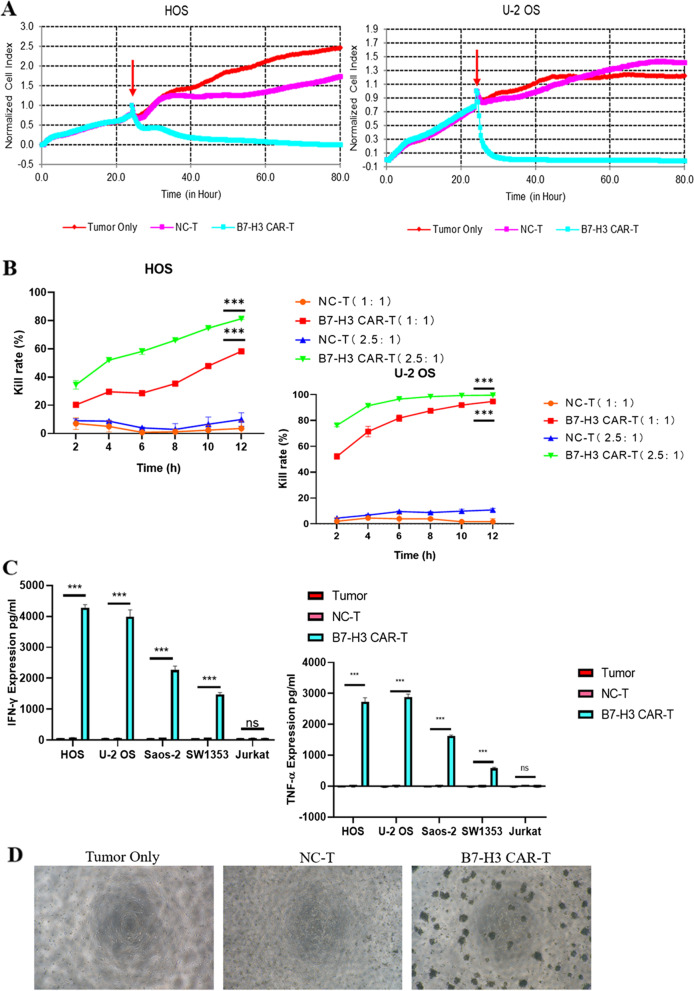
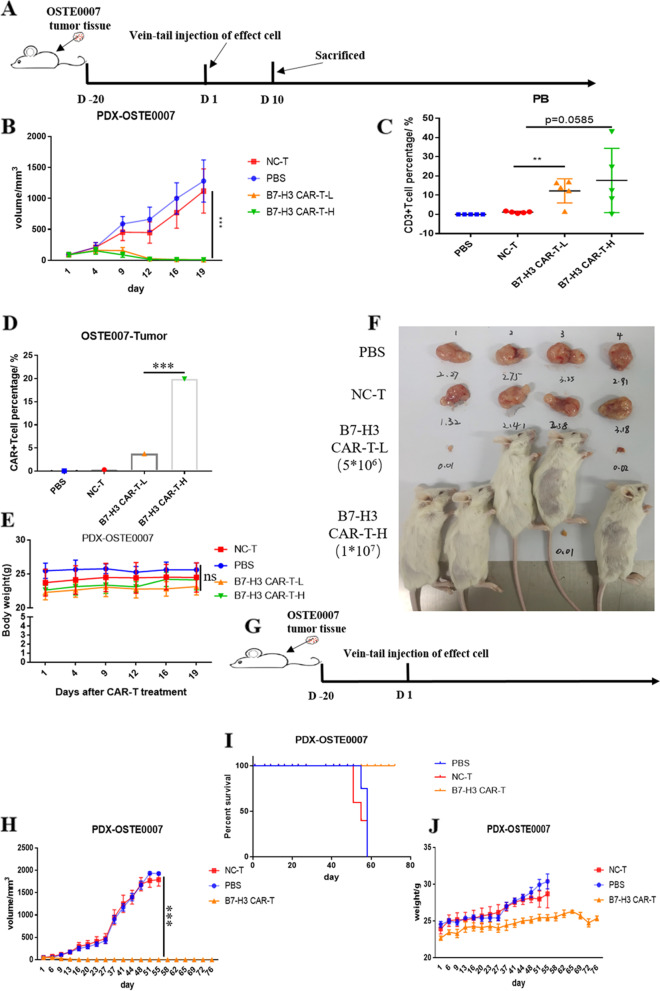
Background: Osteosarcoma (OS) mainly happens in children and youths. Surgery, radiotherapy and chemotherapy are the common therapies for osteosarcoma treatment but all their anti-tumor effects are limited. In recent years, a new cellular therapy, CAR-T, a cellular immunotherapy with genetically engineered T cells bearing chimeric antigen receptor targeting specific tumor-associated antigen, has been proved to be an effective therapy against acute lymphoblastic leukemia. Thus, CAR-T is a potentially effective therapy for osteosarcoma treatment. Methods: A CAR gene targeting B7-H3 antigen was constructed into lentiviral vector through molecular biology techniques. Then, the CAR gene was transferred to T cells through lentiviral delivery system, and the CAR-T cells were largely expanded using in vitro culture technology. The in vitro anti-tumor effect of CAR-T cells was evaluated through Real Time Cell Analysis system (RTCA) and ELISA assay. The in vivo anti-tumor capabilities of CAR-T cells were evaluated using the patient-derived xenografts (PDX) model of osteosarcoma. Results: The third-generation CAR-T cells we constructed could target the B7-H3 antigen, and the phenotype of CAR-T cells was consistent with normal T cells; The CAR-T cells showed superior antitumor effects both in vitro and in vivo. Conclusion: Our study showed that B7-H3 targeted CAR-T cells had high anti-tumor efficacy against osteosarcoma both in vitro and in vivo, which proved that B7-H3 targeted CAR-T therapy is potentially effective for osteosarcoma treatment.
Overview
The claims and statistics of this paper haven’t been checked yet.
Free: it reads the open-access text and checks the first 5 claims that cite a source we can check. Create a free account to check every claim.
Integrity signals
Registry
Cites
Statistics
Figures
Verification
Claims the paper makes
The claims and statistics of this paper haven’t been checked yet.
Free: it reads the open-access text and checks the first 5 claims that cite a source we can check. Create a free account to check every claim.
Claims other papers make about this one
Each is checked against this paper’s own text: does it say what the citing paper says it does?
The cited source says what the claim attributes to it.
In the citing paper
“Zhang et al. conducted the third-generation CAR-T cells targeting B7-H3 and proved the killing effects for tumor cells in vitro and in vivo using the patientderived xenografts (PDXs) model of osteosarcoma [116–125].”
From Advances on immunotherapy for osteosarcoma (2024) · cites this paper as [116]
Self-check
Percentages, sums and reported differences re-computed from the paper’s own numbers.
The self-check needs the paper’s full text.
Citations
Cites
Chimeric Antigen Receptor T Cells in Refractory B-Cell Lymphomas
Schuster, S. J., Svoboda, J., Chong, E. A., Nasta, S. D., Mato, A. R., Anak, Ö., Brogdon, J. L., Pruteanu-Malinici, I., Bhoj, V., Landsburg, D., et al. (2017) · New England Journal of Medicine · doi:10.1056/nejmoa1708566 · Cited by 1,860 · cited 1×
“CAR-T cell immunotherapy has shown excellent efficacy in the treatment of hematologic tumors [6].”
BackgroundCAR T Cell Therapy for Solid Tumors
Newick, K., O'Brien, S., Moon, E., & Albelda, S. M. (2017) · Annual Review of Medicine · doi:10.1146/annurev-med-062315-120245 · Cited by 909
Martinez, M., & Moon, E. K. (2019) · Frontiers in Immunology · doi:10.3389/fimmu.2019.00128 · Cited by 851 · cited 1×
“The solid tumors have more hidden presence or more complicated tumor microenvironments compared to the hematologic malignancies, which may limit the use of CAR-T cell therapy for treating solid tumor [31, 32].”
BackgroundAdachi, K., Kano, Y., Nagai, T., Okuyama, N., Sakoda, Y., & Tamada, K. (2018) · Nature Biotechnology · doi:10.1038/nbt.4086 · Cited by 792 · cited 1×
“Some studies showed that addition of cytokines and chemokines could enhance the anti-tumor effect of CAR-T cells in mice [33, 34].”
BackgroundMajzner, R. G., Theruvath, J. L., Nellan, A., Heitzeneder, S., Cui, Y., Mount, C. W., Rietberg, S. P., Linde, M. H., Xu, P., Rota, C., et al. (2019) · Clinical Cancer Research · doi:10.1158/1078-0432.ccr-18-0432 · Cited by 681
Engineering CAR-T Cells for Next-Generation Cancer Therapy
Hong, M., Clubb, J. D., & Chen, Y. Y. (2020) · Cancer Cell · doi:10.1016/j.ccell.2020.07.005 · Cited by 639 · cited 1×
“The solid tumors have more hidden presence or more complicated tumor microenvironments compared to the hematologic malignancies, which may limit the use of CAR-T cell therapy for treating solid tumor [31, 32].”
BackgroundMolecular Pathways: Targeting B7-H3 (CD276) for Human Cancer Immunotherapy
Picarda, E., Ohaegbulam, K. C., & Zang, X. (2016) · Clinical Cancer Research · doi:10.1158/1078-0432.ccr-15-2428 · Cited by 582 · cited 1×
“It is reported that the expression level of B7-H3 is closely related to tumor metastasis, tumor immune escape, prognosis, and clinical outcome [22, 23].”
BackgroundDu, H., Hirabayashi, K., Ahn, S., Kren, N. P., Montgomery, S. A., Wang, X., Tiruthani, K., Mirlekar, B., Michaud, D., Greene, K., et al. (2019) · Cancer Cell · doi:10.1016/j.ccell.2019.01.002 · Cited by 479 · cited 2×
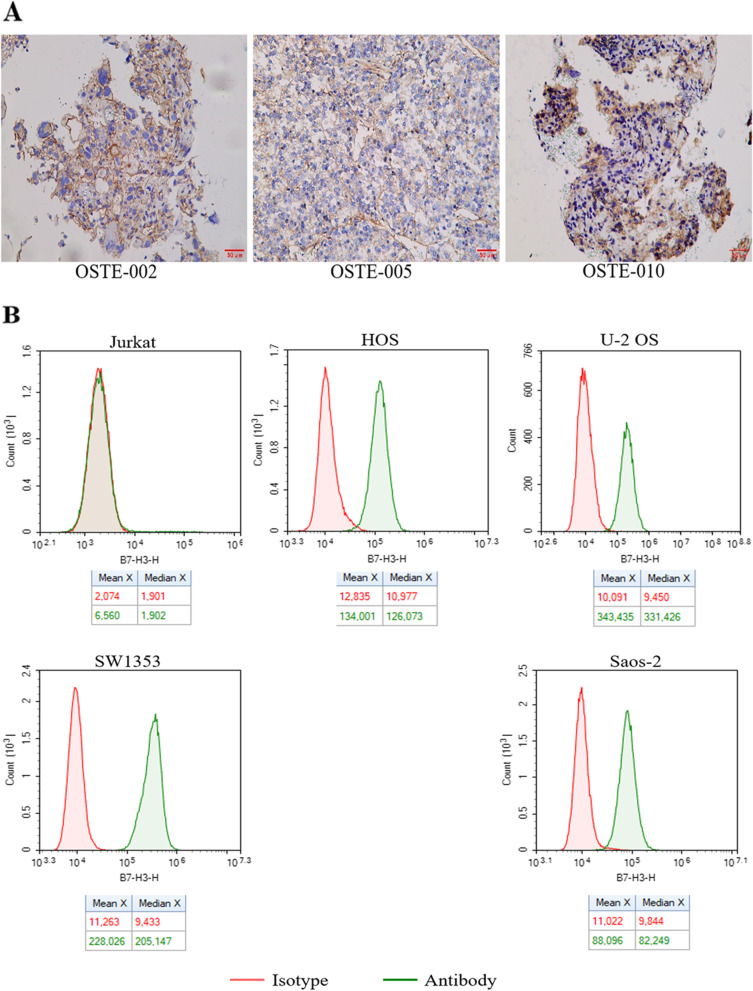
“Since we did not obtain the paracancerous tissue of osteosarcoma, we clearly observed that B7-H3 protein was highly expressed in osteosarcoma by referring to the expression level of B7-H3 in normal tumor tissue in other articles [24, 29].”
BackgroundSeaman, S., Zhu, Z., Saha, S., Zhang, X. M., Yang, M. Y., Hilton, M. B., Morris, K., Szot, C., Morris, H., Swing, D. A., et al. (2017) · Cancer Cell · doi:10.1016/j.ccell.2017.03.005 · Cited by 423
Moore, D. D., & Luu, H. H. (2014) · Cancer Treatment and Research · doi:10.1007/978-3-319-07323-1_4 · Cited by 349
Cited by
Advances on immunotherapy for osteosarcoma
Yu, S., & Yao, X. (2024) · Molecular Cancer · doi:10.1186/s12943-024-02105-9 · Cited by 270
“Zhang et al. conducted the third-generation CAR-T cells targeting B7-H3 and proved the killing effects for tumor cells in vitro and in vivo using the patientderived xenografts (PDXs) model of osteosarcoma [116–125].”
Decoding the Impact of Tumor Microenvironment in Osteosarcoma Progression and Metastasis
Nirala, B. K., Yamamichi, T., Petrescu, D. I., Shafin, T. N., & Yustein, J. T. (2023) · Cancers · doi:10.3390/cancers15205108 · Cited by 58
“B7-H3 targeted CAR-T cells had high antitumor efficacy against OS in vitro and in vivo [191].”
BackgroundNiu, Z., Wu, J., Zhao, Q., Zhang, J., Zhang, P., & Yang, Y. (2024) · Frontiers in Immunology · doi:10.3389/fimmu.2024.1385571 · Cited by 56
Li, X., Zhao, L., Li, W., Gao, P., & Zhang, N. (2024) · Genes and Immunity · doi:10.1038/s41435-024-00275-6 · Cited by 46
“Situations where the experiment needed to be paused immediately were listed as previously reported [21].”
MethodLuo, T., Fan, Z., Zeng, A., Wang, A., Pan, Y., Xu, Y., Chen, H., Chen, W., Nie, D., Lin, J., et al. (2024) · Advanced Science · doi:10.1002/advs.202410427 · Cited by 45
Self-citationCurrent status and future challenges of CAR-T cell therapy for osteosarcoma
Li, S., Zhang, H., & Shang, G. (2023) · Frontiers in Immunology · doi:10.3389/fimmu.2023.1290762 · Cited by 39
CAR T cells redirected to B7-H3 for pediatric solid tumors: Current status and future perspectives
Epperly, R., Gottschalk, S. M., & DeRenzo, C. C. (2024) · EJC Paediatric Oncology · doi:10.1016/j.ejcped.2024.100160 · Cited by 38
Advances and challenges in the treatment of osteosarcoma
Wang, X., Zhu, K., Hu, J., & Zhang, C. (2025) · Progress in Biophysics and Molecular Biology · doi:10.1016/j.pbiomolbio.2025.07.001 · Cited by 38
Unraveling molecular aberrations and pioneering therapeutic strategies in osteosarcoma
Yan, P., Wang, J., Yue, B., & Wang, X. (2024) · Biochimica et Biophysica Acta (BBA) - Reviews on Cancer · doi:10.1016/j.bbcan.2024.189171 · Cited by 32
Systemic strategies for osteosarcoma: advances and future directions
Morya, V. K., Magar, A. G., Park, S., & Noh, K.-C. (2025) · Discover Oncology · doi:10.1007/s12672-025-02208-9 · Cited by 32
A novel strategy of co-expressing CXCR5 and IL-7 enhances CAR-T cell effectiveness in osteosarcoma
Hui, X., Farooq, M. A., Chen, Y., Ajmal, I., Ren, Y., Xue, M., Ji, Y., Du, B., Wu, S., & Jiang, W. (2024) · Frontiers in Immunology · doi:10.3389/fimmu.2024.1462076 · Cited by 31
Neoadjuvant Chemotherapy for Adults with Osteogenic Sarcoma
Robinson, M. J., & Davis, E. J. (2024) · Current Treatment Options in Oncology · doi:10.1007/s11864-024-01269-2 · Cited by 32
“Alternatively, antigens such as B7-H3 and ALPL-1 are now also being explored to broaden the potential for unique therapeutic targets [50, 52, 53].”
BackgroundCao, J. W., Lake, J. A., Impastato, R. A., Chow, L., Perez, L., Chubb, L. S., Kurihara, J. N., Verneris, M. R., & DOW, S. W. (2024) · Cancer Immunology Immunotherapy · doi:10.1007/s00262-024-03642-4 · Cited by 32
B7-H3 Expression in Breast Cancer and Brain Metastasis
Joshi, V., Beecher, K., Lim, M., Stacey, A., Feng, Y., Jat, P., Duijf, P. H. G., Simpson, P. T., Lakhani, S. R., & Reed, A. E. M. (2024) · International Journal of Molecular Sciences · doi:10.3390/ijms25073976 · Cited by 28
“B7-H3 targeting in cancer by drug conjugates and CAR T cell therapy has been shown to facilitate a strong anti-tumour response in paediatric and solid tumours [52,53].”
BackgroundDutour, A., Pasello, M., Farrow, L., Amer, M. H., Entz‐Werlé, N., Nathrath, M., Scotlandi, K., Mittnacht, S., & Gomez‐Brouchet, A. (2025) · Cancer and Metastasis Reviews · doi:10.1007/s10555-025-10257-3 · Cited by 25
“In preclinical studies, B7-H3 CAR T cells have been shown to mediate significant antitumor activity in vivo , causing regression of established solid tumors in xenograft models including OS [173, 174] but further studies are needed to establish the feasibility of this approach in OS.”
Rašić, P., Jeremić, M., Jeremić, R., Pjević, M. D., Rasic, M., Djuricic, S. M., Miličković, M., Vukadin, M., Mijović, T., & Savic, D. (2023) · Molecules · doi:10.3390/molecules28083356 · Cited by 25
“[45] B7-H3 CAR-T cells - In vitro OS model - Patient-derived xenograft model of OS”
BackgroundSu, W., Li, Y., Yang, G., Zhao, Y., Zhou, X., Liu, G., Huang, X., Sohail, M., Hussaın, I., Liu, Q., et al. (2025) · International Journal of Nanomedicine · doi:10.2147/ijn.s549587 · Cited by 19
Self-citationThe bispecific B7H3xCD3 antibody CC-3 induces T cell immunity against bone and soft tissue sarcomas
Holzmayer, S. J., Liebel, K., Hagelstein, I., Salih, H. R., & Märklin, M. (2024) · Frontiers in Immunology · doi:10.3389/fimmu.2024.1391954 · Cited by 17
Osteosarcoma through the Lens of Bone Development, Signaling, and Microenvironment
Young, E. P., Marinoff, A. E., López-Fuentes, E., & Sweet-Cordero, A. (2024) · Cold Spring Harbor Perspectives in Medicine · doi:10.1101/cshperspect.a041635 · Cited by 16
B7-H3 in glioblastoma and beyond: significance and therapeutic strategies
Babič, D., Jovčevska, I., & Zottel, A. (2024) · Frontiers in Immunology · doi:10.3389/fimmu.2024.1495283 · Cited by 16
Chimeric antigen receptor T cells in the treatment of osteosarcoma (Review)
Yu, T., Jiang, W., Wang, Y., Zhou, Y. Y., Jiao, J., & Wu, M. (2024) · International Journal of Oncology · doi:10.3892/ijo.2024.5628 · Cited by 14
“T cells targeting these antigens have been developed to specifically eliminate tumors (22,56,103).”
BackgroundLiu, L., Shi, Z., & Qiu, X. (2023) · Clinical & Translational Oncology · doi:10.1007/s12094-023-03300-8 · Cited by 13
Hu, Y., Yang, R., Ni, S., & Song, Z. (2025) · Frontiers in Immunology · doi:10.3389/fimmu.2024.1485053 · Cited by 11
Wang, H., Zhu, T., Yang, K., Xu, C., Zhang, Z., Liu, G., & Ren, H. (2025) · Frontiers in Oncology · doi:10.3389/fonc.2025.1702219 · Cited by 12
Self-citationLi, W., Lv, L., Jin, Y., & Yuan, X. Y. (2026) · Oncology Reports · doi:10.3892/or.2026.9050 · Cited by 11
“B7‑H3‑CAR T cells exhibited robust antitumor activity in multiple preclinical OS models, markedly reducing tumor burden and improving survival (36,105,106).”
Tarone, L., Iacoviello, A., Lorenzo, A. D., Verta, R., Cossu, C., Conti, L., Cavallo, F., & Riccardo, F. (2025) · Cancers · doi:10.3390/cancers17233846 · Cited by 9
Barzegari, A., Salemi, F., Kamyab, A., Aratikatla, A., Nejati, N., Valizade, M., Eltouny, E., & Ebrahimi, A. (2024) · Journal of bone oncology · doi:10.1016/j.jbo.2024.100635 · Cited by 9
“Zhang et al. conducted in vitro cytotoxicity tests on osteosarcoma cell lines using third-generation CAR-T cells that specifically targeted the B7-H3 antigen, demonstrating a significant tumor-suppressive effect [137].”
Osteosarcoma: A comprehensive review of model systems and experimental therapies
Robbins, G. M., Vue, Y. Y., Rahrmann, E. P., & Moriarity, B. S. (2024) · Medical Research Archives · doi:10.18103/mra.v12i11.6000 · Cited by 9
CAR-T cell therapy: Challenge and opportunity for effective treatment of small cell lung cancer
Yin, L., Sun, P. B., Guo, S., Shuai, P., & Zhang, J. (2024) · Biochimica et Biophysica Acta (BBA) - Reviews on Cancer · doi:10.1016/j.bbcan.2024.189228 · Cited by 7
Targeting B7-H3 in solid tumors: Development and evaluation of novel CAR-T Cell therapy
Li, N., Zhang, C., Li, X., Liu, S., Xu, Y., & Yang, X. (2025) · Immunobiology · doi:10.1016/j.imbio.2025.152888 · Cited by 6
Exploiting B7-H3: Molecular Insights and Immunotherapeutic Strategies for Osteosarcoma
Xie, Y., Wang, H., Zeng, F., Zhang, Y., Huang, J., Chen, C., & Wang, S. (2025) · Bioengineering · doi:10.3390/bioengineering12121344 · Cited by 5
“Zhang et al. constructed B7-H3 CAR-T cells that showed effective anti-OS activity (Figure 4) [65].”
In vitro assays to evaluate CAR-T cell cytotoxicity
Cao, M., Carlson, R. D., Staudt, R. E., & Snook, A. E. (2023) · Methods in cell biology · doi:10.1016/bs.mcb.2023.05.009 · Cited by 5
HIV status alters immune cell infiltration and activation profile in women with breast cancer
Bauer, M., Santos, P. S. C., Wilfer, A., van den Berg, E. J., Zietsman, A., Vetter, M., Kaufhold, S., Wickenhauser, C., dos‐Santos‐Silva, I., Chen, W. C., et al. (2025) · Nature Communications · doi:10.1038/s41467-025-59408-8 · Cited by 6
Iacobescu, G. L., Corlatescu, A.-D., Costin, H. P., Spiridonica, R., Popa, M.-I.-G., & Cîrstoiu, C. (2025) · Current Issues in Molecular Biology · doi:10.3390/cimb47080629 · Cited by 3
“Future progress systems incorporating multiple targets based on combination therapies, optimizing immunotherapeutics, and personalizing treatments based on the molecular profile of tumors will ultimately be required for improved patient outcomes [77,78].”
Current landscape of CAR-therapy for osteosarcoma and rhabdomyosarcoma
Stavrou, M., Nicolaou, T., Georgalli, M., & Constantinidou, A. (2025) · Frontiers in Immunology · doi:10.3389/fimmu.2025.1696830 · Cited by 3
Zuo, S., Cheng, N., Hou, Z., Yang, Y., Tian, Q., & Yisheng, X. (2026) · Frontiers in Immunology · doi:10.3389/fimmu.2026.1865742 · Cited by 3
Wang, K., Silli, E. K., Lv, H., & Song, R. (2025) · Drug Development Research · doi:10.1002/ddr.70207 · Cited by 1
Yang, C., Yu, Y., Wang, Y., Cai, Z., Zhao, Y., Ma, H., Xu, J., Zhu, H., Ren, T., Tang, X., et al. (2026) · Bone Reports · doi:10.1016/j.bonr.2026.101930 · Cited by 1
Clinical and therapeutic relevance of B7-H3 in sarcomas: molecular insights from a systematic review
Alwisi, N., Hamid, M. A., Ghith, D., Alshare, S., Adham, L., Sami, S., Babu, G. R., & Vranić, S. (2026) · Journal of drug targeting · doi:10.1080/1061186x.2026.2738912 · Cited by 1
Zhang, Y., Lu, G., Guan, Y., Xu, T., Duan, Z., & Li, G. (2024) · Heliyon · doi:10.1016/j.heliyon.2024.e24990 · Cited by 1
“Interestingly, Zhang et al. have proved that the B7 – H3 targeted therapy, which showed a potential therapeutic effect for osteosarcoma patients [53].”
BackgroundXie, T., Liang, J., Lin, C., Feng, W., Yang, M., Li, S., Xiong, L., Luo, K., Li, F., Tang, S., et al. (2025) · APL Bioengineering · doi:10.1063/5.0266780 · Cited by 1
“28,29 Therefore, this study is dedicated to exploring the potential of FMN as a therapeutic agent for OS and investigating its action mechanism in PDX models.”
Principles of Immunotherapy and Novel Immunotherapeutic Agents for Pediatric Cancer Management
Morrison, Z. D., & Suliman, A. Y. (2025) · Springer eBooks · doi:10.1007/978-3-030-71113-9_39-1
Immunomodulatory Mechanisms Impacting the Activity and Fate of Natural Killer Cells in Cancer
Bottino, C., Dondero, A., Vitale, C., & Castriconi, R. (2025) · Springer eBooks · doi:10.1007/978-3-662-68816-8_35-1
Principles of Immunotherapy and Novel Immunotherapeutic Agents for Pediatric Cancer Management
Morrison, Z. D., & Suliman, A. Y. (2025) · Springer eBooks · doi:10.1007/978-3-031-76882-8_39
Thut, H., Ritschard, R., Glatz, K., Vuille-dit-Bille, R. N., Andre, M. C., Gros, S. J., Kasser, S., Krieg, A. H., Pereira, R. R., Krasniqi, F., et al. (2025) · Pediatric Blood & Cancer · doi:10.1002/1545-5017.70091
“…osteosarcoma expresses antigens, including MHC-dependent targets MAGE, SART1, SART3, and PBF [ 20 ], and MHC-independent targets, such as B7-H3 (CD276) [ 21 ] and disialoganglioside GD2 [ 22, 23 ], enabling T cell receptor T cell (TCR-T) and chimeric antigen receptor T cell (CAR-T) approaches.”
CAR-T cell therapy for pediatric solid tumors: armored CAR-T cells and beyond
Wells, J., & Gupta, A. K. (2026) · Cancer and Metastasis Reviews · doi:10.1007/s10555-026-10317-2
“In vivo , these CAR-T cells showed excellent anti-tumor activity in both the high-and low-dose group [44].”
InfluentialDuan, L. L., Zhu, H., Chen, C., & Liu, W. (2026) · Holistic Integrative Oncology · doi:10.1007/s44178-026-00226-3
Pan, X., Li, R., Xu, X., Yu, Z., Liu, S., Zeng, D., Qu, W., Zhang, Z., Wang, H., & Qin, Y. (2026) · Bioactive Materials · doi:10.1016/j.bioactmat.2026.04.031
“However, the role of B7-H3 in immune function within different tumor microenvironments remains controversial, and the efficacy of drugs targeting this immune check-point still requires further clinical validation [74].”
Self-citationYe, J., Sun, J., Hou, J., Zhang, L. X., Wu, C., & Xiao, J. (2026) · Cancer Treatment and Research Communications · doi:10.1016/j.ctarc.2026.101289
Self-citationNext-generation osteosarcoma models for precision medicine
Saqawa, M., Coelho, M., Lourenço, M., Villette, C. C., Barata, D. B., Apolloni, L., Panseri, S., Silva-Barroso, A. S., Seabra, R., Pacheco, D., et al. (2026) · Communications Biology · doi:10.1038/s42003-026-10650-w
“In tumour suppressor gene replacement, the goal is to reintroduce a healthy, functional copy of Tumour Protein 53 (TP53), frequently mutated in OS, into the cancer cells, aiming to restore their natural ability to undergo programmed cell death (apoptosis) 36 .”
InfluentialGene-based immunotherapy in osteosarcoma: from oncolytic vectors to engineered immune cells
Jia, J., Xie, W., Zhou, J., Wu, W., & Zhou, S. (2026) · Frontiers in Immunology · doi:10.3389/fimmu.2026.1920347
Zheng, Z. (2026) · Critical Reviews in Oncology/Hematology · doi:10.1016/j.critrevonc.2026.105618
Tarone, L., Merighi, I. F., Tirtei, E., Giacobino, D., Morello, E. M., Cavallo, F., & Riccardo, F. (2026) · Cancers · doi:10.3390/cancers18193239
“For example, B7-H3-targeted CAR-T cells have shown antitumor activity against OSA in vitro and in vivo, including in patient-derived xenograft settings, but the predictive value of these systems for clinical immune function remains constrained by the model context [87].”
Li, Q. (2026) · Frontiers in Medicine · doi:10.3389/fmed.2026.1987146
“B7-H3 has strong osteosarcoma-specific preclinical CAR T-cell evidence (25, 26) and early pan-solid-tumor clinical evidence from STRIvE-02 (32), but osteosarcoma-specific clinical efficacy has not yet been established.”
Liu, B., Zhang, H., Xu, S., Lin, D., Wang, Z., Jiang, C., Wang, X., & Bai, D.-Y. (2026) · Frontiers in Immunology · doi:10.3389/fimmu.2026.1989337
Metadata
- Authors
- Zhang, Q., Zhang, Z., Liu, G., Li, D., Gu, Z., Zhang, L., Pan, Y., Cui, X., Wang, L., Liu, G., Tian, X., & Zhang, Z.
- Affiliations
- Shanghai Jiao Tong University (CN)
- East China University of Science and Technology (CN)
- Corresponding author
- Zhang, Zhiqiang
- Li, Dehua
- Liu, Guoping
- Tian, Xiaoli
- Zhang, Ziming
- Venue
- BMC Cancer
- Published
- 2022-11-02
- Volume
- 22
- Issue
- 1
- Pages
- 1124-1124
- ISSN
- 1471-2407 (ISSN-L)
- PMC
- PMC9628043
- OpenAlex
- W4308139559
- Semantic Scholar
- ed0983acced93b8f1e884c7ca4d558e42a56b58a
- Cited by
- 51
- References
- 36
- Citations by year
- 2026: 11 · 2025: 18 · 2024: 17 · 2023: 5
- FWCI
- 4.18
- Type
- journal article
- Language
- en
- Open access
- gold
- doi.org
- Licence
- cc-by
- creativecommons.org/licenses/by/4.0 (tdm)
- creativecommons.org/licenses/by/4.0 (vor)
- Locations
- BMC Cancer (publishedVersion, cc-by)
- PubMed Central (publishedVersion, cc-by)
- PubMed (publishedVersion)
- DOAJ (DOAJ: Directory of Open Access Journals) (submittedVersion, cc-by-sa)
- Funders
- Shanghai Science and Technology Committee (19ZR1454700)
- Topics
- Health Sciences › Medicine › Oncology › CAR-T cell therapy research
- Life Sciences › Immunology and Microbiology › Immunology › Immunotherapy and Immune Responses
- Life Sciences › Biochemistry, Genetics and Molecular Biology › Biotechnology › Bacterial Cancer Therapy
- Keywords
- osteosarcoma, B7-H3, chimeric antigen receptor T cells, chimeric antigen receptor, lentiviral vectors, third-generation CAR, patient-derived xenografts, antitumor efficacy, T cell engineering
- MeSH terms
- Receptors, Chimeric Antigen, Bone Neoplasms, Humans, Osteosarcoma, T-Lymphocytes, Immunotherapy, Adoptive, Xenograft Model Antitumor Assays, Cell Line, Tumor, B7 Antigens
About these checks
Registry, retraction, Cites and statistics results are computed, not judged, with one exception: a printed reference that no index lists is read once by a model before it counts as a citation error. Claims are extracted by a model and kept only when their quote appears verbatim in the text; each cited source is then checked, with a model’s help, for whether it says what the claim relies on. Those verdicts can be wrong — read the claim’s quote and the cited source before relying on one.
Statistics and arithmetic are recomputed, not judged.
Confidence bands are shown only for fields calibrated on our annotated test set. None is calibrated yet, so no band is shown.
What counts as a claim ›How we measure confidence ›How we check this ›
Are you an author, or do you see a problem with this page? Request a review
Data sources
Bibliographic data: Semantic Scholar, OpenAlex, Crossref.
Contains information from the Semantic Scholar Academic Graph Datasets, made available under the ODC Attribution License (ODC-BY 1.0).
Semantic Scholar’s data is described in: Kinney, R., et al. (2023). The Semantic Scholar Open Data Platform. arXiv:2301.10140.
