

Academic stress and suicidal ideation: moderating roles of coping style and resilience
Open accessThe DOI matches its Crossref record; 64 of the 67 references it cites were found in a registry or an index.
Abstract
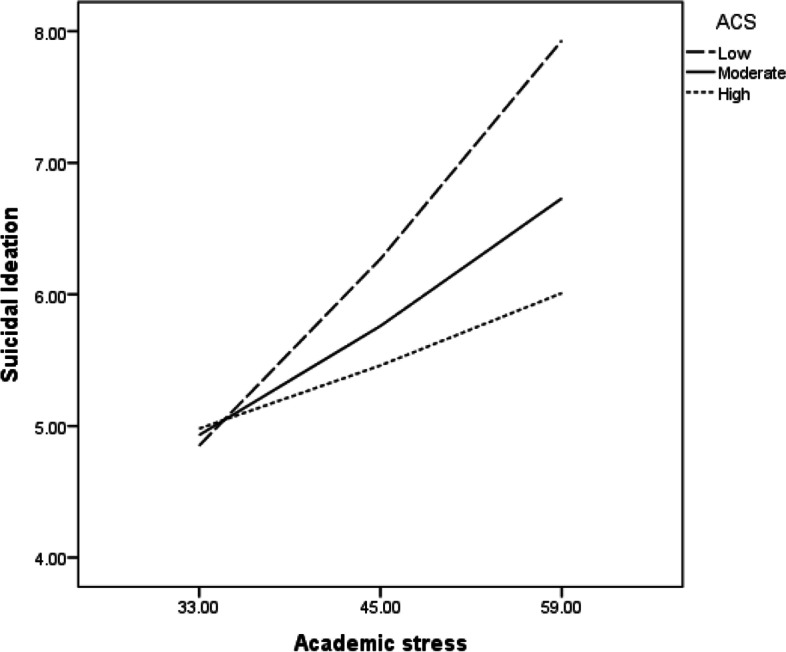
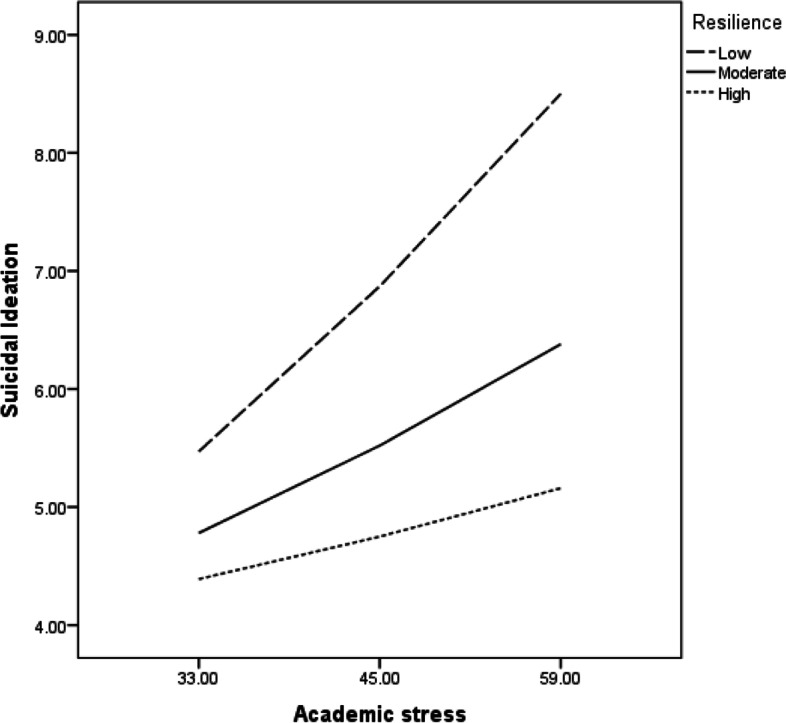
Background: As a global phenomenon, suicide has generated a lot of concern. Scholars from various fields have conducted extensive research on the prevalence, causes, factors, and/or management or possible solutions to suicidal ideation. Despite the research efforts, suicidal cases worldwide still yell for more empirical attention. No doubt that some of the extant literature have specifically evidenced the causal links and factors in suicidal ideation. Yet, none had focused on the moderating roles of coping and resilience in an academic population. We therefore, examined the moderating roles of coping and resilience in the relationship between academic stress and suicidal ideation. Method: We used a cross-sectional design to sample 505 participants (329 males and 176 females) from three southern Nigerian universities. Participants who willingly indicated their participatory consent were administered a paper self-report questionnaire containing the Lakaev Academic Stress Response Scale (LASRS), Scale for Suicidal Ideation (SSI), Brief COPE (B-COPE), and Resilience Scale (RS-14). Hierarchical regression analysis was used to test the hypotheses of the study. Academic stress ( r = 0.17; p.001) was found to be positively associated with suicidal ideation, whereas resilience ( r = −.22; p.001) was found to be negatively associated with suicidal ideation. Suicidal ideation had no significant correlation with adaptive coping style, but it did have a significant correlation with maladaptive coping ( r = .15; p.001). The regression-based PROCESS macro showed that academic stress was a significant predictor of coping [Δ R 2 = .03, F (1, 502) = 16.18, p = .01]. Academic stress was positively associated with suicidal ideation at low or moderate levels of adaptive coping styles. At high levels of adaptive coping styles, the association between academic stress and suicidal ideation was not significant. However, resilience negatively predicted suicidal ideation [R = .29, (R 2 = .08), F(1, 499) = 19.94, p = .00] with academic stress showing a positive association with suicidal ideation at low and moderate levels of resilience, but for those with high resilience, academic stress was not associated with suicidal ideation. In sum, suicidal ideation is heightened by increased academic stress, with greater resilience ameliorating the tendency of academic stress resulting in suicidal ideation. Also, adopting maladaptive ways of coping promotes suicidal ideation among students, with resilience and adaptive coping strategies moderating the relationship between academic stress and suicidal ideation. It is therefore recommended that educational administrators, policy makers, lecturers, teachers, and tutors incorporate courses, teachings, and sessions that foster as well as inculcate resilience and efficient coping skills in pupils and students.
Overview
The claims and statistics of this paper haven’t been checked yet.
Free: it reads the open-access text and checks the first 5 claims that cite a source we can check. Create a free account to check every claim.
Integrity signals
Registry
Cites
Statistics
Figures
Verification
Claims the paper makes
The claims and statistics of this paper haven’t been checked yet.
Free: it reads the open-access text and checks the first 5 claims that cite a source we can check. Create a free account to check every claim.
Claims other papers make about this one
Each is checked against this paper’s own text: does it say what the citing paper says it does?
The source backs part of the claim, not all of it — or backs it for a different population, condition or comparison.
In the citing paper
“In this context, stress, as well as individual coping mechanisms in response to stressors (see Okechukwu et al., 2022), can powerfully influence one’s capability for suicide and shape the progression from suicide ideation to attempt.”
From Toward objective characterizations of suicide risk: A narrative review of laboratory-based cognitive and behavioral tasks (2023) · cites this paper as Okechukwu et al., 2022
Experimental — accuracy not yet measured
Self-check
Percentages, sums and reported differences re-computed from the paper’s own numbers.
The self-check needs the paper’s full text.
Citations
Cites
Tabachnick, B. G., & Fidell, L. S. (1983) · Cited by 80,054
Multiple regression: testing and interpreting interactions
(1992) · Choice Reviews Online · doi:10.5860/choice.29-3352 · Cited by 36,654
Mediation in experimental and nonexperimental studies: New procedures and recommendations.
Shrout, P. E., & Bolger, N. (2002) · Psychological Methods · doi:10.1037/1082-989x.7.4.422 · Cited by 11,335 · cited 1×
“Finally, resilience would negatively predict suicidal ideation [54] as well as moderate the association between academic stress and suicidal ideation, such that academic stress would show a positive association with suicidal ideation for students at low and moderate levels of resilience, but for those with high resili…”
BackgroundYou want to measure coping but your protocol’ too long: Consider the brief cope
Carver, C. S. (1997) · International Journal of Behavioral Medicine · doi:10.1207/s15327558ijbm0401_6 · Cited by 7,361
(1991) · Cited by 7,187
Development and psychometric evaluation of the Resilience Scale.
Wagnild, G. M., & Young, H. M. (1993) · PubMed · Cited by 5,960
Resilient Individuals Use Positive Emotions to Bounce Back From Negative Emotional Experiences.
Tugade, M. M., & Fredrickson, B. L. (2004) · Journal of Personality and Social Psychology · doi:10.1037/0022-3514.86.2.320 · Cited by 3,947 · cited 2×
“Resilience is important as it ensures healthy social functioning, morale, and somatic health, as well as helps an individual maintain emotional stability in the midst of stress [64].”
BackgroundAssessment of suicidal intention: The Scale for Suicide Ideation.
Beck, A. T., Kovacs, M., & Weissman, A. (1979) · Journal of Consulting and Clinical Psychology · doi:10.1037//0022-006x.47.2.343 · Cited by 3,419 · cited 3×
“Suicidal ideation was analysed dimensionally with scores ranging from 0 (low ideation) to 38 (high ideation) [6].”
BackgroundMethodResultInfluentialThe metatheory of resilience and resiliency
Richardson, G. E. (2002) · Journal of Clinical Psychology · doi:10.1002/jclp.10020 · Cited by 2,509
Essentials of Psychological Testing
Urbina, S. (2014) · doi:10.1002/9781394259458 · Cited by 1,845
Research works printed but not linked: 8
- Akinremi R Nigeria has highest suicide rate in Africa, sixth globally 2020
- Field A. Discovering Statistics Using SPSS. 3rd Edition, Sage Publications Ltd., London. 2009.
- Hamzah M Re: Why have you used SPSS/Preacher & Hayes Macro instead of SEM? What could be the best response to this comment by a reviewer? 2019
- Kalu TUO Akande A Adetoun B Adewuyi M Socio-psychological implications of management and organizational bias and hate crime in Nigeria The global nature of organizational science phenomena: sociocultural, environmental, and political context perspectives on international organizational behaviour issues 2020 Hauppauge Nova Science Publishers (in conjunction with Springer’s Publishing Company)
- Nweze A Tanimu TN Bashir IL Alemiko EEO Akano AO Psychological theories and policing Policing Nigeria: past, present and future 1993 Lagos Malthouse Press Ltd 779 105
- Saadu UT An investigation into suicidal ideation of low academic achievers in Kwara State University, Malete, Nigeria FUDMA J Educ Foundations 2019 2 1 36 45
- Swahn M Bossarte R Elimam DM Prevalence and correlates of suicidal ideation and physical fighting: a comparison between students in Botswana, Kenya, Uganda, Zambia and the USA Int J Public Health 2010 2 195 206
- Wagnild GM The resilience scale user’s guide for the US English version of the resilience scale and the 14-item resilience scale 2009 Worden MT The Resilience Centre
Cited by
Academic stress and academic burnout in adolescents: a moderated mediating model
Gao, X. (2023) · Frontiers in Psychology · doi:10.3389/fpsyg.2023.1133706 · Cited by 144
Yang, M., Li, X., Qin, X., Tian, X., Zhang, H., & Wen, H. (2025) · Frontiers in Psychiatry · doi:10.3389/fpsyt.2025.1602808 · Cited by 89
“Resilient individuals can draw upon stable psychological resources — such as optimism, cognitive fl exibility, and emotional endurance — to preserve functioning and prevent further loss (22, 23).”
Dong, C., Xia, L., Zhao, C., Zhang, X., He, J., Zhang, G., & Zhang, J. (2023) · BMC Psychiatry · doi:10.1186/s12888-023-04887-6 · Cited by 50
“in line with the previous findings that students with greater adaptability exhibited more adaptive behaviors and positive emotions amidst stress and were more capable of recovering from stress [71, 72].”
ResultHuang, H., Ding, Y., Liang, Y., Wan, X., Peng, Q., Zhang, Y., Kong, D., & Chen, C. (2023) · Nursing Open · doi:10.1002/nop2.1922 · Cited by 34
“For example, students with high levels of resilience prefer positive coping styles, which may change their perception of tasks and reduce perceived stress (Okechukwu et al., 2022) and, in turn, the frequency of academic procrastination.”
BackgroundStea, T. H., Bonsaksen, T., Smith, P., Kleppang, A. L., Steigen, A. M., Leonhardt, M., Lien, L., & Vettore, M. V. (2024) · BMC Psychiatry · doi:10.1186/s12888-024-05696-1 · Cited by 52
“Moreover, an increase in perceived school-work pressure has been reported over time, especially among females in the highest grades [53], and high levels of academic stress has been related to suicidal ideation, with resilient students able to bounce back from academic challenges [54].”
BackgroundSelak, Š., Crnkovič, N., Šorgo, A., Gabrovec, B., Cesar, K., & Žmavc, M. (2024) · BMC Public Health · doi:10.1186/s12889-024-19470-1 · Cited by 68
“These findings are consistent with previous work on the effect of resilience on suicidal ideation in college students [23, 24] and add to the range of contexts in which its protective function against depression symptoms has been documented (e.g. [64–67]).”
ResultLin, Y., Chen, Z., He, M., Zhou, W., Wang, L., Guo, H., & Huang, K. (2024) · Heliyon · doi:10.1016/j.heliyon.2024.e35466 · Cited by 31
“…research indicates that a negative coping style is a risk factor for anxiety and depression in adolescents during the COVID-19 pandemic [84], predicts psychological symptoms in medical students [60], and correlates with significant academic stress and suicidal ideation in college students [85].”
Wang, Y., Liu, J. Y., Chen, S., Zheng, C., Zou, X., & Zhou, Y. (2024) · Journal of Affective Disorders · doi:10.1016/j.jad.2024.02.035 · Cited by 24
Türk, N., Özmen, M., & Derin, S. (2025) · Healthcare · doi:10.3390/healthcare13151875 · Cited by 25
“Coping methods accompanied by resilience are especially known to be protective factors against suicide in university students [32].”
Iweama, C. N., Agbaje, O. S., Lerum, N. I., Igbokwe, C. C., & Ozoemena, E. L. (2024) · SAGE Open Medicine · doi:10.1177/20503121241236137 · Cited by 29
“20 Other factors such as depression, 19 hopelessness, 21 and severed intimate relationships are profound risk factors for suicidal ideation and attempts among university or college students.”
BackgroundGuo, S., Huang, N., Liu, X., Zhang, S., & Guo, J. (2024) · Journal of Affective Disorders · doi:10.1016/j.jad.2024.06.024 · Cited by 20
Artificial Intelligence Anxiety: Psychometric Properties and a Mediation Model
Salimi, S., Dastjerdi, M. M., & Javaheri, A. (2025) · International Journal of Human-Computer Interaction · doi:10.1080/10447318.2025.2457183 · Cited by 16
“Conversely, individuals with high adaptability demonstrate more adaptive behaviors and positive emotions under stress, exhibiting greater ability to alleviate anxiety (Dong et al., 2023; Fiori et al., 2015; Gadassi et al., 2013; Okechukwu et al., 2022; Parmentier et al., 2022).”
Xiao, Q., Huang, X.-H., Yang, J., Mu, Y.-F., Wang, C., Deng, Z.-Y., Cai, J. C., Deng, A.-P., Tang, W.-J., Chen, X., et al. (2024) · Frontiers in Psychiatry · doi:10.3389/fpsyt.2024.1383992 · Cited by 17
“Younger students are at particularly high risk of suicidal behavior if they exercise maladaptive coping skills in the face of persistent academic stress and negative emotions (51).”
BackgroundStudent Suicide in India: An Analysis of Newspaper Articles (2019–2023)
Maji, S., Jordan, G., Bansod, S., Upadhyay, A., Deevela, D., & Biswas, S. (2024) · Early Intervention in Psychiatry · doi:10.1111/eip.13616 · Cited by 16
Lamontagne, S. J., Zabala, P. K., Zarate, C. A., & Ballard, E. D. (2023) · Neuroscience & Biobehavioral Reviews · doi:10.1016/j.neubiorev.2023.105361 · Cited by 12
Dong, W., Li, Y., Zhang, Y., Peng, Q., Lu, G., & Chen, C. (2023) · World Journal of Psychiatry · doi:10.5498/wjp.v13.i12.1133 · Cited by 16
Ling, Y., Chen, Y., Zhang, Y., & Huebner, E. S. (2023) · Journal of Adolescence · doi:10.1002/jad.12167 · Cited by 11
Zhang, Y., Jia, Y., MuLaTiHaJi, M., Mi, Y., Mei, Y., Sun, T., Shi, H., Zhang, Y., Zhang, Y., Zou, R., et al. (2024) · Frontiers in Public Health · doi:10.3389/fpubh.2024.1376540 · Cited by 11
Shin, Y.-L., & Bae, S. (2024) · Child Psychiatry & Human Development · doi:10.1007/s10578-024-01742-x · Cited by 9
Calling in: Mental health in management education and academia
Segarra, P., & Williams, K. (2025) · Management Learning · doi:10.1177/13505076241284433 · Cited by 8
“Academia is replete of instances that can have a negative effect on mental health, in fact, Okechukwu et al. (2022) have found a definitive positive relationship between academic stress and suicidal ideation.”
Guo, M., Apuke, O. D., Tunca, E. A., & Gever, V. C. (2023) · Journal of Asian and African Studies · doi:10.1177/00219096231192312 · Cited by 11
“Social media usage is characterised by stress and fatigue due to overload (Liu et al., 2021), and resilience has been shown in this study to act as an essential preventive mechanism during times of stress and the subsequent adverse outcomes (Okechukwu et al., 2022).”
Buils, R. F., & Andrés‐Roqueta, C. (2023) · Behavioral Sciences · doi:10.3390/bs13110880 · Cited by 8
“…continuous stress can lead to poor academic performance [7], school dropout [8], poor sleep quality [9], depressive problems [10], tendencies to academic procrastination [11], social and contextual maladjustment, anticipatory anxiety about stressful events [12,13], and even suicidal ideation [14].”
BackgroundHäberling, I. S., Preisig, M., Emery, S., Baumgartner, N., Albermann, M., Strumberger, M. A., Schmeck, K., Wöckel, L., Erb, S., Rhiner, B., et al. (2025) · Frontiers in Child and Adolescent Psychiatry · doi:10.3389/frcha.2025.1510961 · Cited by 8
Blanco, E., Bernardo, A. B., Herrero, E. T., & Núñez, J. C. (2025) · Psicología Educativa · doi:10.5093/psed2025a13 · Cited by 17
He, Y., Liu, X., Yang, T., Xu, X. M., Liu, W., Sun, K., & Wu, S. (2025) · BMC Public Health · doi:10.1186/s12889-025-23877-9 · Cited by 11
“Previous studies have established connections among meaning of life, coping styles, and suicidal ideation [35, 36, 69, 70], but they primarily focused on latent variables and neglected the heterogeneity among symptoms.”
A social ecological approach to social contagion of self-harm among young people
Wen, X., Sun, S., Lin, D., Yue, W., & Chen, R. (2025) · Nature Reviews Psychology · doi:10.1038/s44159-025-00495-1 · Cited by 11
“Indeed, prolonged exposure to academic stressors and socioeconomic anxieties (including fears of unemployment, poverty, economic instability, marginalization and perceived disempowerment) increases individual vulnerability and creates population-level risk of self-harm contagion 102,107 .”
The association between coping behaviors and the interpersonal theory of suicide in college students
Hussain, Z., & Hill, R. M. (2023) · Journal of Behavioral and Cognitive Therapy · doi:10.1016/j.jbct.2023.05.005 · Cited by 12
Stress and suicidal ideation among Chinese college students: The role of meaning in life
Mingming, C., Xue, L., & Huiping, Z. (2024) · Death Studies · doi:10.1080/07481187.2024.2305336 · Cited by 9
“For instance, academic stress is positively associated with suicidal ideation (Okechukwu et al., 2022), academic stress worsens depression among college students, and both could lead to death by suicide (Urme et al., 2022); Stressful events may increase the disparity between the current and the…”
Miao, S., Xu, L., Gao, S., Bai, C., Huang, Y., & Peng, B. (2024) · Acta Psychologica · doi:10.1016/j.actpsy.2024.104427 · Cited by 10
Li, Y., Wang, J., Luo, W., Zhou, H., Zhang, J., Xu, J., Cheng, D., Sun, M., Zhu, R., Zhong, S., et al. (2025) · BMC Public Health · doi:10.1186/s12889-025-25805-3 · Cited by 17
“However, another study highlighted that the link between academic stress and suicide ideation was contingent upon factors such as low psychological resilience and maladaptive coping [46], challenging the notion of a direct, unconditional association.”
Development and validation of School Resilience Questionnaire (SRQ) in Iranian adolescents
Afzali, L., & Hosseinian, S. (2024) · BMC Psychology · doi:10.1186/s40359-023-01496-6 · Cited by 11
“Furthermore, our findings about the inverse relationship between school resilience and academic burnout contribute to the growing body of evidence that supports the protective role of resilience against academic stressors [42].”
BackgroundA pilot predictive model based on COVID-19 data to assess suicidal ideation indirectly
Prelog, P. R., Matić, T., Pregelj, P., & Sadikov, A. (2023) · Journal of Psychiatric Research · doi:10.1016/j.jpsychires.2023.05.008 · Cited by 8
“Negative and dysfunctional coping skills and negative emotions are known to trigger a higher risk for suicide (Okechukwu et al., 2022).”
Li, C., & Zhang, X. (2023) · International Journal of Mental Health and Addiction · doi:10.1007/s11469-023-01117-8 · Cited by 8
“The first three strategies belong to approach coping—which aims to exert cognitive and behavioral efforts and thus directly change stressful situations—and has generally been associated with positive consequences (Clarke, 2006; Okechukwu et al., 2022).”
Estrés académico y cansancio emocional en estudiantes universitarios: Un estudio transversal
Universidad Nacional Amazónica de Madre de Dios, P., & Estrada-Araoz, E. G. (2024) · Gaceta Médica de Caracas · doi:10.47307/gmc.2024.132.1.6 · Cited by 18
Student Suicide Prevention in India: Moving Towards a Feasible Solution
Shoib, S., & Kar, S. K. (2024) · Indian Journal of Psychological Medicine · doi:10.1177/02537176241236636 · Cited by 6
Vidal, I. N. S., Nieto, M., Ricarte, J. J., Alcantud, M. D. V., Hallford, D. J., & Ros, L. (2024) · PeerJ · doi:10.7717/peerj.18673 · Cited by 7
Ghanadian, H., Nejadgholi, I., & Osman, H. A. (2025) · JMIR Formative Research · doi:10.2196/63272 · Cited by 18
“Educational institutions must provide resources for coping with academic stress [61,62].”
Wu, R., Lan, J., & Yu, W. (2026) · BMC Psychology · doi:10.1186/s40359-025-03868-6 · Cited by 5
“Such parenting practices are more salient and frequently discussed in Chinese families and have been found to be associated with stronger feelings of hopelessness, self-devaluation, and higher levels of suicidal ideation [6, 7].”
Wu, M., Hua, H., Fu, Y., & Zhang, X. (2023) · Frontiers in Psychology · doi:10.3389/fpsyg.2023.1033190 · Cited by 9
A survey on mental health among resident physicians: psychological resilience as a mediator
He, Y., Lin, S., Wang, Y., Zhang, B., Wang, Y., Sheng, S., Gu, X., & Wang, W. (2025) · BMC Psychiatry · doi:10.1186/s12888-025-06517-9 · Cited by 6
Prevalence and predictors of suicidality among nursing students in Indonesia
Fitriawan, A. S., Setyaningsih, W. A. W., Wulandari, A. N., Samutri, E., Achmad, B. F., Budiyati, G. A., Nailufar, Y., & Retnaningsih, L. N. (2023) · Kontakt · doi:10.32725/kont.2023.009 · Cited by 11
Using Machine Learning and the HAMD-24 Scale to Predict Suicide Ideation in Depressed Patients
Chen, Y., Jiang, Z.-Y., Dong, G., Zhang, W., Wang, K., & Yang, H. (2025) · Psychology Research and Behavior Management · doi:10.2147/prbm.s537582 · Cited by 4
“43–45 This dual-pathway model underscores despair’s pernicious role in both motivating suicidal escape and disabling natural buffers against it.”
Adeleke, O. T., Olatubi, I. V., Ademuyiwa, G. O., Samson, T. K., Awotunde, T. A., Adeleke, O. V., Awolola, A., & Olatubi, M. I. (2025) · PLOS mental health. · doi:10.1371/journal.pmen.0000235 · Cited by 15
Prelog, P. R., Matić, T., Pregelj, P., & Sadikov, A. (2025) · Scientific Reports · doi:10.1038/s41598-025-90718-5 · Cited by 9
“In line with that, a recent study found that adequate coping of students (assessed with Brief cope) with academic stressors was key to avoiding SI 51 .”
Bibliometric Analysis of Research Papers on Academic Stress (1989-2023)
Dagli, N., Ahmad, R., Haque, M., & Kumar, S. (2024) · Cureus · doi:10.7759/cureus.55536 · Cited by 11
“Still, this relationship is mitigated by greater resilience and adaptive coping strategies, while maladaptive coping exacerbates suicidal ideation among students [8].”
BackgroundMichulek, J., Gajanová, Ľ., Gajdosikova, D., & Senci, M. (2025) · Administrative Sciences · doi:10.3390/admsci15100399 · Cited by 5
Exploring the spirituality and academic resilience among university undergraduate students
Lehihi, T. G., Tsabedze, W. F., Oduaran, C. A., & Onyencho, V. C. (2025) · Frontiers in Education · doi:10.3389/feduc.2025.1671316 · Cited by 18
Kato, T. (2025) · Archives of Suicide Research · doi:10.1080/13811118.2025.2597347 · Cited by 3
“Several studies (e.g., de Lange et al., 2022; Okechukwu et al., 2022; Sun & Zhang, 2015) have found moderating effects of stressful events on the relationship between some coping strategies (or poorly adaptive coping strategies) and suicidal thoughts/suicide attempts.”
Wan, W., Cao, Y., Chen, F., Qiu, J., Zhang, X., Huang, Z., Wu, Y., Ji, X., & Wu, H. (2025) · The American Journal of Emergency Medicine · doi:10.1016/j.ajem.2025.12.019 · Cited by 5
Resiliencia e ideación suicida en estudiantes universitarios
Navarrete-Lema, D. A., & Pérez, M. L. R. (2022) · Ciencia Latina Revista Científica Multidisciplinar · doi:10.37811/cl_rcm.v6i6.4119 · Cited by 3
Waseem, A. (2023) · International Journal of Science and Research (IJSR) · doi:10.21275/sr231120134422 · Cited by 5
Suicidality, resilience and burnout in a population of oncology nurses
Despotović, M., Ristić, D. I., Banković, D., Milovanovic, D. R., Stepanović, Ž., Despotović, M., Zlatanović, M., Raketić, D., Milisavljević, M., Boljanović, J., et al. (2025) · Scientific Reports · doi:10.1038/s41598-025-87677-2 · Cited by 4
Martínez‐Fierro, M. L., Ramírez-Hernández, L. A., Ortiz, P. M. T., Razo, G. L., Rayas, J. Z., Vázquez-Reyes, S., Velasco-Elizondo, P., Mauricio-González, A., Araujo-Espino, R., Montaño, F. E. M., et al. (2025) · Nursing Reports · doi:10.3390/nursrep15120441 · Cited by 6
“Comparable patterns of psychological vulnerability have also been linked in earlier research to inadequate social support, academic overload, and insufficient coping mechanisms [66].”
COVID-19 and Psychological Distress in Africa: Communitarian Perspectives
Ndasauka, Y. (2023) · Routledge eBooks · doi:10.4324/9781003425861 · Cited by 5
Jiménez, M. G., Trigo, M. E., Varo, C., Aires-González, M. D. M., & Cano‐García, F. J. (2024) · Clínica y Salud · doi:10.5093/clysa2024a6 · Cited by 7
“University academic stress may even be associated with suicidal ideation (Okechukwu et al., 2022).”
BackgroundOgba, K. T. U., Chukwuma, O. G., Ituma, E. A., Ugwu, C. I., Ngele, O. K., Obayi, L., Ugwu, C. F., Obi-keguna, C. N., & Emeh, I. E. (2025) · Acta Psychologica · doi:10.1016/j.actpsy.2025.105044 · Cited by 6
Self-citationZhao, S., He, H., Zhang, P., & Gu, H. (2025) · Humanities and Social Sciences Communications · doi:10.1057/s41599-025-05326-5 · Cited by 6
“Emotion-focused coping (e.g., avoidance, rumination) often exacerbates negative outcomes, whereas problem-solving coping (direct stressor resolution) mitigates distress (Okechukwu et al., 2022; Wu et al., 2020).”
Impact of Emotional Intelligence on the Well-being of Teachers and StudentsPreprint
Deepa, R. (2024) · Qeios · doi:10.32388/5ry3yw · Cited by 10
Tobore, T. O. (2025) · Communicative & Integrative Biology · doi:10.1080/19420889.2025.2484526 · Cited by 3
“…deal of academic stress (from academic performance, high-grade achievement, preparation for tests, expectations from self, teachers, and parents, etc.) that may impact their mental health [87–89], negatively impact creativity [83,90], meaning [91], and risk of suicide/suicide ideation [92–94].”
Shabani, M., Meqdadipour, H., Kalroozi, F., Moradi, M., & Kazemi-Galougahi, M. H. (2025) · Health Science Reports · doi:10.1002/hsr2.70899 · Cited by 2
Su, W., Jia, H., Chang, W., Jiang, S., Dong, S., Ge, H., Qi, Y., Li, X., & Ma, G. (2025) · International Journal of Medical Informatics · doi:10.1016/j.ijmedinf.2025.106111 · Cited by 6
Impact of Perceived Human Resource Practices on Academics' Mental Health: A Conceptual Framework
Jerjawi, K. A., Dadich, A., & Samad, A. (2025) · Asia Pacific Journal of Human Resources · doi:10.1111/1744-7941.70044 · Cited by 4
Maduafokwa, B. A., Balogun, M. R., & Abdulraheem, K. S. (2026) · PLoS ONE · doi:10.1371/journal.pone.0342108 · Cited by 2
“[21 ,22] At the policy level, the lack of sustained implementation and enforcement of existing physical activity mandates mirrors findings from other African urban contexts, where policy fragmentation and competing health priorities undermine population-level exercise promotion.”
Exploring Suicide Factors in Online Discourse: Sentiment and Thematic Analysis of Reddit
Dan, E., Zhu, J., & Jin, R. (2025) · ACM Transactions on the Web · doi:10.1145/3716546 · Cited by 10
Khumanlambam, R., Pengpid, S., Kengganpanich, M., Peltzer, K., & Singh, R. L. (2025) · BMC Public Health · doi:10.1186/s12889-025-24901-8 · Cited by 7
“…mediation via self-esteem, somatic symptoms, and self-harm [68]; full mediation by entrapment and weaker by peer support [69]; symptom-specific routes with insomnia mediating stress to SI [70], and moderation by adaptive coping/resilience that nullifies the association at higher levels [14].”
A narrative review on psychosocial factors associated with suicide amongst youth
Shophi, T. (2024) · EUREKA Social and Humanities · doi:10.21303/2504-5571.2024.003352 · Cited by 2
Mathivanan, N. M. N., Xi, D. F. Y., Lee, G. C. S., Vosse, C. D., Shamsudin, S. F., & Mansor, M. M. (2025) · IEEE Symposium on Computer Applications & Industrial Electronics (ISCAIE) · doi:10.1109/iscaie64985.2025.11080844 · Cited by 1
“These findings are consistent with existing research that emphasizes the impact of academic stress and mental health history on depression among students [25], [26].”
Self-Efficacy–Based intervention for stress management in health centers employees
saeidavi, H., Nazari, M., Ghahremani, L., & Nazari, A. (2025) · BMC Psychology · doi:10.1186/s40359-025-03538-7 · Cited by 1
“People with high self-efficacy display better coping strategies, greater resilience, and more efficient stress management [14].”
A Comprehensive Review of Students' Wellbeing in Engineering Education
Batra, S., & Kulkarni, S. S. (2025) · World Engineering Education Forum - Global Engineering Deans Council (WEEF-GEDC) · doi:10.1109/weef-gedc66748.2025.11256406 · Cited by 2
“Mindfulness and resilience were also identified as significant moderators, improving students' ability to manage stress and maintain wellbeing across varying academic demands [26], [32].”
J-Shaped Association Between Sleep Timing and Suicidal Ideation: A Nationwide Cross-Sectional Study
Kang, J., & Goh, E. (2025) · Nature and Science of Sleep · doi:10.2147/nss.s572068 · Cited by 1
“These age-related differences likely result from complex interactions among factors, including circadian rhythm shifts, 35,36 as well as societal influences such as academic demands, 37 peer relationships, 38 and smartphone use.”
Principle 7: You Overwork Yourself at the Risk of Legitimising a Culture of Overwork
Lemon, N. S. (2026) · Springer eBooks · doi:10.1007/978-981-95-4084-6_8 · Cited by 1
Social Connectedness and the Recent Development of Suicidal Ideation During Adolescence
Knorr, A. C., Behrens, B., & Ammerman, B. A. (2026) · Archives of Suicide Research · doi:10.1080/13811118.2026.2666680 · Cited by 1
The Relationship Between Exam Anxiety and Risky Behaviors in Late Adolescents: A Descriptive Study
Ertuğrul, B., Tekinyıldız, E., & YAVUZ, S. Ç. (2024) · Turkiye Klinikleri Journal of Nursing Sciences · doi:10.5336/nurses.2023-99195 · Cited by 1
Srivastava, K., Mandal, M. P., & Bhati, R. (2025) · Multidisciplinary Reviews · doi:10.31893/multirev.2025240 · Cited by 1
“Suicidal thoughts have escalated due to elevated academic stress (Okechukwu et al., 2022).”
Oktary, D., Pohan, R. A., Astuti, R. D., & Pohan, P. B. A. (2025) · Journal of Affective Disorders · doi:10.1016/j.jad.2025.120125 · Cited by 1
Impact of Emotional Intelligence on the Well-Being of Teachers and StudentsPreprint
Deepa, R. (2024) · Qeios · doi:10.32388/5ry3yw.2
Kong, M., Peng, B., Chen, W., Liu, T., & Yin, Z. (2026) · Frontiers in Psychology · doi:10.3389/fpsyg.2026.1735347
“The start of independent living, academic and interpersonal pressures, and uncertainty about future careers can all serve as triggers for psychological crises (Cecchin et al., 2024; Okechukwu et al., 2022).”
Latent Class Analysis of Stressful Life Experience and Risk of Suicidal Behaviors in CollegePreprint
Shin, M., Joh, H., Jang, J., & Kim, E. Y. (2023) · SSRN Electronic Journal · doi:10.2139/ssrn.4525614
The Auditory Academic Transforming the Soundscape of Scholarship
Brabazon, T. (2023) · Canadian Journal of Educational and Social Studies · doi:10.53103/cjess.v3i5.181
Wang, H., Xu, J., Cui, Y., Su, T., Xu, S., Xiao, L., Zhang, R., Liu, M., Cai, W., & Tang, Y. (2023) · Research Square · doi:10.21203/rs.3.rs-3652708/v1
Academic Staff Coping Responses to COVID-19 Disruptions in Universities
Aloka, P. J. O., & Ooko, M. A. (2023) · Routledge eBooks · doi:10.4324/9781003425861-6 · Cited by 1
Suicidal Ideation among a Sample of Students in Nigeria
Olaseni, J. T., Lubi, R. S., & Olabisi, F. E. (2023) · International Journal of Psychological Studies · doi:10.5539/ijps.v16n1p12
“Among 505 university undergraduates from South-Eastern Nigeria, Okechukwu et al. (2022) investigated the moderating roles of coping and resilience in the relationship between academic stress and suicidal ideation and reported that thoughts about committing suicide increased with academic stress.”
BackgroundResultBesir, M. S. M., Saadun, S. J., Tobi, S. N. M., Hasan, N. Z. M., & Fikri, M. (2024) · Information Management and Business Review · doi:10.22610/imbr.v16i3s(i)a.4167 · Cited by 1
“Conversely, Okechukwu et al. (2022) found that the impact of these conflicts on suicide probability varied significantly, depending on psychological resilience and flexibility.”
BackgroundDeterminantes sociodemográficos del acto suicida en la población peruana: un análisis multivariable
Tirado, A. G. (2024) · Revista Médica Herediana · doi:10.20453/rmh.v35i4.5020 · Cited by 4
Development and psychometric testing of the school-life conflict scale (SLCS) among nursing students
Labrague, L. J., Rosales, R. A., Arteche, D. L., Santos, M. C., Calimbas, N. D. L., Yboa, B. C., Sabio, J. B., Quiña, C. R., Quiaño, L. Q., Apacible, M. A., et al. (2025) · Nurse Education Today · doi:10.1016/j.nedt.2025.106578 · Cited by 3
The Effect of emPloyment Stress on Job Burnout among College Students: A Chain Mediation Model
赵, 可. (2025) · Advances in Social Sciences · doi:10.12677/ass.2025.142161
RESILIENCE STUDIES IN CHILDREN BETWEEN AGES 10 AND 15
Anand, D. A. (2025) · International Journal of Education Humanities and Social Science · doi:10.54922/ijehss.2025.0965
Lived Experiences of Adolescents with Suicidal Ideation: A Phenomenological Study
Lasmarias, R. (2025) · International Journal For Multidisciplinary Research · doi:10.36948/ijfmr.2025.v07i03.46227
Agesin, B. E. (2025) · Psychology and Mental Health Care · doi:10.31579/2637-8892/323 · Cited by 1
Kulkarni, N. V., Naik, A. R., & Panchal, D. N. (2025) · Research Square · doi:10.21203/rs.3.rs-7569141/v1 · Cited by 1
Hu, Y., Da, S., An, Y., Ao, L., & Yang, M. (2025) · Journal of Child and Adolescent Mental Health · doi:10.2989/17280583.2025.2546808
“…2007; Yıldız, 2020), and research indicates that compared to the general population, individuals with suicidal ideation often encounter more frequent and intense negative life events, particularly in family, peer, or academic contexts (Okechukwu et al., 2022; Zhang et al., 2011; Zhao et al., 2025).”
Peng, S., & Yi, F. (2025) · PLoS ONE · doi:10.1371/journal.pone.0323178 · Cited by 1
Afzali, L., & Hosseinian, S. (2024) · Figshare · doi:10.6084/m9.figshare.26669145
Stea, T. H., Bonsaksen, T., Smith, P., Kleppang, A. L., Steigen, A. M., Leonhardt, M., Lien, L., & Vettore, M. V. (2024) · Figshare · doi:10.6084/m9.figshare.25511850
Alom, M. S., Tomal, M. A. H., Taha, R., Parvez, S., Layek, M. A., Mohsin, M., & Talukder, M. A. (2025) · Engineering Reports · doi:10.1002/eng2.70574 · Cited by 1
Xie, Z., Hu, Y., Ye, Y., Li, Y., Li, L., Yang, M., & Li, Z. (2026) · Frontiers in Psychiatry · doi:10.3389/fpsyt.2025.1723286
“Offering supports that can be delivered widely, such as psychoeducation, coping skills for managing school stress, and referrals to counseling, could prevent their distress from escalating (9, 29, 36, 36).”
Wang, Y., & Tang, W. (2026) · International Journal of School & Educational Psychology · doi:10.1080/21683603.2025.2611813
“Prolonged academic burnout can lead to mental health issues like depression and anxiety (Steare et al., 2023) and negatively impact behavior, potentially causing truancy, dropping out, or even suicide (Okechukwu et al., 2022).”
Oguntayo, R., & Marisela, G. V. (2025) · i-manager s Journal on Humanities & Social Sciences · doi:10.26634/jhss.5.2.21486
Darban, F., Heydarikhayat, N., nadimi, M., & Adelzadeh, S. R. (2026) · BMC Psychology · doi:10.1186/s40359-026-04097-1
“This positive coping mindset leads individuals to actively seek solutions, fostering a positive outlook on life and a corresponding negative stance toward suicide [54].”
Examining Resilience in Those With and Without Suicidal Ideation
Meyer, D., Sumner, P. J., Neill, E., Phillipou, A., Toh, W. L., Rheenen, T. E. V., & Rossell, S. L. (2026) · Behavioral Sciences · doi:10.3390/bs16020260
“Finally, Okechukwu et al. (2022) found that psychological resilience moderated the relationship between stress and SI, with significant positive associations between stress and SI at low and moderate levels of resilience, but no association when resilience was high.”
Metadata
- Authors
- Okechukwu, F. O., Ogba, K. T. U., Nwufo, J. I., Ogba, M. O., Onyekachi, B. N., Nwanosike, C. I., & Onyishi, A. B.
- Affiliations
- University of Nigeria (NG)
- Abia State University (NG)
- Corresponding author
- Ogba, Kalu T. U.
- ORCID
- Venue
- BMC Psychiatry
- Published
- 2022-08-12
- Volume
- 22
- Issue
- 1
- Pages
- 546-546
- ISSN
- 1471-244X (ISSN-L)
- PMC
- PMC9373522
- OpenAlex
- W4291151821
- Cited by
- 129
- References
- 67
- Citations by year
- 2026: 36 · 2025: 46 · 2024: 26 · 2023: 20 · 2022: 1
- FWCI
- 21.24
- Type
- journal article
- Language
- en
- Open access
- gold
- doi.org
- Licence
- cc-by
- creativecommons.org/licenses/by/4.0 (tdm)
- creativecommons.org/licenses/by/4.0 (vor)
- Locations
- BMC Psychiatry (publishedVersion, cc-by)
- PubMed Central (publishedVersion, cc-by)
- PubMed (publishedVersion)
- DOAJ (DOAJ: Directory of Open Access Journals) (submittedVersion, cc-by-sa)
- Funders
- University Of Nigeria Nsukka
- Topics
- Social Sciences › Psychology › Clinical Psychology › Suicide and Self-Harm Studies
- Social Sciences › Psychology › Developmental and Educational Psychology › Student Stress and Coping
- Social Sciences › Psychology › Social Psychology › Stress and Burnout Research
- Keywords
- academic stress, suicidal ideation, coping styles, resilience, moderating effect, maladaptive coping, adaptive coping, university students, student mental health, suicide prevention, Nigerian universities, Brief COPE
- MeSH terms
- Adaptation, Psychological, Cross-Sectional Studies, Female, Humans, Male, Risk Factors, Universities, Suicidal Ideation
About these checks
Registry, retraction, Cites and statistics results are computed, not judged, with one exception: a printed reference that no index lists is read once by a model before it counts as a citation error. Claims are extracted by a model and kept only when their quote appears verbatim in the text; each cited source is then checked, with a model’s help, for whether it says what the claim relies on. Those verdicts can be wrong — read the claim’s quote and the cited source before relying on one.
Statistics and arithmetic are recomputed, not judged.
Confidence bands are shown only for fields calibrated on our annotated test set. None is calibrated yet, so no band is shown.
What counts as a claim ›How we measure confidence ›How we check this ›
Are you an author, or do you see a problem with this page? Request a review
Data sources
Bibliographic data: Semantic Scholar, OpenAlex, Crossref.
Contains information from the Semantic Scholar Academic Graph Datasets, made available under the ODC Attribution License (ODC-BY 1.0).
Semantic Scholar’s data is described in: Kinney, R., et al. (2023). The Semantic Scholar Open Data Platform. arXiv:2301.10140.
