

Dementia awareness and risk perception in middle-aged and older individuals: baseline results of the MijnBreincoach survey on the association between lifestyle and brain health
Open accessThe DOI matches its Crossref record; 32 of the 32 references it cites were found in a registry or an index.
Abstract
BACKGROUND: The total number of people with dementia is increasing worldwide, due to our aging society. Without a disease-modifying drug available, risk reduction strategies are to date the only promising way to reduce dementia incidence in the future. Substantial evidence exists that lifestyle factors contribute to the risk of dementia, such as physical exercise, mental activity and (non-)smoking. Still, most people seem unaware of a relationship between lifestyle and brain health. This paper investigates dementia literacy and knowledge of modifiable risk and protective factors of dementia in a Dutch population-based sample. METHODS: An online-survey was carried out among 590 community-dwelling people between 40 and 75 years old in the Province of Limburg, the Netherlands. The total group comprises both of a provincial sample (n = 381) and a sample of three specific districts within the province (n = 209). Dementia awareness and knowledge about 12 risk and protective factors was assessed with items derived from the British Social Attitudes (BSA) survey, supplemented with custom items developed by the research team. RESULTS: The majority of participants (56%) were unaware of a relationship between lifestyle and dementia risk. Most individuals identified low cognitive activity, physical inactivity and unhealthy diet as dementia risk factors. Particular gaps in knowledge existed with regard to major cardiovascular risk factors such as hypertension, hypercholesterolemia and coronary heart disease. Although the level of awareness varied by age and level of education, most people (70%) were eager to learn more about the topic of brain health, and indicated to be interested in using eHealth (54%) to measure or improve brain health. CONCLUSIONS: Most people still are unaware of the relation between lifestyle and brain health, indicating the need for public health campaigns. Increasing awareness in the general population about the presence of modifiable dementia risk and protective factors is a crucial first step prior to implementation of preventative measures. Targeting specific subgroups, such as individuals with low socioeconomic status and low health literacy, is essential for the reach and effect of a prevention campaign. Outcome of this study was the rationale for an awareness campaign in The Netherlands, called "MijnBreincoach" ("MyBraincoach").
Overview
The claims and statistics of this paper haven’t been checked yet.
Free: it reads the open-access text and checks the first 5 claims that cite a source we can check. Create a free account to check every claim.
Integrity signals
Registry
Cites
Statistics
Figures
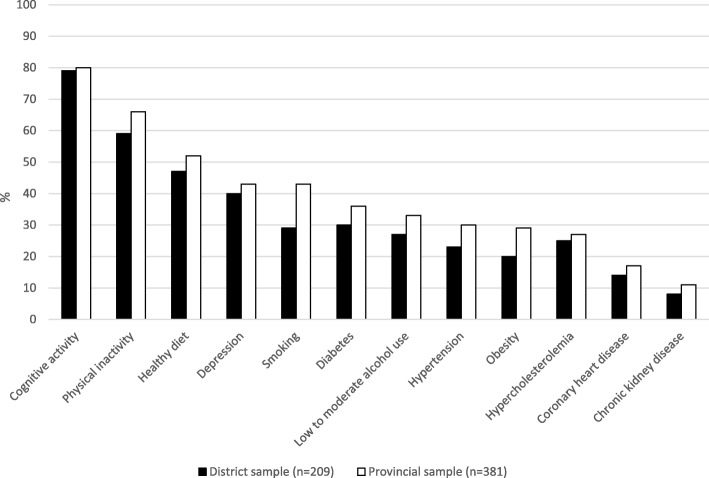
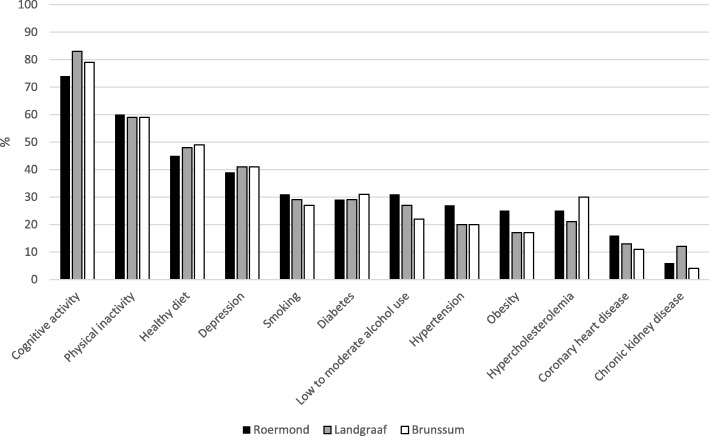
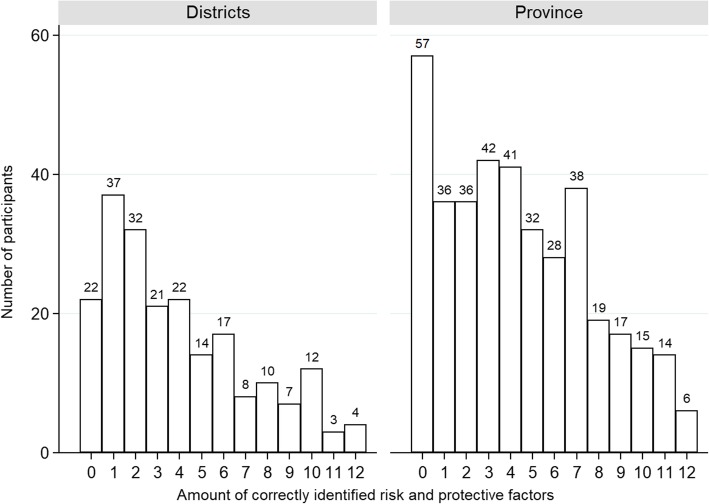
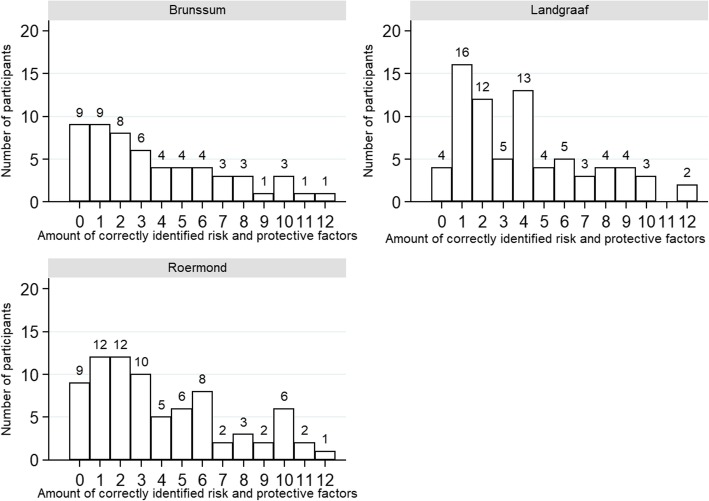
Verification
Claims the paper makes
The claims and statistics of this paper haven’t been checked yet.
Free: it reads the open-access text and checks the first 5 claims that cite a source we can check. Create a free account to check every claim.
Claims other papers make about this one
Each is checked against this paper’s own text: does it say what the citing paper says it does?
The source backs part of the claim, not all of it — or backs it for a different population, condition or comparison.
In the citing paper
“A recent study showed that 56% of the Dutch population aged 40-75 years believed that there is nothing one could do to decrease dementia risk.14”
From Awareness of dementia risk reduction among current and future healthcare professionals: A survey study (2021) · cites this paper as [14]
Experimental — accuracy not yet measuredThe source backs part of the claim, not all of it — or backs it for a different population, condition or comparison.
In the citing paper
“A recent study conducted in The Netherlands showed that 56% of the general population was unaware of a relationship between lifestyle and dementia risk.14”
From Awareness of dementia risk reduction among current and future healthcare professionals: A survey study (2021) · cites this paper as [14]
Experimental — accuracy not yet measuredThe source backs part of the claim, not all of it — or backs it for a different population, condition or comparison.
In the citing paper
“The utilized surveys are comprehensive and allow for cross-country comparisons since they were employed elsewhere (Heger et al., 2019;Marcinkiewicz and Reid, 2015).”
From Increasing knowledge on dementia risk reduction in the general population: Results of a public awareness campaign. (2021) · cites this paper as Heger et al., 2019
Experimental — accuracy not yet measuredThe source backs part of the claim, not all of it — or backs it for a different population, condition or comparison.
In the citing paper
“This pattern mirrors findings from the Netherlands and Denmark, where older adults stated that dementia cannot be prevented more often than younger people [18,26].”
From Sociodemographic differences in dementia prevention knowledge in Germany: Implications for targeted health communication (2026) · cites this paper as [18]
Experimental — accuracy not yet measuredThe source backs part of the claim, not all of it — or backs it for a different population, condition or comparison.
In the citing paper
“In Europe, public awareness of the importance of lifestyle and general health with dementia risk has been the focus of several studies, but findings have been inconsistent, with awareness levels ranging from 34% to 70%.”
From Awareness and knowledge of dementia risk reduction among current and future health professionals: A survey study (2025) · cites this paper as [4]
Experimental — accuracy not yet measured
18 more claims about this paper
Create a free account to see every claim other papers make about this one.
Self-check
Percentages, sums and reported differences re-computed from the paper’s own numbers.
The self-check needs the paper’s full text.
Citations
Cites
Ror2 signaling regulates Golgi structure and transport through IFT20 for tumor invasiveness
Nishita, M., Park, S.-Y., Nishio, T., Kamizaki, K., Wang, Z., Tamada, K., Takumi, T., Hashimoto, R., Otani, H., Pazour, G. J., et al. (2017) · Scientific Reports · doi:10.1038/s41598-016-0028-x · Cited by 15,947
Dementia prevention, intervention, and care
Livingston, G., Sommerlad, A., Orgeta, V., Costafreda, S. G., Huntley, J., Ames, D., Ballard, C., Banerjee, S., Burns, A., Cohen-Mansfield, J., et al. (2017) · The Lancet · doi:10.1016/s0140-6736(17)31363-6 · Cited by 6,072
Potential for primary prevention of Alzheimer's disease: an analysis of population-based data
Norton, S., Matthews, F. E., Barnes, D. E., Yaffe, K., & Brayne, C. (2014) · The Lancet Neurology · doi:10.1016/s1474-4422(14)70136-x · Cited by 2,466
Defeating Alzheimer's disease and other dementias: a priority for European science and society
Winblad, B., Amouyel, P., Andrieu, S., Ballard, C., Brayne, C., Brodaty, H., Cedazo-Minguez, A., Dubois, B., Edvardsson, D., Feldman, H., et al. (2016) · The Lancet Neurology · doi:10.1016/s1474-4422(16)00062-4 · Cited by 1,676
(2016) · London School of Economics and Political Science Research Online (London School of Economics and Political Science) · Cited by 874
Deckers, K., van Boxtel, M. P. J., Schiepers, O. J. G., de Vugt, M., Muñoz Sánchez, J. L., Anstey, K. J., Brayne, C., Dartigues, J.-F., Engedal, K., Kivipelto, M., et al. (2015) · International Journal of Geriatric Psychiatry · doi:10.1002/gps.4245 · Cited by 534
Self-citationGorelick, P. B., Furie, K. L., Iadecola, C., Smith, E. E., Waddy, S. P., Lloyd-Jones, D. M., Bae, H.-J., Bauman, M. A., Dichgans, M., Duncan, P. W., et al. (2017) · Stroke · doi:10.1161/str.0000000000000148 · Cited by 411
Ritchie, K., & Lovestone, S. (2002) · The Lancet · doi:10.1016/s0140-6736(02)11667-9 · Cited by 387
Determinants of the intention to use e-Health by community dwelling older people
de Veer, A. J. E., Peeters, J. M., Brabers, A. E., Schellevis, F. G., Rademakers, J. J. J., & Francke, A. L. (2015) · BMC Health Services Research · doi:10.1186/s12913-015-0765-8 · Cited by 298
Deckers, K., Schievink, S. H. J., Rodriquez, M. M. F., van Oostenbrugge, R. J., van Boxtel, M. P. J., Verhey, F. R. J., & Köhler, S. (2017) · PLOS ONE · doi:10.1371/journal.pone.0184244 · Cited by 271
Self-citation
Research works printed but not linked: 1
- Prince M Comas A Knapp M Guerchet M Karagiannidou M World Alzheimer Report 2016: improving healthcare for people living with dementia 2016 London Alzheimer's Disease International
Cited by
Van Asbroeck, S., van Boxtel, M. P. J., Steyaert, J., Köhler, S., Heger, I., de Vugt, M., Verhey, F., & Deckers, K. (2021) · Preventive Medicine · doi:10.1016/j.ypmed.2021.106522 · Cited by 102
Self-citationLong-term dementia risk prediction by the LIBRA score: a 30-year follow-up of the CAIDE study
Deckers, K., Barbera, M., Köhler, S., Ngandu, T., van Boxtel, M., Rusanen, M., Laatikainen, T., Verhey, F., Soininen, H., Kivipelto, M., et al. (2020) · International Journal of Geriatric Psychiatry · doi:10.1002/gps.5235 · Cited by 99
Self-citationFesta, F., Medori, S., & Macrì, M. (2023) · Biomedicines · doi:10.3390/biomedicines11061765 · Cited by 93
“It, therefore, appears essential to raise awareness in the general population on modifiable risk and protective factors for dementia, as was the goal in an awareness campaign in the Netherlands, “my brain coach” [59].”
BackgroundRaising awareness for dementia risk reduction through a public health campaign: a pre-post study
Heger, I., Köhler, S., van Boxtel, M., de Vugt, M., Hajema, K., Verhey, F., & Deckers, K. (2020) · BMJ Open · doi:10.1136/bmjopen-2020-041211 · Cited by 68
Self-citationVrijsen, J., Matulessij, T. F., Joxhorst, T., de Rooij, S. E., & Smidt, N. (2021) · BMC Public Health · doi:10.1186/s12889-021-10913-7 · Cited by 58
Parial, L. L., Lam, S. C., Ho, J. Y. S., Suen, L. K. P., & Leung, A. Y. M. (2021) · Aging & Mental Health · doi:10.1080/13607863.2020.1786801 · Cited by 43
Public awareness and knowledge of factors associated with dementia in China
Zheng, Y., Shi, L., Gong, Y.-M., Wang, X., Lu, Q.-D., Que, J., Khan, M. Z., Bao, Y., & Lü, L. (2020) · BMC Public Health · doi:10.1186/s12889-020-09665-7 · Cited by 49
Putting primary prevention of dementia on everybody’s agenda
Steyaert, J., Deckers, K., Smits, C., Fox, C., Thyrian, R., Jeon, Y.-H., Vernooij-Dassen, M., Köhler, S., & dementia, O. B. O. T. I. T. O. P. O. (2021) · Aging & Mental Health · doi:10.1080/13607863.2020.1783514 · Cited by 40
Self-citationBransby, L., Rosenich, E., Maruff, P. T., & Lim, Y. Y. (2023) · The Journal of Prevention of Alzheimer s Disease · doi:10.14283/jpad.2023.119 · Cited by 41
Zülke, A. E., Luppa, M., Köhler, S., & Riedel-Heller, S. G. (2022) · PLOS ONE · doi:10.1371/journal.pone.0277037 · Cited by 34
“These findings are highly in line with a previous survey where cardiovascular risk factors were least known, while a majority of participants endorsed a physically and cognitively active lifestyle as protective against dementia [9].”
BackgroundMethodResultInfluentialSelf-citationPublic perceptions of brain health: an international, online cross-sectional survey
Budin‐Ljøsne, I., Mowinckel, A. M., Friedman, B. B., Ebmeier, K. P., Drevon, C. A., Carver, R. B., Zsoldos, E., Fredheim, N. A. G., Sørensen, Ø., Baaré, W. F. C., et al. (2022) · BMJ Open · doi:10.1136/bmjopen-2021-057999 · Cited by 39
Bartlett, L., Bindoff, A. D., Doherty, K., Kim, S., Eccleston, C. E. A., Kitsos, A., Roccati, E., Alty, J., King, A. E., & Vickers, J. C. (2023) · BMC Public Health · doi:10.1186/s12889-023-16805-2 · Cited by 34
“…on behaviour change theory and supporting evidence that knowing one’s own health risk profile increases the likelihood of taking action to improve and maintain good health [21, 22], and that lack of health knowledge is a key barrier to making lifestyle adjustments to improve brain health [23, 24].”
BackgroundPrimary Prevention of Dementia: An Ethical Review
Horstkötter, D., Deckers, K., & Köhler, S. (2020) · Journal of Alzheimer s Disease · doi:10.3233/jad-201104 · Cited by 42
“The recent Dutch public health campaign “We zijn zelf het medicijn” [‘We are the medicine ourselves’] ran from March 2018 to February 2019 in the Province of Limburg in the Netherlands and was supported by an accompanying mobile app called “MijnBreincoach” [‘MyBraincoach’] [23].”
BackgroundSelf-citationPublic knowledge about dementia risk reduction in Norway
Kjelvik, G., Rokstad, A. M. M., Stuebs, J., Thingstad, P., Deckers, K., Köhler, S., & Selbæk, G. (2022) · BMC Public Health · doi:10.1186/s12889-022-14433-w · Cited by 29
“The protective factors of physical activity and cognitive activity were among those most commonly recognised, as seen in other studies [5, 7, 11].”
BackgroundResultSelf-citationAdvancing Australian public health initiatives targeting dementia risk reduction
Siette, J., Taylor, N., Deckers, K., Köhler, S., Braithwaite, J., Valenzuela, M., & Armitage, C. J. (2022) · Australian Journal on Ageing · doi:10.1111/ajag.13049 · Cited by 35
Self-citationDukelow, T., Lawrence, E. G., Jacobson, L., Vassilev, P., Koychev, I. G., Muhammed, K., & Kennelly, S. (2023) · Frontiers in Psychology · doi:10.3389/fpsyg.2022.1070259 · Cited by 37
“Our results are in line with a recent Dutch study of community dwelling older adults which found that individuals with lower levels of educational attainment were less likely to agree that dementia risk reduction is possible (Heger et al., 2019).”
ResultKępka, A., Ochocińska, A., Borzym‐Κluczyk, M., Chojnowska, S., Skorupa, E., Przychodzeń, M., & Waszkiewicz, N. (2022) · Nutrients · doi:10.3390/nu14081534 · Cited by 37
“, cognitive functions, is necessary for the proper functioning of the elderly [94,95].”
BackgroundPaauw, D., Heger, I., Bjerre, J. F., Ringgaard, M. F., Stensgård, V., Horstkötter, D., Köhler, S., & Deckers, K. (2024) · Preventive Medicine · doi:10.1016/j.ypmed.2024.107848 · Cited by 25
Self-citationBudin‐Ljøsne, I., Friedman, B. B., Suri, S., Solé‐Padullés, C., Düzel, S., Drevon, C. A., Baaré, W. F. C., Mowinckel, A. M., Zsoldos, E., Madsen, K. S., et al. (2020) · Frontiers in Public Health · doi:10.3389/fpubh.2020.00387 · Cited by 25
Heger, I., Deckers, K., de Vugt, M., Verhey, F., Oenema, A., van Boxtel, M., & Köhler, S. (2023) · Journal of Alzheimer’s Disease · doi:10.3233/jad-230225 · Cited by 20
“However, awareness in the general population about the relationship between lifestyle and dementia risk is low and raising awareness is crucial for the required behavioral change [6, 7].”
BackgroundMethodInfluentialSelf-citationVrijsen, J., Maeckelberghe, E. L. M., Broekstra, R., de Vries, J. J., Abu–Hanna, A., Deyn, P. P. D., Voshaar, R. C. O., Reesink, F. E., Buskens, E., de Rooij, S. E., et al. (2021) · BMC Public Health · doi:10.1186/s12889-021-11415-2 · Cited by 27
“In the Netherlands, approximately 11% of the general population identified renal dysfunction as a risk factor for dementia, indicating that the majority are unaware of renal dysfunction being a risk factor for dementia [17].”
BackgroundCheung, D. S. K., Ho, L. Y. W., Kwok, R. K. H., Lai, D. L. L., & Lai, C. K. Y. (2022) · BMC Public Health · doi:10.1186/s12889-022-12687-y · Cited by 23
“Third, most middle-aged and older individuals were unaware of the dementia risk [25].”
BackgroundZeng, L., Fan, T., Zhou, J., Chang, J., & Song, D. (2022) · Frontiers in Neuroscience · doi:10.3389/fnins.2022.1093169 · Cited by 20
“Previous studies also found that people have less awareness of the role of cardiovascular disease management in the development of dementia (Smith et al., 2014; Heger et al., 2019).”
BackgroundElbejjani, M., Wahab, K., Hachem, R. E., Tanielian, M., Feghali, L., & Assaf, G. (2021) · Psychogeriatrics · doi:10.1111/psyg.12722 · Cited by 18
Vigorous, regular physical exercise may slow disease progression in Alzheimer's disease
Devanand, D. P., Masurkar, A. V., & Wısnıewskı, T. (2023) · Alzheimer s & Dementia · doi:10.1002/alz.12946 · Cited by 19
de Krom, F. J. W., Sivananthan, S., Alkhotany, F., Celen, M., Hol, I. E., Houben, K. J. G., Sivananthan, P., Koekebakker, H., & Deckers, K. (2021) · Journal of Public Health Research · doi:10.4081/jphr.2021.1961 · Cited by 16
Self-citationWaterink, L., Bakker, E. D., Visser, L. N. C., Mangialasche, F., Kivipelto, M., Deckers, K., Köhler, S., Sikkes, S. A. M., Prins, N. D., Scheltens, P., et al. (2022) · Frontiers in Psychiatry · doi:10.3389/fpsyt.2022.877460 · Cited by 19
Self-citationCerebral microbleeds in vascular dementia from clinical aspects to host-microbial interaction
Tonomura, S., & Gyanwali, B. (2021) · Neurochemistry International · doi:10.1016/j.neuint.2021.105073 · Cited by 13
Communication about Alzheimer's disease and research among American Indians and Alaska Natives
Boyd, A. D., Railey, A. F., Kirkpatrick, A. W., Hsu, Y., Muller, C. J., & Buchwald, D. (2022) · Alzheimer s & Dementia Translational Research & Clinical Interventions · doi:10.1002/trc2.12302 · Cited by 12
Programme Dementia Prevention (pdp): A Nationwide Program for Personalized Prevention in Luxembourg
Schröder, V. E., Skrozic, A., Erz, D., Kaysen, A., Fritz, J. V., Loureiro, J. M., McIntyre, D., Pauly, L., Kemp, J., Schmitz, S. K., et al. (2024) · Journal of Alzheimer s Disease · doi:10.3233/jad-230794 · Cited by 17
“Since awareness regarding the potential to reduce the risk of developing dementia seems to remain limited [55], the pdp team regularly participates in outreach events, such as informative events or conferences in the field of neurodegenerative diseases.”
Self-citationSiette, J., Dodds, L., Deckers, K., Köhler, S., Heger, I., Strutt, P. A., Johnco, C. J., Wuthrich, V. M., & Armitage, C. J. (2024) · The Journal of Prevention of Alzheimer s Disease · doi:10.14283/jpad.2024.104 · Cited by 15
“…the Dutch "We are the medicine ourselves" large-scale public health campaign demonstrated that adding pamphlets, physical items, educational booklets, and app-supported individualized feedback about one’s brain health prompted greater interest to increase literacy of dementia risk factors (4, 18).”
BackgroundInfluentialSelf-citationLi, S., Gao, Z., Zhong, M., Yu, Z., Li, J., & Bi, H. (2022) · Risk Management and Healthcare Policy · doi:10.2147/rmhp.s360274 · Cited by 13
“Similar findings were also observed in another study, that is, the higher the perceived risk, the greater the disease knowledge.(45) Interestingly, participants with more sources of information had greater knowledge of the vaccine.”
ResultPadci pri starejših in vpliv pandemije covida-19
Simon, M. R., & Kralj, M. (2022) · ZRC SAZU, Založba ZRC eBooks · doi:10.3986/9789610506966_09 · Cited by 10
Huque, M. H., Kootar, S., Kiely, K. M., Anderson, C. S., van Boxtel, M. P. J., Brodaty, H., Sachdev, P. S., Carlson, M. C., Fitzpatrick, A. L., Whitmer, R. A., et al. (2024) · BMC Medicine · doi:10.1186/s12916-024-03711-6 · Cited by 10
“Additionally, awareness of the shared risk factors between dementia and NCDs among general population remains low [22, 23].”
BackgroundSelf-citationSmoking and Alcohol Consumption Following a New Dementia Diagnosis
Arora, K., & Bhagianadh, D. (2019) · The Journals of Gerontology Series B · doi:10.1093/geronb/gbz127 · Cited by 11
Horst, B., Furlano, J. A., Wong, M. Y. S., Ford, S. D., Han, B. B., & Nagamatsu, L. S. (2021) · Frontiers in Public Health · doi:10.3389/fpubh.2021.660600 · Cited by 10
“Similarly, in the Netherlands (3) and United States (4) individuals demonstrated difficulty in identifying risk factors related to dementia.”
BackgroundGong, D., Peng, Y., Liu, X., Zhang, J., Deng, M., Yang, T., & Yang, Y. (2023) · Frontiers in Public Health · doi:10.3389/fpubh.2023.1101913 · Cited by 13
Clusters of Dementia Literacy: implications from a Survey of Older Adults
Barak, Y., Rapsey, C., & Scott, K. M. (2022) · The Journal of Prevention of Alzheimer's Disease · doi:10.14283/jpad.2021.66 · Cited by 9
“Particular gaps in knowledge existed with regard to major cardiovascular risk factors such as hypertension, hypercholesterolemia and coronary heart disease (30).”
BackgroundBruinsma, J., Heger, I., Loukas, V. S., Kassiotis, T., Karanasiou, G., Fotiadis, D. I., Hanke, S., & Crutzen, R. (2023) · Journal of Alzheimer's Disease · doi:10.3233/jad-230217 · Cited by 9
“These findings are positive because earlier studies indicate a lack of public awareness about dementia risk reduction [27], also in the Limburg region of the Netherlands [28] where our study was conducted.”
Self-citationPublic awareness of Misophonia in U.S. adults: a Population-based study
Dixon, L. J., Schadegg, M. J., Clark, H., & Perry, M. M. (2023) · Current Psychology · doi:10.1007/s12144-022-04180-x · Cited by 13
“…et al., 1991), irritable bowel syndrome (Verne, 2004), fibro - myalgia (Briones-Vozmediano, 2017), schizophrenia (Picco et al., 2018), dementia (Heger et al., 2019), obsessive-com - pulsive disorder (Picco et al., 2018; Stewart et al., 2019), and autism spectrum disorder (Dillenburger et…”
BackgroundGüney, S., Doğan, Ö. Ç., Bakır, A., Öztürk, A., & Oldaç, T. (2024) · Journal of Applied Gerontology · doi:10.1177/07334648241251771 · Cited by 10
“…and healthy lifestyles in the public, leading to signi fi cant gaps in knowledge about prevention of dementia, as well as the connection between risk awareness, lifestyle choices and motivational factors to change the unhealthy behaviors for brain health (Heger et al., 2019; Vrijsen et al., 2021).”
InfluentialVrijsen, J., Abu–Hanna, A., Maeckelberghe, E. L. M., Deyn, P. P. D., de Winter, A. F., Reesink, F. E., Voshaar, R. C. O., Buskens, E., de Rooij, S. E., & Smidt, N. (2020) · BMJ Open · doi:10.1136/bmjopen-2020-039439 · Cited by 9
Hearing handicap in Asian patients with dementia
Gyanwali, B., Hilal, S., Venketasubramanian, N., Chen, C., & Loo, J. H. Y. (2019) · American Journal of Otolaryngology · doi:10.1016/j.amjoto.2019.102377 · Cited by 11
Understanding Health Beliefs and Health Behaviors in Older Adults at Risk for Alzheimer’s Disease
Zakrzewski, J. J., Davis, J. D., Gemelli, Z. T., & Korthauer, L. E. (2024) · Journal of Alzheimer s Disease · doi:10.3233/jad-230977 · Cited by 11
Jónsdóttir, M. K., Harrison, J., & Hannesdóttir, K. I. (2023) · Alzheimer s & Dementia · doi:10.1002/alz.12909 · Cited by 11
Siette, J., Dodds, L., Dawes, P., Richards, D., Savage, G. R., Strutt, P. A., Ijaz, K., Johnco, C. J., Wuthrich, V. M., Heger, I., et al. (2022) · PLoS ONE · doi:10.1371/journal.pone.0272517 · Cited by 10
Self-citationCommunicating Personal Risk Profiles of Alzheimer’s Disease to Older Adults: A Pilot Trial
Choi, I., LaMonica, H., Naismith, S., Rahmanović, A., Mowszowski, L., & Glozier, N. (2021) · The journal of prevention of Alzheimer's disease · doi:10.14283/jpad.2021.34 · Cited by 8
“We adapted the dementia risk and protective factors questionnaire in the MijnBreincoach survey (20) to assess for knowledge of dementia risk factors.”
MethodAnsari, Z., Togra, A., Seetharaman, R., Rashmi, A. D., Pawar, S. R., & Pawar, M. (2022) · Cureus · doi:10.7759/cureus.28196 · Cited by 10
“A study from the Netherlands demonstrated that most people still are unaware of the association between lifestyle and brain health, indicating the need for public health awareness campaigns [6].”
BackgroundSociodemographic Associations of Dementia Literacy in Older Australians
Siette, J., & Dodds, L. (2022) · Journal of Ageing and Longevity · doi:10.3390/jal2040021 · Cited by 7
“An earlier study examined a middle-aged and older sample with the same instrument [35].”
BackgroundMethodPark, J., & Shin, J. H. (2021) · International Journal of Environmental Research and Public Health · doi:10.3390/ijerph18062936 · Cited by 7
“Despite the high possibility of developing dementia, middle-aged individuals who have been exposed to chronic diseases lack dementia literacy [13,14].”
BackgroundPublic attitudes toward dementia risk prediction: A mixed‐methods study
Claus, J. J., Rosbergen, M. T., Splinter, M. J., Heemst, J. V., Ikram, M. A., Vernooij, M. W., & Wolters, F. J. (2025) · Alzheimer s & Dementia · doi:10.1002/alz.14615 · Cited by 6
Hajek, A., & König, H. (2020) · Frontiers in Medicine · doi:10.3389/fmed.2020.00203 · Cited by 6
“Another study (online survey, with n = 590 individuals residing in private households aged 40–75 years; Province of Limburg, the Netherlands) showed that 56% of the individuals were unaware of a link between lifestyle factors and dementia risk (9).”
BackgroundAl-Awad, F. A., AlAbdulKader, A. M., AlShammari, M. A., Rohaiem, S. N., Alharkan, K. S., Mohammedin, A. S., Alshurem, M., Albakr, D. M., Alkhunaizi, F., Almaslami, M., et al. (2024) · Electronic Journal of General Medicine · doi:10.29333/ejgm/14159 · Cited by 8
“Despite the considerable potential for prevention, past research has revealed that most people are unaware of these risk factors that can lower their risk of dementia [29, 30, 33, 34].”
BackgroundSiette, J., Hope, E., Karamacoska, D., Jacobs, R., & Catanzaro, M. (2024) · Scientific Reports · doi:10.1038/s41598-024-73754-5 · Cited by 10
Kimmel, H. J., Levine, D. A., Whitney, R. T., Forman, J. H., Plassman, B. L., Fagerlin, A., Welsh-Bohmer, K. A., Reale, B. K., Gałecki, A. T., Blair, E. M., et al. (2021) · Journal of Alzheimer s Disease · doi:10.3233/jad-215155 · Cited by 6
“Our findings are consistent with other research showing that many people do not know that CVD and CVD risk factors increase risk for dementia [47].”
Alibudbud, R. C. (2023) · Issues in Mental Health Nursing · doi:10.1080/01612840.2023.2186697 · Cited by 7
“To improve the gap in health literacy, ensure healthy aging, and promote healthy outcomes (Heger et al., 2019; Keogh et al., 2020; Li et al., 2022; Livingston et al., 2020; Shu & Woo, 2021; Zheng et al., 2020), it may be necessary to understand public concerns regarding dementia.”
BackgroundInfluentialZülke, A. E., Luppa, M., van Boxtel, M. P. J., Deckers, K., Heger, I., Köhler, S., & Riedel-Heller, S. G. (2023) · BMC Public Health · doi:10.1186/s12889-023-17247-6 · Cited by 7
“This explanation is further supported by the finding that no age differences ( 65 years vs. ≥ 65 years) were found regarding appreciation of eHealth in the Dutch survey [18].”
MethodResultInfluentialSelf-citationWerner, P., & AboJabel, H. (2020) · Journal of Alzheimer s Disease · doi:10.3233/jad-200780 · Cited by 5
“Based on previous surveys assessing brain health perceptions among laypersons [14, 15, 17], a structured questionnaire was used to assess the variables listed below.”
Zülke, A. E., Luppa, M., Köhler, S., & Riedel-Heller, S. G. (2023) · Der Nervenarzt · doi:10.1007/s00115-023-01471-x · Cited by 5
“Zwischen 29% [9] und 69% [12] nannten den Risikofaktor „Rauchen“.”
BackgroundInfluentialSelf-citationBarriers to brain health behaviours: results from the Five Lives Brain Health Ireland Survey
Dukelow, T., Vassilev, P., Lawrence, E. G., Jacobson, L., Koychev, I. G., Muhammed, K., & Kennelly, S. (2023) · Frontiers in Psychology · doi:10.3389/fpsyg.2023.1101514 · Cited by 9
“As existing research suggests that barriers to brain health behaviours may vary across sociodemographic factors (Heger et al., 2019; Van Asbroeck et al., 2021), we sought to investigate the distribution of barriers across factors such as age, gender, educational status, and household income.”
BackgroundInfluentialKorthauer, L. E., Rosen, R. K., Tremont, G. N., & Davis, J. D. (2024) · JMIR Research Protocols · doi:10.2196/60395 · Cited by 4
“…Scale [45], a 7-item Likert-type scale assessing perceived likelihood, concern, and consequences of ADRD; (2) the Dementia Awareness Questionnaire [46], a measure of knowledge of modifiable ADRD risk factors and the Generalized Self-Efficacy Questionnaire [29], which measures self-beliefs to cope…”
BackgroundInterpersonal communication may improve equity in dementia risk education
Fair, H. L., Klekociuk, S. Z., Eccleston, C. E. A., Doherty, K., & Farrow, M. (2022) · Health Promotion Journal of Australia · doi:10.1002/hpja.602 · Cited by 5
Demnitz‐King, H., Banerjee, S., Cooper, C., Kenten, C., Phillips, R., Zabihi, S., Birks, Y. F., Brayne, C., Browning, S., Carroll, C., et al. (2026) · Nature Reviews Neurology · doi:10.1038/s41582-025-01173-9 · Cited by 9
Asbroeck, S. V., Wimmers, S. C. P. M., van Boxtel, M. P. J., Zwaaftink, R. B. M. G., Otten, V., Bekkenkamp, D., Köhler, S., & Deckers, K. (2025) · Journal of Alzheimer s Disease · doi:10.1177/13872877241309112 · Cited by 6
“7, 19 Participants were mostly women and Physical activity level increased after three months in highly educated individuals compared to low-or medium educated individuals.”
Self-citationIbrahim, S., Senff, J. R., Francis, T., Stanimirovic, A., Ng, S., Zhang, L. M., Ravi, A., Casaubon, L. K., Sivakumar, K., Rosand, J. M., et al. (2025) · American Journal of Lifestyle Medicine · doi:10.1177/15598276251343016 · Cited by 4
Paauw, D., Heger, I., Horstkötter, D., Köhler, S., & Deckers, K. (2025) · Alzheimer's & Dementia · doi:10.1002/alz.70781 · Cited by 3
Self-citationLay Knowledge About Dementia in Iceland: symptoms and Risk and Protective Factors
Jónsdóttir, M. K., Pálsdóttir, E. B., Hannesdóttir, S. Ý., & Karlsson, T. (2022) · Gerontology and Geriatric Medicine · doi:10.1177/23337214221142937 · Cited by 3
Interventions on fear of dementia among middle‐aged and older adults: A scoping review
Dai, H., Shen, H., Versluis, A., Sun, C., Dubbeldeman, E. M., Chavannes, N. H., & Aardoom, J. J. (2025) · Alzheimer s & Dementia Behavior & Socioeconomics of Aging · doi:10.1002/bsa3.70020 · Cited by 4
Sambou, M. L., Dobbe, J. H. M., Albers, E. A. C., Deckers, K., Arends, L. R., Ikram, M. A., Smets, E. M. A., Bramer, W. M., Labrecque, J. A., Visser, L. N. C., et al. (2026) · The Journal of Prevention of Alzheimer s Disease · doi:10.1016/j.tjpad.2026.100565 · Cited by 6
“While people tend to become more knowl-edgeable through educational material, and knowledge leads to a greater intention to adopt healthier behaviours, actual lifestyle change often fails to materialise [17,19 – 21 , 94 – 96].”
Self-citationExploring brain health awareness and dementia risk in young adults: A focus group study
Booi, L., Bridgeman, K., Greene, L., Gregory, S., An, H., Marquez, M., & Farina, F. R. (2025) · Public Health · doi:10.1016/j.puhe.2024.12.035 · Cited by 4
Elbarazi, I., Abdullahi, A. S., Aziz, K. A., Stip, É., Elkonaisi, I., Fahim, F., Asghar, M., Budin‐Ljøsne, I., & Nauman, J. (2025) · Frontiers in Public Health · doi:10.3389/fpubh.2025.1518938 · Cited by 3
Senff, J. R., Tack, R. W. P., Tan, B. Y., Prapiadou, S., Kimball, T. N., Ng, S., Duskin, J. A., Shah-Ostrowski, M. J., Nunley, C., Brouwers, H. B., et al. (2025) · Scientific Reports · doi:10.1038/s41598-025-99246-8 · Cited by 3
“…in knowledge levels and the presence of diverse barriers and facilitators, including both personal (e.g., lack of knowledge or motivation) and structural barriers (e.g., financial or environmental constraints) to achieve behavioral change for dementia and stroke risk reduction 10,11,13,14 .”
InfluentialLi, P. P., Zang, G. Y., Liu, T., Zhang, Y., & Qiu, Y. (2024) · NEJM Catalyst · doi:10.1056/cat.23.0298 · Cited by 4
The Importance of Knowledge on Dementia Risk Factors in the General Public: A Cross-Sectional Study
Meng, X., Dong, Y., Gao, T., Su, J., Zhao, Y., Zhu, X., He, M., Zhang, T. G., & Sun, J. (2024) · The Journal of Nervous and Mental Disease · doi:10.1097/nmd.0000000000001785 · Cited by 4
Zeyen, P., Sannemann, L., Bohr, L., Escher, C. M., Müller, T., Ramírez, A., Rostamzadeh, A., & Jessen, F. (2023) · Der Nervenarzt · doi:10.1007/s00115-023-01451-1 · Cited by 4
“K das Bewusstsein für die Potenziale der Prävention von Demenzerkrankungen zuzunehmen, was einen wachsenden Bedarf an Informationen über das individuelle Erkrankungsrisiko und konkrete Maßnahmen zur Vorbeugung erwarten lässt [6, 7, 13].”
BackgroundCohen, M. L., Buren, K. V., Myers, M. J., Ellison, J., Martens, C. R., & Lanzi, A. M. (2025) · Journal of Geriatric Psychiatry and Neurology · doi:10.1177/08919887251339591 · Cited by 2
“However, after discovering an existing measure that contained up-to-date information, we switched to the Dementia Awareness Questionnaire 45 (Cohorts 2-6).”
Abraham, K. L., Rast, C. E., Storch, E. A., & Guzick, A. G. (2025) · Personalized Medicine in Psychiatry · doi:10.1016/j.pmip.2025.100160 · Cited by 3
“Studies have explored the importance of public awareness of many health conditions including dementia [13], peripheral arterial disease [14], and endometriosis [15], to name a few.”
Paauw, D., Heger, I., Horstkötter, D., Janssen, N., Hajema, K., Kuiper, S., Loyen, A., Bouwmeester, J., Lens, A., Helmink, J. H. M., et al. (2025) · BMC Public Health · doi:10.1186/s12889-025-25676-8 · Cited by 2
““We zijn zelf het medicijn” was developed by the Alzheimer Centre Limburg of Maastricht University and the Maastricht University Medical Centre +, in consul-tation with the two regional Municipal Health Service (MHS) offices and the Department of Health Promotion of Maastricht University [8, 9].”
Self-citationBéchet, S., Leonard, M. V., Ademola, E., Fritz, J. V., & Krüger, R. (2025) · Journal of Neural Transmission · doi:10.1007/s00702-025-03090-z · Cited by 5
“The MyBraincoach app, adapted from the Dutch Breincoach , extends the programme’s reach beyond clinical settings to the general population ( h t t p s : / / w w w . m i j n b r e i n c o a c h . e u /) (Heger et al. 2019 ).”
Meaning of aging for caregivers of senile elderly people
Ferreira, S. I. D. R., Teston, É. F., Marcon, S. S., Giacon-Arruda, B. C. C., Mandu, J. B. D. S., Werle, J. E., & Galera, S. A. F. (2021) · Revista Brasileira de Enfermagem · doi:10.1590/0034-7167-2020-1240 · Cited by 2
Potentially Modifiable Risk Factors for Dementia in Lower- and Middle-Income Countries
Acosta, I., Álvarez, L., & Sosa, A. L. (2021) · Springer eBooks · doi:10.1007/978-3-030-70119-2_6 · Cited by 2
Kim, J., Tak, S. H., Ko, H., Jung, S., Lee, J., & Choi, H. (2022) · SAGE Open · doi:10.1177/21582440221123503 · Cited by 2
“Heger et al. (2019) reported that more than half the respondents in their study did not know that unhealthy lifestyle may result in dementia.”
BackgroundEpidemiološke ocene prevalence demence v Sloveniji
Lovrečić, B., & Lovrečić, M. (2022) · ZRC SAZU, Založba ZRC eBooks · doi:10.3986/9789610506966_01 · Cited by 3
Dementia and Cognitive Impairment
Chong, Y. F. V., & Tang, S. (2024) · Elsevier eBooks · doi:10.1016/b978-0-323-99967-0.00134-4 · Cited by 2
Albus, P., Folkerts, A.-K., Kessler, J., Köhler, S., & Kalbe, E. (2026) · The journal of prevention of Alzheimer's disease · doi:10.1016/j.tjpad.2026.100517 · Cited by 1
“Women also tend to report higher levels of dementia-related knowledge [20,22,23], whereas findings regarding the influence of age have been less consistent [18,19,21 – 25] .”
InfluentialSelf-citationLazarova, S., & Petrova‐Antonova, D. (2024) · Archives of Public Health · doi:10.1186/s13690-024-01476-1 · Cited by 3
Nomogram for predicting nutritional risk of cognitive impairment
Chen, Y., Diao, J., Ren, X., Wei, C., & Zhou, X. (2025) · Journal of Alzheimer s Disease Reports · doi:10.1177/25424823241309262 · Cited by 1
Schultz, A., Luppa, M., Bleckwenn, M., Riedel-Heller, S. G., & Zülke, A. E. (2025) · JMIR Formative Research · doi:10.2196/56310 · Cited by 1
“Patients seem to have no interest in information on prevention of dementia, and risk factors can be attributed either to no interest in these aspects or, in our eyes more likely, to no knowledge about modifiable dementia risk factors [14,24].”
Kohli, M., Verstaen, A., & Trittschuh, E. H. (2025) · Journal of Applied Gerontology · doi:10.1177/07334648241310948 · Cited by 1
“…this demographic (Awang et al., 2018), there is a general lack of awareness in the broader population about making informed health decisions and lifestyle choices to maintain cognitive health and promote successful cognitive aging (Cations et al., 2018; Heger et al., 2019; Waterink et al., 2022).”
Assessment of Elderly Perceptions toward Frailty at Geriatric Home Resident in Baghdad, Iraq
Okab, A. A. (2025) · Al-Rafidain Journal of Medical Sciences · doi:10.54133/ajms.v8i2(special).1416 · Cited by 1
“This improvement was attributed to the implementation of a standardized approach for identifying frailty within the patient population, which in turn fostered a greater sense of team confidence in delivering enhanced care [9,10].”
Shetty, S., Rooha, A., Soni, A., Jacob, N. L., Bajaj, G., George, V. M., & Bhat, J. S. (2025) · Scientific Reports · doi:10.1038/s41598-025-16857-x · Cited by 2
“Heger et al. 18 assessed the impact of an e-health promotion campaign called "My Brain Coach," focusing on three themes: maintaining a healthy diet, regular exercise, and fostering curiosity.”
Ownby, R. L., Cavanaugh, G., Weatherly, S., Akhtarullah, S., & Caballero, J. (2026) · Brain Sciences · doi:10.3390/brainsci16010069 · Cited by 1
“Participants were less enthusiastic about group-based programs, especially in-person groups, echoing earlier work showing that older adults’ preferences for lifestyle programs vary widely and often reflect concerns about time, privacy, and convenience [11,12].”
Erz, D., Schröder, V. E., Skrozic, A., Loureiro, J. M., Possemis, N., & Krüger, R. (2026) · Frontiers in Aging · doi:10.3389/fragi.2026.1712500 · Cited by 1
Pezzella, R., Gatta, F., Serino, I., Thayanandan, T., Landolina, S. R., Simone, A. D., Maria, L. D., Vasto, M., Merenda, R., Ceparano, L. A., et al. (2026) · Journal of Gerontology and Geriatrics · doi:10.3390/jgg74030034 · Cited by 1
Factors associated with public knowledge and attitude to dementia: a cross sectional study
Algethami, W., Alabdulsalam, A., Almagbool, A. S. H., Alwayli, N. S., Alluqmani, M., Algargoosh, M., Alzahid, A., & Ghasib, F. (2019) · International Journal of Medicine in Developing Countries · doi:10.24911/ijmdc.51-1568202042 · Cited by 5
The Ethics of Dementia Risk Reduction
Eifert, E. K. (2021) · Advances in neuroethics · doi:10.1007/978-3-030-62073-8_1 · Cited by 1
Heger, I., Köhler, S., van Boxtel, M. P. J., de Vugt, M. E., Hajema, K., Verhey, F. R. J., & Deckers, K. (2021) · Tijdschrift voor Gerontologie en Geriatrie · doi:10.36613/tgg.1875-6832/2021.02.01 · Cited by 1
Self-citationCavalcante, S. C. G. F. (2022) · Digital Library of Theses and Dissertations (Universidade de São Paulo) · doi:10.11606/d.5.2022.tde-22092022-170233 · Cited by 4
Bruinsma, J., Heger, I., Loukas, V., Kassiotis, T., Karanasiou, G. S., Fotiadis, D. I., Hanke, S., & Crutzen, R. (2023) · doi:10.31219/osf.io/7jp6u · Cited by 1
Self-citationWhat Does the Chinese General Public Understand About Dementia Prevention?Preprint
Li, Z., Fan, T., Zhou, J., Chang, J., & Song, D. (2021) · Research Square · doi:10.21203/rs.3.rs-785625/v1
Metadata
- Authors
- Heger, I., Deckers, K., van Boxtel, M., de Vugt, M., Hajema, K., Verhey, F., & Köhler, S.
- Affiliations
- Maastricht University (NL)
- GGD Zuid Limburg (NL)
- Corresponding author
- Heger, Irene
- Köhler, Sebastian
- Venue
- BMC Public Health
- Published
- 2019-06-03
- Volume
- 19
- Issue
- 1
- Pages
- 678-678
- ISSN
- 1471-2458 (ISSN-L)
- PMC
- PMC6545627
- OpenAlex
- W2948267705
- Cited by
- 140
- References
- 32
- Citations by year
- 2026: 17 · 2025: 25 · 2024: 15 · 2023: 16 · 2022: 35 · 2021: 16 · 2020: 11 · 2019: 5
- FWCI
- 13.32
- Type
- journal article
- Language
- en
- Open access
- gold
- doi.org
- Licence
- cc-by
- creativecommons.org/licenses/by/4.0/ (tdm)
- creativecommons.org/licenses/by/4.0/ (vor)
- Locations
- BMC Public Health (publishedVersion, cc-by)
- PubMed Central (publishedVersion, cc-by)
- PubMed (publishedVersion)
- Research Publications (Maastricht University) (publishedVersion, cc-by)
- DOAJ (DOAJ: Directory of Open Access Journals) (submittedVersion)
- Research Publications (Maastricht University) (submittedVersion, other-oa)
- Funders
- Province of Limburg, the Netherlands
- Health Foundation Limburg
- Topics
- Health Sciences › Medicine › Psychiatry and Mental health › Dementia and Cognitive Impairment Research
- Social Sciences › Health › Health, Education, and Aging
- Social Sciences › Psychology › Experimental and Cognitive Psychology › Cognitive Functions and Memory
- Keywords
- dementia awareness, dementia risk factors, modifiable risk factors, protective factors, dementia literacy, physical inactivity, cognitive activity, cardiovascular risk factors, hypertension, hypercholesterolemia, coronary artery disease, e-health, public health campaigns, dementia prevention, health literacy, socioeconomic status
- MeSH terms
- Adult, Aged, Attitude, Awareness, Brain, Dementia, Diet, Female, Health Promotion, Humans, Hypertension, Health Knowledge, Attitudes, Practice, Life Style, Male, Mental Processes, Middle Aged, Netherlands, Surveys and Questionnaires, Risk Factors, Health Behavior, Exercise, Risk Reduction Behavior, Protective Factors
About these checks
Registry, retraction, Cites and statistics results are computed, not judged, with one exception: a printed reference that no index lists is read once by a model before it counts as a citation error. Claims are extracted by a model and kept only when their quote appears verbatim in the text; each cited source is then checked, with a model’s help, for whether it says what the claim relies on. Those verdicts can be wrong — read the claim’s quote and the cited source before relying on one.
Statistics and arithmetic are recomputed, not judged.
Confidence bands are shown only for fields calibrated on our annotated test set. None is calibrated yet, so no band is shown.
What counts as a claim ›How we measure confidence ›How we check this ›
Are you an author, or do you see a problem with this page? Request a review
Data sources
Bibliographic data: Semantic Scholar, OpenAlex, Crossref.
Contains information from the Semantic Scholar Academic Graph Datasets, made available under the ODC Attribution License (ODC-BY 1.0).
Semantic Scholar’s data is described in: Kinney, R., et al. (2023). The Semantic Scholar Open Data Platform. arXiv:2301.10140.
