

Gender-based violence and engagement in biomedical HIV prevention, care and treatment: a scoping review
Open accessThe DOI matches its Crossref record; 78 of the 78 references it cites were found in a registry or an index.
Abstract
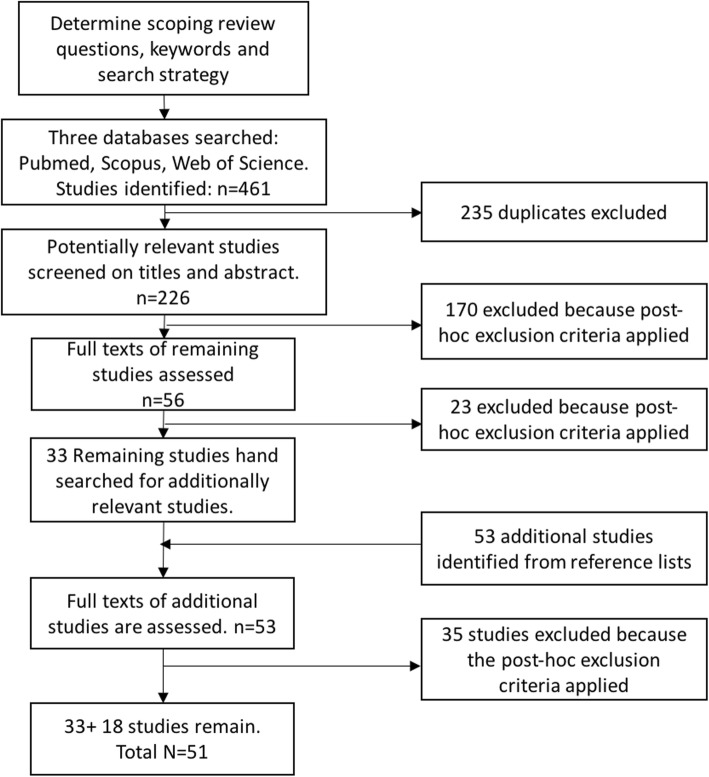
BACKGROUND: While gender-based violence (GBV) has been shown to increase women's risk of HIV acquisition, the role of GBV in the HIV testing to care continuum is less clear. Clarifying how GBV may act as a barrier to accessing HIV services, treatment and care - such as anti-retroviral treatment (ART) or pre-exposure prophylaxis (PrEP) - will not only provide insights into how to best meet individual women's HIV care needs, but also inform public health oriented HIV epidemic control strategies. METHODS: Through a comprehensive scoping review, we synthesized and analyzed existing evidence regarding the influence of GBV on engagement in PrEP and the HIV care continuum among women living with HIV, including members of key populations (female sex workers, transgender women and women who use drugs). We explored PubMed, Scopus and Web of Science for peer-reviewed studies published in 2003-2017. Of the 279 sources identified, a subset of 51 sources met the criteria and were included in the scoping review. RESULTS: Studies were identified from 17 countries. The majority of studies utilized quantitative cross-sectional designs (n = 33), with the rest using longitudinal (n = 4), qualitative (n = 10) or mixed methods (n = 4) designs. Taken together, findings suggest that GBV impedes women's uptake of HIV testing, care, and treatment, yet this can vary across different geographic and epidemic settings. Substantial gaps in the literature do still exist, including studies on the impact of GBV on engagement in PrEP, and research among key populations. CONCLUSIONS: This scoping review contributes to our knowledge regarding the role GBV plays in women's engagement in PrEP and the HIV care continuum. Findings reveal the need for more longitudinal research to provide insights into the causal pathways linking GBV and HIV care and treatment outcomes. Research is also needed to illuminate the impact of GBV on PrEP use and adherence as well as the impact of GBV on engagement along the HIV care continuum among key populations. It is critical that programs and research keep pace with these findings in order to reduce the global burden of GBV and HIV among women.
Overview
The claims and statistics of this paper haven’t been checked yet.
Free: it reads the open-access text and checks the first 5 claims that cite a source we can check. Create a free account to check every claim.
Integrity signals
Registry
Cites
Statistics
Figures
Verification
Claims the paper makes
The claims and statistics of this paper haven’t been checked yet.
Free: it reads the open-access text and checks the first 5 claims that cite a source we can check. Create a free account to check every claim.
Claims other papers make about this one
Each is checked against this paper’s own text: does it say what the citing paper says it does?
The source backs part of the claim, not all of it — or backs it for a different population, condition or comparison.
In the citing paper
“This finding mirrors past research that shows police harassment, and GBV more broadly, can impede successful HIV treatment among sex workers [68, 80–82].”
From Comparing typologies of violence exposure and associations with syndemic health outcomes among cisgender and transgender female sex workers living with HIV in the Dominican Republic (2023) · cites this paper as [81]
Experimental — accuracy not yet measured
Self-check
Percentages, sums and reported differences re-computed from the paper’s own numbers.
The self-check needs the paper’s full text.
Citations
Cites
Scoping studies: towards a methodological framework
Arksey, H., & O'Malley, L. (2005) · International Journal of Social Research Methodology · doi:10.1080/1364557032000119616 · Cited by 36,742
Health consequences of intimate partner violence
Campbell, J. C. (2002) · The Lancet · doi:10.1016/s0140-6736(02)08336-8 · Cited by 4,055
Antiretroviral prophylaxis for HIV prevention in heterosexual men and women.
Baeten, J. M., Donnell, D., Ndase, P., Mugo, N. R., Campbell, J. D., Wangisi, J., Tappero, J. W., Bukusi, E. A., Cohen, C. R., Katabira, E., et al. (2012) · New England Journal of Medicine · doi:10.1056/nejmoa1108524 · Cited by 3,256
McCormack, S., Dunn, D. T., Desai, M., Dolling, D. I., Gafos, M., Gilson, R., Sullivan, A. K., Clarke, A., Reeves, I., Schembri, G., et al. (2016) · The Lancet · doi:10.1016/s0140-6736(15)00056-2 · Cited by 1,878 · cited 1×
“Also in 2017, WHO finalized guidelines promoting pre-exposure prophylaxis (PrEP) - a formulation of antiretrovirals (ARVs) that prevents HIV acquisition even if exposed to HIV [21, 22] - for all those at substantial risk of HIV, including members of key populations [18].”
BackgroundAntiretroviral therapy for the prevention of HIV-1 transmission.
Cohen, M. S., Chen, Y. Q., McCauley, M., Gamble, T., Hosseinipour, M. C., Kumarasamy, N., Hakim, J. G., Kumwenda, J., Grinsztejn, B., Pilotto, J. H. S., et al. (2016) · New England Journal of Medicine · doi:10.1056/nejmoa1600693 · Cited by 1,700
Global health burden and needs of transgender populations: a review
Reisner, S. L., Poteat, T., Keatley, J., Cabral, M., Mothopeng, T., Dunham, E., Holland, C. E., Max, R., & Baral, S. D. (2016) · The Lancet · doi:10.1016/s0140-6736(16)00684-x · Cited by 1,476
Jewkes, R., Nduna, M., Levin, J., Jama, N., Dunkle, K., Puren, A., & Duvvury, N. (2008) · BMJ · doi:10.1136/bmj.a506 · Cited by 757
A systematic review of the correlates of violence against sex workers
Deering, K. N., Amin, A., Shoveller, J., Nesbitt, A., Garcia-Moreno, C., Duff, P., Argento, E., & Shannon, K. (2014) · American Journal of Public Health · doi:10.2105/ajph.2014.301909 · Cited by 611
Intimate partner violence and HIV infection among women: a systematic review and meta-analysis
Li, Y., Marshall, C. M., Rees, H. C., Nunez, A., Ezeanolue, E. E., & Ehiri, J. E. (2014) · Journal of the International AIDS Society · doi:10.7448/ias.17.1.18845 · Cited by 411
Maman, S., Mbwambo, J. K., Hogan, N. M., Kilonzo, G. P., Campbell, J. C., Weiss, E., & Sweat, M. D. (2002) · American Journal of Public Health · doi:10.2105/ajph.92.8.1331 · Cited by 406
Self-citation
Research works printed but not linked: 5
- Interagency Standing Committee Guidelines for gender-based violence interventions in humanitarian settings. Geneva: the IASC taskforce on gender in humanitarian assistance 2005
- UNAIDS. Global AIDS Update Geneva 2018
- World Health O. Consolidated guidelines on the use of antiretroviral drugs for treating and preventing HIV infection: recommendations for a public health approach: Contract No.: Report; 2016. 27466667
- UNAIDS. Making the end of AIDS real Consensus building around what we mean by “epidemic control” 2017 Switzerland Glion
- World Health O Antiretroviral treatment as prevention (TasP) of HIV and TB 2012 Geneva WHO
Cited by
Stover, J., Glaubius, R. L., Teng, Y., Kelly, S. L., Brown, T., Hallett, T. B., Revill, P. A., Bärnighausen, T., Phillips, A. N., Fontaine, C., et al. (2021) · PLoS Medicine · doi:10.1371/journal.pmed.1003831 · Cited by 128
“Studies have measured these relationships in a variety of settings [28].”
BackgroundKuchukhidze, S., Panagiotoglou, D., Boily, M., Diabaté, S., Eaton, J. W., Mbofana, F., Sardinha, L., Schrubbe, L. A., Stöckl, H., Wanyenze, R. K., et al. (2022) · The Lancet HIV · doi:10.1016/s2352-3018(22)00305-8 · Cited by 87
IL-10 Synergizes with Multiple Cytokines in Enhancing HIV Production in Cells of Monocytic Lineage
Weissman, D., Poli, G., & Fauci, A. S. (1995) · Journal of Acquired Immune Deficiency Syndromes & Human Retrovirology · doi:10.1097/00042560-199508050-00002 · Cited by 84
Leddy, A. M., Zakaras, J. M., Shieh, J., Conroy, A. A., Ofotokun, I., Tien, P. C., & Weiser, S. D. (2021) · PLoS ONE · doi:10.1371/journal.pone.0252338 · Cited by 67
“Questions in the guide were informed by a literature review and our prior research on these topics [13, 45, 54, 60, 61].”
MethodSelf-citationSevelius, J. M., Glidden, D. V., Deutsch, M., Welborn, L., Contreras, A., Salinas, A., Venegas, L., & Grant, R. M. (2021) · JAIDS Journal of Acquired Immune Deficiency Syndromes · doi:10.1097/qai.0000000000002808 · Cited by 52
“Study procedures were approved by the University of California, San Francisco, Institutional Review Board (16-20251).”
MethodZinyemba, K. G., & Hlongwana, K. W. (2022) · BMC Public Health · doi:10.1186/s12889-022-14616-5 · Cited by 59
Bowring, A. L., Ampt, F. H., Schwartz, S., Stoove, M. A., Luchters, S. M. F., Baral, S., & Hellard, M. E. (2020) · Journal of the International AIDS Society · doi:10.1002/jia2.25442 · Cited by 53
“Shared social, economic and structural factors underlying vulnerability to both unintended pregnancy and HIV acquisition, such as violence, substance use and financial insecurity, may also affect uptake of PrEP and family planning [81,82].”
BackgroundGender violence perpetrated against trans women
da Silva, I. C. B., de Araújo, E. C., Santana, A. D. D. S., Moura, J. W. D. S., Ramalho, M. N. D. A., & de Abreu, P. D. (2022) · Revista Brasileira de Enfermagem · doi:10.1590/0034-7167-2021-0173 · Cited by 54
“Gender violence becomes more serious for those who have precarious socioeconomic conditions, who abuse psychoactive substances and who are sex workers, as they are more exposed to the historical processes that make them vulnerable(7).”
BackgroundSerial HIV Seroprevalence Surveys: Interpretation, Design, and Role in HIV/AIDS Prediction
Ades, A. E. (1995) · Journal of Acquired Immune Deficiency Syndromes & Human Retrovirology · doi:10.1097/00042560-199508050-00006 · Cited by 46
Lukyamuzi, Z., Etajak, S., Katairo, T., Mukunya, D., Tetui, M., Ssenyonjo, A., & Wanyenze, R. K. (2021) · BMC Infectious Diseases · doi:10.1186/s12879-021-06862-6 · Cited by 33
A qualitative study of how stigma influences HIV services for transgender men and women in Nigeria
Tun, W., Pulerwitz, J., Shoyemi, E., Fernandez, A., Adeniran, A., Ejiogu, F., Sangowawa, O., Granger, K., Dirisu, O., & Adedimeji, A. (2022) · Journal of the International AIDS Society · doi:10.1002/jia2.25933 · Cited by 31
“In sub-Saharan Africa (SSA), transgender persons experience a high burden of HIV and sexually transmitted infections (STIs) [1–7], physical and sexual violence [8, 9], stigma and discrimination [10–12], mental health issues [8, 12] and inadequate access to HIV prevention services [13].”
BackgroundSelf-citationon behalf of the EMPOWER study team, Colombini, M., Scorgie, F., Stangl, A. L., Harvey, S. E., Ramskin, L., Khoza, N., Mashauri, E., Baron, D., Lees, S. S., et al. (2021) · BMC Public Health · doi:10.1186/s12889-021-10454-z · Cited by 34
“Although findings are mixed, studies indicate that women’s fear of IPV prevents them from attending HIV counselling and testing (HCT) services, and could affect uptake, adherence or early discontinuation of PrEP [20], while others have found that IPV is associated with poorer”
ResultCeleste-Villalvir, A., Payán, D. D., Armenta, G., Palar, K., Then-Paulino, A., Acevedo, R., Fulcar, M. A., & Derose, K. P. (2023) · PLoS ONE · doi:10.1371/journal.pone.0290228 · Cited by 32
“Previous studies demonstrate that gender-based violence limits women’s access to HIV testing and treatment [51].”
BackgroundGottert, A., Pulerwitz, J., Haberland, N. A., Mathebula, R., Rebombo, D., Spielman, K. L., West, R. L., Julien, A., Twine, R., Peacock, D., et al. (2020) · PLoS ONE · doi:10.1371/journal.pone.0237084 · Cited by 33
Self-citationChimoyi, L., Chikovore, J., Musenge, E., Mabuto, T., Chetty-Makkan, C. M., Munyai, R., Nchachi, T., Charalambous, S., & Setswe, G. (2022) · PLOS Global Public Health · doi:10.1371/journal.pgph.0000132 · Cited by 32
“Among women, reduced engagement in care has also been noted due to actual or anticipated violent reaction from male partners [4,5].”
BackgroundFood Insecurity and Intimate Partner Violence Among HIV-Positive Individuals in Rural Kenya
Hatcher, A. M., Weiser, S. D., Cohen, C. R., Hagey, J. M., Weke, E., Burger, R. L., Wekesa, P., Sheira, L. A., Frongillo, E. A., & Bukusi, E. A. (2020) · American Journal of Preventive Medicine · doi:10.1016/j.amepre.2020.06.025 · Cited by 29
Pala, A. N., Kempf, M.-C., Konkle‐Parker, D. J., Wilson, T. E., Tien, P. C., Wingood, G. M., Neilands, T. B., Johnson, M. O., Weiser, S. D., Logie, C. H., et al. (2022) · AIDS · doi:10.1097/qad.0000000000003342 · Cited by 26
Logie, C. H., & MacNeil, A. (2024) · Current Opinion in Infectious Diseases · doi:10.1097/qco.0000000000001081 · Cited by 24
Hartmann, M., Otticha, S., Agot, K. E., Minnis, A. M., Montgomery, E., & Roberts, S. T. (2021) · AIDS Education and Prevention · doi:10.1521/aeap.2021.33.2.103 · Cited by 25
Leddy, A. M., Gottert, A., Haberland, N. A., Hove, J., West, R. L., Pettifor, A. E., Lippman, S. A., Kahn, K., Mathebula, R., Rebombo, D., et al. (2021) · PLoS ONE · doi:10.1371/journal.pone.0260425 · Cited by 23
“Further, men who endorse such gender norms are more likely to perpetrate violence against their female partners [15], which prevents women’s engagement in HIV care and treatment [16, 17].”
BackgroundSelf-citationConroy, A. A., Leddy, A. M., Darbes, L. A., Neilands, T. B., Mkandawire, J., & Stephenson, R. B. (2020) · Journal of Interpersonal Violence · doi:10.1177/0886260520959632 · Cited by 23
“Despite growing attention to IPV as a barrier to HIV care (Hatcher et al., 2015; Leddy et al., 2019), this area of inquiry is still evolving in comparison to research linking IPV to HIV acquisition and sexual risk behaviors (Campbell et al., 2008; Gielen et al., 2007; Maman et al., 2000).”
BackgroundResultSelf-citationVeras, M. A. D. S. M., Menezes, N. P., Mocello, A. R., Leddy, A. M., Saggese, G. S. R., Bassichetto, K. C., Gilmore, H. J., de Carvalho, P. G. C., Maschião, L. F., Neilands, T. B., et al. (2024) · BMC Public Health · doi:10.1186/s12889-024-18224-3 · Cited by 23
“Our results support evidence documenting lower prevalence of engagement in HIV care and viral suppression among cisgender women who experienced GBV [20, 31–35].”
BackgroundResultSelf-citationLogie, C. H., Wang, Y., Lalor, P., Williams, D., & Levermore, K. (2020) · AIDS and Behavior · doi:10.1007/s10461-020-02972-5 · Cited by 25
The Success of Serious Games and Gamified Systems in HIV Prevention and Care: Scoping Review
Jitmun, W., Palee, P., Choosri, N., & Surapunt, T. (2023) · JMIR Serious Games · doi:10.2196/39915 · Cited by 24
“Currently, the available reviews in the HIV literature only address detection, treatment, and prevention [20,21].”
Ouattara, S. A., Gody, M., & de Thé, G. (1990) · JAIDS Journal of Acquired Immune Deficiency Syndromes · doi:10.1097/00126334-199003050-00017 · Cited by 20
Rudzinski, K., Hudspith, L. F., Guţă, A., Comber, S., Dewar, L., Leiper, W., Hawkins, K., Laforet, L., Mangat, R., Long, P. M., et al. (2025) · BMC Public Health · doi:10.1186/s12889-025-21919-w · Cited by 19
“For instance, Indigenous women, racialized women, trans women, women with disabilities, younger women, and women living in poverty are disproportionately affected by GBV as a direct result of historical and ongoing colonization, systemic racism, and ableism prevalent in society [11, 12, 26].”
Cluver, L. D., Zhou, S., Orkin, M. M., Rudgard, W. E., Meinck, F., Langwenya, N., Vicari, M., Edun, O., Sherr, L., & Toska, E. (2022) · AIDS · doi:10.1097/qad.0000000000003440 · Cited by 21
Naume, M., Isunju, J. B., Ssekamatte, T., Nalugya, A., Oputan, P., Kiguli, J., Kibira, S. P. S., Wafula, S. T., Ssekamatte, D., Mugambe, R. K., et al. (2023) · BMC Women s Health · doi:10.1186/s12905-023-02402-3 · Cited by 19
“Although a link between GBV and HIV infection has been established [17, 27], there is limited evidence on how GBV affects the uptake of HIV-related services among transwomen.”
BackgroundPulerwitz, J., Gottert, A., Tun, W., Eromhonsele, A. F., Oladimeji, P. L., Shoyemi, E., Akoro, M., Ndeloa, C., & Adedimeji, A. (2024) · Journal of the International AIDS Society · doi:10.1002/jia2.26256 · Cited by 22
Self-citationMaclin, B. J., Wang, Y., Rodriguez-Diaz, C., Donastorg, Y., Perez, M., Gomez, H., Barrington, C., & Kerrigan, D. (2023) · PLOS ONE · doi:10.1371/journal.pone.0291314 · Cited by 18
“It is possible that the fact that the transgender women were recruited for this study in part through HIV clinics and by peer navigators from a pilot intervention focused overall on improving HIV care and treatment helps explain this result [81].”
BackgroundDovel, K. L., Paneno, R., Balakasi, K. T., Hubbard, J., Magaço, A., Phiri, K., Coates, T. J., & Cornell, M. (2023) · PLOS Global Public Health · doi:10.1371/journal.pgph.0001356 · Cited by 18
Xiong, P., Chen, Y., Shi, Y., Liu, M., Yang, W., Liang, B., & Liu, Y. (2024) · Social Psychiatry and Psychiatric Epidemiology · doi:10.1007/s00127-024-02637-x · Cited by 19
“Culturally, gender norms that place women in subservient positions to men can also contribute to their vulnerability to sexually transmitted infections [30].”
Haberland, N. A., Ndwiga, C., McCarthy, K. J., Pulerwitz, J., Kosgei, R. J., Mak’anyengo, M. O., Peltz, A., Wong, V. J., & Kalibala, S. (2020) · AIDS and Behavior · doi:10.1007/s10461-020-02801-9 · Cited by 18
Self-citationConroy, A. A., McKenna, S. A., Ruark, A. H., Neilands, T. B., Spinelli, M. A., & Gandhi, M. (2022) · AIDS and Behavior · doi:10.1007/s10461-022-03636-2 · Cited by 16
Risenga, P. R., & Mboweni, S. H. (2022) · Adolescents · doi:10.3390/adolescents3010004 · Cited by 18
“Women and girls who experience violence are also less likely to adhere to both pre-exposure and postexposure prophylaxis [29,30].”
BackgroundLoeb, T. A., Murray, S. M., Cooney, E. E., Poteat, T., Althoff, K. N., Cannon, C. M., Schneider, J. S., Mayer, K. H., HAW, J. S., Wawrzyniak, A. J., et al. (2024) · BMC Public Health · doi:10.1186/s12889-024-17764-y · Cited by 14
“Violence is a well-documented correlate of HIV seroconversion [42], has been associated with disclosure of HIV status, and TW experience some of the highest levels of violence, including community violence.”
BackgroundStockman, J. K., Anderson, K. M., Tsuyuki, K., & Horvath, K. J. (2021) · Journal of Health Care for the Poor and Underserved · doi:10.1353/hpu.2021.0056 · Cited by 16
Fernandez, D., Ali, H., Pals, S. L., Alemnji, G. A., Vasireddy, V., Siberry, G. K., Participants, P. M. I., Cardoso, Y. R., Vasquez, C., Bruno, E., et al. (2023) · BMC Public Health · doi:10.1186/s12889-023-16453-6 · Cited by 13
“Inequities in economic status, educational access, and gender-based violence are significant disparities that may result in unplanned treatment interruptions and may affect women more than men [17–19].”
BackgroundConroy, A. A., Jain, J. P., Sheira, L., Frongillo, E. A., Neilands, T. B., Cohen, M. H., Wilson, T. E., Chandran, A., Adimora, A. A., Kassaye, S., et al. (2021) · JAIDS Journal of Acquired Immune Deficiency Syndromes · doi:10.1097/qai.0000000000002848 · Cited by 14
Traynor, S. M., Schmidt, R. D., Gooden, L. K., Matheson, T., Haynes, L. F., Rodriguez, A. E., Mugavero, M. J., Jacobs, P., Mandler, R. N., del Río, C., et al. (2022) · Journal of Clinical Medicine · doi:10.3390/jcm12010114 · Cited by 12
“This is consistent with other work, most notably Singer’s work on the SAVA syndemic of substance abuse, violence, and HIV/AIDS, indicating that these factors are likely to co-occur [25,26,53,69,80].”
ResultRosen, J. G., Musheke, M., Mulenga, D. M., Namukonda, E. S., Jani, N., Mbizvo, M. T., Pulerwitz, J., & Mathur, S. (2022) · Global Health Science and Practice · doi:10.9745/ghsp-d-22-00089 · Cited by 11
Self-citationOgbonnaya, I. N., Reed, E., Wanyenze, R. K., Wagman, J. A., Silverman, J. G., & Kiene, S. M. (2021) · Journal of Interpersonal Violence · doi:10.1177/08862605211028284 · Cited by 11
“…et al., 2019), being retained in care with optimal adherence (Fiorentino et al., 2019; Hampanda, 2016; Hatcher et al., 2015; Kidman & Violari, 2018; Leddy et al., 2019; Lopez et al., 2010; Mendoza et al., 2017; Onono et al., 2019; Ramlagan et al., 2018; Rotheram-Borus et al., 2019; Trimble et al.,…”
Abebe, G. F., Alie, M. S., Adugna, A., Shifera, N., Agegnehu, W., Yosef, T., & Girma, D. (2025) · BMC Public Health · doi:10.1186/s12889-025-23609-z · Cited by 12
“The IPV experienced by WLHIV has been shown to impact their engagement in HIV care and treatment [14], decrease adherence to antiretroviral therapy [14, 15], and reduce the likelihood of achieving viral suppression [14, 16, 17].”
Scarsi, K. K., Smeaton, L. M., Podany, A. T., Olefsky, M., Woolley, E., Barr, E., Pham, M. M., Mawlana, S., Supparatpinyo, K., Gatechompol, S., et al. (2023) · Contraception · doi:10.1016/j.contraception.2023.109951 · Cited by 10
Hartmann, M., Roberts, S. T., Triplett, N. S., Tenza, S., Maboa, O., Mampuru, L., Mayisela, N., Mbewe, D., Tolley, E. E., Reddy, K., et al. (2023) · PLOS Digital Health · doi:10.1371/journal.pdig.0000329 · Cited by 10
“HIV treatment adherence [28], contraceptive use [29]).”
Hopkins, J., Narasimhan, M., Aujla, M., Silva, R., & Mandil, A. (2024) · EClinicalMedicine · doi:10.1016/j.eclinm.2024.102554 · Cited by 12
Deering, K., Chong, L., Duff, P., Gurney, L., Magagula, P., Wiedmeyer, M.-L., Chettiar, J., Braschel, M. C., D’Souza, K., & Shannon, K. (2021) · Journal of the Association of Nurses in AIDS Care · doi:10.1097/jnc.0000000000000234 · Cited by 11
Ssekamatte, T., Nalugya, A., Isunju, J. B., Naume, M., Oputan, P., Kiguli, J., Wafula, S. T., Kibira, S. P. S., Ssekamatte, D., Orza, L., et al. (2022) · International Journal for Equity in Health · doi:10.1186/s12939-022-01786-2 · Cited by 11
“Transwomen GBV survivors suffer an additional series of challenges when seeking care including financial barriers, discrimination, lack of trans-competent providers, barriers to health systems, and socioeconomic challenges [14, 15].”
BackgroundCampbell, L., Knight, L., Masquillier, C., & Wouters, E. (2024) · AIDS and Behavior · doi:10.1007/s10461-024-04447-3 · Cited by 9
Logie, C. H., Okumu, M., Loutet, M. G., Coelho, M., McAlpine, A., Mackenzie, F., Lukone, S. O., Kisubi, N., Kalungi, H., Lukone, O. J., et al. (2024) · BMC Public Health · doi:10.1186/s12889-024-20135-2 · Cited by 10
“As refugee youth may experience complex, inter-generational violence trajectories [50], integrating GBV and HIV services is key [51], as is considering contextually, age, and gender-tailored approaches for incorporating GBV screening and prevention into refugee youth HIV prevention and care…”
BackgroundGabster, A., Fernández, F. D., Pascale, J. M., Orillac, A., Moreno-Wynter, S., Hall, C. D. X., Millender, E., Wong, F. (., Jhangimal, M., Yu-Pon, A., et al. (2024) · PLoS ONE · doi:10.1371/journal.pone.0311048 · Cited by 9
Schrubbe, L. A., Stöckl, H., Hatcher, A. M., & Calvert, C. (2023) · Journal of the International AIDS Society · doi:10.1002/jia2.26129 · Cited by 9
“A 2019 scoping review improved representation from African clinical samples and found that WLH who experienced VAW (as defined by the primary articles included in the review, including intimate partner violence or violence regardless of the perpetrator) were less likely to engage in HIV care and treatment, including A…”
BackgroundInfluentialLlenas‐García, J., Masiá, M., Pérez, R. P., González‐Cuello, I., Re, V. A., Nieto, M. R., Díaz, M. A., Urrea, S. P., Lucena, F. J. R., & Jorgensen, P. E. W. (2022) · AIDS Care · doi:10.1080/09540121.2022.2125929 · Cited by 8
“Recent studies have also shown how GBV worsens HIV care and antiretroviral treatment (ART) results (Biomndo et al., 2021; Hatcher et al., 2021; Mendoza et al., 2016) and may also hamper access to PrEP (Leddy et al., 2019; O’Malley et al., 2021).”
ResultEustaquio, P. C., Olansky, E., Lee, K. A., Marcus, R., Cha, S., National HIV Behavioral Surveillance Among Transgender Women Study Group, National HIV Behavioral Surveillance Among Transgender Women Study Group, Barak, N., Brady, K. A., Braunstein, S., et al. (2024) · MMWR Supplements · doi:10.15585/mmwr.su7301a7 · Cited by 9
“Violence and harassment have been associated with higher risk for HIV infection ( 11 ), mental health conditions ( 5,12 ), and death, often from suicide ( 13–15 ).”
BackgroundMbele, W., Dako‐Gyeke, P., Frans, A. N., Ndayishimiye, J. C., & Ching, J. (2024) · PLOS Global Public Health · doi:10.1371/journal.pgph.0002791 · Cited by 7
Witte, S. S., Pala, A. N., Mukherjee, T. I., Yang, L. S., McCrimmon, T., Mergenova, G., Terlikbayeva, A., Primbetova, S., & El‐Bassel, N. (2023) · AIDS and Behavior · doi:10.1007/s10461-023-04122-z · Cited by 7
Childress, S., Shrestha, N., Kreniske, P., Small, E., Gilbert, L., Mukambetov, A., Ssewamala, F. M., Bahar, O. S., & McKay, M. M. (2024) · Families in Society The Journal of Contemporary Social Services · doi:10.1177/10443894241272203 · Cited by 9
“While our current analysis focuses on pro-vider-level HIV stigma, WLHIV also experi-1 ence elevated levels of gender-based violence (GBV) often rooted in HIV stigma (Campbell et al., 2008; Gielen et al., 2000; Leddy et al., 2019; Y. Li et al., 2014).”
Stoner, M. C. D., Kelly, N. K., Gómez-Olivé, F. X., Kahn, K., Wagner, L. D., Bhushan, N. L., Aiello, A. E., & Pettifor, A. E. (2023) · JAIDS Journal of Acquired Immune Deficiency Syndromes · doi:10.1097/qai.0000000000003149 · Cited by 7
Chikwari, C. D., Bernays, S., Dringus, S., Simms, V. M., Weiss, H. A., Sibanda, E., Kranzer, K., Ncube, G., Chikodzore, R., Webb, K. A., et al. (2020) · Implementation Science Communications · doi:10.1186/s43058-020-00091-9 · Cited by 7
Nguyen, T. T., Ha, L., Nguyen, L. H., Vu, L. G., Do, H., Boyer, L., Fond, G. B., Auquier, P., Latkin, C. A., Ho, C. S. H., et al. (2023) · Frontiers in Public Health · doi:10.3389/fpubh.2023.1105018 · Cited by 7
Adverse childhood experiences, HIV and sexual risk behaviors ― Five sub-Saharan countries, 2018–2020
Kanagasabai, U., Thorsen, V. C., Zhu, L., Annor, F., Chiang, L. F., McOwen, J., Augusto, Â. D. R., Manuel, P., Kambona, C., Coomer, R., et al. (2023) · Child Abuse & Neglect · doi:10.1016/j.chiabu.2023.106541 · Cited by 8
“Any form of sexual violence, or the fear of it, can interfere with uptake and adherence to HIV prevention services such as HIV testing and HIV Pre-exposure Prophylaxis (PrEP) (Hatcher et al., 2015; Leddy et al., 2019; Mohammed et al., 2017; Roberts et al., 2016).”
BackgroundDomapielle, M. K., Abugbila, S. Z., & Kala, M. (2024) · Journal of Virus Eradication · doi:10.1016/j.jve.2024.100580 · Cited by 6
Foláyan, M. O., Oloniniyi, I. O., Nwakamma, I. J., Stevens-Murphy, E.-J., Undelikwo, G., & Lusher, J. M. (2022) · BMC Public Health · doi:10.1186/s12889-022-14186-6 · Cited by 6
HIV Prevention Program Eligibility Among Adolescent Girls and Young Women — Namibia, 2019
Agathis, N. T., Annor, F., Coomer, R., Hegle, J., Patel, P., Forster, N., O’Malley, G., Ensminger, A. L., Kamuingona, R., Andjamba, H., et al. (2021) · MMWR Morbidity and Mortality Weekly Report · doi:10.15585/mmwr.mm7045a2 · Cited by 6
“Experiencing violence is directly associated with increased risk for HIV acquisition and poor outcomes along the HIV care continuum (4).”
BackgroundRoberts, S. T., van der Straten, A., Rael, C. T., Gorbach, P. M., Palanee‐Phillips, T., Reddy, K., Naidoo, K., Dadabhai, S. S., Chinula, L., Gaffoor, Z., et al. (2022) · AIDS and Behavior · doi:10.1007/s10461-022-03835-x · Cited by 5
“IPV-related challenges to clinic visits and consistent ART use include women’s desire to hide their HIV status from their partners to avoid further violence, direct partner interference, and violence-induced depression, stress, physical illness, and injury [3].”
BackgroundResultInfluentialSoehnchen, C., Burmann, A., Henningsen, M., & Meister, S. (2024) · JMIR Formative Research · doi:10.2196/58549 · Cited by 5
“The region accounts for two-thirds of new sexually transmitted infection cases [2], and HIV continues to be the primary cause of death among adolescents in sub-Saharan Africa [3].”
BackgroundJain, J. P., Sheira, L. A., Frongillo, E. A., Neilands, T. B., Cohen, M. H., Wilson, T. E., Chandran, A., Adimora, A. A., Kassaye, S., Sheth, A. N., et al. (2022) · AIDS · doi:10.1097/qad.0000000000003329 · Cited by 4
Zhang, L., Rosen, J. G., Cooper, L., Olatunde, P. F., Pelaez, D., Sherman, S. G., Park, J. N., & Glick, J. L. (2023) · SSM - Qualitative Research in Health · doi:10.1016/j.ssmqr.2023.100337 · Cited by 4
“…2016), reduced access to services and employment opportunities (Linton et al., 2013), gender-based violence victimization (Bourgois, Prince, & Moss, 2004; Leddy, Weiss, Yam, & Pulerwitz, 2019)) to influence individual behavior, decision-making, and risk of HIV exposure among WWID in Baltimore.”
Access to Justice for Women in Eswatini: HIV-Positive Women as a Vulnerable Population
Mavundla, S. D., Strode, A. E., & Essack, Z. (2021) · Sustainable development goals series · doi:10.1007/978-3-030-75953-7_12 · Cited by 4
Agutu, C. A., Oduor, T. H., Hassan, A. S., Mugo, P. M., Chege, W., de Wit, T. F. R., Sanders, E. J., & Graham, S. M. (2022) · BMC Public Health · doi:10.1186/s12889-022-12711-1 · Cited by 4
Garcia, M., Roberts, S. T., Mayo, A., Scheckter, R., Mansoor, L. E., Palanee‐Phillips, T., Reddy, K., Naidoo, Y., Akello, C. A., Gaffoor, Z., et al. (2022) · AIDS and Behavior · doi:10.1007/s10461-022-03864-6 · Cited by 4
“…barriers to adherence—such as providing support to leave a violent relationship—or supporting participant skills to navigate PrEP use in the context of a violent relationship through provision of tools for safe disclosure or discreet use, although further research is needed in this area [16, 17].”
Fisk-Hoffman, R. J., Parisi, C. E., Siuluta, N., Ding, D. D., Widmeyer, M., Somboonwit, C., & Cook, R. L. (2023) · AIDS and Behavior · doi:10.1007/s10461-023-04214-w · Cited by 4
Gamarel, K. E., Jadwin-Cakmak, L. A., Correll-King, W. M., Trammell, R., Abad, J., Harris, H., Ward, L., Ubong, I.-A., Reyes, L. A., Connolly, M., et al. (2025) · Psychology of Violence · doi:10.1037/vio0000568 · Cited by 3
Kabir, P., Shannon, K., Kestler, M., Thompson, C., Zhou, H., & Deering, K. (2025) · AIDS Care · doi:10.1080/09540121.2025.2534115 · Cited by 3
“…of intimate partner violence, including a partner ’ s controlling behaviour and threats to safety, discouraged women from seeking services of physicians, emergency departments (Kulkarni et al., 2010), mental healthcare (Wadsworth et al., 2018), and reduced access to HIV care (Leddy et al., 2019).”
Patient preferences for violence screening in HIV care settings
Kalokhe, A. S., Anderson, K. M., Carlson, M. S., Ellison, C. K., Garbarino, S. C., Hadera, S., Kokubun, C. W., Rose, E., & Sales, J. M. (2025) · AIDS Care · doi:10.1080/09540121.2025.2562243 · Cited by 3
“PWH who report violence have lower rates of retention in HIV care and viral suppression and higher immunosuppression and mortality (Fredericksen et al., 2021; Jain et al., 2022; Leddy et al., 2019; Wirtz et al., 2022; Wu et al., 2023).”
Schnarrs, P. W., Nash, P., Ruderman, S. A., Crane, H. M., Delaney, J. A., Singleton, M., Dorri, A. A., Whitney, B. M., Fredericksen, R. J., López, C. M., et al. (2025) · JAIDS Journal of Acquired Immune Deficiency Syndromes · doi:10.1097/qai.0000000000003772 · Cited by 3
Garbarino, S. C., Anderson, K. M., Kokubun, C. W., Ellison, C. K., Hadera, S., Potempa-Rivers, P., Rose, E., Kalokhe, A. S., & Sales, J. M. (2026) · AIDS Care · doi:10.1080/09540121.2026.2643368 · Cited by 3
“In turn, violence and trauma have been linked to poor HIV care outcomes, including engagement in care, ART adherence, and viral suppression (Campbell et al., 2019; Hatcher et al., 2015; Hou et al., 2020; Kalokhe et al., 2025a; Leddy et al., 2019).”
Garbarino, S. C., Anderson, K. M., Carlson, M. S., Kokubun, C. W., Ellison, C. K., Hadera, S., Kalokhe, A. S., & Sales, J. M. (2025) · Frontiers in Public Health · doi:10.3389/fpubh.2025.1521493 · Cited by 3
Violencia de género: datos y reflexiones en tiempo de pandemia
Serrano, K. I. H. (2021) · The Ecuador Journal of Medicine · doi:10.46721/tejom-vol1issesp-2021-141-155
Adverse Lifelong Experiences in Portuguese People Living With HIV: A Retrospective Study
Gonçalves, M., & Maia, Â. (2021) · Journal of the Association of Nurses in AIDS Care · doi:10.1097/jnc.0000000000000300 · Cited by 3
“Few studies have focused on adverse experiences in adulthood, and most use only female participants and focus on gender-based violence (e.g., Leddy et al., 2019), especially that perpetrated by an intimate partner, and the risk forHIV (Li et al., 2014; Shrestha&Copenhaver, 2016).”
BackgroundStockman, J. K., Anderson, K. M., Carr, S. G., Wood, B. A., Cloître, M., & Smith, L. R. (2022) · Research on Social Work Practice · doi:10.1177/10497315221124602 · Cited by 3
“…and/or decreased engagement and retention in HIV care (Carter et al., 2018; Cohen et al., 2004; Dale et al., 2014; Eisenberg & Blank, 2014; Espino et al., 2015; Hatcher et al., 2015; Leddy et al., 2019; Lopez et al., 2010; Machtinger et al., 2012; Rooks-Peck et al., 2018; Rose et al., 2010).”
BackgroundHow the Global Violence Against Children and Youth Surveys Help Improve Pediatric Global Health
Agathis, N. T., Annor, F., Mercy, J. A., Chiang, L. F., de Barros, R. B., & Massetti, G. M. (2022) · PEDIATRICS · doi:10.1542/peds.2022-057124 · Cited by 3
Cordeiro, A. A., Moorhouse, L. R., Dadirai, T., Maswera, R., Chang, A. Y., Nyamukapa, C. A., & Gregson, S. (2024) · BMC Women s Health · doi:10.1186/s12905-024-03428-x · Cited by 3
No Evidence of HIV-2 Infection in Argentina
Picchio, G. N., Muchinik, G. R., Bouzas, M. B., de Virologia, S., Perez, B. R. L., Anselmo, A., Tezanos, P. M., de Hemofilia, S. N., Cahn, P., P??rez, H., et al. (1990) · JAIDS Journal of Acquired Immune Deficiency Syndromes · doi:10.1097/00126334-199003050-00013 · Cited by 3
Scaling-Up Trauma-Informed Care in an HIV Clinical Network: Factors that Facilitate Implementation
Piper, K. N., Anderson, K. M., Manders, O. C., Kokubun, C. W., Kalokhe, A. S., & Sales, J. M. (2023) · Global Implementation Research and Applications · doi:10.1007/s43477-023-00108-0 · Cited by 2
“For instance, PLWHA who experience violence are significantly less likely to initiate and adhere to ART and ultimately achieve viral suppression (Leddy et al., 2019; Wirtz et al., 2022).”
Pickles, M., Mountain, E., Bhattacharjee, P., Kioko, J., Musimbi, J., Musyoki, H., Gichangi, P., Stannah, J., Maheu‐Giroux, M., Becker, M., et al. (2024) · BMC Medicine · doi:10.1186/s12916-024-03670-y · Cited by 2
Schrubbe, L. A., Makokha, C., Kimbo, L., Helová, A., Kwena, Z., Darbes, L. A., Okombo, M., Owengah, E., Calvert, C., Stöckl, H., et al. (2025) · PLOS Global Public Health · doi:10.1371/journal.pgph.0004163 · Cited by 2
Baah, G., & Odonkor, S. T. (2025) · AIDS Research and Treatment · doi:10.1155/arat/8894456 · Cited by 3
“According to Leddy et al. [67] and Maman et al. [68], fear of violence or actual experiences of violence often deter women from disclosing their HIV status or remaining in treatment, which in turn has adverse consequences for both maternal and child health outcomes [67, 68].”
Perceptions and experiences of HIV care retention during the first 12 months at Kanyamazane CHC
Shivambu, S., & Ngcobo, S. (2025) · Southern African Journal of Infectious Diseases · doi:10.4102/sajid.v40i1.752 · Cited by 2
Antunes, Á. D. A. (2020) · Antíteses · doi:10.5433/1984-3356.2020v13n25p621 · Cited by 5
Maya, S., Sheira, L. A., Frongillo, E. A., Pala, A. N., Kempf, M.-C., Konkle‐Parker, D. J., Wilson, T. E., Tien, P. C., Wingood, G. M., Topper, E. F., et al. (2024) · JAIDS Journal of Acquired Immune Deficiency Syndromes · doi:10.1097/qai.0000000000003538 · Cited by 2
Kanagasabai, U., Davis, S. M., Thorsen, V. C., Rowlinson, E., Laterra, A., Hegle, J., Angumua, C., Ekra, A. K., Mpingulu, M., Getahun, M., et al. (2025) · Journal of the International AIDS Society · doi:10.1002/jia2.26469 · Cited by 2
Integrating Gender-Based Violence Services Into HIV Care: Insights From Malawi
Kiruthu-Kamamia, C., Viola, E., Sande, O., Kumwenda, T., Lungu, J., Diele, J., MacLachlan, E., & Thawani, A. (2025) · Global Health Science and Practice · doi:10.9745/ghsp-d-24-00177 · Cited by 2
Alarcon-Ruiz, C. A., Vargas, M., Heredia, P., Huamán, M. O., Yovera-Aldana, M., & Mejia, C. R. (2020) · Revista chilena de infectología · doi:10.4067/s0716-10182020000600719 · Cited by 2
Mewoabi, S. D. D. (2022) · Texila international journal of public health · doi:10.21522/tijph.2013.10.01.art024 · Cited by 2
Mwebembezi, G., Kaginda, B. T., Sikon, E. F., Sanyu, N. E., Agaba, K., Nakaweesa, S. J., & Rukundo, G. Z. (2022) · PAMJ - One Health · doi:10.11604/pamj-oh.2022.8.18.35525 · Cited by 1
“The WHO policy guidelines state that women who experience sexual violence seek health care more than non-abused women but they do not disclose the associated violence [18]. previous studies [31,32] have also indicated that sexual violence is associated with poor health seeking behaviour [33].”
Mental Health and Treatment Engagement among Low-Income Women of Color Living with HIV
Small, L., & Mellins, C. A. (2024) · Social Work in Public Health · doi:10.1080/19371918.2024.2323693 · Cited by 1
“These women face increased exposure to violence and intimate partner abuse as compared to their white counter-parts (Centers for Disease Control and Prevention, 2014; DuBois, Rennison, & DeKeseredy, 2019; Joe, Norman, Brown, & Diaz, 2020; Leddy, Weiss, Yam, & Pulerwitz, 2019).”
BackgroundIntimate Partner Violence Among Three Key Populations at Risk of HIV in Panama
Castillo, H. L., Vega, N., Jenkins, L., Hess‐Holtz, M., Soto, M. L., Tran, B. X., Torre, D. D. L., Eskildsen, G. A., Calvo, A. E., & The PEMAR Group (2024) · Annals of LGBTQ Public and Population Health · doi:10.1891/lgbtq-2023-0044 · Cited by 1
Domapielle, M. K., Cheabu, B. S. N., Akurugu, C. A., Tuolong, J. G., Kala, M., & Abugbila, S. Z. (2025) · Global Health Journal · doi:10.1016/j.glohj.2025.02.006 · Cited by 1
Villacis-Alvarez, E., Haworth-Brockman, M. J., Maier, K., Sobie, C., Pashe, H., Baliddawa, J., Daniels, N., Murdock, R., Russell, R., Dan, C., et al. (2025) · BMC Health Services Research · doi:10.1186/s12913-025-12645-5 · Cited by 1
“It is imperative for services to consider specific gendered experiences as they can shape how people shape their experiences with HIV prevention and care delivery [20–22].”
Metadata
- Authors
- Leddy, A. M., Weiss, E., Yam, E., & Pulerwitz, J.
- Affiliations
- University of California, San Francisco (US)
- Population Council (US)
- Corresponding author
- Leddy, Anna M.
- Venue
- BMC Public Health
- Published
- 2019-07-08
- Volume
- 19
- Issue
- 1
- Pages
- 897-897
- ISSN
- 1471-2458 (ISSN-L)
- PMC
- PMC6615289
- OpenAlex
- W2957022504
- Cited by
- 140
- References
- 78
- Citations by year
- 2026: 8 · 2025: 22 · 2024: 28 · 2023: 18 · 2022: 28 · 2021: 17 · 2020: 11
- FWCI
- 1.96
- Type
- journal article
- Language
- en
- Open access
- gold
- doi.org
- Licence
- cc-by
- creativecommons.org/licenses/by/4.0/ (tdm)
- creativecommons.org/licenses/by/4.0/ (vor)
- Locations
- BMC Public Health (publishedVersion, cc-by)
- Europe PMC (PubMed Central) (publishedVersion, cc-by)
- PubMed Central (publishedVersion, cc-by)
- PubMed (publishedVersion)
- DOAJ (DOAJ: Directory of Open Access Journals) (submittedVersion, cc-by-sa)
- Funders
- United States Agency for International Development (AID-OAA-140060)
- Topics
- Health Sciences › Medicine › Infectious Diseases › HIV/AIDS Research and Interventions
- Social Sciences › Health › Intimate Partner and Family Violence
- Health Sciences › Medicine › Epidemiology › HIV, Drug Use, Sexual Risk
- Keywords
- gender-based violence, HIV prevention, pre-exposure prophylaxis, HIV care continuum, women living with HIV, HIV testing, antiretroviral therapy, key populations, female sex workers, transgender women, women who use drugs, barriers to HIV services
- MeSH terms
- Gender-Based Violence, Cross-Sectional Studies, Female, Gender Identity, HIV, Humans, Male, Patient Acceptance of Health Care, HIV Infections, Substance-Related Disorders, Anti-Retroviral Agents, Sex Workers, Transgender Persons, Pre-Exposure Prophylaxis
About these checks
Registry, retraction, Cites and statistics results are computed, not judged, with one exception: a printed reference that no index lists is read once by a model before it counts as a citation error. Claims are extracted by a model and kept only when their quote appears verbatim in the text; each cited source is then checked, with a model’s help, for whether it says what the claim relies on. Those verdicts can be wrong — read the claim’s quote and the cited source before relying on one.
Statistics and arithmetic are recomputed, not judged.
Confidence bands are shown only for fields calibrated on our annotated test set. None is calibrated yet, so no band is shown.
What counts as a claim ›How we measure confidence ›How we check this ›
Are you an author, or do you see a problem with this page? Request a review
Data sources
Bibliographic data: Semantic Scholar, OpenAlex, Crossref.
Contains information from the Semantic Scholar Academic Graph Datasets, made available under the ODC Attribution License (ODC-BY 1.0).
Semantic Scholar’s data is described in: Kinney, R., et al. (2023). The Semantic Scholar Open Data Platform. arXiv:2301.10140.
