

Maternal and neonatal service usage and determinants in fragile and conflict-affected situations: a systematic review of Asia and the Middle-East.
Open accessThe DOI matches its Crossref record; 38 of the 38 references it cites were found in a registry or an index.
Abstract
BACKGROUND: Fragile and conflict-affected situations (FCS) in Asia and the Middle-East contribute significantly to global maternal and neonatal deaths. This systematic review explored maternal and neonatal health (MNH) services usage and determinants in FCS in Asia and the Middle-East to inform policy on health service provision in these challenging settings. METHODS: This systematic review was conducted using a standardised protocol. Pubmed, Embase, Web of Science, and selected development agency websites were searched for studies meeting inclusion criteria. Studies were assessed for methodological quality using an adapted evaluation tool. Qualitative and quantitative data were synthesized and pooled odds ratios generated for meta-analysis of service-usage determinants. RESULTS: Of 18 eligible peer-reviewed studies, eight were from Nepal, four from Afghanistan, and two each from Iraq, Yemen, and the Palestinian Territories. Fragile situations provide limited evidence on emergency obstetric care, postnatal care, and newborn services. Usage of MNH services was low in all FCS, irrespective of economic growth level. Demand-side determinants of service-usage were transportation, female education, autonomy, health awareness, and ability-to-pay. Supply-side determinants included service availability and quality, existence of community health-workers, costs, and informal payments in health facilities. Evidence is particularly sparse on MNH in acute crises, and remains limited in fragile situations generally. CONCLUSIONS: Findings emphasize that poor MNH status in FCS is a leading contributor to the burden of maternal and neonatal ill-health in Asia and the Middle-East. Essential services for skilled birth attendance and emergency obstetric, newborn, and postnatal care require improvement in FCS. FCS require additional resources and policy attention to address the barriers to appropriate MNH care. Authors discuss the 'targeted policy approach for vulnerable groups' as a means of addressing MNH service usage inequities.
Overview
The claims and statistics of this paper haven’t been checked yet.
Free: it reads the open-access text and checks the first 5 claims that cite a source we can check. Create a free account to check every claim.
Integrity signals
Registry
Cites
Statistics
Figures
Verification
Claims the paper makes
The claims and statistics of this paper haven’t been checked yet.
Free: it reads the open-access text and checks the first 5 claims that cite a source we can check. Create a free account to check every claim.
Claims other papers make about this one
Each is checked against this paper’s own text: does it say what the citing paper says it does?
The source backs part of the claim, not all of it — or backs it for a different population, condition or comparison.
In the citing paper
“In protracted conflict and post-conflict settings where education as well as health are neglected reaching standard levels of practice are critical 29, 36 .”
From A mixed methods evaluation of Advanced Life Support in Obstetrics (ALSO) and Basic Life Support in Obstetrics (BLSO) in a resource-limited setting on the Thailand-Myanmar border (2021) · cites this paper as [29]
Experimental — accuracy not yet measuredThe check wasn’t confident either way, so it gives no verdict — never disputed.
In the citing paper
“On the Thailand-Myanmar border, an area of protracted conflict resulting in disrupted education systems, the written theory test has proved to be challenging for health staff 29 .”
From A mixed methods evaluation of Advanced Life Support in Obstetrics (ALSO) and Basic Life Support in Obstetrics (BLSO) in a resource-limited setting on the Thailand-Myanmar border (2021) · cites this paper as [29]
Experimental — accuracy not yet measuredIn the citing paper
“A 2017 review assessed the use of services of the dyad maternal-newborn health in fragile and conflict-affected areas in Asia and the Middle East, although it did not focus exclusively on humanitarian settings or on newborn health.18”
From A systematic review of newborn health interventions in humanitarian settings (2022) · cites this paper as [18]
Self-check
Percentages, sums and reported differences re-computed from the paper’s own numbers.
The self-check needs the paper’s full text.
Citations
Cites
Liberati, A., Altman, D. G., Tetzlaff, J., Mulrow, C., Gøtzsche, P. C., Ioannidis, J. P. A., Clarke, M., Devereaux, P. J., Kleijnen, J., & Moher, D. (2009) · PLoS Medicine · doi:10.1371/journal.pmed.1000100 · Cited by 28,164 · cited 1×
“Reporting uses PRISMA (Preferred Reporting Items for Systematic Reviews and Meta-analyses) guidelines [13].”
MethodLiberati, A., Altman, D. G., Tetzlaff, J., Mulrow, C., Gøtzsche, P. C., Ioannidis, J. P. A., Clarke, M., Devereaux, P. J., Kleijnen, J., & Moher, D. (2009) · Annals of Internal Medicine · doi:10.7326/0003-4819-151-4-200908180-00136 · Cited by 10,349
Closing the gap in a generation: health equity through action on the social determinants of health
Marmot, M., Friel, S., Bell, R., Houweling, T. A., & Taylor, S. (2008) · The Lancet · doi:10.1016/s0140-6736(08)61690-6 · Cited by 3,247
Closing the gap in a generation: health equity through action on the social determinants of health
Reading, R. (2009) · Child: Care, Health and Development · doi:10.1111/j.1365-2214.2008.00935_10.x · Cited by 2,387
National Institute for Health Research
Evans, R. (2014) · Nursing Standard · doi:10.7748/ns.28.49.32.s37 · Cited by 1,350
Oestergaard, M. Z., Inoue, M., Yoshida, S., Mahanani, W. R., Gore, F. M., Cousens, S., Lawn, J. E., Mathers, C. D., & on behalf of the United Nations Inter-agency Group for Child Mortality Estimation and the Child Health Epidemiology Reference Group (2011) · PLoS Medicine · doi:10.1371/journal.pmed.1001080 · Cited by 481
Infant feeding practices in Bhaktapur, Nepal: a cross-sectional, health facility based survey
Ulak, M., Chandyo, R. K., Mellander, L., Shrestha, P. S., & Strand, T. A. (2012) · International Breastfeeding Journal · doi:10.1186/1746-4358-7-1 · Cited by 171 · cited 4×
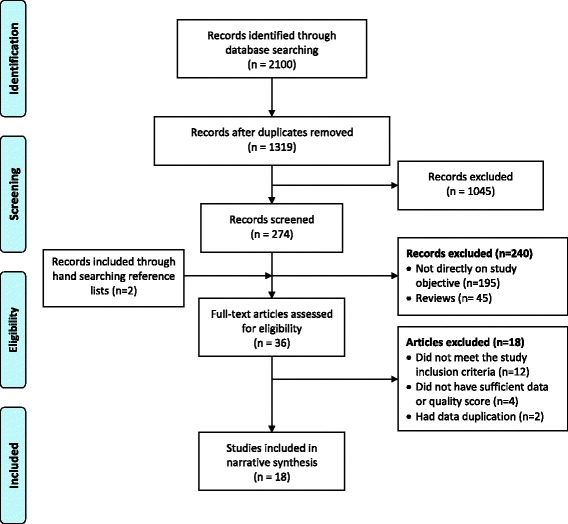
“Two studies (11%), from Nepal and Iraq, discussed newborn care [17, 23, 28].”
BackgroundInfluentialPromoting health equity in conflict-affected fragile states
Bornemisza, O., Ranson, M. K., Poletti, T., & Sondorp, E. (2009) · Social Science & Medicine · doi:10.1016/j.socscimed.2009.09.032 · Cited by 150 · cited 4×
“FCS in Asia and the Middle-East require substantial informing evidence on MNH service usage and its determinants to help streamline policy strategizing, yet available information is limited [1].”
BackgroundMethodInfluentialLevels and Trends in the Use of Maternal Health Services in Developing Countries
Wang, W., Alva, S., Wang, S., & Fort, A. L. (2011) · doi:10.13140/rg.2.1.1830.8647 · Cited by 130
Care Seeking for Neonatal Illness in Low- and Middle-Income Countries: A Systematic Review
Herbert, H. K., Lee, A. C., Chandran, A., Rudan, I., & Baqui, A. H. (2012) · PLoS Medicine · doi:10.1371/journal.pmed.1001183 · Cited by 125 · cited 4×
“home delivery, institutional delivery, skilled attendance), emergency obstetric care, and postpartum care [49, 51].”
BackgroundInfluential
Research works printed but not linked: 2
- The World Health Organization The African Regional Health Report 2009
- Datta D Datta PP Maternal mortality in India: problems and challenges Asian J Med Res 2013 2 1 33 5
Cited by
The effects of armed conflict on the health of women and children
Bendavid, E., Boerma, T., Akseer, N., Langer, A., Malembaka, E. B., Okiro, E. A., Wise, P. H., Heft-Neal, S., Black, R. E., Bhutta, Z. A., et al. (2021) · The Lancet · doi:10.1016/s0140-6736(21)00131-8 · Cited by 466
What factors affect patients’ ability to access healthcare? An overview of systematic reviews
Dawkins, B., Renwick, C., Ensor, T., Shinkins, B., Jayne, D., & Meads, D. (2021) · Tropical Medicine & International Health · doi:10.1111/tmi.13651 · Cited by 257
Jawad, M., Hone, T., Vamos, E. P., Cetorelli, V., & Millett, C. J. (2021) · PLoS Medicine · doi:10.1371/journal.pmed.1003810 · Cited by 163
Akseer, N., Wright, J., Tasic, H., Everett, K., Scudder, E., Amsalu, R., Boerma, T., Bendavid, E., Kamali, M., Barros, A. J. D., et al. (2020) · BMJ Global Health · doi:10.1136/bmjgh-2019-002214 · Cited by 93
Bhowmik, J., Biswas, R. K., & Ananna, N. (2020) · PLoS ONE · doi:10.1371/journal.pone.0231489 · Cited by 75
Edmond, K. M., Yousufi, K., Anwari, Z., Sadat, S. M., Staniczai, S. M., Higgins-Steele, A., Bellows, A. L., & Smith, E. R. (2018) · BMC Medicine · doi:10.1186/s12916-018-1092-9 · Cited by 57
Sheikh, J., Allotey, J., Kew, T., Khalil, H., Galadanci, H., Hofmeyr, G. J., Abalos, E., Vogel, J. P., Lavin, T., Souza, J. P., et al. (2024) · eClinicalMedicine · doi:10.1016/j.eclinm.2023.102264 · Cited by 48
Edmond, K. M., Yousufi, K., Naziri, M., Higgins‐Steele, A., Qadir, A., Sadat, S. M., Bellows, A. L., & Smith, E. R. (2019) · Archives of Disease in Childhood · doi:10.1136/archdischild-2019-316802 · Cited by 45
Jayasinghe, S. (2024) · BMJ Global Health · doi:10.1136/bmjgh-2023-014749 · Cited by 36
Thommesen, T., Kismul, H., Kaplan, I., Safi, K., & den Bergh, G. V. (2020) · BMC Pregnancy and Childbirth · doi:10.1186/s12884-020-2818-1 · Cited by 32
“2017 [36] showed that obstacles in terms of availability, accessibility and quality of care are particularly common in countries experiencing war and conflict, such as Afghanistan, which may be one of the countries most”
BackgroundEdmond, K. M., Foshanji, A. I., Naziri, M., Higgins‐Steele, A., Burke, J. M., Strobel, N., & Farewar, F. (2019) · BMC Pregnancy and Childbirth · doi:10.1186/s12884-019-2327-2 · Cited by 33
Islam, M. A., & Biswas, B. (2021) · Clinical Epidemiology and Global Health · doi:10.1016/j.cegh.2021.100801 · Cited by 29
Eze, P., Fatoum, A.-M., Alshehari, A. H., & Lawani, L. O. (2020) · Conflict and Health · doi:10.1186/s13031-020-00297-7 · Cited by 27
Sweileh, W. M. (2020) · International Journal of Mental Health Systems · doi:10.1186/s13033-020-00402-6 · Cited by 27
David, S., & Eriksson, A. (2025) · Conflict and Health · doi:10.1186/s13031-025-00654-4 · Cited by 28
“Similarly, it has been noted that maternal health outcomes in the Palestinian Territories were adequate despite the ongoing conflict (prior to the 2023 war) [43].”
Hyzam, D., Zou, M., Boah, M., Saeed, A., Li, C., Pan, S., Zhai, J., & Wu, L. (2020) · BMC Pregnancy and Childbirth · doi:10.1186/s12884-020-03101-9 · Cited by 28
“The evidence shows that poor maternal and newborn health status and services in conflict-affected countries is a major contributor to the burden of maternal and neonatal ill health in Asia and the Middle-East [3].”
BackgroundMcGready, R., Rijken, M. J., Turner, C., Than, H. H., Tun, N. W., Min, A. M., Hla, S., Wai, N. S., Proux, K., Min, T. H., et al. (2021) · Wellcome Open Research · doi:10.12688/wellcomeopenres.16599.2 · Cited by 22
“This contrasts to the theory component with a median score 66 [11-96], with 26.”
Lafta, R., Cetorelli, V., & Burnham, G. M. (2019) · Disaster Medicine and Public Health Preparedness · doi:10.1017/dmp.2019.11 · Cited by 21
“A recent meta-analysis of maternal and neonatal service in fragile and conflict-affected populations found substantial underutilization compared with more stable situations and so increasing the burden of maternal and neonatal ill health.(28)”
BackgroundMamkhezri, J., Razzaghi, S., Khezri, M., & Heshmati, A. (2022) · Frontiers in Public Health · doi:10.3389/fpubh.2022.865903 · Cited by 19
Gedef, G. M., Girma, B., Andualem, F., Gashaw, A., & Tibebu, N. S. (2023) · Midwifery · doi:10.1016/j.midw.2023.103906 · Cited by 19
Zhang, T., He, Q., Richardson, S., & Tang, K. (2023) · BMJ Global Health · doi:10.1136/bmjgh-2023-012023 · Cited by 18
Brault, M. A., Kennedy, S. B., Haley, C. A., Clarke, A., Duworko, M. C., Habimana, P., Vermund, S. H., Kipp, A. M., & Mwinga, K. (2018) · BMJ Open · doi:10.1136/bmjopen-2018-021879 · Cited by 17
Obel, J., Martin, A. I. C., Mullahzada, A. W., Kremer, R., & Maaløe, N. (2021) · BMC Pregnancy and Childbirth · doi:10.1186/s12884-020-03507-5 · Cited by 14
“Conclusions In a crisis situation, resource constrained humanitarian actors are faced with the dilemma of providing good care for fewer or less for many, [18] and evidence is warranted to assist in this decision-making [10].”
BackgroundUnder-five mortality during the war in Tigray: A community-based study
Abreha, B. B., Fisseha, G., Tsadik, M., Legesse, A. Y., Teka, H., Abraha, H. E., Hadush, M. Y., Gebrekurstos, G., Ayele, B. G., Gebreegziabher, A., et al. (2024) · Conflict and Health · doi:10.1186/s13031-024-00614-4 · Cited by 15
“…and acess to emergency obstetric care [32], institutional delivery and improved peri-natal care for preterm and low birth weight babies [20, 38], improved access to vaccination [29] and access to low cost interventions such as rehydration therapy and zinc [33], improved access to nutrition…”
BackgroundLi, Z., Richter, L., & Lu, C. (2019) · BMJ Global Health · doi:10.1136/bmjgh-2019-001614 · Cited by 14
“Clearly, stable funding from donors is necessary for achieving the target in these countries.(39) CH kept increasing during the study period due to sizeable growth in funding from global initiatives such as GFATM, GAVI and UNFPA in financing malaria, immunisation and HIV projects, benefiting CH.”
BackgroundBonnet, E., Lerosier, T., Touré, L., Diarra, Y., Diabaté, S., Diarra, D., & Ridde, V. (2023) · BMJ Global Health · doi:10.1136/bmjgh-2022-010811 · Cited by 14
A systematic review of newborn health interventions in humanitarian settings
Rodo, M., Duclos, D., DeJong, J., Akik, C., & Singh, N. S. (2022) · BMJ Global Health · doi:10.1136/bmjgh-2022-009082 · Cited by 11
Analysis of mobile clinic deployments in conflict zones
González, R. S., Cherkesly, M., Crainic, T. G., & Rancourt, M. (2024) · Journal of Humanitarian Logistics and Supply Chain Management · doi:10.1108/jhlscm-07-2022-0080 · Cited by 13
Wu, Z., Lin, L., Zhang, J., Zhong, J., & Lai, D. (2025) · Frontiers in Public Health · doi:10.3389/fpubh.2025.1597076 · Cited by 11
Kim, C. S., Erim, D., Natiq, K., Salehi, A. S., & Zeng, W. (2020) · Frontiers in Global Women s Health · doi:10.3389/fgwh.2020.571055 · Cited by 13
“Maternal education has been found to be a key determinant of maternal health utilization (42, 43).”
BackgroundContext matters: a systematic review of neonatal care in humanitarian emergencies
McBride, S., & Morgan, A. (2022) · Journal of International Humanitarian Action · doi:10.1186/s41018-022-00121-2 · Cited by 9
“Protracted conflict All seven studies that described protracted conflict events in LMIC identified the reliance on task shifting and community health worker (CHW) networks to deliver ENC (Ahamadani et al. 2014; Akseer et al. 2016; Khan et al. 2012; Sami et al. 2017; Hynes et al. 2017; Gopalan et al. 2017; Lam et al. 2…”
BackgroundWolka, S., Alemu, M. D., Gobana, M., Bati, G. T., Gerawork, H., & Mekonnen, Z. A. (2022) · Journal of Multidisciplinary Healthcare · doi:10.2147/jmdh.s388104 · Cited by 9
“On the other hand, MHNTs programs are reported as high-priced in terms of availing vehicles and human resource related costs.(21) This implies that the program has extra costs related to vehicle fuel and health workers DSA that would justify the need to consider adequate budget for national level implementation.”
BackgroundGedef, G. M., Gashaw, A., Bitew, D. A., & Andualem, F. (2023) · Heliyon · doi:10.1016/j.heliyon.2023.e16239 · Cited by 9
“Sub-Saharan Africa (SSA) alone accounted for 201,000 of the estimated 303,000 maternal mortalities worldwide in 2015, and the majority of these are attributed to complications of pregnancy and childbirth due to lack of institutional delivery by skilled attendants and emergency obstetric care [5,6].”
BackgroundSaleh, S. S., Mansour, R., Daou, T., Brome, D., & Naal, H. (2022) · Conflict and Health · doi:10.1186/s13031-022-00462-0 · Cited by 11
“A systematic review exploring the use of maternal health resources in areas of conflict documented high usage of untrained traditional birth attendants compared to medical doctors or nursemidwives, particularly in Yemen; additionally, the postnatal care coverage was achieved by less than 40% of the population in both…”
BackgroundWu, Z., Zhang, J., Wei, J., Huang, C., Xu, W., Wu, J., & Jiang, M. (2025) · Frontiers in Public Health · doi:10.3389/fpubh.2025.1654535 · Cited by 10
“North Africa/Middle East’s deterioration (APC = +10.81) correlated with conflict impacts (28), and Southern sub-Saharan Africa’s post-2019 rise (APC = +0.89) highlighted pandemic disruptions in vulnerable regions (29).”
InfluentialKim, C., Tappis, H., Natiq, L., Fried, B. J., Lich, K. H., Delamater, P. L., Weinberger, M., & Trogdon, J. G. (2021) · Global Public Health · doi:10.1080/17441692.2021.1873400 · Cited by 10
“…and conflict-affected settings identified similar factors, distinguishing demand-side (e.g. access to transportation, female education, autonomy, health awareness, and cost of health services) from supply-side (e.g. availability and quality of health services) determinants (Gopalan et al., 2017).”
BackgroundMethodThe Peace Baby Boom: Evidence From Colombia’s Peace Agreement With the FARCPreprint
Guerra-Cújar, M. E., Prem, M., Lesmes, P. A. R., & Vargas, J. F. (2020) · SSRN Electronic Journal · doi:10.2139/ssrn.3695131 · Cited by 11
“Moreover, conflicts have direct impacts on health systems like the reduced access to maternal, sexual and reproductive health (Chukwuma and Ekhator-Mobayode, 2019; Gopalan et al., 2017; Tunçalp et al., 2015; Chi et al., 2015; Price and Bohara, 2013).”
Mothupi, M. C., Macharia, T. N., Card, K. S., Bigirinama, R. N., Adler, A., Ahmed, M. S., Dalmar, A., Aimu, R. S., Israel-Isah, S., Alier, K. P., et al. (2025) · PLOS Global Public Health · doi:10.1371/journal.pgph.0005288 · Cited by 6
“Health systems in fragile contexts are characterized by several challenges including health worker displacement, fragmented service delivery, limited access to care, poor regulation of health providers, weakened governance and lack of financial resources [9,10].”
Kiendrébéogo, J. A., Sory, O., Kaboré, I., Kafando, Y., Kumar, M. B., & George, A. S. (2024) · Global Health Action · doi:10.1080/16549716.2024.2360702 · Cited by 6
“…blocks and domains, covering aspects as diverse as health financing [58–61], human resource for health [62–65], health services delivery [66–68], health system governance [69–71], state building [72,73] and health system strengthening more broadly [74,75], which still suffer from crises of…”
BackgroundSocial determinants for health and neonatal anesthesia in Colombia
Mejía, A. T. (2023) · Colombian Journal of Anesthesiology · doi:10.5554/22562087.e1063 · Cited by 6
A scoping review of the social determinants of maternal health in the MENA region
Moujahid, C., Turman, J. E., & Amahdar, L. (2024) · Pan African Medical Journal · doi:10.11604/pamj.2024.47.205.42499 · Cited by 9
“However, some women chose home delivery for feelings of security, family support, and lower costs [21].”
BackgroundAssessment of Healthcare Utilization among Women Experiencing Childbirth in Suburban Nepal
Xu, S., Blavo, C., Marahatta, S. B., Banjara, M., Amatya, R., Hardigan, P. C., & Anderson, N. (2019) · Journal of Health Promotion · doi:10.3126/jhp.v7i0.25497 · Cited by 5
Abdi, A. M., Osman, N. H., Mohamud, O. M., Iman, M. I., Jimale, A. M., Adam, A. A., Mohamud, M. A., & Kalif, A. A. (2026) · International Journal of Women s Health · doi:10.2147/ijwh.s627215 · Cited by 4
Amberg, F., Allegri, M. D., Ridde, V., Sié, A., Seynou, M., Kadio, K., Dianda, S., Lohmann, J., Blanchet, K., Singh, N., et al. (2025) · Conflict and Health · doi:10.1186/s13031-025-00723-8 · Cited by 4
“Numerous obstacles, as outlined in prior literature reviews focusing on low-and middle-income countries (LMICs) [51, 52], include security concerns, insufficiently trained healthcare personnel, and financial constraints [53, 54].”
Gopalan, S. S., Silverwood, R. J., & Howard, N. (2018) · International Journal for Equity in Health · doi:10.1186/s12939-018-0845-6 · Cited by 4
Self-citationKelly, C. B., Hemat, S., Naziri, M., Yousufi, K., & Edmond, K. M. (2021) · Archives of Disease in Childhood · doi:10.1136/archdischild-2021-322968 · Cited by 4
A Peace Baby Boom? Evidence from Colombia's Peace AgreementPreprint
Guerra-Cújar, M. E., Prem, M., Lesmes, P. A. R., & Vargas, J. F. (2020) · SocArXiv (OSF Preprints) · doi:10.31235/osf.io/c2ypd · Cited by 6
Luka, L. A., Macharia, T., Kimemia, G., Nanda, G., Ayom, A. A., Deng, A., Kuol, J. M. D., Jama, M. P., Nyuany, L. M., Caroline, I., et al. (2026) · medRxiv · doi:10.64898/2026.05.14.26353170 · Cited by 3
Vintges, J., Hamad, B. A. A., Diab, R. A., Abuhamad, S., & Jones, N. (2026) · Women s Health · doi:10.1177/17455057251414296 · Cited by 2
Women’s Perspectives of Childbirth in Kiboga, Uganda
Halperin, O. (2021) · Journal of Obstetric, Gynecologic & Neonatal Nursing · doi:10.1016/j.jogn.2021.01.002 · Cited by 2
Al-Dahir, S., Hassan, T. A. L., Moss, W. J., Khalil, A., Burnham, G. M., Knoll, M. D., Hossain, S. M. M., & Talaat, K. R. (2024) · Vaccine · doi:10.1016/j.vaccine.2024.126383 · Cited by 2
Siam, Z. A., & Leone, T. (2020) · European Journal of Public Health · doi:10.1093/eurpub/ckaa043 · Cited by 2
Hyzam, D., Zou, M., Boah, M., Basaleem, H., Liu, X., & Wu, L.-J. (2021) · Journal of Biosocial Science · doi:10.1017/s0021932021000663 · Cited by 2
Sib, S. R., Komboïgo, É., Sanogo, M., Diallo, A., Ouédraogo, I., Ouedraogo, D., & Ouédraogo, A. (2023) · Open Journal of Obstetrics and Gynecology · doi:10.4236/ojog.2023.133040 · Cited by 1
Nayab, S. D. E., & Zarei, M. J. (2025) · Arshaka Pedagogy and Learning Review · doi:10.65779/arshaka.v1i1.38 · Cited by 1
“For example, countries involved in conflicts in the Middle East often find it difficult to find common ground due to deep differences in political and ideological interests (Al‐Abdin et al., 2018; Gopalan et al., 2017; Hinnebusch, 2016; Ide, 2018).”
Mishra, S., & Prasad, T. R. (2020) · Populasi · doi:10.22146/jp.55147 · Cited by 1
Gopalan, S. S. (2019) · LSHTM Research Online (London School of Hygiene and Tropical Medicine) · doi:10.17037/pubs.04655682 · Cited by 1
Self-citationHamilton, E. A. A., Dornan, L., Sinclair, M., McCoy, J., Hanna‐Trainor, L., & Kernohan, G. W. (2021) · Journal of Advanced Nursing · doi:10.1111/jan.14956
AlShawafi, N. A. A., Nasr, M., Khan, M. F., Tanoli, J. A., Rajeh, K., Boboeva, M., & Kobeissi, L. H. (2022) · International Journal of Nursing and Health Care Research · doi:10.29011/2688-9501.101379
AL-Sakkaf, O. Z., El-Morsy, E.-M. A., Senosy, S. A., Rabie, A. S. I., Altyar, A. E., Sarhan, R. M., Boshra, M. S., & Khalil, D. M. (2025) · Healthcare · doi:10.3390/healthcare13131591 · Cited by 1
“…both perspectives: the demand (community) angle included mobility, female education, autonomy, health awareness, and ability to pay, whereas the supply (health services) angle included service availability and quality, community health workers, and health facility charges and informal payment [17].”
Healthcare Financing in Syria: Exploring Good Alternative Financing Solutions—A Classic Delphi Study
Melhem, A. (2025) · Journal of Health Management · doi:10.1177/09720634251396605
“Weak governance, political instability and the long-term nature of conflicts have made the healthcare system chronically fragile (Gopalan et al., 2017).”
Hyzam, D., Zou, M., Boah, M., Saeed, A., Li, C., Pan, S., Zhai, J., & Wu, L.-J. (2020) · Figshare · doi:10.6084/m9.figshare.12655504
McBride, S., & Morgan, A. (2022) · Figshare · doi:10.6084/m9.figshare.19980628
Barriers and enablers to women's access to services during childbearing in Timor-Leste
King, R. M. (2019) · FedUni ResearchOnline (Federation University Australia)
Douthat, A. C. (2019) · ResearchWorks at the University of Washington (University of Washington)
Sidi-Ali, M. (2024) · Huddersfield Research Portal (University of Huddersfield)
Singh, R., Goli, S., Kriti, S., & Rammohan, A. (2026) · Primary Health Care Research & Development · doi:10.1017/s1463423626100899
MAISAA, A. (., & FATIMAH, A. (.-I. (2022) · World Bulletin of Public Health
Ali, M. K. A., Kassim, M. M., Gahnug, M., Jama, A. A., Mohamed, N., Ali, Y. K., Hassan, M., Ahmed, F. A., Hassan, A., Ismail, F., et al. (2026) · Pediatric Health Medicine and Therapeutics · doi:10.2147/phmt.s589666
Impact of Armed Conflicts on Neonatal Health: A Scoping Review
Hirani, S. A. A., & Awojobi, O. N. (2026) · The Open Public Health Journal · doi:10.2174/01187494455080260925102753 · Cited by 1
Audu, E. O., & Agabi, Y. A. (2026) · African Journal of Peace & Social Inclusion · doi:10.66065/ajpsi-znhcnt7h
Al‐Shohef, B., Nasser, M. H., Eid, M. N., Al-Shohef, N., Alhiraki, H., & Hussein, M. H. (2026) · Sage Open Pediatrics · doi:10.1177/30502225261502946
Metadata
- Authors
- Gopalan, S. S., Das, A., & Howard, N.
- Affiliations
- London School of Hygiene & Tropical Medicine (GB)
- World Bank (US)
- Corresponding author
- Gopalan, Saji S.
- Venue
- BMC Women's Health
- Published
- 2017-03-15
- Volume
- 17
- Issue
- 1
- Pages
- 20-20
- ISSN
- 1472-6874 (ISSN-L)
- PMC
- PMC5353776
- OpenAlex
- W2601520275
- Cited by
- 65
- References
- 38
- Citations by year
- 2026: 7 · 2025: 7 · 2024: 6 · 2023: 7 · 2022: 7 · 2021: 11 · 2020: 12 · 2019: 5 · 2018: 3
- FWCI
- 1.02
- Type
- journal article
- Language
- en
- Open access
- gold
- doi.org
- Licence
- cc-by
- Locations
- BMC Women s Health (publishedVersion, cc-by)
- PubMed Central (publishedVersion, cc-by)
- PubMed (publishedVersion)
- LSHTM Research Online (London School of Hygiene and Tropical Medicine) (acceptedVersion)
- National University of Singapore (submittedVersion)
- Funders
- London School of Hygiene and Tropical Medicine
- Topics
- Health Sciences › Medicine › Pediatrics, Perinatology and Child Health › Global Maternal and Child Health
- Health Sciences › Health Professions › General Health Professions › Health and Conflict Studies
- Health Sciences › Medicine › Pediatrics, Perinatology and Child Health › Maternal and Neonatal Healthcare
- Keywords
- maternal and newborn health, health care utilization, fragile and conflict-affected situations, emergency obstetric care, postpartum care, neonatal care, skilled birth attendance, barriers to care, transportation, women's education, health care costs, informal payments, community health workers, health service quality, health disparities, Asia, Middle East
- MeSH terms
- Armed Conflicts, Adult, Afghanistan, Myanmar, Child Health Services, Female, Humans, Infant, Iraq, Maternal Health Services, Nepal, Pregnancy, Syria, Yemen, Arabs, Timor-Leste
About these checks
Registry, retraction, Cites and statistics results are computed, not judged, with one exception: a printed reference that no index lists is read once by a model before it counts as a citation error. Claims are extracted by a model and kept only when their quote appears verbatim in the text; each cited source is then checked, with a model’s help, for whether it says what the claim relies on. Those verdicts can be wrong — read the claim’s quote and the cited source before relying on one.
Statistics and arithmetic are recomputed, not judged.
Confidence bands are shown only for fields calibrated on our annotated test set. None is calibrated yet, so no band is shown.
What counts as a claim ›How we measure confidence ›How we check this ›
Are you an author, or do you see a problem with this page? Request a review
Data sources
Bibliographic data: Semantic Scholar, OpenAlex, Crossref.
Contains information from the Semantic Scholar Academic Graph Datasets, made available under the ODC Attribution License (ODC-BY 1.0).
Semantic Scholar’s data is described in: Kinney, R., et al. (2023). The Semantic Scholar Open Data Platform. arXiv:2301.10140.
