

Production, characterization, and antifungal activity of a biosurfactant produced by Rhodotorula babjevae YS3
Open accessThe DOI matches its Crossref record; 57 of the 59 references it cites were found in a registry or an index; 1 of the 7 sources its claims cite were checked for support.
Abstract
Sophorolipids are one of the most promising glycolipid biosurfactants and have been successfully employed in bioremediation and various other industrial sectors. They have also been described to exhibit antimicrobial activity against different bacterial species. Nevertheless, previous literature pertaining to the antifungal activity of sophorolipids are limited indicating the need for further research to explore novel strains with wide antimicrobial activity. A novel yeast strain, Rhodotorula babjevae YS3, was recently isolated from an agricultural field in Assam, Northeast India. This study was primarily emphasized at the characterization and subsequent evaluation of antifungal activity of the sophorolipid biosurfactant produced by R. babjevae YS3. The growth kinetics and biosurfactant production by R. babjevae YS3 was evaluated by cultivation in Bushnell-Haas medium containing glucose (10% w/v) as the sole carbon source. A reduction in the surface tension of the culture medium from 70 to 32.6 mN/m was observed after 24 h. The yield of crude biosurfactant was recorded to be 19.0 g/l which might further increase after optimization of the growth parameters. The biosurfactant was characterized to be a heterogeneous sophorolipid (SL) with both lactonic and acidic forms after TLC, FTIR and LC–MS analyses. The SL exhibited excellent oil spreading and emulsifying activity against crude oil at 38.46 mm 2 and 100% respectively. The CMC was observed to be 130 mg/l. The stability of the SL was evaluated over a wide range of pH (2–10), salinity (2–10% NaCl) and temperature (at 120 °C for time intervals of 30 up to 120 min). The SL was found to retain surface-active properties under the extreme conditions. Additionally, the SL exhibited promising antifungal activity against a considerably broad group of pathogenic fungi viz. Colletotrichum gloeosporioides , Fusarium verticilliodes , Fusarium oxysporum f. sp. pisi , Corynespora cassiicola , and Trichophyton rubrum . The study reports, for the first time, the biosurfactant producing ability of R. babjevae, a relatively lesser studied yeast. The persistent surface active properties of the sophorolipid in extreme conditions advocates its applicability in diverse environmental and industrial sectors. Further, antifungal activities against plant and human pathogens opens up possibilities for development of efficient and eco-friendly antifungal agents with agricultural and biomedical applications.
Overview
CoChat Summary
## TL;DR
This paper reports that a newly isolated yeast, *Rhodotorula babjevae* YS3, produced a sophorolipid biosurfactant with strong surface activity and broad stability. The purified sophorolipid also showed antifungal activity against several plant and human pathogens, supporting possible environmental, agricultural, and biomedical uses.
## Key findings
- Fifteen morphologically distinct yeasts were isolated, and only strain YS3 showed strong biosurfactant traits, including oil displacement area of 38.46 mm², 100% emulsification against crude oil, and surface tension reduction from 72.8 to 34.8 mN/m.
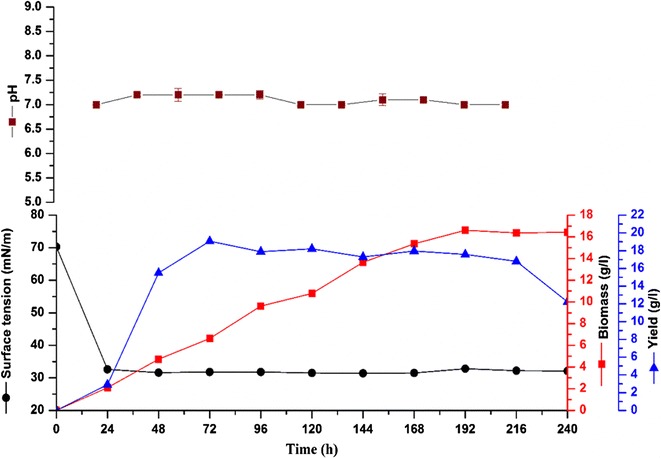
- During cultivation, biosurfactant yield peaked at 19.0 g/l at 72 h, while maximum biomass reached 16.61 g/l at 192 h; surface tension fell from 70 to 32.6 mN/m after 24 h and stayed stable over 240 h.
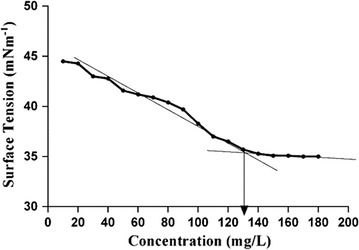
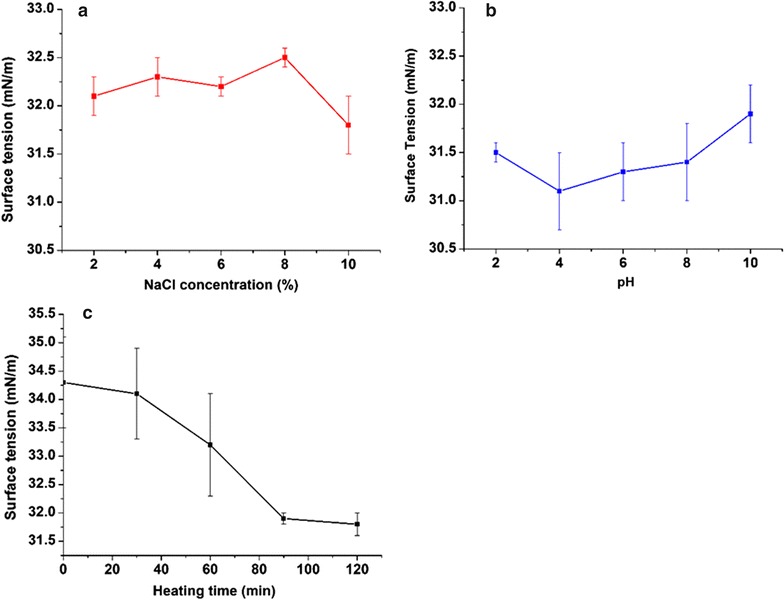
- The biosurfactant had a CMC of 130 mg/l and retained surface activity across pH 2–10, 2–10% NaCl, and heating at 120 °C for 30–120 min.
- The purified product was identified as a heterogeneous sophorolipid mixture with both lactonic and acidic forms; antifungal activity was reported against *Colletotrichum gloeosporioides*, *Fusarium verticilliodes*, *Fusarium oxysporum* f. sp. *pisi*, *Corynespora cassiicola*, and *Trichophyton rubrum*, with MICs in the range 62–1000 µg/ml and no inhibitory activity against *C. cassiicola* at tested concentrations.
## Methods
- Design and sample: Soil samples were collected from a field in Pathsala, Barpeta, Assam, India; 15 yeast isolates (YS1–YS15) were obtained, and YS3 was selected for further study.
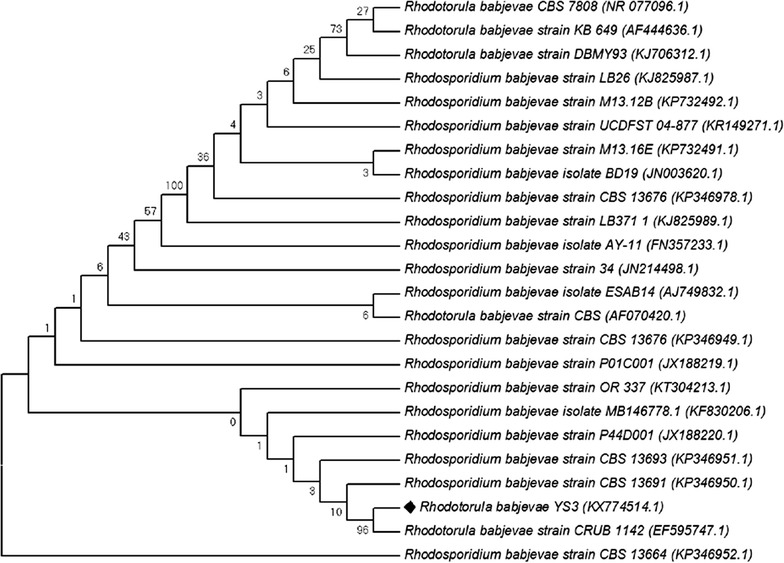
- Analyses performed: The strain was screened for biosurfactant production using surface tension reduction, oil displacement, drop-collapse, and emulsification tests; it was identified by ITS and D1/D2 rDNA sequencing and phylogenetic analysis.
- Main experimental work: YS3 was cultivated in Bushnell-Haas medium with 10% glucose as the carbon source; biosurfactant was extracted, purified by silica gel chromatography, characterized by TLC, FTIR, and LC–MS, and tested for emulsification, CMC, stability, and antifungal activity by microbroth dilution.
## Limitations
- The paper states that the yield “might further increase after optimization of the growth parameters”, indicating the production conditions were not optimized.
- The antifungal data were obtained in vitro only, so effectiveness in plants, animals, or real-world applications is not demonstrated in the paper.
- The study used a limited set of fungal pathogens, and the text makes evident that broader activity claims would need additional testing beyond the organisms examined here (text-evident).
Model-written summary. Check it against the paper before relying on it.
Integrity signals
Registry
Cites
Statistics
Figures
Verification
Claims the paper makes
0 Valid · 1 Not valid · 6 Not checked · 19 Own results and interpretations
The cited sources that could be checked couldn’t confirm or dispute this claim.
In the paper
“The CMC values obtained in our study are consistent with the findings of Otto et al. [42], where they reported a CMC and minimum ST value of 130 mg/l and 39 mN/m respectively for a mixture of sophorolipids produced in a two-stage process using C. bombicola grown on deproteinized whey and rapeseed oil as the carbon sources.”
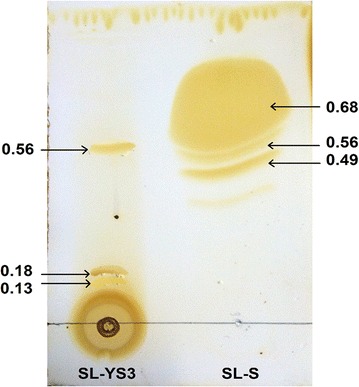
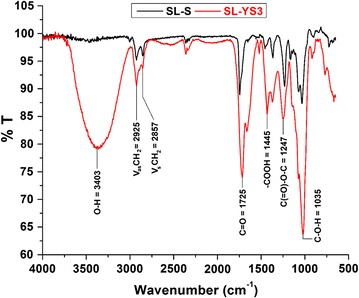
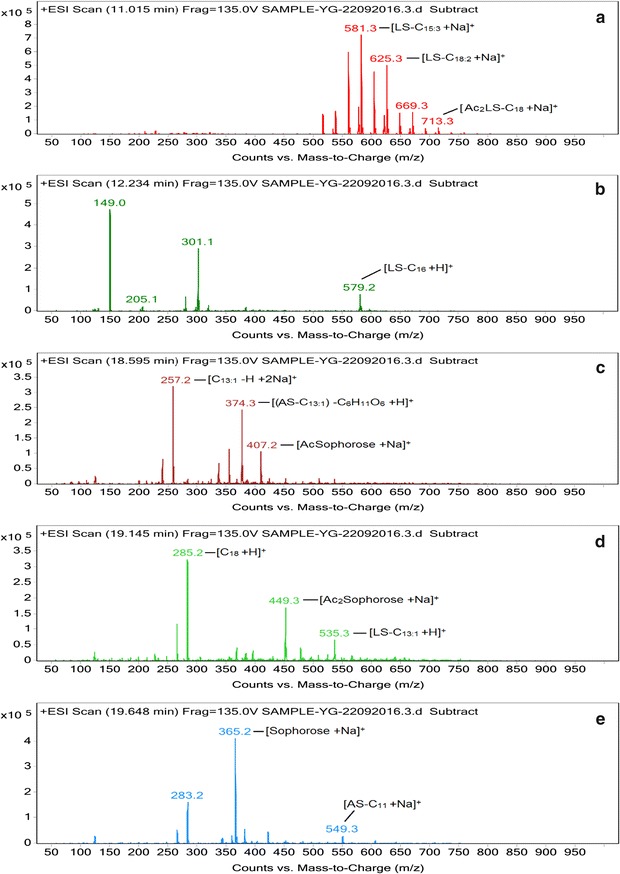
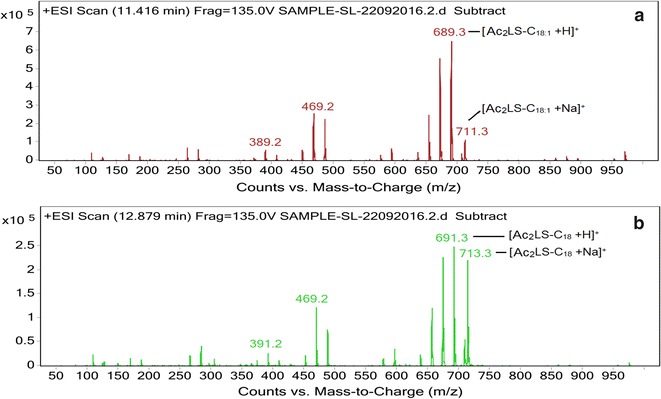
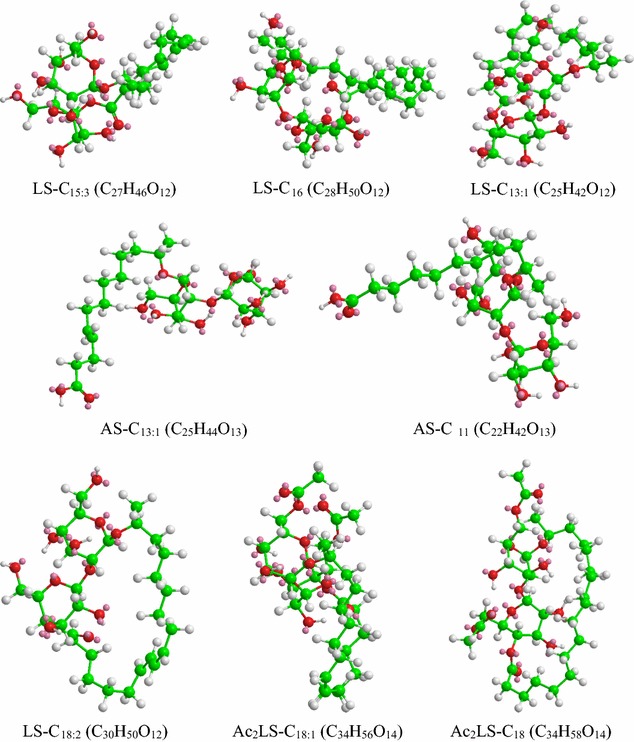
§ Production, characterization, and antifungal activity of a biosurfactant produced by Rhodotorula babjevae YS3 > Discussion This study reports the biosurfactant producing ability of a hitherto unreported yeast R. babjevae strain YS3 which was subsequently characterized as a sophorolipid (SL) with appreciable antifungal activity and stable surface-active properties. The yeast diversity in soil has not yet been explored in great detail and as such offers a huge scope for isolation of yeasts with several unique properties [13]. We screened for the biosurfactant producing ability of the pigmented yeast R. babjevae YS3 based on its oil displacement, drop-collapse, emulsification activity and surface tension reduction ability. The oil displacement technique is a biosurfactant detection method based on its surface activity and it is directly proportional to biosurfactant concentration in the medium [14, 15]. The drop collapse method determines qualitative examinations whether the broth has sufficient amount of biosurfactant to collapse or evenly spread its cell-free drops on the hydrophobic surface [37]. Emulsification activity and ST reduction are basic properties of biosurfactant [38]. Potential biosurfactant producing microbes are expected to reduce the ST of the culture media to nearly 35 mN/m [39]. Accordingly, the strain YS3 was able to reduce the ST below this value indicating successful biosurfactant production. Previously, biosurfactant producing yeast have reportedly been isolated from hydrocarbon contaminated soil [6], but the isolation of biosurfactant producing yeast from agricultural soil in our study further diversifies the potential sources for exploration of biosurfactant producing yeasts. Depending upon the nature of the biosurfactant and the producing microorganisms, several patterns of biosurfactant production by fermentation are possible [40]. In our study, growth curves were obtained in order to establish the relation between cell growth, surface-activity, yield of the biosurfactant and pH in time. In our study, ST reduction and biosurfactant production was observed after 24 h when growth was almost non-existent. Significant increase in the production was observed at 48 h with an increase in cell growth although the ST did not vary significantly till the end of the cultivation period. The highest biosurfactant production was observed after 72 h during the exponential phase indicating a growth associated biosurfactant production. Similar growth associated production of biosurfactant was also obtained by Diniz Rufino et al. [41] when they cultivated Candida lipolytica in a medium supplemented with 6% soybean oil refinery residue and 1% glutamic acid. Accorsini et al. [42] reported that the highest reduction in ST due to biosurfactant production by C. antartica was observed after 24 h of growth from an initial value of 47–31 mN/m. However, some researchers have also reported biosurfactant production by yeasts during their stationary growth [43]. The pH was not controlled in this study and alteration in its value was non-significant throughout the cultivation period of 240 h. Similar result was reported by Luna et al. [44] and they inferred that the high biosurfactant yield as observed by them could be a result of the slight alteration in the pH throughout the experiment duration. Interestingly, in our study no secondary hydrophobic carbon source was added to the production media contrary to previous reports where the biosurfactant production by yeasts was achieved through the co-substrate fermentation of glucose and a fatty acid [24, 41, 43]. Nevertheless, the biosurfactant yield was higher in our study as compared to the ones mentioned in these reports, indicative of the fact that the secondary carbon source may not play a critical role in the production of biosurfactant in our case. This will help to make the production process more economical by avoiding the additional cost of a secondary source. Critical micelle concentration (CMC) is an integral property of any surface active compound and plays a crucial role in its characterization [32]. CMC corresponds to the minimum concentration of surfactant at which the surfactant monomers start to form micelles, because at this point, the solution interface of the medium in which the surfactant is dispersed gets fully saturated with surfactant molecules [45]. Beyond the CMC, no significant lowering in ST is observed and as such a lower CMC value indicates a higher efficiency of a surfactant as lesser amount is required to lower the ST [46]. The CMC values obtained in our study are consistent with the findings of Otto et al. [42], where they reported a CMC and minimum ST value of 130 mg/l and 39 mN/m respectively for a mixture of sophorolipids produced in a two-stage process using C. bombicola grown on deproteinized whey and rapeseed oil as the carbon sources. The SL sample under study could form stable emulsions with crude oil, motor oil and n-hexadecane. Although the emulsification index was relatively lower against n-hexadecane, the emulsion was stable over the evaluation period of 168 h. Emulsification activity of a surfactant involves dispersion of one liquid phase as microscopic droplets in another (continuous) resulting in the mixing of two immiscible liquid. This characteristic is a crucial factor for their utilization in various industrial sectors [47]. Most microbial surfactants are substrate specific and solubilize or emulsify different hydrocarbons at different rates depending on its affinity for hydrocarbon substrates [48]. This might explain the unstable emulsifications observed against diesel and sunflower oil. Our findings bear conformity with those reported by Rufino et al. [49] in the case of C. lipolytica cultivated using industrial residue as substrate. They reported that diesel and hexane were not emulsified effectively thereby, substantiating a differential activity of the emulsifier depending on its affinity for different hydrocarbon substrates. Similarly, stability of a biosurfactant under extreme environmental conditions are important parameters for consideration in usage under specific environmental conditions. The SL under study exhibited excellent stability over the evaluated range of pH, temperature, salinity indicating possibility of its usage in sectors like bioremediation and microbial enhanced oil recovery. Luna et al. [44] obtained similar results using the SL produced by Candida sphaerica UCP0995 from industrial wastes that showed stable ST reduction and emulsifying activity at different pH, temperature, and NaCl concentrations against motor oil. The composition of the biosurfactant produced by R. babjevae YS3 was determined by TLC, FTIR and LC–MS analyses conducted in comparison with a standard lactonic sophorolipid (1,4′′-sophorolactone 6′,6′′-diacetate). The TLC analyses indicated that the test sophorolipid was composed of a mixture of acidic (AS) and lactonic sophorolipids (LS). Ribeiro et al. [35], reportedly obtained the Rf values of AS produced by R. bogoriensis in the comparable range of 0.18–0.41, eluted with the same solvent system as that used in the present study. The characteristic functional groups present in the column purified biosurfactant were determined by FTIR and compared with the standard SL. In addition to similar bands with the standard confirming the presence of lactonic SL, the presence of AS was confirmed by the two bands at 1445 and 3403 cm−1 typically associated with AS in literature [25]. Similar absorption bands were observed by Daverey and Pakshirajan [32] for a SL produced by C. bombicola grown on a fermentative medium containing sugarcane molasses, yeast extract, urea, and soybean oil. Electrospray ionization (ESI) of small molecules (~500 Da) with a single functional group capable of carrying electrical charge predominantly produce singly charged ions usually involving the addition of a proton to the analyte (M+H+), but adduction of cations (like M+Na+, M+K+) are also reported to occur if salts are present, when the ion source is in positive ion mode [50]. As such our analysis revealed both protonated as well as sodiated ions of the acidic (AS) and lactonic (LS) sophorolipids with variable fatty acid side chains (C11–C18). Chen et al. [51] reported a mixture of both AS (C18 Ac2, C18:1 Ac2, C18:1 Ac) and Ac2LS (C18:2, C18:3, C18:2, C18:1, C18, C16) on performing LC–MS analysis of the biosurfactant produced by Wickerhamiella domercqiae, indicating a similar heterogeneous composition and variability in the fatty acid portion. Our results also bear conformity with previous literature reporting a similar composition of homologues for the standard sophorolactone [29, 36]. Although, the largest application of biosurfactant is the oil industry, biosurfactants from many microorganisms have demonstrated antimicrobial properties and are currently being extracted and investigated to stem the incidence of antibiotic resistance plaguing the world today [48]. The antagonistic activity exhibited by biosurfactants might be attributed to the destabilization of cellular membrane causing cytoplasmic extrusions and eventually resulting in the rupture of cells [52]. In our study, the promising activity against Colletotrichum gloeosporioides indicates a potential application as food preservative against post-harvest decays of apple caused by this pathogen [53]. The results are of particular interest as previous literature describing appreciable antifungal activity of SLs are limited. Yoo et al. [54] reported a relatively lower, 8% inhibition of mycelial growth using 500 µg/ml SL against the Phytophthora sp. and Pythium sp. The same authors used 2000 µg/ml SL to obtain 42% reduction of damping-off disease in pot trials. The SL used in our study appear to be much more promising than that used by Yoo et al. [54]. However, no appreciable activity was observed against Corynespora cassiicola at the evaluated concentrations during our study. A similar variation in activity was also observed by Dengle-Pulate et al. [12] during their study involving a SL produced by Candida bombicola using glucose as the hydrophilic source and lauryl alcohol C12–14, as the hydrophobic source. They reportedly used a concentration of 50 µg/ml to obtain antagonistic activity against pathogenic yeast Candida albicans as against 6 and 1 μg/ml used to obtain complete inhibition of Staphylococcus aureus and Bacillus subtilis respectively. From their observations, it was evident that the activity of SL may vary against different pathogens which might explain the differential activity observed during our study.
What the sources say
- Could not verifycites [42] Accorsini FR Mutton MJR Lemos EGM Benincasa M Biosurfactants production by yeasts using soybean oil and glycerol as low cost substrate Braz J Microbiol 2012 43 116 125 10.1590/S1517-83822012000100013 24031810 PMC3768975 sourceExperimental — accuracy not yet measured
Our copy of Accorsini et al. (2012) contains no CMC determination at all: the only interfacial measurements are surface tension of the culture media (initial 47 mN/m, final 32-39 mN/m, Table 1 and Results, Isolation and assessment) and of water with the purified product (34-43 mN/m, Surfactant activity of the obtained product). The claim's substance — Otto et al.'s reported CMC of 130 mg/L and minimum ST of 39 mN/m for a sophorolipid mixture made in a two-stage process by C. bombicola on deproteinized whey and rapeseed oil — appears nowhere: searched 'Otto sophorolipid critical micellar concentration deproteinized whey rapeseed oil', 'critical micellar concentration CMC mg/L', and the specific value/substrate phrasing. The reference list (refs 7-38, alphabetical between Nitschke (27) and Quindós (28)) contains no Otto entry, so our copy neither reports the figures nor credits them to another named work. The coincidental 39 mN/m in Table 1 refers to soybean-oil culture media of the local yeast isolates, not to a sophorolipid CMC, so it cannot support the attributed statement. (LLM, conf=0.70)
plainstates an association- Asserted: passes — The authors put it forward as true.
- Checkable: passes — It can be checked against evidence.
- Load-bearing: unclear — It is unclear whether the paper’s conclusions depend on it.
- Based: passes — The paper gives a reason why it holds.
- Could not verify
In the paper
“The biosurfactant was characterized to be a heterogeneous sophorolipid (SL) with both lactonic and acidic forms after TLC, FTIR and LC–MS analyses.”
- Also stated in: § Discussion This study reports the biosurfactant producing ability of a hitherto unreported yeast R. babjevae strain YS3 which was subsequently characterized as a sophorolipid (SL) with appreciable antifungal activity and stable surface-active properties. The yeast diversity in soil has not yet been explored in great detail and as such offers a huge scope for isolation of yeasts with several unique properties [13]. We screened for the biosurfactant producing ability of the pigmented yeast R. babjevae YS3 based on its oil displacement, drop-collapse, emulsification activity and surface tension reduction ability. The oil displacement technique is a biosurfactant detection method based on its surface activity and it is directly proportional to biosurfactant concentration in the medium [14, 15]. The drop collapse method determines qualitative examinations whether the broth has sufficient amount of biosurfactant to collapse or evenly spread its cell-free drops on the hydrophobic surface [37]. Emulsification activity and ST reduction are basic properties of biosurfactant [38]. Potential biosurfactant producing microbes are expected to reduce the ST of the culture media to nearly 35 mN/m [39]. Accordingly, the strain YS3 was able to reduce the ST below this value indicating successful biosurfactant production. Previously, biosurfactant producing yeast have reportedly been isolated from hydrocarbon contaminated soil [6], but the isolation of biosurfactant producing yeast from agricultural soil in our study further diversifies the potential sources for exploration of biosurfactant producing yeasts. Depending upon the nature of the biosurfactant and the producing microorganisms, several patterns of biosurfactant production by fermentation are possible [40]. In our study, growth curves were obtained in order to establish the relation between cell growth, surface-activity, yield of the biosurfactant and pH in time. In our study, ST reduction and biosurfactant production was observed after 24 h when growth was almost non-existent. Significant increase in the production was observed at 48 h with an increase in cell growth although the ST did not vary significantly till the end of the cultivation period. The highest biosurfactant production was observed after 72 h during the exponential phase indicating a growth associated biosurfactant production. Similar growth associated production of biosurfactant was also obtained by Diniz Rufino et al. [41] when they cultivated Candida lipolytica in a medium supplemented with 6% soybean oil refinery residue and 1% glutamic acid. Accorsini et al. [42] reported that the highest reduction in ST due to biosurfactant production by C. antartica was observed after 24 h of growth from an initial value of 47–31 mN/m. However, some researchers have also reported biosurfactant production by yeasts during their stationary growth [43]. The pH was not controlled in this study and alteration in its value was non-significant throughout the cultivation period of 240 h. Similar result was reported by Luna et al. [44] and they inferred that the high biosurfactant yield as observed by them could be a result of the slight alteration in the pH throughout the experiment duration. Interestingly, in our study no secondary hydrophobic carbon source was added to the production media contrary to previous reports where the biosurfactant production by yeasts was achieved through the co-substrate fermentation of glucose and a fatty acid [24, 41, 43]. Nevertheless, the biosurfactant yield was higher in our study as compared to the ones mentioned in these reports, indicative of the fact that the secondary carbon source may not play a critical role in the production of biosurfactant in our case. This will help to make the production process more economical by avoiding the additional cost of a secondary source. Critical micelle concentration (CMC) is an integral property of any surface active compound and plays a crucial role in its characterization [32]. CMC corresponds to the minimum concentration of surfactant at which the surfactant monomers start to form micelles, because at this point, the solution interface of the medium in which the surfactant is dispersed gets fully saturated with surfactant molecules [45]. Beyond the CMC, no significant lowering in ST is observed and as such a lower CMC value indicates a higher efficiency of a surfactant as lesser amount is required to lower the ST [46]. The CMC values obtained in our study are consistent with the findings of Otto et al. [42], where they reported a CMC and minimum ST value of 130 mg/l and 39 mN/m respectively for a mixture of sophorolipids produced in a two-stage process using C. bombicola grown on deproteinized whey and rapeseed oil as the carbon sources. The SL sample under study could form stable emulsions with crude oil, motor oil and n-hexadecane. Although the emulsification index was relatively lower against n-hexadecane, the emulsion was stable over the evaluation period of 168 h. Emulsification activity of a surfactant involves dispersion of one liquid phase as microscopic droplets in another (continuous) resulting in the mixing of two immiscible liquid. This characteristic is a crucial factor for their utilization in various industrial sectors [47]. Most microbial surfactants are substrate specific and solubilize or emulsify different hydrocarbons at different rates depending on its affinity for hydrocarbon substrates [48]. This might explain the unstable emulsifications observed against diesel and sunflower oil. Our findings bear conformity with those reported by Rufino et al. [49] in the case of C. lipolytica cultivated using industrial residue as substrate. They reported that diesel and hexane were not emulsified effectively thereby, substantiating a differential activity of the emulsifier depending on its affinity for different hydrocarbon substrates. Similarly, stability of a biosurfactant under extreme environmental conditions are important parameters for consideration in usage under specific environmental conditions. The SL under study exhibited excellent stability over the evaluated range of pH, temperature, salinity indicating possibility of its usage in sectors like bioremediation and microbial enhanced oil recovery. Luna et al. [44] obtained similar results using the SL produced by Candida sphaerica UCP0995 from industrial wastes that showed stable ST reduction and emulsifying activity at different pH, temperature, and NaCl concentrations against motor oil. The composition of the biosurfactant produced by R. babjevae YS3 was determined by TLC, FTIR and LC–MS analyses conducted in comparison with a standard lactonic sophorolipid (1,4′′-sophorolactone 6′,6′′-diacetate). The TLC analyses indicated that the test sophorolipid was composed of a mixture of acidic (AS) and lactonic sophorolipids (LS). Ribeiro et al. [35], reportedly obtained the Rf values of AS produced by R. bogoriensis in the comparable range of 0.18–0.41, eluted with the same solvent system as that used in the present study. The characteristic functional groups present in the column purified biosurfactant were determined by FTIR and compared with the standard SL. In addition to similar bands with the standard confirming the presence of lactonic SL, the presence of AS was confirmed by the two bands at 1445 and 3403 cm−1 typically associated with AS in literature [25]. Similar absorption bands were observed by Daverey and Pakshirajan [32] for a SL produced by C. bombicola grown on a fermentative medium containing sugarcane molasses, yeast extract, urea, and soybean oil. Electrospray ionization (ESI) of small molecules (~500 Da) with a single functional group capable of carrying electrical charge predominantly produce singly charged ions usually involving the addition of a proton to the analyte (M+H+), but adduction of cations (like M+Na+, M+K+) are also reported to occur if salts are present, when the ion source is in positive ion mode [50]. As such our analysis revealed both protonated as well as sodiated ions of the acidic (AS) and lactonic (LS) sophorolipids with variable fatty acid side chains (C11–C18). Chen et al. [51] reported a mixture of both AS (C18 Ac2, C18:1 Ac2, C18:1 Ac) and Ac2LS (C18:2, C18:3, C18:2, C18:1, C18, C16) on performing LC–MS analysis of the biosurfactant produced by Wickerhamiella domercqiae, indicating a similar heterogeneous composition and variability in the fatty acid portion. Our results also bear conformity with previous literature reporting a similar composition of homologues for the standard sophorolactone [29, 36]. Although, the largest application of biosurfactant is the oil industry, biosurfactants from many microorganisms have demonstrated antimicrobial properties and are currently being extracted and investigated to stem the incidence of antibiotic resistance plaguing the world today [48]. The antagonistic activity exhibited by biosurfactants might be attributed to the destabilization of cellular membrane causing cytoplasmic extrusions and eventually resulting in the rupture of cells [52]. In our study, the promising activity against Colletotrichum gloeosporioides indicates a potential application as food preservative against post-harvest decays of apple caused by this pathogen [53]. The results are of particular interest as previous literature describing appreciable antifungal activity of SLs are limited. Yoo et al. [54] reported a relatively lower, 8% inhibition of mycelial growth using 500 µg/ml SL against the Phytophthora sp. and Pythium sp. The same authors used 2000 µg/ml SL to obtain 42% reduction of damping-off disease in pot trials. The SL used in our study appear to be much more promising than that used by Yoo et al. [54]. However, no appreciable activity was observed against Corynespora cassiicola at the evaluated concentrations during our study. A similar variation in activity was also observed by Dengle-Pulate et al. [12] during their study involving a SL produced by Candida bombicola using glucose as the hydrophilic source and lauryl alcohol C12–14, as the hydrophobic source. They reportedly used a concentration of 50 µg/ml to obtain antagonistic activity against pathogenic yeast Candida albicans as against 6 and 1 μg/ml used to obtain complete inhibition of Staphylococcus aureus and Bacillus subtilis respectively. From their observations, it was evident that the activity of SL may vary against different pathogens which might explain the differential activity observed during our study. · hedged
“The TLC analyses indicated that the test sophorolipid was composed of a mixture of acidic (AS) and lactonic sophorolipids (LS).”
- Also stated in: § Compositional analyses of the biosurfactant · boosted
“These two bands at 1445 and 3403 cm−1 were found to be typical with AS in literature [25] confirming that the test biosurfactant was a mixture of both LS and AS.”
§ Production, characterization, and antifungal activity of a biosurfactant produced by Rhodotorula babjevae YS3 > Abstract > Results
What the sources say
- Not checked — no full text of the sourcecites [25] Daverey A Pakshirajan K Sophorolipids from Candida bombicola using mixed hydrophilic substrates: production, purification and characterization Coll Surf B Biointerfaces 2010 79 246 253 10.1016/j.colsurfb.2010.04.002 20427162 source
boosted- Asserted: passes — The authors put it forward as true.
- Checkable: passes — It can be checked against evidence.
- Load-bearing: passes — The paper’s conclusions depend on it.
- Based: passes — The paper gives a reason why it holds.
- Also stated in: § Discussion This study reports the biosurfactant producing ability of a hitherto unreported yeast R. babjevae strain YS3 which was subsequently characterized as a sophorolipid (SL) with appreciable antifungal activity and stable surface-active properties. The yeast diversity in soil has not yet been explored in great detail and as such offers a huge scope for isolation of yeasts with several unique properties [13]. We screened for the biosurfactant producing ability of the pigmented yeast R. babjevae YS3 based on its oil displacement, drop-collapse, emulsification activity and surface tension reduction ability. The oil displacement technique is a biosurfactant detection method based on its surface activity and it is directly proportional to biosurfactant concentration in the medium [14, 15]. The drop collapse method determines qualitative examinations whether the broth has sufficient amount of biosurfactant to collapse or evenly spread its cell-free drops on the hydrophobic surface [37]. Emulsification activity and ST reduction are basic properties of biosurfactant [38]. Potential biosurfactant producing microbes are expected to reduce the ST of the culture media to nearly 35 mN/m [39]. Accordingly, the strain YS3 was able to reduce the ST below this value indicating successful biosurfactant production. Previously, biosurfactant producing yeast have reportedly been isolated from hydrocarbon contaminated soil [6], but the isolation of biosurfactant producing yeast from agricultural soil in our study further diversifies the potential sources for exploration of biosurfactant producing yeasts. Depending upon the nature of the biosurfactant and the producing microorganisms, several patterns of biosurfactant production by fermentation are possible [40]. In our study, growth curves were obtained in order to establish the relation between cell growth, surface-activity, yield of the biosurfactant and pH in time. In our study, ST reduction and biosurfactant production was observed after 24 h when growth was almost non-existent. Significant increase in the production was observed at 48 h with an increase in cell growth although the ST did not vary significantly till the end of the cultivation period. The highest biosurfactant production was observed after 72 h during the exponential phase indicating a growth associated biosurfactant production. Similar growth associated production of biosurfactant was also obtained by Diniz Rufino et al. [41] when they cultivated Candida lipolytica in a medium supplemented with 6% soybean oil refinery residue and 1% glutamic acid. Accorsini et al. [42] reported that the highest reduction in ST due to biosurfactant production by C. antartica was observed after 24 h of growth from an initial value of 47–31 mN/m. However, some researchers have also reported biosurfactant production by yeasts during their stationary growth [43]. The pH was not controlled in this study and alteration in its value was non-significant throughout the cultivation period of 240 h. Similar result was reported by Luna et al. [44] and they inferred that the high biosurfactant yield as observed by them could be a result of the slight alteration in the pH throughout the experiment duration. Interestingly, in our study no secondary hydrophobic carbon source was added to the production media contrary to previous reports where the biosurfactant production by yeasts was achieved through the co-substrate fermentation of glucose and a fatty acid [24, 41, 43]. Nevertheless, the biosurfactant yield was higher in our study as compared to the ones mentioned in these reports, indicative of the fact that the secondary carbon source may not play a critical role in the production of biosurfactant in our case. This will help to make the production process more economical by avoiding the additional cost of a secondary source. Critical micelle concentration (CMC) is an integral property of any surface active compound and plays a crucial role in its characterization [32]. CMC corresponds to the minimum concentration of surfactant at which the surfactant monomers start to form micelles, because at this point, the solution interface of the medium in which the surfactant is dispersed gets fully saturated with surfactant molecules [45]. Beyond the CMC, no significant lowering in ST is observed and as such a lower CMC value indicates a higher efficiency of a surfactant as lesser amount is required to lower the ST [46]. The CMC values obtained in our study are consistent with the findings of Otto et al. [42], where they reported a CMC and minimum ST value of 130 mg/l and 39 mN/m respectively for a mixture of sophorolipids produced in a two-stage process using C. bombicola grown on deproteinized whey and rapeseed oil as the carbon sources. The SL sample under study could form stable emulsions with crude oil, motor oil and n-hexadecane. Although the emulsification index was relatively lower against n-hexadecane, the emulsion was stable over the evaluation period of 168 h. Emulsification activity of a surfactant involves dispersion of one liquid phase as microscopic droplets in another (continuous) resulting in the mixing of two immiscible liquid. This characteristic is a crucial factor for their utilization in various industrial sectors [47]. Most microbial surfactants are substrate specific and solubilize or emulsify different hydrocarbons at different rates depending on its affinity for hydrocarbon substrates [48]. This might explain the unstable emulsifications observed against diesel and sunflower oil. Our findings bear conformity with those reported by Rufino et al. [49] in the case of C. lipolytica cultivated using industrial residue as substrate. They reported that diesel and hexane were not emulsified effectively thereby, substantiating a differential activity of the emulsifier depending on its affinity for different hydrocarbon substrates. Similarly, stability of a biosurfactant under extreme environmental conditions are important parameters for consideration in usage under specific environmental conditions. The SL under study exhibited excellent stability over the evaluated range of pH, temperature, salinity indicating possibility of its usage in sectors like bioremediation and microbial enhanced oil recovery. Luna et al. [44] obtained similar results using the SL produced by Candida sphaerica UCP0995 from industrial wastes that showed stable ST reduction and emulsifying activity at different pH, temperature, and NaCl concentrations against motor oil. The composition of the biosurfactant produced by R. babjevae YS3 was determined by TLC, FTIR and LC–MS analyses conducted in comparison with a standard lactonic sophorolipid (1,4′′-sophorolactone 6′,6′′-diacetate). The TLC analyses indicated that the test sophorolipid was composed of a mixture of acidic (AS) and lactonic sophorolipids (LS). Ribeiro et al. [35], reportedly obtained the Rf values of AS produced by R. bogoriensis in the comparable range of 0.18–0.41, eluted with the same solvent system as that used in the present study. The characteristic functional groups present in the column purified biosurfactant were determined by FTIR and compared with the standard SL. In addition to similar bands with the standard confirming the presence of lactonic SL, the presence of AS was confirmed by the two bands at 1445 and 3403 cm−1 typically associated with AS in literature [25]. Similar absorption bands were observed by Daverey and Pakshirajan [32] for a SL produced by C. bombicola grown on a fermentative medium containing sugarcane molasses, yeast extract, urea, and soybean oil. Electrospray ionization (ESI) of small molecules (~500 Da) with a single functional group capable of carrying electrical charge predominantly produce singly charged ions usually involving the addition of a proton to the analyte (M+H+), but adduction of cations (like M+Na+, M+K+) are also reported to occur if salts are present, when the ion source is in positive ion mode [50]. As such our analysis revealed both protonated as well as sodiated ions of the acidic (AS) and lactonic (LS) sophorolipids with variable fatty acid side chains (C11–C18). Chen et al. [51] reported a mixture of both AS (C18 Ac2, C18:1 Ac2, C18:1 Ac) and Ac2LS (C18:2, C18:3, C18:2, C18:1, C18, C16) on performing LC–MS analysis of the biosurfactant produced by Wickerhamiella domercqiae, indicating a similar heterogeneous composition and variability in the fatty acid portion. Our results also bear conformity with previous literature reporting a similar composition of homologues for the standard sophorolactone [29, 36]. Although, the largest application of biosurfactant is the oil industry, biosurfactants from many microorganisms have demonstrated antimicrobial properties and are currently being extracted and investigated to stem the incidence of antibiotic resistance plaguing the world today [48]. The antagonistic activity exhibited by biosurfactants might be attributed to the destabilization of cellular membrane causing cytoplasmic extrusions and eventually resulting in the rupture of cells [52]. In our study, the promising activity against Colletotrichum gloeosporioides indicates a potential application as food preservative against post-harvest decays of apple caused by this pathogen [53]. The results are of particular interest as previous literature describing appreciable antifungal activity of SLs are limited. Yoo et al. [54] reported a relatively lower, 8% inhibition of mycelial growth using 500 µg/ml SL against the Phytophthora sp. and Pythium sp. The same authors used 2000 µg/ml SL to obtain 42% reduction of damping-off disease in pot trials. The SL used in our study appear to be much more promising than that used by Yoo et al. [54]. However, no appreciable activity was observed against Corynespora cassiicola at the evaluated concentrations during our study. A similar variation in activity was also observed by Dengle-Pulate et al. [12] during their study involving a SL produced by Candida bombicola using glucose as the hydrophilic source and lauryl alcohol C12–14, as the hydrophobic source. They reportedly used a concentration of 50 µg/ml to obtain antagonistic activity against pathogenic yeast Candida albicans as against 6 and 1 μg/ml used to obtain complete inhibition of Staphylococcus aureus and Bacillus subtilis respectively. From their observations, it was evident that the activity of SL may vary against different pathogens which might explain the differential activity observed during our study. · hedged
A result the paper reports from its own data — it cites no other source for it, so there is none to check. The quote shows it is in the paper.
In the paper
“However, maximal cell biomass production (16.61 g/l) occurred during the stationary phase after 192 h of growth.”
§ Production, characterization, and antifungal activity of a biosurfactant produced by Rhodotorula babjevae YS3 > Results > Growth kinetics and biosurfactant production
plain- Asserted: passes — The authors put it forward as true.
- Checkable: passes — It can be checked against evidence.
- Load-bearing: unclear — It is unclear whether the paper’s conclusions depend on it.
- Based: passes — The paper gives a reason why it holds.
A result the paper reports from its own data — it cites no other source for it, so there is none to check. The quote shows it is in the paper.
In the paper
“Additionally, the SL exhibited promising antifungal activity against a considerably broad group of pathogenic fungi viz. Colletotrichum gloeosporioides, Fusarium verticilliodes, Fusarium oxysporum f. sp. pisi, Corynespora cassiicola, and Trichophyton rubrum.”
§ Production, characterization, and antifungal activity of a biosurfactant produced by Rhodotorula babjevae YS3 > Abstract > Results
boostedstates a cause- Asserted: passes — The authors put it forward as true.
- Checkable: passes — It can be checked against evidence.
- Load-bearing: passes — The paper’s conclusions depend on it.
- Based: passes — The paper gives a reason why it holds.
A result the paper reports from its own data — it cites no other source for it, so there is none to check. The quote shows it is in the paper.
In the paper
“However, no inhibitory activity was observed against C. cassiicola at the evaluated concentrations in this study.”
§ Production, characterization, and antifungal activity of a biosurfactant produced by Rhodotorula babjevae YS3 > Results > Compositional analyses of the biosurfactant
plain- Asserted: passes — The authors put it forward as true.
- Checkable: passes — It can be checked against evidence.
- Load-bearing: unclear — It is unclear whether the paper’s conclusions depend on it.
- Based: passes — The paper gives a reason why it holds.
9 more claims
Create a free account to see all 26 claims and every source verdict.
- It may state two separate claims as one. 9
- The quote only partly states this claim. 3
- Probably not a substantial claim. 3
Statistics recomputed
Every reported test result, recomputed from its test statistic and degrees of freedom. A result shows as not adding up only once an independent check has confirmed it.
- Consistentt(10) = 7.146reported p = 0 · recomputed p < .001
“t(10) = 7.146, p = .000”
- Consistentt(10) = 2.206reported p = .052 · recomputed p = .052
“t(10) = 2.206, p = .052”
Self-check
Percentages, sums and reported differences re-computed from the paper’s own numbers.
Self-check results appear here once an independent check has confirmed them.
Citations
Cites
Thompson, J. D., Higgins, D. G., & Gibson, T. J. (1994) · Nucleic Acids Research · doi:10.1093/nar/22.22.4673 · Cited by 64,617 · cited 1×
“Related sequences were aligned using ClustalW software [21] and the phylogenetic tree was visualized using Mega 7 software [22].”
MethodMEGA7: Molecular Evolutionary Genetics Analysis Version 7.0 for Bigger Datasets
Kumar, S., Stecher, G., & Tamura, K. (2016) · Molecular Biology and Evolution · doi:10.1093/molbev/msw054 · Cited by 44,059 · cited 1×
“Related sequences were aligned using ClustalW software [21] and the phylogenetic tree was visualized using Mega 7 software [22].”
MethodAmplification and direct sequencing of fungal ribosomal RNA genes for phylogenetics
White, T. J., Bruns, T., Lee, S., & Taylor, J. (1990) · PCR Protocols · doi:10.1016/b978-0-12-372180-8.50042-1 · Cited by 36,648 · cited 1×
“Regions of the rDNA containing the ITS and D1/D2 LSU domains were amplified using different combinations of the primers ITS1-F (CTTGGTCATT TAGAGGAAGTAA) [17], ITS1 (TCCGTAGGTGAACC TGCGG) [18], ITS4 (TCCTCCGCTTATTGATATGC) [18], and TW14 (GCTATCCTGAGGGAAACTT) [19].”
MethodGARDES, M., & BRUNS, T. D. (1993) · Molecular Ecology · doi:10.1111/j.1365-294x.1993.tb00005.x · Cited by 10,480 · cited 1×
“Regions of the rDNA containing the ITS and D1/D2 LSU domains were amplified using different combinations of the primers ITS1-F (CTTGGTCATT TAGAGGAAGTAA) [17], ITS1 (TCCGTAGGTGAACC TGCGG) [18], ITS4 (TCCTCCGCTTATTGATATGC) [18], and TW14 (GCTATCCTGAGGGAAACTT) [19].”
MethodWhite, T. C., Bruns, T. D., Lee, S., Taylor, F. J. R., White, T., Lee, S., Taylor, D. L., & Shawe‐Taylor, J. (1990) · Cited by 2,604
Microbial production of surfactants and their commercial potential.
Desai, J. D., & Banat, I. M. (1997) · Microbiology and molecular biology reviews : MMBR · doi:10.1128/.61.1.47-64.1997 · Cited by 2,460 · cited 3×
“They play an important role in various fields like bioremediation, biodegradation, oil recovery, food, pharmaceutics, and many other applications in different industrial sectors [3, 4].”
BackgroundPotential commercial applications of microbial surfactants
Banat, I. M., Makkar, R. S., & Cameotra, S. S. (2000) · Applied Microbiology and Biotechnology · doi:10.1007/s002530051648 · Cited by 1,580 · cited 1×
“This characteristic is a crucial factor for their utilization in various industrial sectors [47].”
BackgroundMicrobial biosurfactants production, applications and future potential
Banat, I. M., Franzetti, A., Gandolfi, I., Bestetti, G., Martinotti, M. G., Fracchia, L., Smyth, T. J., & Marchant, R. (2010) · Applied Microbiology and Biotechnology · doi:10.1007/s00253-010-2589-0 · Cited by 1,474 · cited 1×
“They are amphiphilic compounds with a hydrophobic and a hydrophilic moiety that tend to interact with phase boundaries in a heterogeneous system to solubilize the organic molecules [1].”
BackgroundSurface-Active Agents from Two Bacillus Species
Cooper, D. G., & Goldenberg, B. G. (1987) · Applied and Environmental Microbiology · doi:10.1128/aem.53.2.224-229.1987 · Cited by 1,210 · cited 3×
“Screening for biosurfactant producing isolates was performed based on the surface tension (ST) reduction ability of the growth medium (Bushnell Hass medium with 2% glucose as carbon substrate) measured using a digital tensiometer (Kruss K11, Germany), oil displacement tests [14], drop collapse test [15] and emulsifica…”
MethodEnvironmental Applications of Biosurfactants: Recent Advances
Pacwa-Płociniczak, M., Płaza, G. A., Piotrowska-Seget, Z., & Cameotra, S. S. (2011) · International Journal of Molecular Sciences · doi:10.3390/ijms12010633 · Cited by 961 · cited 1×
“Beyond the CMC, no significant lowering in ST is observed and as such a lower CMC value indicates a higher efficiency of a surfactant as lesser amount is required to lower the ST [46].”
Background
Cited by
Gayathiri, E., Prakash, P., Karmegam, N., Varjani, S., Awasthi, M. K., & Ravindran, B. (2022) · Agronomy · doi:10.3390/agronomy12030662 · Cited by 265
“A hydrophobic ball-like structure of surfactin is formed in water and air [47,48].”
BackgroundBiosurfactants in Plant Protection Against Diseases: Rhamnolipids and Lipopeptides Case Study
Crouzet, J., Arguelles-Arias, A., Dhondt-Cordelier, S., Cordelier, S., Pršić, J., Hoff, G., Mazeyrat-Gourbeyre, F., Baillieul, F., Clément, C., Ongena, M., et al. (2020) · Frontiers in Bioengineering and Biotechnology · doi:10.3389/fbioe.2020.01014 · Cited by 195
Microbial Biosurfactant: A New Frontier for Sustainable Agriculture and Pharmaceutical Industries
Kumar, A., Singh, S. K., Kant, C., Verma, H., Kumar, D., Singh, P. P., Modi, A., Droby, S., Kesawat, M. S., Alavilli, H., et al. (2021) · Antioxidants · doi:10.3390/antiox10091472 · Cited by 188
Sophorolipids: A comprehensive review on properties and applications
Pal, S., Chatterjee, N., Das, A. K., McClements, D. J., & Dhar, P. (2023) · Advances in Colloid and Interface Science · doi:10.1016/j.cis.2023.102856 · Cited by 161
da Silva, A. F., Banat, I. M., Giachini, A. J., & Robl, D. (2021) · Bioprocess and Biosystems Engineering · doi:10.1007/s00449-021-02597-5 · Cited by 147
Production and potential biotechnological applications of microbial surfactants: An overview
Adetunji, A. I., & Olaniran, A. O. (2020) · Saudi Journal of Biological Sciences · doi:10.1016/j.sjbs.2020.10.058 · Cited by 151
Shu, Q., Lou, H., Wei, T., Liu, X., & Chen, Q. (2021) · Pharmaceutics · doi:10.3390/pharmaceutics13020227 · Cited by 140
“Fungi Antifungal effects [57] Fusarium verticilliodes”
Abdelli, F., Jardak, M., Elloumi‐Mseddi, J., Stien, D., Cherif, S., Mnif, S., & Aifa, S. (2019) · Biodegradation · doi:10.1007/s10532-018-09865-4 · Cited by 117
“As a consequence, they have the ability to aggregate at interfaces between fluids with different polarities such as oil/water or air/ water, reduce the surface and interfacial tensions and form emulsions (Sen et al. 2017).”
BackgroundEvaluation of sunflower oil refinery waste as feedstock for production of sophorolipid
Jadhav, J. V., Pratap, A. P., & Kale, S. B. (2019) · Process Biochemistry · doi:10.1016/j.procbio.2019.01.015 · Cited by 117
Liu, C., Xu, Q.-M., Yu, S., Cheng, J., & Yuan, Y. (2019) · The Science of The Total Environment · doi:10.1016/j.scitotenv.2019.136329 · Cited by 98
Wang, H., Roelants, S. L. K. W., To, M. H., Patria, R. D., Kaur, G., Lau, N. S., Lau, C. Y. J., Bogaert, I. V., Soetaert, W., & Lin, C. S. K. (2018) · Journal of Chemical Technology & Biotechnology · doi:10.1002/jctb.5847 · Cited by 111
From bumblebee to bioeconomy: Recent developments and perspectives for sophorolipid biosynthesis
Dierickx, S., Castelein, M., Remmery, J., De Clercq, V., Lodens, S., Baccile, N., De Maeseneire, S. L., Roelants, S. L. K. W., & Soetaert, W. K. (2022) · Biotechnology Advances · doi:10.1016/j.biotechadv.2021.107788 · Cited by 88
Rehman, R., Ali, M. I., Ali, N., Badshah, M., Iqbal, M., Jamal, A., & Huang, Z. (2021) · Journal of Hazardous Materials · doi:10.1016/j.jhazmat.2021.126276 · Cited by 87
Production and Applications of Sophorolipids
Roelants, S. L. K. W., Solaiman, D. K. Y., Ashby, R. D., Lodens, S., Renterghem, L. V., & Soetaert, W. (2019) · Elsevier eBooks · doi:10.1016/b978-0-12-812705-6.00003-4 · Cited by 109
Hipólito, A., da Silva, R. A. A., Caretta, T. D. O., Silveira, V. A. I., Amador, I. R., Panagio, L. A., Borsato, D., & Celligoi, M. A. P. C. (2020) · Biocatalysis and Agricultural Biotechnology · doi:10.1016/j.bcab.2020.101797 · Cited by 107
Sophorolipids—Bio-Based Antimicrobial Formulating Agents for Applications in Food and Health
Cho, W. Y., Ng, J. F., Yap, W. H., & Goh, B. H. (2022) · Molecules · doi:10.3390/molecules27175556 · Cited by 104
“Rhodotorula babjevae YS3 Acidic; lactonic Antifungal MIC 125 μg/mL (Fusarium oxysporum) Protection against pathogenic fungi [60]”
BackgroundKumari, A., Kumari, S., Prasad, G. S., & Pinnaka, A. K. (2021) · Frontiers in Microbiology · doi:10.3389/fmicb.2021.678668 · Cited by 89
Biosurfactants and anti-inflammatory activity: A potential new approach towards COVID-19
Subramaniam, M. D., Venkatesan, D., Iyer, M., Sarathbabu, S., Vivekanandhan, G., Roy, A., Narayanasamy, A., Kamalakannan, S., Gopalakrishnan, A. V., Thangarasu, R., et al. (2020) · Current Opinion in Environmental Science & Health · doi:10.1016/j.coesh.2020.09.002 · Cited by 87
Claus, S., & Bogaert, I. V. (2017) · Applied Microbiology and Biotechnology · doi:10.1007/s00253-017-8519-7 · Cited by 87
Extracellular fungal polyol lipids: A new class of potential high value lipids
Garay, L. A., Sitepu, I. R., Čajka, T., Xu, J., Teh, H. E., German, J. B., Pan, Z., Dungan, S. R., Block, D. E., & Boundy‐Mills, K. (2018) · Biotechnology Advances · doi:10.1016/j.biotechadv.2018.01.003 · Cited by 78
Qamar, S. A., & Pacifico, S. (2023) · Journal of environmental chemical engineering · doi:10.1016/j.jece.2023.111555 · Cited by 77
Borah, S. N., Sen, S., Goswami, L., Bora, A., Pakshirajan, K., & Deka, S. (2019) · Colloids and Surfaces B Biointerfaces · doi:10.1016/j.colsurfb.2019.110358 · Cited by 65
Self-citationSen, S., Borah, S. N., Kandimalla, R., Bora, A., & Deka, S. (2020) · Frontiers in Microbiology · doi:10.3389/fmicb.2020.00329 · Cited by 62
Self-citationMaamar, A., Lucchesi, M., Debaets, S., Long, N. N. V., Quémener, M., Coton, E., Bouderbala, M., Burgaud, G., & Matallah-Boutiba, A. (2020) · Diversity · doi:10.3390/d12050196 · Cited by 71
“Fungal biosurfactant producers are affiliated to the Candida, Pseudozyma or Rhodotorula genera for yeasts [47,52,53] and to the Cunninghamella, Fusarium, Phoma, Cladophialophora, Exophiala, Aspergillus and Penicillium genera for filamentous fungi [54,55].”
BackgroundGuerfali, M., Ayadi, I., Mohamed, N., Ayadi, W., Belghith, H., Bronze, M. R., Ribeiro, M. H. L., & Gargouri, A. F. (2018) · Bioresource Technology · doi:10.1016/j.biortech.2018.11.036 · Cited by 58
Sophorolipids: A review on production and perspectives of application in agriculture
Celligoi, M. A. P. C., Silveira, V. A. I., Hipólito, A., Caretta, T. D. O., & Baldo, C. (2020) · Spanish Journal of Agricultural Research · doi:10.5424/sjar/2020183-15225 · Cited by 65
“Sen et al. (2017) also tested the inhibitory effect of sophorolipids produced by Rhodotorula babjevae YS3 against Colletotrichum gloeosporioides, Fusarium verticilliodes, Fusarium oxysporum, Corynespora cassiicola and Trichophyton rubrum, demonstrating their promising application against these…”
BackgroundPandey, R., Krishnamurthy, B., Singh, H. P., & Batish, D. R. (2022) · Journal of Cleaner Production · doi:10.1016/j.jclepro.2022.131098 · Cited by 51
A comprehensive review on natural occurrence, synthesis and biological activities of glycolipids
Jala, R. C. R., Vudhgiri, S., & Kumar, C. G. (2022) · Carbohydrate Research · doi:10.1016/j.carres.2022.108556 · Cited by 58
Carolin, C. F., Kumar, P. S., Mohanakrishna, G., Hemavathy, R. V., Rangasamy, G., & Aminabhavi, T. M. (2022) · Chemosphere · doi:10.1016/j.chemosphere.2022.137326 · Cited by 57
Raddadi, N., Giacomucci, L., Totaro, G., & Fava, F. (2017) · Microbial Cell Factories · doi:10.1186/s12934-017-0797-3 · Cited by 57
“Therefore, microbial surfactants, owing to their biodegradability and low toxicity [2, 5, 6], could be an alternative to their chemical counterparts for the development of biodispersants.”
BackgroundBiosurfactants’ multifarious functional potential for sustainable agricultural practices
Karamchandani, B. M., Pawar, A. A., Pawar, S. S., Syed, S., Mone, N. S., Dalvi, S. G., Rahman, P. K. S. M., Banat, I. M., & Satpute, S. (2022) · Frontiers in Bioengineering and Biotechnology · doi:10.3389/fbioe.2022.1047279 · Cited by 56
Alfian, A. R., Watchaputi, K., Sooklim, C., & Soontorngun, N. (2022) · Microbial Cell Factories · doi:10.1186/s12934-022-01852-y · Cited by 52
“As confirmed by the TLC chromatogram, the standard SLs (acidic SL non-acetylated and 1,4′′-sophorolactone 6ʹ,6′′-diacetate) were carried out to predict the chemical nature of the SLs biosurfactant [1].”
BackgroundInfluentialCaretta, T. D. O., Silveira, V. A. I., Andrade, G., Macedo, F., & Celligoi, M. A. P. C. (2021) · Journal of the Science of Food and Agriculture · doi:10.1002/jsfa.11462 · Cited by 58
Archana, K., Reddy, K. S., Jakinala, P., & Bee, H. (2019) · Environmental Sustainability · doi:10.1007/s42398-019-00069-x · Cited by 37
Wang, M., Mao, W., Wang, X., Li, F., Wang, J., Chi, Z., Chi, Z., & Liu, G.-L. (2019) · Microbial Cell Factories · doi:10.1186/s12934-019-1200-3 · Cited by 38
“6 mN/m exhibited antifungal activity against a considerably broad group of pathogenic fungi [13], while the PEFA from R.”
BackgroundFernandes, N. A. T., Simões, L. A., & Dias, D. R. (2023) · Fermentation · doi:10.3390/fermentation9030207 · Cited by 44
Derguine-Mecheri, L., Kebbouche-Gana, S., & Djenane, D. (2021) · World Journal of Microbiology and Biotechnology · doi:10.1007/s11274-020-02983-3 · Cited by 38
Effects of sophorolipids on fungal and oomycete pathogens in relation to pH solubility
Chen, J., Liu, X., Fu, S., et al. (2020) · Journal of Applied Microbiology · doi:10.1111/jam.14594 · Cited by 32
“Sen et al. (2017) reported that sophorolipids exhibited promising antifungal activity against five pathogens, although mechanisms in inhibiting the pathogens were not reported.”
BackgroundKot, A. M., Sęk, W., Kieliszek, M., Błażejak, S., Pobiega, K., & Brzezińska, R. (2023) · Applied Biochemistry and Biotechnology · doi:10.1007/s12010-023-04705-5 · Cited by 32
“The most important areas of research include the production of biosurfactants [65], carotenoids [66], microbial lipids [67], and glycolipids [68].”
BackgroundImpact of Select Sophorolipid Derivatives on Macrophage Polarization and Viability
Díaz‐Rodríguez, P., Chen, H., Erndt-Marino, J. D., Liu, F., Totsingan, F., Gross, R. A., & Hahn, M. S. (2018) · ACS Applied Bio Materials · doi:10.1021/acsabm.8b00799 · Cited by 29
Liu, Y., Li, Y., Si, Y.-F., et al. (2023) · Energy · doi:10.1016/j.energy.2023.127123 · Cited by 29
Rastogi, S., & Kumar, R. (2021) · Journal of Environmental Management · doi:10.1016/j.jenvman.2021.113158 · Cited by 30
Application of Green Surfactants in the Remediation of Soils Contaminated by Hydrocarbons
da Silva, I. G. S., Almeida, F. C. G., Silva, N. M. P. D. R. E., et al. (2021) · Processes · doi:10.3390/pr9091666 · Cited by 29
“[47], using a new yeast strain, Rhodotorula babjevae YS3, in Bushnell-Haas medium containing glucose (10% w/v) as the sole carbon source, observed a reduction in the surface tension of the culture medium to 32.”
MethodAdu, S. A., Twigg, M. S., NAUGHTON, P. J., Marchant, R., & Banat, I. M. (2023) · Molecules · doi:10.3390/molecules28114463 · Cited by 39
“aeruginosa is one of the most proficient producers of rhamnolipids [38,104,105].”
BackgroundEdgcomb, V. P., Teske, A., & Mara, P. (2022) · Frontiers in Microbiology · doi:10.3389/fmicb.2022.831828 · Cited by 28
Taowkrue, E., Songdech, P., Maneerat, S., et al. (2024) · Industrial Crops and Products · doi:10.1016/j.indcrop.2024.118089 · Cited by 27
Biosurfactant production by halophilic yeasts isolated from extreme environments in Botswana
Loeto, D., Jongman, M., Lekote, L., Muzila, M., Mokomane, M., Motlhanka, K., Ndlovu, T., & Zhou, N. (2021) · FEMS Microbiology Letters · doi:10.1093/femsle/fnab146 · Cited by 31
Lin, X., Zhou, H., Zeng, F., Jiang, L., Atakpa, E. O., Chen, G., Zhang, C., & Xie, Q. (2022) · World Journal of Microbiology and Biotechnology · doi:10.1007/s11274-022-03254-z · Cited by 28
“The absorption bands observed at 1161 cm−1 demonstrated the existence of C–O and C–O–C bonds of the carboxylic acids, and the bands at 1377 cm−1 revealed the presence of C–N bonds (Derguine et al. 2021; Sen et al. 2017).”
BackgroundSeeking faster, alternative methods for glycolipid biosurfactant characterization and purification
Dardouri, M., Mendes, R. M., Frenzel, J., et al. (2021) · Analytical and Bioanalytical Chemistry · doi:10.1007/s00216-021-03387-4 · Cited by 27
“Moreover, different methods have been proposed for the purification of SLs and RLs and most of them consist of fastidious column separation methods with mixtures of organic solvents also including chloroform combined with silica 60 as a stationary phase [15, 16, 18, 19].”
MethodJin, L., Black, W., & Sawyer, T. (2021) · Viruses · doi:10.3390/v13020322 · Cited by 28
Silveira, V. A. I., Kobayashi, R. K. T., de Oliveira, A. G., Mantovani, M. S., Nakazato, G., & Celligoi, M. A. P. C. (2021) · Brazilian Journal of Microbiology · doi:10.1007/s42770-021-00545-9 · Cited by 28
Li, G., Yi, X., Jiang, J., et al. (2020) · Colloids and Surfaces B Biointerfaces · doi:10.1016/j.colsurfb.2020.111248 · Cited by 25
Microbial Biosurfactants: Production and Applications in Circular Bioeconomy
Gaur, V. K., & Manickam, N. (2021) · Elsevier eBooks · doi:10.1016/b978-0-12-821878-5.00011-8 · Cited by 31
Sen, S., Borah, S. N., Sarma, H., Bora, A., & Deka, S. (2021) · Journal of environmental chemical engineering · doi:10.1016/j.jece.2021.105494 · Cited by 29
Self-citationTaillis, D., Pébarthé‐Courrouilh, A., Lepeltier, É., Petit, E., Palos-Pinto, A., Gabaston, J., Mérillon, J., Richard, T., & Cluzet, S. (2022) · OENO One · doi:10.20870/oeno-one.2022.56.3.4911 · Cited by 28
“In addition, they can directly inhibit the pathogen as they possess antimicrobial activities (Figura et al., 2012; Haque et al., 2019; Sen et al., 2017).”
BackgroundInsecticides - Advances in Insect Control and Sustainable Pest Management
Ali, H., Shah, A. N., Tahir, M. B., Fiaz, S., & Ali, B. (2023) · IntechOpen eBooks · doi:10.5772/intechopen.104285 · Cited by 35
Gong, G., Wu, B., Liu, L., Li, J., & He, M. (2024) · Biotechnology Advances · doi:10.1016/j.biotechadv.2024.108432 · Cited by 25
Ogunjobi, J. K., McElroy, C. R., Clark, J. H., Thornthwaite, D. W., Omoruyi, O. E., & Farmer, T. J. (2021) · Green Chemistry · doi:10.1039/d1gc02247d · Cited by 23
Lin, Y., Chen, Y., Li, Q., Tian, X., & Chu, J. (2019) · Bioresources and Bioprocessing · doi:10.1186/s40643-019-0252-x · Cited by 27
Characterisation and Application Studies of Sophorolipid Biosurfactant by Candida tropicalis RA1
Ankulkar, R., & Chavan, M. (2019) · Journal of Pure and Applied Microbiology · doi:10.22207/jpam.13.3.39 · Cited by 29
Al-Otibi, F. O., Al-Zahrani, R. M., & Marraiki, N. (2022) · Scientific Reports · doi:10.1038/s41598-022-14836-0 · Cited by 28
Biosurfactant production of Piper hispidum endophytic fungi
Silva, M. E. T., Duvoisin, S., Oliveira, R. L., dos Banhos, E. F., de Souza, A. Q. L., & Albuquerque, P. M. (2019) · Journal of Applied Microbiology · doi:10.1111/jam.14398 · Cited by 27
“The production of fungal biosurfactants, however, is little described in the literature, although some studies have demonstrated the possibility of using fungi in the production of these compounds (Castiglioni et al. 2009; Rufino et al. 2011; Ishaq et al. 2015; Velioglu and Ozturk Urek 2015; Sen et al. 2017; Sanches e…”
BackgroundMethodGanji, Z., Maal, K. B., Massah, A., & Emami‐Karvani, Z. (2020) · FEMS Microbiology Letters · doi:10.1093/femsle/fnaa144 · Cited by 28
Onwosi, C. O., Aliyu, G. O., Onu, C., Chukwu, K. O., Ndukwe, J. K., & Igbokwe, V. C. (2020) · Process Biochemistry · doi:10.1016/j.procbio.2020.10.001 · Cited by 25
Araújo, J. M. M., Monteiro, J. D. M., Silva, D. H. D. S., Alencar, A., Silva, K., Coelho, L., Pachêco, W. B., da Silva, D. F., Silva, M. J., da Silva, L. C. N., et al. (2022) · Antibiotics · doi:10.3390/antibiotics11081106 · Cited by 31
“Besides its antibacterial activity against both Gram-positive and Gram-negative bacteria, this class of BS also exhibited promising antifungal activity against pathogenic fungi including Colletotrichum gloeosporioides, Fusarium verticillioides, Fusarium oxysporum, Corynespora cassiicola, and Trichophyton rubrum [90].”
BackgroundBurgaud, G., Edgcomb, V. P., Hassett, B. T., Kumar, A., Li, W., Mara, P., Peng, X., Philippe, A., Phule, P., Prado, S., et al. (2022) · The microbiomes of humans, animals, plants, and the environment · doi:10.1007/978-3-030-90383-1_5 · Cited by 34
Stanevičienė, R., Lukša, J., Strazdaitė‐Žielienė, Ž., Ravoitytė, B., Losinska, R., Mozūraitis, R., & Servienė, E. (2021) · Microorganisms · doi:10.3390/microorganisms9071423 · Cited by 23
Georgescu, A.-M., Corbu, V. M., & Csutak, O. E. (2024) · Current Issues in Molecular Biology · doi:10.3390/cimb46050285 · Cited by 24
“Sen et al. [168] reported a new SL biosurfactant obtained from R. babjevae YS3 with significant antifungal activity against Colletotrichum gloeosporioides .”
BackgroundHeuson, E., Etchegaray, A., Filipe, S. L., Beretta, D., Chevalier, M., Phalip, V., & Coutte, F. (2018) · Biotechnology Journal · doi:10.1002/biot.201800314 · Cited by 21
Yuan, Y., Xu, Q.-M., Yu, S., Sun, H.-Z., Cheng, J., & Yuan, Y. (2020) · Journal of Industrial Microbiology & Biotechnology · doi:10.1007/s10295-020-02275-7 · Cited by 20
“Later, the surface tension stabilized and did not continue decreasing as polymyxin production increased, which was in agreement with earlier research [46].”
ResultInteraction of an acidic sophorolipid biosurfactant with phosphatidylcholine model membranes
Marcelino, P. R. F., Ortiz, J., da Silva, S. S., & Ortiz, A. (2021) · Colloids and Surfaces B Biointerfaces · doi:10.1016/j.colsurfb.2021.112029 · Cited by 20
Methods of Purification and Characterization of Biosurfactants: An Overview
Mouafo, H. T., Pahane, M. M., Arsène, M. M. J., Sokamte, A. T., Devappa, S., & Mbawala, A. (2023) · Journal of Advances in Biology & Biotechnology · doi:10.9734/jabb/2023/v26i5635 · Cited by 21
“[66] reported that the TLC plates can be sprayed with anthrone reagent for detection of sugars while Satpute et al.”
Park, I., Oh, S., Nam, H., Celi, P., & Lillehoj, H. S. (2022) · Poultry Science · doi:10.1016/j.psj.2022.101731 · Cited by 21
Zhang, S., Liang, X., Gadd, G. M., & Zhao, Q. (2021) · Marine Drugs · doi:10.3390/md19050255 · Cited by 22
“Biosurfactants have been reported to exhibit antimicrobial activity via different mechanisms of action, which primarily destroy the cell wall or plasma membrane by disrupting their integrity and permeability [65,68,117,118].”
BackgroundAdetunji, C. O., Jeevanandam, J., Inobeme, A., Olaniyan, O. T., Anani, O. A., Thangadurai, D., & Islam, S. (2021) · Elsevier eBooks · doi:10.1016/b978-0-12-823380-1.00006-x · Cited by 37
Intasit, R., & Soontorngun, N. (2022) · Industrial Crops and Products · doi:10.1016/j.indcrop.2022.116091 · Cited by 21
Potential role of sophorolipids in sustainable food systems
Bueno‐Mancebo, J., Artola, A., Barrena, R., & Rivero‐Pino, F. (2023) · Trends in Food Science & Technology · doi:10.1016/j.tifs.2023.104265 · Cited by 22
Chen, Y., Lin, Y., Tian, X., et al. (2018) · Journal of Microbiological Methods · doi:10.1016/j.mimet.2018.12.007 · Cited by 17
Singh, P. K., Bohr, S. S.-R., & Hatzakis, N. S. (2020) · Biomolecules · doi:10.3390/biom10091291 · Cited by 17
“Over the last years biosurfactants in general and SLs specifically have been used in biomedical sciences for their antifungal [4], antibacterial [5,6] anti-HIV [7], and anticancer [8,9] properties.”
BackgroundAl-Otibi, F. O., Al-Zahrani, R. M., & Marraiki, N. (2023) · Journal of Fungi · doi:10.3390/jof9020216 · Cited by 19
“A major limiting factor in hydrocarbon remediation is the low bioavailability of hy‐ drocarbon components [46].”
BackgroundMicrobial Biosurfactants as Cleaning and Washing Agents
Nadaf, S., Kumbar, V., Killedar, S. G., Torvi, A. I., Hoskeri, J. H., & Shettar, A. K. (2021) · Environmental and microbial biotechnology · doi:10.1007/978-981-15-6607-3_14 · Cited by 17
Al-kashef, A. S., Nooman, M. U., Rashad, M. M., Hashem, A. H., & Abdelraof, M. (2023) · Microbial Cell Factories · doi:10.1186/s12934-023-02088-0 · Cited by 23
“On the other hand, [33] illustrated that SL isolated from the Rhodotorula babjevae grown on Bushnell-Haas medium had a higher efficiency to reduce the ST of water (32.”
BackgroundMicrobial Biosurfactants-an Ecofriendly Boon to Industries for Green Revolution
Sharma, P., & Sharma, N. (2019) · Recent Patents on Biotechnology · doi:10.2174/1872208313666191212094628 · Cited by 19
Patel, M., Surti, M., Janiyani, K., & Adnan, M. (2025) · Advances in Colloid and Interface Science · doi:10.1016/j.cis.2025.103555 · Cited by 15
Bagheri, H., Mohebbi, A., Amani, F. S., & Naderi, M. (2022) · Elsevier eBooks · doi:10.1016/b978-0-323-85146-6.00027-9 · Cited by 31
Hipólito, A., Caretta, T. D. O., Silveira, V. A. I., et al. (2021) · Journal of Polymers and the Environment · doi:10.1007/s10924-021-02103-8 · Cited by 15
Biosurfactants Against Drug‐Resistant Human and Plant Pathogens
Malakar, C., & Deka, S. (2021) · Wiley eBooks · doi:10.1002/9781119671022.ch16 · Cited by 18
Self-citationOnlamool, T., Saimmai, A., Meeboon, N., & Maneerat, S. (2020) · Biocatalysis and Agricultural Biotechnology · doi:10.1016/j.bcab.2020.101628 · Cited by 16
Biosurfactant-Enhanced Petroleum Oil Bioremediation
Effendi, A. J., Kardena, E., & Helmy, Q. (2018) · Springer eBooks · doi:10.1007/978-981-13-1840-5_7 · Cited by 18
ANTIMICROBIAL ACTIVITY OF SURFACTANTS OF MICROBIAL ORIGI
Pirog, T. (2019) · Biotechnologia Acta · doi:10.15407/biotech12.01.039 · Cited by 31
Role of Biosurfactants in Biofilm Prevention and Disruption
Malakar, C., Deka, S., & Kalita, M. C. (2023) · Springer eBooks · doi:10.1007/978-3-031-21682-4_22 · Cited by 16
Self-citationBiodegradation of Hydrophobic Polycyclic Aromatic Hydrocarbons
Ali, D. C., & Wang, Z. (2021) · Environmental and microbial biotechnology · doi:10.1007/978-981-15-6607-3_6 · Cited by 17
Leyton, A., Araya, M., Tala, F., Flores, L., Lienqueo, M. E., & Shene, C. (2021) · Molecules · doi:10.3390/molecules26082355 · Cited by 16
“babjevae, are able to produce sophorolipid compounds with antibacterial and antifungal activity [14,16,17].”
BackgroundMethodGu, X., Xu, L., Yuan, H., et al. (2023) · RSC Advances · doi:10.1039/d3ra01618h · Cited by 12
Park, I., Oh, S., Goo, D., Celi, P., & Lillehoj, H. S. (2022) · Poultry Science · doi:10.1016/j.psj.2022.101944 · Cited by 13
“Sopholipids (SLs) are one of the most promising glycolipid biosurfactants (Sen et al., 2017).”
BackgroundAn eco-friendly approach to biosurfactant production using low-cost wastes
Soyuer, K., & Özyürek, S. B. (2023) · Journal of Dispersion Science and Technology · doi:10.1080/01932691.2023.2225581 · Cited by 12
Nooman, M. U., Al-kashef, A. S., Rashad, M. M., Khattab, A. E.-N. A., Ahmed, K. A., & Abbas, S. S. (2023) · Journal of Pharmacy and Pharmacology · doi:10.1093/jpp/rgac101 · Cited by 13
Review on sophorolipids – a promising microbial bio-surfactant
Madankar, C. S., & Borde, P. (2023) · Tenside Surfactants Detergents · doi:10.1515/tsd-2022-2441 · Cited by 12
Nageshwar, L., Parameshwar, J., Rahman, P. K. S. M., Banat, I. M., & Hameeda, B. (2022) · Brazilian Journal of Microbiology · doi:10.1007/s42770-022-00837-8 · Cited by 11
“Fragmentor voltage calibrated at 135 V, and data was obtained by scanning from m/z 50–1000 [29].”
MethodAqif, M., Shah, M. U. H., Khan, R., Umar, M., SajjadHaider, Razak, S. I. A., Wahit, M. U., Khan, S. U., Sivapragasam, M., Ullah, S., et al. (2024) · Environmental Science and Pollution Research · doi:10.1007/s11356-024-34248-z · Cited by 14
“There are various types of BS including neutral lipids, glycolipids, lipopeptides, phospholipids, and polymeric (Bator et al. 2020; Sen et al. 2017).”
Metadata
- Authors
- Sen, S., Borah, S. N., Bora, A., & Deka, S.
- Affiliations
- Institute of Advanced Study in Science and Technology (IN)
- Gauhati University (IN)
- Corresponding author
- Deka, Suresh
- Venue
- Microbial Cell Factories
- Published
- 2017-05-30
- Volume
- 16
- Issue
- 1
- Pages
- 95-95
- ISSN
- 1475-2859 (ISSN-L)
- PMC
- PMC5450096
- OpenAlex
- W2619094977
- Semantic Scholar
- f871b888c6cac7f0a513378e300cec9594958990
- Cited by
- 205
- References
- 59
- Citations by year
- 2026: 7 · 2025: 23 · 2024: 21 · 2023: 36 · 2022: 34 · 2021: 40 · 2020: 19 · 2019: 15 · 2018: 8 · 2017: 2
- FWCI
- 5.41
- Type
- journal article
- Language
- en
- Open access
- gold
- doi.org
- Licence
- cc-by
- Locations
- Microbial Cell Factories (publishedVersion, cc-by)
- Europe PMC (PubMed Central) (publishedVersion, other-oa)
- PubMed Central (publishedVersion, cc-by)
- PubMed (publishedVersion)
- DOAJ (DOAJ: Directory of Open Access Journals) (submittedVersion, cc-by-sa)
- Funders
- Insitutional core budget, IASST
- Topics
- Physical Sciences › Environmental Science › Pollution › Microbial bioremediation and biosurfactants
- Physical Sciences › Chemistry › Physical and Theoretical Chemistry › Surfactants and Colloidal Systems
- Life Sciences › Immunology and Microbiology › Applied Microbiology and Biotechnology › Microbial Natural Products and Biosynthesis
- Keywords
- sophorolipids, glycolipid biosurfactant, antifungal activity, surface tension reduction, crude oil emulsification, critical micelle concentration, biosurfactant stability, fungal pathogens, Colletotrichum gloeosporioides, Fusarium, Corynespora cassiicola, Trichophyton rubrum, bioremediation
- MeSH terms
- Antifungal Agents, Ascomycota, Fusarium, Microbial Sensitivity Tests, Phylogeny, Rhodotorula, Surface-Active Agents, Trichophyton, Biomass, Colletotrichum
About these checks
Registry, retraction, Cites and statistics results are computed, not judged, with one exception: a printed reference that no index lists is read once by a model before it counts as a citation error. Claims are extracted by a model and kept only when their quote appears verbatim in the text; each cited source is then checked, with a model’s help, for whether it says what the claim relies on. Those verdicts can be wrong — read the claim’s quote and the cited source before relying on one.
The claim verdicts this report counts are experimental: their accuracy is not yet measured.
A language model drew the claims from the paper on 2026-10-10, under version 3 of the claim definition (model deepseek-v4.1-flash, prompt extract-v3).
A second model labelled each claim on 2026-10-10 (model jev-1.13-20260917, definition revision gold-guideline-v0.2).
Cited sources are checked with a language model’s help (qwen3.8-omni-flash).
Statistics and arithmetic are recomputed, not judged.
Confidence bands are shown only for fields calibrated on our annotated test set. None is calibrated yet, so no band is shown.
What counts as a claim ›How we measure confidence ›How we check this ›
Are you an author, or do you see a problem with this page? Request a review
Data sources
Bibliographic data: Semantic Scholar, OpenAlex, Crossref.
Contains information from the Semantic Scholar Academic Graph Datasets, made available under the ODC Attribution License (ODC-BY 1.0).
Semantic Scholar’s data is described in: Kinney, R., et al. (2023). The Semantic Scholar Open Data Platform. arXiv:2301.10140.
