

Production, characterization, and antifungal activity of a biosurfactant produced by Rhodotorula babjevae YS3
Open accessThe DOI matches its Crossref record; 57 of the 59 references it cites were found in a registry or an index; 1 of the 7 sources its claims cite were checked for support.
Abstract
Sophorolipids are one of the most promising glycolipid biosurfactants and have been successfully employed in bioremediation and various other industrial sectors. They have also been described to exhibit antimicrobial activity against different bacterial species. Nevertheless, previous literature pertaining to the antifungal activity of sophorolipids are limited indicating the need for further research to explore novel strains with wide antimicrobial activity. A novel yeast strain, Rhodotorula babjevae YS3, was recently isolated from an agricultural field in Assam, Northeast India. This study was primarily emphasized at the characterization and subsequent evaluation of antifungal activity of the sophorolipid biosurfactant produced by R. babjevae YS3. The growth kinetics and biosurfactant production by R. babjevae YS3 was evaluated by cultivation in Bushnell-Haas medium containing glucose (10% w/v) as the sole carbon source. A reduction in the surface tension of the culture medium from 70 to 32.6 mN/m was observed after 24 h. The yield of crude biosurfactant was recorded to be 19.0 g/l which might further increase after optimization of the growth parameters. The biosurfactant was characterized to be a heterogeneous sophorolipid (SL) with both lactonic and acidic forms after TLC, FTIR and LC–MS analyses. The SL exhibited excellent oil spreading and emulsifying activity against crude oil at 38.46 mm 2 and 100% respectively. The CMC was observed to be 130 mg/l. The stability of the SL was evaluated over a wide range of pH (2–10), salinity (2–10% NaCl) and temperature (at 120 °C for time intervals of 30 up to 120 min). The SL was found to retain surface-active properties under the extreme conditions. Additionally, the SL exhibited promising antifungal activity against a considerably broad group of pathogenic fungi viz. Colletotrichum gloeosporioides , Fusarium verticilliodes , Fusarium oxysporum f. sp. pisi , Corynespora cassiicola , and Trichophyton rubrum . The study reports, for the first time, the biosurfactant producing ability of R. babjevae, a relatively lesser studied yeast. The persistent surface active properties of the sophorolipid in extreme conditions advocates its applicability in diverse environmental and industrial sectors. Further, antifungal activities against plant and human pathogens opens up possibilities for development of efficient and eco-friendly antifungal agents with agricultural and biomedical applications.
Overview
CoChat Summary
## TL;DR
This paper reports that a newly isolated yeast, *Rhodotorula babjevae* YS3, produced a sophorolipid biosurfactant with strong surface activity and broad stability. The purified sophorolipid also showed antifungal activity against several plant and human pathogens, supporting possible environmental, agricultural, and biomedical uses.
## Key findings
- Fifteen morphologically distinct yeasts were isolated, and only strain YS3 showed strong biosurfactant traits, including oil displacement area of 38.46 mm², 100% emulsification against crude oil, and surface tension reduction from 72.8 to 34.8 mN/m.
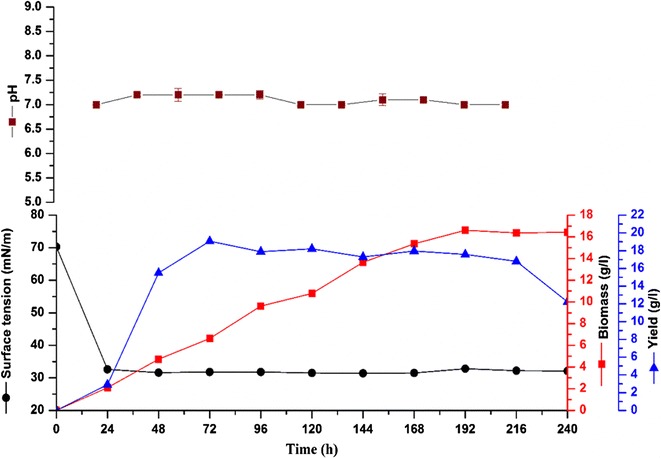
- During cultivation, biosurfactant yield peaked at 19.0 g/l at 72 h, while maximum biomass reached 16.61 g/l at 192 h; surface tension fell from 70 to 32.6 mN/m after 24 h and stayed stable over 240 h.
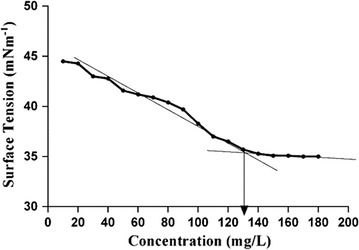
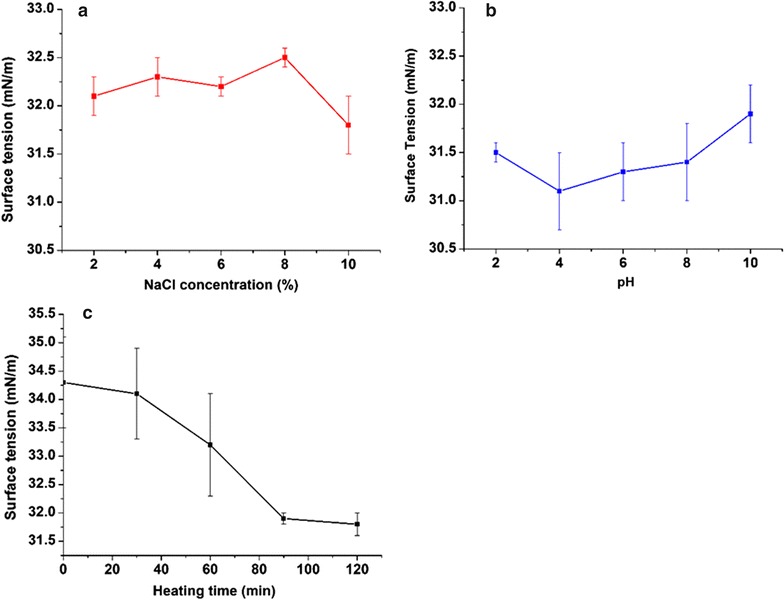
- The biosurfactant had a CMC of 130 mg/l and retained surface activity across pH 2–10, 2–10% NaCl, and heating at 120 °C for 30–120 min.
- The purified product was identified as a heterogeneous sophorolipid mixture with both lactonic and acidic forms; antifungal activity was reported against *Colletotrichum gloeosporioides*, *Fusarium verticilliodes*, *Fusarium oxysporum* f. sp. *pisi*, *Corynespora cassiicola*, and *Trichophyton rubrum*, with MICs in the range 62–1000 µg/ml and no inhibitory activity against *C. cassiicola* at tested concentrations.
## Methods
- Design and sample: Soil samples were collected from a field in Pathsala, Barpeta, Assam, India; 15 yeast isolates (YS1–YS15) were obtained, and YS3 was selected for further study.
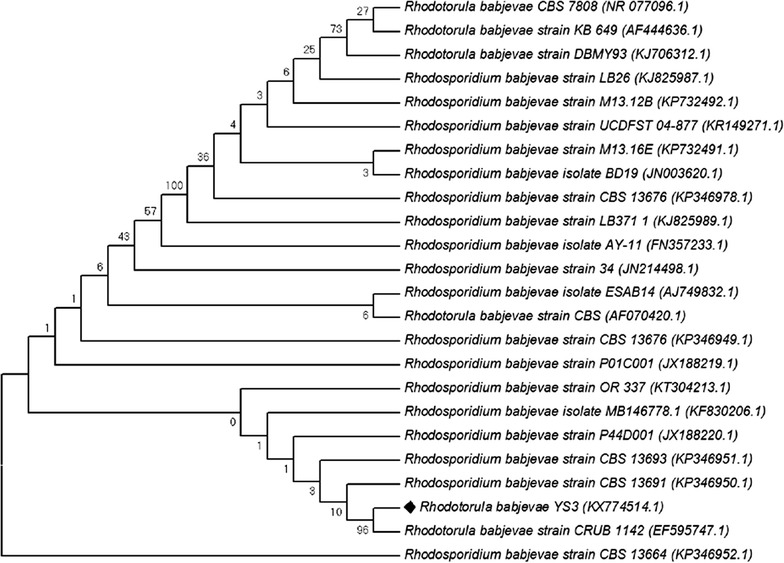
- Analyses performed: The strain was screened for biosurfactant production using surface tension reduction, oil displacement, drop-collapse, and emulsification tests; it was identified by ITS and D1/D2 rDNA sequencing and phylogenetic analysis.
- Main experimental work: YS3 was cultivated in Bushnell-Haas medium with 10% glucose as the carbon source; biosurfactant was extracted, purified by silica gel chromatography, characterized by TLC, FTIR, and LC–MS, and tested for emulsification, CMC, stability, and antifungal activity by microbroth dilution.
## Limitations
- The paper states that the yield “might further increase after optimization of the growth parameters”, indicating the production conditions were not optimized.
- The antifungal data were obtained in vitro only, so effectiveness in plants, animals, or real-world applications is not demonstrated in the paper.
- The study used a limited set of fungal pathogens, and the text makes evident that broader activity claims would need additional testing beyond the organisms examined here (text-evident).
Model-written summary. Check it against the paper before relying on it.
Integrity signals
Registry
Cites
Statistics
Figures
Verification
Claims the paper makes
0 Valid · 1 Not valid · 6 Not checked · 19 Own results and interpretations
The cited sources that could be checked couldn’t confirm or dispute this claim.
In the paper
“The CMC values obtained in our study are consistent with the findings of Otto et al. [42], where they reported a CMC and minimum ST value of 130 mg/l and 39 mN/m respectively for a mixture of sophorolipids produced in a two-stage process using C. bombicola grown on deproteinized whey and rapeseed oil as the carbon sources.”
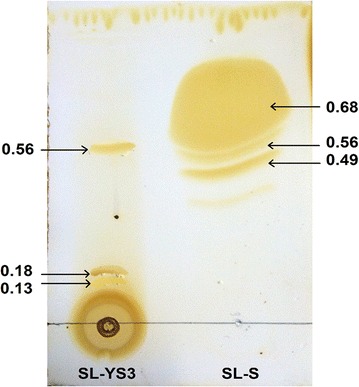
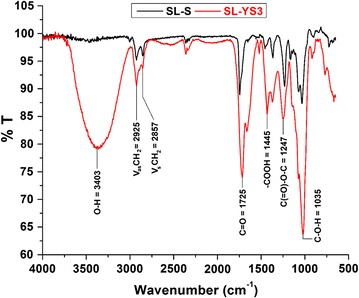
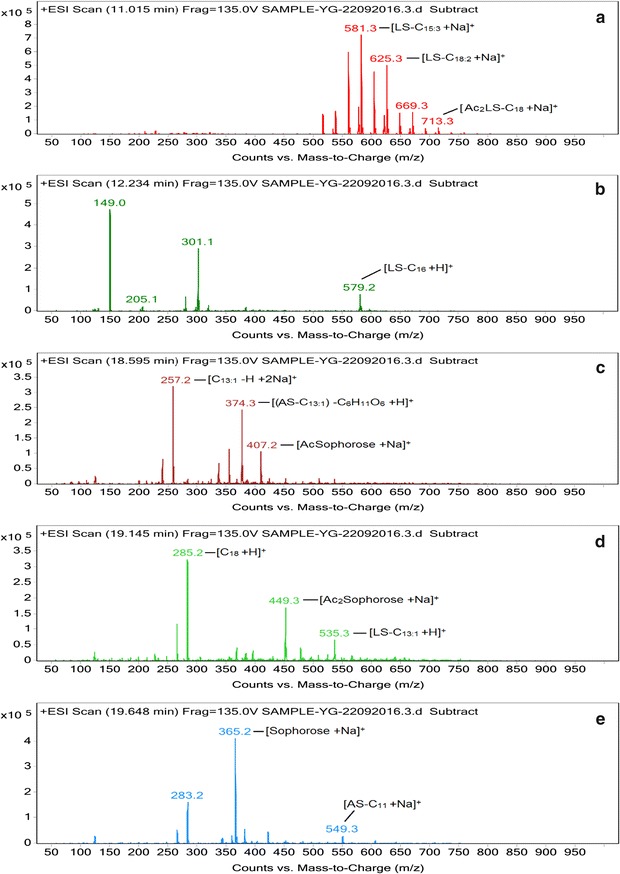
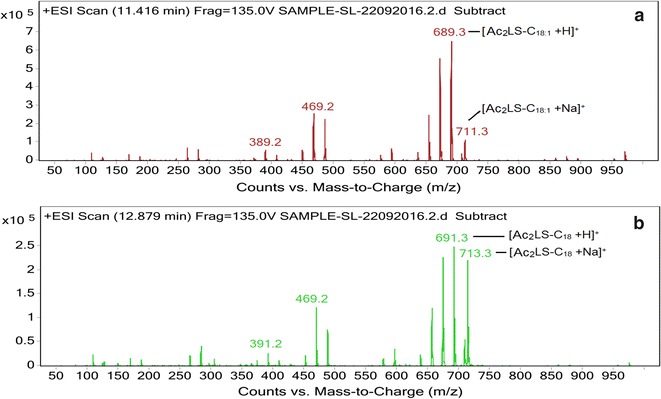
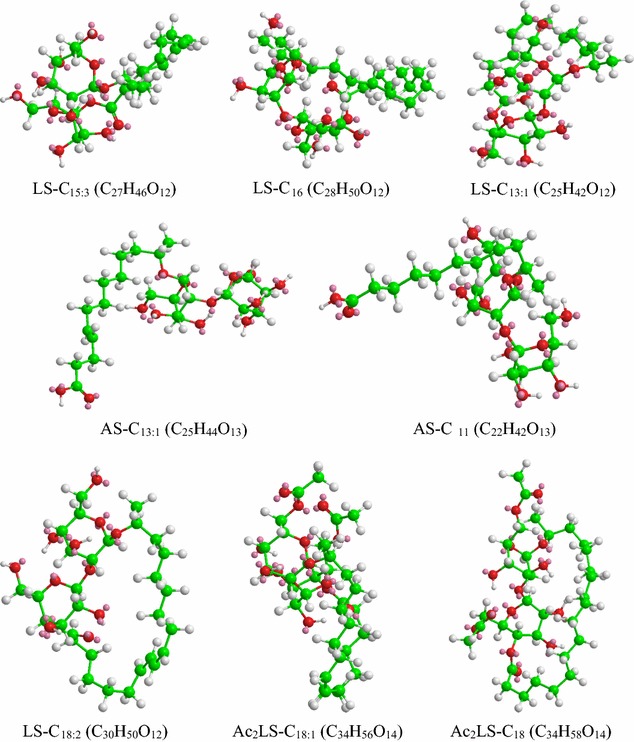
§ Production, characterization, and antifungal activity of a biosurfactant produced by Rhodotorula babjevae YS3 > Discussion This study reports the biosurfactant producing ability of a hitherto unreported yeast R. babjevae strain YS3 which was subsequently characterized as a sophorolipid (SL) with appreciable antifungal activity and stable surface-active properties. The yeast diversity in soil has not yet been explored in great detail and as such offers a huge scope for isolation of yeasts with several unique properties [13]. We screened for the biosurfactant producing ability of the pigmented yeast R. babjevae YS3 based on its oil displacement, drop-collapse, emulsification activity and surface tension reduction ability. The oil displacement technique is a biosurfactant detection method based on its surface activity and it is directly proportional to biosurfactant concentration in the medium [14, 15]. The drop collapse method determines qualitative examinations whether the broth has sufficient amount of biosurfactant to collapse or evenly spread its cell-free drops on the hydrophobic surface [37]. Emulsification activity and ST reduction are basic properties of biosurfactant [38]. Potential biosurfactant producing microbes are expected to reduce the ST of the culture media to nearly 35 mN/m [39]. Accordingly, the strain YS3 was able to reduce the ST below this value indicating successful biosurfactant production. Previously, biosurfactant producing yeast have reportedly been isolated from hydrocarbon contaminated soil [6], but the isolation of biosurfactant producing yeast from agricultural soil in our study further diversifies the potential sources for exploration of biosurfactant producing yeasts. Depending upon the nature of the biosurfactant and the producing microorganisms, several patterns of biosurfactant production by fermentation are possible [40]. In our study, growth curves were obtained in order to establish the relation between cell growth, surface-activity, yield of the biosurfactant and pH in time. In our study, ST reduction and biosurfactant production was observed after 24 h when growth was almost non-existent. Significant increase in the production was observed at 48 h with an increase in cell growth although the ST did not vary significantly till the end of the cultivation period. The highest biosurfactant production was observed after 72 h during the exponential phase indicating a growth associated biosurfactant production. Similar growth associated production of biosurfactant was also obtained by Diniz Rufino et al. [41] when they cultivated Candida lipolytica in a medium supplemented with 6% soybean oil refinery residue and 1% glutamic acid. Accorsini et al. [42] reported that the highest reduction in ST due to biosurfactant production by C. antartica was observed after 24 h of growth from an initial value of 47–31 mN/m. However, some researchers have also reported biosurfactant production by yeasts during their stationary growth [43]. The pH was not controlled in this study and alteration in its value was non-significant throughout the cultivation period of 240 h. Similar result was reported by Luna et al. [44] and they inferred that the high biosurfactant yield as observed by them could be a result of the slight alteration in the pH throughout the experiment duration. Interestingly, in our study no secondary hydrophobic carbon source was added to the production media contrary to previous reports where the biosurfactant production by yeasts was achieved through the co-substrate fermentation of glucose and a fatty acid [24, 41, 43]. Nevertheless, the biosurfactant yield was higher in our study as compared to the ones mentioned in these reports, indicative of the fact that the secondary carbon source may not play a critical role in the production of biosurfactant in our case. This will help to make the production process more economical by avoiding the additional cost of a secondary source. Critical micelle concentration (CMC) is an integral property of any surface active compound and plays a crucial role in its characterization [32]. CMC corresponds to the minimum concentration of surfactant at which the surfactant monomers start to form micelles, because at this point, the solution interface of the medium in which the surfactant is dispersed gets fully saturated with surfactant molecules [45]. Beyond the CMC, no significant lowering in ST is observed and as such a lower CMC value indicates a higher efficiency of a surfactant as lesser amount is required to lower the ST [46]. The CMC values obtained in our study are consistent with the findings of Otto et al. [42], where they reported a CMC and minimum ST value of 130 mg/l and 39 mN/m respectively for a mixture of sophorolipids produced in a two-stage process using C. bombicola grown on deproteinized whey and rapeseed oil as the carbon sources. The SL sample under study could form stable emulsions with crude oil, motor oil and n-hexadecane. Although the emulsification index was relatively lower against n-hexadecane, the emulsion was stable over the evaluation period of 168 h. Emulsification activity of a surfactant involves dispersion of one liquid phase as microscopic droplets in another (continuous) resulting in the mixing of two immiscible liquid. This characteristic is a crucial factor for their utilization in various industrial sectors [47]. Most microbial surfactants are substrate specific and solubilize or emulsify different hydrocarbons at different rates depending on its affinity for hydrocarbon substrates [48]. This might explain the unstable emulsifications observed against diesel and sunflower oil. Our findings bear conformity with those reported by Rufino et al. [49] in the case of C. lipolytica cultivated using industrial residue as substrate. They reported that diesel and hexane were not emulsified effectively thereby, substantiating a differential activity of the emulsifier depending on its affinity for different hydrocarbon substrates. Similarly, stability of a biosurfactant under extreme environmental conditions are important parameters for consideration in usage under specific environmental conditions. The SL under study exhibited excellent stability over the evaluated range of pH, temperature, salinity indicating possibility of its usage in sectors like bioremediation and microbial enhanced oil recovery. Luna et al. [44] obtained similar results using the SL produced by Candida sphaerica UCP0995 from industrial wastes that showed stable ST reduction and emulsifying activity at different pH, temperature, and NaCl concentrations against motor oil. The composition of the biosurfactant produced by R. babjevae YS3 was determined by TLC, FTIR and LC–MS analyses conducted in comparison with a standard lactonic sophorolipid (1,4′′-sophorolactone 6′,6′′-diacetate). The TLC analyses indicated that the test sophorolipid was composed of a mixture of acidic (AS) and lactonic sophorolipids (LS). Ribeiro et al. [35], reportedly obtained the Rf values of AS produced by R. bogoriensis in the comparable range of 0.18–0.41, eluted with the same solvent system as that used in the present study. The characteristic functional groups present in the column purified biosurfactant were determined by FTIR and compared with the standard SL. In addition to similar bands with the standard confirming the presence of lactonic SL, the presence of AS was confirmed by the two bands at 1445 and 3403 cm−1 typically associated with AS in literature [25]. Similar absorption bands were observed by Daverey and Pakshirajan [32] for a SL produced by C. bombicola grown on a fermentative medium containing sugarcane molasses, yeast extract, urea, and soybean oil. Electrospray ionization (ESI) of small molecules (~500 Da) with a single functional group capable of carrying electrical charge predominantly produce singly charged ions usually involving the addition of a proton to the analyte (M+H+), but adduction of cations (like M+Na+, M+K+) are also reported to occur if salts are present, when the ion source is in positive ion mode [50]. As such our analysis revealed both protonated as well as sodiated ions of the acidic (AS) and lactonic (LS) sophorolipids with variable fatty acid side chains (C11–C18). Chen et al. [51] reported a mixture of both AS (C18 Ac2, C18:1 Ac2, C18:1 Ac) and Ac2LS (C18:2, C18:3, C18:2, C18:1, C18, C16) on performing LC–MS analysis of the biosurfactant produced by Wickerhamiella domercqiae, indicating a similar heterogeneous composition and variability in the fatty acid portion. Our results also bear conformity with previous literature reporting a similar composition of homologues for the standard sophorolactone [29, 36]. Although, the largest application of biosurfactant is the oil industry, biosurfactants from many microorganisms have demonstrated antimicrobial properties and are currently being extracted and investigated to stem the incidence of antibiotic resistance plaguing the world today [48]. The antagonistic activity exhibited by biosurfactants might be attributed to the destabilization of cellular membrane causing cytoplasmic extrusions and eventually resulting in the rupture of cells [52]. In our study, the promising activity against Colletotrichum gloeosporioides indicates a potential application as food preservative against post-harvest decays of apple caused by this pathogen [53]. The results are of particular interest as previous literature describing appreciable antifungal activity of SLs are limited. Yoo et al. [54] reported a relatively lower, 8% inhibition of mycelial growth using 500 µg/ml SL against the Phytophthora sp. and Pythium sp. The same authors used 2000 µg/ml SL to obtain 42% reduction of damping-off disease in pot trials. The SL used in our study appear to be much more promising than that used by Yoo et al. [54]. However, no appreciable activity was observed against Corynespora cassiicola at the evaluated concentrations during our study. A similar variation in activity was also observed by Dengle-Pulate et al. [12] during their study involving a SL produced by Candida bombicola using glucose as the hydrophilic source and lauryl alcohol C12–14, as the hydrophobic source. They reportedly used a concentration of 50 µg/ml to obtain antagonistic activity against pathogenic yeast Candida albicans as against 6 and 1 μg/ml used to obtain complete inhibition of Staphylococcus aureus and Bacillus subtilis respectively. From their observations, it was evident that the activity of SL may vary against different pathogens which might explain the differential activity observed during our study.
What the sources say
- Could not verifycites [42] Accorsini FR Mutton MJR Lemos EGM Benincasa M Biosurfactants production by yeasts using soybean oil and glycerol as low cost substrate Braz J Microbiol 2012 43 116 125 10.1590/S1517-83822012000100013 24031810 PMC3768975 sourceExperimental — accuracy not yet measured
Our copy of Accorsini et al. (2012) contains no CMC determination at all: the only interfacial measurements are surface tension of the culture media (initial 47 mN/m, final 32-39 mN/m, Table 1 and Results, Isolation and assessment) and of water with the purified product (34-43 mN/m, Surfactant activity of the obtained product). The claim's substance — Otto et al.'s reported CMC of 130 mg/L and minimum ST of 39 mN/m for a sophorolipid mixture made in a two-stage process by C. bombicola on deproteinized whey and rapeseed oil — appears nowhere: searched 'Otto sophorolipid critical micellar concentration deproteinized whey rapeseed oil', 'critical micellar concentration CMC mg/L', and the specific value/substrate phrasing. The reference list (refs 7-38, alphabetical between Nitschke (27) and Quindós (28)) contains no Otto entry, so our copy neither reports the figures nor credits them to another named work. The coincidental 39 mN/m in Table 1 refers to soybean-oil culture media of the local yeast isolates, not to a sophorolipid CMC, so it cannot support the attributed statement. (LLM, conf=0.70)
plainstates an association- Asserted: passes — The authors put it forward as true.
- Checkable: passes — It can be checked against evidence.
- Load-bearing: unclear — It is unclear whether the paper’s conclusions depend on it.
- Based: passes — The paper gives a reason why it holds.
- Could not verify
In the paper
“The biosurfactant was characterized to be a heterogeneous sophorolipid (SL) with both lactonic and acidic forms after TLC, FTIR and LC–MS analyses.”
- Also stated in: § Discussion This study reports the biosurfactant producing ability of a hitherto unreported yeast R. babjevae strain YS3 which was subsequently characterized as a sophorolipid (SL) with appreciable antifungal activity and stable surface-active properties. The yeast diversity in soil has not yet been explored in great detail and as such offers a huge scope for isolation of yeasts with several unique properties [13]. We screened for the biosurfactant producing ability of the pigmented yeast R. babjevae YS3 based on its oil displacement, drop-collapse, emulsification activity and surface tension reduction ability. The oil displacement technique is a biosurfactant detection method based on its surface activity and it is directly proportional to biosurfactant concentration in the medium [14, 15]. The drop collapse method determines qualitative examinations whether the broth has sufficient amount of biosurfactant to collapse or evenly spread its cell-free drops on the hydrophobic surface [37]. Emulsification activity and ST reduction are basic properties of biosurfactant [38]. Potential biosurfactant producing microbes are expected to reduce the ST of the culture media to nearly 35 mN/m [39]. Accordingly, the strain YS3 was able to reduce the ST below this value indicating successful biosurfactant production. Previously, biosurfactant producing yeast have reportedly been isolated from hydrocarbon contaminated soil [6], but the isolation of biosurfactant producing yeast from agricultural soil in our study further diversifies the potential sources for exploration of biosurfactant producing yeasts. Depending upon the nature of the biosurfactant and the producing microorganisms, several patterns of biosurfactant production by fermentation are possible [40]. In our study, growth curves were obtained in order to establish the relation between cell growth, surface-activity, yield of the biosurfactant and pH in time. In our study, ST reduction and biosurfactant production was observed after 24 h when growth was almost non-existent. Significant increase in the production was observed at 48 h with an increase in cell growth although the ST did not vary significantly till the end of the cultivation period. The highest biosurfactant production was observed after 72 h during the exponential phase indicating a growth associated biosurfactant production. Similar growth associated production of biosurfactant was also obtained by Diniz Rufino et al. [41] when they cultivated Candida lipolytica in a medium supplemented with 6% soybean oil refinery residue and 1% glutamic acid. Accorsini et al. [42] reported that the highest reduction in ST due to biosurfactant production by C. antartica was observed after 24 h of growth from an initial value of 47–31 mN/m. However, some researchers have also reported biosurfactant production by yeasts during their stationary growth [43]. The pH was not controlled in this study and alteration in its value was non-significant throughout the cultivation period of 240 h. Similar result was reported by Luna et al. [44] and they inferred that the high biosurfactant yield as observed by them could be a result of the slight alteration in the pH throughout the experiment duration. Interestingly, in our study no secondary hydrophobic carbon source was added to the production media contrary to previous reports where the biosurfactant production by yeasts was achieved through the co-substrate fermentation of glucose and a fatty acid [24, 41, 43]. Nevertheless, the biosurfactant yield was higher in our study as compared to the ones mentioned in these reports, indicative of the fact that the secondary carbon source may not play a critical role in the production of biosurfactant in our case. This will help to make the production process more economical by avoiding the additional cost of a secondary source. Critical micelle concentration (CMC) is an integral property of any surface active compound and plays a crucial role in its characterization [32]. CMC corresponds to the minimum concentration of surfactant at which the surfactant monomers start to form micelles, because at this point, the solution interface of the medium in which the surfactant is dispersed gets fully saturated with surfactant molecules [45]. Beyond the CMC, no significant lowering in ST is observed and as such a lower CMC value indicates a higher efficiency of a surfactant as lesser amount is required to lower the ST [46]. The CMC values obtained in our study are consistent with the findings of Otto et al. [42], where they reported a CMC and minimum ST value of 130 mg/l and 39 mN/m respectively for a mixture of sophorolipids produced in a two-stage process using C. bombicola grown on deproteinized whey and rapeseed oil as the carbon sources. The SL sample under study could form stable emulsions with crude oil, motor oil and n-hexadecane. Although the emulsification index was relatively lower against n-hexadecane, the emulsion was stable over the evaluation period of 168 h. Emulsification activity of a surfactant involves dispersion of one liquid phase as microscopic droplets in another (continuous) resulting in the mixing of two immiscible liquid. This characteristic is a crucial factor for their utilization in various industrial sectors [47]. Most microbial surfactants are substrate specific and solubilize or emulsify different hydrocarbons at different rates depending on its affinity for hydrocarbon substrates [48]. This might explain the unstable emulsifications observed against diesel and sunflower oil. Our findings bear conformity with those reported by Rufino et al. [49] in the case of C. lipolytica cultivated using industrial residue as substrate. They reported that diesel and hexane were not emulsified effectively thereby, substantiating a differential activity of the emulsifier depending on its affinity for different hydrocarbon substrates. Similarly, stability of a biosurfactant under extreme environmental conditions are important parameters for consideration in usage under specific environmental conditions. The SL under study exhibited excellent stability over the evaluated range of pH, temperature, salinity indicating possibility of its usage in sectors like bioremediation and microbial enhanced oil recovery. Luna et al. [44] obtained similar results using the SL produced by Candida sphaerica UCP0995 from industrial wastes that showed stable ST reduction and emulsifying activity at different pH, temperature, and NaCl concentrations against motor oil. The composition of the biosurfactant produced by R. babjevae YS3 was determined by TLC, FTIR and LC–MS analyses conducted in comparison with a standard lactonic sophorolipid (1,4′′-sophorolactone 6′,6′′-diacetate). The TLC analyses indicated that the test sophorolipid was composed of a mixture of acidic (AS) and lactonic sophorolipids (LS). Ribeiro et al. [35], reportedly obtained the Rf values of AS produced by R. bogoriensis in the comparable range of 0.18–0.41, eluted with the same solvent system as that used in the present study. The characteristic functional groups present in the column purified biosurfactant were determined by FTIR and compared with the standard SL. In addition to similar bands with the standard confirming the presence of lactonic SL, the presence of AS was confirmed by the two bands at 1445 and 3403 cm−1 typically associated with AS in literature [25]. Similar absorption bands were observed by Daverey and Pakshirajan [32] for a SL produced by C. bombicola grown on a fermentative medium containing sugarcane molasses, yeast extract, urea, and soybean oil. Electrospray ionization (ESI) of small molecules (~500 Da) with a single functional group capable of carrying electrical charge predominantly produce singly charged ions usually involving the addition of a proton to the analyte (M+H+), but adduction of cations (like M+Na+, M+K+) are also reported to occur if salts are present, when the ion source is in positive ion mode [50]. As such our analysis revealed both protonated as well as sodiated ions of the acidic (AS) and lactonic (LS) sophorolipids with variable fatty acid side chains (C11–C18). Chen et al. [51] reported a mixture of both AS (C18 Ac2, C18:1 Ac2, C18:1 Ac) and Ac2LS (C18:2, C18:3, C18:2, C18:1, C18, C16) on performing LC–MS analysis of the biosurfactant produced by Wickerhamiella domercqiae, indicating a similar heterogeneous composition and variability in the fatty acid portion. Our results also bear conformity with previous literature reporting a similar composition of homologues for the standard sophorolactone [29, 36]. Although, the largest application of biosurfactant is the oil industry, biosurfactants from many microorganisms have demonstrated antimicrobial properties and are currently being extracted and investigated to stem the incidence of antibiotic resistance plaguing the world today [48]. The antagonistic activity exhibited by biosurfactants might be attributed to the destabilization of cellular membrane causing cytoplasmic extrusions and eventually resulting in the rupture of cells [52]. In our study, the promising activity against Colletotrichum gloeosporioides indicates a potential application as food preservative against post-harvest decays of apple caused by this pathogen [53]. The results are of particular interest as previous literature describing appreciable antifungal activity of SLs are limited. Yoo et al. [54] reported a relatively lower, 8% inhibition of mycelial growth using 500 µg/ml SL against the Phytophthora sp. and Pythium sp. The same authors used 2000 µg/ml SL to obtain 42% reduction of damping-off disease in pot trials. The SL used in our study appear to be much more promising than that used by Yoo et al. [54]. However, no appreciable activity was observed against Corynespora cassiicola at the evaluated concentrations during our study. A similar variation in activity was also observed by Dengle-Pulate et al. [12] during their study involving a SL produced by Candida bombicola using glucose as the hydrophilic source and lauryl alcohol C12–14, as the hydrophobic source. They reportedly used a concentration of 50 µg/ml to obtain antagonistic activity against pathogenic yeast Candida albicans as against 6 and 1 μg/ml used to obtain complete inhibition of Staphylococcus aureus and Bacillus subtilis respectively. From their observations, it was evident that the activity of SL may vary against different pathogens which might explain the differential activity observed during our study. · hedged
“The TLC analyses indicated that the test sophorolipid was composed of a mixture of acidic (AS) and lactonic sophorolipids (LS).”
- Also stated in: § Compositional analyses of the biosurfactant · boosted
“These two bands at 1445 and 3403 cm−1 were found to be typical with AS in literature [25] confirming that the test biosurfactant was a mixture of both LS and AS.”
§ Production, characterization, and antifungal activity of a biosurfactant produced by Rhodotorula babjevae YS3 > Abstract > Results
What the sources say
- Not checked — no full text of the sourcecites [25] Daverey A Pakshirajan K Sophorolipids from Candida bombicola using mixed hydrophilic substrates: production, purification and characterization Coll Surf B Biointerfaces 2010 79 246 253 10.1016/j.colsurfb.2010.04.002 20427162 source
boosted- Asserted: passes — The authors put it forward as true.
- Checkable: passes — It can be checked against evidence.
- Load-bearing: passes — The paper’s conclusions depend on it.
- Based: passes — The paper gives a reason why it holds.
- Also stated in: § Discussion This study reports the biosurfactant producing ability of a hitherto unreported yeast R. babjevae strain YS3 which was subsequently characterized as a sophorolipid (SL) with appreciable antifungal activity and stable surface-active properties. The yeast diversity in soil has not yet been explored in great detail and as such offers a huge scope for isolation of yeasts with several unique properties [13]. We screened for the biosurfactant producing ability of the pigmented yeast R. babjevae YS3 based on its oil displacement, drop-collapse, emulsification activity and surface tension reduction ability. The oil displacement technique is a biosurfactant detection method based on its surface activity and it is directly proportional to biosurfactant concentration in the medium [14, 15]. The drop collapse method determines qualitative examinations whether the broth has sufficient amount of biosurfactant to collapse or evenly spread its cell-free drops on the hydrophobic surface [37]. Emulsification activity and ST reduction are basic properties of biosurfactant [38]. Potential biosurfactant producing microbes are expected to reduce the ST of the culture media to nearly 35 mN/m [39]. Accordingly, the strain YS3 was able to reduce the ST below this value indicating successful biosurfactant production. Previously, biosurfactant producing yeast have reportedly been isolated from hydrocarbon contaminated soil [6], but the isolation of biosurfactant producing yeast from agricultural soil in our study further diversifies the potential sources for exploration of biosurfactant producing yeasts. Depending upon the nature of the biosurfactant and the producing microorganisms, several patterns of biosurfactant production by fermentation are possible [40]. In our study, growth curves were obtained in order to establish the relation between cell growth, surface-activity, yield of the biosurfactant and pH in time. In our study, ST reduction and biosurfactant production was observed after 24 h when growth was almost non-existent. Significant increase in the production was observed at 48 h with an increase in cell growth although the ST did not vary significantly till the end of the cultivation period. The highest biosurfactant production was observed after 72 h during the exponential phase indicating a growth associated biosurfactant production. Similar growth associated production of biosurfactant was also obtained by Diniz Rufino et al. [41] when they cultivated Candida lipolytica in a medium supplemented with 6% soybean oil refinery residue and 1% glutamic acid. Accorsini et al. [42] reported that the highest reduction in ST due to biosurfactant production by C. antartica was observed after 24 h of growth from an initial value of 47–31 mN/m. However, some researchers have also reported biosurfactant production by yeasts during their stationary growth [43]. The pH was not controlled in this study and alteration in its value was non-significant throughout the cultivation period of 240 h. Similar result was reported by Luna et al. [44] and they inferred that the high biosurfactant yield as observed by them could be a result of the slight alteration in the pH throughout the experiment duration. Interestingly, in our study no secondary hydrophobic carbon source was added to the production media contrary to previous reports where the biosurfactant production by yeasts was achieved through the co-substrate fermentation of glucose and a fatty acid [24, 41, 43]. Nevertheless, the biosurfactant yield was higher in our study as compared to the ones mentioned in these reports, indicative of the fact that the secondary carbon source may not play a critical role in the production of biosurfactant in our case. This will help to make the production process more economical by avoiding the additional cost of a secondary source. Critical micelle concentration (CMC) is an integral property of any surface active compound and plays a crucial role in its characterization [32]. CMC corresponds to the minimum concentration of surfactant at which the surfactant monomers start to form micelles, because at this point, the solution interface of the medium in which the surfactant is dispersed gets fully saturated with surfactant molecules [45]. Beyond the CMC, no significant lowering in ST is observed and as such a lower CMC value indicates a higher efficiency of a surfactant as lesser amount is required to lower the ST [46]. The CMC values obtained in our study are consistent with the findings of Otto et al. [42], where they reported a CMC and minimum ST value of 130 mg/l and 39 mN/m respectively for a mixture of sophorolipids produced in a two-stage process using C. bombicola grown on deproteinized whey and rapeseed oil as the carbon sources. The SL sample under study could form stable emulsions with crude oil, motor oil and n-hexadecane. Although the emulsification index was relatively lower against n-hexadecane, the emulsion was stable over the evaluation period of 168 h. Emulsification activity of a surfactant involves dispersion of one liquid phase as microscopic droplets in another (continuous) resulting in the mixing of two immiscible liquid. This characteristic is a crucial factor for their utilization in various industrial sectors [47]. Most microbial surfactants are substrate specific and solubilize or emulsify different hydrocarbons at different rates depending on its affinity for hydrocarbon substrates [48]. This might explain the unstable emulsifications observed against diesel and sunflower oil. Our findings bear conformity with those reported by Rufino et al. [49] in the case of C. lipolytica cultivated using industrial residue as substrate. They reported that diesel and hexane were not emulsified effectively thereby, substantiating a differential activity of the emulsifier depending on its affinity for different hydrocarbon substrates. Similarly, stability of a biosurfactant under extreme environmental conditions are important parameters for consideration in usage under specific environmental conditions. The SL under study exhibited excellent stability over the evaluated range of pH, temperature, salinity indicating possibility of its usage in sectors like bioremediation and microbial enhanced oil recovery. Luna et al. [44] obtained similar results using the SL produced by Candida sphaerica UCP0995 from industrial wastes that showed stable ST reduction and emulsifying activity at different pH, temperature, and NaCl concentrations against motor oil. The composition of the biosurfactant produced by R. babjevae YS3 was determined by TLC, FTIR and LC–MS analyses conducted in comparison with a standard lactonic sophorolipid (1,4′′-sophorolactone 6′,6′′-diacetate). The TLC analyses indicated that the test sophorolipid was composed of a mixture of acidic (AS) and lactonic sophorolipids (LS). Ribeiro et al. [35], reportedly obtained the Rf values of AS produced by R. bogoriensis in the comparable range of 0.18–0.41, eluted with the same solvent system as that used in the present study. The characteristic functional groups present in the column purified biosurfactant were determined by FTIR and compared with the standard SL. In addition to similar bands with the standard confirming the presence of lactonic SL, the presence of AS was confirmed by the two bands at 1445 and 3403 cm−1 typically associated with AS in literature [25]. Similar absorption bands were observed by Daverey and Pakshirajan [32] for a SL produced by C. bombicola grown on a fermentative medium containing sugarcane molasses, yeast extract, urea, and soybean oil. Electrospray ionization (ESI) of small molecules (~500 Da) with a single functional group capable of carrying electrical charge predominantly produce singly charged ions usually involving the addition of a proton to the analyte (M+H+), but adduction of cations (like M+Na+, M+K+) are also reported to occur if salts are present, when the ion source is in positive ion mode [50]. As such our analysis revealed both protonated as well as sodiated ions of the acidic (AS) and lactonic (LS) sophorolipids with variable fatty acid side chains (C11–C18). Chen et al. [51] reported a mixture of both AS (C18 Ac2, C18:1 Ac2, C18:1 Ac) and Ac2LS (C18:2, C18:3, C18:2, C18:1, C18, C16) on performing LC–MS analysis of the biosurfactant produced by Wickerhamiella domercqiae, indicating a similar heterogeneous composition and variability in the fatty acid portion. Our results also bear conformity with previous literature reporting a similar composition of homologues for the standard sophorolactone [29, 36]. Although, the largest application of biosurfactant is the oil industry, biosurfactants from many microorganisms have demonstrated antimicrobial properties and are currently being extracted and investigated to stem the incidence of antibiotic resistance plaguing the world today [48]. The antagonistic activity exhibited by biosurfactants might be attributed to the destabilization of cellular membrane causing cytoplasmic extrusions and eventually resulting in the rupture of cells [52]. In our study, the promising activity against Colletotrichum gloeosporioides indicates a potential application as food preservative against post-harvest decays of apple caused by this pathogen [53]. The results are of particular interest as previous literature describing appreciable antifungal activity of SLs are limited. Yoo et al. [54] reported a relatively lower, 8% inhibition of mycelial growth using 500 µg/ml SL against the Phytophthora sp. and Pythium sp. The same authors used 2000 µg/ml SL to obtain 42% reduction of damping-off disease in pot trials. The SL used in our study appear to be much more promising than that used by Yoo et al. [54]. However, no appreciable activity was observed against Corynespora cassiicola at the evaluated concentrations during our study. A similar variation in activity was also observed by Dengle-Pulate et al. [12] during their study involving a SL produced by Candida bombicola using glucose as the hydrophilic source and lauryl alcohol C12–14, as the hydrophobic source. They reportedly used a concentration of 50 µg/ml to obtain antagonistic activity against pathogenic yeast Candida albicans as against 6 and 1 μg/ml used to obtain complete inhibition of Staphylococcus aureus and Bacillus subtilis respectively. From their observations, it was evident that the activity of SL may vary against different pathogens which might explain the differential activity observed during our study. · hedged
A result the paper reports from its own data — it cites no other source for it, so there is none to check. The quote shows it is in the paper.
In the paper
“However, maximal cell biomass production (16.61 g/l) occurred during the stationary phase after 192 h of growth.”
§ Production, characterization, and antifungal activity of a biosurfactant produced by Rhodotorula babjevae YS3 > Results > Growth kinetics and biosurfactant production
plain- Asserted: passes — The authors put it forward as true.
- Checkable: passes — It can be checked against evidence.
- Load-bearing: unclear — It is unclear whether the paper’s conclusions depend on it.
- Based: passes — The paper gives a reason why it holds.
A result the paper reports from its own data — it cites no other source for it, so there is none to check. The quote shows it is in the paper.
In the paper
“Additionally, the SL exhibited promising antifungal activity against a considerably broad group of pathogenic fungi viz. Colletotrichum gloeosporioides, Fusarium verticilliodes, Fusarium oxysporum f. sp. pisi, Corynespora cassiicola, and Trichophyton rubrum.”
§ Production, characterization, and antifungal activity of a biosurfactant produced by Rhodotorula babjevae YS3 > Abstract > Results
boostedstates a cause- Asserted: passes — The authors put it forward as true.
- Checkable: passes — It can be checked against evidence.
- Load-bearing: passes — The paper’s conclusions depend on it.
- Based: passes — The paper gives a reason why it holds.
A result the paper reports from its own data — it cites no other source for it, so there is none to check. The quote shows it is in the paper.
In the paper
“However, no inhibitory activity was observed against C. cassiicola at the evaluated concentrations in this study.”
§ Production, characterization, and antifungal activity of a biosurfactant produced by Rhodotorula babjevae YS3 > Results > Compositional analyses of the biosurfactant
plain- Asserted: passes — The authors put it forward as true.
- Checkable: passes — It can be checked against evidence.
- Load-bearing: unclear — It is unclear whether the paper’s conclusions depend on it.
- Based: passes — The paper gives a reason why it holds.
9 more claims
Create a free account to see all 26 claims and every source verdict.
- It may state two separate claims as one. 9
- The quote only partly states this claim. 3
- Probably not a substantial claim. 3
Statistics recomputed
Every reported test result, recomputed from its test statistic and degrees of freedom. A result shows as not adding up only once an independent check has confirmed it.
- Consistentt(10) = 7.146reported p = 0 · recomputed p < .001
“t(10) = 7.146, p = .000”
- Consistentt(10) = 2.206reported p = .052 · recomputed p = .052
“t(10) = 2.206, p = .052”
Self-check
Percentages, sums and reported differences re-computed from the paper’s own numbers.
Self-check results appear here once an independent check has confirmed them.
Citations
Cites
Thompson, J. D., Higgins, D. G., & Gibson, T. J. (1994) · Nucleic Acids Research · doi:10.1093/nar/22.22.4673 · Cited by 64,617 · cited 1×
“Related sequences were aligned using ClustalW software [21] and the phylogenetic tree was visualized using Mega 7 software [22].”
MethodMEGA7: Molecular Evolutionary Genetics Analysis Version 7.0 for Bigger Datasets
Kumar, S., Stecher, G., & Tamura, K. (2016) · Molecular Biology and Evolution · doi:10.1093/molbev/msw054 · Cited by 44,059 · cited 1×
“Related sequences were aligned using ClustalW software [21] and the phylogenetic tree was visualized using Mega 7 software [22].”
MethodAmplification and direct sequencing of fungal ribosomal RNA genes for phylogenetics
White, T. J., Bruns, T., Lee, S., & Taylor, J. (1990) · PCR Protocols · doi:10.1016/b978-0-12-372180-8.50042-1 · Cited by 36,648 · cited 1×
“Regions of the rDNA containing the ITS and D1/D2 LSU domains were amplified using different combinations of the primers ITS1-F (CTTGGTCATT TAGAGGAAGTAA) [17], ITS1 (TCCGTAGGTGAACC TGCGG) [18], ITS4 (TCCTCCGCTTATTGATATGC) [18], and TW14 (GCTATCCTGAGGGAAACTT) [19].”
MethodGARDES, M., & BRUNS, T. D. (1993) · Molecular Ecology · doi:10.1111/j.1365-294x.1993.tb00005.x · Cited by 10,480 · cited 1×
“Regions of the rDNA containing the ITS and D1/D2 LSU domains were amplified using different combinations of the primers ITS1-F (CTTGGTCATT TAGAGGAAGTAA) [17], ITS1 (TCCGTAGGTGAACC TGCGG) [18], ITS4 (TCCTCCGCTTATTGATATGC) [18], and TW14 (GCTATCCTGAGGGAAACTT) [19].”
MethodWhite, T. C., Bruns, T. D., Lee, S., Taylor, F. J. R., White, T., Lee, S., Taylor, D. L., & Shawe‐Taylor, J. (1990) · Cited by 2,604
Microbial production of surfactants and their commercial potential.
Desai, J. D., & Banat, I. M. (1997) · Microbiology and molecular biology reviews : MMBR · doi:10.1128/.61.1.47-64.1997 · Cited by 2,460 · cited 3×
“They play an important role in various fields like bioremediation, biodegradation, oil recovery, food, pharmaceutics, and many other applications in different industrial sectors [3, 4].”
BackgroundPotential commercial applications of microbial surfactants
Banat, I. M., Makkar, R. S., & Cameotra, S. S. (2000) · Applied Microbiology and Biotechnology · doi:10.1007/s002530051648 · Cited by 1,580 · cited 1×
“This characteristic is a crucial factor for their utilization in various industrial sectors [47].”
BackgroundMicrobial biosurfactants production, applications and future potential
Banat, I. M., Franzetti, A., Gandolfi, I., Bestetti, G., Martinotti, M. G., Fracchia, L., Smyth, T. J., & Marchant, R. (2010) · Applied Microbiology and Biotechnology · doi:10.1007/s00253-010-2589-0 · Cited by 1,474 · cited 1×
“They are amphiphilic compounds with a hydrophobic and a hydrophilic moiety that tend to interact with phase boundaries in a heterogeneous system to solubilize the organic molecules [1].”
BackgroundSurface-Active Agents from Two Bacillus Species
Cooper, D. G., & Goldenberg, B. G. (1987) · Applied and Environmental Microbiology · doi:10.1128/aem.53.2.224-229.1987 · Cited by 1,210 · cited 3×
“Screening for biosurfactant producing isolates was performed based on the surface tension (ST) reduction ability of the growth medium (Bushnell Hass medium with 2% glucose as carbon substrate) measured using a digital tensiometer (Kruss K11, Germany), oil displacement tests [14], drop collapse test [15] and emulsifica…”
MethodEnvironmental Applications of Biosurfactants: Recent Advances
Pacwa-Płociniczak, M., Płaza, G. A., Piotrowska-Seget, Z., & Cameotra, S. S. (2011) · International Journal of Molecular Sciences · doi:10.3390/ijms12010633 · Cited by 961 · cited 1×
“Beyond the CMC, no significant lowering in ST is observed and as such a lower CMC value indicates a higher efficiency of a surfactant as lesser amount is required to lower the ST [46].”
Background
Cited by
Items 101–200 of 206
Pal, S., Chatterjee, N., Roy, S. S., Chattopadhyay, B., Acharya, K., Datta, S., & Dhar, P. (2024) · World Journal of Microbiology and Biotechnology · doi:10.1007/s11274-024-04144-2 · Cited by 13
“SOSL also gave few spots with low R f values which may be corresponded with acidic SLs (Sen et al. 2017).”
Karnwal, A. (2023) · ChemistrySelect · doi:10.1002/slct.202300401 · Cited by 14
Rhamnolipids Sustain Unchanged Surface Activities during Decomposition in Alkaline Solutions
Kong, S., Shen, C., Li, Y., et al. (2021) · ACS Omega · doi:10.1021/acsomega.1c01099 · Cited by 10
Biosurfactants from Bacteria and Fungi
Saikia, R. R., Deka, S., & Sarma, H. (2021) · Wiley eBooks · doi:10.1002/9781119671022.ch13 · Cited by 14
Self-citationAl-Hazmi, M. A., Moussa, T. A. A., & Alhazmi, N. M. (2023) · Journal of Microbiology and Biotechnology · doi:10.4014/jmb.2303.03005 · Cited by 10
Are all yeast biosurfactants really capable of lowering surface tension below 30 mN/m ?
Wojciechowski, K., Borucka, K., & Mierzejewska, J. (2023) · Colloids and Surfaces B Biointerfaces · doi:10.1016/j.colsurfb.2023.113503 · Cited by 9
Characterization and evaluation of biosurfactant produced from a thermophilc Bacillus licheniformis
Lakra, U., Kumar, V., Dhan, S., Nigam, V. K., & Sharma, S. R. (2024) · Bioremediation Journal · doi:10.1080/10889868.2024.2326570 · Cited by 9
“These molecules have a wide range of chemical structures, such as glycolipids, lipopep-tides, polysaccharide-protein complexes, phospho-lipids, fatty acids, and neutral lipids ( Sen et al. 2017 ).”
Mukadam, H. M., Gaikwad, S. V., Kutty, N. N., & Gaikwad, V. D. (2024) · Frontiers in Bioengineering and Biotechnology · doi:10.3389/fbioe.2024.1362679 · Cited by 12
Kumari, S., Kumari, A., Dhiman, A., Mihooliya, K. N., Raje, M., Prasad, G. S., & Pinnaka, A. K. (2024) · Microbial Cell Factories · doi:10.1186/s12934-024-02489-9 · Cited by 12
“The stability of crude biosurfactants was investigated by subjecting them to varying temperatures (37°, 40°, 60°, 80°, 100°, and 121 °C for 15 min), pH levels (ranging from 2.0 to 12.0), and NaCl concentrations (ranging from 2 to 15% w/v) [3].”
BackgroundMethodResultInfluentialZulkifli, W. N. F. W. M., Razak, N. N. A., Yatim, A. R. M., & Hayes, D. G. (2018) · Journal of Surfactants and Detergents · doi:10.1002/jsde.12223 · Cited by 10
de França, Í. W. L., de Oliveira, D. W. F., Giro, M. E. A., Melo, V. M. M., & Gonçalves, L. R. B. (2021) · The Canadian Journal of Chemical Engineering · doi:10.1002/cjce.24240 · Cited by 12
Wang, Y., Zhang, C., Wu, L., Wang, L., Gao, W., Jiang, J., & Wu, Y. (2019) · bioRxiv (Cold Spring Harbor Laboratory) · doi:10.1101/751131 · Cited by 11
“calculated as follows: 203 Emulsifying properties (%) = (emulsion layer height/total height) × 100(39) 204 The WL-2 strain inoculated into LB liquid medium was cultured at 35°C and 180 rpm 205 for 24 h to prepare an SC (1×10(6) CFU/mL).”
MethodMoshe, M., Gupta, C. L., Jain, R. M., Sela, N., Minz, D., Banin, E., Frenkel, O., & Cytryn, E. J. (2023) · Frontiers in Microbiology · doi:10.3389/fmicb.2023.996287 · Cited by 13
“, 2021), in addition to other fungal phytopathogens in both in vitro and in planta experiments (Yoo et al., 2005; Sen et al., 2017; Haque et al., 2019; Chen et al., 2020; de OCaretta et al., 2021).”
BackgroundKazemzadeh, S., Emami‐Karvani, Z., Naghavi, N. S., et al. (2022) · Journal of Surfactants and Detergents · doi:10.1002/jsde.12572 · Cited by 8
Chen, W., Yu, L., Zhu, B., & Qin, L. (2022) · Evidence-based Complementary and Alternative Medicine · doi:10.1155/2022/2607506 · Cited by 9
“e increase in the relative abundance of fungi of Rhodotorula babjevae exhibited antimicrobial activity against different bacteria species [53], and Lycoperdon utriforme performed antioxidant activities [54].”
BackgroundMicrobial Biosurfactants for Green Agricultural Technology
Patel, P., Patel, R., Mukherjee, A., & Munshi, N. S. (2023) · Sustainable agriculture reviews · doi:10.1007/978-3-031-24181-9_15 · Cited by 9
Microbial Biosurfactants: Prospect and Challenges for Application in Food Industry
Jui, A. H., Hossain, M. N., Afrin, S., Bhowmik, B., Ranadheera, C. S., & Bhuiyan, M. H. R. (2025) · Food Reviews International · doi:10.1080/87559129.2025.2478199 · Cited by 11
“[31] Many applications require or prefer the lactone form of sophorolipids, which are frequently a combination of at least six to nine different hydrophobic sophor-olipids.”
Zhang, Z., Lin, Q., Huang, Z., Xu, D. Y., & Ren, K. (2025) · Critical Reviews in Food Science and Nutrition · doi:10.1080/10408398.2025.2490273 · Cited by 12
“…C11-C18 showed inhibitory effect on pathogenic fungi Colletotrichum gloeosporioi-des (MIC 62 μg/mL), Fusarium verticillioides (MIC 125 μg/ mL), Fusarium oxysporum f. sp. Pisi (MIC 125 μg/mL), Corynespora cassiicola (MIC > 2000 μg/mL), and Trichophyton rubrum (MIC > 1000 μg/mL) (Sen et al. 2017).”
Byrtusová, D., Zimmermann, B., Köhler, A., & Shapaval, V. (2025) · Biotechnology for Biofuels and Bioproducts · doi:10.1186/s13068-025-02664-z · Cited by 8
“C stretching (1235 and 1110–1050 cm − 1 , in FT-IR spectrum), and CH 2 deformation (722 cm − 1 , in FT-IR spectrum) [16, 33].”
Agro-industrial waste to microbial sophorolipids: Innovations and impacts on the food industry
Purohit, A., Das, A. J., & Ghosh, D. (2024) · Current Research in Microbial Sciences · doi:10.1016/j.crmicr.2024.100275 · Cited by 20
Yang, C., Tang, X. R., Li, Y., et al. (2021) · Biotechnology Journal · doi:10.1002/biot.202100478 · Cited by 7
Sen, S., Borah, S. N., Sarma, H., & Deka, S. (2025) · Discover Chemistry. · doi:10.1007/s44371-025-00119-w · Cited by 7
“In previous work, we demonstrated for the first time the ability of R. babjevae YS3 to produce SL with antidermatophytic activity against Trichophyton rubrum and T. mentagrophytes [5, 19, 20].”
Self-citationRu, Y., Liu, J., Xu, P., Gao, W., Sun, D., Zhu, J., Liu, C., & Liu, W. (2022) · Journal of Surfactants and Detergents · doi:10.1002/jsde.12610 · Cited by 5
Eldin, A. M., & Hossam, N. (2023) · Preparative Biochemistry & Biotechnology · doi:10.1080/10826068.2023.2175364 · Cited by 10
“Similar growth associated BS production during the exponential and stationary growth phases, was also obtained by Rufino et al. [29] Sen et al. [30] evaluated the growth kinetics and BS production by Rhodotorula babjevae YS3 as highest BS production (19.0 g L (cid”
BackgroundInfluentialWang, Y., Chen, J., & Liu, X. (2023) · Applied Biochemistry and Microbiology · doi:10.1134/s0003683823050174 · Cited by 9
Azevedo, M. A., Neta, M. D. R. A. V., do Nascimento, L. P., da Silva, G. F., Vicente, J. G. P., & Duarte, I. C. S. (2023) · Journal of environmental chemical engineering · doi:10.1016/j.jece.2023.111594 · Cited by 6
Martín‐Hernández, G. C., Müller, B., Brandt, C., Hölzer, M., Viehweger, A., & Passoth, V. (2022) · Journal of Fungi · doi:10.3390/jof8040323 · Cited by 6
Pala, M., Everaert, J., Ollivier, A., et al. (2022) · ACS Sustainable Chemistry & Engineering · doi:10.1021/acssuschemeng.2c03004 · Cited by 6
Zibek, S., & Soberón‐Chávez, G. (2022) · Advances in biochemical engineering, biotechnology · doi:10.1007/10_2021_200 · Cited by 14
Biosurfactants for Enhanced Bioavailability of Micronutrients in Soil
Borah, S. N., Sen, S., & Pakshirajan, K. (2021) · Wiley eBooks · doi:10.1002/9781119671022.ch8 · Cited by 13
Self-citationBiosurfactants as Biocontrol Agents Against Mycotoxigenic Fungi
Rodrigues, A. I., Gudiña, E. J., Teixeira, J. A., & Rodrigues, L. R. (2021) · Wiley eBooks · doi:10.1002/9781119671022.ch21 · Cited by 7
Employing Bacillus lipopeptides for sustainable management of phytopathogenic fungi in horticulture
Bender, L. E., Mulinari, J., Chiomento, J. L. T., & Colla, L. M. (2025) · Biocontrol Science and Technology · doi:10.1080/09583157.2025.2574952 · Cited by 7
“…have encouraged their study in diverse applications, ranging from soil bioremediation – by enhancing contaminant solubility and degradation – to the control of phytopathogenic fungi (Kreling et al., 2020; T.-K. Ng et al., 2020; Sachdev et al., 2023; Sakiyo & Németh, 2023; Sen et al., 2017).”
Adetunji, C. O., Olaniyan, O. T., Anani, O. A., Inobeme, A., Samson, A. O., Oloke, J. K., Dauda, W. P., & Ali, S. (2022) · Elsevier eBooks · doi:10.1016/b978-0-323-85146-6.00014-0 · Cited by 7
Biosurfactants: An Antiviral Perspective
Balakrishnan, S., Rameshkumar, M. R., Nivedha, A., Sundar, K., Arunagirinathan, N., & Arasu, M. V. (2023) · Springer eBooks · doi:10.1007/978-3-031-31230-4_20 · Cited by 8
Fungal Biosurfactants and Its Applications
Nouri, H., Moghimi, H., & Lashani, E. (2023) · Springer eBooks · doi:10.1007/978-3-031-31230-4_5 · Cited by 15
Kobayashi, Y., & Fukuoka, T. (2024) · Journal of the American Oil Chemists Society · doi:10.1002/aocs.12883 · Cited by 10
Amini, F., Giyahchi, M., & Moghimi, H. (2025) · Renewable Energy · doi:10.1016/j.renene.2025.123948 · Cited by 6
Chaurasia, L. K., Tirwa, R. K., & Tamang, B. (2022) · Archives of Microbiology · doi:10.1007/s00203-022-02834-9 · Cited by 5
“Peaks at m/z 758 showed the impurities of di-rhamnolipid (Sen et al. 2017).”
BackgroundMicrobial Biosurfactants for Contamination of Food Processing
da Silva, I. F., Neves, N. A., Silveira, B. M. P. E., Vespermann, K. A. C., & Valente, M. E. R. (2021) · Environmental and microbial biotechnology · doi:10.1007/978-981-15-6607-3_2 · Cited by 5
Malakar, C., Ali, M., Patowary, R., & Deka, S. (2024) · Applied Biochemistry and Biotechnology · doi:10.1007/s12010-024-05000-7 · Cited by 8
Self-citationMatos, M., Fernandes, M. A., Costa, I., Coelho, N., Santos, T., Rossetto, V., Varela, J. C. S., & Sá‐Correia, I. (2025) · Journal of Fungi · doi:10.3390/jof11030228 · Cited by 7
“…which exhibits excellent oil spreading, emulsifying activities and antifungal activity against plant and human pathogens, which is considered to open up possibilities for the development of efficient and eco-friendly antifungal agents with agricultural and biomedical applications [57].”
Biosurfactants and bioemulsifiers for soil remediation as a green solution from waste
Beretta, G., Puddu, M., Saponaro, S., & Sezenna, E. (2026) · Reviews in Environmental Science and Bio/Technology · doi:10.1007/s11157-025-09761-3 · Cited by 8
Malakar, C., Patowary, K., & Deka, S. (2024) · BioNanoScience · doi:10.1007/s12668-024-01724-2 · Cited by 4
Self-citationEldin, A. M., Kamel, Z., & Hossam, N. (2020) · Journal of Dispersion Science and Technology · doi:10.1080/01932691.2020.1813157 · Cited by 4
“In another field of pathogens, Sen et al. (2017) found that Rhodotorula babjevae produced sophorolipid BS (SL) of antifungal activity against a broad group of both plant and human pathogenic fungi including Colletotrichum gloeosporioides, Fusarium verticilliodes, F. oxysporum, Corynespora cassiicola and Trichophyton r…”
BackgroundMartins, R. C., Bravo, C. E. C., Vilela, L. D. F., Costa, L. M. A. S., & Dias, E. S. (2021) · Ciência e Agrotecnologia · doi:10.1590/1413-7054202145022220 · Cited by 6
“Ciência e Agrotecnologia, 45:e022220, 2021 According to the Pareto graph of isolate FS-4.2 (Figure 3), the interaction between soybean oil, corn oil, and glucose (X1*X2*X4) had the most positive effect on biosurfactant production, while soybean oil had the least positive effect. Ammonium sulfate had the most negative…”
BackgroundInfluentialSustainable technologies for the production of sophorolipids from renewable wastes
Gaur, V. K., Sirohi, R., Pandey, A. K., Varjani, S., & Pandey, A. (2022) · Elsevier eBooks · doi:10.1016/b978-0-323-89855-3.00014-5 · Cited by 6
Nadaf, S., Kumbar, V., Torvi, A. I., Hoskeri, J. H., & Shettar, A. K. (2021) · Environmental and microbial biotechnology · doi:10.1007/978-981-15-6607-3_3 · Cited by 7
Pharmaceutical prospects of biosurfactants produced from fungal species
Handa, S., Aggarwal, Y., Puri, S., & Chatterjee, M. (2022) · Journal of Basic Microbiology · doi:10.1002/jobm.202200327 · Cited by 5
“bobjevae YS3 Sophorolipid Antifungal Antiadhesive [40, 41]”
Biosynthesis and Applications of Microbial Glycolipid Biosurfactants
Ashby, R. D., & Solaiman, D. K. Y. (2020) · ACS symposium series · doi:10.1021/bk-2020-1347.ch004 · Cited by 10
K., F., Shaik, A. H., Balaji, L., et al. (2025) · BioNanoScience · doi:10.1007/s12668-025-01831-8 · Cited by 3
“Additionally, the emulsi-fication index (E24) was calculated by dividing the emulsion layer height by the total height after 24 h and multiplying the result by 100 [39].”
InfluentialZhu, H., Zhang, F., Hu, J., Zhang, R., & Zhang, Z. (2025) · Critical Reviews in Food Science and Nutrition · doi:10.1080/10408398.2025.2535513 · Cited by 6
“Similarly, Rhodotorula babjevae YS3, extracted via acid precipitation and purified using column chromatography, exhibited a CMC of 0.13 g/L and a yield of 19.0 g/L (Sen et al. 2017).”
InfluentialGlycolipids isolation and characterization from natural source: A review
Abubakar, B. D., Al-Mhanna, S. B., Bakar, R. A., et al. (2022) · Journal of Liquid Chromatography & Related Technologies · doi:10.1080/10826076.2023.2165097 · Cited by 3
“Apart from remediation of environmental pollution, medical applications of biosurfactants have also been highlighted, including immune-modulation, anti-inflammation, and antimicrobial effect,([5,25]) which is associated with microbial cell membrane lysis ability of such GLs.”
BackgroundMethodAntifungal activity of microbial secondary metabolites
Bodade, R. G., & Lonkar, K. (2024) · Elsevier eBooks · doi:10.1016/b978-0-443-23950-2.00005-9 · Cited by 3
Biosurfactants: Moving Towards Healthcare Applications
Purohit, G. K., Dubey, D., Rath, S., et al. (2024) · International Journal of Advancement in Life Sciences Research · doi:10.31632/ijalsr.2024.v07i01.003 · Cited by 3
Harahap, A. F. P., Conrad, J., Wolf, M., Pfannstiel, J., Klaiber, I., Grether, J., Hiller, E., Vahidinasab, M., Salminen, H., Treinen, C., et al. (2025) · Molecules · doi:10.3390/molecules30081798 · Cited by 5
“1340 25.86 90 [29] Pseudomonas aeruginosa R4 32.5 50 [30] bombicola NRRL Y-17069 In the emulsification test, 50 mg/L of pure glucose–lipid biosurfactant was used, which was above its CMC value, to maintain the emulsification performance of the glucose–lipid.”
InfluentialDraft Genome Sequence of the Sophorolipid-Producing Yeast Pseudohyphozyma bogoriensis ATCC 18809
Msanne, J., Shao, J. Y., Ashby, R. D., et al. (2022) · Microbiology Resource Announcements · doi:10.1128/mra.00566-22 · Cited by 3
Oleic acid‐rich waste fleshing oil as a secondary carbon source for the synthesis of sophorolipids
Velappan, B., Vedaraman, N., Venkatesh, N., Sivasamy, A., & Chinnaraj, V. K. (2023) · Environmental Progress & Sustainable Energy · doi:10.1002/ep.14174 · Cited by 4
Gaikwad, S. V. (2023) · IntechOpen eBooks · doi:10.5772/intechopen.111747 · Cited by 5
Jama, D., Łaba, W., Kruszelnicki, M., Polowczyk, I., Lazar, Z., & Janek, T. (2024) · Scientific Reports · doi:10.1038/s41598-024-51179-4 · Cited by 4
Guerfali, M. (2025) · Process Safety and Environmental Protection · doi:10.1016/j.psep.2025.106815 · Cited by 3
Magalhães, F. F., Nunes, J. C. F., Araújo, M. T., Ferreira, A. M., Almeida, M. R., Freire, M. G., & Tavares, A. P. M. (2021) · Environmental and microbial biotechnology · doi:10.1007/978-981-15-6607-3_8 · Cited by 6
Microbial biosurfactants: current trends and applications in biomedical industries
Panda, A. K., Dewali, S., Miglani, R., Mishra, R., Mandal, S. D., & Bisht, S. S. (2023) · Elsevier eBooks · doi:10.1016/b978-0-323-90113-0.00006-7 · Cited by 6
Biotechnologically Derived Bioactive Molecules for Skin and Hair‐Care Application
Sen, S., Borah, S. N., & Deka, S. (2021) · Wiley eBooks · doi:10.1002/9781119671022.ch20 · Cited by 4
Self-citationNew Formulations Based on Biosurfactants and Their Potential Applications
Castro-Alonso, M. J., Barbosa, F. G., Vieira, T. A., Sanchez, D. A., Santos, M. C., Balbino, T. R., Sánchez-Muñoz, S., & Lacerda, T. M. (2023) · Wiley eBooks · doi:10.1002/9781119854395.ch13 · Cited by 3
Biosurfactants Produced by Yeasts: Environmental Roles and Biotechnological Applications
Holguín‐Salas, A., Enríquez-Núñez, C. A., Sáenz-Marta, C. I., & Nevárez‐Moorillón, G. V. (2025) · Encyclopedia · doi:10.3390/encyclopedia5040172 · Cited by 4
Potential biomedical applications of biosurfactants derived from extremophilic bacteria: A review
Bagheri, A. M., Estabragh, M. A. R., Pardakhty, A., Banat, I. M., Ohadi, M., & Amirheidari, B. (2024) · Biocatalysis and Agricultural Biotechnology · doi:10.1016/j.bcab.2024.103455 · Cited by 4
Diesel biodegradation by biosurfactant producing Paenibacillus strains
Devale, A., Sawant, R., Pable, A. A., Pardesi, K., & Mujumdar, S. (2026) · Archives of Microbiology · doi:10.1007/s00203-026-04974-8 · Cited by 2
“…from carbohydrate, protein as well as lipid and these results were consistent with previously reported BS profiles (Donio et al. 2013 ; Sen et al. 2017; Liu et al. 2018; Marchut-Mikolajczyk et al. 2018; Gomaa and El-Meihy 2019; Deshmukh and Kathwate 2022; Zargar et al. 2022; Adiandri…”
The Effect of Surfactants of Microbial Origin on Phytopathogenic Microorganisms
Pirog, T., Piatetska, D. V., Yarova, H., & Iutynska, G. O. (2021) · Mikrobiolohichnyi Zhurnal · doi:10.15407/microbiolj83.06.075 · Cited by 11
“In 2017 [26], antifungal activity of sophorolipids synthesized by Rhodotorula babjevae YS3 on glucose medium (10 g/L) was reported.”
BackgroundRole of Biosurfactants in Biocidal Activity and Wound Healing
Alara, J. A., Alara, O. R., & Abdurahman, N. H. (2023) · Springer eBooks · doi:10.1007/978-3-031-21682-4_19 · Cited by 7
Kumar, S., Verma, N. K., Basotra, S. D., et al. (2023) · Frontiers in Bioengineering and Biotechnology · doi:10.3389/fbioe.2023.1264826 · Cited by 2
“Conversion of 1-(6-methoxy-2-naphthyl) ethanol from its prochiral ketone by cells of the HSB-15 T strain as whole-cell biocatalysis was carried out, and the progress of the reaction at different time intervals was monitored by TLC and HPLC equipped with the RP-C 18 Column.”
MethodInfluentialBiosurfactants production by some Aspergilli species under solid state fermentation
El-Halmouch, Y., Nasr, E. H., Al-Sodany, Y. M., El-Nogoumy, B. A., & Mahmoud, Y. A. ‐. (2024) · Egyptian Journal of Botany · doi:10.21608/ejbo.2024.261884.2652 · Cited by 5
Microbial Biosurfactants: A review of their Classification and Multidimensional Applications
Maitlo, M. A., Qazi, M. A., Shaikh, S. H., Phulpoto, I. A., Maitlo, R. R., Bhatti, M. S. I., Talpur, M. A. M., Mirbahar, Q., & Shar, A. H. (2025) · Planta Animalia · doi:10.71454/pa.004.02.0113 · Cited by 4
Rupar, M., Deakin, G., Olivieri, L., Boyer, L. R., & Xu, X. (2023) · Annals of Applied Biology · doi:10.1111/aab.12865 · Cited by 3
Chen, W., Yu, L., Zhu, B., et al. (2022) · Research Square · doi:10.21203/rs.3.rs-1643874/v1 · Cited by 2
de Souza, L. M. D., Barreto, D. L. C., Coelho, L. D. C., Teixeira, E. A. A., Gonçalves, V. N., Ribeiro, J. D. P. M., Rabelo, N. G., Alves, S. E. D. O., da Silva, M. K., Martins, L. B. M., et al. (2023) · Wiley eBooks · doi:10.1002/9781119854395.ch12 · Cited by 2
Recent Advances in the Application of Biosurfactants in Wastewater Treatment
Vij, A., Sankhayan, S., Kumari, A., Pandit, S., & Ray, S. (2024) · Water science and technology library · doi:10.1007/978-3-031-58331-5_4 · Cited by 1
Sarma, N., Deka, S., & Deka, H. (2025) · Biocontrol Science and Technology · doi:10.1080/09583157.2025.2548445 · Cited by 2
“Fourier transform infrared spectroscopy (FTIR) was performed to identify the functional groups and the types of chemical bonds present in the rhamnolipid samples RL-1, RL-2, RL-3, RL-4, and RL-5 following a modified method of Sen et al. (2017).”
Self-citationZhang, N., Lin, X., Yan, Z., et al. (2025) · Journal of environmental chemical engineering · doi:10.1016/j.jece.2025.119156 · Cited by 1
Awadelkareem, A. M., Siddiqui, A. J., Patel, M. B., Ashraf, S. A., Bahrini, I., Albulaihed, Y., Ashraf, M. S., Shamsuddeen, S. B., & Adnan, M. (2025) · World Journal of Microbiology and Biotechnology · doi:10.1007/s11274-025-04565-7 · Cited by 1
“Fungal growth inhibition in the biosurfactant-treated portion, when compared to the control (inoculated section), was recorded as evidence of antifungal activity (Sen et al. 2017).”
Al-kashef, A. S., Alfifi, K. J., Nooman, M. U., et al. (2025) · RSC Advances · doi:10.1039/d5ra06594a · Cited by 1
“4,27,28 This FTIR analysis con rms the presence of surface-active glycolipid structures compatible with sophorolipids and similar biosurfactants.”
Ianieva, O. D. (2019) · Mikrobiolohichnyi Zhurnal · doi:10.15407/microbiolj81.02.051 · Cited by 4
“56 synthesized by Rhodotorula babjevae [23], with Rf 0.”
BackgroundInfluentialAntifungal activity of biosurfactant against profound mycosis
dos Santos, J. R. A., Rocha, A. A., de Macedo, A. T., Santana, A. A., da Silva, J. B. S., de Souza, M. E. P., Holanda, R. A., & Cruz, G. (2022) · Elsevier eBooks · doi:10.1016/b978-0-323-85146-6.00009-7 · Cited by 2
Sanjivkumar, M., Ghosh, T., Selvan, S. T., & Sophia, S. S. M. (2022) · Springer eBooks · doi:10.1007/978-3-031-08830-8_5 · Cited by 2
Saini, K., Murugesan, S., Yadav, R., Thakur, K., Bharali, P., Kumar, N., & Saxena, G. (2025) · Elsevier eBooks · doi:10.1016/b978-0-443-13615-3.00021-2 · Cited by 1
de Almeida, G. A. M., Neta, M. D. R. A. V., da Silva, G. F., do Prado, P. F., de Almeida, M. A., & Duarte, I. C. S. (2020) · Matéria (Rio de Janeiro) · doi:10.1590/s1517-707620200004.1149 · Cited by 2
“O uso de biossurfactantes como alternativas aos surfactantes sintéticos foi impulsionada pelo rápido progresso da biotecnologia [17, 18] e também por serem compostos naturais que oferecem uma série de vantagens sobre os surfactantes sintéticos [5, 19], como o potencial de biodegradabilidade, baixa toxicidade, solubili…”
BackgroundRole of Biosurfactants in Agriculture and Soil Reclamation
Sharma, D. (2021) · Springer eBooks · doi:10.1007/978-981-16-2705-7_5 · Cited by 5
Martín‐Hernández, G. C., Müller, B., Brandt, C., et al. (2021) · Preprints.org · doi:10.20944/preprints202111.0517.v1 · Cited by 1
Ribeiro, M. H. L., Fahr, E., & Lopes, S. (2022) · Wiley eBooks · doi:10.1002/9781119769620.ch1 · Cited by 1
Baldo, C., Rezende, M. I., & Gasparin, F. G. M. (2023) · Wiley eBooks · doi:10.1002/9781119854395.ch11 · Cited by 1
Al-Otibi, F. O., Al-Zahrani, R. M., & Marraiki, N. (2022) · Research Square · doi:10.21203/rs.3.rs-1446607/v1
Biosurfactants for pharmacological interventions in cancer therapy
Arun, K. B., Emmanual, S., Krishna, P., Madhavan, A., Binod, P., Pandey, A., & Sindhu, R. (2022) · Elsevier eBooks · doi:10.1016/b978-0-323-85146-6.00006-1
Chen, Y., Li, Y., Liu, C., et al. (2020) · doi:10.22541/au.160473426.67948931/v1
Insights into genomics and gene expression of oleaginous yeasts of the genus Rhodoturula
Martín‐Hernández, G. C. (2023) · Acta universitatis agriculturae Sueciae · doi:10.54612/a.39o6ovnn6m
A Review of Biosurfactant-Mediated Synthesis of Nanoparticles for Environmental Applications
Khatua, E., Mallick, S., & Pradhan, N. (2024) · BENTHAM SCIENCE PUBLISHERS eBooks · doi:10.2174/9789815196924124010011
Kong, S., Xiao, H., Zhuoga, B., Shen, C., & Meng, Q. (2024) · Journal of Surfactants and Detergents · doi:10.1002/jsde.12804
THE ROLE OF BACILLUS SPP. IN SUSTAINABLE AGRICULTURE AND BIOCONTROL
Галкін, М. Б., & Ruzhanskyi, B. P. (2024) · Microbiology&Biotechnology · doi:10.18524/2307-4663.2024.3(62).315016 · Cited by 1
Awadelkareem, A. M., Siddiqui, A. J., Patel, M. B., et al. (2025) · World Journal of Microbiology and Biotechnology · doi:10.1007/s11274-025-04382-y
“The presence or absence of fungal growth in the treated section served as an indicator of the antifungal activity of biosurfactants (Sen et al. 2017).”
Dias, M. A. M., Rossini, E. L., de Britto, D., Júnior, P. M. R., Fernandes‐Júnior, P. I., & Nitschke, M. (2025) · World Journal of Microbiology and Biotechnology · doi:10.1007/s11274-025-04448-x
“However, their production process, as well as their by-products, which are considered hazardous from an occupational and environmental point of view, have resulted in a search for more sustainable alternatives (Sen et al. 2017; Bhadani et al. 2020; Antonioli Júnior et al. 2022).”
Exploring the Global Diversity of Biosurfactants Produced by Thermophilic Bacteria
Karmakar, S., Beck, M. M., & Sharma, S. R. (2025) · Geomicrobiology Journal · doi:10.1080/01490451.2025.2563881
“An example of a glycolipid type of biosurfactant, sophorolipids has been witnessed to show antifungal activity and bio-surfactant produced by R. babjevae , giving hopes for more and more potentially hidden coveted traits that would be most welcomed in the agricultural sector (Sen et al. 2017).”
Prospect of Biosurfactants in the Management of Zoonotic Dermatophytosis
Malakar, C., & Borah, P. (2025) · Current Fungal Infection Reports · doi:10.1007/s12281-025-00519-6
“Sen et al. 2017 reported the antifungal activity of sophorolipid against several fungi, including T. rubrum [ 82].”
Metadata
- Authors
- Sen, S., Borah, S. N., Bora, A., & Deka, S.
- Affiliations
- Institute of Advanced Study in Science and Technology (IN)
- Gauhati University (IN)
- Corresponding author
- Deka, Suresh
- Venue
- Microbial Cell Factories
- Published
- 2017-05-30
- Volume
- 16
- Issue
- 1
- Pages
- 95-95
- ISSN
- 1475-2859 (ISSN-L)
- PMC
- PMC5450096
- OpenAlex
- W2619094977
- Cited by
- 205
- References
- 59
- Citations by year
- 2026: 7 · 2025: 23 · 2024: 21 · 2023: 36 · 2022: 34 · 2021: 40 · 2020: 19 · 2019: 15 · 2018: 8 · 2017: 2
- FWCI
- 5.41
- Type
- journal article
- Language
- en
- Open access
- gold
- doi.org
- Licence
- cc-by
- Locations
- Microbial Cell Factories (publishedVersion, cc-by)
- Europe PMC (PubMed Central) (publishedVersion, other-oa)
- PubMed Central (publishedVersion, cc-by)
- PubMed (publishedVersion)
- DOAJ (DOAJ: Directory of Open Access Journals) (submittedVersion, cc-by-sa)
- Funders
- Insitutional core budget, IASST
- Topics
- Physical Sciences › Environmental Science › Pollution › Microbial bioremediation and biosurfactants
- Physical Sciences › Chemistry › Physical and Theoretical Chemistry › Surfactants and Colloidal Systems
- Life Sciences › Immunology and Microbiology › Applied Microbiology and Biotechnology › Microbial Natural Products and Biosynthesis
- Keywords
- sophorolipids, glycolipid biosurfactant, antifungal activity, surface tension reduction, crude oil emulsification, critical micelle concentration, biosurfactant stability, fungal pathogens, Colletotrichum gloeosporioides, Fusarium, Corynespora cassiicola, Trichophyton rubrum, bioremediation
- MeSH terms
- Antifungal Agents, Ascomycota, Fusarium, Microbial Sensitivity Tests, Phylogeny, Rhodotorula, Surface-Active Agents, Trichophyton, Biomass, Colletotrichum
About these checks
Registry, retraction, Cites and statistics results are computed, not judged, with one exception: a printed reference that no index lists is read once by a model before it counts as a citation error. Claims are extracted by a model and kept only when their quote appears verbatim in the text; each cited source is then checked, with a model’s help, for whether it says what the claim relies on. Those verdicts can be wrong — read the claim’s quote and the cited source before relying on one.
The claim verdicts this report counts are experimental: their accuracy is not yet measured.
A language model drew the claims from the paper on 2026-10-10, under version 3 of the claim definition (model deepseek-v4.1-flash, prompt extract-v3).
A second model labelled each claim on 2026-10-10 (model jev-1.13-20260917, definition revision gold-guideline-v0.2).
Cited sources are checked with a language model’s help (qwen3.8-omni-flash).
Statistics and arithmetic are recomputed, not judged.
Confidence bands are shown only for fields calibrated on our annotated test set. None is calibrated yet, so no band is shown.
What counts as a claim ›How we measure confidence ›How we check this ›
Are you an author, or do you see a problem with this page? Request a review
Data sources
Bibliographic data: Semantic Scholar, OpenAlex, Crossref.
Contains information from the Semantic Scholar Academic Graph Datasets, made available under the ODC Attribution License (ODC-BY 1.0).
Semantic Scholar’s data is described in: Kinney, R., et al. (2023). The Semantic Scholar Open Data Platform. arXiv:2301.10140.
