

The DOI matches its Crossref record; 3 of the 3 references it cites were found in a registry or an index.
Laccases: structure, function, and potential application in water bioremediation
Abstract
The global rise in urbanization and industrial activity has led to the production and incorporation of foreign contaminant molecules into ecosystems, distorting them and impacting human and animal health. Physical, chemical, and biological strategies have been adopted to eliminate these contaminants from water bodies under anthropogenic stress. Biotechnological processes involving microorganisms and enzymes have been used for this purpose; specifically, laccases, which are broad spectrum biocatalysts, have been used to degrade several compounds, such as those that can be found in the effluents from industries and hospitals. Laccases have shown high potential in the biotransformation of diverse pollutants using crude enzyme extracts or free enzymes. However, their application in bioremediation and water treatment at a large scale is limited by the complex composition and high salt concentration and pH values of contaminated media that affect protein stability, recovery and recycling. These issues are also associated with operational problems and the necessity of large-scale production of laccase. Hence, more knowledge on the molecular characteristics of water bodies is required to identify and develop new laccases that can be used under complex conditions and to develop novel strategies and processes to achieve their efficient application in treating contaminated water. Recently, stability, efficiency, separation and reuse issues have been overcome by the immobilization of enzymes and development of novel biocatalytic materials. This review provides recent information on laccases from different sources, their structures and biochemical properties, mechanisms of action, and application in the bioremediation and biotransformation of contaminant molecules in water. Moreover, we discuss a series of improvements that have been attempted for better organic solvent tolerance, thermo-tolerance, and operational stability of laccases, as per process requirements.
Overview
The claims and statistics of this paper haven’t been checked yet.
Run the check — free, no account needed. It reads the open-access text and checks the sources it cites.
Integrity signals
Registry
Cites
Statistics
Figures
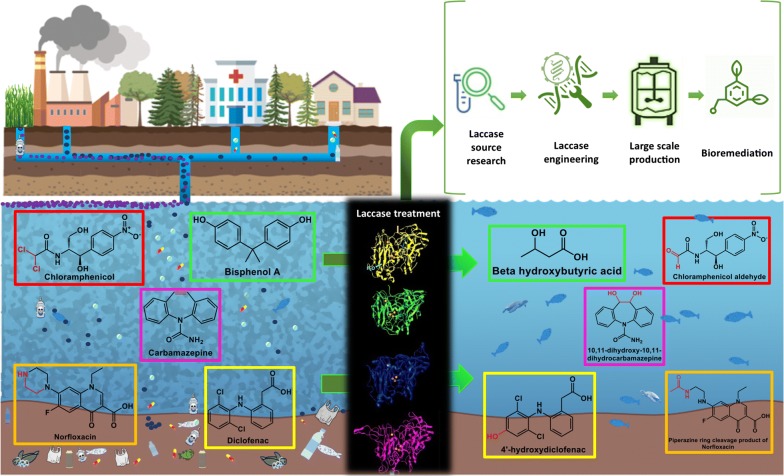
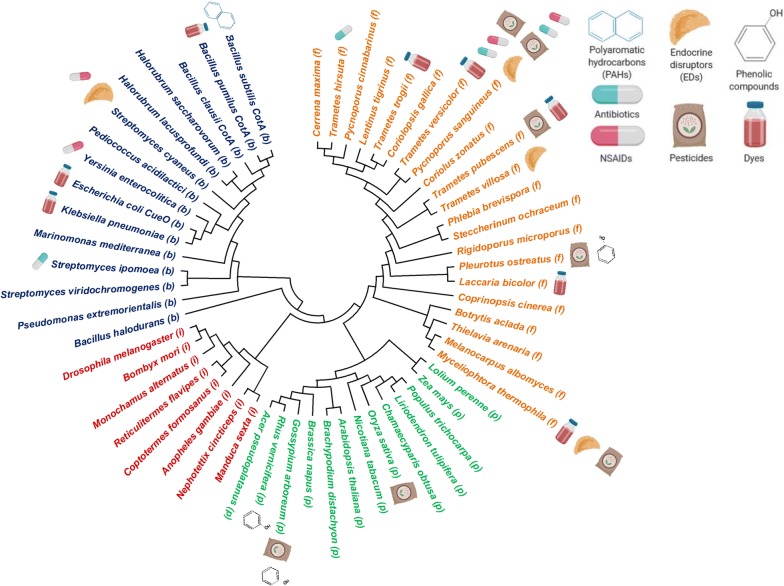
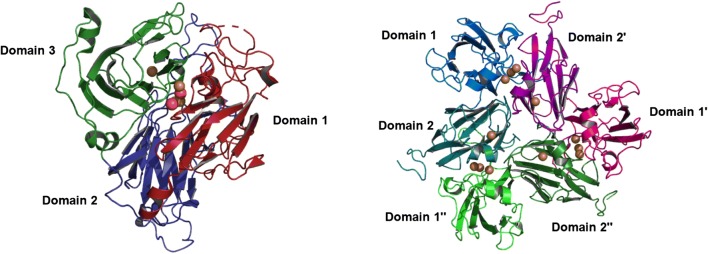
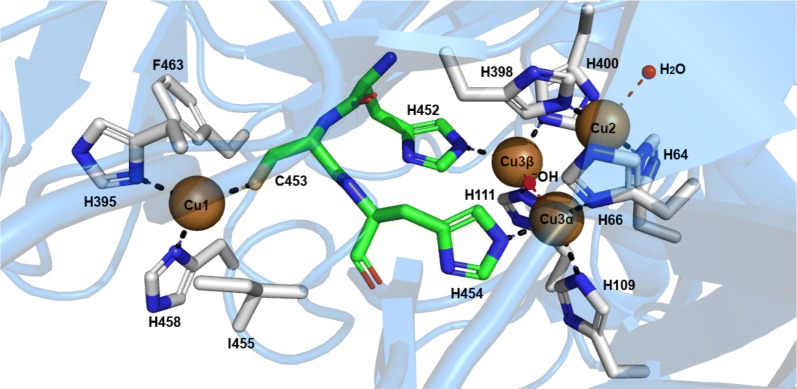
Verification
Claims the paper makes
The claims and statistics of this paper haven’t been checked yet.
Run the check — free, no account needed. It reads the open-access text and checks the sources it cites.
Claims other papers make about this one
Each is checked against this paper’s own text: does it say what the citing paper says it does?
In the citing paper
“Laccases, primarily obtained from bacteria, fungi, plants, and insects, constitute a subgroup within the enzyme family of multi-copper oxidases (143).”
From Toward the development of a molecular toolkit for the microbial remediation of per-and polyfluoroalkyl substances (2024) · cites this paper as [143]
In the citing paper
“This renders them extensively applicable in the oxidative removal of various pollutants, such as herbicides, synthetic dyes, and pharmaceuticals (134, 143, 144).”
From Toward the development of a molecular toolkit for the microbial remediation of per-and polyfluoroalkyl substances (2024) · cites this paper as [143]
In the citing paper
“Within their active sites, these enzymes harbor four copper atoms, categorized into three types: single “blue” copper (type 1, T1), single “non-blue” copper (type 2, T2), and a copper-copper pair (type 3, T3) (143, 144).”
From Toward the development of a molecular toolkit for the microbial remediation of per-and polyfluoroalkyl substances (2024) · cites this paper as [143]
In the citing paper
“Laccases exhibit the capability to oxidize a wide range of phenolic and non-phenolic compounds and employ O2 as an electron acceptor (four-electron reduction of oxygen), yielding water as a by-product (143).”
From Toward the development of a molecular toolkit for the microbial remediation of per-and polyfluoroalkyl substances (2024) · cites this paper as [143]
Self-check
Percentages, sums and reported differences re-computed from the paper’s own numbers.
The self-check needs the paper’s full text.
Citations
Cites
Structure–function relationship among bacterial, fungal and plant laccases
Dwivedi, U. N., Singh, P., Pandey, V. P., & Kumar, A. (2011) · Journal of Molecular Catalysis B: Enzymatic · doi:10.1016/j.molcatb.2010.11.002 · Cited by 481
Morozova, O. V., Shumakovich, G. P., Gorbacheva, M. A., Shleev, S. V., & Yaropolov, A. I. (2007) · Biochemistry (Moscow) · doi:10.1134/s0006297907100112 · Cited by 415
Yang, J., Yang, X., Lin, Y., Ng, T. B., Lin, J., & Ye, X. (2015) · PLOS ONE · doi:10.1371/journal.pone.0127714 · Cited by 130
Research works printed but not linked: 205
- Daughton CG. Non-regulated water contaminants: emerging research. Environ Impact Assess Rev. 2004;24:711–32. https://doi.org/10.1016/j.eiar.2004.06.003. · DOI
- Cabana H, Jiwan JLH, Rozenberg R, Elisashvili V, Penninckx M, Agathos SN, Jones JP. Elimination of endocrine disrupting chemicals nonylphenol and bisphenol A and personal care product ingredient triclosan using enzyme preparation from the white rot fungus Coriolopsis polyzona. Chemosphere. 2007;67:770–8. https://doi.org/10.1016/j.chemosphere.2006.10.037. · DOI
- Chakroun H, Mechichi T, Martinez MJ, Dhouib A, Sayadi S. Purification and characterization of a novel laccase from the ascomycete Trichoderma atroviride: application on bioremediation of phenolic compounds. Process Biochem. 2010;45:507–13. https://doi.org/10.1016/j.procbio.2009.11.009. · DOI
- Corcoran E, Nellemann C, Baker E, Bos R, Osborn D, Savelli H. Sick water? The central role of wastewater management in sustainable development. A rapid response assessment. United Nations Environment Programme: Nairobi; 2010. ISBN 978-82-7701-075-5.
- Bilal M, Asgher M, Parra-Saldivar R, Hu H, Wang W, Zhang X, Iqbal HMN. Immobilized ligninolytic enzymes: an innovative and environmental responsive technology to tackle dye-based industrial pollutants—a review. Sci Total Environ. 2017;576:646–59. https://doi.org/10.1016/j.scitotenv.2016.10.137. · DOI · Paper page
- Klaper R, Welch LC. Emerging contaminant threats and the Great Lakes: existing science, estimating relative risk and determining policies. Chicago: Alliance for the Great Lakes; 2011.
- Garcia-Morales R, Rodríguez-Delgado M, Gomez-Mariscal K, Orona-Navar C, Hernandez-Luna C, Torres E, Parra R, Cárdenas-Chávez D, Mahlknecht J, Ornelas-Soto N. Biotransformation of endocrine-disrupting compounds in groundwater: bisphenol A, nonylphenol, ethynylestradiol and triclosan by a laccase cocktail from Pycnoporus sanguineus CS43. Water Air Soil Pollut. 2015;226:251. https://doi.org/10.1007/s11270-015-2514-3. · DOI
- Nguyen LN, Hai FI, Price WE, Leusch FD, Roddick F, McAdam EJ, Magram SF, Nghiem LD. Continuous biotransformation of bisphenol A and diclofenac by laccase in an enzymatic membrane reactor. Int Biodeter Biodegr. 2014;95:25–32. https://doi.org/10.1016/j.ibiod.2014.05.017. · DOI
- Gasser CA, Ammann EM, Shahgaldian P, Corvini PFX. Laccases to take on the challenge of emerging organic contaminants in wastewater. Appl Microbiol Biotechnol. 2014;98:9931–52. https://doi.org/10.1007/s00253-014-6177-6. · DOI
- Rodríguez-Delgado M, Orona-Navar C, García-Morales R, Hernandez-Luna C, Parra R, Mahlknecht J, Ornelas-Soto N. Biotransformation kinetics of pharmaceutical and industrial micropollutants in groundwaters by a laccase cocktail from Pycnoporus sanguineus CS43 fungi. Int Biodeter Biodegr. 2016;108:34–41. https://doi.org/10.1016/j.ibiod.2015.12.003. · DOI
- Spina F, Cordero C, Schilirò T, Sgorbini B, Pignata C, Gilli G, Bicci C, Varese GC. Removal of micropollutants by fungal laccases in model solution and municipal wastewater: evaluation of estrogenic activity and ecotoxicity. J Clean Prod. 2015;100:185–94. https://doi.org/10.1016/j.jclepro.2015.03.047. · DOI
- Deblonde T, Cossu-Leguille C, Hartemann P. Emerging pollutants in wastewater: a review of the literature. Int J Hyg Environ Health. 2011;214:442–8. https://doi.org/10.1016/j.ijheh.2011.08.002. · DOI
- Chatha SAS, Asgher M, Iqbal HMN. Enzyme-based solutions for textile processing and dye contaminant biodegradation—a review. Environ Sci Pollut Res Int. 2017;24:14005–18. https://doi.org/10.1007/s11356-017-8998-1. · DOI
- Barber LB, Loyo-Rosales JE, Rice CP, Minarik TA, Oskouie AK. Endocrine disrupting alkylphenolic chemicals and other contaminants in wastewater treatment plant effluents, urban streams, and fish in the Great Lakes and upper Mississippi River Regions. Sci Total Environ. 2015;517:195–206. https://doi.org/10.1016/j.scitotenv.2015.02.035. · DOI
- Giardina P, Faraco V, Pezzella C, Piscitelli A, Vanhulle S, Sannia G. Laccases: a never-ending story. Cell Mol Life Sci. 2010;67:69–385. https://doi.org/10.1007/s00018-009-0169-1. · DOI · Paper page
- Riva S. Laccases: blue enzymes for green chemistry. Trends Biotechnol. 2016;24:219–26. https://doi.org/10.1016/j.tibtech.2006.03.006. · DOI
- Kim C, Lorenz WW, Hoopes JT, Dean JF. Oxidation of phenolate siderophores by the multicopper oxidase encoded by the Escherichia coli yacK gene. J Bacteriol. 2001;183:4866–75. https://doi.org/10.1128/JB.183.16.4866-4875.2001. · DOI
- Morozova OV, Shumakovich GP, Shleev SV, Yaropolov YI. Laccase-mediator systems and their applications: a review. Appl Biochem Microbiol. 2007;43:523–35. https://doi.org/10.1134/S0003683807050055. · DOI
- Upadhyay P, Shrivastava R, Agrawal PK. Bioprospecting and biotechnological applications of fungal laccase. 3 Biotech. 2016;6:15. https://doi.org/10.1007/s13205-015-0316-3. · DOI · Paper page
- Mayer AM, Staples RC. Laccase: new functions for an old enzyme. Phytochemistry. 2002;60:551–65. https://doi.org/10.1016/S0031-9422(02)00171-1. · DOI
- Santhanam N, Vivanco JM, Decker SR, Reardon KF. Expression of industrially relevant laccases: prokaryotic style. Trends Biotechnol. 2011;29:480–9. https://doi.org/10.1016/j.tibtech.2011.04.005. · DOI
- Mate DM, Alcalde M. Laccase engineering: from rational design to directed evolution. Biotechnol Adv. 2015;33:25–40. https://doi.org/10.1016/j.biotechadv.2014.12.007. · DOI
- Viswanath B, Rajesh B, Janardhan A, Kumar AP, Narasimha G. Fungal laccases and their applications in bioremediation. Enzyme Res. 2014;2014:1–21. https://doi.org/10.1155/2014/163242. · DOI
- Bertrand G. Sur la presence simultanee de la laccase et de la tyrosinase dans le suc de quelques champignons. CR Hebd Seances Acad Sci. 1896;123:463–5.
- Strong P, Claus H. Laccase: a review of its past and its future in bioremediation. Crit Rev Environ Sci Technol. 2011;41:373–434. https://doi.org/10.1080/10643380902945706. · DOI
- Kiliç N, Nasiri F, Cansaran-Duman D. Fungal laccase enzyme applications in bioremediation of polluted wastewater. Phytoremediation. New York: Springer; 2016. p. 201–9.
- Thurston CF. The structure and function of fungal laccases. Microbiology. 1994;140:19–26. https://doi.org/10.1099/13500872-140-1-19. · DOI · Paper page
- Alcalde M. Laccases: biological functions, molecular structure and industrial applications. In: Polaina J, MacCabe A, editors. Industrial enzymes: structure, function and applications. Dordrecht: Springer; 2007. p. 461–76. ISBN 978-1-4020-5377-1. · DOI
- Baldrian P. Fungal laccases–occurrence and properties. FEMS Microbiol Rev. 2006;30:215–42. https://doi.org/10.1111/j.1574-4976.2005.00010.x. · DOI
- Rivera-Hoyos CM, Morales-Álvarez ED, Poutou-Piñales RA, Pedroza-Rodríguez AM, RodrÍguez-Vázquez R, Delgado-Boada JM. Fungal laccases. Fungal Biol Rev. 2013;27:67–82. https://doi.org/10.1016/j.fbr.2013.07.001. · DOI · Paper page
- Maestre-Reyna M, Liu WC, Jeng WY, Lee CC, Hsu CA, Wen TN, Wang AHJ, Shyur LF. Structural and functional roles of glycosylation in fungal laccase from Lentinus sp. PLoS ONE. 2015;10:e0120601. https://doi.org/10.1371/journal.pone.0120601. · DOI
- Shleev SV, Morozova OV, Nikitina OV, Gorshina ES, Rusinova TV, Serezhenkov VA, Burbaev DS, Gazaryan IG, Yaropolov AI. Comparison of physico-chemical characteristics of four laccases from different basidiomycetes. Biochimie. 2004;86:693–710. https://doi.org/10.1016/j.biochi.2004.08.005. · DOI
- Rodgers CJ, Blanford CF, Giddens SR, Skamnioti P, Armstrong FA, Gurr SJ. Designer laccases: a vogue for high-potential fungal enzymes? Trends Biotechnol. 2010;28:63–72. https://doi.org/10.1016/j.tibtech.2009.11.001. · DOI
- Maté D, García-Ruiz E, Camarero S, Alcalde M. Directed evolution of fungal laccases. Curr Genom. 2011;12:113–22. https://doi.org/10.2174/138920211795564322. · DOI
- Agrawal K, Chaturvedi V, Verma P. Fungal laccase discovered but yet undiscovered. Bioresour Bioprocess. 2018;5:4. https://doi.org/10.1186/s40643-018-0190-z. · DOI
- Kuramitz H, Saitoh J, Hattori T, Tanaka S. Electrochemical removal of p-nonylphenol form dilute solutions using a carbon fiber anode. Water Res. 2002;36:3323–9. https://doi.org/10.1016/S0043-1354(02)00040-4. · DOI
- Tavares APM, Cristóvão RO, Gamelas JAF, Loureiro JM, Boaventura RAR, Macedo EA. Sequential decolourization of reactive textile dyes by laccaase mediator system. J Chem Technol Biotechnol. 2009;84:442–6. https://doi.org/10.1002/jctb.2060. · DOI
- Acevedo F, Pizzul L, del Pilar Castillo M, Cuevas R, Diez MC. Degradation of polycyclic aromatic hydrocarbons by the Chilean white-rot fungus Anthracophyllum discolor. J Hazard Mater. 2011;185:212–9. https://doi.org/10.1016/j.jhazmat.2010.09.020. · DOI
- Uribe-Alvarez C, Ayala M, Perezgasga L, Naranjo L, Urbina H, Vazquez-Duhalt R. First evidence of mineralization of petroleum asphaltenes by a strain of Neosartorya fischeri. Microb Biotechnol. 2011;4:663–72. https://doi.org/10.1111/j.1751-7915.2011.00269.x. · DOI
- Ramírez-Cavazos LI, Junghanns C, Ornelas-Soto N, Cárdenas-Chávez DL, Hernández-Luna C, Demarche P, Enaud E, García-Morales R, Agathos SN, Parra R. Purification and characterization of two thermostable laccases from Pycnoporus sanguineus and potential role in degradation of endocrine disrupting chemicals. J Mol Cat B Enzym. 2014;108:32–42. https://doi.org/10.1016/j.molcatb.2014.06.006. · DOI
- Barrios-Estrada C, de Jesús Rostro-Alanis M, Parra AL, Belleville MP, Sanchez-Marcano J, Iqbal HM, Parra-Saldívar R. Potentialities of active membranes with immobilized laccase for bisphenol A degradation. Int J Biol Macromol. 2018;108:837–44. https://doi.org/10.1016/j.ijbiomac.2017.10.177. · DOI
- Carabajal M, Perullini M, Jobbágy M, Ullrich R, Hofrichter M, Levin L. Removal of phenol by immobilization of Trametes versicolor in silica–alginate–fungus biocomposites and loofa sponge. CLEAN Soil Air Water. 2016;44:180–8. https://doi.org/10.1002/clen.201400366. · DOI
- Gaitan IJ, Medina SC, González JC, Rodríguez A, Espejo ÁJ, Osma JF, Sarria V, Alméciga-Díaz CJ, Sánchez OF. Evaluation of toxicity and degradation of a chlorophenol mixture by the laccase produced by Trametes pubescens. Bioresour Technol. 2011;102:3632–5. https://doi.org/10.1016/j.biortech.2010.11.040. · DOI
- Kunamneni A, Ghazi I, Camarero S, Ballesteros A, Plou FJ, Alcalde M. Decolorization of synthetic dyes by laccase immobilized on epoxy-activated carriers. Process Biochem. 2008;43:169–78. https://doi.org/10.1016/j.procbio.2007.11.009. · DOI · Paper page
- Simões MF, Maiorano AE, dos Santos JG, Peixoto L, de Souza RFB, Neto AO, Brito AG, Ottoni CA. Microbial fuel cell-induced production of fungal laccase to degrade the anthraquinone dye remazol brilliant blue R. Environ Chem Lett. 2019. https://doi.org/10.1007/s10311-019-00876-y. · DOI
- Palazzolo MA, Postemsky PD, Kurina-Sanz M. From agro-waste to tool: biotechnological characterization and application of Ganoderma lucidum E47 laccase in dye decolorization. 3 Biotech. 2019;9(6):213. https://doi.org/10.1007/s13205-019-1744-2. · DOI
- Iark D, dos Reis Buzzo AJ, Garcia JAA, Côrrea VG, Helm CV, Corrêa RCG, Peralta RA, Moreira RFPM, Bracht A, Peralta RM. Enzymatic degradation and detoxification of azo dye Congo red by a new laccase from Oudemansiella canarii. Bioresour Technol. 2019. https://doi.org/10.1016/j.biortech.2019.121655. · DOI
- Garcia LF, Lacerda MF, Thomaz DV, de Souza JC, Pereira M, de Souza G, Schimidt F, Santiago MF. Optimization of laccase-alginate-chitosan-based matrix toward 17 α-ethinylestradiol removal. Prep Biochem Biotechnol. 2019;49:375–83. https://doi.org/10.1080/10826068.2019.1573195. · DOI
- Alharbi SK, Nghiem LD, van de Merwe JP, Leusch FD, Asif MB, Hai FI, Price WE. Degradation of diclofenac, trimethoprim, carbamazepine, and sulfamethoxazole by laccase from Trametes versicolor: transformation products and toxicity of treated effluent. Biocatal Biotransform. 2019. https://doi.org/10.1080/10242422.2019.1580268. · DOI
- Pulicharla R, Das RK, Brar SK, Drogui P, Surampalli RY. Degradation kinetics of chlortetracycline in wastewater using ultrasonication assisted laccase. Chem Eng J. 2018;347:828–35. https://doi.org/10.1016/j.cej.2018.04.162. · DOI
- Singh SK, Khajuria R, Kaur L. Biodegradation of ciprofloxacin by white rot fungus Pleurotus ostreatus. 3 Biotech. 2017;7(1):69. https://doi.org/10.1007/s13205-017-0684-y. · DOI
- Navada KK, Kulal A. Enzymatic degradation of chloramphenicol by laccase from Trametes hirsuta and comparison among mediators. Int Biodeter Biodegr. 2019;138:63–9. https://doi.org/10.1016/j.ibiod.2018.12.012. · DOI
- Fukuda T, Uchida H, Takashima Y, Uwajima T, Kawabata T, Suzuki M. Degradation of bisphenol A by purified laccase from Trametes villosa. Biochem Biophys Res Commun. 2001;284:704–6. https://doi.org/10.1006/bbrc.2001.502. · DOI
- Becker D, Rodriguez-Mozaz S, Insa S, Schoevaart R, Barcelo D, de Cazes M, Belleville MP, Sanchez-Marcano J, Misovic A, Oehlmann J, Wagner M. Removal of endocrine disrupting chemicals in wastewater by enzymatic treatment with fungal laccases. Org Process Res Dev. 2017;21(4):480–91. https://doi.org/10.1021/acs.oprd.6b00361. · DOI
- Golveia JCS, Santiago MF, Sales PTF, Sartoratto A, Ponezi AN, Thomaz DV, Gil ES, Bara MTF. Cupuaçu (Theobroma grandiflorum) residue and its potential application in the bioremediation of 17-Α-ethinylestradiol as a Pycnoporus sanguineus laccase inducer. Prep Biochem Biotechnol. 2018;48(6):541–8. https://doi.org/10.1080/10826068.2018.1466161. · DOI
- Casas N, Parella T, Vicent T, Caminal G, Sarrà M. Metabolites from the biodegradation of triphenylmethane dyes by Trametes versicolor or laccase. Chemosphere. 2009;75(10):1344–9. https://doi.org/10.1016/j.chemosphere.2009.02.029. · DOI
- Grassi E, Scodeller P, Filiel N, Carballo R, Levin L. Potential of Trametes trogii culture fluids and its purified laccase for the decolorization of different types of recalcitrant dyes without the addition of redox mediators. Int Biodeter Biodegr. 2011;65:635–43. https://doi.org/10.1016/j.ibiod.2011.03.007. · DOI
- Piscitelli A, Pezzella C, Giardina P, Faraco V, Sannia G. Heterologous laccase production and its role in industrial applications. Bioeng Bugs. 2010;1:254–64. https://doi.org/10.4161/bbug.1.4.11438. · DOI
- Salony GN, Baranwal R, Chhabra M, Mishra S, Chaudhuri TK, Bisaria VS. Laccase of Cyathus bulleri: structural, catalytic characterization and expression in Escherichia coli. Biochim Biophys Acta. 2008;1784:259–68. https://doi.org/10.1016/j.bbapap.2007.11.006. · DOI
- Klonowska A, Gaudin C, Asso M, Fournel A, Reglier M, Tron T. LAC3, a new low redox potential laccase from Trametes sp. strain C30 obtained as a recombinant protein in yeast. Enzyme Microb Technol. 2005;36:34–41. https://doi.org/10.1016/j.enzmictec.2004.03.022. · DOI
- Colao MC, Lupino S, Garzillo AM, Buonocore V, Ruzzi M. Heterologous expression of lcc1 gene from Trametes trogii in Pichia pastoris and characterization of the recombinant enzyme. Microb Cell Fact. 2006;5:31. https://doi.org/10.1186/1475-2859-5-31. · DOI
- Madzak C, Otterbein L, Chamkha M, Moukha S, Asther M, Gaillardin C, Beckerich JM. Heterologous production of a laccase from the basidiomycete Pycnoporus cinnabarinus in the dimorphic yeast Yarrowia lipolytica. FEMS Yeast Res. 2005;5:635–46. https://doi.org/10.1016/j.femsyr.2004.10.009. · DOI
- Pardo I, Rodríguez-Escribano D, Aza P, De Salas F, Martínez AT, Camarero S. A highly stable laccase obtained by swapping the second cupredoxin domain. Sci Rep. 2018;8:15669. https://doi.org/10.1038/s41598-018-34008-3. · DOI
- Yaver DS, Xu F, Golightly EJ, Brown KM, Brown SH, Rey MW, Schneider P, Halkier T, Mondorf K, Dalboge H. Purification, characterization, molecular cloning, and expression of two laccase genes from the white rot basidiomycete Trametes villosa. Appl Environ Microbiol. 1996;62:834–41. · DOI
- Bohlin C, Jönsson LJ, Roth R, Van Zyl WH. Heterologous expression of Trametes versicolor laccase in Pichia pastoris and Aspergillus niger. Appl Biochem Biotechnol. 2006;129–132:195–214. https://doi.org/10.1007/978-1-59745-268-7_15. · DOI
- Balcázar-López E, Méndez-Lorenzo LH, Batista-García RA, Esquivel-Naranjo U, Ayala M, Kumar VV, Savary O, Cabana H, Herrera-Estrella A, Folch-Mallol JL. Xenobiotic compounds degradation by heterologous expression of a Trametes sanguineus laccase in Trichoderma atroviride. PLoS ONE. 2016;11:e0147997. https://doi.org/10.1371/journal.pone.0147997. · DOI
- Wang B, Yan Y, Xu J, Fu X, Han H, Gao J, Li Z, Wang L, Tian Y, Peng R. Heterologous expression and characterization of a laccase from Laccaria bicolor in Pichia pastoris and Arabidopsis thaliana. J Microbiol Biotechnol. 2018;28:2057–63. https://doi.org/10.1080/13102818.2015.1104261. · DOI
- Bailey MR, Woodard SL, Callaway E, Beifuss K, Magallanes-Lundback M, Lane JR, Horn ME, Mallubhotla H, Delaney DD, Ward M, Van Gastel F, Howard JA, Hood EE. Improved recovery of active recombinant laccase from maize seed. Appl Microb Biotechnol. 2004;63:390–7. https://doi.org/10.1007/s00253-003-1362-z. · DOI
- Campos PA, Levin LN, Wirth SA. Heterologous production, characterization and dye decolorization ability of a novel thermostable laccase isoenzyme from Trametes trogii BAFC 463. Process Biochem. 2016;51:895–903. https://doi.org/10.1016/j.procbio.2016.03.015. · DOI · Paper page
- Darvishi F, Moradi M, Jolivalt C, Madzak C. Laccase production from sucrose by recombinant Yarrowia lipolytica and its application to decolorization of environmental pollutant dyes. Ecotox Environ Safe. 2018;165:278–83. https://doi.org/10.1016/j.ecoenv.2018.09.026. · DOI
- Yoshida H. Chemistry of lacquer (Urushi) part 1. J Chem Soc. 1883;43:472–86. https://doi.org/10.1039/ct8834300472. · DOI
- Frasconi M, Favero G, Boer H, Koivula A, Mazzei F. Kinetic and biochemical properties of high and low redox potential laccases from fungal and plant origin. Biochim Biophys Acta. 2010;1804:899–908. https://doi.org/10.1016/j.bbapap.2009.12.018. · DOI
- Sterjiades R, Jeffrey FDD, Eriksson KEL. Laccase from sycamore maple (Acer pseudoplatanus) polymerizes monolignols. Plant Physiol. 1992;99:1162–8. https://doi.org/10.1104/pp.99.3.1162. · DOI
- Zhao Q, Nakashima J, Chen F, Yin YB, Fu CX, Yun JF, Shao H, Wang XQ, Wang ZY, Dixon RA. Laccase is necessary and nonredundant with peroxidase for lignin polymerization during vascular development in Arabidopsis. Plant Cell. 2013;25:3976–87. https://doi.org/10.1105/tpc.113.117770. · DOI
- Tobimatsu Y, Schuetz M. Lignin polymerization: how do plants manage the chemistry so well? Curr Opin Biotechnol. 2019;56:75–81. https://doi.org/10.1016/j.copbio.2018.10.001. · DOI
- Liang M, Davis E, Gardner D, Cai X, Wu Y. Involvement of AtLAC15 in lignin synthesis in seeds and in root elongation of Arabidopsis. Planta. 2006;224:1185–96. https://doi.org/10.1007/s00425-006-0300. · DOI
- Nigam D, Kavita P, Tripathi RK, Ranjan A, Goel R, Asif M, Shukla A, Singh G, Rana D, Sawant SV. Transcriptome dynamics during fibre development in contrasting genotypes of Gossypium hirsutum L. Plant Biotechnol J. 2014;12:204–18. https://doi.org/10.1111/pbi.12129. · DOI
- Balasubramanian VK, Rai KM, Thu SW, Hii MM, Mendu V. Genome-wide identification of multifunctional laccase gene family in cotton (Gossypium spp.); expression and biochemical analysis during fiber development. Sci Rep. 2016;6:34309. https://doi.org/10.1038/srep34309. · DOI
- Cai X, Davis EJ, Ballif J, Liang M, Bushman E, Haroldsen V, Torabinejad J, Wu Y. Mutant identification and characterization of the laccase gene family in Arabidopsis. J Exp Bot. 2006;57:2563–9. https://doi.org/10.1093/jxb/erl022. · DOI
- Cho HY, Lee C, Hwang SG, Park YC, Lim HL, Jang CS. Overexpression of the OsChI1 gene, encoding a putative laccase precursor, increases tolerance to drought and salinity stress in transgenic Arabidopsis. Gene. 2014;552:98–105. https://doi.org/10.1016/j.gene.2014.09.018. · DOI
- Liu Q, Luo L, Wang X, Shen Z, Zheng L. Comprehensive analysis of rice laccase gene (OsLAC) family and ectopic expression of OsLAC10 enhances tolerance to copper stress in Arabidopsis. Int J Mol Sci. 2017;18:209. https://doi.org/10.3390/ijms18020209. · DOI
- Wang GD, Li QJ, Luo B, Chen XY. Ex planta phytoremediation of trichlorophenol and phenolic allelo chemicals via an engineered secretory laccase. Nat Biotechnol. 2004;22:893–7. https://doi.org/10.1038/nbt982. · DOI
- Watharkar AD, Kadam SK, Khandare RV, Kolekar PD, Jeon BH, Jadhav JP, Govindwar SP. Asparagus densiflorus in a vertical subsurface flow phytoreactor for treatment of real textile effluent: a lab to land approach for in situ soil remediation. Ecotoxicol Environ Saf. 2018;161:70–7. https://doi.org/10.1016/j.ecoenv.2018.05.078. · DOI
- Kagalkar AN, Khandare RV, Govindwar SP. Textile dye degradation potential of plant laccase significantly enhances upon augmentation with redox mediators. RSC Adv. 2015;5:80505–17. https://doi.org/10.1039/c5ra12454a. · DOI
- Telke AA, Kagalkar AN, Jagtap UB, Desai NS, Bapat VA, Govidwar SP. Biochemical characterization of laccase from hairy root culture of Brassica juncea L. and role of redox mediators to enhance its potential for the decolorization of textile dyes. Planta. 2011;234:1137–49. https://doi.org/10.1007/s00425-011-1469-x. · DOI
- Kabra AN, Khandare RV, Kurade MB, Govindwar SP. Phytoremediation of a sulphonated azo dye Green HE4B by Glandularia pulchella (Sweet) Tronc. (Moss Verbena). Environ Sci Pollut Res Int. 2011;18:1360–73. https://doi.org/10.1007/s11356-011-0491-7. · DOI
- Rane NR, Chandanshive VV, Watharkar AD, Khandare RV, Patil TS, Pawar PK, Govindwar SP. Phytoremediation of sulfonated Remazol Red dye and textile effluents by Alternanthera philoxeroides: an anatomical, enzymatic and pilot scale study. Water Res. 2015;83:271–81. https://doi.org/10.1016/j.watres.2015.06.046. · DOI
- Chandanshive VV, Kadam SK, Khandare RV, Kurade MB, Jeon BH, Jadhav JP, Govindwar SP. In situ phytoremediation of dyes from textile wastewater using garden ornamental plants, effect on soil quality and plant growth. Chemosphere. 2018;210:968–76. https://doi.org/10.1016/j.chemosphere.2018.07.064. · DOI
- Huang MT, Lu YC, Zhang S, Luo F, Yang H. Rice (Oryza sativa) laccases involved in modification and detoxification of herbicides atrazine and isoproturon residues in plants. J Agric Food Chem. 2016;64:6397–406. https://doi.org/10.1021/acs.jafc.6b02187. · DOI
- Chiaiese P, Palomba F, Galante C, Esposito S, de Biasi MG, Filippone E. Transgenic tobacco plants expressing a fungal laccase are able to reduce phenol content from olive mill wastewaters. Int J Phytoremediat. 2012;14:835–44. https://doi.org/10.1080/15226514.2011.628715. · DOI
- de Wilde C, Uzan E, Zhou Z, Kruus K, Andberg M, Buchert J, Record E, Asther M, Lomascolo A. Transgenic rice as a novel production system for Melanocarpus and Pycnoporus laccases. Transgenic Res. 2008;17:515–27. https://doi.org/10.1007/s11248-007-9124-9. · DOI
- Sonoki T, Kajita S, Ikeda S, Uesugi M, Tatsumi K, Katayama Y, Iimura Y. Transgenic tobacco expressing fungal laccase promotes the detoxification of environmental pollutants. Appl Microb Biotechnol. 2005;67:138–42. https://doi.org/10.1007/s00253-004-1770-8. · DOI
- De-Jesús-García R, Folch-Mallol JL, Dubrovsky JG. Transgenic callus of Nicotiana glauca stably expressing a fungal laccase maintains its growth in presence of organic contaminants. Plant Cell Tissue Organ Cult. 2019;138(2):311–24. https://doi.org/10.1007/s11240-019-01626-2. · DOI
- Du MH, Yan ZW, Hao YJ, Yan ZT, Si FL, Chen B, Qiao L. Suppression of Laccase 2 severely impairs cuticle tanning and pathogen resistance during the pupal metamorphosis of Anopheles sinensis (Diptera: Culicidae). Parasites Vectors. 2017;10(1):171. https://doi.org/10.1186/s13071-017-2118-4. · DOI
- Dittmer NT, Kanost MR. Insect multicopper oxidases: diversity, properties, and physiological roles. Insect Biochem Mol Biol. 2010;40:179–88. https://doi.org/10.1016/j.ibmb.2010.02.006. · DOI
- Givaudan A, Effosse A, Faure D, Bouillant M-L, Bally R, Potier P. Polyphenol oxidase in Azospirillum lipoferum isolated from rice rhizosphere: evidence for laccase activity in non-motile strains of Azospirillum lipoferum. FEMS Microbiol Lett. 1993;108:205–10. https://doi.org/10.1111/j.1574-6968.1993.tb06100.x. · DOI
- Liu Y, Huang L, Guo W, Jia L, Fu Y, Gui S, Lu F. Cloning, expression, and characterization of a thermostable and pH-stable laccase from Klebsiella pneumoniae and its application to dye decolorization. Process Biochem. 2017;53:125–34. https://doi.org/10.1016/j.procbio.2016.11.015. · DOI
- Singh G, Bhalla A, Kaur P, Capalash N, Sharma P. Laccase from prokaryotes: a new source for an old enzyme. Rev Environ Sci Biotechnol. 2011;10:309–26. https://doi.org/10.1007/s11157-011-9257-4. · DOI
- Uthandi S, Saad B, Humbard MA, Maupin-Furlow JA. LccA, an archaeal laccase secreted as a highly stable glycoprotein into the extracellular medium by Haloferax volcanii. Appl Environ Microbiol. 2010;76:733–43. https://doi.org/10.1128/AEM.01757-09. · DOI
- Mate DM, Alcalde M. Laccase: a multi-purpose biocatalyst at the forefront of biotechnology. Microb Biotechnol. 2017;10:1457–67. https://doi.org/10.1111/1751-7915.12422. · DOI
- Martins LO, Durão P, Brissos V, Lindley PF. Laccases of prokaryotic origin: enzymes at the interface of protein science and protein technology. Cell Mol Life Sci. 2015;72:911–22. https://doi.org/10.1007/s00018-014-1822-x. · DOI
- Sondhi S, Sharma P, Saini S, Puri N, Gupta N. Purification and characterization of an extracellular, thermo-alkali-stable, metal tolerant laccase from Bacillus tequilensis SN4. PLoS ONE. 2014;9:1–10. https://doi.org/10.1371/journal.pone.0096951. · DOI
- Guan ZB, Liao Q, Wang HR, Chen Y, Liao XR. Bacterial laccases: promising biological green tools for industrial applications. Cell Mol Life Sci. 2018;75:3569–92. https://doi.org/10.1007/s00018-018-2883-z. · DOI
- Chauhan PS, Goradia B, Saxena A. Bacterial laccase: recent update on production, properties and industrial applications. 3 Biotech. 2017;7:323. https://doi.org/10.1007/s13205-017-0955-7. · DOI
- Enguita FJ, Martins LO, Henriques AO, Carrondo MA. Crystal structure of a bacterial endospore coat component. J Biol Chem. 2003;278:19416–25. https://doi.org/10.1074/jbc.M301251200. · DOI
- Roberts SA, Weichsel A, Grass G, Thakali K, Hazzard JT, Tollin G, Rensing C, Montfort WR. Crystal structure and electron transfer kinetics of CueO, a multicopper oxidase required for copper homeostasis in Escherichia coli. Proc Natl Acad Sci. 2002;99:2766–71. https://doi.org/10.1073/pnas.052710499. · DOI
- Hakulinen N, Rouvinen J. Three-dimensional structures of laccases. Cell Mol Life Sci. 2015;72:857–68. https://doi.org/10.1007/s00018-014-1827-5. · DOI · Paper page
- Majumdar S, Lukk T, Solbiati JO, Bauer S, Nair SK, Gronan JE, Gerlt JA. Roles of small laccases from Streptomyces in lignin degradation. Biochemistry. 2014;53:4047–58. https://doi.org/10.1021/bi500285t. · DOI
- Lawton TJ, Sayavedra-Soto LA, Arp DJ, Rosenzweig AC. Crystal structure of a two-domain multicopper oxidase implications for the evolution of multicopper blue proteins. J Biol Chem. 2009;284:10174–80. https://doi.org/10.1074/jbc.M900179200. · DOI
- Brander S, Mikkelsen JD, Kepp KP. Characterization of an alkali-and halide-resistant laccase expressed in E. coli: CotA from Bacillus clausii. PLoS ONE. 2014;9:e99402. https://doi.org/10.1371/journal.pone.0099402. · DOI
- Songulashvili G, Jimenéz-Tobón GA, Jaspers C, Penninckx MJ. Immobilized laccase of Cerrena unicolor for elimination of endocrine disruptor micropollutants. Fungal Biol. 2012;116:883–9. https://doi.org/10.1016/j.funbio.2012.05.005. · DOI
- Trubitsina LI, Tishchenko SV, Gabdulkhakov AG, Lisov AV, Zakharova MV, Leontievsky AA. Structural and functional characterization of two-domain laccase from Streptomyces viridochromogenes. Biochimie. 2015;112:151–9. https://doi.org/10.1016/j.biochi.2015.03.005. · DOI
- Jimenez-Juarez N, Baeza A, Roman-Miranda R, Vazquez-Duhalt R, Valderrama B, Sánchez-Amat A. Alkali and halide-resistant catalysis by the multipotent oxidase from Marinomonas mediterranea. J Biotechnol. 2005;117:73–82. https://doi.org/10.1016/j.jbiotec.2005.01.002. · DOI
- Dubé E, Shareck F, Hurtubise Y, Daneault C, Beauregard M. Homologous cloning, expression, and characterization of a laccase from Streptomyces coelicolor and enzymatic decolourisation of an indigo dye. Appl Microbiol Biotechnol. 2008;79:597–603. https://doi.org/10.1007/s00253-008-1475-5. · DOI
- Ruijssenaars HJ, Hartmans S. A cloned Bacillus halodurans multicopper oxidase exhibiting alkaline laccase activity. Appl Microbiol Biotechnol. 2004;65:177–82. https://doi.org/10.1007/s00253-004-1571-0. · DOI
- Guan Z, Song C, Zhang N, Zhou W. Overexpression, characterization, and dye-decolorizing ability of a thermostable, pH-stable, and organic solvent-tolerant laccase from Bacillus pumilus W3. J Mol Catal B Enzym. 2014;101:1–6. https://doi.org/10.1016/j.molcatb.2013.11.009. · DOI
- Theerachat M, Guieysse D, Morel S, Remaud-Siméon M, Chulalaksananukul W. Laccases from marine organisms and their applications in the biodegradation of toxic and environmental pollutants: a review. Appl Biochem Biotechnol. 2019;187:583–611. https://doi.org/10.1007/s12010-018-2829-9. · DOI
- Callejón S, Sendra R, Ferrer S, Pardo I. Recombinant laccase from Pediococcus acidilactici CECT 5930 with ability to degrade tyramine. PLoS ONE. 2017;12:1–19. https://doi.org/10.1371/journal.pone.0186019. · DOI
- Guan Z, Zhang N, Song C. Molecular cloning, characterization and dye-decolorizing ability of a temperature- and pH-stable laccase from Bacillus subtilis X1. Appl Biochem Biotechnol. 2014;172:1147–57. https://doi.org/10.1007/s12010-013-0614-3. · DOI
- Ihssen J, Reiss R, Luchsinger R, Thöny-Meyer L, Richter M. Biochemical properties and yields of diverse bacterial laccase-like multicopper oxidases expressed in Escherichia coli. Sci Rep. 2015;5:1–13. https://doi.org/10.1038/srep10465. · DOI
- Tonin F, Rosini E, Piubelli L, Sanchez-Amat A, Pollegioni L. Different recombinant forms of polyphenol oxidase A, a laccase from Marinomonas mediterranea. Protein Expr Purif. 2016;123:60–9. https://doi.org/10.1016/j.pep.2016.03.011. · DOI
- Zeng J, Zhu Q, Wu Y, Lin X. Oxidation of polycyclic aromatic hydrocarbons using Bacillus subtilis CotA with high laccase activity and copper independence. Chemosphere. 2016;148:1–7. https://doi.org/10.1016/j.chemosphere.2016.01.019. · DOI
- Luo Q, Wang KQ, Liao XR, Guan ZB, Chen Y, Cai YJ, Xia J. Functional expression enhancement of Bacillus pumilus CotA-laccase mutant WLF through site-directed mutagenesis. Enzyme Microb Technol. 2018;109:11–9. https://doi.org/10.1016/j.enzmictec.2017.07.013. · DOI
- Liu H, Cheng Y, Du B, Tong C, Liang S, Han S, Zheng S, Lin Y. Overexpression of a novel thermostable and chloride-tolerant laccase from Thermus thermophilus SG0.5JP17-16 in Pichia pastoris and its application in synthetic dye decolorization. PLoS ONE. 2015;10:1–14. https://doi.org/10.1371/journal.pone.0119833. · DOI
- Lu L, Wang TN, Xu TF, Wang JY, Wang CL, Zhao M. Cloning and expression of thermo-alkali-stable laccase of Bacillus licheniformis in Pichia pastoris and its characterization. Bioresour Technol. 2013;134:81–6. https://doi.org/10.1016/j.biortech.2013.02.015. · DOI
- Ma X, Liu L, Li Q, Liu Y, Yi L, Ma L, Zhai C. High-level expression of a bacterial laccase, CueO from Escherichia coli K12 in Pichia pastoris GS115 and its application on the decolorization of synthetic dyes. Enzyme Microb Technol. 2017;103:34–41. https://doi.org/10.1016/j.enzmictec.2017.04.004. · DOI
- Argüello JM, Raimunda D, Padilla-Benavides T. Mechanisms of copper homeostasis in bacteria. Front Cell Infect Microbiol. 2013;3:1–14. https://doi.org/10.3389/fcimb.2013.00073. · DOI
- Outten FW, Huffman DL, Hale JA, O’Halloran TV. The independent cue and cus systems confer copper tolerance during aerobic and anaerobic growth in Escherichia coli. J Biol Chem. 2001;276:30670–7. https://doi.org/10.1074/jbc.M104122200. · DOI
- Rensing C, Grass G. Escherichia coli mechanisms of copper homeostasis in a changing environment. FEMS Microbiol Rev. 2003;27:197–213. https://doi.org/10.1016/S0168-6445(03)00049-4. · DOI
- Durão P, Chen Z, Fernandes AT, Hildebrandt P, Murgida DH, Todorovic S, Pereira MM, Melo EP, Martins LO. Copper incorporation into recombinant CotA laccase from Bacillus subtilis: characterization of fully copper loaded enzymes. J Biol Inorg Chem. 2008;13:183–93. https://doi.org/10.1007/s00775-007-0312-0. · DOI
- Mohammadian M, Fathi-Roudsari M, Mollania N, Badoei-Dalfard A, Khajeh K. Enhanced expression of a recombinant bacterial laccase at low temperature and microaerobic conditions: purification and biochemical characterization. J Ind Microbiol Biotechnol. 2010;37:863–9. https://doi.org/10.1007/s10295-010-0734-5. · DOI
- Siroosi M, Amoozegar MA, Khajeh K, Dabirmanesh B. Decolorization of dyes by a novel sodium azide-resistant spore laccase from a halotolerant bacterium, Bacillus safensis sp. strain S31. Water Sci Technol. 2018;77(12):2867–75. https://doi.org/10.2166/wst.2018.281. · DOI
- Blánquez A, Rodríguez J, Brissos V, Mendes S, Martins LO, Ball AS, Arias ME, Hernández M. Decolorization and detoxification of textile dyes using a versatile Streptomyces laccase-natural mediator system. Saudi J Biol Sci. 2019;26:913–20. https://doi.org/10.1016/j.sjbs.2018.05.020. · DOI
- Singh D, Rawat S, Waseem M, Gupta S, Lynn A, Nitin M, Ramchiary N, Sharma KK. Molecular modeling and simulation studies of recombinant laccase from Yersinia enterocolitica suggests significant role in the biotransformation of non-steroidal anti-inflammatory drugs. Biochem Biophys Res Commun. 2016;469:306–12. https://doi.org/10.1016/j.bbrc.2015.11.096. · DOI
- Margot J, Bennati-Granier C, Maillard J, Blánquez P, Barry DA, Holliger C. Bacterial versus fungal laccase: potential for micropollutant degradation. AMB Express. 2013;3(1):63. https://doi.org/10.1186/2191-0855-3-63. · DOI
- Reda FM, El-Mekkawy RM, Hassan NS. Detoxification and bioremediation of sulfa drugs and synthetic dyes by Streptomyces mutabilis A17 laccase produced in solid state fermentation. J Pure Appl Microbiol. 2019;13(1):85–96. https://doi.org/10.22207/JPAM.13.1.09. · DOI
- Blánquez A, Guillén F, Rodríguez J, Arias ME, Hernández M. The degradation of two fluoroquinolone based antimicrobials by SilA, an alkaline laccase from Streptomyces ipomoeae. World J Microbiol Biotechnol. 2016;32(3):52. https://doi.org/10.1007/s11274-016-2032-5. · DOI
- Mot A, Silaghi-Dumitrescu R. Laccases: complex architectures for one-electron oxidations. Biochemistry. 2012;77:1395–407. https://doi.org/10.1134/S0006297912120085. · DOI
- Claus H. Laccases: structure, reactions, distribution. Micron. 2004;35:93–6. https://doi.org/10.1016/j.micron.2003.10.029. · DOI
- Komori H, Miyazaki K, Higuchi Y. X-ray structure of a two-domain type laccase: a missing link in the evolution of multi-copper proteins. FEBS Lett. 2009;583:1189–95. https://doi.org/10.1016/j.febslet.2009.03.008. · DOI
- Nakamura K, Kawabata T, Yura K, Go N. Novel types of two-domain multi-copper oxidases: possible missing links in the evolution. FEBS Lett. 2003;553:239–44. https://doi.org/10.1016/S0014-5793(03)01000-7. · DOI
- Nakamura K, Go N. Function and molecular evolution of multicopper blue proteins. Cell Mol Life Sci. 2005;62:2050–66. https://doi.org/10.1007/s00018-004-5076-x. · DOI
- Vasin A, Klotchenko S, Puchkova L. Phylogenetic analysis of six-domain multi-copper blue proteins. PLoS Curr. 2013;5:1–18. https://doi.org/10.1371/currents.tol.574bcb0f133fe52835911abc4e296141. · DOI
- Geng A, Wu J, Xie RR, Li X, Chang FX, Sun JZ. Characterization of a laccase from a wood-feeding termite, Coptotermes formosanus. Insect Sci. 2016;25:251–8. https://doi.org/10.1111/1744-7917.12415. · DOI
- Sirim D, Wagner F, Wang L, Schmid RD, Pleiss J. The Laccase Engineering Database: a classification and analysis system for laccases and related multicopper oxidases. Database. 2011. https://doi.org/10.1093/database/bar006. · DOI
- Liu Z, Xie T, Zhong Q, Wang G. Crystal structure of CotA laccase complexed with 2, 2-azinobis-(3-ethylbenzothiazoline-6-sulfonate) at a novel binding site. Acta Crystallogr Sect F Struct Biol Commun. 2016;72:328–35. https://doi.org/10.1107/S2053230X1600426X. · DOI
- Messerschmidt A, Ladenstein R, Huber R, Bolognesi M, Avigliano L, Petruzzelli R, Rossi A, Finazzi-Agró A. Refined crystal structure of ascorbate oxidase at 1.9 Å resolution. J Mol Biol. 1992;224:179–205. https://doi.org/10.1016/0022-2836(92)90583-6. · DOI
- Messerschmidt A, Luecke H, Huber R. X-ray structures and mechanistic implications of three functional derivatives of ascorbate oxidase from zucchini: reduced, peroxide and azide forms. J Mol Biol. 1993;230:997–1014. https://doi.org/10.1006/jmbi.1993.1215. · DOI
- Kumar SS, Phale PS, Durani S, Wangikar PP. Combined sequence and structure analysis of the fungal laccase family. Biotechnol Bioeng. 2003;83:386–94. https://doi.org/10.1002/bit.10681. · DOI
- Mehra R, Muschiol J, Meyer AS, Kepp KP. A structural-chemical explanation of fungal laccase activity. Sci Rep. 2018;8:17285. https://doi.org/10.1038/s41598-018-35633-8. · DOI
- Glazunova O, Trushkin N, Moiseenko K, Filimonov I, Fedorova T. Catalytic efficiency of basidiomycete laccases: redox potential versus substrate-binding pocket structure. Catalysts. 2018;8:152. https://doi.org/10.3390/catal8040152. · DOI
- Pardo I, Camarero S. Laccase engineering by rational and evolutionary design. Cell Mol Life Sci. 2015;72:897–910. https://doi.org/10.1007/s00018-014-1824-8. · DOI · Paper page
- Sitarz AK, Mikkelsen JD, Meyer AS. Structure, functionality and tuning up of laccases for lignocellulose and other industrial applications. Crit Rev Biotechnol. 2016;36:70–86. https://doi.org/10.3109/07388551.2014.949617. · DOI · Paper page
- Ernst HA, Jørgensen LJ, Bukh C, Piontek K, Plattner DA, Østergaard LH, Larsen S, Bjerrum MJ. A comparative structural analysis of the surface properties of asco-laccases. PLoS ONE. 2018;13:e0206589. https://doi.org/10.1371/journal.pone.0206589. · DOI
- Jones SM, Solomon EI. Electron transfer and reaction mechanism of laccases. Cell Mol Life Sci. 2015;72:869–83. https://doi.org/10.1007/s00018-014-1826-6. · DOI · Paper page
- Azimi M, Nafissi-Varcheh N, Mogharabi M, Faramarzi MA, Aboofazeli R. Study of laccase activity and stability in the presence of ionic and non-ionic surfactants and the bioconversion of indole in laccase-TX-100 system. J Mol Catal B Enzym. 2016;126:69–75. https://doi.org/10.1016/j.molcatb.2016.02.001. · DOI
- Kang C, Ren D, Zhang S, Zhang X, He X, Deng Z, Huang C, Guo H. Effect of polyhydroxyl compounds on the thermal stability and structure of laccase. Pol J Environ Stud. 2019;28:3253–9. https://doi.org/10.15244/pjoes/94839. · DOI
- Díaz R, Díaz-Godínez G, Anducho-Reyes MA, Mercado-Flores Y, Herrera-Zúñiga LD. In silico design of laccase thermostable mutants from Lacc 6 of Pleurotus ostreatus. Front Microbiol. 2018;9:1–12. https://doi.org/10.3389/fmicb.2018.02743. · DOI
- Drozd R, Rakoczy R, Wasak A, Junka A, Fijałkowski K. The application of magnetically modified bacterial cellulose for immobilization of laccase. Int J Biol Macromol. 2018;108:462–70. https://doi.org/10.1016/j.ijbiomac.2017.12.031. · DOI
- Mateljak I, Rice A, Yang K, Tron T, Alcalde M. The generation of thermostable fungal laccase chimeras by SCHEMA-RASPP structure-guided recombination in vivo. ACS Synth Biol. 2019;8:833–43. https://doi.org/10.1021/acssynbio.8b00509. · DOI
- Herrera-Zúñiga LD, Millán-Pacheco C, Viniegra-González G, Villegas E, Arregui L, Rojo-Domínguez A. Molecular dynamics on laccase from Trametes versicolor to examine thermal stability induced by salt bridges. Chem Phys. 2019;517:253–64. https://doi.org/10.1016/j.chemphys.2018.10.019. · DOI
- Lassouane F, Aït-Amar H, Amrani S, Rodriguez-Couto S. A promising laccase immobilization approach for bisphenol A removal from aqueous solutions. Bioresour Technol. 2019;271:360–7. https://doi.org/10.1016/j.biortech.2018.09.129. · DOI · Paper page
- Llevot A, Grau E, Carlotti S, Grelier S, Cramail H. Selective laccase-catalyzed dimerization of phenolic compounds derived from lignin: towards original symmetrical bio-based (bis) aromatic monomers. J Mol Catal B Enzym. 2016;125:34–41. https://doi.org/10.1016/j.molcatb.2015.12.006. · DOI
- Polyakov K, Gavryushov S, Ivanova S, Fedorova T, Glazunova O, Popov A, Koroleva O. Structural study of the X-ray-induced enzymatic reduction of molecular oxygen to water by Steccherinum murashkinskyi laccase: insights into the reaction mechanism. Acta Crystallogr D Struct Biol. 2017;73(Pt. 5):388–401. https://doi.org/10.1107/s2059798317003667. · DOI
- Gabdulkhakov A, Kostareva O, Kolyadenko I, Mikhaylina A, Trubitsina L, Tishchenko S. Incorporation of copper ions into T2/T3 centers of two-domain laccases. J Mol Biol. 2018;52:23–9. https://doi.org/10.1134/S0026893318010041. · DOI
- Hoegger PJ, Kilaru S, James TY, Thacker JR, Kües U. Phylogenetic comparison and classification of laccase and related multicopper oxidase protein sequences. FEBS J. 2006;273:2308–26. https://doi.org/10.1111/j.1742-4658.2006.05247.x. · DOI
- Awasthi M, Jaiswal N, Singh S, Pandey VP, Dwivedi UN. Molecular docking and dynamics simulation analyses unraveling the differential enzymatic catalysis by plant and fungal laccases with respect to lignin biosynthesis and degradation. J Biomol Struct Dyn. 2015;33:1835–49. https://doi.org/10.1080/07391102.2014.975282. · DOI
- Kjaergaard CH, Jones SM, Gounel S, Mano N, Solomon EI. Two-electron reduction versus one-electron oxidation of the type 3 pair in the multicopper oxidases. J Am Chem Soc. 2015;137:8783–94. https://doi.org/10.1021/jacs.5b04136. · DOI
- Patel H, Gupte S, Gahlout M, Gupte A. Purification and characterization of an extracellular laccase from solid-state culture of Pleurotus ostreatus HP-1. 3 Biotech. 2014;4:77–84. https://doi.org/10.1007/s13205-013-0129-1. · DOI · Paper page
- Pardo I, Santiago G, Gentili P, Lucas F, Monza E, Medrano FJ, Galli C, Martínez AT, Guallar V, Camarero S. Re-designing the substrate binding pocket of laccase for enhanced oxidation of sinapic acid. Catal Sci Technol. 2016;6:3900–10. https://doi.org/10.1039/C5CY01725D. · DOI
- Lucas MF, Monza E, Jørgensen LJ, Ernst HA, Piontek K, Bjerrum MJ, Martinez AT, Camarero S, Guallar V. Simulating substrate recognition and oxidation in laccases: from description to design. J Chem Theory Comput. 2017;13:1462–7. https://doi.org/10.1021/acs.jctc.6b01158. · DOI
- Wu MH, Lee CC, Hsiao AS, Yu SM, Wang AHJ, Ho THD. Kinetic analysis and structural studies of a high-efficiency laccase from Cerrena sp. RSD 1. FEBS Open Bio. 2018;8:1230–46. https://doi.org/10.1002/2211-5463.12459. · DOI
- Bertrand T, Jolivalt C, Briozzo P, Caminade E, Joly N, Madzak C, Mougin C. Crystal structure of a four-copper laccase complexed with an arylamine: insights into substrate recognition and correlation with kinetics. Biochemistry. 2002;41:7325–33. https://doi.org/10.1021/bi0201318. · DOI
- Pardo I, Camarero S. Exploring the oxidation of lignin-derived phenols by a library of laccase mutants. Molecules. 2015;20:15929–43. https://doi.org/10.3390/molecules200915929. · DOI
- Kameshwar AKS, Barber R, Qin W. Comparative modeling and molecular docking analysis of white, brown and soft rot fungal laccases using lignin model compounds for understanding the structural and functional properties of laccases. J Mol Graph Model. 2018;79:15–26. https://doi.org/10.1016/j.jmgm.2017.10.019. · DOI
- Damas JM, Batptista AM, Soares CM. The pathway for O2 diffusion inside CotA laccase and possible implications on the multicopper oxidases family. J Chem Theory Comput. 2014;10:3525–31. https://doi.org/10.1021/ct500196e. · DOI
- Solomon EI, Augustine AJ, Yoon J. O2 reduction to H2O by the multicopper oxidases. Dalton Trans. 2008;30:3921–32. https://doi.org/10.1039/b800799c. · DOI
- Petersen LC, Degn H. Steady-state kinetics of laccase from Rhus vernicifera. Biochim Biophys Acta. 1978;526:85–92. https://doi.org/10.1016/0005-2744(78)90292-9. · DOI
- Stines-Chaumeil C, Roussarie E, Mano N. The nature of the rate-limiting step of blue multicopper oxidases: homogeneous studies versus heterogeneous. Biochim Open. 2017;4:36–40. https://doi.org/10.1016/j.biopen.2017.01.001. · DOI
- Li K, Xu F, Eriksson KEL. Comparison of fungal laccases and redox mediators in oxidation of a nonphenolic lignin model compound. Appl Environ Microbiol. 1999;65:2654–60. · DOI
- Kulys J, Krikstopaitis K, Ziemys A, Schneider P. Laccase-catalyzed oxidation of syringates in presence of albumins. J Mol Cat B Enzym. 2002;18:99–108. https://doi.org/10.1016/S1381-1177(02)00073-5. · DOI
- Kurniawati S, Nicell JA. A comprehensive kinetic model of laccase-catalyzed oxidation of aqueous phenol. Biotechnol Prog. 2009;25:763–73. https://doi.org/10.1002/btpr.111. · DOI
- Kim SJ, Joo JC, Song BK, Yoo YJ, Kim YH. Engineering a horseradish peroxidase C stable to radical attacks by mutating multiple radical coupling sites. Biotechnol Bioeng. 2015;112:668–76. https://doi.org/10.1002/bit.25483. · DOI
- Dordick JS. Designing enzymes for use in organic solvents. Biotechnol Prog. 1992;8:259–67. https://doi.org/10.1021/bp00016a001. · DOI
- Patel N, Shahane S, Shivam, Majumdar R, Mishra U. Mode of action, properties, production, and application of laccase: a review. Recent Pat Biotechnol. 2019;13:19–32. https://doi.org/10.2174/1872208312666180821161015. · DOI
- Fang Z, Li T, Wang Q, Zhang X, Peng H, Fang W, Hong Y, Ge H, Xiao Y. A bacterial laccase from marine microbial metagenome exhibiting chloride tolerance and dye decolorization ability. Appl Microbiol Biotechnol. 2011;89:1103–10. https://doi.org/10.1007/s00253-010-2934-3. · DOI
- Giacobelli VG, Monza E, Lucas MF, Pezzella C, Piscitelli A, Guallar V, Sannia G. Repurposing designed mutants: a valuable strategy for computer-aided laccase engineering—the case of POXA1b. Catal Sci Technol. 2017;7:515–23. https://doi.org/10.1039/c6cy032410f. · DOI
- Santiago G, De Salas F, Lucas MF, Monza E, Acebes S, Martinez AT, Camarero S, Guallar V. Computer-aided laccase engineering: toward biological oxidation of arylamines. ACS Catal. 2016;6:5415–23. https://doi.org/10.1021/acscatal.6b01460. · DOI
- Camarero S, Pardo I, Cañas AI, Molina P, Record E, Martínez AT, Martínez MJ, Alcalde M. Engineering platforms for directed evolution of Laccase from Pycnoporus cinnabarinus. Appl Environ Microbiol. 2012;78:1370–84. https://doi.org/10.1128/AEM.07530-11. · DOI
- Torres-Salas P, Mate D, Ghazi I, Alcalde M. Widening the pH activity profile of a fungal laccase bye directed evolution. ChemBioChem. 2013;14(8):934–7. https://doi.org/10.1002/cbic.201300102. · DOI
- Xu F. Effects of redox potential and hydroxide inhibition on the pH activity profile of fungal laccases. J Biol Chem. 1997;272:924–8. https://doi.org/10.1074/jbc.272.2.924. · DOI
- Madzak C, Mimmi M, Caminade E, Brault A, Baumberger S, Briozzo P, Mougin C, Jolivalt C. Shifting the optimal pH of activity for a laccase from the fungus Trametes versicolor by structure-based mutagenesis. Protein Eng Des Sel. 2006;19:77–84. https://doi.org/10.1093/protein/gzj004. · DOI
- Zumárraga M, Bulter T, Shleev S, Polaina J, Martínez-Arias A, Plou FJ, Ballesteros A, Alcalde M. In vitro evolution of a fungal laccase in high concentrations of organic cosolvents. Chem Biol. 2007;14:1052–64. https://doi.org/10.1016/j.chembiol.2007.08.010. · DOI
- Avelar M, Pastor N, Ramirez-Ramirez J, Ayala M. Replacement of oxidizable residues predicted by QM-MM simulation of a fungal laccase generates variants with higher operational stability. J Inorg Biochem. 2018;178:125–33. https://doi.org/10.1016/j.jinorgbio.2017.10.007. · DOI
- Won DW. Structure and action mechanism of ligninolytic enzymes. Appl Biochem Biotechnol. 2009;157:174–209. https://doi.org/10.1007/s12010-008-8279-z. · DOI
- Rodríguez-Couto S. Fungal laccase: a versatile enzyme for biotechnological applications. In: Yadav A, Mishra S, Singh S, Gupta A, editors. Recent advancement in white biotechnology through fungi. Fungal biology. Cham: Springer; 2019. p. 429–57. · DOI
- Auriol M, Filali-Meknassi Y, Adams CD, Tyagi RD, Noguerol TN, Pina B. Removal of estrogenic activity of natural and synthetic hormones from a municipal wastewater: efficiency of horseradish peroxidase and laccase from Trametes versicolor. Chemosphere. 2008;70(3):445–52. · DOI
- Steevensz A, Al-Ansari MM, Taylor KE, Bewtra JK, Biswas N. Comparison of soybean peroxidase with laccase in the removal of phenol from synthetic and refinery wastewater samples. J Chem Technol Biotechnol. 2009;84(5):761–9. https://doi.org/10.1002/jctb.2109. · DOI
- Nair RR, Demarche P, Agathos SN. Formulation and characterization of an immobilized laccase biocatalyst and its application to eliminate organic micropollutants in wastewater. New Biotechnol. 2013;30(6):814–23. https://doi.org/10.1016/j.nbt.2012.12.004. · DOI
- Zimmermann YS, Shahgaldian P, Corvini PFX, Hommes G. Sorption-assisted surface conjugation: a way to stabilize laccase enzyme. Appl Microbiol Biotechnol. 2011;92:169–78. https://doi.org/10.1007/s00253-011-3534-6. · DOI
200 of 205 shown
Cited by
Sorted by citations
Berhanu, A., Mutanda, I., Taolin, J., Qaria, M. A., Yang, B., & Zhu, D. (2023) · Science of The Total Environment · doi:10.1016/j.scitotenv.2022.160010 · Cited by 294
Biocatalysis with Laccases: An Updated Overview
Bassanini, I., Ferrandi, E. E., Riva, S., & Monti, D. (2020) · Catalysts · doi:10.3390/catal11010026 · Cited by 139
Hu, M., & Scott, C. (2024) · Applied and Environmental Microbiology · doi:10.1128/aem.00157-24 · Cited by 63
Metadata
- Authors
- Arregui, L., Ayala, M., Gómez-Gil, X., Gutiérrez-Soto, G., Hernández-Luna, C. E., Herrera de los Santos, M., Levin, L., Rojo-Domínguez, A., Romero-Martínez, D., Saparrat, M. C. N., Trujillo-Roldán, M. A., & Valdez-Cruz, N. A.
- Venue
- Microbial Cell Factories
- Published
- 2019-11-14
- Volume
- 18
- Issue
- 1
- ISSN
- 1475-2859
- PMC
- PMC6854816
- Cited by
- 515
- References
- 3
- Language
- en
- Funders
- Programa Iberoamericano de Ciencia y Tecnología para el Desarrollo (318RT0552 - red LACASAS INMOVILIZADAS PARA LA DEGRADACIÓN DE COMPUESTOS AROMÁTICOS EN AGUAS RESIDUALES (LIDA))
About these checks
Registry, retraction, Cites and statistics results are computed, not judged, with one exception: a printed reference that no index lists is read once by a model before it counts as a citation error. Claims are extracted by a model and kept only when their quote appears verbatim in the text; each cited source is then checked, with a model’s help, for whether it says what the claim relies on. Those verdicts can be wrong — read the claim’s quote and the cited source before relying on one.
Statistics and arithmetic are recomputed, not judged.
Confidence bands are shown only for fields calibrated on our annotated test set. None is calibrated yet, so no band is shown.
What counts as a claim ›How we measure confidence ›How we check this ›
Are you an author, or do you see a problem with this page? Request a review
