

Reshaping the vector control strategy for malaria elimination in Ethiopia in the context of current evidence and new tools: opportunities and challenges
Open accessThe DOI matches its Crossref record; 55 of the 55 references it cites were found in a registry or an index.
Abstract
The core vector control measures, long-lasting insecticidal nets (LLINs) and indoor residual spraying (IRS), reduce the risk of malaria infection by targeting indoor biting mosquitoes. These two interventions are found to be effective in malaria control, but not sufficient to eliminate malaria. The main challenges with LLINs and IRS are insecticide resistance, misuse of the interventions, host behaviour, such as staying out-door during early night or sleeping outdoor without using protective measures, and vector behaviour including feeding on bovine blood, outdoor biting and outdoor resting. Therefore, for complete interruption of malaria transmission in a defined area there is a need to consider a variety of interventions that can help prevent out-door as well as indoor malaria transmission. In Ethiopia, to achieve the malaria elimination goal, a mix of vector control tools, such as intensifying the use of LLINs and IRS, and supplemented by use of ivermectin administration, zooprophylaxis, odour-baited mosquito trapping, improving housing and larva control measures tailored to the local situation of malaria transmission, may be needed.
Overview
The claims and statistics of this paper haven’t been checked yet.
Free: it reads the open-access text and checks the first 5 claims that cite a source we can check. Create a free account to check every claim.
Integrity signals
Registry
Cites
Statistics
Figures
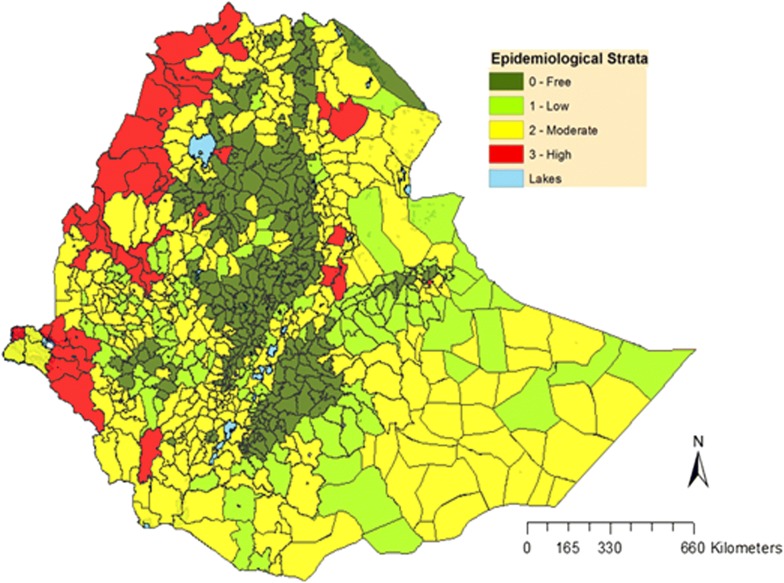
Verification
Claims the paper makes
The claims and statistics of this paper haven’t been checked yet.
Free: it reads the open-access text and checks the first 5 claims that cite a source we can check. Create a free account to check every claim.
Claims other papers make about this one
Each is checked against this paper’s own text: does it say what the citing paper says it does?
The source backs part of the claim, not all of it — or backs it for a different population, condition or comparison.
In the citing paper
“However, IRS has failed at several sites due to lack of knowledge about the local vector population [10–12].”
From Characterization and abundance of malaria vectors in Sakassou, Central Côte d'Ivoire (2025) · cites this paper as [11]
Experimental — accuracy not yet measured
Self-check
Percentages, sums and reported differences re-computed from the paper’s own numbers.
The self-check needs the paper’s full text.
Citations
Cites
Weltgesundheitsorganisation (2005) · Cited by 3,799
Global technical strategy for malaria 2016–2030
Alonso, P. L., Noor, A., Santelli, A. C. F. E. S., Ghani, A. C., de Quadrós, C. A., Karema, C., Gao, Q., Baird, J. K., Conteh, L., Gyapong, M., et al. (2015) · ResearchOnline at James Cook University (James Cook University) · Cited by 853
Characterizing, controlling and eliminating residual malaria transmission
Killeen, G. F. (2014) · Malaria Journal · doi:10.1186/1475-2875-13-330 · Cited by 506
Protopopoff, N., Mosha, J. F., Lukole, E., Charlwood, J. D., Wright, A., Mwalimu, C. D., Manjurano, A., Mosha, F. W., Kisinza, W., Kleinschmidt, I., et al. (2018) · The Lancet · doi:10.1016/s0140-6736(18)30427-6 · Cited by 436
Ecology: A Prerequisite for Malaria Elimination and Eradication
Ferguson, H. M., Dornhaus, A., Beeche, A., Borgemeister, C., Gottlieb, M., Mulla, M. S., Gimnig, J. E., Fish, D., & Killeen, G. F. (2010) · PLoS Medicine · doi:10.1371/journal.pmed.1000303 · Cited by 374 · cited 9×
“Since 2005, in line with RBM initiative, Ethiopia has scaled-up malaria control interventions which now include prompt diagnosis and treatment of cases with artemisinin-based combination therapy (ACT), epidemic prevention and control, information education communication and selective application of vector control tool…”
BackgroundInfluentialFrom malaria control to eradication: The WHO perspective
Mendis, K., Rietveld, A., Warsame, M., Bosman, A., Greenwood, B., & Wernsdorfer, W. H. (2009) · Tropical Medicine & International Health · doi:10.1111/j.1365-3156.2009.02287.x · Cited by 277
Vector Control: Methods for Use by Individuals and Communities
Thompson, R. C. (1998) · Cited by 250
Development and Field Evaluation of a Synthetic Mosquito Lure That Is More Attractive than Humans
Okumu, F. O., Killeen, G. F., Ogoma, S., Biswaro, L., Smallegange, R. C., Mbeyela, E., Titus, E., Munk, C., Ngonyani, H., Takken, W., et al. (2010) · PLoS ONE · doi:10.1371/journal.pone.0008951 · Cited by 206
Eisele, T. P., Larsen, D., & Steketee, R. W. (2010) · International Journal of Epidemiology · doi:10.1093/ije/dyq026 · Cited by 189
Challenges and opportunities in controlling mosquito-borne infections
Ferguson, N. M. (2018) · Nature · doi:10.1038/s41586-018-0318-5 · Cited by 180
Research works printed but not linked: 19
- Marcus B Malaria. Deadly diseases and epidemics series 2009 2 New York Chelsea House
- WHO World malaria report 2017 Geneva World Health Organization
- WHO Roll back malaria information sheet 2002 Geneva World Health Organization
- WHO Global vector control response 2017–2030 2017 Geneva World Health Organization
- WHO Eliminating malaria 2016 Geneva World Health Organization
- World Health Organization Malaria terminology 2017 Geneva World Health Organization
- Bruce LJ Glanville VJ The dynamics of tropical diseases selection of papers 1973 Oxford Oxford University Press
- Ministry of Health An epidemiological profile of malaria in Ethiopia 2014 Ethiopia Addis Ababa
- Ministry of Health National malaria indicator survey 2016 Addis Ababa Ministry of Health
- Adhanom T Deressa W Witten KH Getachew A Seboxa T Epidemiology and ecology of health and disease in Ethiopia 2006 Addis Ababa Shama Books
- Ministry of Health National malaria elimination road map 2016 Ethiopia Addis Ababa
- Ministry of Health National 5-year strategic plan for malaria prevention and control in Ethiopia 2006–2010 2006 Ethiopia Addis Ababa
- Ministry of Health Vector control operational manual for malaria elimination in Ethiopia 2017 Ethiopia Addis Ababa
- WHO Use of indoor residual spraying for scale up global malaria control and elimination: WHO position statement 2006 Geneva World Health Organization
- WHO World Health Organization recommended insecticides for indoor residual spraying against malaria vectors 2015 Geneva World Health Organization
- World Health Organization Ivermectin for malaria transmission control 2016 Geneva World Health Organization
- Zahar AR Vector control operations in the African context Bull World Health Organ. 1984 62 Suppl. 89 100 PMC2536207 6397279
- WHO Handbook on vector control in malaria elimination for the WHO African Region 2015 Geneva World Health Organization
- Ministry of Health Overview of the Ethiopian Health Sector 2012 Addis Ababa Ministry of Health
Cited by
Sougoufara, S., Ottih, E. C., & Tripet, F. (2020) · Parasites & Vectors · doi:10.1186/s13071-020-04170-7 · Cited by 187
Goodwin, A. E., Padmanabhan, S., Hira, S., Glancey, M., Slinowsky, M., Immidisetti, R., Scavo, L., Brey, J., Sudhakar, B. M. M. S., Ford, T., et al. (2021) · Scientific Reports · doi:10.1038/s41598-021-92891-9 · Cited by 98
Solomon, A., Kahase, D., & Alemayehu, M. (2020) · Malaria Journal · doi:10.1186/s12936-020-03182-z · Cited by 60
Alkadir, S., Gelana, T., & Gebresilassie, A. (2020) · Tropical Diseases Travel Medicine and Vaccines · doi:10.1186/s40794-020-00112-4 · Cited by 53
Muhammad, A., Ibrahim, S. S., Mukhtar, M. M., Irving, H., Abajue, M. C., Edith, N. M. A., Da’u, S. S., Paine, M. J. I., & Wondji, C. S. (2021) · PLOS ONE · doi:10.1371/journal.pone.0247944 · Cited by 35
“The control of malaria vectors is reliant on the use of chemical insecticides through indoor residual spraying (IRS), long-lasting lasting insecticidal nets (LLINs) and Insecticide treated mosquito nets (ITNs) [2,3].”
BackgroundAnalysis of trends of malaria from 2010 to 2017 in Boricha District, Southern Ethiopia
Dabaro, D., Birhanu, Z., & Yewhalaw, D. (2020) · Malaria Journal · doi:10.1186/s12936-020-03169-w · Cited by 41
Selvaraj, P., Wenger, E. A., Bridenbecker, D., Windbichler, N., Russell, J. R., Gerardin, J., Bever, C. A., & Nikolov, M. (2020) · PLoS Computational Biology · doi:10.1371/journal.pcbi.1008121 · Cited by 33
Feasibility of Malaria Elimination in Ethiopia
Bugssa, G., & Tedla, K. (2020) · Ethiopian Journal of Health Sciences · doi:10.4314/ejhs.v30i4.16 · Cited by 29
“number of health professionals in all parts of the country (15).”
BackgroundInfluentialZarenezhad, E., Ranjbar, N., Firooziyan, S., Ghoorkhanian, M., & Osanloo, M. (2021) · International Journal of Tropical Insect Science · doi:10.1007/s42690-021-00615-3 · Cited by 23
Molla, E., Behaksra, S. W., Tadesse, F. G., Dugassa, S., Gadisa, E., & Mamo, H. (2021) · BMC Infectious Diseases · doi:10.1186/s12879-021-05783-8 · Cited by 21
“Such co-endemicity makes malaria control and elimination more complicated in Ethiopia than in most other areas where the later species is absent or very low [2, 3].”
BackgroundEba, K., Habtewold, T., Asefa, L., Degefa, T., Yewhalaw, D., & Duchateau, L. (2023) · Malaria Journal · doi:10.1186/s12936-023-04440-6 · Cited by 20
“A study documented that malaria transmission considerably reduced in Ethiopia as a result of available malaria vector control tools [20].”
BackgroundDebash, H., Nigatie, M., Bisetegn, H., Feleke, D. G., Tesfaw, G., Amha, A., Abate, M. A., & Gedefie, A. (2023) · Scientific Reports · doi:10.1038/s41598-023-36918-3 · Cited by 20
Global Catastrophic Biological Risks in the Post-COVID-19 World: Time to Act Is Now
Kambouris, M. E. (2023) · OMICS A Journal of Integrative Biology · doi:10.1089/omi.2022.0178 · Cited by 18
“…of vector mosquitoes is the best way to prevent the disease from ever occurring; the drainage of swamps so as to eliminate the whole mosquito population, niche, habitat, and all (Gari and Lindtjørn, 2018), along with several other populations obviously, is a time-honored practice to this end.”
Mathematical Model for Malaria Disease Transmission
Alhaj, M. S. (2023) · Journal of Mathematical Analysis and Modeling · doi:10.48185/jmam.v4i1.688 · Cited by 17
“From [38, 39] we can use interventions that guarantee increase µ m and decrease Λ m such as Space spraying, and Larval control measures.”
MethodVertebrate Responses against Arthropod Salivary Proteins and Their Therapeutic Potential
Olajiga, O. M., Holguin-Rocha, A. F., Rippee‐Brooks, M. D., Eppler, M., Harris, S. L., & Londono-Renteria, B. L. (2021) · Vaccines · doi:10.3390/vaccines9040347 · Cited by 15
Kassie, G. A., Azeze, G. A., Gebrekidan, A. Y., Lombebo, A. A., Adella, G. A., Haile, K. E., Dendir, G., Efa, A. G., & Asgedom, Y. S. (2024) · Parasite Epidemiology and Control · doi:10.1016/j.parepi.2024.e00339 · Cited by 17
“Ethiopia launched malaria elimination program by 2030 and implemented efforts such as early diagnosis, prompt treatment, and vector control measures (Gari and Lindtj ø rn, 2018).”
Debash, H., Tesfaw, G., Ebrahim, H., Shibabaw, A., Melese, Y., Tilahun, M., Alemayehu, E., Mohammed, O., Tesfaye, M., & Abate, M. (2023) · Health Science Reports · doi:10.1002/hsr2.1336 · Cited by 14
“The national malaria prevention and control strategies recommend the application of the IRS at least once a year with 100% coverage and at least one ITN per two people in malaria high‐risk areas.(42) Despite this fact, IRS was not applied before the study period, and early replacement of ITNs was not done.”
BackgroundAkoton, R., Sovegnon, P. M., Djihinto, O., Medjigbodo, A. A., Agonhossou, R., Saizonou, H. D. M., Tchigossou, G., Atoyebi, S. M., Tossou, E., Zeukeng, F., et al. (2023) · Malaria Journal · doi:10.1186/s12936-023-04815-9 · Cited by 17
“The control of the major malaria vectors in endemics area is one of an important ways to interrupt the transmission of this disease [61].”
BackgroundA Multiscale Mathematical Model of Plasmodium Vivax Transmission
Anwar, M. N., Hickson, R. I., Mehra, S., McCaw, J. M., & Flegg, J. A. (2022) · Bulletin of Mathematical Biology · doi:10.1007/s11538-022-01036-0 · Cited by 13
“For example, the use of insecticide-treated nets (ITNs), indoor residual spraying (IRS), and long-lasting insecticide-treated nets (LLINs) can reduce the number ofmosquitoes (Bowen 2013;Hawley et al. 2003;Gari and Lindtjørn 2018).”
BackgroundTarekegn, M., Tekie, H., Woldehawariat, Y., & Dugassa, S. (2022) · International Journal of Tropical Insect Science · doi:10.1007/s42690-022-00821-7 · Cited by 13
“Considering this, interests are rising to use larval source management as a part of integrated vector management in the country (Gari and Lindtjørn 2018; Asale et al. 2019).”
BackgroundWendimu, A., & Tekalign, W. (2021) · Heliyon · doi:10.1016/j.heliyon.2021.e07373 · Cited by 11
Mathematical Assessment of the Role of Intervention Programs for Malaria Control
Korsah, M. A., Johnston, S. T., Tiedje, K. E., Day, K. P., Flegg, J. A., & Walker, C. R. (2024) · Bulletin of Mathematical Biology · doi:10.1007/s11538-024-01321-0 · Cited by 12
“…historical success, these measures have drawbacks such as limited coverage (i.e., only target indoor transmission), being costly to implement and maintain, and potentially leading to the development of insecticide resistance in mosquitoes (Ojuka et al. 2015; WHO 2018; Gari and Lindtjørn 2018).”
BackgroundAbossie, A., Demissew, A., Getachew, H., Tsegaye, A., Degefa, T., Habtamu, K., Zhong, D., Wang, X., Lee, M., Zhou, G., et al. (2024) · Parasites & Vectors · doi:10.1186/s13071-023-06088-2 · Cited by 11
“…elimination efforts, studies also have suggested a combination of vector control interventions, such as intensifying LLINs, IRS, modified outdoor trapping, animal-based interventions, improved housing and local larva control, for both indoor and outdoor malaria transmission control [17, 55, 65].”
BackgroundStatus of persistent organic pollutants in Ethiopia
Debela, S. A., Sheriff, I., Daba, C., Tefera, Y. M., Bedada, D., & Gebrehiwot, M. (2023) · Frontiers in Environmental Science · doi:10.3389/fenvs.2023.1182048 · Cited by 10
“As a result, the Ministry of Health has been using alternative non-POP chemicals, such as piperonyl butoxide, pyrethroid, and carbamates, since 2018 (Gari and Lindtjorn, 2018).”
MethodMekasha, Y. T., Tegegne, A. A., Mashe, T., Girma, M., Hasen, G., & Belew, S. (2025) · Tropical Medicine & International Health · doi:10.1111/tmi.70072 · Cited by 10
“However, while LLINs and IRS have proven effective in controlling malaria transmission, they alone are not sufficient to achieve malaria elimination [7].”
Bukhari, T., Aimanianda, V., Bischoff, E., Brito‐Fravallo, E., Eiglmeier, K., Riehle, M. M., Vernick, K. D., & Mitri, C. (2022) · Scientific Reports · doi:10.1038/s41598-022-10190-3 · Cited by 10
Jin, L., Niu, G., Guan, L., Ramelow, J., Zhan, Z., Zhou, X., & Li, J. (2021) · Parasites & Vectors · doi:10.1186/s13071-021-05089-3 · Cited by 11
Debash, H., Alemayehu, E., Belete, M. A., Ebrahim, H., Mohammed, O., Gebretsadik, D., Tilahun, M., Shibabaw, A., Mulatie, Z., Eshetu, B., et al. (2024) · PLoS ONE · doi:10.1371/journal.pone.0311931 · Cited by 8
Zeleke, M. T., Gelaye, K. A., & Azage, M. (2022) · PLoS ONE · doi:10.1371/journal.pone.0274500 · Cited by 8
“Malaria control efforts have been focused on vector control strategies such as Long Lasting Insecticide Treated Nets (LLINs), Indoor Residual Spraying (IRS), and environmental management to reduce adult mosquito populations and human mosquito contact and eradicate mosquito breeding inhabitants [8].”
BackgroundLukubwe, O., Mwema, T., Joseph, R. N., Maliti, D. F., Iitula, I., Katokele, S. T., Uusiku, P., Walusimbi, D., Ogoma, S. B., Gueye, C. S., et al. (2023) · Parasites & Vectors · doi:10.1186/s13071-023-05822-0 · Cited by 8
Dabaro, D., Birhanu, Z., Adissu, W., Yilma, D., & Yewhalaw, D. (2023) · Malaria Journal · doi:10.1186/s12936-023-04722-z · Cited by 7
Adugna, T., Zelalem, L., & Alelign, G. (2024) · Tropical Diseases Travel Medicine and Vaccines · doi:10.1186/s40794-024-00219-y · Cited by 7
“…net application, the skill of the laboratory personnel to detect and identify malaria parasites, differences in insecticide application in the districts, expansion of irrigation, insecticide and drug resistance, and differences in health-seeking behavior of suspected individuals [26, 31, 36, 37].”
BackgroundWoldesenbet, D., Tegegne, Y., Semaw, M., Abebe, W., Barasa, S., Wubetie, M., Tamene, E., Anteneh, M., Yimer, A., & Wolde, D. (2024) · Journal of Parasitology Research · doi:10.1155/2024/8919098 · Cited by 7
“The emergence and reintroduction of malaria in previously eliminated or reduced locations is becoming a new challenge for malaria elimination e ff orts [20].”
BackgroundDePina, A. J., Gomes, J. A. L., Moreira, A. L., & Niang, E. H. A. (2025) · PLOS Global Public Health · doi:10.1371/journal.pgph.0004153 · Cited by 7
Onen, H., Kaindoa, E. W., Nkya, J. D., Limwagu, A. J., Kaddumukasa, M. A., Okumu, F. O., Kayondo, J., Akol, A. M., & Tripet, F. (2025) · Malaria Journal · doi:10.1186/s12936-025-05242-8 · Cited by 7
Nieto-Sánchez, C., Dens, S., Solomon, K., Haile, A., Yuan, Y., Hawer, T., Yewhalaw, D., Addissie, A., & Grietens, K. P. (2022) · PLOS Global Public Health · doi:10.1371/journal.pgph.0000173 · Cited by 7
“However, current vector control interventions, mainly LLINs and IRS, are becoming less effective due to insecticide resistance, outdoor transmission, and change in vector biting and resting behavior [28].”
BackgroundWoyessa, D., & Yewhalaw, D. (2024) · Current Research in Parasitology and Vector-Borne Diseases · doi:10.1016/j.crpvbd.2024.100224 · Cited by 8
“A study in Ethiopia also indicated that certain malaria vector species have already undergone behavioural modifications, potentially in response to the scale-up of indoor-based malaria vector control tool (Gari and Lindtj ø rn, 2018).”
Msangi, G., Olotu, M. I., Mahande, A. M., Philbert, A., Kweka, E. J., & Dash, A. P. (2020) · Journal of Tropical Medicine · doi:10.1155/2020/8017187 · Cited by 6
“However, the main challenges associated with LLINs and IRS are insecticide resistance, improper use of the interventions, host behaviour, such as staying outdoor during early night or sleeping outdoor without using protective measures, and vector behaviour including outdoor biting and outdoor resting [21].”
BackgroundImpact of asymptomatic infections on malaria transmission dynamics
Haringo, A. T., Obsu, L. L., & Bushu, F. K. (2025) · Infectious Disease Modelling · doi:10.1016/j.idm.2025.07.012 · Cited by 5
“Additionally, artemisinin-based combination therapy (ACT) (Gari & Lindtjørn, 2018; Mattah et al., 2017), and awareness campaign (Febiriana et al., 2024) are crucial in preventing the spread of malaria.”
Malaria vector control strategies in Pakistan: a scoping review
Irshad, H. A., Jehanzeb, H., Yaseen, A., Saleem, U., Javaid, M. D., Tareen, H. K., Mukhtar, M. M., Silveira, H., & Beg, M. A. (2025) · BMC Infectious Diseases · doi:10.1186/s12879-025-11347-x · Cited by 5
“Initiatives within countries are limited by their setting and available resources [78].”
Lelisa, K., Hailemeskel, E., Bekele, D., & Dugassa, S. (2023) · Parasitology Research · doi:10.1007/s00436-023-07923-2 · Cited by 6
“This might partly be explained due to the aggressive measure/intervention undertaken to eliminate falciparum with ACT (FMOH 2020; Gari and Lindtjørn 2018; Girum et al.”
BackgroundInfluentialEukubay, A., Bennett, K. L., Tekie, H., Hernández-Koutoucheva, A., Gemechu, F., Miles, A., Abera, D., Clarkson, C. S., & Golassa, L. (2026) · Scientific Reports · doi:10.1038/s41598-026-59658-6 · Cited by 3
“The historical use of DDT-based IRS since the 1960s 72 , followed by the scale-up of pyrethroid-based LLINs since 2005 73 , has been similarly applied across all malarious areas in Ethiopia.”
Mekasha, W., Daba, C., Malede, A., Debela, S. A., & Gebrehiwot, M. (2022) · Frontiers in Public Health · doi:10.3389/fpubh.2022.913905 · Cited by 3
Insecticide Resistance Markers in Anopheles gambiae Complex: Trends and Prospects
Oniha, M. I., & Aina, M. O. (2025) · Springer eBooks · doi:10.1007/978-3-031-86002-7_11 · Cited by 3
Characterization and abundance of malaria vectors in Sakassou, Central Côte d'Ivoire
Bellai, L. G., Koudou, B. G., Utzinger, J., Müller, P., & Edi, C. A. V. (2025) · Malaria Journal · doi:10.1186/s12936-025-05451-1 · Cited by 2
Rachmat, B., Soerachman, R., Senewe, F. P., Marina, R., Massie, R. G. A., Lasut, D., & Suratri, M. A. L. (2023) · Universal Journal of Public Health · doi:10.13189/ujph.2023.110308 · Cited by 2
Challenges in Malaria Control and Prevention in East Africa
Ndayishimiye, H. P. (2024) · NEWPORT INTERNATIONAL JOURNAL OF BIOLOGICAL AND APPLIED SCIENCES · doi:10.59298/nijbas/2024/5.2.24271 · Cited by 2
The Implications of Malaria in Livestock: Reservoirs, Challenges, and Future Directions
Al-Badrani, B. A., Al-Farwachi, M. I., Iqbal, M. N., Pacific Science Media, I., & Ashraf, A. (2024) · Iranian Journal of Veterinary Medicine · doi:10.32598/ijvm.18.3.1005502 · Cited by 2
Lelisa, K., Golassa, L., Woldehawariat, Y., & Dugassa, S. (2024) · Environmental Health Insights · doi:10.1177/11786302241267186 · Cited by 1
A power analysis framework to aid the design of robust semi-field vector control experiments
Kipingu, A. M., Lwetoijera, D. W., Ng’habi, K. R., Kiware, S. S., Viana, M., & Johnson, P. (2025) · Malaria Journal · doi:10.1186/s12936-025-05454-y · Cited by 1
“…[2], the development of mosquito behavioural and insecticide resistance [3–5], and changing mosquito species composition [6–9], these interventions have not been sufficient to continue or improve the trend of declining malaria cases, so they need to be complemented with other tools [10–13].”
BERBAGAI METODE INTERVENSI UNTUK PENGENDALIAN VEKTOR MALARIA: NARATIF REVIEW
FITRIANA, Y., Windusari, Y., & Hasyim, H. (2023) · Journal of Nursing and Public Health · doi:10.37676/jnph.v11i1.4120 · Cited by 1
“Munculnya resistensi insektisida dengan cepat ini tentunya dapat mengancam tercapainya tujuan pemberantasan malaria (Gari and Lindtjørn, 2018).”
BackgroundZhang, Z., Xu, B., Guo, X., & Guo, Y. (2024) · Frontiers research topics · doi:10.3389/978-2-8325-4666-6 · Cited by 1
Daba, C., Kebede, E., Atamo, A., & Reda, S. (2021) · Research Square · doi:10.21203/rs.3.rs-624263/v1 · Cited by 1
When worlds collide: where and when anophelines and humans interact
Pollard, E. J. M. (2019) · ResearchOnline at James Cook University (James Cook University) · doi:10.25903/5e7947004d999
Daba, C., Kebede, E., & Atamo, A. (2021) · Research Square · doi:10.21203/rs.3.rs-447896/v1
Lindtjørn, B., Massebo, F., Gari, T., & Hailemariam, S. (2021) · medRxiv · doi:10.1101/2021.10.01.21264396
Self-citationJianyun, S., Jinmei, L., Shuanglin, J., & Nan, J. (2024) · Pakistan Journal of Zoology · doi:10.17582/journal.pjz/20221108091105
Unravelling the Evolutionary History of Malaria Vectors: Insights from Functional Genes
Srivastava, H. (2024) · African Journal of Biomedical Research · doi:10.53555/ajbr.v27i3s.2656
Muhammed, M., Eukubay, A., Amde, A., Hansha, H., Elias, D., Asafa, O., Abdela, A., & Gebresilassie, A. (2024) · International Journal of Tropical Insect Science · doi:10.1007/s42690-024-01400-8
“However, the spread of vector resistance has led to a critical problem in mosquito control intervention (Gari and Lindtjørn 2018).”
Underused Alternative Techniques for Mosquito Control
Jones, R. G., & Messenger, L. A. (2024) · CABI eBooks · doi:10.1079/9781789248845.0012
Molla, E., Behaksra, S. W., Tadesse, F. G., Dugassa, S., Gadisa, E., & Mamo, H. (2021) · Figshare · doi:10.6084/m9.figshare.13627250
Abossie, A., Demissew, A., Getachew, H., Tsegaye, A., Degefa, T., Habtamu, K., Zhong, D., Wang, X., Lee, M.-C., Zhou, G., et al. (2024) · Figshare · doi:10.6084/m9.figshare.26677712
Abossie, A., Demissew, A., Getachew, H., Tsegaye, A., Degefa, T., Habtamu, K., Zhong, D., Wang, X., Lee, M.-C., Zhou, G., et al. (2024) · Figshare · doi:10.6084/m9.figshare.25157407
Abossie, A., Demissew, A., Getachew, H., Tsegaye, A., Degefa, T., Habtamu, K., Zhong, D., Wang, X., Lee, M.-C., Zhou, G., et al. (2024) · Figshare · doi:10.6084/m9.figshare.25157807
Akoton, R., Sovegnon, P. M., Djihinto, O., Medjigbodo, A. A., Agonhossou, R., Saizonou, H. D. M., Tchigossou, G., Atoyebi, S. M., Tossou, E., Zeukeng, F., et al. (2024) · Figshare · doi:10.6084/m9.figshare.24892961
Akoton, R., Sovegnon, P. M., Djihinto, O., Medjigbodo, A. A., Agonhossou, R., Saizonou, H. D. M., Tchigossou, G., Atoyebi, S. M., Tossou, E., Zeukeng, F., et al. (2023) · Figshare · doi:10.6084/m9.figshare.24892817
Alula, M. T., Tegegne, B., Setegn, A., Yimer, M., Tefera, M. W., Gedfie, S., Ashagre, A., Abere, A., Tamir, M., Mezgebu, B., et al. (2026) · BMC Infectious Diseases · doi:10.1186/s12879-026-13231-8
“…and control measures, which include prompt diagnosis and treatment of cases with artemisinin-based combination therapy (ACT), the use of long-lasting insecticidal nets (LLINs), and indoor residual spraying (IRS) [6], malaria remains a significant public health problem in Ethiopia [7, 8].”
SkitoSnack 2.0 - A Bloodmeal Alternative for Anopheles and Aedes Mosquitoes
Karki, A., Luker, H. A., Potlapalli, N. N. R., Holguin, F. O., Berwal, M., Pietrantonio, P. V., & Hansen, I. A. (2026) · PLoS neglected tropical diseases · doi:10.1371/journal.pntd.0014188
“At present, insecticides are the most widely used tactic for controlling vector populations in malaria-endemic regions [2,3].”
Gudeta, E. A., Mengistu, D. M., & Sissay, M. M. (2026) · Journal of Parasitology Research · doi:10.1155/japr/9689904
Tesfaye, L., Aklilu, E., Tolossa, K., & Animut, A. (2026) · Tropical Medicine and Health · doi:10.1186/s41182-026-01029-y
“Despite the widespread use of insecticide-treated nets (ITNs) and, in some cases, indoor residual insecticide spraying (IRS), mosquito populations continue to adapt and persist [5].”
Metadata
- Authors
- Gari, T., & Lindtjørn, B.
- Affiliations
- Hawassa University (ET)
- University of Bergen (NO)
- Corresponding author
- Gari, Taye
- Venue
- Malaria Journal
- Published
- 2018-12
- Volume
- 17
- Issue
- 1
- Pages
- 454-454
- ISSN
- 1475-2875 (ISSN-L)
- PMC
- PMC6282332
- OpenAlex
- W2902876696
- Cited by
- 63
- References
- 55
- Citations by year
- 2026: 4 · 2025: 7 · 2024: 15 · 2023: 12 · 2022: 7 · 2021: 10 · 2020: 7 · 2019: 1
- FWCI
- 0.82
- Type
- journal article
- Language
- en
- Open access
- gold
- doi.org
- Licence
- cc-by
- creativecommons.org/licenses/by/4.0/ (tdm)
- Locations
- Malaria Journal (publishedVersion, cc-by)
- Europe PMC (PubMed Central) (publishedVersion, other-oa)
- PubMed Central (publishedVersion, cc-by)
- PubMed (publishedVersion)
- DOAJ (DOAJ: Directory of Open Access Journals) (submittedVersion)
- Funders
- Universitetet i Bergen
- Hawassa University
- Topics
- Health Sciences › Medicine › Public Health, Environmental and Occupational Health › Malaria Research and Control
- Health Sciences › Medicine › Public Health, Environmental and Occupational Health › Mosquito-borne diseases and control
- Health Sciences › Medicine › Public Health, Environmental and Occupational Health › Dengue and Mosquito Control Research
- Keywords
- malaria elimination, vector control, long-lasting insecticidal nets, indoor residual spraying, insecticide resistance, zooprophylaxis, larval source management, outdoor biting, host behavior, Ethiopia
- MeSH terms
- Mosquito Vectors, Animals, Anopheles, Ethiopia, Humans, Insecticide Resistance, Insecticides, Malaria, Mosquito Control, Insecticide-Treated Bednets
About these checks
Registry, retraction, Cites and statistics results are computed, not judged, with one exception: a printed reference that no index lists is read once by a model before it counts as a citation error. Claims are extracted by a model and kept only when their quote appears verbatim in the text; each cited source is then checked, with a model’s help, for whether it says what the claim relies on. Those verdicts can be wrong — read the claim’s quote and the cited source before relying on one.
Statistics and arithmetic are recomputed, not judged.
Confidence bands are shown only for fields calibrated on our annotated test set. None is calibrated yet, so no band is shown.
What counts as a claim ›How we measure confidence ›How we check this ›
Are you an author, or do you see a problem with this page? Request a review
Data sources
Bibliographic data: Semantic Scholar, OpenAlex, Crossref.
Contains information from the Semantic Scholar Academic Graph Datasets, made available under the ODC Attribution License (ODC-BY 1.0).
Semantic Scholar’s data is described in: Kinney, R., et al. (2023). The Semantic Scholar Open Data Platform. arXiv:2301.10140.
