

The DOI matches its Crossref record; 58 of the 59 references it cites were found in a registry or an index.
LncRNA PVT1 promotes gemcitabine resistance of pancreatic cancer via activating Wnt/β-catenin and autophagy pathway through modulating the miR-619-5p/Pygo2 and miR-619-5p/ATG14 axes
Open accessAbstract
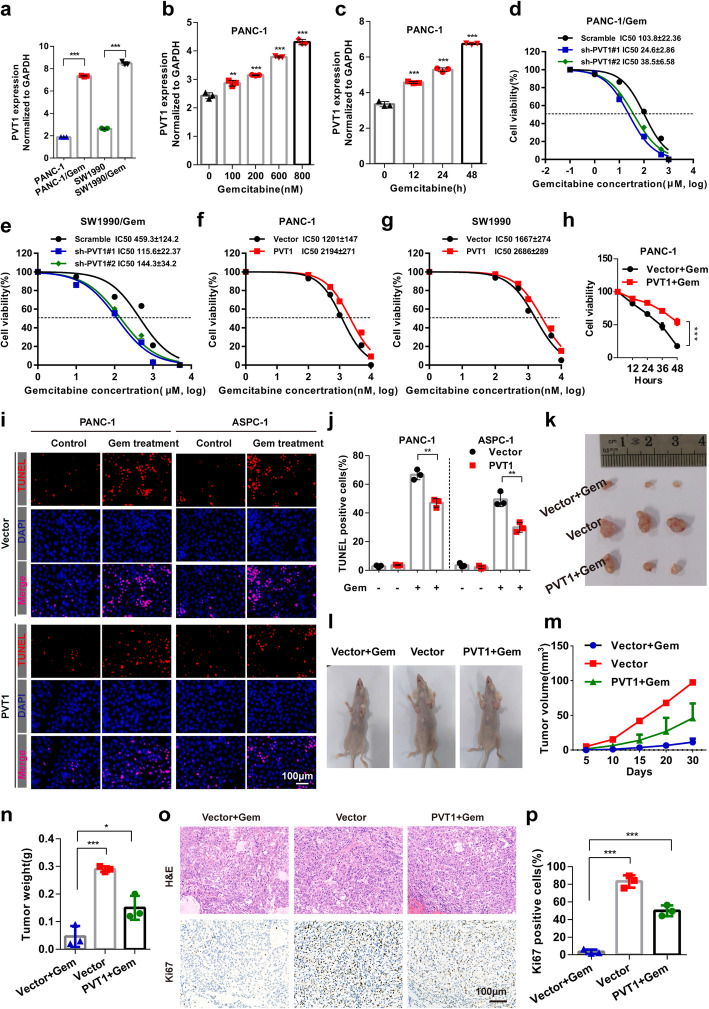
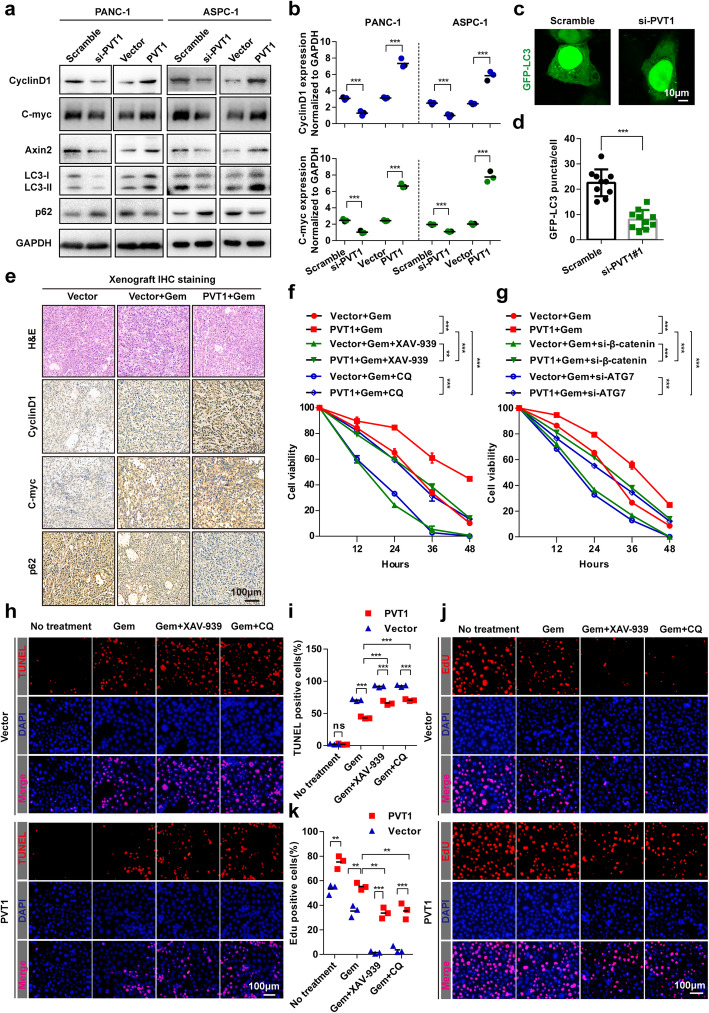
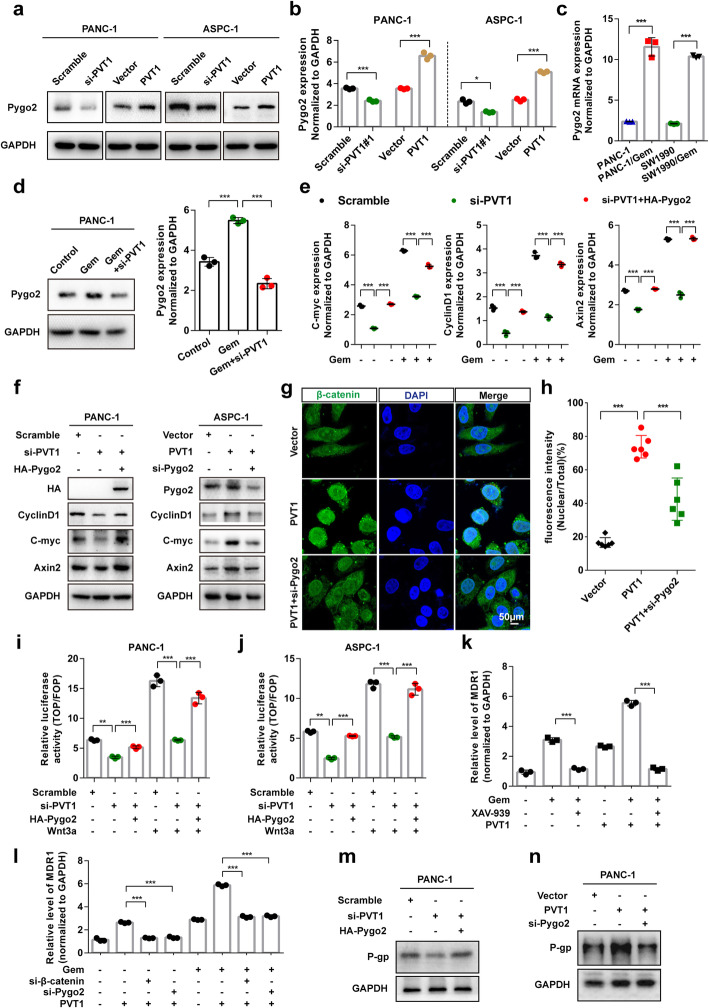
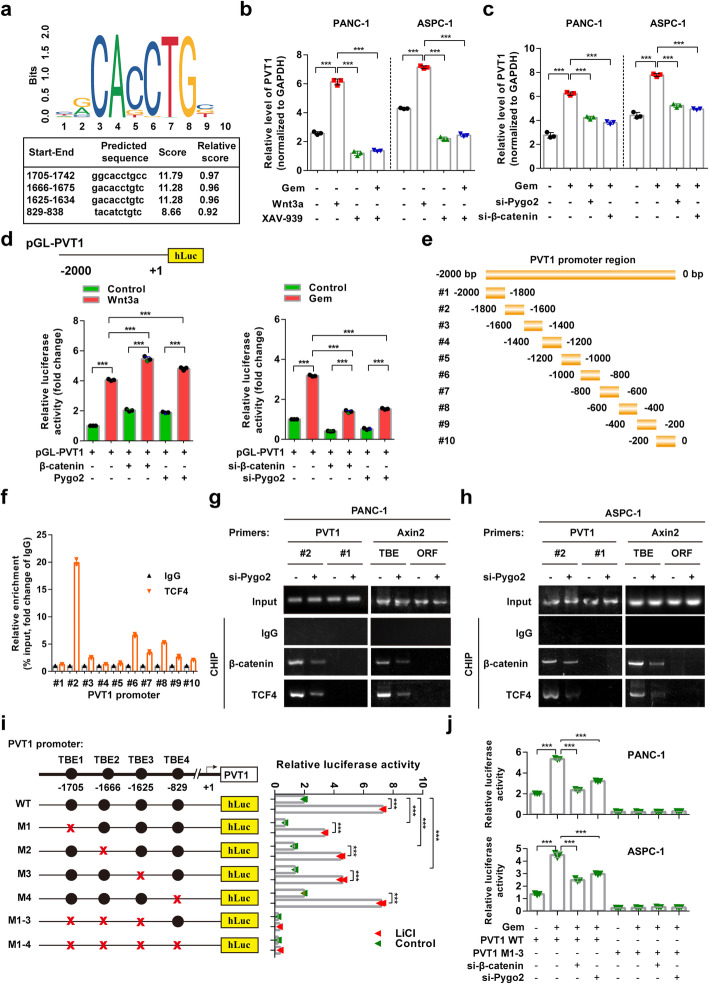
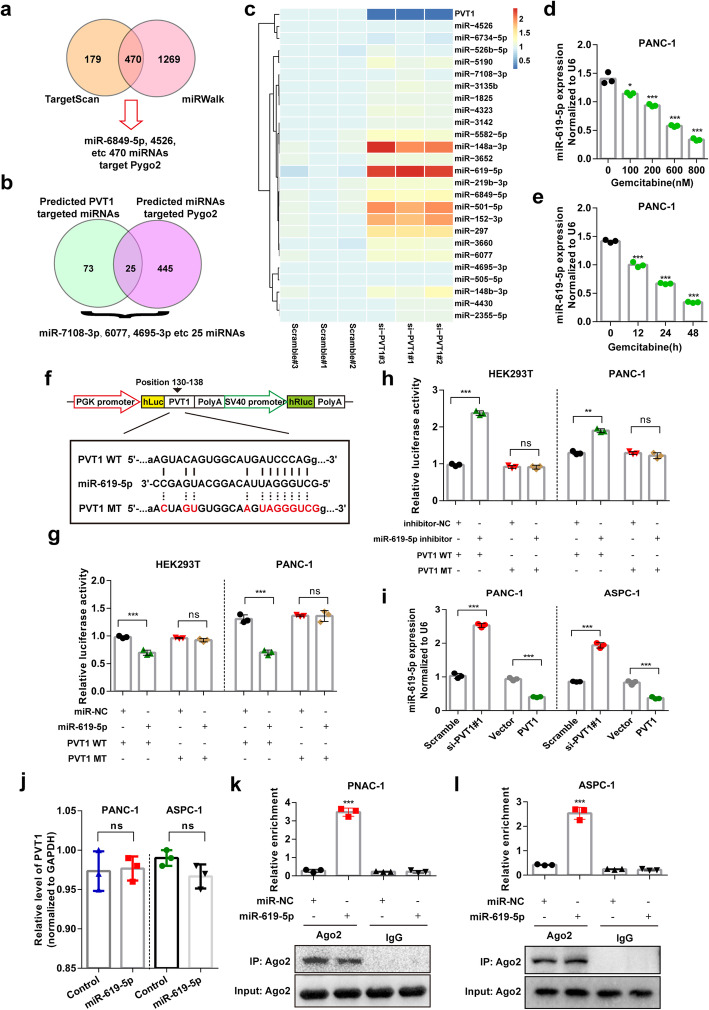
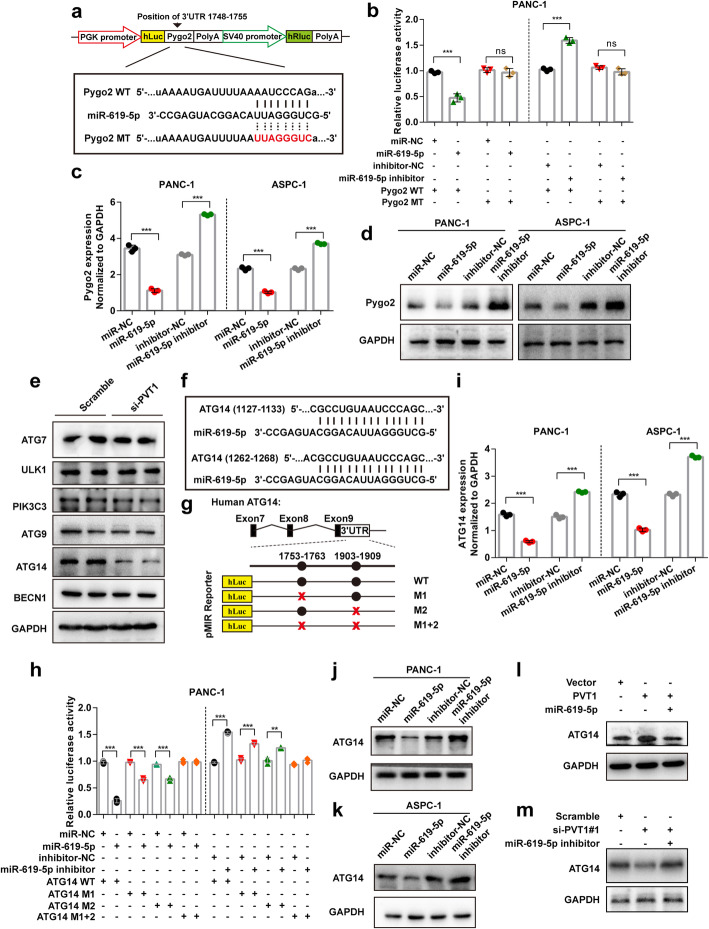
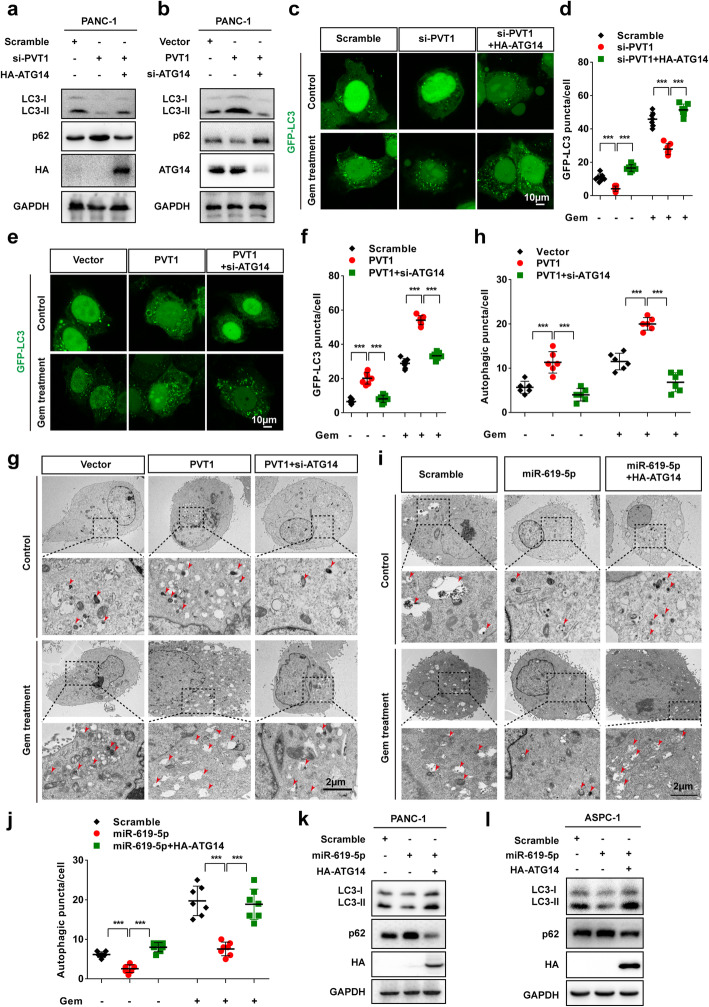
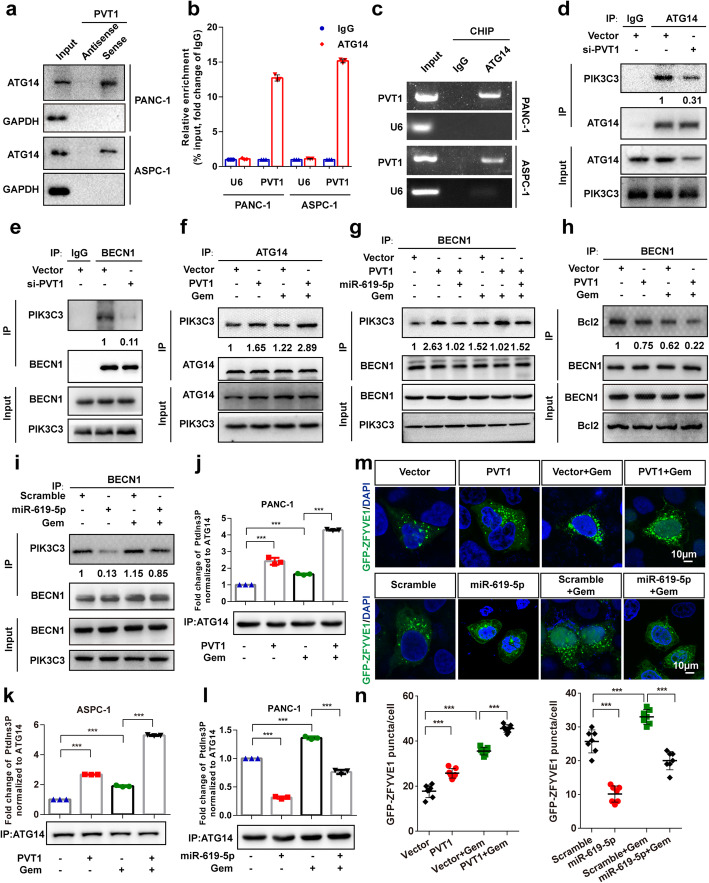
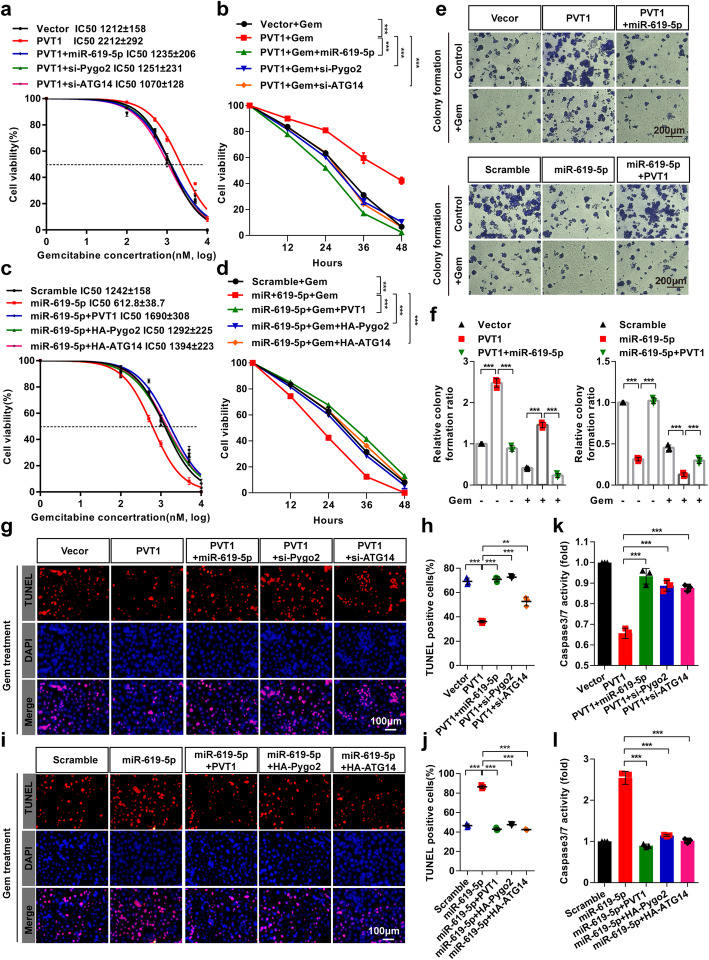
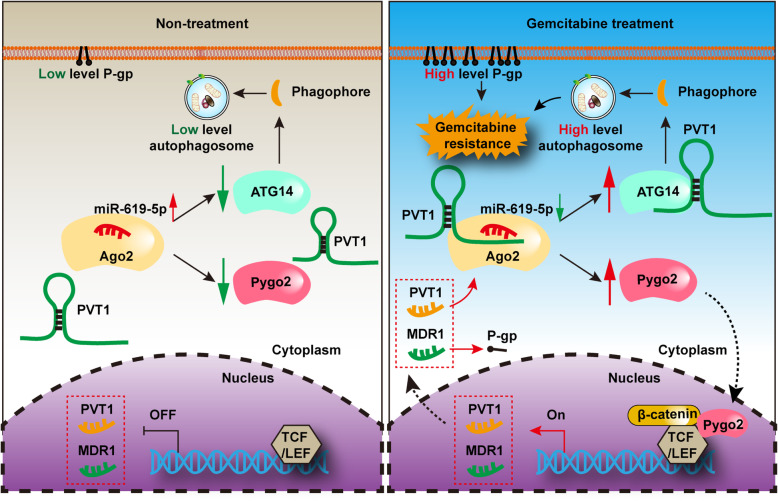
Background: Pancreatic cancer is one of the most lethal malignancies and has an extremely poor diagnosis and prognosis. The development of resistance to gemcitabine is still a major challenge. The long noncoding RNA PVT1 was reported to be involved in carcinogenesis and chemoresistance; however, the mechanism by which PVT1 regulates the sensitivity of pancreatic cancer to gemcitabine remains poorly understood. Methods: The viability of pancreatic cancer cells was assessed by MTT assay in vitro and xenograft tumor formation assay in vivo. The expression levels of PVT1 and miR-619-5p were detected by quantitative real-time polymerase chain reaction (qRT-PCR). Western blotting analysis and qRT-PCR were performed to assess the protein and mRNA levels of Pygo2 and ATG14, respectively. Autophagy was explored via autophagic flux detection under confocal microscopy and autophagic vacuole investigation under transmission electron microscopy (TEM). The functional role and mechanism of PVT1 were further investigated by gain- and loss-of-function assays in vitro. Results: In the present study, we demonstrated that PVT1 was up-regulated in gemcitabine-resistant pancreatic cancer cell lines. Gain- and loss-of-function assays revealed that PVT1 impaired sensitivity to gemcitabine in vitro and in vivo. We further found that PVT1 up-regulated the expression of both Pygo2 and ATG14 and thus regulated Wnt/β-catenin signaling and autophagic activity to overcome gemcitabine resistance through sponging miR-619-5p. Moreover, we discovered three TCF/LEF binding elements (TBEs) in the promoter region of PVT1, and activation of Wnt/β-catenin signaling mediated by the up-regulation of Pygo2 increased PVT1 expression by direct binding to the TBE region. Furthermore, PVT1 was discovered to interact with ATG14, thus promoting assembly of the autophagy specific complex I (PtdIns3K-C1) and ATG14-dependent class III PtdIns3K activity. Conclusions: These data indicate that PVT1 plays a critical role in the sensitivity of pancreatic cancer to gemcitabine and highlight its potential as a valuable target for pancreatic cancer therapy.
Overview
The claims and statistics of this paper haven’t been checked yet.
Run the check — free, no account needed. It reads the open-access text and checks the sources it cites.
Integrity signals
Registry
Cites
Statistics
Figures
Verification
Claims the paper makes
The claims and statistics of this paper haven’t been checked yet.
Run the check — free, no account needed. It reads the open-access text and checks the sources it cites.
Claims other papers make about this one
Each is checked against this paper’s own text: does it say what the citing paper says it does?
The source backs part of the claim, not all of it — or backs it for a different population, condition or comparison.
In the citing paper
“the PI3K/AKT pathway and increased activity of the Wnt/β‐catenin pathway contribute to the mechanisms by which PDAC cells develop drug resistance [49, 50]”
From Pyrvinium Pamoate Alone and With Gemcitabine Exhibits Anti‐Pancreatic Cancer Activity in 2D and 3D Cell Culture Models (2024) · cites this paper as [50]
Experimental — accuracy not yet measured
Self-check
Percentages, sums and reported differences re-computed from the paper’s own numbers.
The self-check needs the paper’s full text.
Citations
Cites
Analysis of Relative Gene Expression Data Using Real-Time Quantitative PCR and the 2−ΔΔCT Method
Livak, K. J., & Schmittgen, T. D. (2001) · Methods · doi:10.1006/meth.2001.1262 · Cited by 180,860
Siegel, R. L., Miller, K. D., & Jemal, A. (2018) · CA A Cancer Journal for Clinicians · doi:10.3322/caac.21442 · Cited by 16,632
Guidelines for the use and interpretation of assays for monitoring autophagy (3rd edition).
Klionsky, D. J., Abdelmohsen, K., Abe, A., Abedin, M. J., Abeliovich, H., Acevedo Arozena, A., Adachi, H., Adams, C. M., Adams, P. D., Adeli, K., et al. (2016) · Autophagy · doi:10.1080/15548627.2015.1100356 · Cited by 5,894
Autophagy as a Regulated Pathway of Cellular Degradation
Klionsky, D. J., & Emr, S. D. (2000) · Science · doi:10.1126/science.290.5497.1717 · Cited by 3,630
FOLFIRINOX or Gemcitabine as Adjuvant Therapy for Pancreatic Cancer
Conroy, T., Hammel, P., Hebbar, M., Ben Abdelghani, M., Wei, A. C., Raoul, J.-L., Choné, L., Francois, E., Artru, P., Biagi, J. J., et al. (2018) · New England Journal of Medicine · doi:10.1056/nejmoa1809775 · Cited by 2,874
Levy, J. M. M., Towers, C. G., & Thorburn, A. (2017) · Nature Reviews Cancer · doi:10.1038/nrc.2017.53 · Cited by 2,526
Fusobacterium nucleatum Promotes Chemoresistance to Colorectal Cancer by Modulating Autophagy
Yu, T., Guo, F., Yu, Y., Sun, T., Ma, D., Han, J., Qian, Y., Kryczek, I., Sun, D., Nagarsheth, N., et al. (2017) · Cell · doi:10.1016/j.cell.2017.07.008 · Cited by 2,198
Endogenous microRNA sponges: evidence and controversy
Thomson, D. W., & Dinger, M. E. (2016) · Nature Reviews Genetics · doi:10.1038/nrg.2016.20 · Cited by 2,185
Nutrient-dependent mTORC1 Association with the ULK1–Atg13–FIP200 Complex Required for Autophagy
Hosokawa, N., Hara, T., Kaizuka, T., Kishi, C., Takamura, A., Miura, Y., Iemura, S.-I., Natsume, T., Takehana, K., Yamada, N., et al. (2009) · Molecular Biology of the Cell · doi:10.1091/mbc.e08-12-1248 · Cited by 2,076
Gutschner, T., & Diederichs, S. (2012) · RNA Biology · doi:10.4161/rna.20481 · Cited by 1,844
JASPAR 2020: update of the open-access database of transcription factor binding profiles
Fornes, O., Castro-Mondragon, J. A., Khan, A., van der Lee, R., Zhang, X., Richmond, P. A., Modi, B. P., Correard, S., Gheorghe, M., Baranašić, D., et al. (2019) · Nucleic Acids Research · doi:10.1093/nar/gkz1001 · Cited by 1,763
Self-citationLncRNA-mediated regulation of cell signaling in cancer
Peng, W.-X., Koirala, P., & Mo, Y.-Y. (2017) · Oncogene · doi:10.1038/onc.2017.184 · Cited by 1,649
Differential Regulation of Distinct Vps34 Complexes by AMPK in Nutrient Stress and Autophagy
Kim, J., Kim, Y. C., Fang, C., Russell, R. C., Kim, J. H., Fan, W., Liu, R., Zhong, Q., & Guan, K. (2013) · Cell · doi:10.1016/j.cell.2012.12.016 · Cited by 829
Purhonen, J., Banerjee, R., McDonald, A. E., Fellman, V., & Kallijärvi, J. (2020) · Nucleic Acids Research · doi:10.1093/nar/gkaa516 · Cited by 657
Predicting RNA-Protein Interactions Using Only Sequence Information
Muppirala, U. K., Honavar, V., & Dobbs, D. L. (2011) · BMC Bioinformatics · doi:10.1186/1471-2105-12-489 · Cited by 583
Han, P., Li, J., Zhang, B., Lv, J., Li, Y., Gu, X.-Y., Yu, Z.-W., Jia, Y., Bai, X., Li, L., et al. (2017) · Molecular Cancer · doi:10.1186/s12943-017-0583-1 · Cited by 496
The myc Oncogene: arvelouslomplex
Oster, S. K., Ho, C. S. W., Soucie, E. L., & Penn, L. Z. (2002) · Advances in cancer research · doi:10.1016/s0065-230x(02)84004-0 · Cited by 465
Macrophage Akt1 Kinase-Mediated Mitophagy Modulates Apoptosis Resistance and Pulmonary Fibrosis
Larson-Casey, J. L., Deshane, J. S., Ryan, A. J., Thannickal, V. J., & Carter, A. B. (2016) · Immunity · doi:10.1016/j.immuni.2016.01.001 · Cited by 428
Autophagy negatively regulates Wnt signalling by promoting Dishevelled degradation
Gao, C., Cao, W., Bao, L., Zuo, W., Xie, G., Cai, T., Fu, W., Zhang, J., Wu, W., Zhang, X., et al. (2010) · Nature Cell Biology · doi:10.1038/ncb2082 · Cited by 393
Self-citationZhang, A., Zhao, J. C., Kim, J., Fong, K.-W., Yang, Y. A., Chakravarti, D., Mo, Y.-Y., & Yu, J. (2015) · Cell Reports · doi:10.1016/j.celrep.2015.08.069 · Cited by 339
Autolysosomal β‐catenin degradation regulates Wnt‐autophagy‐p62 crosstalk
Petherick, K. J., Williams, A. C., Lane, J. D., Ordóñez‐Morán, P., Huelsken, J., Collard, T. J., Smartt, H. J. M., Batson, J., Malik, K. T. A., Paraskeva, C., et al. (2013) · The EMBO Journal · doi:10.1038/emboj.2013.123 · Cited by 327
Karasic, T. B., O’Hara, M. H., Loaiza‐Bonilla, A., Reiss, K. A., Teitelbaum, U. R., Borazanci, E. H., Jesus‐Acosta, A. D., Redlinger, C., Burrell, J. A., Laheru, D. A., et al. (2019) · JAMA Oncology · doi:10.1001/jamaoncol.2019.0684 · Cited by 306
Wu, F., Fang, T., Yu, L., Lv, G., Lv, H., Dong, L., Li, T., Wang, C., Tan, Y., Ding, J., et al. (2016) · Journal of Hepatology · doi:10.1016/j.jhep.2016.04.019 · Cited by 248
Yamada, T., Takaoka, A., Naishiro, Y., Hayashi, R., Maruyama, K., Maesawa, C., Ochiai, A., & Hirohashi, S. (2000) · PubMed · Cited by 245
Wickström, M., Dyberg, C. H., Milosevic, J., Einvik, C., Calero, R., Sveinbjørnsson, B., Sandén, E., Darabi, A., Siesjö, P., Kool, M., et al. (2015) · Nature Communications · doi:10.1038/ncomms9904 · Cited by 235
Wan, L., Sun, M., Liu, G., Wei, C., Zhang, E., Kong, R., Xu, T., Huang, M., & Wang, Z.-X. (2016) · Molecular Cancer Therapeutics · doi:10.1158/1535-7163.mct-15-0707 · Cited by 227
AMPK regulates autophagy by phosphorylating BECN1 at threonine 388
Zhang, D., Wang, W., Sun, X., Xu, D., Wang, C., Zhang, Q., Wang, H., Luo, W., Chen, Y., Chen, H., et al. (2016) · Autophagy · doi:10.1080/15548627.2016.1185576 · Cited by 218
Zhang, X., Bu, P., Liu, L., Zhang, X.-Z., & Li, J. (2015) · Biochemical and Biophysical Research Communications · doi:10.1016/j.bbrc.2015.04.121 · Cited by 202
Self-citationHe, J., Yu, J.-J., Xu, Q., Wang, L., Zheng, J. Z., Liu, L.-Z., & Jiang, B. (2015) · Autophagy · doi:10.1080/15548627.2015.1009781 · Cited by 183
Zhuang, J., Shen, L., Yang, L., Huang, X., Lu, Q., Cui, Y., Zheng, X. E., Zhao, X., Zhang, D., Huang, R., et al. (2017) · Theranostics · doi:10.7150/thno.19542 · Cited by 144
Emerging connections between RNA and autophagy
Frankel, L. B., Lubas, M., & Lund, A. H. (2016) · Autophagy · doi:10.1080/15548627.2016.1222992 · Cited by 140
Huang, M., Zhang, D., Wu, J. Y., Xing, K., Yeo, E., Li, C., Zhang, L., Holland, E. C., Yao, L., Qin, L., et al. (2020) · Science Translational Medicine · doi:10.1126/scitranslmed.aay7522 · Cited by 140
Chen, Z., Pan, T., Jiang, D., Jin, L., Geng, Y., Feng, X., Shen, A., & Zhang, L. (2020) · Molecular Therapy — Nucleic Acids · doi:10.1016/j.omtn.2020.01.030 · Cited by 137
Zeng, F., Wang, Q., Wang, S., Liang, S., Huang, W., Guo, Y., Peng, J., Li, M., Zhu, W., & Guo, L. (2019) · Oncogene · doi:10.1038/s41388-019-0984-2 · Cited by 123
You, L., Chang, D., Du, H., & Zhao, Y.-P. (2011) · Biochemical and Biophysical Research Communications · doi:10.1016/j.bbrc.2011.02.027 · Cited by 119
Ghosal, S., Das, S., & Chakrabarti, J. (2013) · Stem Cells and Development · doi:10.1089/scd.2013.0014 · Cited by 109
Zhang, Y., Li, C., Zhou, Y., & Lu, X. (2020) · Life Sciences · doi:10.1016/j.lfs.2020.117280 · Cited by 101
Nàger, M., Sallan, M. C., Visa, A., Pushparaj, C., Santacana, M., Macià, A., Yeramian, A., Cantı́, C., & Herreros, J. (2018) · Autophagy · doi:10.1080/15548627.2017.1423439 · Cited by 99
Zhang, Z.-M., Wu, J.-F., Luo, Q.-C., Liu, Q.-F., Wu, Q.-W., Ye, G., She, H.-Q., & Li, B.-A. (2016) · Oncogene · doi:10.1038/onc.2016.10 · Cited by 95
USP20 positively regulates tumorigenesis and chemoresistance through β-catenin stabilization
Wu, C., Luo, K., Zhao, F., Yin, P., Song, Y., Deng, M., Huang, J., Chen, Y., Li, L., Lee, S., et al. (2018) · Cell Death and Differentiation · doi:10.1038/s41418-018-0138-z · Cited by 95
MASTL induces Colon Cancer progression and Chemoresistance by promoting Wnt/β-catenin signaling
Uppada, S. B., Gowrikumar, S., Ahmad, R., Kumar, B., Szeglin, B. C., Chen, X., Smith, J. J., Batra, S. K., Singh, A. B., & Dhawan, P. (2018) · Molecular Cancer · doi:10.1186/s12943-018-0848-3 · Cited by 86
Self-citationPing, G.-F., Xiong, W., Zhang, L., Li, Y., Zhang, Y., & Zhao, Y. (2018) · PubMed Central · Cited by 84
Du, P., Hu, C., Qin, Y., Zhao, J., Patel, R., Fu, Y., Zhu, M., Zhang, W., & Huang, G. (2019) · Journal of Oncology · doi:10.1155/2019/9325407 · Cited by 72
The c‐MYC‐ABCB5 axis plays a pivotal role in 5‐fluorouracil resistance in human colon cancer cells
Kugimiya, N., Nishimoto, A., Hosoyama, T., Ueno, K., Enoki, T., Li, T., & Hamano, K. (2015) · Journal of Cellular and Molecular Medicine · doi:10.1111/jcmm.12531 · Cited by 68
Zhou, C., Qian, X., Hu, M., Zhang, R., Liu, N., Huang, Y., Yang, J., Zhang, J., Bai, H., Yang, Y., et al. (2019) · Autophagy · doi:10.1080/15548627.2019.1687212 · Cited by 56
Self-citationA PolH Transcript with a Short 3′UTR Enhances PolH Expression and Mediates Cisplatin Resistance
Zhang, J., Sun, W., Ren, C., Kong, X., Yan, W., & Chen, X. (2019) · Cancer Research · doi:10.1158/0008-5472.can-18-3928 · Cited by 53
Self-citationKeihani, S., Kluever, V., Mandad, S., Bansal, V., Rahman, R., Fritsch, E., Gomes, L. C., Gärtner, A., Kügler, S., Urlaub, H., et al. (2019) · Science Advances · doi:10.1126/sciadv.aay2670 · Cited by 53
Prognostic significance of PLIN1 expression in human breast cancer
Zhou, C., Wang, M., Zhou, L., Zhang, Y., Liu, W., Qin, W., He, R. L., Yang, L., Wang, Y., Chen, X., et al. (2016) · Oncotarget · doi:10.18632/oncotarget.10239 · Cited by 47
Self-citationZhou, C., Wang, M., Yang, J. H., Xiong, H., Wang, Y., & Tang, J. (2019) · Cell Communication and Signaling · doi:10.1186/s12964-019-0422-7 · Cited by 45
Self-citationFSIP1 regulates autophagy in breast cancer
Liu, C., Sun, L., Yang, J., Liu, T., Yang, Y., Kim, S., Ou, X., Wang, Y., Sun, L., Zaidi, M., et al. (2018) · Proceedings of the National Academy of Sciences · doi:10.1073/pnas.1809681115 · Cited by 43
Identification of glycerol-3-phosphate dehydrogenase 1 as a tumour suppressor in human breast cancer
Zhou, C., Yu, J., Wang, M., Yang, J. H., Xiong, H., Huang, H., Wu, D., Hu, S., Wang, Y., Chen, X., et al. (2017) · Oncotarget · doi:10.18632/oncotarget.21087 · Cited by 42
Self-citationZhou, C., Zhang, Y., Dai, J., Zhou, M., Liu, M., Wang, Y., Chen, X., & Tang, J. (2016) · Scientific Reports · doi:10.1038/srep22066 · Cited by 39
Self-citationNew developments in chemotherapy for patients with advanced pancreatic cancer.
Rothenberg, M. L. (1996) · PubMed · Cited by 29
miR199a-5p inhibits hepatic insulin sensitivity via suppression of ATG14-mediated autophagy
Li, B., Wu, X., Chen, H., Zhuang, C., Zhang, Z., Yao, S., Cai, D., Ning, G., & Su, Q. (2018) · Cell Death and Disease · doi:10.1038/s41419-018-0439-7 · Cited by 26
Munschauer, M., Nguyen, C. T., Sirokman, K., Hartigan, C. R., Hogstrom, L. J., Engreitz, J., Ulirsch, J. C., Fulco, C. P., Subramanian, V., Chen, J., et al. (2018) · Nature · doi:10.1038/s41586-018-0584-2 · Cited by 26
Treating WNT-driven colorectal cancer
Ferrarelli, L. K. (2017) · Science · doi:10.1126/science.356.6345.1346-r · Cited by 12
Zhou, C., Cheng, H., Qin, W., Zhang, Y., Xiong, H., Yang, J. H., Huang, H., Wang, Y., Chen, X., & Tang, J. (2017) · Oncotarget · doi:10.18632/oncotarget.15843 · Cited by 9
Self-citationSzuromi, P., Hines, P. J., VIGNIERI, S. N., Chin, G. J., Smith, H. J., Sugden, A. M., Kiberstis, P. A., Vinson, V. J., Pujanandez, L., Osborne, I. S., et al. (2017) · Science · doi:10.1126/science.2017.356.6345.twis · Cited by 2
Cited by
Sorted by citations
Dong, S., Liang, S., Cheng, Z., Zhang, X., Luo, L., Li, L., Zhang, W., Li, S., Xu, Q., Zhong, M., et al. (2022) · Journal of Experimental & Clinical Cancer Research · doi:10.1186/s13046-021-02229-6 · Cited by 466
Self-citationKumar, V., Vashishta, M., Kong, L., Wu, X., Lu, J. J., Guha, C., & Dwarakanath, B. S. R. (2021) · Frontiers in Cell and Developmental Biology · doi:10.3389/fcell.2021.650772 · Cited by 275
Targeting autophagy to overcome drug resistance: further developments
Chang, H., & Zou, Z. (2020) · Journal of Hematology & Oncology · doi:10.1186/s13045-020-01000-2 · Cited by 259
Curcumenol triggered ferroptosis in lung cancer cells via lncRNA H19/miR-19b-3p/FTH1 axis
Zhang, R., Pan, T. S., Yu, X., Zhang, M., Xie, H., Liang, Z., Chen, B., Xu, C., Wang, J., Huang, X., et al. (2021) · Bioactive Materials · doi:10.1016/j.bioactmat.2021.11.013 · Cited by 208
Self-citationZhang, Y., Guo, S., Wang, S., Li, X., Hou, D., Li, H., Wang, L., Xu, Y. H., Ma, B., Wang, H., et al. (2021) · Ecotoxicology and Environmental Safety · doi:10.1016/j.ecoenv.2021.112376 · Cited by 193
Metadata
- Authors
- Zhou, C., Yi, C., Yi, Y., Qin, W., Yan, Y., Dong, X., Zhang, X., Huang, Y., Zhang, R., Wei, J., Ali, D. W., Michalak, M., Chen, X.-Z., & Tang, J.
- Affiliations
- Hubei University of Technology (CN)
- Nanjing Second Hospital (CN)
- University of Alberta (CA)
- Corresponding author
- Tang, Jingfeng
- ORCID
- Venue
- Molecular Cancer
- Published
- 2020-07-29
- Volume
- 19
- Issue
- 1
- Pages
- 118-118
- ISSN
- 1476-4598 (ISSN-L)
- PMC
- PMC7389684
- OpenAlex
- W3045960922
- Cited by
- 382
- References
- 59
- Citations by year
- 2026: 18 · 2025: 42 · 2024: 88 · 2023: 79 · 2022: 92 · 2021: 53 · 2020: 10
- FWCI
- 20.86
- Type
- journal article
- Language
- en
- Open access
- gold
- doi.org
- Locations
- Molecular Cancer (publishedVersion, cc-by)
- PubMed Central (publishedVersion, cc-by)
- PubMed (publishedVersion)
- DOAJ (DOAJ: Directory of Open Access Journals) (submittedVersion, cc-by-sa)
- Funders
- National Natural Science Foundation of China (31701228, 31871420, 31871176)
- Wuhan Science and Technology Project (2019020701011475)
- Topics
- Life Sciences › Biochemistry, Genetics and Molecular Biology › Cancer Research › Cancer-related molecular mechanisms research
- Life Sciences › Biochemistry, Genetics and Molecular Biology › Cancer Research › MicroRNA in disease regulation
- Health Sciences › Medicine › Oncology › Pancreatic and Hepatic Oncology Research
- Keywords
- long non-coding RNA, gemcitabine resistance, pancreatic cancer, Pygo2, ATG14, Wnt/β-catenin signaling, autophagy, chemoresistance
- MeSH terms
- Autophagy-Related Proteins, Gemcitabine, Animals, Autophagy, Binding Sites, Cell Survival, Deoxycytidine, Disease Models, Animal, Dose-Response Relationship, Drug, Humans, Pancreatic Neoplasms, Protein Binding, Gene Expression Regulation, Neoplastic, Drug Resistance, Neoplasm, Xenograft Model Antitumor Assays, Adaptor Proteins, Vesicular Transport, RNA Interference, MicroRNAs, Cell Line, Tumor, Intracellular Signaling Peptides and Proteins, Cell Proliferation, Mice, Wnt Signaling Pathway, RNA, Long Noncoding
About these checks
Registry, retraction, Cites and statistics results are computed, not judged, with one exception: a printed reference that no index lists is read once by a model before it counts as a citation error. Claims are extracted by a model and kept only when their quote appears verbatim in the text; each cited source is then checked, with a model’s help, for whether it says what the claim relies on. Those verdicts can be wrong — read the claim’s quote and the cited source before relying on one.
Statistics and arithmetic are recomputed, not judged.
Confidence bands are shown only for fields calibrated on our annotated test set. None is calibrated yet, so no band is shown.
What counts as a claim ›How we measure confidence ›How we check this ›
Are you an author, or do you see a problem with this page? Request a review
