

The GLP-1 agonist, liraglutide, ameliorates inflammation through the activation of the PKA/CREB pathway in a rat model of knee osteoarthritis
Open accessThe DOI matches its Crossref record; 28 of the 28 references it cites were found in a registry or an index.
Abstract
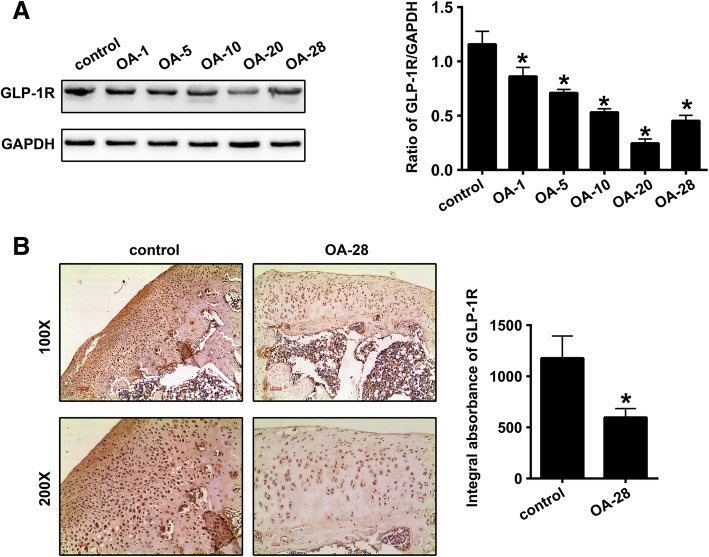
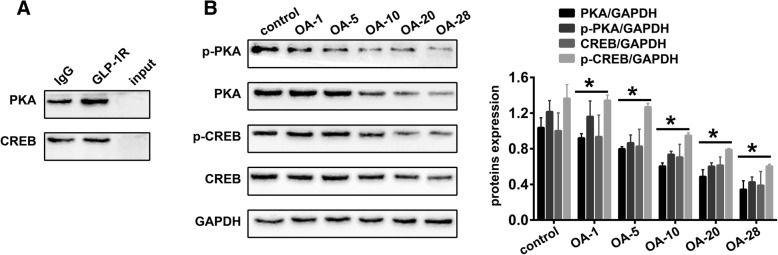
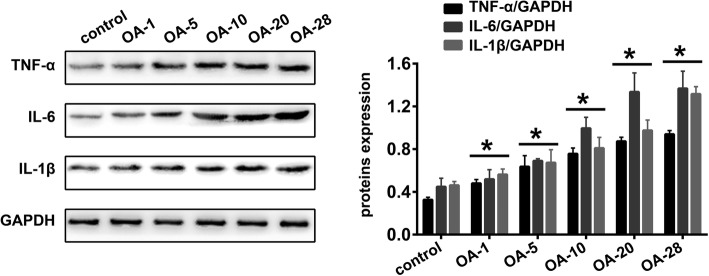
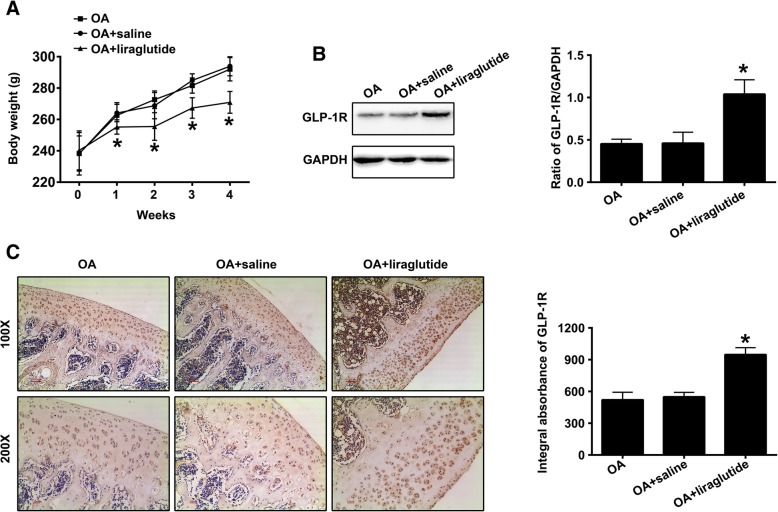
BACKGROUND: Inflammation is a common pathological phenomenon of osteoarthritis (OA). Accumulated evidence indicates that ameliorating or suppressing inflammation might be a promising and effective therapeutic strategy for the treatment of OA. Notably, glucagon-like peptide-1 (GLP-1)-based drugs are being successfully used to control glucose levels in patients with diabetes mellitus. In addition, recent findings have indicated that GLP-1 agonists, such as liraglutide have therapeutic potential in preventing inflammation-related disorders through the regulation of protein kinase A (PKA)/ cyclic adenosine monophosphate (cAMP) response element-binding protein (CREB) signals. Intra-articular injection of monoiodoacetate (MIA) has been widely used to induce OA. Thus, the present study aimed to investigate whether liraglutide has anti-inflammatory effects on MIA-induced OA rats and uncover its underlying molecular mechanisms. METHODS: Intra-articular injection of MIA was used to induce knee OA in a rat model. Subcutaneous injection of liraglutide was used to upregulate the expression of GLP-1 receptor (GLP-1R). Western blot analysis was utilized to measure the expression of GLP-1R, PKA/CREB pathway components and inflammation-related proteins, such as tumor necrosis factor-alpha (TNF-α), interleukin-1 beta (IL-1β), and IL-6. Immunoprecipitation techniques were used to detect the interactions between GLP-1R and the PKA/CREB pathway. RESULTS: The levels of GLP-1R decreased significantly in the knees of OA rats, accompanied by the downregulation of PKA /CREB signals and upregulation of inflammation-related proteins. We also found that GLP-1R interacted with the PKA/CREB pathway and that liraglutide could activate PKA/CREB signals, thereby inhibiting the expression of inflammation-related proteins. CONCLUSIONS: Together our results suggest that liraglutide exhibits anti-inflammatory activity through the activation of the PKA/CREB pathway in an OA rat model.
Overview
The claims and statistics of this paper haven’t been checked yet.
Free: it reads the open-access text and checks the first 5 claims that cite a source we can check. Create a free account to check every claim.
Integrity signals
Registry
Cites
Statistics
Figures
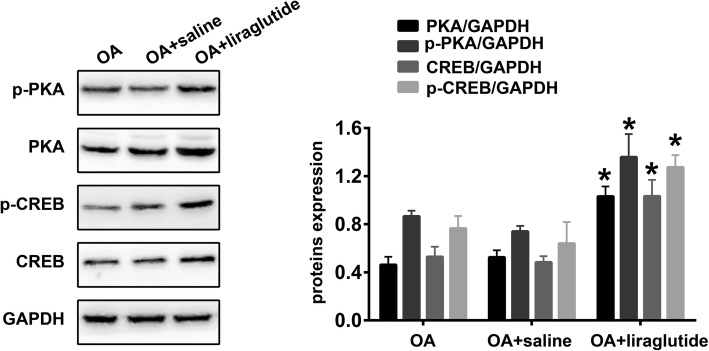
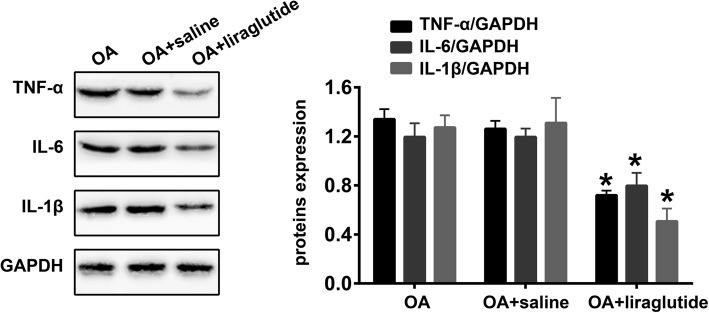
Verification
Claims the paper makes
The claims and statistics of this paper haven’t been checked yet.
Free: it reads the open-access text and checks the first 5 claims that cite a source we can check. Create a free account to check every claim.
Claims other papers make about this one
Each is checked against this paper’s own text: does it say what the citing paper says it does?
The source backs part of the claim, not all of it — or backs it for a different population, condition or comparison.
In the citing paper
“By reducing macrophage-mediated inflammatory responses, GLP-1RAs have the potential to alleviate symptoms of OA, including pain and joint stiffness.281,309”
From Glucagon-like peptide-1 receptor: mechanisms and advances in therapy (2024) · cites this paper as [281]
Experimental — accuracy not yet measuredThe source backs part of the claim, not all of it — or backs it for a different population, condition or comparison.
In the citing paper
“GLP-1R signaling, through PKA, inhibits this process, possibly by promoting IκB stability or inhibiting its phosphorylation, thus reducing NF-κB activation and nuclear translocation.8,281”
From Glucagon-like peptide-1 receptor: mechanisms and advances in therapy (2024) · cites this paper as [281]
Experimental — accuracy not yet measuredThe cited source says what the claim attributes to it.
In the citing paper
“In addition, in a rat model of inflammatory OA induced by monoiodoacetic acid (MIA), researchers have shown that the activation of GLP-1R triggers the PKA/CREB signaling pathway, leading to a reduction in cartilage inflammation.281”
From Glucagon-like peptide-1 receptor: mechanisms and advances in therapy (2024) · cites this paper as [281]
Self-check
Percentages, sums and reported differences re-computed from the paper’s own numbers.
The self-check needs the paper’s full text.
Citations
Cites
Mitogen-activated protein kinases in innate immunity
Arthur, J. S. C., & Ley, S. C. (2013) · Nature Reviews Immunology · doi:10.1038/nri3495 · Cited by 1,855
Low-grade inflammation as a key mediator of the pathogenesis of osteoarthritis
Robinson, W. H., Lepus, C. M., Wang, Q., Raghu, H., Mao, R., Lindstrom, T. M., & Sokolove, J. (2016) · Nature Reviews Rheumatology · doi:10.1038/nrrheum.2016.136 · Cited by 1,438
The individual and socioeconomic impact of osteoarthritis
Hunter, D. J., Schofield, D., & Callander, E. (2014) · Nature Reviews Rheumatology · doi:10.1038/nrrheum.2014.44 · Cited by 1,238
The arcuate nucleus mediates GLP-1 receptor agonist liraglutide-dependent weight loss
Secher, A., Jelsing, J., Baquero, A. F., Hecksher-Sørensen, J., Cowley, M. A., Dalbøge, L. S., Hansen, G., Grove, K. L., Pyke, C., Raun, K., et al. (2014) · Journal of Clinical Investigation · doi:10.1172/jci75276 · Cited by 961
Physiology of Proglucagon Peptides: Role of Glucagon and GLP-1 in Health and Disease
Sandoval, D. A., & D'Alessio, D. A. (2015) · Physiological Reviews · doi:10.1152/physrev.00013.2014 · Cited by 498
Guzman, R. E., Evans, M. G., Bove, S., Morenko, B., & Kilgore, K. (2003) · Toxicologic Pathology · doi:10.1080/01926230390241800 · Cited by 461 · cited 1×
“over, intra-articular injection of monoiodoacetate (MIA) induces loss of articular cartilage with subchondral bone lesions that mimic those of human OA and This model offers a rapid and minimally invasive method to reproduce OA-like lesions in a rodent species [13].”
Mechanisms of bacterial lipopolysaccharide-induced endothelial apoptosis
Bannerman, D. D., & Goldblum, S. E. (2003) · American Journal of Physiology-Lung Cellular and Molecular Physiology · doi:10.1152/ajplung.00338.2002 · Cited by 334
The kinases MSK1 and MSK2 act as negative regulators of Toll-like receptor signaling
Ananieva, O., Darragh, J., Johansen, C., Carr, J. M., McIlrath, J., Park, J. M., Wingate, A., Monk, C. E., Toth, R., Santos, S. G., et al. (2008) · Nature Immunology · doi:10.1038/ni.1644 · Cited by 326
Epidemiology of Osteoarthritis and Associated Comorbidities
Suri, P., Morgenroth, D. C., & Hunter, D. J. (2012) · PM&R · doi:10.1016/j.pmrj.2012.01.007 · Cited by 268
Scanzello, C. R., Umoh, E., Pessler, F., Diaz-Torne, C., Miles, T., DiCarlo, E., Potter, H. G., Mandl, L., Marx, R., Rodeo, S., et al. (2009) · Osteoarthritis and Cartilage · doi:10.1016/j.joca.2009.02.011 · Cited by 236
Cited by
Glucagon-like peptide-1 receptor: mechanisms and advances in therapy
Zheng, Z., Zong, Y., Ma, Y., Tian, Y., Pang, Y., Zhang, C., & Gao, J. (2024) · Signal Transduction and Targeted Therapy · doi:10.1038/s41392-024-01931-z · Cited by 1,036
Meurot, C., Martin, C., Sudre, L., Breton, J., Bougault, C., Rattenbach, R., Bismuth, K., Jacques, C., & Berenbaum, F. (2022) · Scientific Reports · doi:10.1038/s41598-022-05323-7 · Cited by 160
Osteoarthritis treatment via the GLP-1–mediated gut-joint axis targets intestinal FXR signaling
Yang, Y., Hao, C., Jiao, T., Yang, Z., Li, H., Zhang, Y., Zhang, W., Doherty, M., Sun, C., Yang, T., et al. (2025) · Science · doi:10.1126/science.adt0548 · Cited by 160
Tanycytes control hypothalamic liraglutide uptake and its anti-obesity actions
Imbernon, M., Saponaro, C., Helms, H. C. C., Duquenne, M., Fernandois, D., Deligia, E., Denis, R. G. P., Chao, D. H. M., Rasika, S., Staels, B., et al. (2022) · Cell Metabolism · doi:10.1016/j.cmet.2022.06.002 · Cited by 124
Vitamin D and Its Potential Interplay With Pain Signaling Pathways
Habib, A. M., Nagi, K., Thillaiappan, N. B., Sukumaran, V., & Akhtar, S. (2020) · Frontiers in Immunology · doi:10.3389/fimmu.2020.00820 · Cited by 139
“However, recent studies show that the GLP-1 receptor is also expressed in the sensory nerve fibers (34) and GLP-1 agonists have an anti-inflammatory action and can ameliorate pain (35, 36).”
BackgroundTargeting the GLP-1/GLP-1R axis to treat osteoarthritis: A new opportunity?
Meurot, C., Jacques, C., Martin, C., Sudre, L., Breton, J., Rattenbach, R., Bismuth, K., & Berenbaum, F. (2022) · Journal of Orthopaedic Translation · doi:10.1016/j.jot.2022.02.001 · Cited by 94
“Using the monoiodoacetate (MIA) rat model of inflammatory OA, Que and colleagues demonstrated that GLP-1R activation triggered the protein kinase A/cAMP-response element binding protein (PKA/CREB) signalling pathway, thus reducing inflammation in cartilage [36].”
BackgroundGLP-1 agonists for weight loss: pharmacology and clinical implications.
Moore, P. W., Malone, K., VanValkenburg, D., Rando, L. L., Williams, B. C., Matejowsky, H. G., Ahmadzadeh, S., Shekoohi, S., Cornett, E. M., & Kaye, A. D. (2023) · Advances in Therapy · doi:10.1007/s12325-022-02394-w · Cited by 86
“suggest that the activation of GLP-1R may protect chondrocytes against endoplasmic reticulum stress, apoptosis, and inflammation via decreased release of inflammatory mediators [12, 13].”
BackgroundPeng, W., Zhou, R., Sun, Z.-F., Long, J.-W., & Gong, Y.-Q. (2022) · Aging and disease · doi:10.14336/ad.2021.0928 · Cited by 71
“GLP-1 receptor levels decreased significantly in rat models of knee osteoarthritis, while liraglutide inhibited the expression of inflammation-related proteins through the PKA/CREB signaling pathway [165].”
BackgroundRepurposed and investigational disease-modifying drugs in osteoarthritis (DMOADs)
Oo, W. M., & Hunter, D. J. (2022) · Therapeutic Advances in Musculoskeletal Disease · doi:10.1177/1759720x221090297 · Cited by 85
Anti-inflammatory potentials of incretin-based therapies used in the management of diabetes
Yaribeygi, H., Maleki, M., Sathyapalan, T., Jamialahmadi, T., & Sahebkar, A. (2020) · Life Sciences · doi:10.1016/j.lfs.2019.117152 · Cited by 63
Ding, S., Pang, Z., Chen, X., Li, Z., Liu, X., Zhai, Q., Huang, J., & Ruan, Z. (2020) · Journal of Inflammation · doi:10.1186/s12950-020-00242-8 · Cited by 66
The effects of GLP-1 agonists on musculoskeletal health and orthopedic care
Gatto, A., Liu, K., Milan, N., & Wong, S. (2025) · Current Reviews in Musculoskeletal Medicine · doi:10.1007/s12178-025-09978-3 · Cited by 55
“The activation of GLP-1R has a direct effect on gene expression, downregulating NF-κB phosphorylation and nuclear translocation, thereby reducing the expression of pro-inflammatory cytokines and matrix metalloproteinases (MMPs) [68, 69].”
Halabitska, I., Бабинец, Л. С., Oksenych, V., & Kamyshnyi, O. (2024) · Biomedicines · doi:10.3390/biomedicines12081630 · Cited by 61
“In the rat model of inflammatory osteoarthritis induced by monoiodoacetate (MIA), activation of GLP-1 receptors initiated the PKA/CREB signaling pathway, leading to a reduction in inflammation within cartilage [217].”
BackgroundAndersen, D. B., Grunddal, K. V., Pedersen, J., Kuhre, R. E., Lund, M. L., Holst, J. J., & Ørskov, C. (2021) · Endocrinology · doi:10.1210/endocr/bqaa246 · Cited by 54
Kamiya, M., Mizoguchi, F., & Yasuda, S. (2022) · Journal of Cachexia, Sarcopenia and Muscle · doi:10.1002/jcsm.13025 · Cited by 49
Bılgın, E., Venerito, V., & Bogdanos, D. P. (2025) · Autoimmunity Reviews · doi:10.1016/j.autrev.2025.103864 · Cited by 57
Lavu, M. S., Porto, J. R., Hecht, C. J., Kaelber, D. C., Sculco, P. K., Heckmann, N. D., & Kamath, A. F. (2024) · The Journal of Arthroplasty · doi:10.1016/j.arth.2024.06.008 · Cited by 47
The potential role of GLP ‐1 receptor agonists in osteoarthritis
Ryan, M., Megyeri, S., Nuffer, W. A., & Trujillo, J. M. (2025) · Pharmacotherapy The Journal of Human Pharmacology and Drug Therapy · doi:10.1002/phar.70005 · Cited by 47
Microbiota-bone axis in ageing-related bone diseases
Fu, L., Zhang, P., Wang, Y., & Liu, X. (2024) · Frontiers in Endocrinology · doi:10.3389/fendo.2024.1414350 · Cited by 44
Bryk, M., Chwastek, J., Mlost, J., Kostrzewa, M., & Starowicz, K. (2021) · Frontiers in Pharmacology · doi:10.3389/fphar.2021.643605 · Cited by 38
Zheng, Y., Chen, Y., Lu, X., Weng, Q., Dai, G., Yu, Y., Yu, K., & Gao, W. (2020) · American Journal Of Pathology · doi:10.1016/j.ajpath.2020.08.013 · Cited by 32
Tu, X.-K., Chen, Q., Chen, S., Huang, B., Ren, B., & Shi, S.-S. (2020) · Inflammation · doi:10.1007/s10753-020-01344-4 · Cited by 32
Self-citationExperimental Therapeutics for the Treatment of Osteoarthritis
Schulze-Tanzil, G. G. (2021) · Journal of Experimental Pharmacology · doi:10.2147/jep.s237479 · Cited by 32
Porto, J. R., Lavu, M. S., Hecht, C. J., Kaelber, D. C., Sculco, P. K., Heckmann, N. D., & Kamath, A. F. (2025) · Orthopaedic Journal of Sports Medicine · doi:10.1177/23259671241297157 · Cited by 38
Cheng, J., Solomon, T., Estee, M. M., Cicuttini, F., & Lim, Y. Z. (2025) · Osteoarthritis and Cartilage Open · doi:10.1016/j.ocarto.2025.100567 · Cited by 34
“…was the most used GLP-1 agonist [20,22,23,26], its dose ranged from 53.1 nM to 500 mM. GLP-1 agonist was generally administered early (day 1) in the animal models [23,24] but one study also assessed delayed administration (day 7) in a model to evaluate the long-term effect of GLP-1 agonists [23].”
InfluentialMitochondria and the Repurposing of Diabetes Drugs for Off-Label Health Benefits
Yip, J., Chiang, G. S. H., Lee, I. C. J., Lehming-Teo, R., Dai, K., Dongol, L., Wang, L. Y.-T., Teo, D. W. X., Seah, G. T., & Lehming, N. (2025) · International Journal of Molecular Sciences · doi:10.3390/ijms26010364 · Cited by 32
“…studies have suggested that GLP-1 receptor agonists may counter cellular changes that are associated with unhealthy aging by ameliorating mitochondrial dysfunction [108], reducing oxidative stress [109], limiting cellular senescence [110], and protecting against chronic inflammation [111].”
Glucagon-like peptide-1 receptor agonists in arthritis: current insights and future directions
Karacabeyli, D., & Lacaille, D. V. (2025) · Nature Reviews Rheumatology · doi:10.1038/s41584-025-01302-0 · Cited by 34
Hachuła, M., Kosowski, M., Ryl, S., Basiak, M., & Okopień, B. (2024) · International Journal of Molecular Sciences · doi:10.3390/ijms25031854 · Cited by 29
“In this report, in an animal model, a decrease in the concentration of both pro-inflammatory cytokines we tested was observed after the use of this drug [28].”
MethodLuo, Z.-C., Jin, Z., Jiang, Y., Wei, T., Cao, Y., Zhang, Z., Wei, R., & Jiang, H. (2022) · Asian Journal of Andrology · doi:10.4103/aja202242 · Cited by 27
Self-citationElkhoely, A. A. (2022) · International Immunopharmacology · doi:10.1016/j.intimp.2022.109578 · Cited by 29
Yang, J., Gu, Y., Chen, H., Wang, H., Hong, L., Li, B., & Yang, L. (2024) · Frontiers in Pharmacology · doi:10.3389/fphar.2024.1453825 · Cited by 27
Biomarkers of Osteoarthritis—A Narrative Review on Causal Links with Metabolic Syndrome
Lynskey, S. J., Macaluso, M. J., Gill, S. D., McGee, S. L., & Page, R. S. (2023) · Life · doi:10.3390/life13030730 · Cited by 28
“GLP-1 activation in chondrocytes has been shown to decrease inflammatory TNF-alpha, IL-6, and MMP-3/13 levels in animal studies [70].”
BackgroundEngineered GLP-1R-targeting nanoplatforms: multimodal therapeutics in human diseases
Zeng, J., Tang, X., Qin, D., Yu, L., Zhou, X., Chi, F., Mi, J., Pan, H., Wu, J., Huang, B., et al. (2025) · Journal of Nanobiotechnology · doi:10.1186/s12951-025-03677-4 · Cited by 28
Buonanno, S., Gaggiano, C., Terribili, R., Cantarini, L., Frediani, B., & Gentileschi, S. (2025) · Inflammation Research · doi:10.1007/s00011-025-02140-2 · Cited by 24
Katzman, J. L., Haider, M. A., Cardillo, C., Rozell, J. C., Schwarzkopf, R. M., & Lajam, C. M. (2025) · The Journal of Arthroplasty · doi:10.1016/j.arth.2025.02.042 · Cited by 19
GLP-1 receptor agonists in IBD: exploring the crossroads of metabolism and inflammation
Migliorisi, G., Gabbiadini, R., Buono, A. D., Ferraris, M., Privitera, G., Petronio, L., Bertoli, P., Bezzio, C., & Armuzzi, A. (2025) · Frontiers in Immunology · doi:10.3389/fimmu.2025.1610368 · Cited by 26
Wang, C., & Lizhe, Q. (2022) · Bioengineered · doi:10.1080/21655979.2022.2036899 · Cited by 18
“Another study showed that Liraglutide ameliorated inflammation in a rat osteoarthritis model through the activation of the PKA/CREB signaling pathway [37].”
BackgroundLeon, R. M., Borner, T., Stein, L. M., Urrutia, N. A., Jonghe, B. C. D., Schmidt, H. D., & Hayes, M. R. (2021) · Neuropharmacology · doi:10.1016/j.neuropharm.2021.108477 · Cited by 13
Ekhzaimy, A. A., Masood, A., Benabdelkamel, H., Elhassan, T., Musambil, M., & Alfadda, A. A. (2022) · Diabetes and Vascular Disease Research · doi:10.1177/14791641221094322 · Cited by 16
Wu, W., Xia, Q., Guo, Y., Wang, H., Dong, H., Lu, F., & Yuan, F. (2023) · Frontiers in Pharmacology · doi:10.3389/fphar.2023.1228722 · Cited by 16
“GLP-1R activates adenylate cyclase (AC) to produce cAMP, which in turn activates protein kinase A (PKA) (Que et al., 2019).”
BackgroundExendin-4 Pretreatment Attenuates Kainic Acid-Induced Hippocampal Neuronal Death
Ahn, Y. J., Shin, H.-J., Jeong, E.-A., An, H. S., Lee, J.-Y., Jang, H., Kim, K., Lee, J., Shin, M. C., & Roh, G. S. (2021) · Cells · doi:10.3390/cells10102527 · Cited by 12
“Ex-4 pretreatment activates the GLP-1R/CREB signaling pathway to exert neuroprotective effects [46,47].”
BackgroundMorningstar, J. L., Lauck, B. J., Bank, N., & Lalli, T. A. J. (2025) · The Journal of Foot & Ankle Surgery · doi:10.1053/j.jfas.2025.05.002 · Cited by 10
A narrative review of anti-obesity medications for obese patients with osteoarthritis
Oo, W. M., Mobasheri, A., & Hunter, D. J. (2022) · Expert Opinion on Pharmacotherapy · doi:10.1080/14656566.2022.2104636 · Cited by 12
“model [142], suggesting this as a potential therapeutic option for OA.”
BackgroundJamal, N. H., Hollabaugh, W. L., Scott, L., & Takkouche, S. K. (2024) · Clinical Obesity · doi:10.1111/cob.12700 · Cited by 11
GLP-1 agonists: a game changer in pain treatment and addiction
Bade, S., Hurdle, M. F. B., Bade, S., Encalada, S., Kanahan-Osman, S., & Gupta, S. (2025) · Pain Management · doi:10.1080/17581869.2025.2536998 · Cited by 12
Tseng, Y., Chen, M., Lai, R., Oieni, F., Smyth, G., Anoopkumar‐Dukie, S., John, J. A. S., & Ekberg, J. A. K. (2021) · Biomedicine & Pharmacotherapy · doi:10.1016/j.biopha.2021.111819 · Cited by 9
Liraglutide exhibits anti-inflammatory activity through the activation of the PKA/CREB pathway
Wang, L., Feng, L., & Zhang, J. (2019) · Journal of Inflammation · doi:10.1186/s12950-019-0225-z · Cited by 8
Glucagon-like peptide-1 receptor agonists: Prospects for use in rheumatology
Nasonov, E. L., Паневин, Т. С., & Troshina, E. A. (2024) · Rheumatology Science and Practice · doi:10.47360/1995-4484-2024-135-144 · Cited by 8
The Anti‐Inflammatory Effects of Liraglutide in Equine Inflammatory Joint Models
Scheike, A.-S., Plomp, S. G. M., Fugazzola, M. C., Meurot, C., Berenbaum, F., van Weeren, P. R., Tryfonidou, M. A., & von Hegedus, J. H. (2025) · Journal of Orthopaedic Research® · doi:10.1002/jor.26050 · Cited by 12
Zheng, M., Zhao, J., Wang, Y., Cui, Z., Qiao, Z., Wu, H., Shi, C., & Wang, X. (2025) · Medicine · doi:10.1097/md.0000000000043239 · Cited by 9
“Que et al. [12] reported that in a rat knee joint OA model induced by the intra-articular injection of monoiodo-acetate (MIA), the expression of GLP-1R was significantly decreased, the protein kinase A (PKA)/cyclic adenosine mono-phosphate response element-binding protein (CREB) signaling pathway…”
Advances in heterogeneity and classification of osteoarthritis
Huang, T., 舒建雄, Wu, Z. Z., Li, Z. A., Tuan, R. S., Ding, C., & Lu, Y. (2026) · Bone Research · doi:10.1038/s41413-026-00549-x · Cited by 10
Tuerxun, P., Ng, T., Sun, J., Ou, F., Jia, X., Zhao, K., & Zhu, P. (2024) · Experimental Cell Research · doi:10.1016/j.yexcr.2024.114249 · Cited by 6
Chang, Y. K., Chi, K.-Y., Song, J., Chen, C., & Lin, H.-M. (2025) · Global Spine Journal · doi:10.1177/21925682251383170 · Cited by 6
Troshina, E. A., Паневин, Т. С., & Briskman, T. D. (2025) · Terapevticheskii arkhiv · doi:10.26442/00403660.2025.05.203230 · Cited by 7
GLP-1 and GIP: Magic bullet for musculoskeletal diseases?
Fang, Q., Gan, L., Liu, P., Ding, P., & Gao, Y. (2025) · Journal of Advanced Research · doi:10.1016/j.jare.2025.08.046 · Cited by 6
Mamontova, E. D., Michurina, S. S., Stafeev, I., Sorkina, E., Sklyanik, I. A., Koksharova, E., Menshikov, M. Y., Shestakova, M. V., & Parfyonova, Y. V. (2021) · Biochemistry (Moscow) · doi:10.1134/s000629792103010x · Cited by 5
Glucagon-like peptide and its receptor agonists for the treatment of rheumatic diseases
Chamchoum, E., Katrib, N., Nassif, N., Ratel, Y., & Rida, M. A. (2025) · World Journal of Experimental Medicine · doi:10.5493/wjem.v15.i3.107020 · Cited by 7
Conforti, A., Lucchetti, L., Ciampa, F., Bonifacio, M., Musorrofiti, M. G., Cipolloni, V., & Messina, F. (2026) · Journal of Clinical Medicine · doi:10.3390/jcm15155876 · Cited by 4
“Protein kinase A/cyclic adenosine monophosphate response element-binding protein (PKA/CREB) signaling has likewise been implicated in anti-inflammatory effects in experimental KOA [13].”
Singh, M. P., Yadav, R., & Singh, A. D. (2025) · SN Comprehensive Clinical Medicine · doi:10.1007/s42399-025-02000-4 · Cited by 4
The role of GLP-1 receptor in pain disorders and its pharmacological properties
Jing, F., Zeng, Y., Yu, Q.-L., & Fu, C. (2025) · European Journal of Pharmacology · doi:10.1016/j.ejphar.2025.178345 · Cited by 6
Danet, L., Guicheux, J., Boutet, M., & Vinatier, C. S. (2026) · Bone Research · doi:10.1038/s41413-026-00548-y · Cited by 7
Hepatic effects of GLP-1 mimetics in diabetic milieu: A mechanistic review of involved pathways
Yaribeygi, H., Kashian, K., Moghaddam, K. I., Karim, S. R., Bagheri, N., Karav, S., Jamialahmadi, T., Rizzo, M., & Sahebkar, A. (2024) · Journal of Diabetes and its Complications · doi:10.1016/j.jdiacomp.2024.108928 · Cited by 4
Asemi, Z., Salami, R., Salami, M., Mafi, A., Aarabi, M. H., & Vakili, O. (2022) · Current Molecular Pharmacology · doi:10.2174/1874467215666220829102020 · Cited by 7
Li, Y., Yang, L., Li, F., Fu, J., Zhao, W., Wu, X., Guo, J., & Chen, Y. (2025) · Frontiers in Pharmacology · doi:10.3389/fphar.2025.1627691 · Cited by 4
Jeon, M., Hong, B., Ko, H. Y., Song, H. J., Kwak, S. H., Kim, J. H., & Shin, J. (2026) · Diabetes Research and Clinical Practice · doi:10.1016/j.diabres.2026.113091 · Cited by 4
Zeng, G., Xu, Y., Li, Z., & Deng, G. (2024) · Microbiology and Immunology · doi:10.1111/1348-0421.13195 · Cited by 3
Nematalla, H. A., Elharoun, M., Sheta, E., Saleh, S. R., Basta, M., Eid, A. H., & EL‐Yazbi, A. F. (2025) · Biochemical Pharmacology · doi:10.1016/j.bcp.2025.117431 · Cited by 3
Davis, W. R., Bank, N. C., Lauck, B. J., Creighton, R. A., & Mistovich, R. J. (2025) · JSES Reviews Reports and Techniques · doi:10.1016/j.xrrt.2025.100613 · Cited by 4
“8,14,18 Additionally, GLP-1RA-mediated weight loss and improved glycemic control could indirectly mitigate OA symptoms by decreasing mechanical joint load and systemic inflammation.”
Yang, W., Hao, C., Wang, N., Xie, J., Zhou, B., Yang, Z., Zheng, A., Wei, J., Li, C., Xie, C., et al. (2026) · Gut Microbes · doi:10.1080/19490976.2026.2661854 · Cited by 3
“This has been confirmed via immunohistochemistry, Western blotting, and immuno-fluorescence in rat, 104,105 human, 41,106 and mouse 16,41 knee cartilage.”
Çiftçi, E., Eberlein, S. C., Grad, S., Alini, M., Berenbaum, F., & Li, Z. (2026) · Osteoarthritis and Cartilage · doi:10.1016/j.joca.2026.04.018 · Cited by 4
Mahalingam, S., Kharbanda, K. K., Casey, C. A., & Rasineni, K. (2026) · Frontiers in Pharmacology · doi:10.3389/fphar.2026.1752204 · Cited by 3
“Recognizing that chronic inflammation is a major driver of SLD progression and hepatocarcinogenesis, GLP-1 RAs demonstrate potent anti-inflammatory and tumor-suppressive actions (Que et al., 2019; Wan and Sun, 2019; Kojima et al., 2020; Zhao et al., 2014).”
Wang, X., Lu, G., Zhou, Y., & Zhao, G. (2026) · Journal of Endocrinological Investigation · doi:10.1007/s40618-026-02891-7 · Cited by 4
Zhang, C., Yu, M., Zhang, L., Zhou, X., Han, J., Fu, B., Xue, H., & Zhang, C. (2025) · Journal of Inflammation Research · doi:10.2147/jir.s498202 · Cited by 5
“55 Further studies show that overexpression of MT1/2 gene within Bactrian camel ovarian granulosa cells activates cAMP/PKA/CREB pathway.”
Mamontova, E. D., Michurina, S. S., Стафеев, Ю. С., Sorkina, E., Скляник, И. А., Koksharova, E., Menshikov, M., Shestakova, M. V., & Парфёнова, Е. В. (2021) · Biochemistry (Moscow) · doi:10.31857/s032097252103009x · Cited by 1
Chronic GLP1 therapy reduces postprandial IL6 in obese humans with prediabetes
Hamidi, V., Wang, H., Pham, V., Andre, K. B. S., Taegtmeyer, H., & Gutierrez, A. (2024) · Cardiovascular Endocrinology & Metabolism · doi:10.1097/xce.0000000000000298 · Cited by 1
“A murine study shows the PKA/CREB pathway may play an important role in IL6 reduction in cartilage [18].”
BackgroundAbdelnabi, M. H., Chaisrimaneepan, N., Castillo‐Rodriguez, C., Eshak, N., Sullivan, M. M., Ibrahim, R., Pham, H. N., Farina, J., Ayoub, C., Nagaraja, V., et al. (2025) · Current Treatment Options in Cardiovascular Medicine · doi:10.1007/s11936-025-01124-z · Cited by 1
Joseph, G. B., McCulloch, C. E., Liu, F., Lynch, J. A., Majumdar, S., Lane, N. E., Nevitt, M. C., & Link, T. M. (2026) · Osteoarthritis and Cartilage Open · doi:10.1016/j.ocarto.2026.100768 · Cited by 1
“GLP-1 receptor agonists are particularly promising, as they reduce both weight and systemic inflammation [35]; however, further research is needed to clarify their effects on localized fat depots such as the infrapatellar fat pad and kaSCF.”
Lavu, M. S., Porto, J. R., Hecht, C. J., Kaelber, D. C., Sculco, P. K., Heckmann, N. D., & Kamath, A. F. (2024) · The Journal of Arthroplasty · doi:10.1016/j.arth.2024.08.036 · Cited by 1
The current and changing role of glucagon-like peptide-1 receptor agonists in knee osteoarthritis
Holleman, A. D., & Katz, J. N. (2025) · Osteoarthritis and Cartilage Open · doi:10.1016/j.ocarto.2025.100611
den Braanker, H., van der Valk, E. S., & Bisoendial, R. J. (2025) · Journal of Clinical Medicine · doi:10.3390/jcm14217641
“…evident anti-TNF activity through NF-κ B pathway inhibition, with exendin-4 significantly reducing TNF levels induced by multiple Toll-like receptor agonists and liraglutide decreasing synovial inflammation and pro-inflammatory cytokine production in a murine osteoarthritis model [110,111].”
Playter, K. P., Chen, Y.-H., Grant, A. R., Chen, Y., Travers, H. I., Hollenbeck, B. L., Nin, D. Z., Niu, R., Talmo, C. T., Chang, D., et al. (2025) · Research Square · doi:10.21203/rs.3.rs-7490872/v1
Fang, H., Sun, X., Ding, Y., Gu, S., Niu, B., & Chen, Q. (2025) · International Journal of Molecular Sciences · doi:10.3390/ijms262311548
“In this context, Liraglutide administration could reverse these changes by re-establishing CREB signaling and reducing associated inflammatory responses, thereby achieving therapeutic effects for osteoarthritis in rat models [27].”
Tabor, H., Ediripolage, F., Akram, N., Afzal, I., & Radha, S. S. (2026) · Cureus · doi:10.7759/cureus.105269 · Cited by 1
“Weight loss and improved glycaemic control directly address two major PJI risk factors - obesity drives chronic inflammation and impairs immune function, while hyperglycaemia promotes bacterial growth and biofilm formation [38,39].”
Shu, T., Shang, X., & Zhou, Y. (2026) · Frontiers in Immunology · doi:10.3389/fimmu.2026.1871461 · Cited by 1
Zhang, S., Liu, S., Zhou, M., Wang, J., Zhang, Y., Zhong, H., & Ning, G. (2026) · Molecular Neurobiology · doi:10.1007/s12035-026-06090-6
“In monoiodoacetate (MIA)-induced inflammatory osteo-arthritis (OA) rat models, activation of GLP-1R has been shown to trigger the PKA/CREB signaling pathway, thereby suppressing cartilage inflammation [121].”
Papastathopoulou, N. S., Neri, S., Assirelli, E., D’Amuri, A., Greco, S., Ciaffi, J., & Ursini, F. (2026) · Rheumatology Advances in Practice · doi:10.1093/rap/rkag105
GLP-1 receptor agonists and tendon healing: a systematic review and meta-analysis
Khayyat, M. Y., & Khayyat, Y. M. (2026) · Archives of Medical Science · doi:10.5114/aoms/225241 · Cited by 1
Rombach, J., Hannani, M. T., Henriksen, K., Bihlet, A. R., Bajaj, M., He, Y., Bay-Jensen, A.-C., Thudium, C. S., & Karsdal, M. (2026) · Osteoarthritis and Cartilage · doi:10.1016/j.joca.2026.09.007
Immuno-metabolic crosstalk in osteoarthritis: from mechanisms to therapies
Yi, Y., Ning, K., ding, Y., Yang, F., Li, Y., & zhuo, Y. (2026) · Frontiers in Immunology · doi:10.3389/fimmu.2026.1946261
Metadata
- Authors
- Que, Q., Guo, X., Zhan, L., Chen, S., Zhang, Z., Ni, X., Ye, B., & Wan, S.
- Affiliations
- Lishui City People's Hospital (CN)
- Sir Run Run Shaw Hospital (CN)
- Corresponding author
- Wan, Shuanglin
- Venue
- Journal of Inflammation
- Published
- 2019-06-06
- Volume
- 16
- Issue
- 1
- Pages
- 13-13
- ISSN
- 1476-9255 (ISSN-L)
- PMC
- PMC6554939
- OpenAlex
- W2948036374
- Semantic Scholar
- d170ff0492340d4343eb0cd67e9f7a6ed42224ea
- Cited by
- 90
- References
- 28
- Citations by year
- 2026: 16 · 2025: 31 · 2024: 13 · 2023: 2 · 2022: 14 · 2021: 7 · 2020: 5 · 2019: 2
- FWCI
- 5.31
- Type
- journal article
- Language
- en
- Open access
- gold
- doi.org
- Licence
- cc-by
- creativecommons.org/licenses/by/4.0/ (tdm)
- creativecommons.org/licenses/by/4.0/ (vor)
- Locations
- Journal of Inflammation (publishedVersion, cc-by)
- PubMed Central (publishedVersion, cc-by)
- PubMed (publishedVersion)
- DOAJ (DOAJ: Directory of Open Access Journals) (submittedVersion)
- Topics
- Health Sciences › Medicine › Rheumatology › Osteoarthritis Treatment and Mechanisms
- Life Sciences › Biochemistry, Genetics and Molecular Biology › Cell Biology › Proteoglycans and glycosaminoglycans research
- Life Sciences › Biochemistry, Genetics and Molecular Biology › Molecular Biology › Bone Metabolism and Diseases
- Keywords
- liraglutide, knee osteoarthritis, GLP-1 receptor, PKA/CREB signaling, anti-inflammatory activity, monoiodoacetate-induced osteoarthritis, TNF-α, IL-1β, interleukin-6, GLP-1 receptor agonists
About these checks
Registry, retraction, Cites and statistics results are computed, not judged, with one exception: a printed reference that no index lists is read once by a model before it counts as a citation error. Claims are extracted by a model and kept only when their quote appears verbatim in the text; each cited source is then checked, with a model’s help, for whether it says what the claim relies on. Those verdicts can be wrong — read the claim’s quote and the cited source before relying on one.
Statistics and arithmetic are recomputed, not judged.
Confidence bands are shown only for fields calibrated on our annotated test set. None is calibrated yet, so no band is shown.
What counts as a claim ›How we measure confidence ›How we check this ›
Are you an author, or do you see a problem with this page? Request a review
Data sources
Bibliographic data: Semantic Scholar, OpenAlex, Crossref.
Contains information from the Semantic Scholar Academic Graph Datasets, made available under the ODC Attribution License (ODC-BY 1.0).
Semantic Scholar’s data is described in: Kinney, R., et al. (2023). The Semantic Scholar Open Data Platform. arXiv:2301.10140.
