

COX-2 expression positively correlates with PD-L1 expression in human melanoma cells
Open accessThe DOI matches its Crossref record; 64 of the 64 references it cites were found in a registry or an index.
Abstract
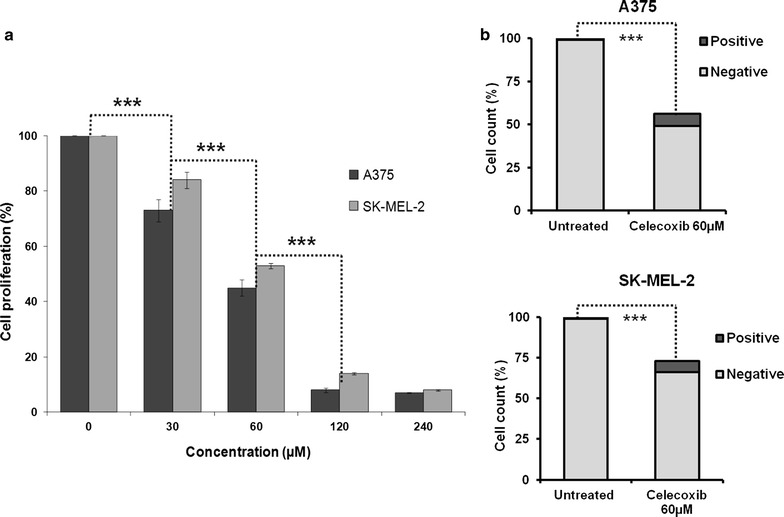
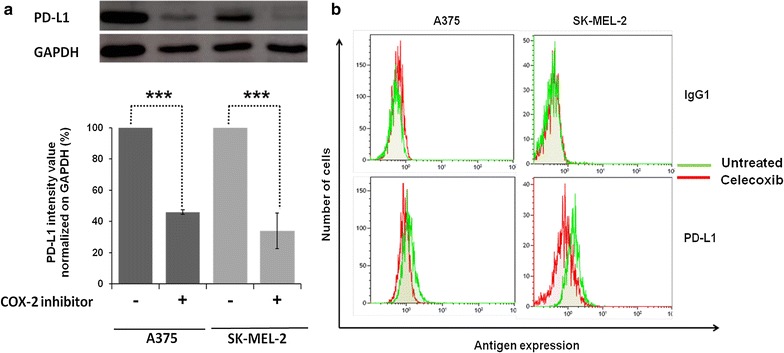
The resistance to PD-1/PD-L1 inhibitors for the treatment of melanoma have prompted investigators to implement novel clinical trials which combine immunotherapy with different treatment modalities. Moreover is also important to investigate the mechanisms which regulate the dynamic expression of PD-L1 on tumor cells and PD-1 on T cells in order to identify predictive biomarkers of response. COX-2 is currently investigated as a major player of tumor progression in several type of malignancies including melanoma. In the present study we investigated the potential relationship between COX-2 and PD-L1 expression in melanoma. Tumor samples obtained from primary melanoma lesions and not matched lymph node metastases were analyzed for both PD-L1 and COX-2 expression by IHC analysis. Status of BRAF and NRAS mutations was analyzed by sequencing and PCR. Co-localization of PD-L1 and COX-2 expression was analyzed by double fluorescence staining. Lastly the BRAF V600E A375 and NRAS Q61R SK-MEL-2 melanoma cell lines were used to evaluate the effect of COX-2 inhibition by celecoxib on expression of PD-L1 in vitro. BRAF V600E/V600K and NRAS Q61R/Q61L were detected in 57.8 and 8.9% of the metastatic lesions, and in 65.9 and 6.8% of the primary tumors, respectively. PD-L1 and COX-2 expression were heterogeneously expressed in both primary melanoma lesions and not matched lymph node metastases. A significantly lower number of PD-L1 negative lesions was found in primary tumors as compared to not matched metastatic lesions ( P = 0.002). COX-2 expression significantly correlated with PD-L1 expression in both primary ( P = 0.001) and not matched metastatic ( P = 0.048) lesions. Furthermore, in melanoma tumors, cancer cells expressing a higher levels of COX-2 also co-expressed a higher level of PD-L1. Lastly, inhibition of COX-2 activity by celecoxib down-regulated the expression of PD-L1 in both BRAF V600E A375 and NRAS Q61R SK-MEL-2 melanoma cell lines. COX-2 expression correlates with and modulates PD-L1 expression in melanoma cells. These findings have clinical relevance since they provide a rationale to implement novel clinical trials to test COX-2 inhibition as a potential treatment to prevent melanoma progression and immune evasion as well as to enhance the anti-tumor activity of PD-1/PD-L1 based immunotherapy for the treatment of melanoma patients with or without BRAF/NRAS mutations.
Overview
The claims and statistics of this paper haven’t been checked yet.
Free: it reads the open-access text and checks the first 5 claims that cite a source we can check. Create a free account to check every claim.
Integrity signals
Registry
Cites
Statistics
Figures
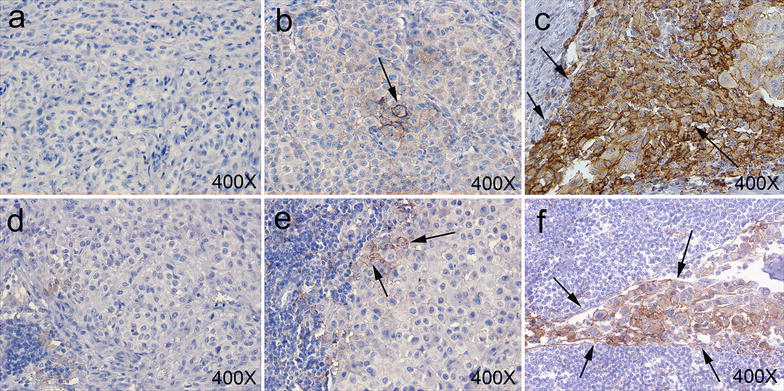
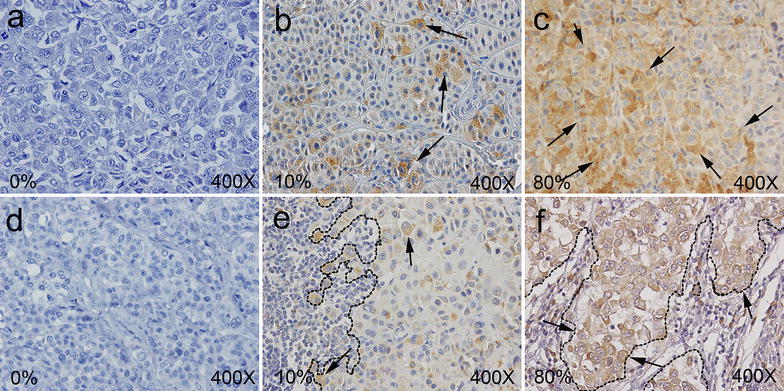
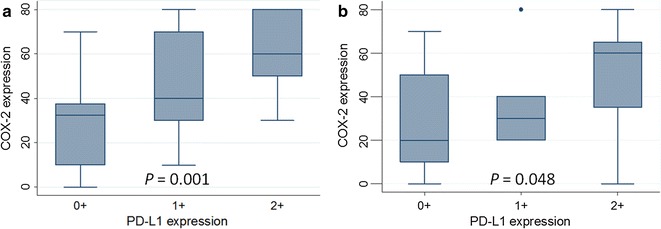
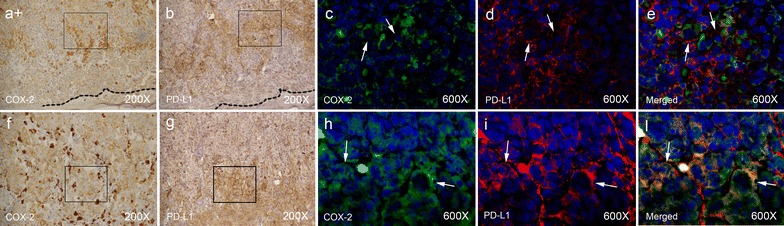
Verification
Claims the paper makes
The claims and statistics of this paper haven’t been checked yet.
Free: it reads the open-access text and checks the first 5 claims that cite a source we can check. Create a free account to check every claim.
Claims other papers make about this one
Each is checked against this paper’s own text: does it say what the citing paper says it does?
In the citing paper
“Cyclooxygenase-2 (COX-2) expression is also correlates with PD-L1 expression in primary melanomas, and inhibition of COX-2 by celecoxib downregulates PD-L1 in melanoma cells113.”
From Mechanisms and prevention of UV‐induced melanoma (2018) · cites this paper as [113]
Self-check
Percentages, sums and reported differences re-computed from the paper’s own numbers.
The self-check needs the paper’s full text.
Citations
Cites
Adverse Renal Effects of Immune Checkpoint Inhibitors: A Narrative Review
Wanchoo, R., Karam, S., Uppal, N. N., Barta, V. S., Deray, G., Devoe, C., Launay-Vacher, V., Jhaveri, K. D., & on behalf of Cancer and Kidney International Network Workgroup on Immune Checkpoint Inhibitors (2017) · American Journal of Nephrology · doi:10.1159/000455014 · Cited by 15,256
Improved Survival with Ipilimumab in Patients with Metastatic Melanoma
Hodi, F. S., O'Day, S. J., McDermott, D. F., Weber, R. W., Sosman, J. A., Haanen, J. B., Gonzalez, R., Robert, C., Schadendorf, D., Hassel, J. C., et al. (2010) · New England Journal of Medicine · doi:10.1056/nejmoa1003466 · Cited by 15,155
Mutations of the BRAF gene in human cancer
Davies, H., Bignell, G. R., Cox, C., Stephens, P., Edkins, S., Clegg, S., Teague, J., Woffendin, H., Garnett, M. J., Bottomley, W., et al. (2002) · Nature · doi:10.1038/nature00766 · Cited by 10,674 · cited 1×
“The full coding sequences and splice junctions of NRAS (exons 1 and 2) and the entire sequence of the BRAF (exon 15) [24, 25] were screened for mutations.”
Self-citationCombined Nivolumab and Ipilimumab or Monotherapy in Untreated Melanoma
Larkin, J., Chiarion-Sileni, V., Gonzalez, R., Grob, J. J., Cowey, C. L., Lao, C. D., Schadendorf, D., Dummer, R., Smylie, M., Rutkowski, P., et al. (2015) · New England Journal of Medicine · doi:10.1056/nejmoa1504030 · Cited by 8,157
Self-citationIpilimumab plus Dacarbazine for Previously Untreated Metastatic Melanoma
Robert, C., Thomas, L., Bondarenko, I., O'Day, S., Weber, J., Garbe, C., Lebbe, C., Baurain, J.-F., Testori, A., Grob, J.-J., et al. (2011) · New England Journal of Medicine · doi:10.1056/nejmoa1104621 · Cited by 4,496
Nivolumab plus Ipilimumab in Advanced Melanoma
Wolchok, J. D., Kluger, H., Callahan, M. K., Postow, M. A., Rizvi, N. A., Lesokhin, A. M., Segal, N. H., Ariyan, C. E., Gordon, R.-A., Reed, K., et al. (2013) · New England Journal of Medicine · doi:10.1056/nejmoa1302369 · Cited by 4,230
Hauschild, A., Grob, J.-J., Demidov, L. V., Jouary, T., Gutzmer, R., Millward, M., Rutkowski, P., Blank, C. U., Miller, W. H., Kaempgen, E., et al. (2012) · The Lancet · doi:10.1016/s0140-6736(12)60868-x · Cited by 2,989
Combined BRAF and MEK inhibition in melanoma with BRAF V600 mutations
Flaherty, K. T., Infante, J. R., Daud, A., Gonzalez, R., Kefford, R. F., Sosman, J., Hamid, O., Schuchter, L., Cebon, J., Ibrahim, N., et al. (2012) · New England Journal of Medicine · doi:10.1056/nejmoa1210093 · Cited by 2,810
Nivolumab and ipilimumab versus ipilimumab in untreated melanoma
Postow, M. A., Chesney, J., Pavlick, A. C., Robert, C., Grossmann, K., McDermott, D., Linette, G. P., Meyer, N., Giguere, J. K., Agarwala, S. S., et al. (2015) · New England Journal of Medicine · doi:10.1056/nejmoa1414428 · Cited by 2,781
Trypan Blue Exclusion Test of Cell Viability
Strober, W. (2015) · Current Protocols in Immunology · doi:10.1002/0471142735.ima03bs111 · Cited by 2,597 · cited 1×
“Following a 24 h incubation at 37 °C in a 5% CO2 atmosphere, cell viability was evaluated utilizing the trypan blue assay which was carried out as reported elsewhere [32].”
Cited by
Mechanisms and prevention of UV‐induced melanoma
Sample, A., & He, Y. (2018) · Photodermatology, Photoimmunology & Photomedicine · doi:10.1111/phpp.12329 · Cited by 372
De Cicco, P., Ercolano, G., & Ianaro, A. (2020) · Frontiers in Immunology · doi:10.3389/fimmu.2020.01680 · Cited by 332
Self-citationIntratumor and Intertumor Heterogeneity in Melanoma
Grzywa, T. M., Paskal, W., & Włodarski, P. K. (2017) · Translational Oncology · doi:10.1016/j.tranon.2017.09.007 · Cited by 299
“[154] observed heterogeneous expression of both PD-L1 and COX-2 in primary tumors and lymph node metastases.”
BackgroundCortellini, A., Tucci, M., Adamo, V., Stucci, L. S., Russo, A., Tanda, E. T., Spagnolo, F., Rastelli, F., Bisonni, R., Santini, D., et al. (2020) · Journal for ImmunoTherapy of Cancer · doi:10.1136/jitc-2020-001361 · Cited by 275
Self-citationCyclooxygenase-2-Prostaglandin E2 pathway: A key player in tumor-associated immune cells
Jin, K., Qian, C., Lin, J., & Liu, B. (2023) · Frontiers in Oncology · doi:10.3389/fonc.2023.1099811 · Cited by 182
Deng, H., Kan, A., Lyu, N., He, M., Huang, X., Qiao, S., Li, S., Lu, W., Xie, Q., Chen, H., et al. (2021) · Journal for ImmunoTherapy of Cancer · doi:10.1136/jitc-2020-002305 · Cited by 176
Cortellini, A., Maïo, M. D., Nigro, O., Leonetti, A., Cortinovis, D. L., Aerts, J. G. J. V., Guaitoli, G., Barbieri, F., Giusti, R., Ferrara, M. G., et al. (2021) · Journal for ImmunoTherapy of Cancer · doi:10.1136/jitc-2021-002421 · Cited by 172
Jin, S., Nafees, M., Sun, Y., Tan, Y., Yuan, H., Song, D., Guo, Z., & Wang, X. (2020) · Angewandte Chemie International Edition · doi:10.1002/anie.202011273 · Cited by 152
YY1 regulates cancer cell immune resistance by modulating PD-L1 expression
Hays, E., & Bonavida, B. (2019) · Drug Resistance Updates · doi:10.1016/j.drup.2019.04.001 · Cited by 153
“COX-2 expression has been shown to be positively correlated with tumor progression in several types of cancers, including melanoma (Botti et al., 2017).”
BackgroundUltraviolet radiation-induced immunosuppression and its relevance for skin carcinogenesis
Hart, P. H., & Norval, M. (2018) · Photochemical & Photobiological Sciences · doi:10.1039/c7pp00312a · Cited by 117
COX-2 as a potential biomarker and therapeutic target in melanoma
Tudor, D. V., Bâldea, I., Lupu, M., Kacso, T. P., Kutasi, E., Hopârtean, A., Stretea, R., & Filip, G. A. (2020) · Cancer Biology and Medicine · doi:10.20892/j.issn.2095-3941.2019.0339 · Cited by 110
SVATON, M., ZEMANOVA, M., ZEMANOVA, P., KULTAN, J., FISCHER, O., SKRICKOVA, J., JAKUBIKOVA, L., CERNOVSKA, M., HRNCIARIK, M., JIROUSEK, M., et al. (2020) · Anticancer Research · doi:10.21873/anticanres.14182 · Cited by 88
Lipid metabolic Reprogramming: Role in Melanoma Progression and Therapeutic Perspectives
Pellerin, L., Carrié, L., Dufau, C., Nieto, L., Ségui, B., Levade, T., Riond, J., & Andrieu‐Abadie, N. (2020) · Cancers · doi:10.3390/cancers12113147 · Cited by 97
Exploring immune checkpoints as potential therapeutic targets in atherosclerosis
Kusters, P. J. H., Lutgens, E., & Seijkens, T. T. P. (2017) · Cardiovascular Research · doi:10.1093/cvr/cvx248 · Cited by 86
“celecoxib-induced inhibition of COX-2 reduced PD-L1 expression in these malignancies and increased the susceptible for cytotoxic T cell responses, at least in vitro.(75) These pre-clinical data suggest that combina-”
BackgroundGómez‐Valenzuela, F., Escobar, E., Pérez‐Tomás, R., & Montecinos, V. P. (2021) · Frontiers in Oncology · doi:10.3389/fonc.2021.686792 · Cited by 89
“Despite this, other studies have shown encouraging results for this combined therapeutic strategy in breast cancer and melanoma (68, 150).”
ResultYou, L., Zhao, Y., Kuča, K., Wang, X., Olekšák, P., Chrienová, Ž., Nepovimová, E., Jacevic, V. M., Wu, Q., & Wu, W. (2021) · Archives of Toxicology · doi:10.1007/s00204-021-03030-2 · Cited by 83
Zhang, Y., Chen, H., Chen, S., Li, Z., Chen, J., & Li, W. (2021) · OncoImmunology · doi:10.1080/2162402x.2021.1957605 · Cited by 75
Wang, S.-J., Khullar, K., Kim, S., Yegya‐Raman, N., Malhotra, J. D., Groisberg, R., Crayton, S. H., Silk, A. W., Nosher, J. L., Gentile, M. A., et al. (2020) · Journal for ImmunoTherapy of Cancer · doi:10.1136/jitc-2020-000889 · Cited by 72
Nichetti, F., Ligorio, F., Zattarin, E., Signorelli, D., Prelaj, A., Proto, C., Galli, G., Marra, A., Apollonio, G., Porcu, L., et al. (2019) · Cancers · doi:10.3390/cancers12010067 · Cited by 66
“While some in vitro studies reported that COX-2 inhibition reduced the expression of PD-L1 [24,49,51] and may potentially reduce exhaustion of T-cells in the tumor microenvironment [41], others highlighted that treatment with celecoxib did not affect PD-L1 levels in melanoma and NSCLC cells [22,52], and PD-L1 staining…”
BackgroundResultWang, Y., Xu, C., Meng, M., Lin, L., Hu, Y., Hao, K., Shu, S., Zhang, S., Wu, J., Liu, F., et al. (2021) · Nano Today · doi:10.1016/j.nantod.2021.101266 · Cited by 65
Li, Z., Wang, Q., Li, L., Chen, Y., Cui, J., Liu, M., Zhang, N., Liu, Z., Han, J., & Wang, Z. (2021) · Journal of Medicinal Chemistry · doi:10.1021/acs.jmedchem.1c01236 · Cited by 62
Kim, S.-H., Roszik, J., Cho, S.-N., Ogata, D., Milton, D. R., Peng, W., Menter, D. G., Ekmekçioglu, S., & Grimm, E. A. (2018) · Clinical Cancer Research · doi:10.1158/1078-0432.ccr-18-1163 · Cited by 61
“These analyses revealed significant associations between PD-L1 and COX2 (r ¼ 0.312, P ¼ 0.014) or mPGES1 (r ¼ 0.316, P ¼ 0.012).”
BackgroundInfluentialCancer-associated inflammation: pathophysiology and clinical significance
Pęczek, P., Gajda, M., Rutkowski, K., Fudalej, M. M., Deptała, A., & Badowska-Kozakiewicz, A. M. (2022) · Journal of Cancer Research and Clinical Oncology · doi:10.1007/s00432-022-04399-y · Cited by 65
Wang, D. Y., McQuade, J. L., Rai, R. R., Park, J. J., Zhao, S., Ye, F., Beckermann, K. E., Rubinstein, S. M., Johnpulle, R., Long, G. V., et al. (2020) · The Oncologist · doi:10.1634/theoncologist.2019-0518 · Cited by 54
Andrographolide potentiates PD-1 blockade immunotherapy by inhibiting COX2-mediated PGE2 release
Liu, W., Fan, T., Li, M., Zhang, G., Guo, W., Yang, X., Jiang, C., Li, X., Xu, X., Anshu, T., et al. (2020) · International Immunopharmacology · doi:10.1016/j.intimp.2020.106206 · Cited by 52
Panza, E., Ercolano, G., Cicco, P. D., Armogida, C., Scognamiglio, G., Botti, G., Cirino, G., & Ianaro, A. (2018) · Biochemical Pharmacology · doi:10.1016/j.bcp.2018.08.008 · Cited by 44
Self-citationThe role of coagulome in the tumor immune microenvironment
Wahab, R., Hasan, M. M., Azam, Z., Grippo, P. J., & Al-Hilal, T. A. (2023) · Advanced Drug Delivery Reviews · doi:10.1016/j.addr.2023.115027 · Cited by 46
Song, M., Qian, C., Zhang, T., Tang, Y. R., Zhou, Y., Wei, Z., Wang, A., Zhong, C., Zhao, Y., & Lu, Y. (2023) · Journal of Ethnopharmacology · doi:10.1016/j.jep.2023.116735 · Cited by 42
Vergani, E., Dugo, M., Cossa, M., Frigerio, S., Di Guardo, L., Gallino, G., Mattavelli, I., Vergani, B., Lalli, L., Tamborini, E., et al. (2020) · Cell Communication and Signaling · doi:10.1186/s12964-020-00601-1 · Cited by 39
Goto, S., Konnai, S., Hirano, Y., Kohara, J., Okagawa, T., Maekawa, N., Sajiki, Y., Watari, K., Minato, E., Kobayashi, A., et al. (2020) · Frontiers in Veterinary Science · doi:10.3389/fvets.2020.00012 · Cited by 45
Advances in PD-1 signaling inhibition-based nano-delivery systems for tumor therapy
Liu, S., Wang, H., Shao, X., Chen, H., Chao, S., Zhang, Y., Gao, Z., Yao, Q., & Zhang, P. (2023) · Journal of Nanobiotechnology · doi:10.1186/s12951-023-01966-4 · Cited by 40
“tumors, including non-small cell lung cancer (NSCLC) [23], melanoma [24], renal cell carcinoma [25], breast cancer [26], glioma [27].”
BackgroundDevelopment of Platinum Complexes for Tumor Chemoimmunotherapy
Jin, S., Guo, Y., & Wang, X. (2024) · Chemistry - A European Journal · doi:10.1002/chem.202302948 · Cited by 39
Zhang, M., Chen, X., & Radacsi, N. (2020) · Journal of Controlled Release · doi:10.1016/j.jconrel.2020.11.047 · Cited by 38
Options of Therapeutics and Novel Delivery Systems of Drugs for the Treatment of Melanoma
Wang, H., Tran, T., Duong, K. T., Nguyen, T. B., & Le, U. M. (2022) · Molecular Pharmaceutics · doi:10.1021/acs.molpharmaceut.2c00775 · Cited by 36
Prostaglandin E2Induction Suppresses the Th1 Immune Responses in Cattle with Johne's Disease
Sajiki, Y., Konnai, S., Okagawa, T., Nishimori, A., Maekawa, N., Goto, S., Ikebuchi, R., Nagata, R., Kawaji, S., Kagawa, Y., et al. (2018) · Infection and Immunity · doi:10.1128/iai.00910-17 · Cited by 39
Ercolano, G., Cicco, P. D., Rubino, V., Terrazzano, G., Ruggiero, G., Carriero, R., Kunderfranco, P., & Ianaro, A. (2019) · Frontiers in Pharmacology · doi:10.3389/fphar.2019.01456 · Cited by 34
Self-citationRegulation of PD-L1 Expression by YY1 in Cancer: Therapeutic Efficacy of Targeting YY1
Dillen, A., Bui, I., Jung, M., Agioti, S., Zaravinos, A., & Bonavida, B. (2024) · Cancers · doi:10.3390/cancers16061237 · Cited by 30
“Another inflammatory enzyme, COX-2, has also been identified as a potential downstream target of YY1 and a positive regulator of PD-L1 [155,157,158,222].”
BackgroundKong, Q., Ma, M., Zhang, L., Liu, S., He, S., Wu, J., Liu, B., & Dong, J. (2022) · Phytomedicine · doi:10.1016/j.phymed.2022.154638 · Cited by 30
Platelet Metabolism and Other Targeted Drugs; Potential Impact on Immunotherapy
Marie, P. K., Lam, M. S., Sorokin, A. V., Overman, M. J., Kopetz, S., & Menter, D. G. (2018) · Frontiers in Oncology · doi:10.3389/fonc.2018.00107 · Cited by 31
“Interesting observations recently showed a positive correlation between COX-2 and PD-L1 responses in cancer cells (128).”
BackgroundImpact of COX2 Inhibitor for Regulation of PD-L1 Expression in Non-small Cell Lung Cancer
Shimizu, K., Okita, R., Saisho, S., Maeda, A., Nojima, Y., & Nakata, M. (2018) · Anticancer Research · doi:10.21873/anticanres.12768 · Cited by 28
Li, Z., Li, L., Zhao, W., Sun, B., Liu, Z., Liu, M., Han, J., Wang, Z., Li, D., & Wang, Q. (2022) · Dalton Transactions · doi:10.1039/d2dt00944g · Cited by 28
Jin, S., Nafees, M., Sun, Y., Tan, Y., Yuan, H., Song, D., Guo, Z., & Wang, X. (2020) · Angewandte Chemie · doi:10.1002/ange.202011273 · Cited by 28
Bardi, G. T., Al-Rayan, N., Richie, J., Yaddanapudi, K., & Hood, J. L. (2019) · International Journal of Molecular Sciences · doi:10.3390/ijms20051235 · Cited by 27
“A recent study determined that COX-2 expression positively correlates to PD-L1 expression by human melanoma cells [31].”
BackgroundLiu, Y., He, J., Li, M., Ren, K., & Zhao, Z. (2024) · ACS Applied Materials & Interfaces · doi:10.1021/acsami.3c17357 · Cited by 27
Sebastian, N., Stokes, W. A., Behera, M., Jiang, R., Gutman, D. A., Huang, Z., Burns, A., Sukhatme, V. V., Lowe, M., Ramalingam, S. S., et al. (2023) · Clinical Lung Cancer · doi:10.1016/j.cllc.2022.12.013 · Cited by 25
The PD-L1 metabolic interactome intersects with choline metabolism and inflammation
Pacheco‐Torres, J., Penet, M., Mironchik, Y., Krishnamachary, B., & Bhujwalla, Z. M. (2021) · Cancer & Metabolism · doi:10.1186/s40170-021-00245-w · Cited by 25
Hua, S., Gu, X., Jin, H., Zhang, X., Liu, Q., & Yang, J. (2024) · Biomedicine & Pharmacotherapy · doi:10.1016/j.biopha.2024.117080 · Cited by 24
Small molecular drugs reshape tumor microenvironment to synergize with immunotherapy
Han, C., Zhang, A., Liu, Z., Moore, C., & Fu, Y. (2020) · Oncogene · doi:10.1038/s41388-020-01575-7 · Cited by 24
Shimizu, K., Okita, R., Saisho, S., Maeda, A., Nojima, Y., & Nakata, M. (2017) · Cancer Management and Research · doi:10.2147/cmar.s146897 · Cited by 21
“Recently, Botti et al described a potential relationship between Cox-2 and PD-L1 expression in melanoma.(35) Cox-2 expression was correlated with and modulates PD-L1 expression in melanoma cells.”
Yamaguchi, I., Nakajima, K., Shono, K., Mizobuchi, Y., Fujihara, T., Shikata, E., Yamaguchi, T., Kitazato, K. T., Sampetrean, O., Saya, H., et al. (2019) · Neuro-Oncology Advances · doi:10.1093/noajnl/vdz058 · Cited by 22
Celecoxib as a Valuable Adjuvant in Cutaneous Melanoma Treated with Trametinib
Tudor, D. V., Bâldea, I., Olteanu, D. E., Fischer‐Fodor, E., Virág, P., Lupu, M., Călinici, T., Decea, R. M., & Filip, G. A. (2021) · International Journal of Molecular Sciences · doi:10.3390/ijms22094387 · Cited by 20
“COX-2 can modulate PD-L1 expression through AKT, NF-kB and STAT3 promotion [50,51].”
BackgroundTamburini, B. A. J., Elder, A. M., Finlon, J. M., Winter, A. B., Wessells, V. M., Borges, V. F., & Lyons, T. R. (2019) · Frontiers in Immunology · doi:10.3389/fimmu.2019.01313 · Cited by 20
Lai, J., Chen, P., Shi, Q., Xie, Y., Jiaerheng, G., & Liu, L. (2024) · Advanced Healthcare Materials · doi:10.1002/adhm.202400367 · Cited by 20
4,5-Diaryl 3(2H)Furanones: Anti-Inflammatory Activity and Influence on Cancer Growth
Semenok, D. V., Medvedev, J. J., Giassafaki, L.-P., Lavdas, I., Vizirianakis, I. S., Eleftheriou, P. T., Gavalas, A., Petrou, A., & Geronikaki, A. A. (2019) · Molecules · doi:10.3390/molecules24091751 · Cited by 18
“1 fold decrease in melanoma growth rate in vivo [28].”
BackgroundEffect of cyclooxygenase inhibitor use on immunotherapy efficacy in non‐small cell lung cancer
Kanai, O., Ito, T., Saito, Z., Yamamoto, Y., Fujita, K., Okamura, M., Hashimoto, M., Nakatani, K., Sawai, S., & Mio, T. (2021) · Thoracic Cancer · doi:10.1111/1759-7714.13845 · Cited by 20
Chen, Y., Li, L., Liu, Z., Liu, M., & Wang, Q. (2023) · Dalton Transactions · doi:10.1039/d3dt02358c · Cited by 18
Chandrasekharan, J. A., & Sharma-Walia, N. (2019) · Frontiers in Microbiology · doi:10.3389/fmicb.2019.00358 · Cited by 17
Kang, C., Song, C., Kim, N., Nam, R. H., Choi, S. I., Yu, J. E., Nho, H., Choi, J. A., Kim, J. W., Na, H. Y., et al. (2021) · Frontiers in Oncology · doi:10.3389/fonc.2021.679324 · Cited by 19
“Consistently, previous studies have demonstrated that COX-2 expression is associated with PD-L1 expression and immune evasion in melanoma (37) and breast cancer (38), thereby providing a rationale for evaluating COX-2 inhibition to prevent tumor immune evasion (38).”
BackgroundInhibition of T-cell-mediated immune response via the PD-1/ PD-L1 axis in cholangiocarcinoma cells
Suriyo, T., Fuangthong, M., Artpradit, C., Ungtrakul, T., Sricharunrat, T., Taha, F., & Satayavivad, J. (2021) · European Journal of Pharmacology · doi:10.1016/j.ejphar.2021.173960 · Cited by 15
Chen, Y., Zhang, Y., Li, J., Shi, L., Xie, J.-C., Han, X., Chen, Y., Xiang, M., Li, B., Xing, H. R., et al. (2023) · Cancer Gene Therapy · doi:10.1038/s41417-023-00707-x · Cited by 15
“Extensive research in the fi eld of melanoma has predominantly focused on key factors such as site-speci fi c mutations like BRAF V600E, immune responses such as PD-1/PD-L1, and disrupted signaling pathways like STAT3 signaling, spanning several decades [3 – 5].”
The role of lipid signaling in the progression of malignant melanoma
Tímár, J., Hegedűs, B., & Rásó, E. (2018) · Cancer and Metastasis Reviews · doi:10.1007/s10555-018-9729-x · Cited by 15
Zhao, G., Chen, W., He, J., Cui, C., Zhao, L., Zhao, Y., Sun, C., Nie, D., Jin, F., & Kong, L. (2020) · World Neurosurgery · doi:10.1016/j.wneu.2020.09.031 · Cited by 14
Stromal fibrin shapes immune infiltration landscape of pancreatic ductal adenocarcinoma
Karim, M., Hasan, M. M., Kim, S. H., Azam, Z., Wahab, R., Islam, T., Alam, F., Kim, Y.-J., Bae, D., Roy, S., et al. (2025) · Biomaterials · doi:10.1016/j.biomaterials.2025.123280 · Cited by 13
Zhang, Y., Kumar, P., Adashek, J. J., Skelton, W. P., Li, J., Vosoughi, A., Chahoud, J., Manley, B. J., & Spiess, P. E. (2022) · Cells · doi:10.3390/cells11162505 · Cited by 13
Fu, Z., Zhang, X., Gao, Y., Fan, J., & Gao, Q. (2023) · Clinical and Translational Medicine · doi:10.1002/ctm2.1320 · Cited by 16
COX-2 inhibitors in inflammation and cancer: Recent developments in medicinal chemistry
Chahat, Gupta, S., Joshi, G., Wahajuddin, M., & Kumar, B. (2026) · European Journal of Medicinal Chemistry · doi:10.1016/j.ejmech.2026.118781 · Cited by 16
Surendran, N., Chandrasekaran, G., Raju, M. V., Chandrasekaran, M. K., Ahalliya, R. M., Palanisamy, C. P., Kanniappan, G. V., Arcot, R., Alharbi, N. S. H. A., & Thiruvengadam, M. (2026) · South African Journal of Botany · doi:10.1016/j.sajb.2026.04.020 · Cited by 33
Iacono, D., Cinausero, M., Gerratana, L., Angione, V., Scott, C. A., Maglio, G. D., Pizzolitto, S., Loreto, C. D., Puglisi, F., Fasola, G., et al. (2018) · Melanoma Research · doi:10.1097/cmr.0000000000000462 · Cited by 11
Pistoni, M., Tondelli, G., Gallo, C., Torricelli, F., Maresca, A., Carelli, V., Ciarrocchi, A., & Dallaglio, K. (2019) · Melanoma Research · doi:10.1097/cmr.0000000000000624 · Cited by 10
Kuźbicki, Ł., & Brożyna, A. A. (2019) · Journal of Cutaneous Pathology · doi:10.1111/cup.13606 · Cited by 8
“In turn, Botti et al.(41) did not find differences in the COX-2 staining level between primary melanomas and metastases.”
BackgroundMukae, Y., Miyata, Y., Nakamura, Y., Araki, K., Otsubo, A., Yuno, T., Mitsunari, K., Matsuo, T., Ohba, K., & Sakai, H. (2020) · Oncology Letters · doi:10.3892/ol.2020.11540 · Cited by 8
“Furthermore, one report indicated that COX‐2 expression is positively correlated with PD‐L1 expression in human melanoma tissues (34).”
BackgroundThe ACE Inhibitor Lisinopril Stimulates Melanoma Cell Invasiveness by Inducing MMP2 Secretion
Becker, Y., & Stock, C. M. (2022) · Cellular Physiology and Biochemistry · doi:10.33594/000000570 · Cited by 9
Chan, K. K., & Bass, A. R. (2024) · Rheumatic Disease Clinics of North America · doi:10.1016/j.rdc.2024.02.007 · Cited by 9
Samoudi, A., Zadeh, F. A., Afgar, A., Jalilian, E., Zeinalynezhad, H., & Langroudi, L. (2024) · Naunyn-Schmiedeberg s Archives of Pharmacology · doi:10.1007/s00210-024-03641-3 · Cited by 6
“Studies suggest COX-2 is frequently over-expressed in tumor microenvironment by cancer cells (Johnson et al. 2006; Markosyan et al. 2013; Botti et al. 2017) and cells of the TME such as TAMs, CAFs, cancer stem cells, and myeloid-derived suppressor cells (Zhang et al. 2020; Gómez-Valenzuela et al.…”
Bachari, A., Nassar, N., Schanknecht, E., Telukutla, S. R., Piva, T. J., & Mantri, N. L. (2023) · WIREs Mechanisms of Disease · doi:10.1002/wsbm.1633 · Cited by 8
Crosstalk Between nNOS/NO and COX-2 Enhances Interferon-Gamma-Stimulated Melanoma Progression
Patel, A., Tong, S., Roosan, M. R., Syed, B., Awasthi, A., Silverman, R. B., & Yang, S. (2025) · Cancers · doi:10.3390/cancers17030477 · Cited by 5
“Studies also demonstrated that COX-2 was linked to the suppression of immune responses within the tumor microenvironment, including the inhibition of dendritic cells, natural killer cells, and T cells, thereby facilitating immune evasion [2].”
InfluentialProgrammed Cell Death-Ligand 1 (PD-L1) Immunohistochemical Expression in Equine Melanocytic Tumors
Pimenta, J., Prada, J., Pires, I. C. R., & Cotovio, M. (2023) · Animals · doi:10.3390/ani14010048 · Cited by 5
“One of the mechanisms of resistance proposed by several articles is the up-regulation of cyclooxygenase-2 (COX-2) [60,66,67].”
BackgroundRecovery of the Sensitivity to Anti-PD-1 Antibody by Celecoxib in Lung Cancer
Kobayashi, K., Kaira, K., & Kagamu, H. (2020) · Anticancer Research · doi:10.21873/anticanres.14537 · Cited by 5
The dysregulated YY1-EZH2-RKIP axis in cancer cells and immune evasion
Festekdjian, T., & Bonavida, B. (2025) · Biochimica et Biophysica Acta (BBA) - Reviews on Cancer · doi:10.1016/j.bbcan.2025.189424 · Cited by 5
Melanoma treatment in the era of nanotechnology and precision medicine
da Cruz, A. F., Colella, F., Grasso, G., Onesto, V., Forciniti, S., Ortiz, B. B., Carnevali, F., Siciliano, A. C., Bove, R., dos Santos, J. G., et al. (2025) · Journal of Nanobiotechnology · doi:10.1186/s12951-025-03851-8 · Cited by 6
“It seemed to be involved in cancer progression and metastasis [122, 123].”
Kuno, S., Pakpian, N., & Muanprasat, C. (2025) · European Journal of Pharmacology · doi:10.1016/j.ejphar.2025.177351 · Cited by 4
Topical MTII Therapy Suppresses Melanoma Through PTEN Upregulation and Cyclooxygenase II Inhibition
Wu, J., Tsai, H., Hsiao, Y.-H., Wu, J.-S., Wu, C., & Tai, M. (2020) · International Journal of Molecular Sciences · doi:10.3390/ijms21020681 · Cited by 4
Svatoň, M., Drösslerová, M., Fischer, O., Marel, M., Hrnčiarik, M., Venclíček, O., Zuna, P., Svoboda, M., Blazek, J., Bratová, M., et al. (2022) · Translational Cancer Research · doi:10.21037/tcr-22-260 · Cited by 4
“Botti et al. demonstrated an effect of celecoxib administration in reducing PD-L1 expression on selected melanoma cell lines (20).”
Multiplex immunohistochemistry assay to evaluate the melanoma tumor microenvironment
Scognamiglio, G., Capone, M., Mallardo, D., Botti, G., Ascierto, P. A., & Madonna, G. (2019) · Methods in enzymology on CD-ROM/Methods in enzymology · doi:10.1016/bs.mie.2019.07.045 · Cited by 3
Self-citationHigh Immunoexpression of COX-2 as a Metastatic Risk Factor in ccRCC without PD-L1 Involvement
Suryanti, S., Agustina, H., Aziz, A., Yulianti, H., Suryawathy, B., & Putri, L. (2021) · Research and Reports in Urology · doi:10.2147/rru.s324510 · Cited by 3
Effects of Non-Opioid Analgesics on the Cell Membrane of Skin and Gastrointestinal Cancers
Janicka, N., Sałek, A., Sawińska, M., Kuchar, E. P., Wiela−Hojeńska, A., & Karłowicz-Bodalska, K. (2022) · International Journal of Molecular Sciences · doi:10.3390/ijms23137096 · Cited by 3
“Ibuprofen An in vitro study on the BRAFV600E A375 and the NRASQ61R SK-MEL-2 melanoma cell lines confirms that COX-2 expression positively modulates the expression of programmed death-ligand 1 (PD-L1)-trans-membrane protein found on the antigen presenting cells (APCs) as well as tumor cells.”
BackgroundInfluentialTopi, G., Sjölander, A., & Satapathy, S. R. (2025) · BMC Cancer · doi:10.1186/s12885-025-14927-x · Cited by 2
Wang, J., Yu, S., Liang, Q., Wu, Y., Zhang, W., & Awadasseid, A. (2025) · ChemMedChem · doi:10.1002/cmdc.202500738 · Cited by 3
Therapeutic potential for coxib-nitric oxide releasing hybrids in cancer treatment
Giordani, A., Poce, G., Consalvi, S., Maramai, S., Saletti, M., Rossi, A., Patrignani, P., Biava, M., & Anzini, M. (2023) · Elsevier eBooks · doi:10.1016/b978-0-443-13342-8.00009-0 · Cited by 3
Cyclooxygenase-2 (COX-2) Expression in Equine Melanocytic Tumors
Pimenta, J., Prada, J., Pires, I. C. R., & Cotovio, M. (2024) · Veterinary Sciences · doi:10.3390/vetsci11020077 · Cited by 2
“The absence of an association between COX-2 and all clinical and some histological features evaluated is in accordance with some studies [25,62,68] and in disagreement with others [27].”
BackgroundResultInfluentialShayanfar, N., kandi, Z. G., Montazer, F., Kamyab, K., Nazari, A., & Mirzaie, A. Z. (2025) · Iranian journal of pathology · doi:10.30699/ijp.2025.2042091.3357 · Cited by 1
“…prostaglandin synthesis and homeostasis in normal physiological processes; inducible COX-2, which is undetectable in normal tissues but is upregulated during both inflammation and cancer; and COX-3, which remains to be elucidated but is normally expressed in the brain and spinal cord (3, 7, 8).”
de Campos, N. S. P., Pivetta, R. S., de Souza, L. L., Kinker, G. S., Medina, T. D. S., Rodrigues, T., & Suarez, E. R. (2025) · Current Topics in Medicinal Chemistry · doi:10.2174/0115680266364293250613090952 · Cited by 2
Song, C., Choi, Y., Kim, N., Nam, R. H., Kim, J. W., Jang, J. Y., Kim, E. H., Ha, S., & Lee, H. (2025) · The World Journal of Men s Health · doi:10.5534/wjmh.250061 · Cited by 1
“Additionally, PD-L1 expression correlated with proinflammatory mediators such as iNOS and COX-2, indicating that inflammation may drive PD-L1 upregulation in CRC [22,42,43].”
Hawash, M., Mahmutoğlu, B., Abualhasan, M., Kahraman, D., & Baytaş, S. N. (2026) · Journal of Xenobiotics · doi:10.3390/jox16020047 · Cited by 1
“Overexpression of the COX‑ 2 enzyme in melanoma cancer was explored in many works, which could make COX‑2 inhibitors possible candidates for melanoma cancer lead compounds [51,52].”
Kawaguchi, A., Akiba, J., Ogasawara, S., Kondo, R., Naito, Y., Kusano, H., Sanada, S., Muto, I., Nakama, T., & Yano, H. (2023) · Pathology - Research and Practice · doi:10.1016/j.prp.2023.154309 · Cited by 1
Lee, M., Kim, Y. J., Yun, K. A., Won, C. H., Lee, M. W., Choi, J. H., Chang, S. E., & Lee, W. J. (2020) · Journal of the American Academy of Dermatology · doi:10.1016/j.jaad.2020.02.006 · Cited by 1
Influence of bilberry-derived anthocyanidins on key regulators of colorectal cancer development.
Mudd, A. M. (2018) · ThinkIR: The University of Louisville's Institutional Repository (University of Louisville) · doi:10.18297/etd/3129 · Cited by 1
Yang, H.-Z., & Zhou, X.-H. (2020) · World Chinese Journal of Digestology · doi:10.11569/wcjd.v28.i18.904 · Cited by 1
Salimi, A., Ghasempour, M., Farzaneh, S., Khodaparast, F., Naserzadeh, P., Zarghi, A., & Pourahmad, J. (2021) · PubMed Central · doi:10.22037/ijpr.2020.113949.14578
Li, R., Huang, C., Hong, C., Wang, J., Li, Q., Hu, C., Cui, H., Dong, Z., Zhu, H., Liu, L., et al. (2022) · PubMed · doi:10.12122/j.issn.1673-4254.2022.05.10
Metadata
- Authors
- Botti, G., Fratangelo, F., Cerrone, M., Liguori, G., Cantile, M., Anniciello, A. M., Scala, S., D’Alterio, C., Trimarco, C., Ianaro, A., Cirino, G., Caracò, C., Colombino, M., Palmieri, G., Pepe, S., Ascierto, P. A., Sabbatino, F., & Scognamiglio, G.
- Affiliations
- Istituto Nazionale Tumori IRCCS "Fondazione G. Pascale" (IT)
- University of Naples Federico II (IT)
- National Research Council (IT)
- University of Salerno (IT)
- Corresponding author
- Sabbatino, Francesco
- Scognamiglio, Giosuè
- ORCID
- Venue
- Journal of Translational Medicine
- Published
- 2017-02-23
- Volume
- 15
- Issue
- 1
- Pages
- 46-46
- ISSN
- 1479-5876 (ISSN-L)
- PMC
- PMC5324267
- OpenAlex
- W2590837684
- Cited by
- 104
- References
- 64
- Citations by year
- 2026: 5 · 2025: 9 · 2024: 8 · 2023: 13 · 2022: 9 · 2021: 15 · 2020: 20 · 2019: 12 · 2018: 8 · 2017: 5
- FWCI
- 5.43
- Type
- journal article
- Language
- en
- Open access
- gold
- doi.org
- Licence
- cc-by
- Locations
- Journal of Translational Medicine (publishedVersion, cc-by)
- PubMed Central (publishedVersion, cc-by)
- PubMed (publishedVersion)
- UnissResearch (Università degli Studi di Sassari) (submittedVersion)
- Topics
- Health Sciences › Medicine › Oncology › Cancer Immunotherapy and Biomarkers
- Life Sciences › Biochemistry, Genetics and Molecular Biology › Molecular Biology › Melanoma and MAPK Pathways
- Health Sciences › Medicine › Oncology › Cutaneous Melanoma Detection and Management
- Keywords
- OMA, cyclooxygenase-2, PD-L1, PD-1/PD-L1 inhibitors, celecoxib, COX-2 inhibition, BRAF V600E mutation, NRAS Q61R, lymph node metastasis, tumor immune evasion, predictive biomarkers, immunotherapy resistance, A375 cells, protein colocalization
- MeSH terms
- Celecoxib, Humans, Immunohistochemistry, Lymphatic Metastasis, Melanoma, Membrane Proteins, Mutation, Down-Regulation, GTP Phosphohydrolases, Cell Line, Tumor, Proto-Oncogene Proteins B-raf, Cell Proliferation, Cyclooxygenase 2, B7-H1 Antigen
About these checks
Registry, retraction, Cites and statistics results are computed, not judged, with one exception: a printed reference that no index lists is read once by a model before it counts as a citation error. Claims are extracted by a model and kept only when their quote appears verbatim in the text; each cited source is then checked, with a model’s help, for whether it says what the claim relies on. Those verdicts can be wrong — read the claim’s quote and the cited source before relying on one.
Statistics and arithmetic are recomputed, not judged.
Confidence bands are shown only for fields calibrated on our annotated test set. None is calibrated yet, so no band is shown.
What counts as a claim ›How we measure confidence ›How we check this ›
Are you an author, or do you see a problem with this page? Request a review
Data sources
Bibliographic data: Semantic Scholar, OpenAlex, Crossref.
Contains information from the Semantic Scholar Academic Graph Datasets, made available under the ODC Attribution License (ODC-BY 1.0).
Semantic Scholar’s data is described in: Kinney, R., et al. (2023). The Semantic Scholar Open Data Platform. arXiv:2301.10140.
